

Slender mudskipper
Zappa confluentus
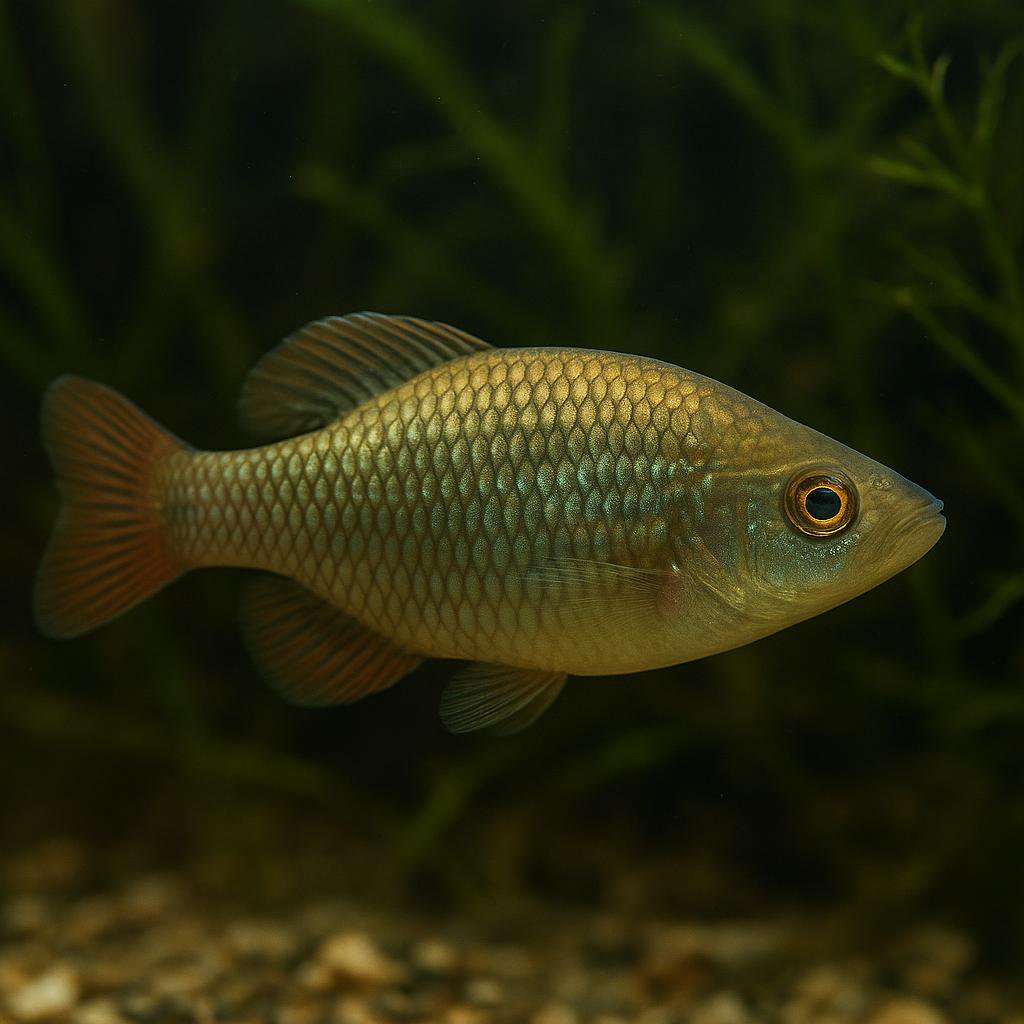
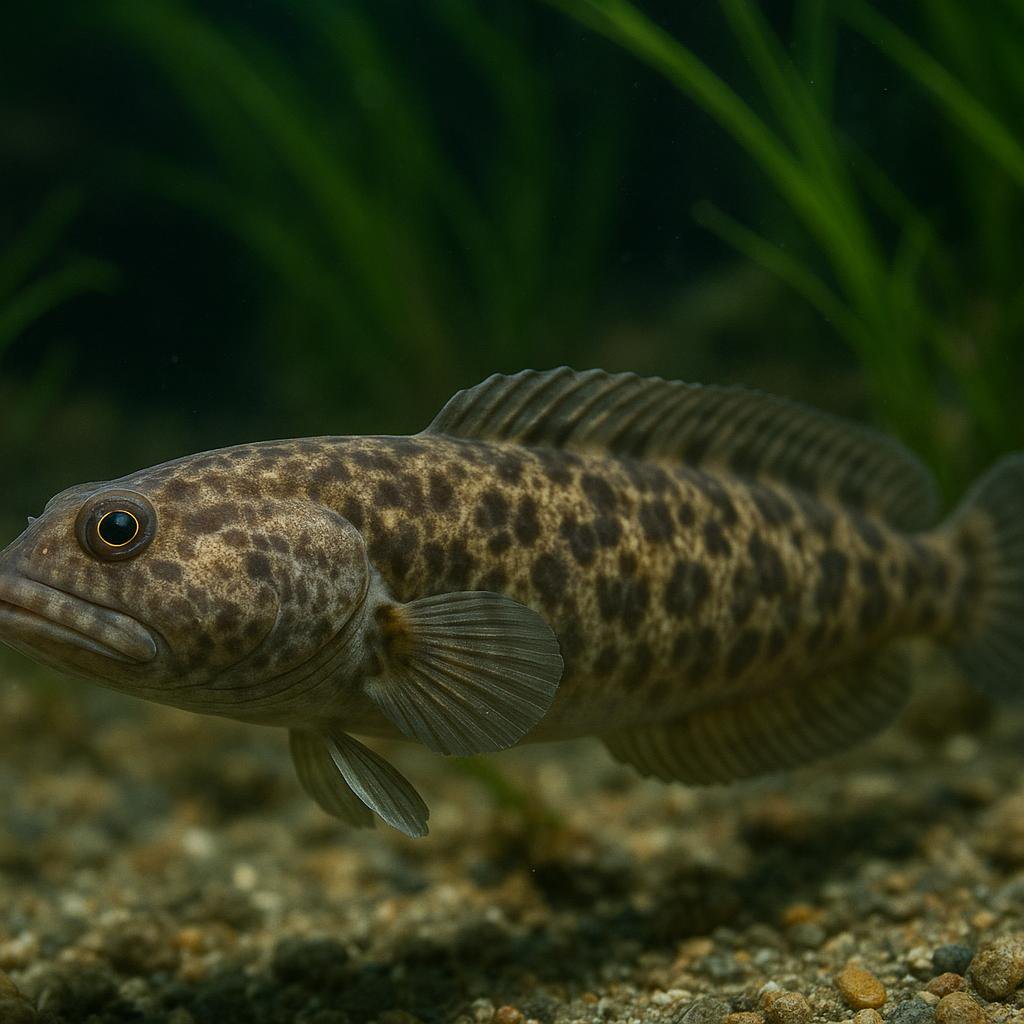
Slender mudskippers possess elongated bodies, bluish-grey coloration, and prominent pectoral fins adapted for terrestrial locomotion.
This page includes AI-generated images. Why am I seeing AI images?
About the Slender mudskipper
This is a tiny New Guinea mudskipper that lives around tidal mudflats by murky, brackish river water, and it can do the classic mudskipper trick of air-breathing when it is out of the water. In aquarium terms, think of it less like a regular "fish" and more like a little amphibious goby that wants a land area, lots of damp mud/sand to perch on, and calm brackish conditions.
Also known as
Quick Facts
Size
4.4 cm SL
Temperament
Peaceful
Difficulty
Expert
Min Tank Size
20 gallons
Lifespan
3-6 years
Origin
Oceania (New Guinea)
Diet
Carnivore/invertivore - small live or frozen foods (worms, insect larvae, small crustaceans); will sometimes take sinking meaty pellets once settled
Water Parameters
24-30°C
7.2-8.5
8-25 dGH
Need a heater for this species?
This species needs 24-30°C in a 20 gallon tank. Use our heater calculator to find the right wattage.
Calculate heater sizeCare Notes
- Build the tank like a shoreline, not an aquarium: big land area with mud/sand they can perch on, plus shallow brackish water they can hop into. A tight lid is non-negotiable because they climb and launch themselves through tiny gaps.
- Run brackish at about SG 1.005-1.015 (aim midrange and keep it steady), pH around 7.5-8.5, and warm water 25-30 C. Keep ammonia and nitrite at zero and don't let nitrate creep up - they get cranky fast in dirty water.
- They breathe air a lot, so give them easy access to air and keep the top humid; a dry, drafty open-top setup dries them out and they start looking rough. Add branches/rocks that break the surface so they can rest without constantly fighting the current.
- Feeding is mostly meaty and best done on land or at the waterline: small crabs, shrimp, worms, insects, and chunky frozen foods (mysis, krill, chopped prawn). Use tongs and target-feed so they actually get it and so food doesn't rot in the mud.
- Expect attitude: males will claim a perch and bully anything that tries to share it, and they will absolutely harass other mudskippers in tight quarters. If you want tankmates, think tough brackish fish that stay in the water (like hardy gobies) and avoid slow, fancy, or finny fish.
- Substrate matters more than people think - give them deep sand/mud (at least 8-10 cm) so they can dig and feel secure. Sharp gravel tears them up and you will end up dealing with scrapes and infections.
- Watch for skin damage and 'drying out' signs: clamped fins, dull color, hanging in water nonstop, or refusing to perch usually means stress, wrong salinity, or poor air humidity. Also check for escape routes any time you move decor because they will find the new gap.
- Breeding is a whole project: they make burrows with an air pocket and guard eggs, so you need deep mud, stable brackish, and a calm setup with multiple hides. Even if they spawn, raising larvae is not beginner-friendly, so plan on a separate rearing setup if you want to try.
Compatibility
Good Tankmates
- Other slender mudskippers (Zappa confluentus) in a small group - they are way more relaxed with their own kind as long as you give lots of shoreline and multiple little perches so nobody has to fight for the one good spot
- Bumblebee gobies (Brachygobius spp.) - they like similar low-end brackish and tend to mind their own business, just make sure everyone is eating (both can be picky) and offer plenty of hiding holes
- Knight goby (Stigmatogobius sadanundio) - a solid brackish buddy that generally ignores mudskippers if it has caves and open sand, and it can handle the same salinity range
- Figure-8 puffer (Dichotomyctere ocellatus) only if the puffer is proven chill and well-fed - in some tanks they coexist, but keep an exit plan because puffers can randomly decide toes and fins look tasty
- Mollies (Poecilia sphenops and hybrids) - hardy, used to brackish, and fast enough to stay out of the way, just do not expect them to share the land area (they stay in the water column)
- Mono and scat juveniles (Monodactylus and Scatophagus) in bigger setups - they are active but not usually mean, and they can take brackish well, but they get large and need swimming room so this is more of a 'big tank only' pairing
Avoid
- Crabs like fiddlers and most 'brackish crabs' - they will absolutely scrap over territory, and mudskippers can get injured (or the crab gets eaten or ripped up in the tug-of-war)
- Fin-nippers and jerks like tiger barbs or most cichlids - mudskippers are tough but they are not built to deal with constant harassment, especially when they are basking or hopping between spots
- Big predators like archerfish or larger puffers - anything that can fit a mudskipper in its mouth or take a chunk out when it is on the edge of the water is a hard no
Where they come from
Slender mudskippers (Zappa confluentus) are the kind of fish that make you double-take because they are not really trying to be underwater fish. They come from coastal mudflats and mangrove edges where the tide comes and goes, leaving warm, shallow puddles, slick mud, and lots of air exposure.
Think brackish backwaters: shifting salinity, blazing sun, and a daily routine of crawling, perching, and hunting little critters on the surface. If you set the tank up like a normal aquarium, you will be fighting their nature the whole time.
Setting up their tank
This is more like building a tiny shoreline than setting up a fish tank. They need land, shallow water, and a way to get completely out of the water whenever they want. The water side is still brackish, filtered, and heated, but the land side is what makes or breaks the setup.
Mudskippers are escape artists. A small gap around a filter pipe or lid corner is enough. Use a tight-fitting lid, block all cutouts, and keep the water level low so they cannot launch themselves out.
- Tank style: paludarium with a big land area (at least half the footprint as land is a good starting point).
- Footprint matters more than height. Wider and longer beats tall every time.
- Water depth: shallow (they are happy in a few inches / 8-15 cm), with gentle slopes so they can climb out easily.
- Land: sand/mud mix or fine sand with packed areas; add flat rocks and mangrove-like wood for perches.
- Salinity: brackish, mixed with marine salt (not freshwater 'aquarium salt'). Aim stable rather than chasing exact numbers.
- Filtration: gentle but capable. They are messy eaters, and leftover meaty food will foul water fast.
- Heat and humidity: warm water and warm air. A covered top helps hold humidity so they do not dry out during long basking sessions.
- Light: normal day/night cycle. If you use strong lights, give shaded spots so they can get out of the glare.
If you are new to brackish, buy a refractometer. Hydrometers can be all over the place, and mudskippers do not appreciate salinity swings from 'close enough' mixing.
I like to build the land with stacked rock or egg-crate style supports, then cap it with sand so it does not collapse. Leave a few shallow pools and damp zones. They spend a lot of time in that in-between area where the sand is wet but not submerged.
What to feed them
They are little predators with a big appetite, and they prefer food they can grab and chew at the surface or on land. Most will ignore flakes and pellets unless they are trained from young, and even then, meaty foods get the best response.
- Staples: small crickets, roaches (tiny ones), fly larvae, earthworm pieces, blackworms, bloodworms, mysis, chopped shrimp.
- Occasional treats: small snails, tiny pieces of clam or fish, live ghost shrimp (in brackish they do fine for a bit).
- Feeding style: target feed with tweezers or drop food right at the waterline and on favorite perches.
- Schedule: small meals more often beats one huge dump of food. They will gorge and the leftovers will rot.
Train them to a feeding spot. Same rock, same corner, same time. It makes it way easier to monitor who is eating and keeps food out of the substrate.
Watch for vitamin gaps if you lean hard on one frozen food. I rotate at least 3-4 different items. If they start getting picky, live foods usually reset their enthusiasm.
How they behave and who they get along with
Slender mudskippers have a lot of personality. They perch, posture, and will absolutely claim favorite spots. You will see head-bobbing and little shoving matches, especially around prime basking rocks and feeding areas.
Aggression is real, and cramped setups make it worse fast. If you cannot give them space and multiple land perches, do not try to pack a group in.
- Best kept: species-only, especially while you are learning their rhythms.
- Group dynamics: more hiding spots and more 'good' perches reduces bullying. Watch for one fish pinning another away from the land area.
- Tankmates: most 'community brackish fish' are a mismatch because mudskippers want land access and they hunt anything small enough.
- Inverts: consider them food unless proven otherwise.
If you really want tankmates, think in terms of: can they handle the same salinity, will they stay in the water portion, and can they avoid being mistaken for lunch. Even then, you are adding stress and competition in a tank that already has a lot going on.
Breeding tips
Breeding mudskippers in home setups is possible in the broader group, but it is not a casual project. They typically use burrows and need the right substrate depth and structure, plus stable seasonal cues. With slender mudskippers specifically, most hobbyists do not stumble into breeding by accident.
- Deep, diggable substrate zones help (think several inches / 10+ cm in at least part of the land area).
- Keep humidity high and give them quiet. Constant disturbances or heavy tank maintenance can stop any courtship behavior.
- Watch for pair formation and one fish guarding an area. If you see repeated chasing in one corner and digging behavior, you may be getting close.
- If eggs or fry appear, expect them to be extremely vulnerable to tankmates and even other mudskippers.
If your goal is breeding, plan the whole build around burrowing and separation from day one. Trying to retrofit a display paludarium into a breeding setup is a headache.
Common problems to watch for
Most losses I have seen (and a couple close calls in my own tanks) come down to three things: escapes, dirty water from meaty foods, and the land area being wrong. These fish can handle a lot, but they do not handle the wrong kind of setup.
- Escape and desiccation: check the lid weekly, especially after maintenance.
- Skin issues and fin damage: often from fighting, rough decor, or too-dry air. Provide damp zones and smooth perches.
- Ammonia/nitrite spikes: common in new builds and after heavy feeding. They are messy and brackish tanks can cycle slower than people expect.
- Moldy, sour substrate: happens if the land stays waterlogged without ventilation or if food gets buried. Spot clean and do not overfeed.
- Incorrect salt: use marine salt mix. Plain sodium chloride does not give the buffering and minerals brackish setups usually need.
- Temperature swings: shallow water changes temperature quickly. Keep the room and tank stable.
If one starts hiding all the time, stops basking, or keeps getting shoved off the land, treat it like a problem right away. With mudskippers, 'acting off' usually has a clear cause: bullying, poor land access, or water quality.
Similar Species
Other brackish peaceful species you might be interested in.
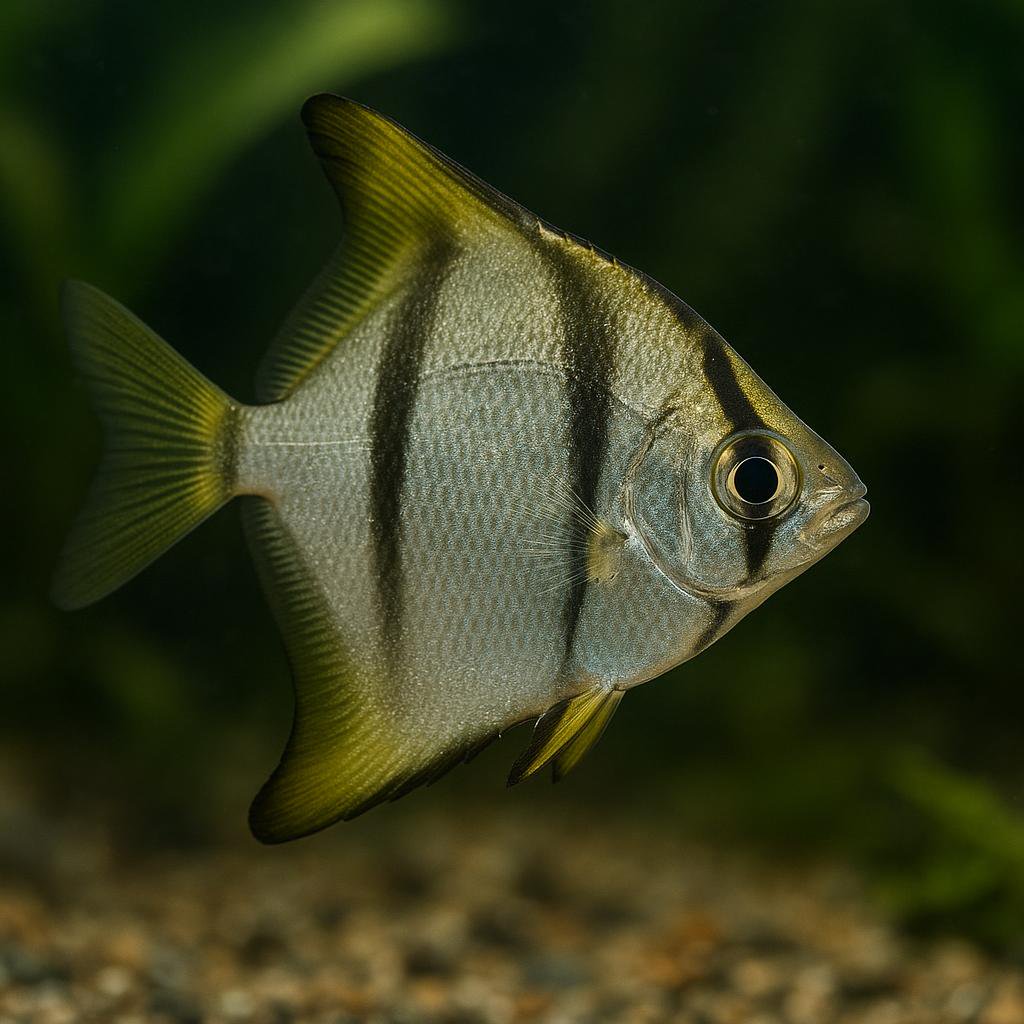
African moony
Monodactylus sebae
This is that shiny, diamond-shaped "mono" that cruises around in a tight pack and looks like a little silver dinner plate with black bars when it's young. The big thing with African moonies is they're euryhaline-so they'll tolerate freshwater as juveniles, but they really shine long-term in brackish (and can be transitioned toward marine as they mature). Give them a big, open tank and a group, and they turn into nonstop, super fun midwater swimmers.
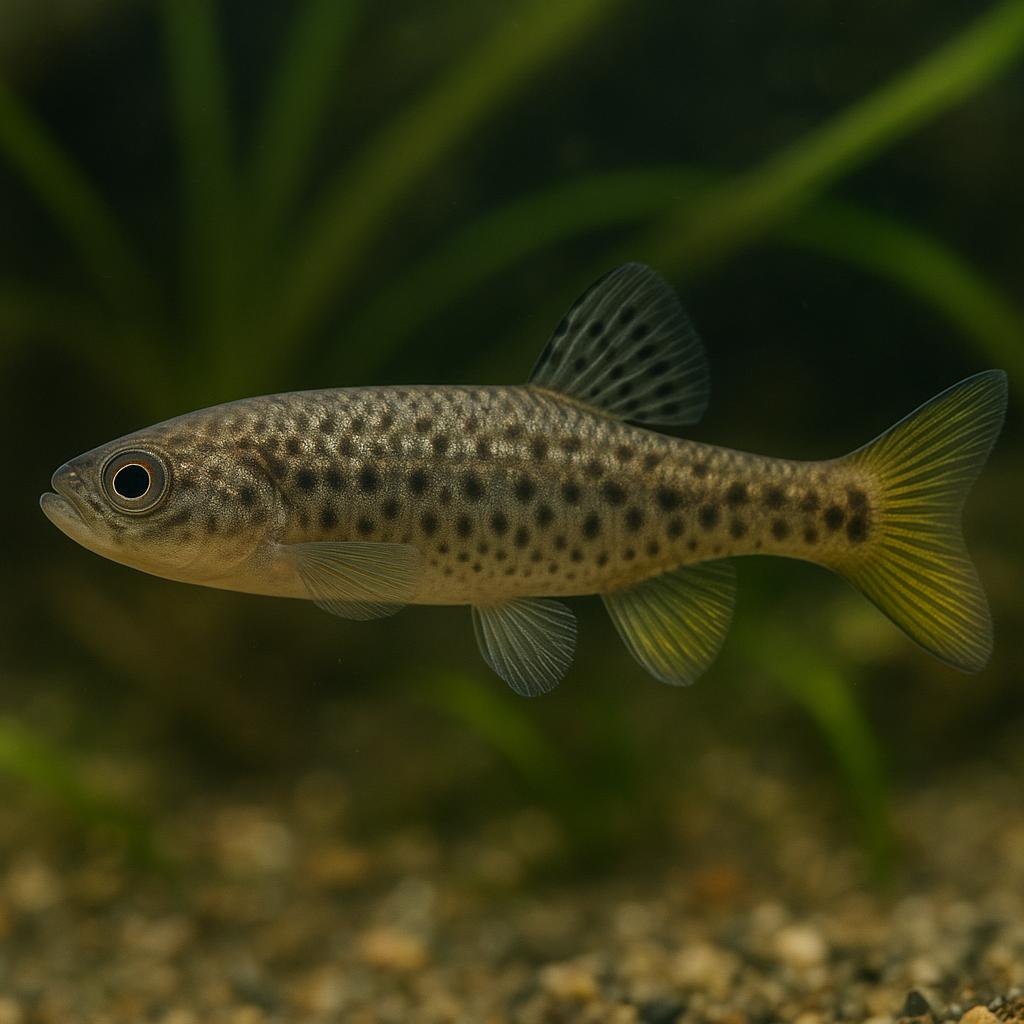
American shadow goby
Quietula y-cauda
This is a little mudflat goby from California down into the Gulf of California that loves hanging tight to the bottom and vanishing into burrows. The neat tell is that sideways Y-shaped blotch right at the base of the tail, plus the row of dark spots along the side. Its whole vibe is brackish estuary life - calm water, soft substrate, lots of hiding holes.
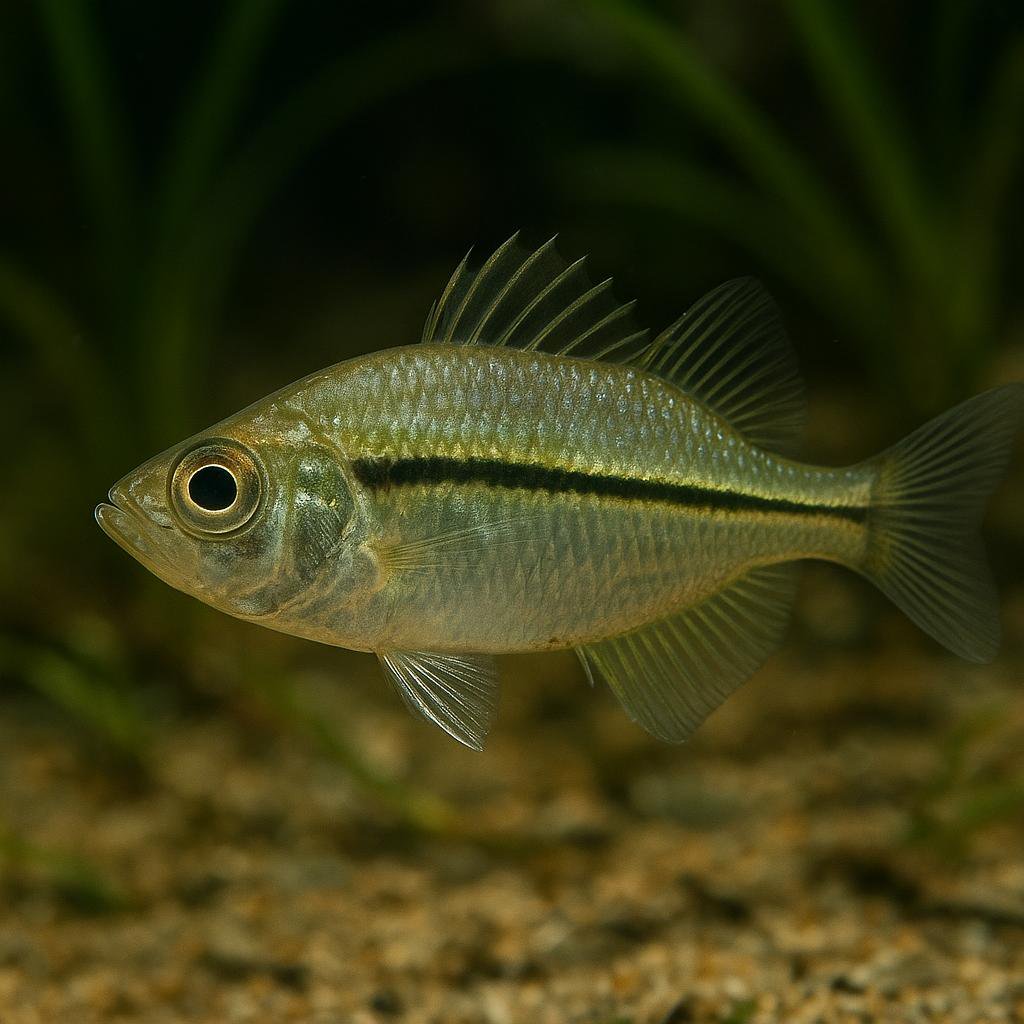
Banded-tail glassy perchlet
Ambassis urotaenia
This is one of those see-through glassy perchlets where you can literally watch the organs shimmer when it turns-super cool in the right lighting. In the wild it hangs around river mouths and mangroves and cruises in groups, so it does best when you keep a little gang of them and give them some open swimming room.
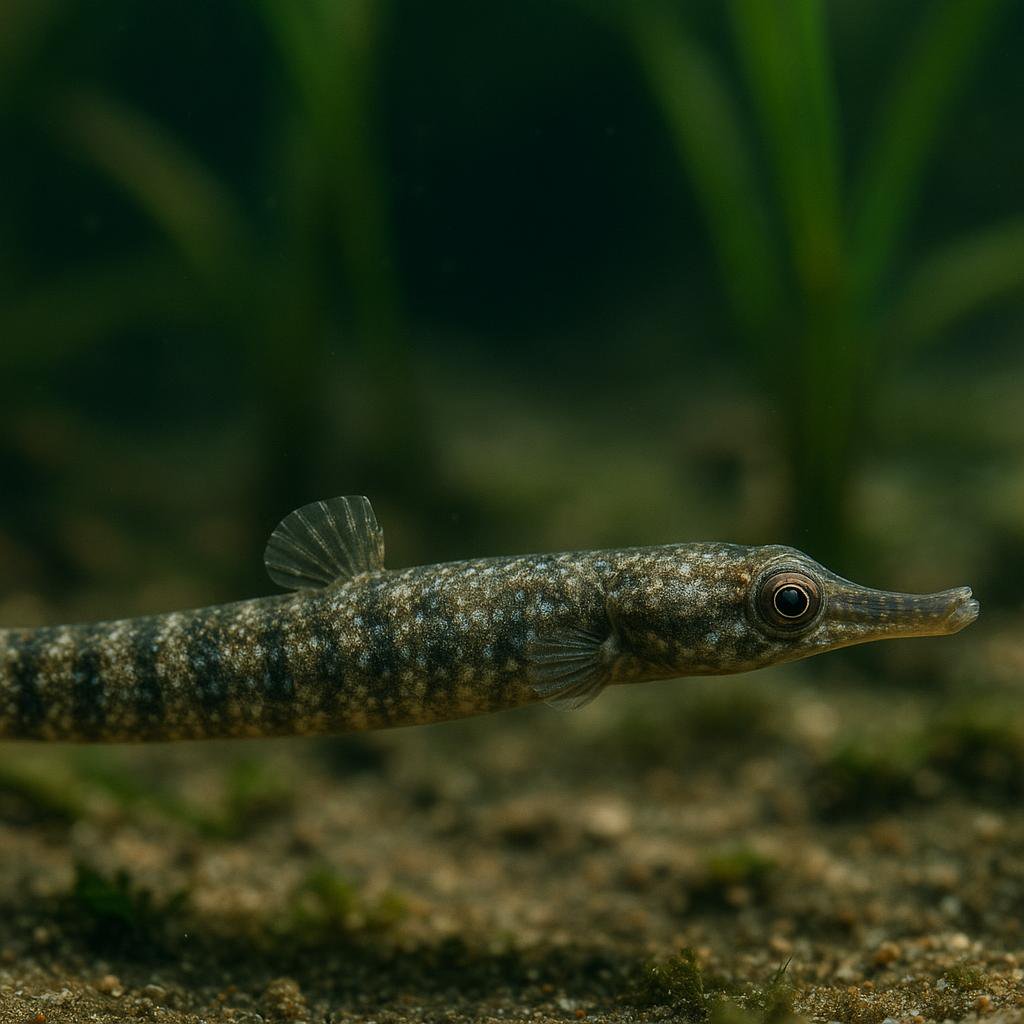
Barbed pipefish
Urocampus nanus
Urocampus nanus (barbed pipefish) occurs in protected inshore and estuarine habitats among seagrass (Zostera) in the Northwest Pacific (southern Japan and adjacent coasts). Like other syngnathids, males brood eggs in a pouch under the tail and produce fully formed young.
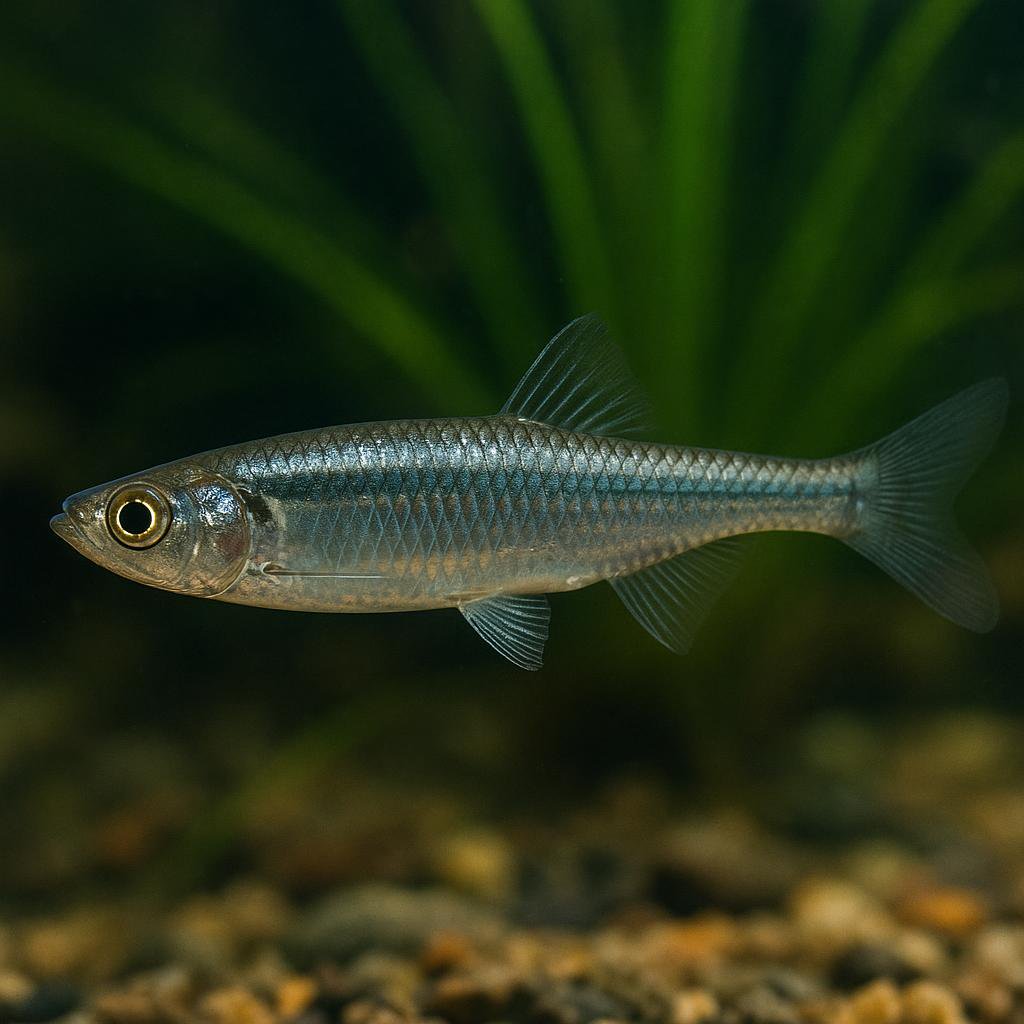
Beach silverside
Atherinella blackburni
This is a little coastal silverside that cruises the shallows in loose groups and flashes like a tiny chrome dart when the light hits it right. In the wild it hangs around beaches, estuaries, and lagoons, picking at small drifting foods in the surf zone. It is cool, but its real "gotcha" is that it is an open-water, salt-tolerant schooling fish that does best in bigger, well-oxygenated setups rather than a typical planted community tank.
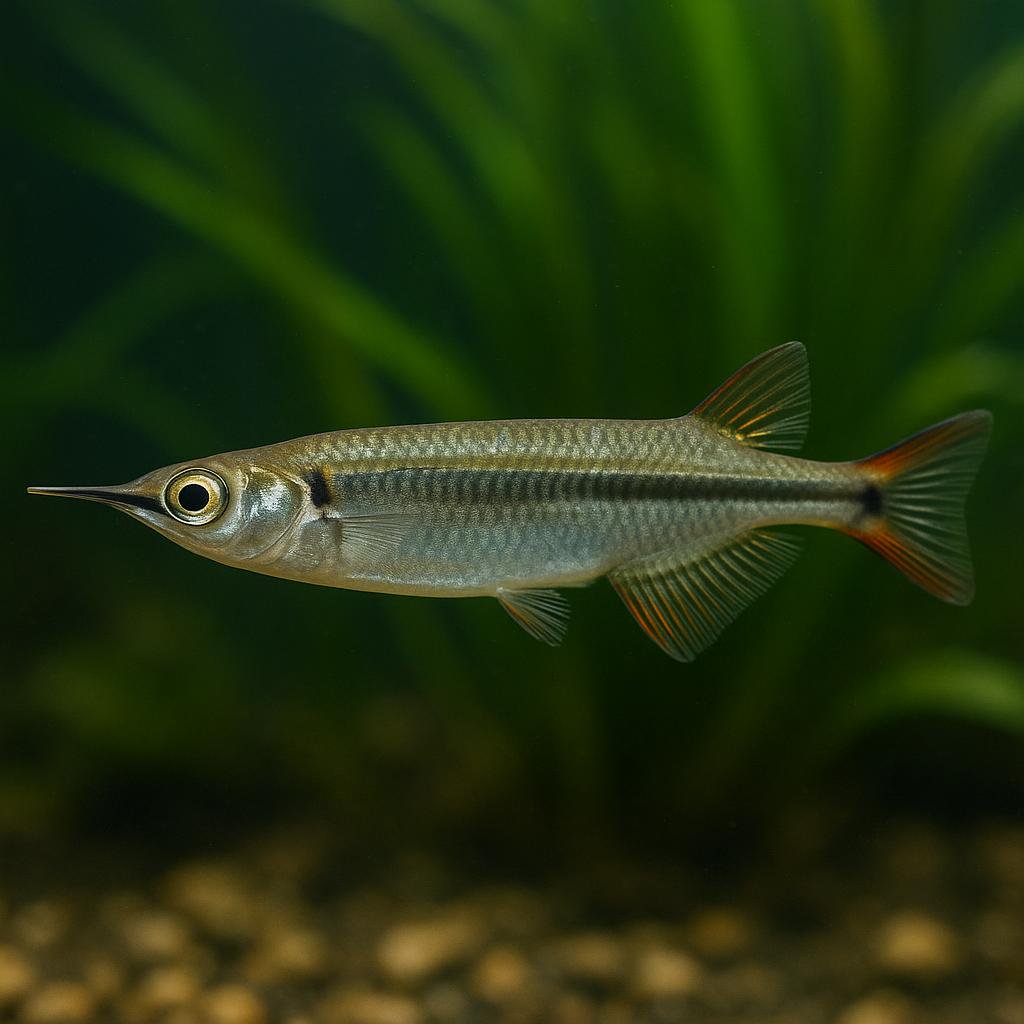
Buffon's river-garfish
Zenarchopterus buffonis
This sleek, surface-dwelling halfbeak has a distinct dark stripe along the snout and is typically found at the surface in coastal waters, estuaries, and rivers where it feeds on terrestrial insects. In aquaria it does best with floating/surface foods and a secure cover, and it requires brackish (or marine) conditions long-term. Reproduction is internally fertilized; FishBase lists the species as ovoviviparous.
More to Explore
Discover more brackish species.
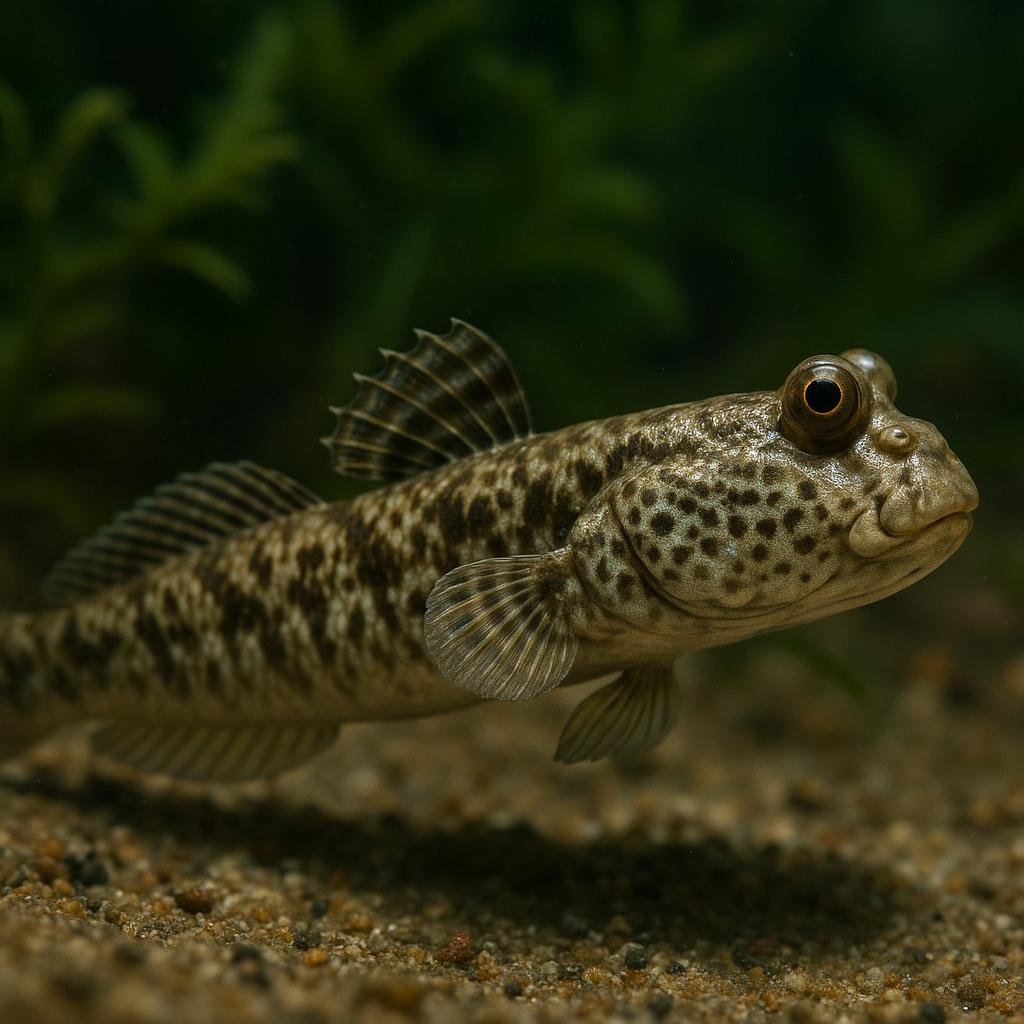
Atlantic Mudskipper
Periophthalmus barbarus
This is that wild little amphibious goby that straight-up climbs around on land like it forgot it was a fish. They've got big googly eyes, tons of personality, and they'll perch, hop, and patrol their territory-honestly more like a tiny crabby lizard than a "regular" aquarium fish.
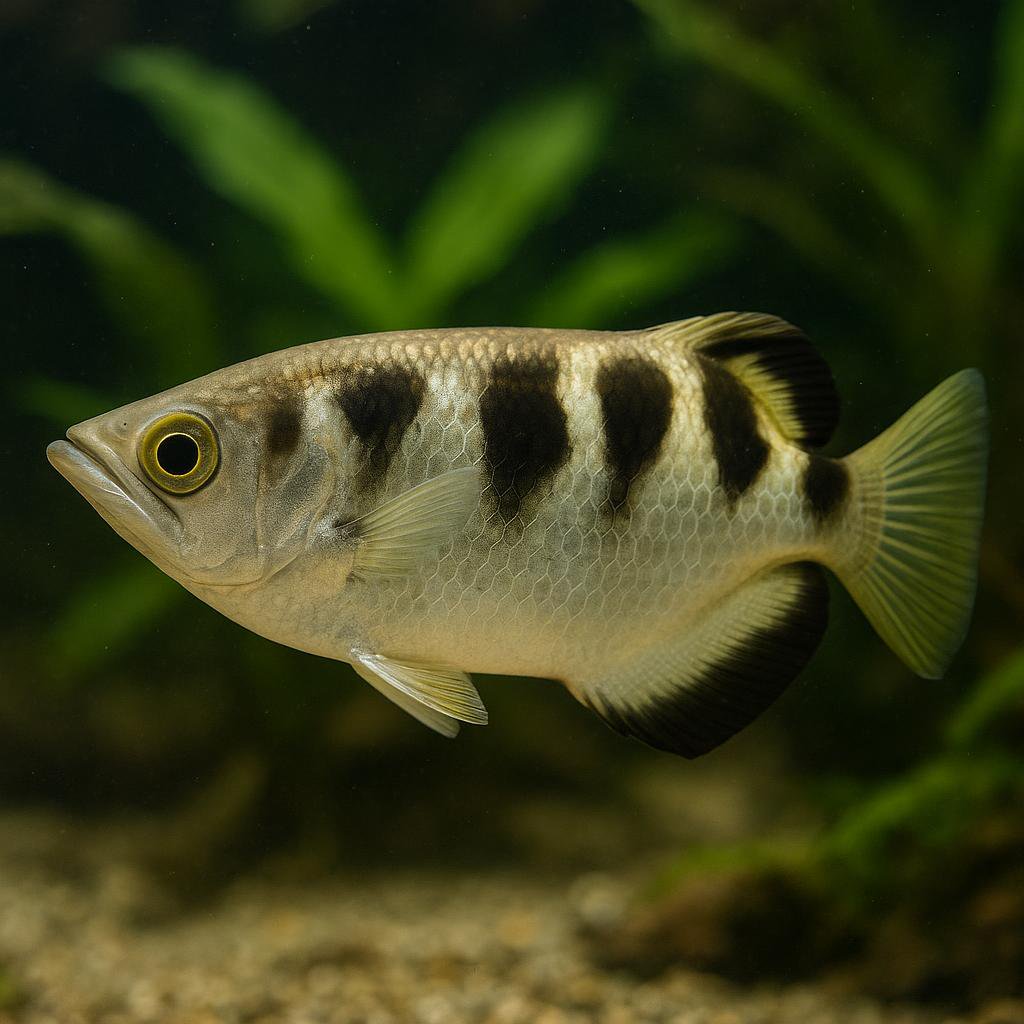
Banded Archerfish
Toxotes jaculatrix
This is the fish that literally spits jets of water to knock insects off branches-watching one "take aim" is unreal. They're super aware of what's going on outside the tank and will even learn to beg and snipe food from the surface once they settle in. Give them height and some open swimming room and they act like little aquatic sharpshooters.
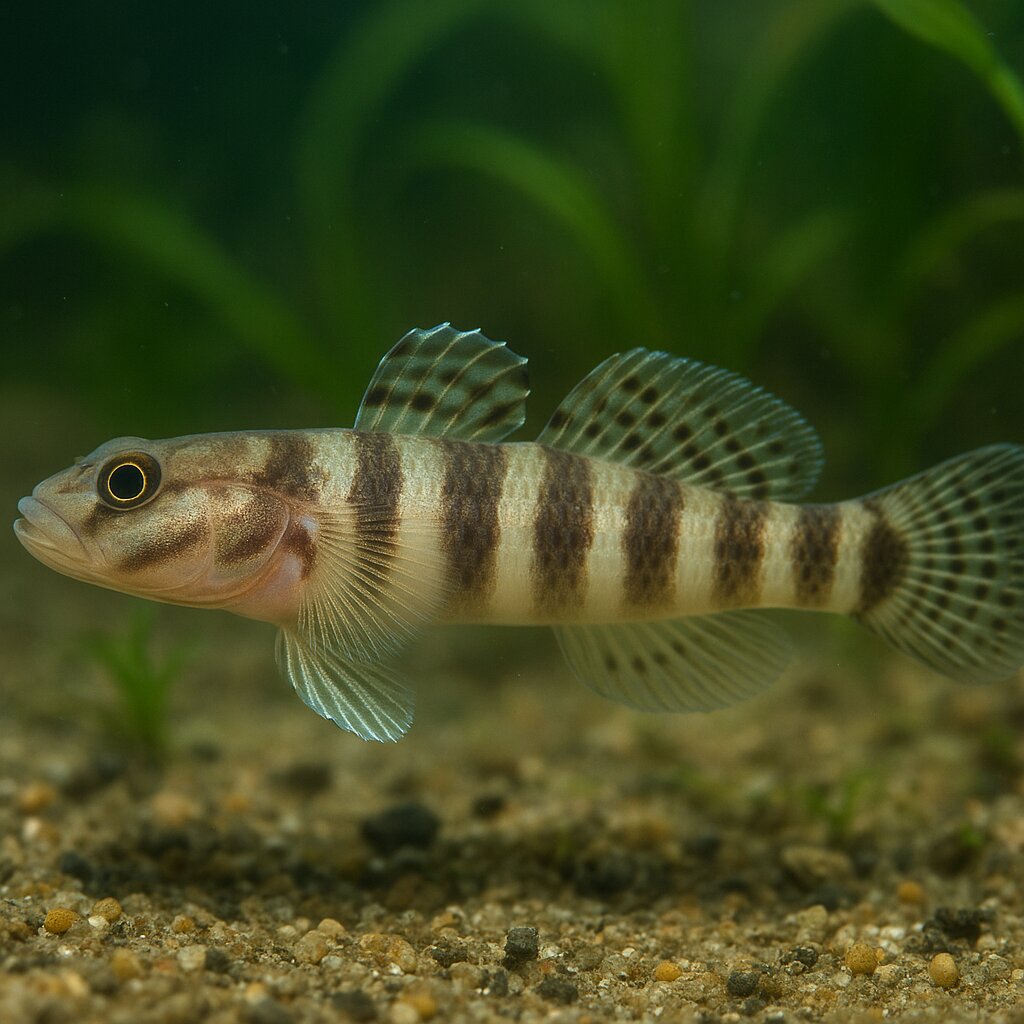
Banded mulletgoby
Hemigobius hoevenii
Neat little mangrove goby that hugs the bottom and hangs around leaf litter. The bold diagonal bars and tail spot look great, and it hunts like a tiny ambush predator, darting out for bites. Keep it gently brackish and it settles in nicely, cruising among roots and wood.
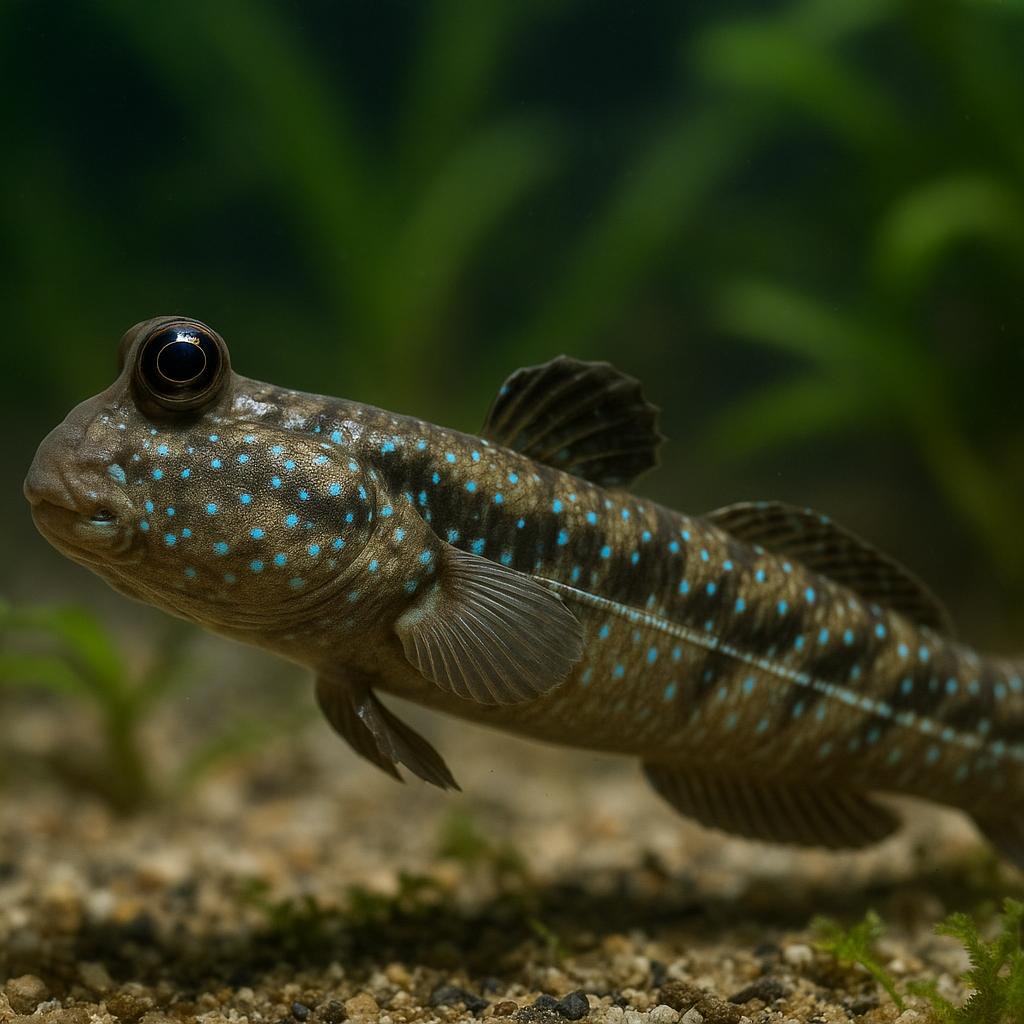
Barred mudskipper
Periophthalmus argentilineatus
This is one of those classic "walks around like it owns the place" mudskippers-big goofy eyes, climbs, hops, and spends a ton of time out on the mud when it's humid. In the wild it lives on intertidal mangrove/nipa mudflats and even shuttles between little pools and open air, hunting worms, insects, and small crustaceans. It's super fun to watch, but it really wants a brackish paludarium setup (not a normal aquarium).
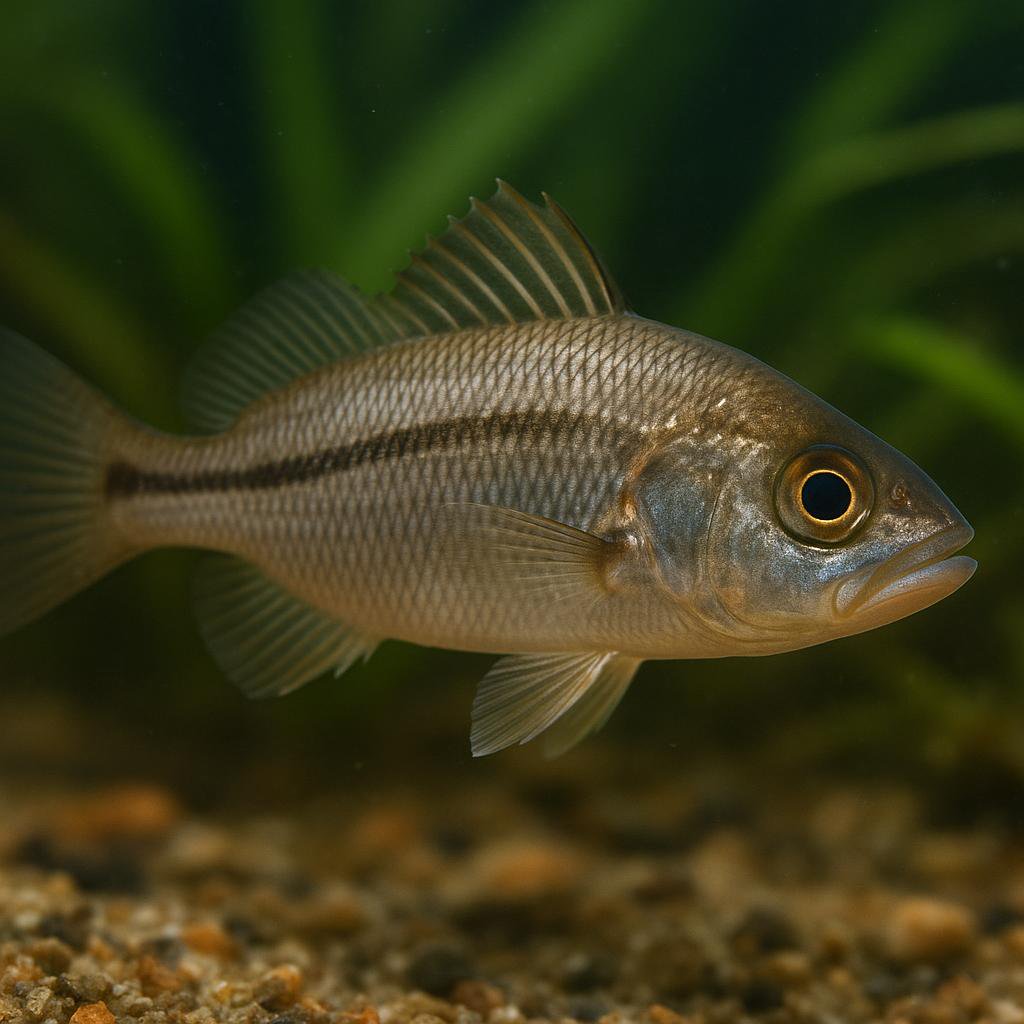
Bellfish
Johnius fuscolineatus
Johnius fuscolineatus (Bellfish/African bearded croaker) is a small coastal sciaenid from the southwestern/western Indian Ocean (Mozambique, South Africa, Madagascar), occurring in shallow marine waters (reported 0–50 m) and also associated with coastal/estuarine habitats.
Blotched eelpout
Zoarces gillii
Zoarces gillii is a cold-temperate eelpout from the Northwest Pacific that hugs the bottom over sandy-mud inshore areas and even pushes into estuaries. It's got that long, eel-like body and a sneaky, sit-on-the-bottom predator vibe - very much a cool-water, brackish-to-marine oddball rather than a typical tropical aquarium fish.
Looking for other species?