

Vogelkop river garfish
Zenarchopterus ornithocephala
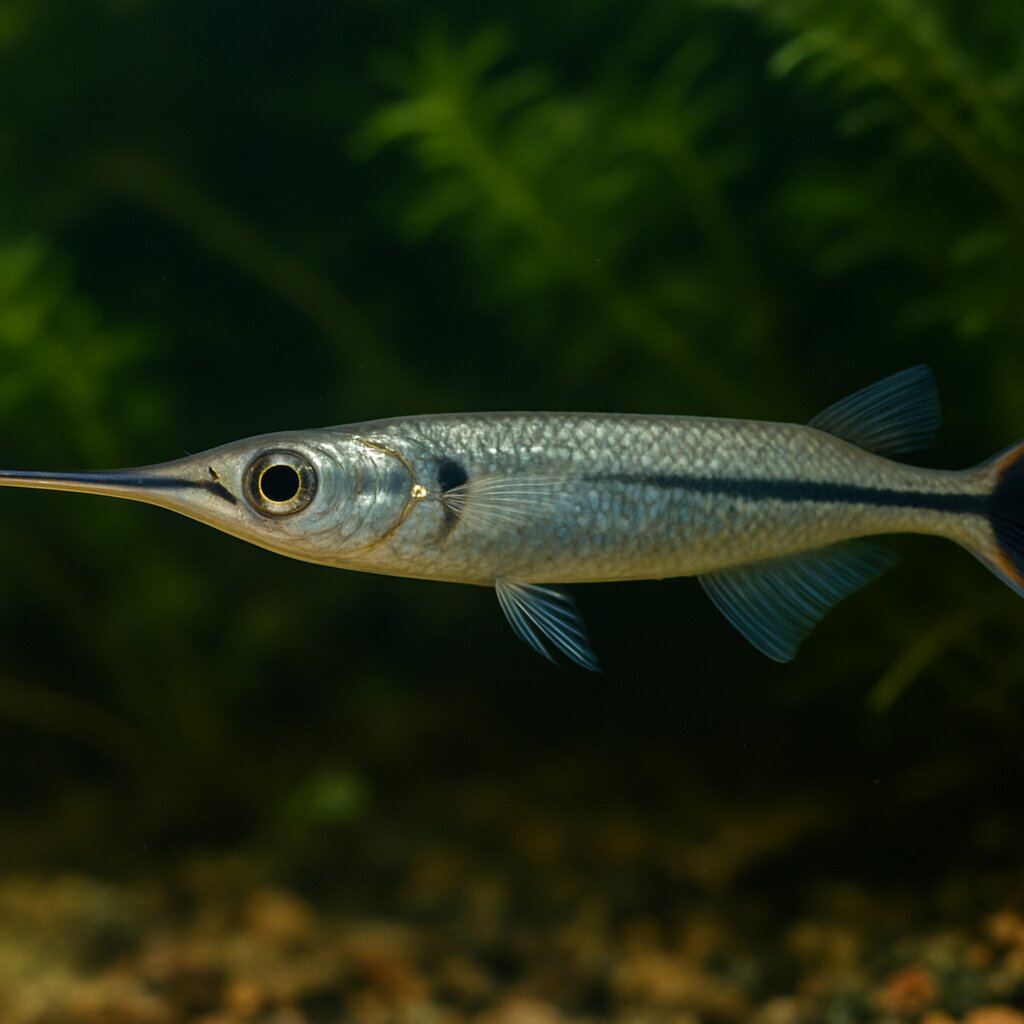
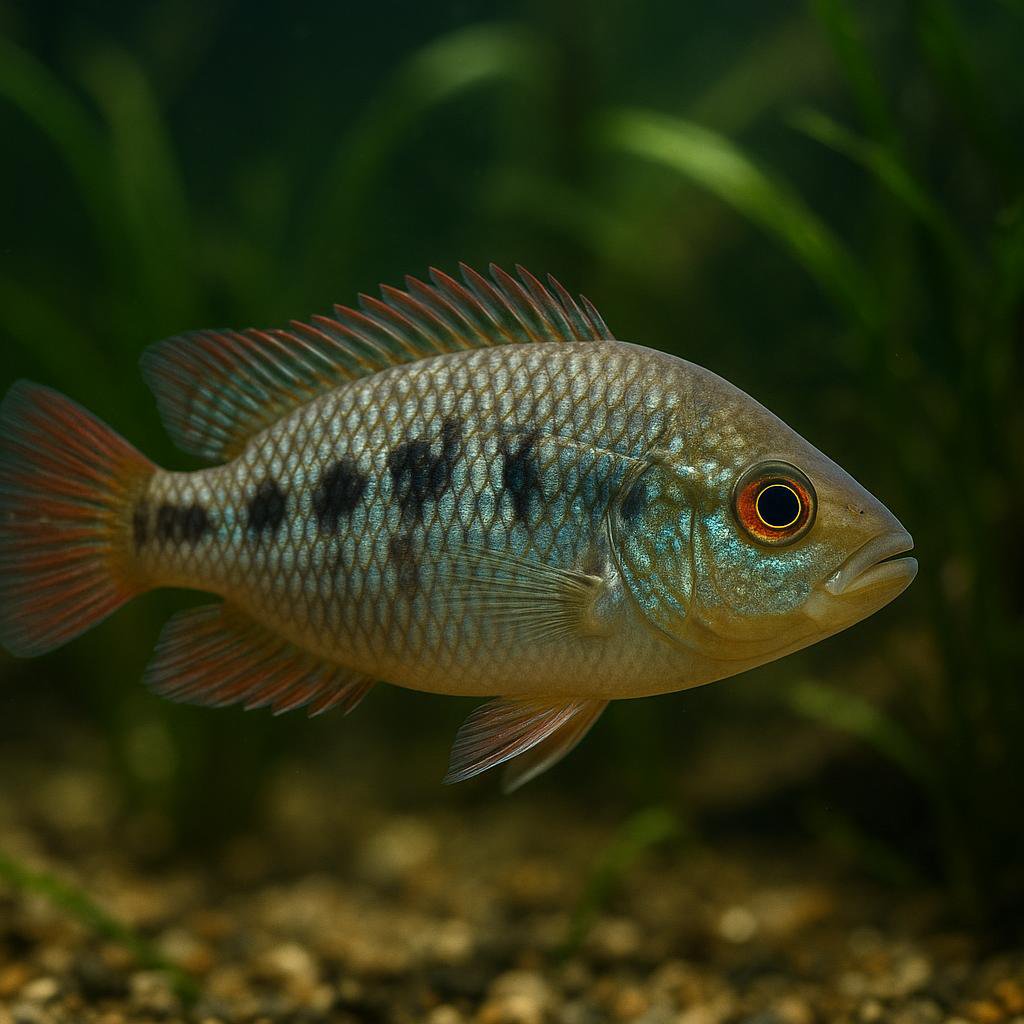
The Vogelkop river garfish features a slender, elongated body with a distinctive elongated snout and a vibrant green-blue coloration.
This page includes AI-generated images. Why am I seeing AI images?
About the Vogelkop river garfish
A slim, surface-cruising halfbeak from the Bird's Head (Vogelkop) Peninsula of West Papua, Indonesia. It hangs right under the surface and snaps up insects with that quirky long lower jaw, so a tight lid and some floating cover are must-haves. Not a beginner fish, but super cool to watch once it settles in.
Also known as
Quick Facts
Size
12.5 cm SL
Temperament
Semi-aggressive
Difficulty
Advanced
Min Tank Size
30 gallons
Lifespan
3-5 years
Origin
New Guinea - West Papua (Vogelkop/Bird's Head Peninsula), Indonesia
Diet
Carnivore - floating pellets, insects, small crustaceans; takes frozen and live surface foods
Water Parameters
24-28°C
5.5-7.5
1-10 dGH
Need a heater for this species?
This species needs 24-28°C in a 30 gallon tank. Use our heater calculator to find the right wattage.
Calculate heater sizeCare Notes
- Give them a long tank with a tight, gapless lid; these are missile-grade jumpers and need surface runway more than depth. Think 4 ft/120 cm length for a group, with floating plants to break sight lines.
- They are true freshwater halfbeaks, no salt needed. Shoot for 77-82 F (25-28 C), pH 6.4-7.4, GH 3-10, gentle surface flow, and keep nitrates under ~20 ppm with regular small water changes.
- Feed at the surface: live or frozen mosquito larvae, Daphnia, small crickets/fruit flies, and high-quality floating micro-pellets. Do small feeds 2-3x daily and avoid oily foods that leave a film on the surface.
- They spar and lip-joust, so either keep 1 male with 2-3 females or a group of 6+ to spread the attitude. Tankmates should be calm mid-bottom fish (Corys, small rainbows, rasboras); skip barbs, danios, cichlids, and any fast surface hitters.
- Snout damage is the classic fail with these; keep decor smooth, leave a little air gap under the lid, and dim the lights if they keep spooking. Once the beak is bent, it rarely fixes itself.
- Acclimate slowly and move them in a container, not a net (their beaks snag). Cover the tank and the floor during maintenance because they will rocket out if startled.
- They are livebearers; males have a modified anal fin (andropodium) and gestation runs roughly 4-6 weeks. Adults eat fry, so use dense floating plants or a surface mop and feed newborns tiny live foods like vinegar eels, microworms, or newly hatched brine shrimp at the surface.
- Wild-caught fish often arrive skinny or wormy; quarantine and deworm (prazi/levamisole) before adding to the display. Watch for white fuzz on the beak or rapid breathing, which usually means you need cleaner water and more oxygen.
Compatibility
Good Tankmates
- Peaceful bottom dwellers like corydoras and kuhli loaches - they stick to the floor and ignore the surface skirmishes
- Calm midwater schoolers like harlequin rasboras or larger-bodied tetras (rummy nose, bleeding heart) - quick enough to avoid bumps, not nippy
- Small algae crew like otocinclus or a bristlenose pleco - they mind their business and keep to glass and wood
- Hard-shelled cleanup crew like amano shrimp and nerite or mystery snails - adults are fine, just expect baby shrimp to get hunted
Avoid
- Fin nippers like tiger barbs, serpae tetras, or Buenos Aires tetras - they will shred those beaks and stress them out
- Slow fish with fancy fins like bettas, guppies, and longfin varieties - tempting targets for halfbeak pecks
- Other surface specialists that compete or spark fights, like hatchetfish or extra male halfbeaks in tight quarters
- Big or boisterous bruisers like larger cichlids, giant danios, or bala sharks - too pushy and likely to spook or swallow them
Where they come from
Vogelkop river garfish are halfbeaks from the Bird's Head Peninsula of West Papua, Indonesia. Think clear, slow forest streams and calm river margins with overhanging branches and lots of insect life. They hang right under the surface and pick off anything that lands there.
Setting up their tank
They live at the surface and want horizontal space more than height. A 36-inch long tank is the minimum I would use for a small group, and 40 gallons gives you some breathing room.
- Footprint - long tank, tight-fitting lid with every gap covered
- Flow - gentle. They dislike strong currents slamming them into glass
- Scape - open surface lanes with floating plants like Salvinia or water sprite, plus some emergent wood or stems
- Substrate - whatever you like; they barely use the bottom. Keep it clean
- Lighting - moderate. Dappled shade from floaters makes them bolder
Water-wise, they do best once the tank is fully mature. Aim for 75-82 F, pH around neutral to slightly alkaline, and some minerals in the water. If your tap is very soft, add a bit of crushed coral or a mineral mix so the KH and GH are not near zero.
Jump-proof the tank. They rocket out through tiny openings. Cover filter cutouts and cable gaps. I even tape fine mesh over feeding slots.
Put a sponge pre-filter on intakes. Halfbeaks jam their beaks into everything and can scrape them on hard plastic.
Most are fine in freshwater. If your fish come in rough from shipping, a very low salinity bump (1-2 g/L marine salt) for a couple weeks has helped me settle them, then I taper back to fresh.
Acclimate slowly with lights off. I drip for 45-60 minutes and keep a lid over the bucket. They panic-jump during netting, so use a specimen box, not a net.
What to feed them
They are surface hunters. If food sinks, they ignore it. Start with live or frozen to get them eating, then work in prepared foods once they calm down.
- Live or frozen: mosquito larvae, small crickets, fruit flies, Daphnia, baby brine shrimp, chopped bloodworms
- Prepared: high-quality floating pellets or sticks, insect-based flakes crumbled to stay at the top
- Feeding style: small portions 2-3 times daily so they do not have to compete with midwater fish
Use a feeding ring. It keeps food trapped at the surface so the filter does not steal it and the fish learn exactly where to wait.
Skip fatty mammal meats and do not rely only on tubifex or raw fish. That path leads to bloat and long-term health issues.
How they behave and who they get along with
Expect surface cruising, quick dashes, and some jaw-to-jaw sparring from males. It looks dramatic but is normal. What they cannot handle is constant harassment or being outcompeted for food.
- Group: best as 1 male with 2-4 females, or a larger group with multiple males only in a long tank so aggression spreads out
- Good tankmates: peaceful bottom and midwater fish that do not crowd the surface, like Corydoras, kuhli loaches, small peaceful tetras or rasboras, Stiphodon gobies
- Use caution: small rainbows or blue-eyes can be too zippy at the surface and steal every bite
- Avoid: fin nippers, barbs, big cichlids, gouramis that lurk at the top, hatchetfish, and anything likely to grab those beaks
Shrimp adults might be fine, but shrimplets are snacks. Snails are generally safe.
Breeding tips
These are livebearing halfbeaks. Males have a modified anal fin called an andropodium used for mating. A well-fed female will drop a small batch of fry about once a month once settled.
- Setup: dense floating plants and fine-leaved stems near the surface give fry places to vanish
- Ratios: 1 male per 2-4 females cuts down on nonstop chasing
- Catching fry: adults may eat newborns. I watch in the morning, then move fry to a grow-out box
- Feeding fry: baby brine shrimp, microworms, and finely sieved Daphnia from day one
Breeder traps stress halfbeaks. If you must separate a gravid female, use a roomy, planted breeder box with the same water and strong cover on top.
A tiny bit of added minerals and very clean, warm water helps fry develop straight beaks and grow fast.
Common problems to watch for
- Beak injuries from glass, nets, or filter parts. Keep surfaces smooth, use specimen containers, and sponge intakes
- Jumping. Any sudden shadow or slam of a door can launch them. Tight lid, always
- Starving in community tanks. If they look thin behind the head, feed separately and float food right in front of them
- Shipping parasites. De-worming with a gentle internal parasite protocol right after quarantine has saved me a lot of grief
- Mouth fungus on scrapes. Tidy water and a targeted antibacterial work well if you catch it early
- Ammonia spikes. They hate new tanks. Cycle fully, keep nitrates low, and change water steadily, not in giant swings
Consistency beats perfection. Stable temperature, steady water changes, and predictable feeding times make these fish relax and show their best behavior.
Similar Species
Other freshwater semi-aggressive species you might be interested in.
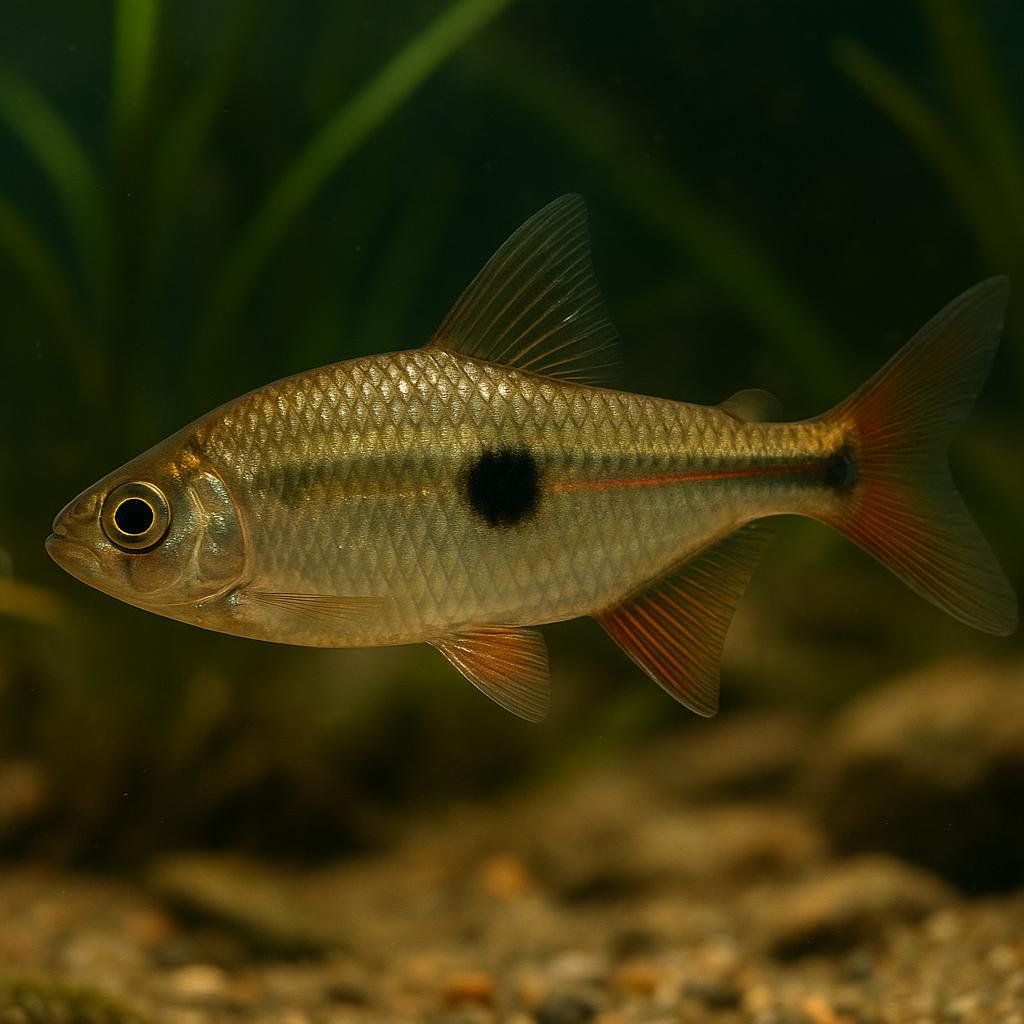
Jupiaba kurua
Small South American characin endemic to the upper rio Curuá (rio Xingu basin, Brazil). Reaches about 8.7 cm SL and inhabits clearwater rivers. Distinguished by dark dots on the bases of many lateral scales and a distinct dark caudal‑peduncle spot. Reported diet indicates omnivory, including aquatic insects, small fishes, and fragments of Podostemaceae and filamentous algae.
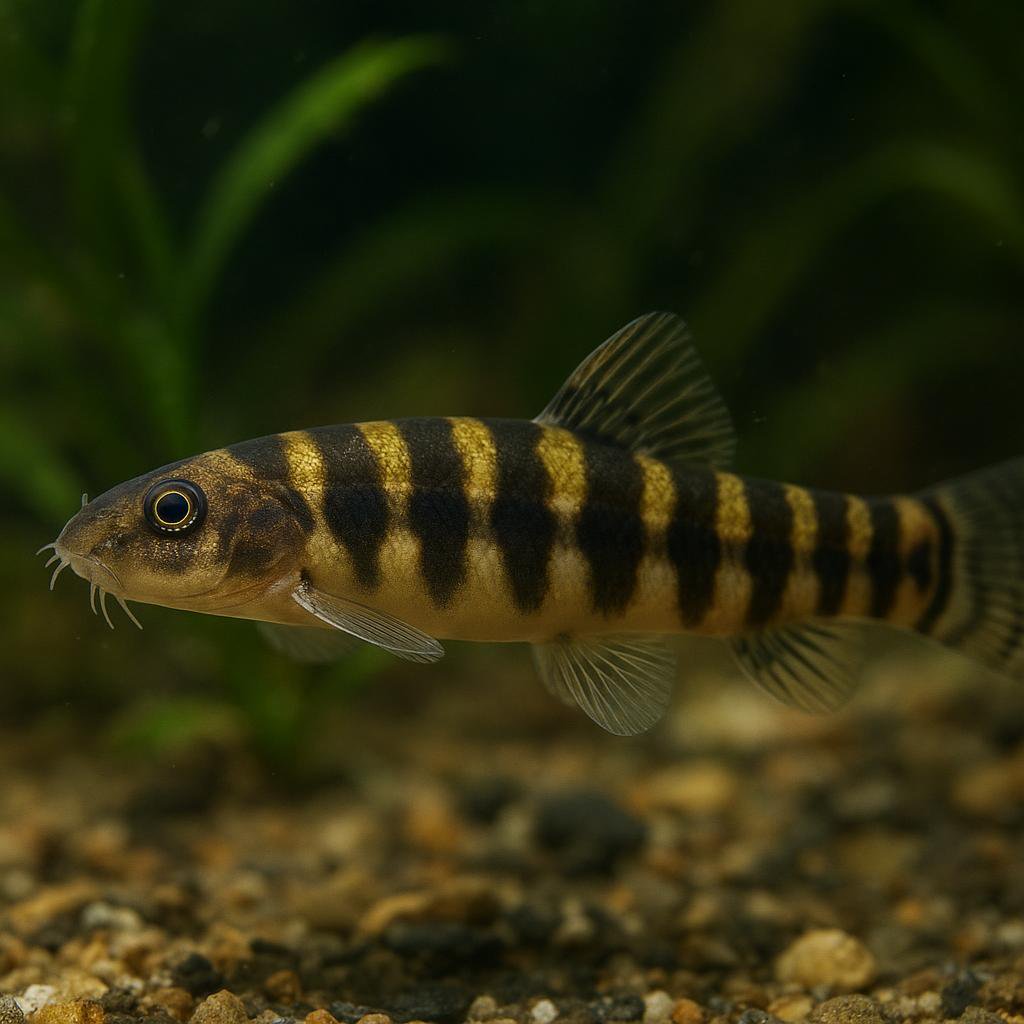
Altipedunculata stone loach
Schistura altipedunculata
Schistura altipedunculata is one of those little stream loaches that wants clean, well-oxygenated water and a bunch of rock nooks to claim as home. It is a bottom-hugger that will spend its day scooting from crevice to crevice, and it tends to get a bit spicy with its own kind if you do not give it enough hiding spots.
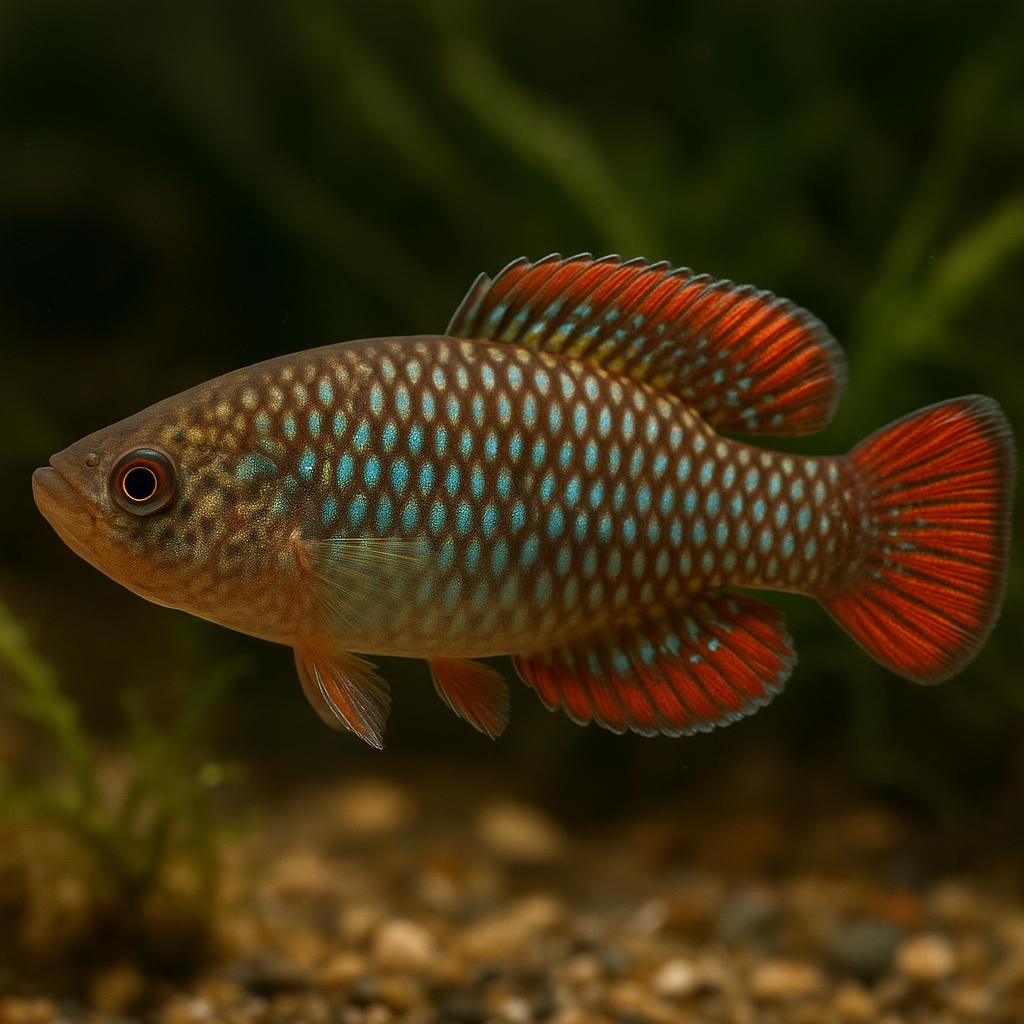
American flagfish
Jordanella floridae
Jordanella floridae is that little Florida native with the red-and-cream striping that really does look like a tiny flag once a male colors up. They graze algae like champs (especially stringy/hair algae), but they have a bit of attitude - give them plants and space so the bossy behavior stays manageable. Bonus: the male guards the eggs and will actively fan them, which is pretty fun to watch.
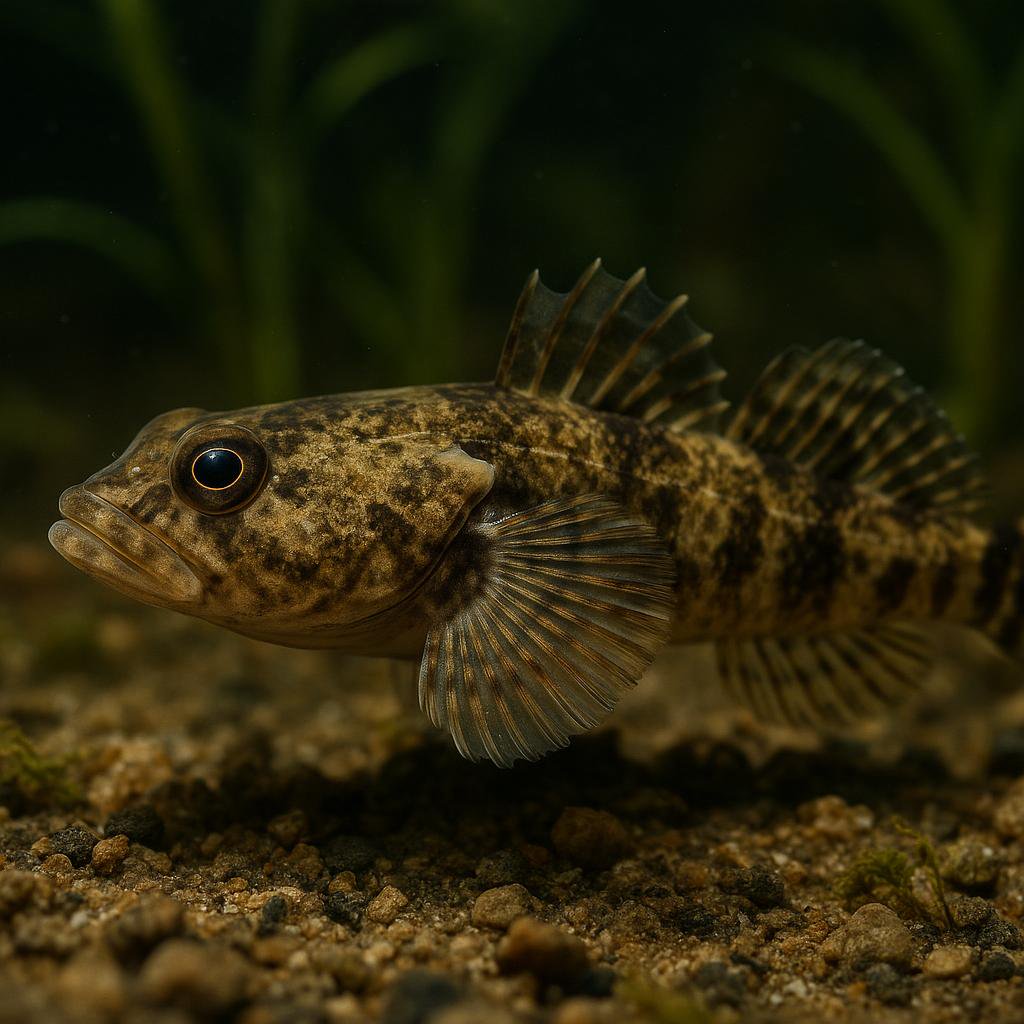
Amur sculpin
Alpinocottus szanaga
This is a little coldwater sculpin from the Amur drainage - a bottom-hugging, rock-and-gravel fish that spends its day wedged under stones and darting out to grab food. Super cool behavior and attitude, but it is absolutely not a warm tropical community fish - it wants chilly, fast, oxygen-rich water and will bicker with other bottom fish.
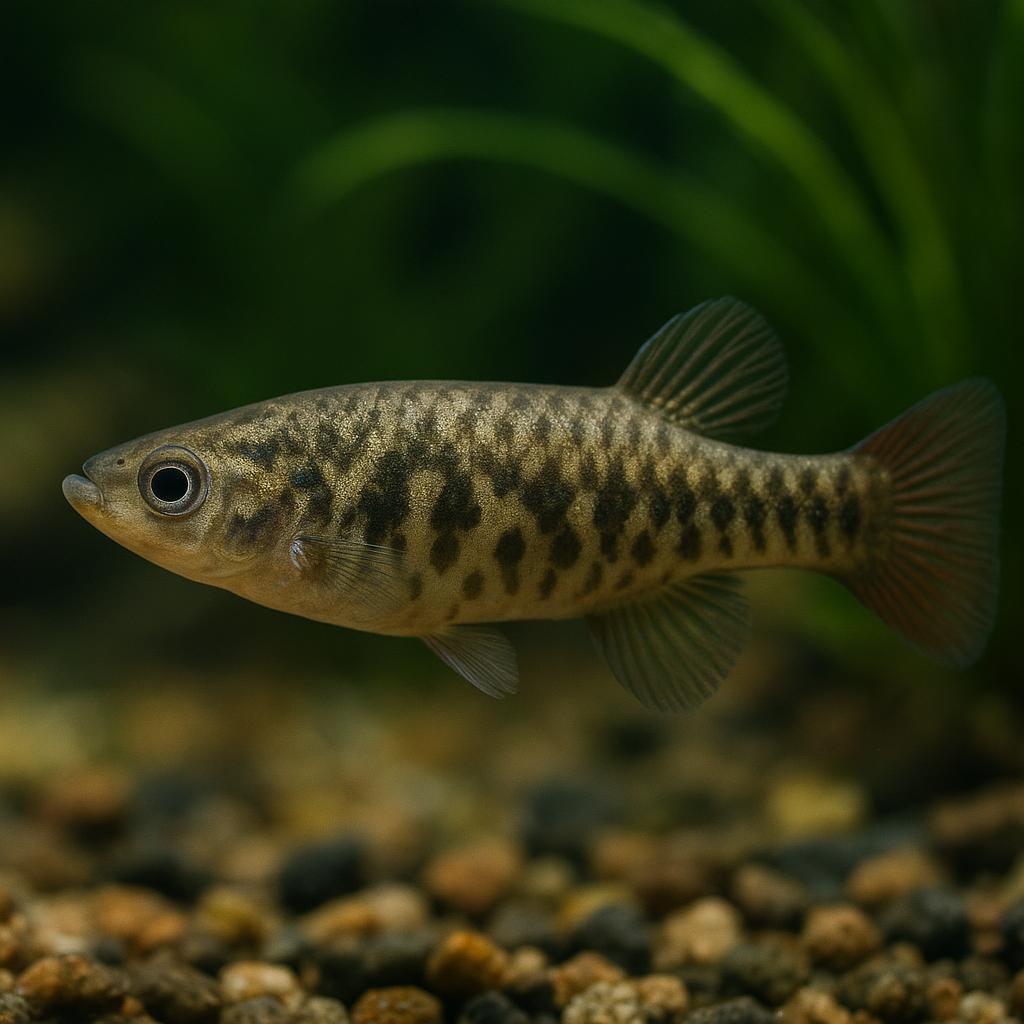
Anitápolis livebearer
Jenynsia weitzmani
Jenynsia weitzmani is a freshwater anablepid livebearer endemic to southern Brazil (currently known only from the type locality near Anitápolis, Santa Catarina). Like other Jenynsia (onesided livebearers), reproduction involves lateralized mating morphology/behavior; aquarium care guidance is not well-documented for this species specifically.
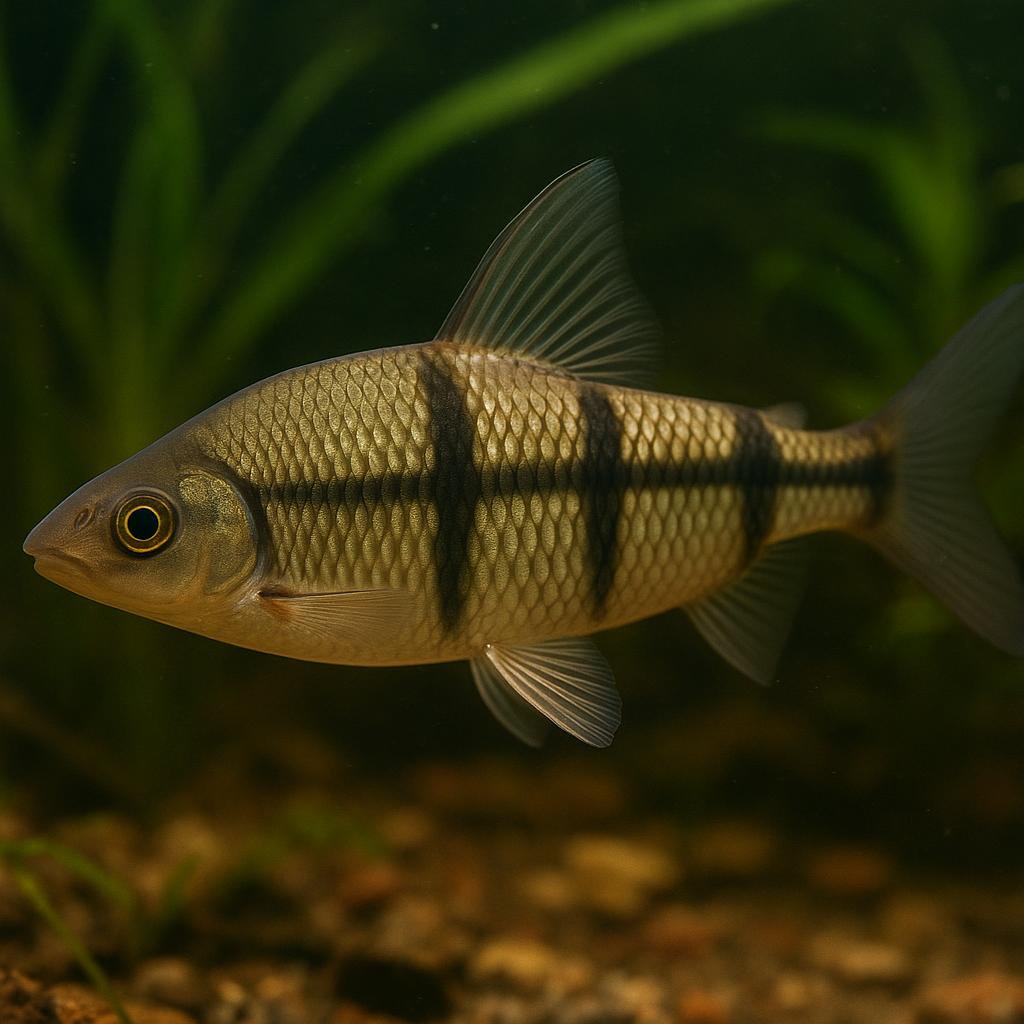
Aracu-comum
Schizodon vittatus
Schizodon vittatus is a large South American anostomid (family Anostomidae). Reported maximum size is about 35 cm standard length; it is harvested/consumed in parts of Brazil and is not commonly covered by mainstream aquarium husbandry references.
More to Explore
Discover more freshwater species.
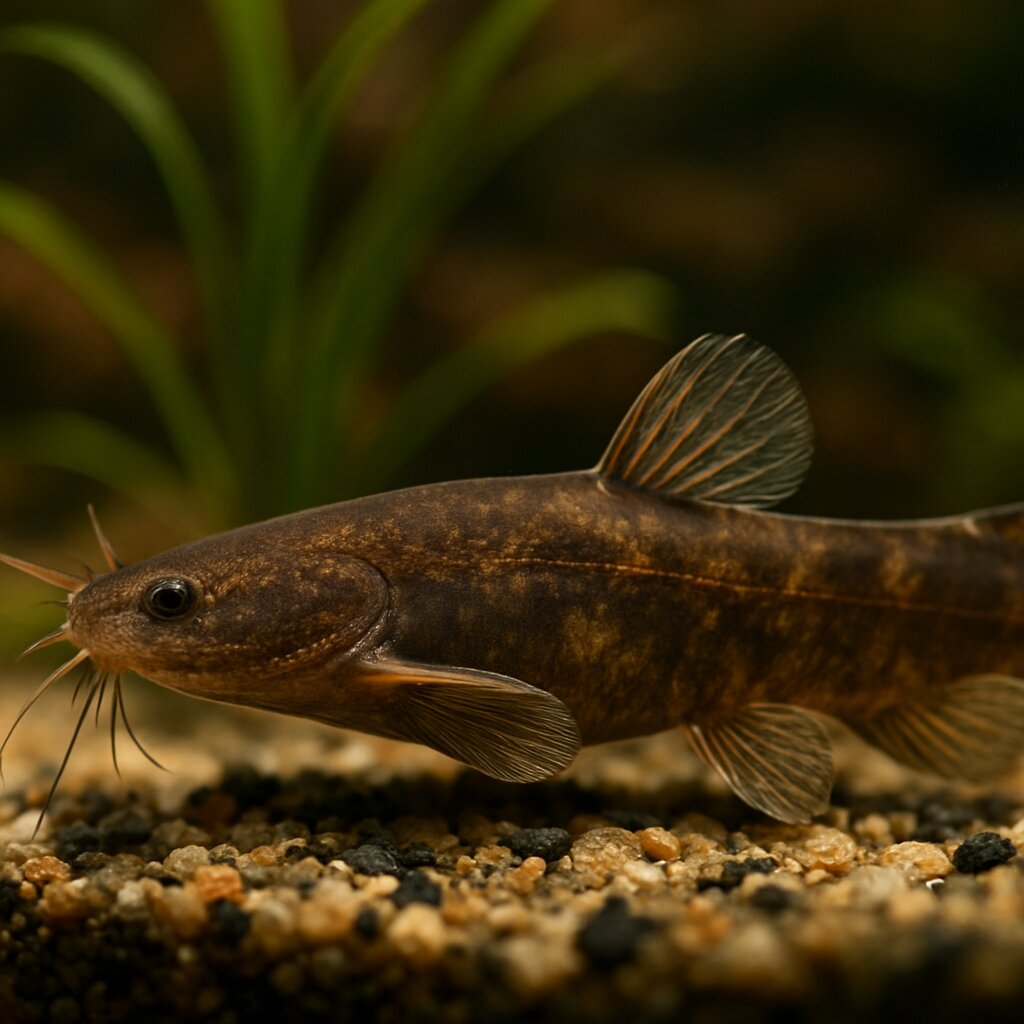
Amphilius dimonikensis
A small loach catfish endemic to the Mpoulou River in the Mayombe (Dimonika Biosphere Reserve), Republic of the Congo. Amphilius dimonikensis has a subtle banded pattern and inhabits fast, clear streams over rock and sand. In aquaria, prioritize strong, well-oxygenated flow with rounded stones and sand to mimic hillstream conditions.
Aboina barb
Enteromius aboinensis
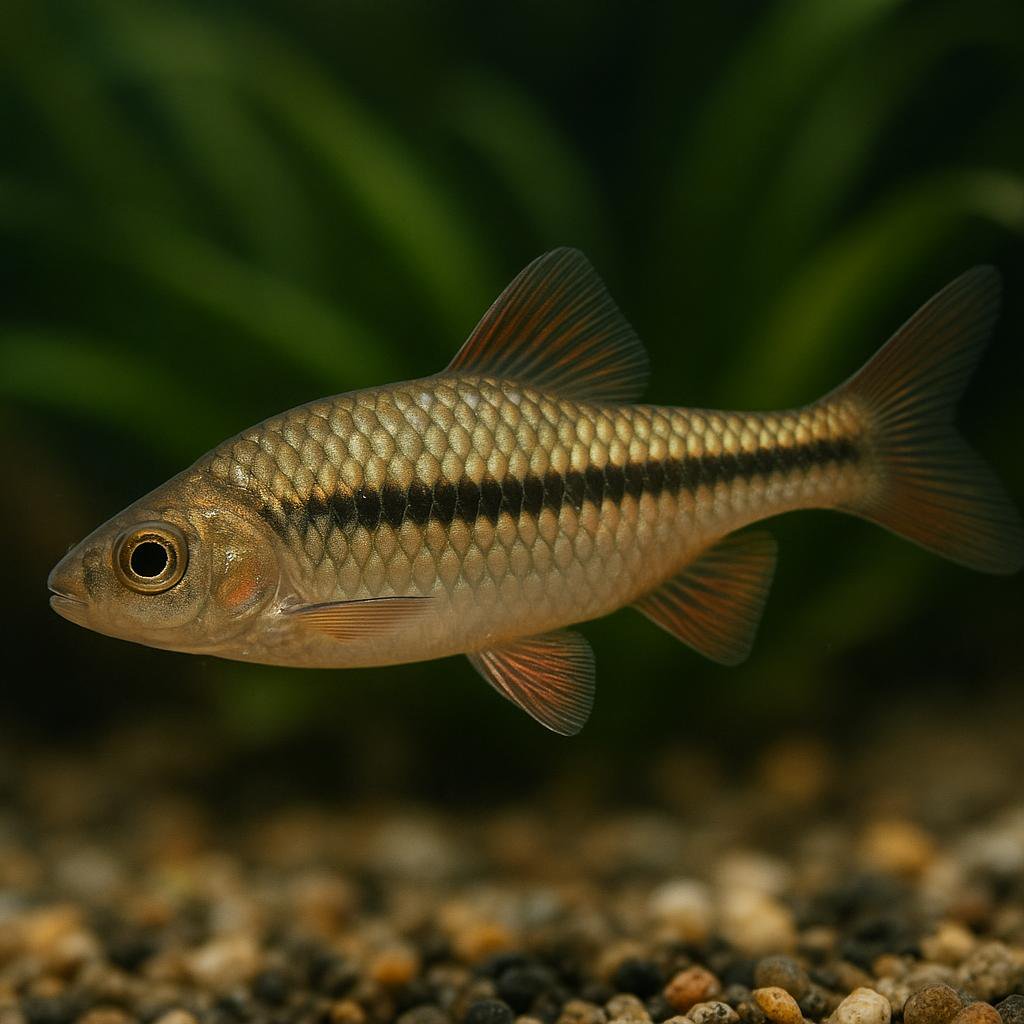
Enteromius aboinensis (the Aboina barb) is a small West African barb with a clean black midline stripe and a little spot right at the base of the tail. It does best when you treat it like a proper schooling fish - keep a decent group and give it plants around the edges with open swimming room in the middle.
Ajuricaba tetra
Jupiaba ajuricaba
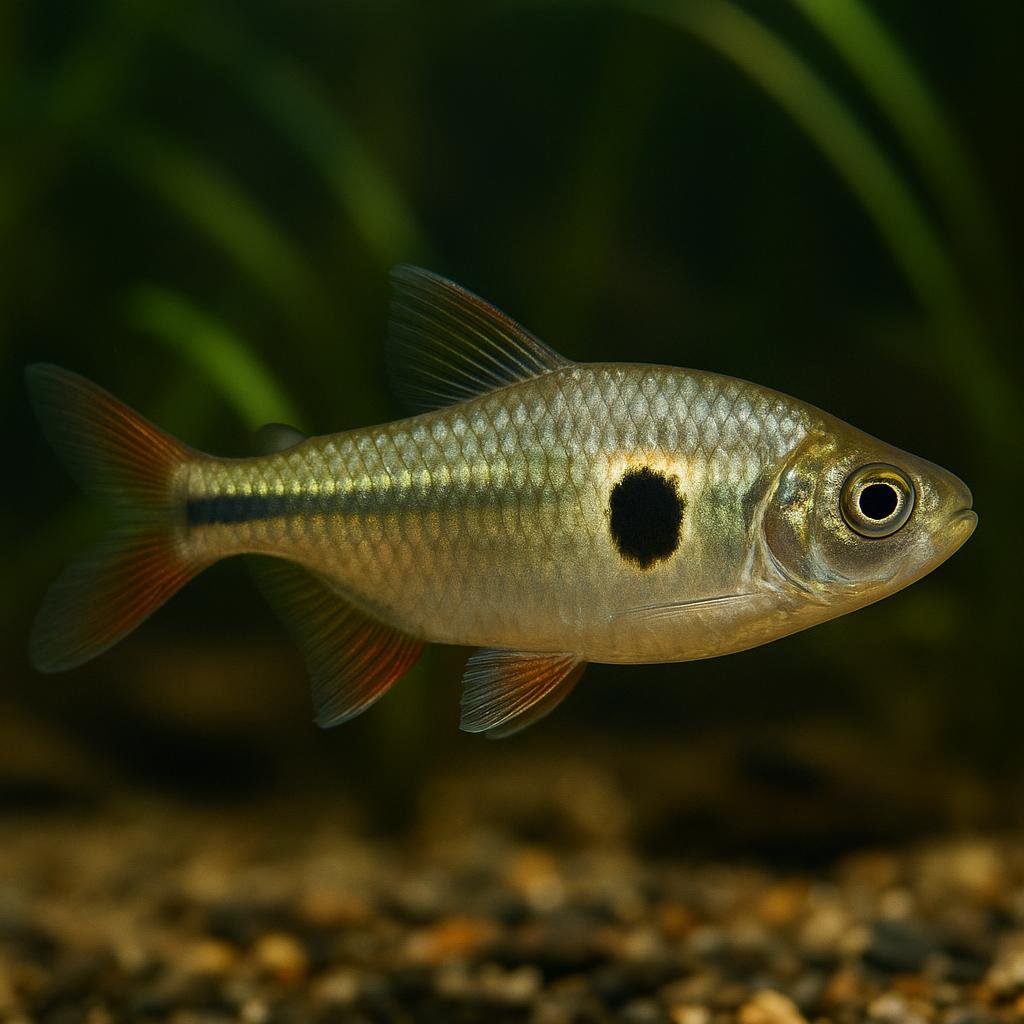
Jupiaba ajuricaba is a South American freshwater characin from the Amazon basin in Brazil (rio Negro, rio Solimões, and rio Tapajós basins). It reaches about 9.5 cm SL and is diagnosed by a narrow dark midlateral stripe, an elongated humeral spot, and an ocellated spot on the upper caudal-fin lobe. Wild specimens have been collected from blackwater forest streams and also oxbow-lake habitats.
Allen's river garfish
Zenarchopterus alleni
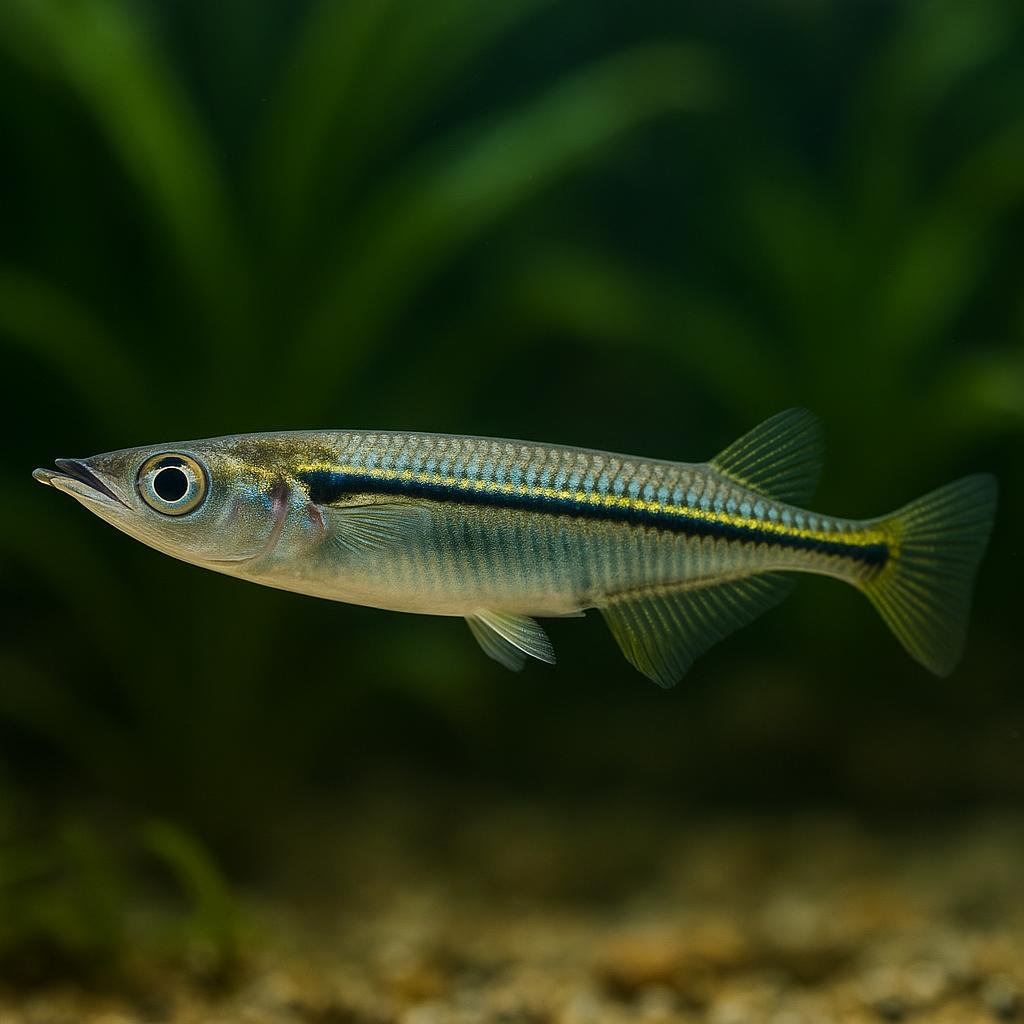
A poorly known freshwater halfbeak endemic to West Papua (Mamberamo River), described from a single specimen (~13 cm SL). Beyond basic habitat/occurrence, little is published about its ecology or aquarium suitability; assume it is a surface-oriented, jump-prone halfbeak only by analogy with related taxa.
Amapa tetra
Hyphessobrycon amapaensis
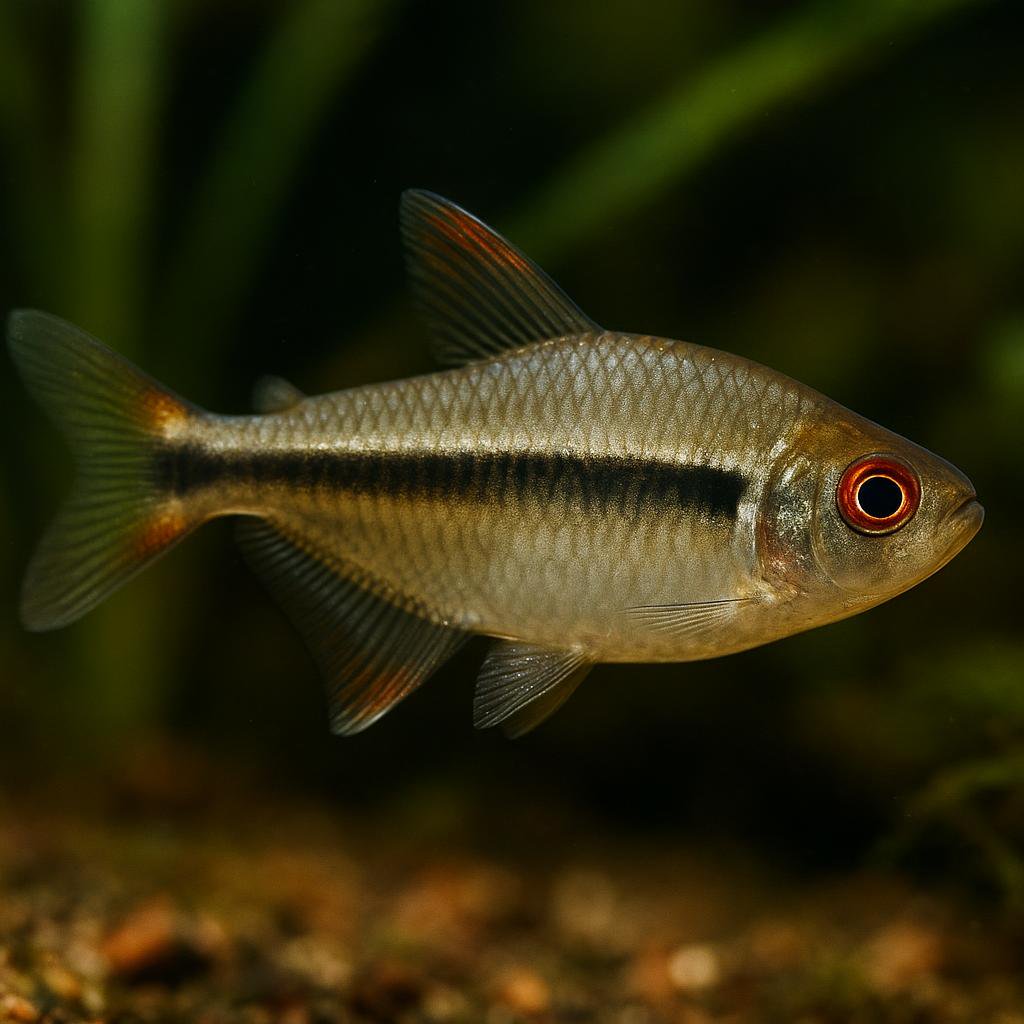
This is a tiny, super sleek little tetra with a clean red stripe down the side that really pops once its settled in. It does best in a planted, slightly tinted "creek-style" setup and looks way cooler when you keep a proper group so they school and flash that line together. If you can give it soft, slightly acidic water and a calm community, its an easy fish to fall for.
Amatlan chub
Yuriria amatlana
Yuriria amatlana (the Amatlan chub) is a little Mexican native minnow from the Ameca River basin. Its wild range is pretty limited and it is listed as Endangered, so its care info in the aquarium hobby is basically nonexistent and its availability is usually low. In the original species description, preserved fish show a dark lateral stripe with a darker patch on the caudal peduncle, and they can have tiny barbels at the mouth corners.
Looking for other species?