

Search Species
Search for fish species by common or scientific name, or use filters to browse by water type, size, temperament, and difficulty.
Found 159 species
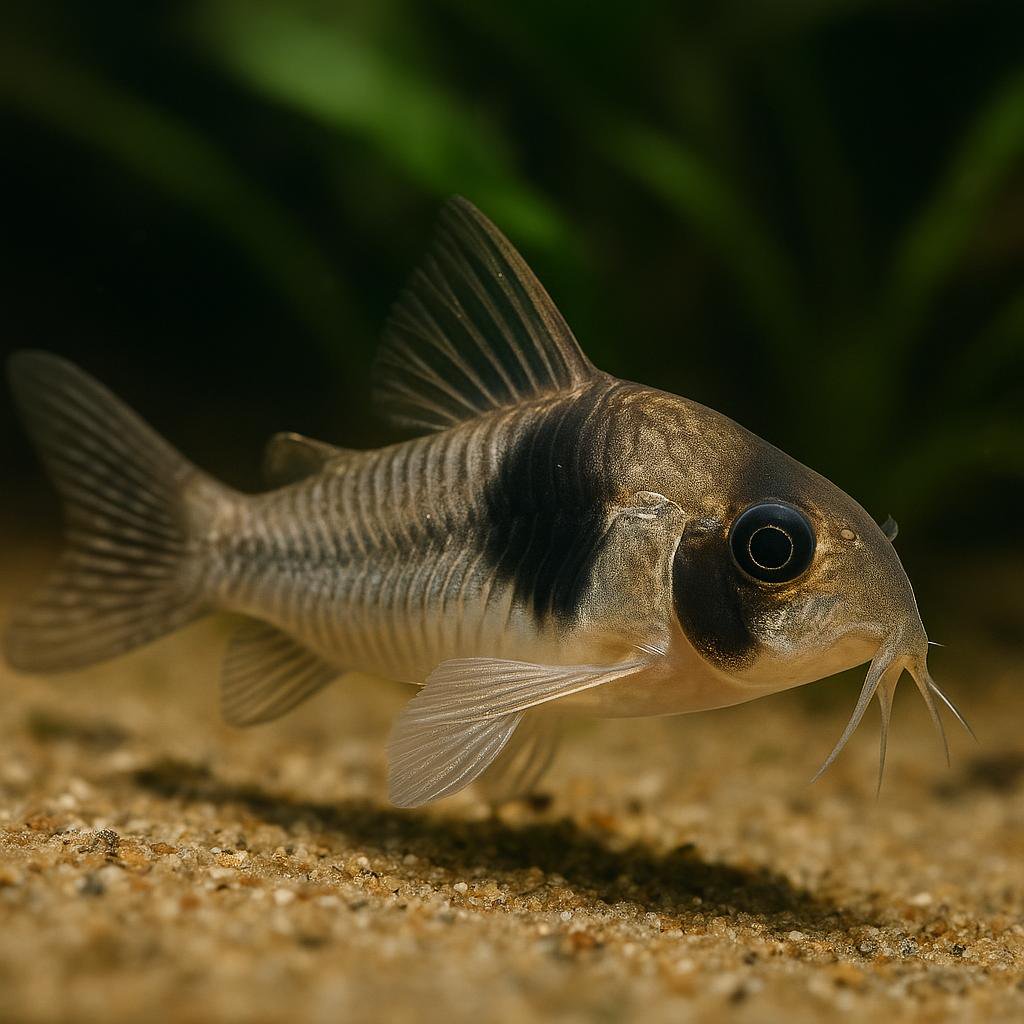
Twosaddle Corydoras
Corydoras weitzmani
Weitzman's cory is one of those super sleek Corydoras that looks like it's wearing a little mask-clean lines, subtle patterning, and that classic cory "busy little vacuum" vibe. The best part is watching a whole group cruise the bottom together, then suddenly zip to the surface for a gulp of air like tiny torpedoes.
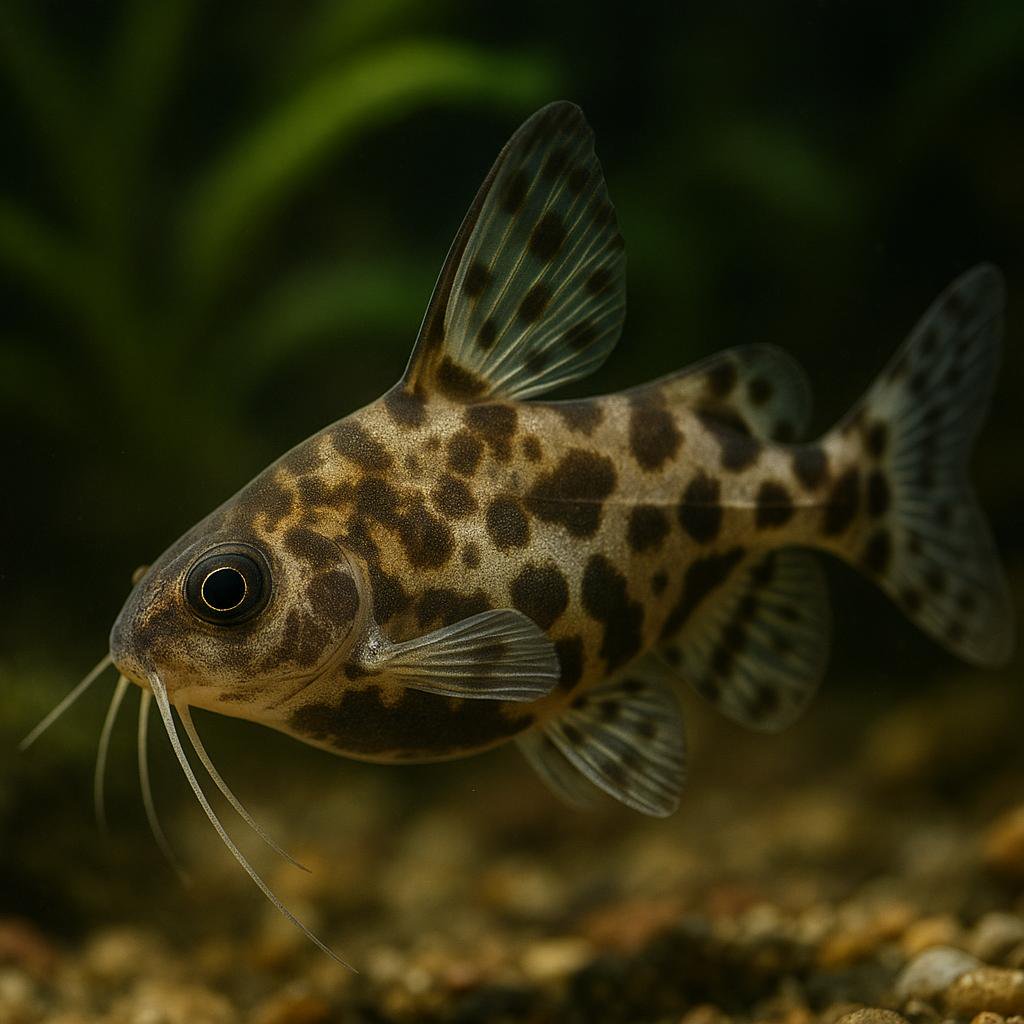
Upside-down Catfish
Synodontis nigriventris
The upside-down catfish is a small African mochokid catfish famous for swimming and feeding belly-up, especially under cover and along the water's surface. It has a light belly (often with darker spotting), a darker back, and prominent barbels, and it is most active at dusk and night. Peaceful overall, it does best in groups with plenty of hiding places like driftwood and caves.
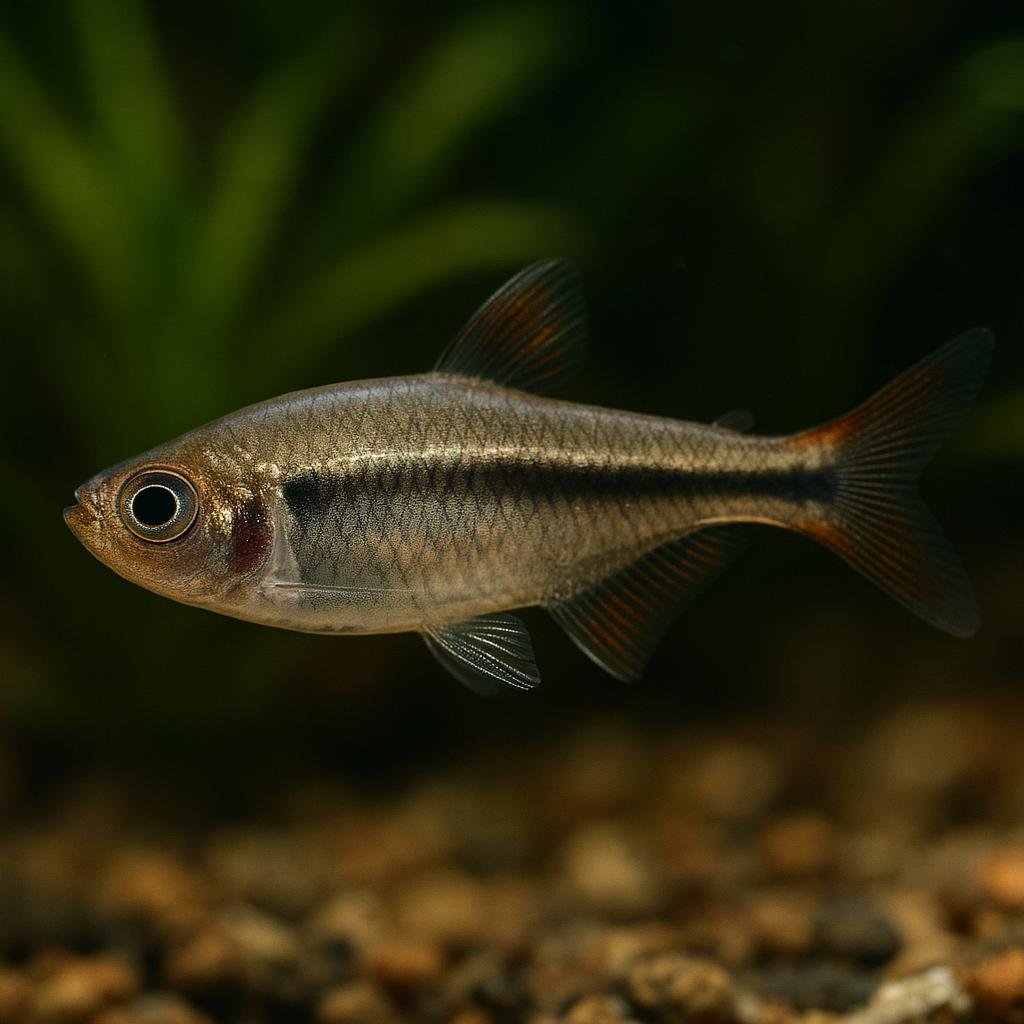
Veilfin tetra
Hyphessobrycon elachys
This is one of those tiny Paraguay-basin tetras that looks kind of understated until the males mature and start throwing those longer, flowy fins - then it gets really classy. Keep them in a proper little group and theyll spend the whole day hovering and cruising the midwater, looking extra sharp over dark substrate and plants.
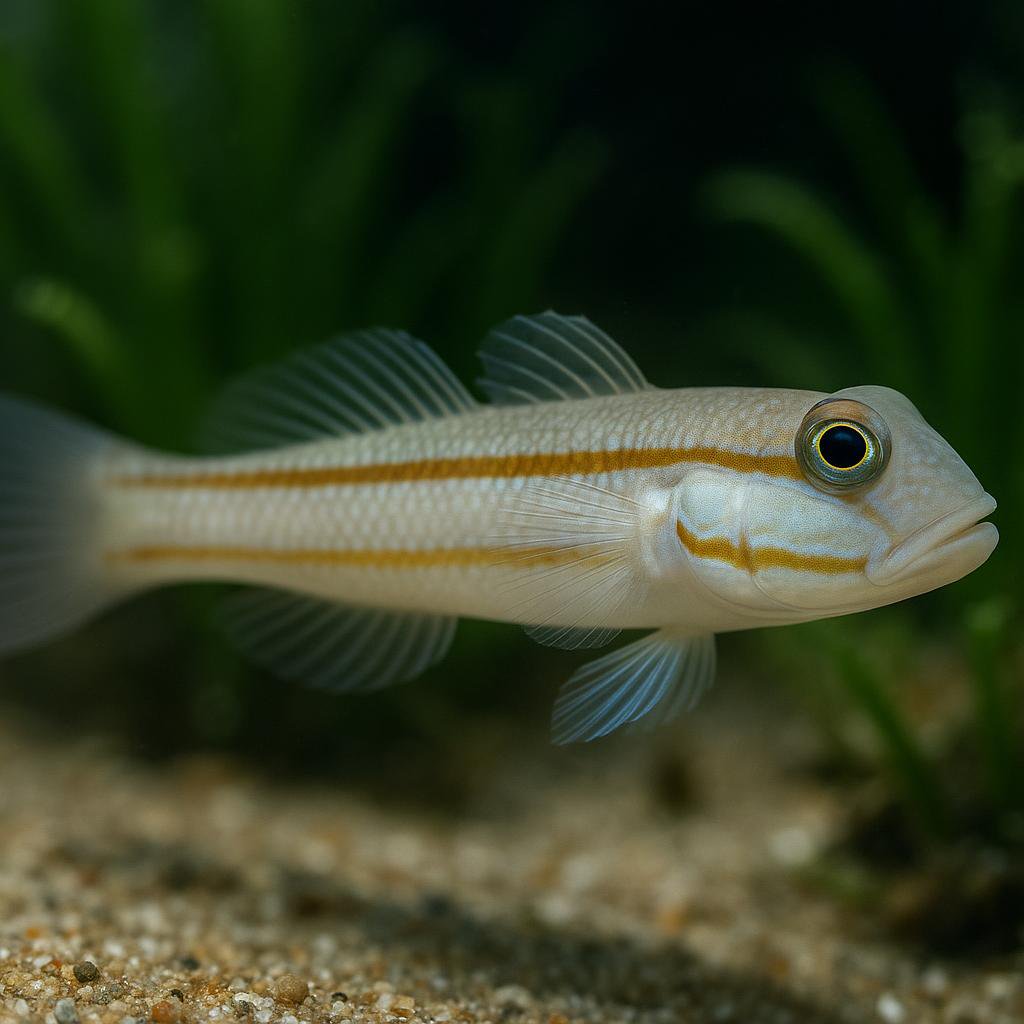
Ward's Sleeper Goby
Valenciennea wardii
A sand-sifting goby with crisp brown bars and a neat eyespot on the first dorsal, it spends its day scooping mouthfuls of sand and spitting out clean grains. Often seen in pairs and living in burrows, it is fun to watch as it engineers the substrate and keeps it tidy.
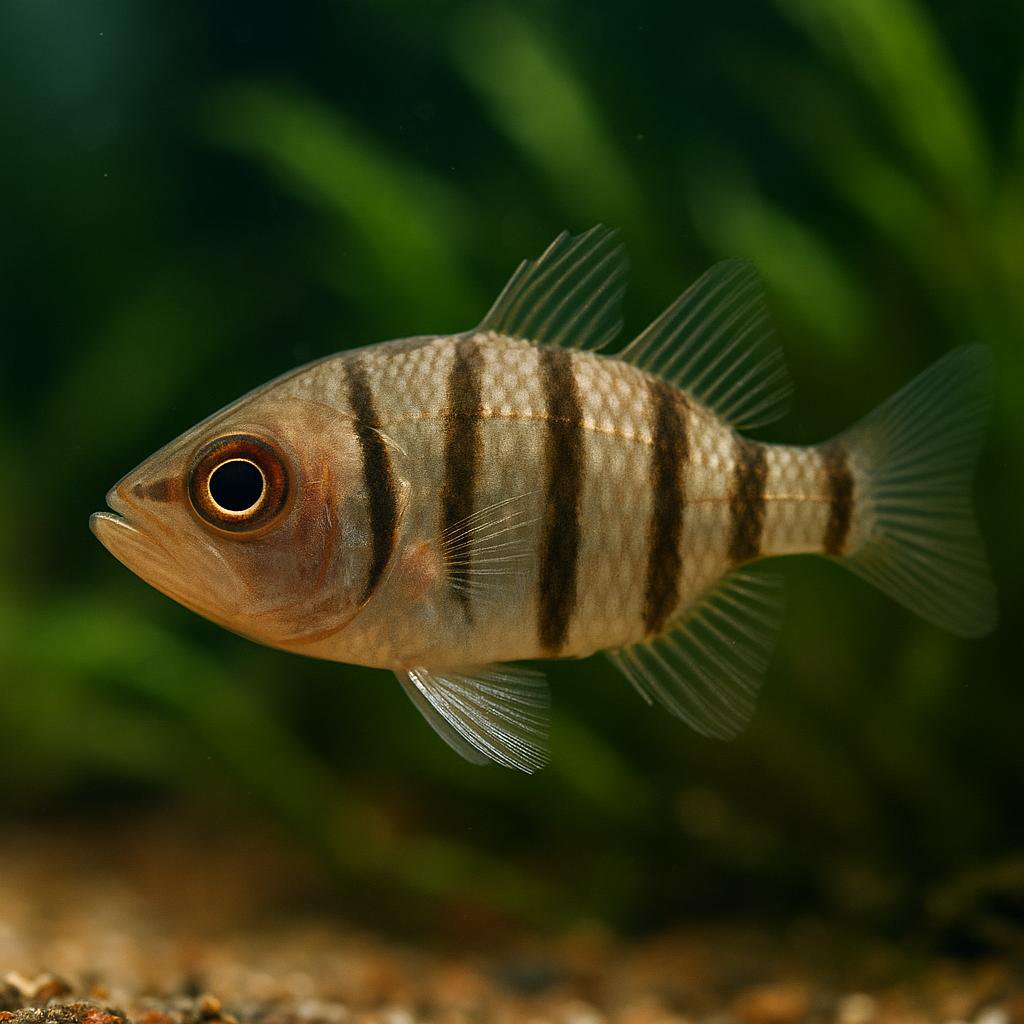
Weed cardinalfish
Foa brachygramma
A tiny Hawaiian cardinalfish that disappears among seagrass and algae with its mottled, weedy camouflage. Males mouthbrood the eggs, so if you ever spot a pair, you might see dad carrying a clutch under his chin.
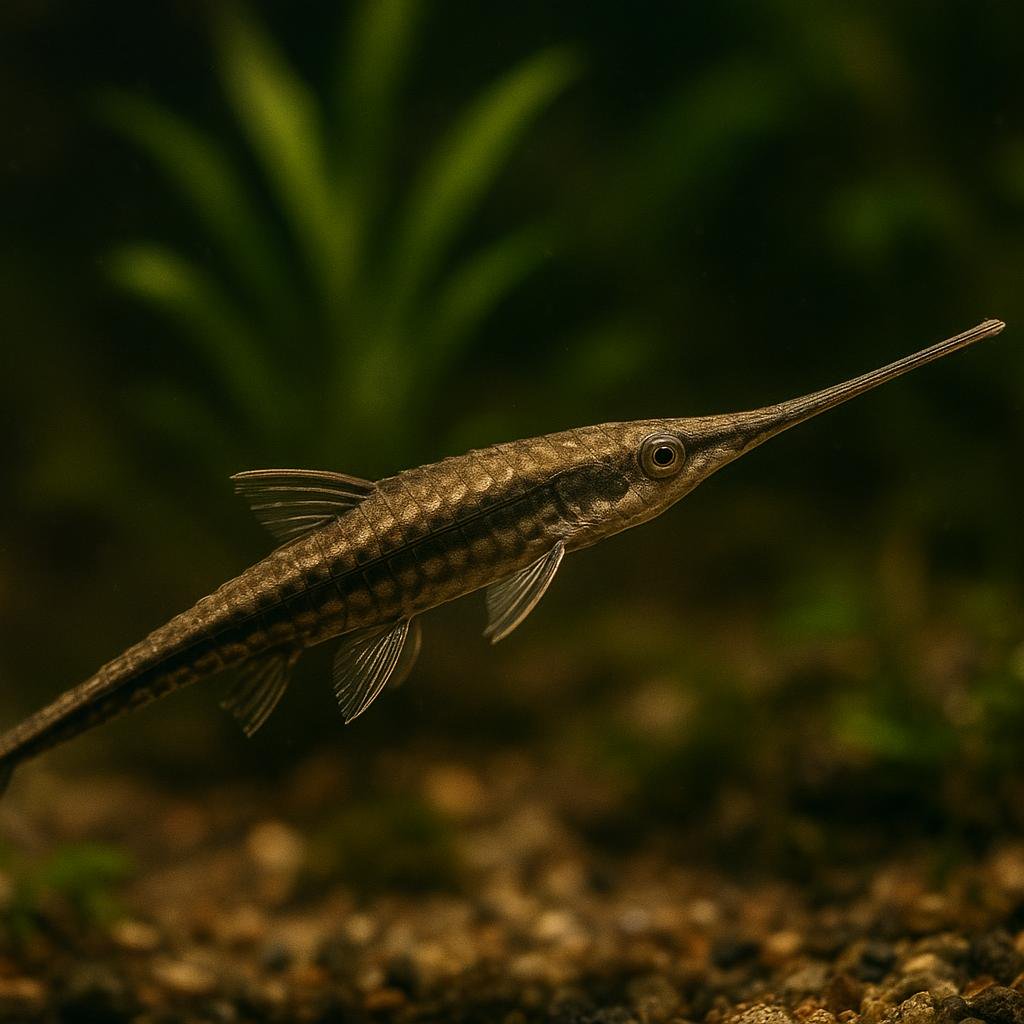
Whiptail catfish (Twig catfish)
Farlowella acus
Farlowella acus is that classic twig-looking whiptail that can sit on wood and basically disappear - it really does look like a little stick with fins. It is super chill and spends most of its time grazing and picking at surfaces, so it does best in a mature tank with stable water and plenty of stuff to cling to.
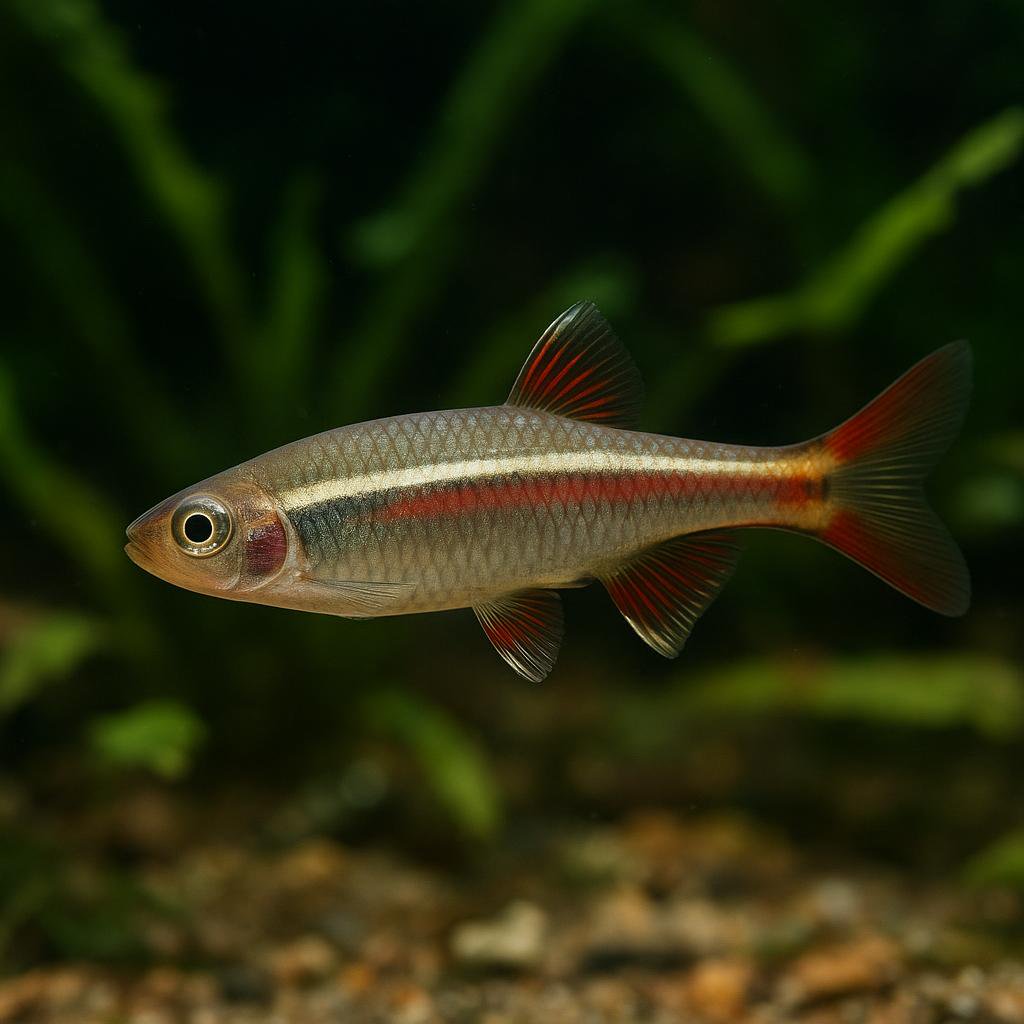
White Cloud Mountain Minnow
Tanichthys albonubes
White Clouds are tiny little stream minnows with that neat glowing stripe and red-tipped fins, and they look way better the cooler you keep them. They're super active in a group and do this constant "busy schooling" thing in the top/middle of the tank-really fun fish when you give them space to zip around.
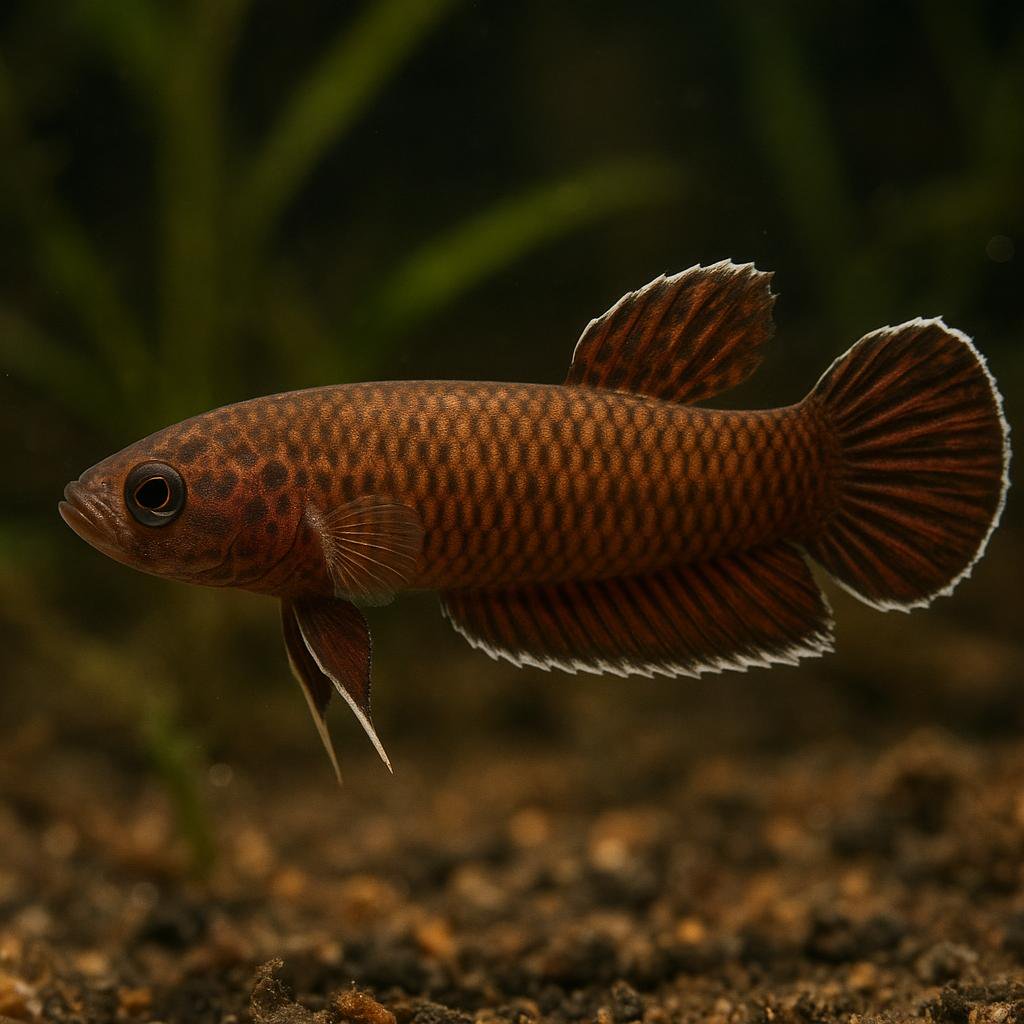
White-Edged (Albimarginata) Betta
Betta albimarginata
This is one of those wild bettas that feels more like a tiny aquarium predator than a "fancy fin" betta-sleek, quick, and always watching what's going on. The males are awesome with that crisp white edging on the fins, and the coolest part is the dad carries the eggs in his mouth, so you'll sometimes see him just chilling and not eating for a bit while he incubates.
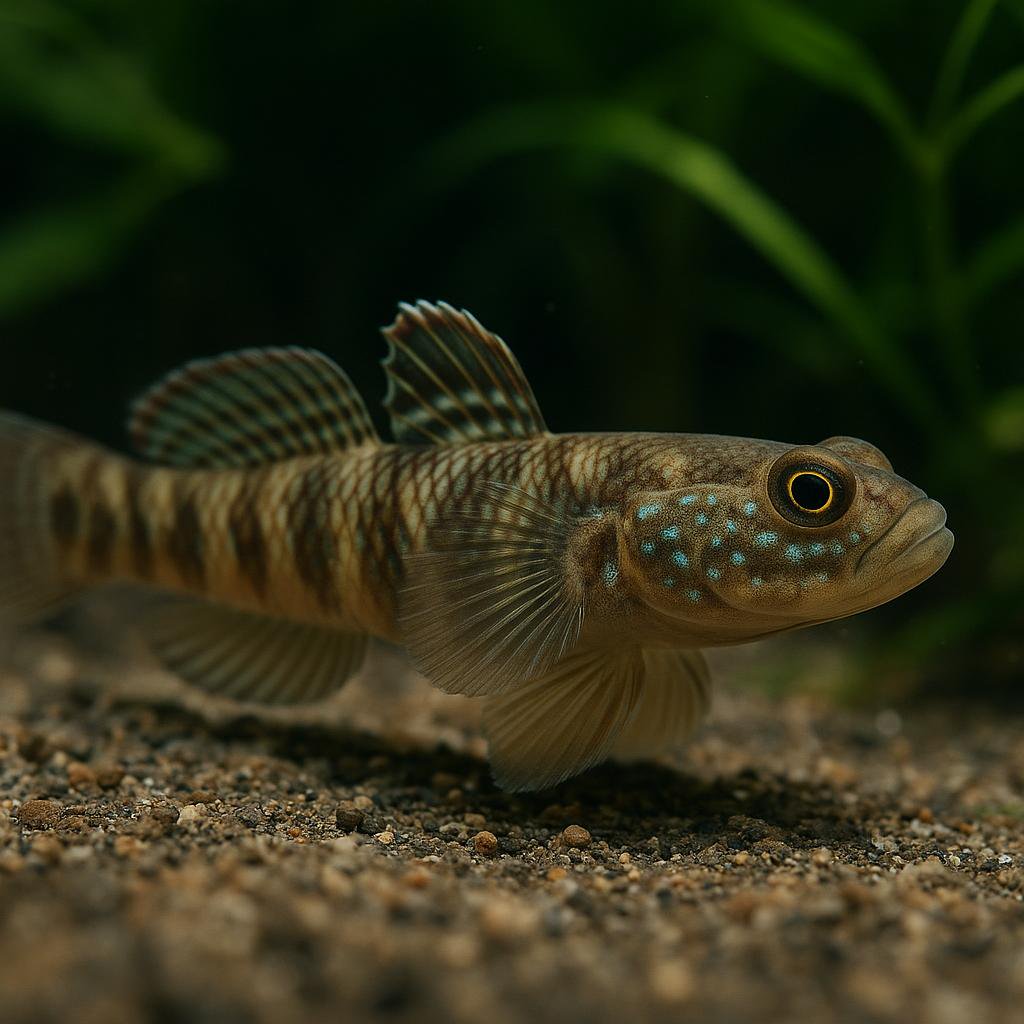
White-cheeked goby
Rhinogobius duospilus
This is one of those little stream gobies that acts like it's glued to the rocks-its pelvic fins form a suction-cup so it can hang out in flow. Males can color up really nicely and they'll claim a favorite cave/stone like a tiny bouncer, but in a well-structured tank they're super fun to watch cruise the bottom and perch.
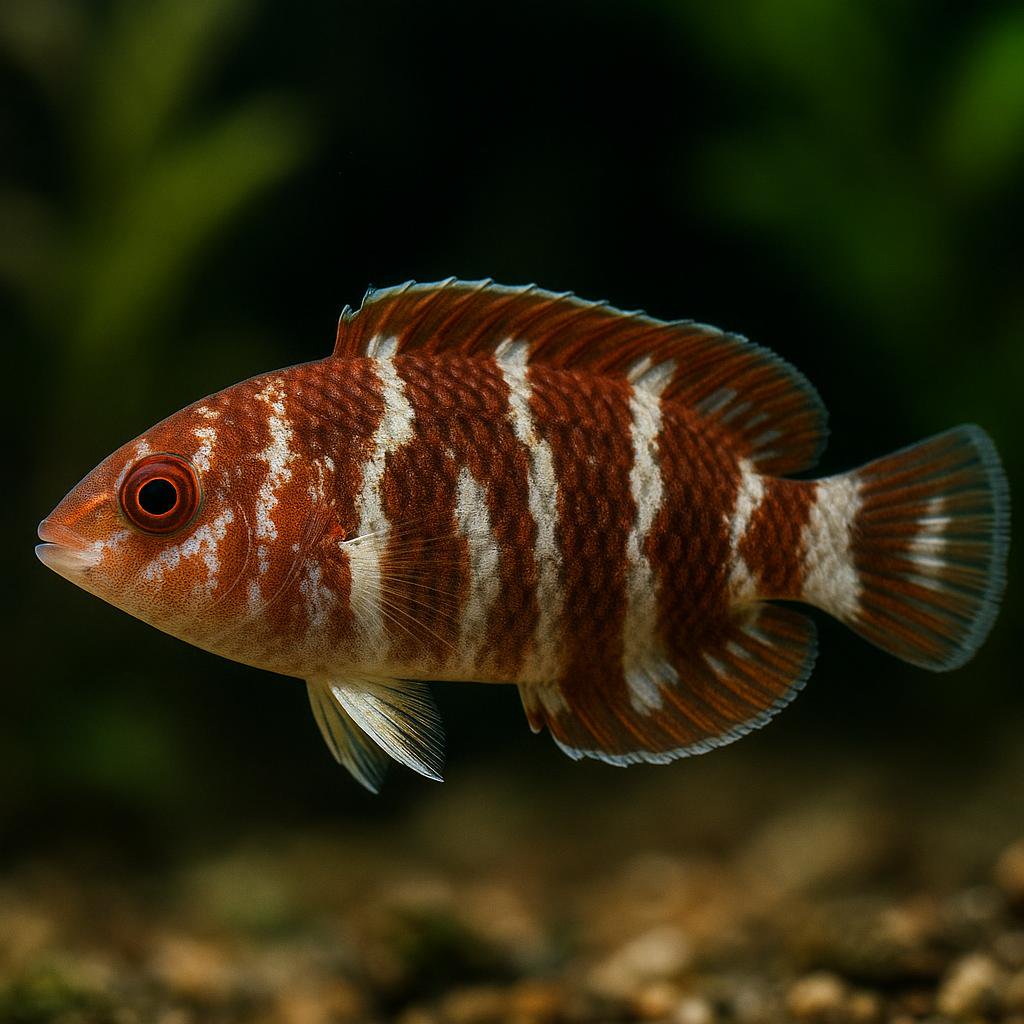
Whitebanded sharpnose wrasse
Wetmorella albofasciata
This is one of those tiny, cryptic wrasses that spends a lot of time weaving through rockwork and poking into little cracks like it is on a constant scavenger hunt. The big eyes and sharp snout give it a weird-cute "mini predator" look, and it really shines in a peaceful reef where it feels safe enough to come out and cruise.
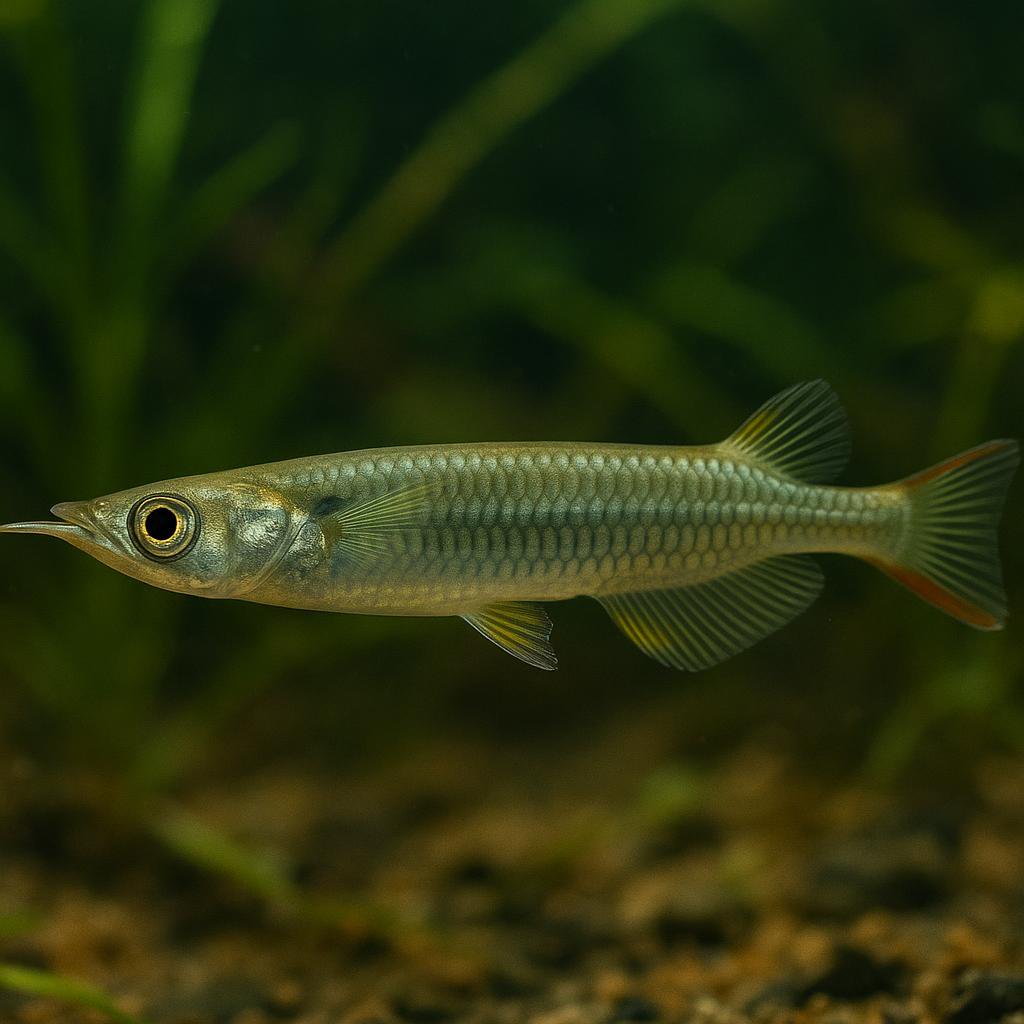
Wrestling halfbeak
Dermogenys pusilla
This is that quirky little surface-dweller with the long lower "beak" that's always cruising the top and snapping at food. The males do these goofy jaw-locking sparring matches (that's where the "wrestling" name comes from), so you'll want space and lots of floaters to keep everyone chill. They're also famous jumpers-tight lid is non‑negotiable.
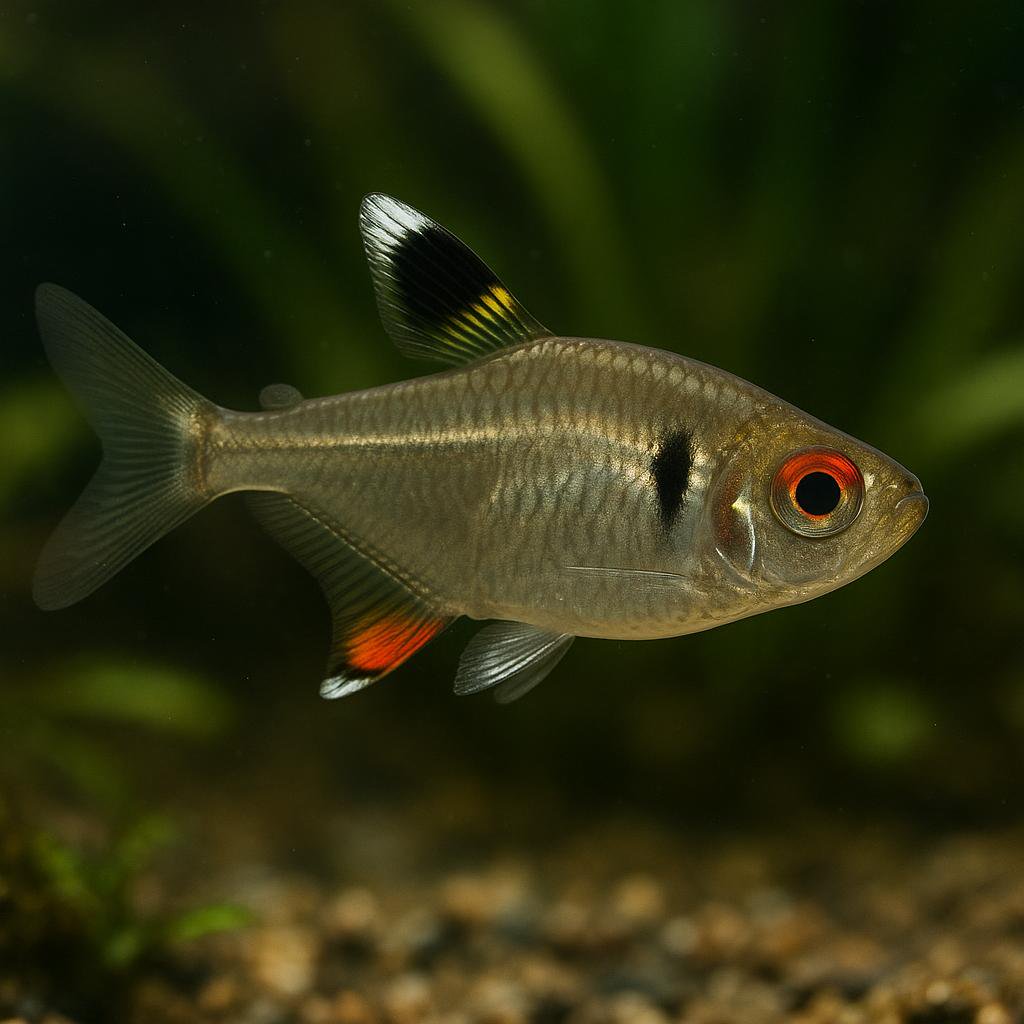
X-ray tetra
Pristella maxillaris
This is that little see-through tetra where you can kinda make out the spine inside the body, and then it tops it off with those sharp black/yellow/white fin markings and a reddish tail. Super chill schooling fish, and it's one of those rare tetras that doesn't freak out if your water isn't "perfect Amazon blackwater" 24/7.