

Search Species
Search for fish species by common or scientific name, or use filters to browse by water type, size, temperament, and difficulty.
Found 665 species
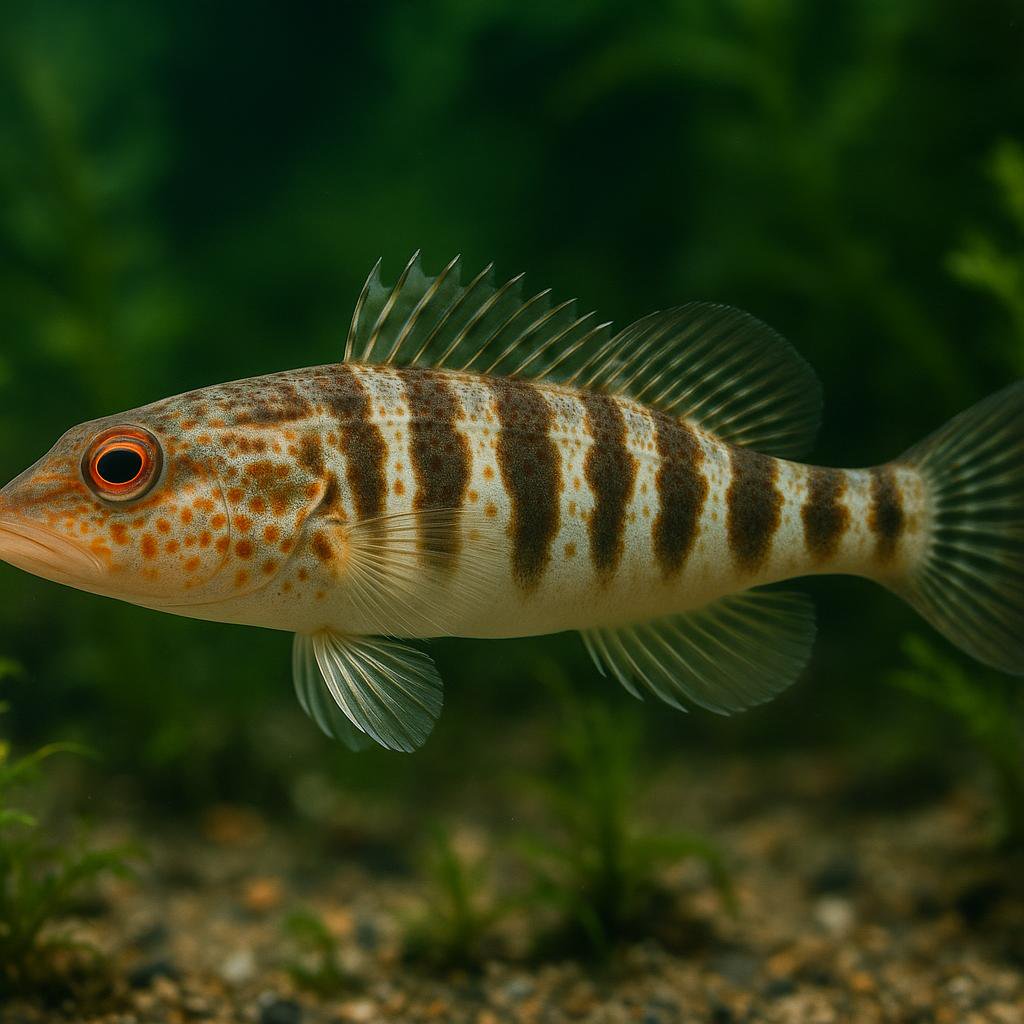
Sixstrap grubfish
Parapercis sexlorata
This is a little sandperch (grubfish) from eastern Australia that hangs around the bottom and blends in with sand and rubble. It is one of those fish that mostly sits and watches, then darts in for meaty food, and it can be a bit of a character in a marine setup. Also worth knowing: it is a deeper-water trawl species (about 86-137 m), so it is not really a typical warm-shallow reef fish.
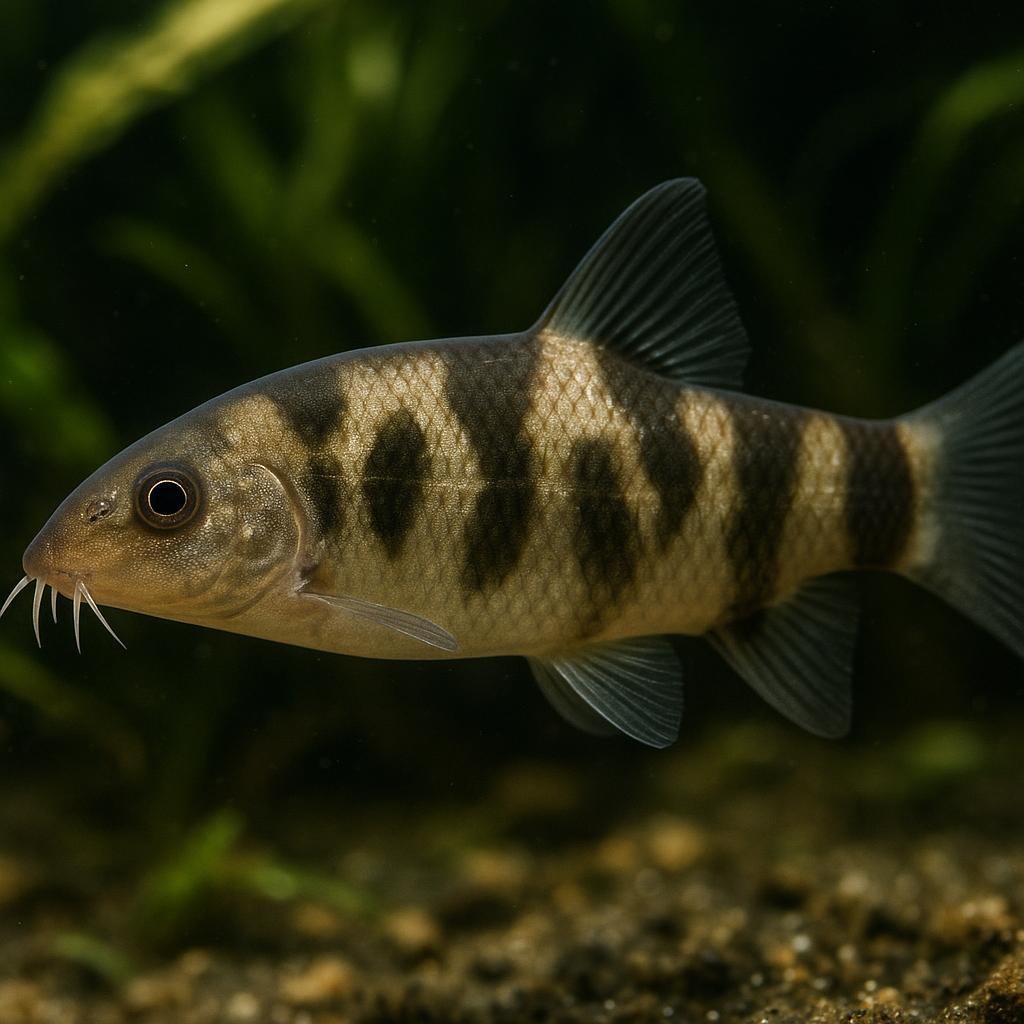
Skunk loach
Yasuhikotakia morleti
This is the little loach with the bold black "skunk stripe" down its back, and it acts just as sassy as it looks. Give it a group and a pile of caves and it turns into a busy, clicking, bottom-patrolling gremlin that will happily hunt snails. It stays fairly small, but it can get nippy if you try to keep just one or you pair it with slow, long-finned fish.
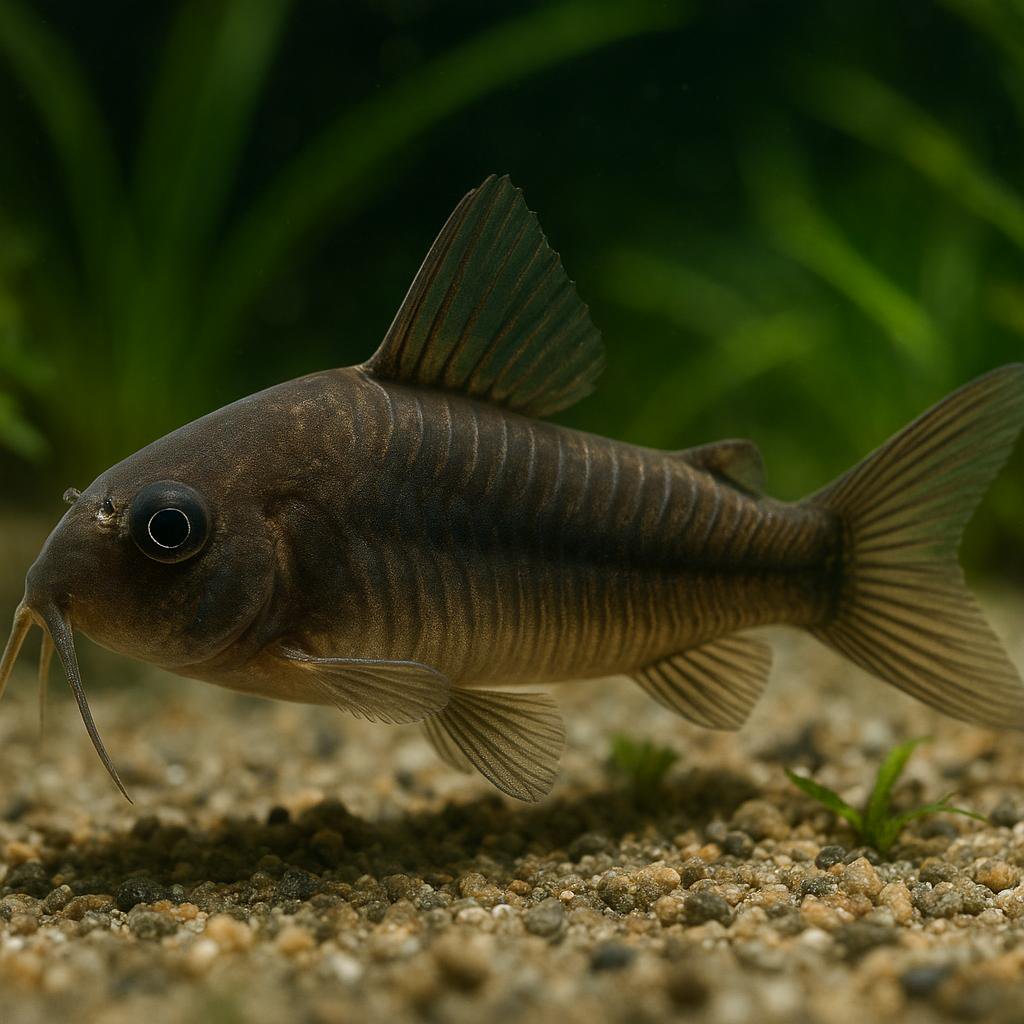
Slate cory
Hoplisoma concolor
Corydoras concolor is that deep slate-gray, chunky little cory that looks almost like a moody, high-backed cousin of the bronze cory. Give them a soft sand bottom and a group to hang with, and you will see those neat rusty-orange fin flashes when they are comfortable. They are bottom cruisers that spend all day sifting and snuffling for food, and they will dart up for air now and then (totally normal).
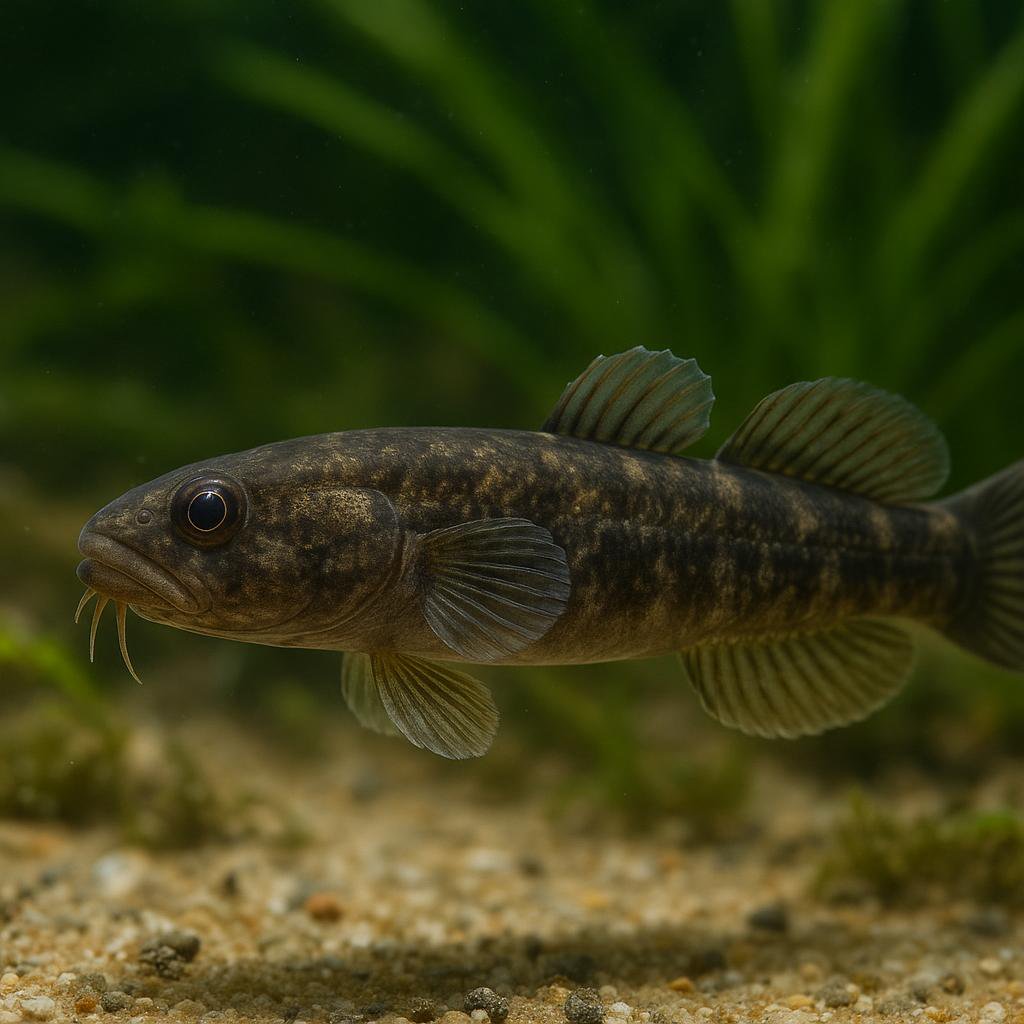
Slender abyssal cusk-eel
Sciadonus pedicellaris
Sciadonus pedicellaris is a rare deep-sea livebearing brotula (family Bythitidae) with a very slender body, small deep-set eyes, and loose translucent skin; it occurs at bathyal to abyssal depths and is not suited to typical aquarium care. The name refers to the stalk-like (“pedicellate”) pectoral-fin base.
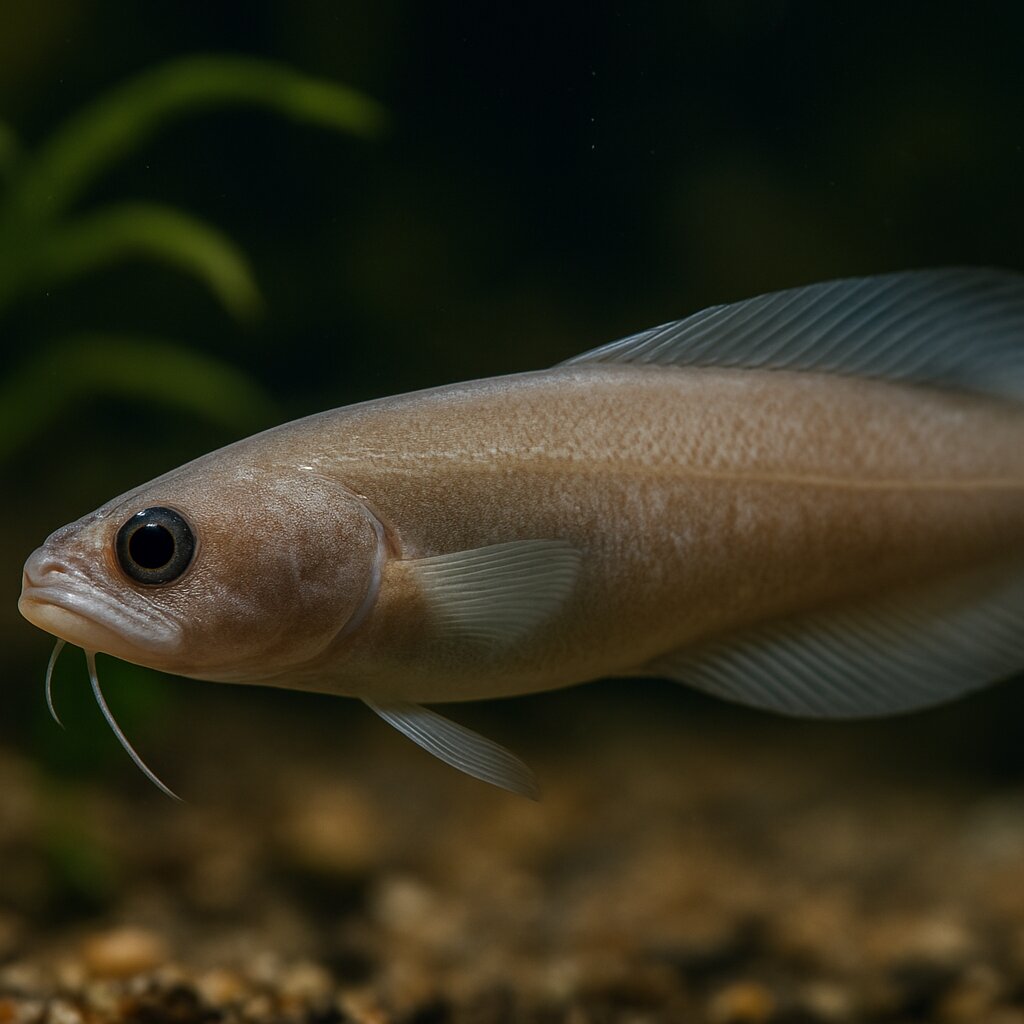
Slender brotula
Dicrolene multifilis
Slender brotula (Dicrolene multifilis) is a deep‑sea cusk‑eel recorded from the western Indian Ocean off South Africa (including off Table Bay) and elsewhere in the Indian Ocean. It is bathydemersal at about 344–1,700 m, with modelled preferred temperatures around 2.1–9.5 °C. Maximum size is about 26 cm SL. It is oviparous; eggs are pelagic in a gelatinous mass. This uncommon deep‑sea species is not a candidate for home aquaria.
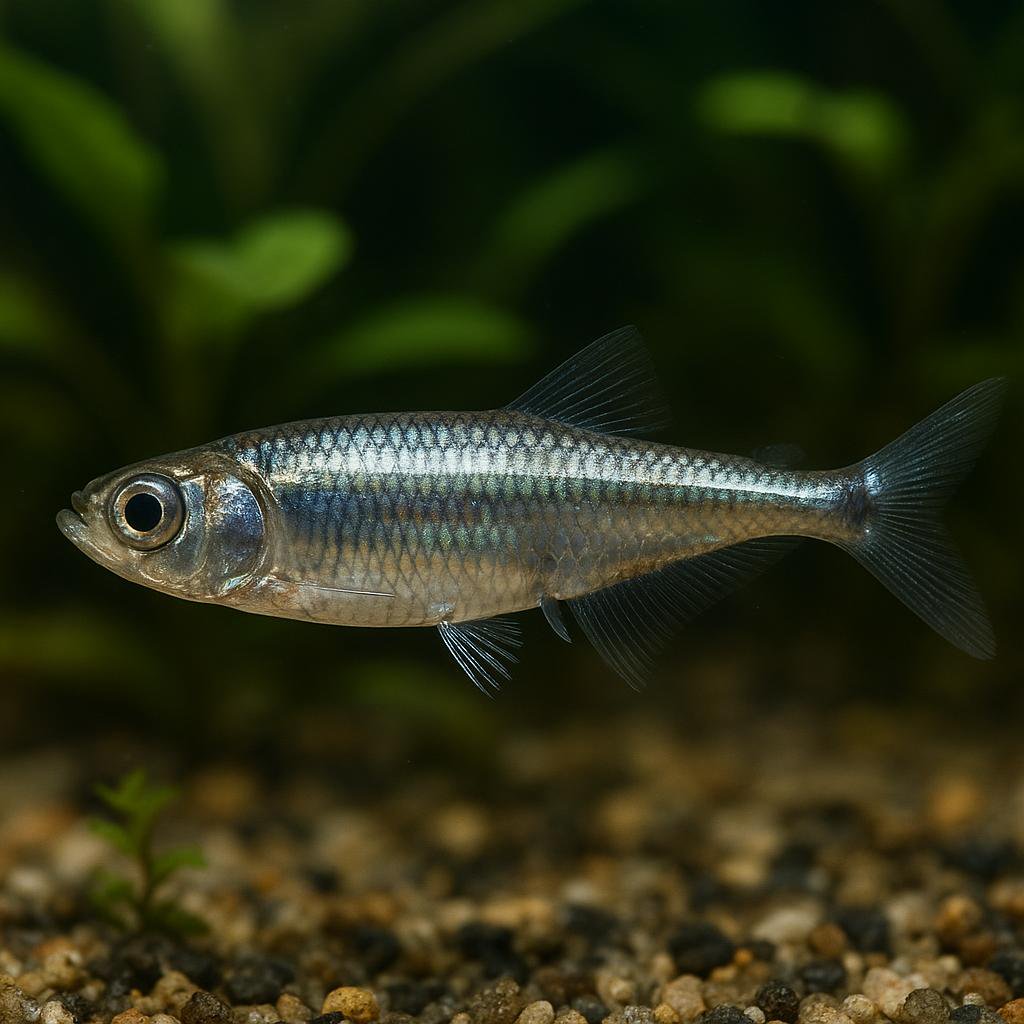
Slender lightfish
Vinciguerria attenuata
This is a tiny deep-water lightfish that spends its life way out in the ocean twilight zone, cruising up and down the water column each day. It has rows of photophores (little light organs) on the underside, plus those slightly tubular eyes that are built for looking up in the dark. Super cool biology, but realistically its not an aquarium fish at all.
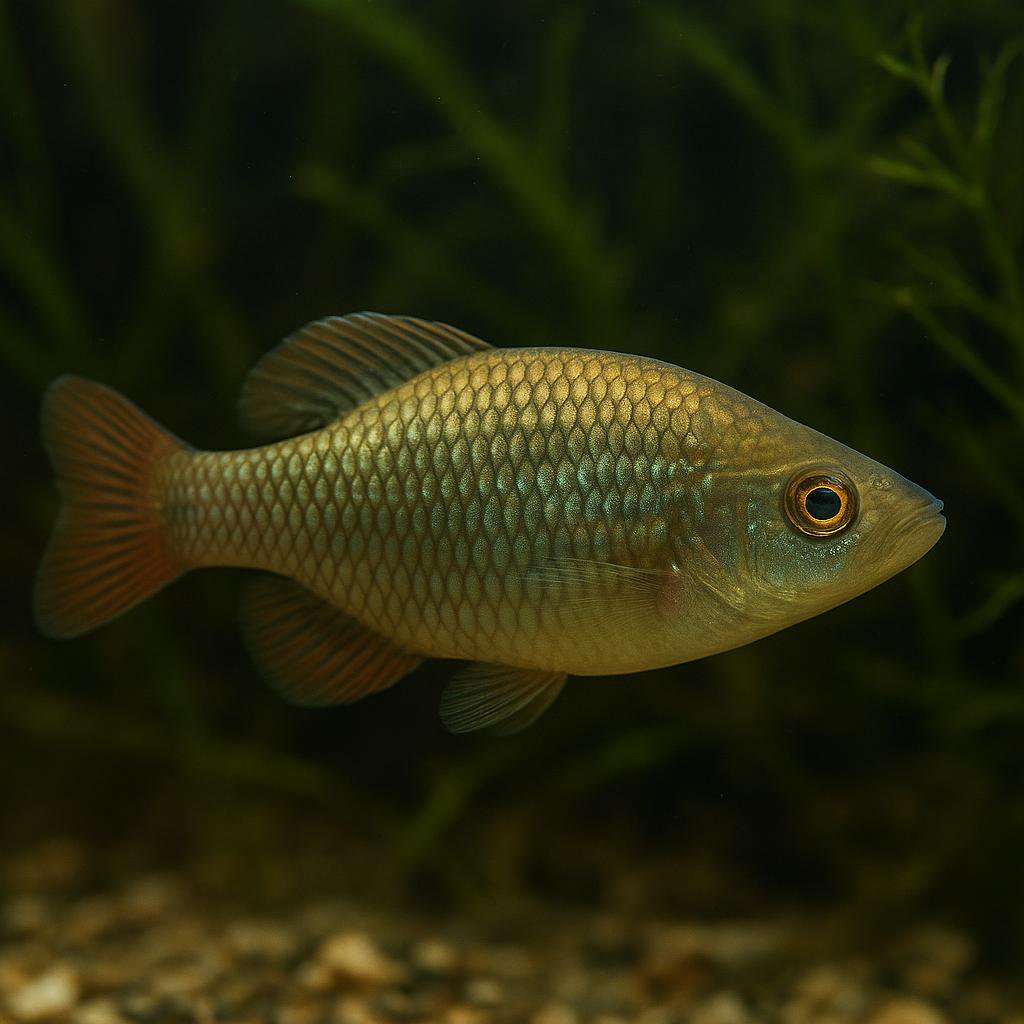
Slender mudskipper
Zappa confluentus
This is a tiny New Guinea mudskipper that lives around tidal mudflats by murky, brackish river water, and it can do the classic mudskipper trick of air-breathing when it is out of the water. In aquarium terms, think of it less like a regular "fish" and more like a little amphibious goby that wants a land area, lots of damp mud/sand to perch on, and calm brackish conditions.
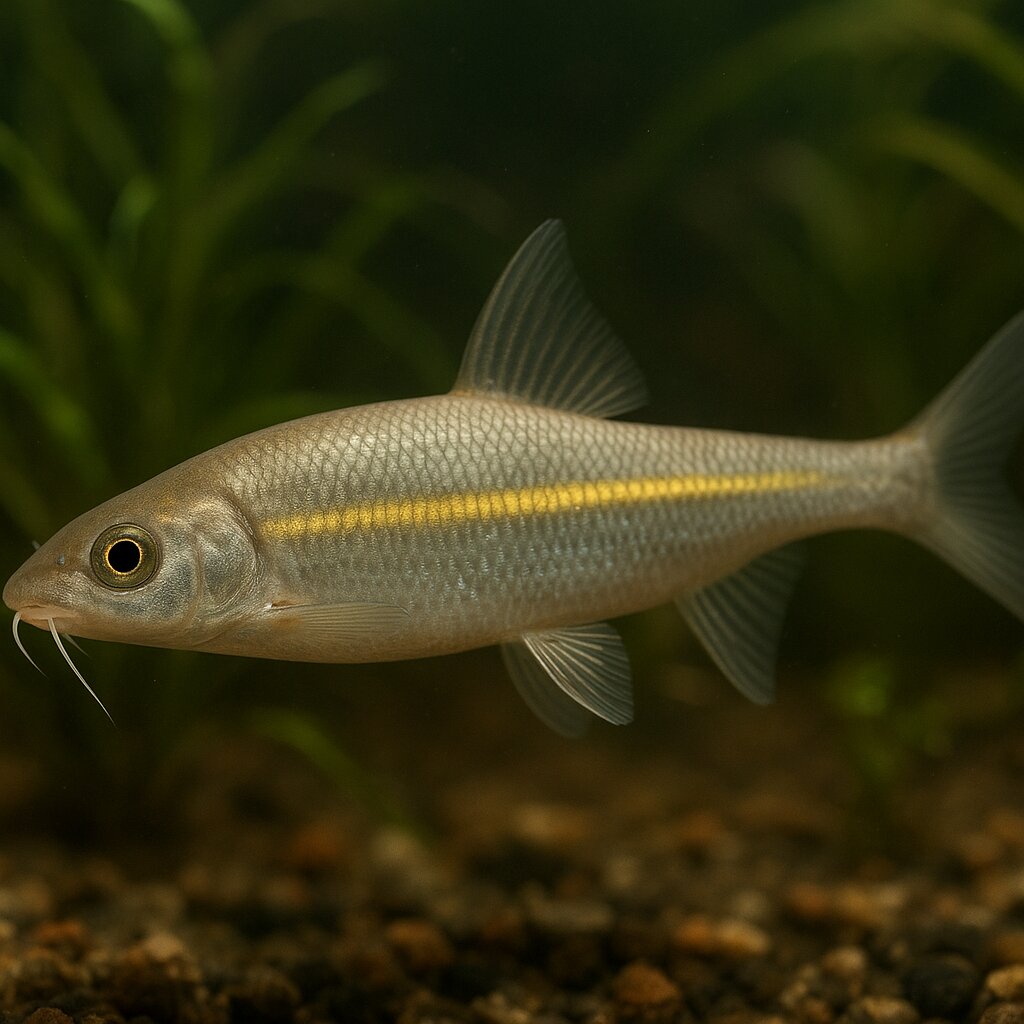
Slender-tail golden-line barbel
Sinocyclocheilus gracilicaudatus
A small cave fish from the Pearl River karst in Guangxi, this one actually has normal eyes and a skinny tail, so it does not look as alien as its horned cousins. It likes cool, dark, very steady water and will cruise along the walls with that classic cavefish wall-following behavior once it settles in.
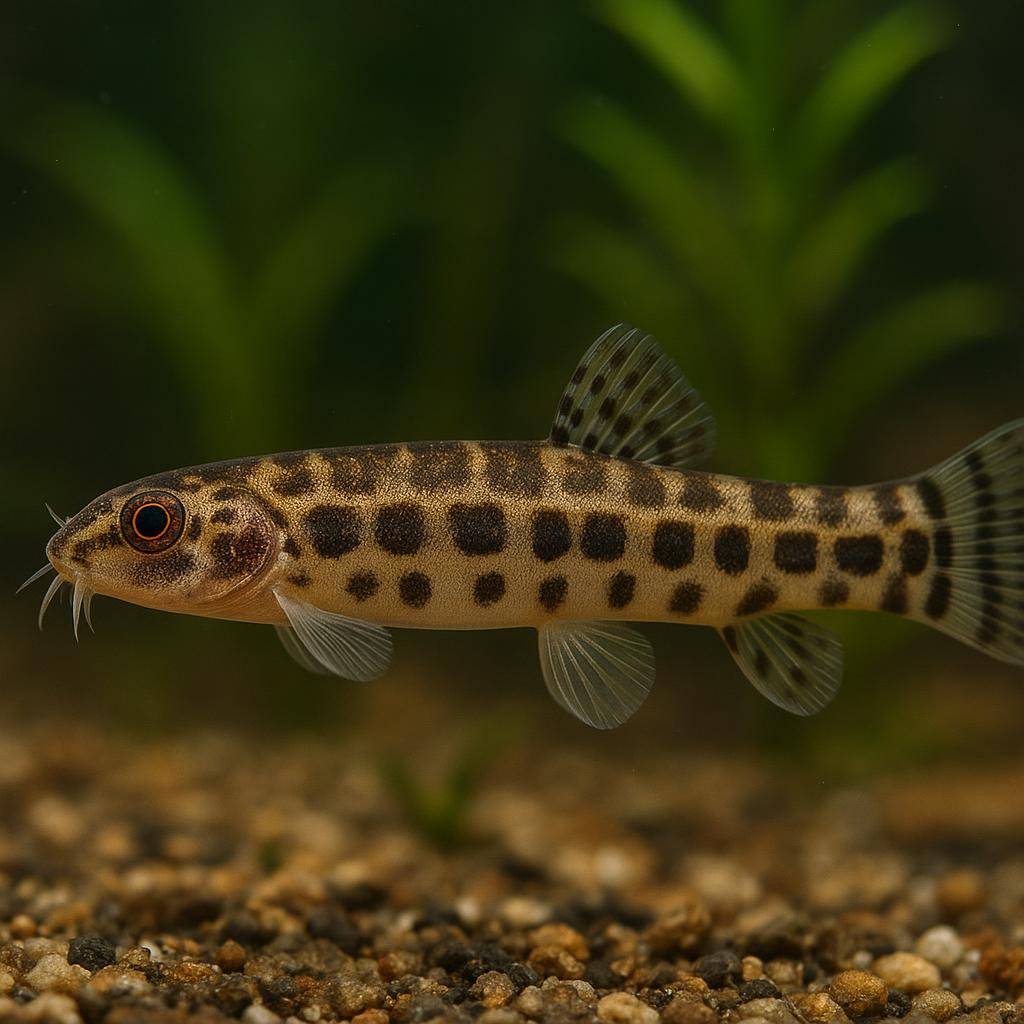
Small Yunnan loach
Yunnanilus parvus
This is a tiny little stone loach from Yunnan, China that was originally described from a cave outlet - so think shady, cooler, clean water vibes. Its a bottom-hugging micro-loach that will spend a lot of time picking at the substrate for tiny bits of food, and its one of those species thats way more interesting to watch than its size suggests.
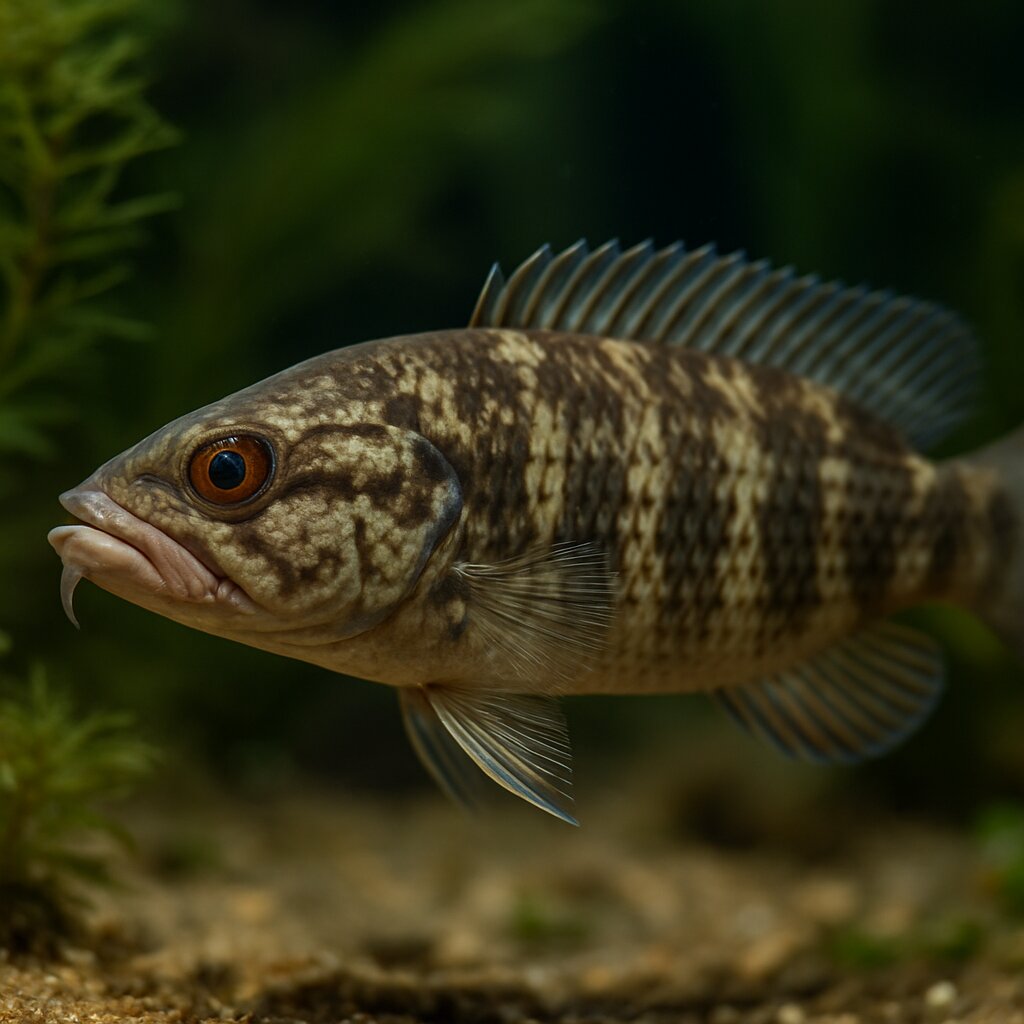
Snaketooth
Kali kerberti
Picture a skinny deep-sea hunter with a mouth full of needle-teeth - that is Kali kerberti. It cruises way down at roughly 800-2500 m in near-freezing water and tops out around 19 cm, so it is not a home-aquarium candidate. Fascinating fish to read about, but best admired in the ocean.
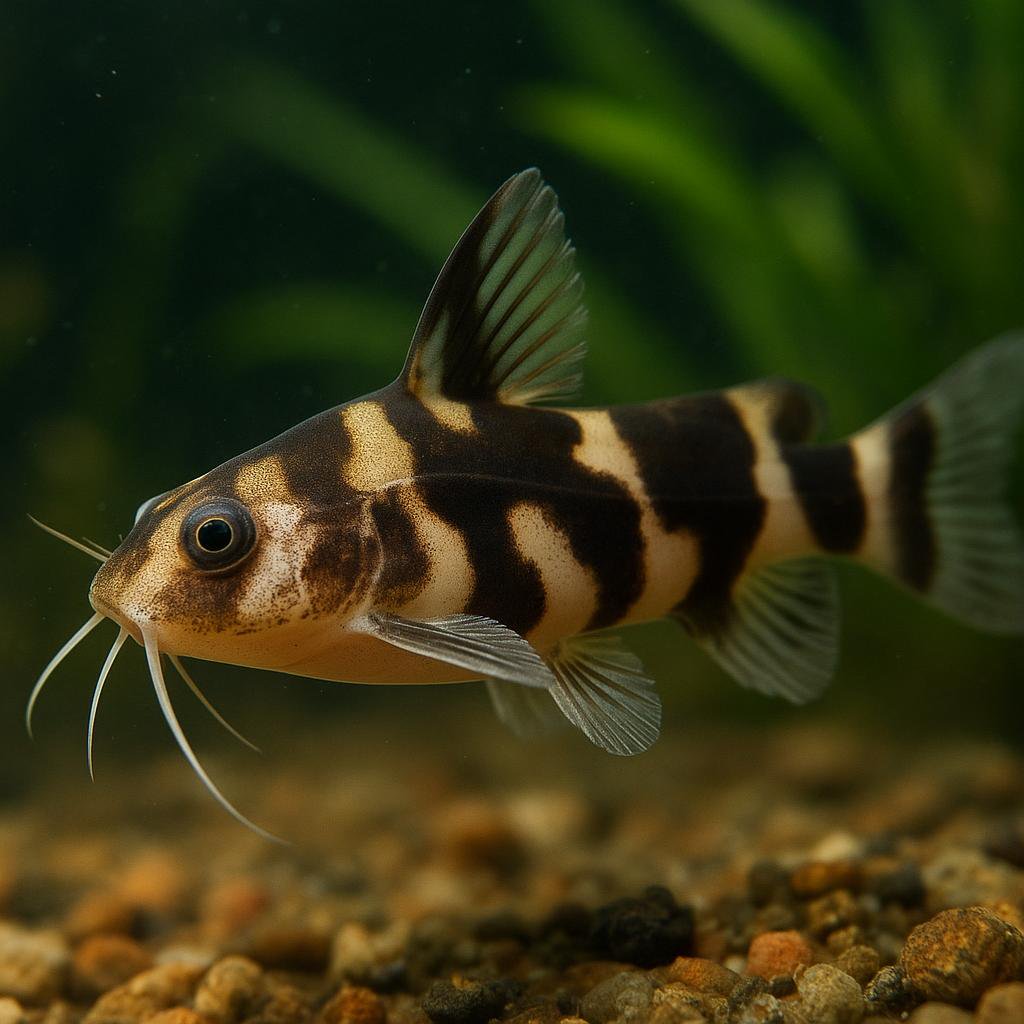
South American Bumblebee Catfish
Microglanis parahybae
Microglanis parahybae is one of the little South American bumblebee catfish - a small, nocturnal bottom-dweller that spends the day wedged under wood, rocks, or leaf litter and comes alive at feeding time. They are peaceful with most community fish, but anything tiny enough to fit in that catfish mouth can disappear after lights-out.
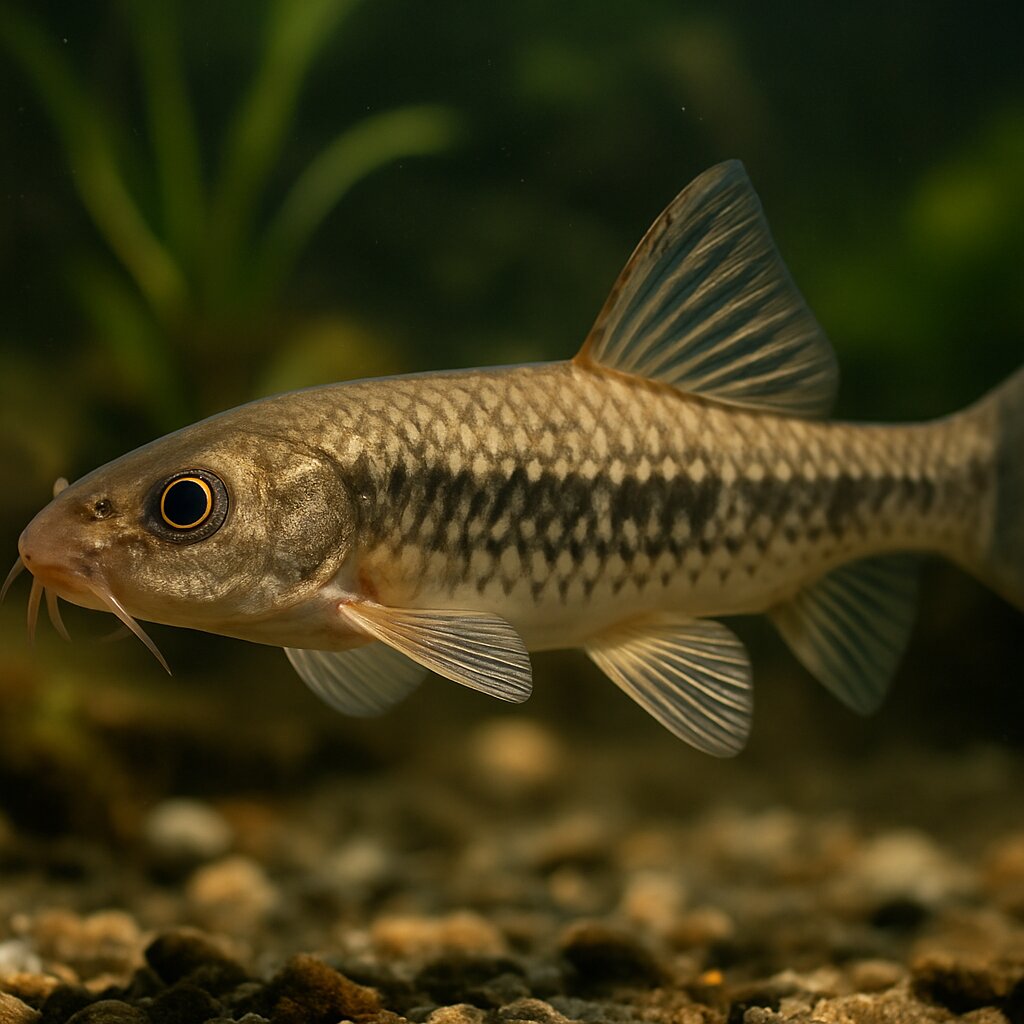
South Caucasian gudgeon
Romanogobio macropterus
A neat little river gudgeon from the Kura-Aras drainages, it hangs out right on the bottom and spends the day nosing through sand and gravel for tiny critters. Keep it cool and well-oxygenated with some current and you will see a lot of busy, natural foraging. It is subtle-looking but super active and fun to watch in a small group.