

Slender brotula
Dicrolene multifilis
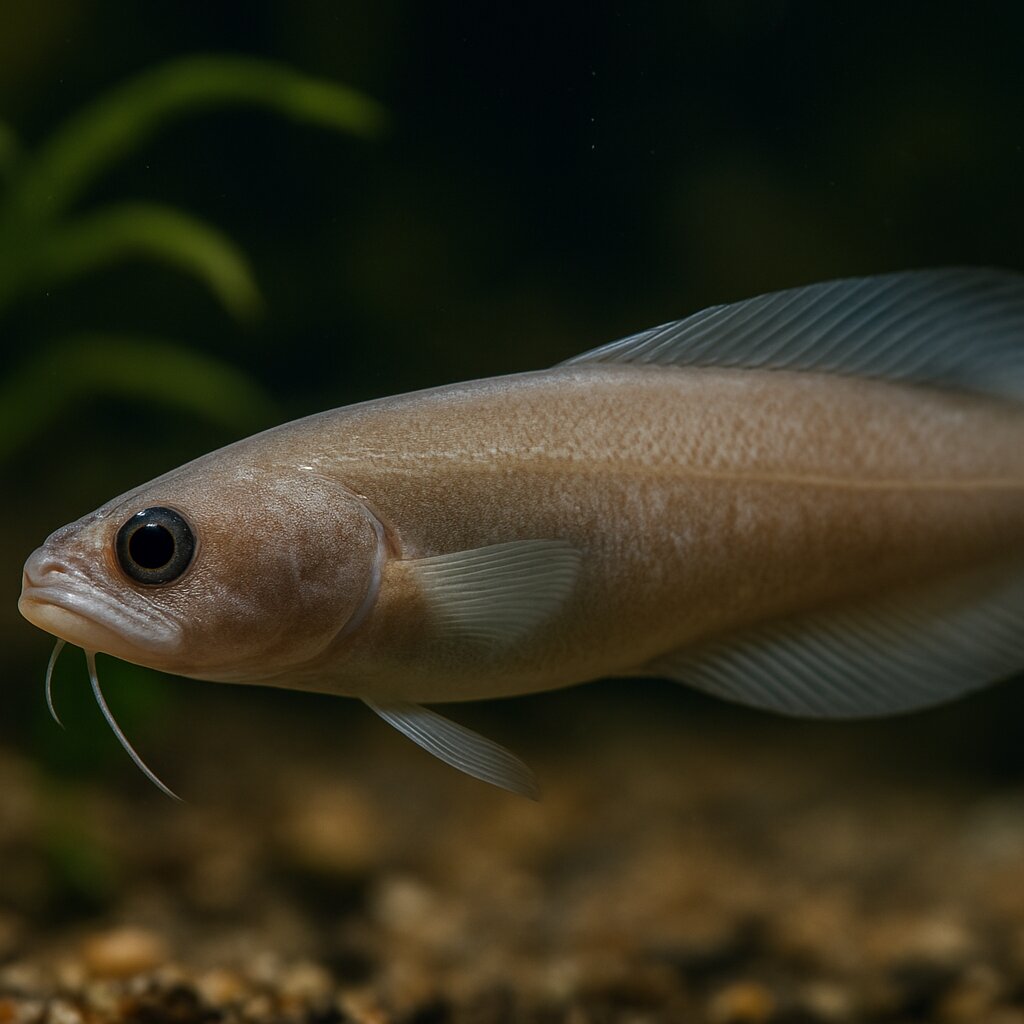
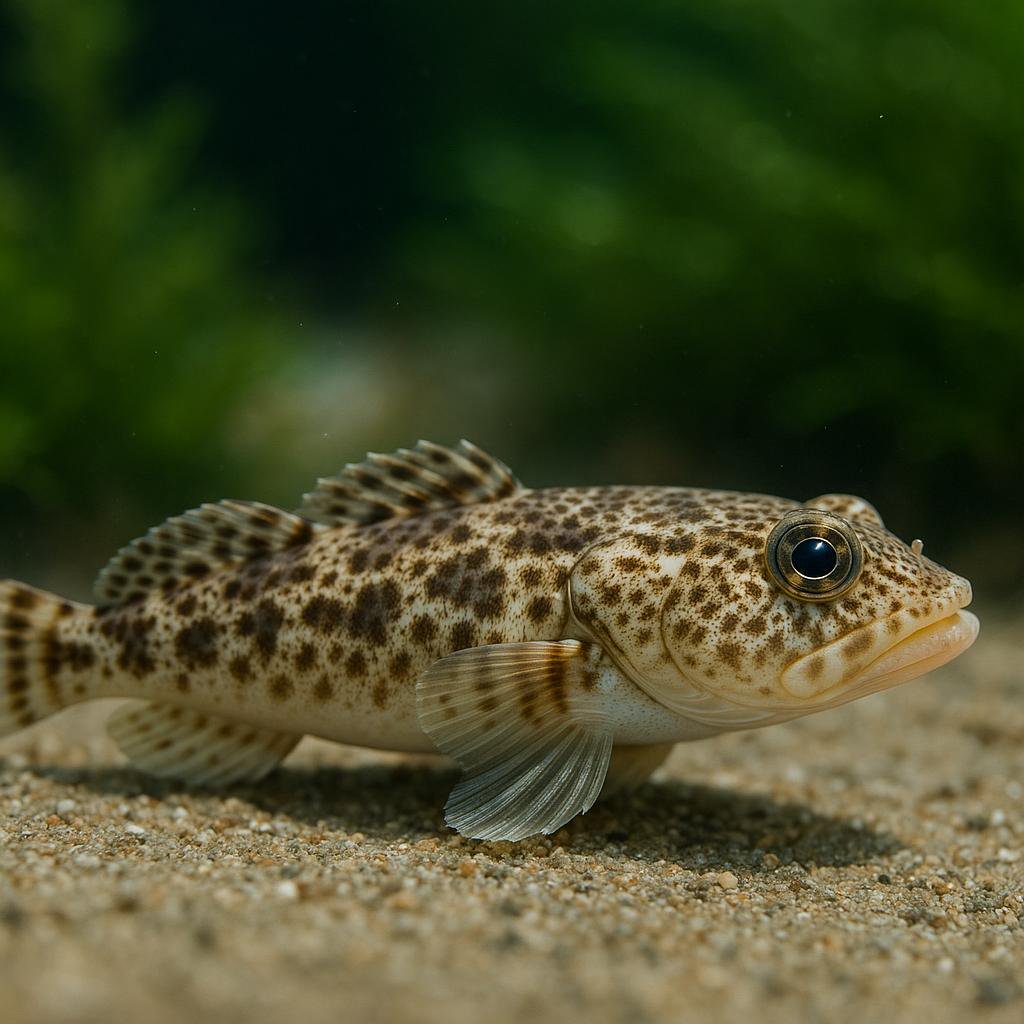
The Slender brotula features an elongated, slender body with a pale yellow to brown coloration and prominent dark spots along its sides.
This page includes AI-generated images. Why am I seeing AI images?
About the Slender brotula
Slender brotula (Dicrolene multifilis) is a deep‑sea cusk‑eel recorded from the western Indian Ocean off South Africa (including off Table Bay) and elsewhere in the Indian Ocean. It is bathydemersal at about 344–1,700 m, with modelled preferred temperatures around 2.1–9.5 °C. Maximum size is about 26 cm SL. It is oviparous; eggs are pelagic in a gelatinous mass. This uncommon deep‑sea species is not a candidate for home aquaria.
Also known as
Quick Facts
Size
26 cm SL
Temperament
Semi-aggressive
Difficulty
Expert
Min Tank Size
0 gallons
Lifespan
Unknown
Origin
Indian Ocean
Diet
Carnivore - deep-sea benthic invertebrates and small fishes
Water Parameters
2.1-9.5°C
7.8-8.2
0-0 dGH
Care Notes
- This is a deep‑sea, bathydemersal species (about 344–1,700 m; preferred 2.1–9.5 °C) and is not maintained in home aquaria.
Where they come from
Slender brotulas are deep-slope fishes from the Indo-Pacific, living way down on the continental edges. Think hundreds to more than a thousand meters deep, cold, dark, and quiet. They spend their time hugging the bottom, nosing around soft sediment and rock crevices for little crustaceans and worms.
This is a true deepwater species. Unless you have a chilled, dim, very stable marine system and experience with coldwater fish, skip it. Most do not survive capture and transport.
Setting up their tank
Plan for a cold, low-light, low-traffic setup. They are shy, mostly nocturnal, and hate bright light. A species-only tank is best.
- Tank size: 200-300 liters minimum for a single adult. Long footprint beats tall.
- Temperature: 4-10 C (39-50 F). Keep it rock steady with a reliable chiller and a controller.
- Salinity: 33-35 ppt. pH around 8.0-8.3.
- Oxygen: Keep it high. Strong aeration and surface agitation are your friends.
- Lighting: Very dim. Use red spectrum for viewing if you must. They relax in darkness.
- Flow: Gentle near the bottom with decent overall turnover. Avoid blasting their burrow zones.
- Substrate: Fine sand mixed with silt if you can manage it. Skip sharp crushed coral.
- Hides: Build a maze of PVC tubes and stable rock caves. Make it tight, dark, and secure.
I epoxy-rocked a few small caves together and buried sections of 1-1.5 inch PVC under the sand with just the openings showing. That gave mine places to wedge into and reduced pacing.
Use a tight lid and cover every gap. These eel-like fish can find the smallest opening and end up on the floor.
Filtration-wise, think oversized skimmer, big biomedia, and low-nutrient but not sterile water. They put out a fair bit of protein once eating. Intakes should be guarded so they do not get sucked in during night forays.
What to feed them
Getting a new brotula to eat is the whole game. They key in on scent and movement, not bright light. Start after lights-out, and deliver food right to the cave entrance with long tongs.
- Starter foods: live blackworms (rinsed in saltwater), live mysids, small live shrimp if you can source cold-tolerant ones.
- Transition foods: finely cut raw shrimp, clam strips, squid slivers, small silverside pieces, PE mysis.
- Prep: soak meaty foods in a vitamin mix and a touch of marine garlic to get interest and cover the freezer smell.
- Routine: small portions 3-4 times a week. Their metabolism at 6-8 C is slow; do not overfeed.
- Technique: wiggle food at the entrance, then lay it just inside and back off. Patience beats chasing.
Once mine recognized the feeding stick, it would snake out, grab, and back up into the tube. Took about 10 days of consistency to switch from live to prepared.
How they behave and who they get along with
They are cave-huggers. Most of the day is spent half-hidden with just the head showing. At night, they cruise low over the sand. Not outwardly aggressive, but anything bite-sized that blunders by can disappear.
- Best kept solo. Two in the same tank tend to stress each other unless the tank is very large with multiple deep retreats.
- Tankmates, if you must: coldwater, calm species that do not outcompete at feeding time and are too big to be a snack. Avoid flashy, active swimmers that will keep it on edge.
- Not reef safe in the warmwater sense. Corals do not belong in a 6-8 C system anyway, and they will nose through anything soft in search of food.
Bright lights and constant movement will keep a brotula in hiding and off food. A quiet room and a red headlamp go a long way.
Breeding tips
I have never seen a confirmed captive spawning of Dicrolene, and I would not plan a project around it. Sexing is not practical without dissection, and deepwater cues (pressure, day-length at depth, seasonal plankton pulses) are hard to mimic. Enjoy it as a display animal if you can keep one eating and stable.
Common problems to watch for
- Refusal to eat: common the first 2-3 weeks. Keep it dark, reduce foot traffic, and try live foods to break the ice.
- Heat creep: anything over 10 C for long stretches speeds up metabolism and crashes them. Size your chiller generously.
- Low oxygen: cold water holds more O2, but deepwater fish still crave high saturation. Add an airstone or increase surface chop.
- Light stress: bright lights lead to frantic dashes and face rubbing at cave entrances. Dim it down.
- Injuries: they wedge hard into crevices. Use smooth PVC and avoid sharp rock edges.
- Medication sensitivity: be cautious with copper and formalin in very cold water. I run observational quarantine and targeted treatments only.
- Decompression damage from capture: gas issues, poor equilibrium, or rapid decline on arrival. If it shows up like this, outcomes are usually poor regardless of care.
Ethics check: these fish are almost always deep bycatch, and many die before reaching hobbyists. If your system is not already dialed for cold, dim, and stable, pass on the species. Public aquariums are better set up for them.
Acclimate in a dark, insulated bucket. Match temperature first, then salinity via slow drip. Zero bright light, zero chasing, straight into a pre-darkened tank with a prepared cave.
Similar Species
Other marine semi-aggressive species you might be interested in.
Aleutian skate
Bathyraja aleutica
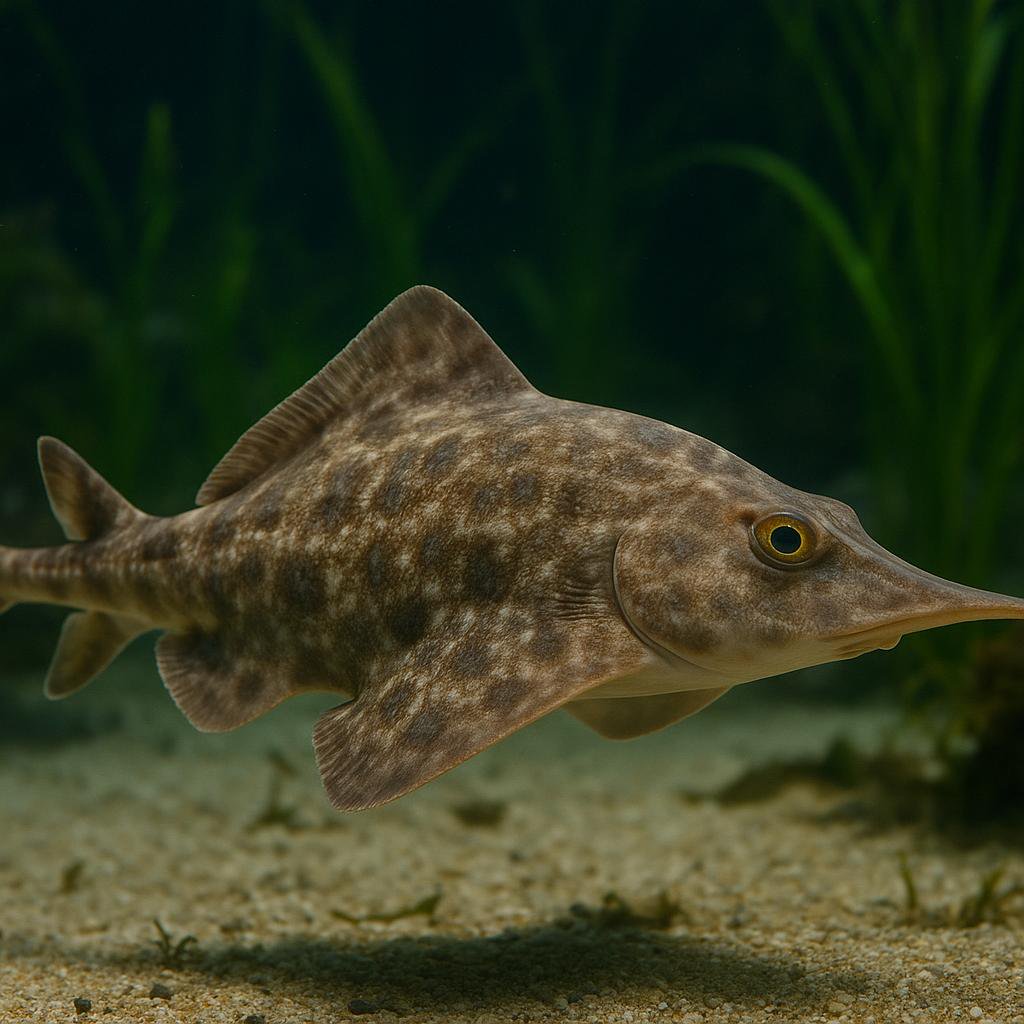
This is a big, cold-water deep-slope skate from the North Pacific that cruises muddy bottoms and eats chunky benthic prey like crabs and shrimp. The really cool bit is its egg-laying skate life - it does distinct pairing (the classic skate "embrace") and drops those tough egg cases on the seafloor. Not an aquarium fish at all unless you're basically running a public-aquarium-style chilled system.
Antarctic dragonfish
Vomeridens infuscipinnis
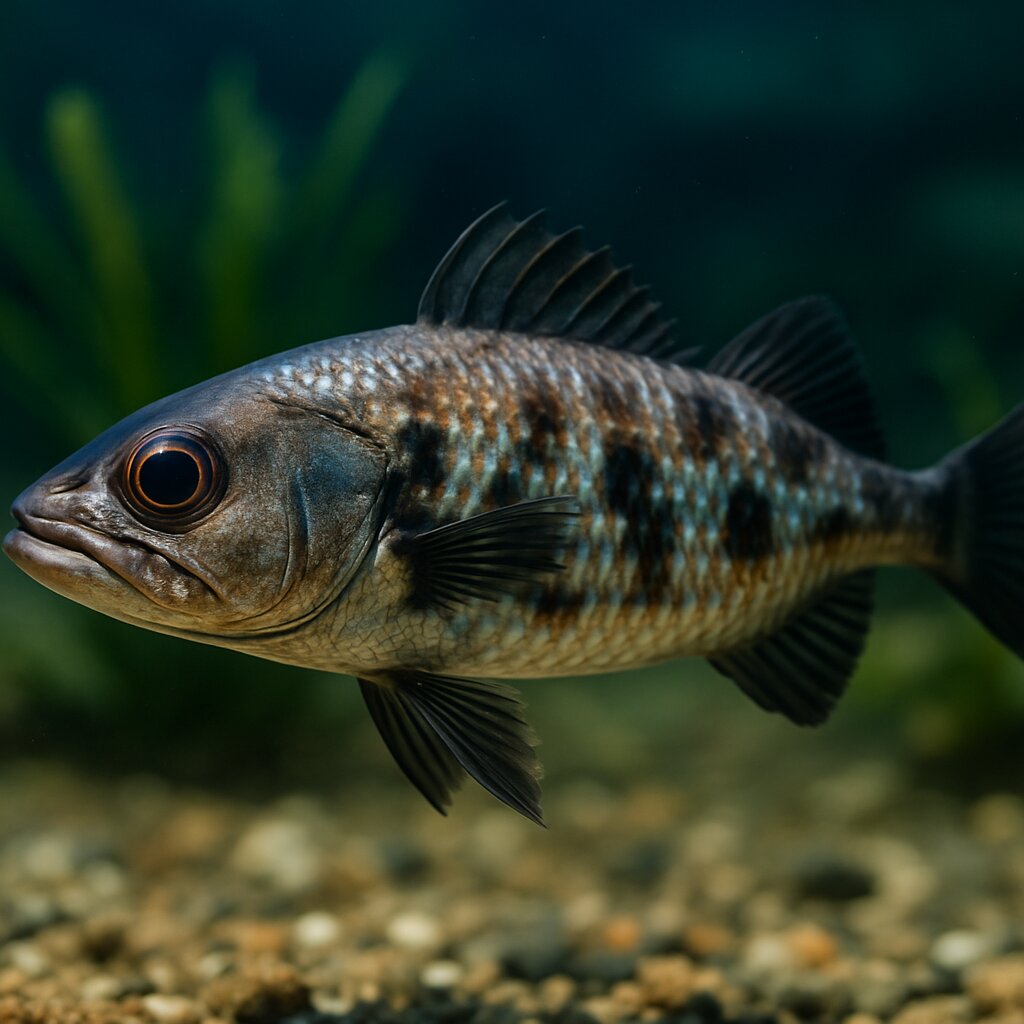
Deep down around Antarctica, this sleek dragonfish cruises the water column like a little submarine, nearly neutrally buoyant so it can hover above the seafloor. It munches almost exclusively on Antarctic krill and lives in near-freezing water 500-800 m down, so it is a cool species to read about, not one for home tanks.
Arabian spiny eel
Notacanthus indicus
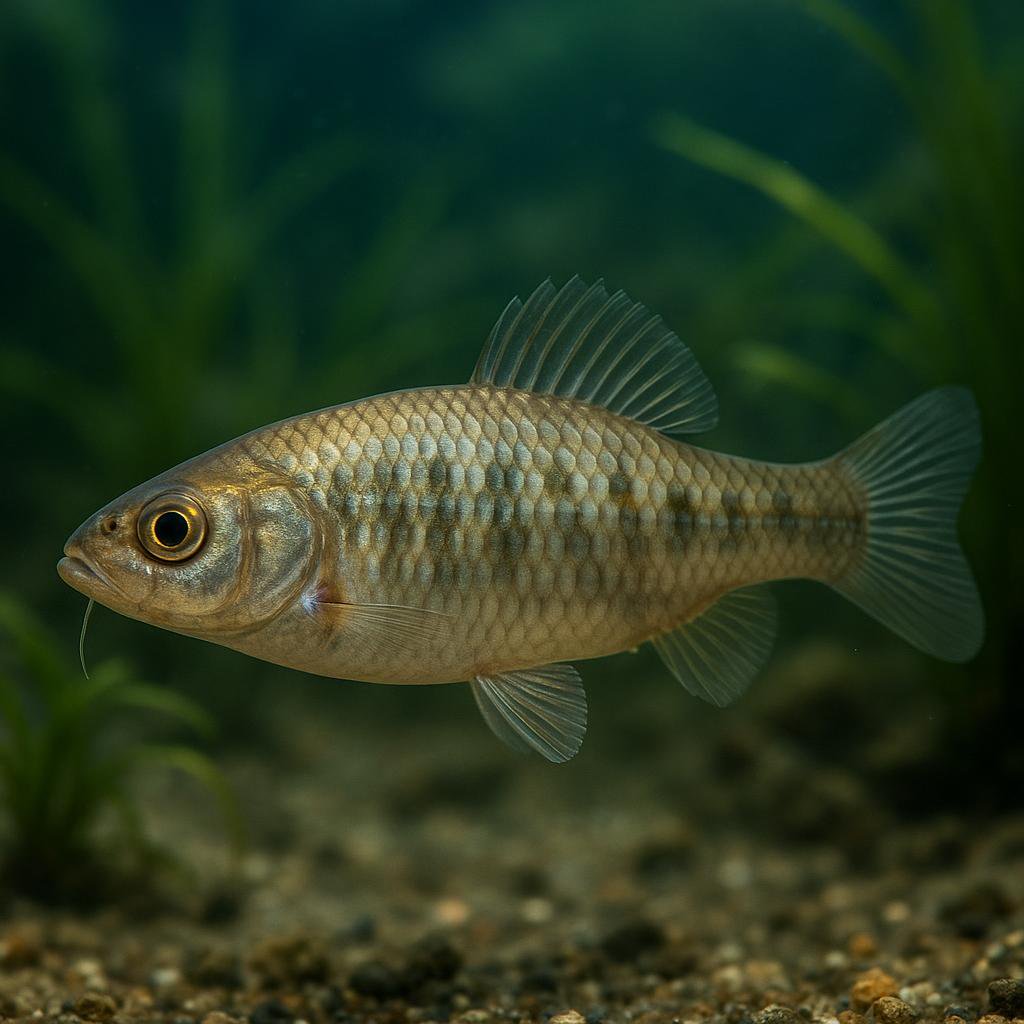
Notacanthus indicus is a deep-sea spiny eel (family Notacanthidae; not a true eel) known from the Arabian Sea on the continental slope at roughly ~960–1,046 m depth, with reported maximum length around 20 cm TL; it is a deep-water bycatch species and not established in the aquarium trade.
Arctic rockling
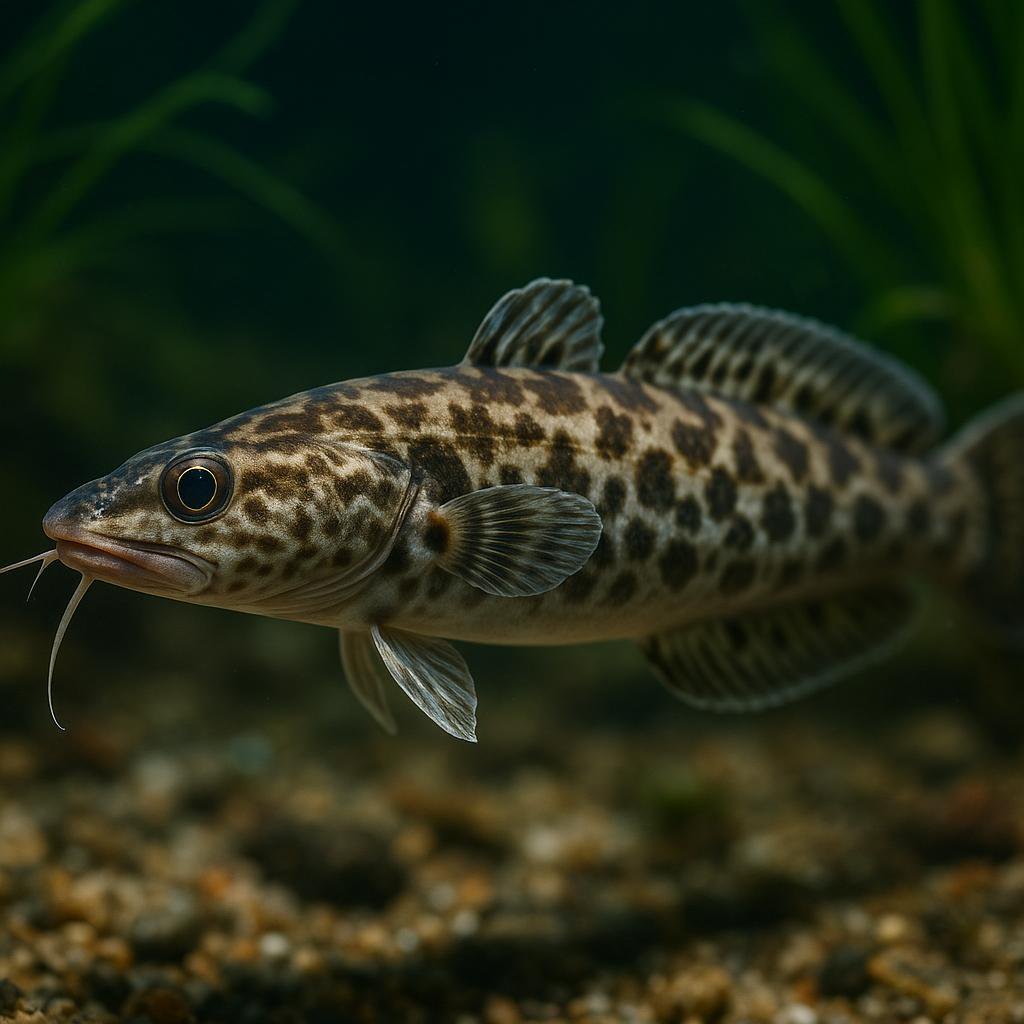
Gaidropsarus argentatus
This is a deepwater North Atlantic rockling (a cod relative) that hangs out on soft bottoms way down the slope. It is a cold-water, bottom-hugging predator that snoots around for crustaceans and will also take small fish when it gets the chance.
Atlantic pomfret
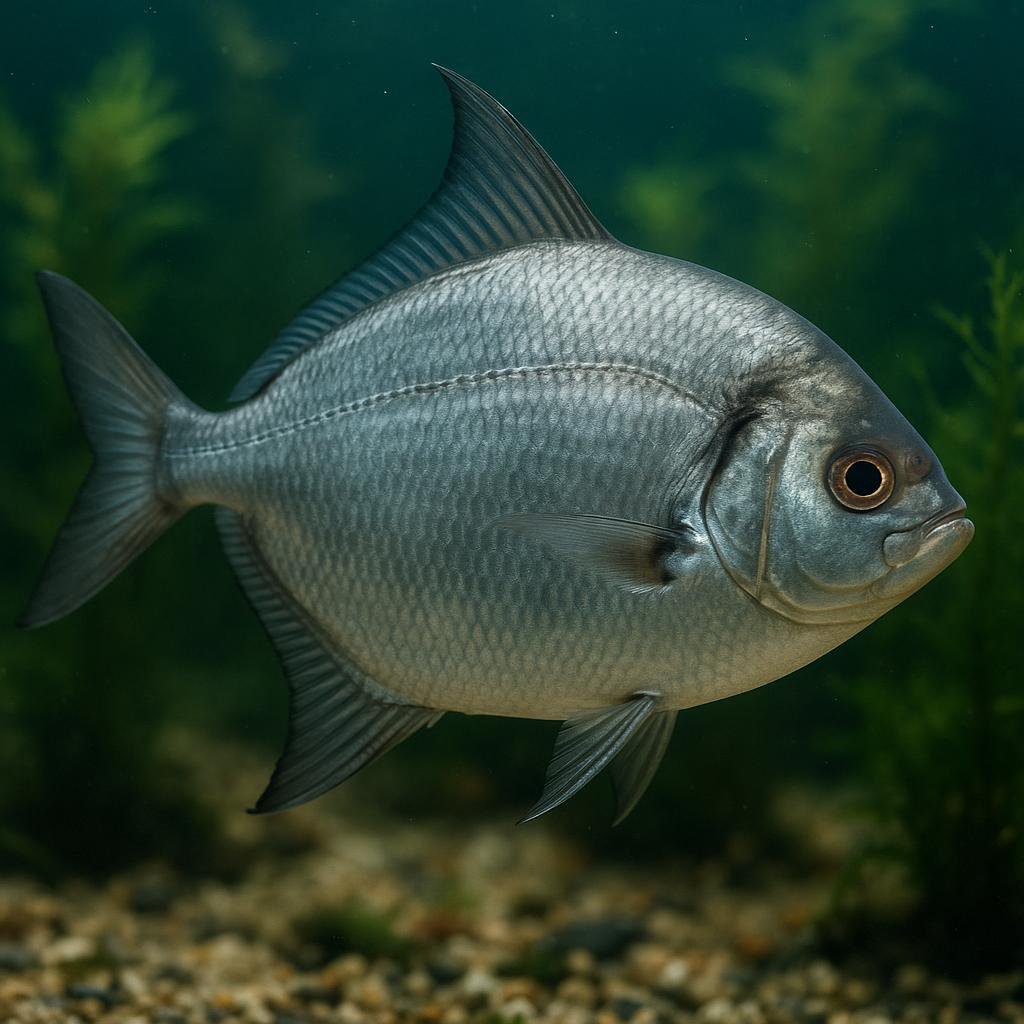
Brama brama
Brama brama is the Atlantic pomfret (aka Ray's bream) - a deep-bodied, open-ocean pelagic fish that cruises around in small schools and follows water temps. It is a legit big, wild marine species (not an aquarium fish) that eats other small sea critters like fish and squid, and it ranges across a huge chunk of the Atlantic plus parts of the Indian and South Pacific.
Australian sawtail catshark
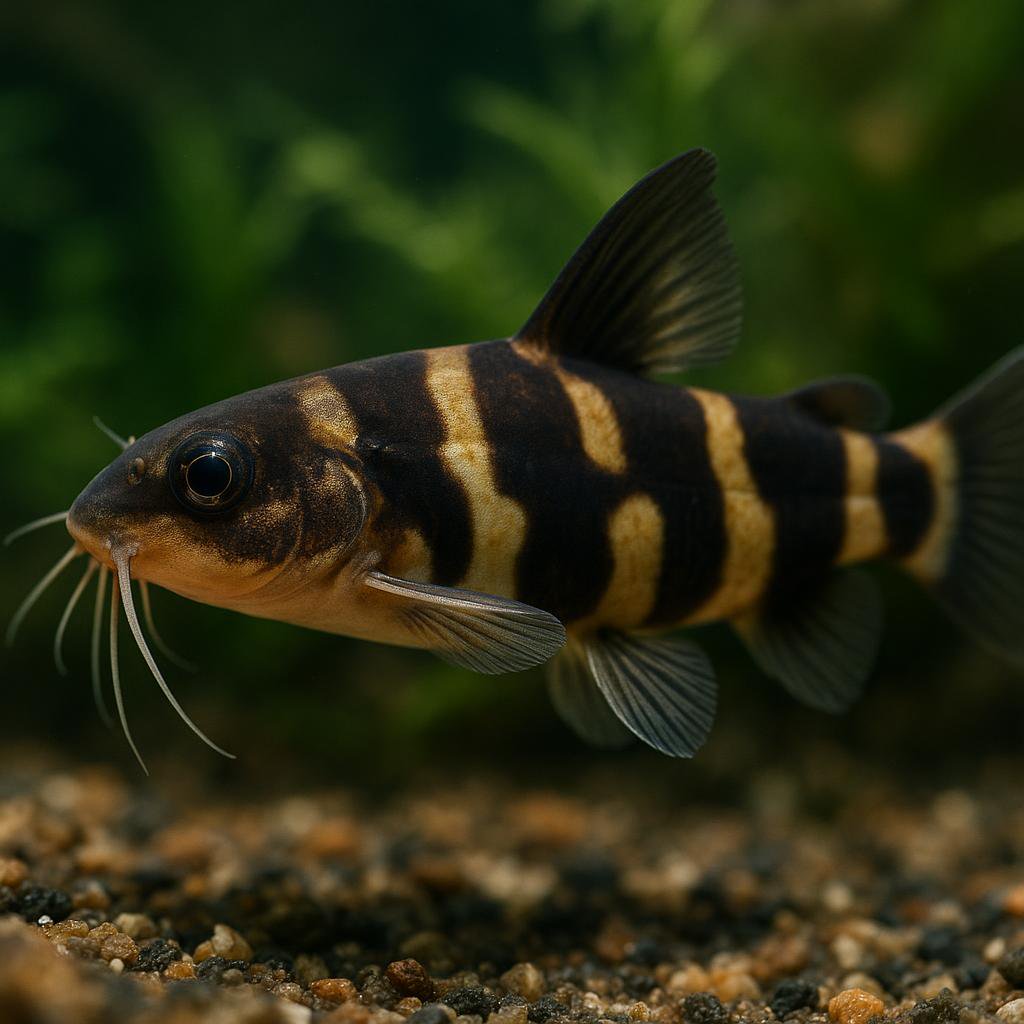
Figaro boardmani
Figaro boardmani is a small, deepwater Australian catshark with these cool saw-like ridges of spiny denticles along the tail and a neat pattern of dark saddle bands. It lives way down on the outer continental shelf and slope, so its natural water is cold, dim, and stable - totally not a typical home-aquarium fish. Diet-wise its a predator that goes after fish, crustaceans, and cephalopods.
More to Explore
Discover more marine species.
Abe's eelpout
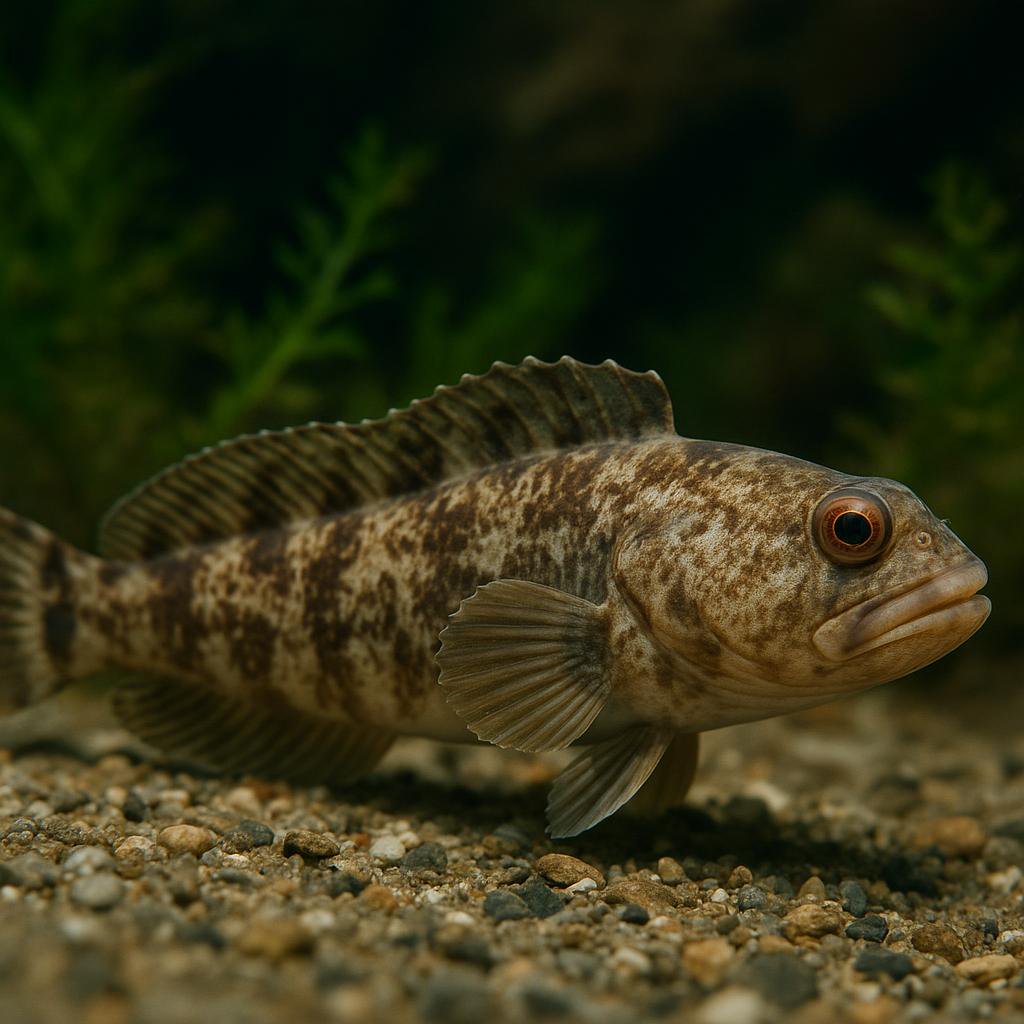
Japonolycodes abei
Japonolycodes abei is a temperate, deepwater demersal eelpout (family Zoarcidae) endemic to Japan (Kumano-nada Sea reported; other sources also report Sagami Bay and Tosa Bay). It is the only species in the genus Japonolycodes and occurs roughly 40-300 m depth, making it an uncommon/atypical aquarium species.
Affinis blind cusk-eel
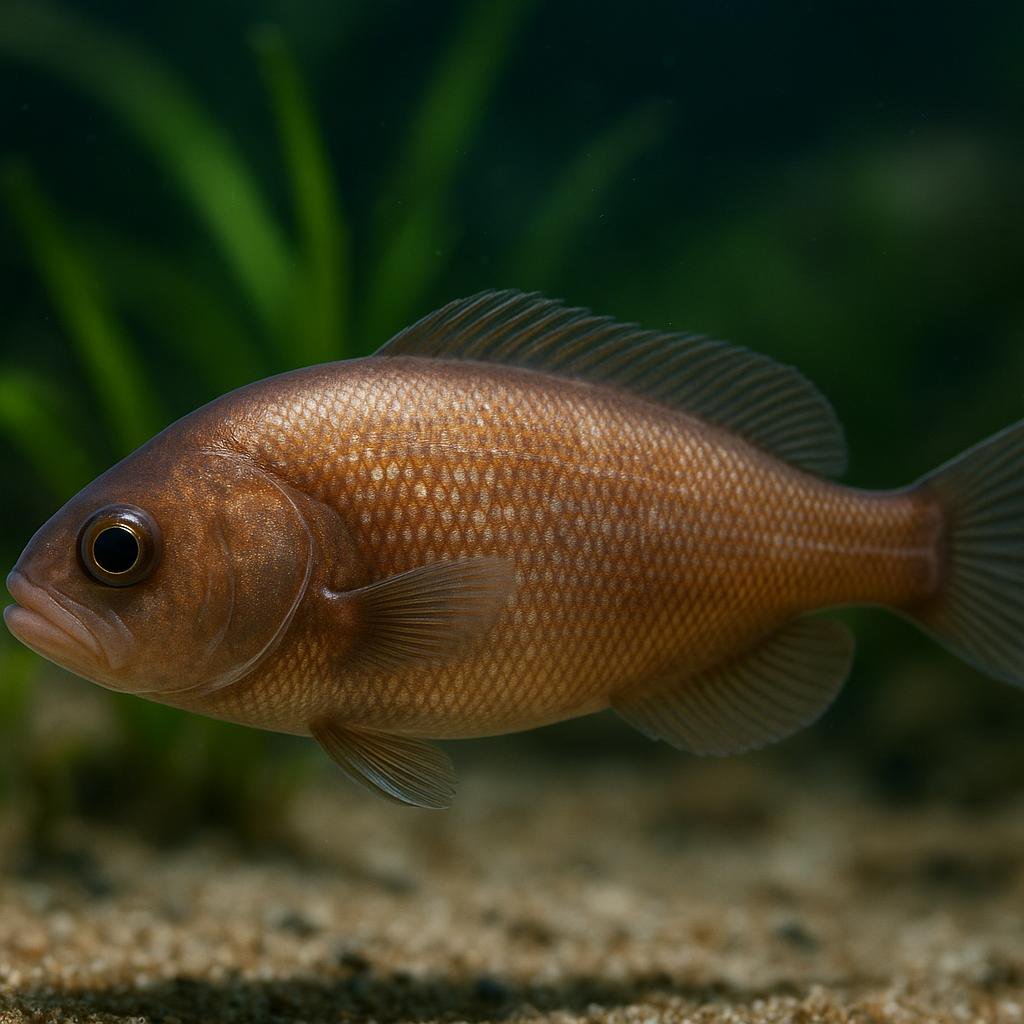
Barathronus affinis
Barathronus affinis is a tiny, super-weird deep-sea blind cusk-eel from the western-central Indian Ocean. It is one of those gelatinous, loose-skinned brotula-type fishes that live way down in the dark and are basically never seen alive, so almost everything we know comes from preserved specimens and taxonomic work.
African red snapper
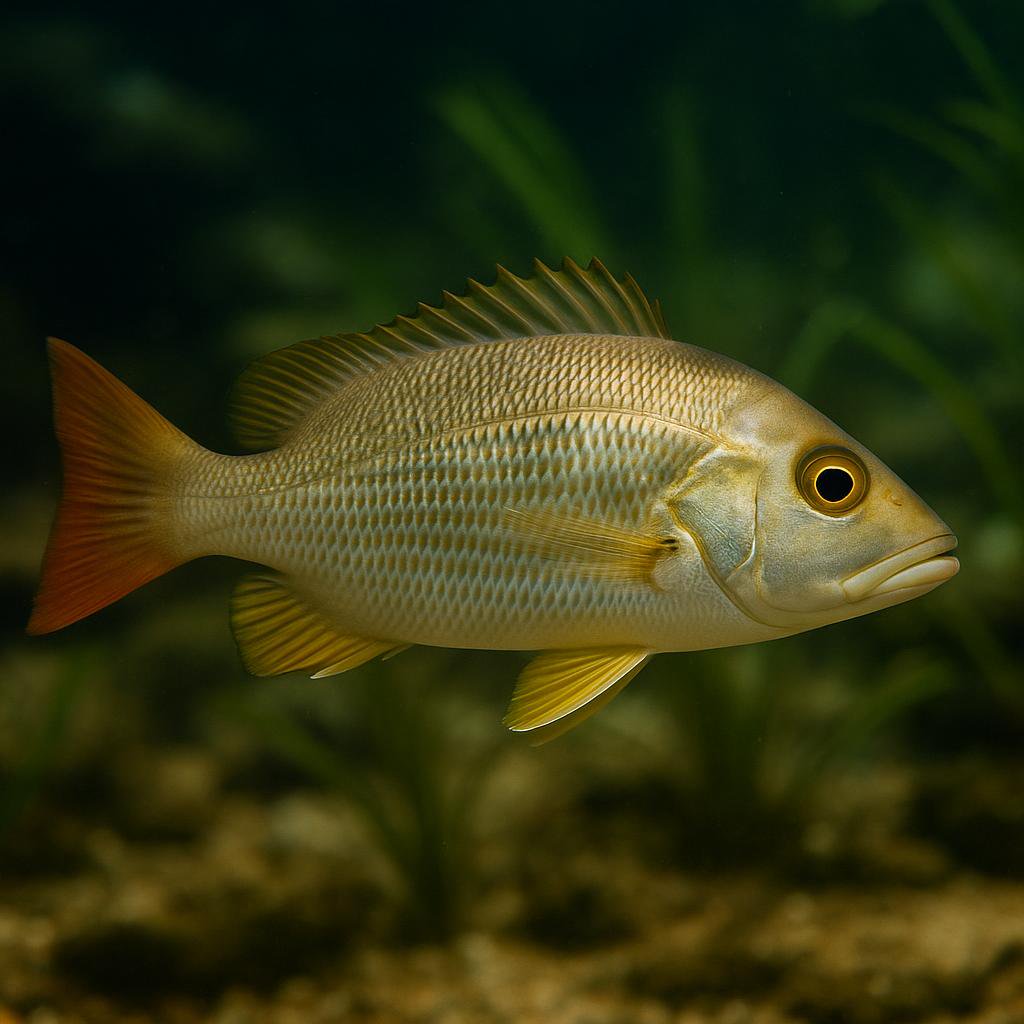
Lutjanus agennes
This is a true snapper from West Africa - a big, fast-growing predator that goes from coastal reefs to brackish lagoons and estuaries (especially as a juvenile). Super cool fish in the wild, but it gets absolutely huge and will eat smaller tankmates once it has the mouth for it, so its really more of a public-aquarium scale animal than a home-aquarium fish.
Allis shad
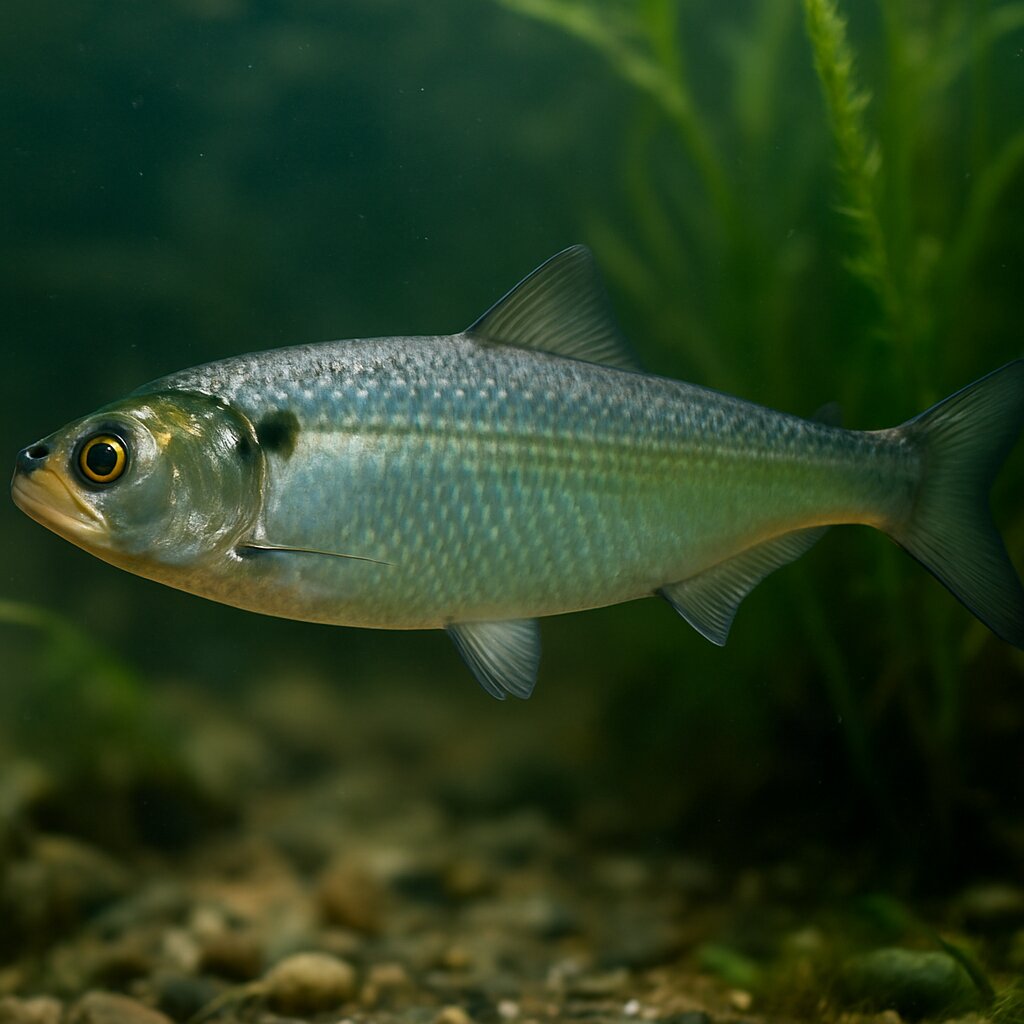
Alosa alosa
Gorgeous silver, fast-swimming shad that spends most of its life in the sea and then surges up big rivers in noisy, surface-spawning schools. It grows huge for a herring-type fish and needs cool, ultra-oxygenated water and tons of open space, so it is a public-aquarium species rather than a home tank fish.
Annandale's zebra sole
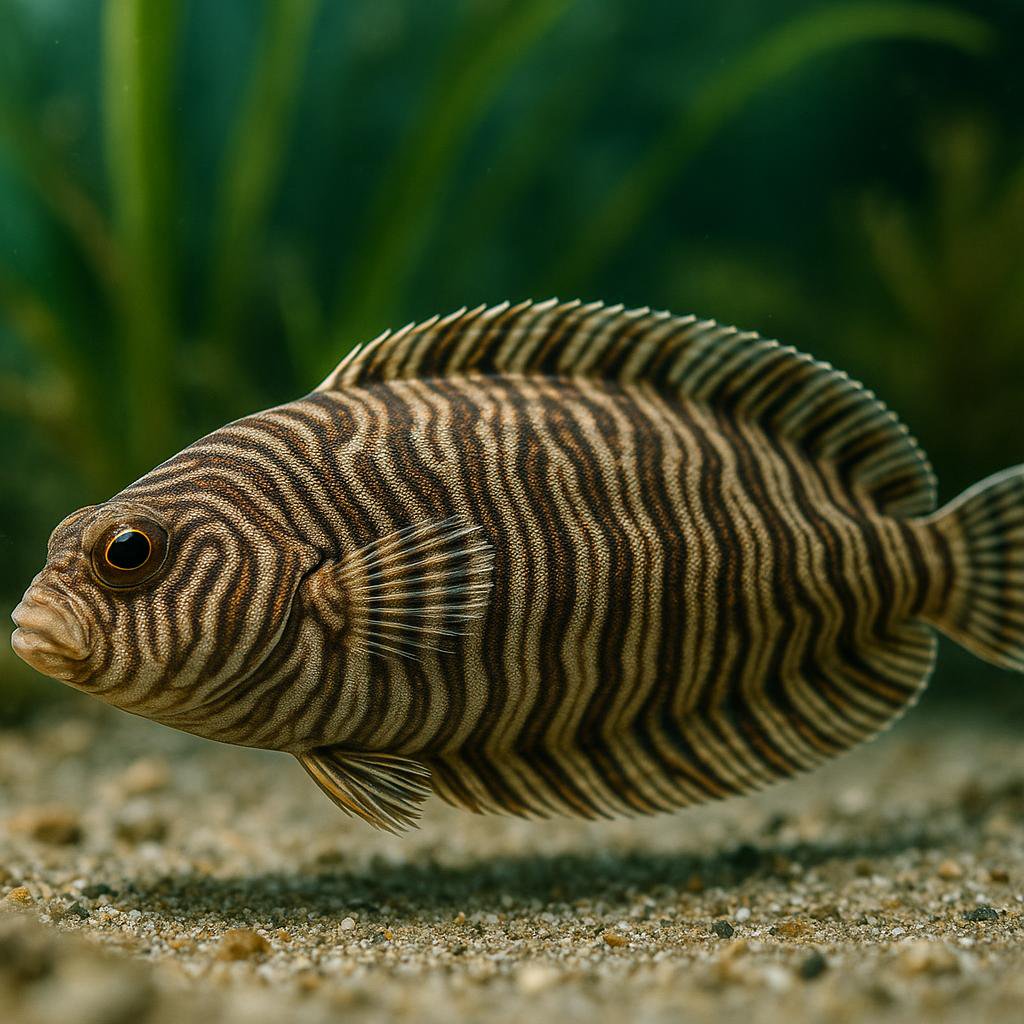
Zebrias annandalei
Zebrias annandalei is a small demersal sole from coastal India that inhabits sandy or muddy bottoms and buries for camouflage. It is rarely kept in home aquaria and would require a specialized marine sand-bottom setup and appropriate feeding.
Banded stargazer
Kathetostoma binigrasella
This is a New Zealand stargazer that lives half-buried in sand or mud with its eyes pointed up, waiting to rocket upward and nail passing prey. It has those neat dark saddle-bands across the back (especially as a juvenile), and like other stargazers it is venomous with spines near the gill cover/pectoral area - definitely a look-dont-touch fish.
Looking for other species?