

Sixstrap grubfish
Parapercis sexlorata
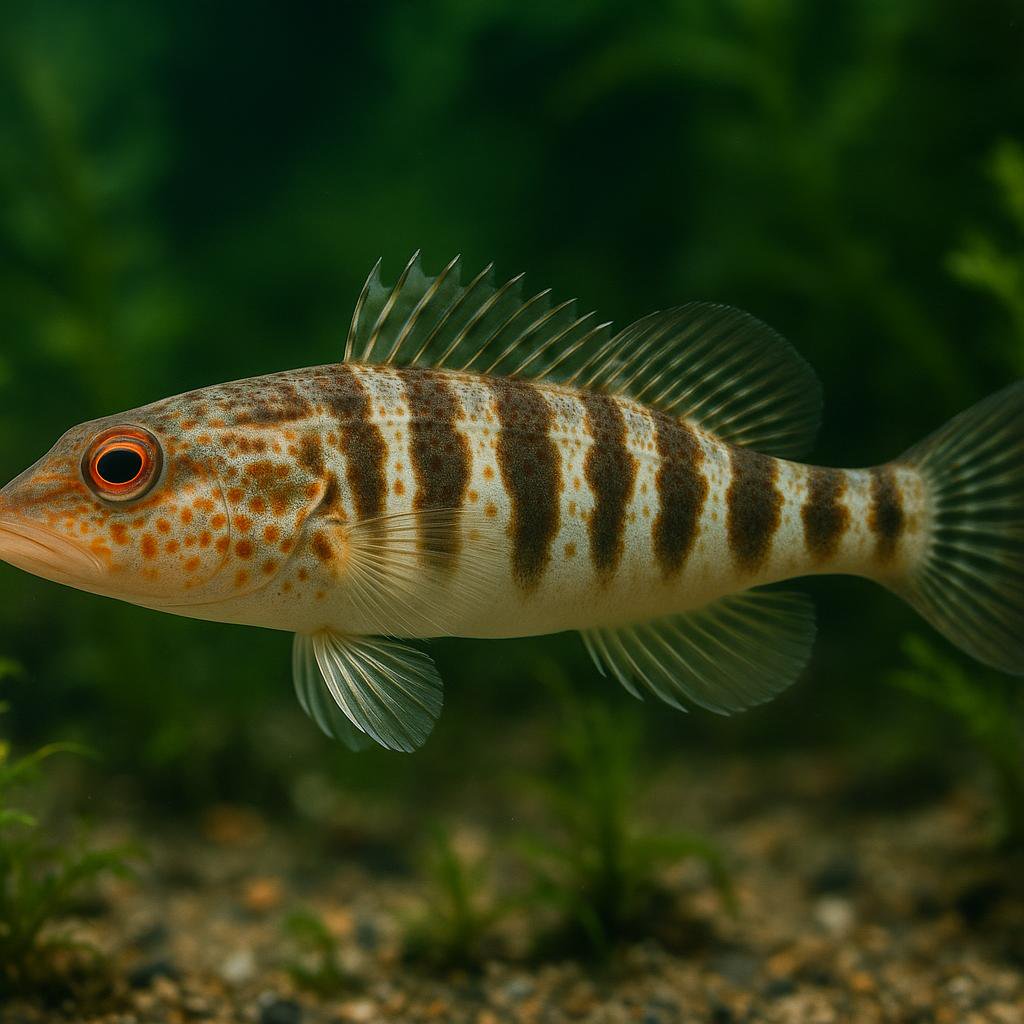
The Sixstrap grubfish features a slender body with distinctive six dark stripes running longitudinally along its pale yellow to white background.
This page includes AI-generated images. Why am I seeing AI images?
About the Sixstrap grubfish
This is a little sandperch (grubfish) from eastern Australia that hangs around the bottom and blends in with sand and rubble. It is one of those fish that mostly sits and watches, then darts in for meaty food, and it can be a bit of a character in a marine setup. Also worth knowing: it is a deeper-water trawl species (about 86-137 m), so it is not really a typical warm-shallow reef fish.
Quick Facts
Size
12 cm SL (about 4.7 in)
Temperament
Semi-aggressive
Difficulty
Advanced
Min Tank Size
30 gallons
Lifespan
5-8 years
Origin
Western Pacific (eastern Australia)
Diet
Carnivore - small meaty foods (frozen mysis/brine, chopped seafood), will take pellets once settled
Water Parameters
22-26°C
8.1-8.4
8-12 dGH
Need a heater for this species?
This species needs 22-26°C in a 30 gallon tank. Use our heater calculator to find the right wattage.
Calculate heater sizeCare Notes
- Give it a big sand bed (fine sand, a few inches deep) and some rubble/rock ledges - they like to perch and they will dive into sand when spooked, so bare-bottom is a bad time.
- They jump. Use a tight lid and cover every gap around plumbing and cords, because they can launch when startled or during feeding.
- Keep marine parameters stable. Use reef-normal salinity (around 1.025 specific gravity) and a moderate temperature; avoid sudden swings. As with most sandperches, good oxygenation and low nutrients help long-term condition.
- Feed like a predator that burns calories: small meaty foods 1-2 times a day (mysis, chopped shrimp, clam, squid, enriched brine), and use tongs or target feeding so faster fish do not steal everything.
- Do not trust it with tiny fish or ornamental shrimp - anything that fits in its mouth is food, especially at night.
- Tankmates: calm to semi-bold fish that will not bully a bottom perch (tangs, angels, bigger wrasses are usually fine), and avoid aggressive dottybacks/hawkfish-type jerks that will harass it on the sand.
- Watch for shipping stress and parasites (they can come in with flukes/ich) and be ready to QT; also look for mouth damage from hitting lids and for sunken belly if it is not getting enough food.
- Captive breeding of Parapercis species is uncommon in the hobby, and sexing can be difficult; prioritize long-term stability and nutrition rather than attempting pair breeding.
Compatibility
Good Tankmates
- Midwater swimmers that can handle a little attitude - like fairy wrasses (Cirrhilabrus) or flasher wrasses (Paracheilinus). They are quick, not easily bullied, and usually stay out of the grubfish's face.
- Tougher peaceful-ish reef fish like tangs (yellow, kole, tomini) in a decent-sized tank. They do their own thing and do not hover near the sand where the sixstrap hangs out.
- Rabbitfish (foxface, etc.). Same deal as tangs - bigger, confident, and not food-sized. They are usually unbothered by a semi-aggressive sand-percher.
- Clownfish (especially maroons, tomatoes, clarkiis) if the tank has space and territories are clear. They are scrappy enough to not get pushed around, just watch nesting clowns getting extra spicy.
- Bigger, sturdy gobies that are not tiny - like watchman-style gobies (Amblyeleotris) paired with a pistol shrimp can work if the sandbed has room. The grubfish is a perch-and-pounce type, so give everyone their own real estate.
- Larger, non-bullying midwater fish that won’t harass bottom perchers (evaluate case-by-case).
Avoid
- Tiny shrimp gobies, neon gobies, and other small, slender fish that look like a snack. Sixstrap grubfish are little ambush predators and will absolutely try to eat anything bite-sized once they settle in.
- Ornamental shrimp you actually care about (cleaner shrimp, peppermint, sexy shrimp). Some people get away with it, but with Parapercis I have seen enough 'shrimp was here yesterday' stories that I do not risk it.
- Other sand-perching predators in the same lane - like other Parapercis, most dottybacks, or similarly shaped bottom hunters. Too much overlap, and you get constant posturing and chasing, especially in smaller tanks.
- Super aggressive bruisers like large damsels, big dottybacks, or triggers in a tighter setup. They will either bully the grubfish nonstop or turn the tank into a wrestling match - neither is fun.
Where they come from
Sixstrap grubfish (Parapercis sexlorata) are little sand-perching predators from the Indo-Pacific. You will usually find their relatives sitting on open sand next to rubble and low rock, watching everything like a tiny hawk. That natural "perch and pounce" thing drives basically every care decision in the tank.
Setting up their tank
Think sand, space, and stability. This is not a fish I would toss into a fresh build or a tank that still swings in salinity and nutrients. They do best once your system has settled in and you have a routine.
- Tank size: I would start at 40-55 gallons for one. Bigger is easier if you want other sand sitters or active fish.
- Sand bed: fine sand, around 1-2 inches. They like to rest on it and may make little divots.
- Rockwork: keep some open sand in front. Build a few low ledges and rubble zones so they can perch and retreat.
- Flow: moderate. Let food settle a bit so they can hunt without it blasting past their face.
- Lid: cover the tank. These guys can jump if spooked, especially early on.
- Lighting: whatever suits your reef or FOWLR. They do not need special lighting, but give them shaded spots.
Skip sharp crushed coral. A lot of sand-perchers get frayed fins and irritated bellies on coarse substrate, and it can start a spiral of infections.
If you run a reef, they are usually fine with corals. The real question is whether your cleanup crew and small ornamental crustaceans are fine with them (more on that below).
What to feed them
They are meaty-food fish. Mine settled in fastest once I treated it like a picky predator and fed smaller portions more often at first. New arrivals can ignore flakes and pellets for a while even if they look "fine" otherwise.
- Great staples: frozen mysis, chopped shrimp, chopped clam, enriched brine (as a helper food, not the main diet), small pieces of squid.
- Best "gets them started" foods: live blackworms (if you can source safely), live ghost shrimp, live enriched brine, or freshly hatched/older brine for smaller individuals.
- Pellets: some will convert to sinking carnivore pellets, but do not count on it day one. Mix pellets into thawed food and let them associate the smell.
Target feeding works wonders. Use a turkey baster or feeding tube and drop food right in their "strike zone" on the sand. They learn fast, and it keeps faster tankmates from stealing everything.
Feeding rhythm that has worked for me: for the first couple weeks, small feeds once or twice a day. After they are settled and holding weight, you can usually go to 4-5 meaty feedings per week depending on tank temp, tankmates, and body condition. You want a gently rounded belly after meals, not a constantly pinched look.
How they behave and who they get along with
Personality-wise, they are bold in a quiet way. They sit, watch, scoot, pounce. They are not usually open-water bullies, but they are absolutely predators, and anything that fits will get tested.
- Good tankmates: medium peaceful reef fish (tangs, rabbitfish, most wrasses that are not hyper-aggressive), gobies that are not tiny, blennies that can hold their ground, cardinals, chromis (adult size).
- Use caution: other sand perchers, hawkfish, dottybacks, aggressive damsels, big territorial clownfish pairs. They can get bullied off food or spend all day hiding.
- Not compatible: very small fish (tiny gobies), decorative shrimp you care about (sexy shrimp, anemone shrimp, small peppermint), small crabs. Snails usually fare better, but hungry fish make questionable decisions.
If you want shrimp in the same tank, go with larger cleaners (full-size skunk cleaner shrimp) and give them rockwork to retreat into. Even then, I would not call it a guarantee.
They like having a "home" spot on the sand with a nearby crevice. If you notice them pacing the glass or constantly relocating, the tank can be too bare, too bright, or they may be getting pushed around by a more dominant fish.
Breeding tips
Breeding Parapercis in home aquariums is not common. They are not like clownfish where you can predict the whole routine. If you keep a bonded pair and hit the right social setup, you might see courtship hovering and short dashes off the bottom, usually around dusk.
If you ever want to try, your best shot is a species-focused tank with very stable salinity/temperature, heavy feeding, and minimal competition. Most reports of failures are basically "they spawned but the eggs/larvae were impossible to raise" - typical marine larval challenge.
Common problems to watch for
Most issues I have seen with sand-perching predators come down to shipping stress, not eating, and getting outcompeted at mealtime. If you get past the first month and they are eating well, things usually get a lot smoother.
- Refusing food: common in new arrivals. Try smaller meaty items, feed with a baster, dim the lights, and keep boisterous tankmates away during feeding.
- Skin/fin damage from rough substrate: shows up as frayed fins, raw spots on the belly, or redness. Swap to fine sand and keep water clean while it heals.
- Parasites (ich/velvet): they can look "dusty" or breathe fast while still perching. Quarantine is your friend with advanced fish like this.
- Bacterial infections after shipping: cloudy eyes, redness at fin bases, sores. Often tied to stress and minor injuries.
- Jumping: usually early on, after chasing, or during sudden light changes. A lid fixes most of it.
Rapid breathing, hiding constantly, and refusing food together is a red flag in marine fish. Do not just wait it out. Check ammonia, salinity, and temperature right away, and be ready to move the fish to a quiet QT if you suspect velvet or a fast-moving infection.
One last practical thing: take photos every week or two. With perch-and-pounce fish, slow weight loss can sneak up on you because they do not "act" sick until they really are. A quick side photo under the same lighting makes it obvious if the belly is getting hollow.
Similar Species
Other marine semi-aggressive species you might be interested in.
Aleutian skate
Bathyraja aleutica
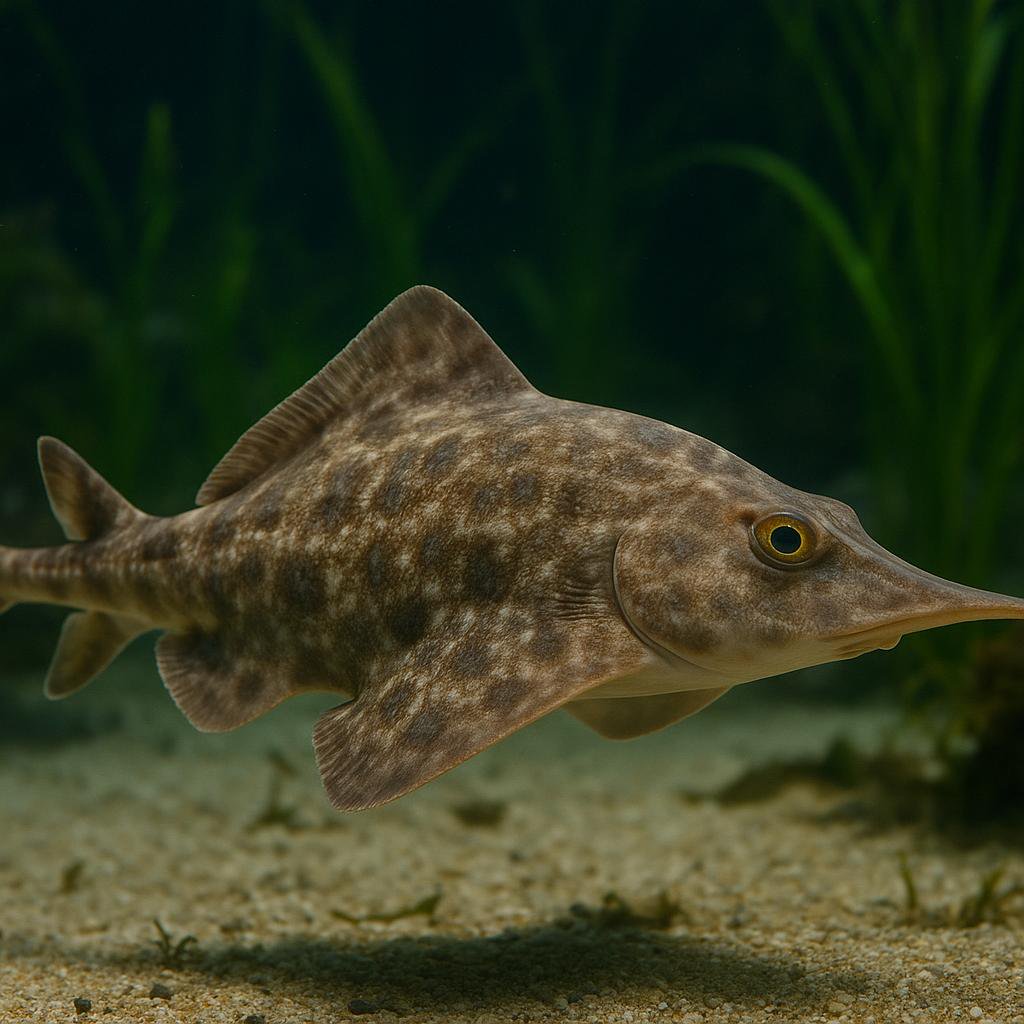
This is a big, cold-water deep-slope skate from the North Pacific that cruises muddy bottoms and eats chunky benthic prey like crabs and shrimp. The really cool bit is its egg-laying skate life - it does distinct pairing (the classic skate "embrace") and drops those tough egg cases on the seafloor. Not an aquarium fish at all unless you're basically running a public-aquarium-style chilled system.
Antarctic dragonfish
Vomeridens infuscipinnis
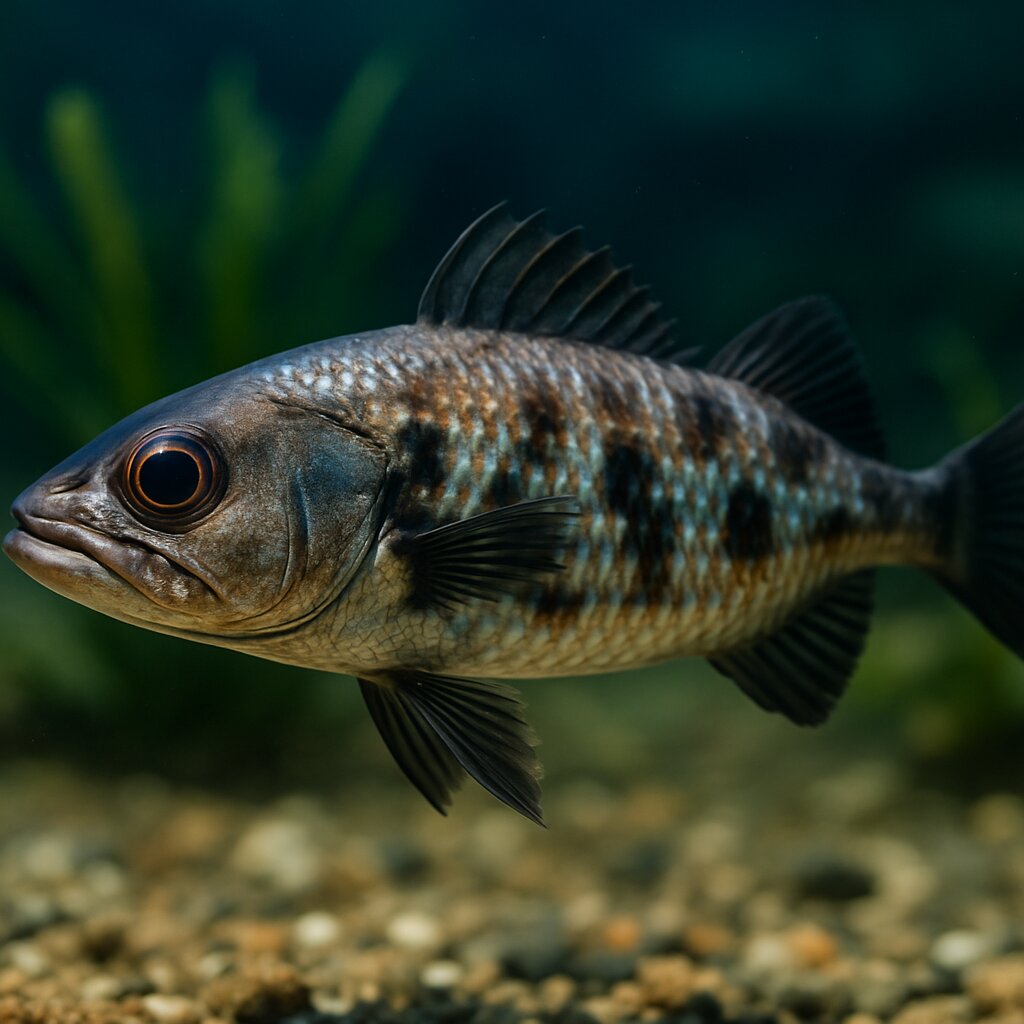
Deep down around Antarctica, this sleek dragonfish cruises the water column like a little submarine, nearly neutrally buoyant so it can hover above the seafloor. It munches almost exclusively on Antarctic krill and lives in near-freezing water 500-800 m down, so it is a cool species to read about, not one for home tanks.
Arabian demoiselle
Neopomacentrus sindensis
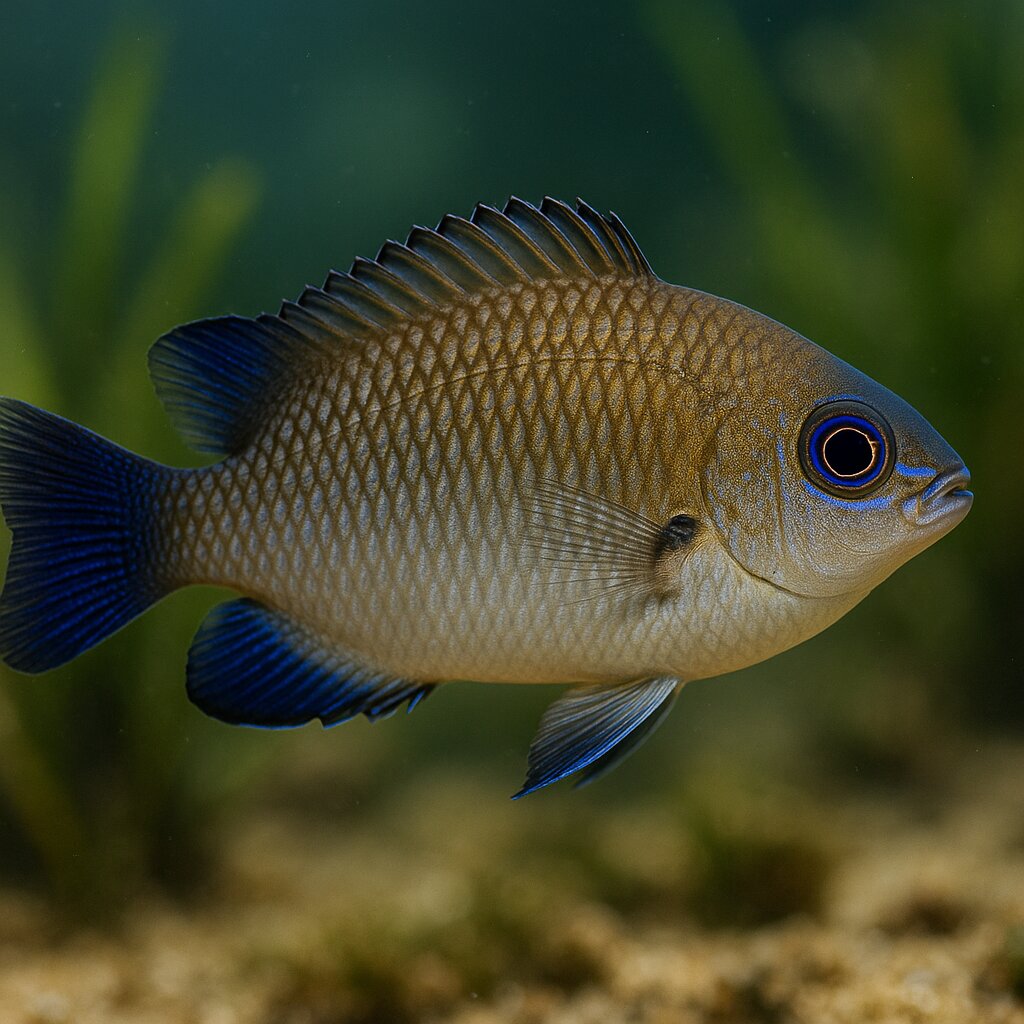
A small lyretail damsel from the Persian Gulf and Arabian Sea, it hangs in loose groups around coral heads, rocks, and even pier pilings picking zooplankton from the flow. Think classic damsel toughness with a slightly milder attitude than the real bruisers, plus subtle yellow tail accents. Males clean a patch, get a mate to lay eggs there, and then stand guard fanning the clutch.
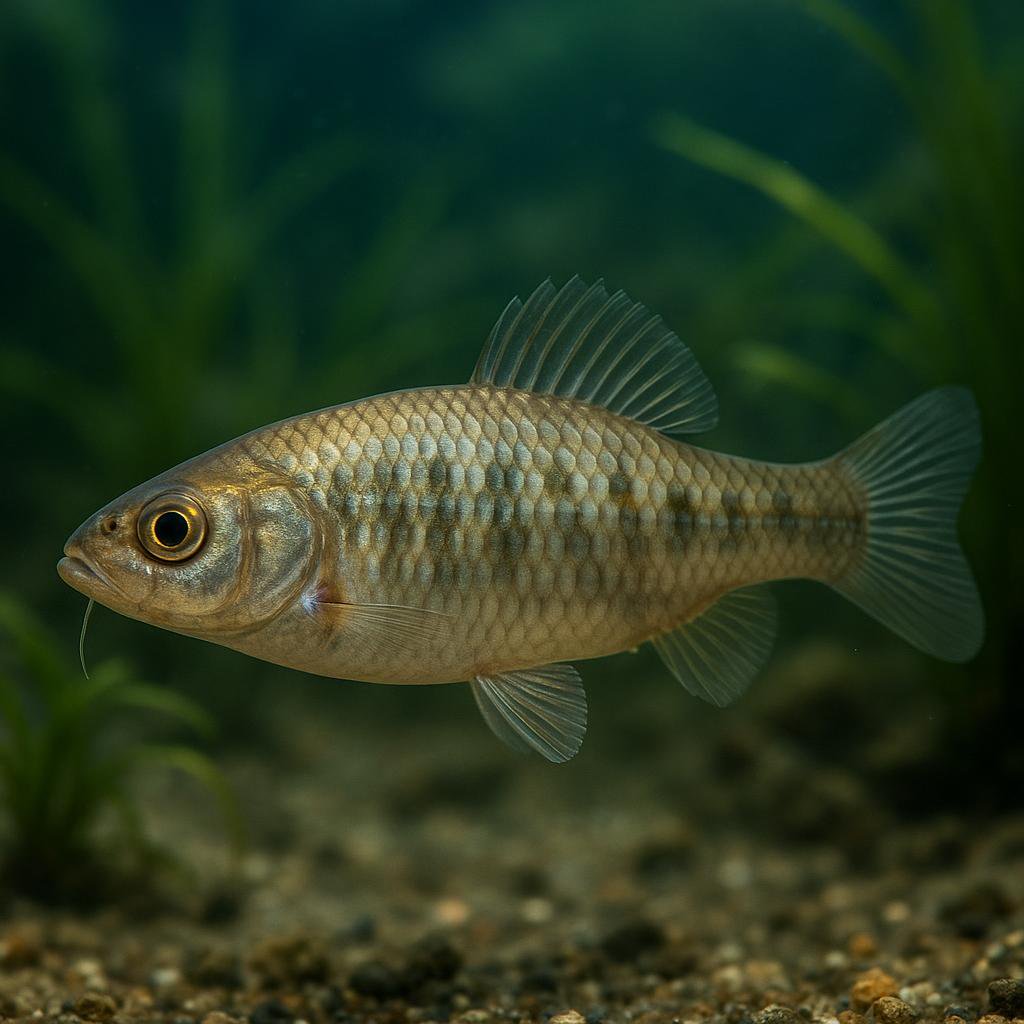
Arabian spiny eel
Notacanthus indicus
Notacanthus indicus is a deep-sea spiny eel (family Notacanthidae; not a true eel) known from the Arabian Sea on the continental slope at roughly ~960–1,046 m depth, with reported maximum length around 20 cm TL; it is a deep-water bycatch species and not established in the aquarium trade.
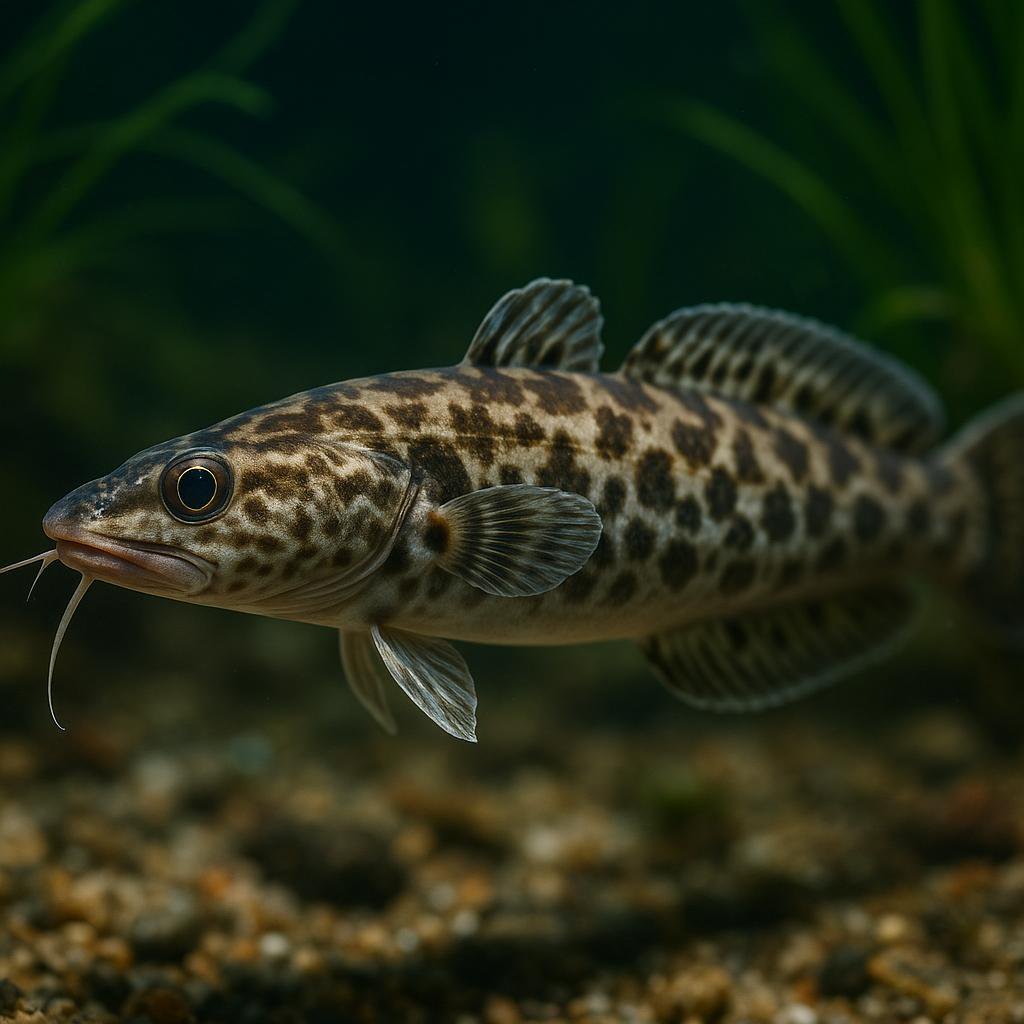
Arctic rockling
Gaidropsarus argentatus
This is a deepwater North Atlantic rockling (a cod relative) that hangs out on soft bottoms way down the slope. It is a cold-water, bottom-hugging predator that snoots around for crustaceans and will also take small fish when it gets the chance.
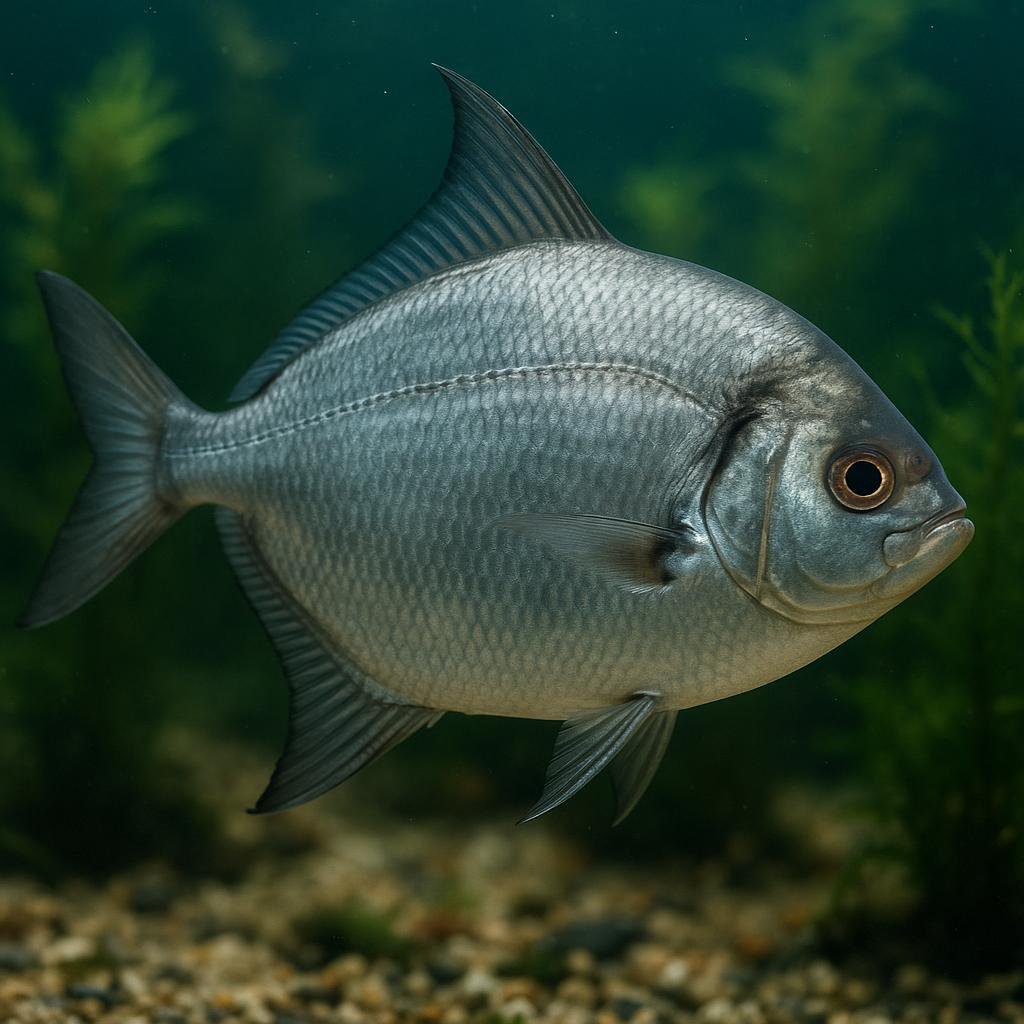
Atlantic pomfret
Brama brama
Brama brama is the Atlantic pomfret (aka Ray's bream) - a deep-bodied, open-ocean pelagic fish that cruises around in small schools and follows water temps. It is a legit big, wild marine species (not an aquarium fish) that eats other small sea critters like fish and squid, and it ranges across a huge chunk of the Atlantic plus parts of the Indian and South Pacific.
More to Explore
Discover more marine species.
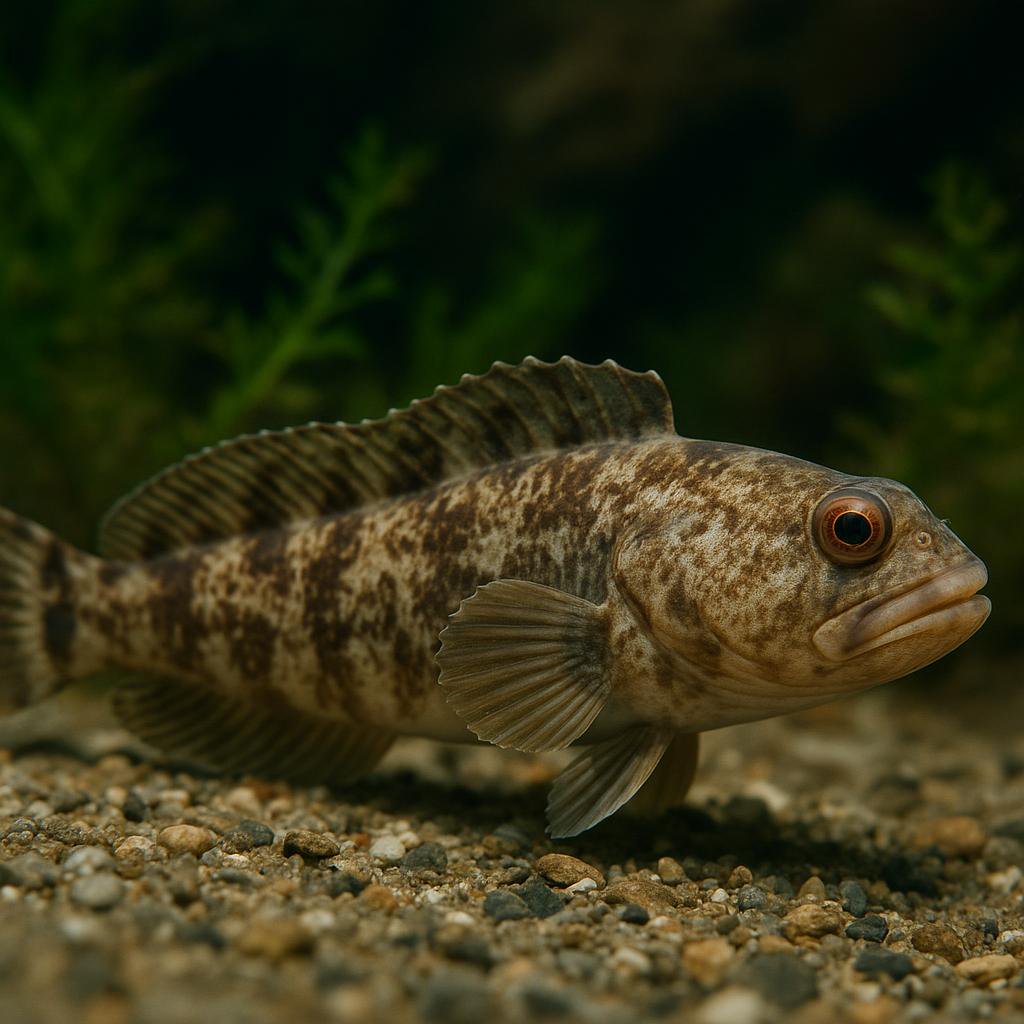
Abe's eelpout
Japonolycodes abei
Japonolycodes abei is a temperate, deepwater demersal eelpout (family Zoarcidae) endemic to Japan (Kumano-nada Sea reported; other sources also report Sagami Bay and Tosa Bay). It is the only species in the genus Japonolycodes and occurs roughly 40-300 m depth, making it an uncommon/atypical aquarium species.
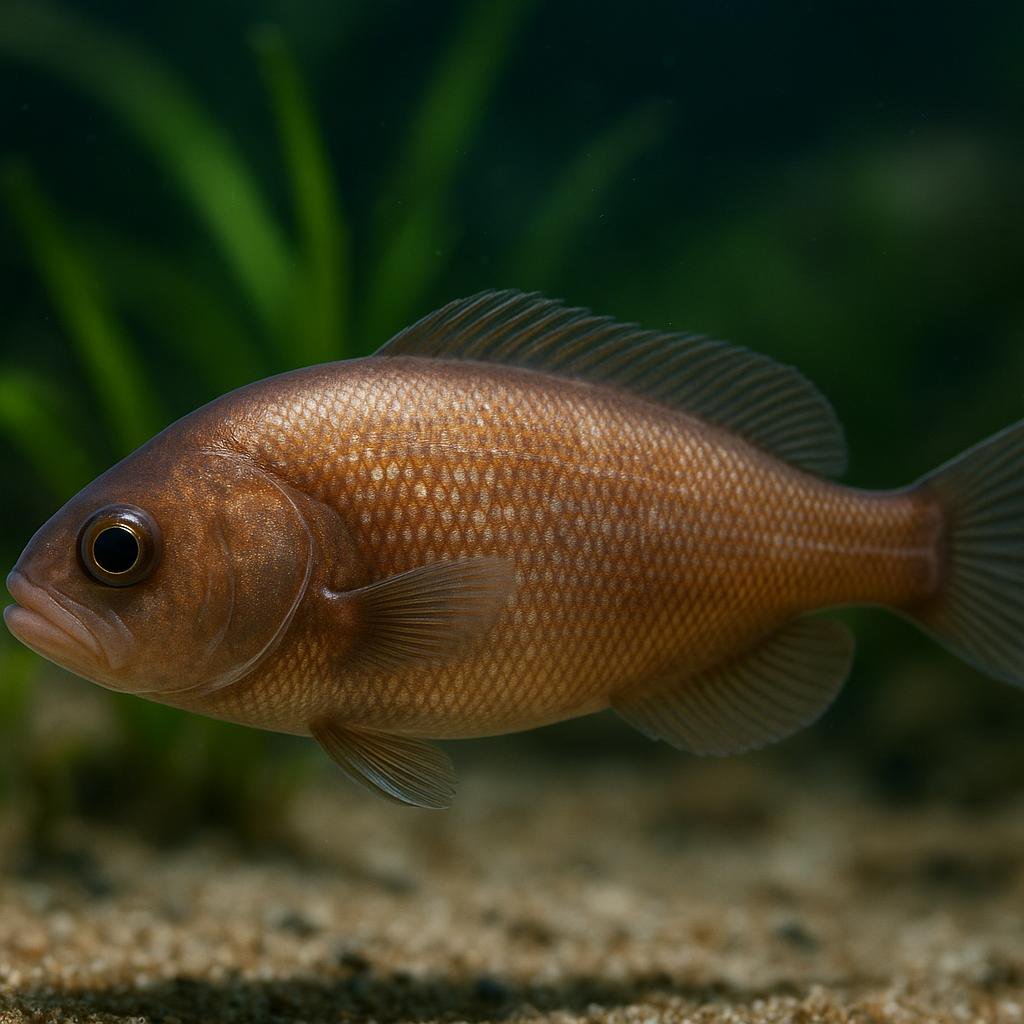
Affinis blind cusk-eel
Barathronus affinis
Barathronus affinis is a tiny, super-weird deep-sea blind cusk-eel from the western-central Indian Ocean. It is one of those gelatinous, loose-skinned brotula-type fishes that live way down in the dark and are basically never seen alive, so almost everything we know comes from preserved specimens and taxonomic work.
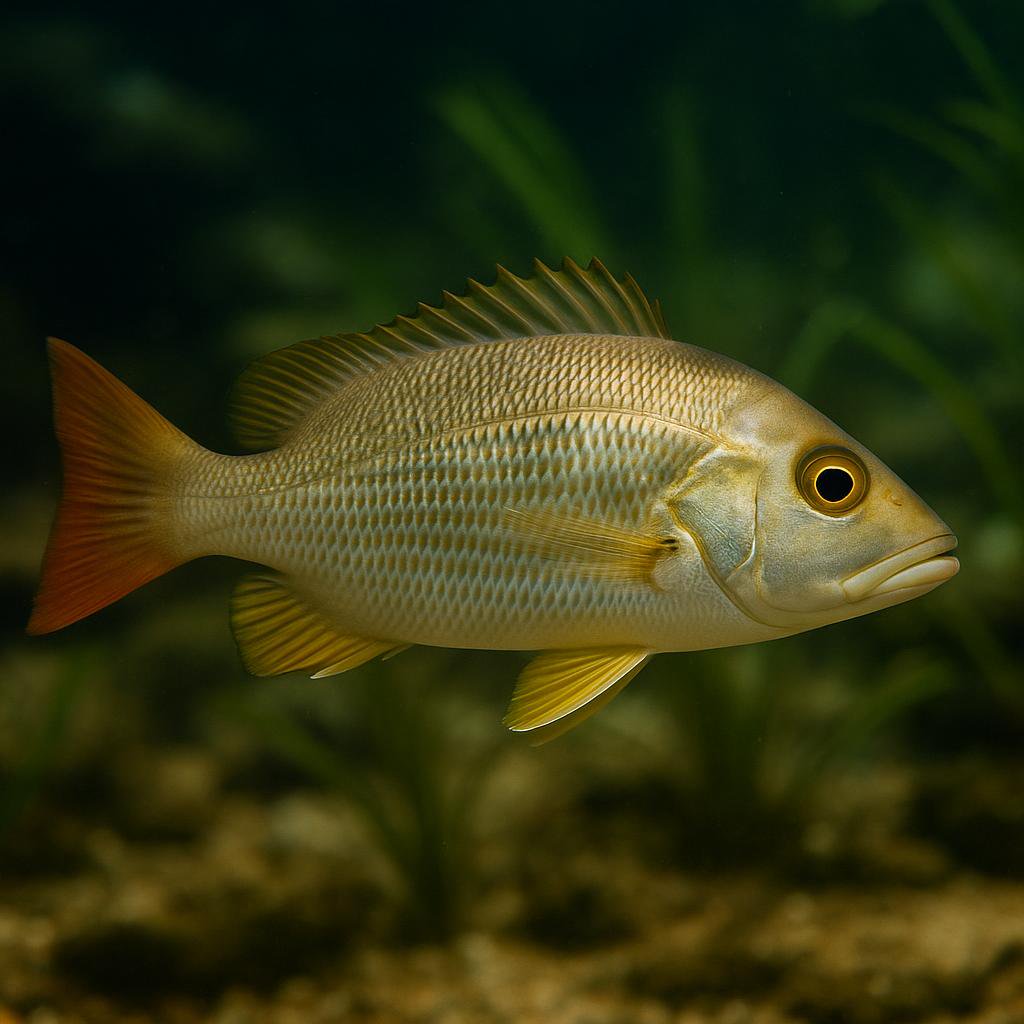
African red snapper
Lutjanus agennes
This is a true snapper from West Africa - a big, fast-growing predator that goes from coastal reefs to brackish lagoons and estuaries (especially as a juvenile). Super cool fish in the wild, but it gets absolutely huge and will eat smaller tankmates once it has the mouth for it, so its really more of a public-aquarium scale animal than a home-aquarium fish.
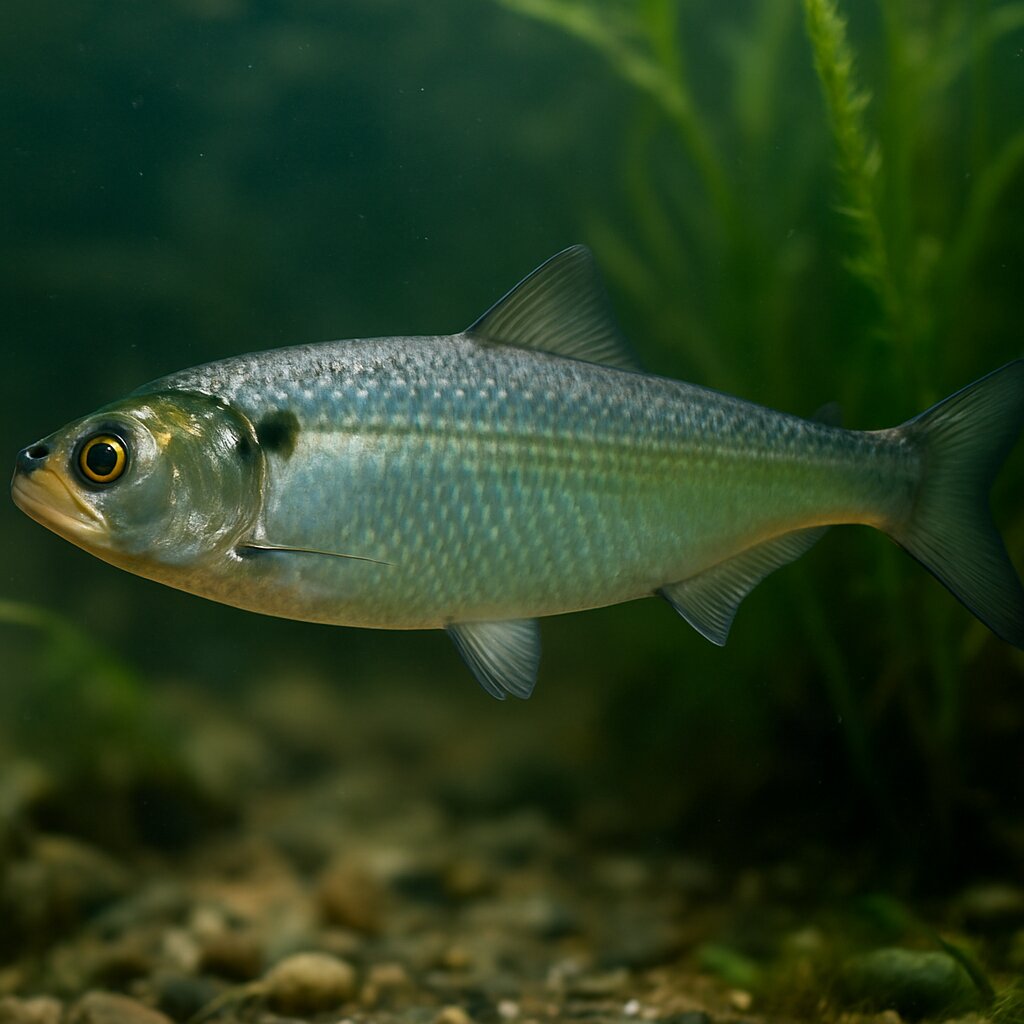
Allis shad
Alosa alosa
Gorgeous silver, fast-swimming shad that spends most of its life in the sea and then surges up big rivers in noisy, surface-spawning schools. It grows huge for a herring-type fish and needs cool, ultra-oxygenated water and tons of open space, so it is a public-aquarium species rather than a home tank fish.
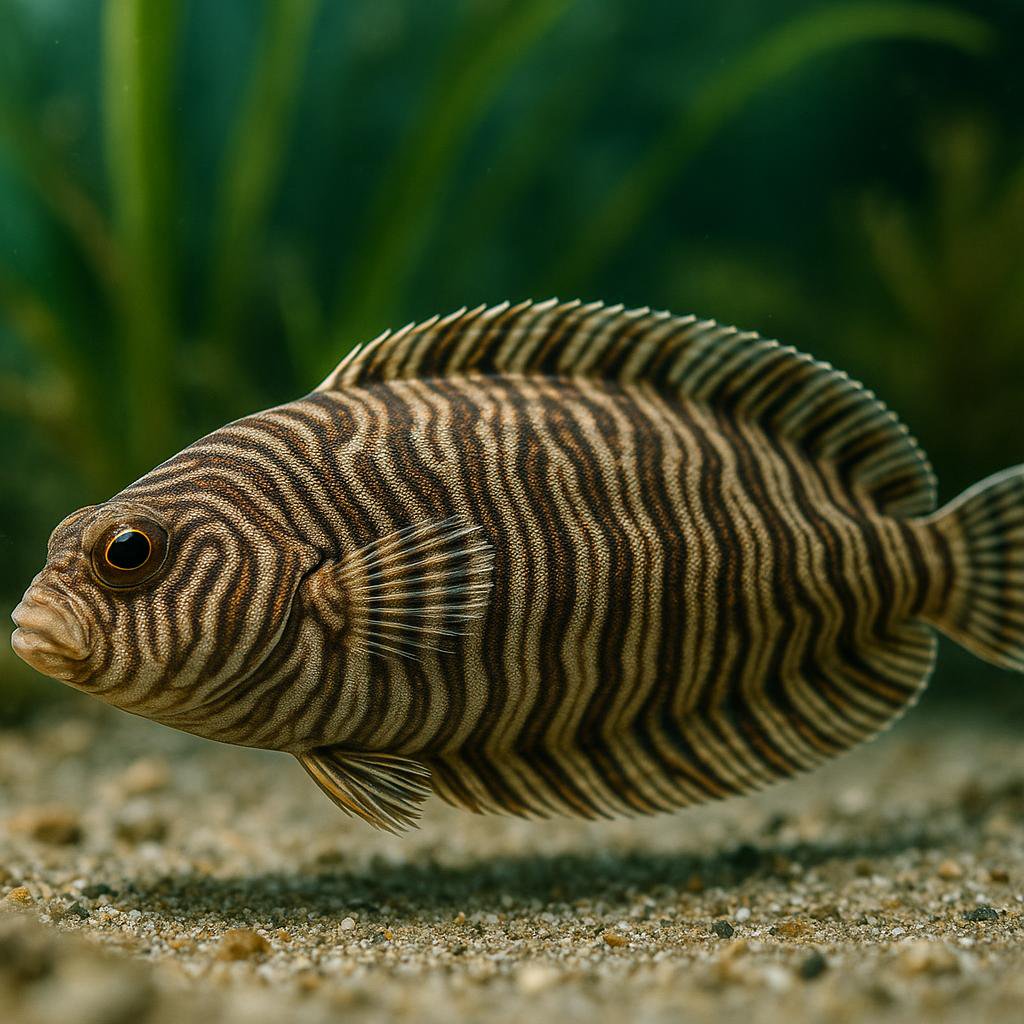
Annandale's zebra sole
Zebrias annandalei
Zebrias annandalei is a small demersal sole from coastal India that inhabits sandy or muddy bottoms and buries for camouflage. It is rarely kept in home aquaria and would require a specialized marine sand-bottom setup and appropriate feeding.
Australian sawtail catshark
Figaro boardmani
Figaro boardmani is a small, deepwater Australian catshark with these cool saw-like ridges of spiny denticles along the tail and a neat pattern of dark saddle bands. It lives way down on the outer continental shelf and slope, so its natural water is cold, dim, and stable - totally not a typical home-aquarium fish. Diet-wise its a predator that goes after fish, crustaceans, and cephalopods.
Looking for other species?