

Search Species
Search for fish species by common or scientific name, or use filters to browse by water type, size, temperament, and difficulty.
Found 665 species
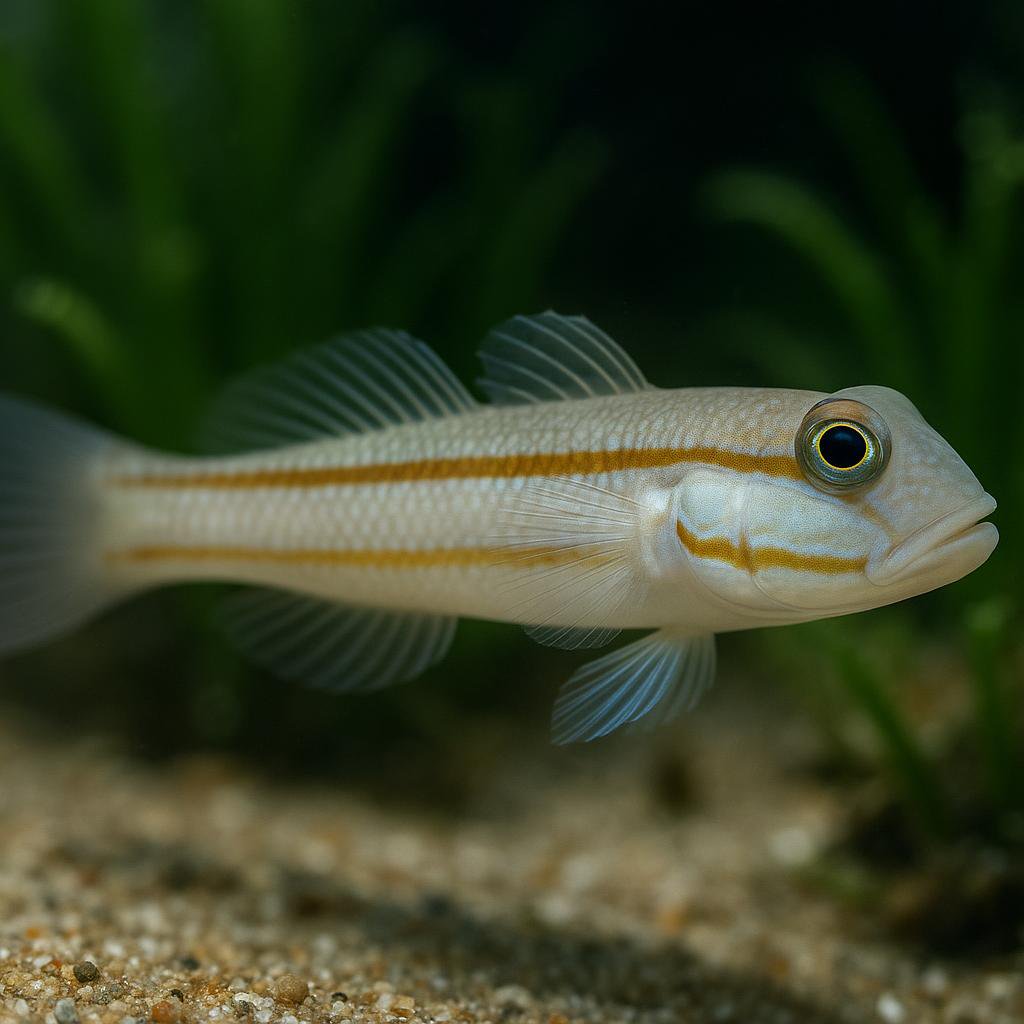
Tiger watchman goby
Valenciennea wardii
This is one of those classic sand-sifting sleeper gobies that will stay busy all day taking mouthfuls of sand, picking out tiny foods, and spitting the clean sand back out. Super chill temperament, but it really wants a mature tank with a real sandbed so it can do its thing without slowly starving. Also heads-up: they can redecorate by burying frags and making little bulldozer trenches.
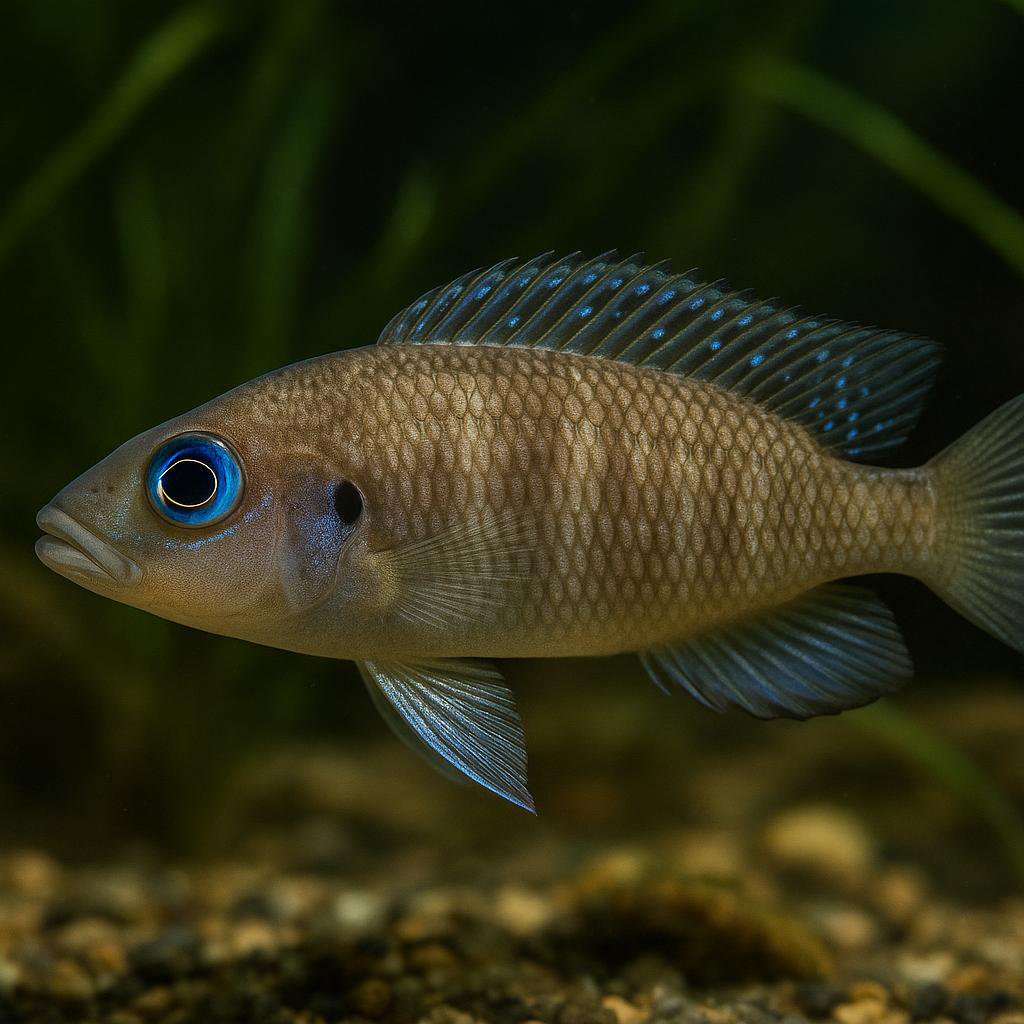
Timid lamprologine cichlid
Neolamprologus timidus
This is a Lake Tanganyika rock-cave cichlid that acts exactly like its name - it tends to be shy and hangs in hard-to-reach caves, often even sitting upside down under overhangs. It tops out around 10 cm and is more of a "pair with a cave" fish than a busy open-water swimmer, so the whole setup is about rocks, shadows, and stable Tanganyika water.
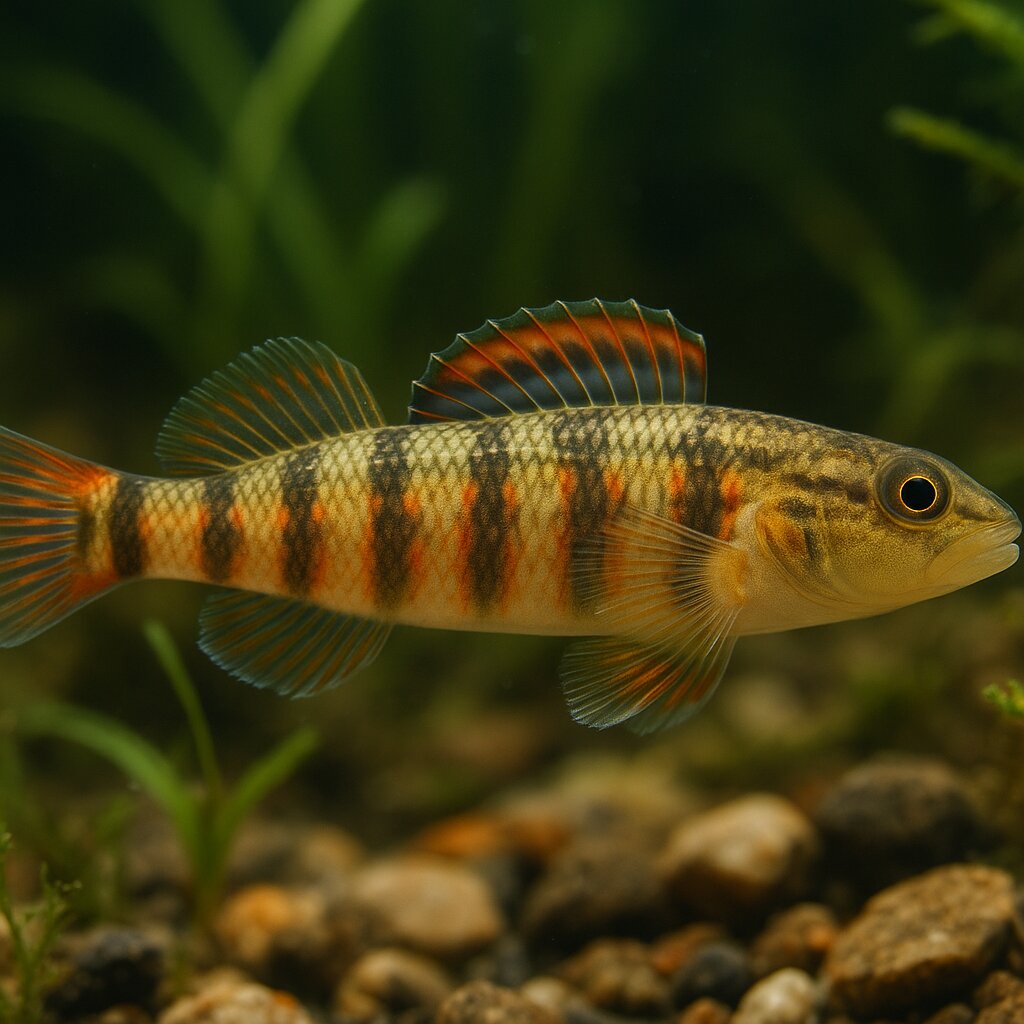
Tippecanoe darter
Etheostoma tippecanoe
Teeny little riffle goblins that perch on the gravel and then rocket up to grab passing bugs. Males get a cool orange throat and fin edges in breeding season, and they spawn by burying eggs in clean pea-sized gravel. Awesome fish to watch, but they need cool, super-clean, fast-moving water to thrive.
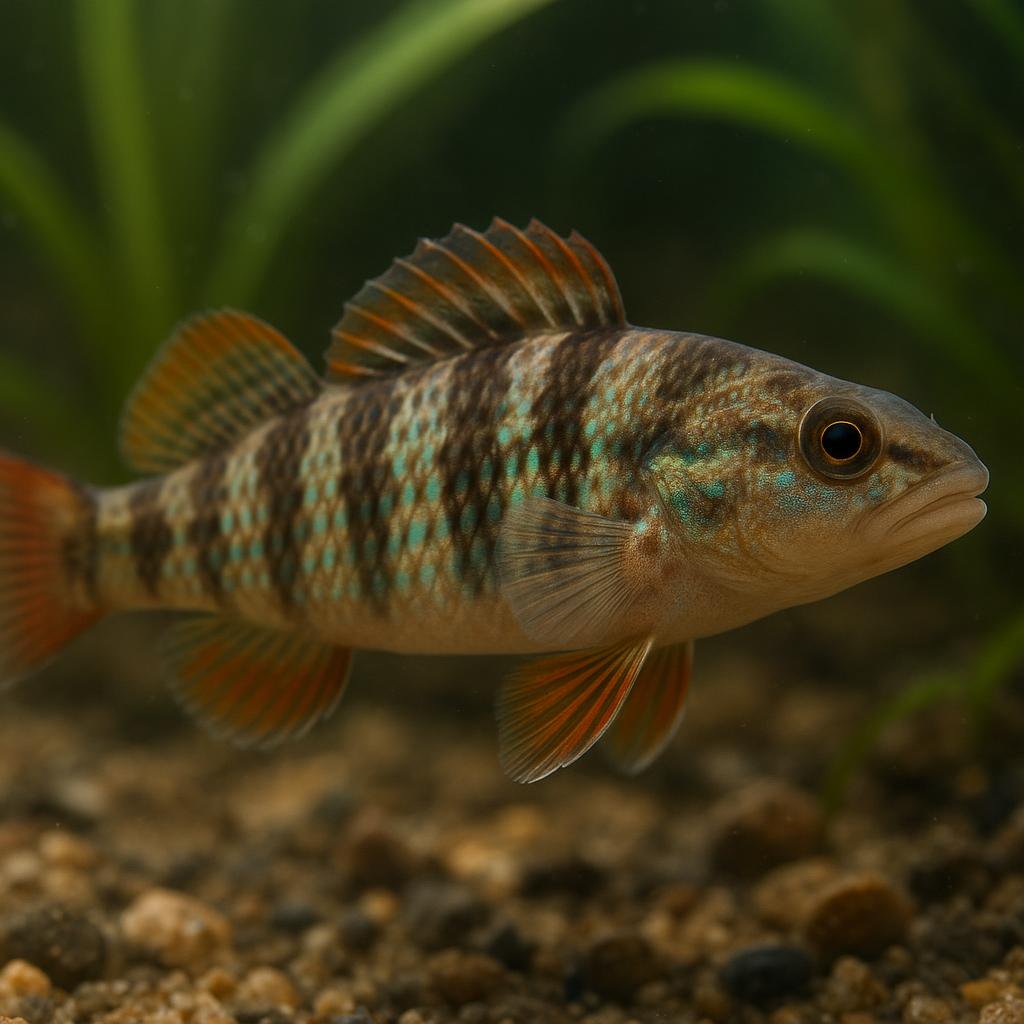
Tombigbee darter
Etheostoma lachneri
This is a tiny Gulf Coastal Plain darter from the Tombigbee drainage, and the males get seriously wild in breeding colors - green/turquoise with orange and blue patterning. In the wild they hang around that stream transition zone from pools into riffles, sticking close to the bottom around sand-gravel, rubble, and snag cover. Think of it as a little bottom-perching insect-hunter that really wants clean, well-oxygenated flowing water.
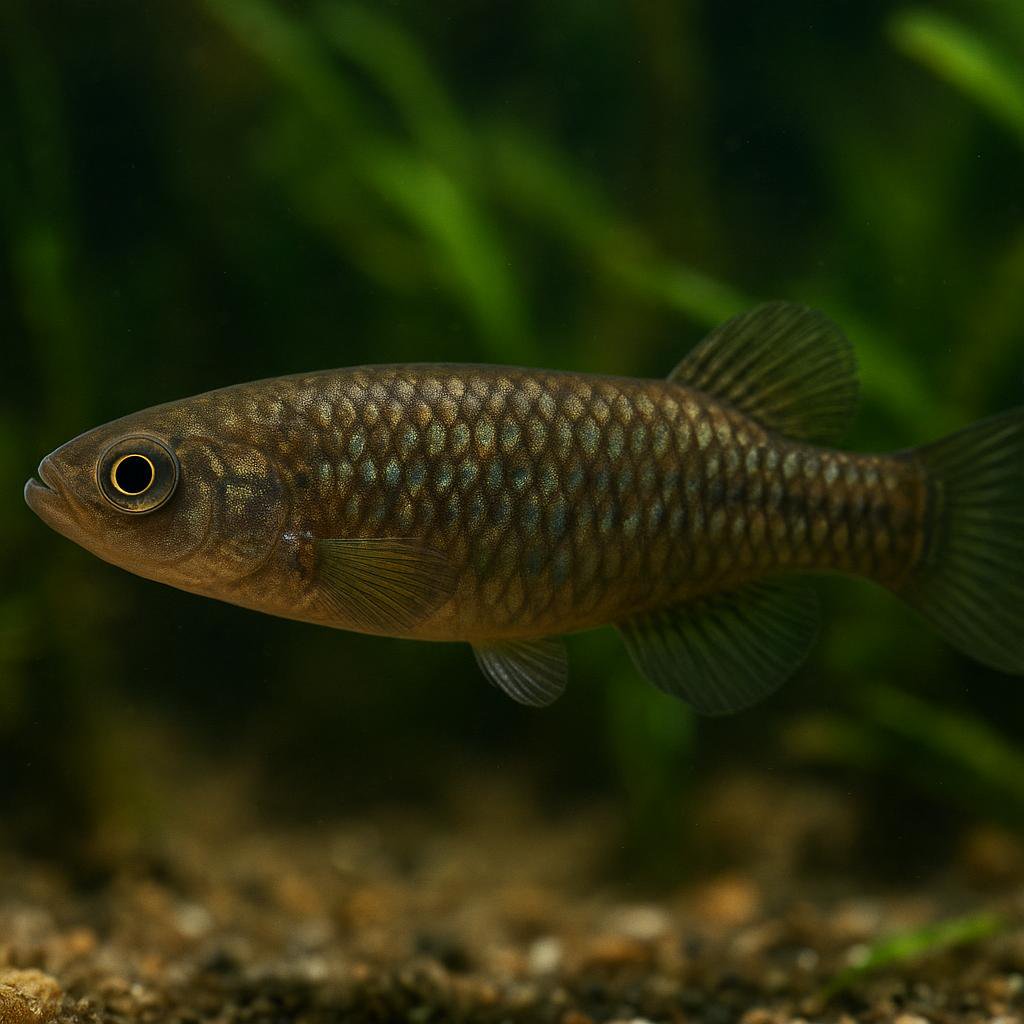
Tom Coon's orestias
Orestias tomcooni
Orestias tomcooni is a little high-altitude killifish from the Lake Titicaca basin, built for chilly, oxygen-rich water. It is one of those super-niche Andean natives you almost never see in the trade, and the big "gotcha" is that it wants cool temps long-term, not a standard tropical setup.
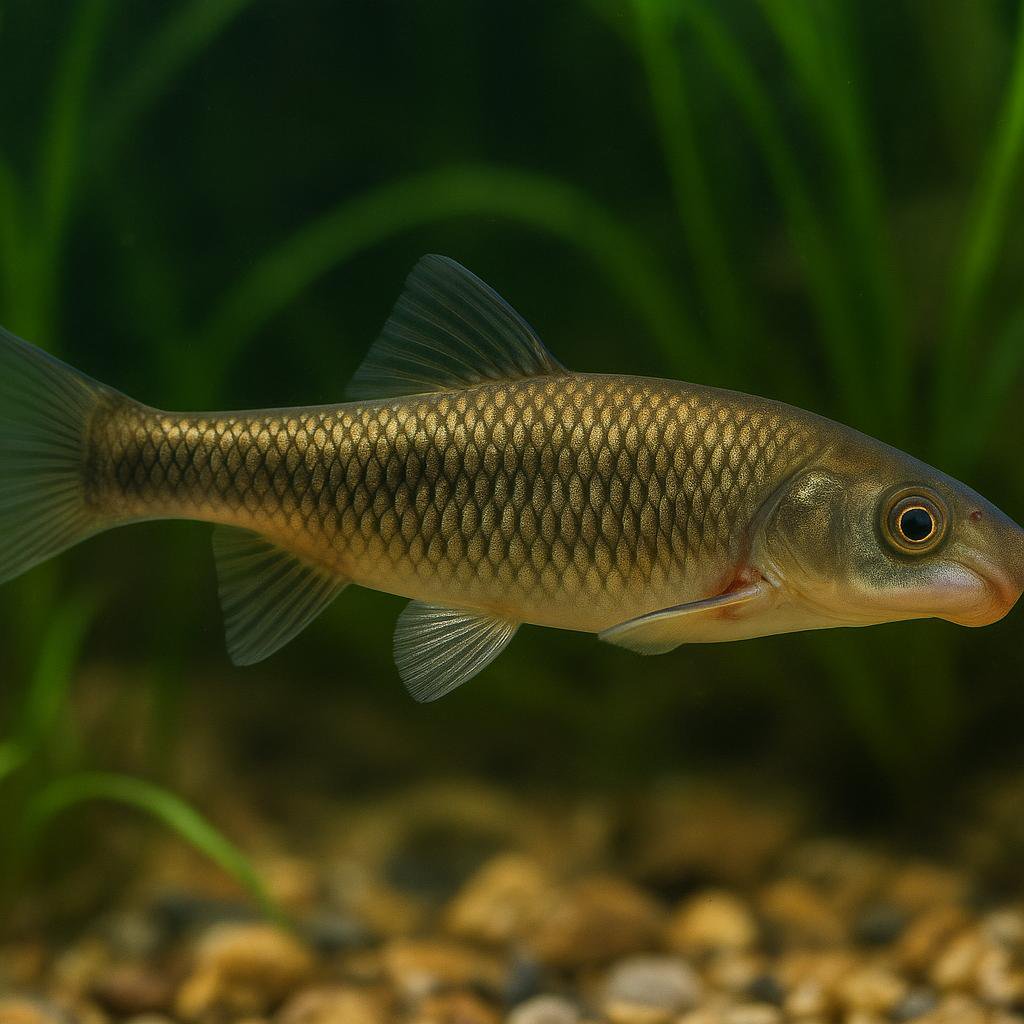
Tonguetied minnow
Exoglossum laurae
Exoglossum laurae (tonguetied minnow) is a freshwater leuciscid minnow of cool, clean, rocky streams in parts of the eastern United States. It has a distinctive ventral mouth adapted for benthic feeding, and it is associated with pebble/rock nest spawning behavior documented for Exoglossum in scientific literature.
Toothed leftvent
Linophryne macrodon
This is a deep-sea anglerfish in the leftvent family, the kind of fish that lives way down in the dark and uses a little glowing lure to bring food right to its mouth. Females get a lot bigger than males (the males are tiny), and the whole vibe is pure deep-ocean weird in the best way.
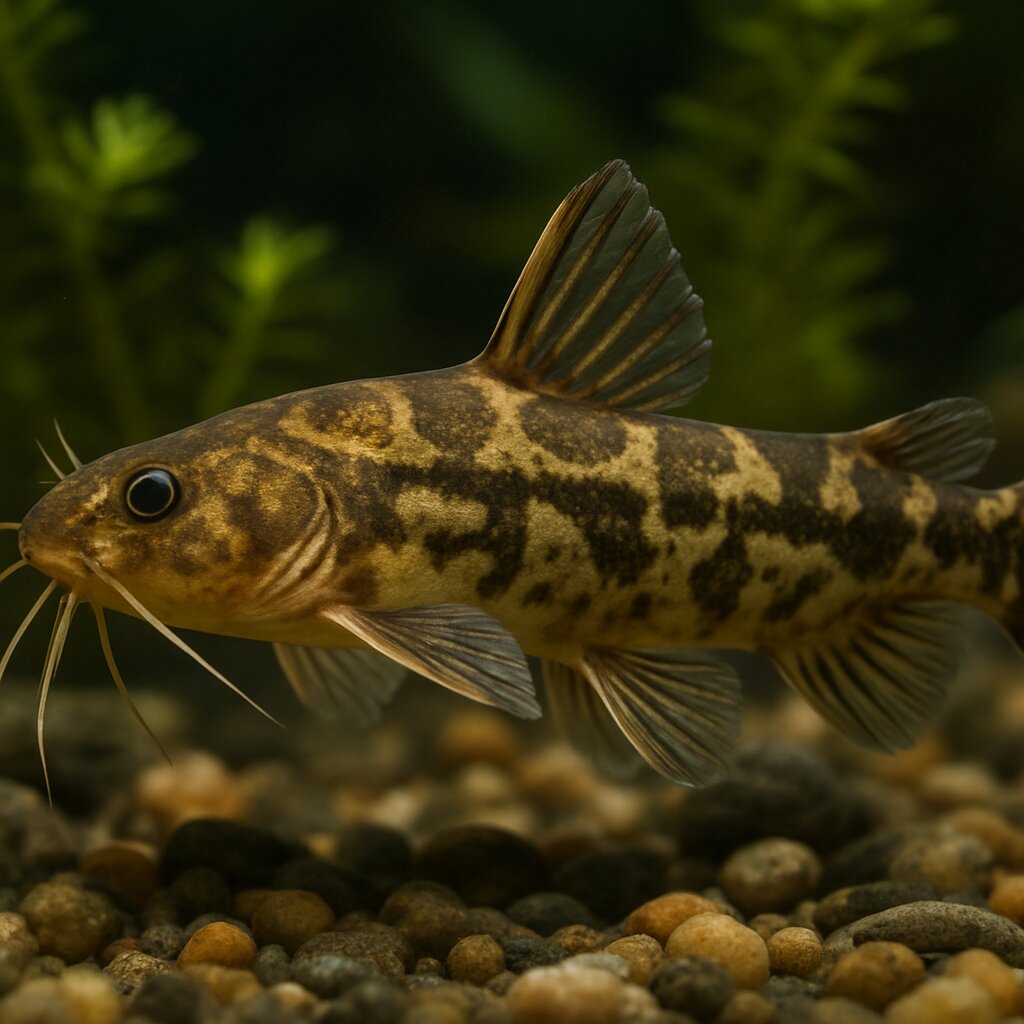
Torrent catfish
Glyptothorax chimtuipuiensis
A tiny hillstream cat that hugs rock faces with a grippy chest pad, G. chimtuipuiensis comes from fast, cool riffles in Mizoram. Set it up in strong flow with tons of oxygen and it will spend its time scooting from stone to stone like a little river ninja.
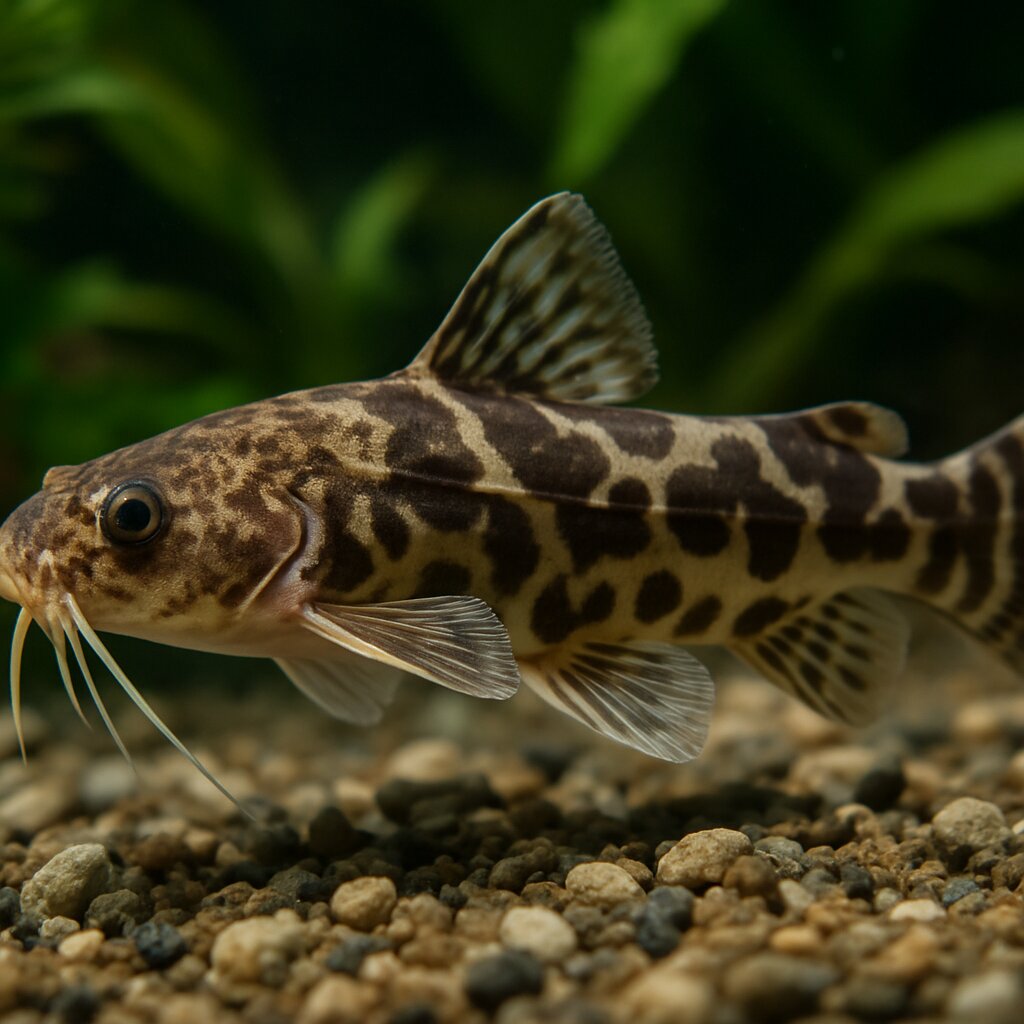
Torrent catfish
Glyptothorax interspinalum
Think of this as a little river cat that grips rocks with a ribbed chest pad so it can sit right in the rapids. It stays around 10 cm and comes from fast, cool streams in Laos, Vietnam, and southern China, so it shines in a high-flow, high-oxygen tank with smooth stones and meaty foods. ([fishbase.se](https://www.fishbase.se/summary/Glyptothorax-interspinalum))
Transvestite cichlid
Nanochromis transvestitus
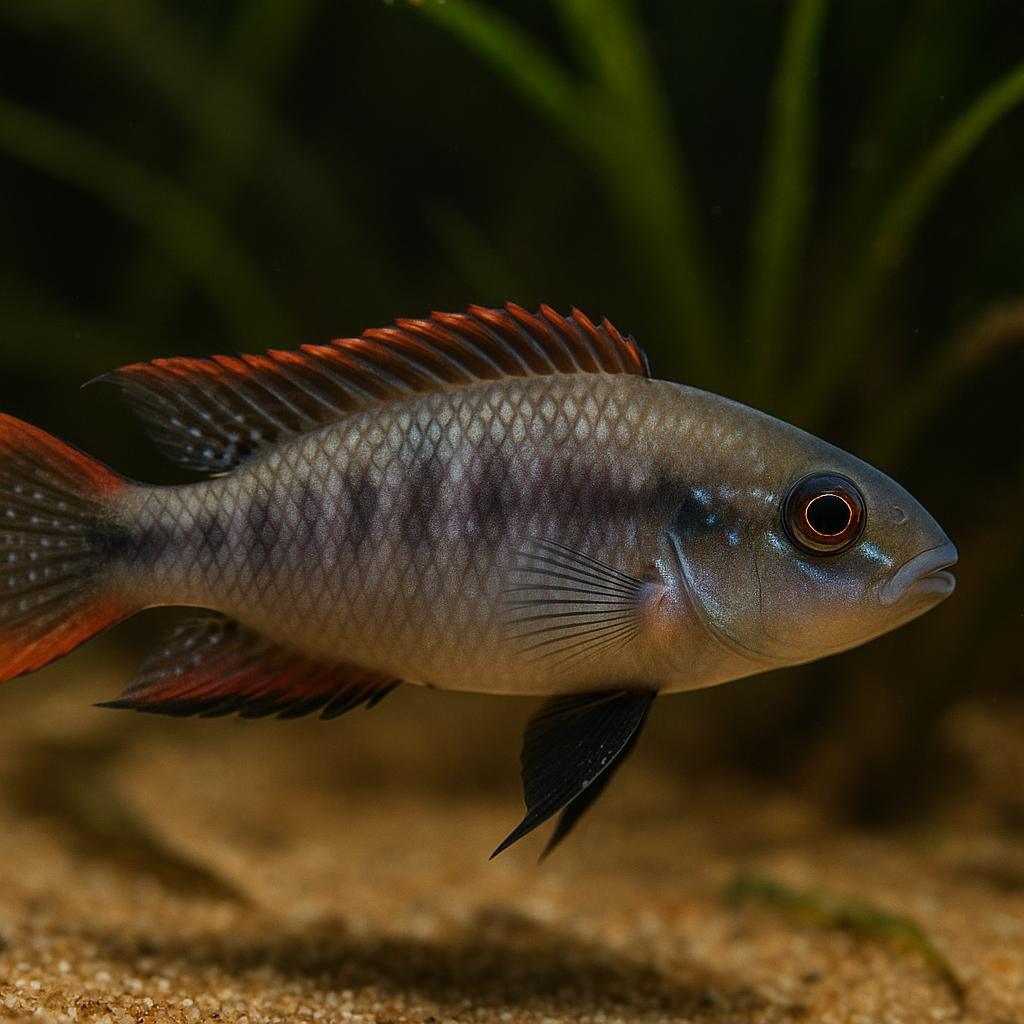
This is a tiny Congo dwarf cichlid where the female is the flashy one - she gets the intense red-violet colors while the male stays more low-key, which is the total opposite of what most people expect. They are cave-spawners and do best in soft, acidic, tannin-stained water, so a little blackwater setup with sand, leaf litter, and lots of hiding spots really suits them.
Tubeshoulder
Mentodus mesalirus
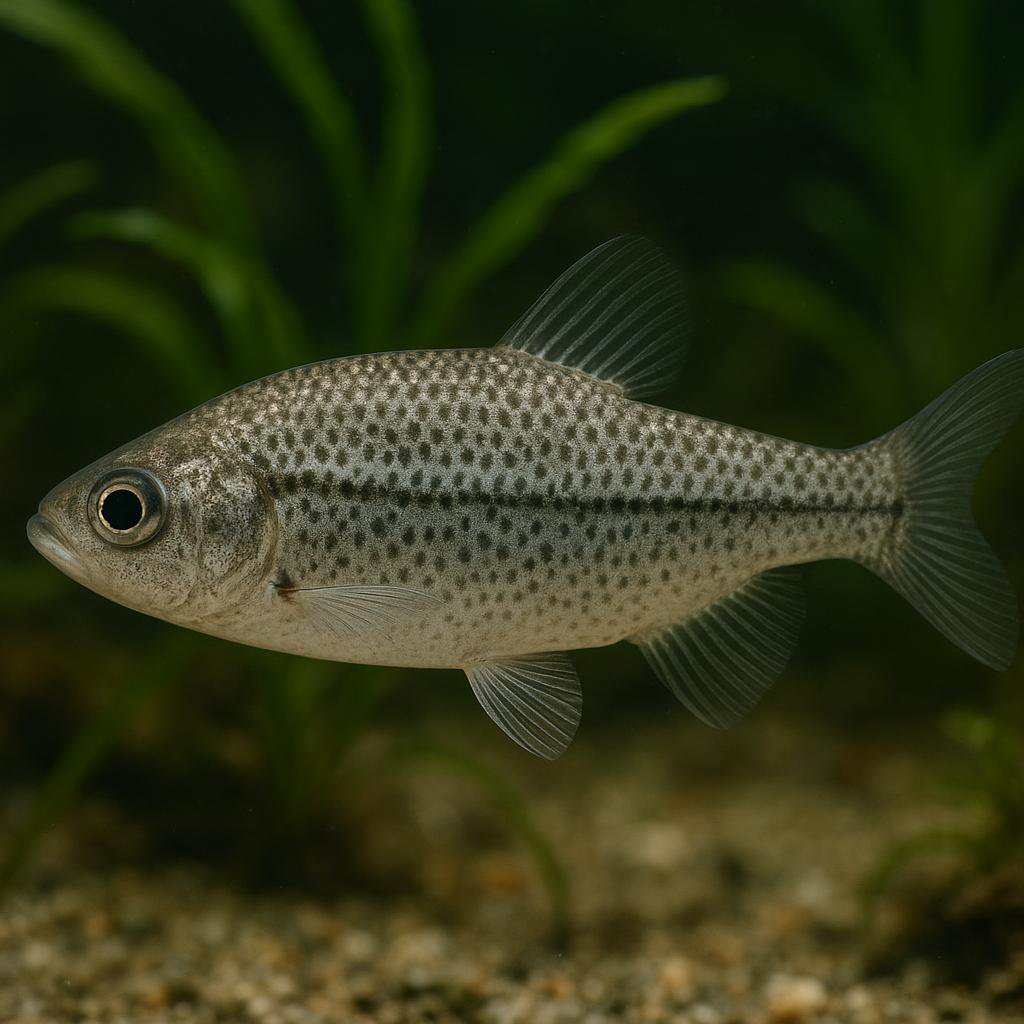
Mentodus mesalirus is a deep-sea tubeshoulder - one of those wild ocean fish that can squirt a bioluminescent fluid from a special tube organ near the shoulder. It is not an aquarium species at all, but it is seriously cool from a biology standpoint because that light-producing setup is basically its whole claim to fame.
Tufa darter
Etheostoma lugoi
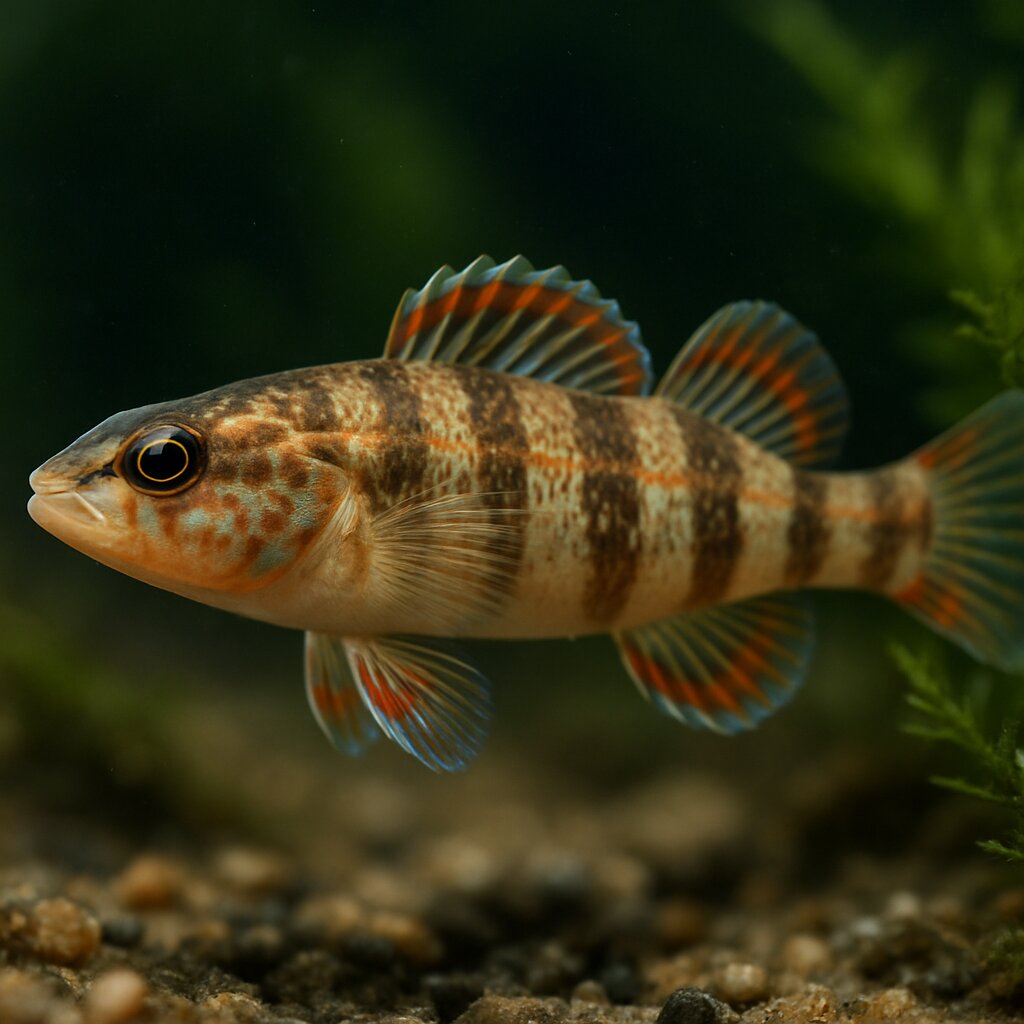
Tiny darter from Mexico's Cuatro Cienegas springs that hugs the bottom over pale tufa rubble. Males get a neat blue throat in breeding dress and you will catch them scooting between the grooves of the stromatolites like little gobies. Gorgeous fish, but super specialized and protected in the wild.