

Toothed leftvent
Linophryne macrodon
About the Toothed leftvent
This is a deep-sea anglerfish in the leftvent family, the kind of fish that lives way down in the dark and uses a little glowing lure to bring food right to its mouth. Females get a lot bigger than males (the males are tiny), and the whole vibe is pure deep-ocean weird in the best way.
Also known as
Quick Facts
Size
9.1 cm SL
Temperament
Aggressive
Difficulty
Expert
Min Tank Size
1 gallons
Lifespan
unknown
Origin
Eastern Pacific and Western Atlantic
Diet
Carnivore - deep-sea predator (fish and other animals it can ambush)
Care Notes
- Real talk: Linophryne macrodon is basically a public-aquarium animal - if yours is a wild deep-sea specimen, keeping it alive long-term is all about cold water and pressure, not fancy aquascape.
- If you are attempting it anyway, you will need conditions approximating its deep-sea habitat; depth/pressure requirements and transport stress are major limiting factors, and reliable home-aquarium temperature targets for this species are not well established in standard references.
- Keep the tank dim and calm with lots of dark overhangs/caves and very low flow in the resting zones - they hate being blasted around and will sulk or crash from stress.
- Feed chunky marine meaty foods (small fish, squid, shrimp, silversides) with tongs right in front of the mouth; they are ambush predators and may ignore food that is not basically touching them.
- Do not mix with anything that can fit in its mouth (it will disappear), and also avoid fast, nippy fish that will harass the lure or steal food; a species-only setup is the least drama.
- Watch for barotrauma and shipping damage: swollen body, buoyancy issues, jaw injuries, and refusal to feed are common after collection - if it is not eating within days, odds are bad.
- Breeding is bizarre: tiny males fuse to the female as permanent parasites, so if you somehow end up with a paired fish, you might see a male attached - but raising deep-sea larvae in a home setup is basically a non-starter.
- Run heavy filtration and export because messy feeding rots fast in cold marine tanks; siphon leftovers right after meals or you will get a nasty bacterial bloom and fin/skin infections.
Compatibility
Good Tankmates
- Other deepwater anglerfish (Linophryne and close relatives) - only if you really know what you are doing, because they will eat anything they can fit in their mouth and they do best alone unless you are managing a pairing setup
- Big, tough deepwater predators that are WAY too large to swallow - think larger scorpionfish type predators that can handle cold, dark conditions and are not shy about holding their ground
- Large, chunky deepwater eels (conger type) - as long as the eel is too big to be food and you are not keeping a tiny angler that could get bulldozed at feeding time
- Non-fish cleanup crew (large snails, big hermits) - these are about the only 'tank mates' that make sense in practice since the angler ignores most inverts it cannot swallow
Avoid
- Most tankmates (species-only is strongly preferred); as a deep-sea fish, it is not a standard aquarium species and compatibility guidance is not well established in authoritative husbandry references.
- Anything small enough to fit in its mouth - gobies, blennies, juvenile fish, small reef fish, you name it. If it fits, it is food, and it will disappear overnight
- Typical reef community fish (clownfish, chromis, wrasses, cardinals) - they are either bite-sized snacks or too active and will outcompete the angler and stress it out
- Nippy or hyper-aggressive fish (triggers, many puffers, big wrasses) - they will harass the angler, steal all the food, and can nip at that lure and fins
Where they come from
Linophryne macrodon is a deep-sea anglerfish that lives way down in the dark pelagic zones, typically hundreds to thousands of meters deep. Cold water, huge pressure, and almost no food most days - then a big meal when one finally shows up. That whole lifestyle is the reason they are basically a non-starter for normal home aquariums.
Real talk: a true deep-sea anglerfish like Linophryne macrodon is not realistically maintainable in a typical hobbyist setup. The pressure and temperature requirements are the deal-breakers, not just "special care".
Setting up their tank
If youre asking because you saw one in a video or a museum exhibit, those are almost always research-grade or public aquarium systems. For this species, the "tank" is really a life-support project: chilled, very stable water, extremely low light, and (most importantly) a pressure system. Without pressure, deep-sea physoclist fishes often have severe barotrauma from capture and dont recover.
On the off chance youre working with an institution or a lab-style setup, think more like: small volume, insanely stable parameters, gentle circulation, and zero sharp decor. They dont need rockwork the way reef fish do. They need calm, dark water and a way to feed without them smashing their face into hardware.
- Temperature: cold-water range (think single digits C, not "cool reef")
- Lighting: very dim, with a shaded area and no sudden changes
- Flow: gentle and laminar; avoid strong jets and powerheads they can bump into
- Filtration: oversized biological filtration with excellent oxygenation, but no blasting current
- Tank layout: open water, minimal decor, nothing abrasive
- Pressure: for true long-term success, a pressurized system is basically required
Even if you had the tech, sourcing is a problem. Most specimens are collected incidentally, arrive in rough shape, and dont transition to captive feeding reliably.
What to feed them
In the wild theyre ambush predators. They sit still and take whatever fits in that oversized mouth - small fish, shrimp, and anything meaty that wanders close. Theyre built for "big meal, long wait," not grazing all day.
If you ever see one feeding in captivity, its usually on live marine prey at first, because movement triggers the strike. Getting them onto dead foods is the whole game, and its not easy. Youd be trying things like gut-loaded ghost shrimp acclimated to saltwater, small live fish (which comes with parasite risks), and then gradually switching to thawed marine items on tongs or a feeding stick.
- Starter foods (most likely to get a response): live shrimp, small live marine fish
- Transition foods: freshly killed prey presented with movement (tongs/stick)
- Long-term foods (best case): thawed silversides, marine shrimp, squid strips, chunks of marine fish
- Frequency: infrequent, larger meals rather than daily pinches (but watch water quality)
If you ever attempt a wean to non-live food, do it slowly and dont "starve to train." Deep-sea fish can go a while without eating, but when they crash it can be fast and hard to reverse.
How they behave and who they get along with
Theyre basically a living mousetrap. Not aggressive in the "chase and bite" sense - theyre just wired to inhale anything that looks edible and fits. They also tend to be pretty fragile from a handling and capture standpoint, so tankmates that bump, peck, or harass them are a bad idea even if theyre too big to be eaten.
Compatibility in the usual reef-keeping sense doesnt apply here. A mixed community is asking for stress, injuries, or somebody getting swallowed. If you ever had one in a controlled setting, youd treat it like a species-only animal, or at most keep it with extremely calm, non-competitive animals that are too large to be considered prey and wont mess with it - which is a very short list.
A weird biological note: in many deep-sea anglerfish, tiny males fuse to females (sexual parasitism). Linophryne species are known for that general anglerfish pattern. It makes breeding and "pairing" totally different from what youre used to with normal marine fish.
Breeding tips
Breeding them in a hobby setting is basically science-fiction. Even public aquariums almost never breed deep-sea anglerfish because you need the full chain: healthy capture, long-term survival, the right temperature and pressure regime, and then the male-female dynamics that may involve attachment and fusion.
If youre curious for learning reasons: the female releases eggs into the water column, and larvae are planktonic. That means even if spawning happened, raising the young would be its own specialized pelagic larval rearing project.
If you ever see a listing or a casual offer for a "deep sea angler" for home tanks, assume misidentification or a doomed animal. The ethical move is to pass.
Common problems to watch for
Most of the problems are upstream of normal fishkeeping: collection trauma, decompression injuries, and starvation because the fish never recognizes captive foods. After that, the usual killers are stress and water quality swings - except you have way less margin for error in cold, high-oxygen systems.
- Barotrauma/decompression damage: buoyancy issues, internal injuries, rapid decline after arrival
- Refusal to feed: the fish may ignore dead foods completely and waste away
- Injuries from hardware: they can blunder into intakes, rough rock, or sharp edges
- Secondary infections: stressed deep-sea fish can develop bacterial issues quickly
- Water quality spikes: large, meaty feedings can foul a system fast, especially in smaller volumes
- Light and vibration stress: bright light, tapping, or high traffic can keep them shut down
If youre set on the "anglerfish vibe" in a home marine tank, look at shallow-water frogfish/anglerfish (Antennarius spp.) instead. You still get the lure-and-ambush behavior, but in a setup thats actually doable with normal equipment.
Similar Species
Other marine aggressive species you might be interested in.
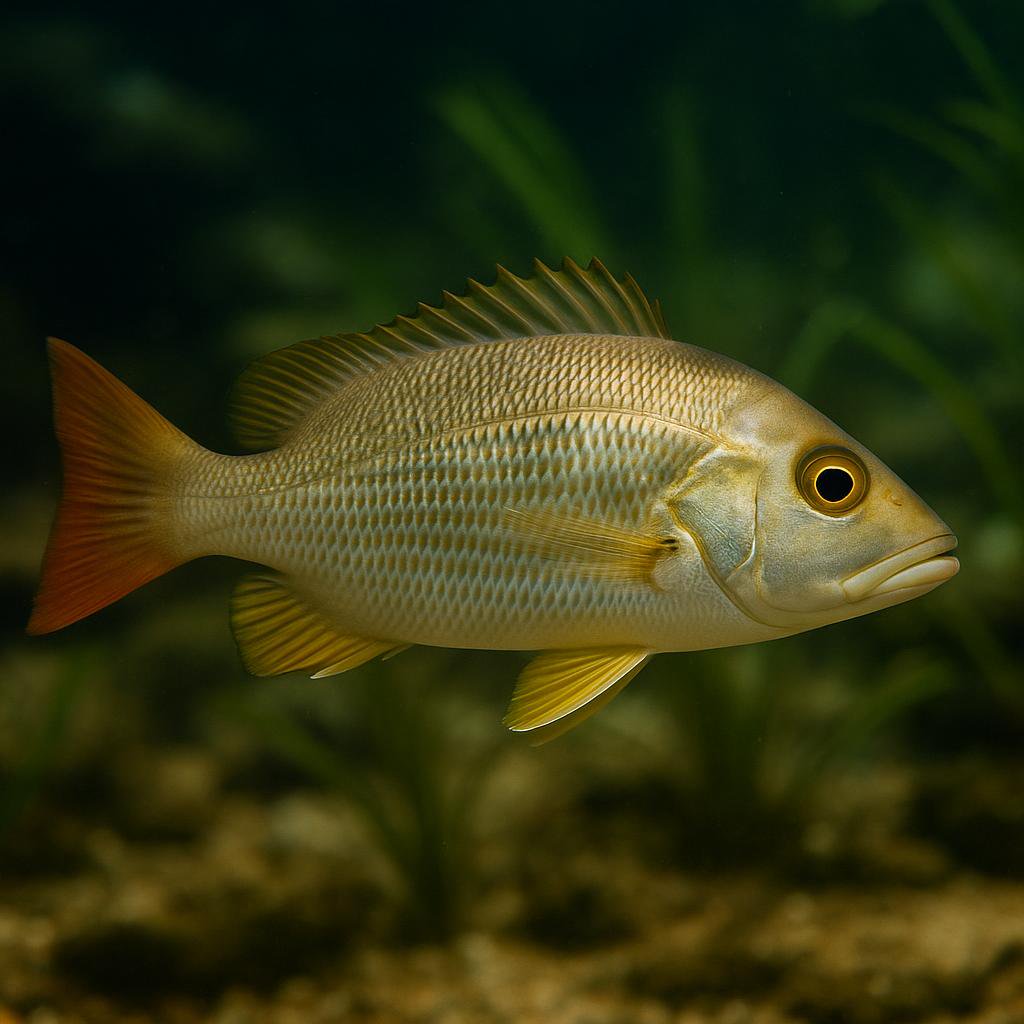
African red snapper
Lutjanus agennes
This is a true snapper from West Africa - a big, fast-growing predator that goes from coastal reefs to brackish lagoons and estuaries (especially as a juvenile). Super cool fish in the wild, but it gets absolutely huge and will eat smaller tankmates once it has the mouth for it, so its really more of a public-aquarium scale animal than a home-aquarium fish.
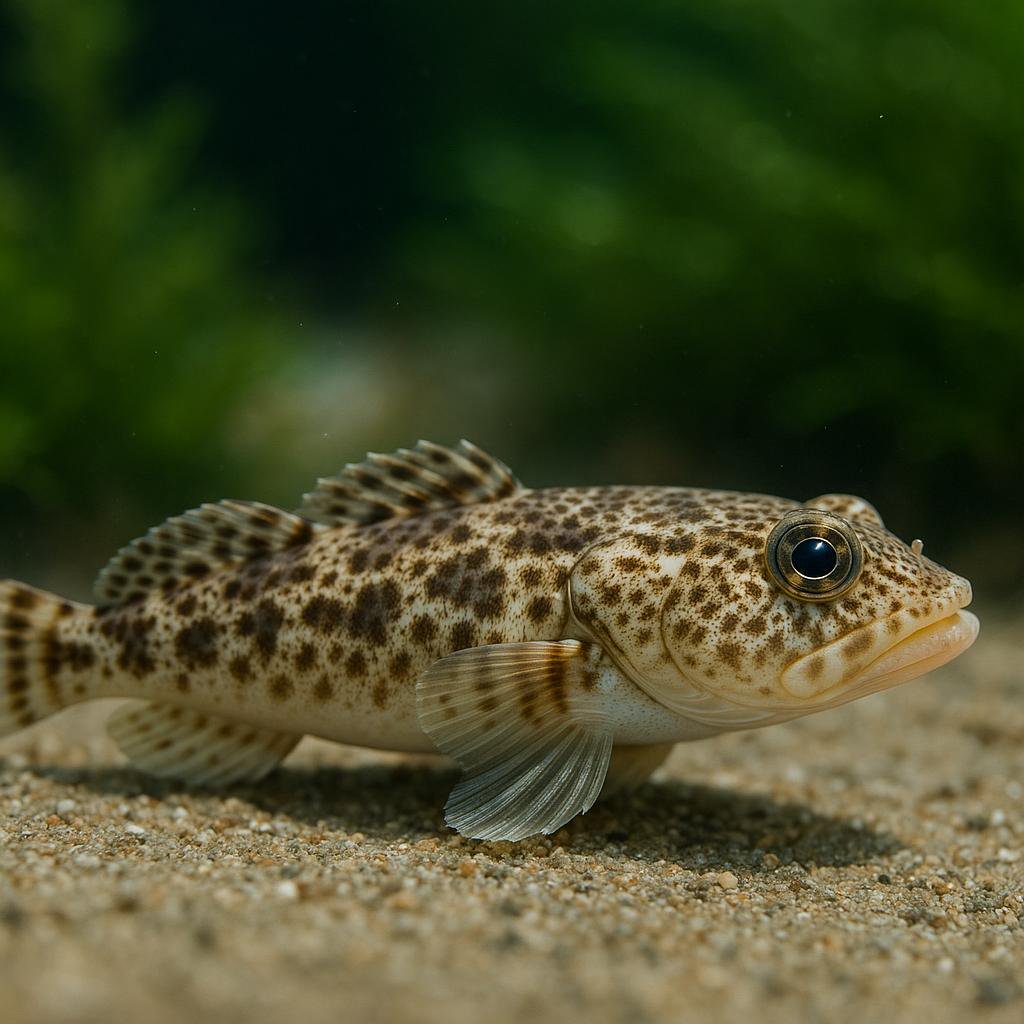
Banded stargazer
Kathetostoma binigrasella
This is a New Zealand stargazer that lives half-buried in sand or mud with its eyes pointed up, waiting to rocket upward and nail passing prey. It has those neat dark saddle-bands across the back (especially as a juvenile), and like other stargazers it is venomous with spines near the gill cover/pectoral area - definitely a look-dont-touch fish.
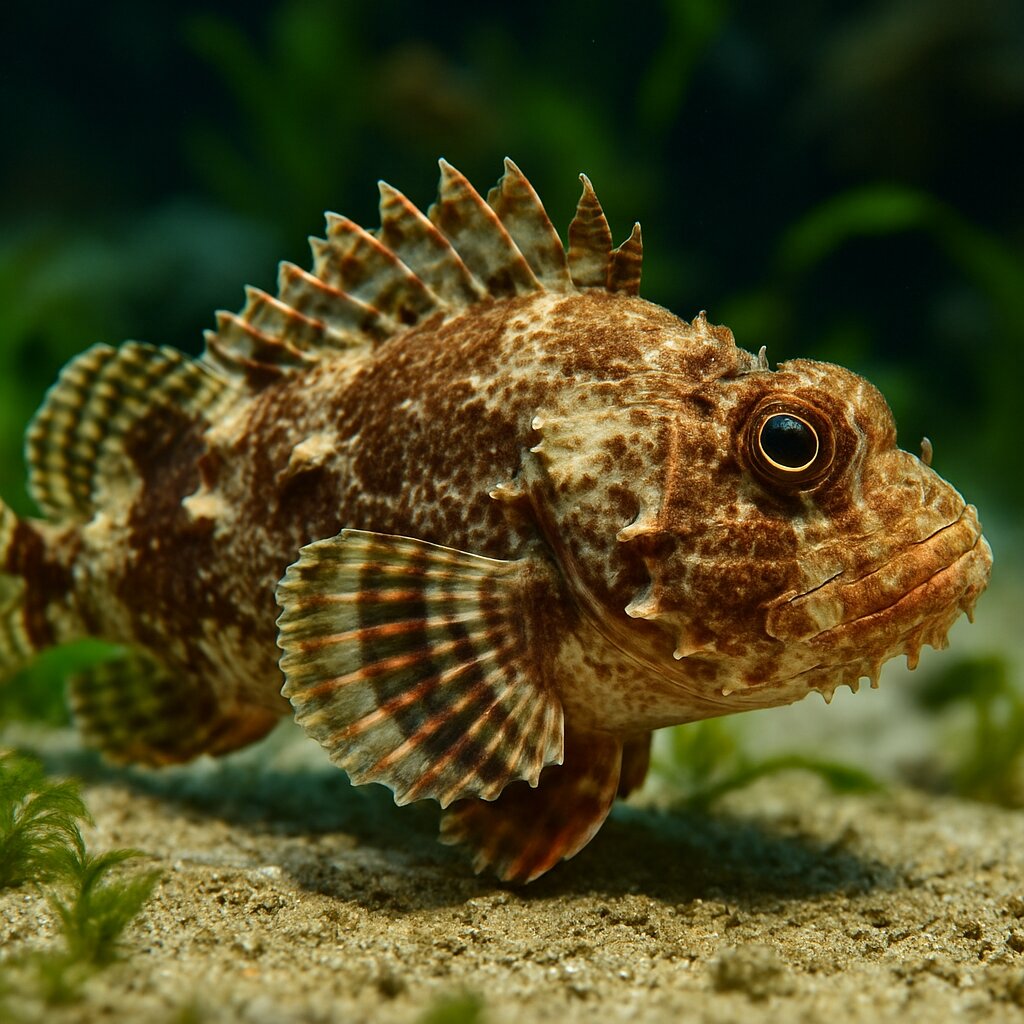
Bandfin scorpionfish
Scorpaenopsis vittapinna
Think tiny ambush predator that vanishes into rubble and coral bits, then flashes a dark band on its pelvic and anal fins when it shifts. It tops out around 3 inches, packs venomous spines, and loves to gulp unsuspecting shrimp and small fish. Super cool to watch once it settles, but it absolutely demands careful handling and smart tankmate choices.
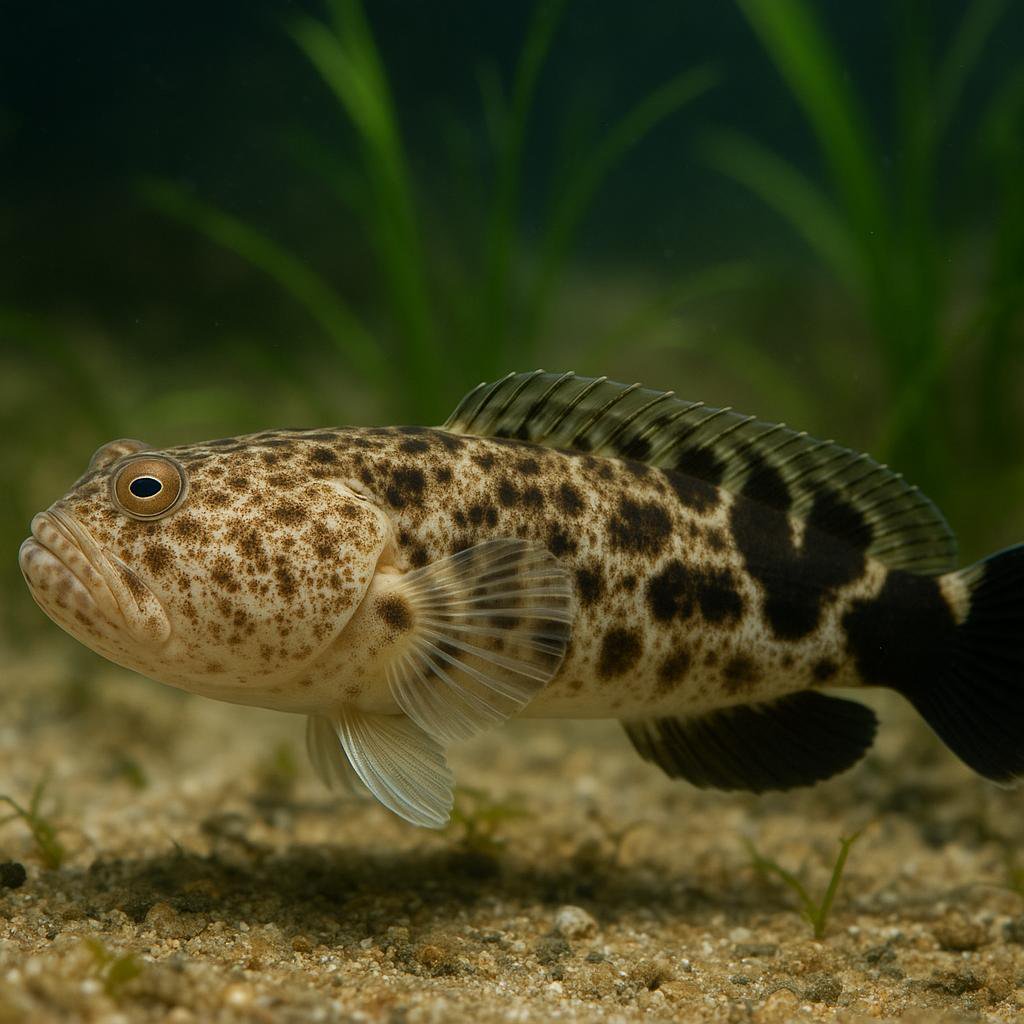
Blackfin stargazer
Ichthyscopus nigripinnis
This is a little sand-sitting stargazer from Australia that likes to lie in wait with its eyes up top and nail passing prey. That black mark on the front part of the dorsal fin is basically its signature. Cool fish, but its more of a wild marine predator than something you set up in a typical home aquarium.
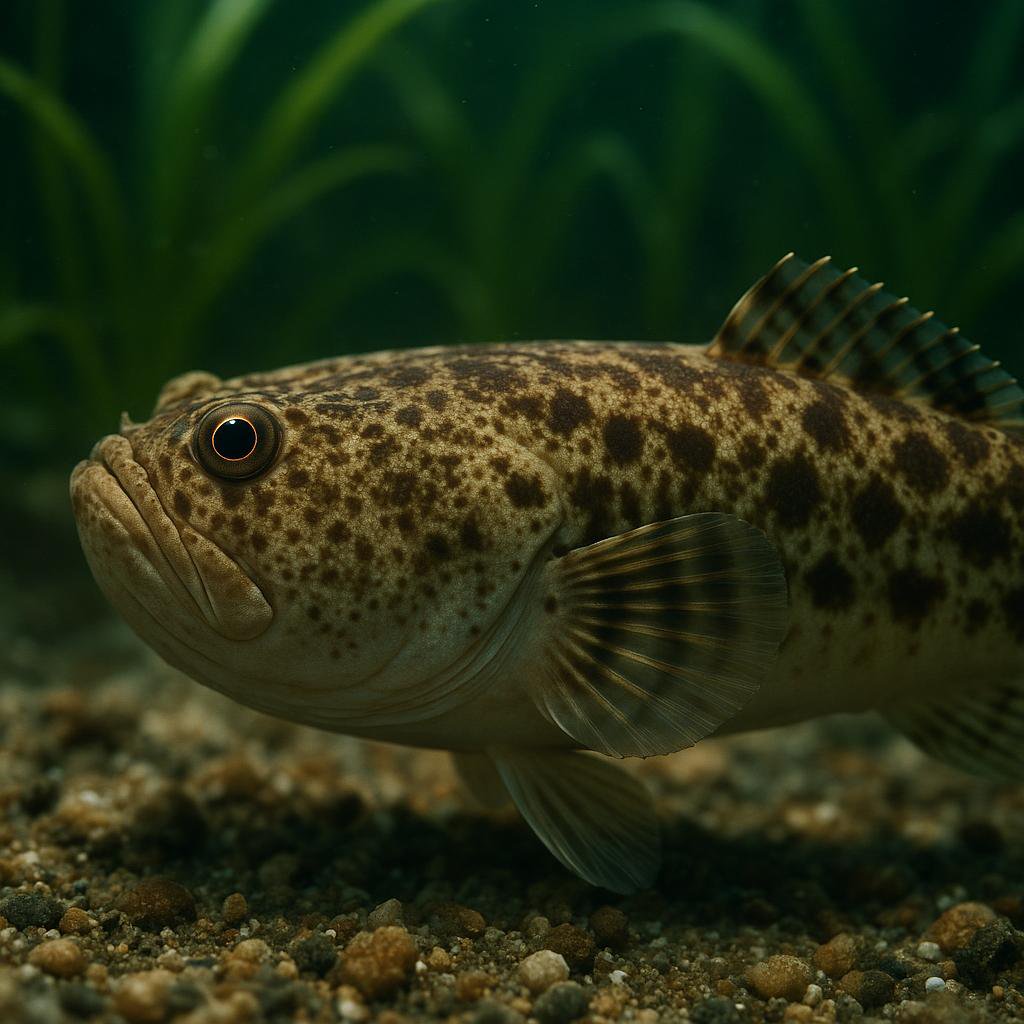
Brownspotted stargazer
Uranoscopus fuscomaculatus
A deep demersal stargazer recorded at 366–389 m that lies buried in sand or mud to ambush prey. Distribution is Southwestern Pacific (Vanuatu and Fiji). Given its deep, cold habitat and specialized requirements, it is not a practical aquarium species.
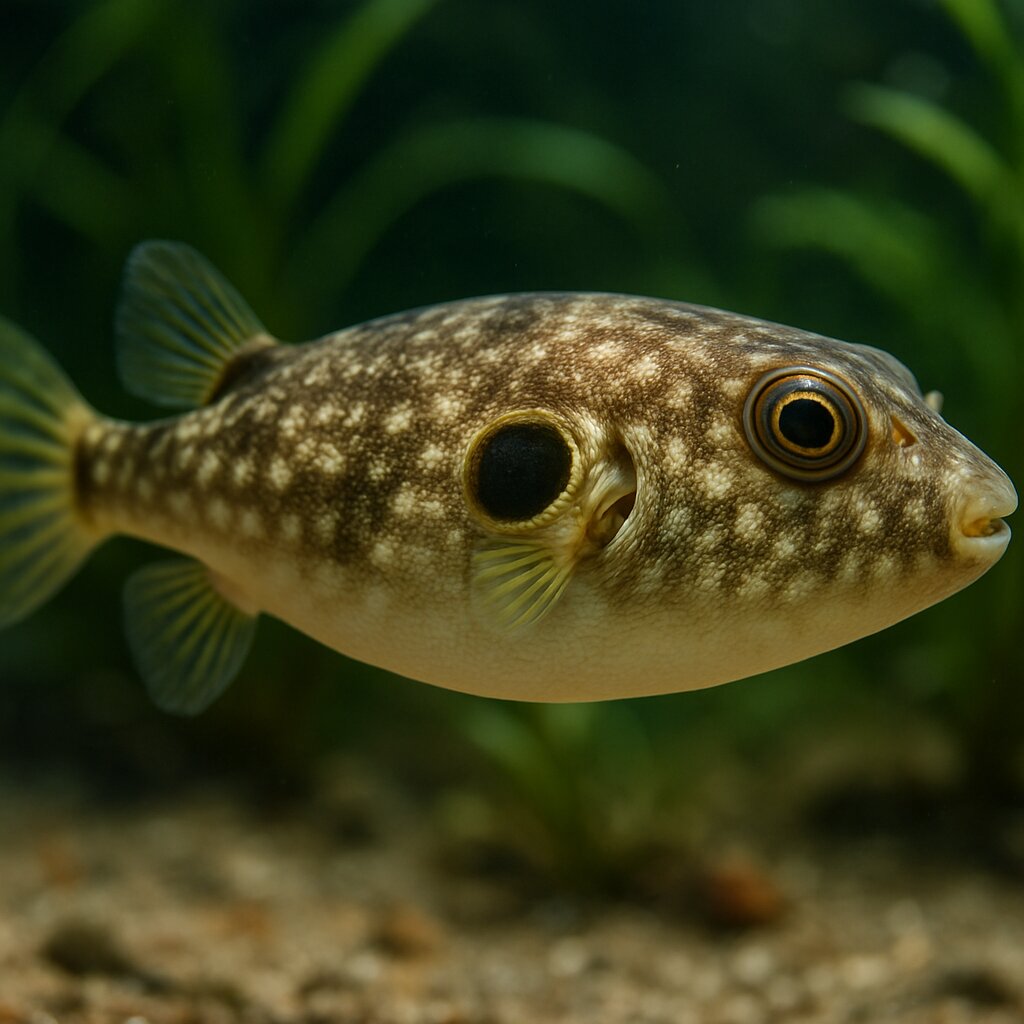
Bullseye puffer
Sphoeroides annulatus
Big personality in a football-shaped body with pale rings along the back that make a bullseye pattern. This is a stout Eastern Pacific puffer that crunches snails and crabs with ease and needs true saltwater and lots of room. Super cool to watch, but it turns nippy with tankmates and grows into a serious, messy eater.
More to Explore
Discover more marine species.
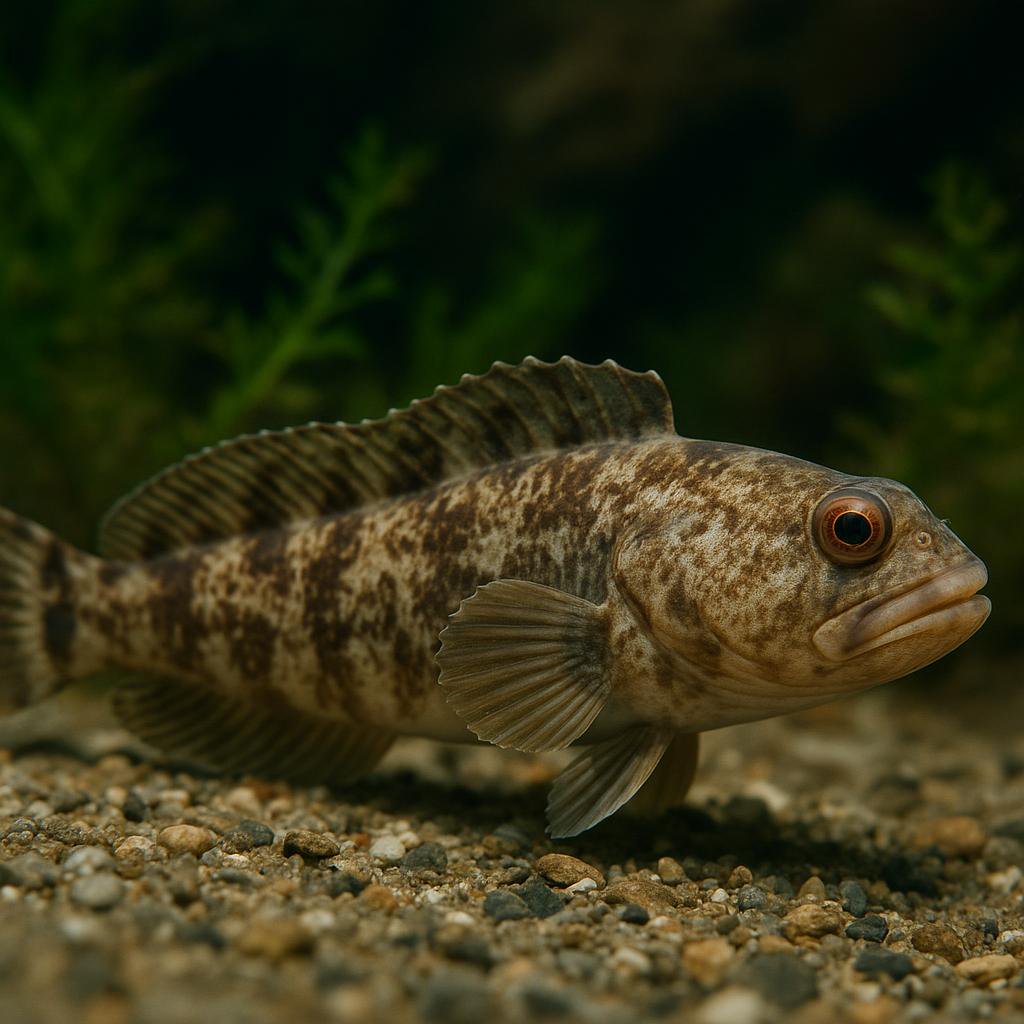
Abe's eelpout
Japonolycodes abei
Japonolycodes abei is a temperate, deepwater demersal eelpout (family Zoarcidae) endemic to Japan (Kumano-nada Sea reported; other sources also report Sagami Bay and Tosa Bay). It is the only species in the genus Japonolycodes and occurs roughly 40-300 m depth, making it an uncommon/atypical aquarium species.
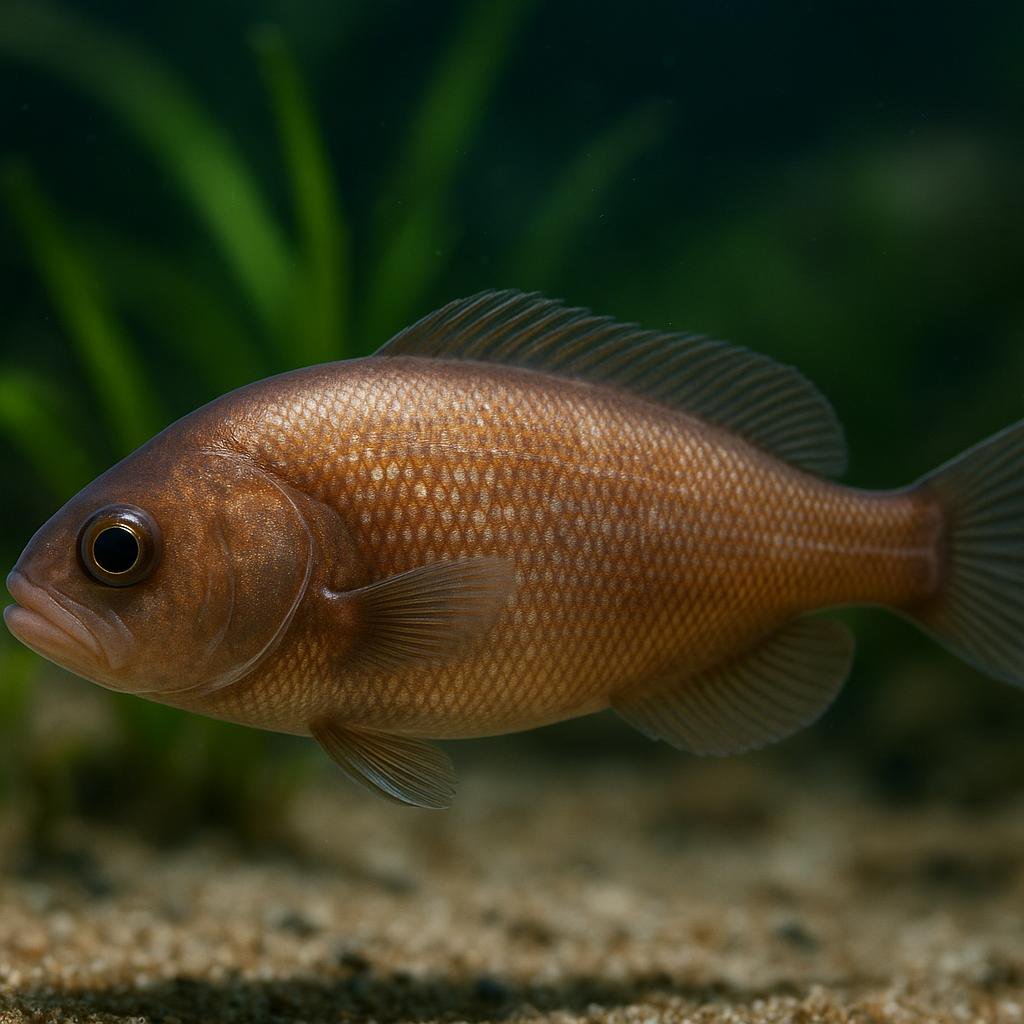
Affinis blind cusk-eel
Barathronus affinis
Barathronus affinis is a tiny, super-weird deep-sea blind cusk-eel from the western-central Indian Ocean. It is one of those gelatinous, loose-skinned brotula-type fishes that live way down in the dark and are basically never seen alive, so almost everything we know comes from preserved specimens and taxonomic work.
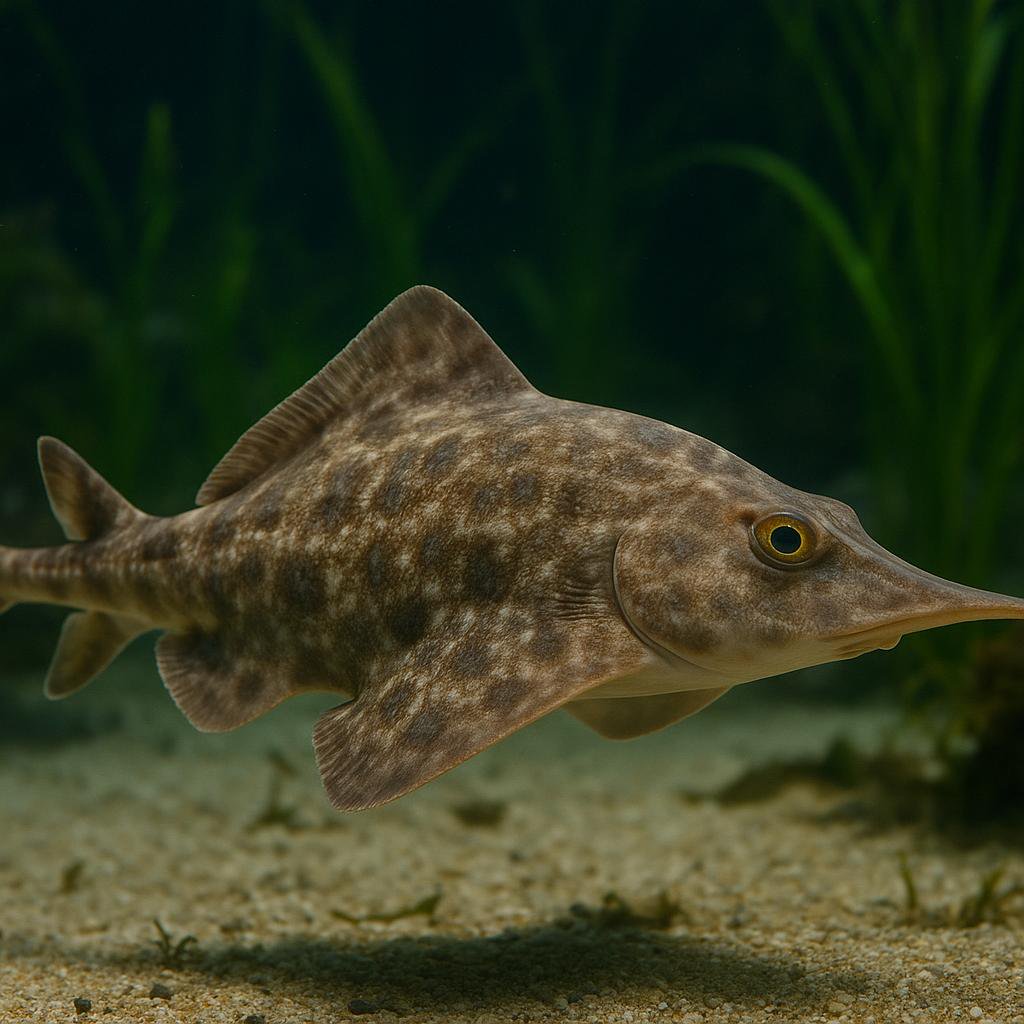
Aleutian skate
Bathyraja aleutica
This is a big, cold-water deep-slope skate from the North Pacific that cruises muddy bottoms and eats chunky benthic prey like crabs and shrimp. The really cool bit is its egg-laying skate life - it does distinct pairing (the classic skate "embrace") and drops those tough egg cases on the seafloor. Not an aquarium fish at all unless you're basically running a public-aquarium-style chilled system.
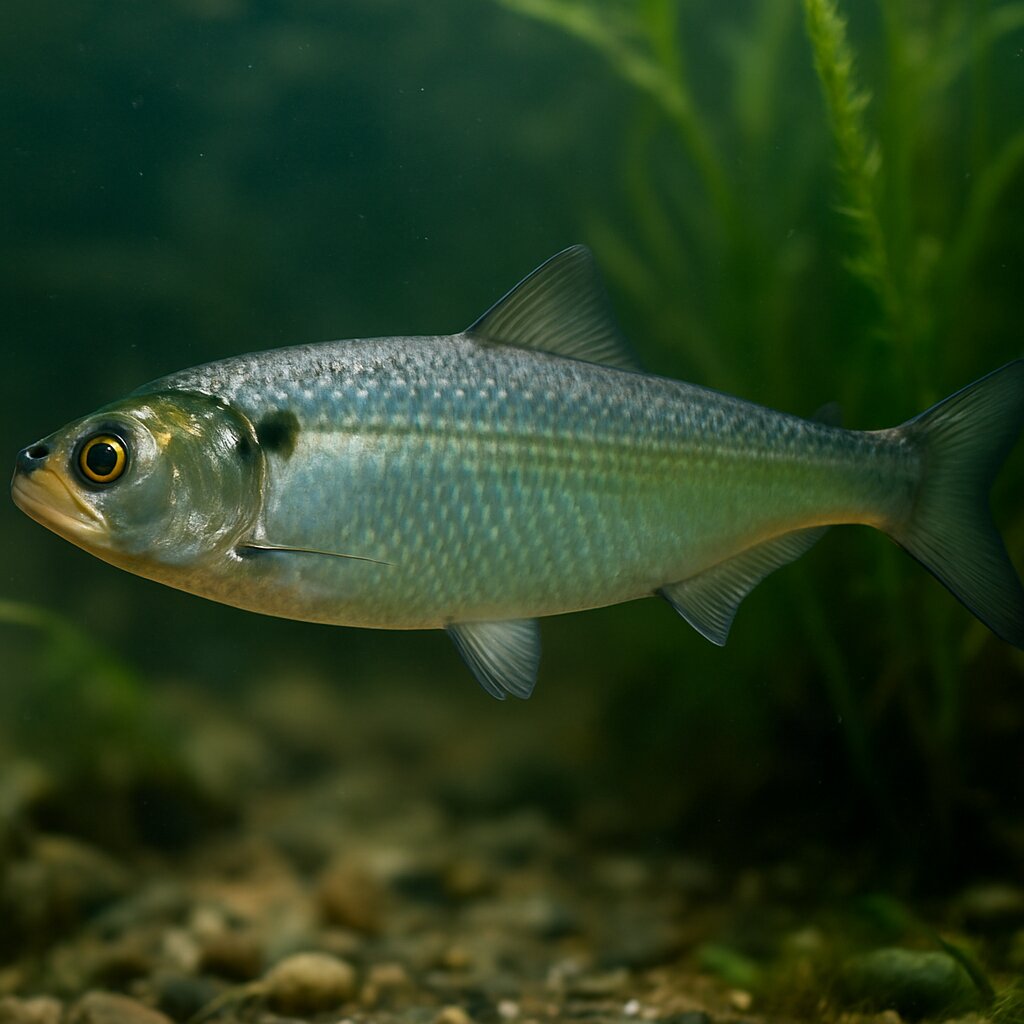
Allis shad
Alosa alosa
Gorgeous silver, fast-swimming shad that spends most of its life in the sea and then surges up big rivers in noisy, surface-spawning schools. It grows huge for a herring-type fish and needs cool, ultra-oxygenated water and tons of open space, so it is a public-aquarium species rather than a home tank fish.
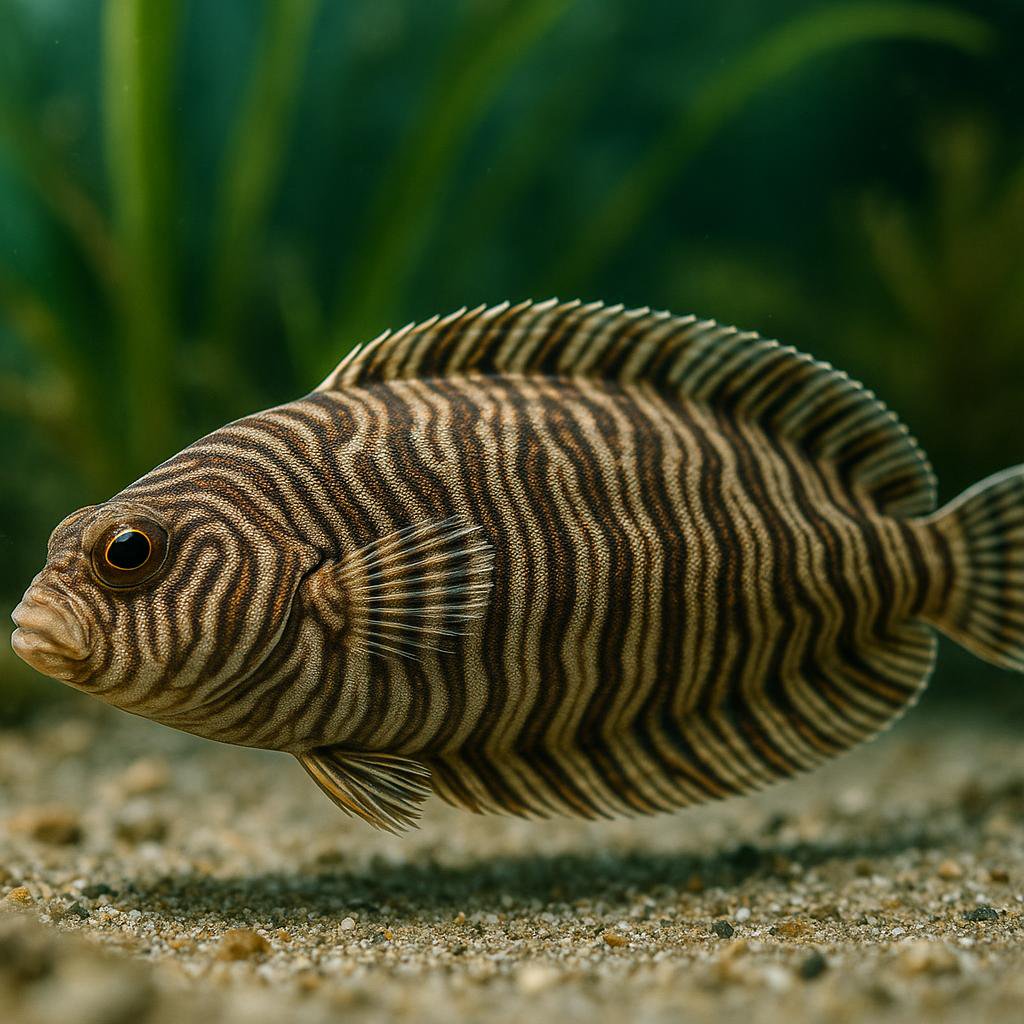
Annandale's zebra sole
Zebrias annandalei
Zebrias annandalei is a small demersal sole from coastal India that inhabits sandy or muddy bottoms and buries for camouflage. It is rarely kept in home aquaria and would require a specialized marine sand-bottom setup and appropriate feeding.
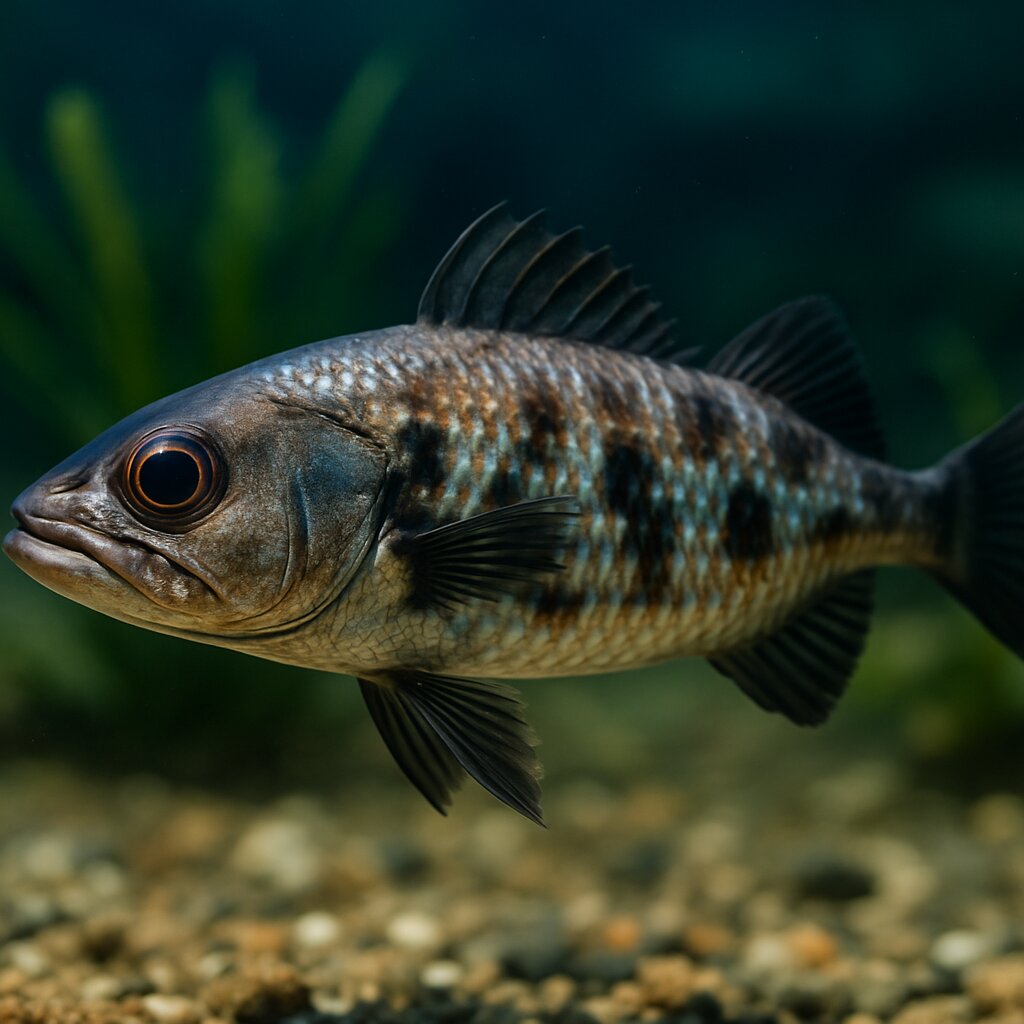
Antarctic dragonfish
Vomeridens infuscipinnis
Deep down around Antarctica, this sleek dragonfish cruises the water column like a little submarine, nearly neutrally buoyant so it can hover above the seafloor. It munches almost exclusively on Antarctic krill and lives in near-freezing water 500-800 m down, so it is a cool species to read about, not one for home tanks.
Looking for other species?