

Search Species
Search for fish species by common or scientific name, or use filters to browse by water type, size, temperament, and difficulty.
Found 654 species
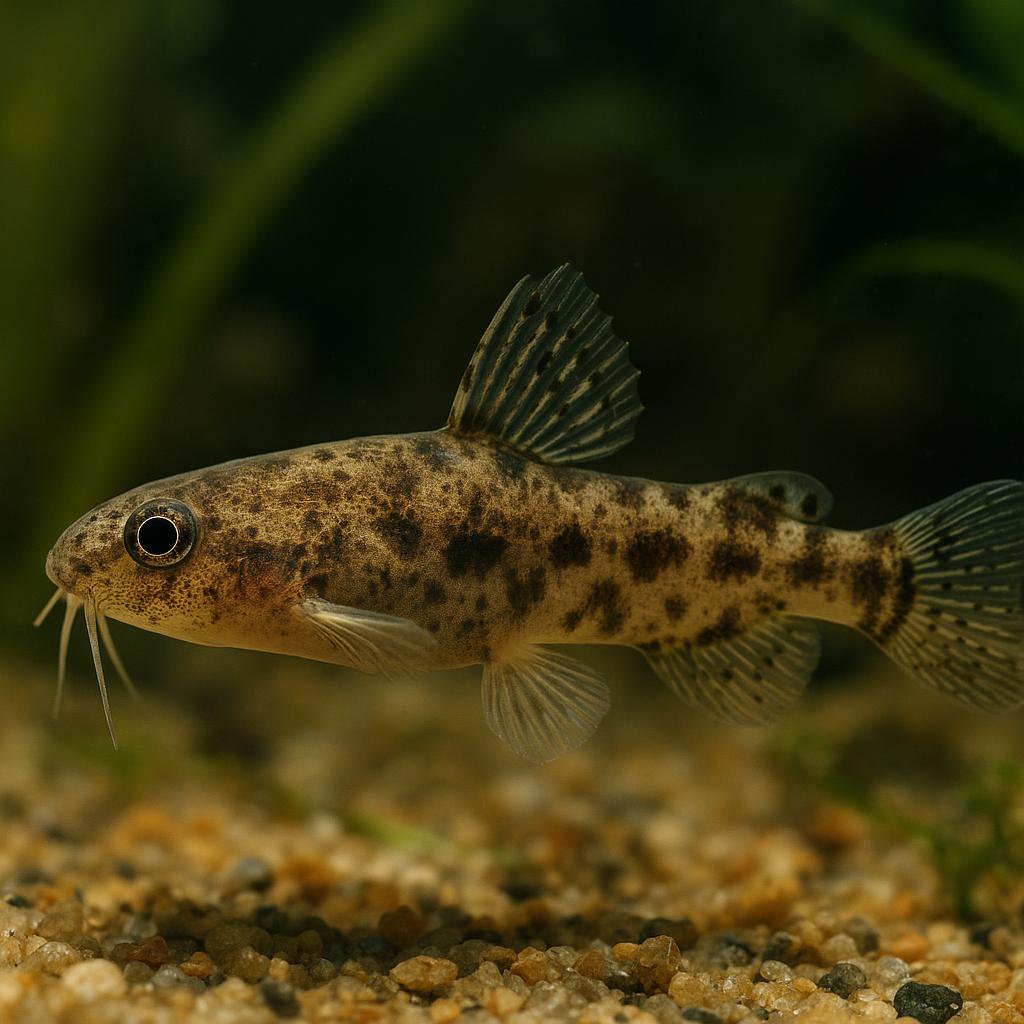
Compact sand catlet
Zaireichthys compactus
This is one of those tiny African sand-dwelling loach catfish that likes to hug the bottom and vanish into the substrate. In the wild it comes from fast-flowing, muddy-brown water with mixed sand, mud, and rocky areas, so in a tank it really appreciates flow, oxygen, and a soft sandy spot to scoot around on.
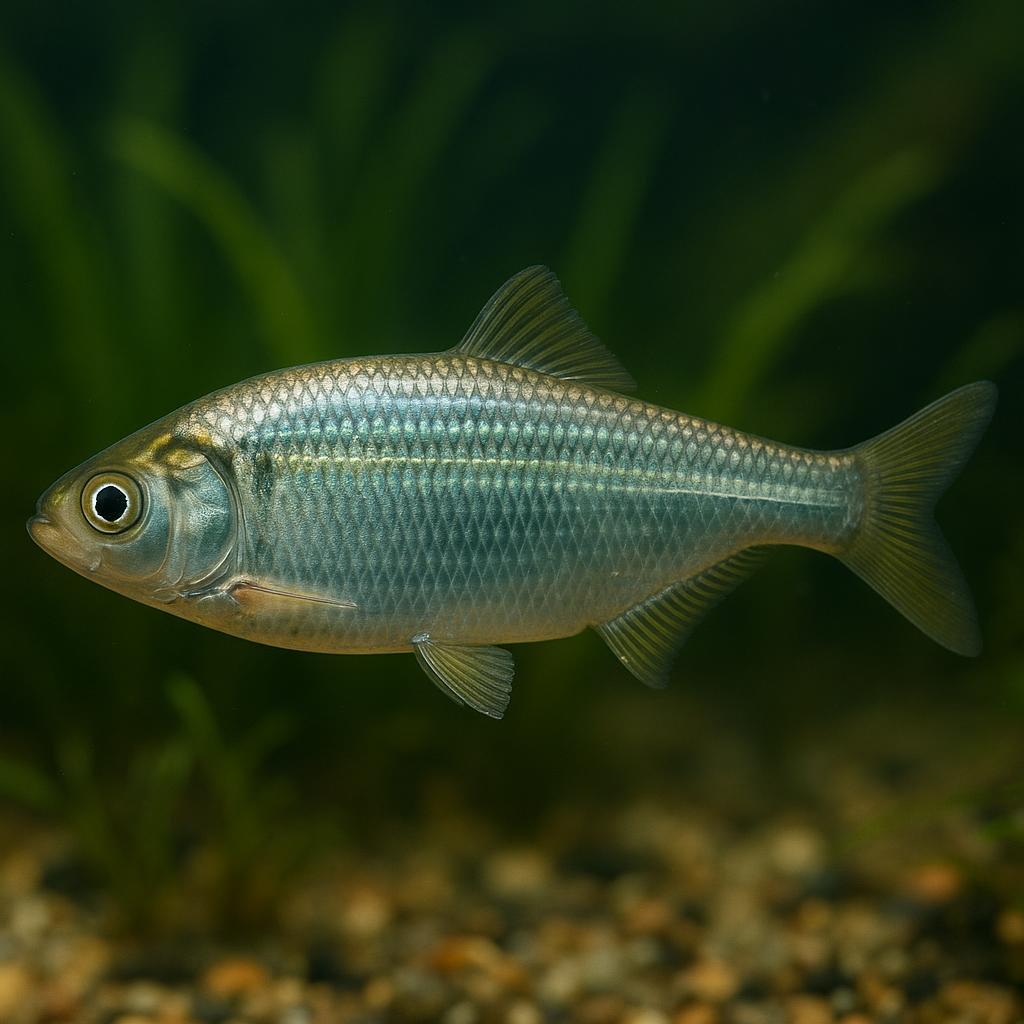
Compressed ilisha
Ilisha compressa
Ilisha compressa (compressed ilisha) is a Persian Gulf pristigasterid (longfin herring relative) described from the Persian Gulf and generally associated with coastal pelagic/neritic habitats.
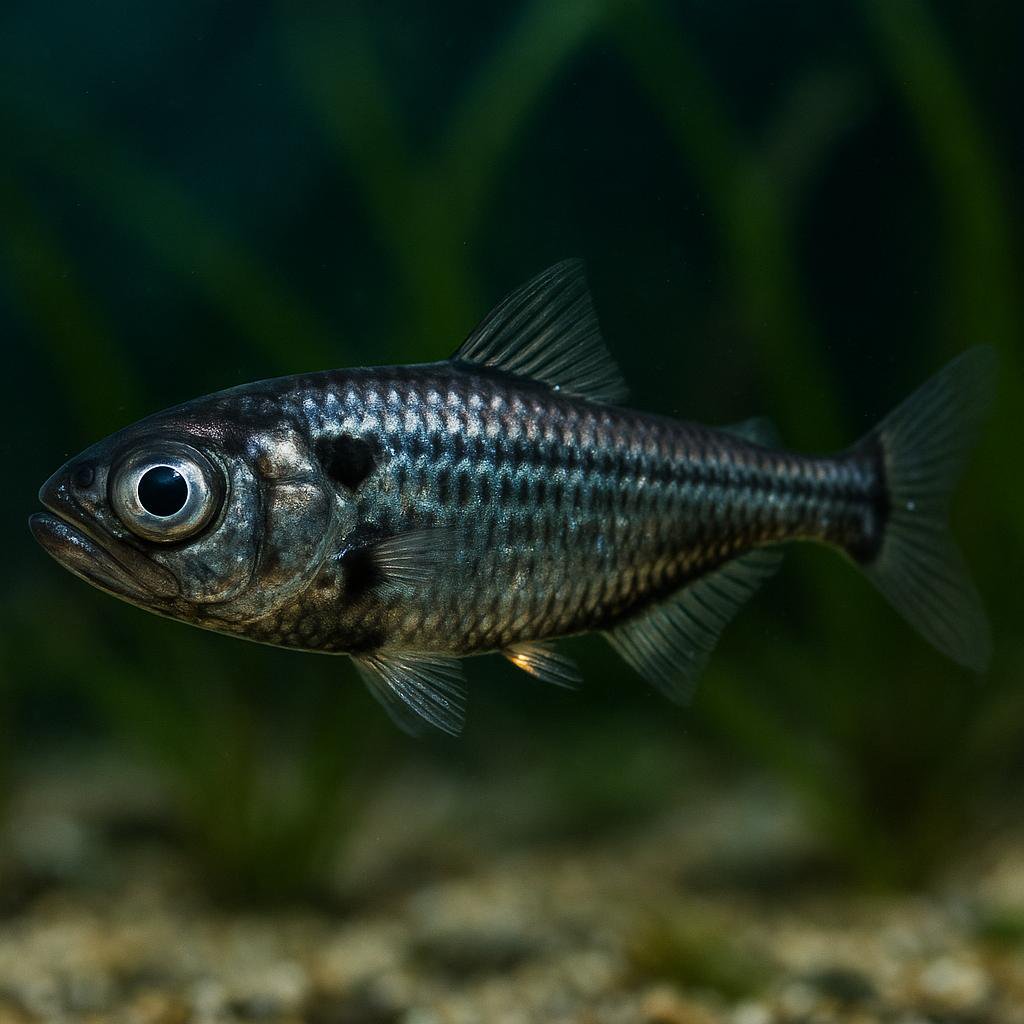
Confused lanternfish
Diaphus confusus
Diaphus confusus is a small lanternfish (family Myctophidae) known from the southeastern Pacific, recorded from deep mesopelagic/bathypelagic depths around 545–560 m near the Sala y Gómez Ridge. It is a wild, deepwater species and not realistically maintained as a typical home-aquarium fish due to capture/shipping and pressure/light/feeding constraints.
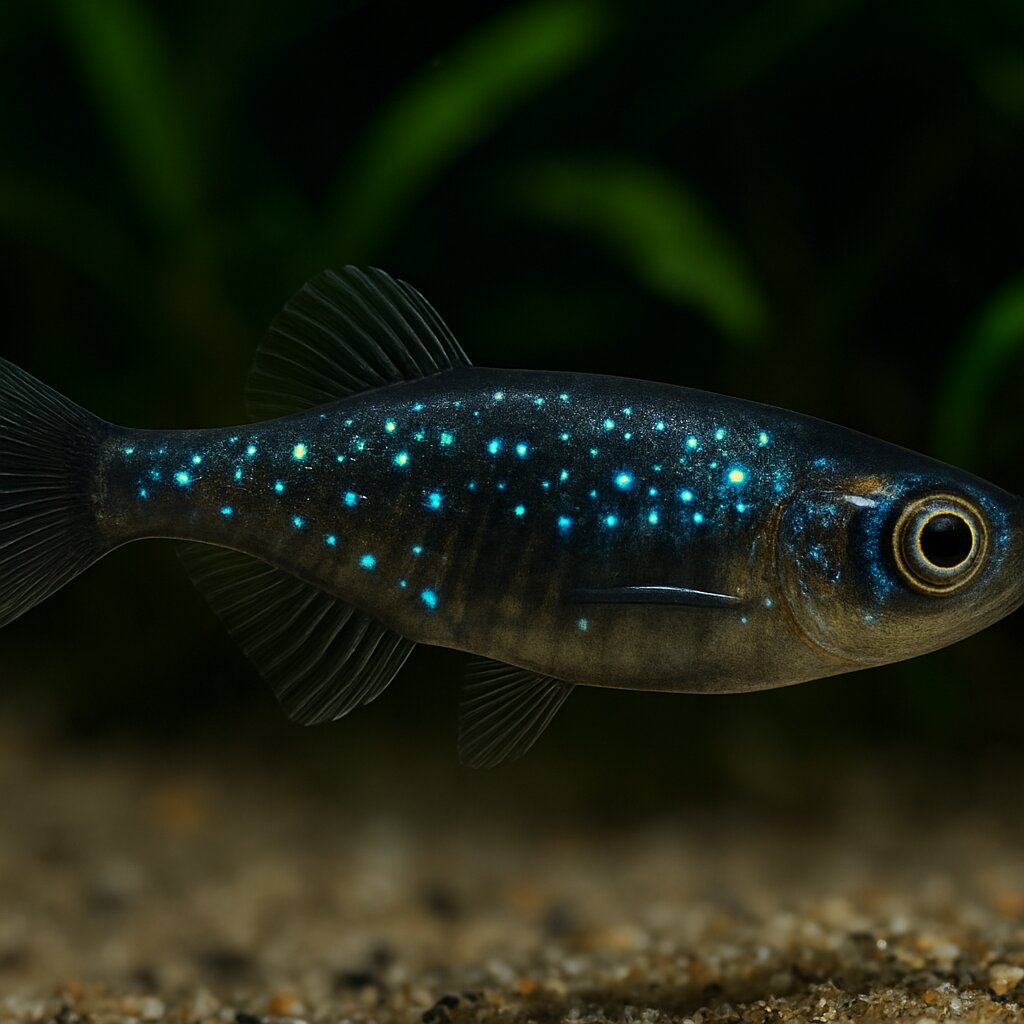
Constellationfish
Valenciennellus tripunctulatus
This is that tiny deep-sea hatchetfish with little light organs that sparkle like a night sky, which is why folks call it the constellationfish. It cruises the mesopelagic zone and snacks on copepods and ostracods, and while it looks awesome, it is not an aquarium candidate since it lives hundreds of meters down in cold, dim water.
Convict goby
Lythrypnus phorellus
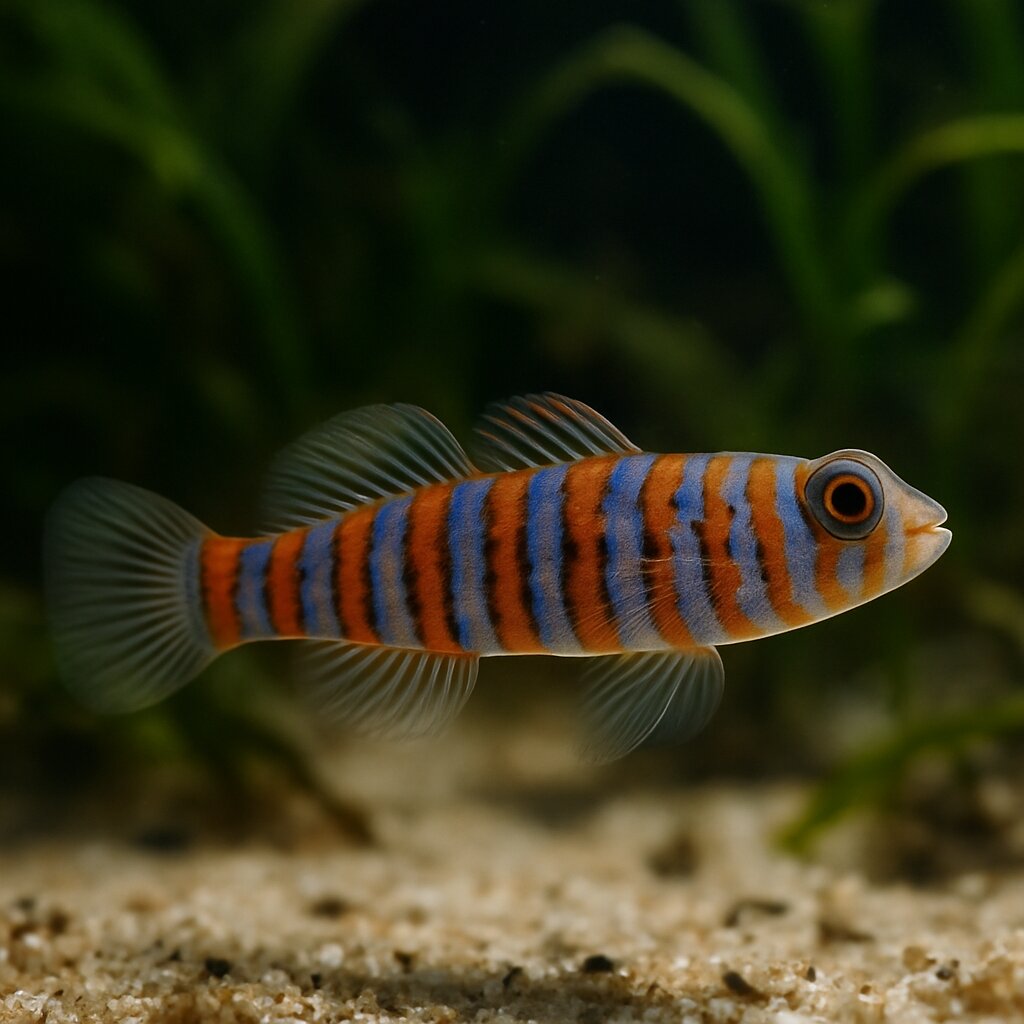
A tiny Caribbean goby with bold dark-and-pale bars, the convict goby spends its days perched under ledges and picking micro-crustaceans from the rock. It stays under an inch long, so it does best in a peaceful nano reef with lots of nooks and a steady supply of small foods like copepods or finely chopped mysis. Think of it as a shy little cave gremlin that comes out when it feels safe.
Cordoba livebearer
Jenynsia obscura
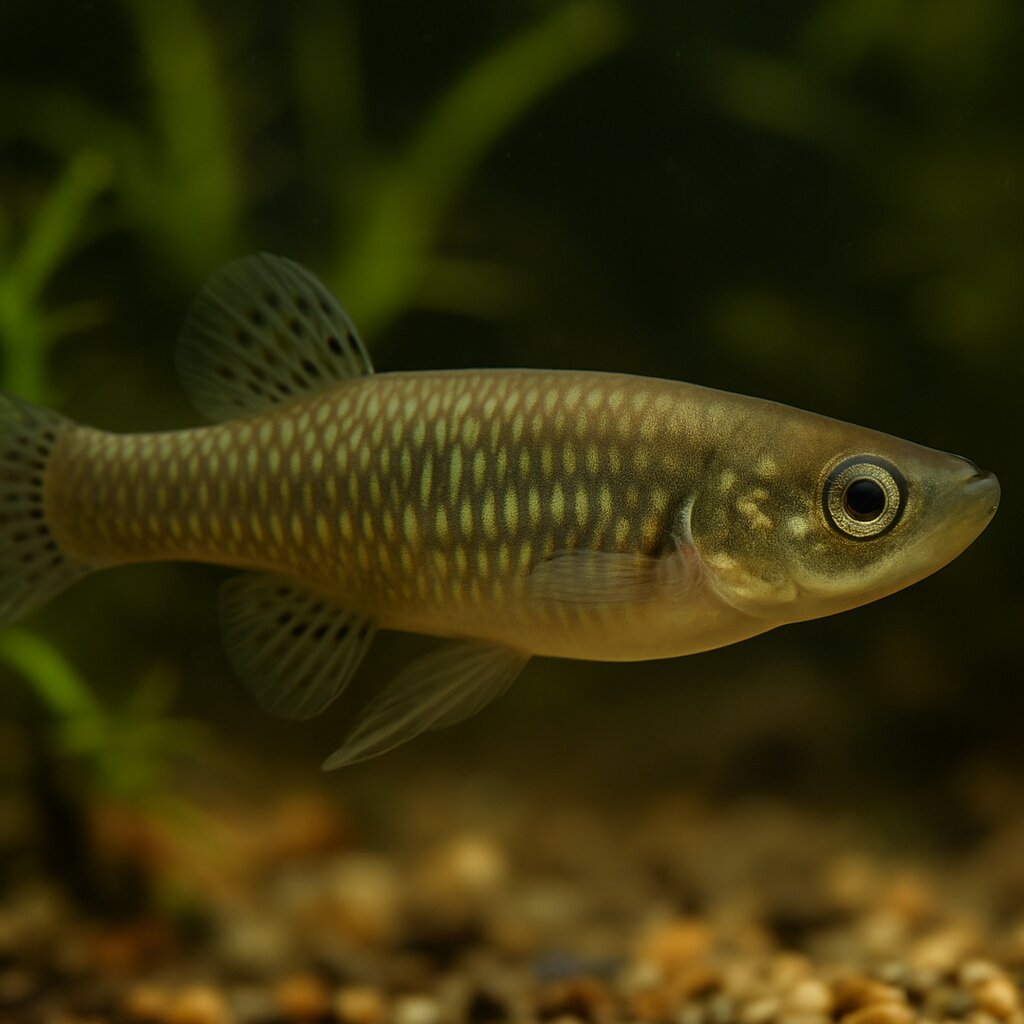
A small onesided livebearer from central Argentina, the Cordoba livebearer stays petite and does great in cooler, well-oxygenated freshwater. Males have that quirky one-sided gonopodium and the group shows lots of personality when kept as a small colony.
Creek livebearer
Jenynsia eigenmanni
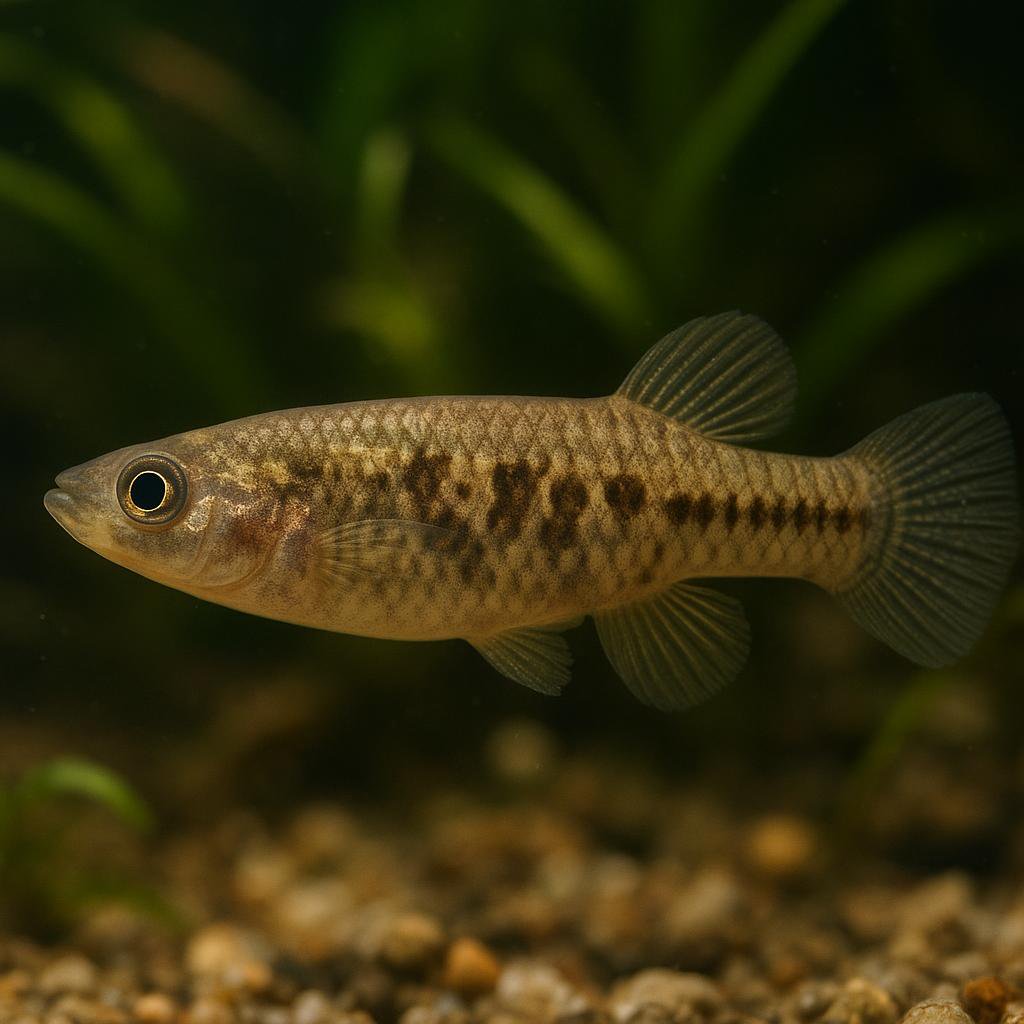
Jenynsia eigenmanni is a little South American livebearer from southern Brazil, and it has that classic Jenynsia "one-sided" mating setup, which is pretty wild to watch once you keep a group. It's not a showy neon fish, but it is super active and always cruising and grazing, more like a tiny, tougher molly-type fish that stays busy all day.
Critter Goby
Lentipes crittersius
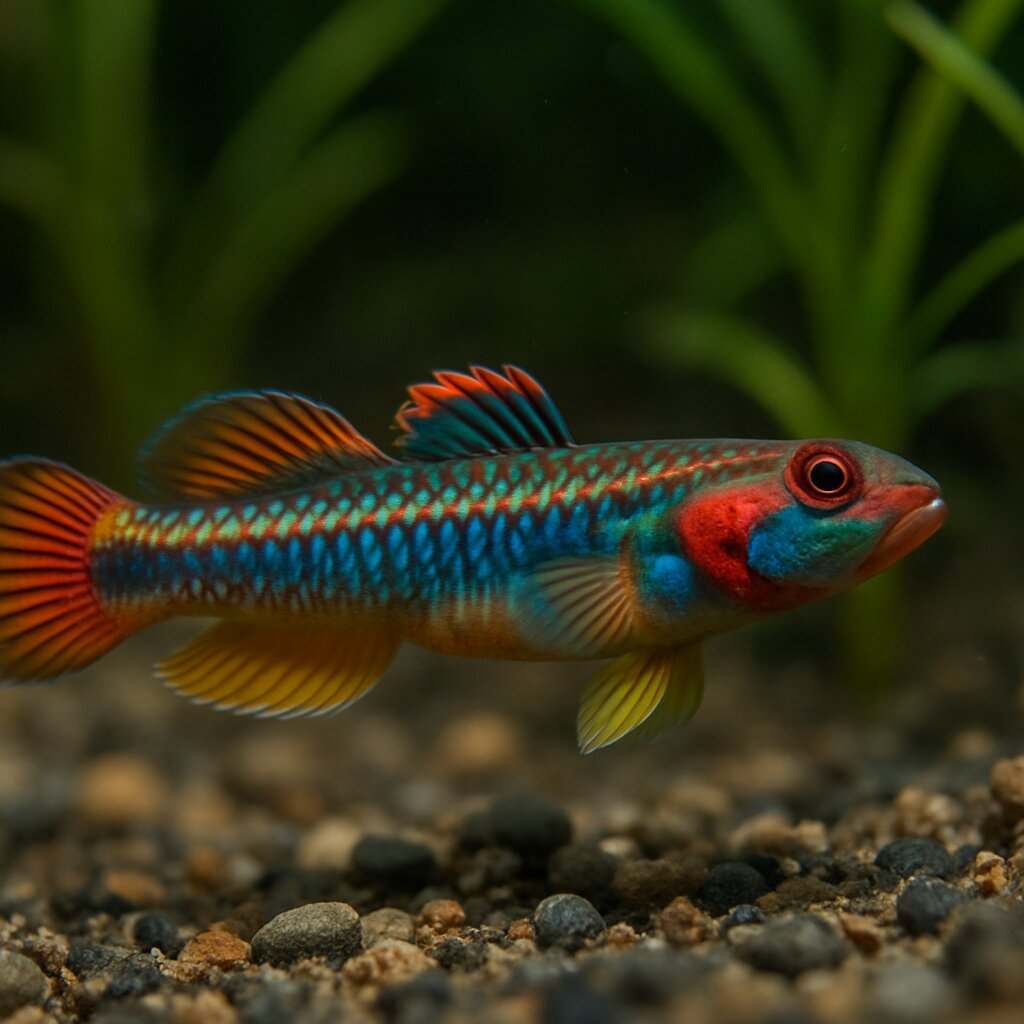
Tiny stream goby from West Papua that sticks to rocks and loves fast, super-clean water. It spends the day scooting over stones to graze algae and biofilm, then dashes into the current like a little surfer. Give it a mature, high-flow tank and it will show loads of personality.
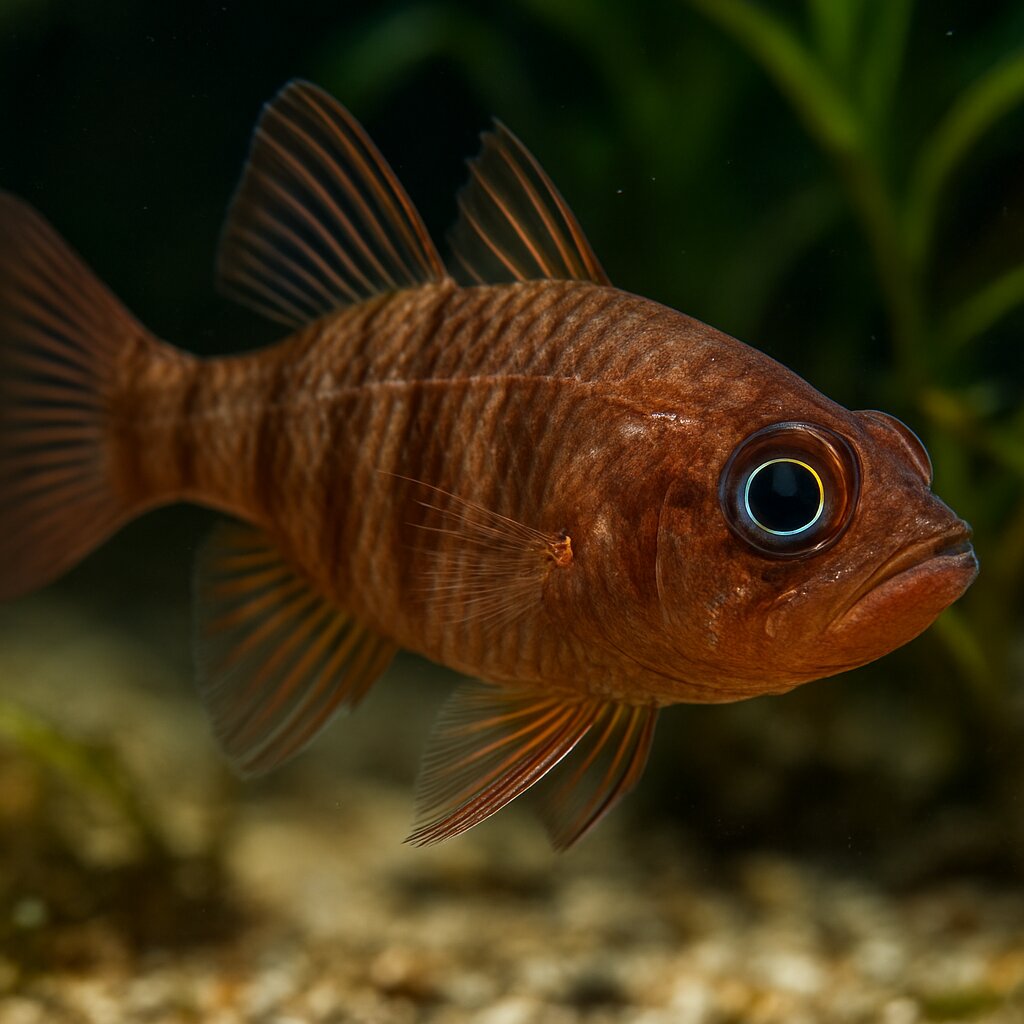
Crosseyed cardinalfish
Fowleria aurita
Think of this little cardinal as a night owl that hangs in the shadows by day and pops out at lights-off to snack. It stays small, has that quirky crossed-eye look, and like other cardinals the male mouthbroods the eggs, which is super cool to watch if you ever get a pair to spawn. Give it rockwork to hide in and it settles right in.
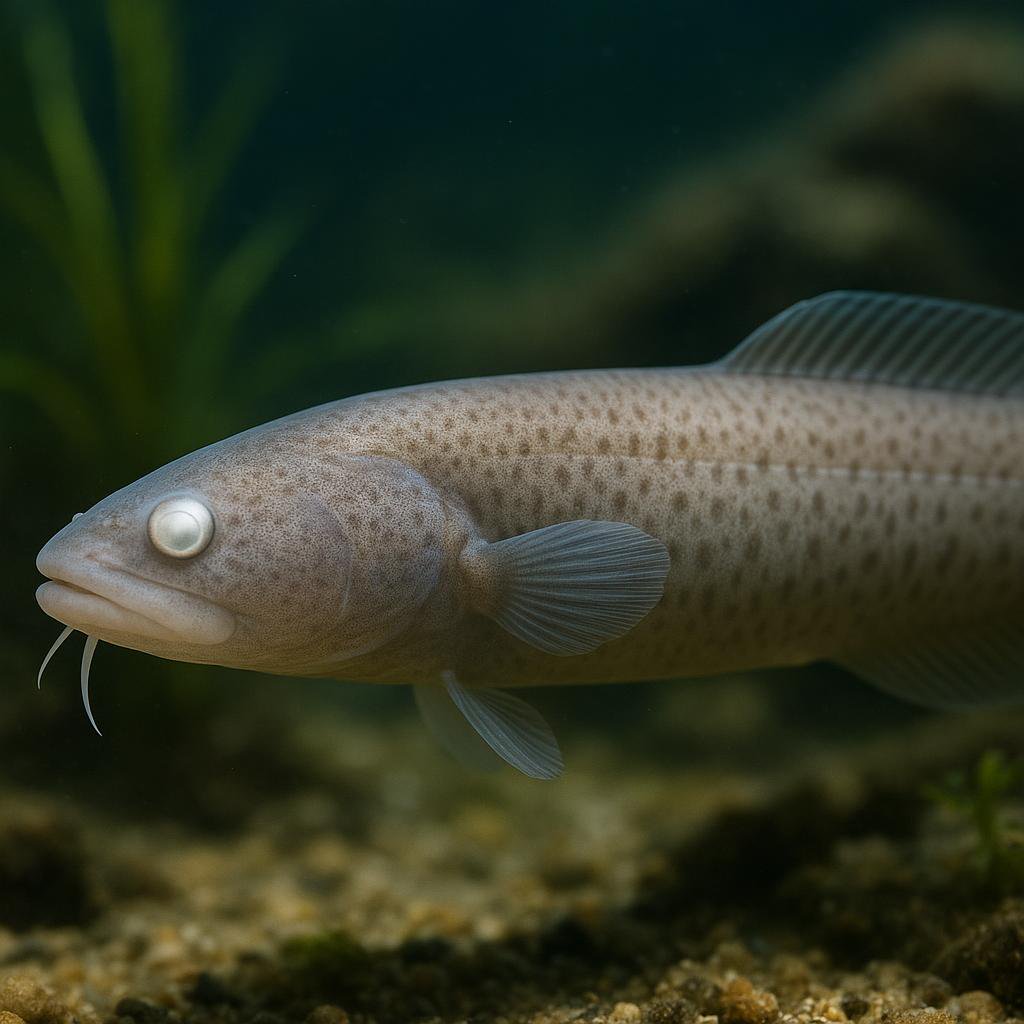
Cuban cusk-eel
Lucifuga subterranea
A blind, cave- and sinkhole-dwelling livebearing brotula (Bythitidae) endemic to Cuba that feeds on small crustaceans (e.g., isopods) in subterranean waters.
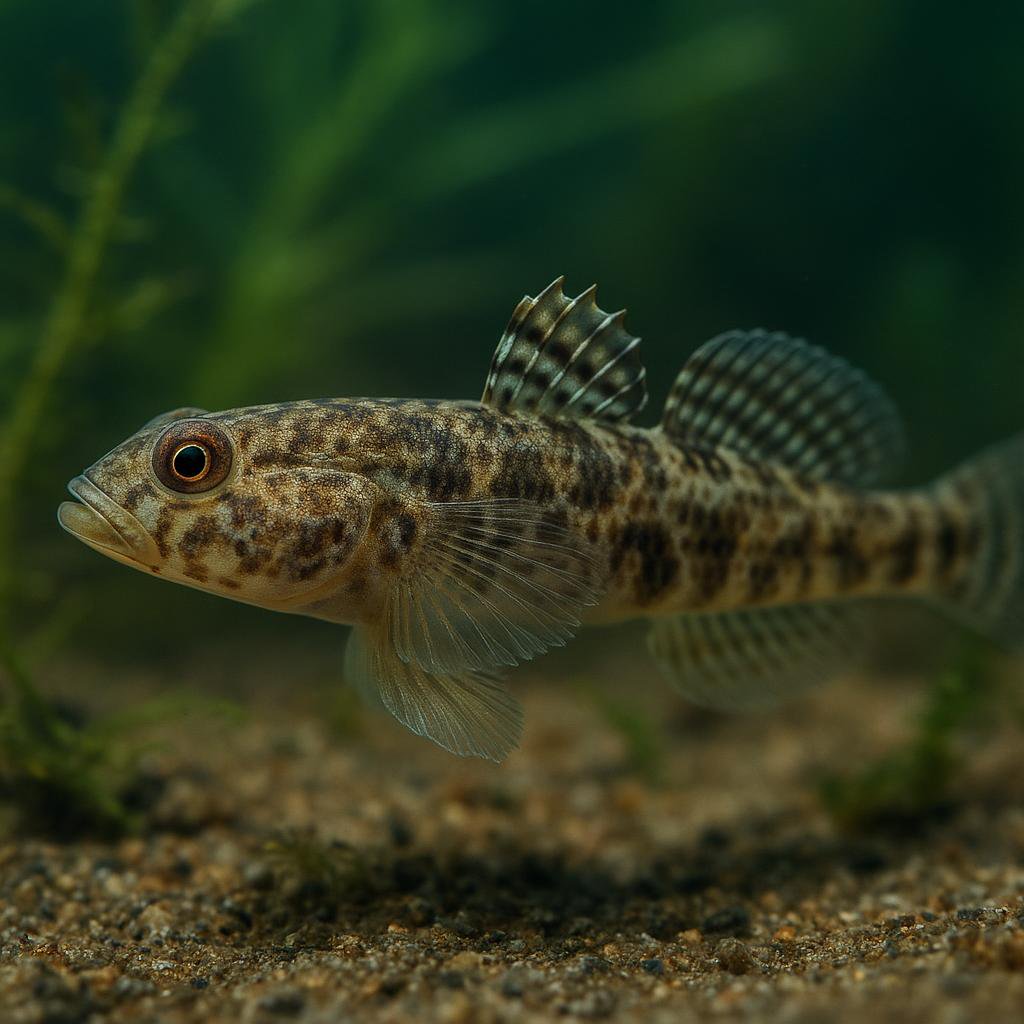
Danube delta dwarf goby
Knipowitschia cameliae
This is a tiny little bottom-dwelling goby from a single lagoon system near the Danube Delta in Romania. It stays under about an inch and a half, and the males can show dark barring when in breeding colors. Honestly, it is more of a conservation-interest species than an aquarium fish - it is Critically Endangered and may even be possibly extinct in the wild.
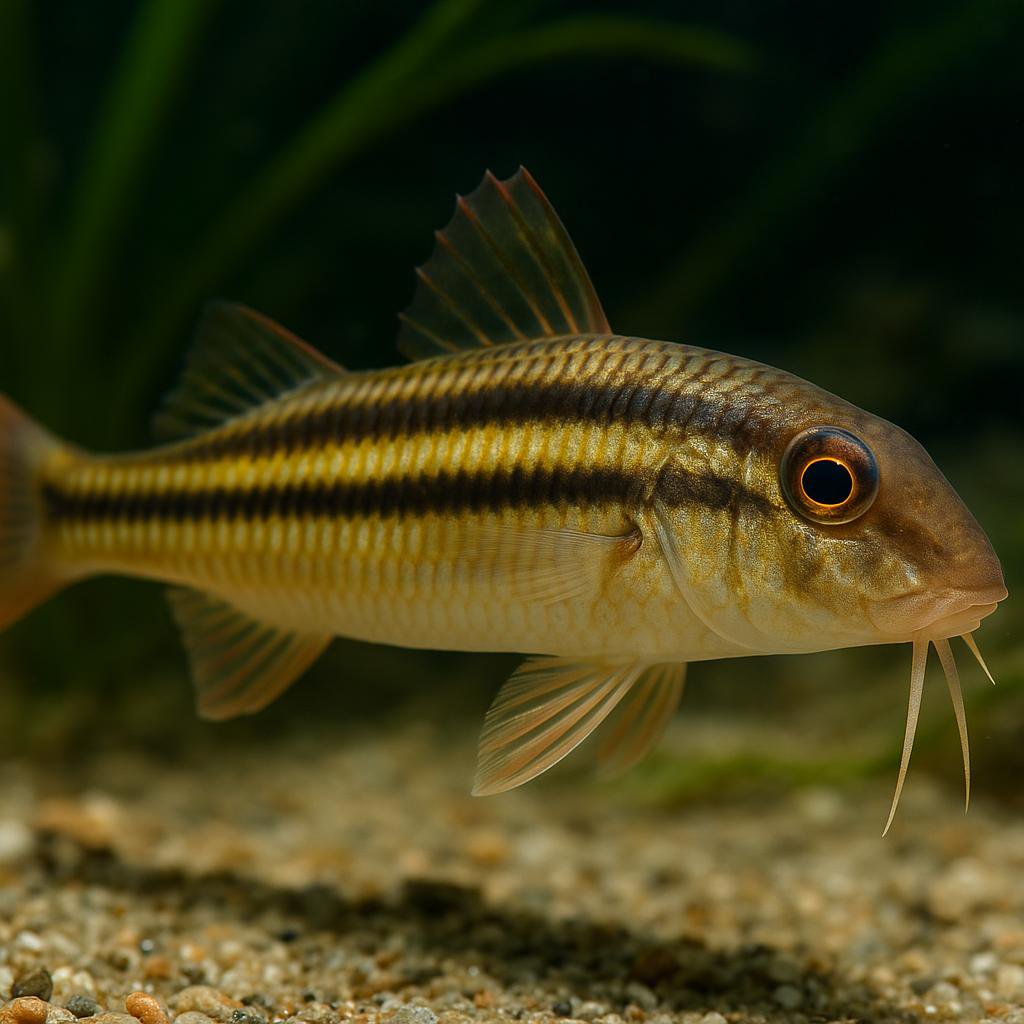
Dark-barred goatfish
Upeneus luzonius
This is a small demersal goatfish from the western Pacific associated with muddy coastal substrates. It swims in aggregations (sometimes mixed with similar species) and uses chin barbels to forage. It is silvery with a reddish mid-lateral line that breaks into spots and a red bar below the eye.