

Guaymas goby
Quietula guaymasiae
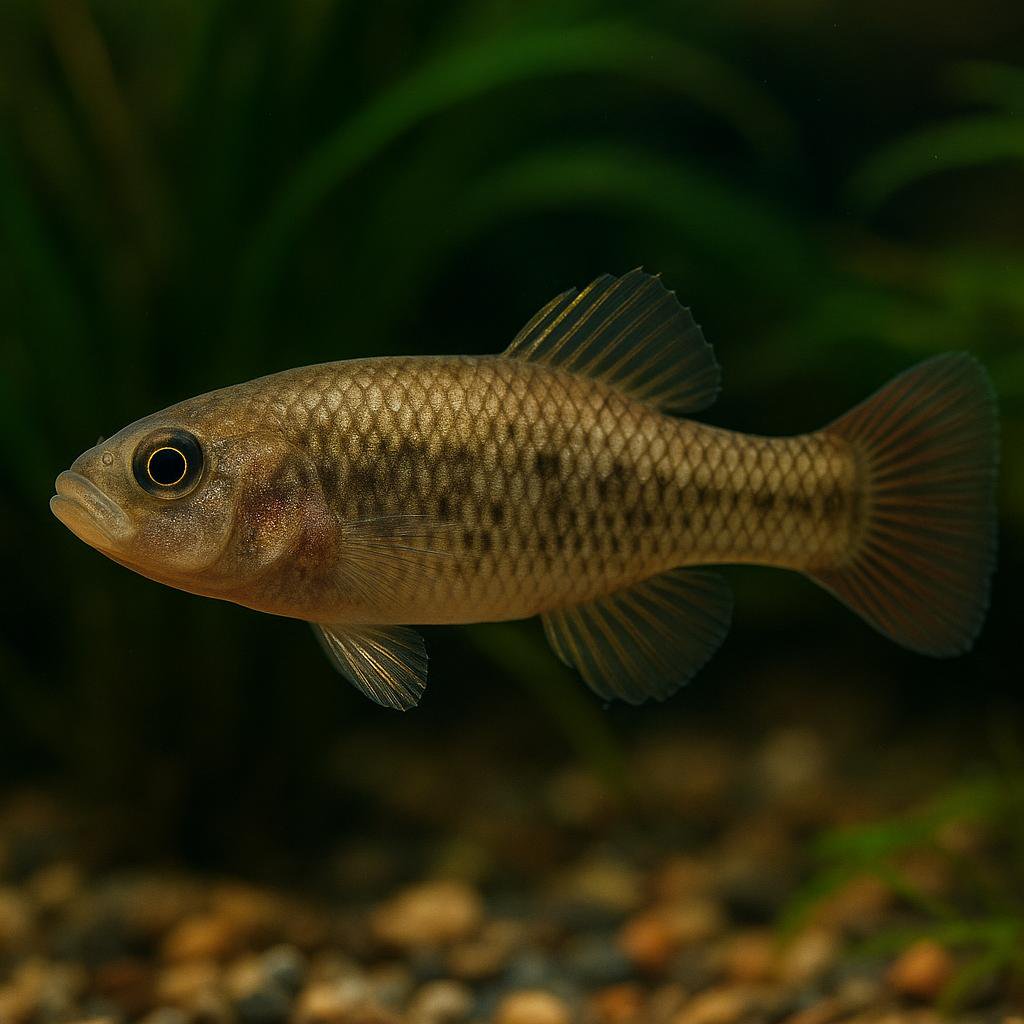
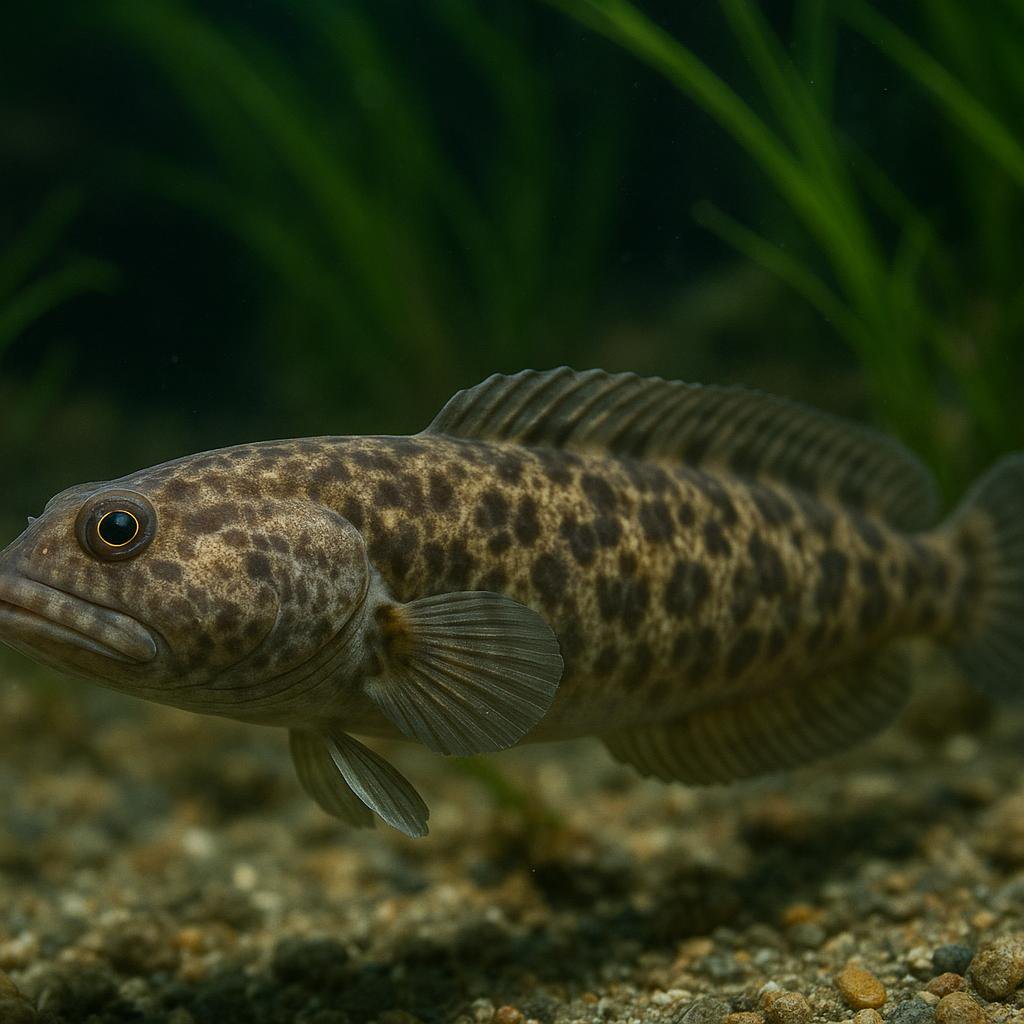
The Guaymas goby exhibits a slender body with a light brown hue, featuring distinct dark spots along its flanks and a long, filamentous first dorsal fin.
This page includes AI-generated images. Why am I seeing AI images?
About the Guaymas goby
This small estuarine goby is endemic to Mexico’s Gulf of California and is usually found in shallow lagoons and river mouths over sand or mud. It is a facultative air‑breather and tolerates warm, low‑oxygen conditions. It is not a typical community freshwater or reef fish—treat it as a brackish/estuarine species that prefers calm water and fine substrate.
Also known as
Quick Facts
Size
8.5 cm
Temperament
Peaceful
Difficulty
Advanced
Min Tank Size
55 gallons
Lifespan
3-4 years
Origin
Eastern Central Pacific (Gulf of California, Mexico)
Diet
Carnivore/micro-predator - small crustaceans and worms (amphipods, polychaetes); in aquaria: frozen/live meaty foods
Water Parameters
23-27°C
7.5-8.5
10-25 dGH
Need a heater for this species?
This species needs 23-27°C in a 55 gallon tank. Use our heater calculator to find the right wattage.
Calculate heater sizeCare Notes
- Give them a sand-heavy tank with lots of little rock piles and tight crevices - they want to sit, wedge in, and dart, not cruise open water. PVC elbows half-buried in sand make instant hideouts and cut down on stress.
- Maintain stable estuarine/brackish conditions appropriate to your system and avoid rapid salinity swings; target pH 7.5–8.5. This species naturally inhabits lagoons and river mouths rather than coral‑reef conditions.
- They are micro-predators, so feed small meaty stuff: live or frozen mysis, enriched brine, chopped shrimp, blackworms (if you trust your source), and tiny pellets once they recognize them. Target feed with a pipette near their hide so faster fish do not steal everything.
- Skip boisterous tankmates like big wrasses, dottybacks, and anything that will bully a small bottom fish; they will just stay hidden and slowly waste away. They do fine with calmer fish and inverts, but assume tiny shrimp and pods are on the menu.
- They can be territorial with other small gobies and especially their own kind in tight setups, so either keep one or give a larger footprint with multiple sight breaks. If you try a pair, add them together and watch for one getting pinned to a corner.
- They jump when spooked, especially at night, so run a tight lid with no gaps around cords. Most losses I have seen are 'found crispy on the floor' not disease.
- Breeding is possible if you give a cave and keep them well-fed: the male usually guards eggs stuck to the roof/walls of a hide. The hard part is raising larvae - plan on live foods (rotifers/pods) and a separate rearing setup if you actually want survivors.
Compatibility
Good Tankmates
- Other small estuarine/brackish gobies; provide ample hiding places and visual breaks to minimize territoriality.
- Use caution with small crustaceans; amphipods and shrimps are natural prey in the wild. Robust estuarine snails are typically safe.
Avoid
- Large predatory fishes likely to consume small gobies.
Where they come from
Guaymas gobies (Quietula guaymasiae) come from the Gulf of California area around Guaymas. They are the kind of goby that makes a living in silty, mucky shallows and backwater spots where the water is not always crystal clear and the bottom is soft.
That background matters because they are built for life on and in the substrate. If you set them up like a bright, bare-bottom reef showcase, they usually act stressed and you will barely see them.
Setting up their tank
Think "quiet, dim, sandy, and stable". This is an advanced fish mostly because it does poorly in brand-new systems and it hates sudden swings. Give it a mature marine tank and you will have a much easier time.
- Tank maturity: I would not put one in a tank younger than 4-6 months. Older is better.
- Substrate: fine sand (not sharp). A deeper bed lets them settle in and feel secure.
- Hardscape: a few small rock piles, shells, and rubble so it can pick a "home" and duck into cover fast.
- Flow: moderate, but avoid blasting the sandbed. They like calmer zones near the bottom.
- Lighting: they do fine under normal marine lights, but provide shaded areas. They are not a "spotlight" fish.
- Filtration: strong biological filtration and good oxygenation. They are small, but messy feeding (meaty foods) adds up.
Cover the tank. Gobies can and will jump, especially the first week. A tight lid or mesh top saves you from the classic "found on the floor" heartbreak.
I have had the best luck giving them multiple bolt-holes right on the sandline. A little cave with a sand apron in front of it is perfect. If they can sit with their belly on sand and a roof over their head, they relax fast.
What to feed them
These are small predators. Mine ignored flakes and acted like pellets were suspicious at first. Once they are settled, some will take small sinking pellets, but you will get results quicker with frozen and live foods.
- Great staples: frozen mysis (small), enriched brine shrimp, chopped krill (tiny bits), finely chopped shrimp/clam
- If they are picky: live baby brine, live blackworms (if you can source safely), or live pods to get them started
- Feeding style: target feed near the bottom with a pipette or turkey baster so faster fish do not steal everything
- Schedule: small portions 1-2x daily beats dumping a big meal once in a while
Turn pumps down for 5-10 minutes during feeding. They are deliberate eaters and the food blowing away can make them give up.
Watch the belly line. A Guaymas goby that is eating will look a little fuller behind the head after meals. If it stays pinched for days, it is either not getting food or it is being outcompeted.
How they behave and who they get along with
They are shy, bottom-hugging, and a bit "freeze and vanish". Most of the time you will see them perched on sand, then they dart back under a rock when something startles them.
Temperament-wise, they are usually peaceful, but they are not pushovers if another bottom fish tries to take their spot. In a small tank, two can squabble if there are not enough hiding places.
- Good tankmates: calm community marine fish that do not harass the sandbed (small assessors, small cardinals, calm blennies that stick to rockwork)
- Be careful with: hyperactive feeders (some wrasses, dottybacks) that will out-eat them or bully them into hiding
- Avoid: aggressive bottom dwellers, large hawkfish, big crabs, or anything that views small gobies as snacks
If you want to actually see this fish, build the tank around it a little. A "too busy" tank with fast, bold fish usually turns it into a permanent ghost.
Breeding tips
Breeding them in home aquaria is possible in the general goby sense (cave spawners, guarded eggs), but with this species you will likely run into two hurdles: getting a compatible pair and raising the larvae.
- Pairing: start with a small group in a larger tank and let them sort it out, or buy an established pair if you ever see one
- Spawning setup: tight caves or shell-like hides with a single entrance, placed on sand
- Conditioning: heavy feeding of small meaty foods, stable salinity and temperature, and minimal disturbance
- Larvae: expect planktonic babies that need tiny live foods (rotifers, then copepods) and clean, stable rearing water
If you see a fish guarding a cave and fanning, do not keep shining lights in or poking around. One bad spook and they may abandon the clutch.
Common problems to watch for
Most issues with Guaymas gobies boil down to stress, starvation, or being tossed into an immature tank. They can look "fine" while slowly losing weight, so you have to pay attention early.
- Not eating: very common after shipping. Offer small live foods to kickstart feeding, then transition to frozen
- Getting outcompeted: they lose food battles easily. Target feed at the sand and consider calmer tankmates
- Sandbed problems: dirty, compacted, or sharp substrate can lead to abrasions and infections
- Jumping: usually happens during the first week or after a scare
- Parasites from wild collection: quarantine is worth your time (and theirs)
Rapid breathing, hanging in the open, and refusing food for more than a few days is a red flag. Check ammonia, salinity swing, temperature, and oxygenation right away, then consider parasites if the basics look solid.
If you do one thing that stacks the odds in your favor: quarantine and get it eating aggressively before it ever sees the display. Once they learn your feeding routine and feel safe, they are tough in a very "quiet fish" kind of way.
Similar Species
Other brackish peaceful species you might be interested in.
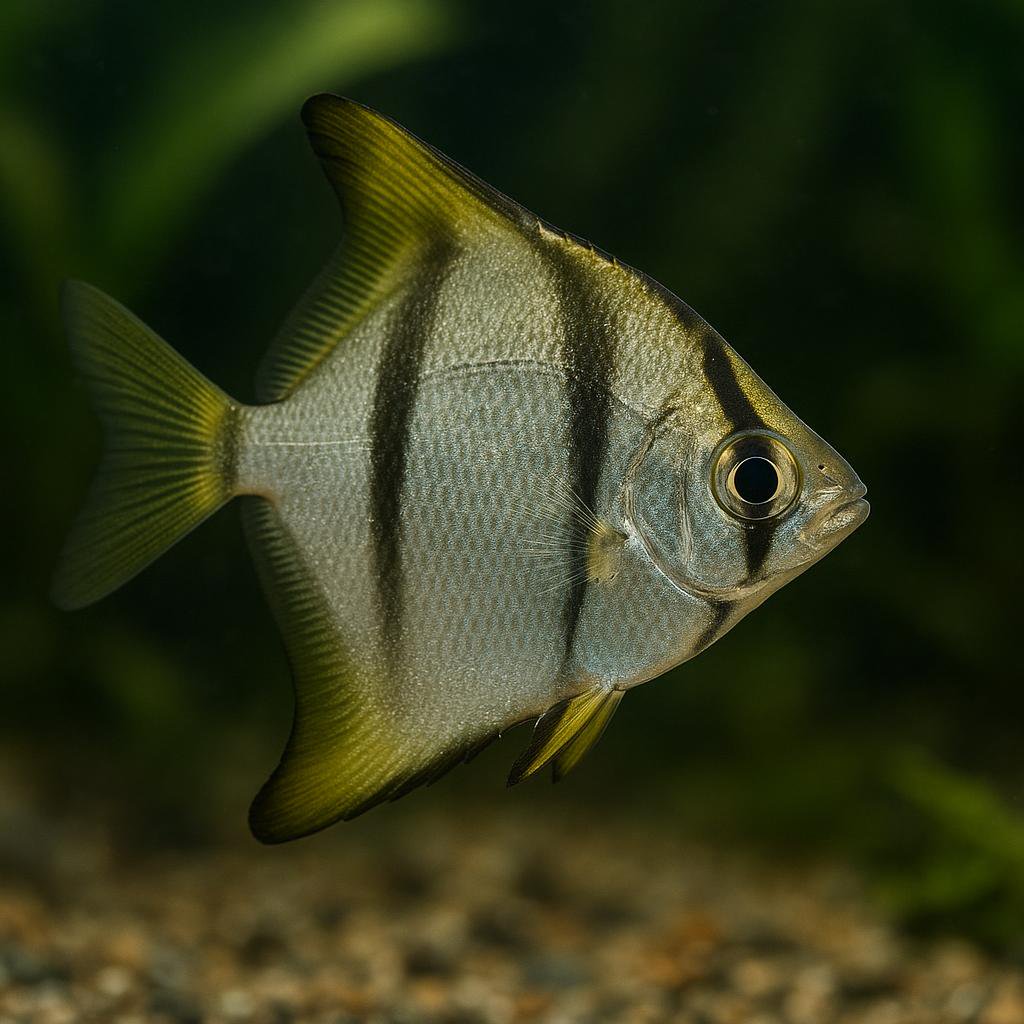
African moony
Monodactylus sebae
This is that shiny, diamond-shaped "mono" that cruises around in a tight pack and looks like a little silver dinner plate with black bars when it's young. The big thing with African moonies is they're euryhaline-so they'll tolerate freshwater as juveniles, but they really shine long-term in brackish (and can be transitioned toward marine as they mature). Give them a big, open tank and a group, and they turn into nonstop, super fun midwater swimmers.
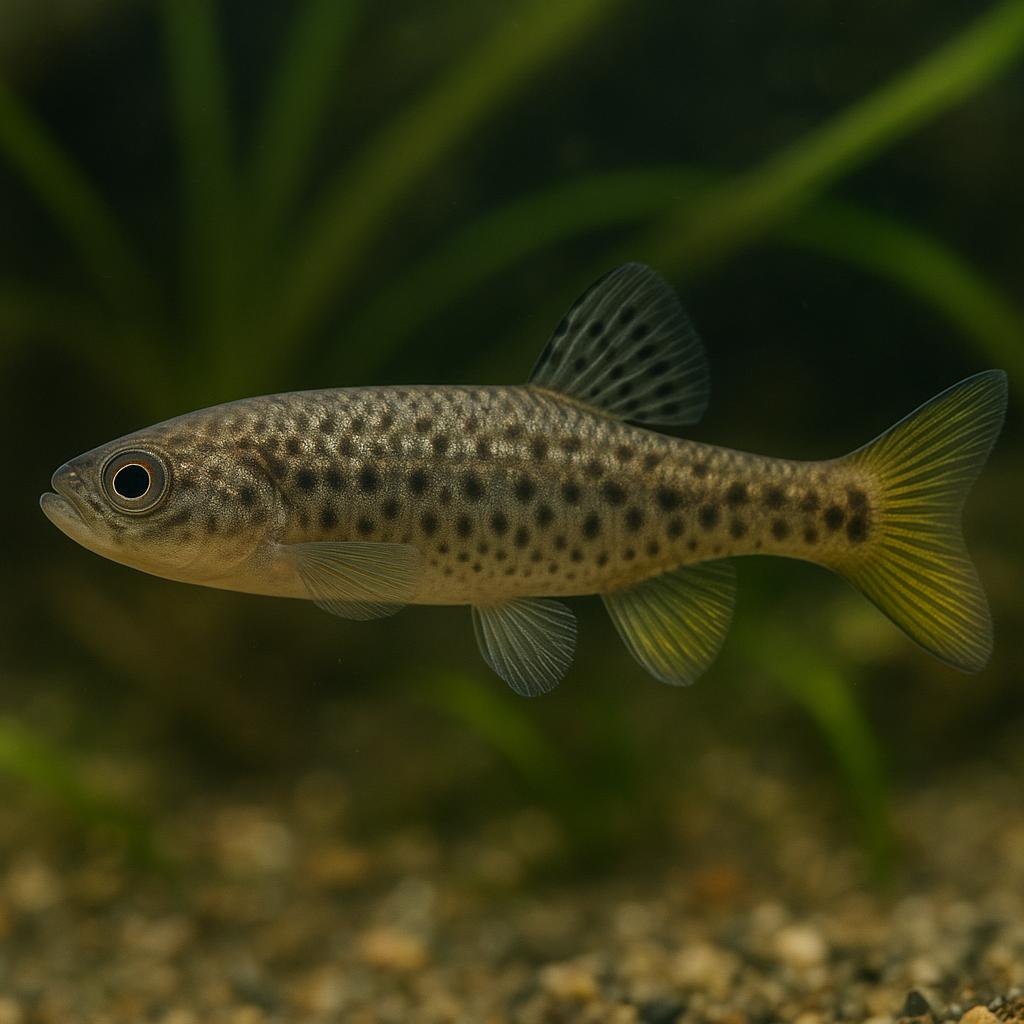
American shadow goby
Quietula y-cauda
This is a little mudflat goby from California down into the Gulf of California that loves hanging tight to the bottom and vanishing into burrows. The neat tell is that sideways Y-shaped blotch right at the base of the tail, plus the row of dark spots along the side. Its whole vibe is brackish estuary life - calm water, soft substrate, lots of hiding holes.
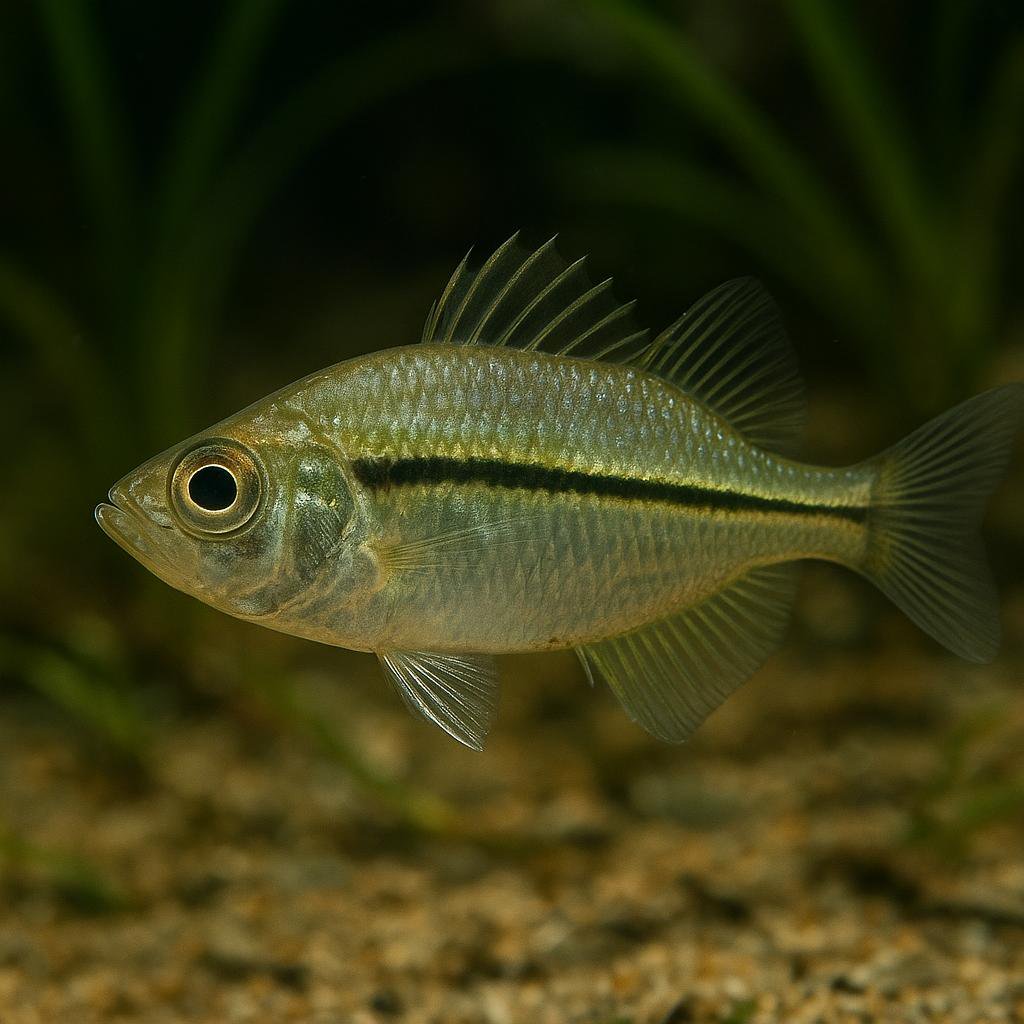
Banded-tail glassy perchlet
Ambassis urotaenia
This is one of those see-through glassy perchlets where you can literally watch the organs shimmer when it turns-super cool in the right lighting. In the wild it hangs around river mouths and mangroves and cruises in groups, so it does best when you keep a little gang of them and give them some open swimming room.
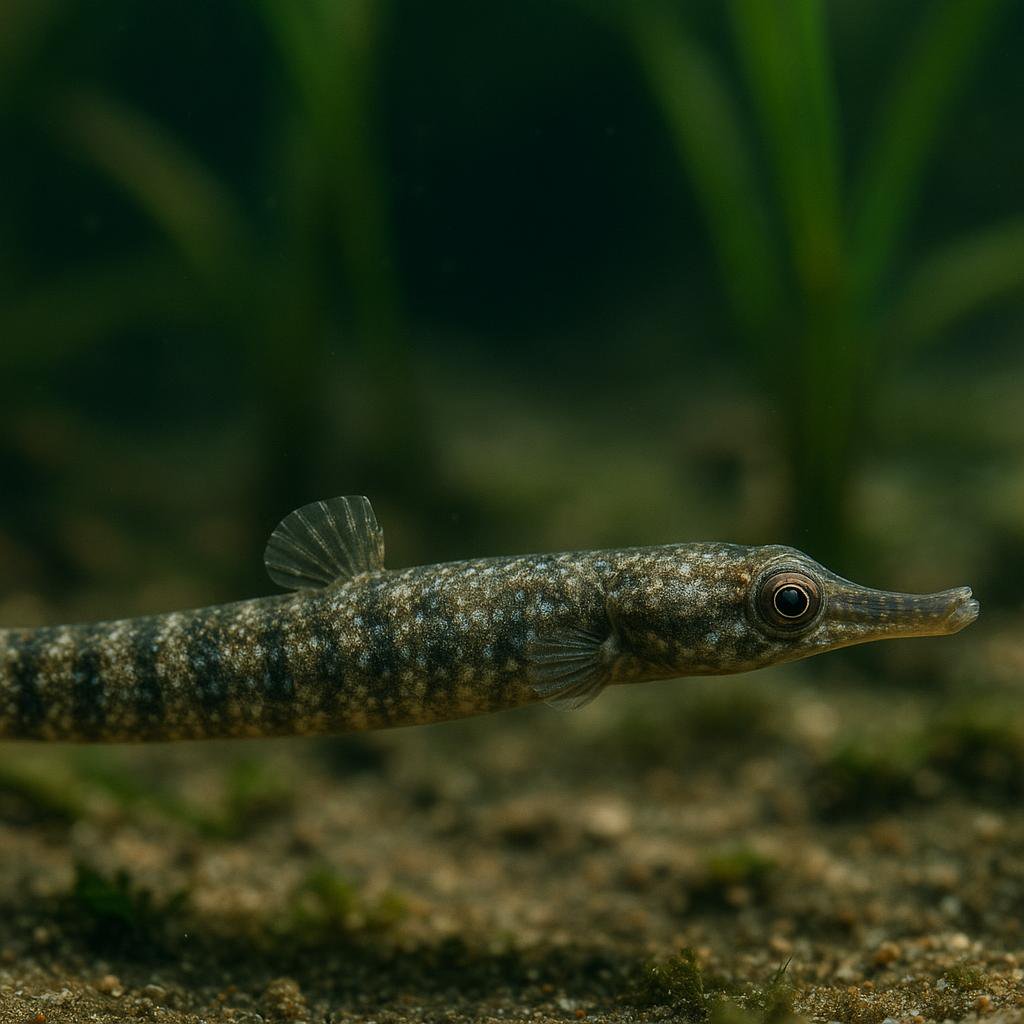
Barbed pipefish
Urocampus nanus
Urocampus nanus (barbed pipefish) occurs in protected inshore and estuarine habitats among seagrass (Zostera) in the Northwest Pacific (southern Japan and adjacent coasts). Like other syngnathids, males brood eggs in a pouch under the tail and produce fully formed young.
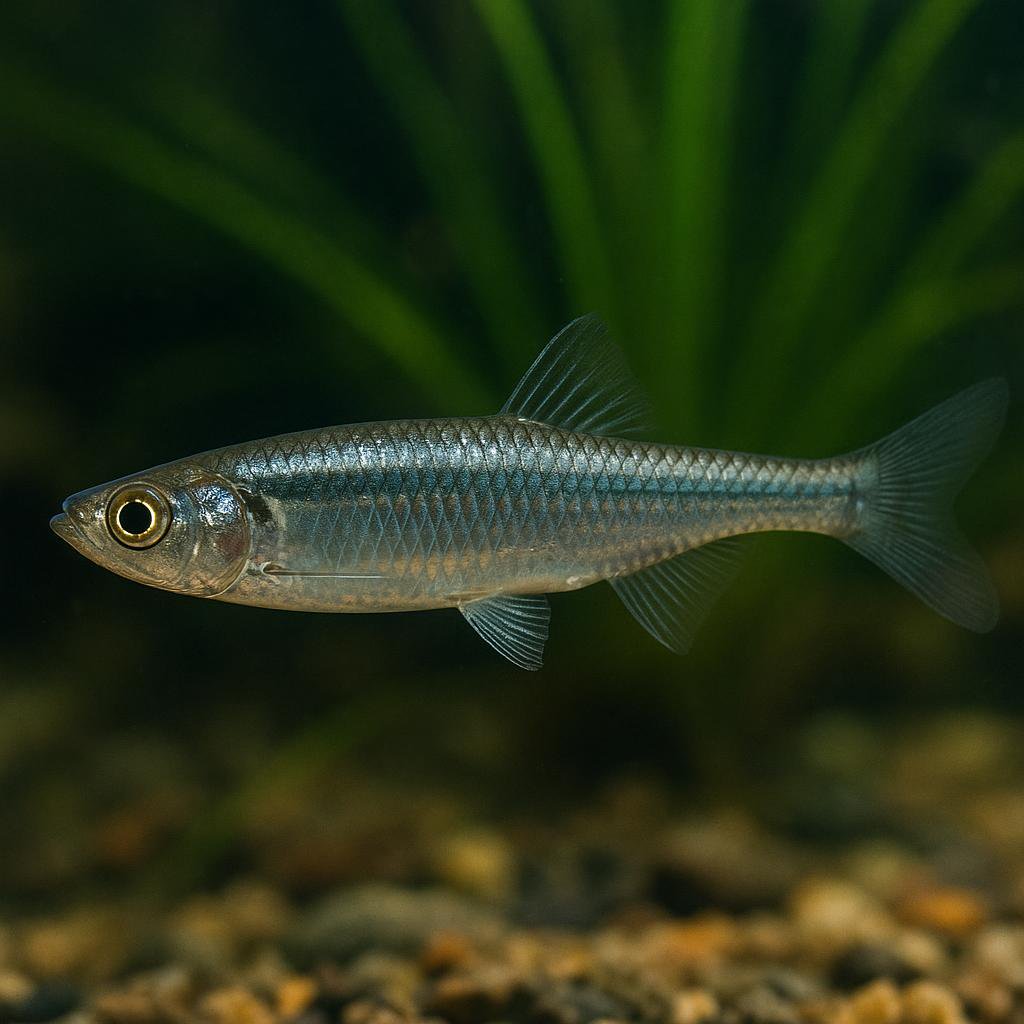
Beach silverside
Atherinella blackburni
This is a little coastal silverside that cruises the shallows in loose groups and flashes like a tiny chrome dart when the light hits it right. In the wild it hangs around beaches, estuaries, and lagoons, picking at small drifting foods in the surf zone. It is cool, but its real "gotcha" is that it is an open-water, salt-tolerant schooling fish that does best in bigger, well-oxygenated setups rather than a typical planted community tank.
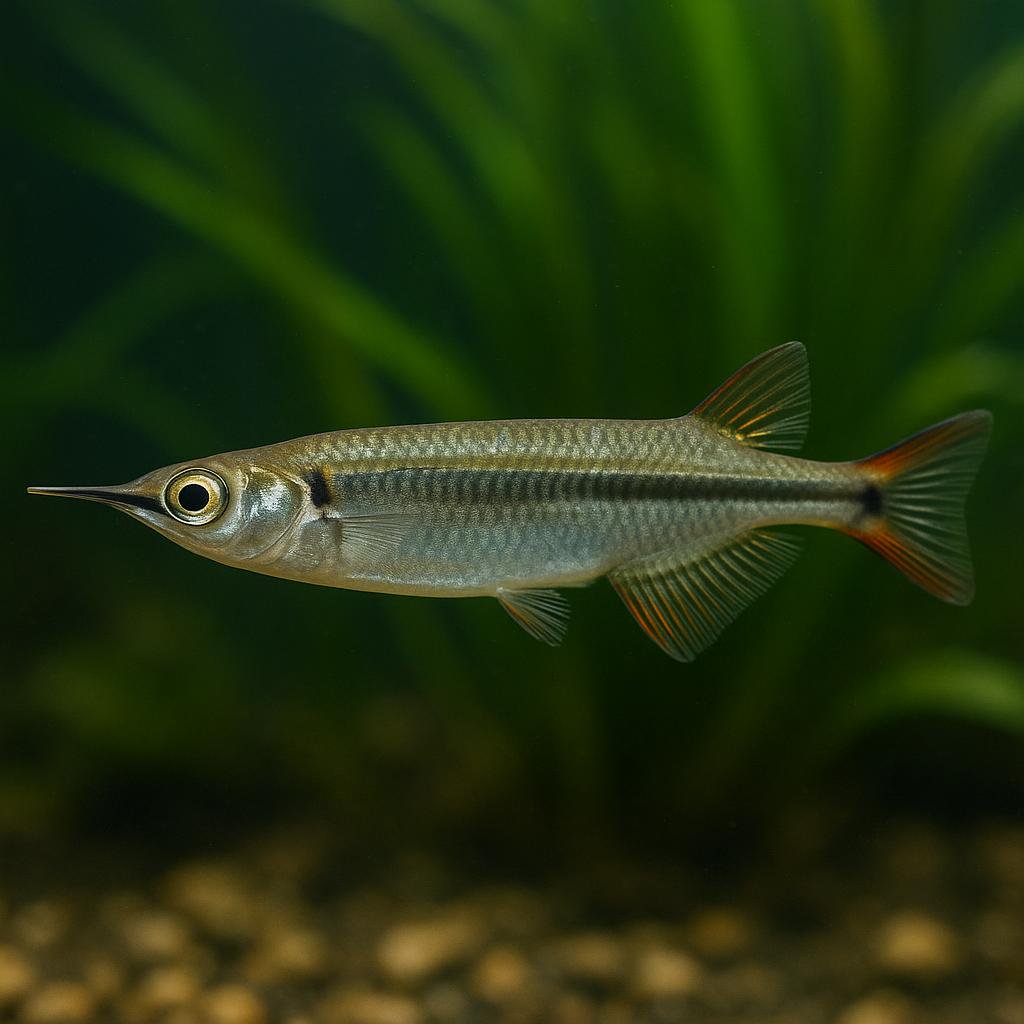
Buffon's river-garfish
Zenarchopterus buffonis
This sleek, surface-dwelling halfbeak has a distinct dark stripe along the snout and is typically found at the surface in coastal waters, estuaries, and rivers where it feeds on terrestrial insects. In aquaria it does best with floating/surface foods and a secure cover, and it requires brackish (or marine) conditions long-term. Reproduction is internally fertilized; FishBase lists the species as ovoviviparous.
More to Explore
Discover more brackish species.
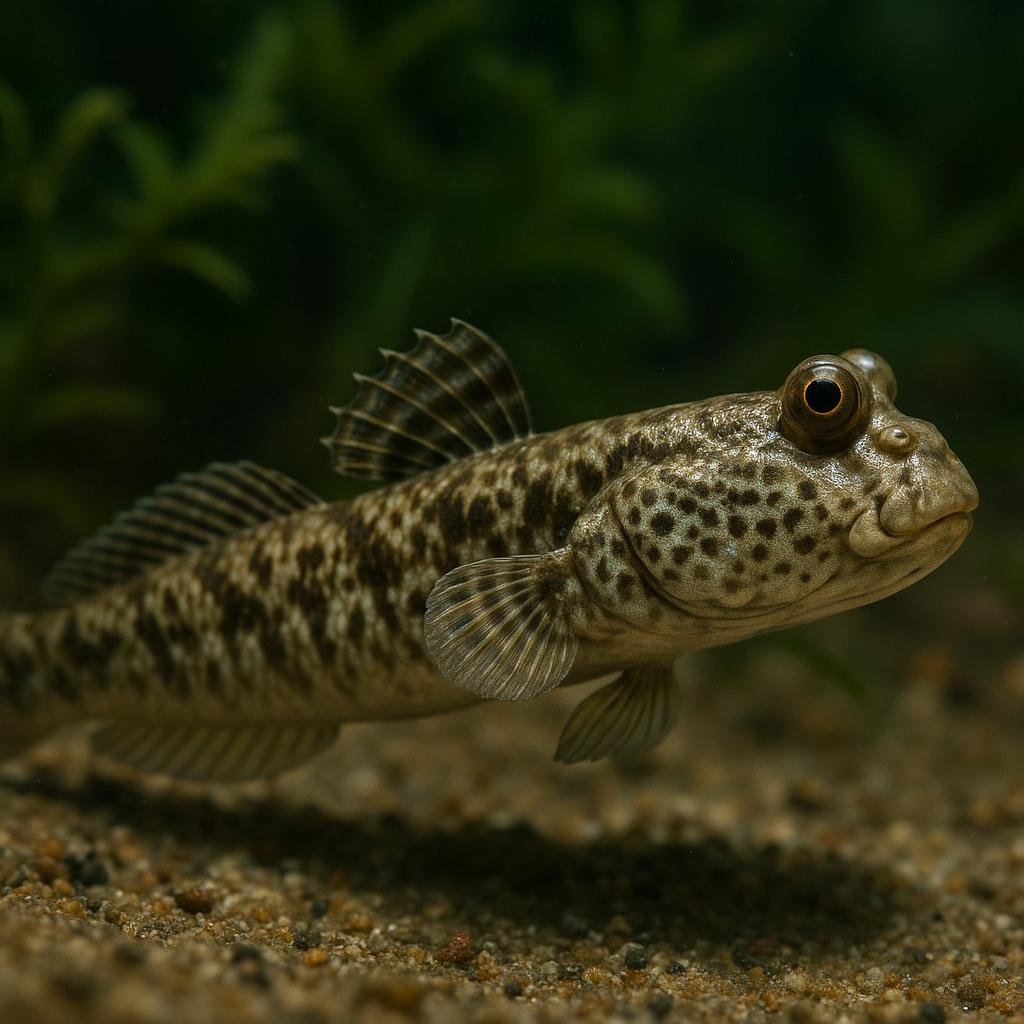
Atlantic Mudskipper
Periophthalmus barbarus
This is that wild little amphibious goby that straight-up climbs around on land like it forgot it was a fish. They've got big googly eyes, tons of personality, and they'll perch, hop, and patrol their territory-honestly more like a tiny crabby lizard than a "regular" aquarium fish.
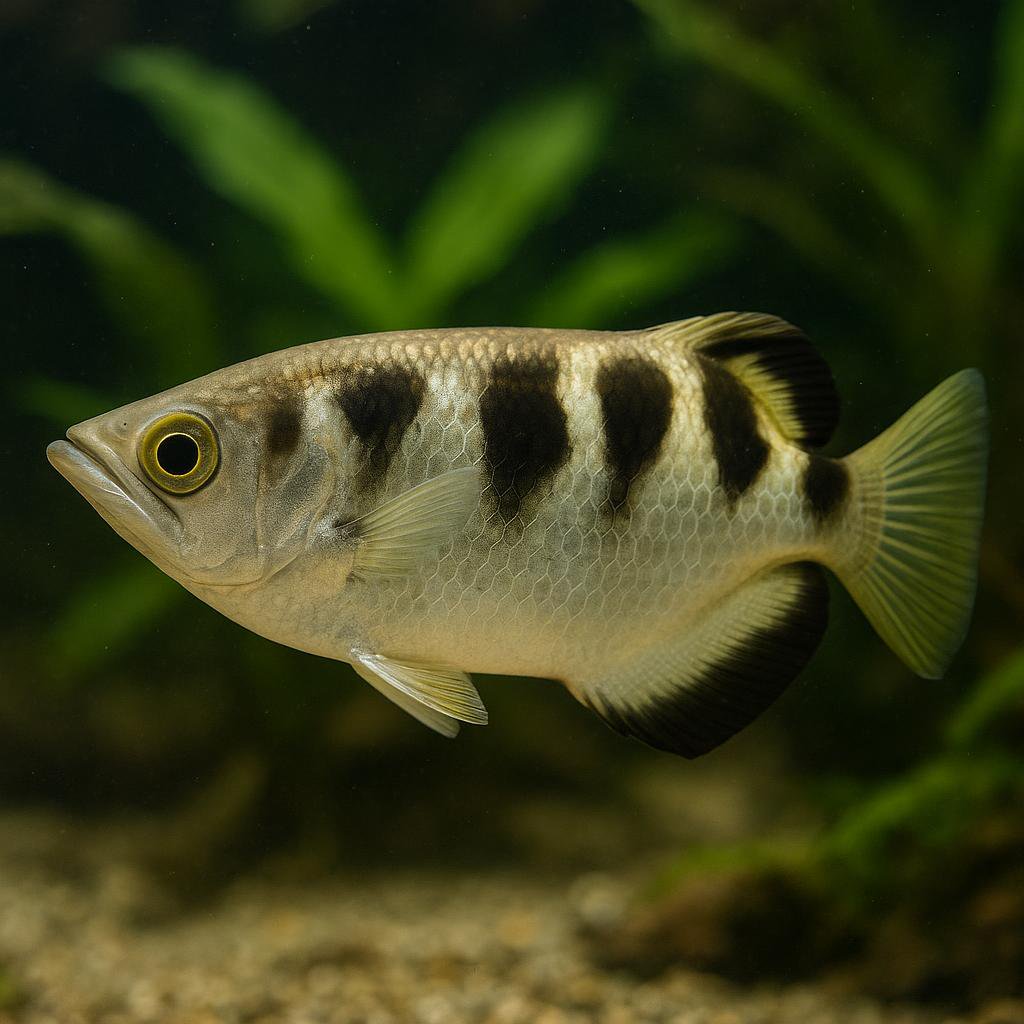
Banded Archerfish
Toxotes jaculatrix
This is the fish that literally spits jets of water to knock insects off branches-watching one "take aim" is unreal. They're super aware of what's going on outside the tank and will even learn to beg and snipe food from the surface once they settle in. Give them height and some open swimming room and they act like little aquatic sharpshooters.
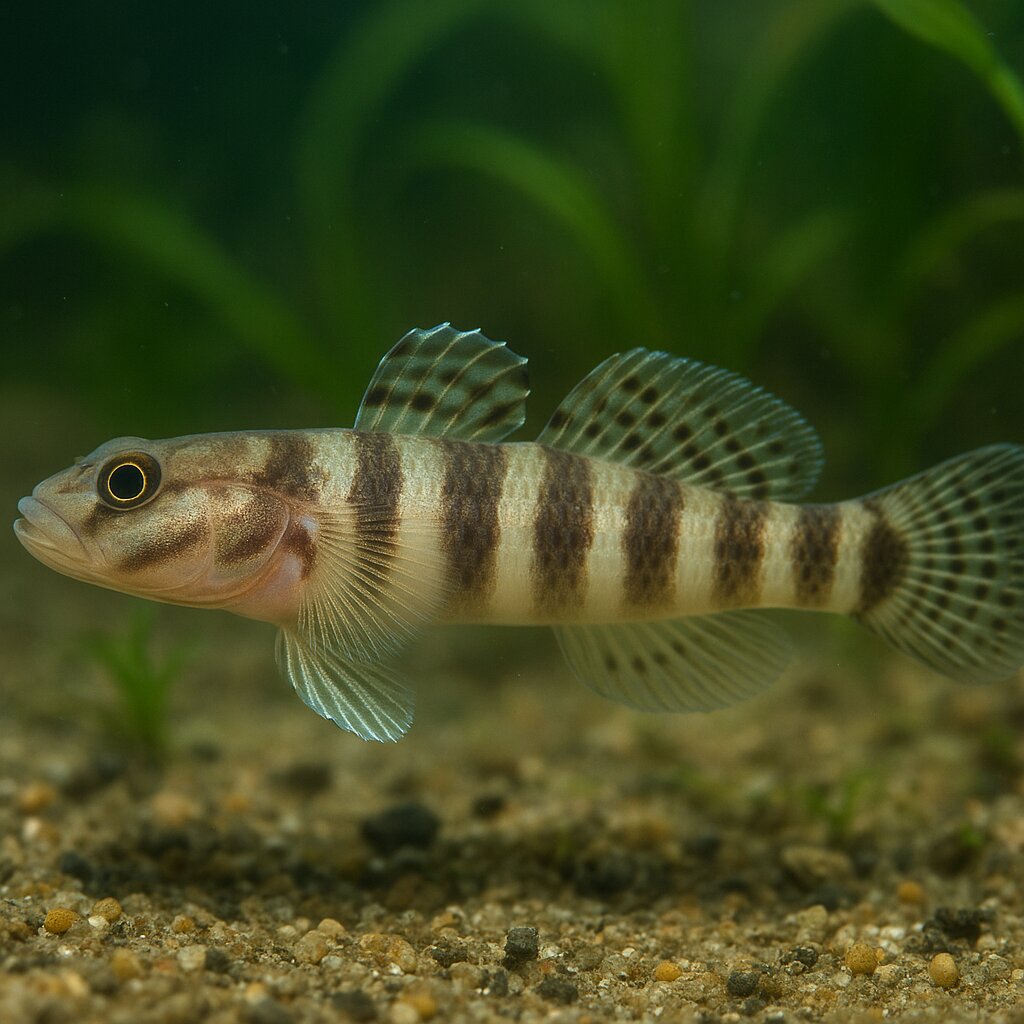
Banded mulletgoby
Hemigobius hoevenii
Neat little mangrove goby that hugs the bottom and hangs around leaf litter. The bold diagonal bars and tail spot look great, and it hunts like a tiny ambush predator, darting out for bites. Keep it gently brackish and it settles in nicely, cruising among roots and wood.
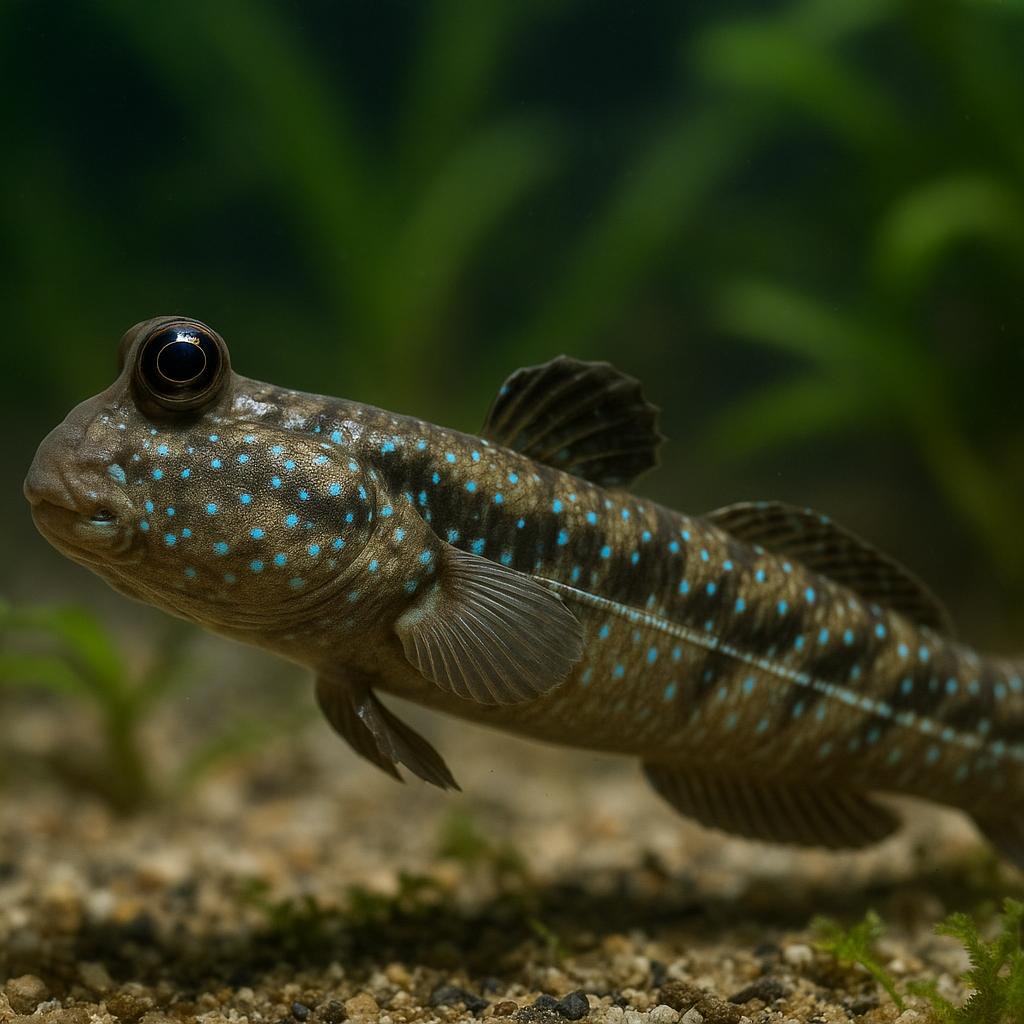
Barred mudskipper
Periophthalmus argentilineatus
This is one of those classic "walks around like it owns the place" mudskippers-big goofy eyes, climbs, hops, and spends a ton of time out on the mud when it's humid. In the wild it lives on intertidal mangrove/nipa mudflats and even shuttles between little pools and open air, hunting worms, insects, and small crustaceans. It's super fun to watch, but it really wants a brackish paludarium setup (not a normal aquarium).
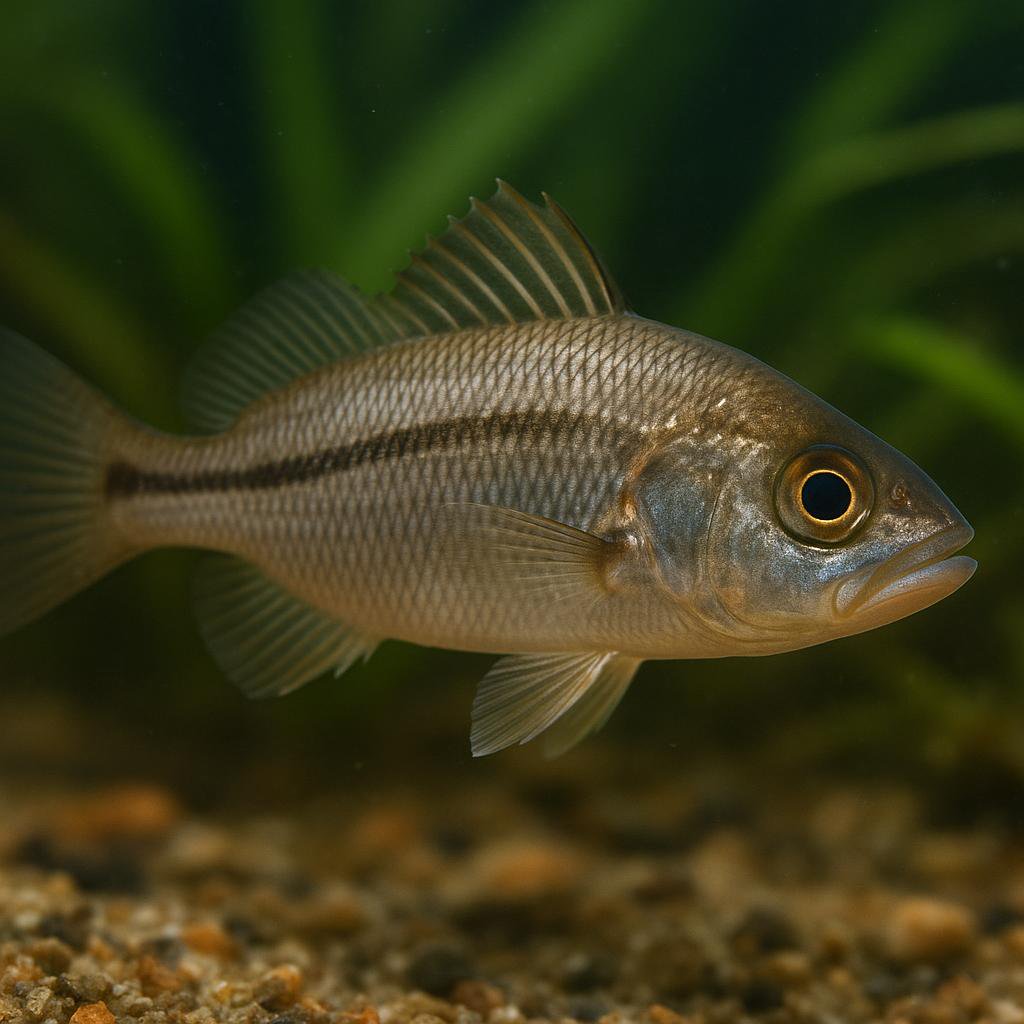
Bellfish
Johnius fuscolineatus
Johnius fuscolineatus (Bellfish/African bearded croaker) is a small coastal sciaenid from the southwestern/western Indian Ocean (Mozambique, South Africa, Madagascar), occurring in shallow marine waters (reported 0–50 m) and also associated with coastal/estuarine habitats.
Blotched eelpout
Zoarces gillii
Zoarces gillii is a cold-temperate eelpout from the Northwest Pacific that hugs the bottom over sandy-mud inshore areas and even pushes into estuaries. It's got that long, eel-like body and a sneaky, sit-on-the-bottom predator vibe - very much a cool-water, brackish-to-marine oddball rather than a typical tropical aquarium fish.
Looking for other species?