

Gubal goatfish
Upeneus gubal
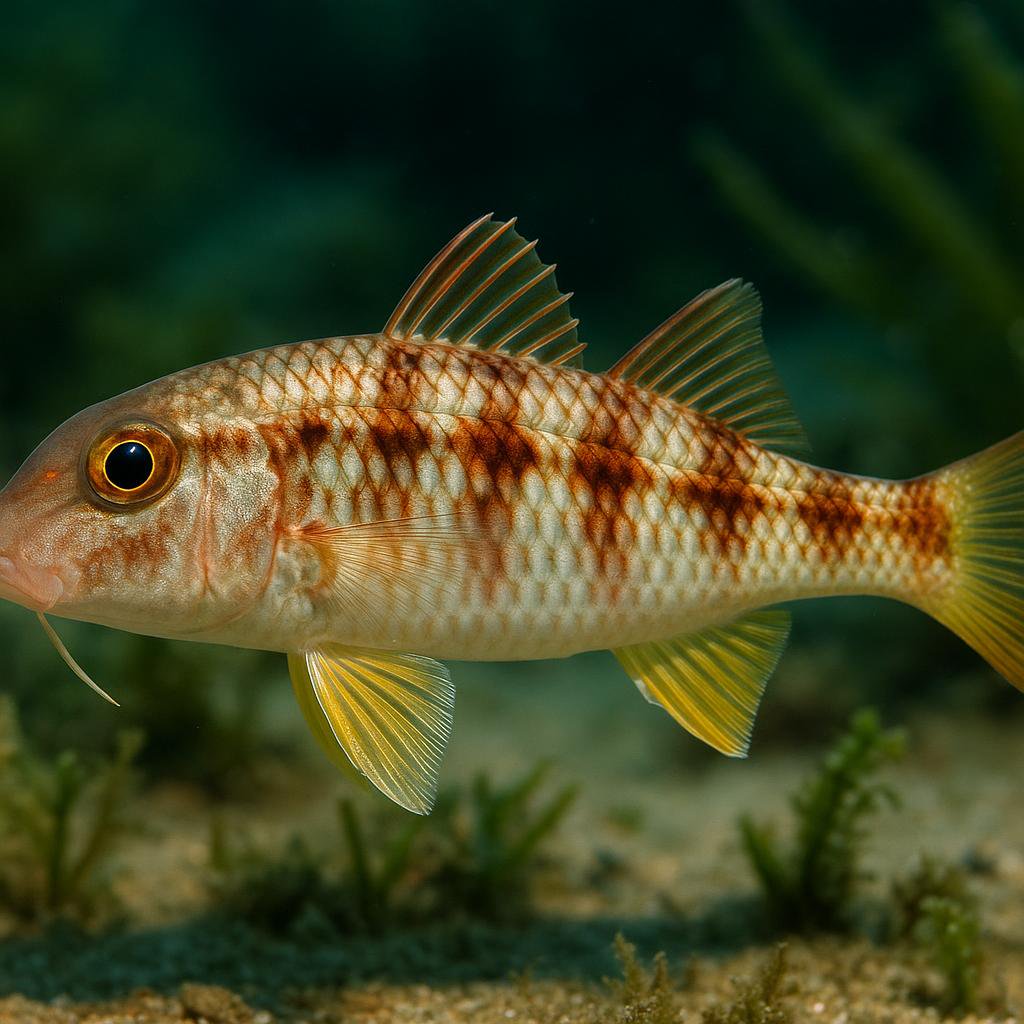
Gubal goatfish exhibit a vibrant pinkish hue with double bar-like markings and long, prominent barbels on the chin foraging on the seafloor.
This page includes AI-generated images. Why am I seeing AI images?
About the Gubal goatfish
Upeneus gubal is a small Red Sea goatfish described in 2019 from the southern Gulf of Suez. It cruises sandy/muddy bottoms and uses its chin barbels to locate benthic invertebrate prey. With a reported maximum of 8.7 cm SL, it is smaller than most goatfishes, but still requires a large, long tank and fine sand to accommodate constant foraging behavior.
Quick Facts
Size
8.7 cm SL
Temperament
Peaceful
Difficulty
Expert
Min Tank Size
125 gallons
Lifespan
unknown
Origin
Red Sea: southern Gulf of Suez (Western Indian Ocean)
Diet
Carnivore/invertivore - small benthic invertebrates; likely accepts meaty frozen foods if acclimated
Water Parameters
24-28°C
8-8.4
8-12 dGH
Need a heater for this species?
This species needs 24-28°C in a 125 gallon tank. Use our heater calculator to find the right wattage.
Calculate heater sizeCare Notes
- Provide at least a 125‑gallon, 6‑foot‑long tank with a wide open sand flat; goatfishes cruise constantly and settle better with ample swimming room.
- Use fine, smooth sand and keep it a few centimeters deep; avoid coarse crushed coral that can damage sensitive barbels. Goatfishes will move substrate, so avoid delicate sand‑sitting corals and loose frags.
- Maintain stable marine parameters (salinity 1.025–1.026, pH ~8.1–8.4, alkalinity 8–12 dKH). Keep nutrients controlled and ensure strong aeration/flow; goatfishes are active and heavy feeders.
- Feed varied chopped meaty foods (shrimp, clam, squid, mysis) and appropriate sinking pellets; offer multiple small meals daily and deliver near the substrate so faster fish don’t monopolize food.
- Tankmates: chill, midwater fish that will not harass it are fine; avoid aggressive triggers, big wrasses, and anything that picks at fins or competes hard at the bottom. Also do not keep it with tiny shrimp, small crabs, or nano fish - it will eventually vacuum them up.
- Provide some caves/overhangs for shelter but keep a broad open sand area for foraging. Use a tight-fitting lid—goatfishes are prone to jumping when startled.
- Quarantine new arrivals and observe for external parasites (e.g., ich/velvet/flukes); initiate treatment in QT if symptoms appear. Loss of foraging activity warrants prompt evaluation.
Compatibility
Good Tankmates
- Other peaceful sand-friendly fish like sleeper gobies (Valenciennea spp.) - they both mind their own business, just make sure there is enough open sand so nobody is constantly bumping elbows
- Calm wrasses that are not bullies (think Halichoeres types) - active but usually not out to harass a goatfish, and they can handle similar feeding routines
- Anthias (Pseudanthias spp.) — peaceful midwater swimmers that won’t compete at the bottom; avoid damsels/chromis with goatfishes due to potential nipping and competition.
- Smaller, laid-back tangs and rabbitfish (one per tank unless its huge) - good with a goatfish as long as the tang is not the territorial kind and you have swimming room
- Dwarf angels with decent attitudes (flameback, coral beauty-type personalities vary) - usually fine if the tank is not cramped and the angel is not the bossy one
- Cardinalfishes (e.g., Banggai or Pajama cardinals) — peaceful midwater tankmates with minimal bottom competition; avoid hawkfishes that may pounce on small tankmates.
Avoid
- Aggressive triggers (Picasso, queen, etc.) - they tend to pick and chase, and goatfish are chill enough to get bullied into hiding
- Big, territorial wrasses (some Thalassoma and similar) - they can turn the whole tank into their racetrack and the goatfish gets stressed out fast
- Groupers, big lionfish, and other gulpers - if it can fit a goatfish in its mouth, it will eventually try, especially once lights go down
- Nippy, mean damsels in small tanks (domino, three-stripe, etc.) - constant pecking and defending a rock pile drives peaceful goatfish nuts
- Small ornamental shrimp and tiny crabs — goatfishes are benthic predators and will consume small motile invertebrates.
Where they come from
Gubal goatfish (Upeneus gubal) are Red Sea and western Indian Ocean fish that spend their days cruising sandy flats and rubble zones, poking around with those chin barbels for tiny critters. In the tank they do the same thing nonstop, which is awesome to watch... and also why they can be a headache if your setup is not built for a digger.
Setting up their tank
Think of this fish as a roaming, sand-sifting predator that needs floor space more than rock towers. They are fast, easily spooked, and they burn a lot of calories. If you try to cram one into a smaller reef-style layout, you will spend your time chasing stress issues and feeding problems.
- Tank size: I would not keep one in under 180 gallons, and bigger with a long footprint is better than tall.
- Aquascape: leave open lanes for cruising. Build rockwork stable and tight to the bottom so digging cannot undermine it.
- Substrate: fine sand they can sift (not sharp crushed coral). A few inches lets them do natural foraging without scraping their mouth/barbels.
- Flow and oxygen: moderate to strong flow plus strong surface agitation. They like clean, oxygen-rich water.
- Filtration: oversized skimmer and aggressive mechanical filtration. These fish are messy eaters and you will be feeding heavy.
- Cover: a tight lid. Goatfish can and will launch when startled, especially new arrivals.
Secure your rockwork like you are building for a bulldozer. If a goatfish can get its snout under an edge, it will. Put rocks on the glass or on supports, then add sand around them.
Lighting is not a big deal for the fish, but if you are trying to keep delicate sandbed corals, be ready for frustration. A goatfish does not mean to redecorate, but it absolutely will. I have had them bury frags and pepper the whole tank with sandstorms during feeding runs.
What to feed them
They are micro-predators in the wild, grabbing worms, tiny crustaceans, and whatever they can flush out of the sand. In captivity, the biggest challenge is keeping weight on them without turning your nutrients into soup.
- Staples: chopped shrimp, squid, clam, and quality frozen blends (reef blend is fine if it is meaty).
- Best foods for conditioning: live or fresh blackworms (if you can safely source), enriched mysis, and small pieces of raw seafood.
- Pellets: some will learn them, some never do. If yours takes pellets, great - use a high-protein marine pellet and still mix in frozen.
- Feeding rhythm: smaller meals 2-3 times a day beats one big dump. They are active and burn through food.
Target feed with a feeding stick or tongs near the sand. If you just broadcast into the water column, faster tankmates will steal it and your goatfish will pace and lose condition.
Do not count on a mature sandbed to feed them. They will wipe out pods and worms quickly, then you still need to provide real meals.
How they behave and who they get along with
Gubal goatfish are active, curious, and always hunting. They are not usually mean in the classic sense, but they are predatory and opportunistic. If it fits in their mouth, assume it is food. If it lives in or on the sand, assume it will be investigated... hard.
- Good tankmates: larger angels, tangs, rabbitfish, bigger wrasses, and other sturdy fish that will not be intimidated by constant movement.
- Risky tankmates: small gobies, firefish, tiny wrasses, and anything shrimp-sized or smaller.
- Inverts: decorative shrimp and small crabs are basically a snack. Snails and hermits get flipped and tested. Sand-sifting stars will get outcompeted.
- Corals: they do not eat corals, but sandstorms and rearranged substrate can irritate LPS and smother low frags.
They are escape artists. A stressed goatfish can rocket straight up. Cover overflow gaps, back corners, and any hole a fish could nose through.
Socially, I have found they settle best as a single specimen unless you have a very large system and can source two that already tolerate each other. Randomly mixing goatfish can turn into chasing and constant stress.
Breeding tips
Spawning in home aquariums is extremely rare with Upeneus goatfish. In the wild they are pelagic spawners, releasing eggs into the water column. Even if a pair spawned, you would be looking at tiny planktonic larvae that need specialized live foods and a dedicated larval system.
If you ever see sudden evening chasing, flashing, and a milky haze in the water, that can be a spawning event in some marine fish. With goatfish, treat it as a curiosity, not a plan.
Common problems to watch for
Most issues with this species come down to stress, injuries from poor substrate or unstable rock, and slow starvation because tankmates outcompete them. They can look fine for weeks while gradually getting thinner, so you have to watch body shape, not just appetite.
- Weight loss: the belly starts to pinch in and the head looks big. Feed smaller meals more often and make sure food reaches the sand.
- Barbel and mouth damage: shows up as frayed barbels, redness, or refusing to sift. Usually from sharp substrate, rough rock edges, or infection after an injury.
- Jumping and impact injuries: split lips, cloudy eyes, or sudden hiding after a scare. A lid and calm tankmates help more than meds.
- Nutrient spikes: heavy feeding can push nitrate and phosphate up fast. Big skimmer, filter socks/roller, and regular export keep the tank from sliding.
- Parasites on new arrivals: marine ich and flukes can hit them like any other fish. Quarantine if you can, and do not add one to a shaky system.
Do not treat them like a cleanup crew that will live off leftovers. If you want a goatfish, you are signing up to feed like you mean it and export nutrients like you mean it.
If you do the big-tank, open-sand, heavy-feeding routine, they are ridiculously fun fish to keep. The barbel hunting behavior never gets old, and you will quickly learn their schedule because they will be waiting at the front like a puppy at dinnertime.
Similar Species
Other marine peaceful species you might be interested in.
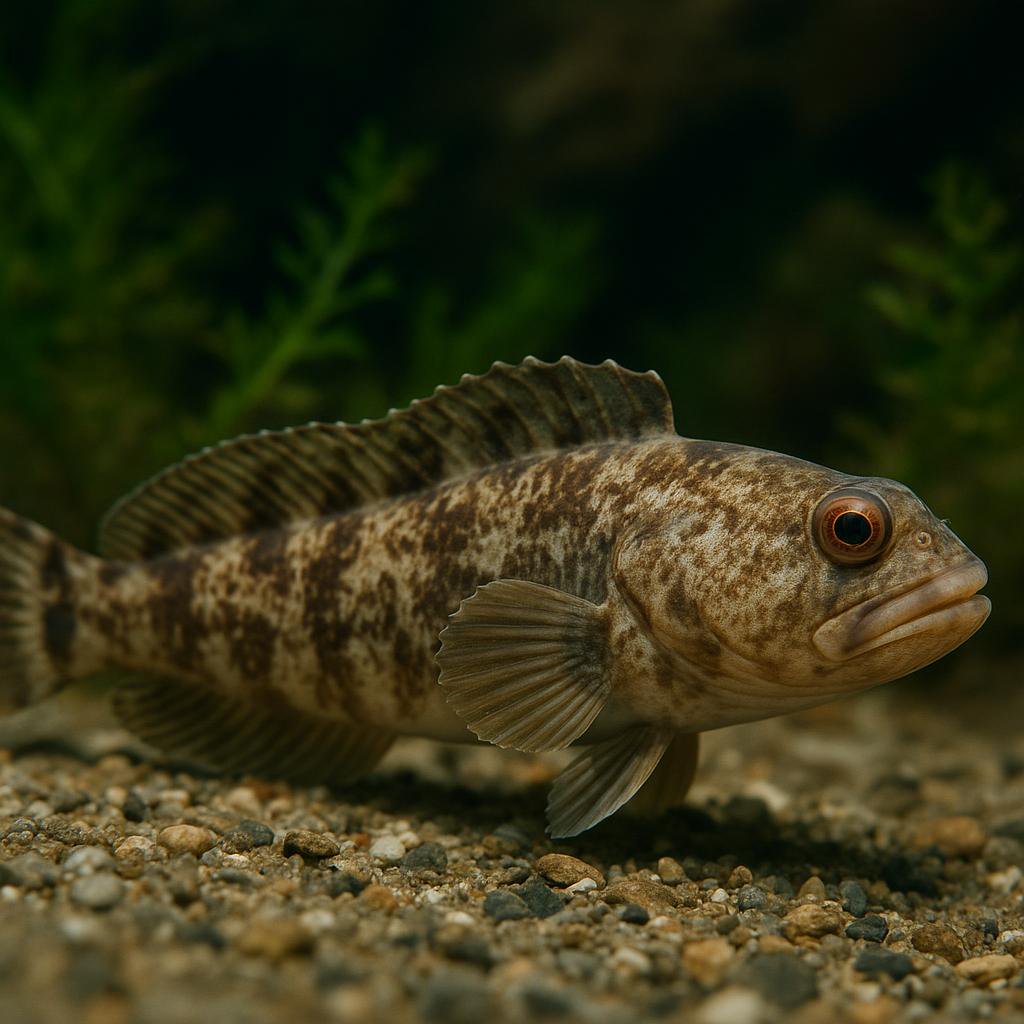
Abe's eelpout
Japonolycodes abei
Japonolycodes abei is a temperate, deepwater demersal eelpout (family Zoarcidae) endemic to Japan (Kumano-nada Sea reported; other sources also report Sagami Bay and Tosa Bay). It is the only species in the genus Japonolycodes and occurs roughly 40-300 m depth, making it an uncommon/atypical aquarium species.
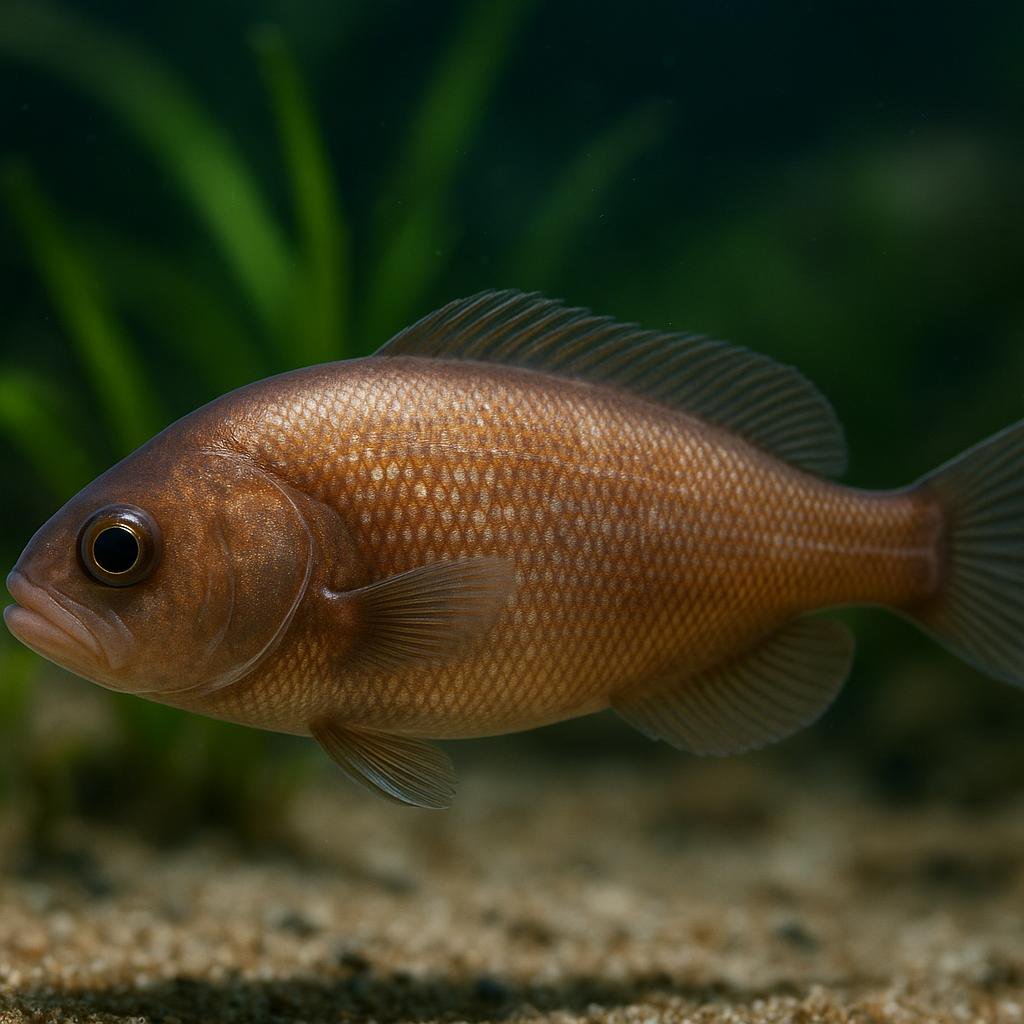
Affinis blind cusk-eel
Barathronus affinis
Barathronus affinis is a tiny, super-weird deep-sea blind cusk-eel from the western-central Indian Ocean. It is one of those gelatinous, loose-skinned brotula-type fishes that live way down in the dark and are basically never seen alive, so almost everything we know comes from preserved specimens and taxonomic work.
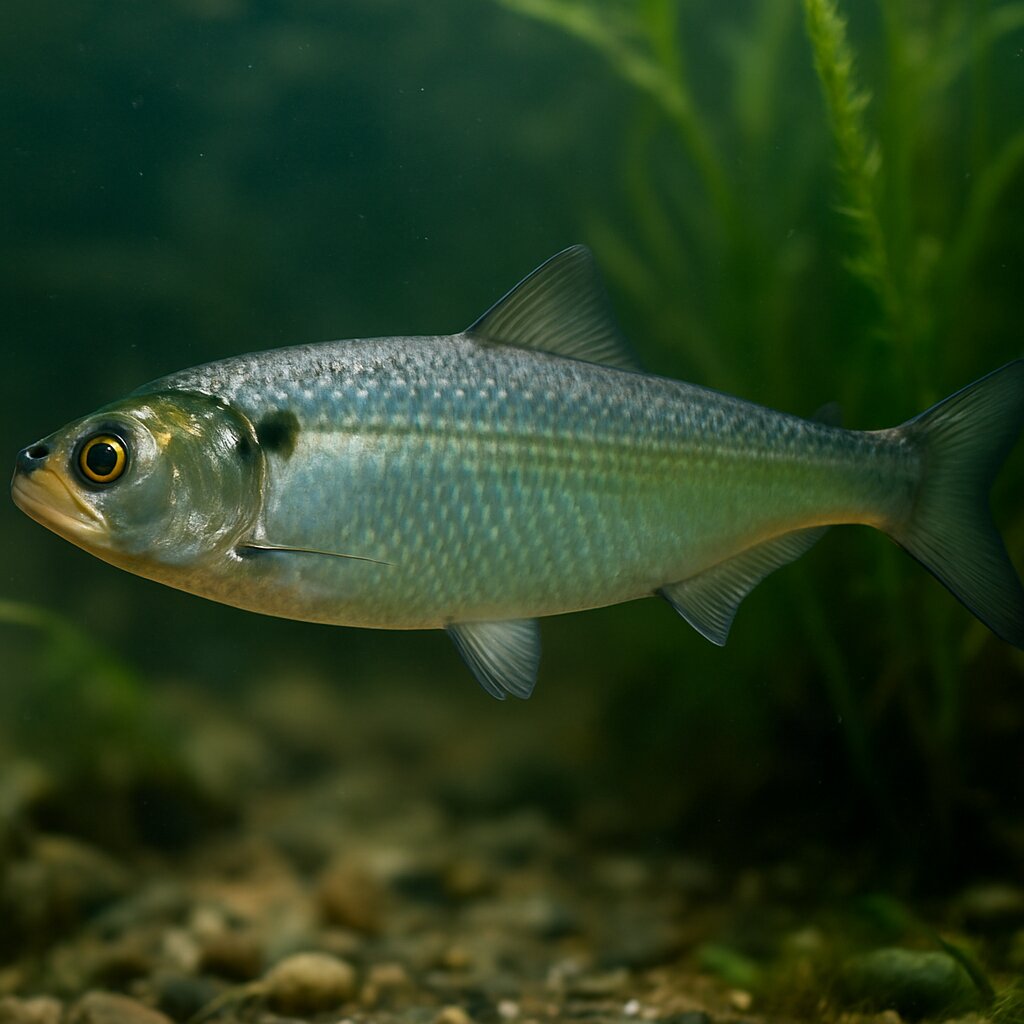
Allis shad
Alosa alosa
Gorgeous silver, fast-swimming shad that spends most of its life in the sea and then surges up big rivers in noisy, surface-spawning schools. It grows huge for a herring-type fish and needs cool, ultra-oxygenated water and tons of open space, so it is a public-aquarium species rather than a home tank fish.
Annandale's zebra sole
Zebrias annandalei
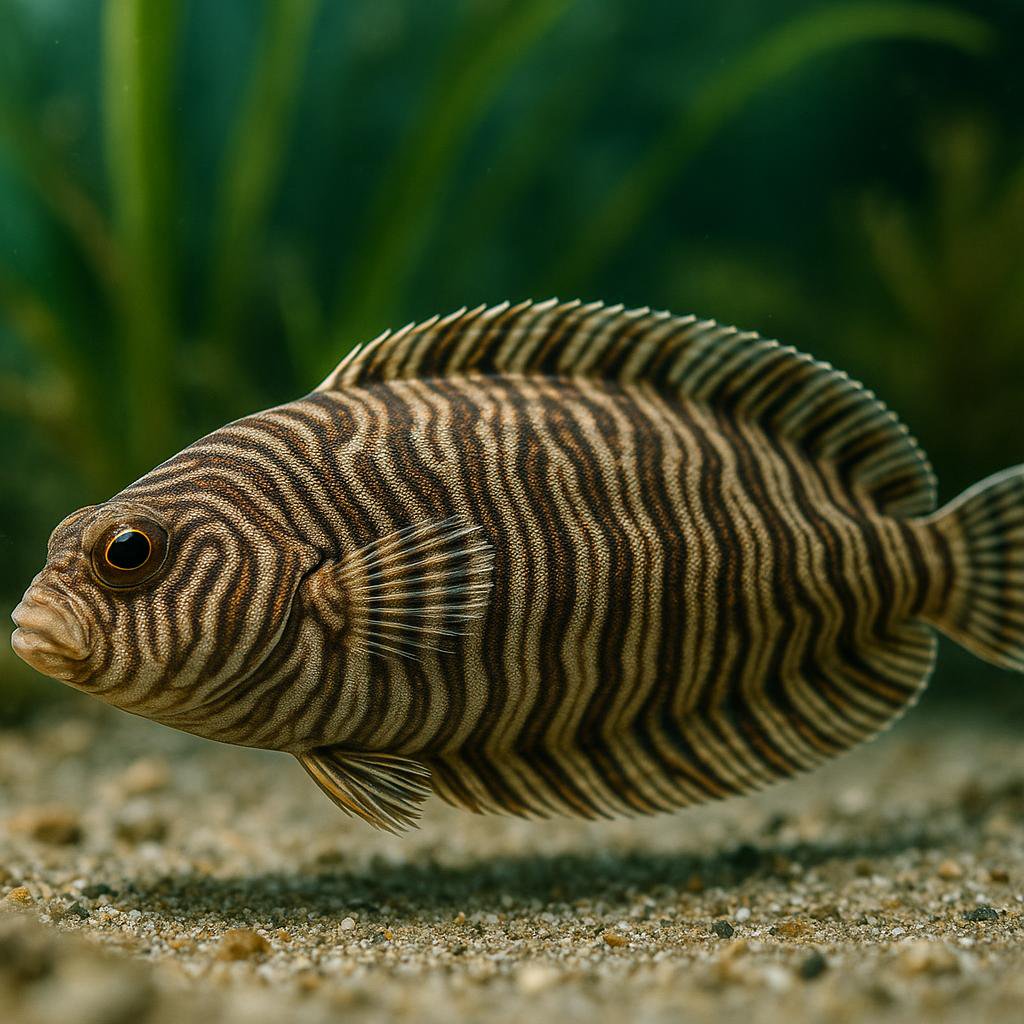
Zebrias annandalei is a small demersal sole from coastal India that inhabits sandy or muddy bottoms and buries for camouflage. It is rarely kept in home aquaria and would require a specialized marine sand-bottom setup and appropriate feeding.
Banggai Cardinalfish
Pterapogon kauderni
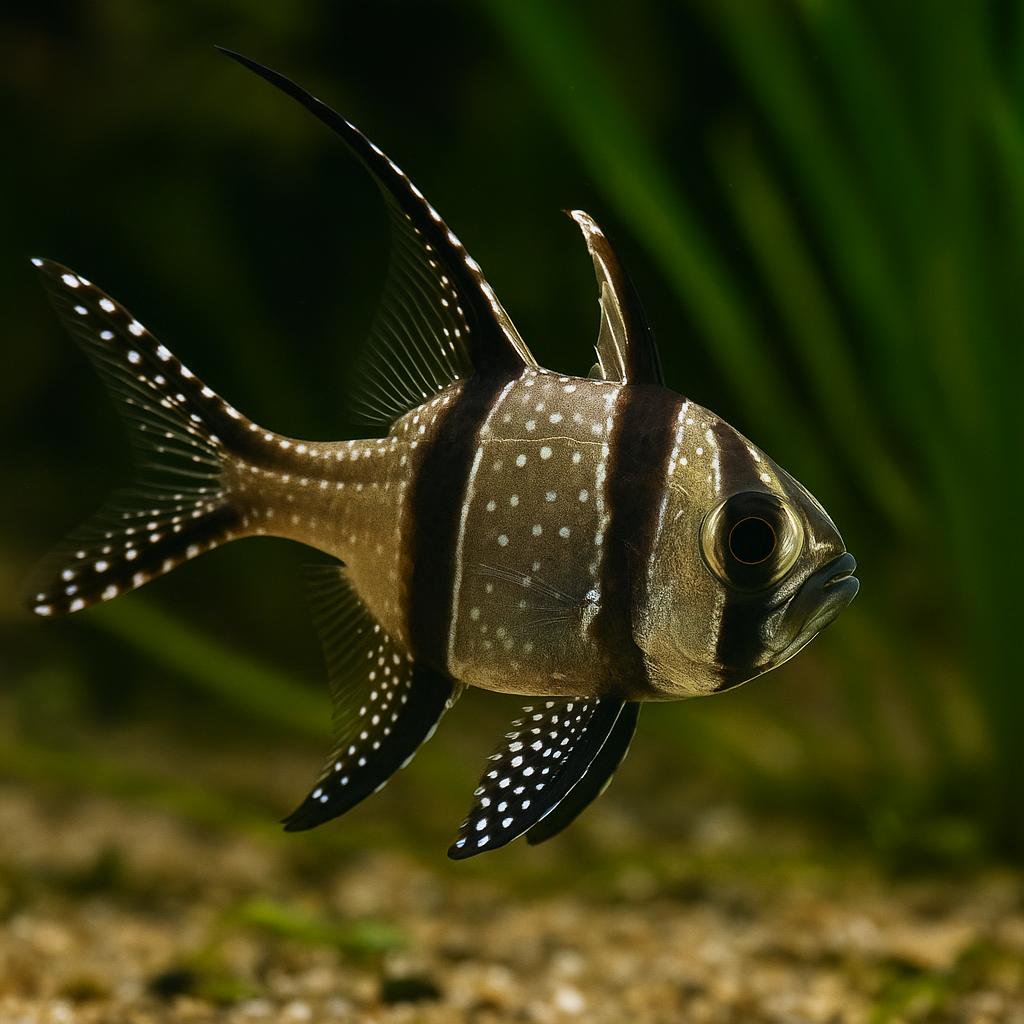
Banggai cardinals just sort of hover like little underwater satellites, and the bold black bars with those long, polka-dotted fins look unreal under reef lighting. They're super chill most of the time, but once a pair forms you'll see real "fish drama," and the male will even mouthbrood the babies like a champ.
Barbedwire-tailed skate
Notoraja martinezi
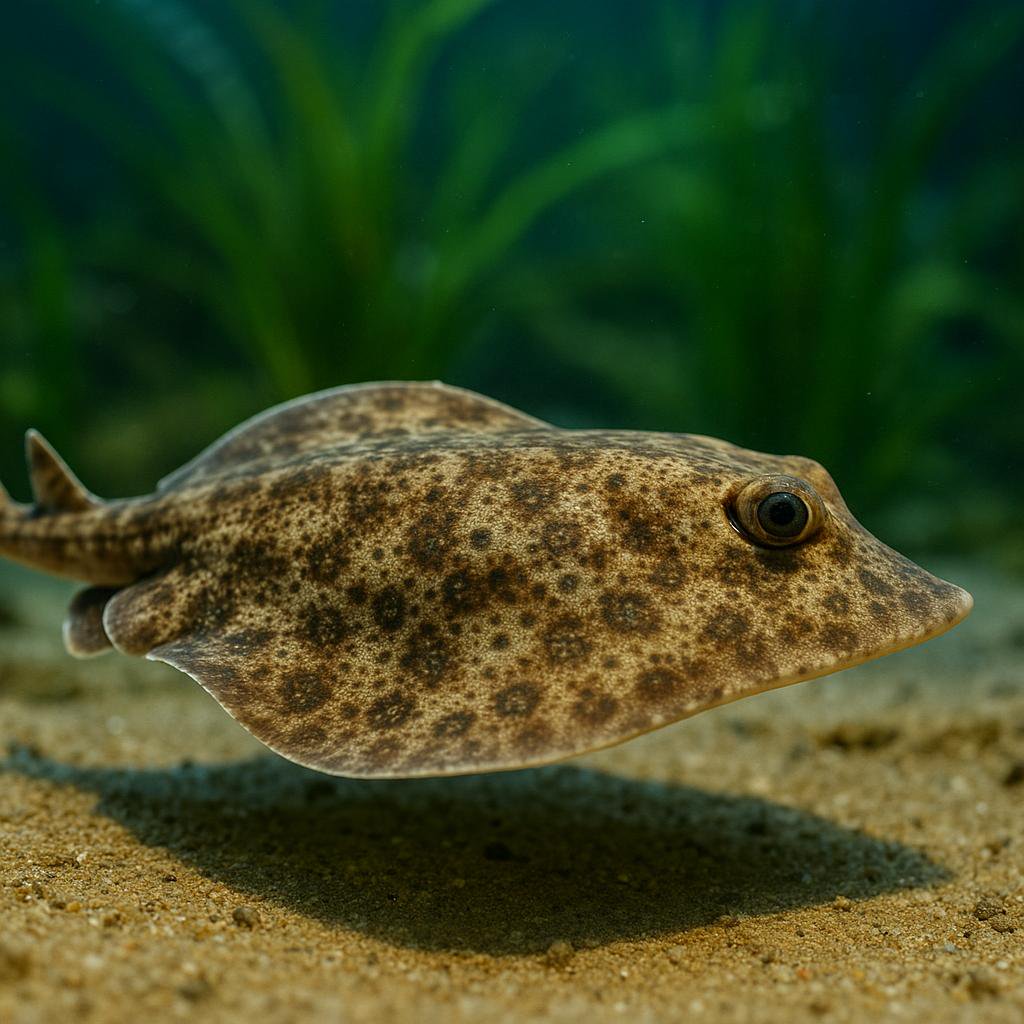
Notoraja martinezi is a deepwater skate from the eastern Pacific (Costa Rica down to Ecuador) that lives way down on soft bottoms. The tail is the giveaway - it is lined with strong, hooked thorns that really do look like barbed wire. This is absolutely not an aquarium fish; it is a cold, high-pressure deep-sea animal with basically no practical home care info because it is not kept in the hobby.
More to Explore
Discover more marine species.
African red snapper
Lutjanus agennes
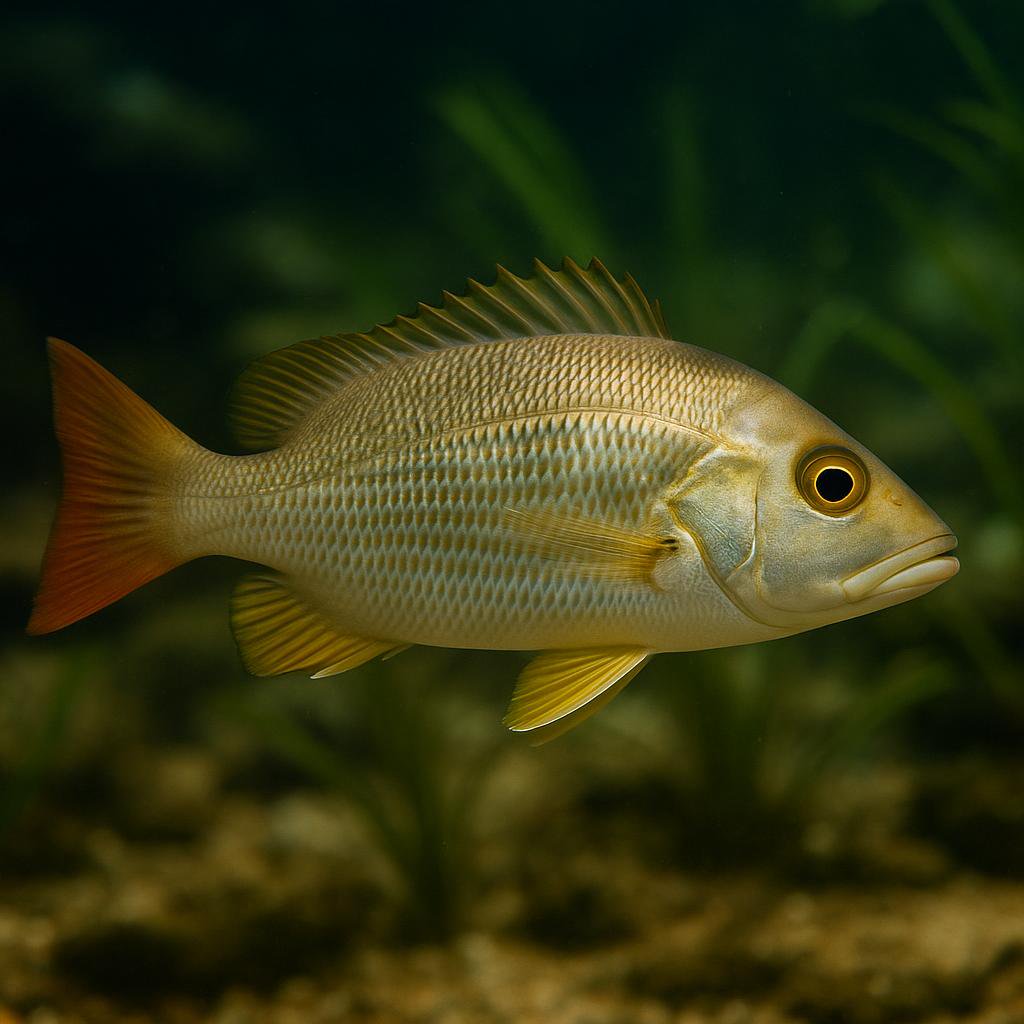
This is a true snapper from West Africa - a big, fast-growing predator that goes from coastal reefs to brackish lagoons and estuaries (especially as a juvenile). Super cool fish in the wild, but it gets absolutely huge and will eat smaller tankmates once it has the mouth for it, so its really more of a public-aquarium scale animal than a home-aquarium fish.
Aleutian skate
Bathyraja aleutica
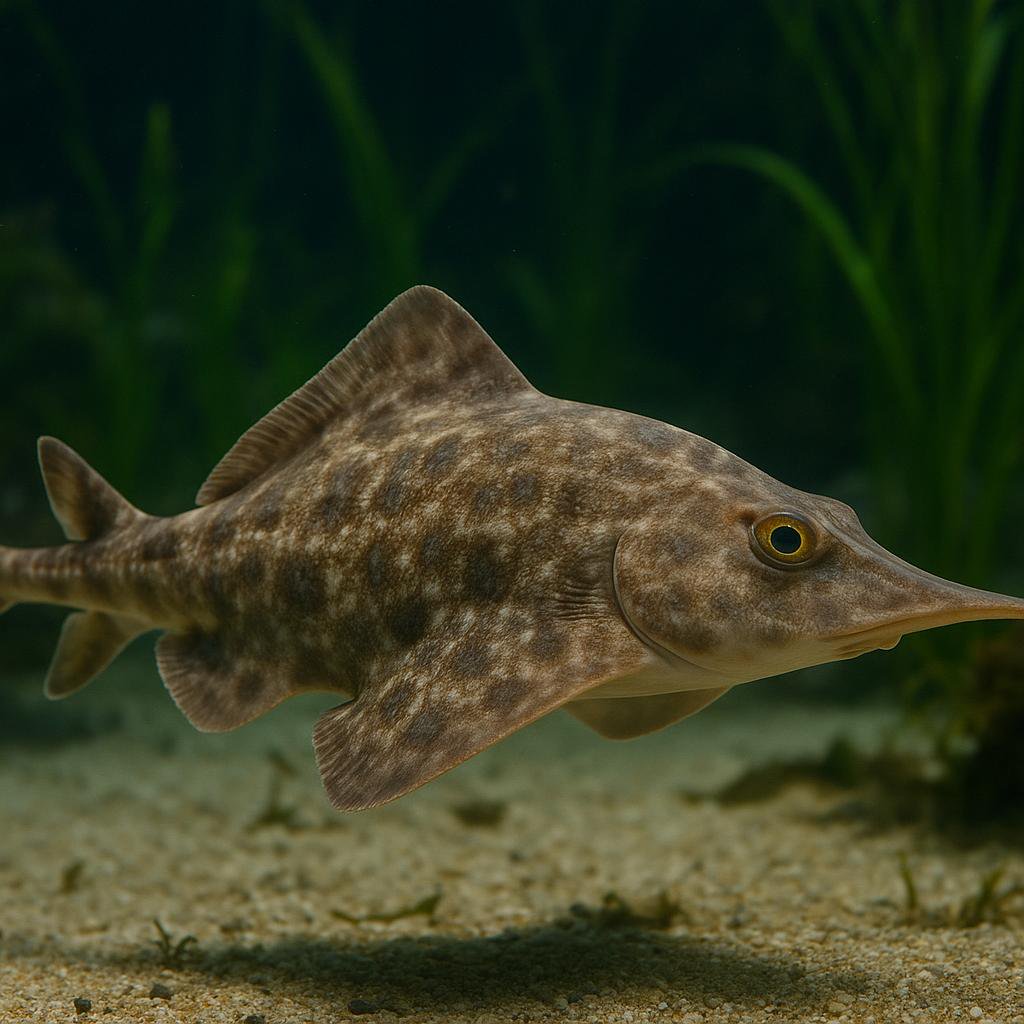
This is a big, cold-water deep-slope skate from the North Pacific that cruises muddy bottoms and eats chunky benthic prey like crabs and shrimp. The really cool bit is its egg-laying skate life - it does distinct pairing (the classic skate "embrace") and drops those tough egg cases on the seafloor. Not an aquarium fish at all unless you're basically running a public-aquarium-style chilled system.
Antarctic dragonfish
Vomeridens infuscipinnis
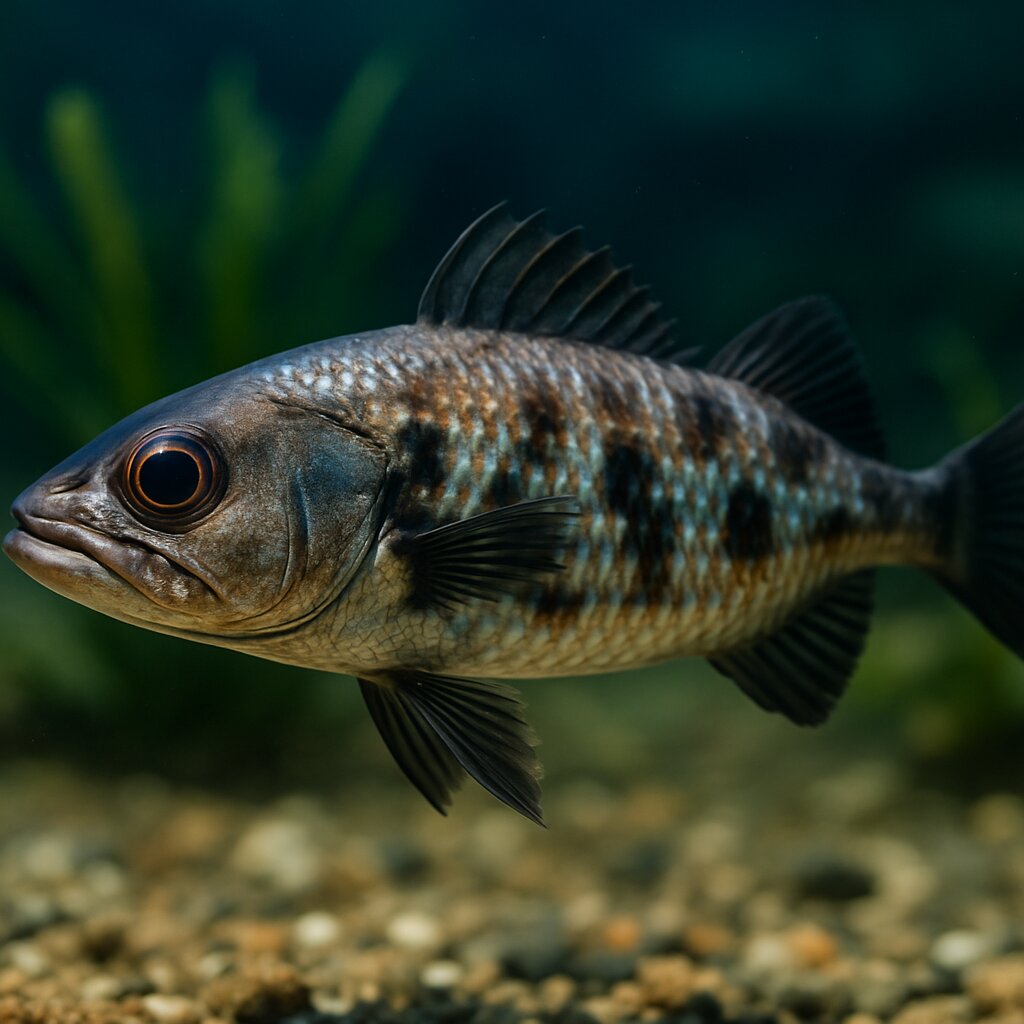
Deep down around Antarctica, this sleek dragonfish cruises the water column like a little submarine, nearly neutrally buoyant so it can hover above the seafloor. It munches almost exclusively on Antarctic krill and lives in near-freezing water 500-800 m down, so it is a cool species to read about, not one for home tanks.
Arabian demoiselle
Neopomacentrus sindensis
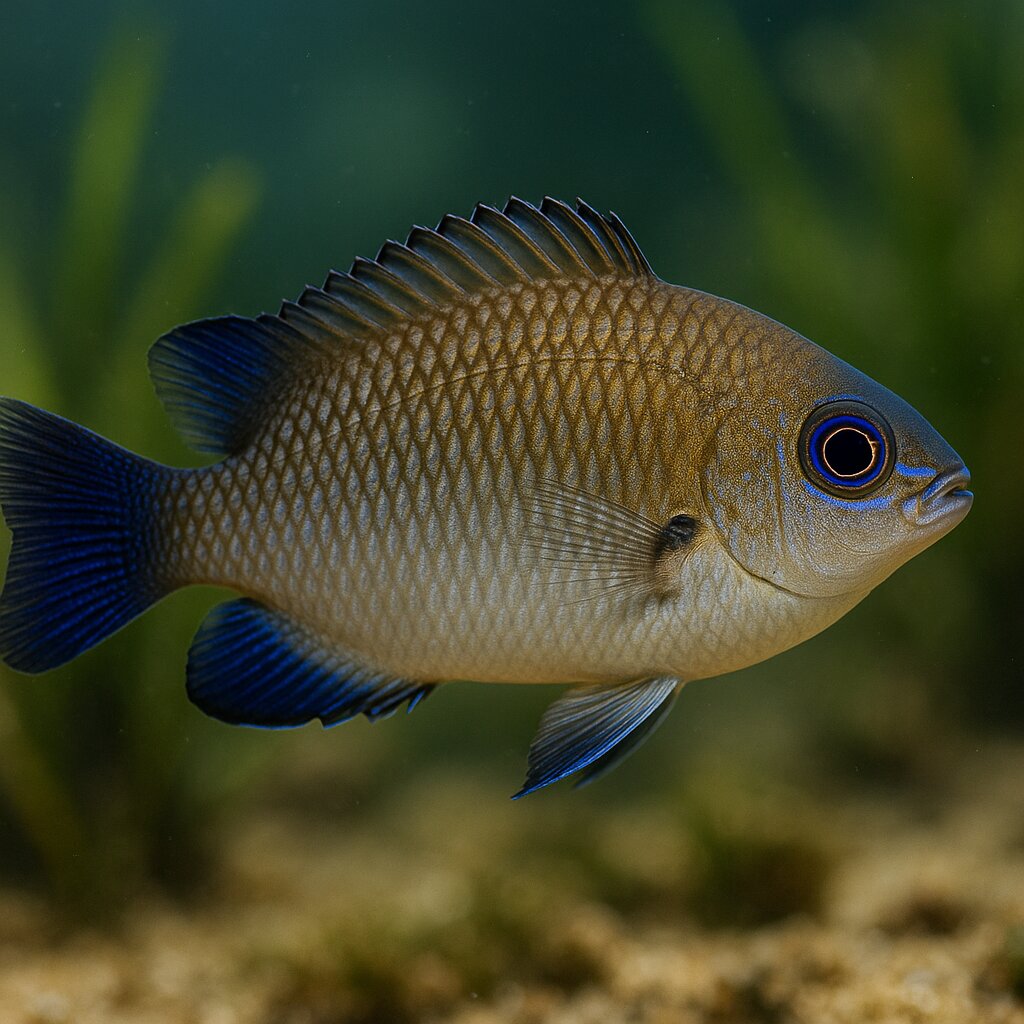
A small lyretail damsel from the Persian Gulf and Arabian Sea, it hangs in loose groups around coral heads, rocks, and even pier pilings picking zooplankton from the flow. Think classic damsel toughness with a slightly milder attitude than the real bruisers, plus subtle yellow tail accents. Males clean a patch, get a mate to lay eggs there, and then stand guard fanning the clutch.
Arabian spiny eel
Notacanthus indicus
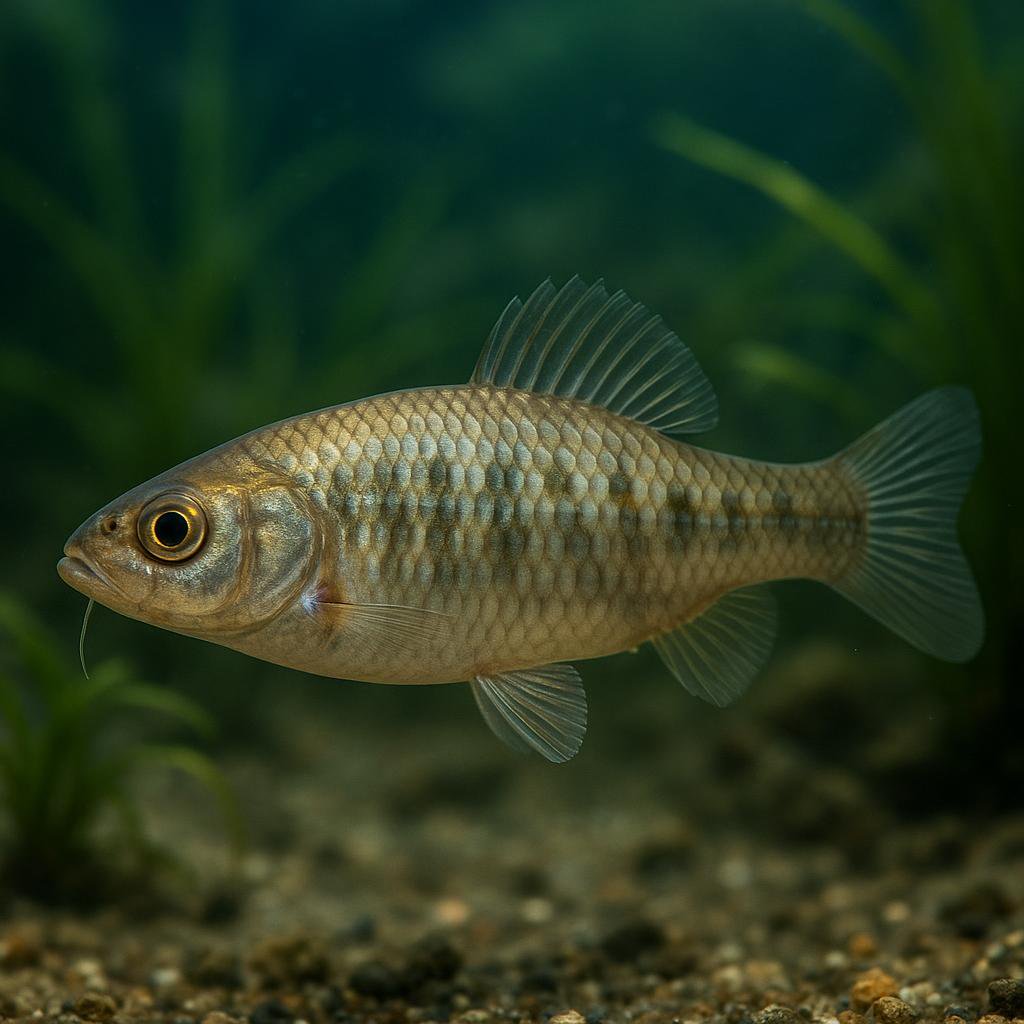
Notacanthus indicus is a deep-sea spiny eel (family Notacanthidae; not a true eel) known from the Arabian Sea on the continental slope at roughly ~960–1,046 m depth, with reported maximum length around 20 cm TL; it is a deep-water bycatch species and not established in the aquarium trade.
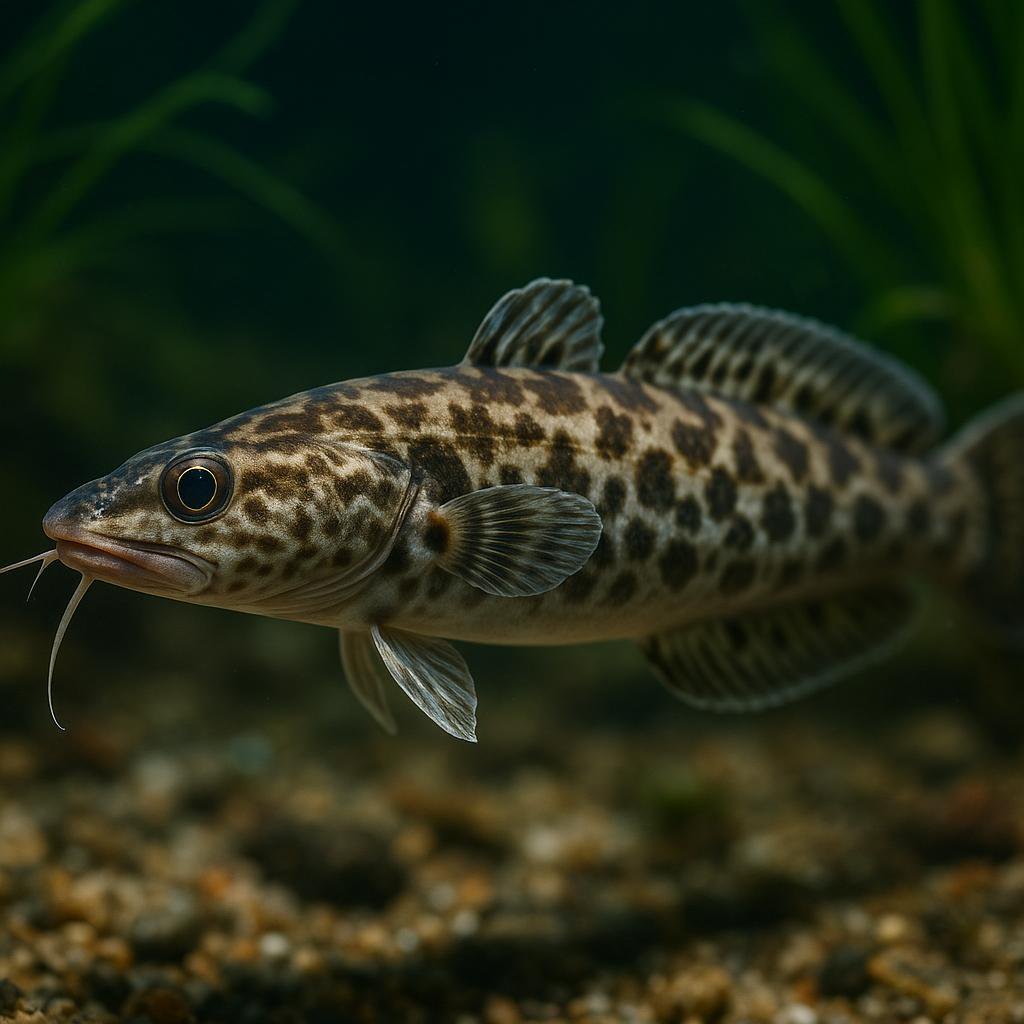
Arctic rockling
Gaidropsarus argentatus
This is a deepwater North Atlantic rockling (a cod relative) that hangs out on soft bottoms way down the slope. It is a cold-water, bottom-hugging predator that snoots around for crustaceans and will also take small fish when it gets the chance.
Looking for other species?