

Search Species
Search for fish species by common or scientific name, or use filters to browse by water type, size, temperament, and difficulty.
Found 528 species
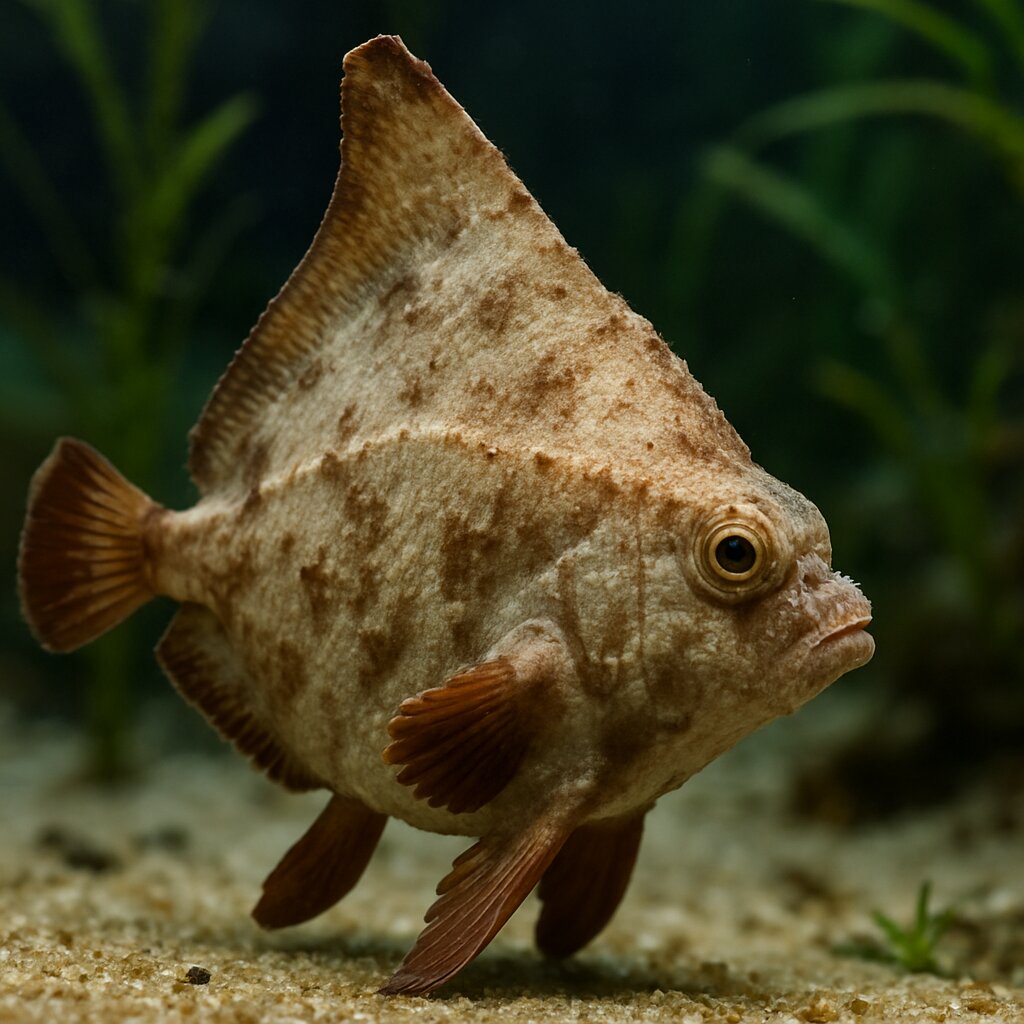
Giant triangular batfish
Malthopsis gigas
A small, buckler‑armored deep‑sea batfish that “walks” on modified fins. Malthopsis gigas occurs on Indo‑West Pacific continental slopes (about 210–650 m) and reaches ~13.6 cm SL. Modeled preferred temperatures are ~8–17 °C. It is not suitable for typical home aquaria and would require specialized chilled marine systems; marine aquaria generally maintain seawater pH ~8.0–8.4.
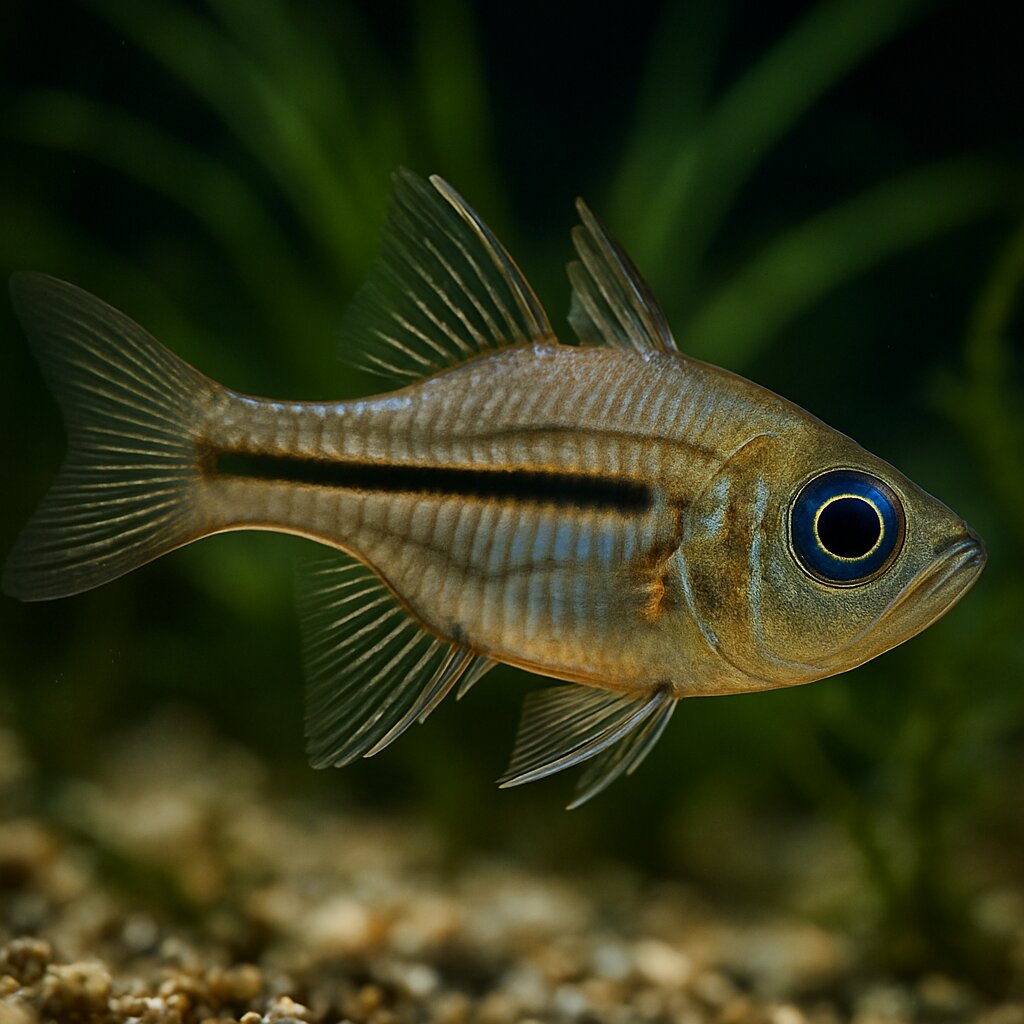
Gilbert's cardinalfish
Zoramia gilberti
A tiny glassy cardinal that likes to hang in tight groups tucked under branching corals. The blue speckles on the head really pop under reef lights, and the males mouthbrood, so you might catch a dad holding eggs if the group settles in.
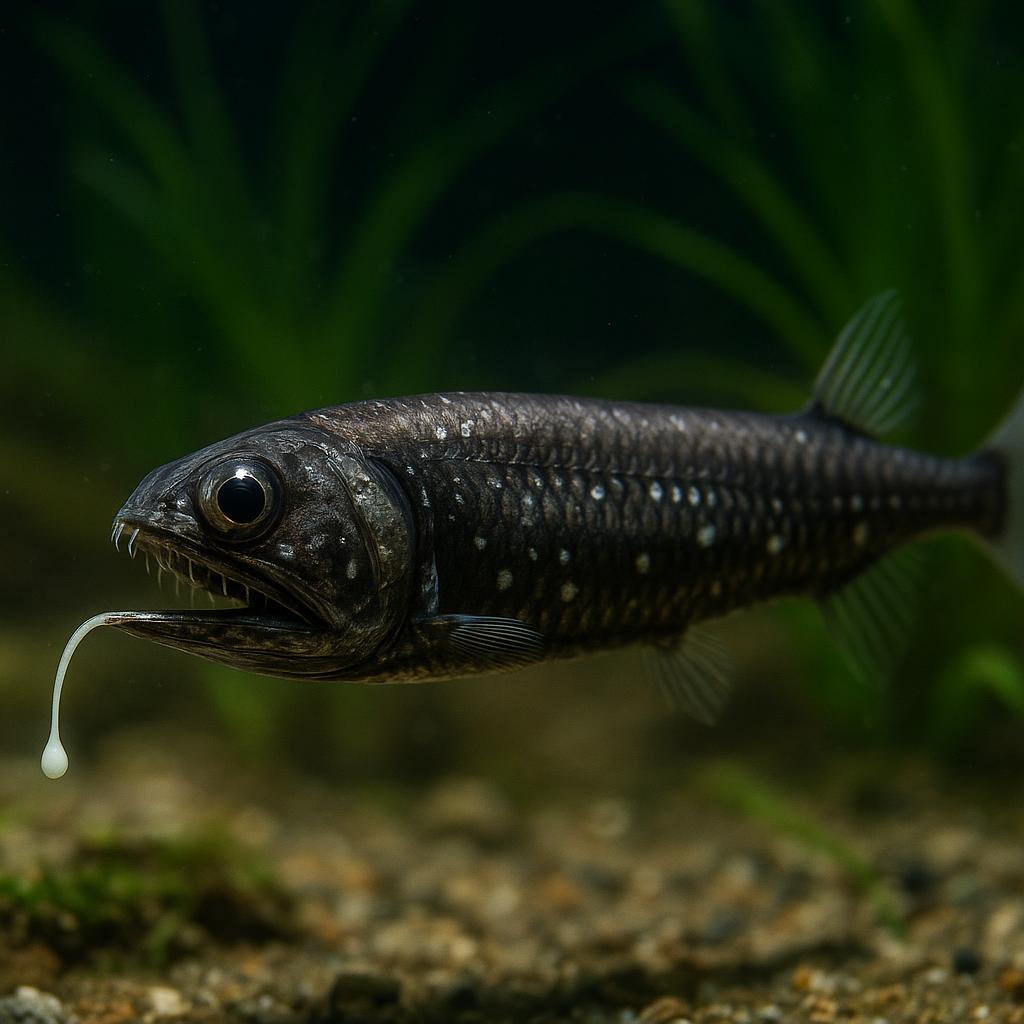
Gladiator dragonfish
Leptostomias gladiator
This is a deep-sea barbeled dragonfish - long, jet-dark, and built like a little ambush predator with a huge toothy mouth. It lives way down in the bathypelagic zone and uses a chin barbel as a lure, so its whole vibe is "lights-out hunter" rather than anything you'd ever keep in an aquarium.
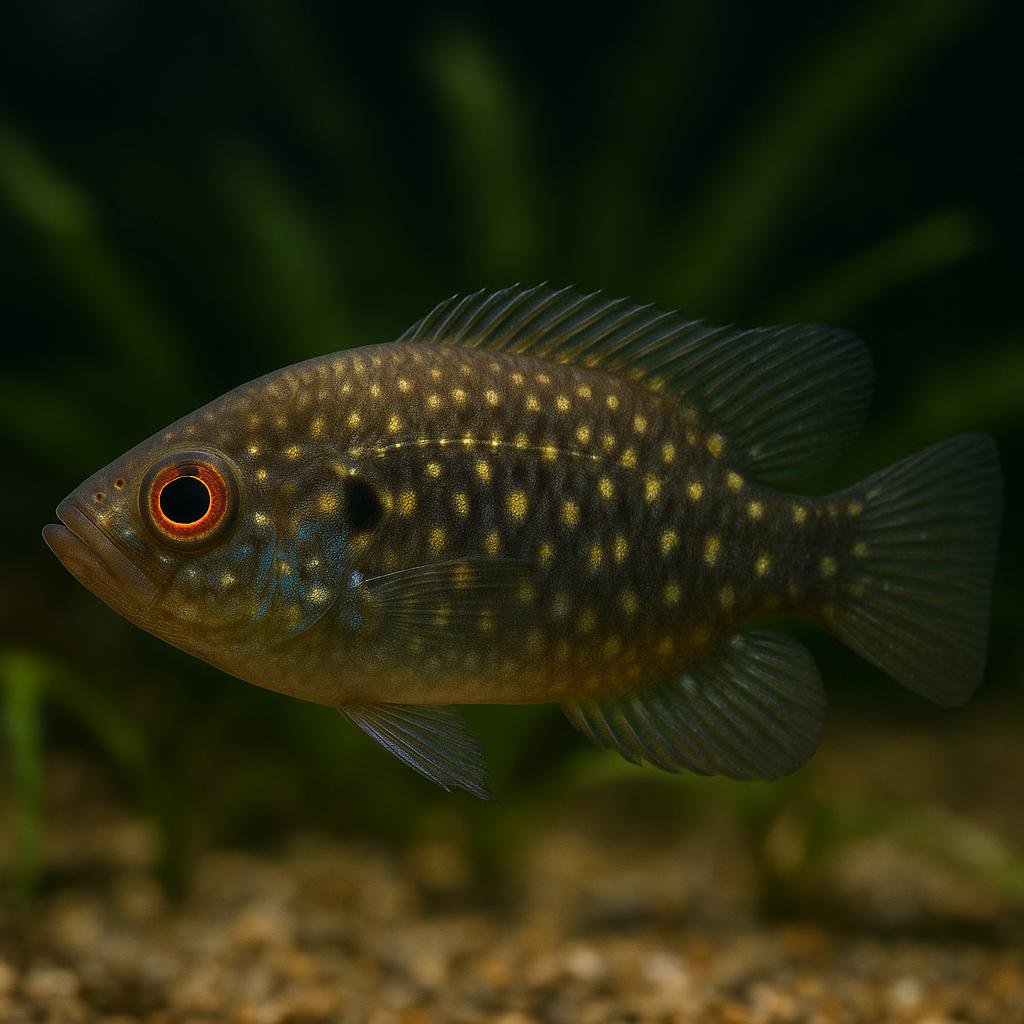
Glover's toadfish
Vladichthys gloverensis
This is a tiny reef-dwelling toadfish from Belize and Honduras that hangs out on rubble bottoms and basically lives the classic "sit still and ambush" life. Super cool little weirdo fish with a flattened head and lots of patterning, but it is not really an aquarium-trade species and would be a specialized, species-only kind of setup if you ever encountered one.
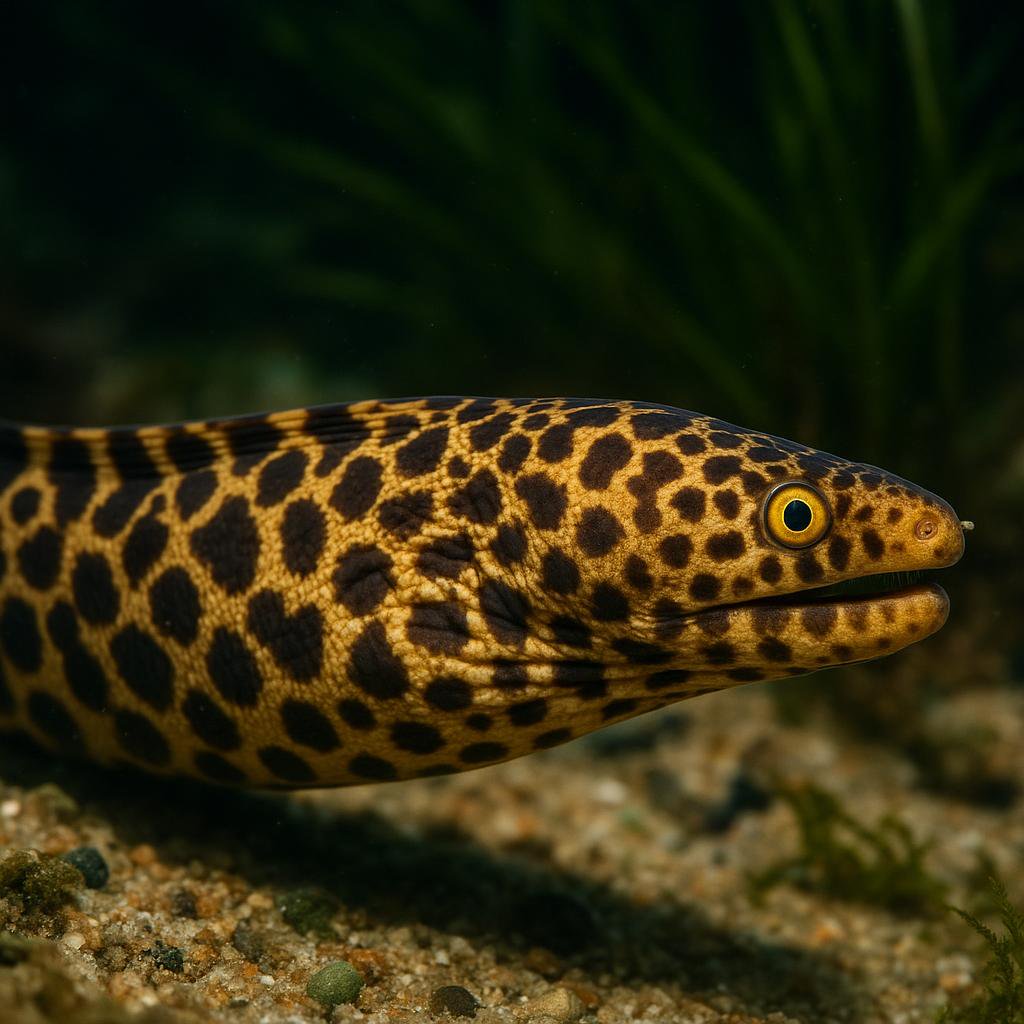
Golani's snakemoray
Uropterygius golanii
This is a small-ish Red Sea snake moray that spends most of its time wedged into rockwork with just a face peeking out. Its plain brown/gray look is super good camouflage, and like a lot of Uropterygius it is more of a secretive ambush predator than an out-in-the-open swimmer.
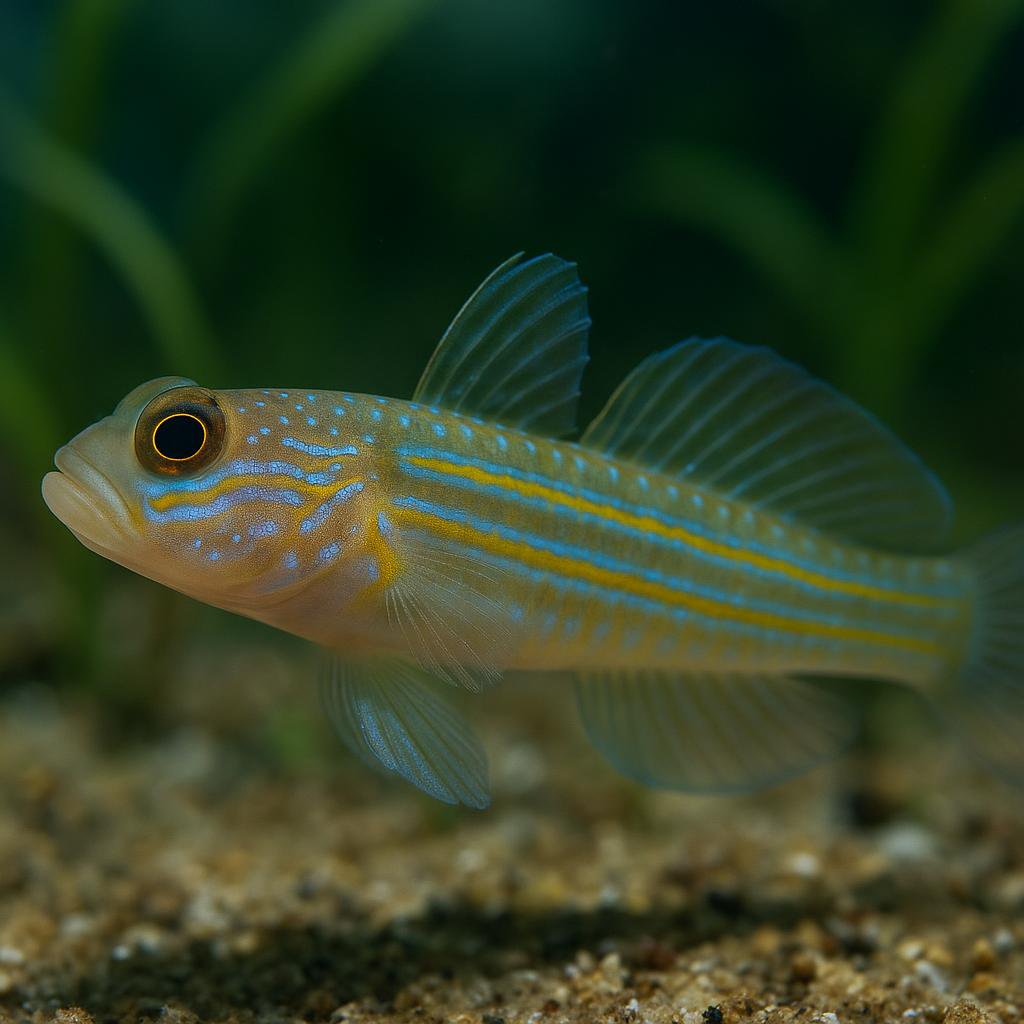
Gold-marked shrimpgoby
Vanderhorstia auronotata
This is a tiny little shrimp-goby from Indonesia that hangs out on silty sand slopes and does the whole burrow-living thing with an Alpheus snapping shrimp. The cool part is the bright orange-yellow spotting/lines over a pale body - it is one of those blink-and-you-miss-it gobies that looks even better up close than from across the tank.
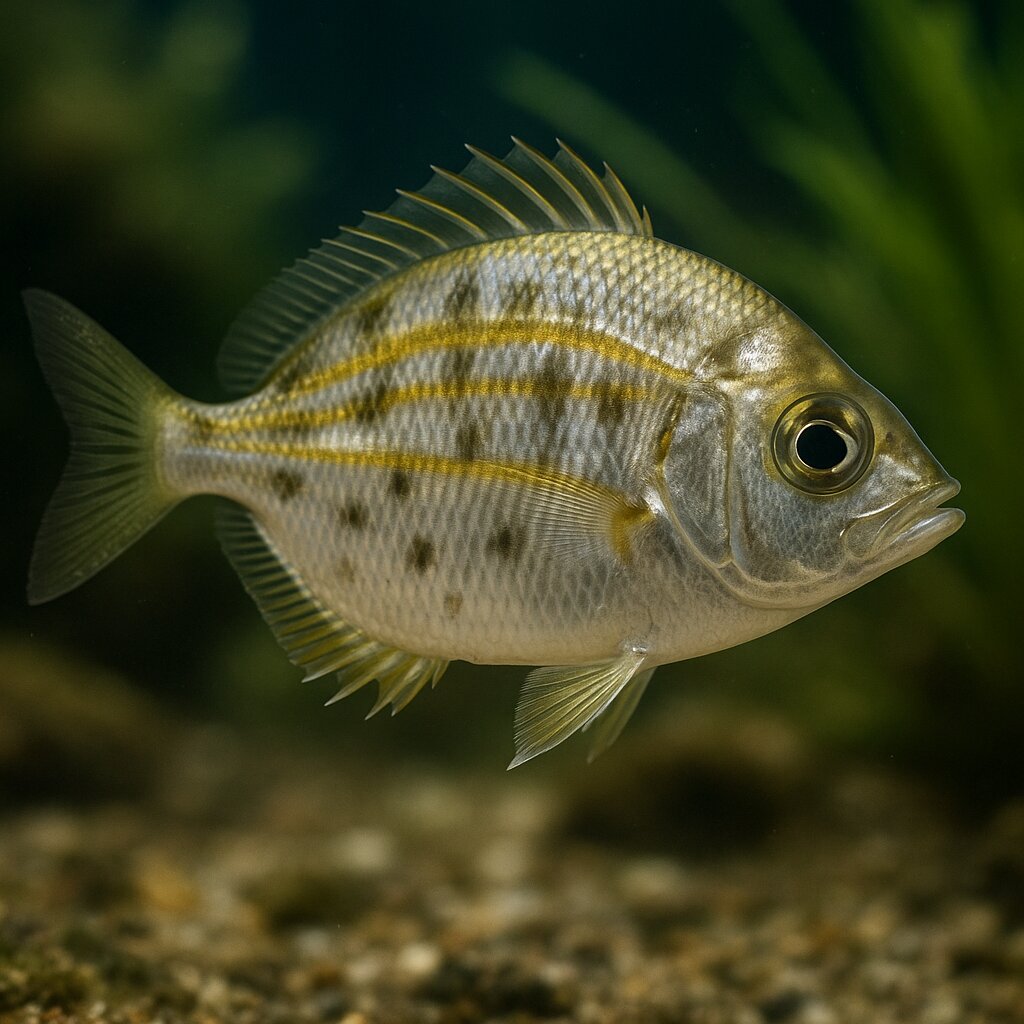
Goldstripe ponyfish
Karalla daura
Silvery little schooling ponyfish with a bright gold stripe and that classic slipmouth look. They cruise muddy shallows in tight groups and, like other ponyfish, have a cool bacterial light-organ setup for signaling at night. Not a common aquarium fish, but super interesting if you are set up for marine schooling species.
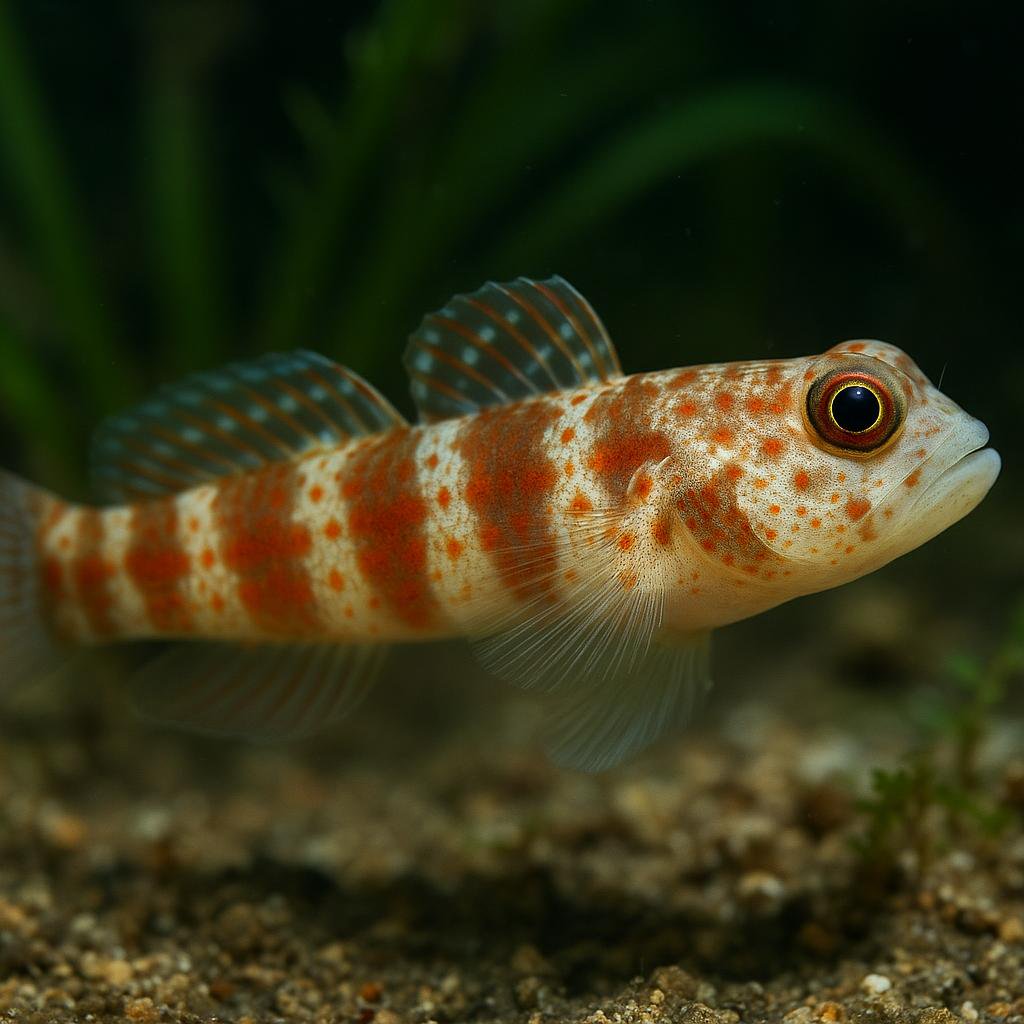
Gorgeous prawn-goby
Amblyeleotris wheeleri
Amblyeleotris wheeleri is that classic shrimp-goby that picks a sandy spot, makes a burrow, and basically turns your tank into a little nature documentary if you pair it with a pistol shrimp. It hangs at the burrow entrance, does the whole lookout routine, and flashes those red bands and blue speckling when it is settled in.
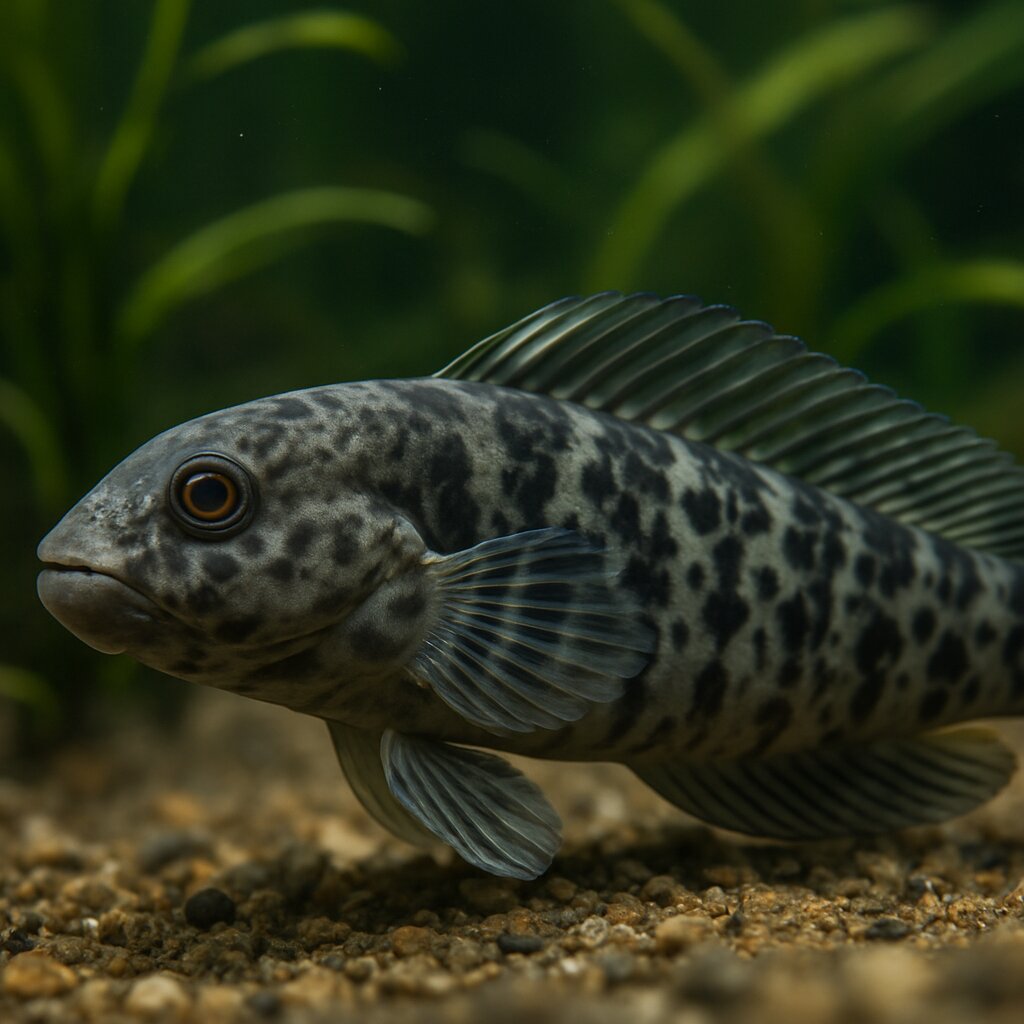
Gray Lipsucker
Andamia expansa
A small intertidal combtooth blenny from the Andaman Islands, it tops out around 3 inches and spends its time perching and grazing on microalgae. You will almost never see this one in shops, but if you ever do, think of it like a rock-hopping algae picker that really wants wave-splashed, mature rock to rasp on.
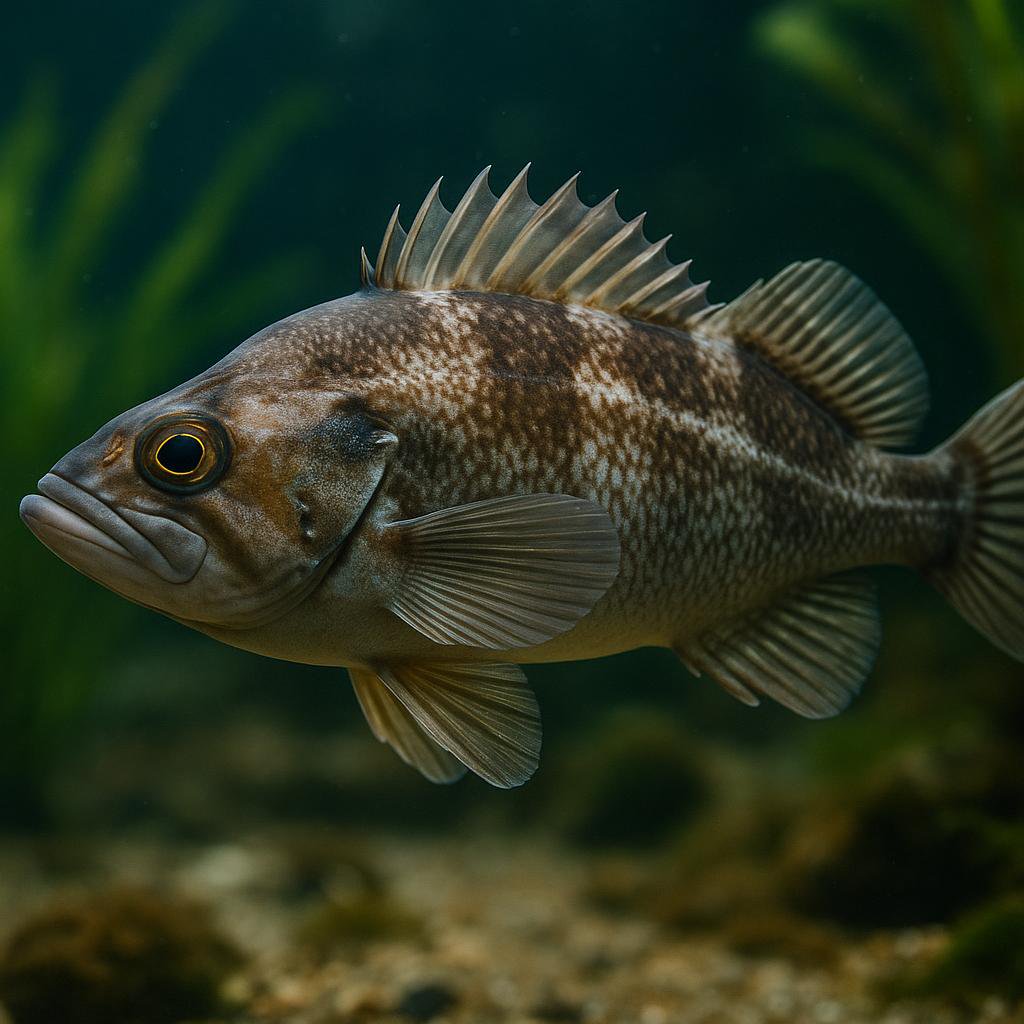
Gray rockfish
Sebastes glaucus
Sebastes glaucus is a cold-water gray-to-dark rockfish from the northwest Pacific that hangs out deep and close to the bottom. Like other rockfishes it is livebearing (viviparous), and it is the kind of fish you mainly see in public aquariums or fisheries talk - not really a home-aquarium species unless you can provide a large, chilled marine setup.
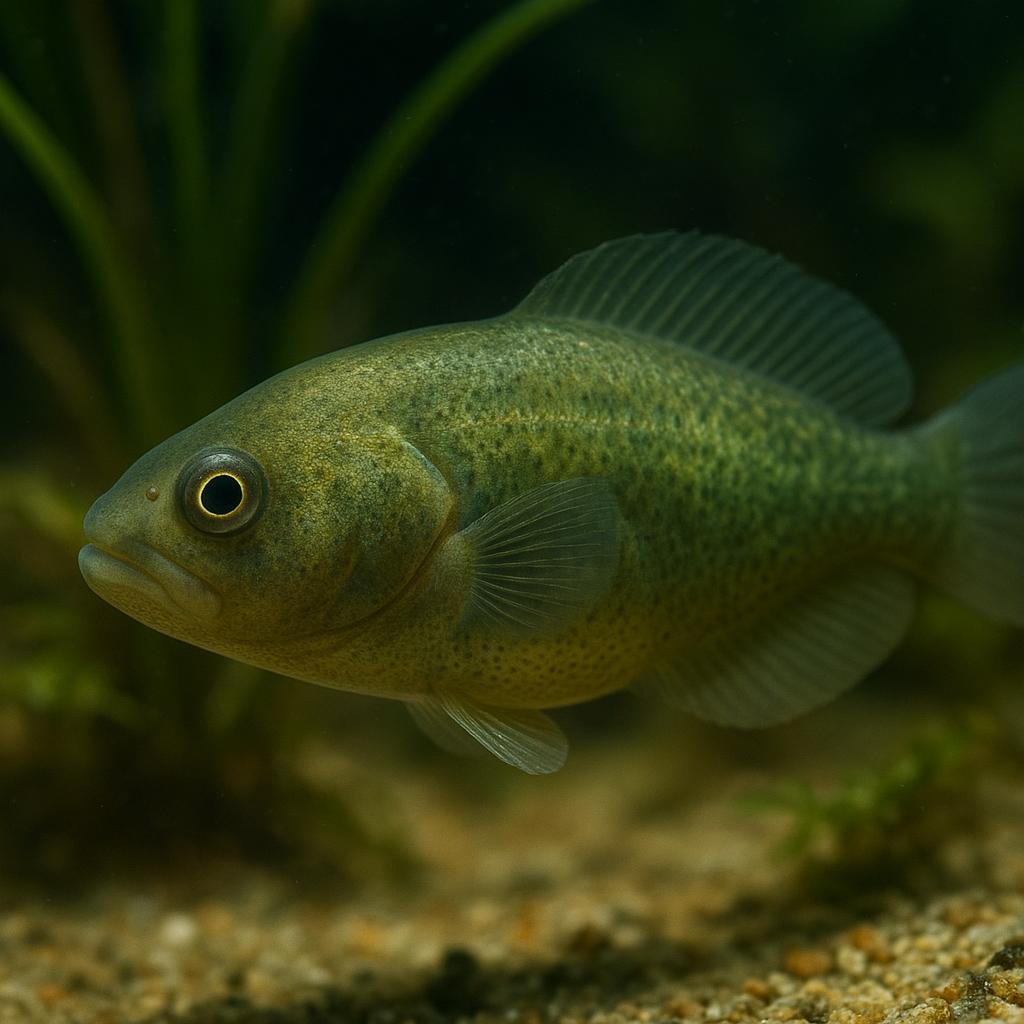
Green-peritoneum snailfish
Paraliparis entochloris
Paraliparis entochloris is a deepwater snailfish from the northwest Pacific, and the name is basically calling out its weird party trick: it has a green peritoneum (the lining around the organs) that can show through the body wall. This is not an aquarium fish at all - it is a cold, deep, bottom-associated species that is mostly known from scientific collections rather than the hobby.
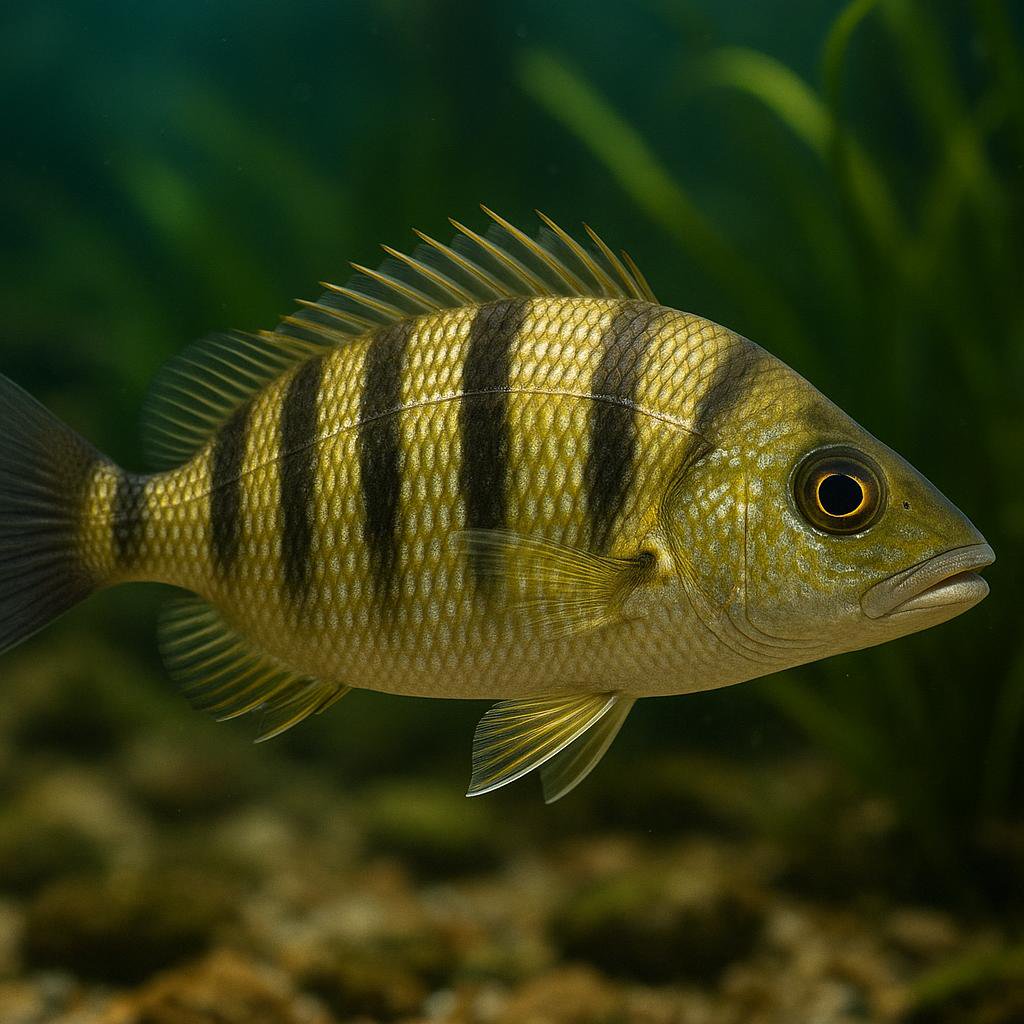
Greybar grunt
Haemulon sexfasciatum
This is one of those big, cruising grunts from the tropical eastern Pacific that spends the day stacked up in big schools around rocky reef structure, then fans out at night to hunt. The barred pattern is super sharp when they're settled in, but the real "wow" is their size and that classic grunt behavior of nosing around sand and rubble for food.