

Golani's snakemoray
Uropterygius golanii
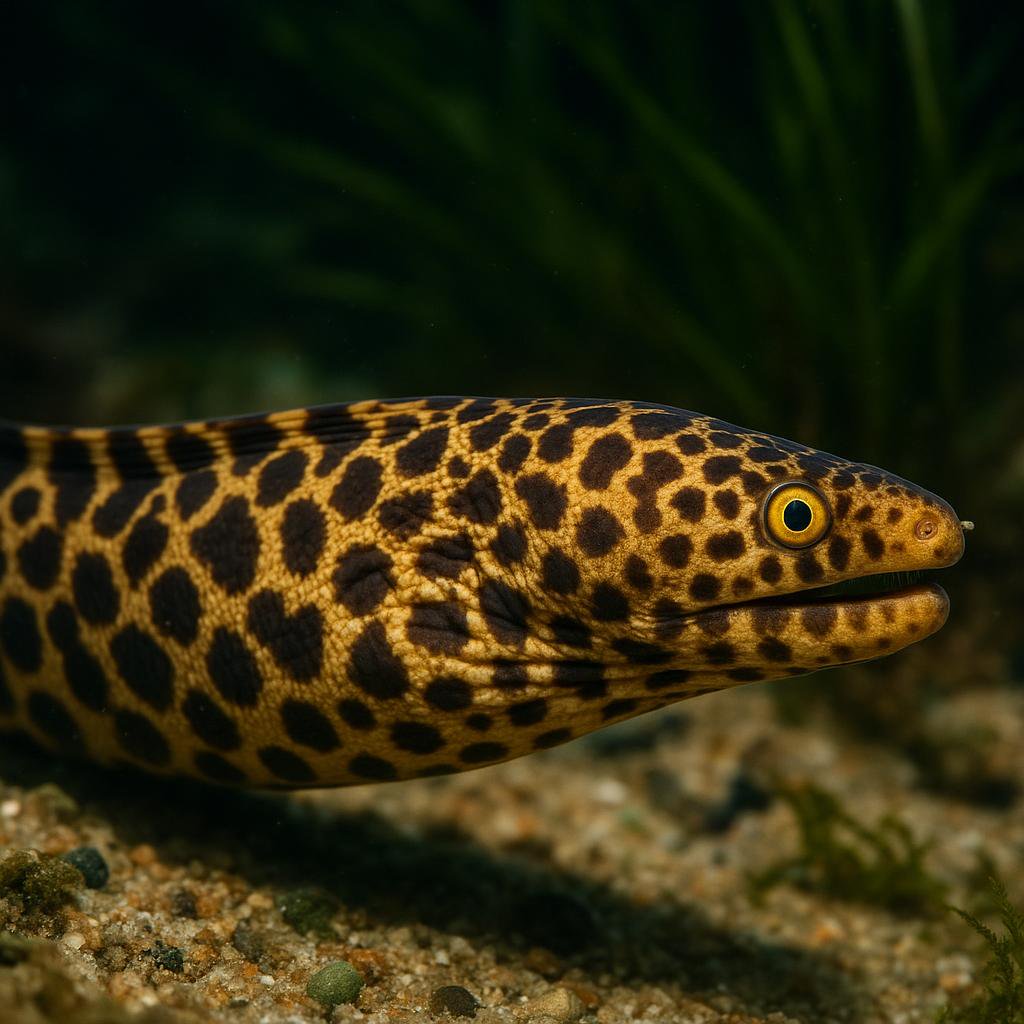
The Golani's snakemoray features a slender, elongated body with a mottled pattern of brown and yellow, enhancing its camouflage among coral reefs.
This page includes AI-generated images. Why am I seeing AI images?
About the Golani's snakemoray
This is a small-ish Red Sea snake moray that spends most of its time wedged into rockwork with just a face peeking out. Its plain brown/gray look is super good camouflage, and like a lot of Uropterygius it is more of a secretive ambush predator than an out-in-the-open swimmer.
Also known as
Quick Facts
Size
45.3 cm
Temperament
Semi-aggressive
Difficulty
Expert
Min Tank Size
75 gallons
Lifespan
10-20 years
Origin
Western Indian Ocean (northern Red Sea)
Diet
Carnivore - meaty marine foods (shrimp, squid, fish flesh), occasional live foods
Water Parameters
24-27°C
8-8.4
8-12 dGH
Need a heater for this species?
This species needs 24-27°C in a 75 gallon tank. Use our heater calculator to find the right wattage.
Calculate heater sizeCare Notes
- Give it a tight, escape-proof lid and block every cable gap - Golani's snakemoray is basically a living zip-tie and will find the one opening you missed.
- Build a rockwork maze with multiple snug caves and shaded overhangs; if it can't wedge its whole body into a crevice, it will stay stressed and stop eating.
- Keep salinity stable around 1.025-1.026 and temp about 75-79F; they crash fast when salinity swings from sloppy top-offs.
- Feed meaty marine foods with tongs after lights-out: silversides, chunks of shrimp, squid, clam; small meals 2-3x a week beats giant feedings that foul the tank.
- Skip feeder fish and freshwater foods - they add parasites and bad fats; also watch for it swallowing sand if you drop food, so feed from tongs or a dish.
- Tankmates: tough, non-bite-sized fish that will not pick at it (bigger wrasses, tangs, rabbitfish); avoid tiny fish, ornamental shrimp, and crabs unless you want them to disappear.
- Use a covered intake and strong mechanical filtration - they are messy eaters, and a moray that gets sucked into an overflow or powerhead guard is a nightmare.
- If it suddenly stops eating, check for mouth damage from lunging at rocks and for ammonia spikes; treat injuries early because morays go downhill fast when they get an infected mouth.
Compatibility
Good Tankmates
- Medium to larger, chill wrasses (Halichoeres, Thalassoma that are not tiny) - active midwater fish that do their own thing and are usually too big and too quick to get mistaken for food
- Tangs and rabbitfish - good 'busybody' herbivores that hold their ground, ignore the moray, and are not the kind of skinny bite-sized shape a snakemoray tends to target
- Dwarf to medium angels (Centropyge and similar) - generally fine if they are not super small, just give the moray caves so it is not forced to share a hidey-hole
- Hawkfish (like flame hawk) - they perch, they are bold, and they usually coexist well as long as you are not trying to keep tiny shrimp or micro fish with them anyway
- Bigger clowns and damsels (maroon clowns, larger Chrysiptera) - feisty enough to not get pushed around, but usually not interested in harassing an eel if there is space
- Foxface, one-spot, or other rabbitfish - basically the 'don-t-start-none won-t-be-none' roommate that pairs well with a semi-aggressive eel setup
Avoid
- Tiny fish like small gobies, firefish, and small cardinals - if it can fit in the moray-s mouth, assume it is on the menu, especially at night
- Crustaceans you care about (cleaner shrimp, peppermint shrimp, small crabs) - these eels are hunters and a lot of folks learn the hard way that 'maybe it will be ok' turns into an empty rock pile
- Nippy bullies like big dottybacks and really nasty damsels - they will pick at the eel-s face when it is peeking out, and that usually ends in stress or a brawl
- Other aggressive eels or similarly cave-claiming predators in a tight tank - the issue is territory and hiding spots, not 'temperament on paper'
Where they come from
Golani's snakemoray (Uropterygius golanii) is one of those obscure little morays that shows up from the Indo-Pacific region, and most of the time it is collected off reefy areas where it can stay tucked into tight holes. Think crevices, rubble, and shadowy pockets where a skinny eel can disappear with just its face showing.
They are not the big, bold "display moray" type. They are more like a secretive, live-in-the-rockwork predator that you build the tank around.
Setting up their tank
This species is expert-level for one main reason: escape risk plus stress sensitivity. If you do not like the idea of eel-proofing every single opening, pick a different moray.
Tank size is less about gallons and more about layout. Give it a footprint with lots of rockwork and a few true bolt-holes it can claim. I like having at least two tight caves so it can choose a spot and still have a backup if it feels crowded.
- Rockwork: stable, interlocked, and sitting on the glass or egg crate (not on sand that can shift).
- Hiding spots: narrow tunnels and crevices, not open arches. These eels like contact on both sides of their body.
- Substrate: sand is fine, but do not count on it for burrowing behavior. The rocks matter more.
- Flow: moderate. You want oxygenation, but not a jet blasting the eel's favorite hole.
- Lighting: they do not care, but bright tanks make them stay hidden. More shaded areas helps.
Escape-proofing is non-negotiable. Cover the overflow teeth, seal gaps around plumbing, and lid the tank with something rigid. If a credit card can fit through a gap, a snakemoray can probably test it. I have found eels in the weir more than once before I got serious about this.
Set up a "feeding station" cave. Pick one hole where you always deliver food with tongs. They learn fast, and it keeps them from prowling the whole tank every night looking for trouble.
Water quality needs to be steady. Morays are tough in some ways, but they do not love swinging salinity or a tank that is still figuring itself out. A mature system with a real skimmer and reliable top-off makes your life easier.
What to feed them
These are carnivores. In my experience, the fastest way to get a new snakemoray eating is to offer small meaty marine foods at night with long tongs, right at the entrance of its hide. Do not wave food around like a lure for a lionfish. Be calm and consistent.
- Good staples: chunks of shrimp, squid, scallop, clam, marine fish flesh (like silversides in pieces).
- Great variety items: mussel on the half shell, prawn, crab pieces (sparingly).
- Avoid: freshwater feeder fish, goldfish, and other fatty freshwater stuff.
- Size: smaller pieces more often beats huge meals. Think bite-sized for the head width.
Watch the fingers. A small moray bite is still a moray bite. Use feeding tongs, and keep your other hand away from the rockwork while feeding.
Feeding frequency depends on size and temperature, but a common rhythm is 2-3 times per week for adults. If it starts looking thick through the belly all the time, back off. If it is constantly out searching and losing weight, bump it up.
Soak food in a vitamin supplement now and then, and rotate items. A steady diet of just shrimp is how you end up with a picky eel and nutrition gaps.
How they behave and who they get along with
Golani's snakemoray is shy and cryptic, especially at first. Once settled, you will see more "head out watching" behavior and some nighttime cruising. They are not usually out in the open like snowflakes or zebras.
Tankmate rule is simple: if it fits in the eel's mouth, it is food, and if it steals food aggressively, it is a stress problem. Most issues I have seen were really feeding-time drama, not random aggression.
- Better tankmates: larger, steady fish that are not hyper-food-competitive (some tangs, rabbitfish, larger angels with caution).
- Risky: small gobies, blennies, firefish, small wrasses, ornamental shrimp and crabs (often become snacks).
- Usually fine: snails and many larger hermits, but do not assume any invertebrate is safe long-term.
- Avoid: triggerfish and other notorious fin nippers or rock movers that can harass the eel or collapse its hide.
Corals are generally not the issue. The eel will not eat your coral, but it can bulldoze frags at night if your rockwork is wobbly or you mount things lightly.
Breeding tips
Breeding this species in home aquariums is basically in the "interesting to talk about, rare to pull off" category. Morays have a leptocephalus larval stage that is extremely challenging to raise, and getting a confirmed male-female pair is its own headache.
If you ever do end up with two that tolerate each other, give them lots of separate bolt-holes and feed heavily. Beyond that, I would treat any breeding attempt as a long-term research project, not a practical goal.
Common problems to watch for
- Escapes: the number one killer. Lids, overflow guards, and sealing gaps fix most of it.
- Not eating: common after shipping. Offer food at dusk, keep the tank calm, and do not keep "checking" the eel with a flashlight every hour.
- Feeding injuries: smashed snouts from lunging at rocks, or torn mouths from yanking food. Feed with tongs and present food gently.
- Skin issues and parasites: rough, cloudy patches or excessive scratching can be flukes/irritation. Quarantine is hard with eels, but a dedicated QT with lots of PVC hides makes treatment possible.
- Copper sensitivity concerns: many keepers avoid copper with morays. If you need parasite treatment, choose methods and doses that are eel-safe and monitor closely.
- Powerhead/overflow accidents: any unguarded intake is a hazard for a curious eel at night.
Do not chase a newly arrived snakemoray around the tank to "get it into a cave." Dim the lights, give it time, and let it pick a spot. Stress is what turns a manageable eel into an escape artist.
If it vanishes for days, do not panic. Check the overflow and the floor first, then assume it is wedged deep in the rock. Once it feels safe, it usually reappears on its own schedule.
Similar Species
Other marine semi-aggressive species you might be interested in.
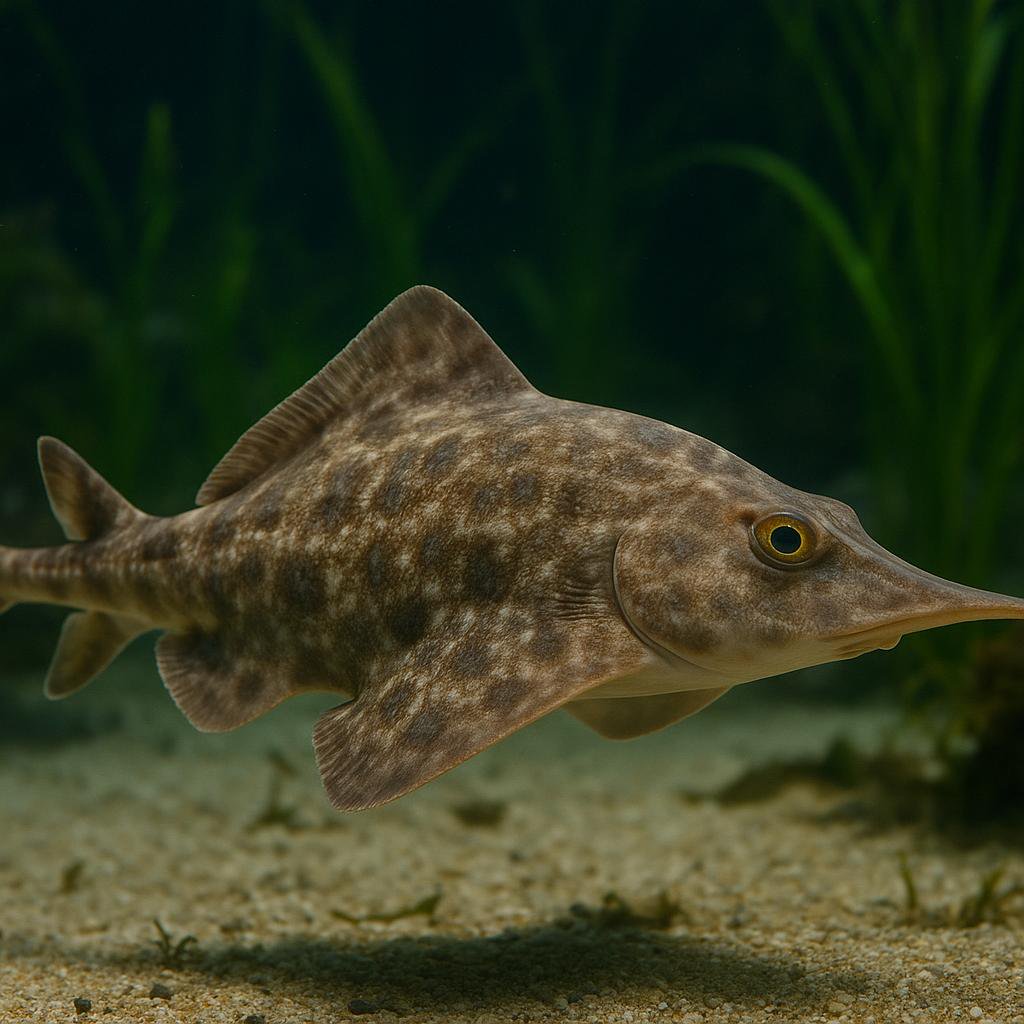
Aleutian skate
Bathyraja aleutica
This is a big, cold-water deep-slope skate from the North Pacific that cruises muddy bottoms and eats chunky benthic prey like crabs and shrimp. The really cool bit is its egg-laying skate life - it does distinct pairing (the classic skate "embrace") and drops those tough egg cases on the seafloor. Not an aquarium fish at all unless you're basically running a public-aquarium-style chilled system.
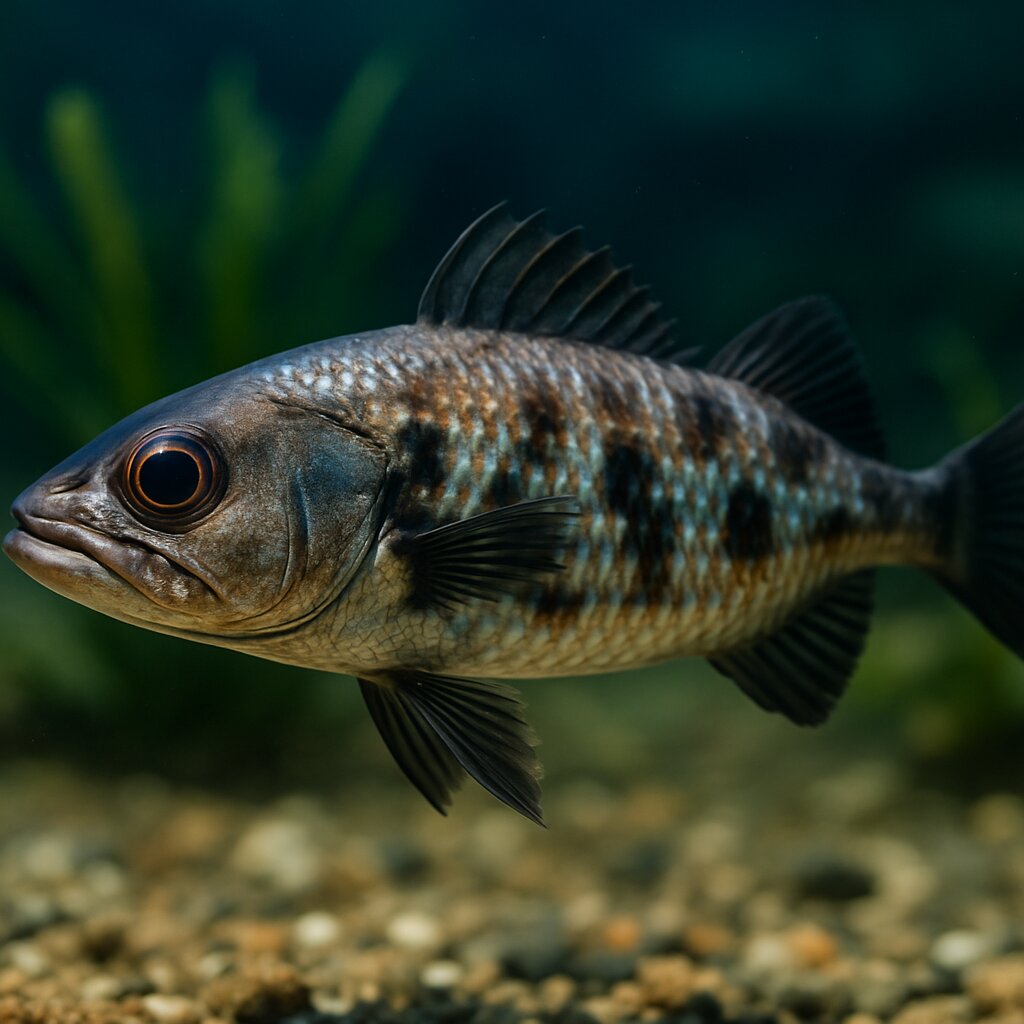
Antarctic dragonfish
Vomeridens infuscipinnis
Deep down around Antarctica, this sleek dragonfish cruises the water column like a little submarine, nearly neutrally buoyant so it can hover above the seafloor. It munches almost exclusively on Antarctic krill and lives in near-freezing water 500-800 m down, so it is a cool species to read about, not one for home tanks.
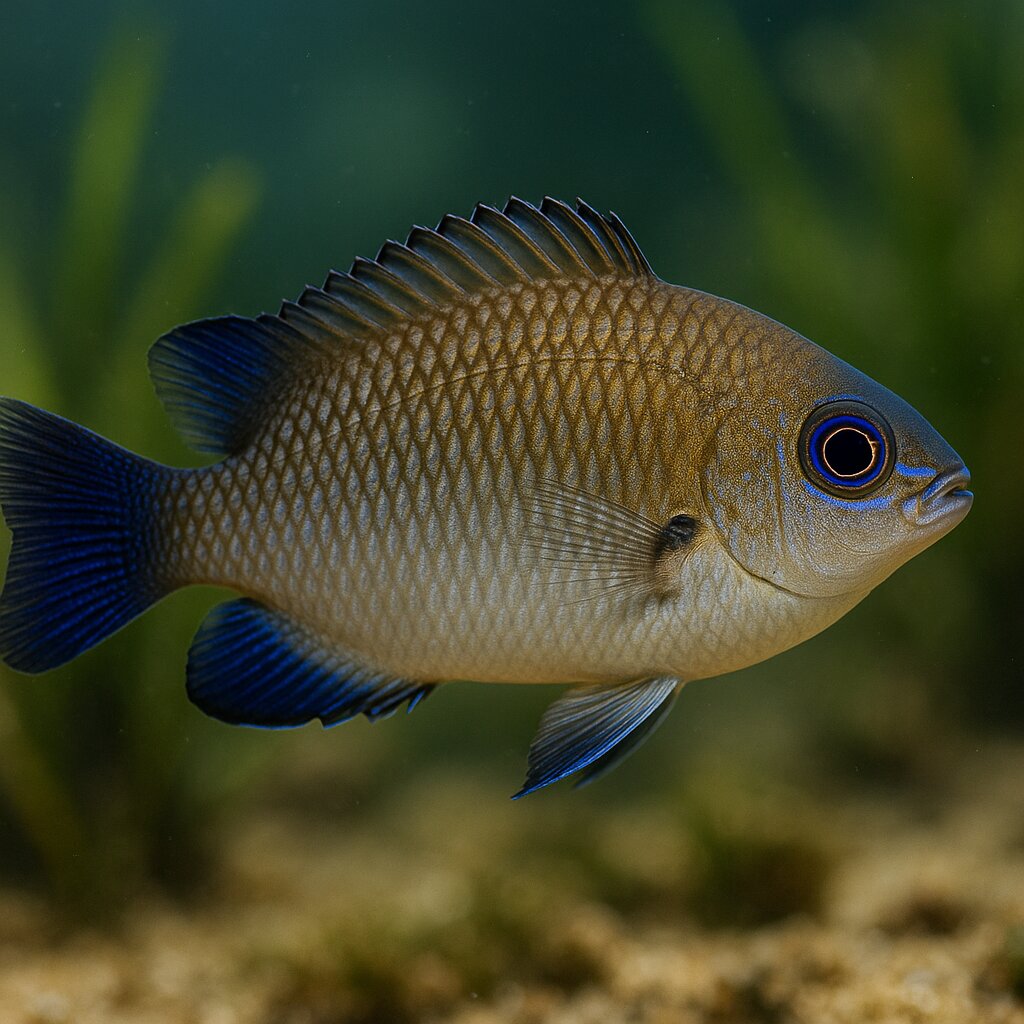
Arabian demoiselle
Neopomacentrus sindensis
A small lyretail damsel from the Persian Gulf and Arabian Sea, it hangs in loose groups around coral heads, rocks, and even pier pilings picking zooplankton from the flow. Think classic damsel toughness with a slightly milder attitude than the real bruisers, plus subtle yellow tail accents. Males clean a patch, get a mate to lay eggs there, and then stand guard fanning the clutch.
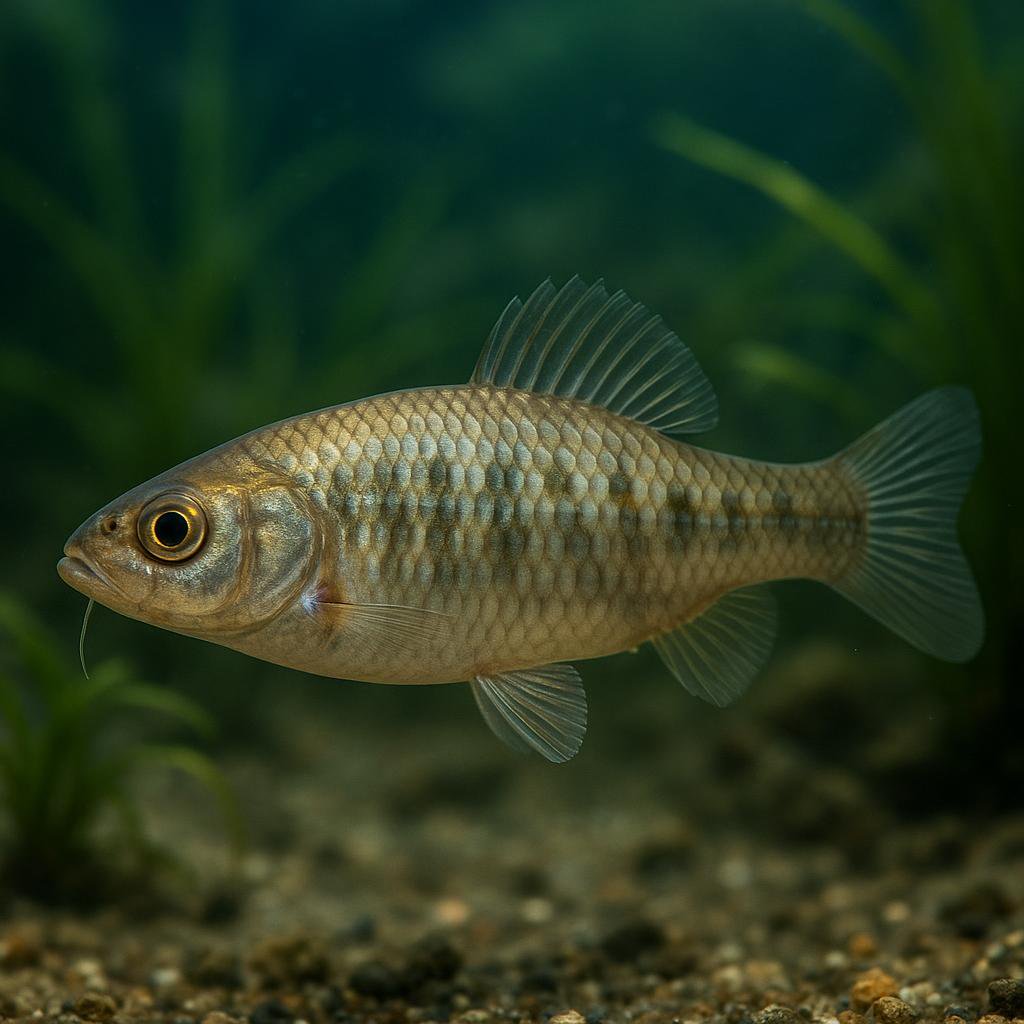
Arabian spiny eel
Notacanthus indicus
Notacanthus indicus is a deep-sea spiny eel (family Notacanthidae; not a true eel) known from the Arabian Sea on the continental slope at roughly ~960–1,046 m depth, with reported maximum length around 20 cm TL; it is a deep-water bycatch species and not established in the aquarium trade.
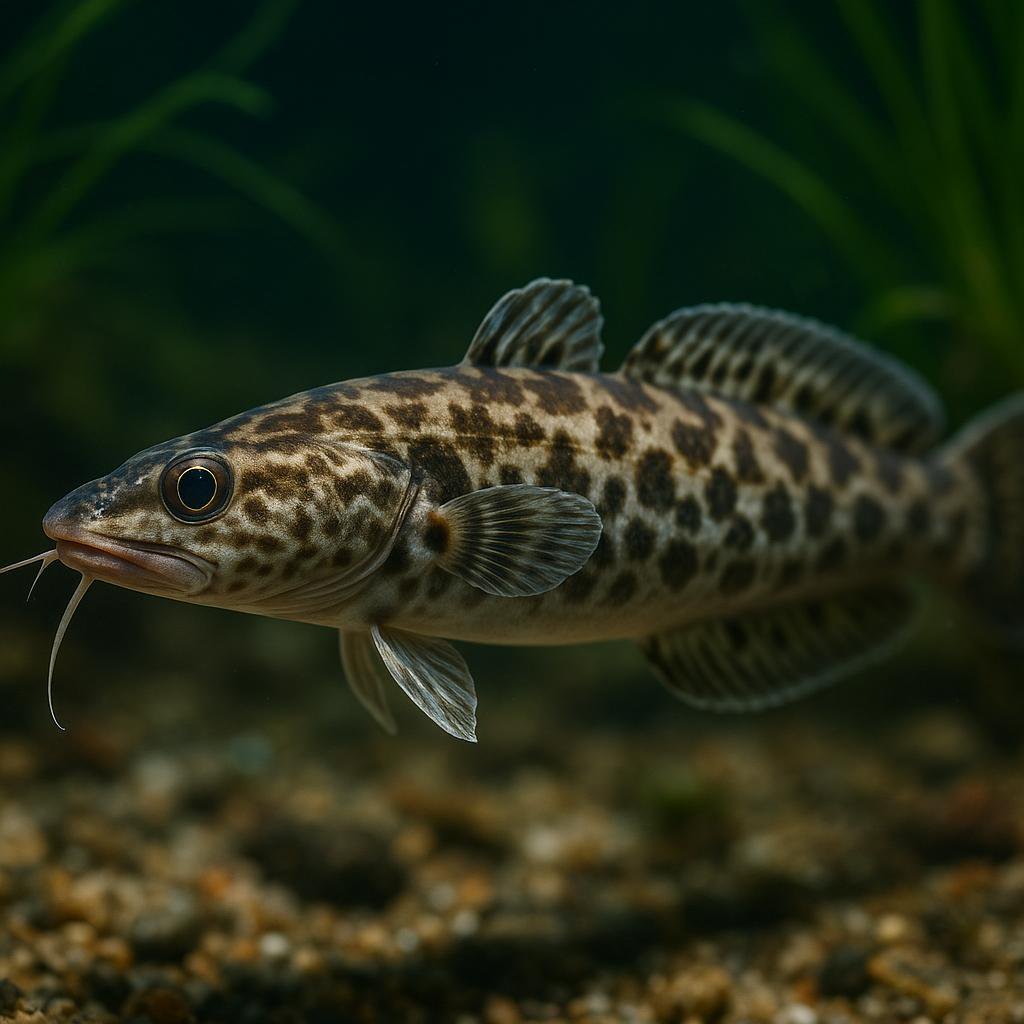
Arctic rockling
Gaidropsarus argentatus
This is a deepwater North Atlantic rockling (a cod relative) that hangs out on soft bottoms way down the slope. It is a cold-water, bottom-hugging predator that snoots around for crustaceans and will also take small fish when it gets the chance.
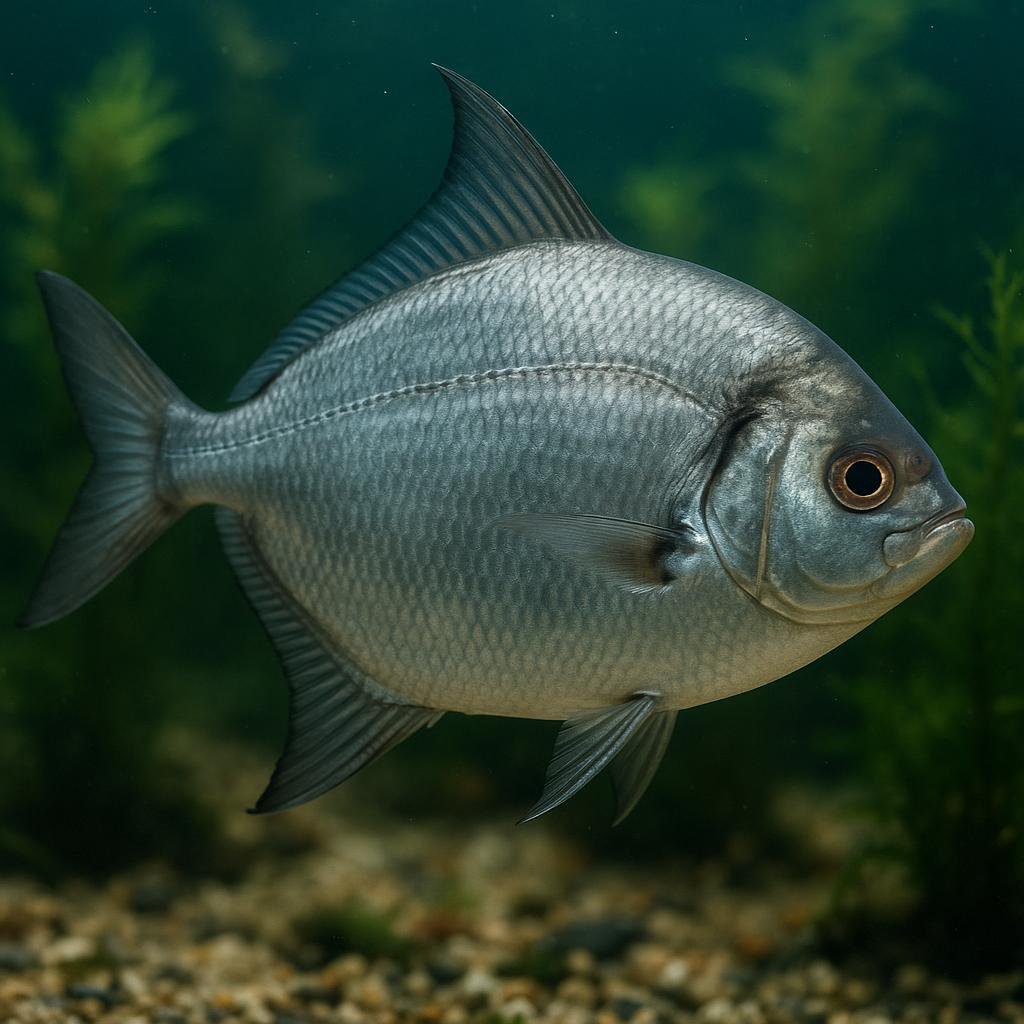
Atlantic pomfret
Brama brama
Brama brama is the Atlantic pomfret (aka Ray's bream) - a deep-bodied, open-ocean pelagic fish that cruises around in small schools and follows water temps. It is a legit big, wild marine species (not an aquarium fish) that eats other small sea critters like fish and squid, and it ranges across a huge chunk of the Atlantic plus parts of the Indian and South Pacific.
More to Explore
Discover more marine species.
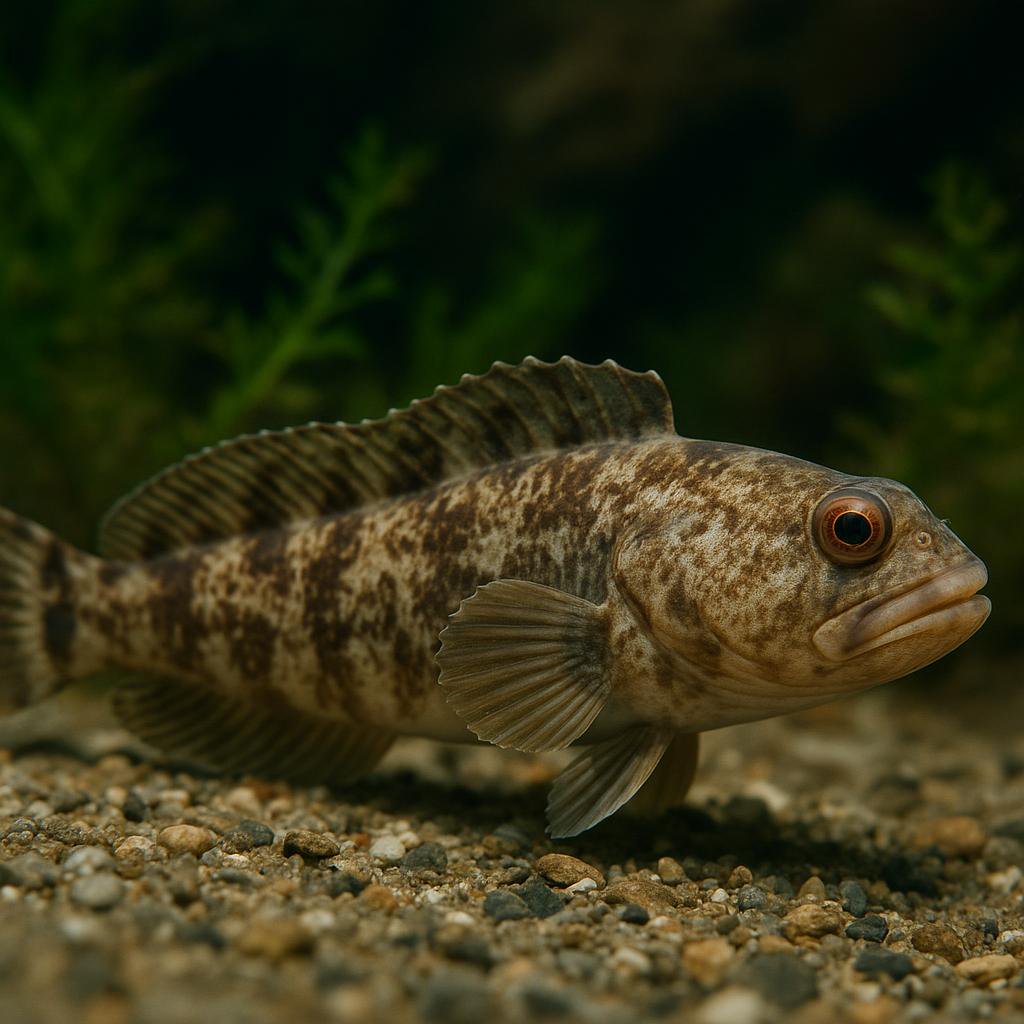
Abe's eelpout
Japonolycodes abei
Japonolycodes abei is a temperate, deepwater demersal eelpout (family Zoarcidae) endemic to Japan (Kumano-nada Sea reported; other sources also report Sagami Bay and Tosa Bay). It is the only species in the genus Japonolycodes and occurs roughly 40-300 m depth, making it an uncommon/atypical aquarium species.
Affinis blind cusk-eel
Barathronus affinis
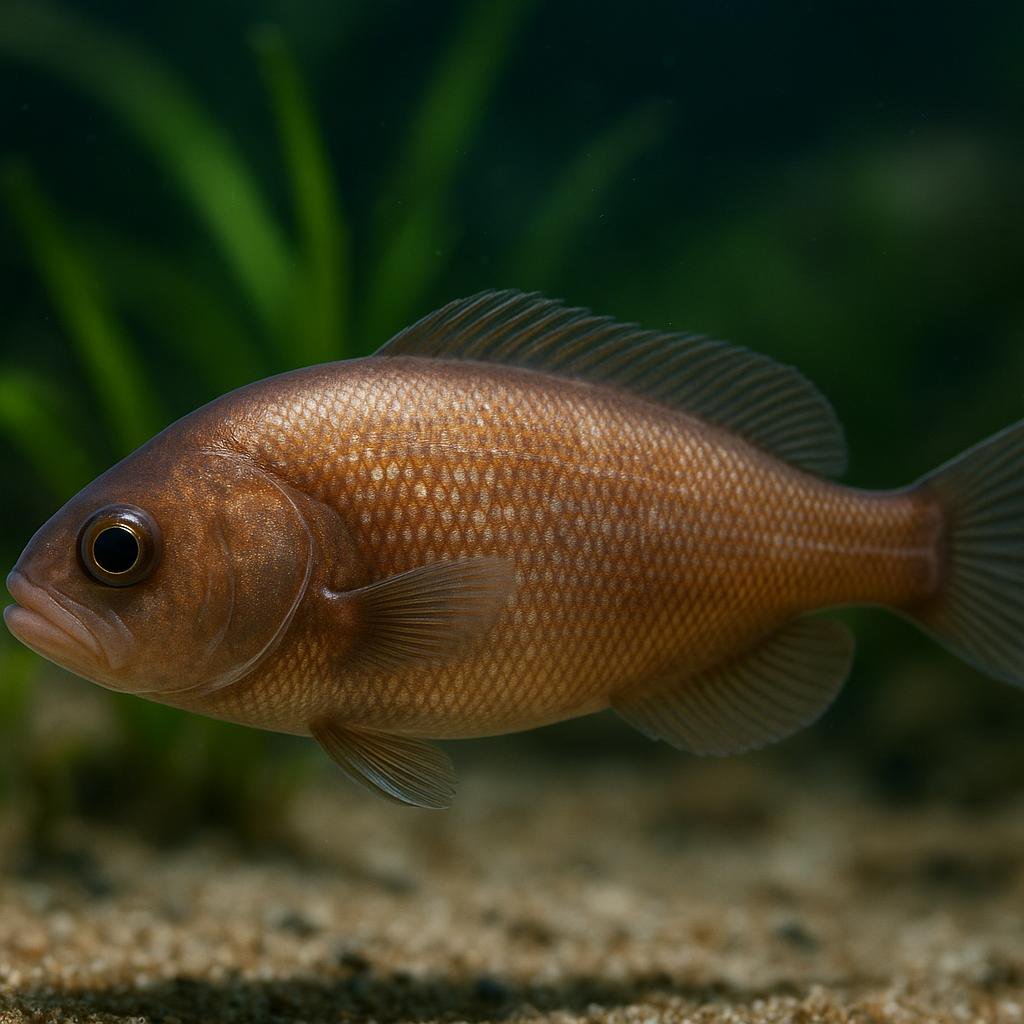
Barathronus affinis is a tiny, super-weird deep-sea blind cusk-eel from the western-central Indian Ocean. It is one of those gelatinous, loose-skinned brotula-type fishes that live way down in the dark and are basically never seen alive, so almost everything we know comes from preserved specimens and taxonomic work.
African red snapper
Lutjanus agennes
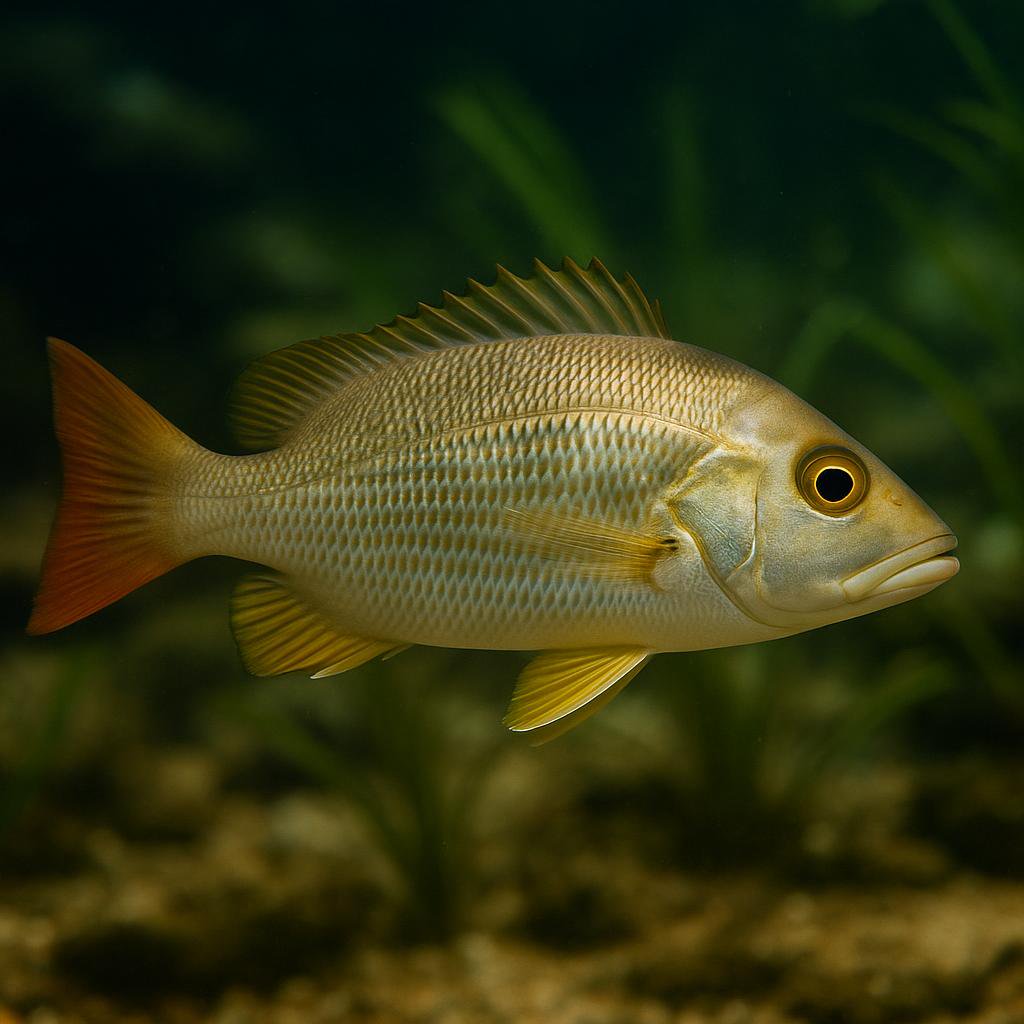
This is a true snapper from West Africa - a big, fast-growing predator that goes from coastal reefs to brackish lagoons and estuaries (especially as a juvenile). Super cool fish in the wild, but it gets absolutely huge and will eat smaller tankmates once it has the mouth for it, so its really more of a public-aquarium scale animal than a home-aquarium fish.
Allis shad
Alosa alosa
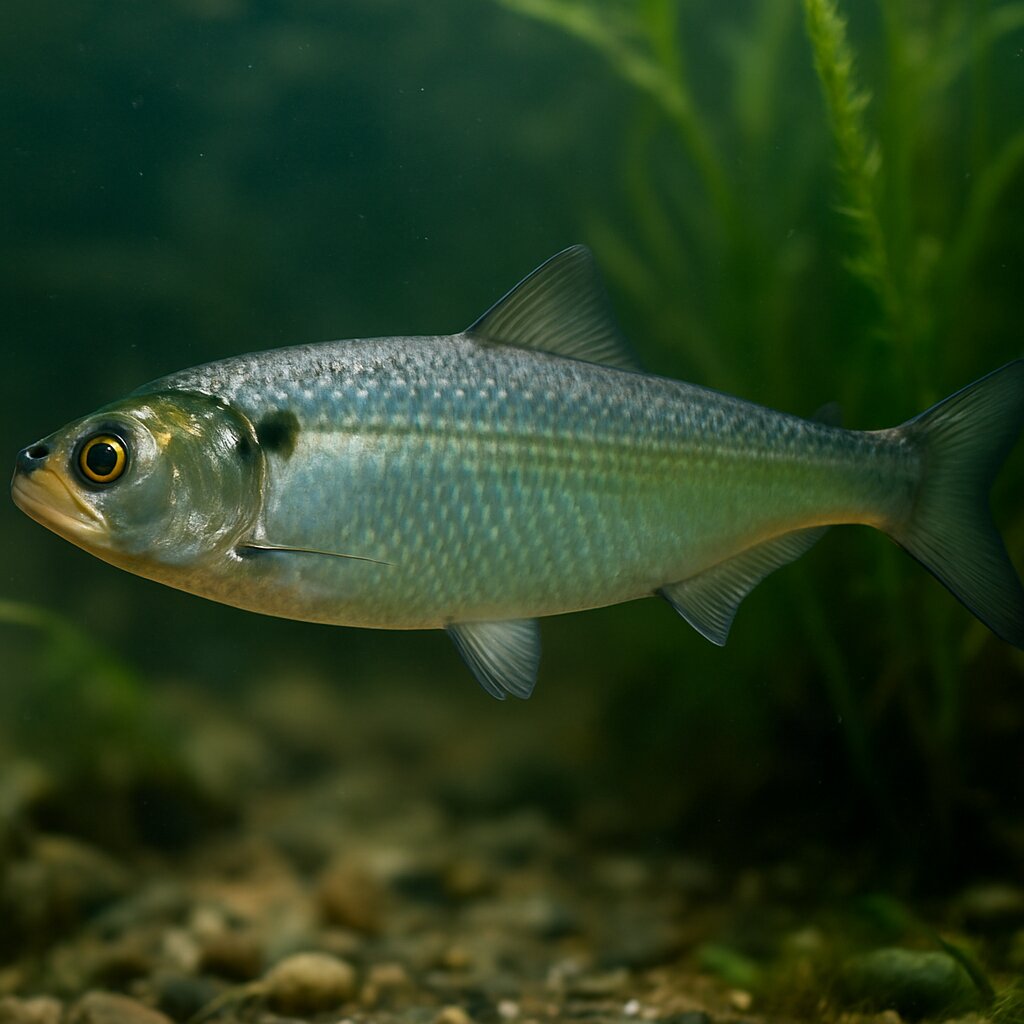
Gorgeous silver, fast-swimming shad that spends most of its life in the sea and then surges up big rivers in noisy, surface-spawning schools. It grows huge for a herring-type fish and needs cool, ultra-oxygenated water and tons of open space, so it is a public-aquarium species rather than a home tank fish.
Annandale's zebra sole
Zebrias annandalei
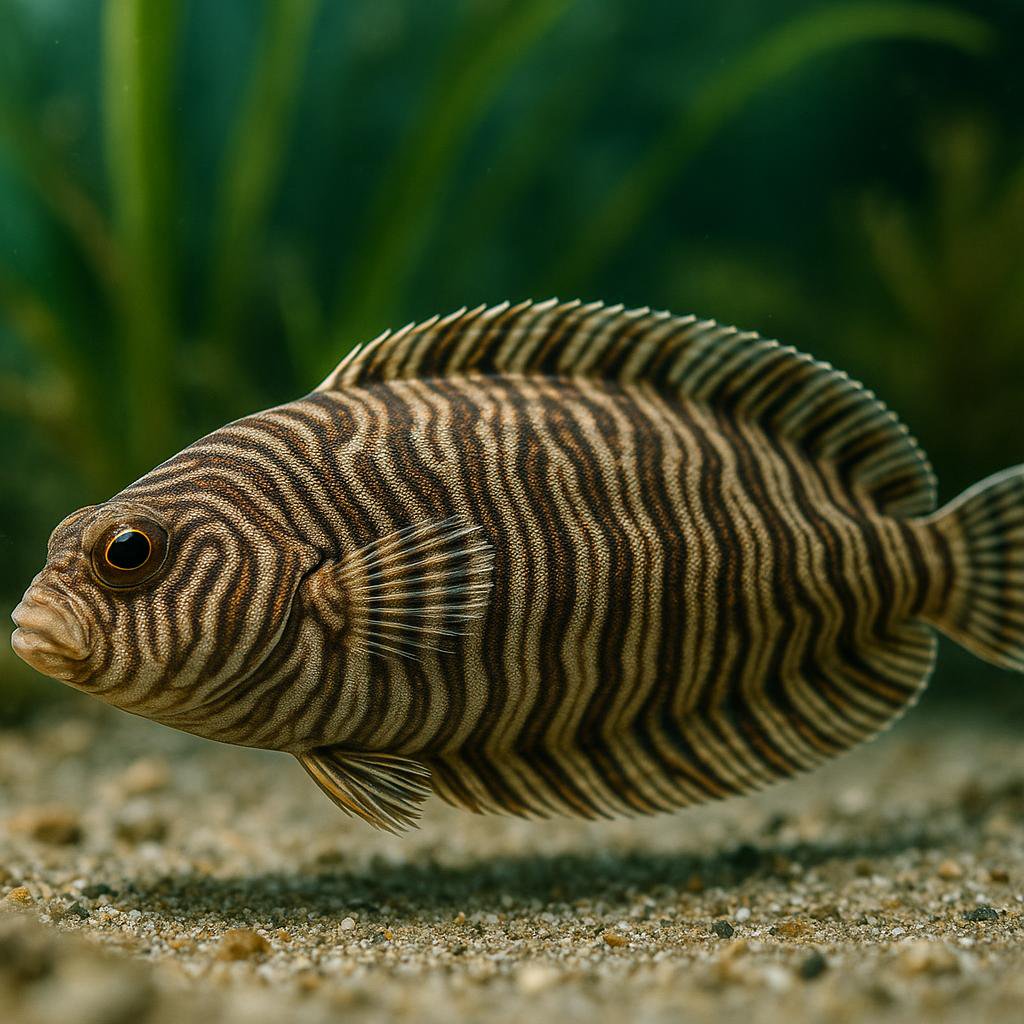
Zebrias annandalei is a small demersal sole from coastal India that inhabits sandy or muddy bottoms and buries for camouflage. It is rarely kept in home aquaria and would require a specialized marine sand-bottom setup and appropriate feeding.
Australian sawtail catshark
Figaro boardmani
Figaro boardmani is a small, deepwater Australian catshark with these cool saw-like ridges of spiny denticles along the tail and a neat pattern of dark saddle bands. It lives way down on the outer continental shelf and slope, so its natural water is cold, dim, and stable - totally not a typical home-aquarium fish. Diet-wise its a predator that goes after fish, crustaceans, and cephalopods.
Looking for other species?