

Gladiator dragonfish
Leptostomias gladiator
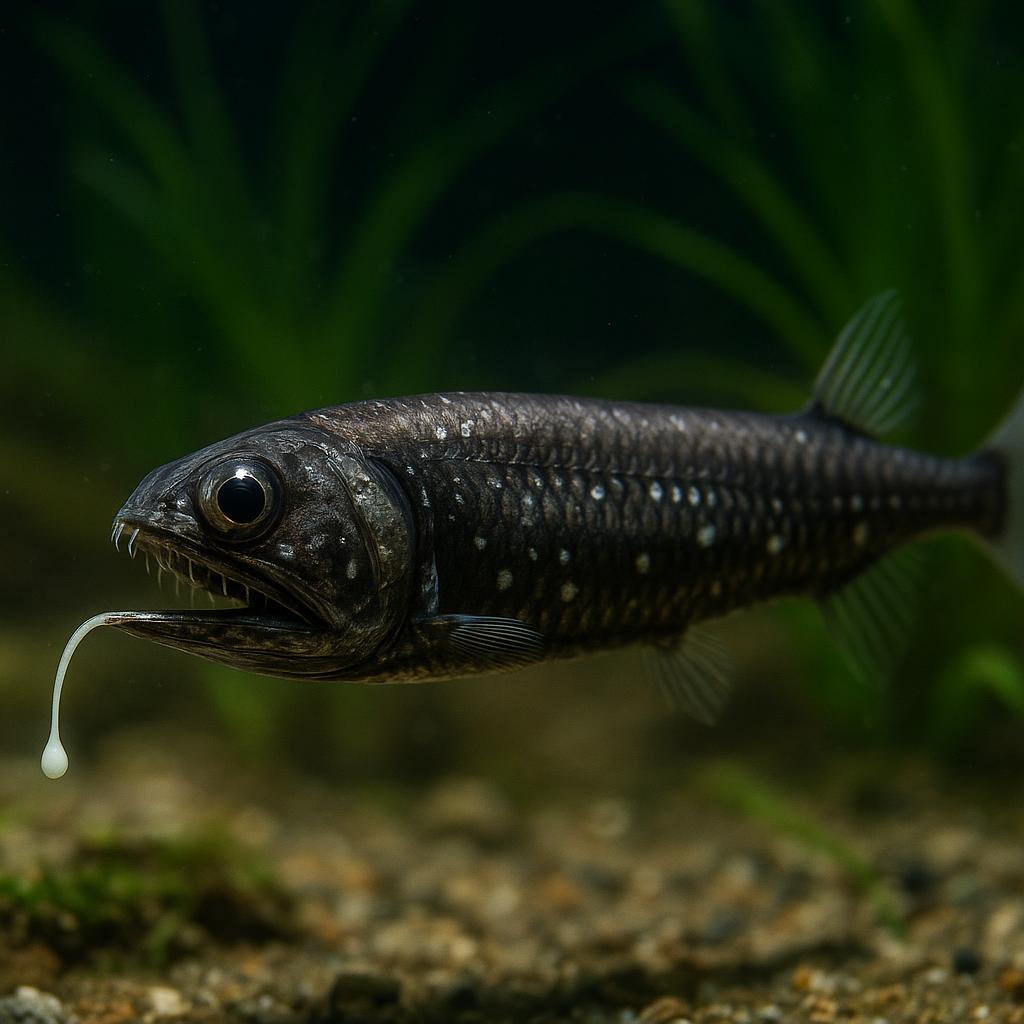
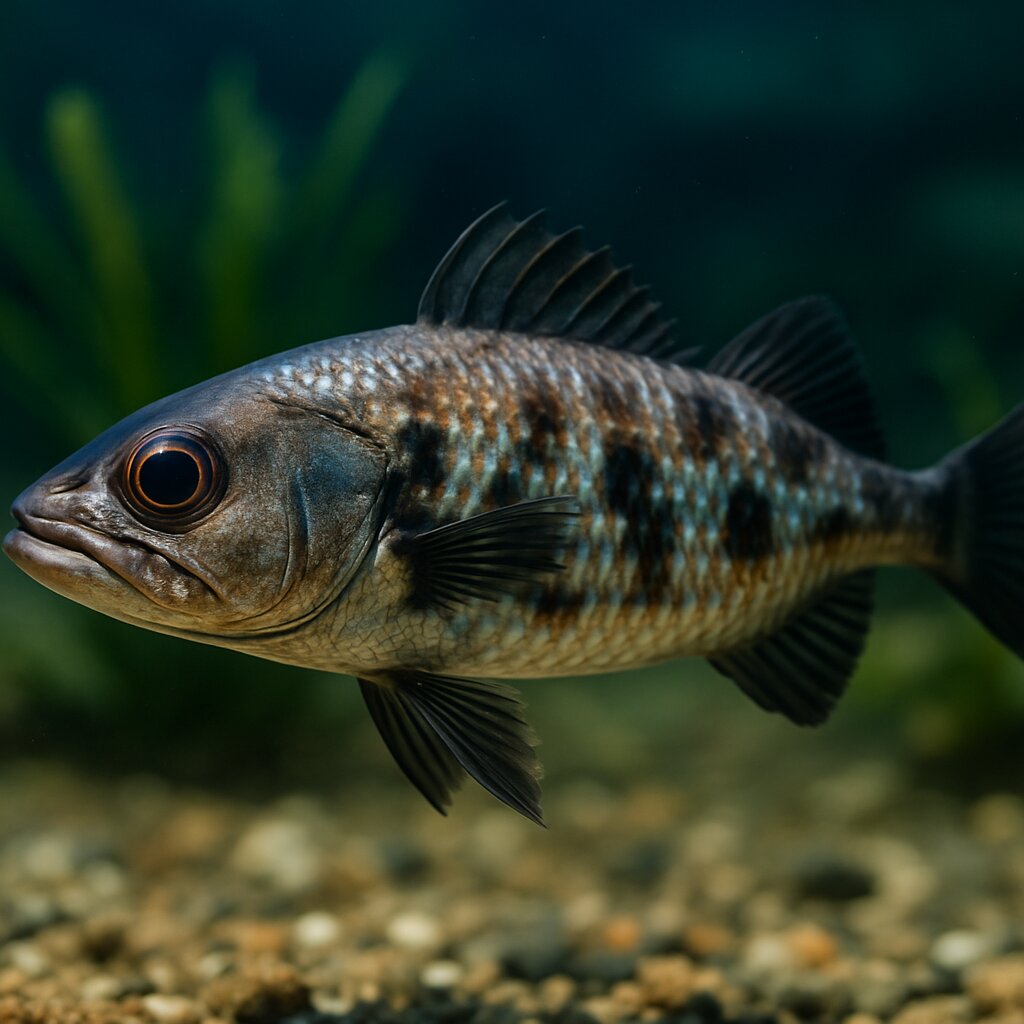
The Gladiator dragonfish exhibits a long, slender body with bioluminescent organs along its belly and large, fang-like teeth.
This page includes AI-generated images. Why am I seeing AI images?
About the Gladiator dragonfish
This is a deep-sea barbeled dragonfish - long, jet-dark, and built like a little ambush predator with a huge toothy mouth. It lives way down in the bathypelagic zone and uses a chin barbel as a lure, so its whole vibe is "lights-out hunter" rather than anything you'd ever keep in an aquarium.
Also known as
Quick Facts
Size
37.3 cm SL
Temperament
Aggressive
Difficulty
Expert
Min Tank Size
0 gallons
Origin
Eastern Atlantic
Diet
Carnivore - predatory, eats other fishes and larger zooplankton/crustaceans
Care Notes
- Real talk: don't put a Gladiator dragonfish in a normal reef tank. Plan on a cold, dim, deepwater-style system (chiller, blacked-out sides, minimal light) or it will crash from stress fast.
- Keep it cold and stable: shoot for 39-50F (4-10C), salinity 1.025-1.027, pH around 8.0-8.2, and zero ammonia/nitrite with nitrate kept low. Warm spikes and big daily swings are what kill them.
- Go bare-bottom with lots of open water and gentle, laminar flow - they are built to hang and ambush, not fight a gyre. Use covered intakes and no sharp rockwork because they spook and ram stuff in the dark.
- Feeding: start with live marine foods to get it taking (ghost shrimp, small baitfish), then transition to thawed silversides/krill/squid on tongs. Feed larger meals 2-3x a week rather than daily nibbling, and don't leave uneaten chunks to rot.
- Tankmates: basically none unless you like gambling. Anything that fits in its mouth becomes food, and anything bigger/aggressive will shred it, so keep it solo or with very large, calm coldwater fish you don't mind losing.
- Acclimation is where most people fail - drip acclimate slow and keep the room lights off, then give it days to settle before you start messing with the tank. They often refuse food if you keep peeking with bright lights.
- Watch for mouth/jaw injuries and fungus after rough captures or tank collisions, plus rapid breathing if oxygen drops (cold water holds O2, but a dirty system still suffocates fish). Run heavy filtration and carbon, and do small, frequent water changes instead of big ones.
- Breeding in captivity is basically a no-go; they are deep-sea spawners and reproduction biology is still poorly documented. If someone claims they bred them in a home tank, ask for receipts.
Compatibility
Good Tankmates
- Bigger, tough midwater fish that are too large to fit in its mouth - think adult tangs and bigger angels (in a big system with lots of room)
- Rabbitfish (Siganus spp.) - sturdy, not usually pushy, and the body shape makes them a harder target than skinny baitfish types
- Larger triggerfish that are not dedicated fin-rippers - like Niger or Bluejaw types, added carefully and only in a roomy tank
- Big wrasses (Thalassoma or larger Halichoeres) - fast, alert, and not the kind of slow snack this fish loves to ambush
- Large groupers that are clearly bigger than the dragonfish - they can hold their own and are less likely to be treated like food
Avoid
- Any small fish that look like food - chromis, anthias, small damsels, cardinals, gobies, blennies (they tend to vanish overnight)
- Slow or hover-y fish with long fins - lionfish, bannerfish, butterflies, sleepy angels (easy to nail, plus you get drama at feeding time)
- Other deepwater predators with huge mouths - cutthroat eels, other dragonfish/viperfish types, anything that competes hard at night (turns into bitey territory and missing fish)
Where they come from
Leptostomias gladiator is a true deep-sea dragonfish. Think open ocean, way down in the dark zone, where food is scarce and everything that moves is either a meal or a threat. You are not dealing with a reef fish that wants rocks and corals. You are dealing with a pelagic ambush predator built for darkness, pressure, and long stretches between meals.
Most hobbyists will never see one offered, and the ones that do show up are usually collected as bycatch or for research supply chains. Expect a rough acclimation story more often than not.
Setting up their tank
I am going to be blunt: keeping a gladiator dragonfish alive long-term is more like running a life support system than keeping an aquarium. The biggest challenge is not decor. Its transport damage, stress, and getting it to feed consistently.
If you try anyway, you want a quiet, species-only setup with a big water volume and very stable parameters. They do not want bright lights, they do not want busy tankmates, and they do not want you constantly messing in the tank.
- Tank size: go larger than you think. I would not attempt this under 200 gallons, and bigger is better for stability and for keeping prey from constantly bumping into them.
- Lighting: very dim. Use red light if you want to observe. Sudden bright light spooks them and can lead to frantic swimming and jaw injuries.
- Flow: gentle to moderate, broad flow. Avoid strong jets that force them to fight the current.
- Filtration: oversized, with serious gas exchange. Deep-water fish can crash fast if oxygen dips.
- Aquascape: minimal. Open water with a few soft-edged structures or PVC to break line of sight. Skip sharp rockwork - these fish have delicate skin and long jaws.
- Cover: a tight lid. Even deep-sea species can bolt, and you do not want a stressed animal launching itself into the rim.
Do not treat temperature like a normal tropical marine fish by default. Many deep pelagic species do better cooler than typical reef temps. If you cannot confirm collection depth and holding temp history, you are guessing - and guessing wrong can end the attempt.
Acclimation is where most attempts fall apart. I have had the best results using a slow drip, very low light, and leaving them alone after release. No net chasing, no trying to force-feed day one. Let them settle and watch from a distance.
What to feed them
This is the make-or-break part. In the wild, they eat other fish and larger zooplankton that blunder into range. In a tank, you are trying to convince a stressed predator to recognize food that does not behave like real prey.
- Start with live prey if you have to: small marine fish or shrimp that match what the individual can actually swallow. Too large and you risk jaw damage or regurgitation.
- Transition to dead foods: silversides, smelt, pieces of marine fish, and large shrimp. Use a feeding stick and make it move like prey.
- Feed infrequently: they are built for big meals, not constant snacking. Overfeeding wrecks water quality and can cause digestive issues.
- Go easy on freshwater feeders: they are a quick shortcut but a long-term nutrition trap. If you use them to start a feeding response, phase them out fast.
- Vitamins: I soak dead foods occasionally in a marine vitamin, mostly because these fish are not getting a varied wild diet in captivity.
If it will only take live at first, use live to establish a routine, then offer a dead item immediately after a live strike while it is still in hunt mode. That is the easiest time to get a first non-live acceptance.
How they behave and who they get along with
They are predators, but not the brawling kind. Most of the time they hang in place, conserving energy, then explode into motion when something triggers a strike. The mouth and teeth are no joke, and anything that fits will be tested.
Tankmates are mostly a bad idea. Fast fish steal food, bump them, and keep them stressed. Aggressive fish bite fins. Small fish become snacks. Even "peaceful" fish can cause problems just by being too active.
- Best option: species-only.
- If you insist on tankmates: very calm, similarly sized, non-nippy fish that will not outcompete at feeding time. Even then, expect headaches.
- Avoid: triggers, puffers, angels, wrasses, anything that pecks, and anything small enough to swallow.
- Feeding time: plan for target feeding. If food drifts, a tankmate will grab it first and your dragonfish will starve in a tank full of food.
Jaw injuries happen. These fish can strike the glass, slam into hard decor, or bite something too large and wrench the mouth. Once the jaw is damaged, feeding becomes a downhill spiral.
Breeding tips
Realistically, breeding Leptostomias gladiator in home aquariums is not a thing right now. Deep-sea reproductive cycles, larval requirements, and even basic sexing are not well worked out for hobby settings. If you ever see a claim that someone bred them in a typical marine tank, I would treat it with skepticism.
The best "breeding tip" here is to focus on keeping one stable and feeding. Getting a healthy, long-term captive specimen would already be an achievement.
Common problems to watch for
Most issues tie back to stress and shipping damage. Deep-sea fish are not built for the chain of collection, decompression, holding, and transport. Even if they look OK on arrival, they can fade over days.
- Refusing food: usually stress, too much light, too much activity, or the food type is wrong. Give privacy, go dim, and start with prey-sized offerings.
- Rapid breathing or hanging at the surface: oxygen and gas exchange problems, or temperature mismatch. Increase aeration immediately and check temps.
- Skin damage and infections: from rough handling, nets, or rockwork. Keep the environment soft and clean, and be ready to treat in a hospital system if you can do so without stressing it more.
- Internal issues after meals: regurgitation, bloat, constipation. Often caused by meals that are too large or too frequent.
- Weight loss while "eating": if it takes food but still wastes away, suspect poor nutrition (feeder fish problem), parasites, or it is not actually swallowing what you think it is.
These are not forgiving fish. If you see a problem, you usually have a small window to react. Keep test kits fresh, keep oxygen high, and keep the tank calm.
Similar Species
Other marine aggressive species you might be interested in.
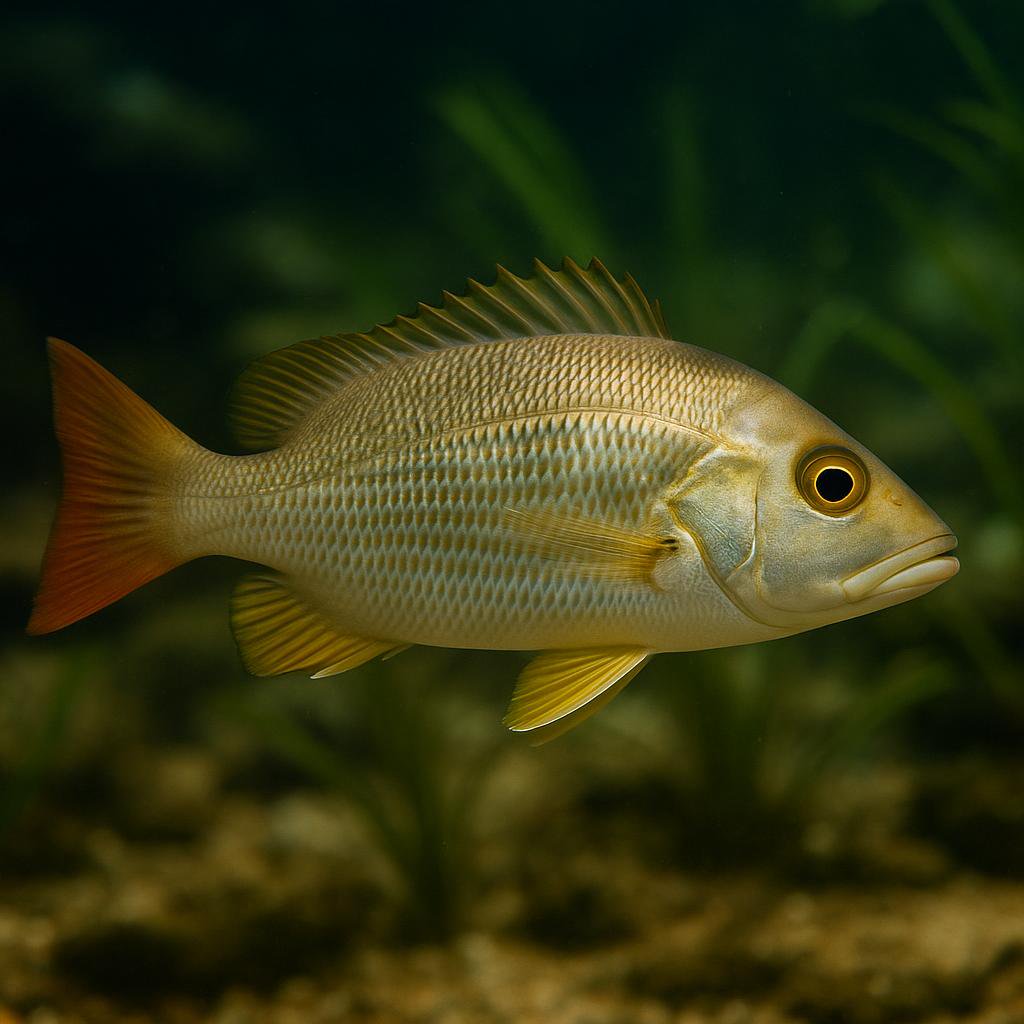
African red snapper
Lutjanus agennes
This is a true snapper from West Africa - a big, fast-growing predator that goes from coastal reefs to brackish lagoons and estuaries (especially as a juvenile). Super cool fish in the wild, but it gets absolutely huge and will eat smaller tankmates once it has the mouth for it, so its really more of a public-aquarium scale animal than a home-aquarium fish.
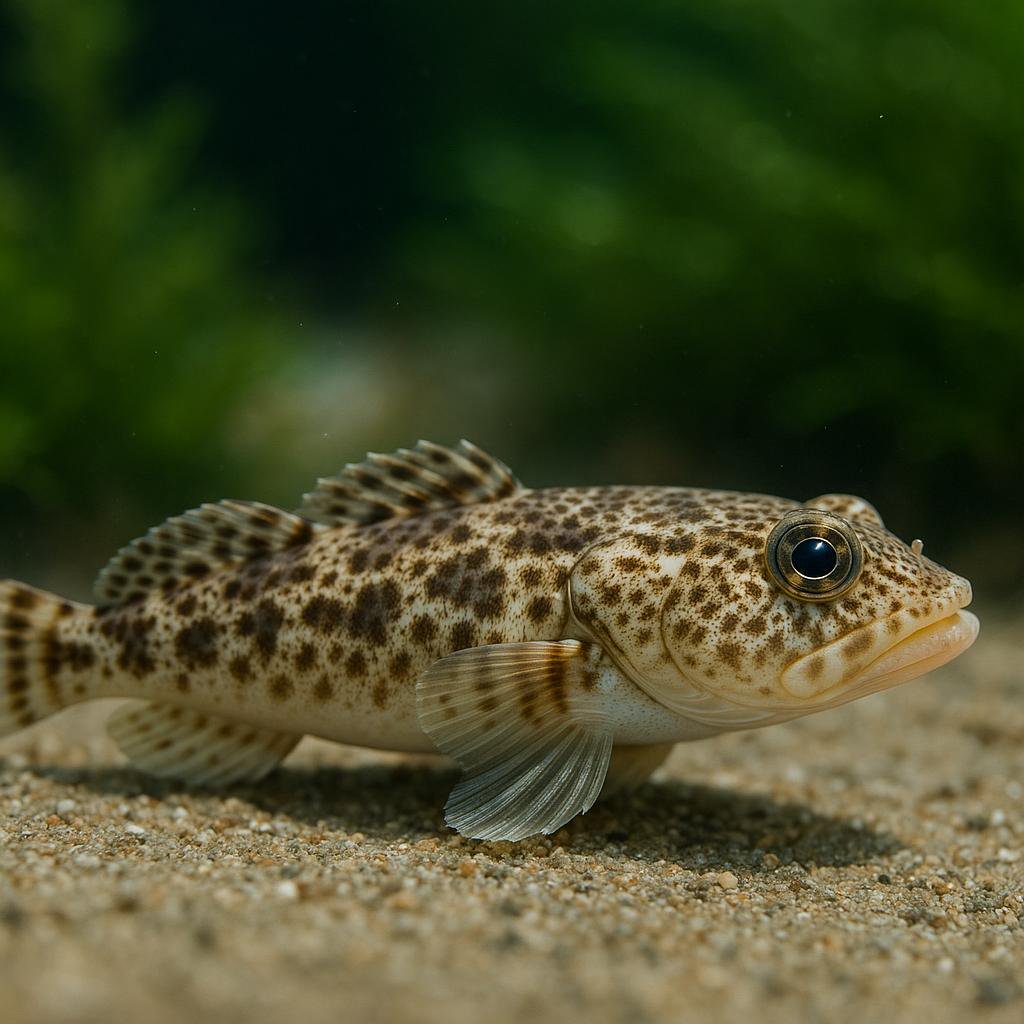
Banded stargazer
Kathetostoma binigrasella
This is a New Zealand stargazer that lives half-buried in sand or mud with its eyes pointed up, waiting to rocket upward and nail passing prey. It has those neat dark saddle-bands across the back (especially as a juvenile), and like other stargazers it is venomous with spines near the gill cover/pectoral area - definitely a look-dont-touch fish.
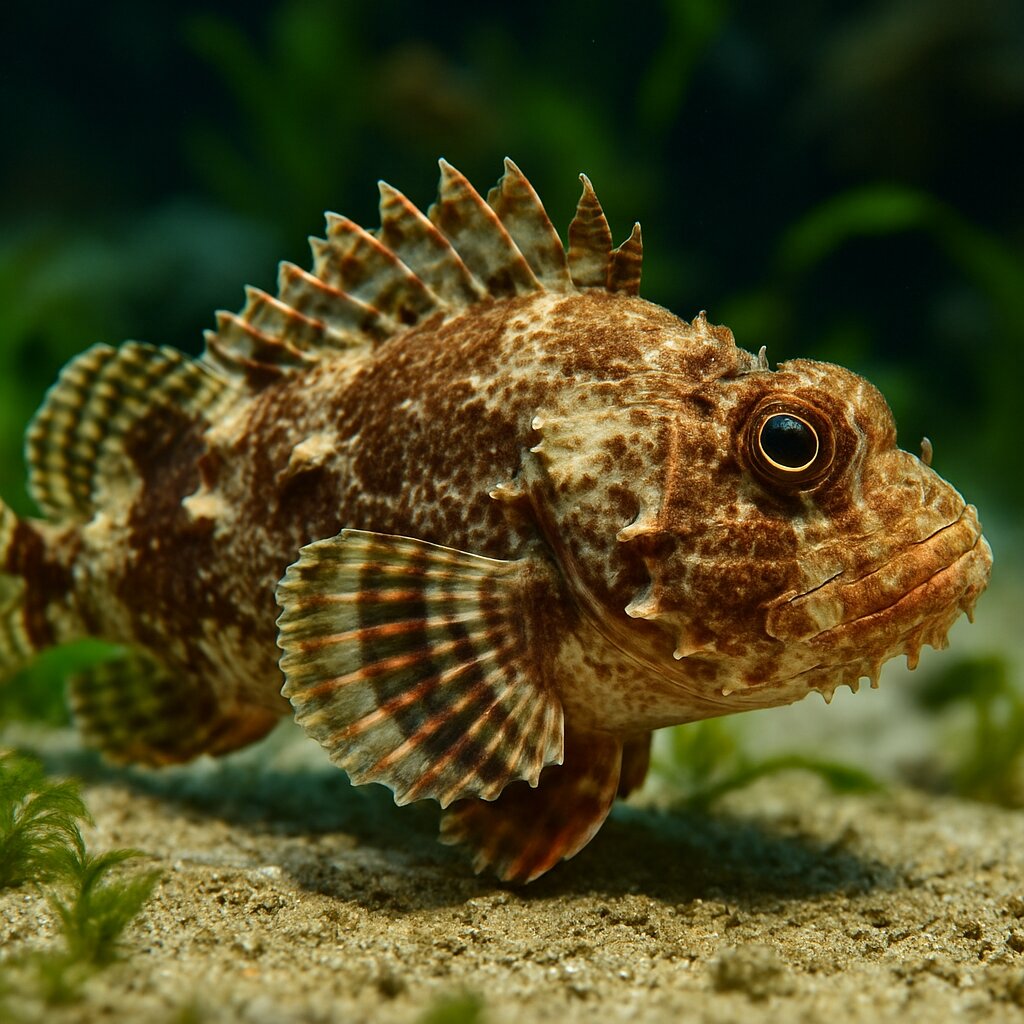
Bandfin scorpionfish
Scorpaenopsis vittapinna
Think tiny ambush predator that vanishes into rubble and coral bits, then flashes a dark band on its pelvic and anal fins when it shifts. It tops out around 3 inches, packs venomous spines, and loves to gulp unsuspecting shrimp and small fish. Super cool to watch once it settles, but it absolutely demands careful handling and smart tankmate choices.
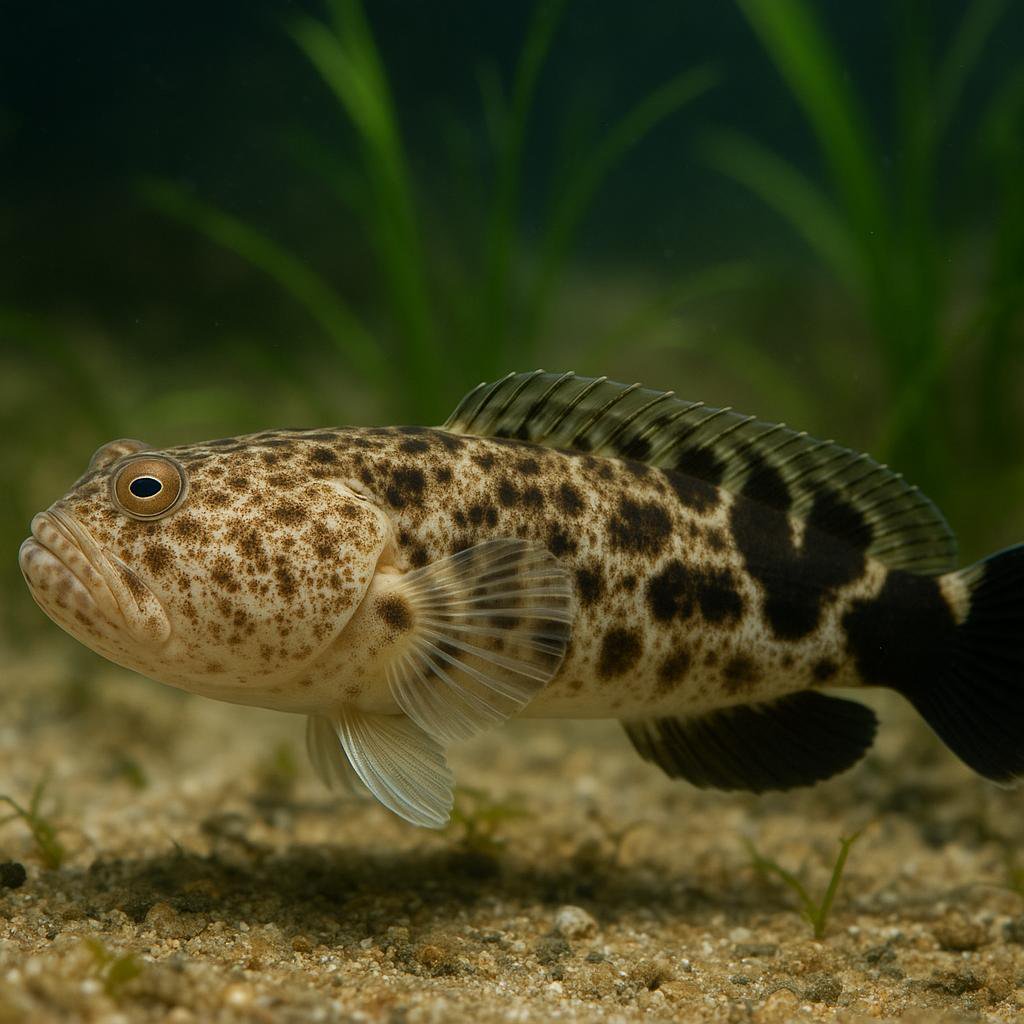
Blackfin stargazer
Ichthyscopus nigripinnis
This is a little sand-sitting stargazer from Australia that likes to lie in wait with its eyes up top and nail passing prey. That black mark on the front part of the dorsal fin is basically its signature. Cool fish, but its more of a wild marine predator than something you set up in a typical home aquarium.
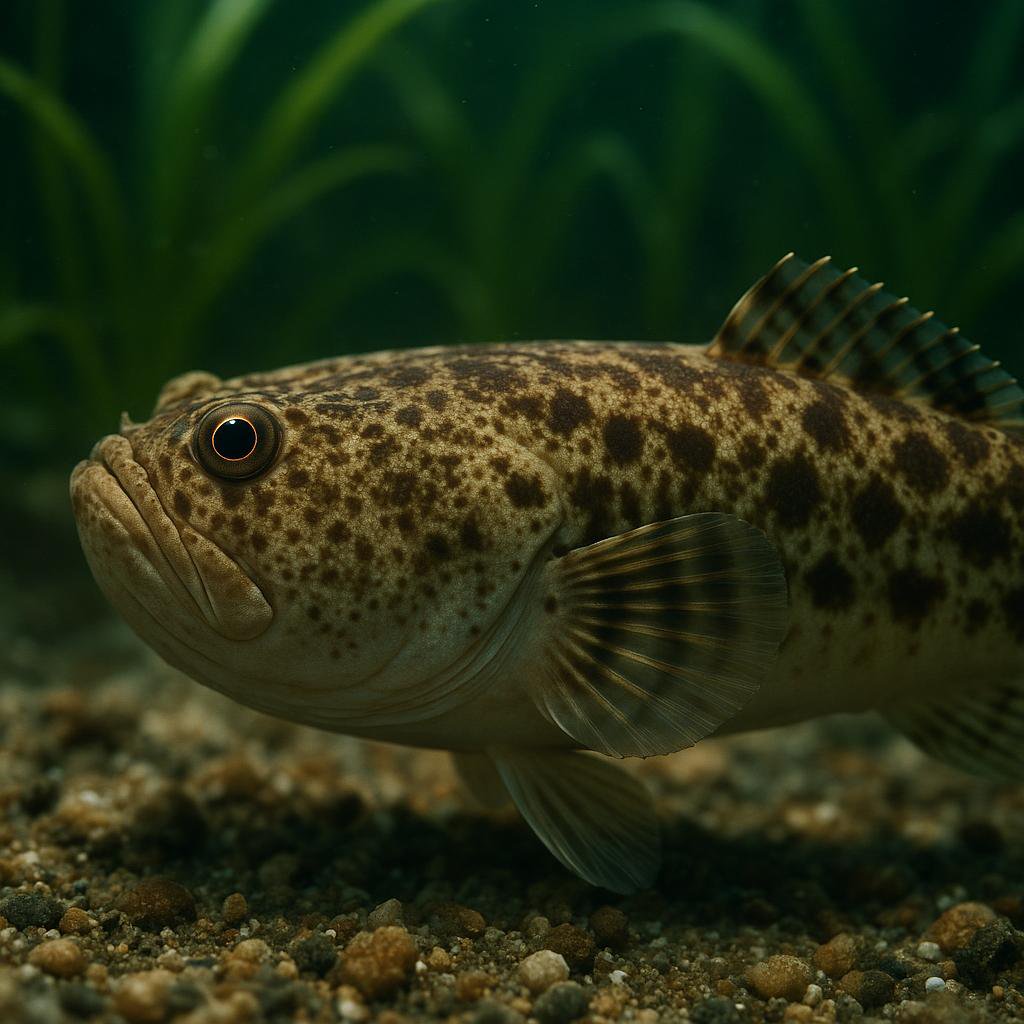
Brownspotted stargazer
Uranoscopus fuscomaculatus
A deep demersal stargazer recorded at 366–389 m that lies buried in sand or mud to ambush prey. Distribution is Southwestern Pacific (Vanuatu and Fiji). Given its deep, cold habitat and specialized requirements, it is not a practical aquarium species.
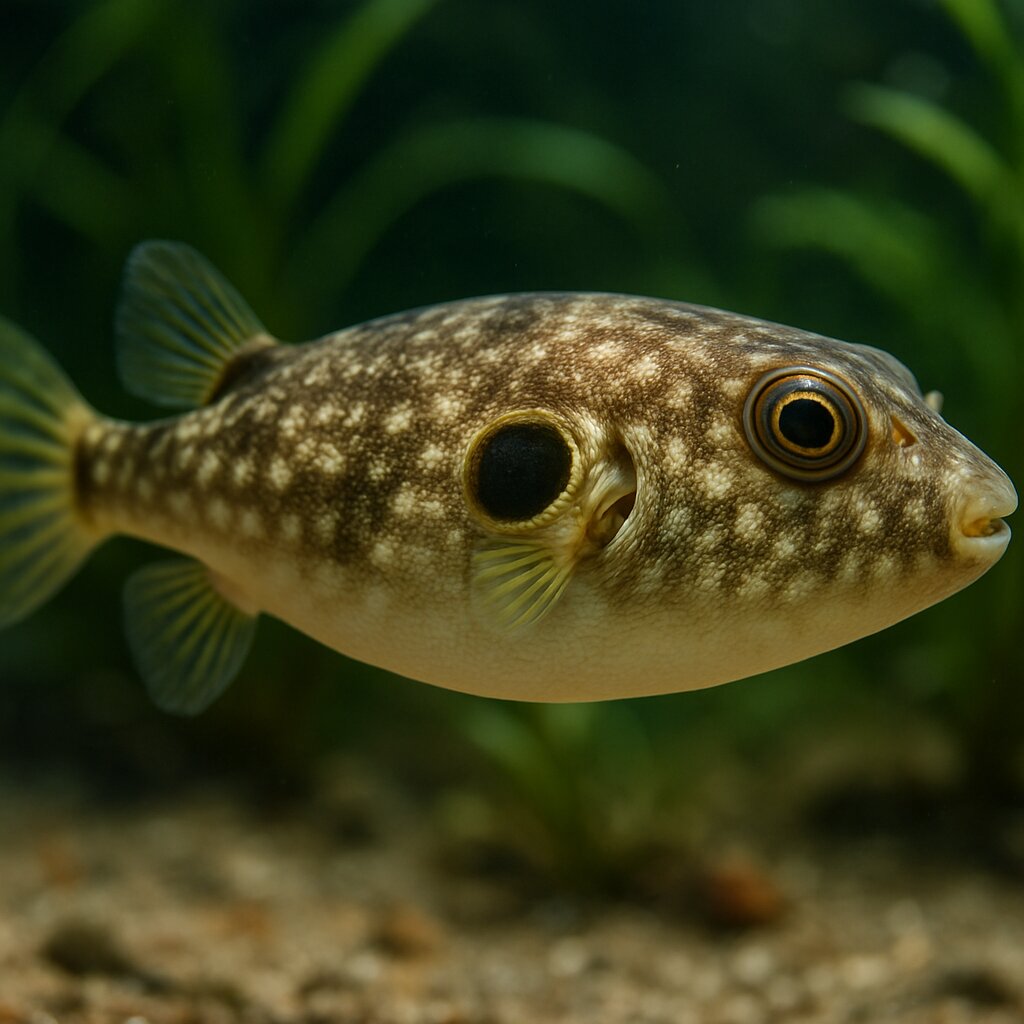
Bullseye puffer
Sphoeroides annulatus
Big personality in a football-shaped body with pale rings along the back that make a bullseye pattern. This is a stout Eastern Pacific puffer that crunches snails and crabs with ease and needs true saltwater and lots of room. Super cool to watch, but it turns nippy with tankmates and grows into a serious, messy eater.
More to Explore
Discover more marine species.
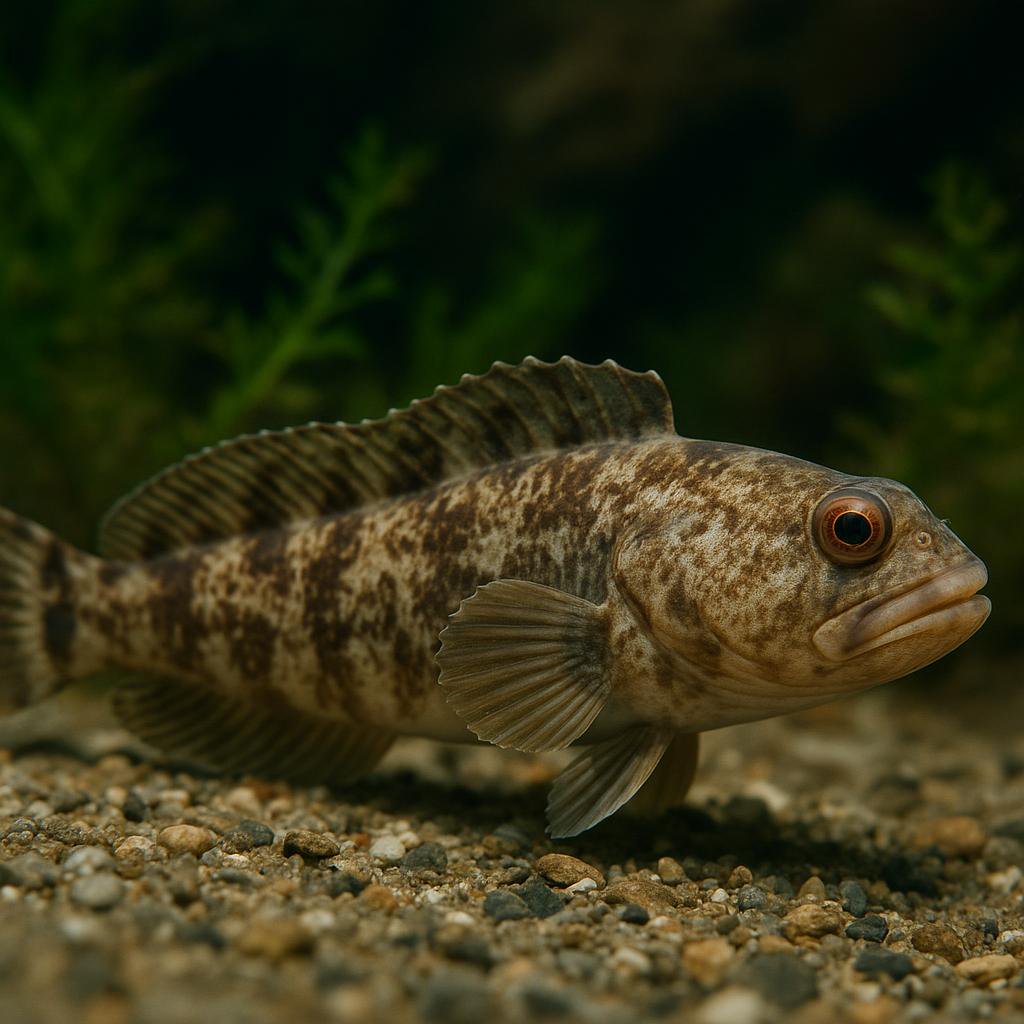
Abe's eelpout
Japonolycodes abei
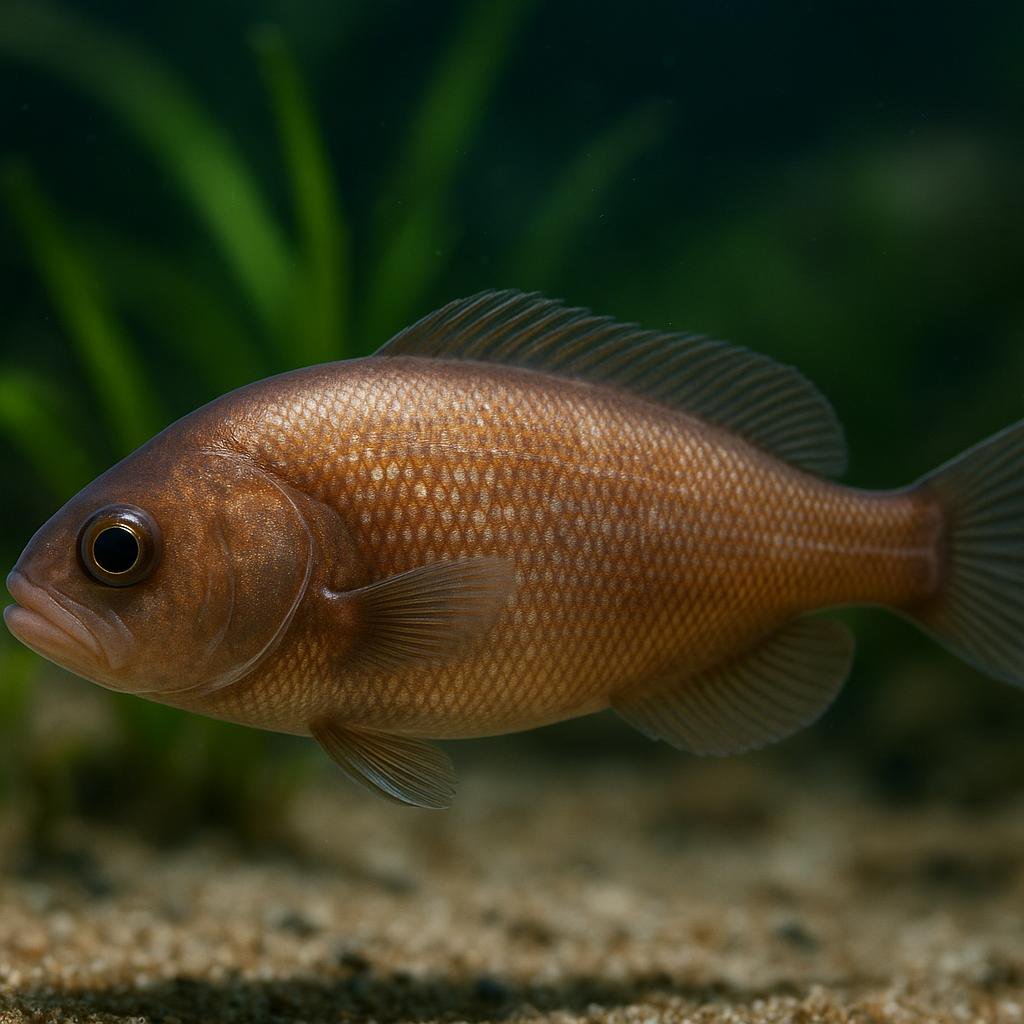
Japonolycodes abei is a temperate, deepwater demersal eelpout (family Zoarcidae) endemic to Japan (Kumano-nada Sea reported; other sources also report Sagami Bay and Tosa Bay). It is the only species in the genus Japonolycodes and occurs roughly 40-300 m depth, making it an uncommon/atypical aquarium species.
Affinis blind cusk-eel
Barathronus affinis
Barathronus affinis is a tiny, super-weird deep-sea blind cusk-eel from the western-central Indian Ocean. It is one of those gelatinous, loose-skinned brotula-type fishes that live way down in the dark and are basically never seen alive, so almost everything we know comes from preserved specimens and taxonomic work.
Aleutian skate
Bathyraja aleutica
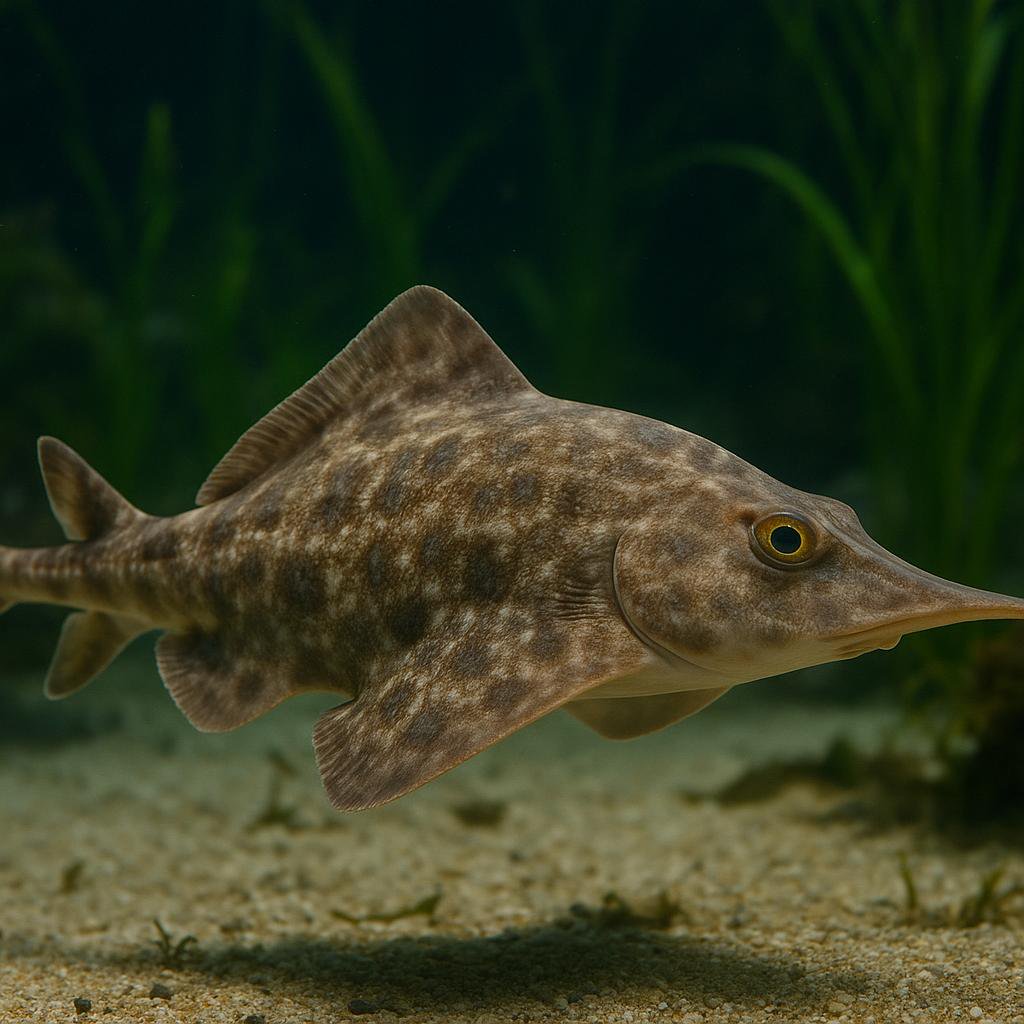
This is a big, cold-water deep-slope skate from the North Pacific that cruises muddy bottoms and eats chunky benthic prey like crabs and shrimp. The really cool bit is its egg-laying skate life - it does distinct pairing (the classic skate "embrace") and drops those tough egg cases on the seafloor. Not an aquarium fish at all unless you're basically running a public-aquarium-style chilled system.
Allis shad
Alosa alosa
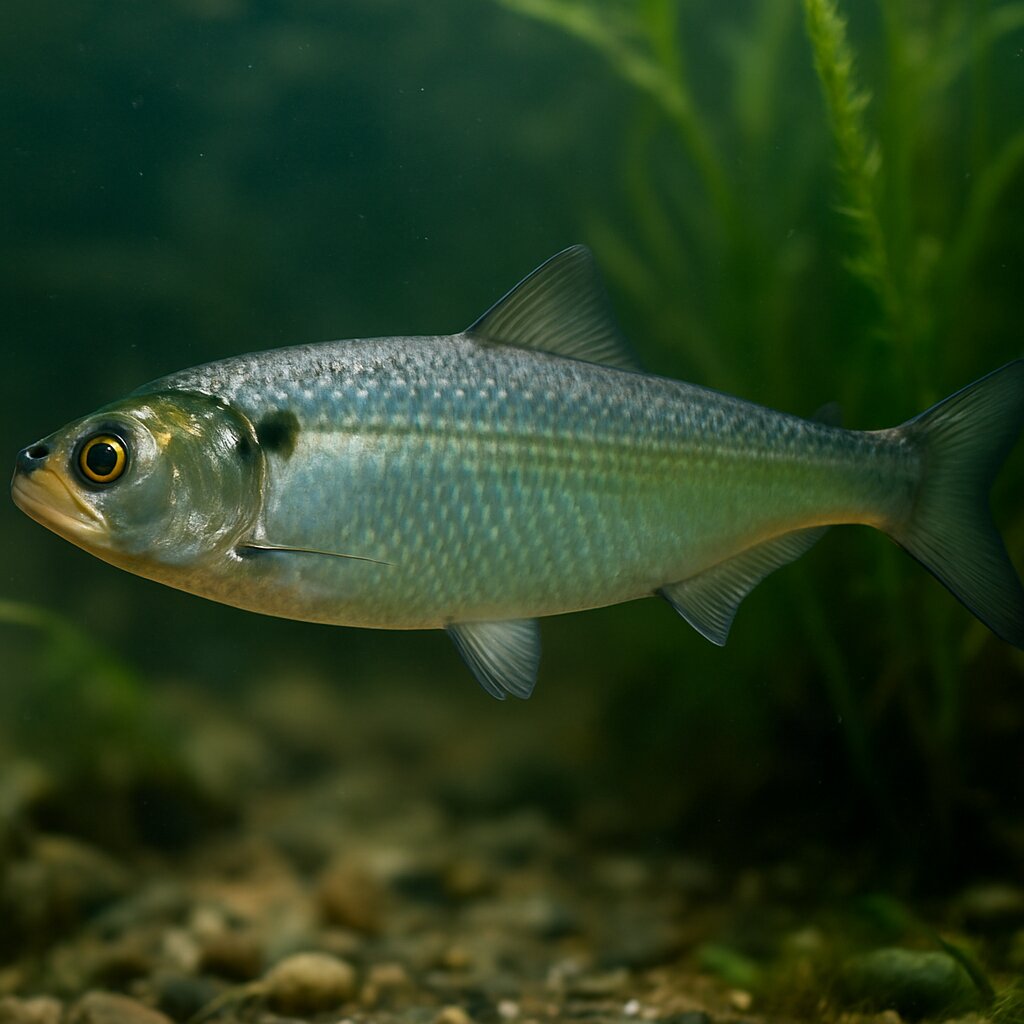
Gorgeous silver, fast-swimming shad that spends most of its life in the sea and then surges up big rivers in noisy, surface-spawning schools. It grows huge for a herring-type fish and needs cool, ultra-oxygenated water and tons of open space, so it is a public-aquarium species rather than a home tank fish.
Annandale's zebra sole
Zebrias annandalei
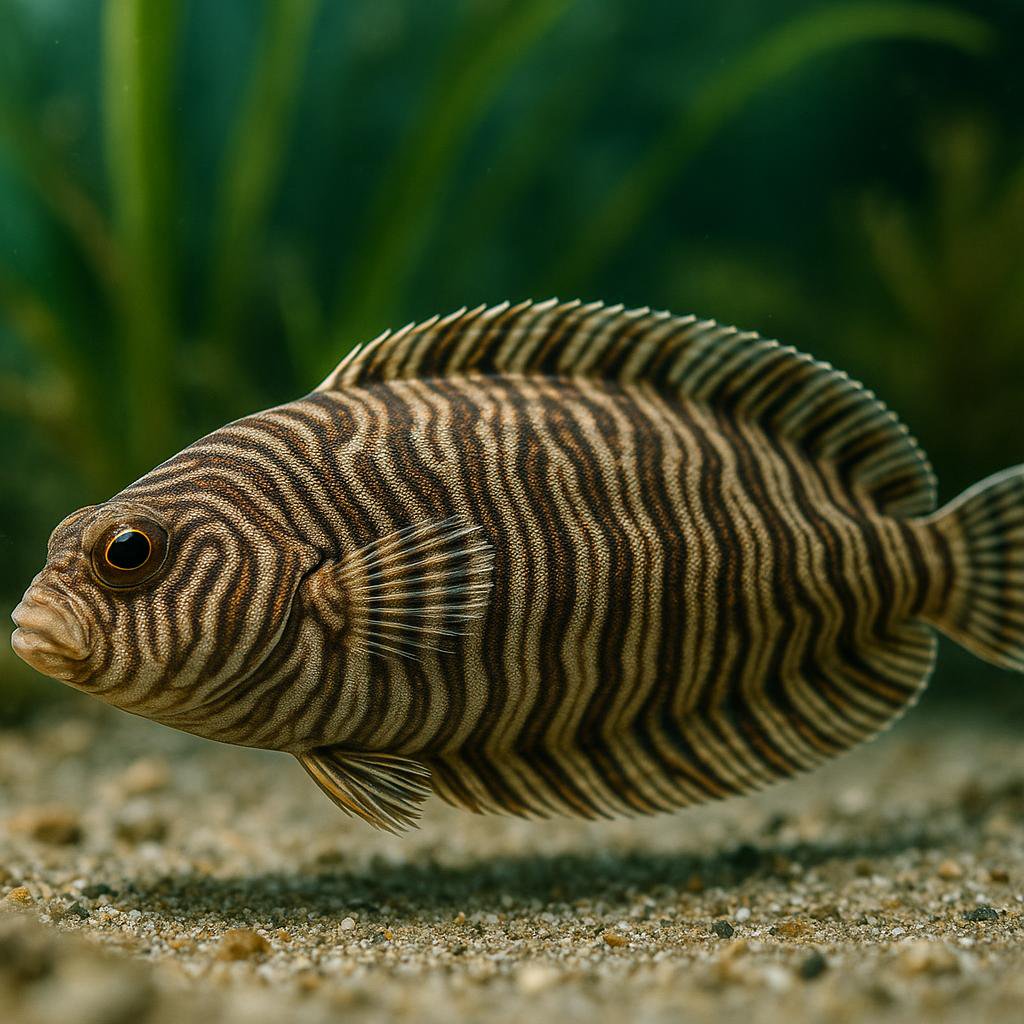
Zebrias annandalei is a small demersal sole from coastal India that inhabits sandy or muddy bottoms and buries for camouflage. It is rarely kept in home aquaria and would require a specialized marine sand-bottom setup and appropriate feeding.
Antarctic dragonfish
Vomeridens infuscipinnis
Deep down around Antarctica, this sleek dragonfish cruises the water column like a little submarine, nearly neutrally buoyant so it can hover above the seafloor. It munches almost exclusively on Antarctic krill and lives in near-freezing water 500-800 m down, so it is a cool species to read about, not one for home tanks.
Looking for other species?