

Giant triangular batfish
Malthopsis gigas
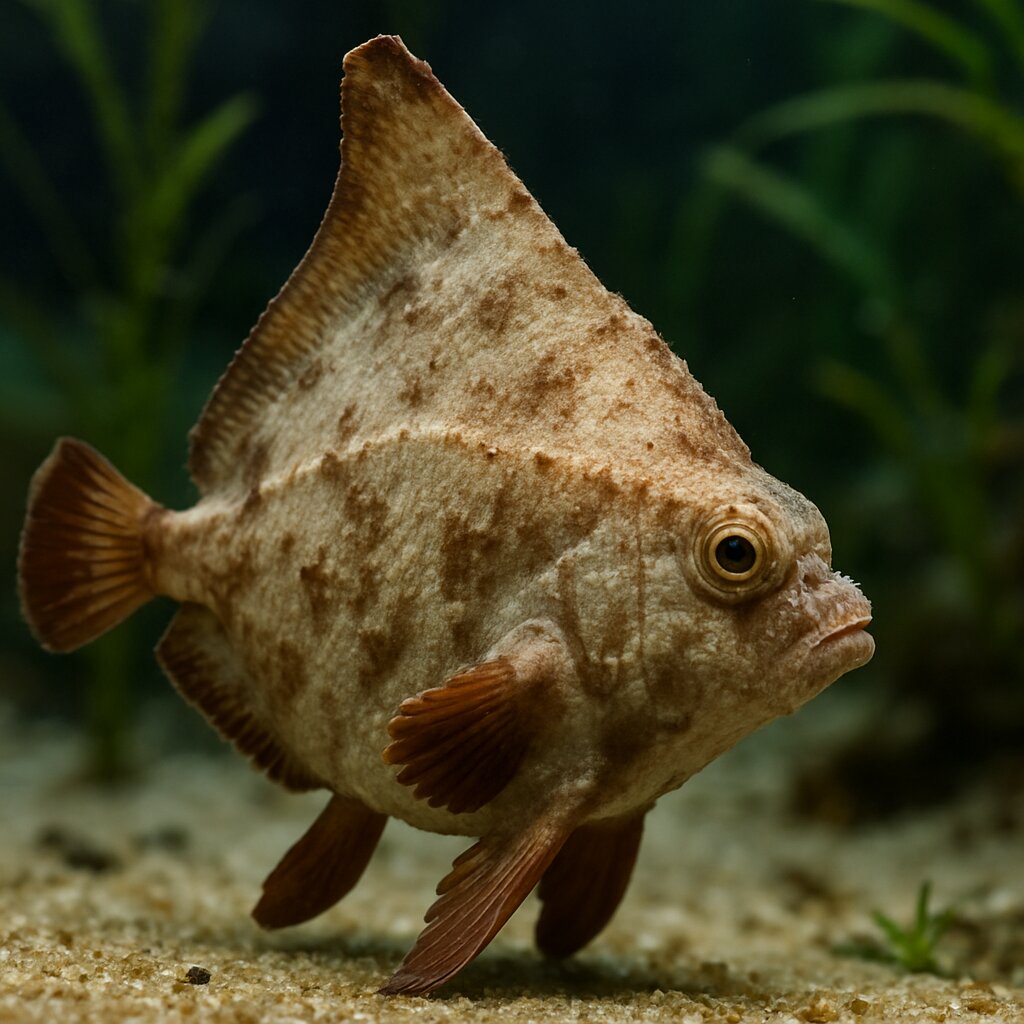
The Giant triangular batfish features a flattened, diamond-shaped body and a distinctive pale pink to beige coloration with darker spots.
This page includes AI-generated images. Why am I seeing AI images?
About the Giant triangular batfish
A small, buckler‑armored deep‑sea batfish that “walks” on modified fins. Malthopsis gigas occurs on Indo‑West Pacific continental slopes (about 210–650 m) and reaches ~13.6 cm SL. Modeled preferred temperatures are ~8–17 °C. It is not suitable for typical home aquaria and would require specialized chilled marine systems; marine aquaria generally maintain seawater pH ~8.0–8.4.
Also known as
Quick Facts
Size
13.6 cm SL
Temperament
Peaceful
Difficulty
Expert
Min Tank Size
0 gallons
Lifespan
unknown
Origin
Indo-West Pacific
Diet
Carnivore - benthic invertebrates (crustaceans, polychaetes) and small fishes
Water Parameters
8-17°C
8-8.4
300-400 dGH
Care Notes
- If attempted only in public‑aquarium–grade systems, use a chiller and maintain cold conditions within the species’ modeled preference (about 8–12 °C for Japanese deepwater batfishes and 8–17 °C for M. gigas); keep lighting dim and flow gentle; maintain normal marine salinity (SG ~1.023–1.026) and pH ~8.0–8.4.
- Provide ample floor space with fine sand or smooth substrate and very gentle flow; these benthic batfishes ‘walk’ and rest on the bottom and are prone to abrasion in tight spaces.
- They walk more than swim; guard overflows and powerheads to prevent pinning and abrasion.
- Initial feeding may require small crustaceans (e.g., mysids/krill) and targeted offerings with pumps off; many ogcocephalids can adapt to thawed mysids/krill over time.
- Best kept alone or only with other deepwater, cold‑temperate species maintained at similar temperatures; tropical reef fishes are unsuitable due to temperature mismatch.
- Provide dim lighting; many ogcocephalids are crepuscular/nocturnal and more comfortable in darkened tanks; avoid heat stress and resume offering live prey if feeding ceases.
Compatibility
Avoid
- Tropical reef fishes (e.g., cardinalfishes, grammas, firefish, wrasses, tangs) due to temperature mismatch with this cold‑water deepwater species.
Where they come from
Malthopsis gigas is a deep-slope sea batfish, not the tall, silver Platax you see in reef tanks. Think continental shelf and slope, on soft sand-mud bottoms, way down where light barely reaches. Most that show up in the hobby are bycatch from trawls. They are built for the seafloor: low, armored body, little lure on the snout, and they shuffle more than swim.
People call a lot of different fish 'batfish.' This one is a deepwater anglerfish relative, not a reef batfish. Care is totally different.
Setting up their tank
If you have not run a chilled, low-light, species-only marine system before, this fish will push you hard. Mine only settled once I treated the tank like a quiet, cold mudflat.
- Temperature: 8-14 C (46-57 F). Aim for 10-12 C and keep it steady. You need a reliable chiller sized for the whole system.
- Salinity: 35 ppt (1.025-1.026). pH 8.0-8.3. Ammonia and nitrite 0, nitrate under 20 ppm.
- Footprint over height: a 90-120 gallon tank with at least a 48 x 18 in footprint works for a single fish. They do not need height; they need floor space and stability.
- Flow: very gentle, diffuse flow. They hate being buffeted. Spray bars or low-output return split across multiple outlets works well.
- Lighting: very dim. Think dawn-level light. They get stressed under bright reef lighting.
- Substrate: 5-7 cm of fine sand mixed with silt. No sharp rock or coral skeletons. A few smooth, rounded stones are fine.
- Filtration: strong biofiltration with a skimmer. Cold water holds more oxygen but still run high aeration. Cover the tank to limit evaporation and temp swings.
- Mature system: give the tank months to grow microfauna. These fish do best in a stable, 'dirty-in-the-right-way' coldwater setup.
Plumb the chiller before the return manifold so you can split the cooled water into several low-velocity outlets. It keeps dead zones down without turning the tank into a wind tunnel.
Do not use rough nets. Their skin and fins abrade easily. Move them in a specimen container or a soft, water-filled tub.
Quarantine matters. Deep-caught fish sometimes arrive with barotrauma or infections. I ran a 4-6 week chilled QT at the same temp as display. Keep it dim, bare-bottom with a sand pan, and lots of aeration.
What to feed them
They are ambush pickers. Mine would not chase anything. You have to bring the food to the mouth and let them do the little gulp.
- Starter foods: live saltwater mysids, small shore shrimp, and amphipods. Live blackworms can work in a pinch, but saltwater prey is better.
- Transition foods: thawed mysis, finely chopped shrimp, clam, scallop. Wiggle it on a feeding stick or baster right in front of the mouth.
- Feeding routine: pumps off, one-on-one target feeding. New arrivals eat daily in small portions; stable adults 3-4 times per week.
- Enrichment: soak thawed foods in vitamin mix and a bit of clam juice to trigger a response.
Use a long pipette or acrylic rod with a tiny zip-tie loop to hold food. Lower it slowly from above so the fish sees the movement but does not have to chase.
Avoid feeder guppies or goldfish. Wrong nutrition and they carry problems. Stick to marine-sourced foods.
How they behave and who they get along with
Picture a quiet little rover that shuffles on its fins, parks, and waits. That is the vibe. They are not social, and they will ignore most things until something small gets too close.
- Best setup: species-only. They are slow, get outcompeted easily, and can be nipped.
- Tankmates to avoid: anything active or curious (wrasses, basslets), pickers (butterflies), cleaners, crabs that might pinch, and big stars that bulldoze.
- Inverts: small shrimp and crabs may become snacks. Snails are usually fine.
- Territory: they are not aggressive, but give them open sand to choose a spot.
They are poor swimmers. Any fish that investigates or bumps them becomes a long-term stressor. Even a 'peaceful' lumpfish or sculpin can be too much competition in a small tank.
Breeding tips
I would file this under not happening at home. Deep-slope batfishes likely spawn pelagic eggs and have a drifting larval stage. No documented hobbyist successes, and even public aquariums do not report closing the life cycle. Focus on keeping a single specimen stable and eating.
Common problems to watch for
- Refusing food: most common. Start with live prey, feed with pumps off, and be patient. Scented thawed food can work after a week or two.
- Heat creep: rooms warm up, chillers undershoot, temps rise. Use a controller with alarms and keep the chiller coils clean.
- Abrasions and sores: rough decor or nets scrape them. Treat early in QT with improved water quality and, if needed, a broad-spectrum antibiotic at coldwater-safe dosing.
- Barotrauma from collection: bulging eyes, trapped gas under skin, odd buoyancy. If it shows up on arrival, odds are poor. Gentle, dark QT and perfect water give the best chance.
- Copper and harsh meds: anglerfish relatives are sensitive. I avoid copper and formalin on these. Use targeted treatments (e.g., praziquantel for worms, nitrofurazone for bacterial issues) and lots of oxygen.
- Internal parasites: stringy white feces, weight loss. Medicated food with metronidazole or praziquantel helps if they are eating.
- Strong flow stress: frayed fins and refusal to move from corners. Dial the flow way down and diffuse it.
These are deepwater, often bycatch animals with high shipping mortality. If you are not set up for coldwater and species-only care, pass on the purchase.
Keep a feeding log. Date, what you offered, what was eaten, and body condition. It helps you spot slow declines early.
Similar Species
Other marine peaceful species you might be interested in.
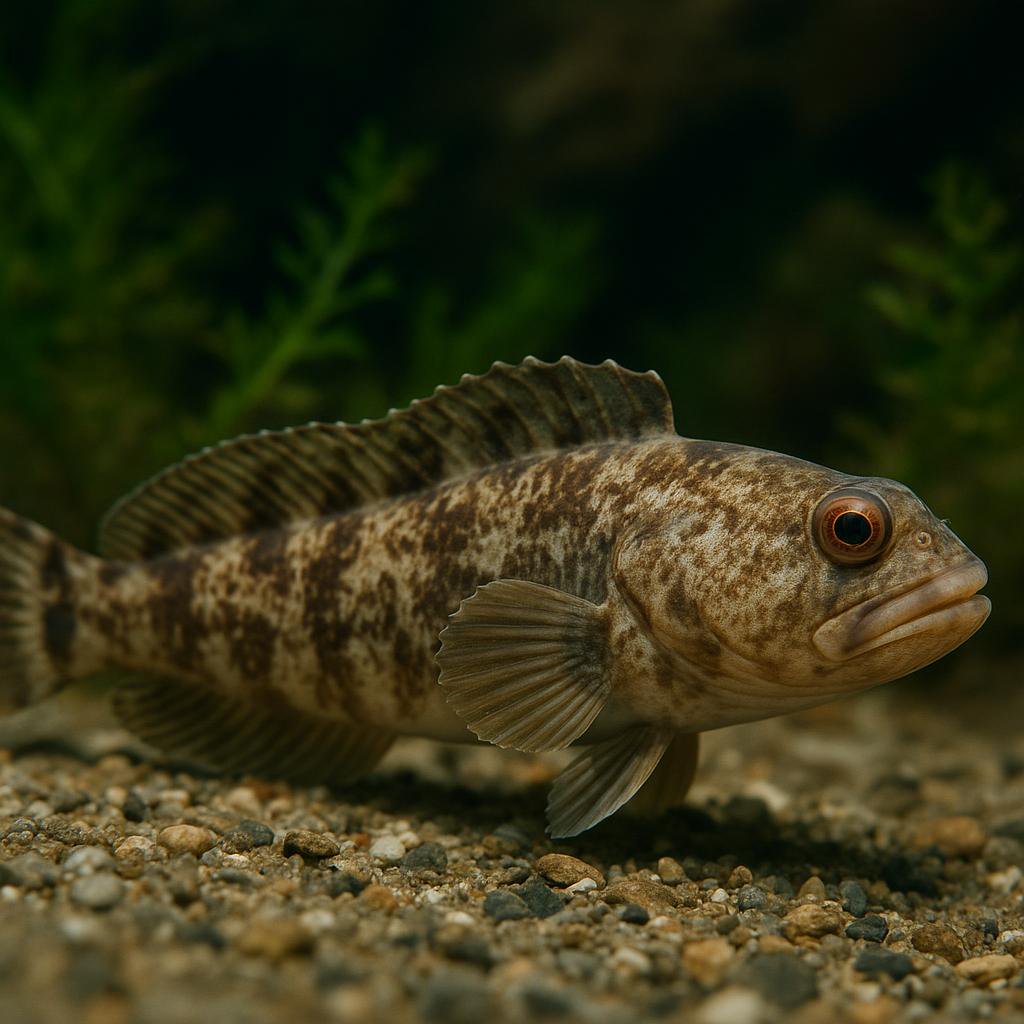
Abe's eelpout
Japonolycodes abei
Japonolycodes abei is a temperate, deepwater demersal eelpout (family Zoarcidae) endemic to Japan (Kumano-nada Sea reported; other sources also report Sagami Bay and Tosa Bay). It is the only species in the genus Japonolycodes and occurs roughly 40-300 m depth, making it an uncommon/atypical aquarium species.
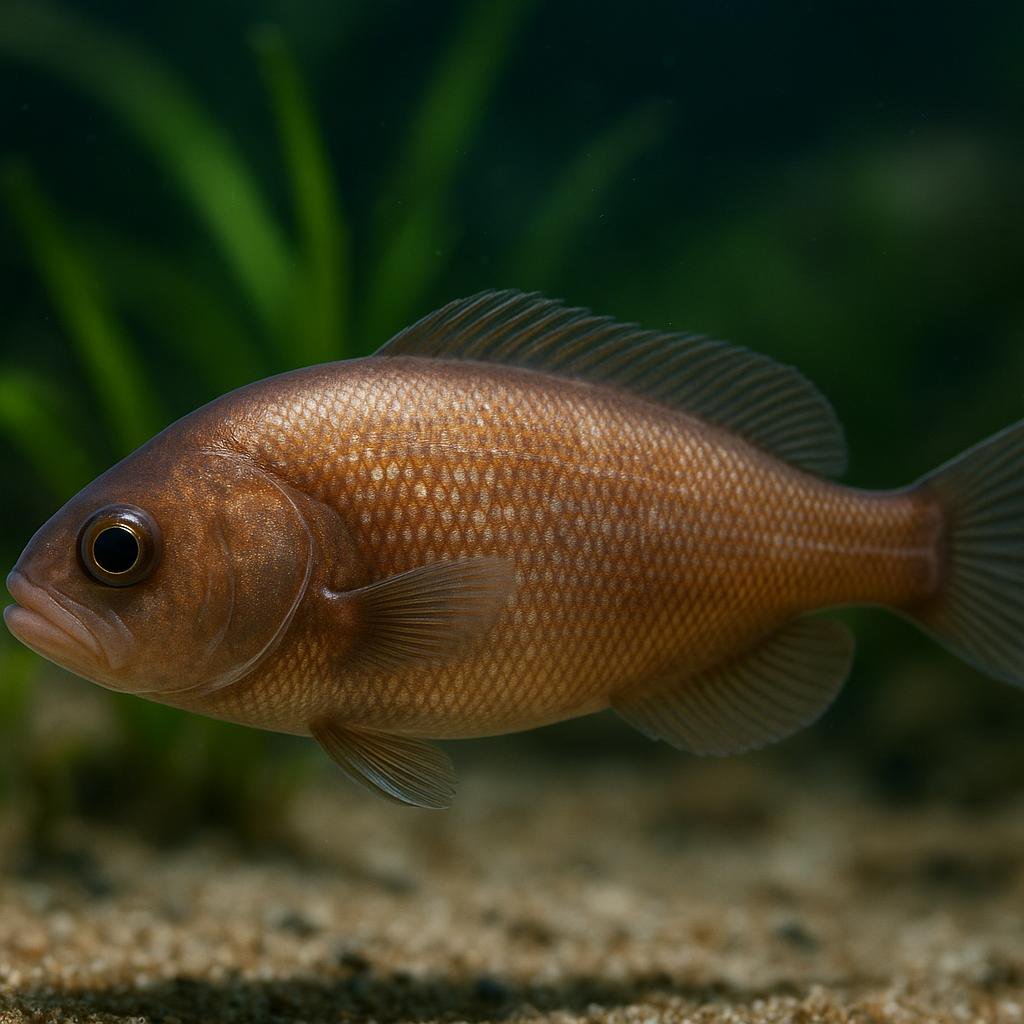
Affinis blind cusk-eel
Barathronus affinis
Barathronus affinis is a tiny, super-weird deep-sea blind cusk-eel from the western-central Indian Ocean. It is one of those gelatinous, loose-skinned brotula-type fishes that live way down in the dark and are basically never seen alive, so almost everything we know comes from preserved specimens and taxonomic work.
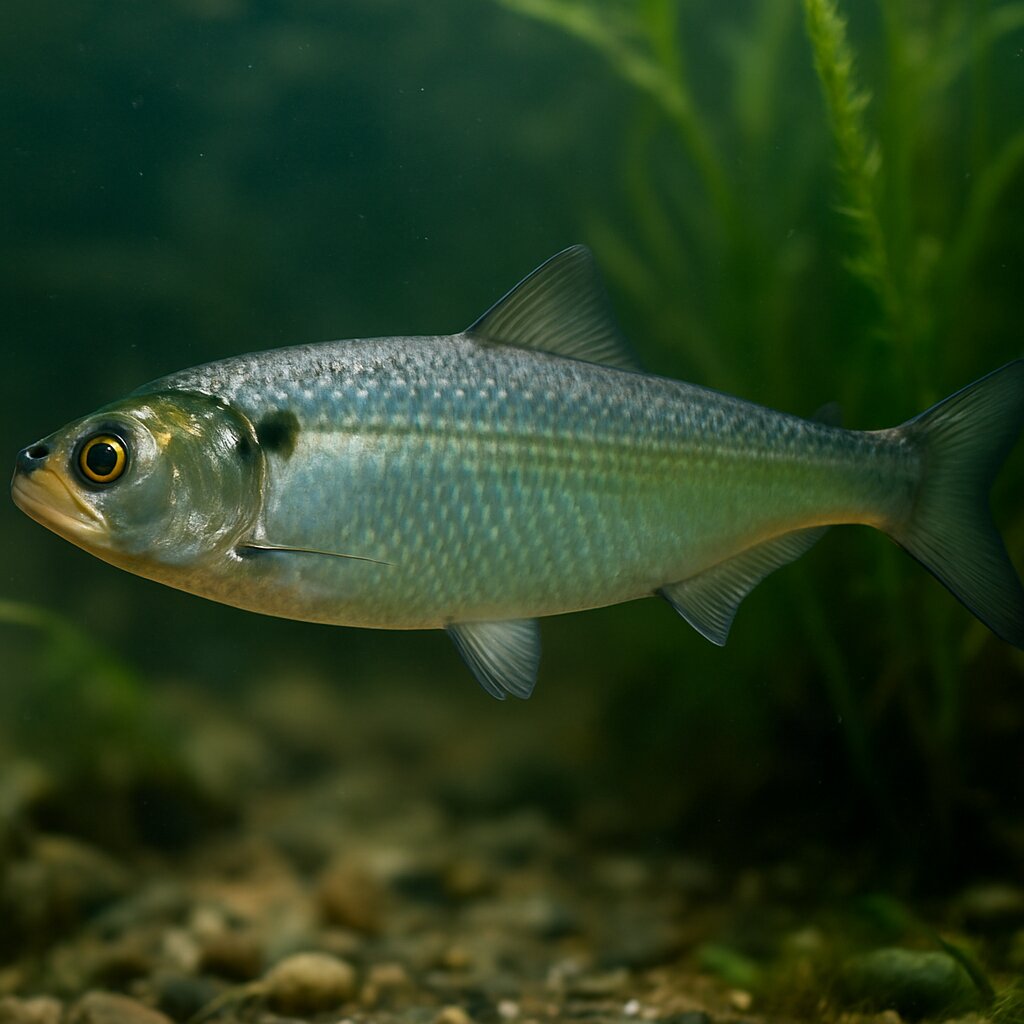
Allis shad
Alosa alosa
Gorgeous silver, fast-swimming shad that spends most of its life in the sea and then surges up big rivers in noisy, surface-spawning schools. It grows huge for a herring-type fish and needs cool, ultra-oxygenated water and tons of open space, so it is a public-aquarium species rather than a home tank fish.
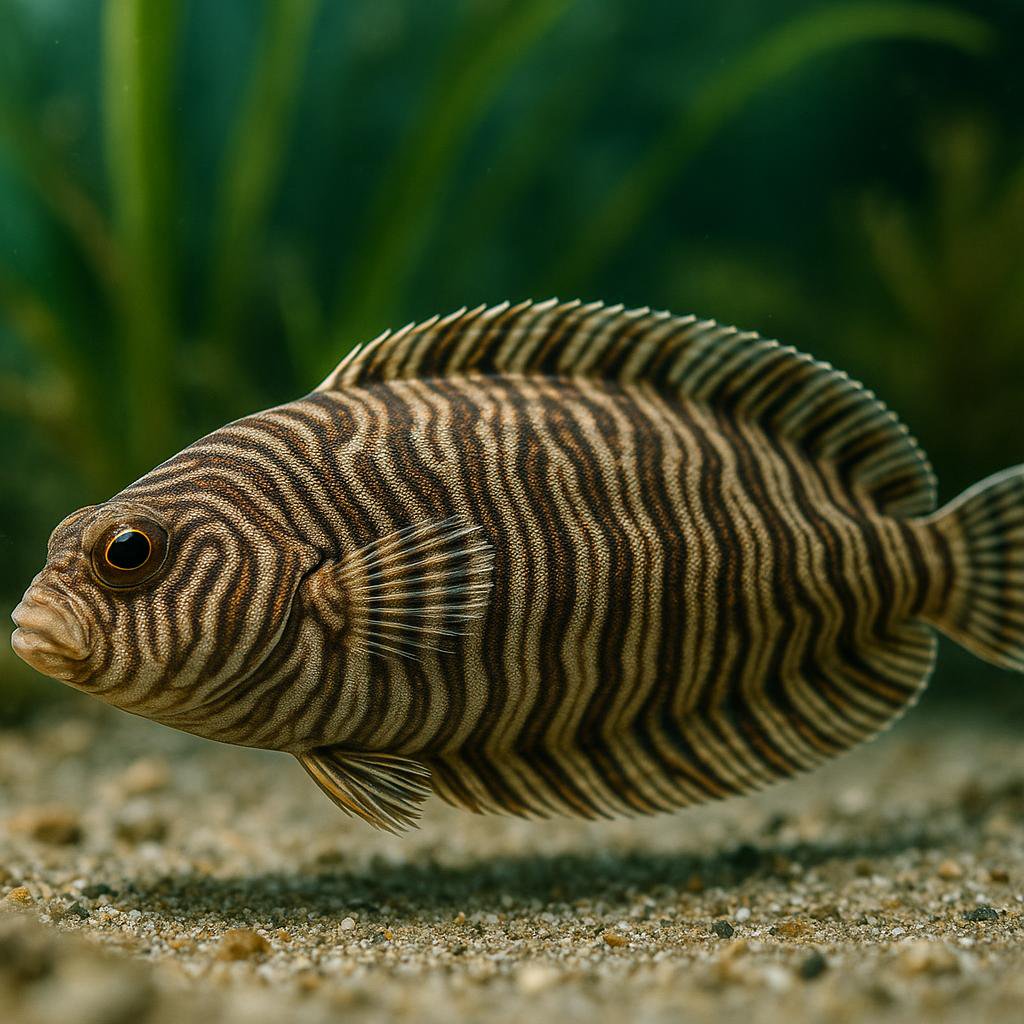
Annandale's zebra sole
Zebrias annandalei
Zebrias annandalei is a small demersal sole from coastal India that inhabits sandy or muddy bottoms and buries for camouflage. It is rarely kept in home aquaria and would require a specialized marine sand-bottom setup and appropriate feeding.
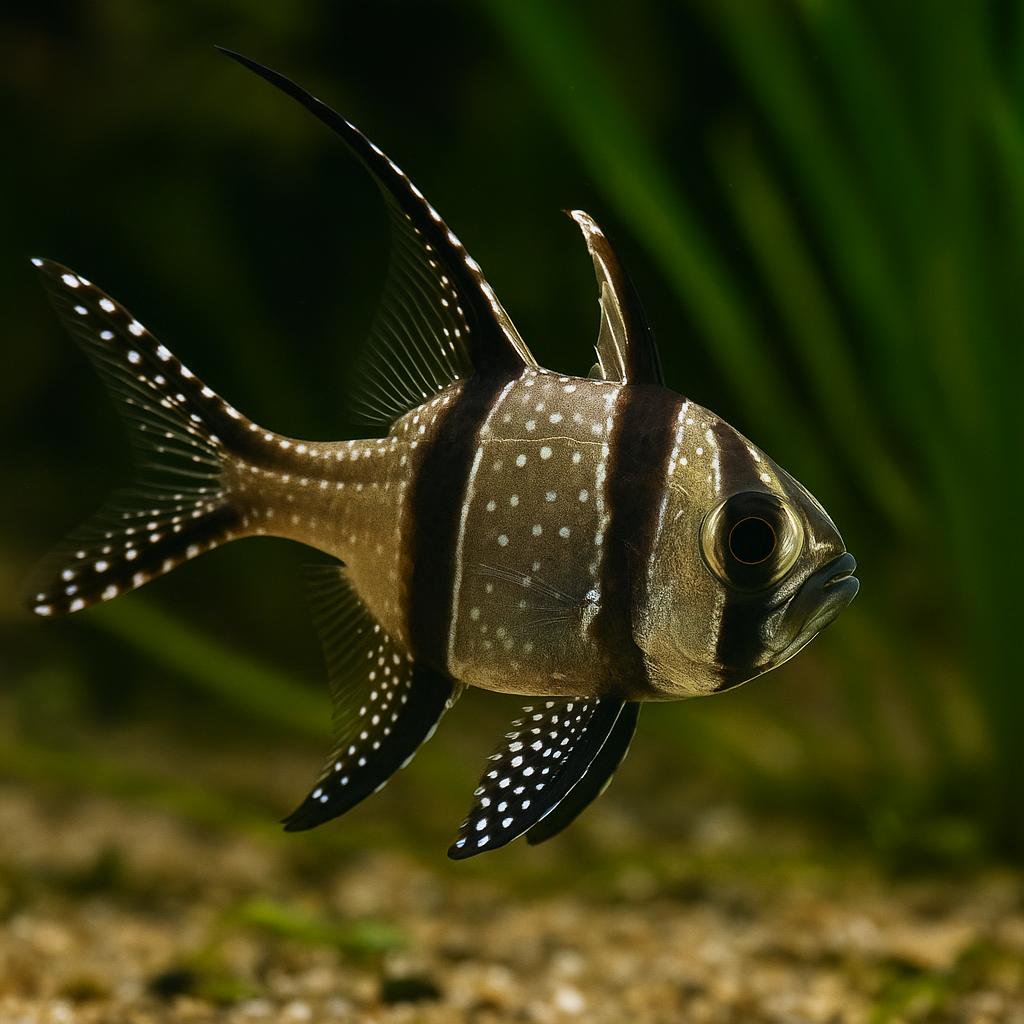
Banggai Cardinalfish
Pterapogon kauderni
Banggai cardinals just sort of hover like little underwater satellites, and the bold black bars with those long, polka-dotted fins look unreal under reef lighting. They're super chill most of the time, but once a pair forms you'll see real "fish drama," and the male will even mouthbrood the babies like a champ.
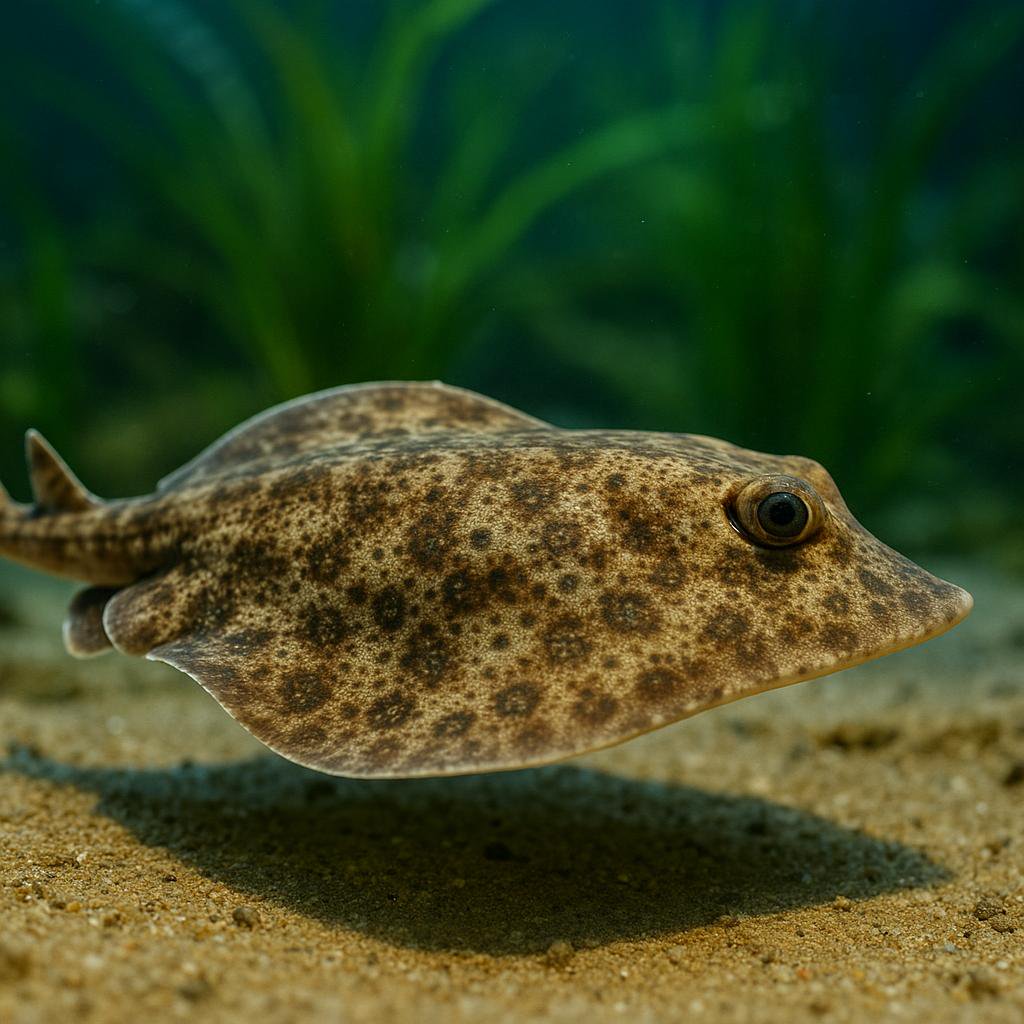
Barbedwire-tailed skate
Notoraja martinezi
Notoraja martinezi is a deepwater skate from the eastern Pacific (Costa Rica down to Ecuador) that lives way down on soft bottoms. The tail is the giveaway - it is lined with strong, hooked thorns that really do look like barbed wire. This is absolutely not an aquarium fish; it is a cold, high-pressure deep-sea animal with basically no practical home care info because it is not kept in the hobby.
More to Explore
Discover more marine species.
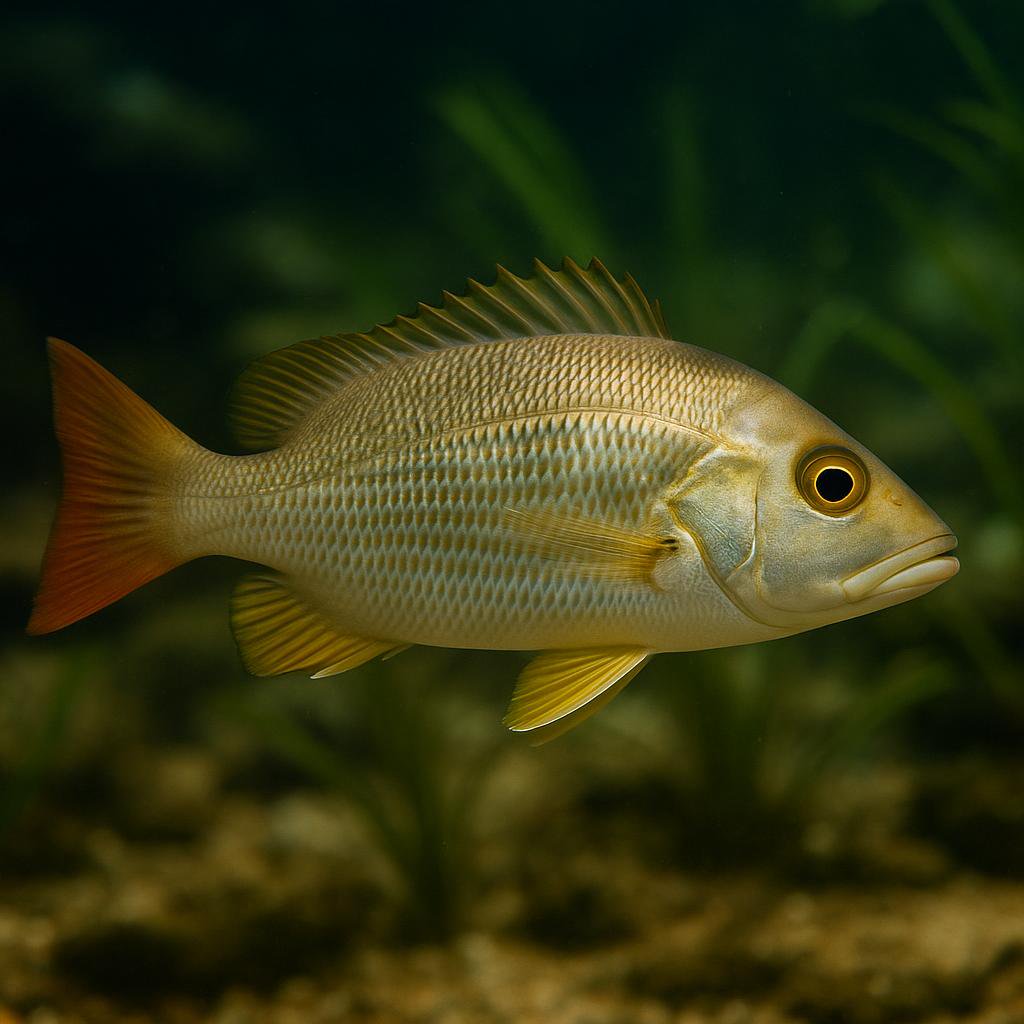
African red snapper
Lutjanus agennes
This is a true snapper from West Africa - a big, fast-growing predator that goes from coastal reefs to brackish lagoons and estuaries (especially as a juvenile). Super cool fish in the wild, but it gets absolutely huge and will eat smaller tankmates once it has the mouth for it, so its really more of a public-aquarium scale animal than a home-aquarium fish.
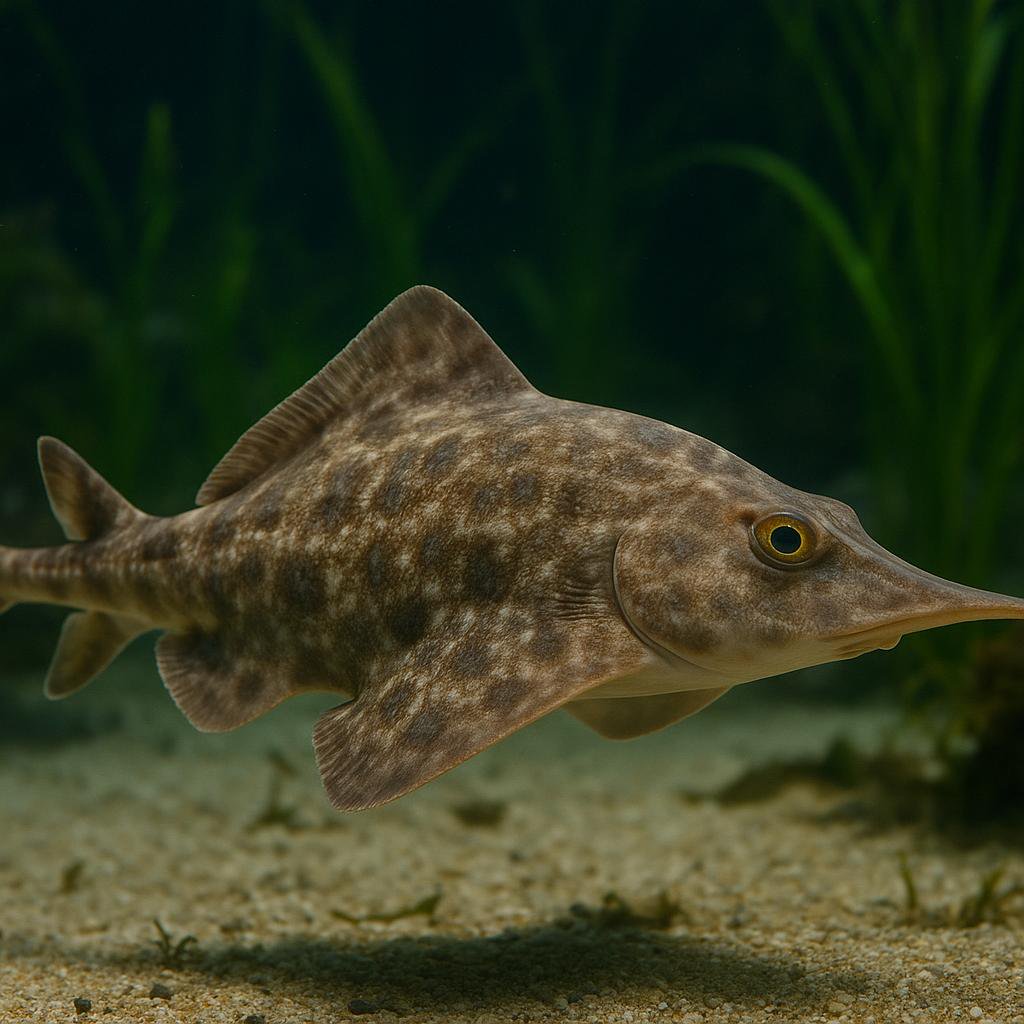
Aleutian skate
Bathyraja aleutica
This is a big, cold-water deep-slope skate from the North Pacific that cruises muddy bottoms and eats chunky benthic prey like crabs and shrimp. The really cool bit is its egg-laying skate life - it does distinct pairing (the classic skate "embrace") and drops those tough egg cases on the seafloor. Not an aquarium fish at all unless you're basically running a public-aquarium-style chilled system.
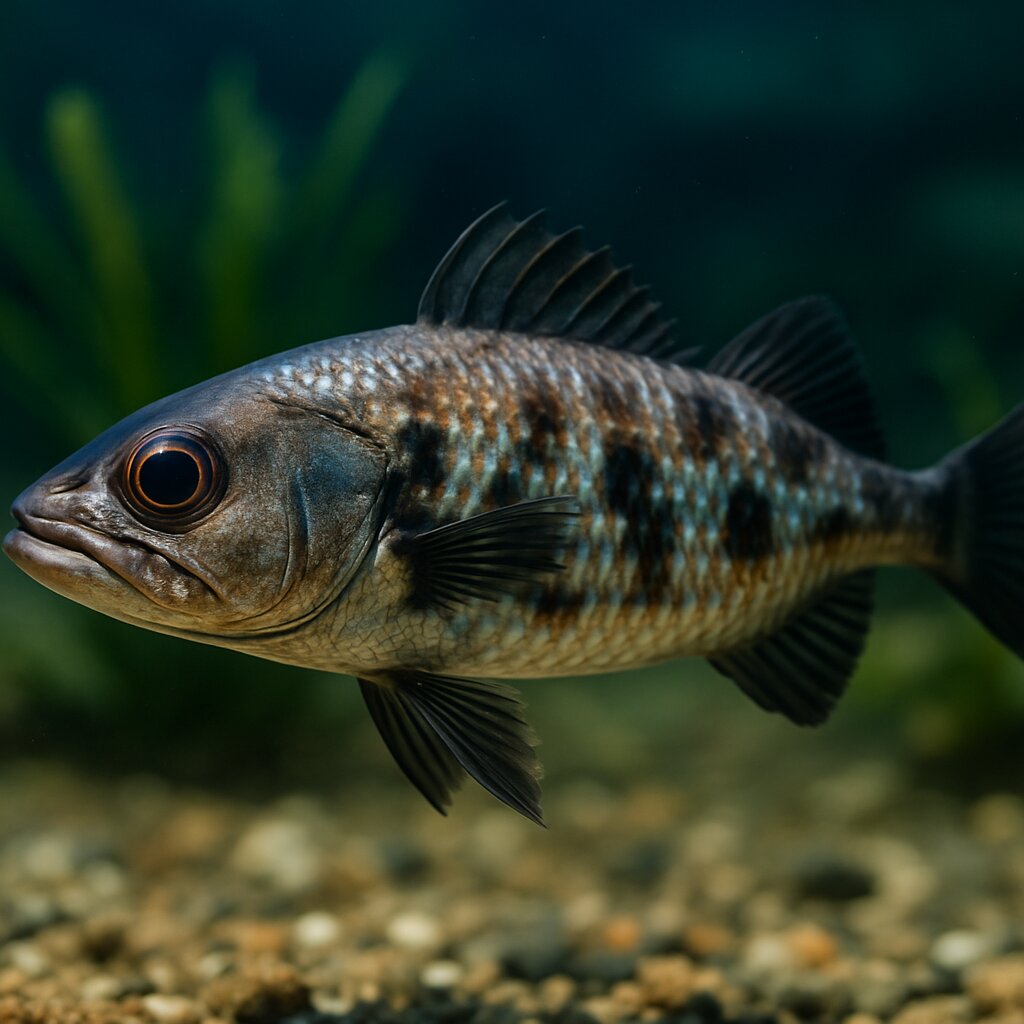
Antarctic dragonfish
Vomeridens infuscipinnis
Deep down around Antarctica, this sleek dragonfish cruises the water column like a little submarine, nearly neutrally buoyant so it can hover above the seafloor. It munches almost exclusively on Antarctic krill and lives in near-freezing water 500-800 m down, so it is a cool species to read about, not one for home tanks.
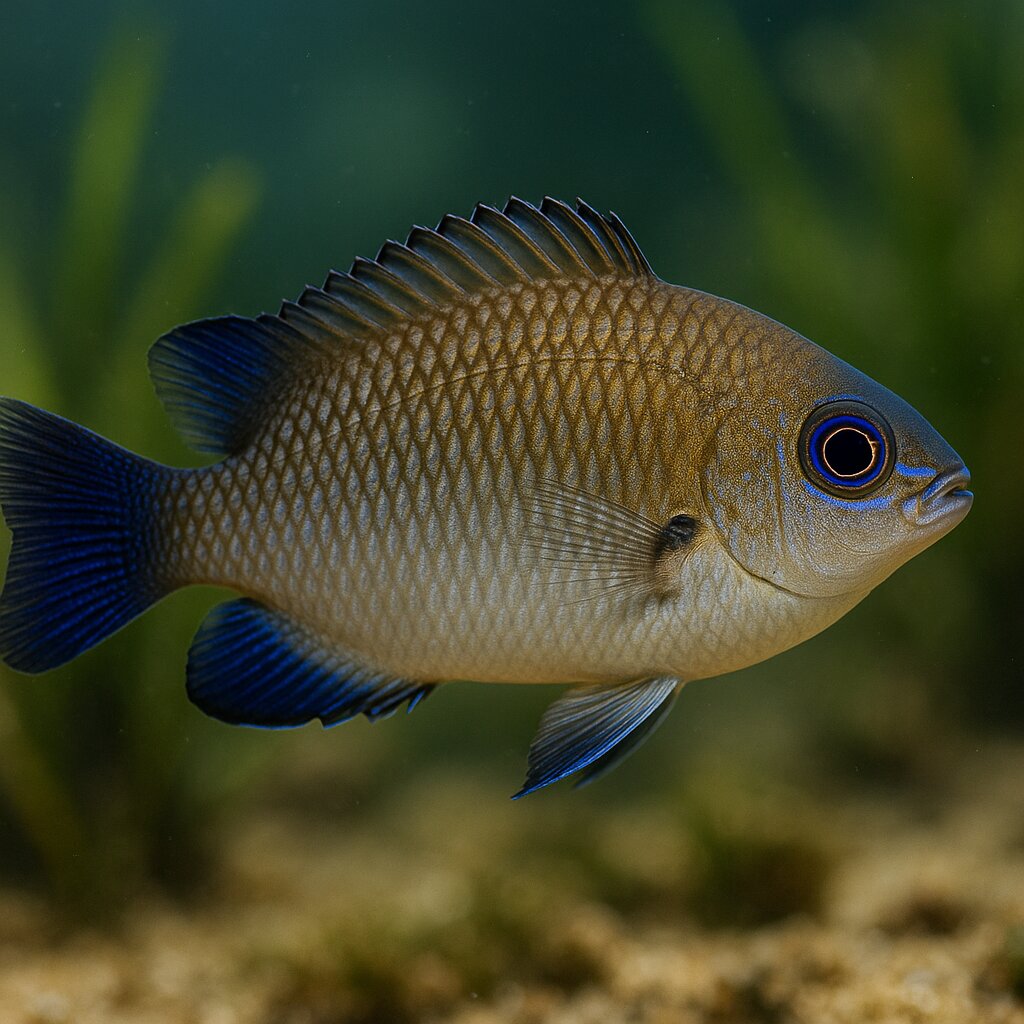
Arabian demoiselle
Neopomacentrus sindensis
A small lyretail damsel from the Persian Gulf and Arabian Sea, it hangs in loose groups around coral heads, rocks, and even pier pilings picking zooplankton from the flow. Think classic damsel toughness with a slightly milder attitude than the real bruisers, plus subtle yellow tail accents. Males clean a patch, get a mate to lay eggs there, and then stand guard fanning the clutch.
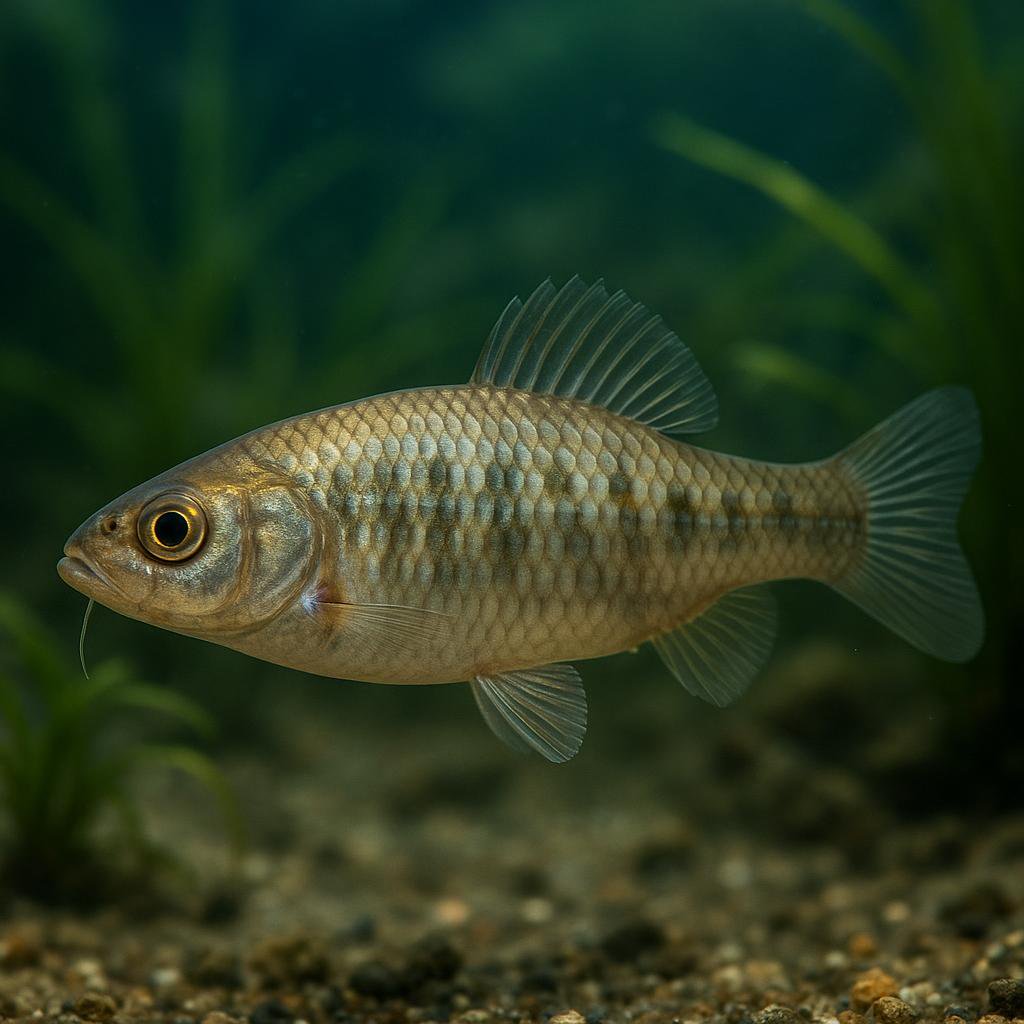
Arabian spiny eel
Notacanthus indicus
Notacanthus indicus is a deep-sea spiny eel (family Notacanthidae; not a true eel) known from the Arabian Sea on the continental slope at roughly ~960–1,046 m depth, with reported maximum length around 20 cm TL; it is a deep-water bycatch species and not established in the aquarium trade.
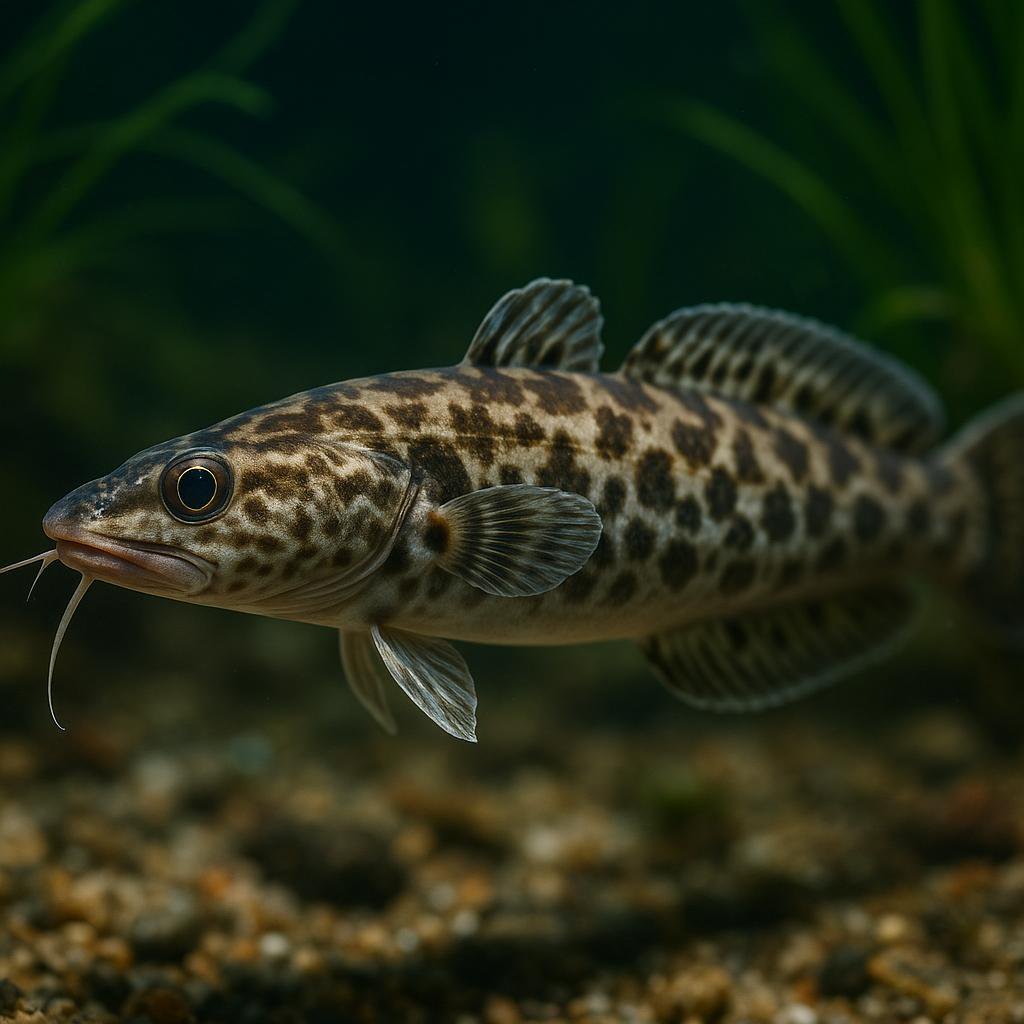
Arctic rockling
Gaidropsarus argentatus
This is a deepwater North Atlantic rockling (a cod relative) that hangs out on soft bottoms way down the slope. It is a cold-water, bottom-hugging predator that snoots around for crustaceans and will also take small fish when it gets the chance.
Looking for other species?