

Gray Lipsucker
Andamia expansa
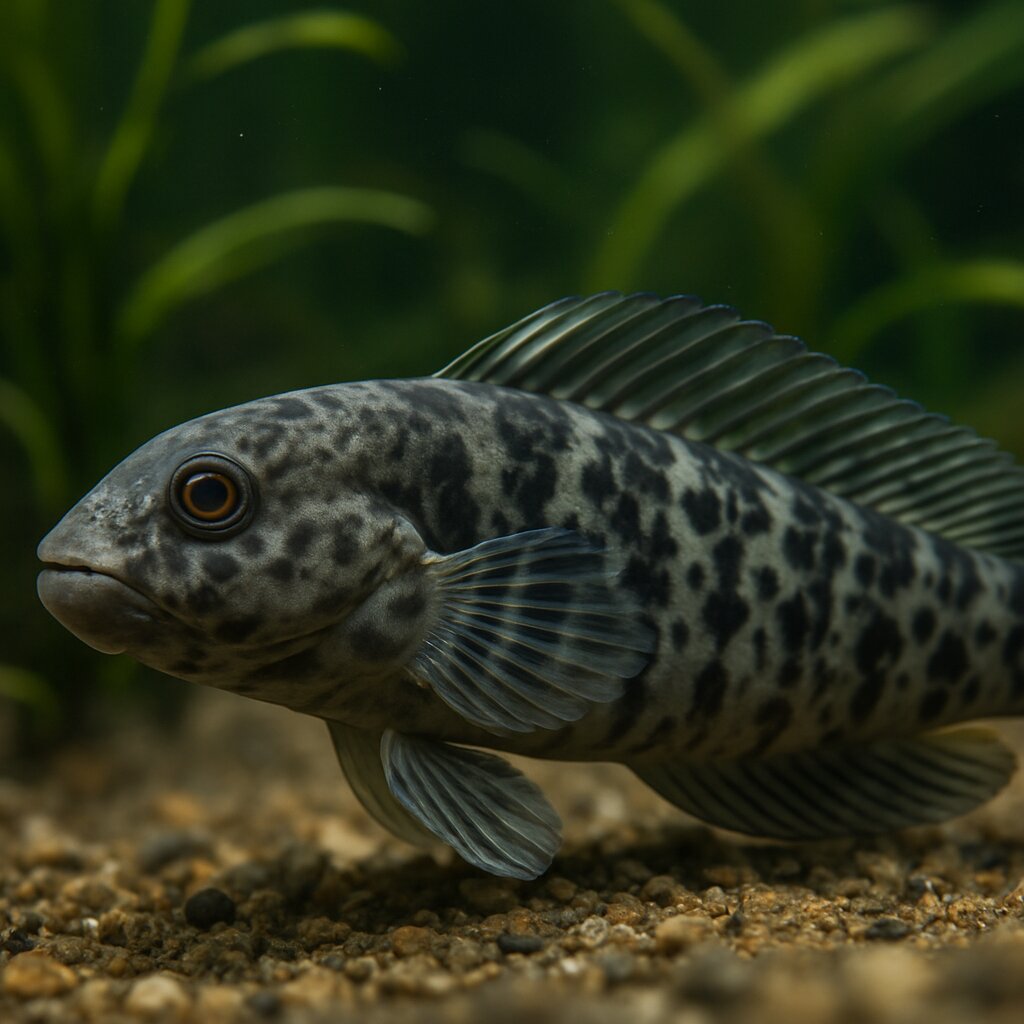
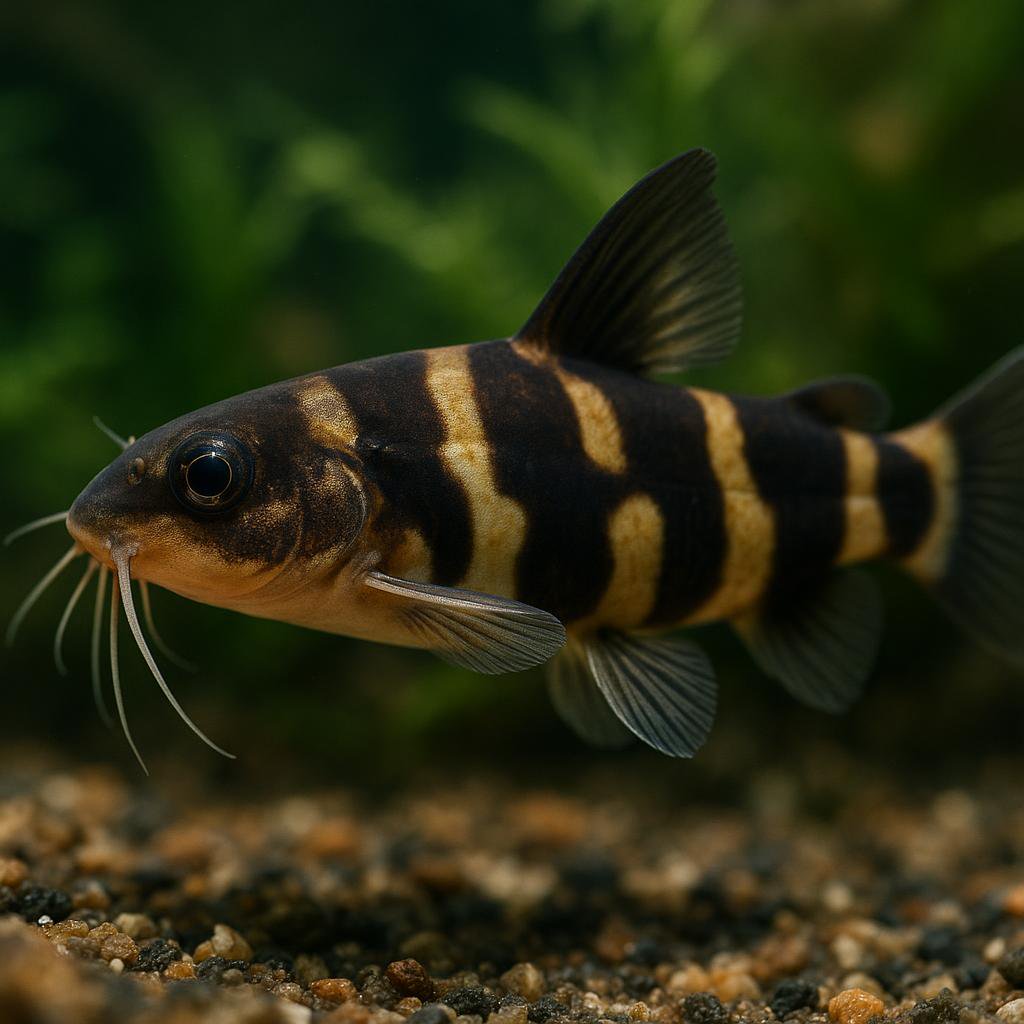
The Gray Lipsucker exhibits a slender body with dark gray to olive-green coloration and distinctive, elongated lips for feeding on algae.
This page includes AI-generated images. Why am I seeing AI images?
About the Gray Lipsucker
A small intertidal combtooth blenny from the Andaman Islands, it tops out around 3 inches and spends its time perching and grazing on microalgae. You will almost never see this one in shops, but if you ever do, think of it like a rock-hopping algae picker that really wants wave-splashed, mature rock to rasp on.
Also known as
Quick Facts
Size
7.7 cm
Temperament
Semi-aggressive
Difficulty
Advanced
Min Tank Size
30 gallons
Lifespan
3-6 years
Origin
Eastern Indian Ocean (Andaman Islands)
Diet
Herbivore - films and microalgae; will pick at detritus and may accept marine algae foods (nori/spirulina) with occasional small frozen fare
Water Parameters
24-28°C
8.1-8.4
20-35 dGH
Need a heater for this species?
This species needs 24-28°C in a 30 gallon tank. Use our heater calculator to find the right wattage.
Calculate heater sizeCare Notes
- Give it a long, high-flow reef tank 30+ gallons with a rocky intertidal layout - stack flat rocks that break the surface for perching. Seal every gap in the lid; they climb and jump like crazy.
- Run 1.024-1.026 SG, 24-26 C, pH 8.1-8.4, and blast oxygenated surge or gyre flow. This fish comes from the splash zone, so go for chaotic movement and high O2, not a calm lagoon.
- Do not add to a new tank - wait until the rock has a thick turf or film algae coat (6+ months). Bright light on the rockwork grows their buffet.
- It is a near-constant grazer; rotate algae-grown 'feeding rocks' from your refugium, rubber-band nori to rubble, and smear spirulina paste on stones. Most ignore meaty foods, but they may take spirulina pellets or herbivore gel once settled.
- Keep one per tank unless you have a very large, rock-heavy system; they scrap with other blennies and algae grazers over turf patches. Skip big wrasses, hawkfish, and pushy damselfish; peaceful midwater fish and corals are fine, though a hungry one may nip at fleshy LPS.
- Quarantine with real rocks and strong flow, not a bare box; watch for rapid weight loss and flukes. Prazi helps with flukes, and keep dissolved oxygen high during any treatment.
- They lay adhesive eggs in crevices with the male guarding, but the larvae are planktonic and very hard to rear at home. If they spawn, enjoy the behavior and let the display handle it.
- Match salinity and temp, then move fast into high-flow rockwork; long drip acclimations in a bucket just gas them out. Keep lights dim for a day or two so they settle and start grazing.
Compatibility
Good Tankmates
- Clownfish like ocellaris or percula - they stick to their corner and ignore the lipsucker doing laps on the rocks
- Fairy or flasher wrasses - zippy midwater fish that wont mess with its rock-grazing routine
- Kole or Tomini tangs in a roomy tank - different lane of algae grazing, maybe a little posturing at first but usually settle fine
- Hawkfish (flame, longnose) - perch up high and mind their business, tough enough not to get pushed around
- Chromis or a calm anthias group in a larger, well-fed setup - open-water swimmers that dont compete for caves or algae
Avoid
- Other algae blennies and rockskippers (Salarias, Atrosalarias, Ecsenius, other Andamia) - too similar in shape and diet, turns into head-butting over algae patches
- Shy dartfish/firefish and tiny sand-sifting gobies - get harassed off the rockwork and go off food
- Nano bullies like dottybacks, sixline wrasses, and Dascyllus damsels - constant turf wars in the same rock zones
- Seahorses or pipefish - way too slow and mellow for an intertidal scrapper that patrols hard
Where they come from
Gray Lipsuckers (Andamia expansa) are intertidal blennies from the Indo-Pacific. Think wave-battered rock shelves, surge pools, and splash zones where they hop from rock to rock and graze on film algae. They are built for rough water, bright light, and long days spent picking at microalgae.
Setting up their tank
Give them a long, shallow, high-flow setup. They spend their time clinging to rocks and grazing, not cruising open water. A 40 breeder or larger with lots of irregular live rock works well. Let some rock reach right up to the surface so they can perch in high flow.
- Tank size: 40+ gallons for one, bigger for pairs
- Flow: strong, alternating surge from 2 wavemakers on timers
- Lighting: reef-level to grow turf and film algae on rock
- Mature tank: 6+ months with established algae and pods
- Top: tight lid, covered overflow teeth, and sealed gaps
Parameters they handle: 1.024-1.026 sg, 24-26 C (75-79 F), pH 8.1-8.4, lots of oxygen. They come from splashy, well-oxygenated water. Stuffy, still tanks do not go well with this fish.
They are expert escape artists. They climb, not just jump. Block overflow weirs with mesh, cover return cutouts, and tape any tiny gaps.
Leave some open rock faces for algae to grow. If you scrub every surface spotless, you remove their pantry. A refugium that feeds the display with pods and algae fragments helps a lot.
What to feed them
They are near-constant grazers. Most new arrivals ignore pellets at first and want to rasp real growth off rocks. A fish that eats only at feeding time will lose weight fast.
- Nori or dried seaweed rubber-banded to a rock where there is heavy flow
- Fresh macro like Ulva or Gracilaria (clip or tuck into a crevice)
- Algae-based pellets or wafers (spirulina heavy) once they accept prepared foods
- Occasional frozen foods (mysis, enriched brine) as a supplement, not the staple
Grow a few rocks in a separate bin under strong light to build up turf. Rotate those rocks into the display. It buys you time while the display matures.
Feed small amounts a few times a day. Soak dry foods in vitamins now and then. Watch the belly line: a healthy fish looks full through the midsection. A pinched-in look means it is not getting enough graze time.
How they behave and who they get along with
They perch, dash, and graze. Very active in the daylight, mostly ignoring open-water swimmers. They do defend their favorite rock face and will chase similar-shaped fish away from it.
- Good tankmates: clowns, chromis, peaceful wrasses, cardinalfish, small reef-safe species
- Use caution with: other algae-blennies (Salarias, Atrosalarias, Ecsenius), rock-dwelling gobies, highly territorial wrasses
- Avoid: big predators and bullies that haunt the rocks (groupers, large hawkfish, triggers)
Reef safety is generally fine. They may sample a coral surface film but are not polyp pickers. Keep clams higher flow if you notice any interest in mantles (rare, but watch it).
If you want more than one, add them at the same time to a larger tank with multiple grazing stations and line-of-sight breaks. Otherwise, expect turf wars.
Breeding tips
They are substrate spawners. In the wild, males guard eggs in crevices. You can see similar behavior in tanks if you have a settled pair.
- Provide snug caves, barnacle clusters, or drilled rock holes as nest sites
- Well-fed pair in a quiet section of the tank stands the best chance
- Male fans and guards eggs; hatch is roughly 1-2 weeks depending on temp
- Larvae are planktonic and tiny. You would need greenwater, rotifers, and good larval rearing know-how
Raising the larvae is the hard part. Plan ahead with live food cultures. Without rotifers and a stable larval setup, they will not make it.
Common problems to watch for
- Starvation: most common. A thin, hollow belly means the tank lacks natural graze or the fish has not learned prepared foods.
- Shipping emaciation and parasites: deworm in quarantine with praziquantel or food-soaked metronidazole as needed.
- Low oxygen: heavy breathing, hanging at the surface. Add more surface agitation and flow.
- Mouth and lip scrapes: they rasp on rock. Keep rock edges natural and avoid razor-sharp artificial decorations.
- Escapes: they will climb into an overflow and ride the drain. Double-check every opening.
- Aggression stress: similar blennies in a small tank lead to constant chasing and poor feeding.
Quarantine in a simple, rock-filled box or a tank with algae-coated rubble. Bare QT tanks make it hard for them to feed and settle.
If you get one that is already eating nori off a clip or pecking at algae wafers, your odds jump way up. Give them time, keep food available all day, and do not over-polish the rockwork. That film is their buffet.
Similar Species
Other marine semi-aggressive species you might be interested in.
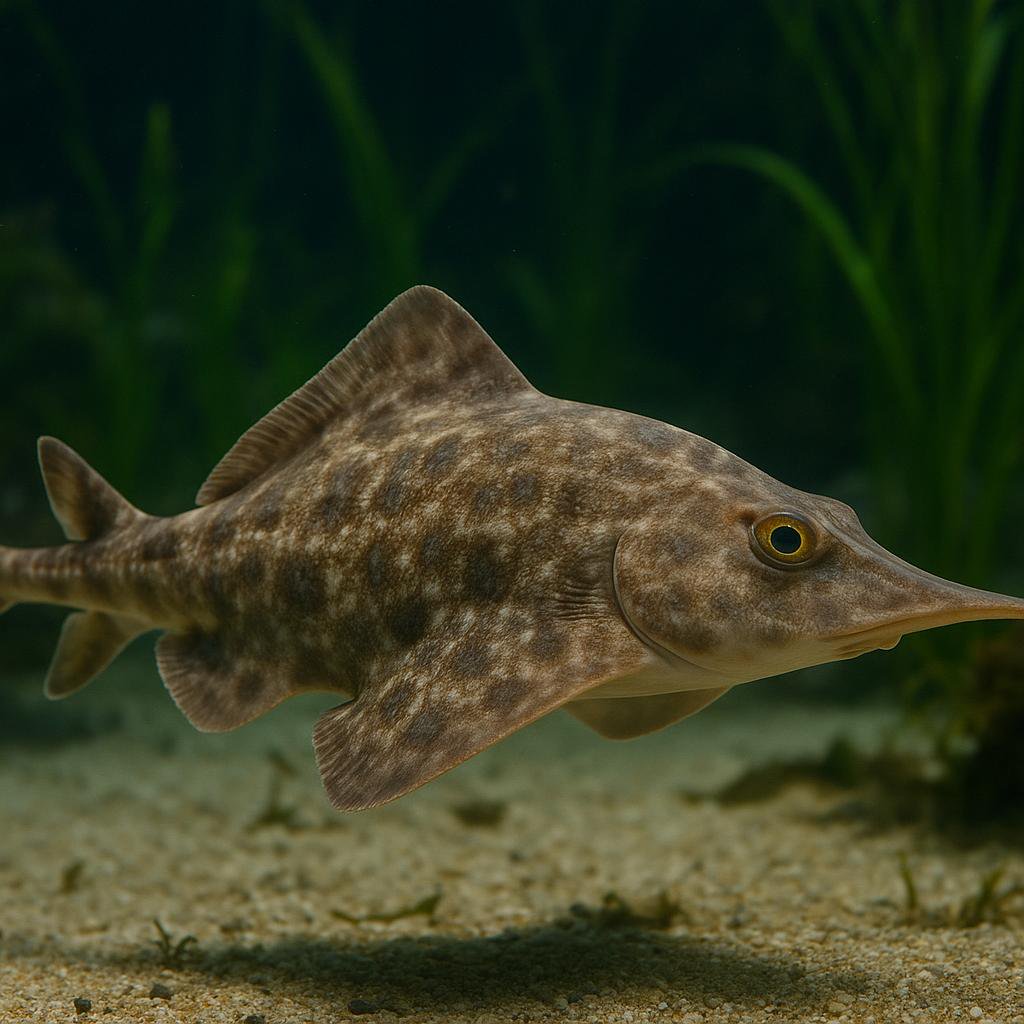
Aleutian skate
Bathyraja aleutica
This is a big, cold-water deep-slope skate from the North Pacific that cruises muddy bottoms and eats chunky benthic prey like crabs and shrimp. The really cool bit is its egg-laying skate life - it does distinct pairing (the classic skate "embrace") and drops those tough egg cases on the seafloor. Not an aquarium fish at all unless you're basically running a public-aquarium-style chilled system.
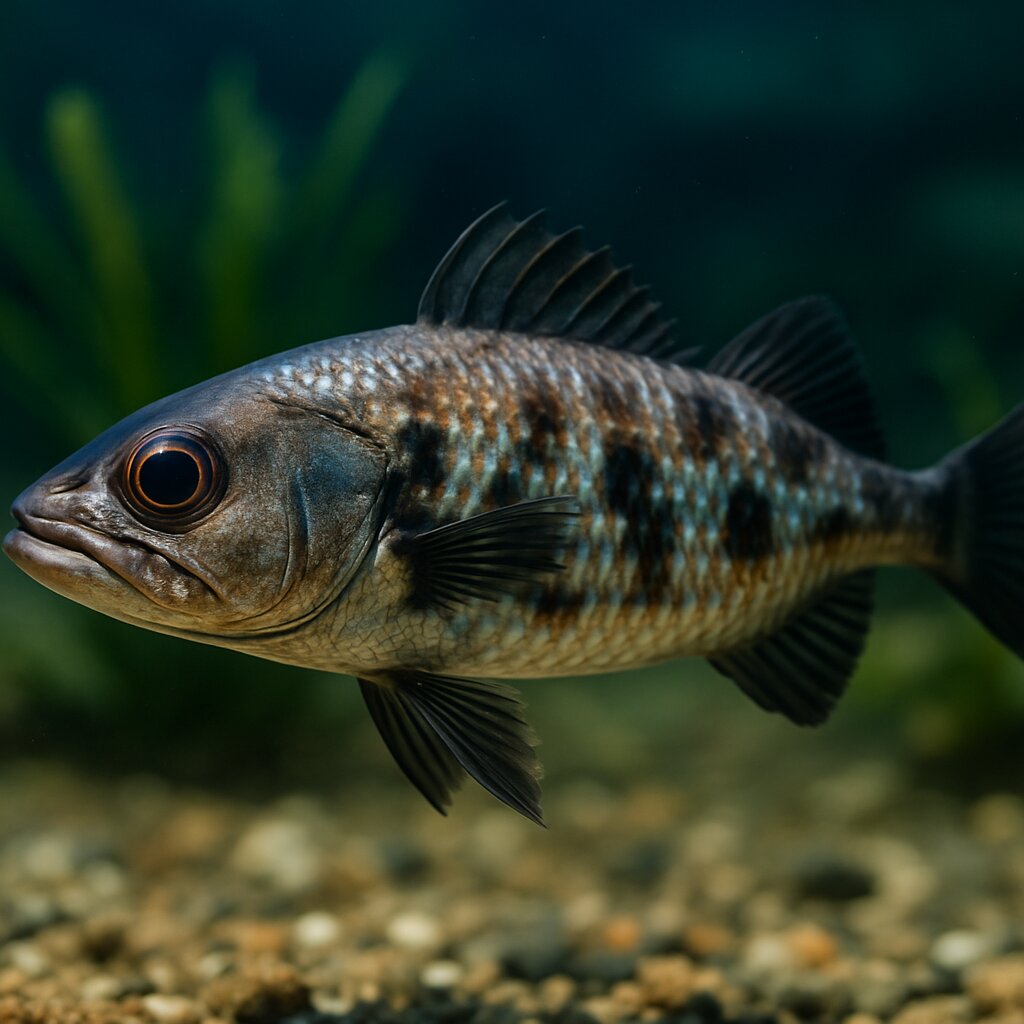
Antarctic dragonfish
Vomeridens infuscipinnis
Deep down around Antarctica, this sleek dragonfish cruises the water column like a little submarine, nearly neutrally buoyant so it can hover above the seafloor. It munches almost exclusively on Antarctic krill and lives in near-freezing water 500-800 m down, so it is a cool species to read about, not one for home tanks.
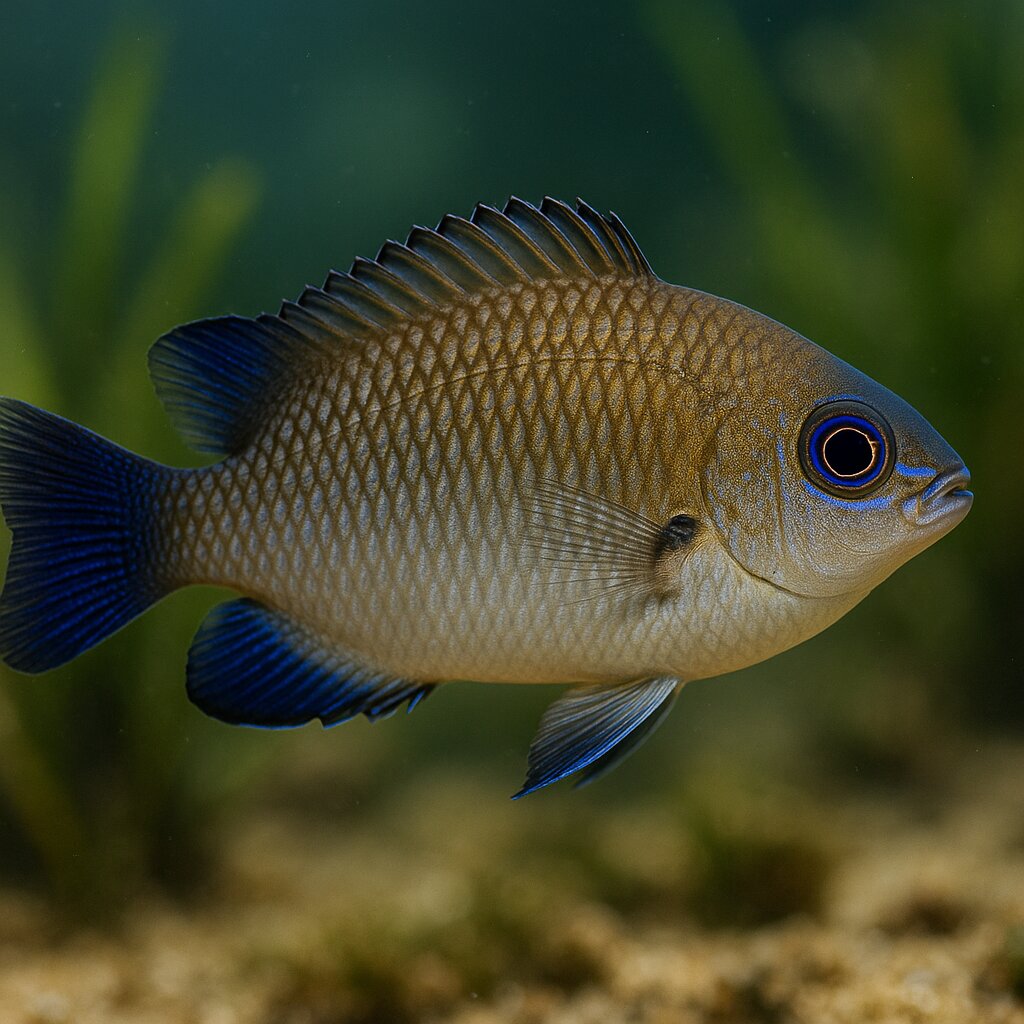
Arabian demoiselle
Neopomacentrus sindensis
A small lyretail damsel from the Persian Gulf and Arabian Sea, it hangs in loose groups around coral heads, rocks, and even pier pilings picking zooplankton from the flow. Think classic damsel toughness with a slightly milder attitude than the real bruisers, plus subtle yellow tail accents. Males clean a patch, get a mate to lay eggs there, and then stand guard fanning the clutch.
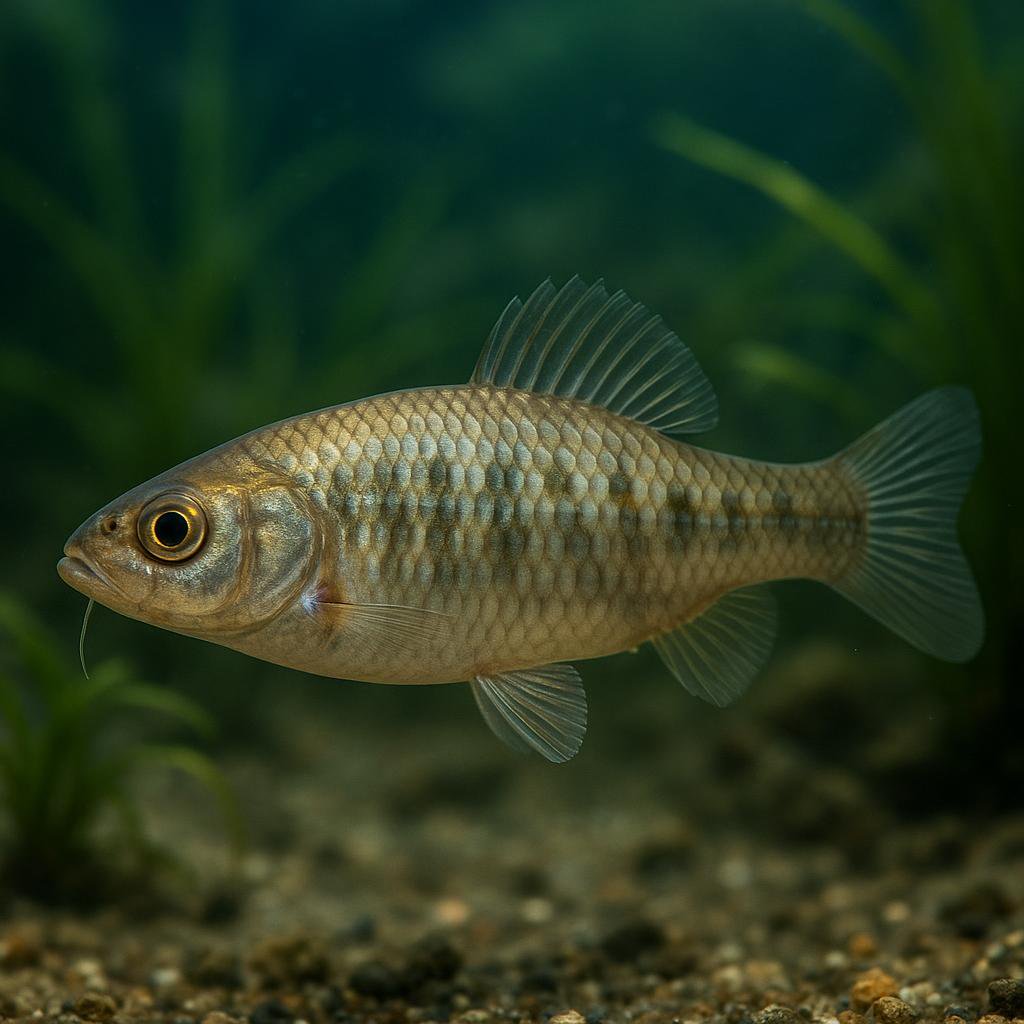
Arabian spiny eel
Notacanthus indicus
Notacanthus indicus is a deep-sea spiny eel (family Notacanthidae; not a true eel) known from the Arabian Sea on the continental slope at roughly ~960–1,046 m depth, with reported maximum length around 20 cm TL; it is a deep-water bycatch species and not established in the aquarium trade.
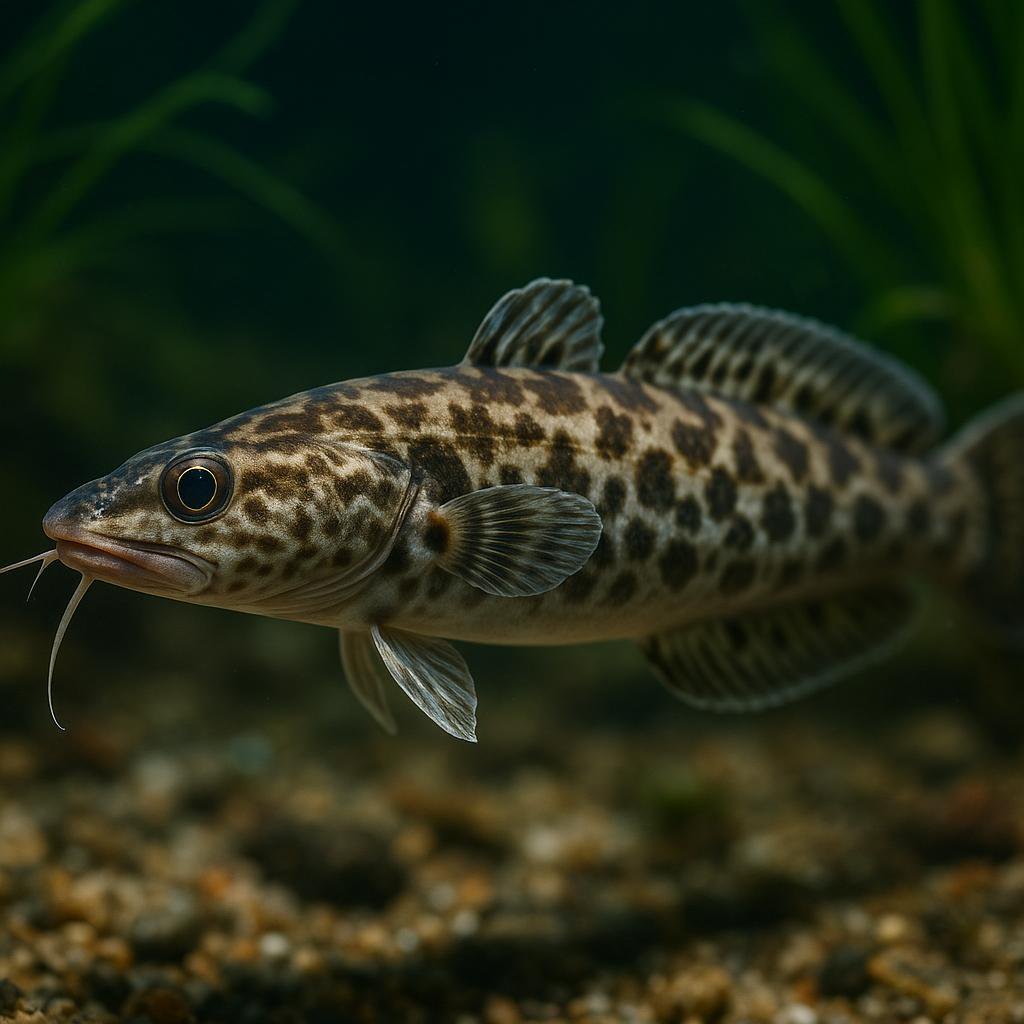
Arctic rockling
Gaidropsarus argentatus
This is a deepwater North Atlantic rockling (a cod relative) that hangs out on soft bottoms way down the slope. It is a cold-water, bottom-hugging predator that snoots around for crustaceans and will also take small fish when it gets the chance.
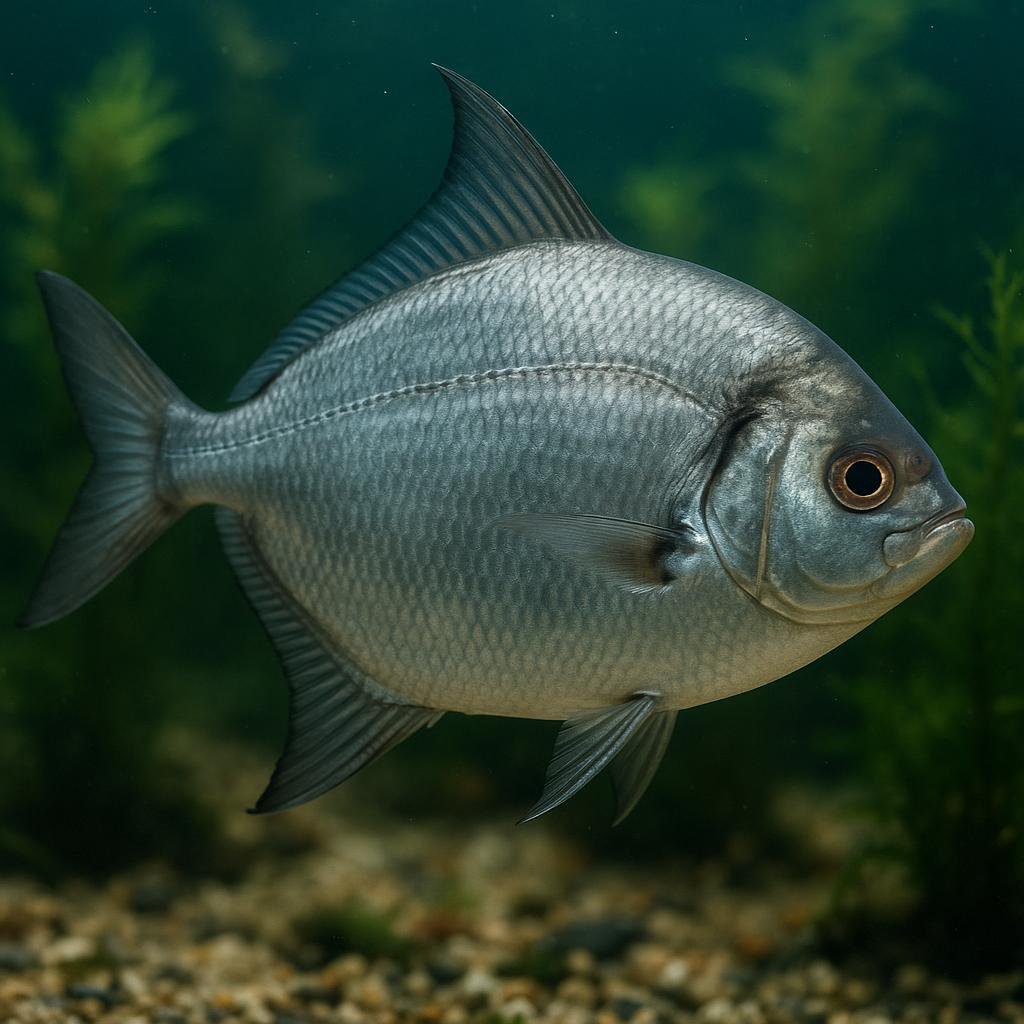
Atlantic pomfret
Brama brama
Brama brama is the Atlantic pomfret (aka Ray's bream) - a deep-bodied, open-ocean pelagic fish that cruises around in small schools and follows water temps. It is a legit big, wild marine species (not an aquarium fish) that eats other small sea critters like fish and squid, and it ranges across a huge chunk of the Atlantic plus parts of the Indian and South Pacific.
More to Explore
Discover more marine species.
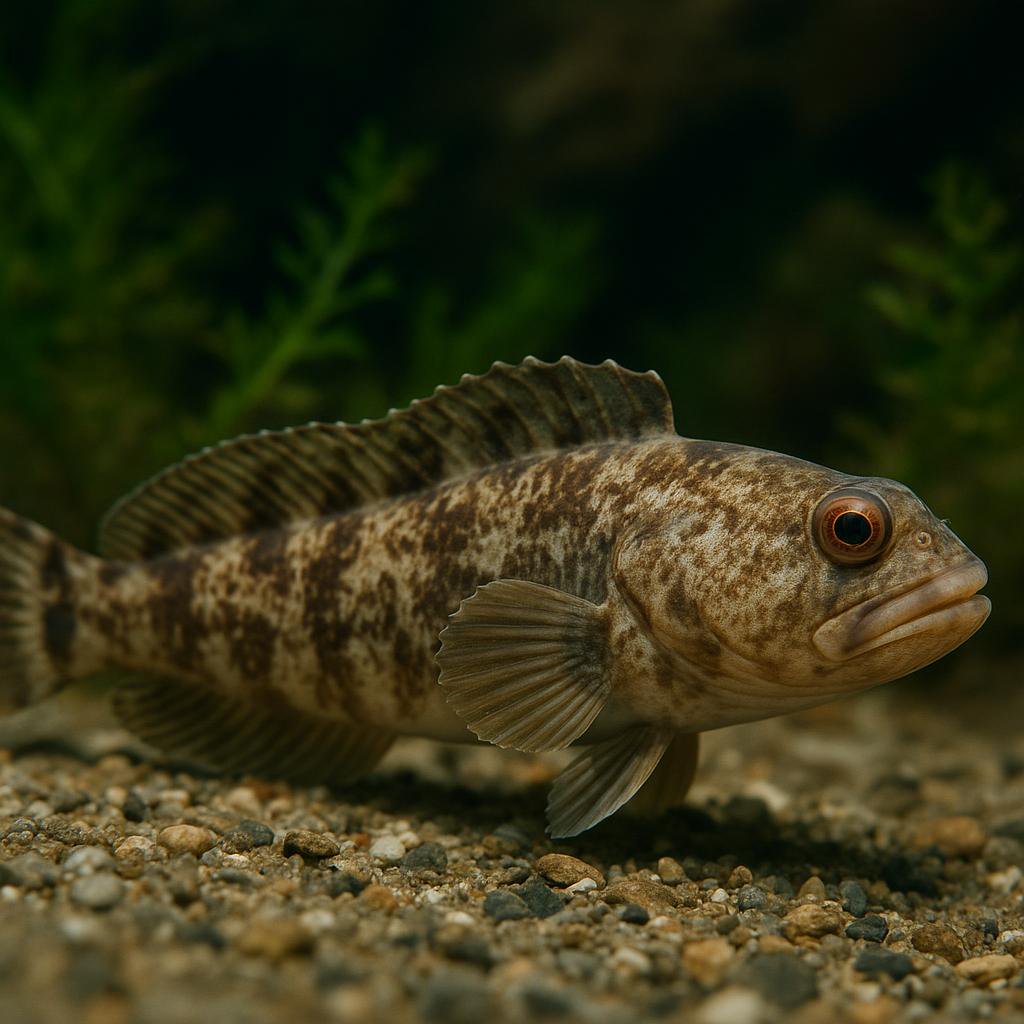
Abe's eelpout
Japonolycodes abei
Japonolycodes abei is a temperate, deepwater demersal eelpout (family Zoarcidae) endemic to Japan (Kumano-nada Sea reported; other sources also report Sagami Bay and Tosa Bay). It is the only species in the genus Japonolycodes and occurs roughly 40-300 m depth, making it an uncommon/atypical aquarium species.
Affinis blind cusk-eel
Barathronus affinis
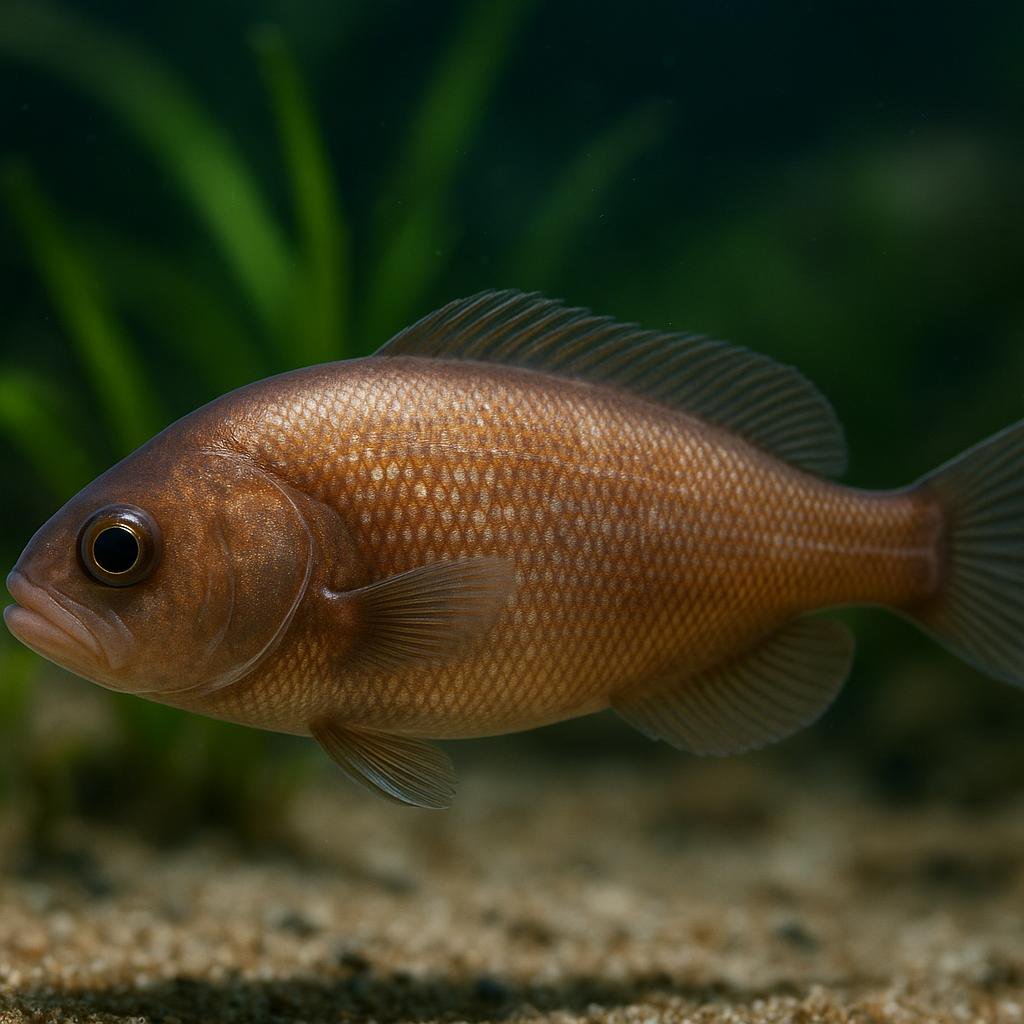
Barathronus affinis is a tiny, super-weird deep-sea blind cusk-eel from the western-central Indian Ocean. It is one of those gelatinous, loose-skinned brotula-type fishes that live way down in the dark and are basically never seen alive, so almost everything we know comes from preserved specimens and taxonomic work.
African red snapper
Lutjanus agennes
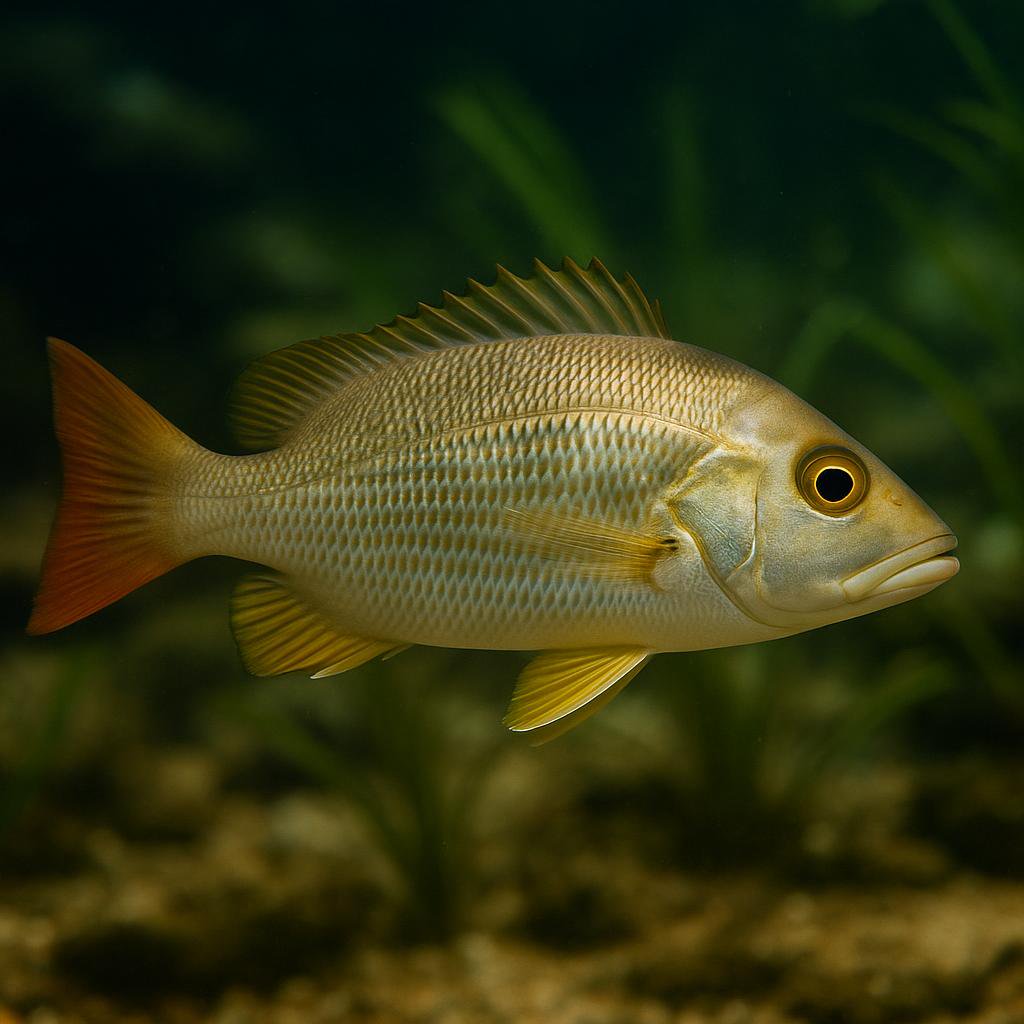
This is a true snapper from West Africa - a big, fast-growing predator that goes from coastal reefs to brackish lagoons and estuaries (especially as a juvenile). Super cool fish in the wild, but it gets absolutely huge and will eat smaller tankmates once it has the mouth for it, so its really more of a public-aquarium scale animal than a home-aquarium fish.
Allis shad
Alosa alosa
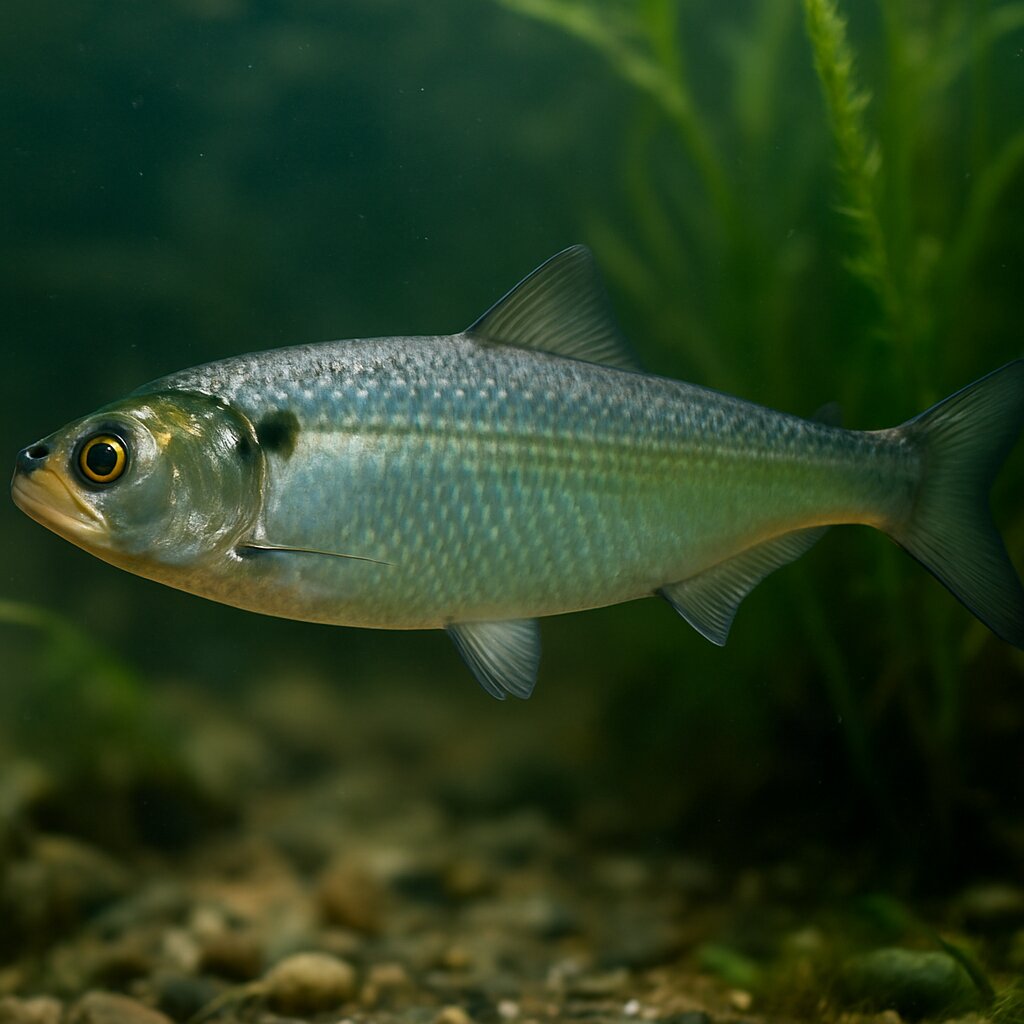
Gorgeous silver, fast-swimming shad that spends most of its life in the sea and then surges up big rivers in noisy, surface-spawning schools. It grows huge for a herring-type fish and needs cool, ultra-oxygenated water and tons of open space, so it is a public-aquarium species rather than a home tank fish.
Annandale's zebra sole
Zebrias annandalei
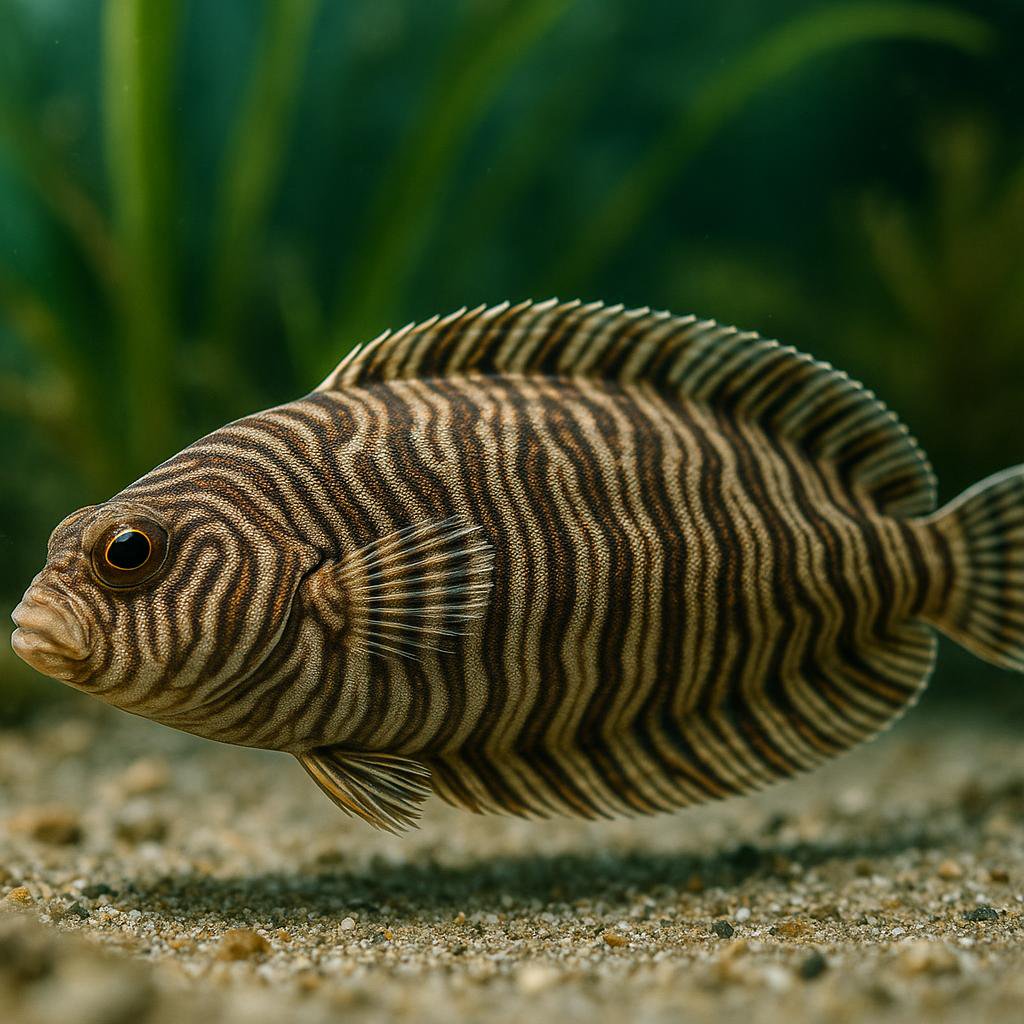
Zebrias annandalei is a small demersal sole from coastal India that inhabits sandy or muddy bottoms and buries for camouflage. It is rarely kept in home aquaria and would require a specialized marine sand-bottom setup and appropriate feeding.
Australian sawtail catshark
Figaro boardmani
Figaro boardmani is a small, deepwater Australian catshark with these cool saw-like ridges of spiny denticles along the tail and a neat pattern of dark saddle bands. It lives way down on the outer continental shelf and slope, so its natural water is cold, dim, and stable - totally not a typical home-aquarium fish. Diet-wise its a predator that goes after fish, crustaceans, and cephalopods.
Looking for other species?