

Greybar grunt
Haemulon sexfasciatum
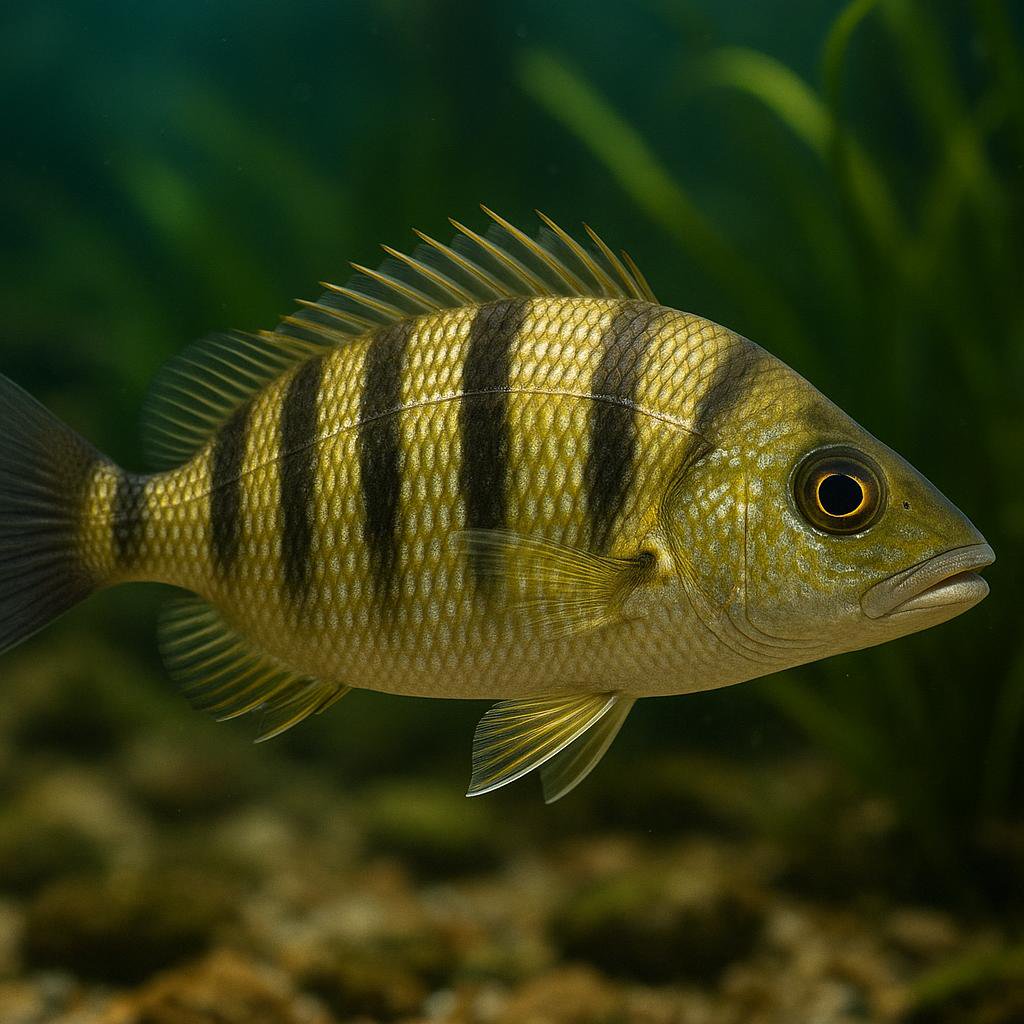
The Greybar grunt features a silver body with distinctive dark horizontal stripes and a pronounced, elongated dorsal fin.
This page includes AI-generated images. Why am I seeing AI images?
About the Greybar grunt
This is one of those big, cruising grunts from the tropical eastern Pacific that spends the day stacked up in big schools around rocky reef structure, then fans out at night to hunt. The barred pattern is super sharp when they're settled in, but the real "wow" is their size and that classic grunt behavior of nosing around sand and rubble for food.
Also known as
Quick Facts
Size
71 cm
Temperament
Semi-aggressive
Difficulty
Expert
Min Tank Size
300 gallons
Lifespan
8-15 years
Origin
Eastern Pacific (Gulf of California to Panama)
Diet
Carnivore - meaty frozen foods, shrimp, clam, squid, and chunks of fish; will eat smaller tankmates
Water Parameters
23-29°C
8.1-8.4
8-12 dGH
Need a heater for this species?
This species needs 23-29°C in a 300 gallon tank. Use our heater calculator to find the right wattage.
Calculate heater sizeCare Notes
- These get chunky and need swimming room - think 180+ gallons for an adult, plus big rockwork they can duck into when spooked.
- Keep it reef-salty and steady: 1.025-1.026 SG, 76-80F, pH around 8.1-8.4, and do not let nitrate creep up (under ~20 ppm or they start looking stressed).
- They are messy carnivores, so oversize your skimmer and run strong flow; if your filtration is just barely keeping up now, it will not later.
- Feed meaty stuff 1-2x a day: shrimp, clam, squid, krill, and quality marine pellets; soak occasional meals in vitamins to head off HLLE-looking erosion.
- They do best with other medium-large, not-too-bully fish (tangs, larger angels, sturdy wrasses); avoid tiny gobies/blennies and ornamental shrimp if you like seeing them alive.
- Watch for jumping when startled - tight lid is non-negotiable, especially after lights-out or if you rearrange rock.
- Quarantine if you can: they can come in with marine ich/flukes, and once a big grunt is scratching on rocks in a display, you are in for a whole project.
Compatibility
Good Tankmates
- Other medium reef-safe-ish community fish with some backbone, like tangs (yellow, kole) - they can handle the grunt's pushy moments and usually ignore the bluffing
- Rabbitfish (foxface, one-spot) - steady, not easily bullied, and they keep to themselves if you give everyone room
- Wrasses that are on the sturdier side (Halichoeres types like melanurus, yellow coris) - quick enough to dodge attitude and they do not just hover in the grunt's face
- Dwarf to medium angels (coral beauty, flame, potter's) - similar vibe, a little sassy but not typically delicate, and they hold their own in a bigger setup
- Clownfish (especially maroon, clarkii, tomato) - the tougher clowns are fine, they stand their ground and the grunt usually learns to give them space
- Bigger, non-skittish gobies and blennies (lawnmower blenny, watchman goby) - works if the grunt is well-fed and there are caves so the bottom guys can duck out of the way
Avoid
- Small, shy fish like firefish, small dartfish, tiny gobies - greybar grunts can turn into jerks, chase them nonstop, and outcompete them at feeding time
- Slow cruisers and fancy-finned stuff like longfin butterflies or bannerfish - they get stressed by the grunt's barging and can get harassed into not eating
- Super aggressive bruisers (big triggers, nasty dottybacks, large territorial damsels) - you are basically signing up for daily cage matches and shredded fins
Where they come from
Greybar grunts (Haemulon sexfasciatum) are Western Atlantic fish. Think Florida and the Bahamas down through the Caribbean and into parts of the Gulf. Juveniles hang around reefs and grassier areas for cover, and the bigger ones cruise reefs and rocky zones.
In the wild they are social, especially as they get some size, and they spend a lot of time out in the open once they feel safe. That last bit matters in captivity: they do better when the tank feels stable and roomy, not like a cramped box with random rock piles.
Setting up their tank
I will be blunt: this is not a "cute medium fish" for a typical reef tank. They get big, they are active, and they are messy eaters. If you do not have a large system and strong filtration, you will be fighting water quality nonstop.
- Tank size: plan on a very large tank (hundreds of gallons). Bigger footprint matters more than height because they like to cruise.
- Aquascape: build a couple of solid rock structures with caves, but leave long open lanes for swimming.
- Filtration: oversized skimmer, lots of biological capacity, and aggressive mechanical filtration you actually clean.
- Flow and oxygen: strong surface agitation and good circulation. These fish breathe heavy when stressed.
- Lid: they can spook and launch, especially right after introduction.
Do not add a Greybar grunt to a new or "almost cycled" marine tank. They do not tolerate ammonia/nitrite bumps well, and their feeding habits can blow up a young system fast.
For parameters, keep things steady more than anything: reef-like salinity (around 1.025), stable temperature in the upper 70s F, and low nitrate. You can get away with a little nitrate, but if you let it creep up because they are fun to feed, algae and fish health issues follow.
What to feed them
They are hearty predators that lean meaty. In my tanks, the easiest way to keep them in good shape was variety and smaller portions more often. They will act hungry even when they are not, so you have to be the adult in the room.
- Staples: chopped shrimp, squid, clam, mussel, and quality marine pellets sized for big fish
- Frozen: mysis (bigger ones), krill (sparingly), mixed "reef" blends (pick ones without a ton of filler)
- Occasional: silversides or larger chunks for adults (not every day, it gets greasy and messy)
- Soaks: vitamins and HUFA supplements a couple times a week if you are feeding lots of frozen
Target feed with tongs or drop food into a high-flow area so it stays suspended. Grunts can inhale and spit chunks, and that leftover meat rots fast if it lands behind rocks.
Watch the body shape. A healthy Greybar grunt looks solid and thick through the shoulder, not pinched behind the head. If it is getting chunky in the belly, back off and step up water changes. Fat fish plus big meals equals big waste.
How they behave and who they get along with
They are generally not "psycho aggressive" like some triggers, but they are big, fast, and confident once settled. Anything small enough to fit in the mouth is on the menu eventually. That includes small fish and basically all shrimp and crabs.
- Good tankmates: other large, sturdy fish that can handle a boisterous eater (bigger angels, larger tangs, some groupers, larger wrasses depending on personality)
- Avoid: tiny fish, ornamental shrimp/crabs, delicate slow feeders, and fish that freak out easily
- Corals: they are not coral eaters, but they can bulldoze frags and knock things over just by being clumsy
If you want more than one, add them together while small and give them real space. Mixing sizes tends to turn into one fish owning the tank.
They also do a lot better if the tank is not constant chaos. Give them cover, keep hands out of the tank as much as you can, and do your maintenance on a schedule. Once they know the routine, they get bold and are actually fun fish to watch.
Breeding tips
Breeding Greybar grunts in home aquariums is not something most hobbyists pull off. In the ocean they are broadcast spawners and use space and group behavior cues that are hard to replicate. You would be looking at a very large system, a conditioned group, and then you still have the larval rearing challenge (tiny live foods, strict water quality, and a lot of trial and error).
If you ever see dusk-time chasing and rapid circling in a settled group, that can be pre-spawn behavior. Still, collecting viable eggs and raising larvae is a whole separate hobby.
Common problems to watch for
- Ich and velvet: they can come in carrying parasites and stress makes it explode. Quarantine is your friend with a fish like this.
- Bacterial issues from injuries: they bang into rock and scrape easily when startled. Clean water and quick treatment beats waiting.
- Nitrate and phosphate creep: heavy feeding plus big waste. You will see algae, cloudy water, and sluggish behavior if you let it slide.
- Nutritional problems: feeding only one frozen food (like krill) for months can lead to deficiencies and fatty issues.
- Aggression by accident: they can outcompete tankmates at feeding time and leave slower fish thin
If a Greybar grunt is breathing hard at the surface, clamping fins, or hiding constantly, treat it like an emergency. Check oxygenation, ammonia, and temperature first. These fish go downhill fast when something is off.
My best "keep it boring" routine with grunts has been: big skimmer, weekly maintenance, feed a mix of foods, and do not play musical chairs with tankmates. If you give them space and consistency, they are hardy. If you try to squeeze them into a normal-sized display and overfeed because they beg, they will punish your water quality.
Similar Species
Other marine semi-aggressive species you might be interested in.
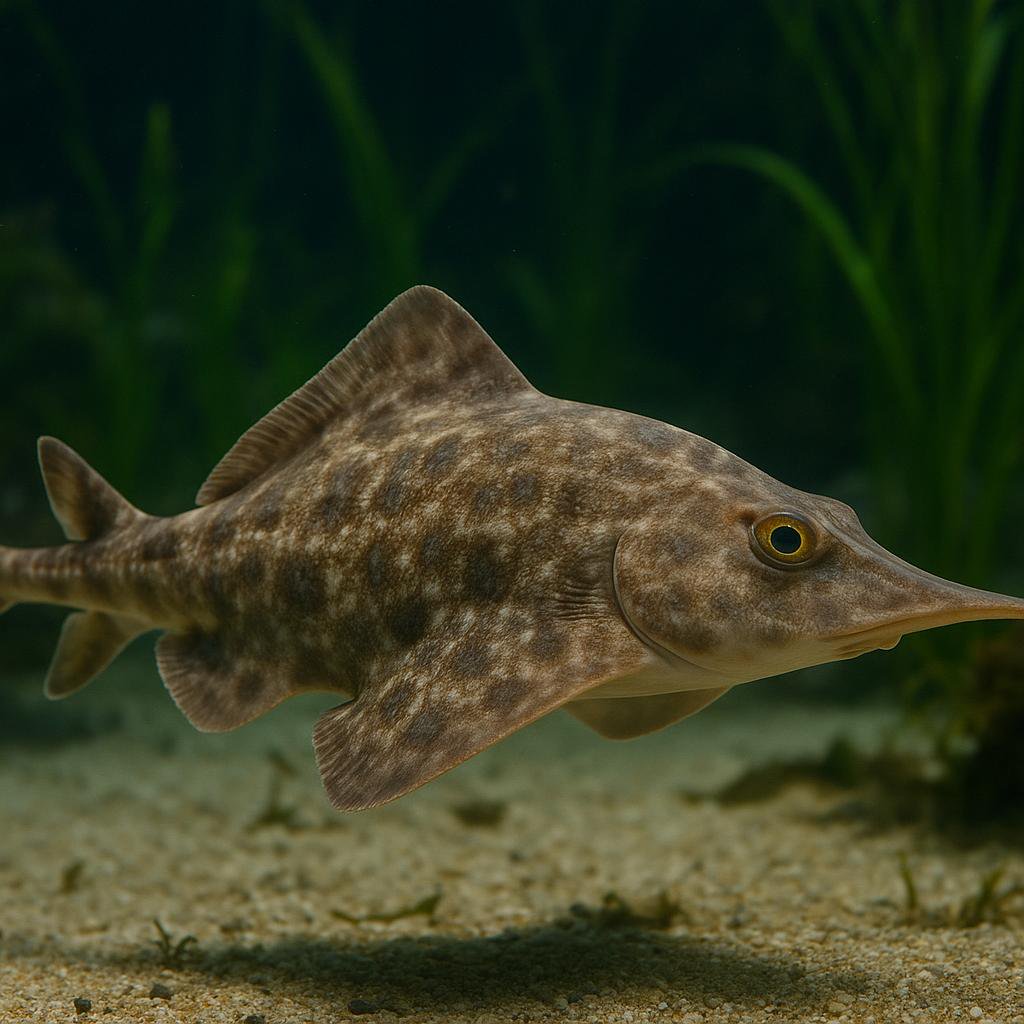
Aleutian skate
Bathyraja aleutica
This is a big, cold-water deep-slope skate from the North Pacific that cruises muddy bottoms and eats chunky benthic prey like crabs and shrimp. The really cool bit is its egg-laying skate life - it does distinct pairing (the classic skate "embrace") and drops those tough egg cases on the seafloor. Not an aquarium fish at all unless you're basically running a public-aquarium-style chilled system.
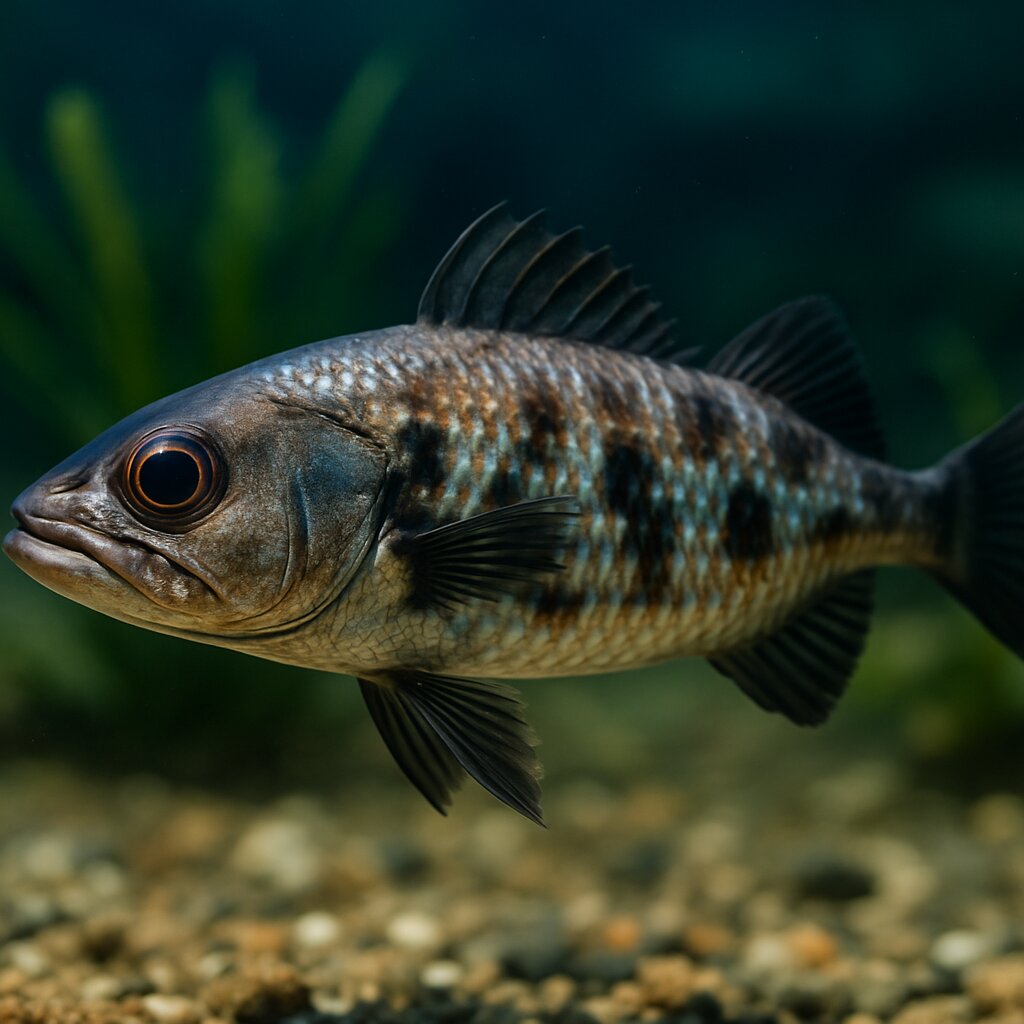
Antarctic dragonfish
Vomeridens infuscipinnis
Deep down around Antarctica, this sleek dragonfish cruises the water column like a little submarine, nearly neutrally buoyant so it can hover above the seafloor. It munches almost exclusively on Antarctic krill and lives in near-freezing water 500-800 m down, so it is a cool species to read about, not one for home tanks.
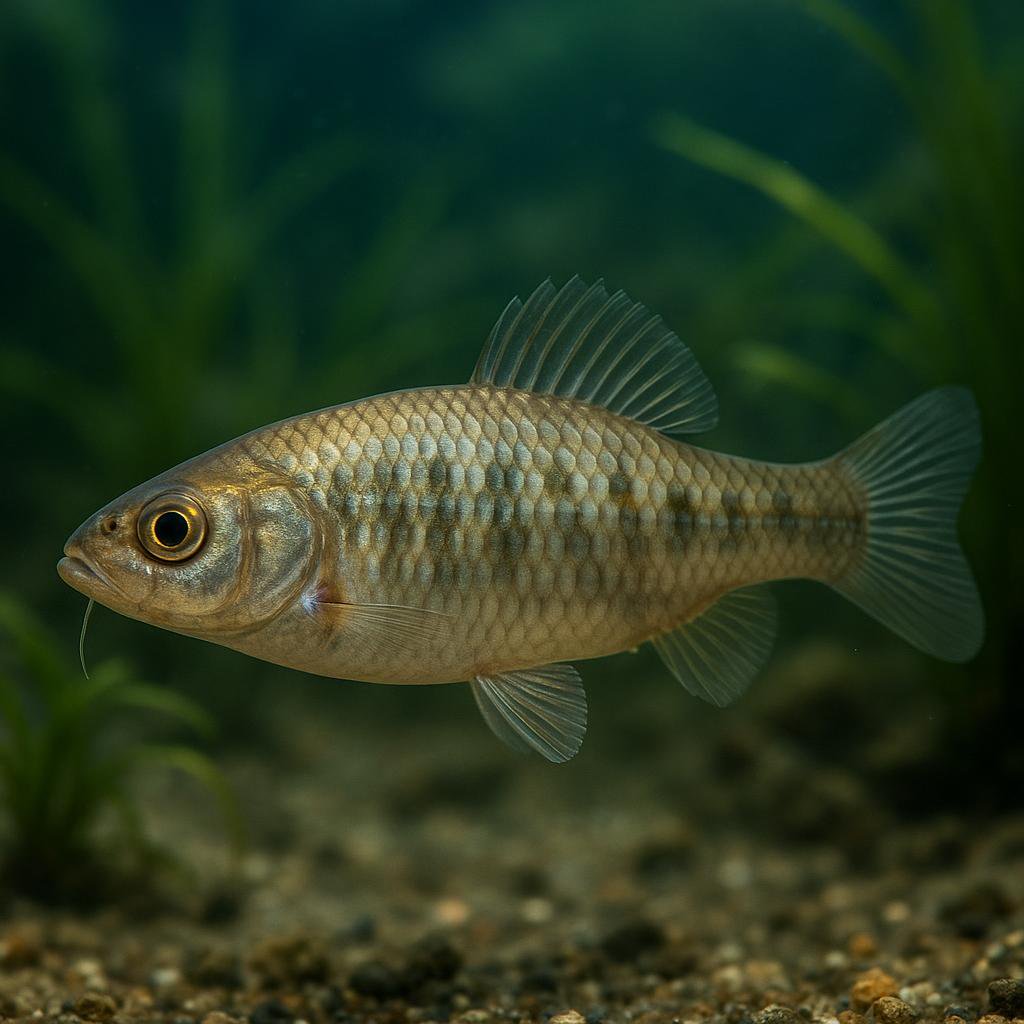
Arabian spiny eel
Notacanthus indicus
Notacanthus indicus is a deep-sea spiny eel (family Notacanthidae; not a true eel) known from the Arabian Sea on the continental slope at roughly ~960–1,046 m depth, with reported maximum length around 20 cm TL; it is a deep-water bycatch species and not established in the aquarium trade.
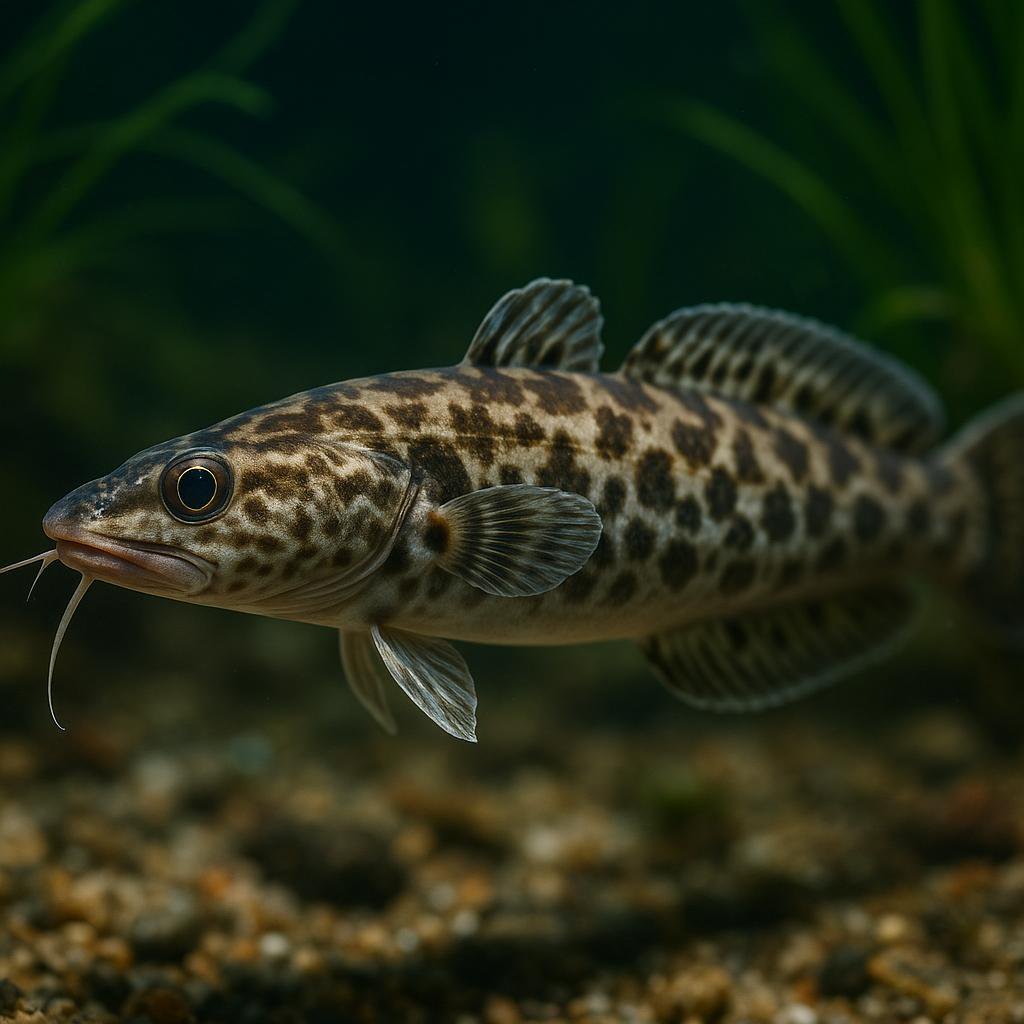
Arctic rockling
Gaidropsarus argentatus
This is a deepwater North Atlantic rockling (a cod relative) that hangs out on soft bottoms way down the slope. It is a cold-water, bottom-hugging predator that snoots around for crustaceans and will also take small fish when it gets the chance.
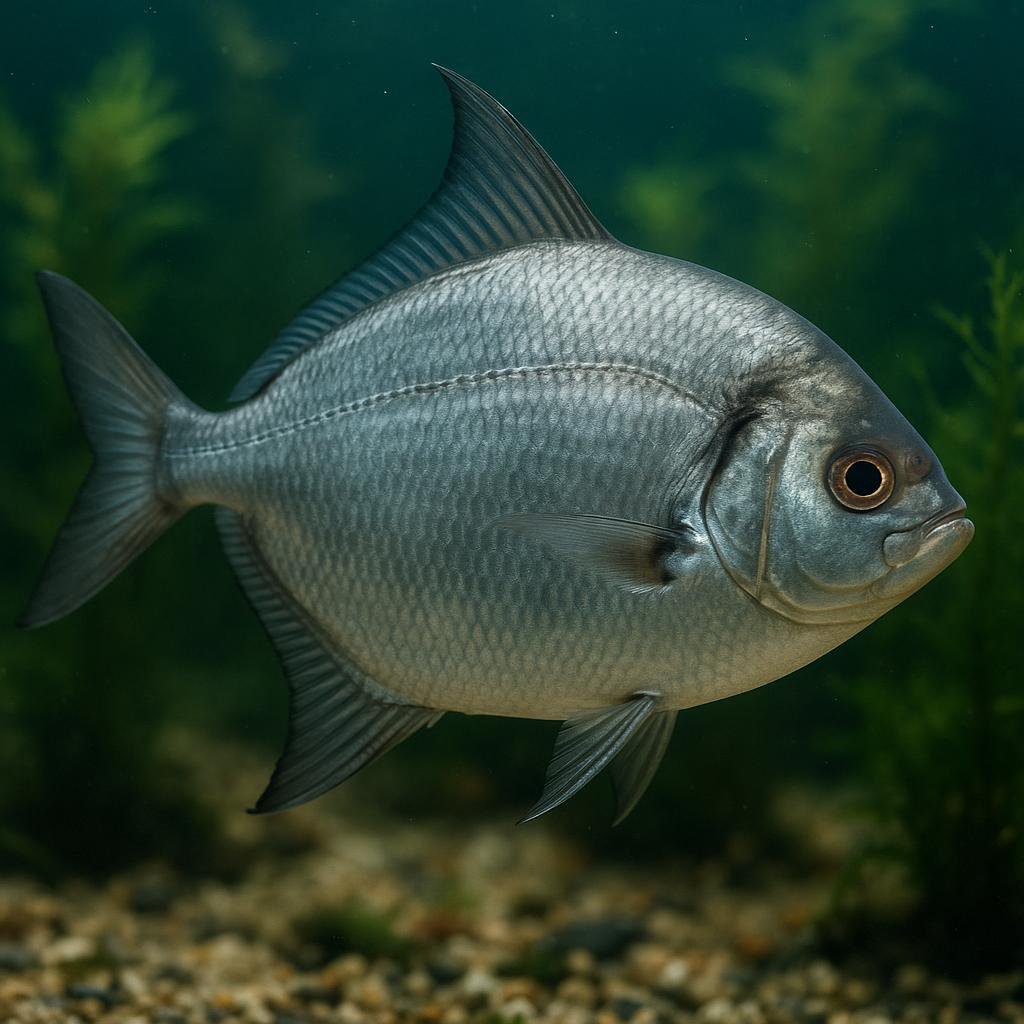
Atlantic pomfret
Brama brama
Brama brama is the Atlantic pomfret (aka Ray's bream) - a deep-bodied, open-ocean pelagic fish that cruises around in small schools and follows water temps. It is a legit big, wild marine species (not an aquarium fish) that eats other small sea critters like fish and squid, and it ranges across a huge chunk of the Atlantic plus parts of the Indian and South Pacific.
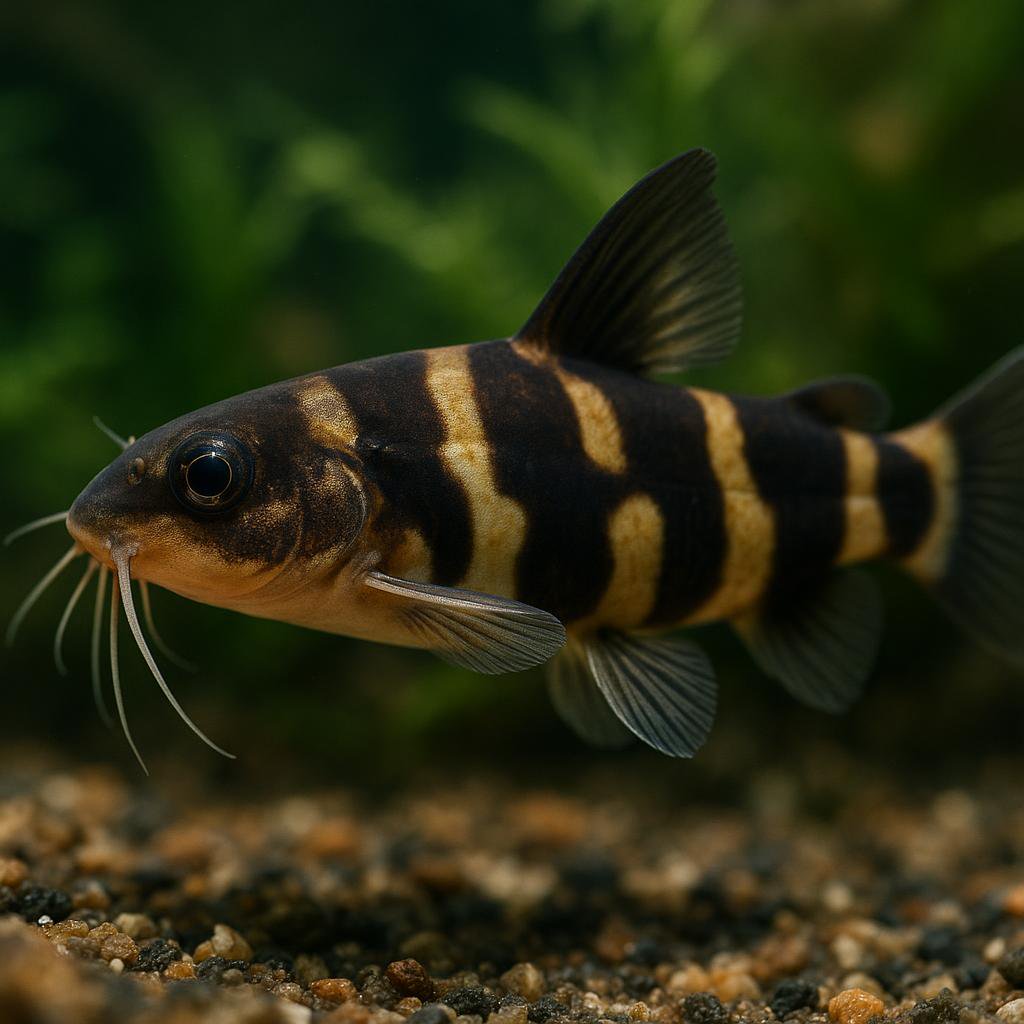
Australian sawtail catshark
Figaro boardmani
Figaro boardmani is a small, deepwater Australian catshark with these cool saw-like ridges of spiny denticles along the tail and a neat pattern of dark saddle bands. It lives way down on the outer continental shelf and slope, so its natural water is cold, dim, and stable - totally not a typical home-aquarium fish. Diet-wise its a predator that goes after fish, crustaceans, and cephalopods.
More to Explore
Discover more marine species.
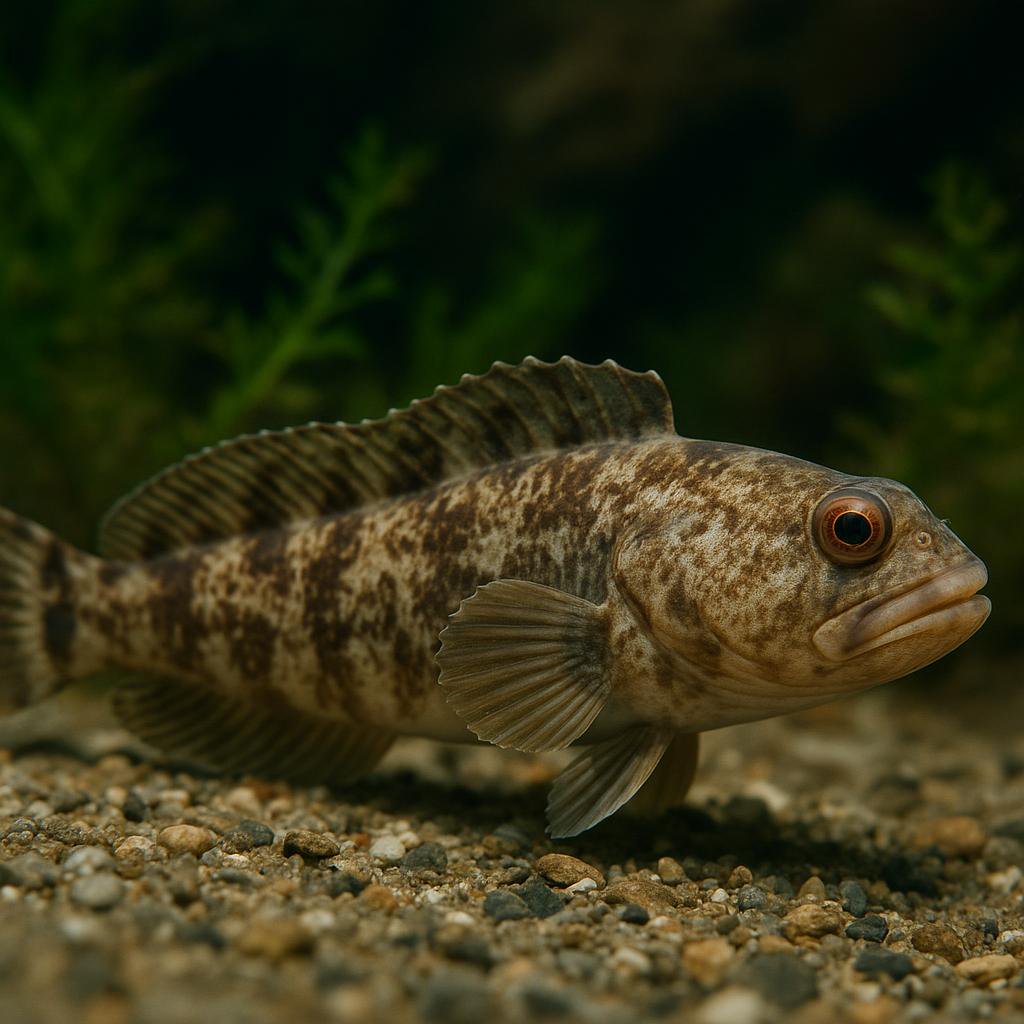
Abe's eelpout
Japonolycodes abei
Japonolycodes abei is a temperate, deepwater demersal eelpout (family Zoarcidae) endemic to Japan (Kumano-nada Sea reported; other sources also report Sagami Bay and Tosa Bay). It is the only species in the genus Japonolycodes and occurs roughly 40-300 m depth, making it an uncommon/atypical aquarium species.
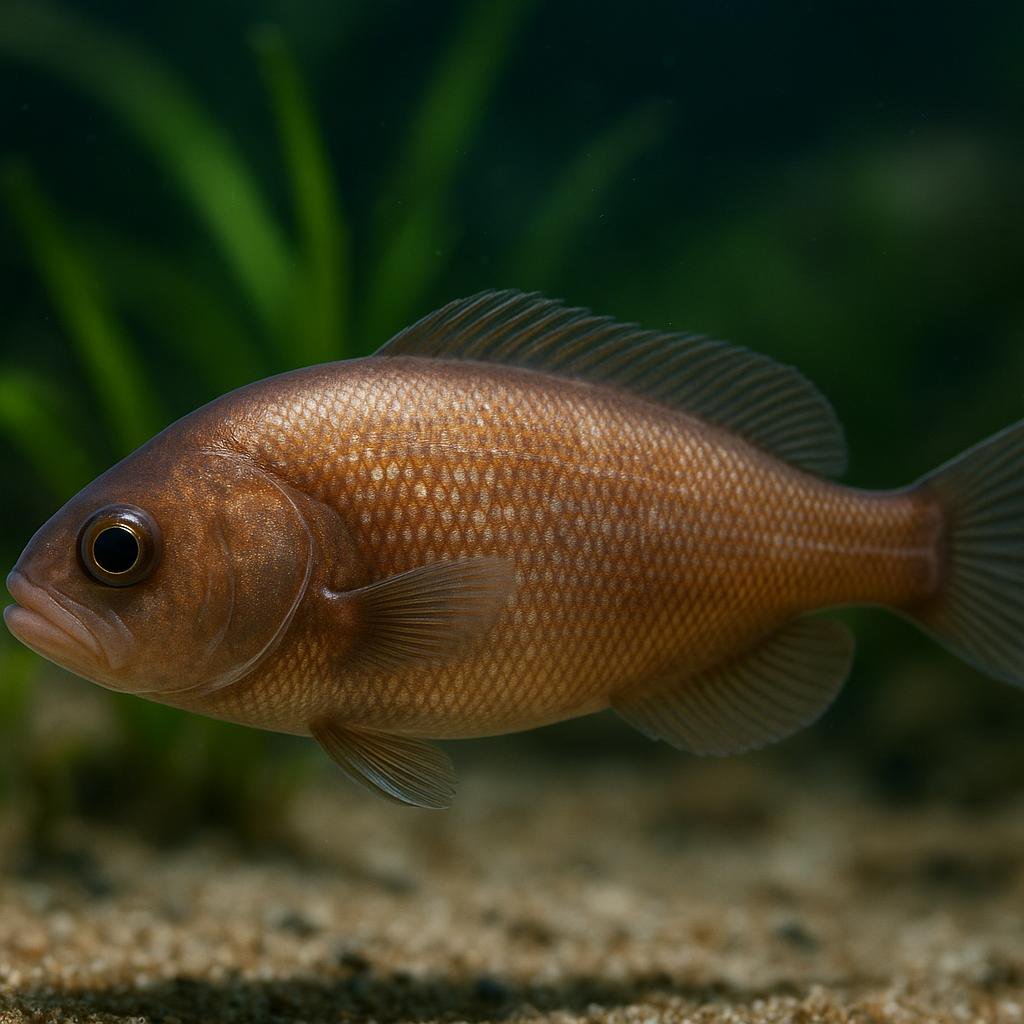
Affinis blind cusk-eel
Barathronus affinis
Barathronus affinis is a tiny, super-weird deep-sea blind cusk-eel from the western-central Indian Ocean. It is one of those gelatinous, loose-skinned brotula-type fishes that live way down in the dark and are basically never seen alive, so almost everything we know comes from preserved specimens and taxonomic work.
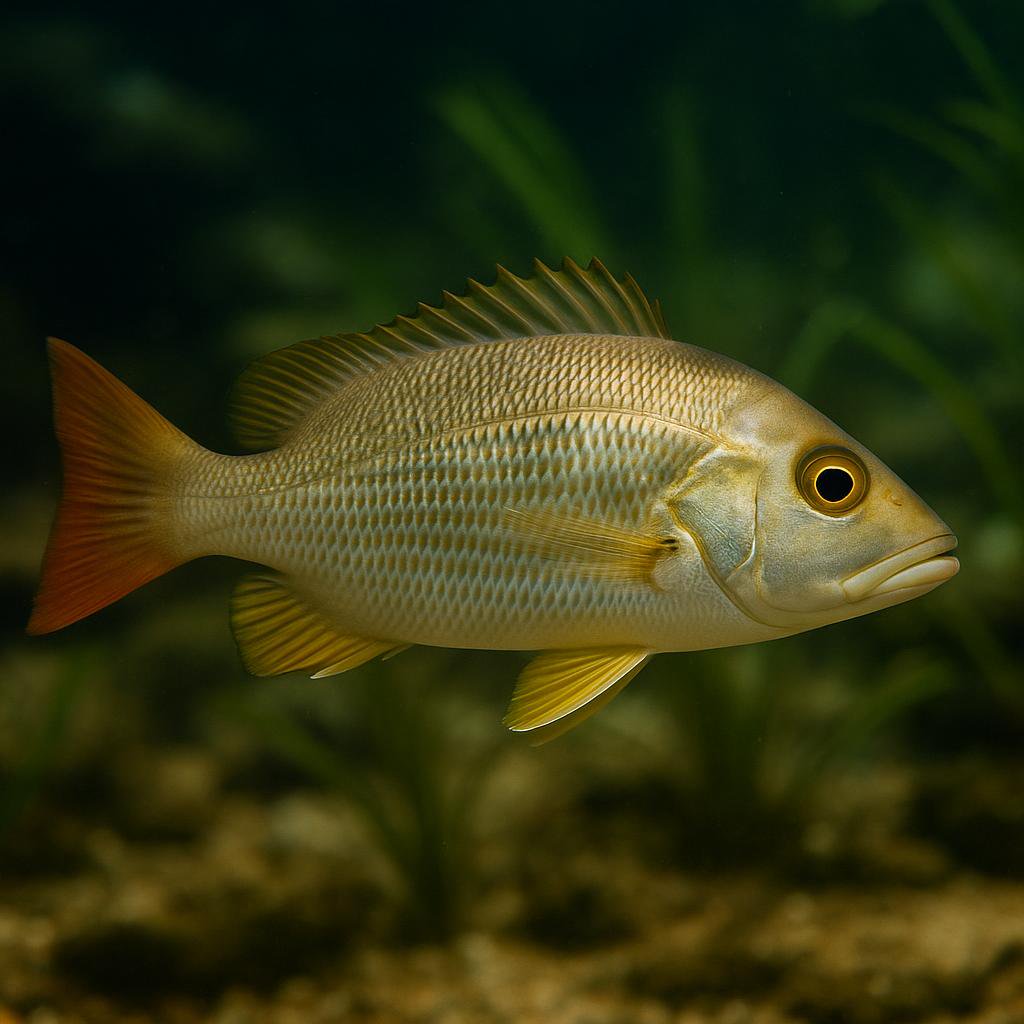
African red snapper
Lutjanus agennes
This is a true snapper from West Africa - a big, fast-growing predator that goes from coastal reefs to brackish lagoons and estuaries (especially as a juvenile). Super cool fish in the wild, but it gets absolutely huge and will eat smaller tankmates once it has the mouth for it, so its really more of a public-aquarium scale animal than a home-aquarium fish.
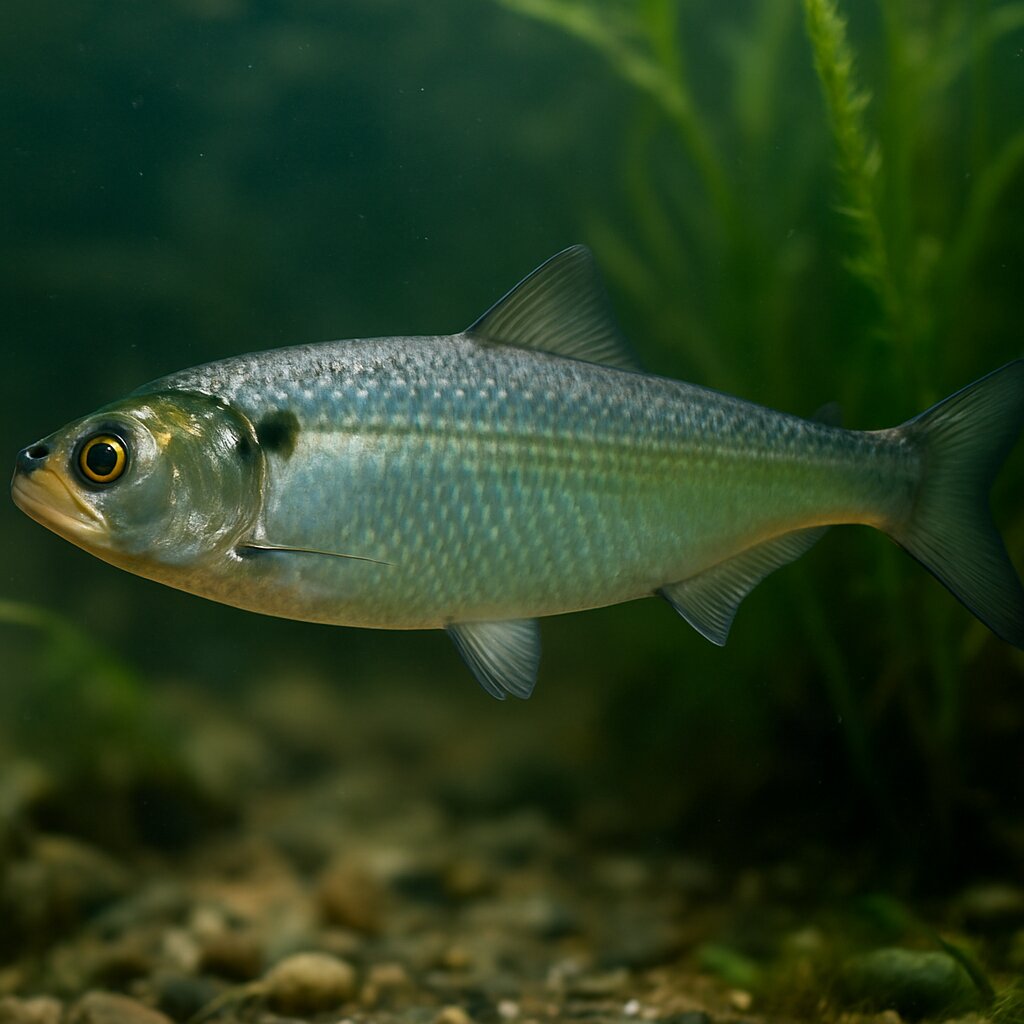
Allis shad
Alosa alosa
Gorgeous silver, fast-swimming shad that spends most of its life in the sea and then surges up big rivers in noisy, surface-spawning schools. It grows huge for a herring-type fish and needs cool, ultra-oxygenated water and tons of open space, so it is a public-aquarium species rather than a home tank fish.
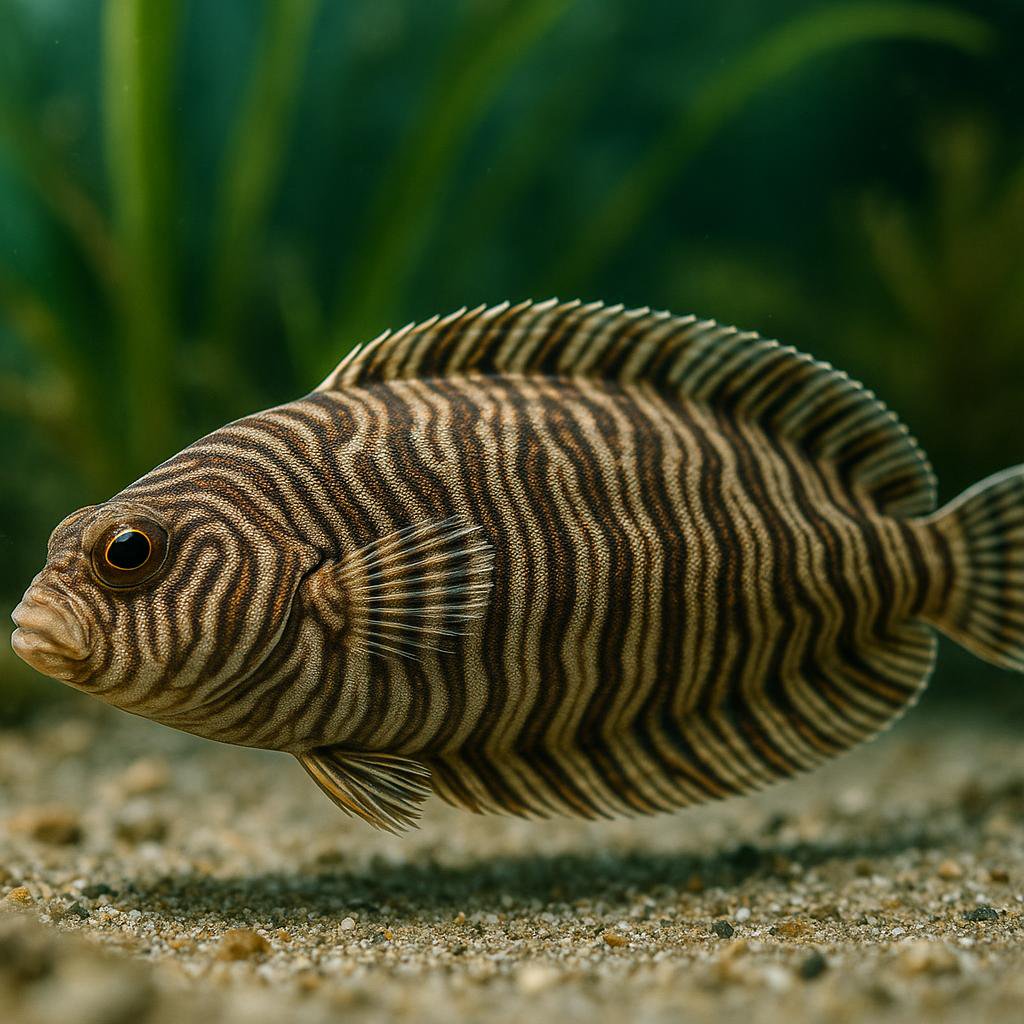
Annandale's zebra sole
Zebrias annandalei
Zebrias annandalei is a small demersal sole from coastal India that inhabits sandy or muddy bottoms and buries for camouflage. It is rarely kept in home aquaria and would require a specialized marine sand-bottom setup and appropriate feeding.
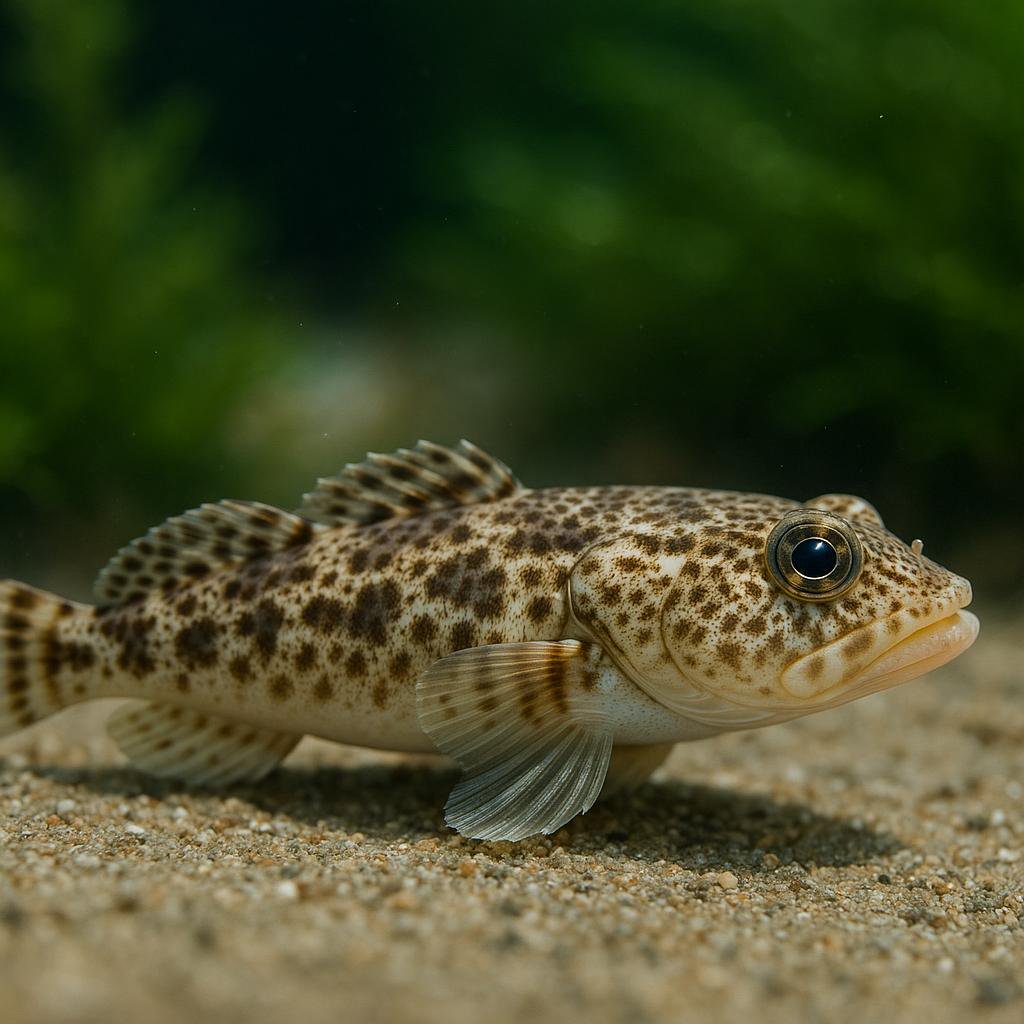
Banded stargazer
Kathetostoma binigrasella
This is a New Zealand stargazer that lives half-buried in sand or mud with its eyes pointed up, waiting to rocket upward and nail passing prey. It has those neat dark saddle-bands across the back (especially as a juvenile), and like other stargazers it is venomous with spines near the gill cover/pectoral area - definitely a look-dont-touch fish.
Looking for other species?