

Search Species
Search for fish species by common or scientific name, or use filters to browse by water type, size, temperament, and difficulty.
Found 654 species
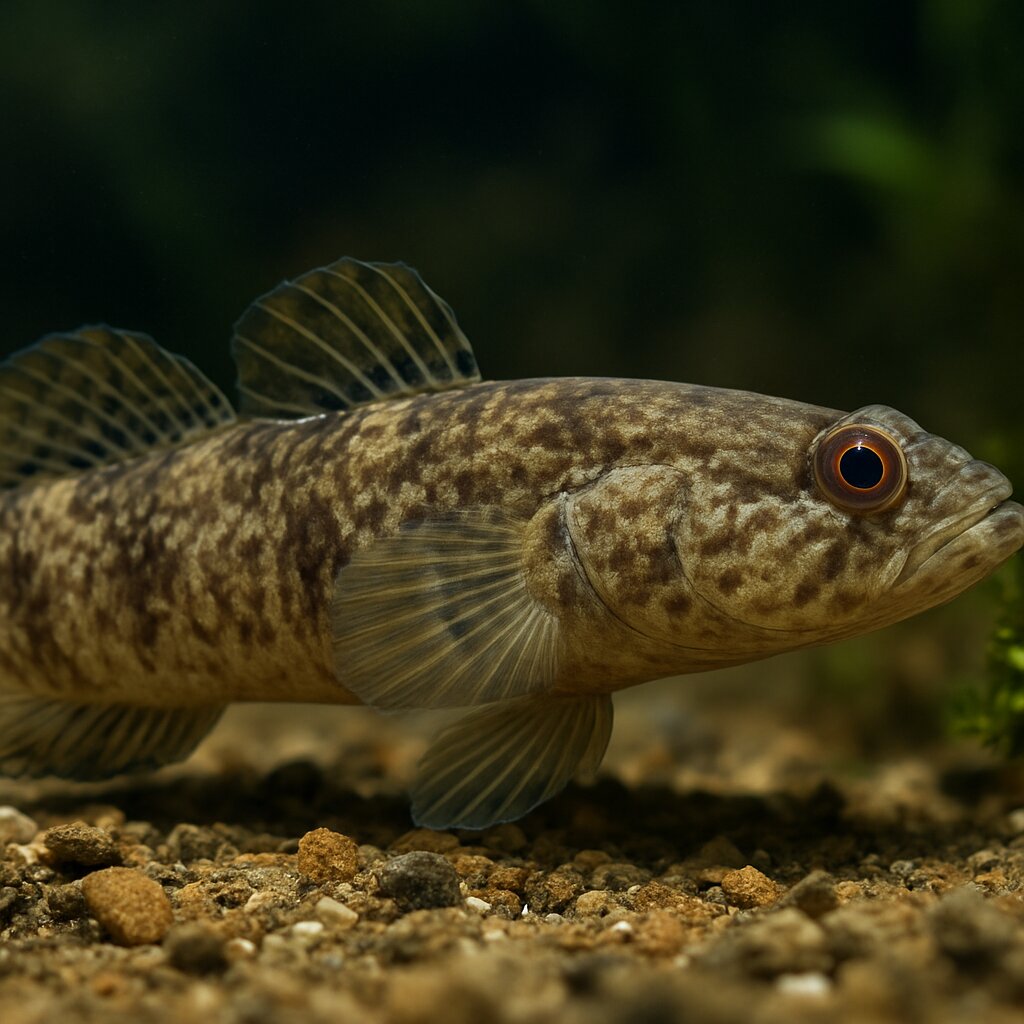
Fewpored gudgeon
Oxyeleotris paucipora
A tiny sleeper goby from New Guinea, this little gudgeon hangs out in weedy backwaters and leaf-littered creeks and does short dash-and-grab hunts for bite-size critters. Think of it as a shy, bottom-perching micro-predator that appreciates calm water, cover, and gentle tankmates.
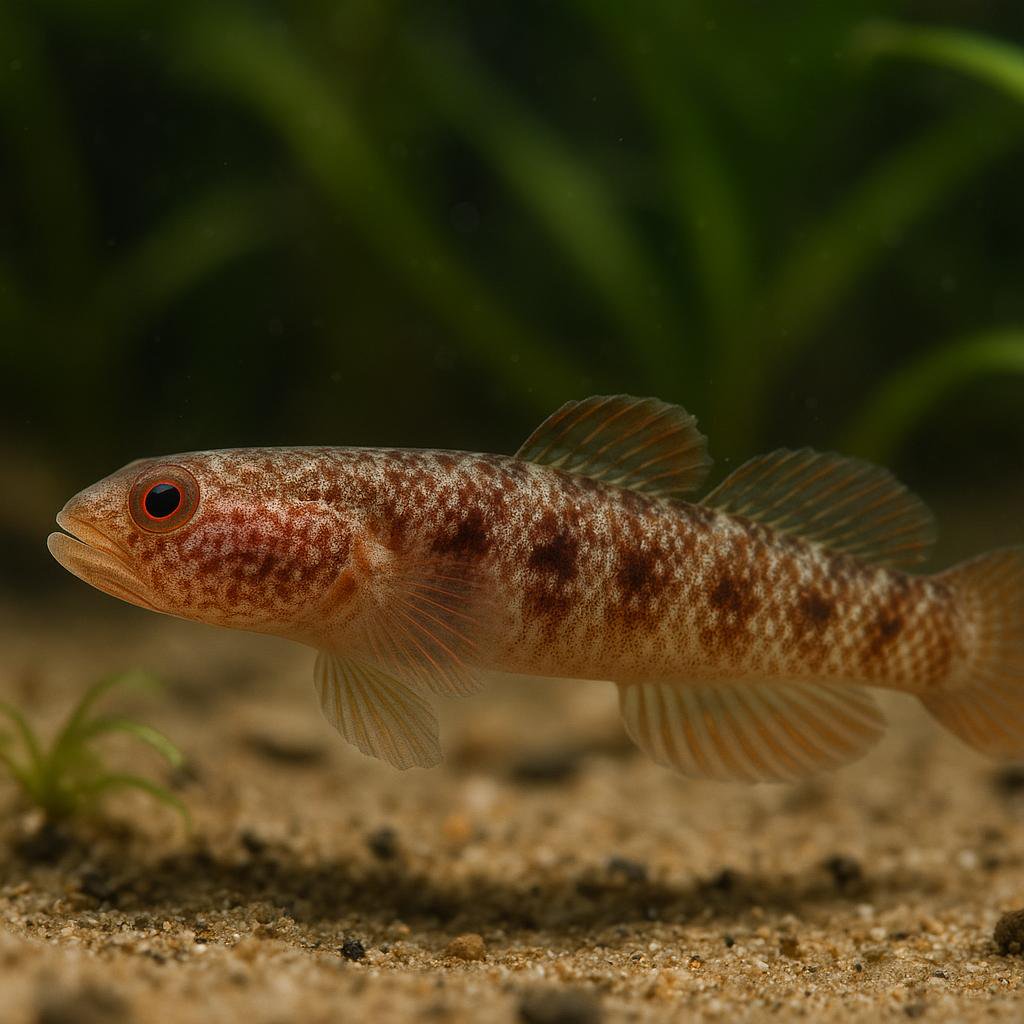
Few-pored wriggler
Xenisthmus oligoporus
This is a teeny little Red Sea reef wriggler that lives down in sandy spots and stays pretty secretive. At barely around an inch long, its whole vibe is "blink and you miss it" - more of a cool oddball micro-predator than a display fish.
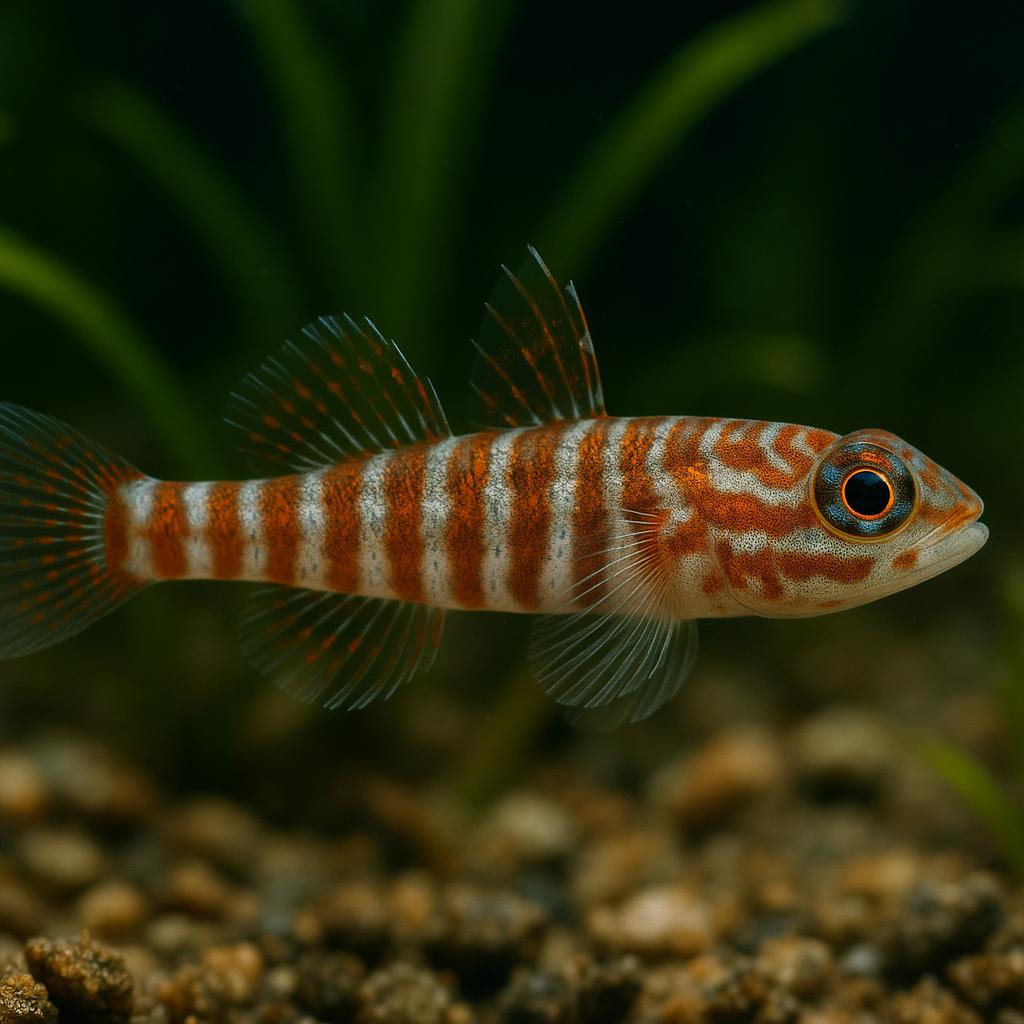
Fijian zebra dwarfgoby
Eviota pseudozebrina
This is a true micro-reef goby from Fiji that hangs tight to rockwork and algae-covered spots in super shallow water. It is one of those blink-and-you-miss-it fish, but once you start watching, you will see it perching, hopping, and picking at tiny foods all day. The big catch is keeping it well-fed and not letting bigger tankmates intimidate it or outcompete it at mealtime.
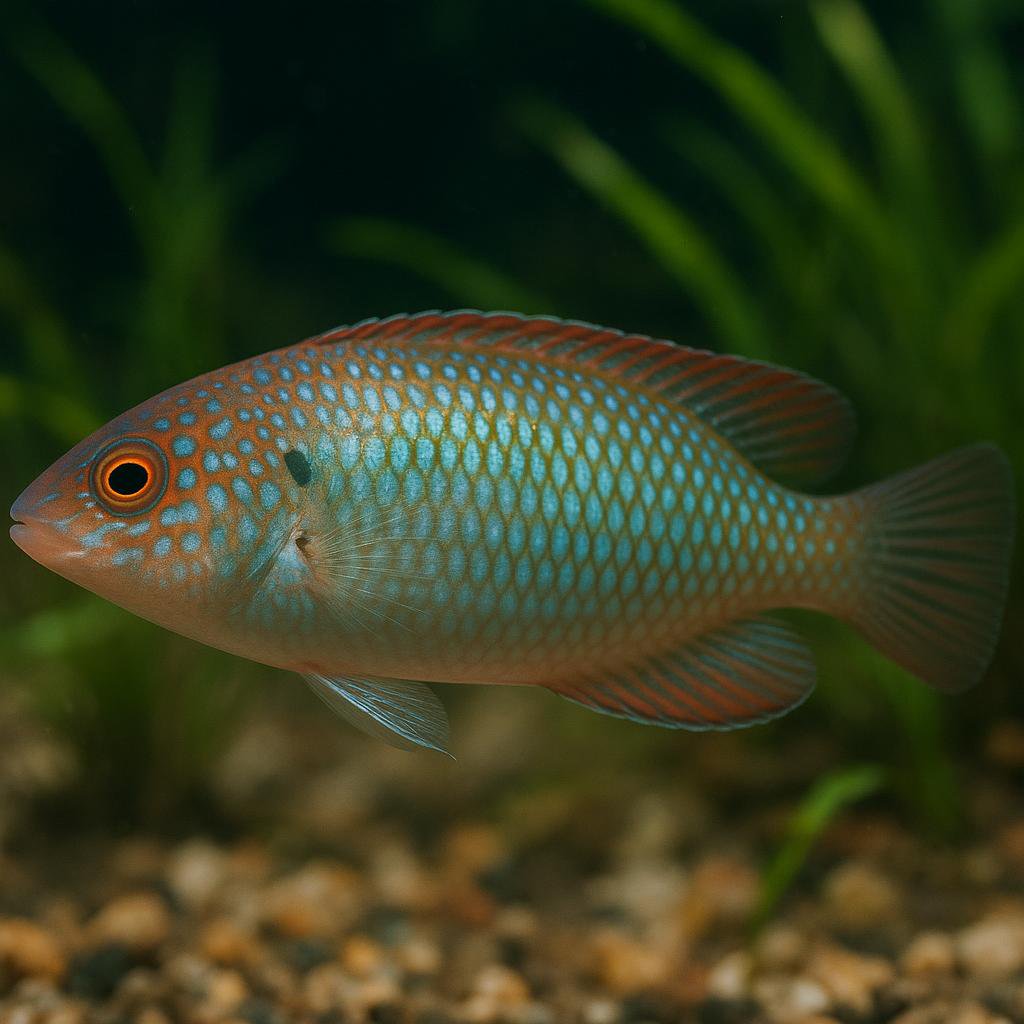
Finspot wrasse
Xenojulis margaritacea
This little wrasse is basically a nonstop grazer - it cruises the rockwork all day hunting tiny critters, then dives into the sand to sleep. Adults can get really flashy (especially males) with that signature black fin spot, and it is one of those fish that will absolutely remind you why lids matter because it can jump.
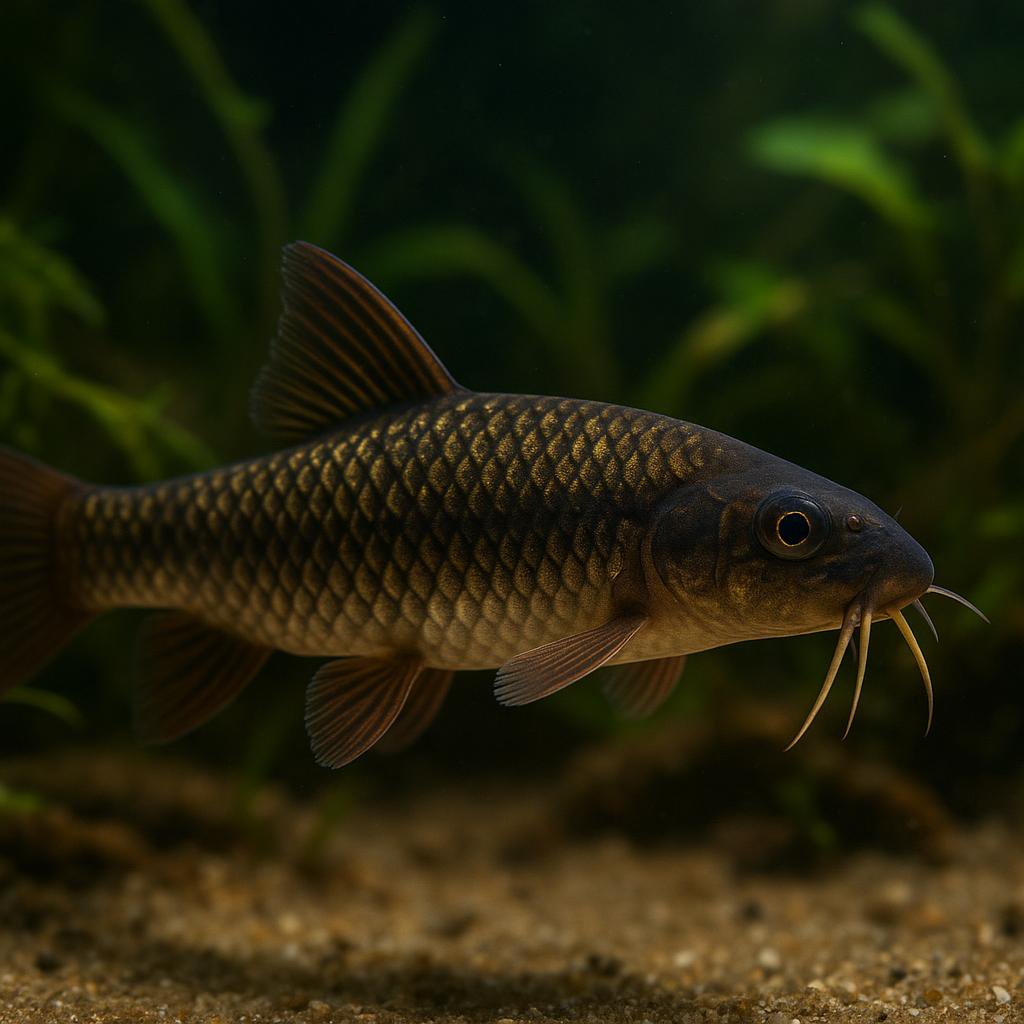
Fire-eyed loach
Barbucca diabolica
This is one of those tiny, oddball loaches that spends its whole day scooting along wood and rocks like a little vacuum cleaner, and those glowing red eyes are the whole vibe. It is peaceful and shy, but it gets way more confident in a dim, cover-filled tank with leaf litter and lots of little hideouts. Biggest thing people miss is feeding - it is a bottom grazer and pretty much will not chase food up in the water column.
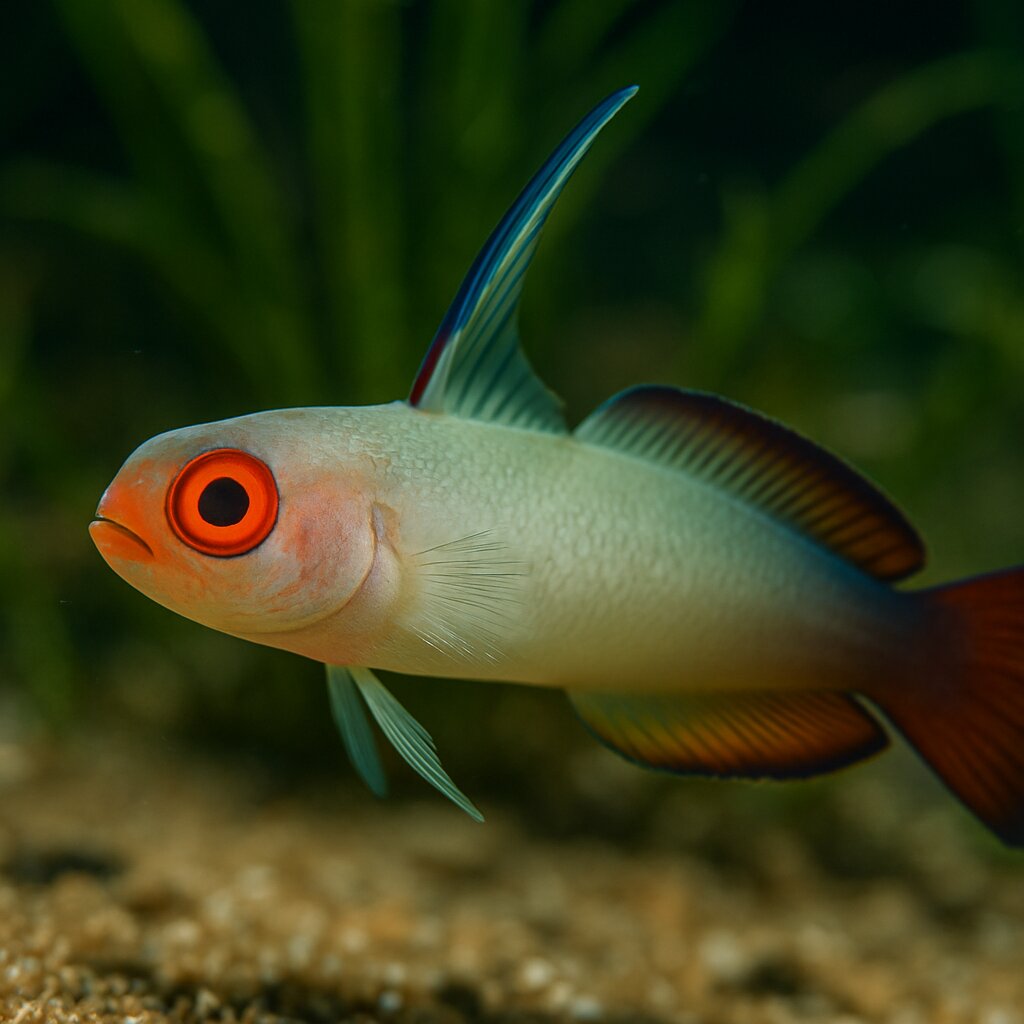
Fire-eye goby
Yoga pyrops
This is a neat little Aussie goby that sticks close to soft, silty bottoms and shows off those pear-shaped blue eyes that gave it the name. Think of it as a shy perch-and-dart fish that appreciates calm tankmates and a sandy spot to chill. If you ever see one for sale, treat it like other small marine gobies with meaty micro-foods and stable reef-style water.
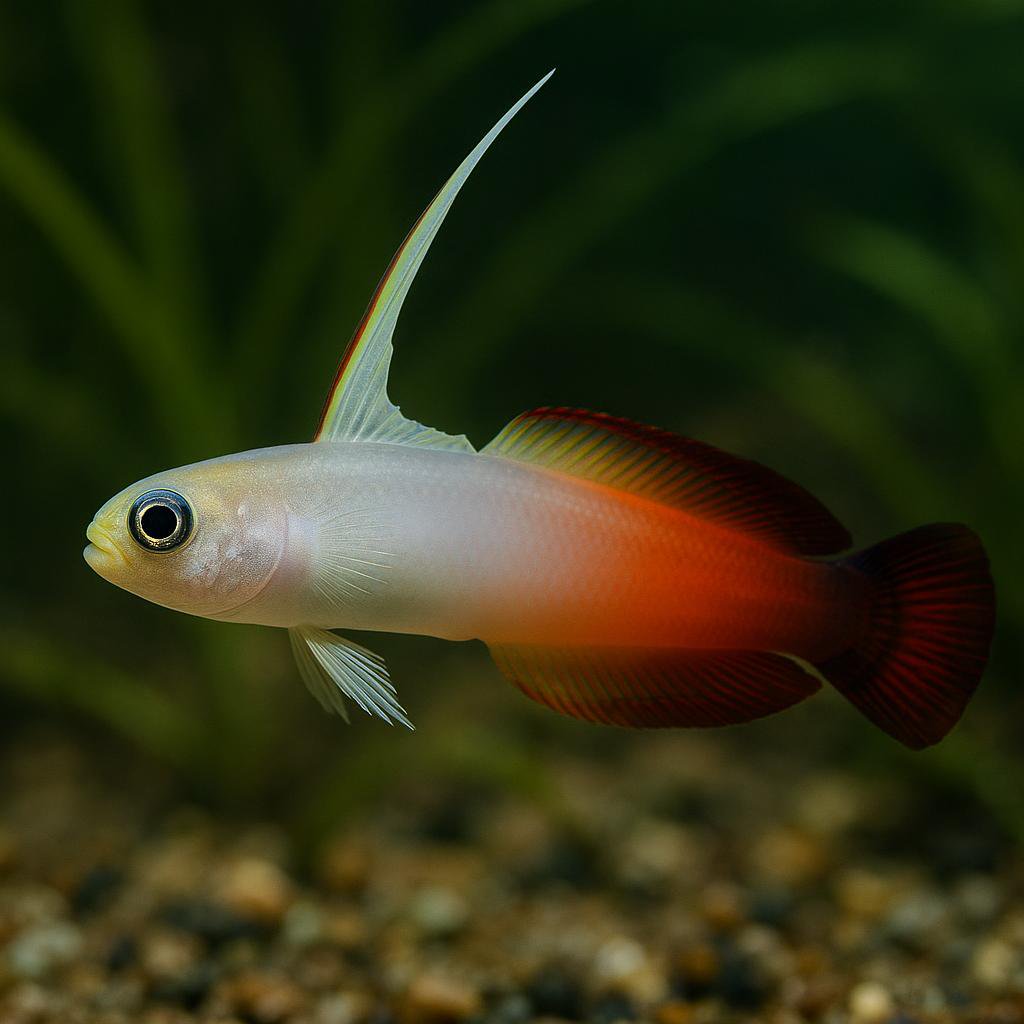
Firefish (Fire Goby / Fire Dartfish)
Nemateleotris magnifica
This is that little "hover-and-dart" reef fish with the yellow face and the white-to-red fade that looks like it was airbrushed on. It'll pick a bolt-hole in the rockwork, hang in the water column facing the current, and do that cute little flag-flick with the tall first dorsal fin when it's feeling bold.
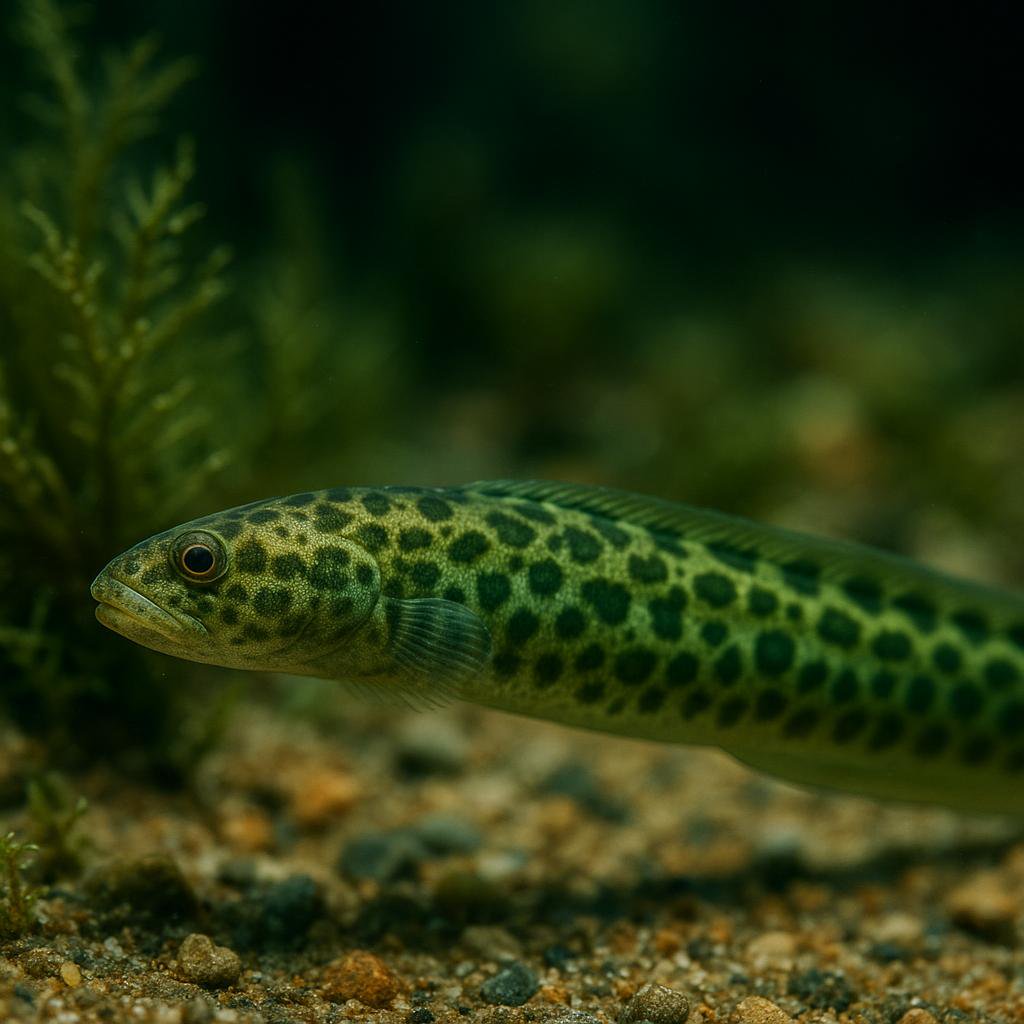
Fish doctor
Gymnelus viridis
Gymnelus viridis (the fish doctor) is a cold-water Arctic eelpout with a long, scaleless, eel-like body that likes hugging the bottom in sand/mud and seaweed. It is a true marine fish from polar seas, feeding on crustaceans and other meaty bottom critters - basically a little benthic hunter built for chilly water.
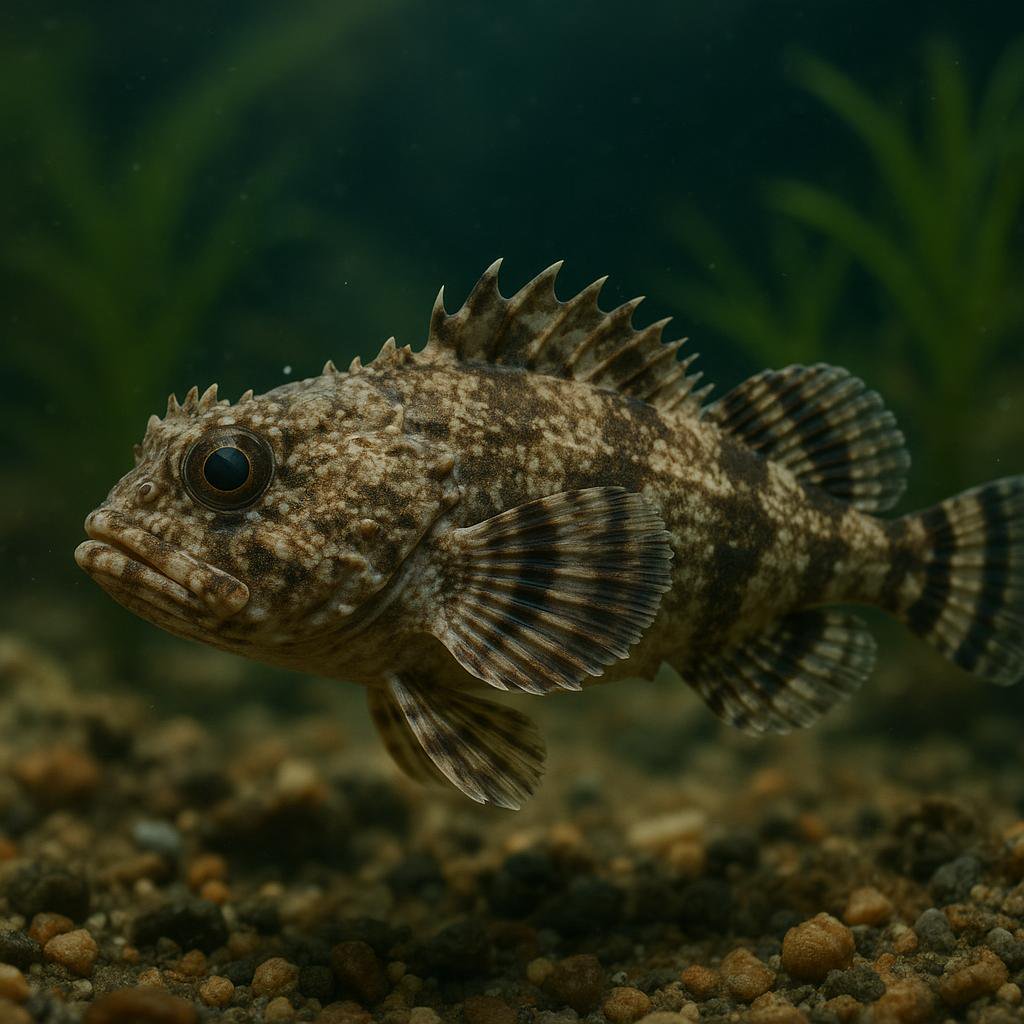
Flabby sculpin
Zesticelus profundorum
This is a tiny deepwater sculpin from the North Pacific that lives way down on the bottom, not cruising around the reefs like typical “aquarium marines”. The wild habitat is cold, dark, and high-pressure (down to around 2580 m), so it is basically a “look up in a museum database” fish rather than something you can realistically keep at home.
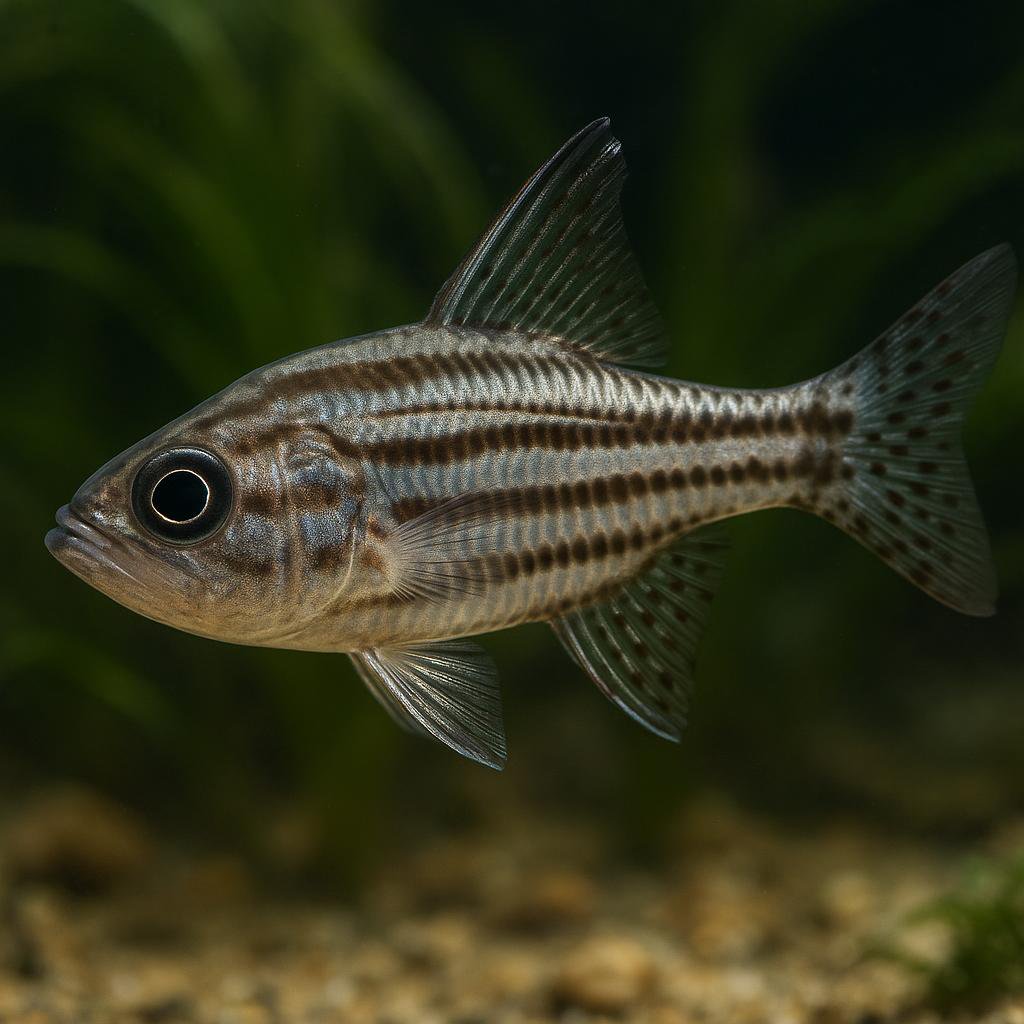
Flagfin cardinalfish
Jaydia truncata
Jaydia truncata is a nocturnal reef-associated cardinalfish found in inshore waters of the continental shelf in the Indo-Pacific. It reaches about 15 cm total length and in aquaria should be provided with calm tankmates and ample shelter/overhangs.
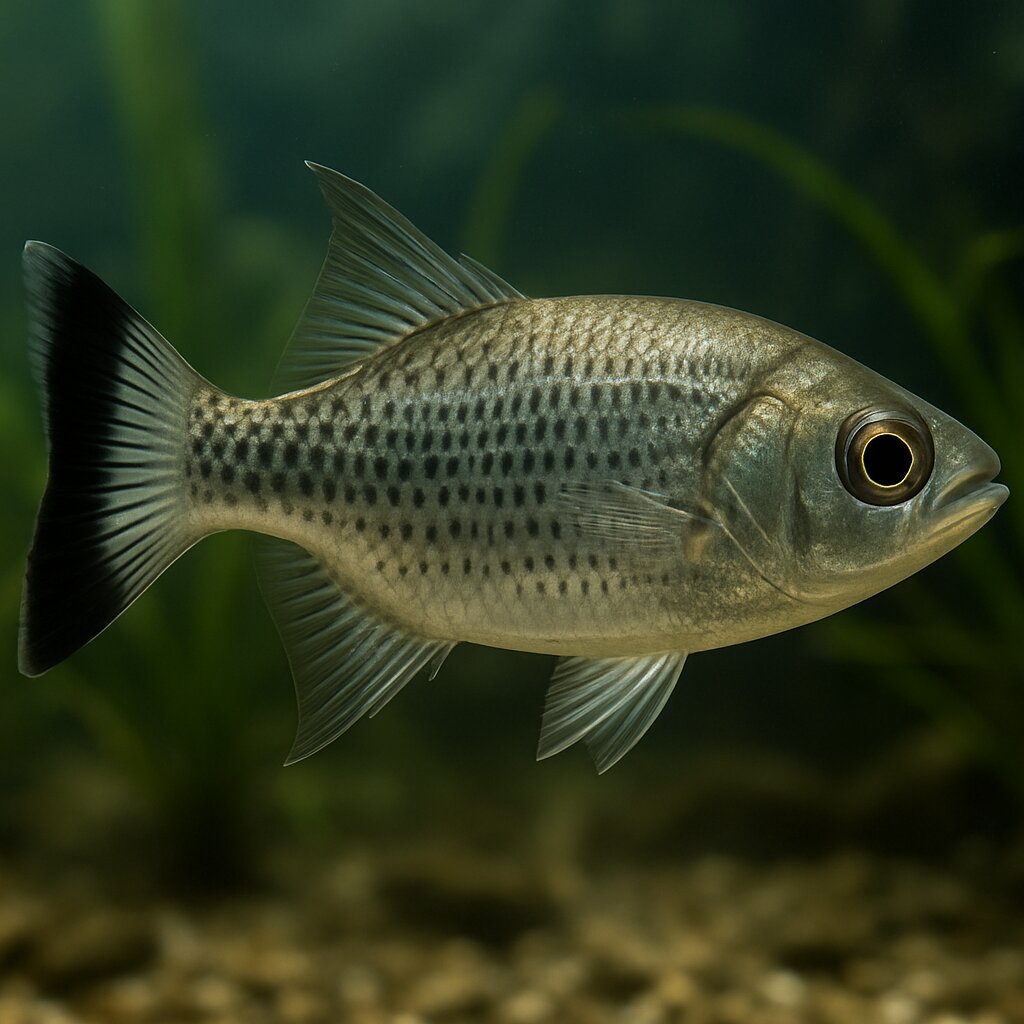
Flagtail
Kuhlia petiti
Silvery central-Pacific flagtail with a crisp black tail and bold white C-shaped marks on each lobe - it looks sharp cruising in the surf zone. It is a fast, schooling planktivore, so in captivity it wants strong flow and a lot of open water to swim.
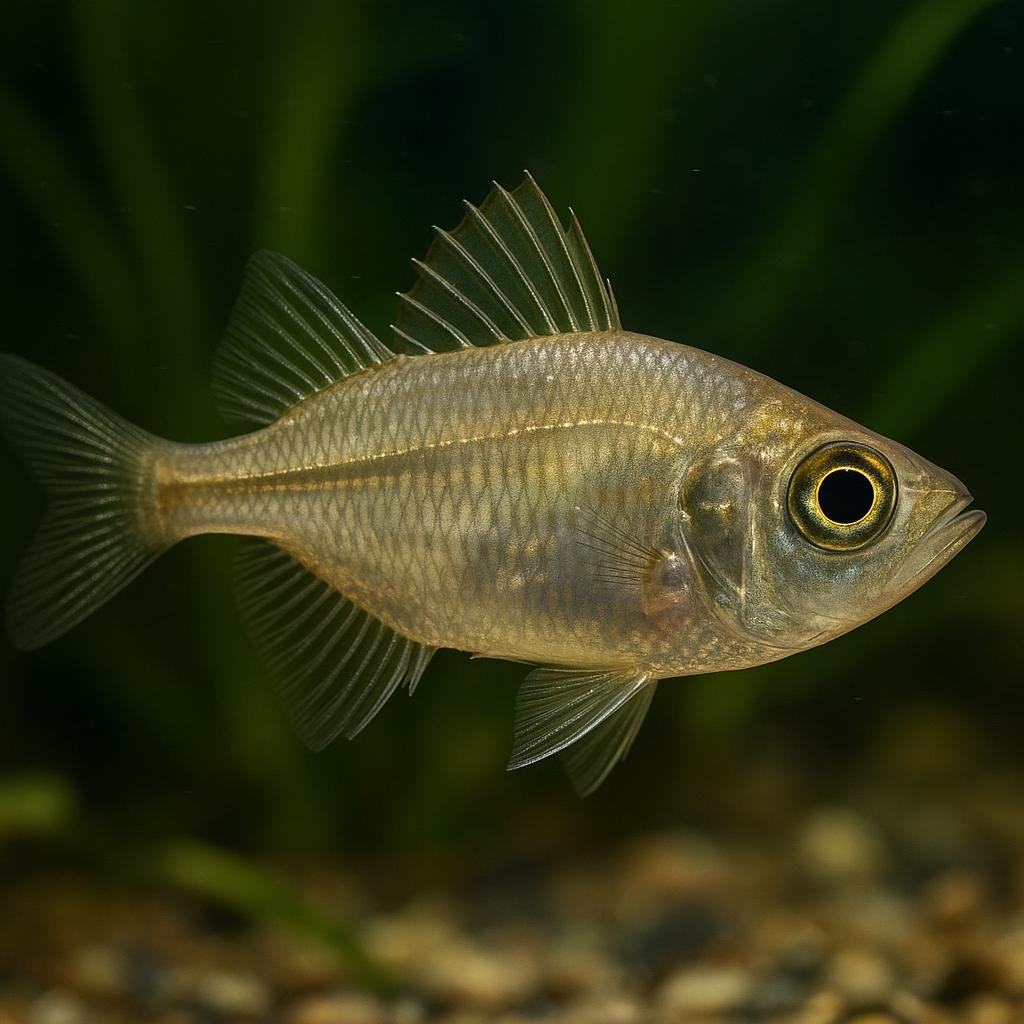
Flag-tailed glass perchlet
Ambassis miops
Ambassis miops is a small, see-through little perchlet from Indo-Pacific estuaries and river mouths - you can often see the silvery organs and spine line inside the body when it turns just right. They tend to hang out in loose groups along weedy edges in slow-to-moderate flow, and that flag-like tail pattern is the quick giveaway once you spot it.