

Mabahiss lightfish
Vinciguerria mabahiss
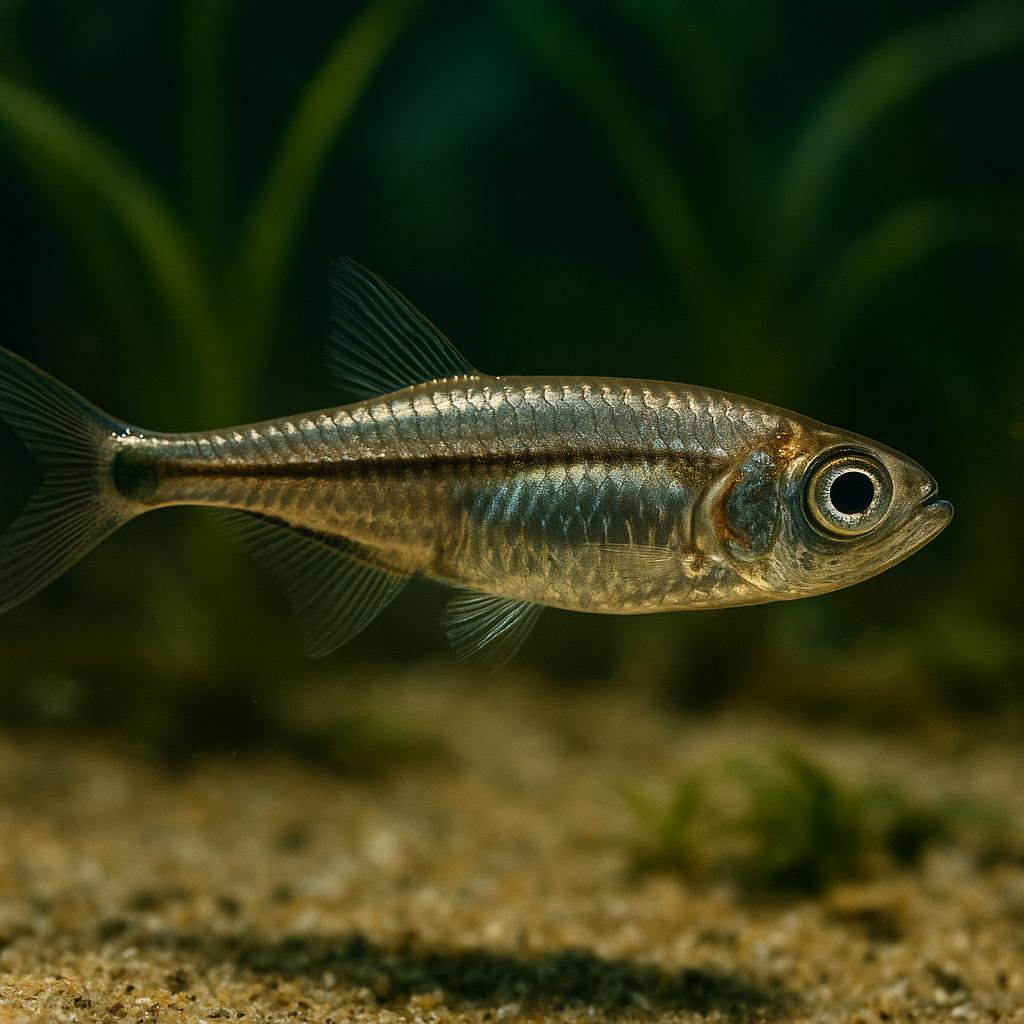
Mabahiss lightfish exhibits a slender body with a silvery hue, featuring bioluminescent spots along its lateral line for communication and attraction.
This page includes AI-generated images. Why am I seeing AI images?
About the Mabahiss lightfish
Vinciguerria mabahiss is a tiny deepwater lightfish from the Red Sea that uses rows of photophores (light organs) for counter-illumination - basically a living stealth mode in the midwater dark. Its whole lifestyle is mesopelagic (open-water, deep), so its "care" is really more science-lab territory than home aquarium stuff.
Also known as
Quick Facts
Size
2.9 cm
Temperament
Peaceful
Difficulty
Expert
Min Tank Size
0 gallons
Lifespan
unknown
Origin
Red Sea (north Red Sea and Gulf of Aqaba)
Diet
Carnivore - zooplankton and small drifting invertebrates (mesopelagic micronekton feeder)
Water Parameters
21.4-24.9°C
8-8.4
8-12 dGH
Care Notes
- Give it a dim, low-stress setup - blacked-out sides, lots of overhangs/caves, and no blasting LEDs. Bright reef lighting will keep it hiding and it can slam into glass when spooked.
- Run a big, stable marine system (think 75+ gallons) with gentle, even flow and a covered top - these little pelagic fish can jump or launch when startled. Use a fine intake guard because they are small and get pinned easily.
- Keep salinity 1.024-1.026 and temp around 72-78F, and don't let swings happen day to day. They react fast to sudden changes and you will see heavy breathing and
- Feed like a planktivore: small meaty stuff (copepods, enriched baby brine, mysis chopped fine, krill dust, quality micro-pellets if it takes them). Multiple small feeds beat one big dump, and target-feed in low light so food actually gets noticed.
- Skip boisterous tankmates - no tangs, triggers, big wrasses, or anything that outcompetes at feeding time. Peaceful midwater fish and tiny, non-grabby inverts are safer, but honestly a species tank or calm deepwater community works best.
- Watch for mouth damage and scale scrapes from panic-dashing; sharp rockwork and high flow near hard edges makes it worse. If it is pacing the glass, dim the tank and add background cover right away.
- Breeding in home tanks is basically a lottery - they are open-water spawners and larvae need live micro-plankton and specialized rearing. If you ever see eggs, plan on a dedicated kreisel-style larval setup and nonstop live feed cultures.
Compatibility
Good Tankmates
- Small, mellow planktivores that hang in the water column - think chromis or other gentle little schooling fish that wont hassle them at feeding time
- Peaceful gobies (watchman-style, sand sitters) that mostly mind their own business on the bottom
- Blennies with a chill attitude (like tailspot-type blennies) that perch and graze instead of chasing midwater fish
- Reef-safe dartfish/firefish - calm, midwater hoverers that dont compete too hard and wont try to eat them
- Small cardinalfish - theyre not speed demons, but theyre usually polite tank citizens and dont go looking for trouble
Avoid
- Any predator-type fish that sees small, slim fish as snacks - lionfish, anglers/frogfish, groupers, big hawkfish
- Pushy, in-your-face feeders and bullies - larger dottybacks, damsels with attitude, and similar fish that turn every meal into a brawl
- Nippy wrasses and other constant pickers that stress timid schooling fish - especially anything that loves to chase or peck fins
Where they come from
Mabahiss lightfish (Vinciguerria mabahiss) are little deepwater lanternfish relatives from the Indian Ocean region. In the wild they live way down in the dim, then migrate up in the water column at night to grab zooplankton. That daily up-and-down lifestyle is a big clue to why they are such a headache in home aquariums.
Most "lightfish" in the trade show up as bycatch, so expect unknown collection depth, rough handling, and a fish that arrives already stressed.
Setting up their tank
If you are trying these, think less "reef display" and more "quiet, dim, plankton feeder holding system." They do much better in subdued light with lots of open water and zero chaos.
- Tank size: bigger than their body size suggests. I would not bother under 75-120 gallons because you need stable water and room for them to cruise.
- Lighting: low. Give them shaded zones and avoid blasting them with reef LEDs.
- Flow: gentle to moderate and very even. They are midwater fish, not rock huggers that enjoy getting pinned in a gyre.
- Filtration: oversized and boringly stable. Protein skimmer, good mechanical, and a way to export nutrients because you will be feeding small foods often.
- Aquascape: keep rockwork minimal and open. A few structures for breaking line-of-sight is fine, but leave a big swimming lane.
- Cover: tight lid. Small pelagics spook and jump. Ask me how I know.
Avoid "new tank syndrome" at all costs. They do not handle swings. I would only try them in a mature, steady marine system (months old, not weeks).
Temperature is tricky. They are a deepwater species, and warm reef temps can shorten the runway fast. If you can run the system cooler than a typical reef (and keep it stable), you are stacking the deck in your favor. Chillers are not glamorous, but neither is losing a rare fish in a week.
Acclimation: go slow, keep the lights off, and keep them in a dim bucket. I like using a blacked-out acclimation container and a long drip, then release them with the room lights still down.
What to feed them
These are plankton pickers. The biggest mistake is offering chunky food and assuming they will "figure it out." They usually do not. You want lots of small prey items, offered frequently, and ideally moving in the water column.
- Best starting foods: live copepods, enriched baby brine (nauplii), small live mysids if you can get them truly small, and live adult brine only as a vehicle for enrichment (not as a staple).
- Frozen foods that sometimes work: calanus, cyclops, finely sieved mysis, fish eggs/roe (tiny), and very small krill dusted down. Keep particle size small.
- Enrichment: HUFA enrichment for live foods helps a lot. Deepwater planktivores tend to fade without it.
- Feeding rhythm: multiple small feedings beats one big dump. Think 3-6 small hits a day if you want them to hold weight.
Watch their bellies. A lightfish that is not eating will look "fine" right up until it suddenly is not. If you do not see regular feeding responses within a few days, intervene (live foods, quieter tank, lower light).
If you have access to a refugium that pumps pods into the display, that helps. I have had the best results when there is always something small drifting around, instead of expecting them to take prepared food on a schedule.
How they behave and who they get along with
They are nervous, midwater fish that do best with their own kind. One by itself tends to sulk, hide, and stop feeding. In a small group, they act more like a real schooling fish and spend more time out in the open.
- Keep them in groups if you can: 5+ is where you start to see more natural behavior, assuming the tank is sized for it.
- Tankmates: peaceful, non-competitive planktivores at most. Think small, calm fish that will not rush the food.
- Avoid: aggressive fish, fast food hogs (many wrasses, anthias in a frenzy, damsels), and anything that sees a small silver fish as a snack.
- Corals/inverts: they are not a coral nipper, but reef-bright lighting and high daytime activity can stress them. They are more "FOWLR plankton system" than "SPS show tank" in my experience.
Do not mix them with predators that can fit them in their mouth. They look like a snack because they are a snack.
Breeding tips
Realistically, breeding Mabahiss lightfish in home aquariums is not a thing yet. They are open-water spawners with larvae that are tiny and planktonic, and the cues likely involve seasonal cycles and depth-related changes that we do not replicate well.
If you ever did want to experiment, your best shot would be a large, cool, dim, circular or oval tank (to avoid corner bashing), with a big live plankton culture pipeline. But even then, plan on it being a long-shot passion project.
Common problems to watch for
Most issues with this species come down to shipping stress, not settling into feeding, and being kept too warm/too bright/too busy.
- Refusing food: usually stress, too much light, too much competition, or food too large. Switch to live pods/nauplii, dim the tank, and remove pushy tankmates.
- Sudden losses after "looking fine": often starvation or delayed shipping damage. Track body condition daily for the first few weeks.
- Jumping: spook response. Tight lid, cover overflows, and keep sudden room light changes to a minimum.
- Nose/fin damage: from darting into glass during acclimation or under bright light. Give them a calm, shaded tank and avoid startling them.
- Oxygen sensitivity: small pelagic fish can crash fast in low O2. Strong aeration and surface agitation help, especially at night.
- Parasites and bacterial issues after import: quarantine is smart, but quarantine has to be set up like a real system (stable, cycled, dim). A bare, bright, sterile box often makes them worse.
If you try to quarantine (and you probably should), match the display conditions: dim light, steady salinity, plenty of dissolved oxygen, and food always available. A harsh QT setup can be more stressful than the display.
If you are reading all this and thinking "this sounds like a lot," that is the honest take. They are one of those fish where success is less about a magic parameter and more about building a calm, cool, plankton-rich environment and keeping it consistent day after day.
Similar Species
Other marine peaceful species you might be interested in.
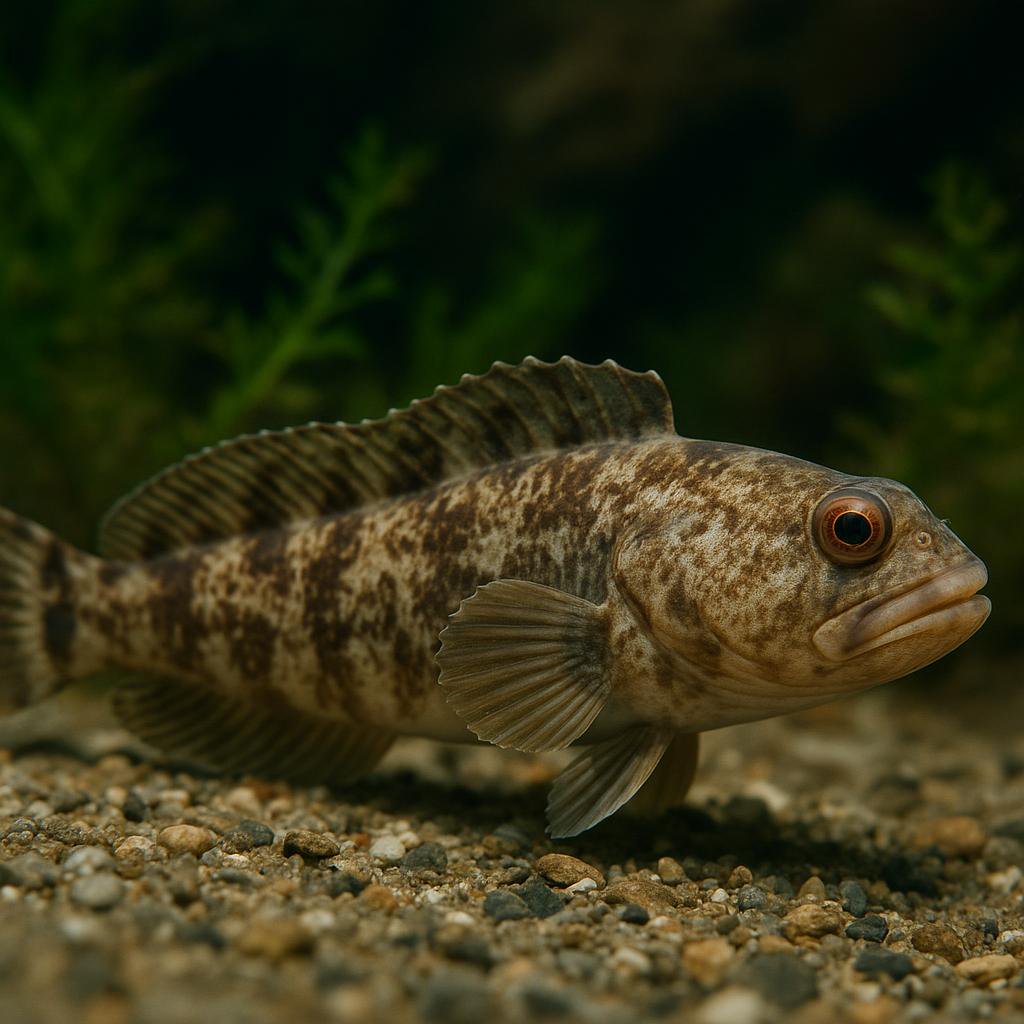
Abe's eelpout
Japonolycodes abei
Japonolycodes abei is a temperate, deepwater demersal eelpout (family Zoarcidae) endemic to Japan (Kumano-nada Sea reported; other sources also report Sagami Bay and Tosa Bay). It is the only species in the genus Japonolycodes and occurs roughly 40-300 m depth, making it an uncommon/atypical aquarium species.
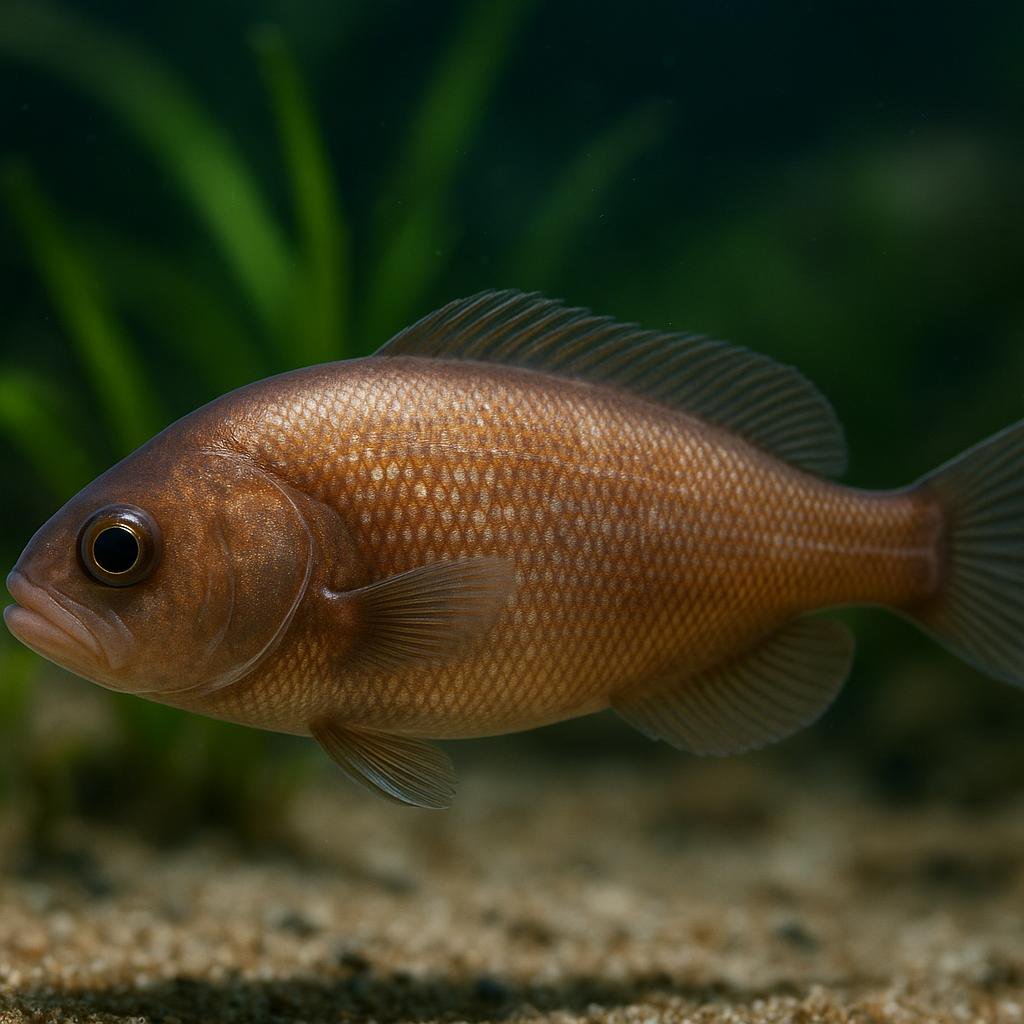
Affinis blind cusk-eel
Barathronus affinis
Barathronus affinis is a tiny, super-weird deep-sea blind cusk-eel from the western-central Indian Ocean. It is one of those gelatinous, loose-skinned brotula-type fishes that live way down in the dark and are basically never seen alive, so almost everything we know comes from preserved specimens and taxonomic work.
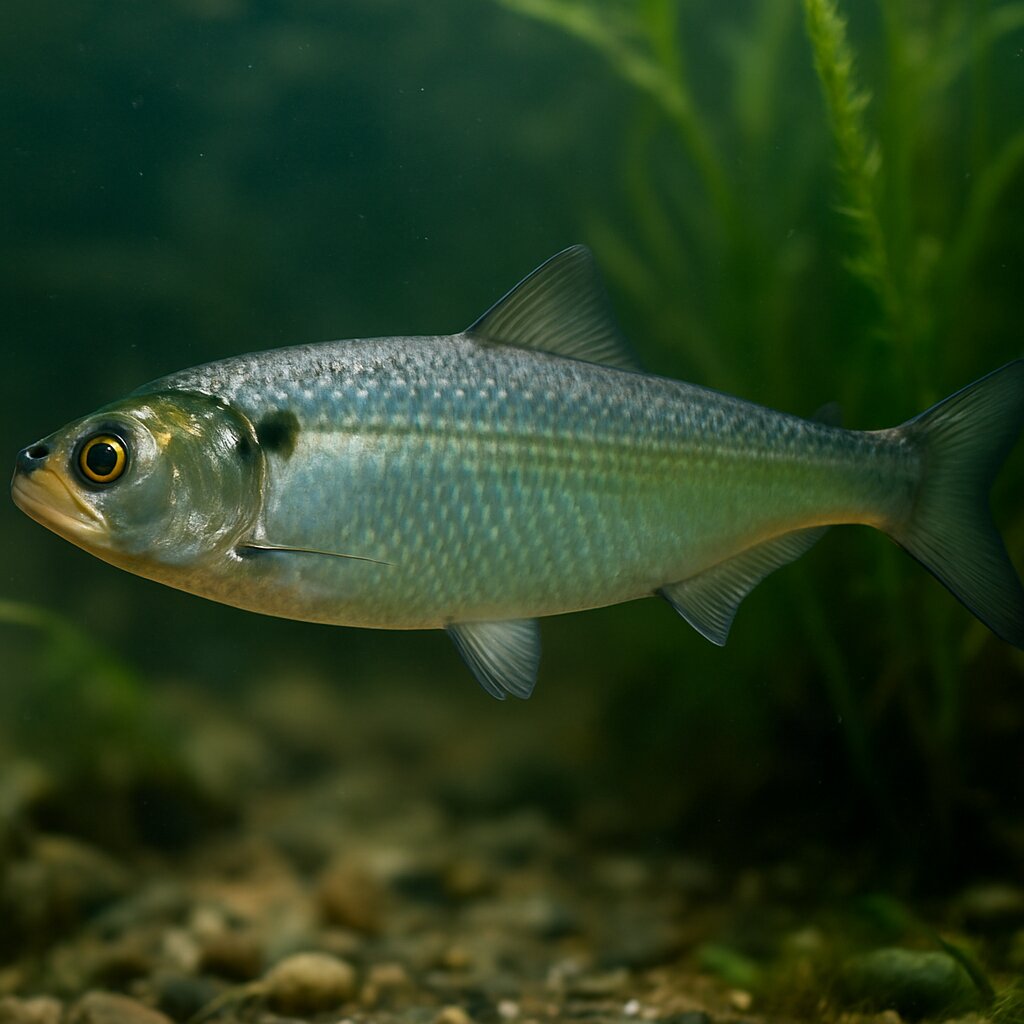
Allis shad
Alosa alosa
Gorgeous silver, fast-swimming shad that spends most of its life in the sea and then surges up big rivers in noisy, surface-spawning schools. It grows huge for a herring-type fish and needs cool, ultra-oxygenated water and tons of open space, so it is a public-aquarium species rather than a home tank fish.
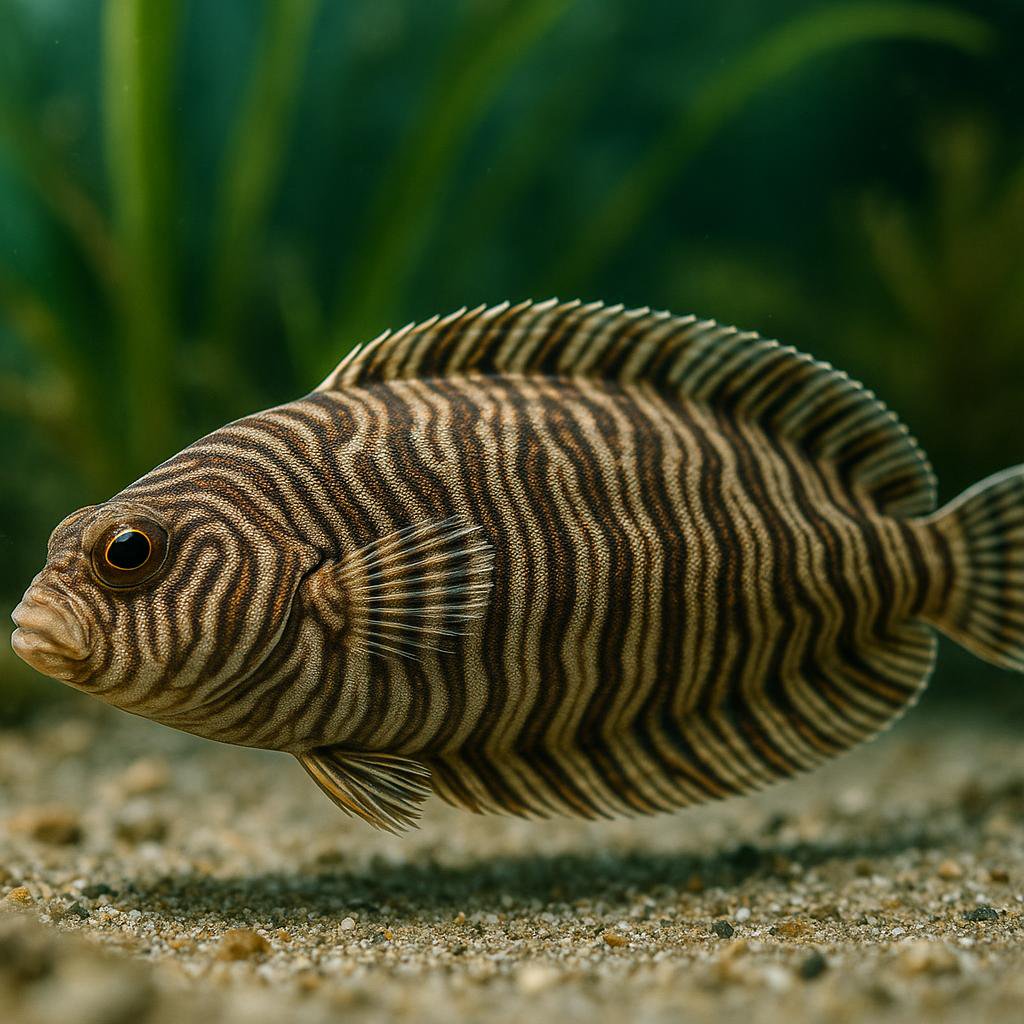
Annandale's zebra sole
Zebrias annandalei
Zebrias annandalei is a small demersal sole from coastal India that inhabits sandy or muddy bottoms and buries for camouflage. It is rarely kept in home aquaria and would require a specialized marine sand-bottom setup and appropriate feeding.
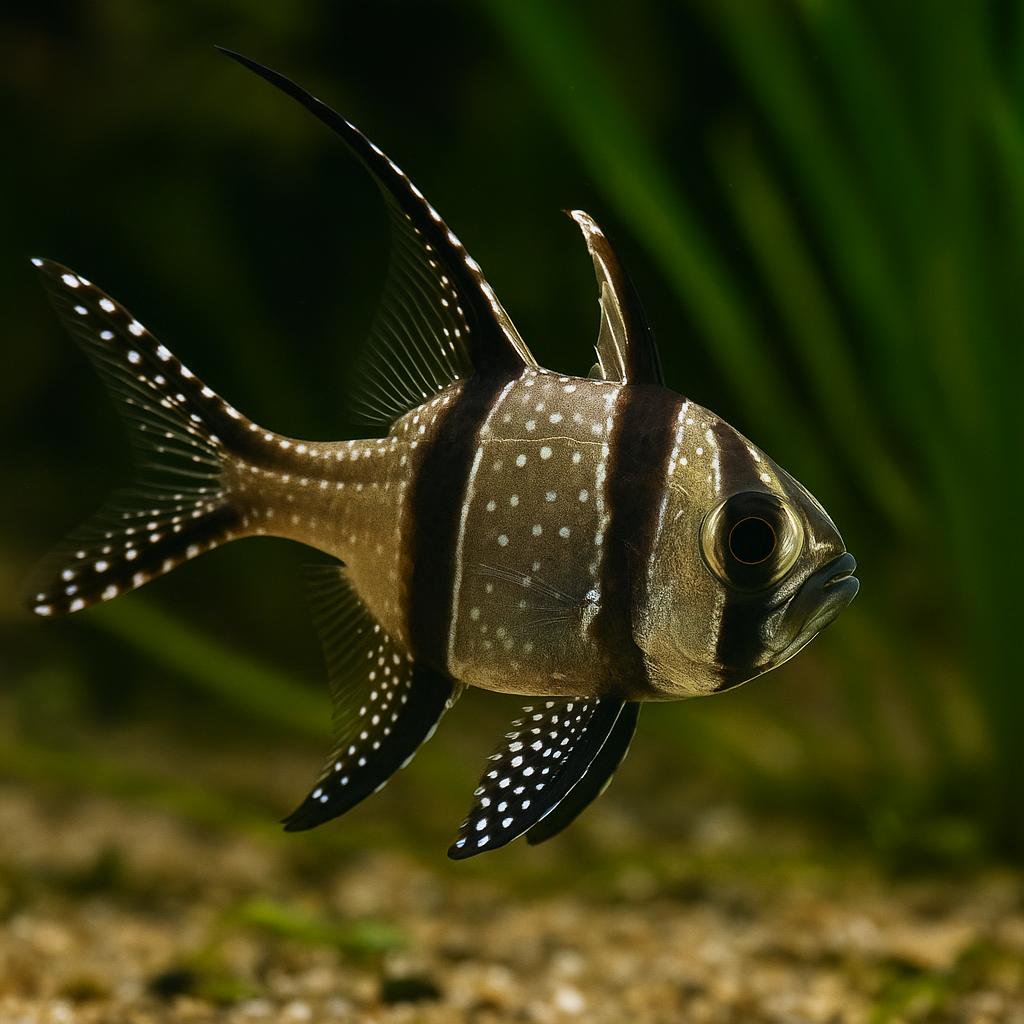
Banggai Cardinalfish
Pterapogon kauderni
Banggai cardinals just sort of hover like little underwater satellites, and the bold black bars with those long, polka-dotted fins look unreal under reef lighting. They're super chill most of the time, but once a pair forms you'll see real "fish drama," and the male will even mouthbrood the babies like a champ.
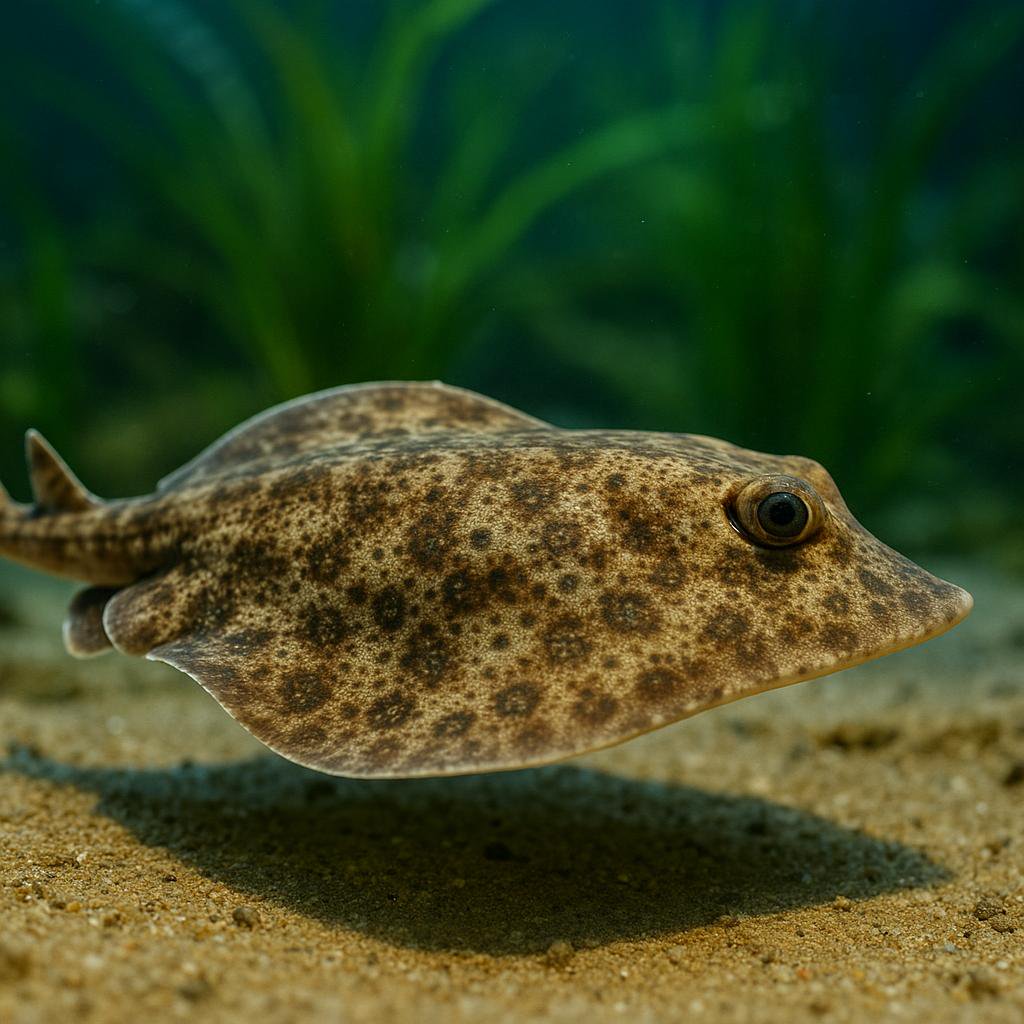
Barbedwire-tailed skate
Notoraja martinezi
Notoraja martinezi is a deepwater skate from the eastern Pacific (Costa Rica down to Ecuador) that lives way down on soft bottoms. The tail is the giveaway - it is lined with strong, hooked thorns that really do look like barbed wire. This is absolutely not an aquarium fish; it is a cold, high-pressure deep-sea animal with basically no practical home care info because it is not kept in the hobby.
More to Explore
Discover more marine species.
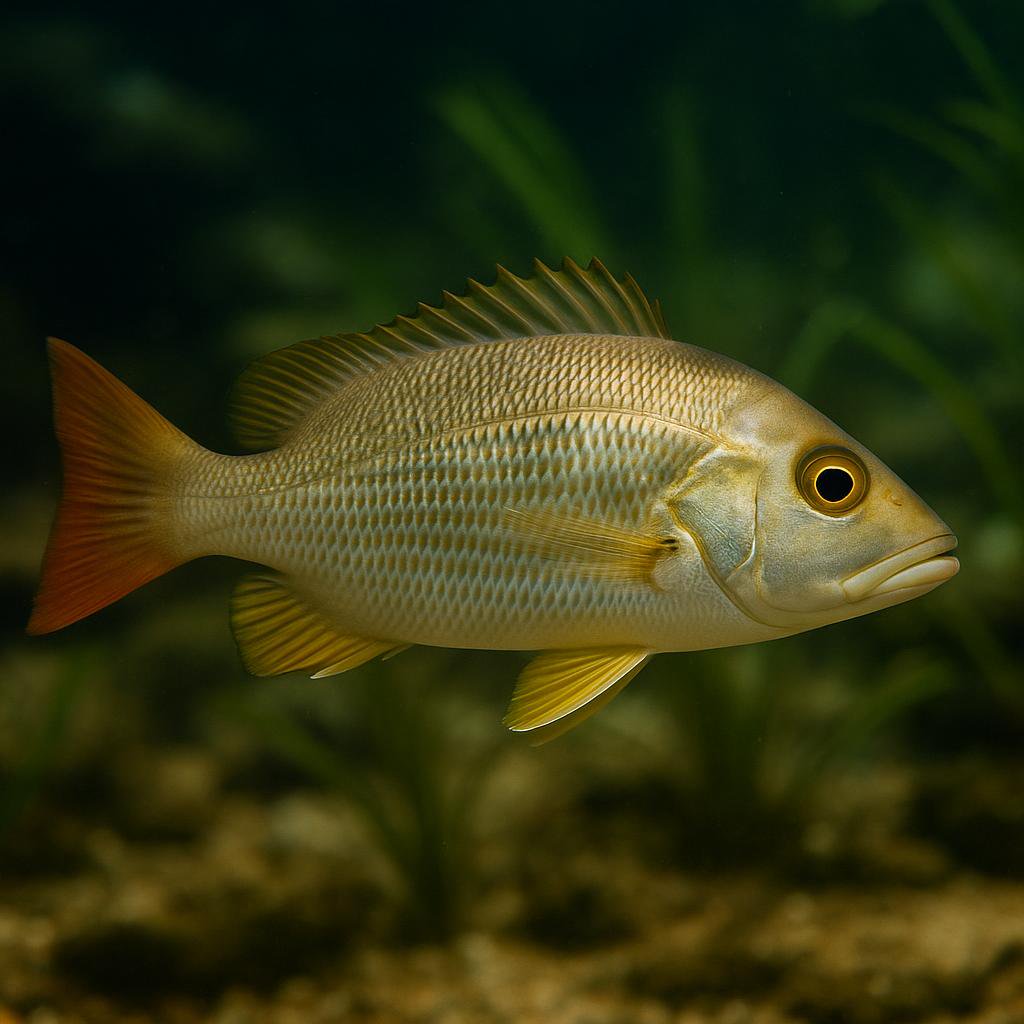
African red snapper
Lutjanus agennes
This is a true snapper from West Africa - a big, fast-growing predator that goes from coastal reefs to brackish lagoons and estuaries (especially as a juvenile). Super cool fish in the wild, but it gets absolutely huge and will eat smaller tankmates once it has the mouth for it, so its really more of a public-aquarium scale animal than a home-aquarium fish.
Aleutian skate
Bathyraja aleutica
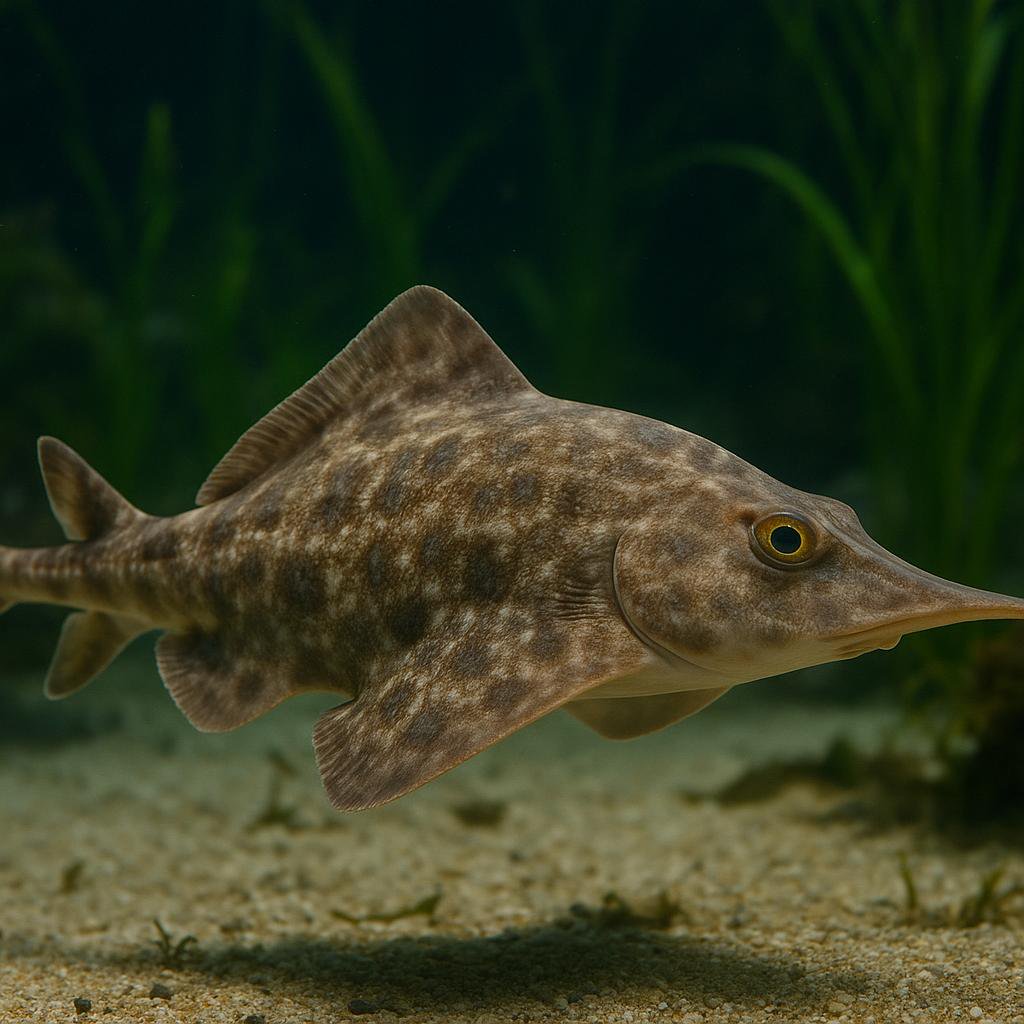
This is a big, cold-water deep-slope skate from the North Pacific that cruises muddy bottoms and eats chunky benthic prey like crabs and shrimp. The really cool bit is its egg-laying skate life - it does distinct pairing (the classic skate "embrace") and drops those tough egg cases on the seafloor. Not an aquarium fish at all unless you're basically running a public-aquarium-style chilled system.
Antarctic dragonfish
Vomeridens infuscipinnis
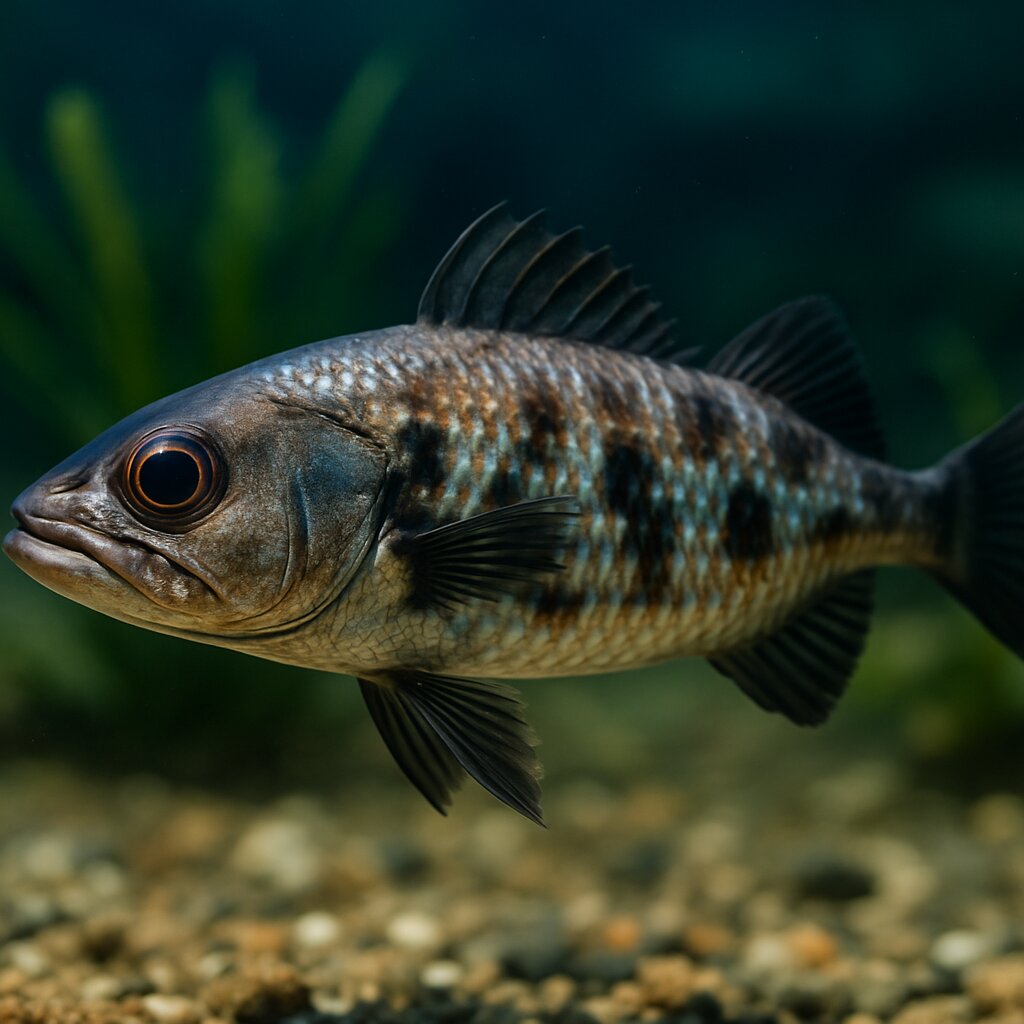
Deep down around Antarctica, this sleek dragonfish cruises the water column like a little submarine, nearly neutrally buoyant so it can hover above the seafloor. It munches almost exclusively on Antarctic krill and lives in near-freezing water 500-800 m down, so it is a cool species to read about, not one for home tanks.
Arabian demoiselle
Neopomacentrus sindensis
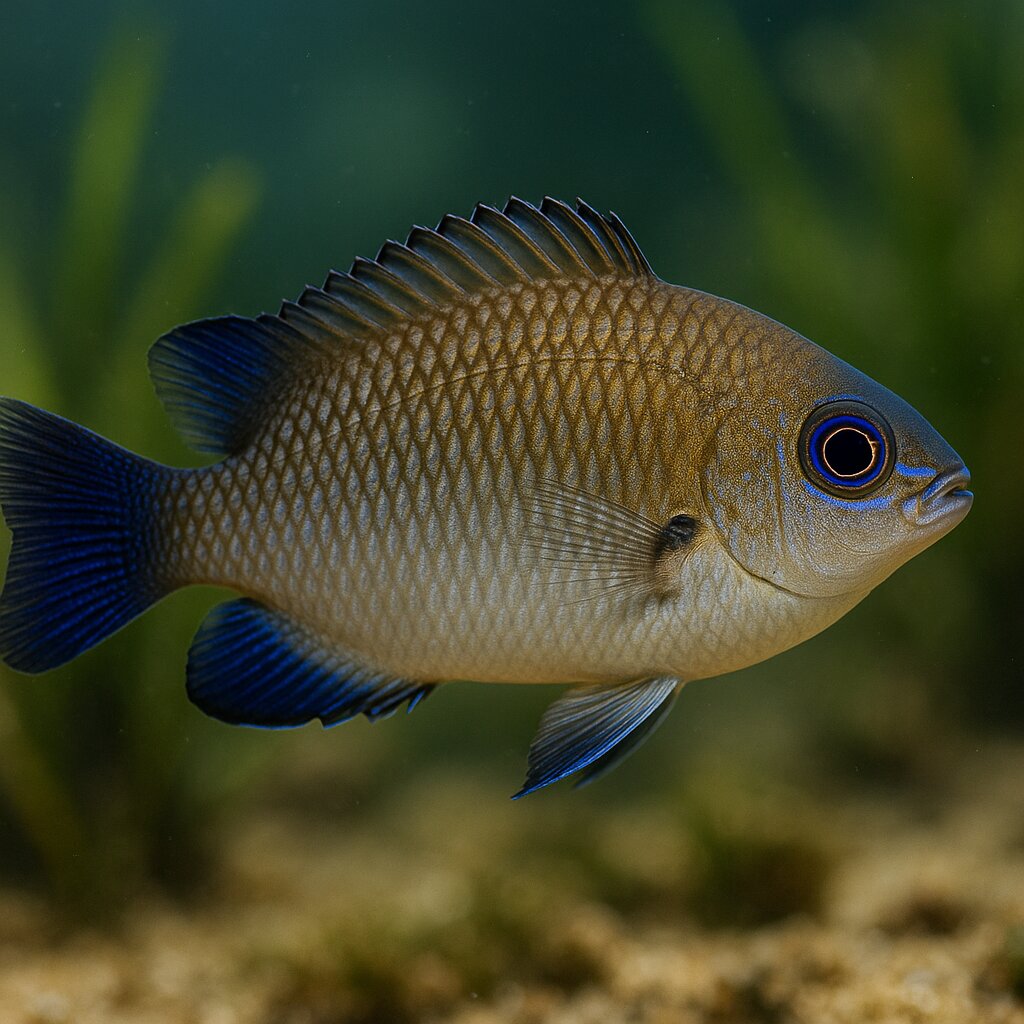
A small lyretail damsel from the Persian Gulf and Arabian Sea, it hangs in loose groups around coral heads, rocks, and even pier pilings picking zooplankton from the flow. Think classic damsel toughness with a slightly milder attitude than the real bruisers, plus subtle yellow tail accents. Males clean a patch, get a mate to lay eggs there, and then stand guard fanning the clutch.
Arabian spiny eel
Notacanthus indicus
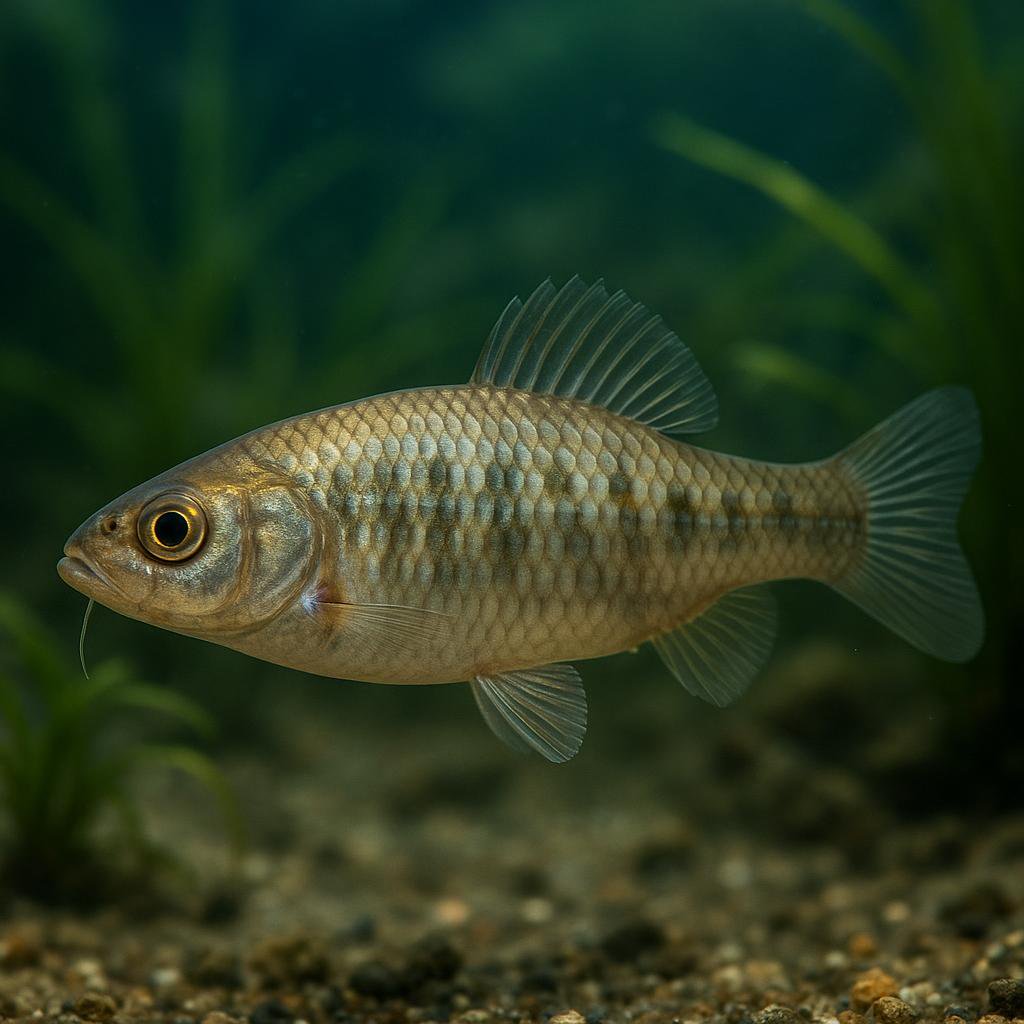
Notacanthus indicus is a deep-sea spiny eel (family Notacanthidae; not a true eel) known from the Arabian Sea on the continental slope at roughly ~960–1,046 m depth, with reported maximum length around 20 cm TL; it is a deep-water bycatch species and not established in the aquarium trade.
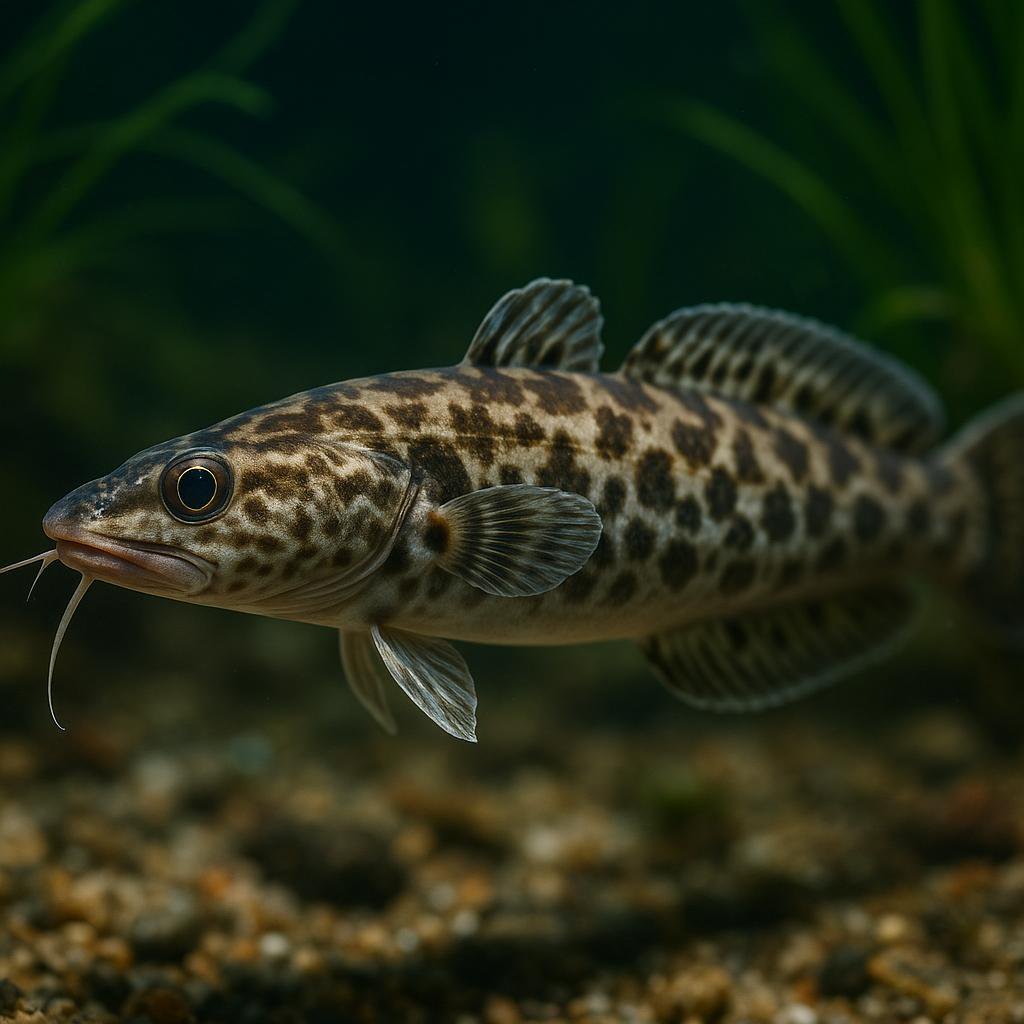
Arctic rockling
Gaidropsarus argentatus
This is a deepwater North Atlantic rockling (a cod relative) that hangs out on soft bottoms way down the slope. It is a cold-water, bottom-hugging predator that snoots around for crustaceans and will also take small fish when it gets the chance.
Looking for other species?