

Search Species
Search for fish species by common or scientific name, or use filters to browse by water type, size, temperament, and difficulty.
Found 654 species
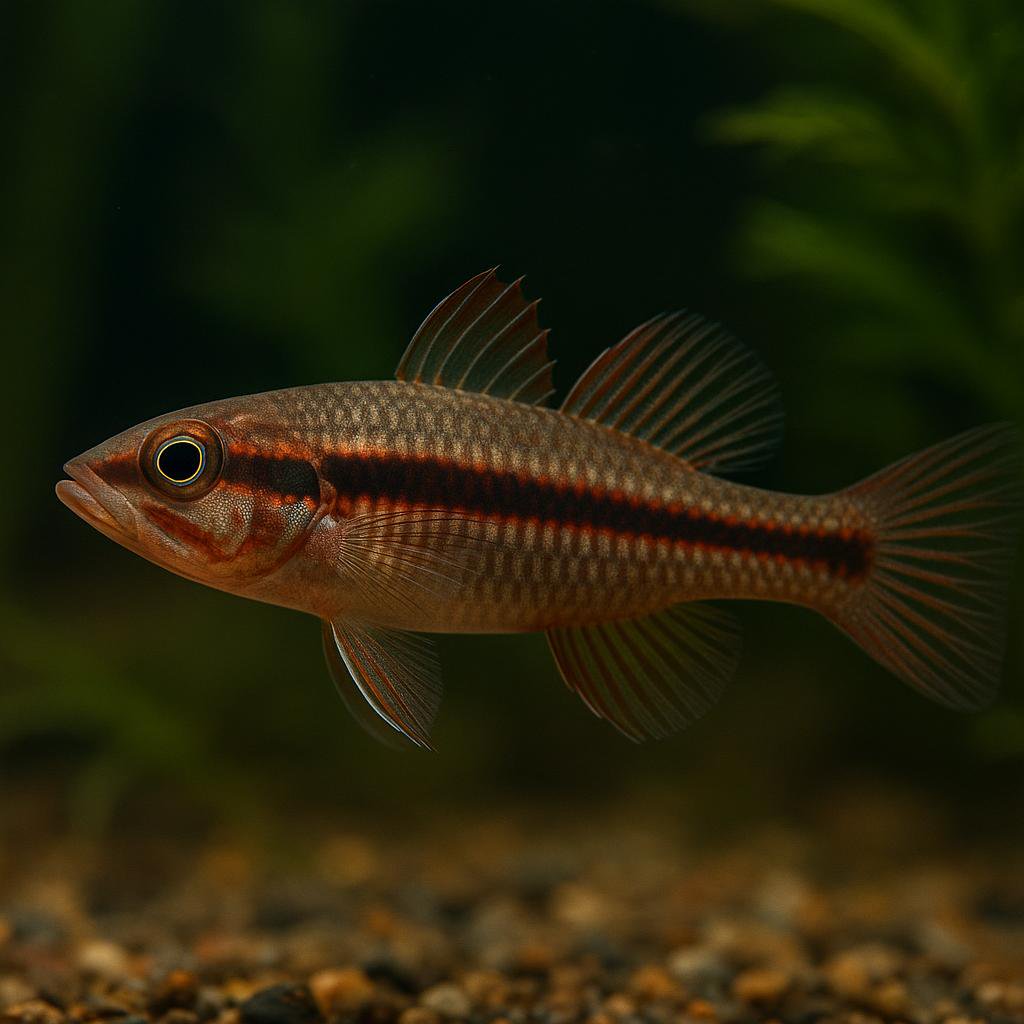
Flame cardinalfish
Fowleria amblyuroptera
Fowleria amblyuroptera is a very small Indo-Pacific/Western Pacific cardinalfish (to about 4 cm SL) associated with coastal reefs/bays and is primarily nocturnal. Like many cardinalfishes, the male mouthbroods the eggs; in captivity it should be provided with ample shelter and offered appropriately sized meaty foods/planktonic items.
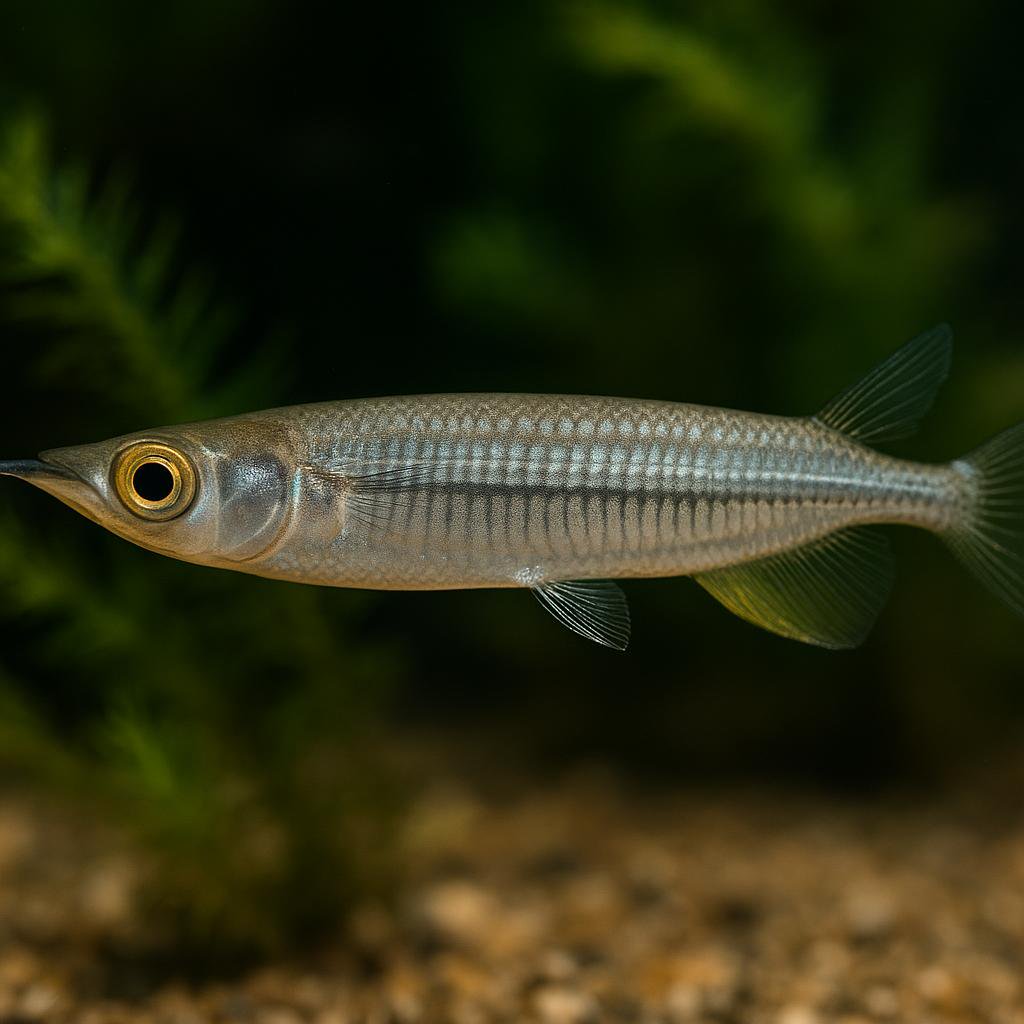
Fly River garfish
Zenarchopterus novaeguineae
This is a surface-cruising freshwater halfbeak from New Guinea and far north Australia that likes warm, weedy shallows and will hang near the top in little shoals. In the wild it grazes a lot of plant material but will also snap up insects, so it acts like a picky topwater grazer with a "snatch anything that lands" vibe. If you ever try one in a tank, think "tight lid, calm flow, lots of surface cover" first.
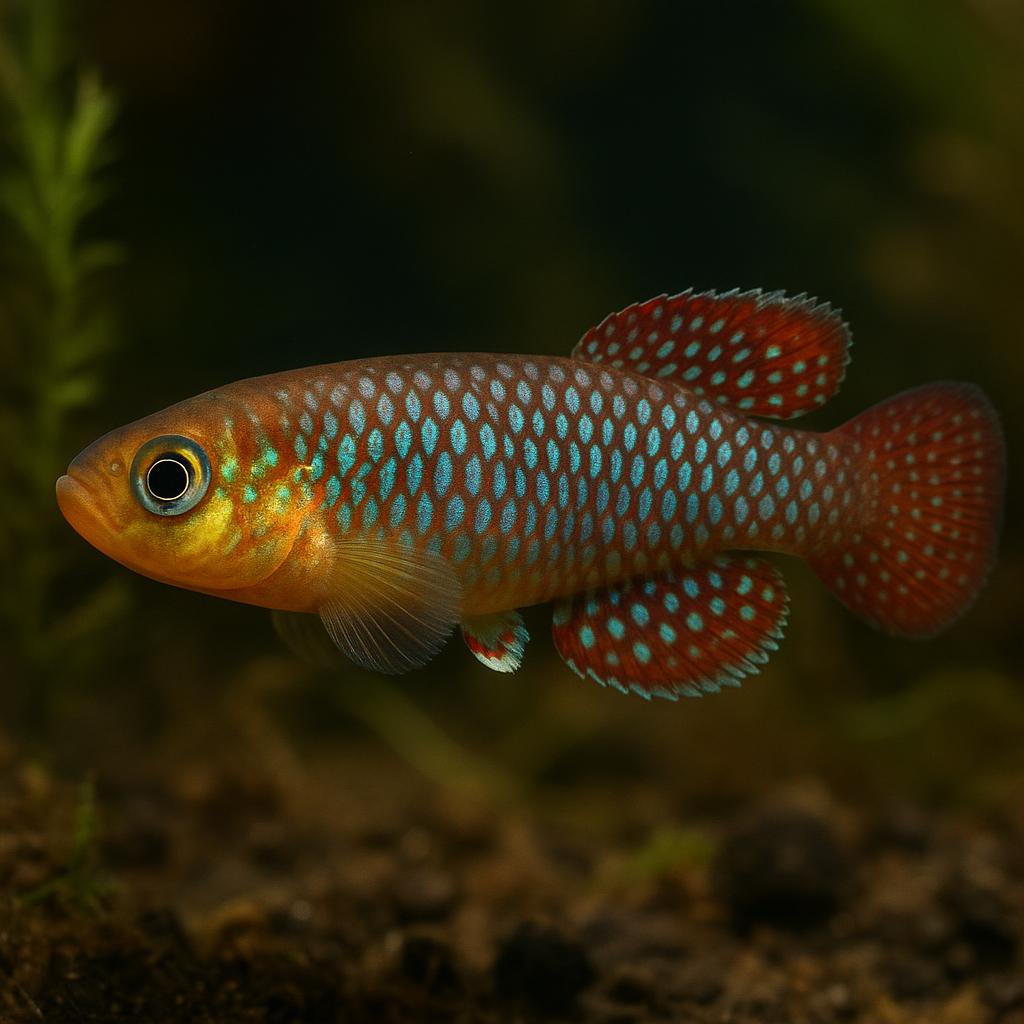
Foersch's killifish
Nothobranchius foerschi
Nothobranchius foerschi is an annual killifish from coastal Tanzania that lives in temporary pools, so it is basically built to grow up fast, spawn hard, and not hang around forever. The males are ridiculously colorful and do a lot of little sparring and display posturing, which is half the fun of keeping them in a species tank.
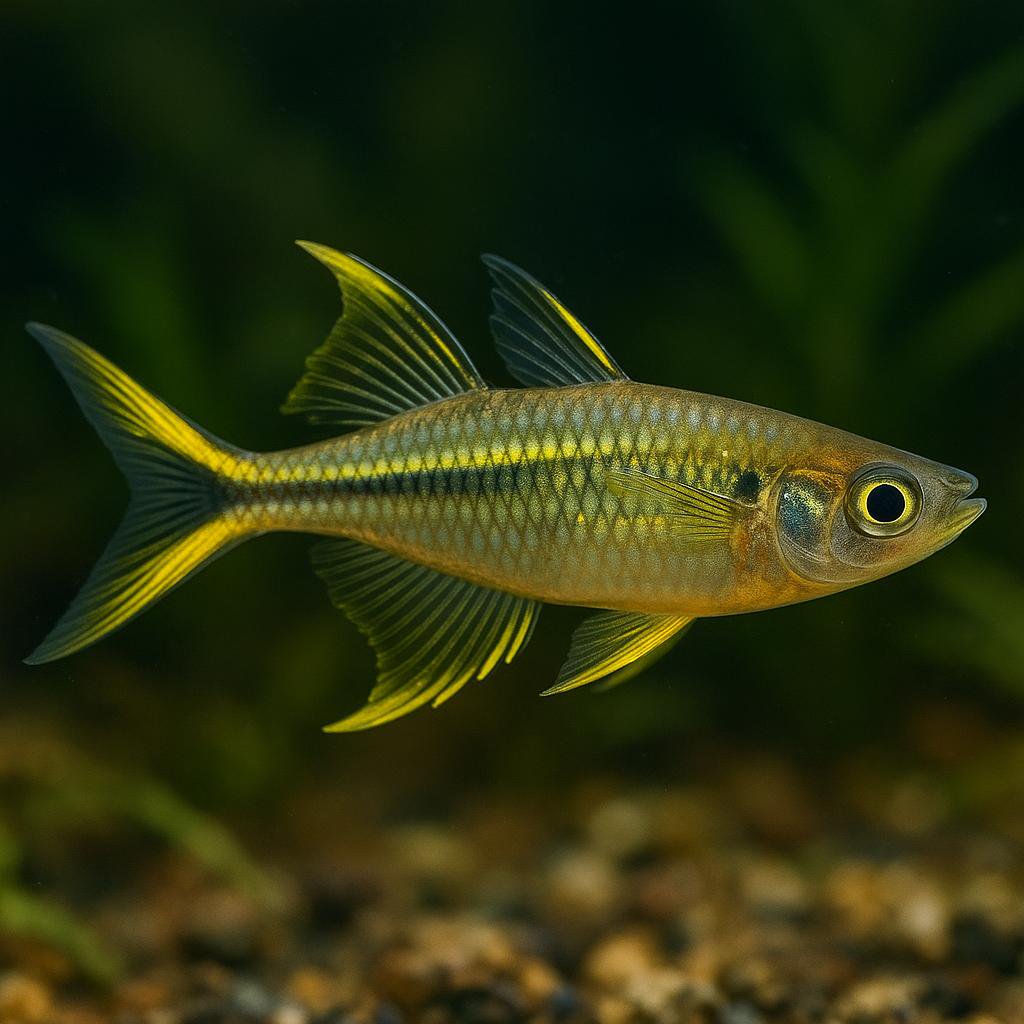
Forktail blue-eye (Forktail rainbowfish)
Pseudomugil furcatus
Pseudomugil furcatus is one of those little fish that never sits still-in a good way. When you keep a proper group, the males do these harmless fin-flaring "showdowns" and the forked tail + blue eyes really pop, especially in a planted tank with some open swimming room. It's a peaceful, small schooling fish from Papua New Guinea rainforest streams, and it's an easy way to add constant movement to a tank.
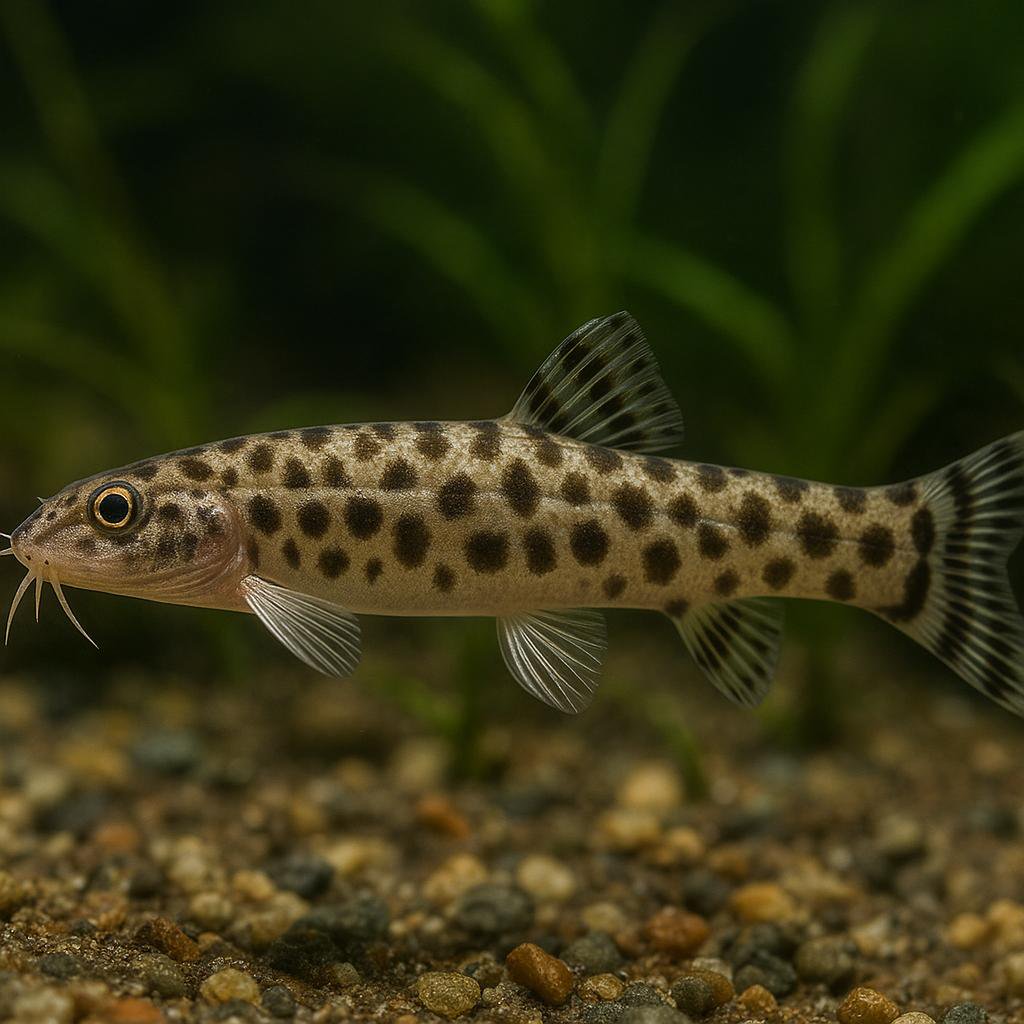
Fork-tailed Yunnan loach
Yunnanilus forkicaudalis
This is a tiny Chinese stone loach that sticks close to the bottom and cruises around like a little mouse, poking into sand and between small rocks. Its wild home is pretty localized in Yunnan, so its more of a "cool oddball" than something you will reliably see at every fish shop. Treat it like a small, peaceful stream/edge-of-lake loach and it will reward you with nonstop foraging behavior.
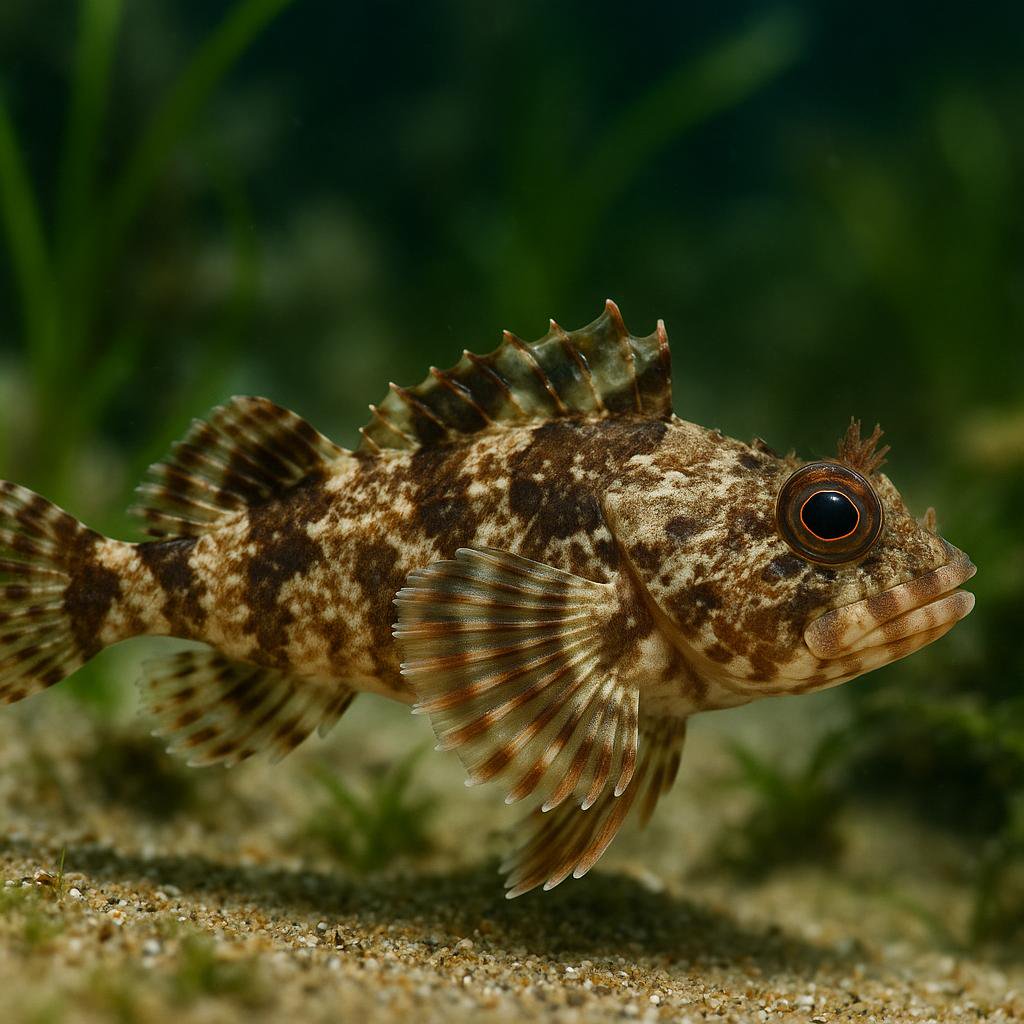
Frogmouth sculpin
Icelinus oculatus
Frogmouth sculpin is a little coldwater, bottom-hugging marine sculpin from the Pacific coast. It spends its time sitting on the substrate and blending in like a living rock, then darts short distances when food shows up. Super cool fish, but it is absolutely not a warm reef tank animal - it really wants chilly, oxygen-rich water and a calm setup.
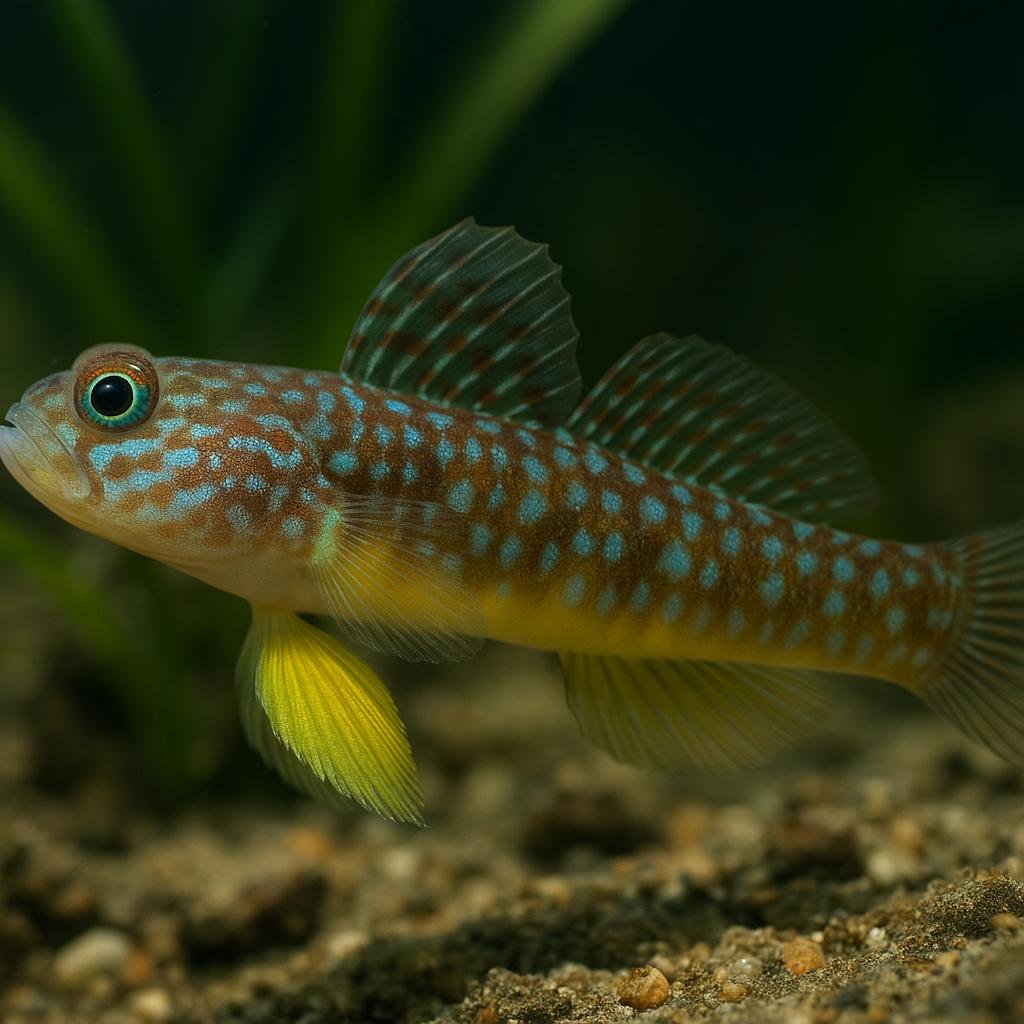
Fulvopelvis shrimpgoby
Vanderhorstia fulvopelvis
This is a tiny little shrimpgoby from Okinawa (Japan) that lives down on sand and rubble and does the classic prawn-goby thing - hanging at a burrow entrance and relying on a snapping/pistol shrimp roommate for the digging. Its name literally points at a shiny yellow mark on the male's pelvic fin, and the fish itself is patterned with yellow spotting and a clean stripey/barred look.
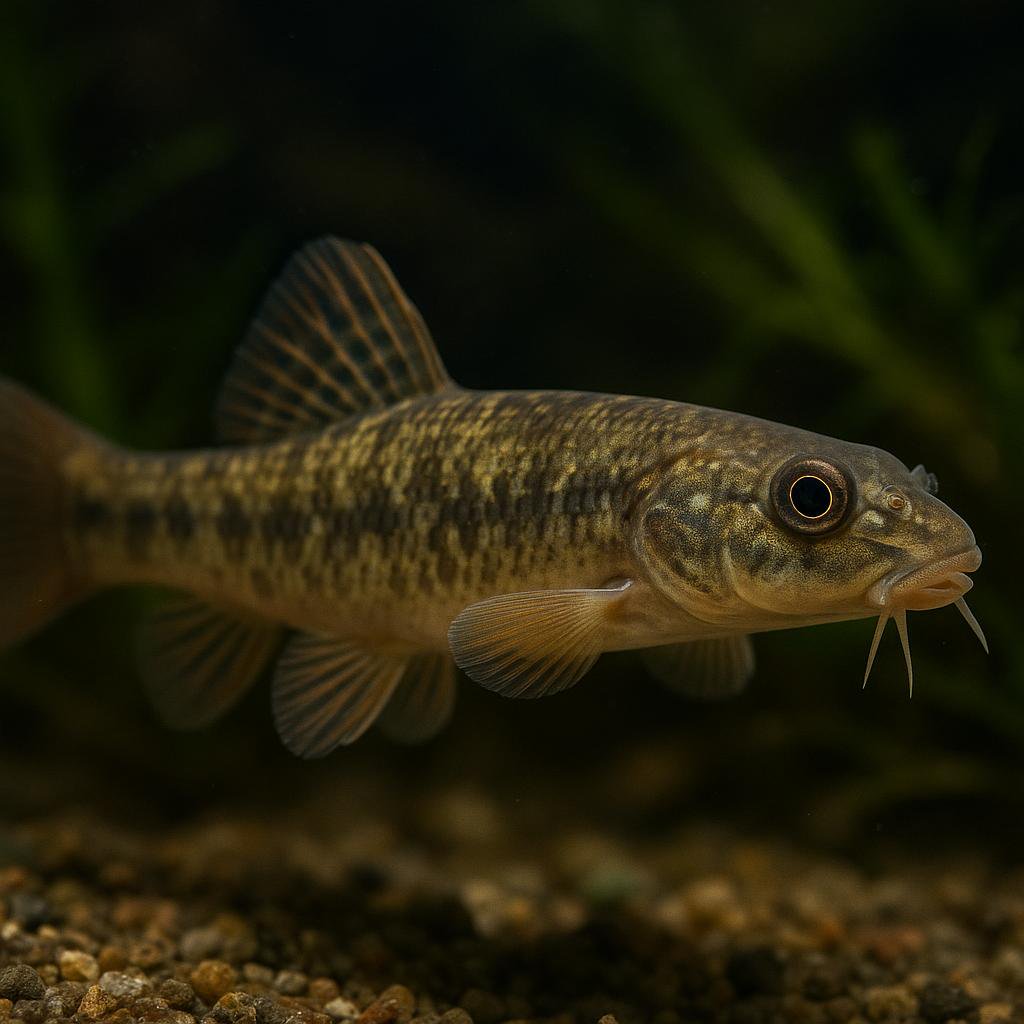
Fushun gudgeon
Gobio fushunensis
Gobio fushunensis is a little bottom-hugging gudgeon from China that spends its time nosing around the substrate for tiny foods. FishBase lists it topping out around 5.6 cm standard length, so think of it as a small, subtle stream fish rather than a flashy centerpiece.
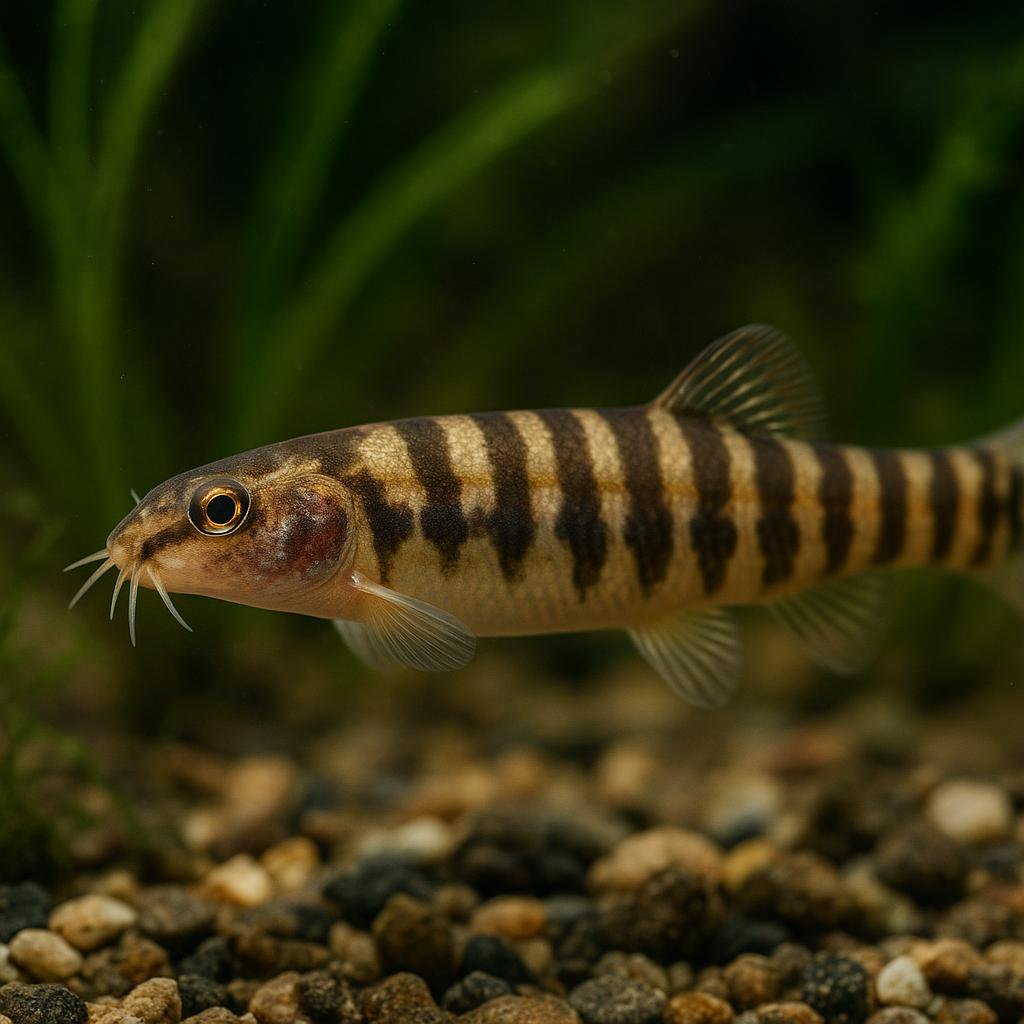
Ganhe Yunnan loach
Yunnanilus ganheensis
This is a tiny little stone loach from a single area in Yunnan, China (Ganhe, Xundian County). Its description mentions a neat pattern of square-ish dark spots along the sides, and like most small nemacheilid loaches it is basically a bottom-hugging, cover-loving micro-predator that will spend its time picking around the substrate and crevices.
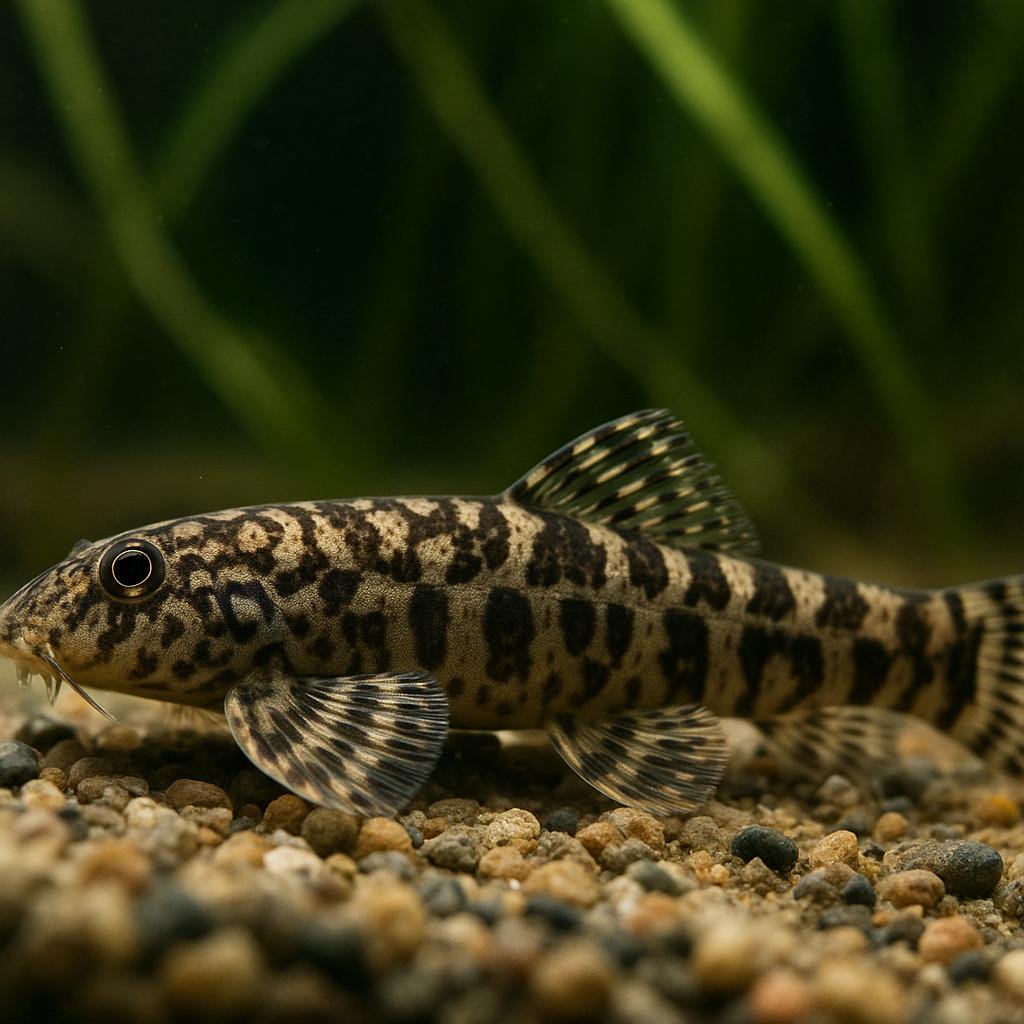
Gecko loach
Homaloptera confuzona
This is one of those hillstream-style loaches that looks and acts like a little underwater lizard, scooting and clinging over rocks in fast water. They stay fairly small but they are absolute oxygen junkies, so the tank setup matters way more than chasing perfect numbers. Also, they get mixed up with similar Homaloptera species a lot in the trade - the name confuzona is honestly pretty fitting.
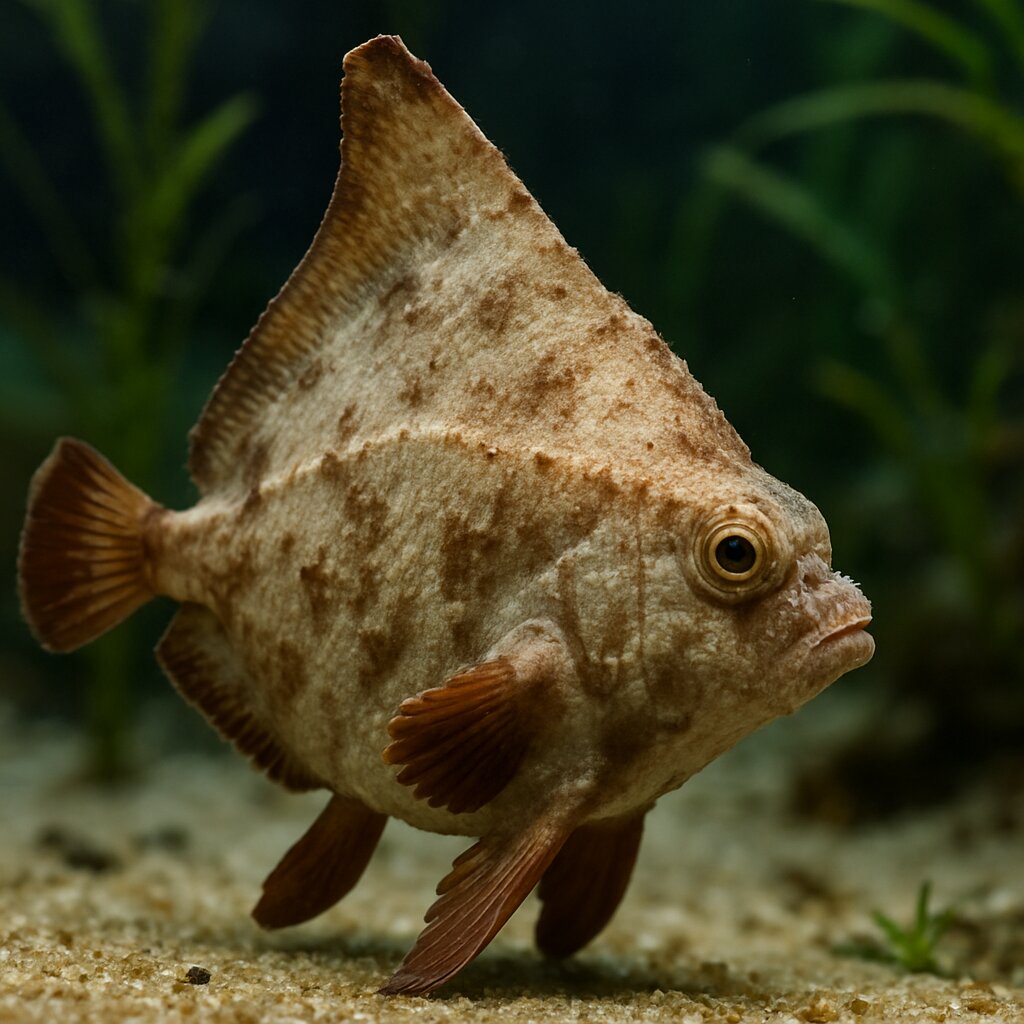
Giant triangular batfish
Malthopsis gigas
A small, buckler‑armored deep‑sea batfish that “walks” on modified fins. Malthopsis gigas occurs on Indo‑West Pacific continental slopes (about 210–650 m) and reaches ~13.6 cm SL. Modeled preferred temperatures are ~8–17 °C. It is not suitable for typical home aquaria and would require specialized chilled marine systems; marine aquaria generally maintain seawater pH ~8.0–8.4.
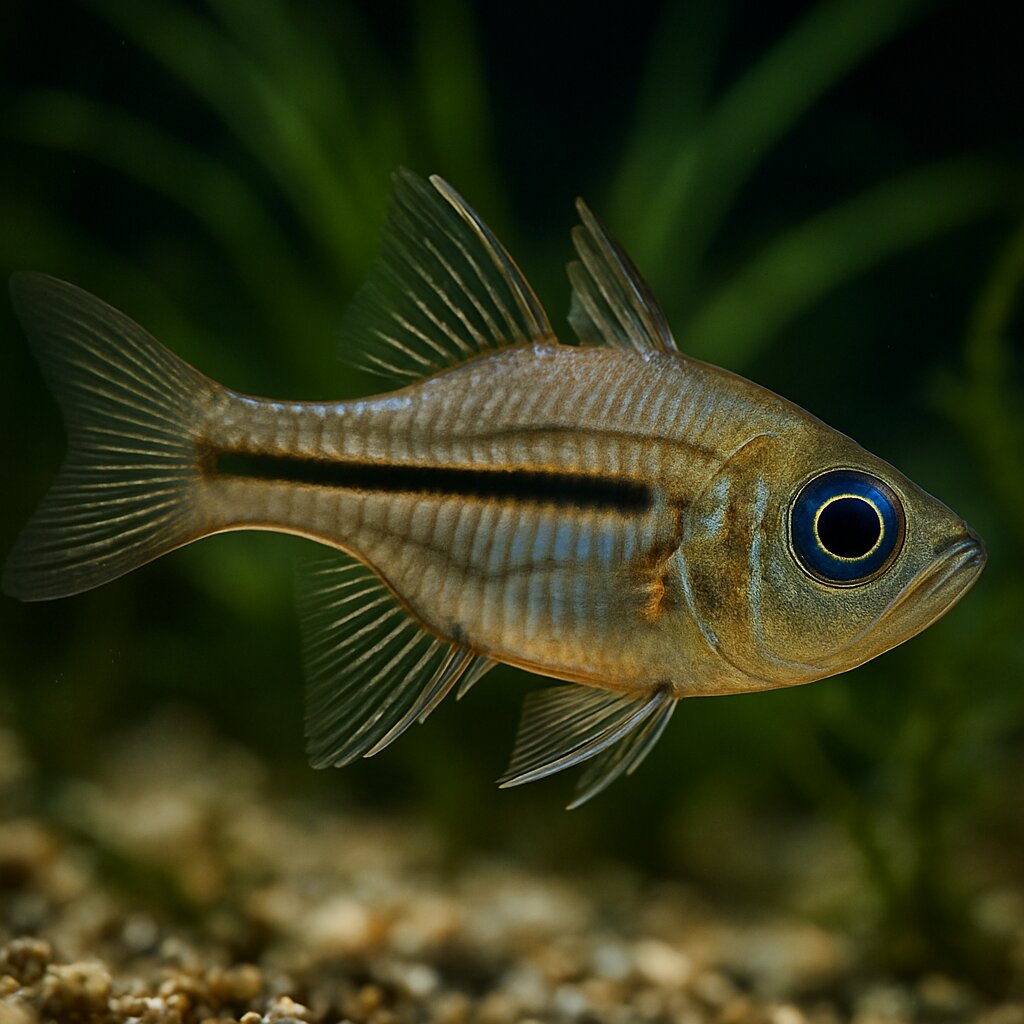
Gilbert's cardinalfish
Zoramia gilberti
A tiny glassy cardinal that likes to hang in tight groups tucked under branching corals. The blue speckles on the head really pop under reef lights, and the males mouthbrood, so you might catch a dad holding eggs if the group settles in.