

Mandarinfish
Synchiropus splendidus
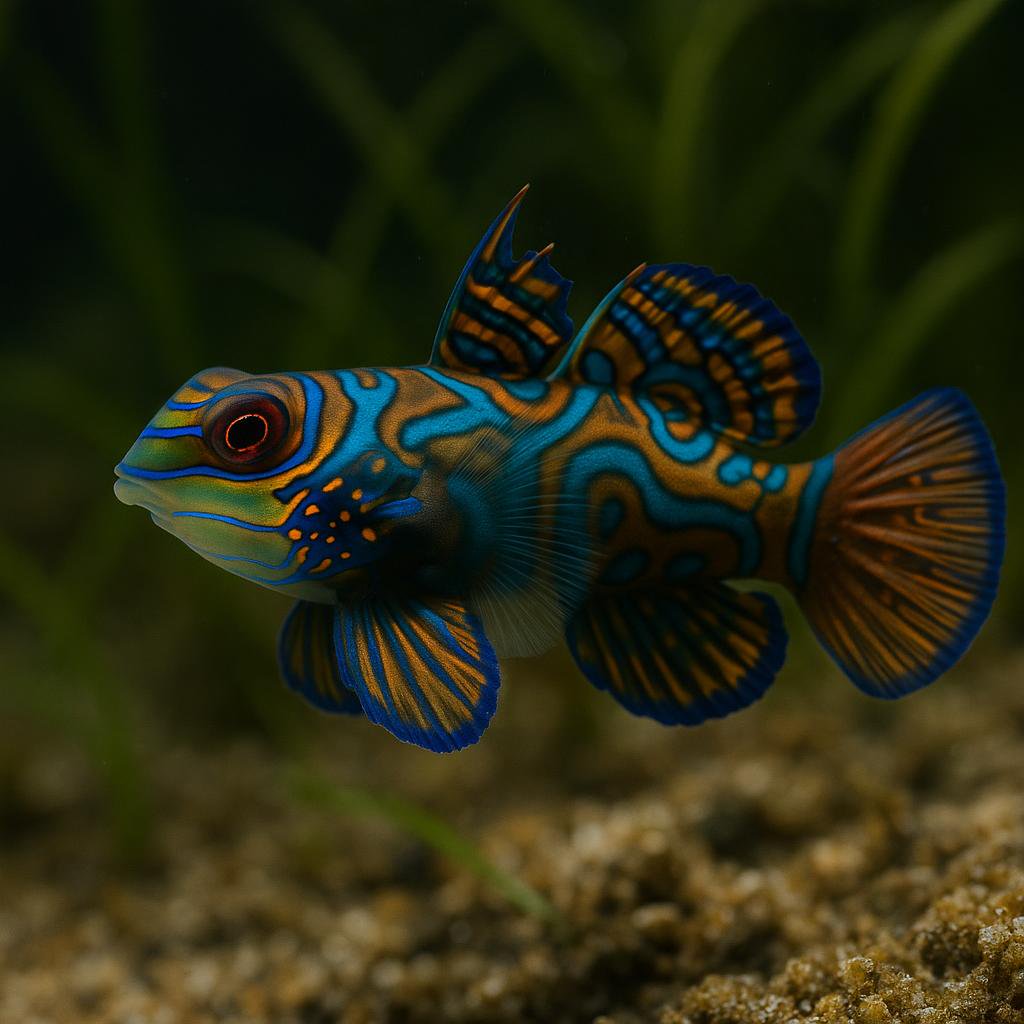
Mandarinfish are noted for their vibrant coloration, featuring bright blue and orange patterns with striking, elongated dorsal fins.
This page includes AI-generated images. Why am I seeing AI images?
About the Mandarinfish
This is the classic mandarin dragonet-the little reef crawler that looks like someone hand-painted neon blue and orange squiggles onto a fish. It spends basically all day pecking at live rock for tiny pods, and at dusk you can sometimes catch the pair-spawning "rise" if you keep a bonded male/female. Absolutely reef-safe, but it's one of those fish that does amazing only when the tank is truly mature and full of microfauna.
Also known as
Quick Facts
Size
10 cm
Temperament
Peaceful
Difficulty
Advanced
Min Tank Size
30 gallons
Lifespan
5-7 years
Origin
Western Pacific
Diet
Carnivore (micro-predator) - primarily live copepods/amphipods; may take frozen/live meaty foods once trained (captive-bred often easier)
Water Parameters
24-27°C
8.1-8.4
8-12 dGH
Need a heater for this species?
This species needs 24-27°C in a 30 gallon tank. Use our heater calculator to find the right wattage.
Calculate heater sizeCare Notes
- Don't put a mandarin in a new tank-wait until the tank is 6+ months old with lots of live rock and a real copepod population, or you'll watch it slowly starve.
- Plan on 30+ gallons for one (more if you want a pair) and keep salinity steady around 1.020-1.026 (many reefers target ~1.023-1.025) and temp ~24-26°C/75-79°F; stability matters a lot.
- Feeding is the whole game: most want live pods all day long, so seed pods regularly and consider a refugium or pod hotel so the display doesn't get picked clean.
- If yours will take frozen, train it with a feeding dish and small foods like frozen cyclops, baby brine, or finely chopped mysis-target feed with a pipette when lights are low.
- Avoid pod-hungry competition like six-line wrasses, scooter "blennies" (also dragonets), and aggressive wrasses; peaceful fish that aren't constant grazers are way easier to keep them with.
- Skip aggressive tankmates and nippy stuff (damsels, big dottybacks, triggers) because mandarins are slow, oblivious, and can get bullied off food.
- Watch the belly: a healthy mandarin looks slightly rounded; a pinched-in stomach means it's losing the food race even if you see it pecking all day.
- Breeding is cool if you get a male (bigger with the tall first dorsal spike) and a female-pairs often do a dusk "rise" and spawn in the water column, but your filtration will usually eat the eggs/larvae unless you're set up to raise them.
Compatibility
Good Tankmates
- Small, chill gobies (neon goby, clown goby, etc.) - they mostly mind their own business and won't hassle a mandarin while it's pecking at pods all day.
- Peaceful blennies like tailspot blennies - similar vibe, lots of perching and cruising, usually zero drama with mandarins.
- Gentle clownfish (ocellaris/percula), especially in a bigger tank - they're generally fine as long as they're not the "own the whole front of the tank" type.
- Firefish / dartfish - calm, not competitive at feeding time, and they hang up in the water column while the mandarin works the rocks and sand.
- Small, peaceful wrasses that aren't pod-vacuum bullies (think flasher/fairy wrasses) - active but usually not mean, and they don't camp out on the rock picking every copepod.
- Reef-safe inverts like cleaner shrimp and most snails/crabs - mandarins ignore them, and they don't mess with the mandarin either.
Avoid
- Pod-hunters that outcompete them (sixline wrasse, many leopard wrasses, scooter/dragonets in the same tank) - mandarins are slow, constant grazers and can get quietly starved out.
- Aggressive or pushy fish (dottybacks, damsels, big mean clowns) - even if they don't outright attack, they can keep the mandarin pinned down and stressed.
- Large predatory wrasses/hawks and anything that treats small fish like snacks (hawkfish, bigger wrasses) - mandarins don't have the speed to deal with a bully/predator.
1) Where they come from
Mandarinfish (Synchiropus splendidus) are little reef dragons from the Western Pacific—think Philippines, Indonesia, and around the Great Barrier Reef. They spend their days picking tiny critters off live rock and cruising over rubble and coral heads. That “always hunting” lifestyle is basically the whole key to keeping them.
2) Setting up their tank
If you want a mandarin to do well, build the tank around food availability, not around them being “hardy.” They’re not fragile in the usual way—they just starve quietly while looking totally fine… until they don’t.
- Tank size: I’d treat 40–55g as the realistic starting point for a single mandarin, bigger is easier. You can do smaller only if you’re very deliberate with pod culture and feeding.
- Mature tank: aim for 6+ months old with established live rock, film algae, and lots of micro-life. New tanks are almost always a bad time.
- Rockwork: lots of nooks and crannies. They’re slow, methodical hunters and they need pod habitat more than they need swimming space.
- Flow: moderate with calmer pockets. They don’t love getting blasted around while they peck at the rock.
- Lid: cover the tank. They can hop, especially at night or during spats.
A refugium stuffed with chaeto (or even a simple in-tank pod hotel) makes a noticeable difference. The more “pod real estate” you give the system, the less stressful mandarins are to keep.
Don’t add a mandarin as your “first cool fish.” Add it after the tank has been running long enough that you regularly see pods on the glass at night with a flashlight.
3) What to feed them
In the wild they eat tiny crustaceans nonstop. In a tank, that usually means copepods (and some amphipods) all day long. Some mandarins learn frozen, some never do—and you don’t want to be gambling with a fish that can waste away in plain sight.
- Best baseline diet: a self-sustaining copepod population in the display (plus refugium if you can).
- Supplement: add pods periodically, especially early on or if you’ve got other pod hunters.
- If they’ll take it: frozen baby brine, Nutramar Ova, finely chopped mysis, calanus, or quality “reef plankton” style foods.
- Feeding method that helps: a feeding dish or a small glass jar on the sand. Some mandarins learn that’s where the good stuff shows up.
Try feeding after lights dim. Mandarins are still active, but a lot of faster fish calm down, so your mandarin gets a fair shot at the food.
Watch the belly, not the behavior. A healthy mandarin has a gently rounded belly. A pinched-in, concave belly means it’s losing the food race, even if it’s still pecking all day.
4) Behavior and tankmates
Mandarins are peaceful, slow, and totally focused on hunting. They’re not “shy,” but they don’t compete well with pushy eaters. Most issues come down to food competition, not aggression.
- Good tankmates: calm community reef fish that aren’t obsessive pod hunters (many clownfish, cardinals, some gobies, blennies depending on species).
- Be careful with: wrasses (especially six-lines), scooter “blennies”/dragonets, some dottybacks, and anything that constantly picks rock for pods.
- Pairs: possible, but add with a plan. Two males will fight. A male + female can work if the tank can support them.
You can often sex them by the dorsal fin: males usually have a taller, more dramatic first dorsal spine. Females tend to have a shorter one.
5) Breeding tips (fun, but a whole project)
Mandarins will sometimes spawn in home tanks, usually around dusk. You’ll see the pair rise into the water column together and release eggs and sperm at the top. It’s one of the coolest things you can witness in the hobby.
- Set the stage: stable, mature tank, well-fed pair, calm evening lighting cycle.
- Spawning cue: a dusk “dance” and an upward glide—if you see that happening regularly, you’re doing something right.
- Raising babies: that’s the hard part. The larvae are tiny and need live foods (rotifers, then copepod nauplii) on a tight schedule with very clean, very consistent water.
Most people stop at “enjoy the spawn.” Raising mandarins is doable, but it’s closer to running a mini hatchery than a normal reef tank project.
6) Common problems to watch for
With mandarins, the problems are usually slow and sneaky. If you catch them early, you can fix most of them. If you wait until the fish looks “thin,” you’re already behind.
- Slow starvation: the big one. Pinched belly, less interest in hunting, hanging in one area. Usually caused by low pod supply or too much competition.
- New-tank syndrome: not enough microfauna yet, even if water tests look fine.
- Overconfident tankmate choices: a single wrasse can out-compete a mandarin without ever nipping it.
- Disease: mandarins have a thick slime coat and often dodge ich better than many fish, but they’re not immune—especially if stressed or shipped poorly.
- Powerhead and overflow risks: they cruise rockwork and can get pinned or sucked into uncovered intakes.
Do a “pod check” at night once in a while—flashlight on the glass and rock. If you stop seeing pods regularly, start supplementing and/or rethink who else is in the tank.
If you’re buying one, ask to see it eat. Even better: look for captive-bred or already-trained-to-frozen individuals. It can turn an ‘advanced’ fish into a much more manageable one.
Similar Species
Other marine peaceful species you might be interested in.
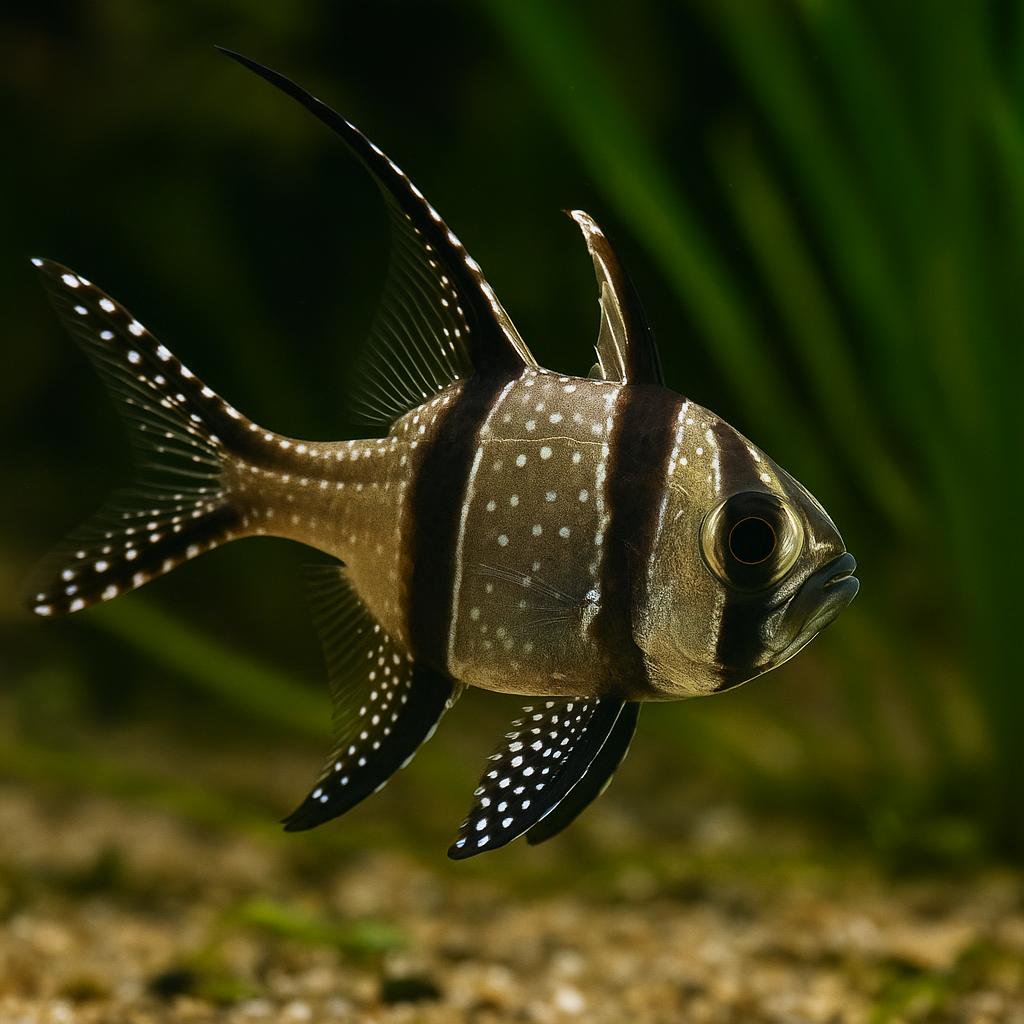
Banggai Cardinalfish
Pterapogon kauderni
Banggai cardinals just sort of hover like little underwater satellites, and the bold black bars with those long, polka-dotted fins look unreal under reef lighting. They're super chill most of the time, but once a pair forms you'll see real "fish drama," and the male will even mouthbrood the babies like a champ.
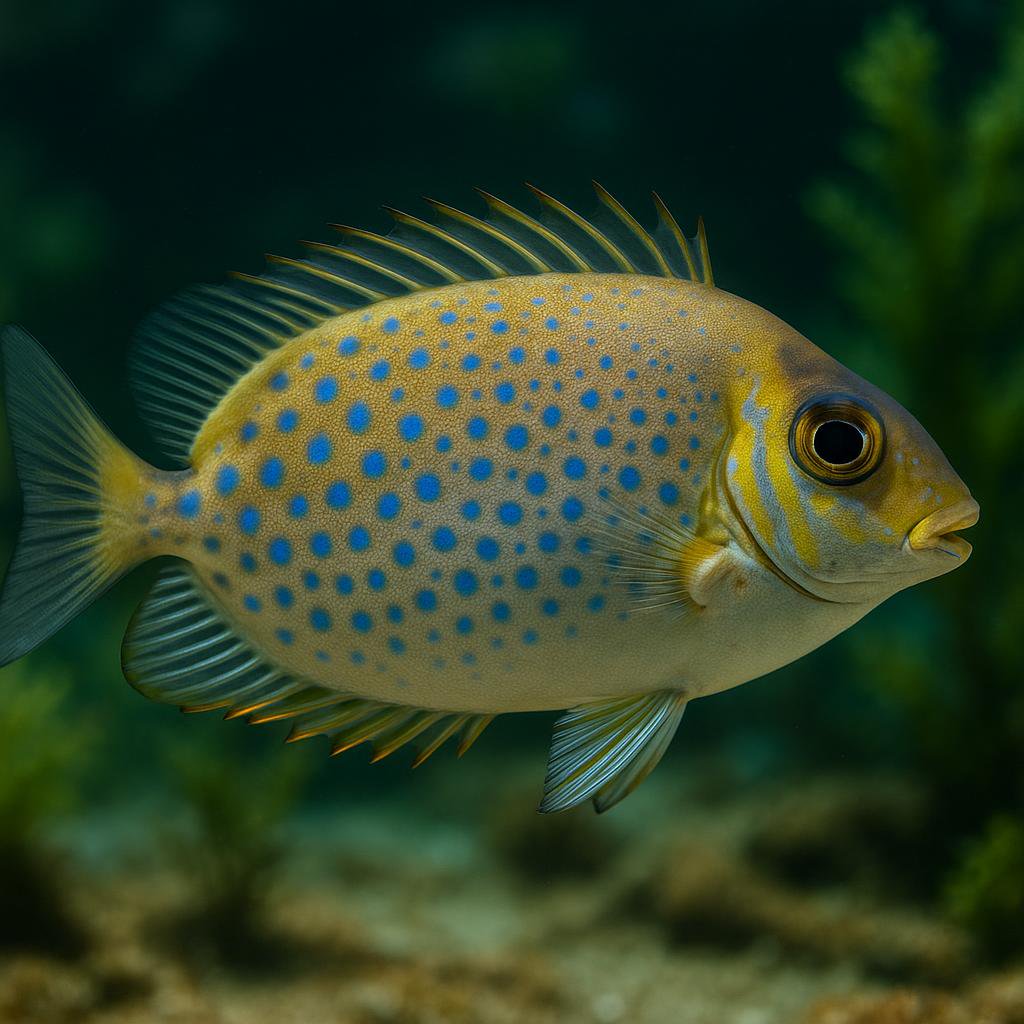
Bicolored foxface
Siganus uspi
A Fiji native with a sharp two-tone look, the bicolored foxface is half deep brown and half yellow with a crisp line between. It spends the day grazing algae and can snap into a mottled camouflage when spooked; those tall dorsal spines are venomous, so other fish usually keep their distance.
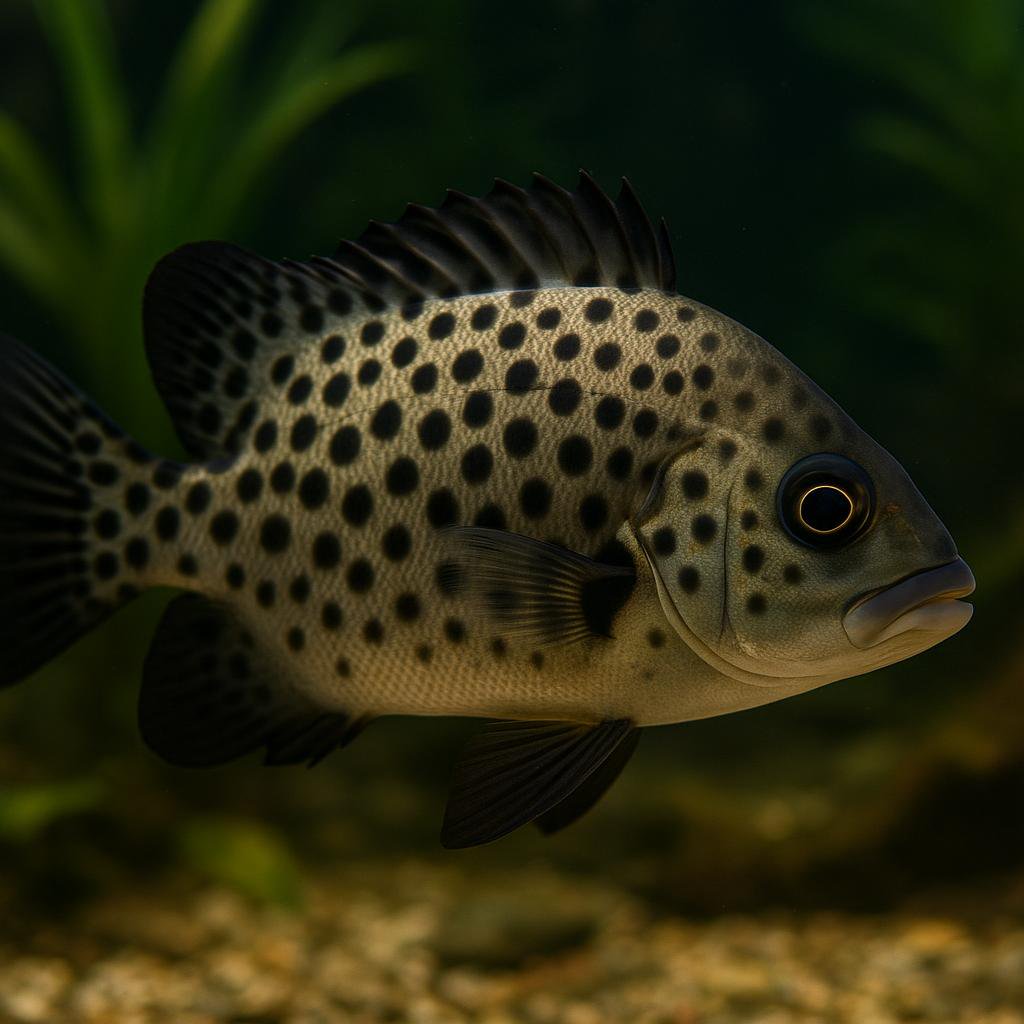
Blackfin slatey
Diagramma melanacrum
A large sweetlips from Southeast Asian reefs with a pale silvery-yellow body sprinkled in dark spots and distinct black pelvic and anal fins. Juveniles linger in silty shallows, while adults rest in small groups on deeper reef walls by day and roam at night to pick off crabs, shrimp, and other invertebrates.
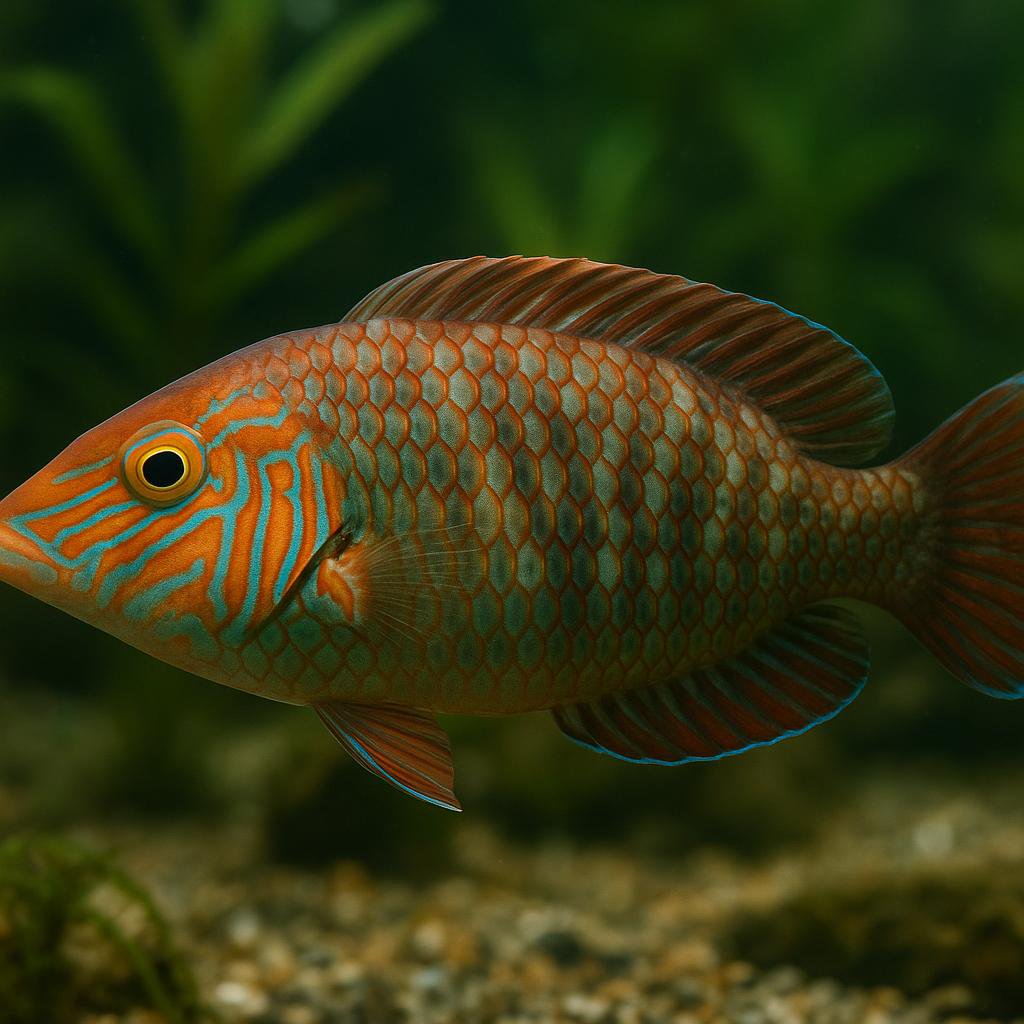
Blackspot razorfish
Iniistius dea
This is one of the coolest "knife-bodied" wrasses - it hangs over open sand and, when it gets spooked or wants to sleep, it literally torpedoes straight into the sand. Give it a deep, fine sand bed and it will act totally different (and way more natural) than a typical rock-hugging reef wrasse. Adults are usually shy and cruisy with tankmates, but they are not forgiving about rough handling or sketchy setups.
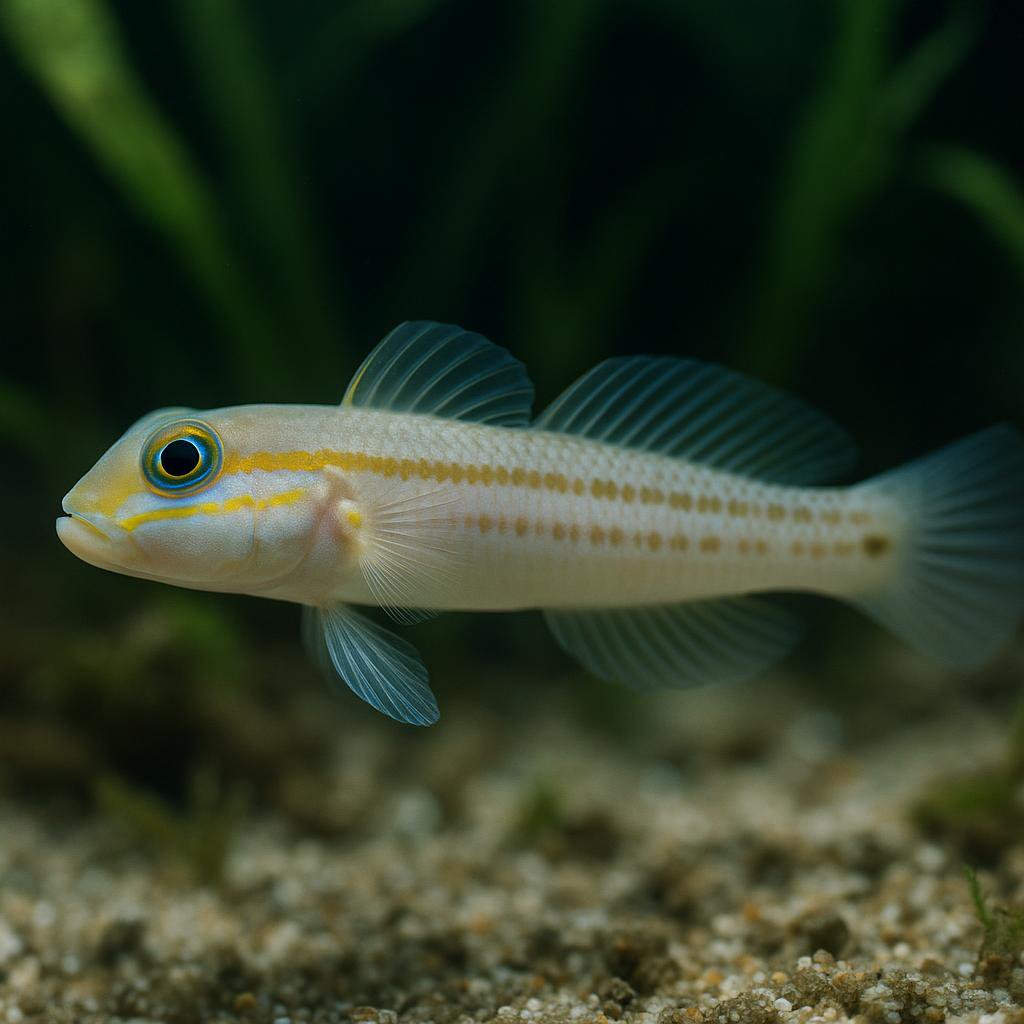
Blueband goby
Valenciennea strigata
This is that classic gold/yellow-headed sand-sifting goby with the little blue cheek stripe-always busy, always rearranging your sandbed. In a reef tank it'll spend the day taking mouthfuls of sand, filtering out tiny critters/foods, then "snowing" clean sand back out, and it'll usually claim a burrow area (often as a pair in the wild). It's super cool behavior-wise, but you really do need a mature tank with a proper sandbed and a lid because they can jump.
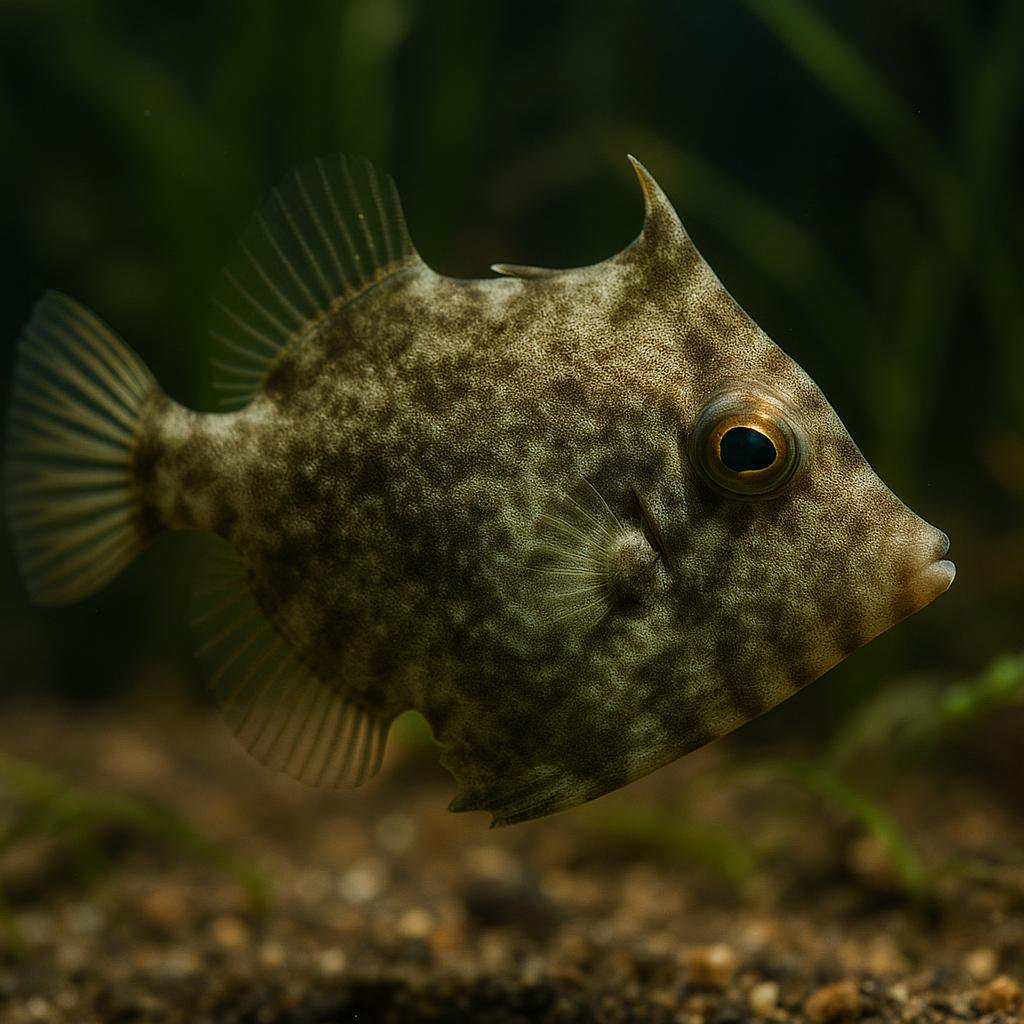
Bristletail Filefish (Aiptasia-Eating Filefish)
Acreichthys tomentosus
This little weirdo is one of my favorites because it's got that goofy filefish "face," a knack for wedging itself into rockwork, and a ton of personality once it settles in. People love them for the chance they'll snack on nuisance Aiptasia, but even when they're not on pest patrol they're just fun to watch cruise around and pick at stuff all day.
More to Explore
Discover more marine species.
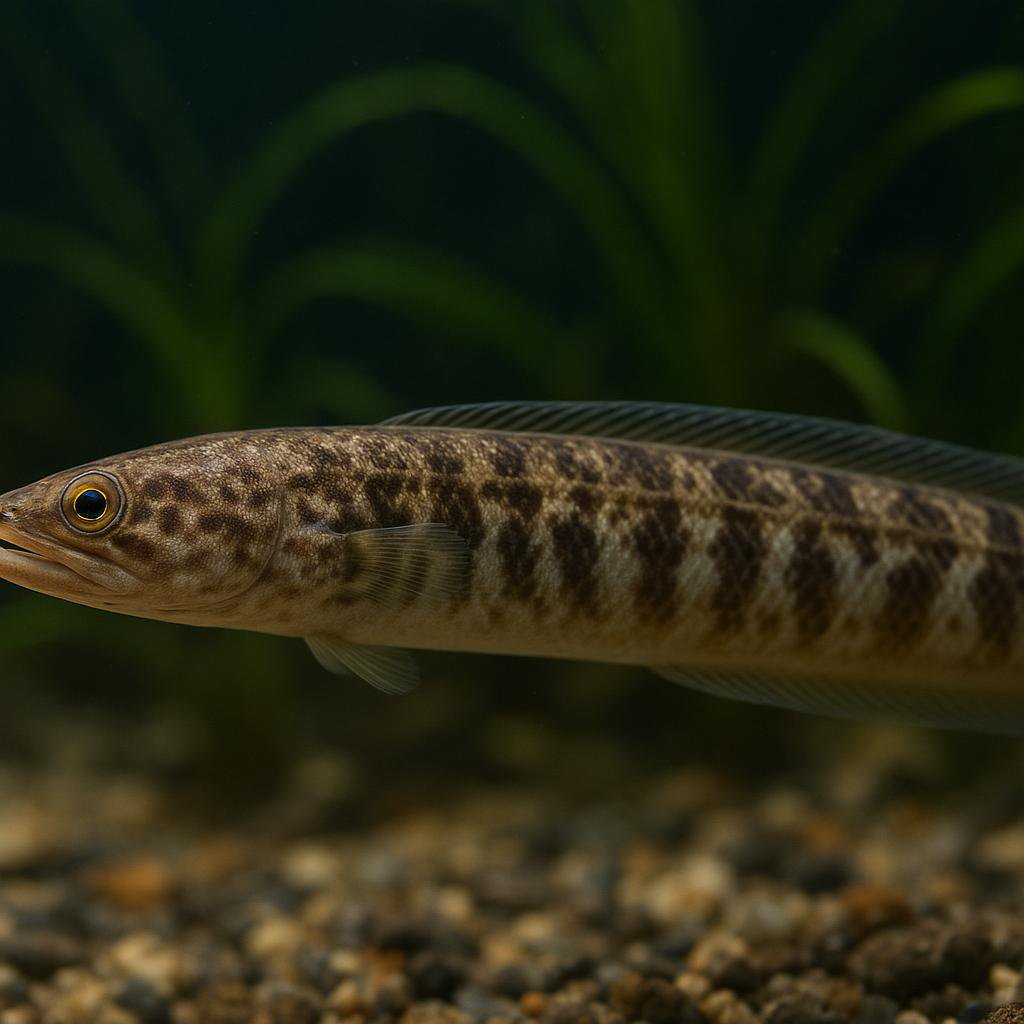
Blackspotted snake eel
Quassiremus ascensionis
A tropical marine snake eel that buries in soft substrates (sand/mud/gravel) with only the head exposed to ambush prey. Recorded to 71 cm TL and occurs mainly in the western Atlantic (also Brazil) and at Ascension Island; typically found in shallow inshore habitats to ~12 m, including sand and seagrass (turtle grass) areas.
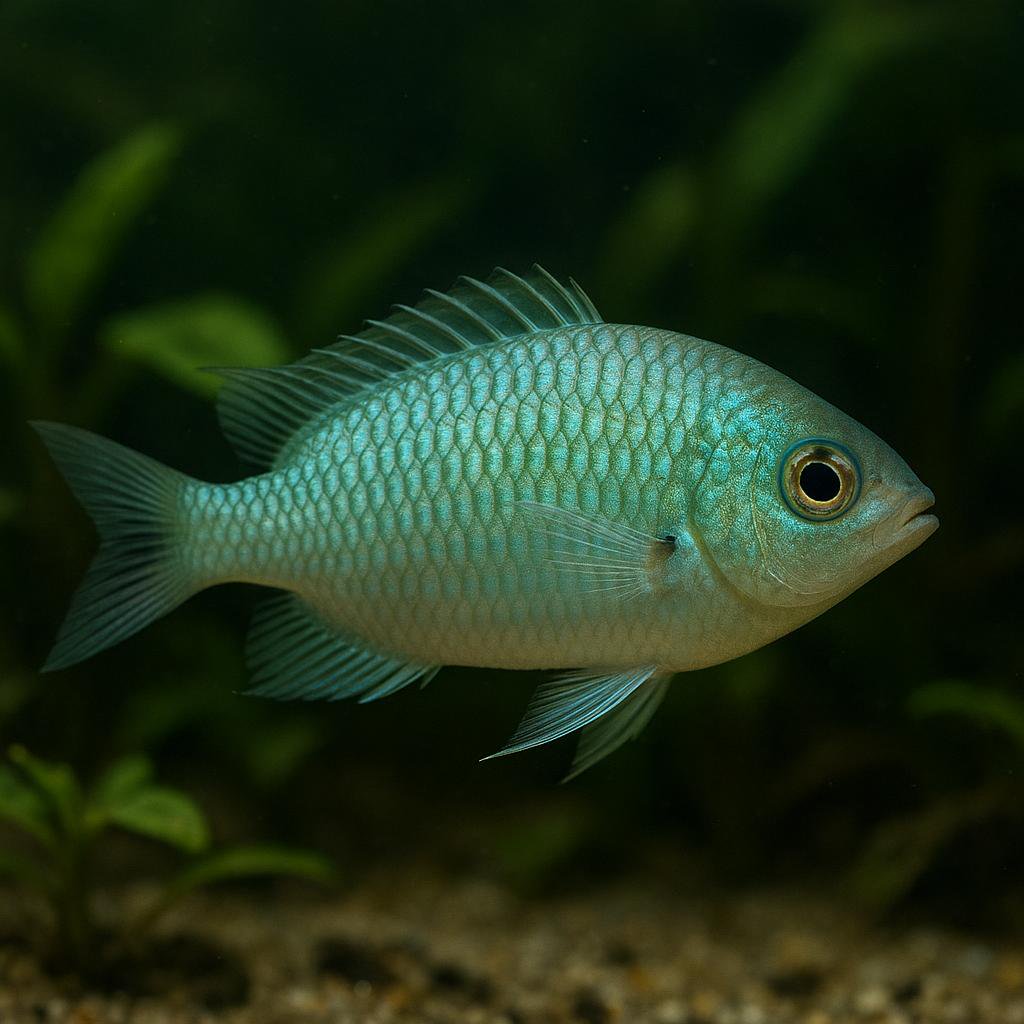
Blue Green Chromis (Green Chromis)
Chromis viridis
Blue Green Chromis are those shimmery little green-blue darts you'll see zipping around the top of a reef tank, always looking like they're catching the light just right. They're super fun in a group because they hover and cruise together, but they've got a bit of a "pecking order" thing going on if the tank's tight or the group's too small.
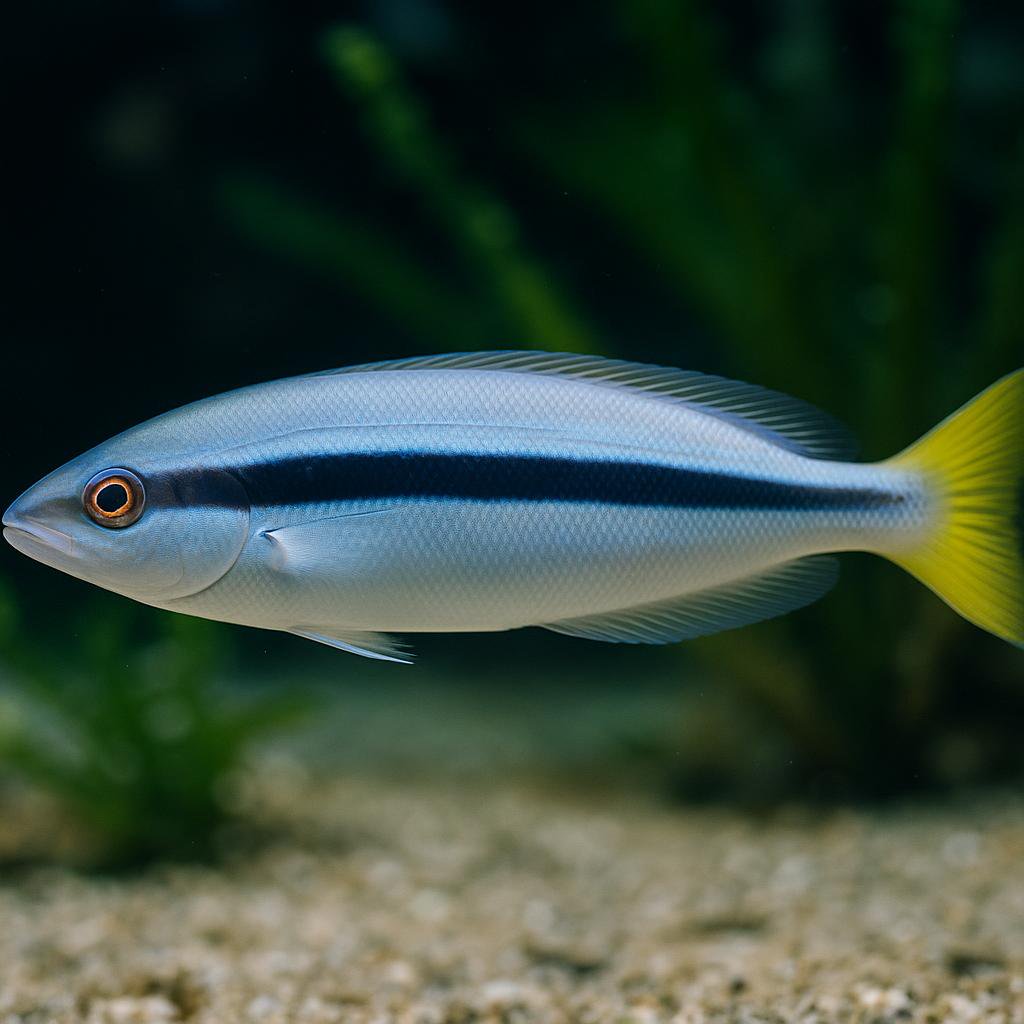
Blue blanquillo
Malacanthus latovittatus
A long, slim tilefish with a bold black side stripe and a blue head that fades down the body. It hovers high above the reef and darts back to a sand-rubble burrow, often living as a monogamous pair; in tanks it is fast, jump-prone, and will eat small crustaceans and tiny fish.
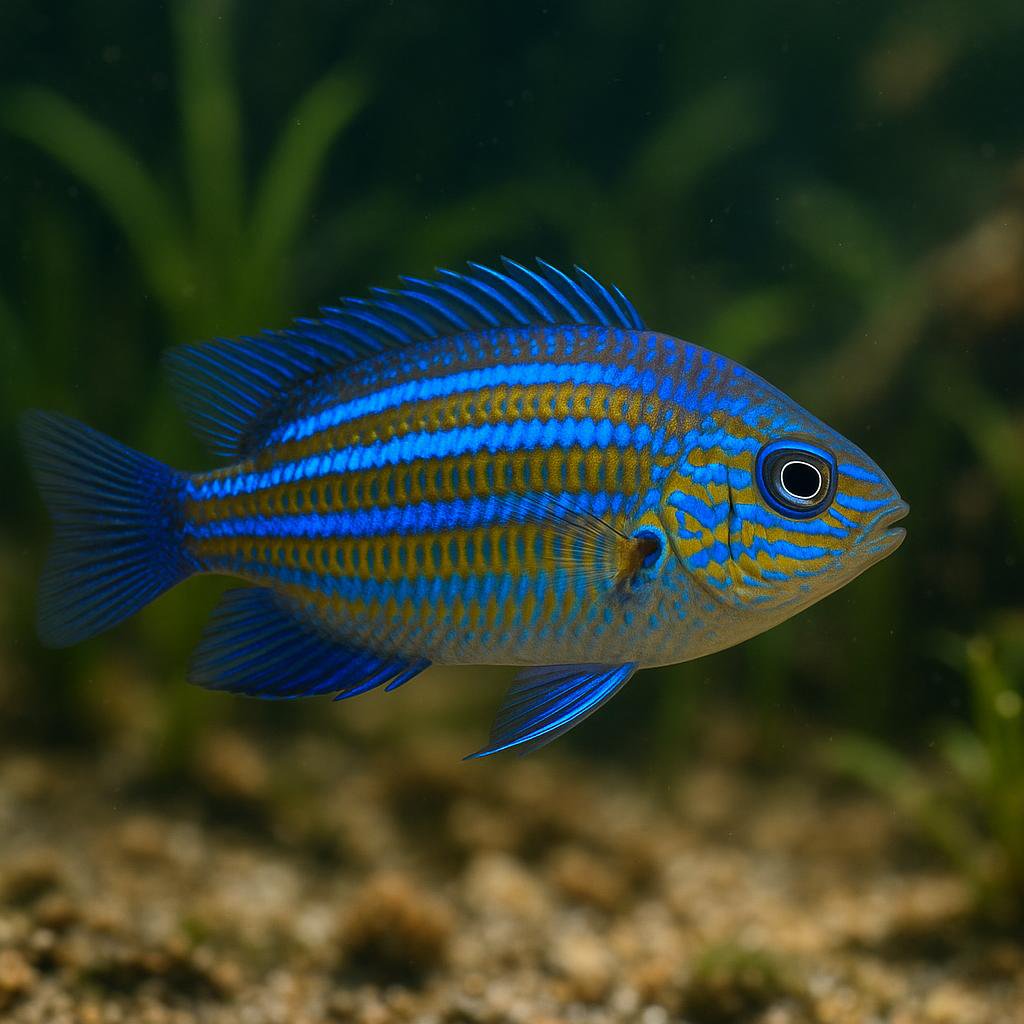
Blueline demoiselle
Chrysiptera caeruleolineata
A little reef damsel with a bright electric-blue line riding over a yellow body, it tends to live deeper on rubble slopes and hugs the bottom in small groups. In aquariums it prefers dimmer light, plenty of rock cover, and frequent small feedings of planktony foods; males guard eggs stuck to the substrate.
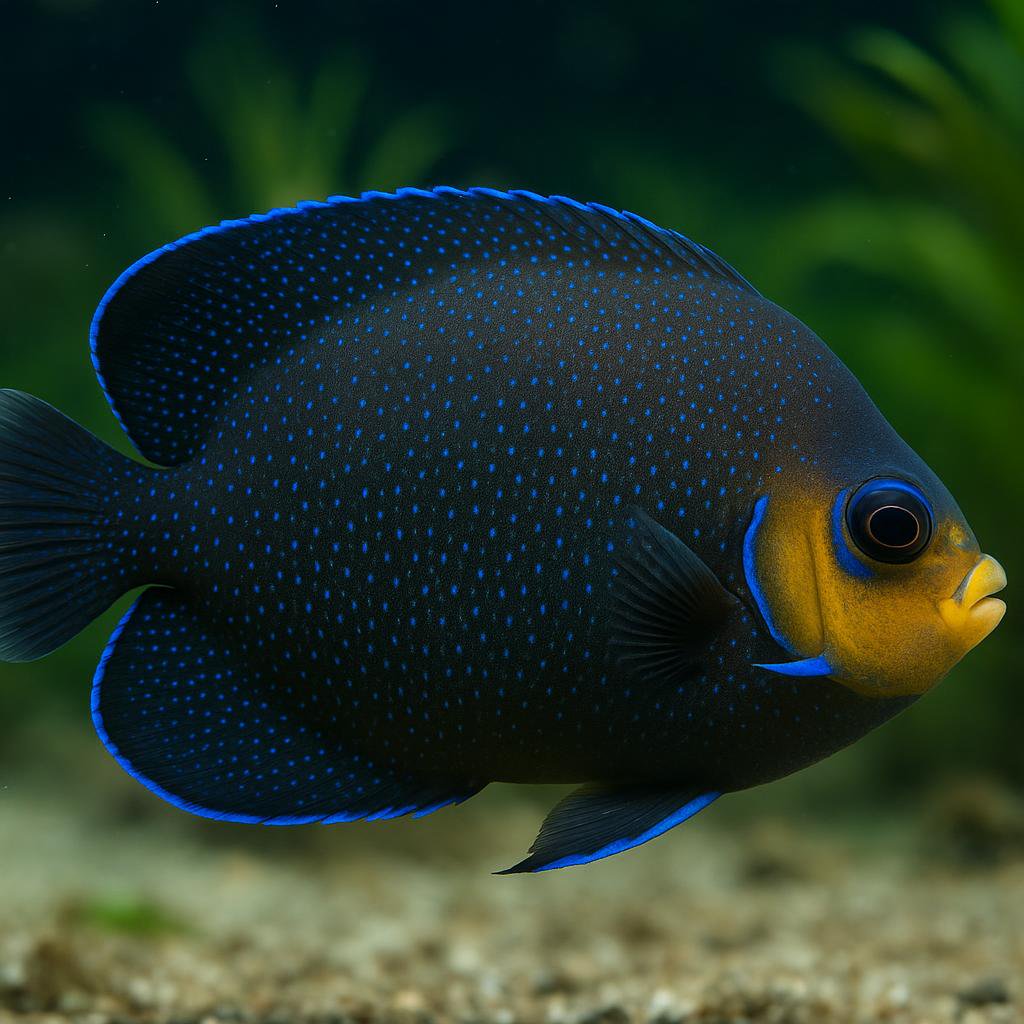
Bluespotted angelfish
Chaetodontoplus caeruleopunctatus
A medium Pomacanthid from the Philippines, it has a dusky body dusted with tiny electric-blue spots and a yellow tail. In the wild it browses sponges and tunicates on deeper reefs, so it thrives only in mature tanks with lots of live rock and frequent feedings.
Bluespotted dottyback
Pseudochromis persicus
A striking dark-bodied dottyback covered in tiny blue spots from the Persian Gulf and nearby western Indian Ocean reefs. It grows larger than most dottybacks and throws a lot of attitude for its size, staking out caves and defending them hard. Best for roomy marine setups with robust tankmates and plenty of rockwork to break lines of sight.
Looking for other species?