

Moorish idol
Zanclus cornutus
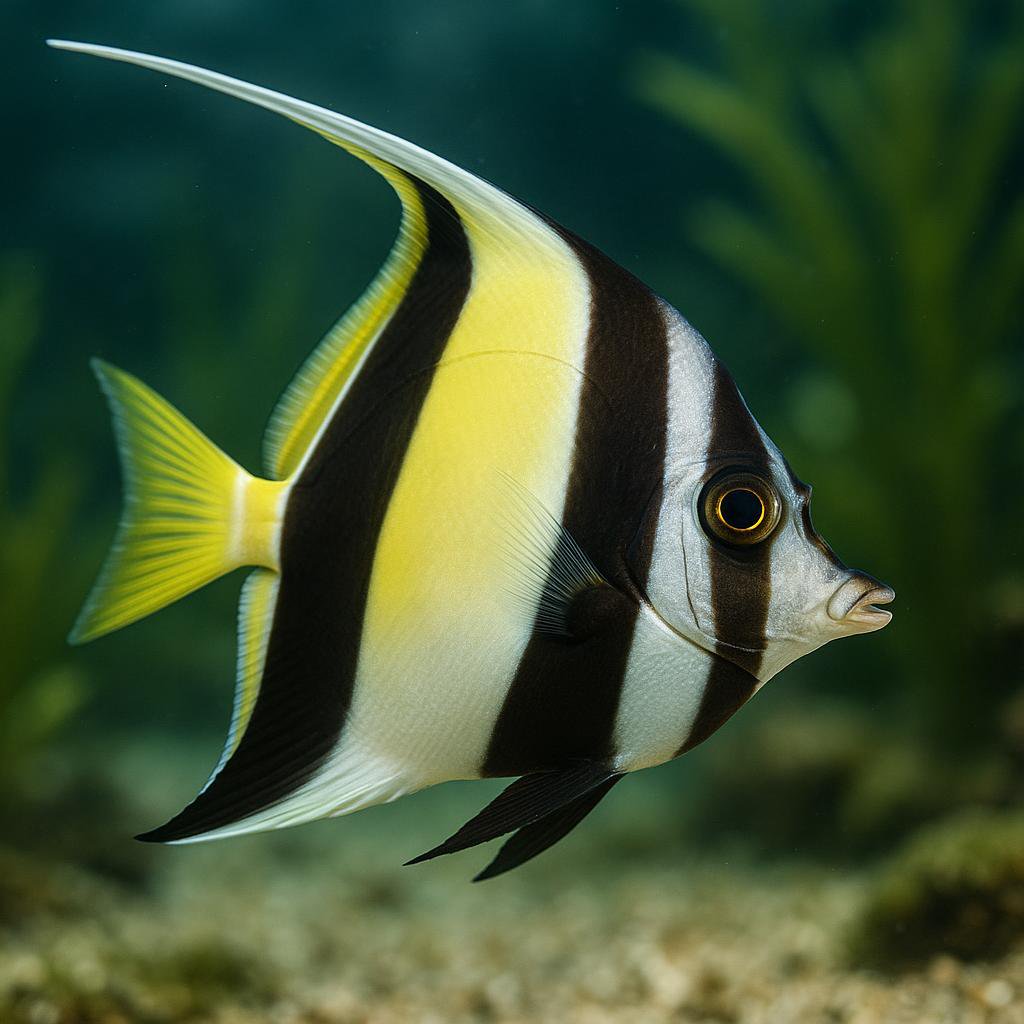
The Moorish idol features a slender body with striking yellow and black vertical bands, and a long, sweeping dorsal fin.
This page includes AI-generated images. Why am I seeing AI images?
About the Moorish idol
Moorish idols are that black-white-yellow reef fish with the long streamer off the dorsal fin - they look like theyre floating more than swimming. In the wild they cruise reefs in pairs or little groups and pick at sponges and other encrusting critters all day. Theyre gorgeous, but the big challenge in aquariums is getting them eating well long-term.
Also known as
Quick Facts
Size
23 cm
Temperament
Peaceful
Difficulty
Expert
Min Tank Size
125 gallons
Lifespan
10-15 years
Origin
Indo-Pacific (also Eastern Pacific)
Diet
Omnivore with strong grazing needs - sponge-based foods, algae/nori, and frequent small feedings of quality frozen/prepared marine foods
Water Parameters
24-28°C
8.1-8.4
8-12 dGH
Need a heater for this species?
This species needs 24-28°C in a 125 gallon tank. Use our heater calculator to find the right wattage.
Calculate heater sizeCare Notes
- Give it a big, mature marine aquarium with ample open swimming space plus established live rock for grazing; larger systems (often 180g+ recommended by many keepers) improve long-term odds.
- Keep salinity stable around 1.025-1.026 and temp 75-78F; they are one of those fish that crash fast when swings happen, even if the numbers look fine on test day.
- Feed like its your job: 4-6 small feedings a day at first, mixing sponge-based foods (angel formulas), nori sheets, and finely chopped seafood like clam/mussel; a single daily feeding usually ends in slow starvation.
- Quarantine is challenging with Moorish idols due to feeding/stress sensitivity; many aquarists still recommend a plan for external parasites (e.g., flukes), and caution with medications that can suppress appetite in already-stressed fish.
- Skip aggressive tankmates and food bullies (tangs that hog, triggers, big angels); pair with calm reef fish that will not outcompete it at feeding time.
- Watch for head and lateral line erosion and pinched belly - both usually mean not enough calories or missing greens/sponge in the diet, not just 'stress'.
- Do not expect to breed them at home; they are pelagic/broadcast spawners and successful captive breeding/larval rearing is extremely rare in the hobby.
Compatibility
Good Tankmates
- Peaceful tangs with good manners - think kole tang or tomini tang in a roomy tank. They mostly ignore the idol, and you get algae control without constant drama.
- Generally peaceful community fish that won’t outcompete it at feeding time (e.g., many fairy/flasher wrasses), with close observation during feeding.
- Often compatible with peaceful fish such as many clownfish, but monitor territorial pairs and ensure the idol is not harassed and can feed adequately.
- Chill cardinals and chromis (banggai cardinals, a small group of chromis). Good midwater company, not pushy at feeding time if you feed well.
- Peaceful gobies and blennies - watchman gobies, tailspot blenny, lawnmower blenny. They hang out low and dont bother the idol.
- Reef-friendly rabbitfish (one-spot/foxface) in a big tank. In my experience theyre generally mellow and help keep the tank calmer, just make sure theres plenty of food so nobody gets hangry.
Avoid
- Aggressive or highly territorial tangs - especially achilles, sohal, or a mean purple tang. They can ride the idol nonstop and stress it out bad.
- Triggerfish (most of them) - even the ones people call 'reef safe-ish' can get bold and start picking, plus they outcompete the idol at feeding time.
- Large angelfish (emperor, queen, etc.). They can be bossy, and both angels and idols like similar grazey foods, so it turns into a constant turf and feeding contest.
- Nippy stuff like dottybacks and big damsels (domino, three-stripe, etc.). Moorish idols are peaceful and kind of sensitive, so that constant chasing just wears them down.
Where they come from
Moorish idols (Zanclus cornutus) are those postcard reef fish you see cruising along steep outer reef slopes in the Indo-Pacific. They pick at sponges, tunicates, algae, and whatever else they can scrape off rock all day. In the wild they cover ground constantly, usually solo or in pairs, and that nonstop grazing is a big part of why they are so tough in our glass boxes.
If you are thinking "I will train it onto pellets later," this is one of the few fish where that mindset regularly ends in a slow starve-out. Plan the feeding game before you buy the fish.
Setting up their tank
Give them room and a mature system. I would not put one in anything under 180 gallons, and bigger is genuinely easier because they pace and cruise. Long tanks beat tall tanks for these guys.
They like lots of live rock to pick at, but also open lanes for swimming. Think "reef wall with highways." Strong, random flow helps keep them moving naturally and keeps food in the water column a bit longer.
- Tank size: 180g minimum is my comfort zone, 240g+ feels better
- Maturity: 9-12+ months old reef with real film algae and micro-life
- Aquascape: rockwork with arches and open swim lanes; not a solid rock pile
- Flow: strong and chaotic, not a single jet blasting one spot
- Lighting: whatever your reef runs, but expect them to graze more under normal day cycles
- Lid: they can spook and jump, especially new additions
Stability matters more than chasing numbers. Keep salinity steady (use an ATO), keep temperature boring, and keep oxygen high. Moorish idols hate "new tank weirdness" and they do not bounce back fast after a bad week.
If you can, ask to see the exact fish eat at the store. I only consider ones that actively peck at food multiple times and have a full, rounded body behind the head. Sunken bellies are a hard pass.
What to feed them
This is the make-or-break part. In my experience, idols do best when you treat them like a reef grazer that also needs chunky, meaty foods. They want variety and they want it often. "Once or twice a day" is usually not enough, especially early on.
- Sponge-based frozen foods (this is the closest thing to their natural menu)
- Frozen angel formulas, mysis, finely chopped clam, and calanus
- Nori on a clip (many will learn it, some ignore it at first)
- Good quality pellets if they take them, but do not rely on pellets as the whole diet
- Occasional live foods (live blackworms in a dish can kickstart shy eaters, but keep it clean)
I feed small amounts 4-6 times a day when I am trying to get one established. If you cannot do that manually, an auto-feeder plus one or two frozen feedings can work, but you still need that sponge-heavy frozen rotation.
Use a feeding station or a small "grazing rock" you can rubber-band nori to. Idols like to pick. If food just blows around, faster fish will steal most of it.
Watch the fish, not the calendar. An idol can look "fine" for weeks while slowly losing mass. If the area behind the head starts looking pinched, increase feeding frequency immediately and improve food variety.
How they behave and who they get along with
Moorish idols are generally peaceful, but they are not pushovers when they feel crowded. Their big issue is competition at mealtime. Fast, bold eaters can outcompete them and you end up with an idol that is always "almost" eating.
Reef safety is a maybe. Some ignore corals, some nip softies, LPS, and even zoas. Sponges and tunicates are the real targets, so any "reef with lots of sponges" becomes a buffet. Treat them like a gamble in a display reef.
- Good tankmates: calm tangs, fairy/flasher wrasses, anthias (if you already feed heavy), smaller angels with similar temperament
- Use caution with: aggressive tangs, big triggers, large wrasses that dominate feeding, dottybacks that harass newcomers
- Avoid: bully fish that rush food (they will stress the idol and steal meals)
- Multiple idols: possible in very large tanks, but add carefully; pairs sometimes work, random groups often fight
If you see the idol doing constant laps and never stopping to pick, that is often stress (or being pressured by tankmates). A relaxed idol pecks at rockwork all day between swimming passes.
Breeding tips
Breeding Moorish idols in home aquariums is basically not a thing right now. They are open-water spawners with pelagic eggs and larvae that are extremely difficult to raise. You might see pair behavior and spawning rises in huge public-style systems, but do not plan a setup around breeding them.
Common problems to watch for
Most Moorish idol losses I have seen come down to one of three things: they never really start eating, they get slowly outcompeted, or they get hit with parasites while already stressed.
- Starvation/weight loss: the #1 issue - look for a pinched area behind the head and a flattening belly
- Ich/velvet: idols do not handle heavy infestations well, especially if they are already thin
- Flukes: common on wild-caught idols; watch for flashing, head twitching, cloudy eyes
- Bacterial infections from shipping damage: frayed fins, red sores, rapid breathing
- HLLE: can show up with long-term stress, poor diet variety, and stray voltage/dirty water
Do not "just observe" if you suspect velvet. Idols can go from eating to crashing fast. Have a plan for isolation and treatment before you bring one home.
Quarantine is tricky with idols because a bare box can stress them and make feeding harder, but skipping quarantine can wipe your whole tank. If you do QT, give them PVC to hide in, keep water super clean, and focus on getting them eating first. I would rather run a longer, gentler QT with steady feeding than a rushed, harsh protocol that stops them from eating.
A healthy idol is busy, alert, and picks constantly. The dorsal streamer can be short from shipping and regrow later, so do not obsess over that. Body thickness and appetite are what matter.
Similar Species
Other marine peaceful species you might be interested in.
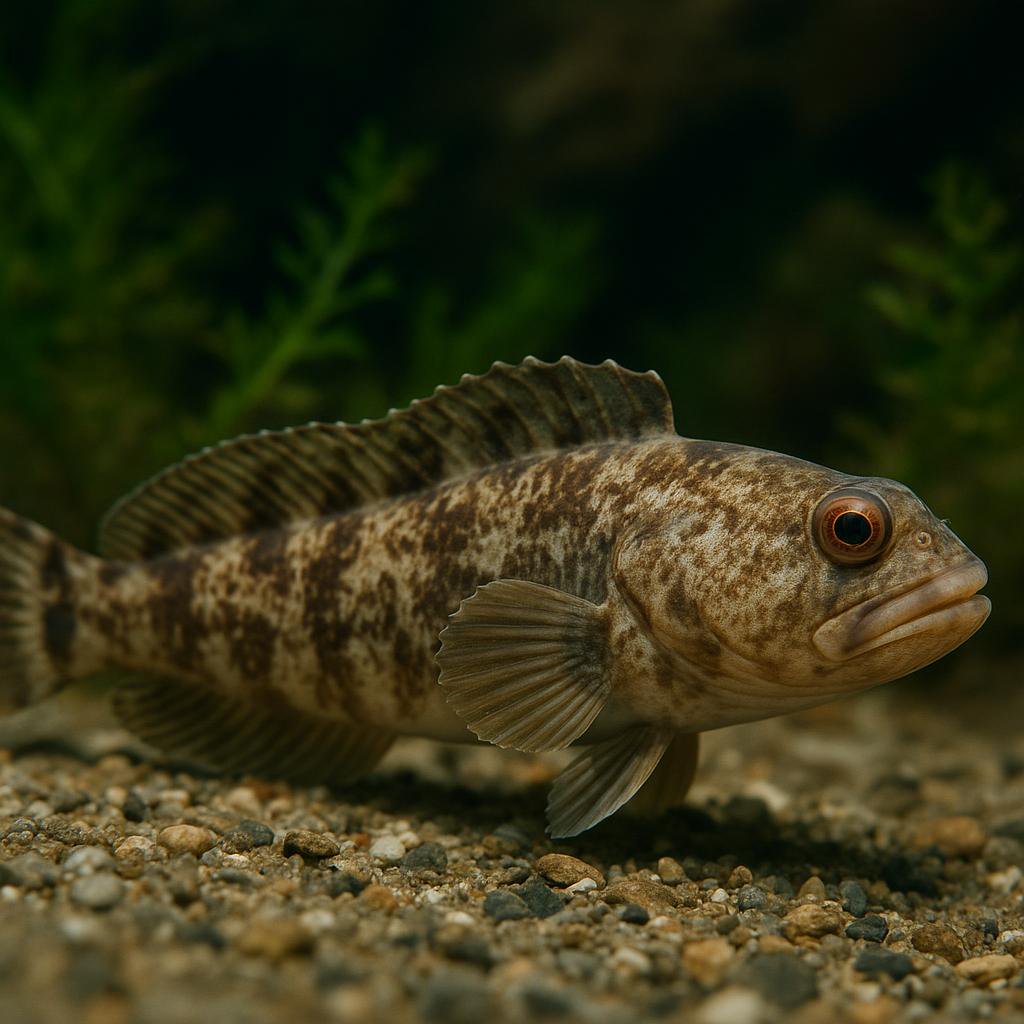
Abe's eelpout
Japonolycodes abei
Japonolycodes abei is a temperate, deepwater demersal eelpout (family Zoarcidae) endemic to Japan (Kumano-nada Sea reported; other sources also report Sagami Bay and Tosa Bay). It is the only species in the genus Japonolycodes and occurs roughly 40-300 m depth, making it an uncommon/atypical aquarium species.
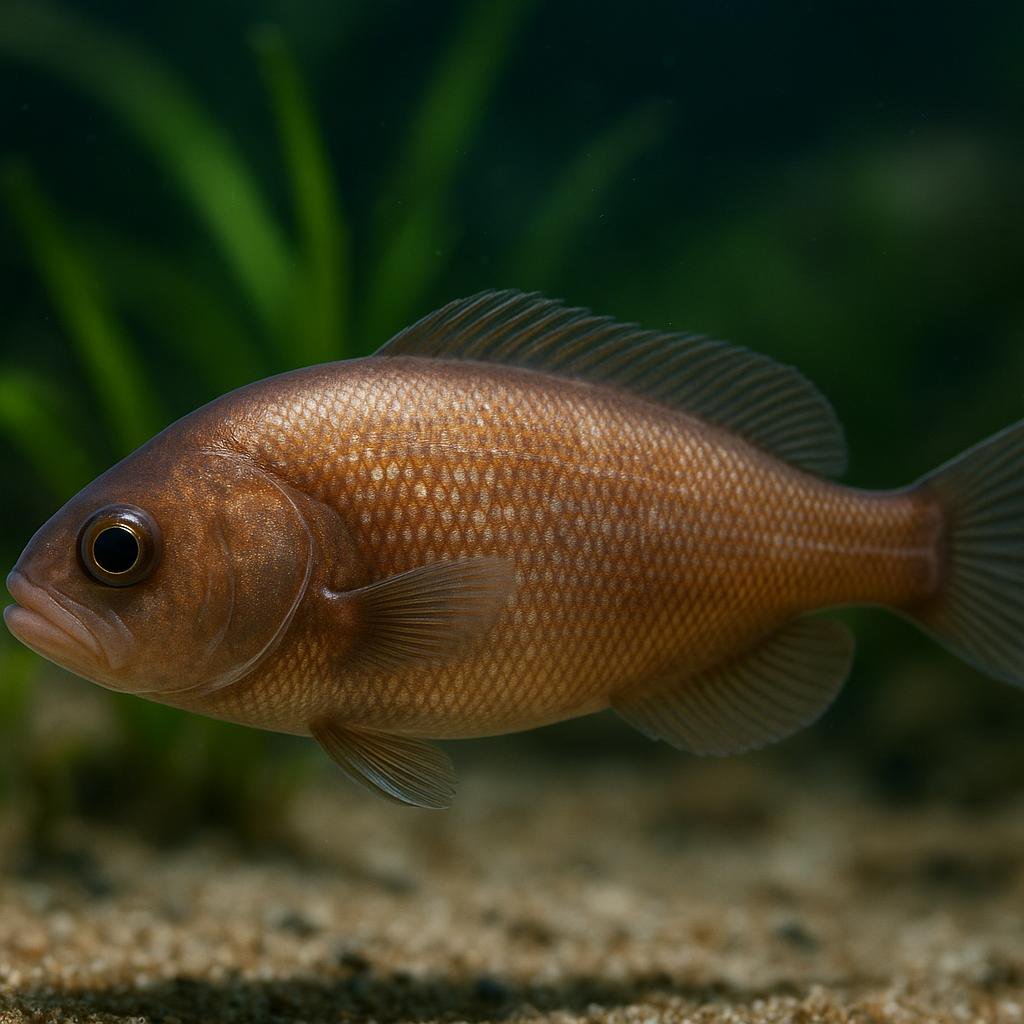
Affinis blind cusk-eel
Barathronus affinis
Barathronus affinis is a tiny, super-weird deep-sea blind cusk-eel from the western-central Indian Ocean. It is one of those gelatinous, loose-skinned brotula-type fishes that live way down in the dark and are basically never seen alive, so almost everything we know comes from preserved specimens and taxonomic work.
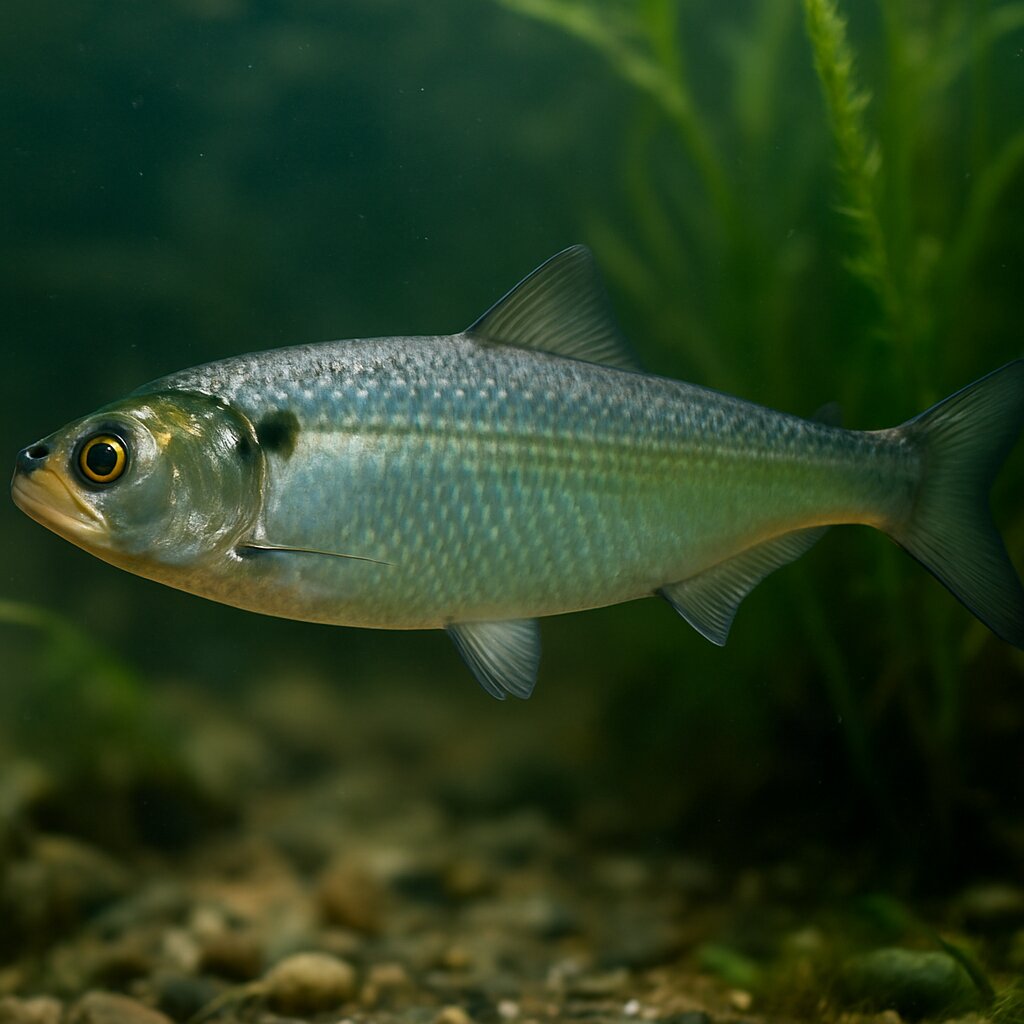
Allis shad
Alosa alosa
Gorgeous silver, fast-swimming shad that spends most of its life in the sea and then surges up big rivers in noisy, surface-spawning schools. It grows huge for a herring-type fish and needs cool, ultra-oxygenated water and tons of open space, so it is a public-aquarium species rather than a home tank fish.
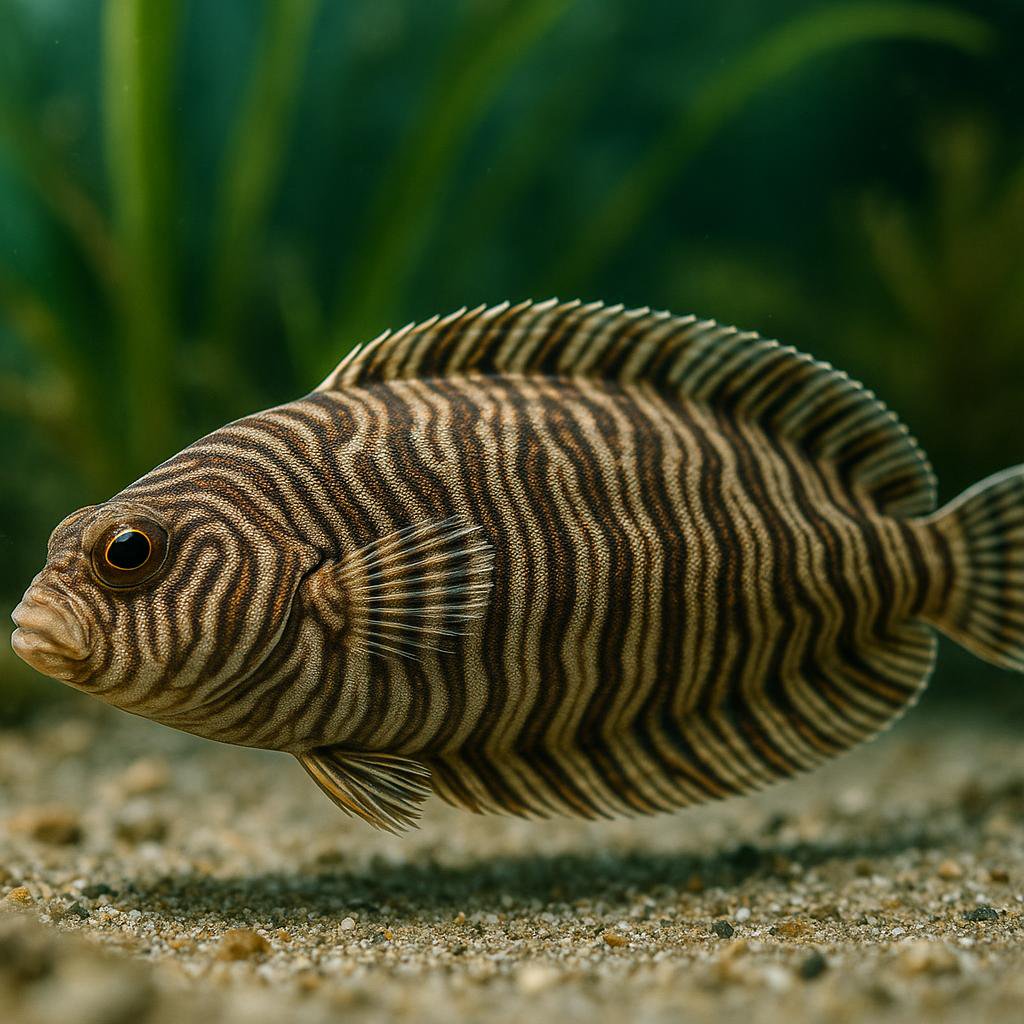
Annandale's zebra sole
Zebrias annandalei
Zebrias annandalei is a small demersal sole from coastal India that inhabits sandy or muddy bottoms and buries for camouflage. It is rarely kept in home aquaria and would require a specialized marine sand-bottom setup and appropriate feeding.
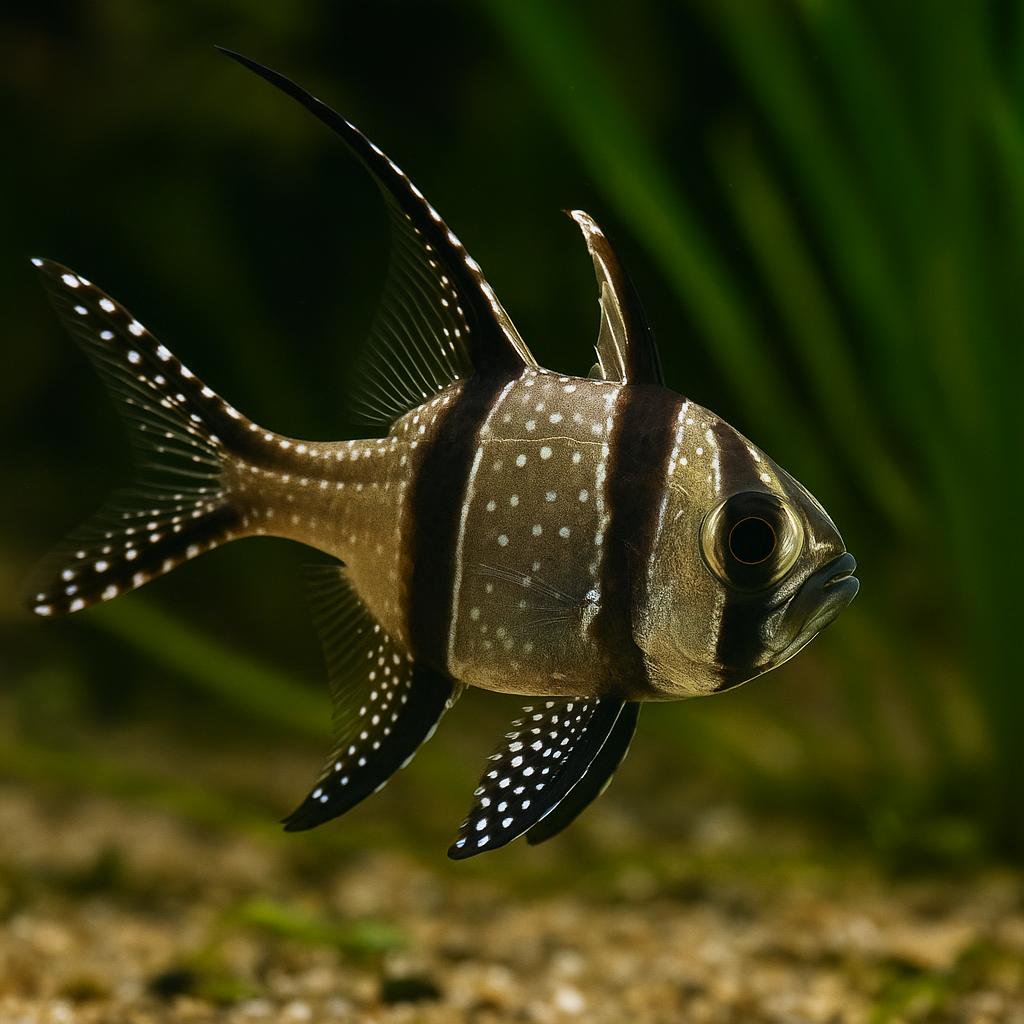
Banggai Cardinalfish
Pterapogon kauderni
Banggai cardinals just sort of hover like little underwater satellites, and the bold black bars with those long, polka-dotted fins look unreal under reef lighting. They're super chill most of the time, but once a pair forms you'll see real "fish drama," and the male will even mouthbrood the babies like a champ.
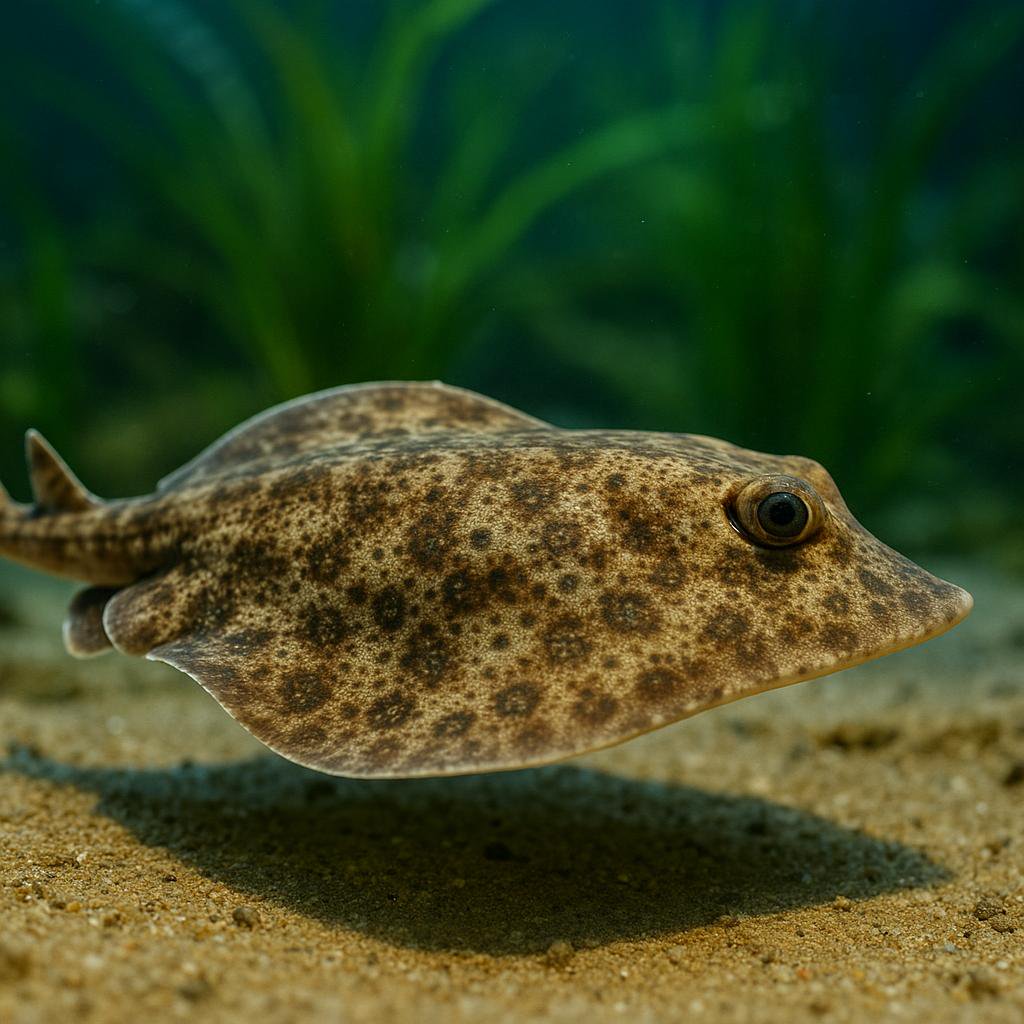
Barbedwire-tailed skate
Notoraja martinezi
Notoraja martinezi is a deepwater skate from the eastern Pacific (Costa Rica down to Ecuador) that lives way down on soft bottoms. The tail is the giveaway - it is lined with strong, hooked thorns that really do look like barbed wire. This is absolutely not an aquarium fish; it is a cold, high-pressure deep-sea animal with basically no practical home care info because it is not kept in the hobby.
More to Explore
Discover more marine species.
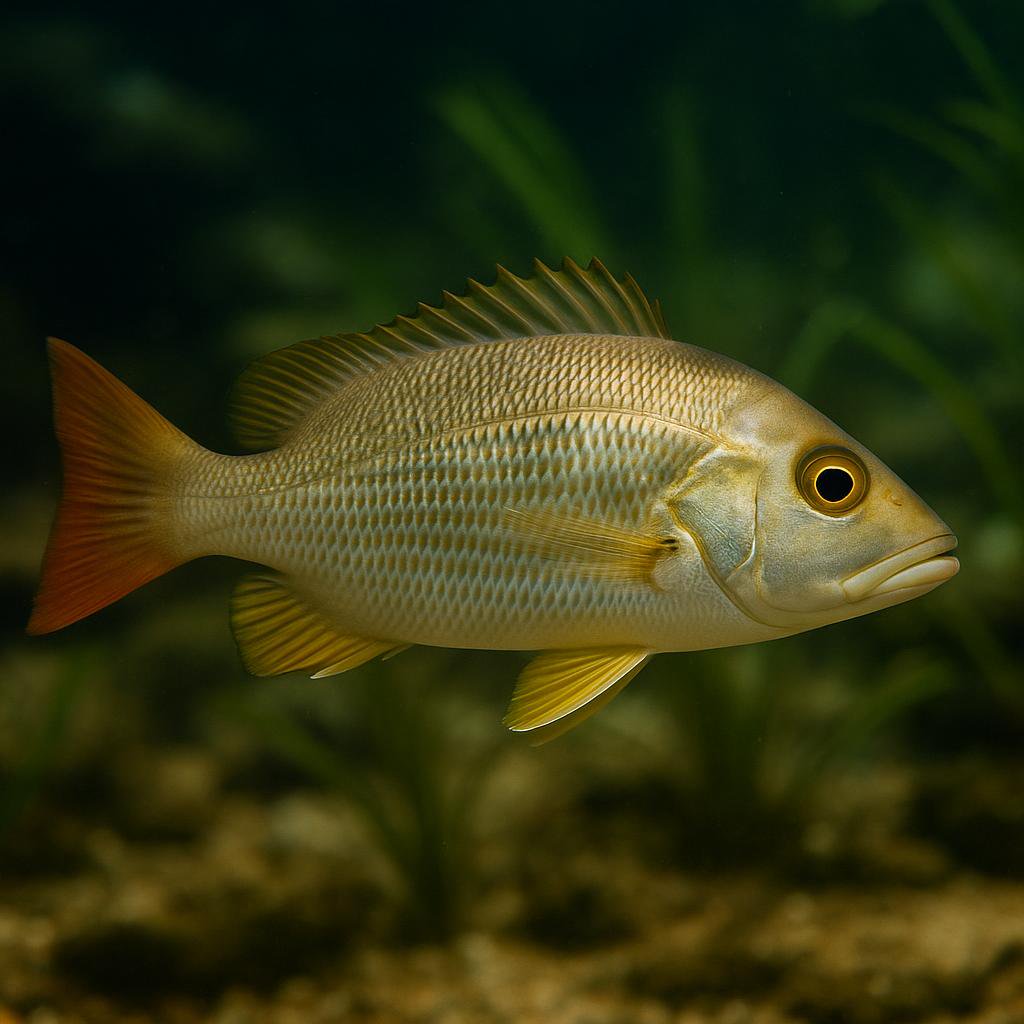
African red snapper
Lutjanus agennes
This is a true snapper from West Africa - a big, fast-growing predator that goes from coastal reefs to brackish lagoons and estuaries (especially as a juvenile). Super cool fish in the wild, but it gets absolutely huge and will eat smaller tankmates once it has the mouth for it, so its really more of a public-aquarium scale animal than a home-aquarium fish.
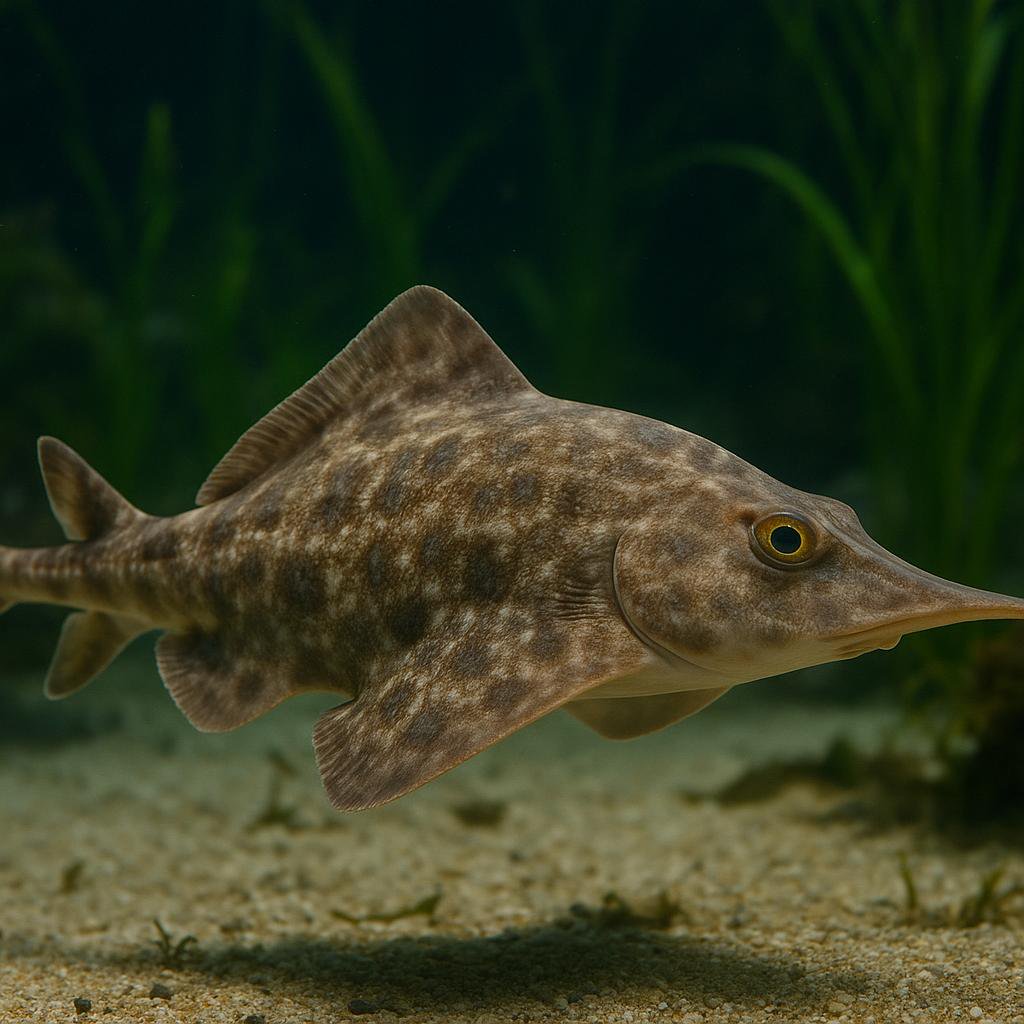
Aleutian skate
Bathyraja aleutica
This is a big, cold-water deep-slope skate from the North Pacific that cruises muddy bottoms and eats chunky benthic prey like crabs and shrimp. The really cool bit is its egg-laying skate life - it does distinct pairing (the classic skate "embrace") and drops those tough egg cases on the seafloor. Not an aquarium fish at all unless you're basically running a public-aquarium-style chilled system.
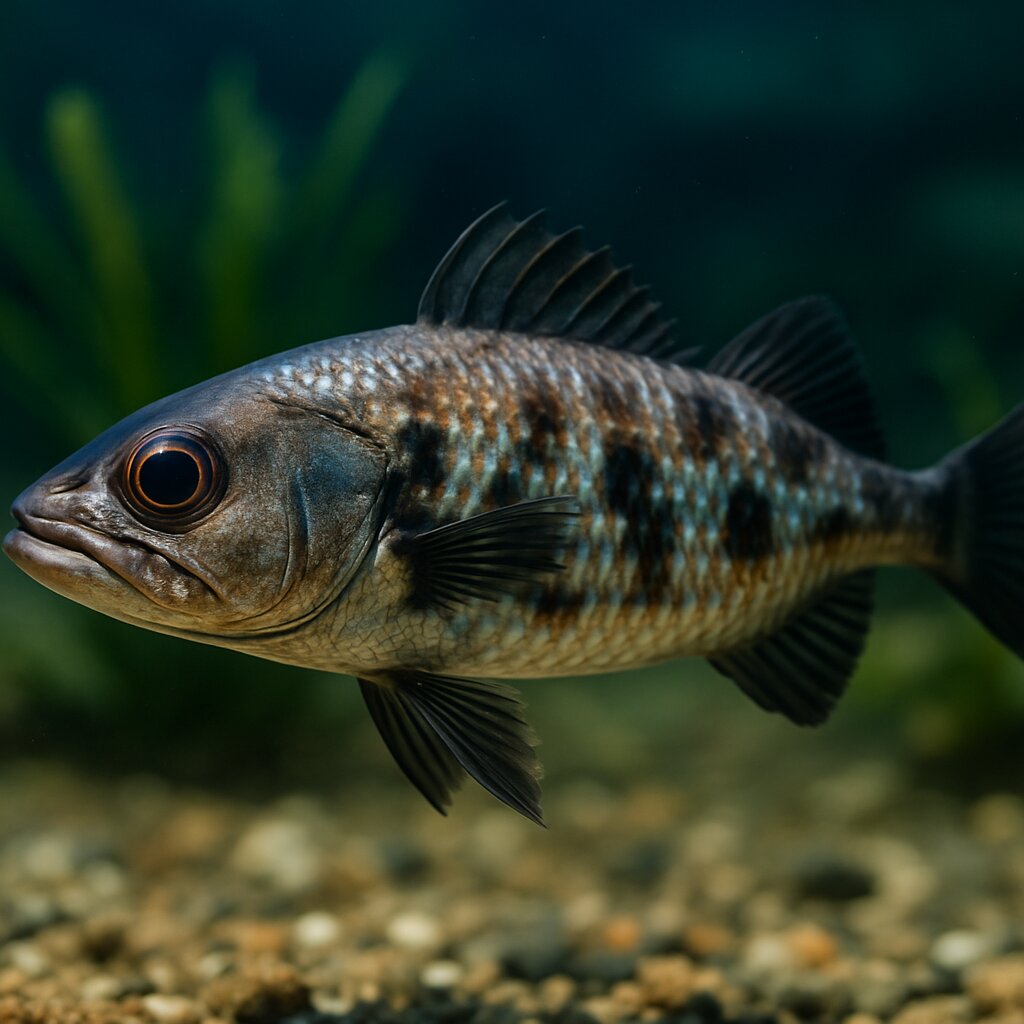
Antarctic dragonfish
Vomeridens infuscipinnis
Deep down around Antarctica, this sleek dragonfish cruises the water column like a little submarine, nearly neutrally buoyant so it can hover above the seafloor. It munches almost exclusively on Antarctic krill and lives in near-freezing water 500-800 m down, so it is a cool species to read about, not one for home tanks.
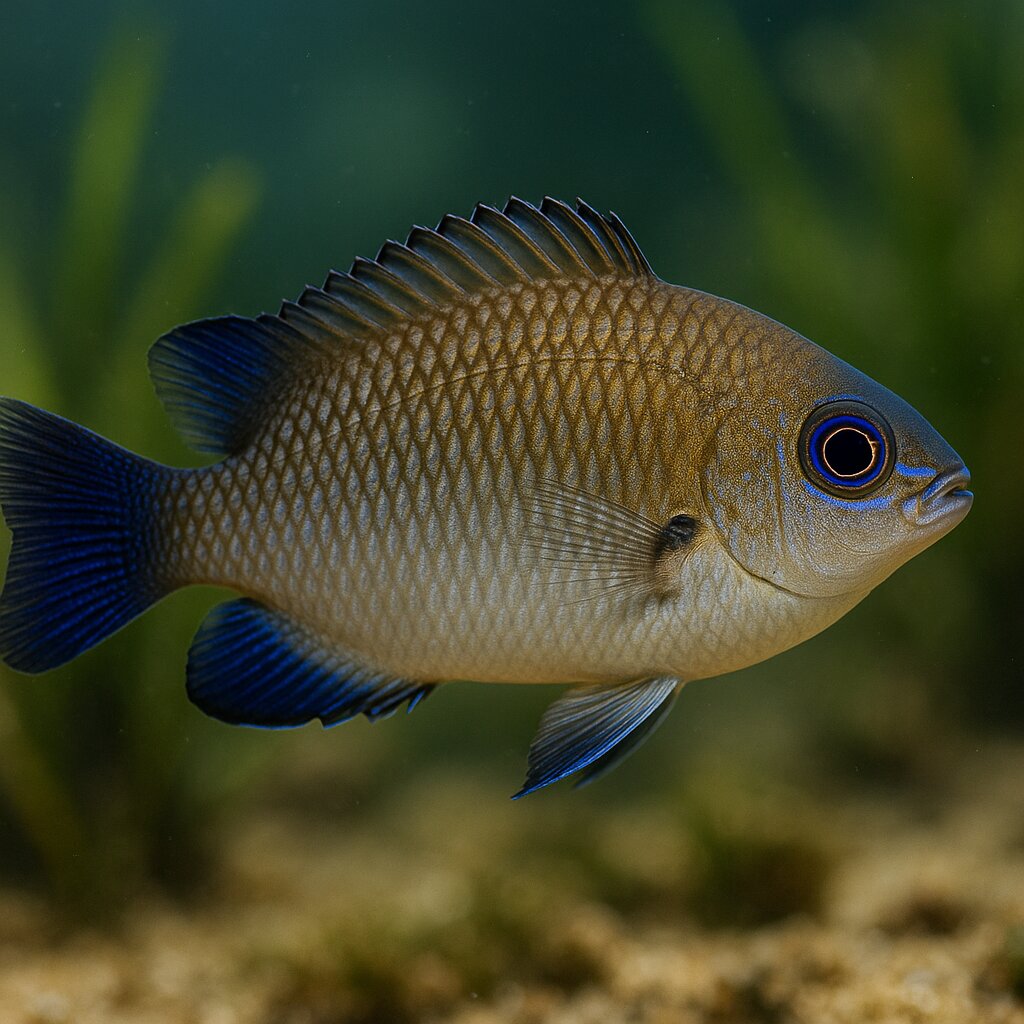
Arabian demoiselle
Neopomacentrus sindensis
A small lyretail damsel from the Persian Gulf and Arabian Sea, it hangs in loose groups around coral heads, rocks, and even pier pilings picking zooplankton from the flow. Think classic damsel toughness with a slightly milder attitude than the real bruisers, plus subtle yellow tail accents. Males clean a patch, get a mate to lay eggs there, and then stand guard fanning the clutch.
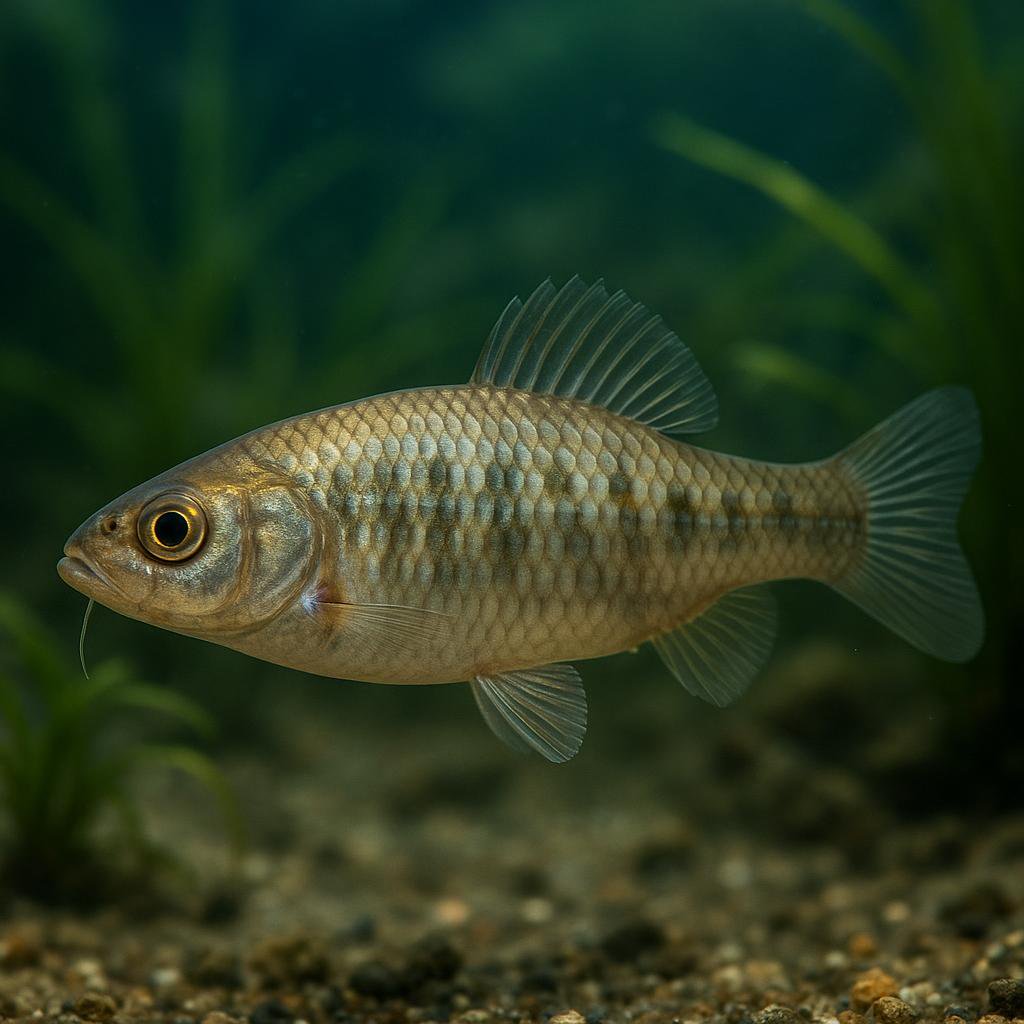
Arabian spiny eel
Notacanthus indicus
Notacanthus indicus is a deep-sea spiny eel (family Notacanthidae; not a true eel) known from the Arabian Sea on the continental slope at roughly ~960–1,046 m depth, with reported maximum length around 20 cm TL; it is a deep-water bycatch species and not established in the aquarium trade.
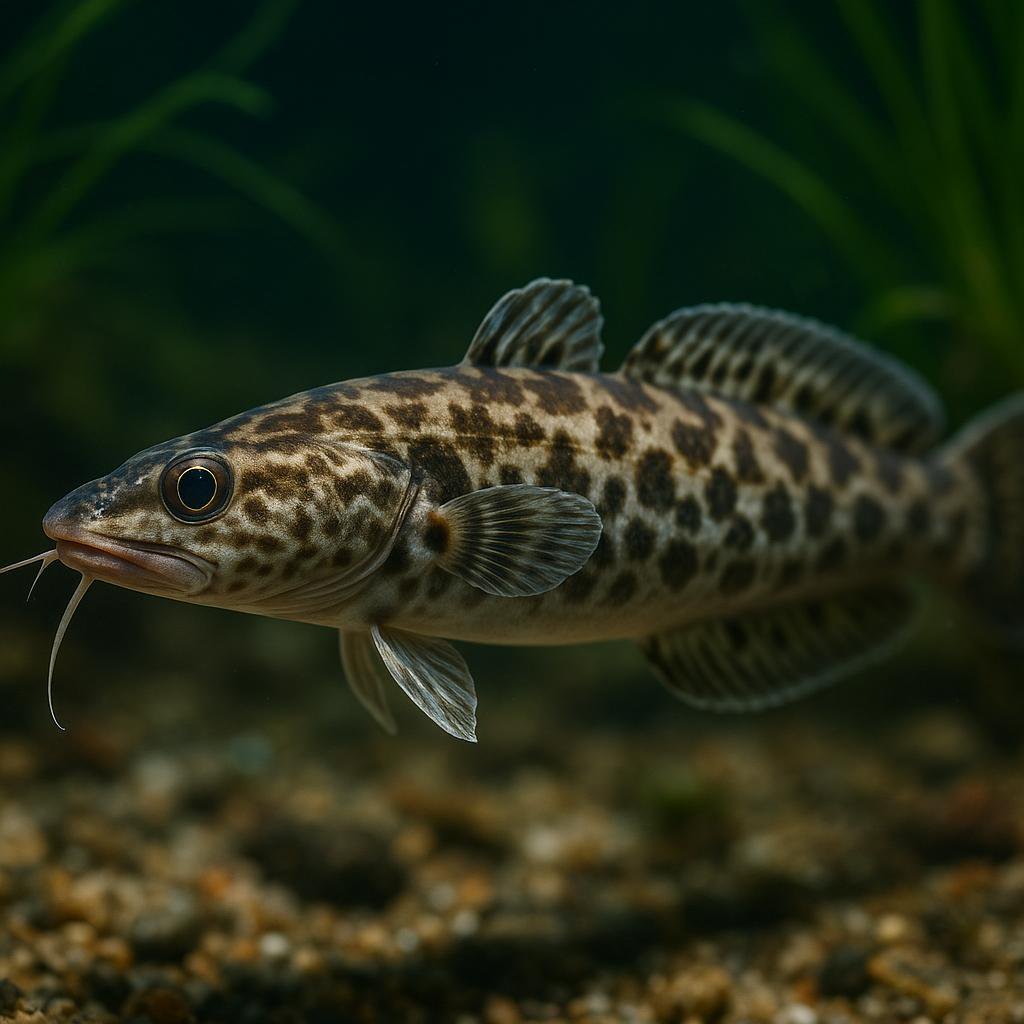
Arctic rockling
Gaidropsarus argentatus
This is a deepwater North Atlantic rockling (a cod relative) that hangs out on soft bottoms way down the slope. It is a cold-water, bottom-hugging predator that snoots around for crustaceans and will also take small fish when it gets the chance.
Looking for other species?