

Marshall's grenadier
Coryphaenoides marshalli
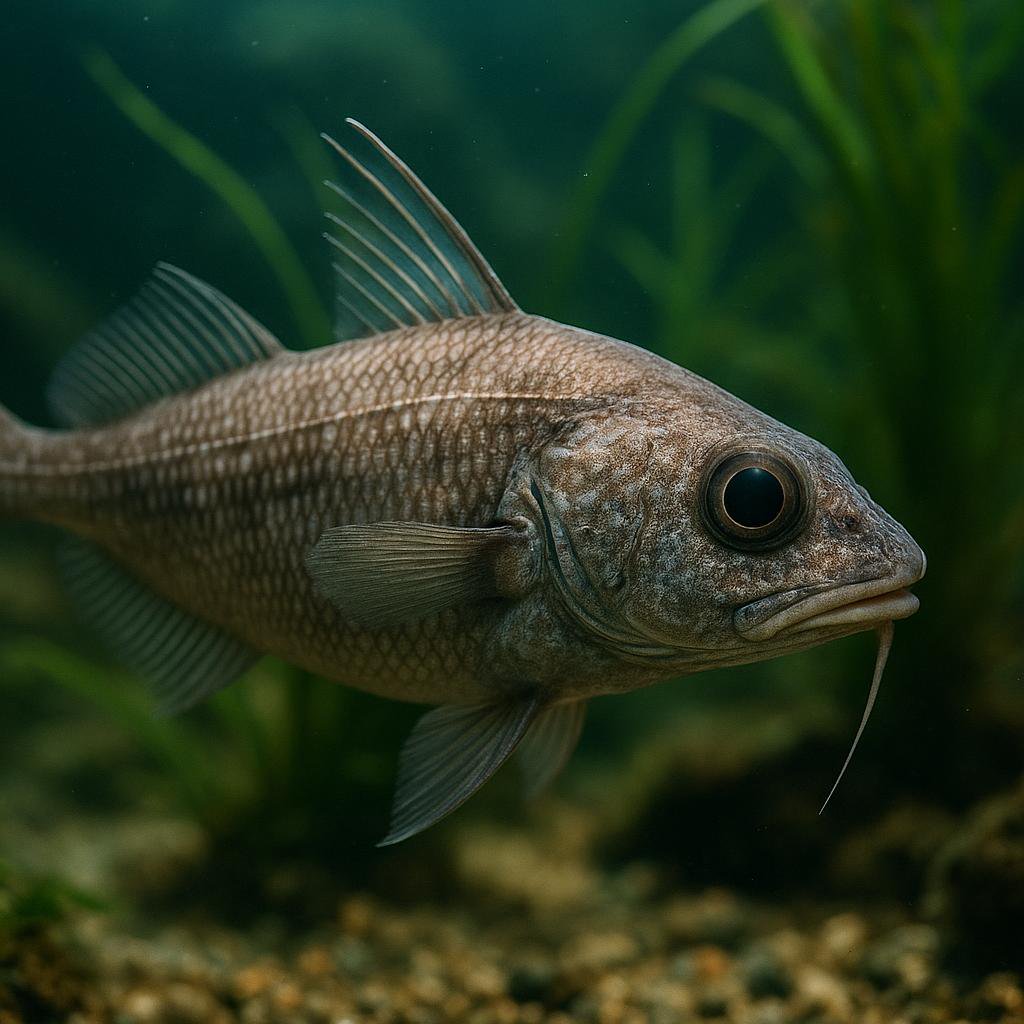
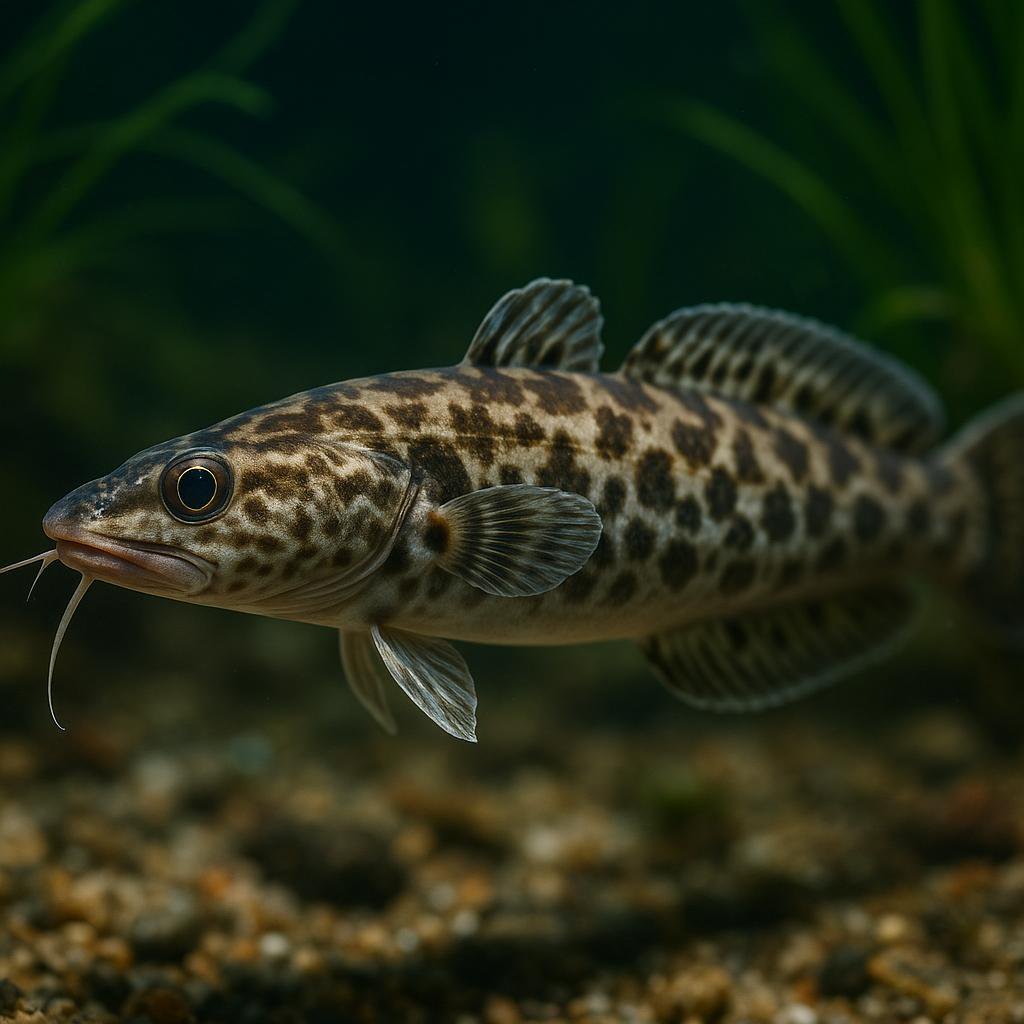
The Marshall's grenadier exhibits a slender body with a long, pointed snout and a dark gray to brownish coloration with lighter ventral surfaces.
This page includes AI-generated images. Why am I seeing AI images?
About the Marshall's grenadier
This is a deep-sea grenadier (rattail) from the Gulf of Guinea - think big head, huge eyes for the dark, and that classic long tapering tail. It lives way down on the slope, so it's not an aquarium fish in any realistic sense, but it's a really neat example of how fish are built for cold, high-pressure life.
Also known as
Quick Facts
Size
50 cm
Temperament
Peaceful
Difficulty
Expert
Min Tank Size
1000 gallons
Lifespan
unknown
Origin
Eastern Central Atlantic (Gulf of Guinea)
Diet
Carnivore - deepwater invertebrates and small fishes
Water Parameters
3.5-4.9°C
7.8-8.4
7-12 dGH
Need a heater for this species?
This species needs 3.5-4.9°C in a 1000 gallon tank. Use our heater calculator to find the right wattage.
Calculate heater sizeCare Notes
- Marshall's grenadier (Coryphaenoides marshalli) is a deep-sea macrourid from ~1,134–1,556 m depth, and it is not realistically maintainable in a standard home aquarium due to deepwater capture/handling constraints and the need for very cold conditions; FishBase lists a model-based preferred temperature of 3.5–4.9 °C.
- If you're attempting this at all, you're in chilled, insulated life-support system territory: heavy-duty chiller, zero light, and smooth walls with no sharp rockwork because they spook and scrape their snout and fins easily.
- They hate warm swings and low oxygen - keep temps rock-steady cold, run absurd aeration/flow, and oversize mechanical filtration since they produce a lot of nitrogenous waste for a fish that sits and hovers.
- Feeding is meaty and sinky: thawed shrimp, squid, clam, fish pieces, and fatty deepwater-type foods; target feed with tongs after lights-out and don't blast food around with flow or it just never finds it.
- Tankmates: avoid anything fast, nippy, or bright-light reef stuff; if you could even match their environment, think other coldwater deepwater fish/inverts that won't harass them and won't outcompete them at feeding.
- Watch for barotrauma and decompression damage from capture - gulping, buoyancy issues, pop-eye, and weird swimming are common, and many never recover if they weren't brought up in a pressure-controlled way.
- Breeding in captivity is basically not a thing - they are deep-sea spawners and you'd need pressure, seasons, and space you can't fake in a typical setup, so plan on this being a display/observation animal only (if at all).
Compatibility
Good Tankmates
- Not applicable (species is not realistically compatible with home-aquarium tankmates due to deepwater temperature/pressure requirements).
- Not applicable (species is not realistically compatible with home-aquarium tankmates due to deepwater temperature/pressure requirements).
- Not applicable (species is not realistically compatible with home-aquarium tankmates due to deepwater temperature/pressure requirements).
- Not applicable (species is not realistically compatible with home-aquarium tankmates due to deepwater temperature/pressure requirements).
- Not applicable (species is not realistically compatible with home-aquarium tankmates due to deepwater temperature/pressure requirements).
Avoid
- Not applicable (species is not realistically compatible with home-aquarium tankmates due to deepwater temperature/pressure requirements).
- Not applicable (species is not realistically compatible with home-aquarium tankmates due to deepwater temperature/pressure requirements).
- Not applicable (species is not realistically compatible with home-aquarium tankmates due to deepwater temperature/pressure requirements).
Where they come from
Marshall's grenadier (Coryphaenoides marshalli) is a deep-sea rattail. Think cold, dark slopes and abyssal plains, way down where the pressure is wild and food shows up as occasional windfalls.
That background matters because almost everything we do in reefkeeping (bright lights, warm water, lots of daily activity) is the opposite of what this fish is built for.
Real talk: this species is not a normal home-aquarium fish. The collecting and decompression alone are deal-breakers most of the time. If you are reading this because you saw one offered, assume it will arrive in rough shape even if the seller means well.
Setting up their tank
If you are still determined (public aquarium-grade project, not a weekend experiment), the tank has to be built around cold, dark, calm water and a fish that spooks easily.
- Temperature: coldwater system, not tropical. You are in chiller territory.
- Lighting: dim. You want enough to observe without blasting it like a reef.
- Flow: steady but not blasting. Deep water is generally not a wave machine.
- Filtration: heavy duty, oversized bio and mechanical. These fish are messy on meaty foods.
- Oxygen: high. Cold water helps, but you still want strong gas exchange.
- Aquascape: open bottom with a few large, smooth structures. No sharp rock piles to scrape fins on. Give it a few shadowed areas to sit in.
Use a tight lid and cover intakes. Grenadiers are awkward swimmers under stress and can pin themselves against intakes or bounce into corners.
Substrate-wise, I would go bare-bottom or a thin layer of fine sand. You want easy cleanup. Deep-sea fish plus chunky foods equals leftovers if you are not careful.
Feeding
In the wild they pick at whatever drifts down: carrion, crustaceans, worms, bits of fish. In captivity you are basically running a predator/scavenger feeding program.
- Start with: thawed marine meats like shrimp, squid, clam, scallop, and silversides-type fish (go easy on oily freshwater feeder stuff).
- Mix in: quality sinking carnivore pellets if you can get it to take them, but do not count on it.
- Offer variety: chunks and strips. Some individuals respond better to long, wiggly pieces (squid strips) than cubes.
- Feed schedule: smaller portions more often beats one huge dump. Deep-sea fish do not always handle "stuffed" feeding well in a tank.
Keep a close eye on leftovers. Meaty food rots fast, especially in a low-light tank where you might not notice it. I used to siphon 10-15 minutes after feeding if anything was still on the bottom.
If it arrives skinny (common), do not try to fix it with massive feedings. Get it eating reliably first, then slowly build it up.
Behavior and tankmates
They are not aggressive in the "chasing" way, but they are absolutely a mouth-first fish. Anything small enough to fit will eventually be treated like food, especially at night or in dim light.
- Best kept: species-only or with a couple of large, calm coldwater fish that will not compete like crazy at feeding time.
- Avoid: fast, nippy fish (they stress easily), and anything tiny or shrimp/crabs you care about.
- Activity: mostly hovering and slow cruising. If it is frantic or constantly crashing into things, something is off (light, water quality, too much flow, or just stress).
A lot of people misread a deep-sea fish sitting still as "it must be sick." With grenadiers, still and calm can be normal. Gasping, listing, or repeated surface visits are not.
Breeding
I would not plan on breeding Coryphaenoides marshalli in captivity. They are deep-sea spawners, and we do not have a hobby-friendly playbook for triggering natural spawning cues (pressure, seasonal migrations, larval rearing at depth, etc.).
If someone claims they bred this at home, ask for hard details (system temp, photoperiod, egg/larval photos, rearing timeline). Deep-sea "breeding" stories get exaggerated fast.
Common problems to watch for
Most of the problems are really "arrival and acclimation" problems. If it makes it through the first month eating and acting normal, your odds improve a lot.
- Barotrauma/decompression damage: buoyancy issues, bloating, inability to right itself. Often shows up right away.
- Refusal to feed: can be stress, too much light, too much activity around the tank, or just a rough import.
- Secondary infections: scrapes and pressure-related injuries can turn into bacterial issues fast.
- Nitrate and organics creep: heavy meaty feeding will push your system hard. Watch water quality like a hawk.
- Intake and corner injuries: they can wedge themselves or abrade fins/snout if startled.
If you see persistent positive buoyancy (stuck floating) or the fish cannot stay oriented, this is often not something you can "fix" with hobby tools. Focus on minimizing stress: darken the tank, keep water pristine, and avoid handling.
If you are serious about keeping one long-term, treat it like a coldwater, low-light predator that hates surprises: stable temps, quiet room, careful feeding, and lots of observation. This is one of those fish where the setup and logistics matter more than any magic trick.
Similar Species
Other marine peaceful species you might be interested in.
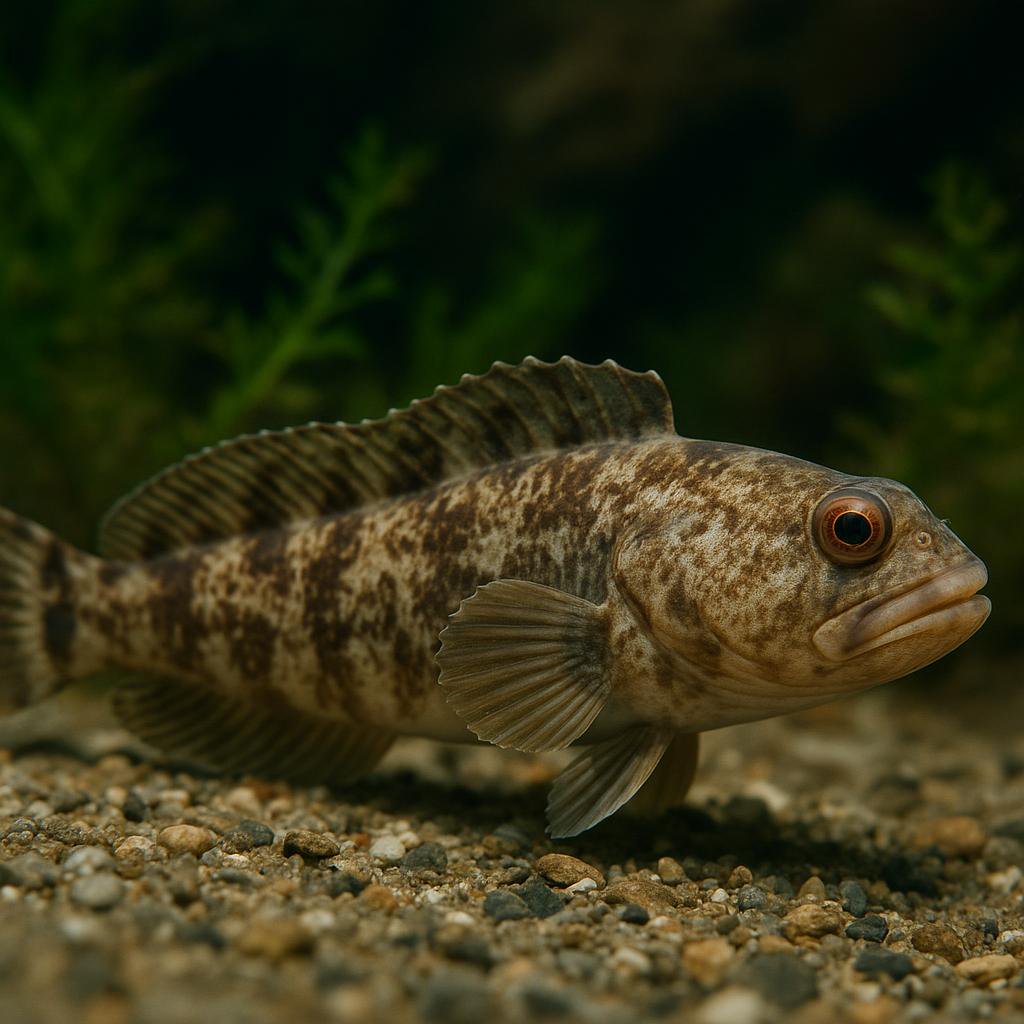
Abe's eelpout
Japonolycodes abei
Japonolycodes abei is a temperate, deepwater demersal eelpout (family Zoarcidae) endemic to Japan (Kumano-nada Sea reported; other sources also report Sagami Bay and Tosa Bay). It is the only species in the genus Japonolycodes and occurs roughly 40-300 m depth, making it an uncommon/atypical aquarium species.
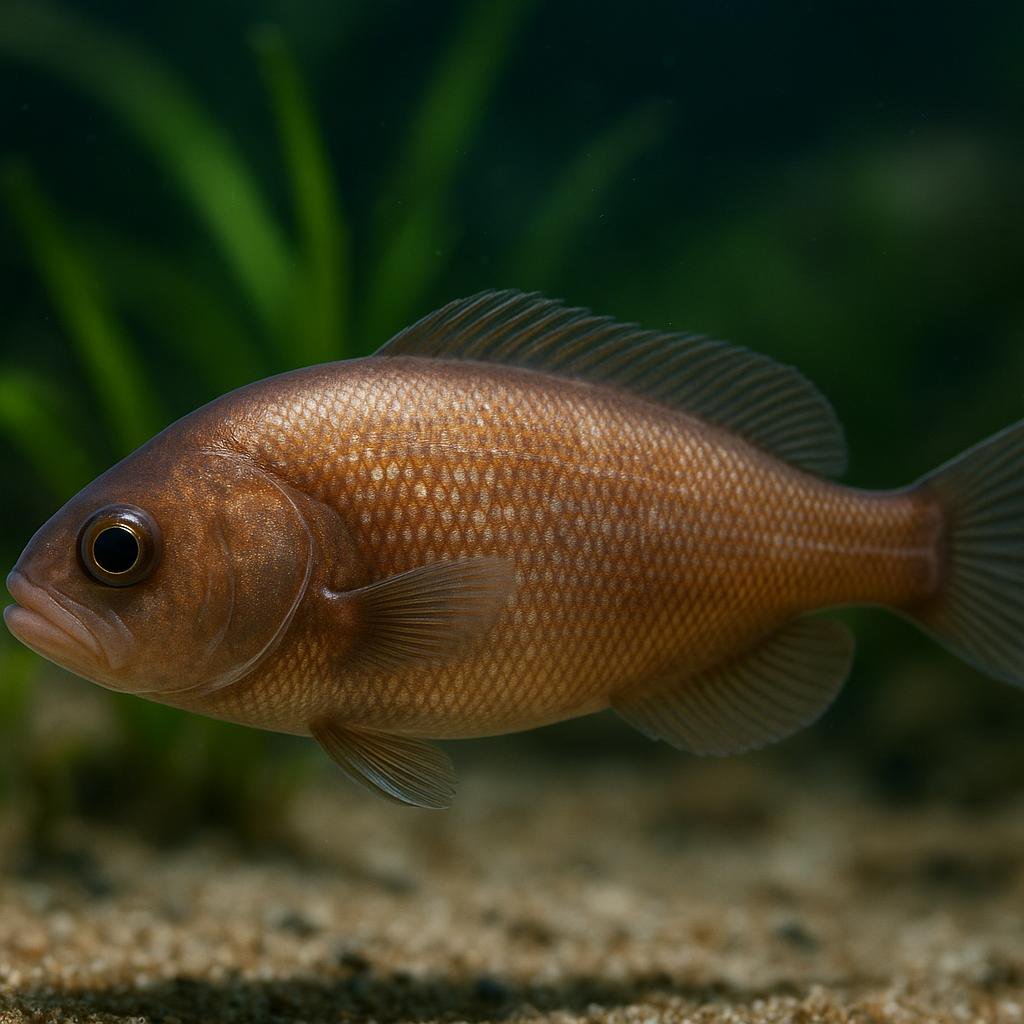
Affinis blind cusk-eel
Barathronus affinis
Barathronus affinis is a tiny, super-weird deep-sea blind cusk-eel from the western-central Indian Ocean. It is one of those gelatinous, loose-skinned brotula-type fishes that live way down in the dark and are basically never seen alive, so almost everything we know comes from preserved specimens and taxonomic work.
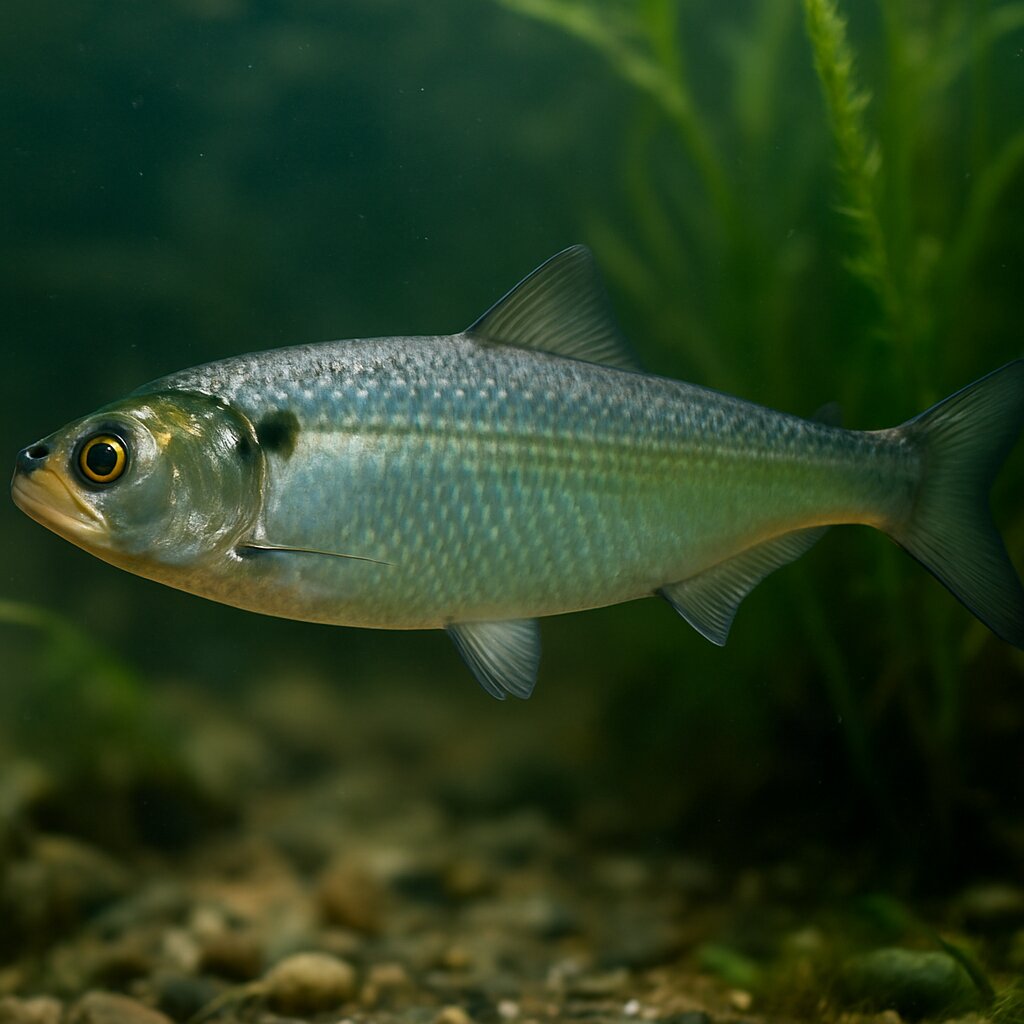
Allis shad
Alosa alosa
Gorgeous silver, fast-swimming shad that spends most of its life in the sea and then surges up big rivers in noisy, surface-spawning schools. It grows huge for a herring-type fish and needs cool, ultra-oxygenated water and tons of open space, so it is a public-aquarium species rather than a home tank fish.
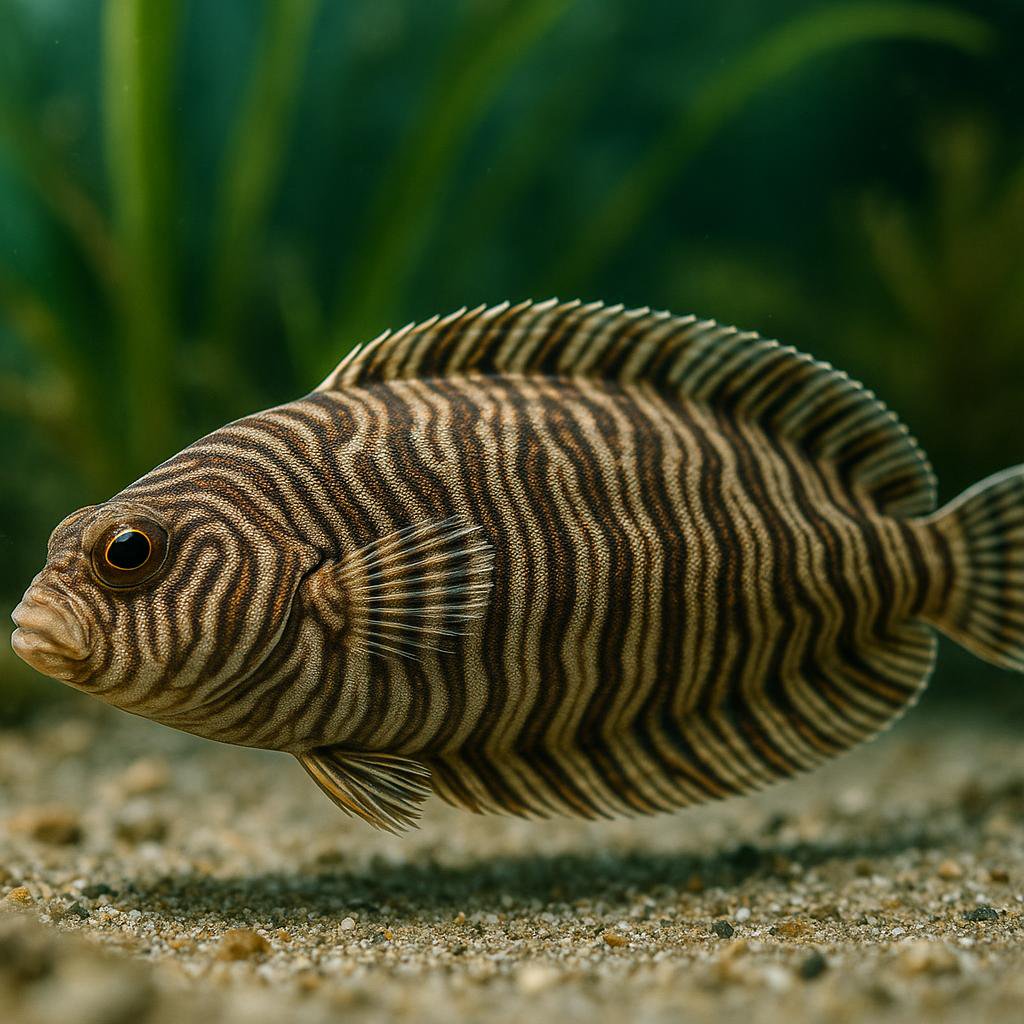
Annandale's zebra sole
Zebrias annandalei
Zebrias annandalei is a small demersal sole from coastal India that inhabits sandy or muddy bottoms and buries for camouflage. It is rarely kept in home aquaria and would require a specialized marine sand-bottom setup and appropriate feeding.
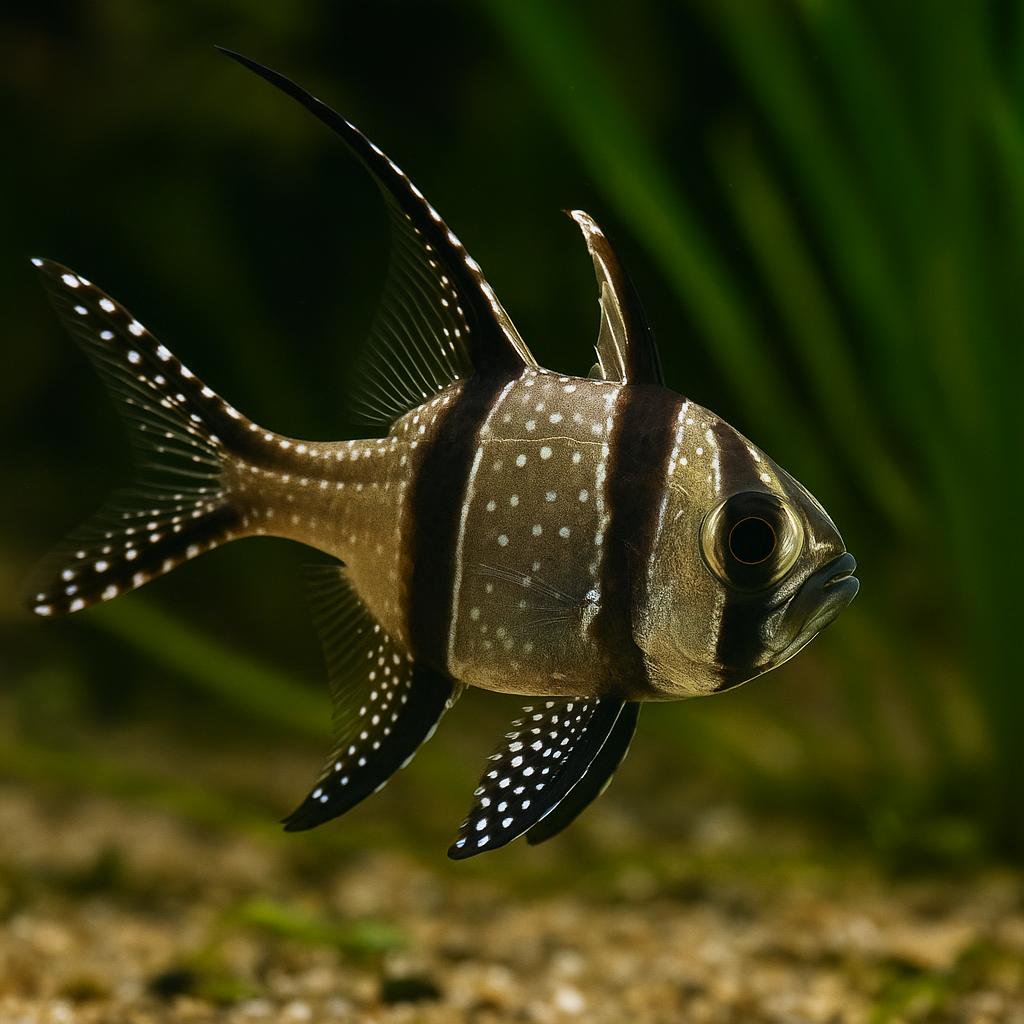
Banggai Cardinalfish
Pterapogon kauderni
Banggai cardinals just sort of hover like little underwater satellites, and the bold black bars with those long, polka-dotted fins look unreal under reef lighting. They're super chill most of the time, but once a pair forms you'll see real "fish drama," and the male will even mouthbrood the babies like a champ.
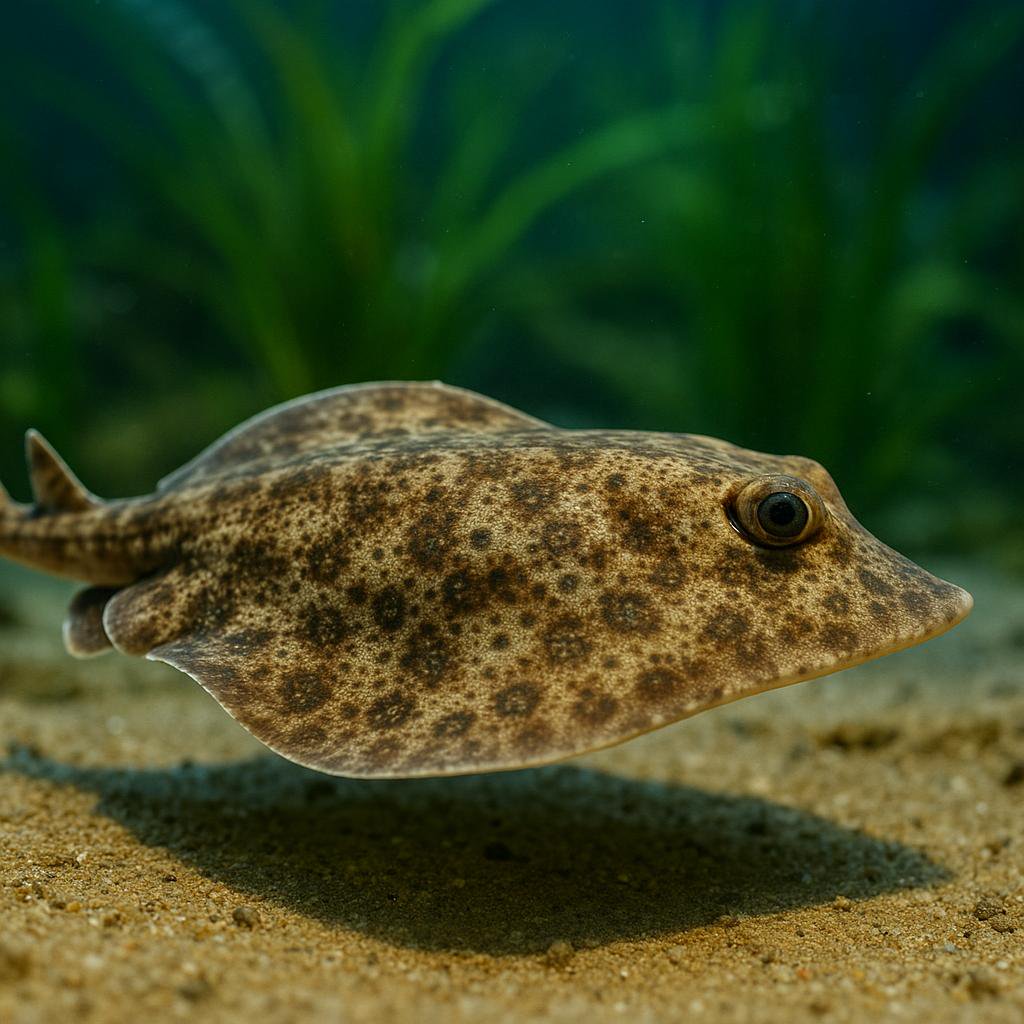
Barbedwire-tailed skate
Notoraja martinezi
Notoraja martinezi is a deepwater skate from the eastern Pacific (Costa Rica down to Ecuador) that lives way down on soft bottoms. The tail is the giveaway - it is lined with strong, hooked thorns that really do look like barbed wire. This is absolutely not an aquarium fish; it is a cold, high-pressure deep-sea animal with basically no practical home care info because it is not kept in the hobby.
More to Explore
Discover more marine species.
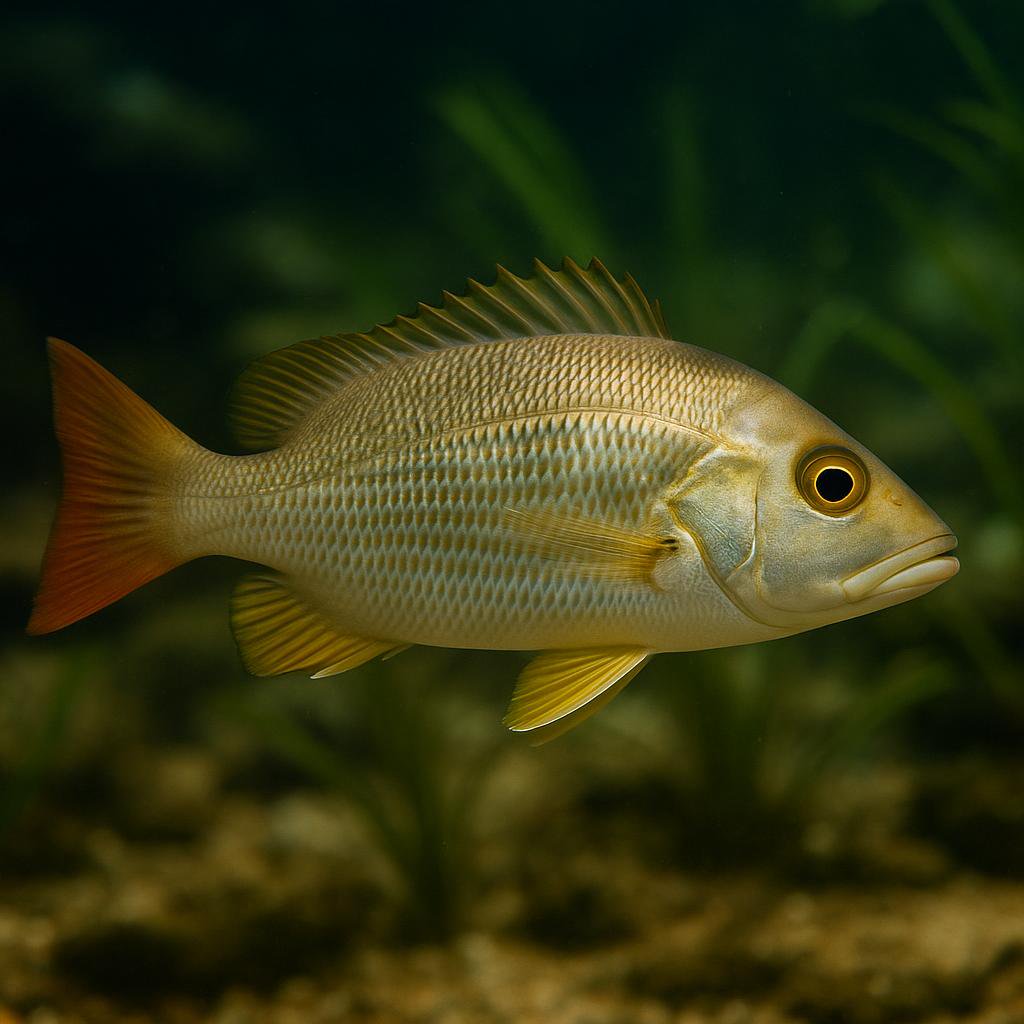
African red snapper
Lutjanus agennes
This is a true snapper from West Africa - a big, fast-growing predator that goes from coastal reefs to brackish lagoons and estuaries (especially as a juvenile). Super cool fish in the wild, but it gets absolutely huge and will eat smaller tankmates once it has the mouth for it, so its really more of a public-aquarium scale animal than a home-aquarium fish.
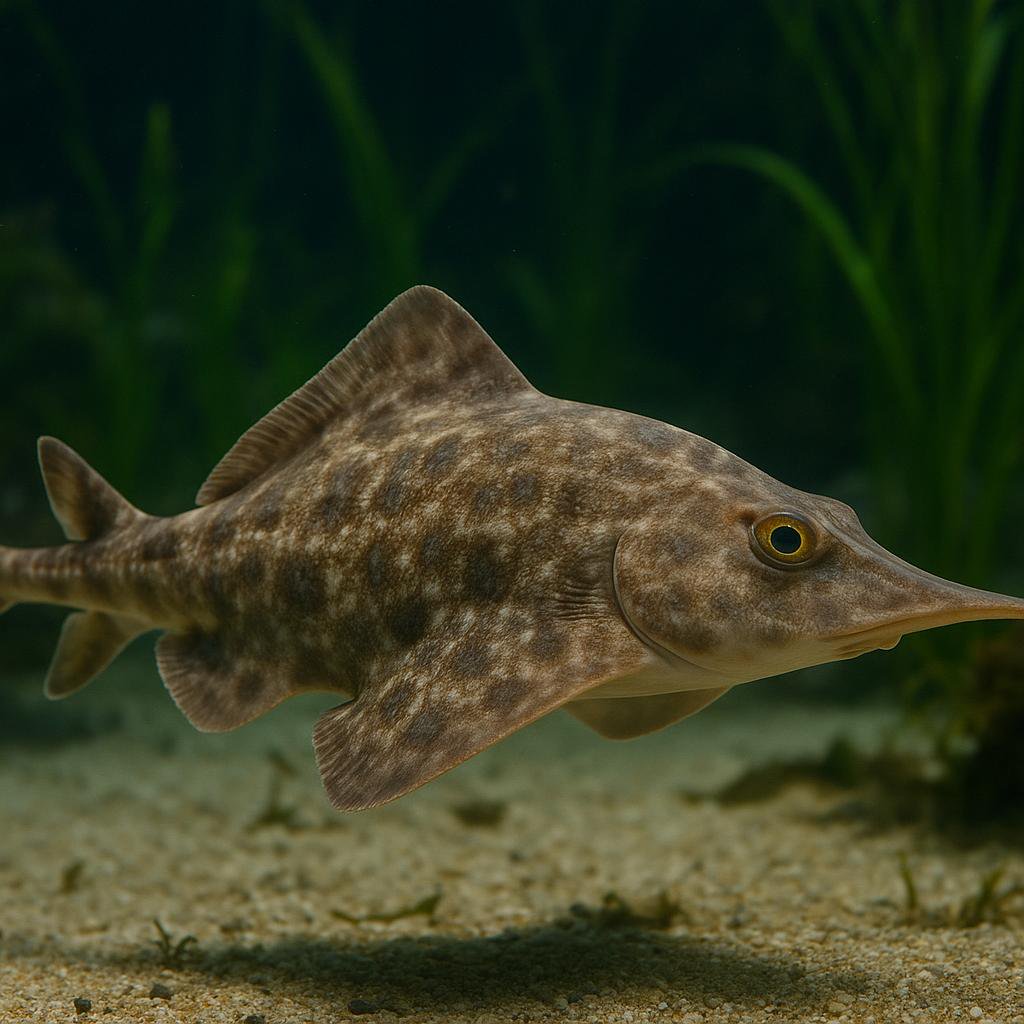
Aleutian skate
Bathyraja aleutica
This is a big, cold-water deep-slope skate from the North Pacific that cruises muddy bottoms and eats chunky benthic prey like crabs and shrimp. The really cool bit is its egg-laying skate life - it does distinct pairing (the classic skate "embrace") and drops those tough egg cases on the seafloor. Not an aquarium fish at all unless you're basically running a public-aquarium-style chilled system.
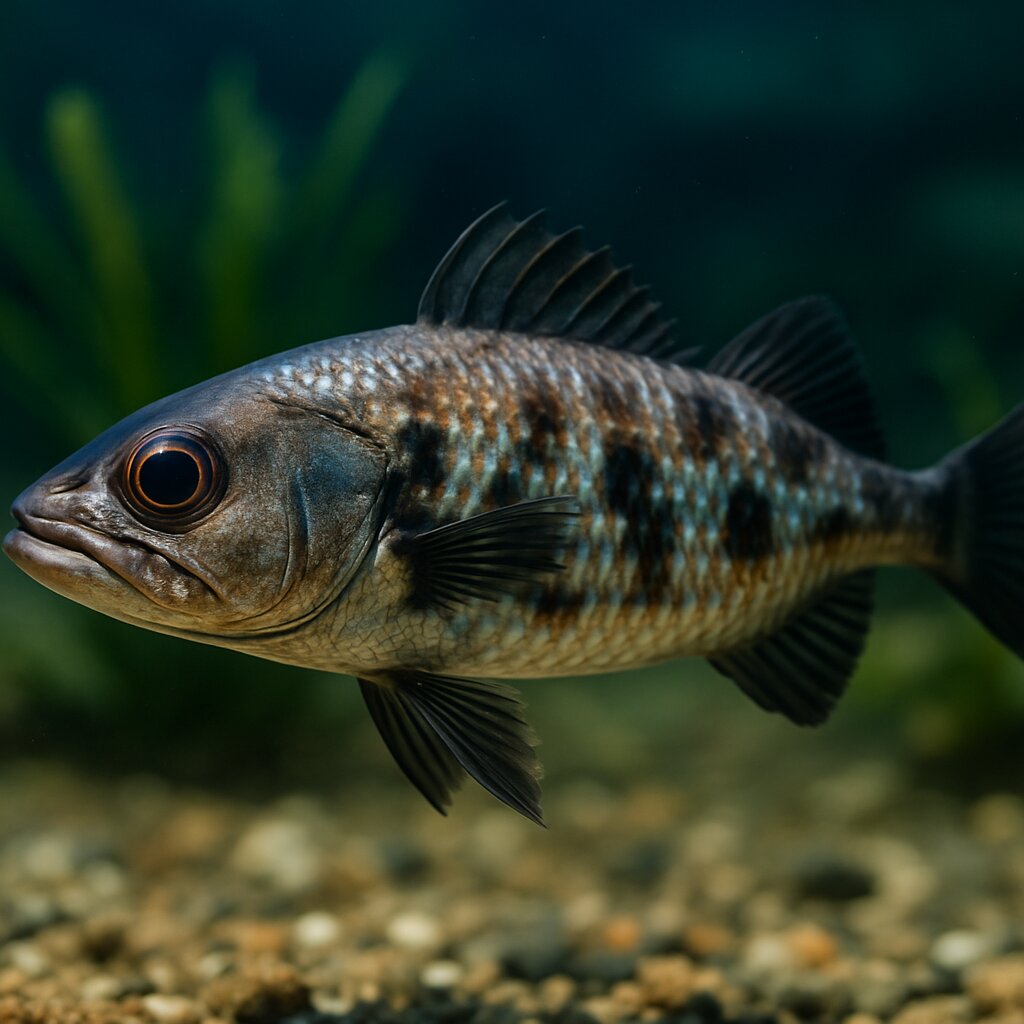
Antarctic dragonfish
Vomeridens infuscipinnis
Deep down around Antarctica, this sleek dragonfish cruises the water column like a little submarine, nearly neutrally buoyant so it can hover above the seafloor. It munches almost exclusively on Antarctic krill and lives in near-freezing water 500-800 m down, so it is a cool species to read about, not one for home tanks.
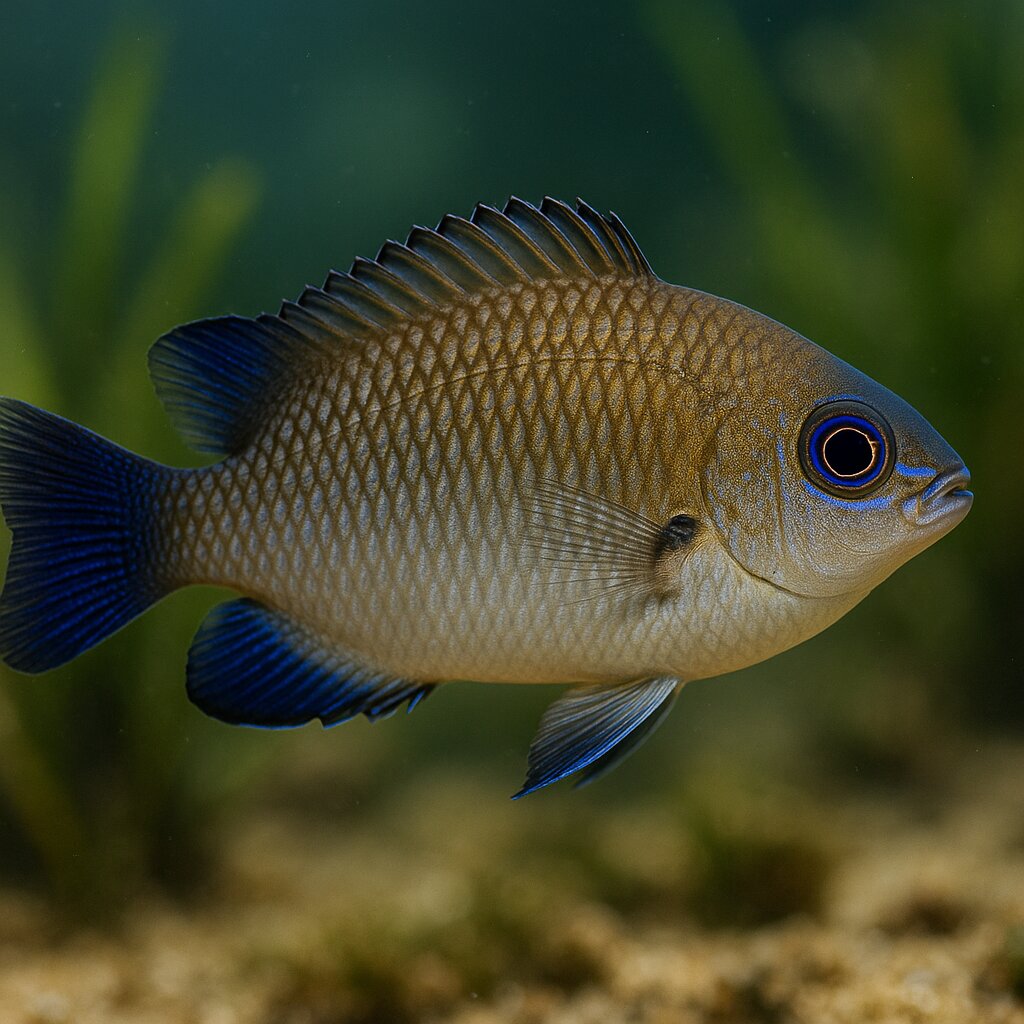
Arabian demoiselle
Neopomacentrus sindensis
A small lyretail damsel from the Persian Gulf and Arabian Sea, it hangs in loose groups around coral heads, rocks, and even pier pilings picking zooplankton from the flow. Think classic damsel toughness with a slightly milder attitude than the real bruisers, plus subtle yellow tail accents. Males clean a patch, get a mate to lay eggs there, and then stand guard fanning the clutch.
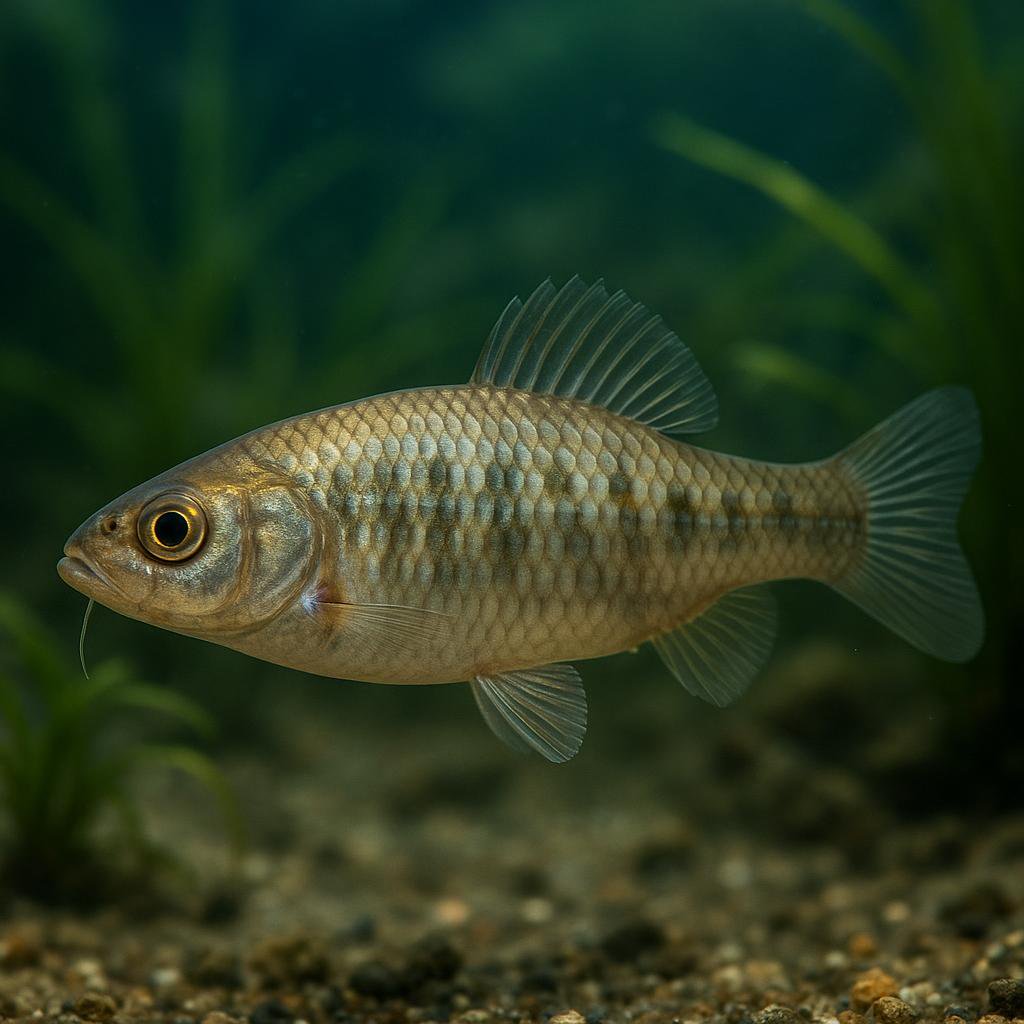
Arabian spiny eel
Notacanthus indicus
Notacanthus indicus is a deep-sea spiny eel (family Notacanthidae; not a true eel) known from the Arabian Sea on the continental slope at roughly ~960–1,046 m depth, with reported maximum length around 20 cm TL; it is a deep-water bycatch species and not established in the aquarium trade.
Arctic rockling
Gaidropsarus argentatus
This is a deepwater North Atlantic rockling (a cod relative) that hangs out on soft bottoms way down the slope. It is a cold-water, bottom-hugging predator that snoots around for crustaceans and will also take small fish when it gets the chance.
Looking for other species?