

Search Species
Search for fish species by common or scientific name, or use filters to browse by water type, size, temperament, and difficulty.
Found 541 species
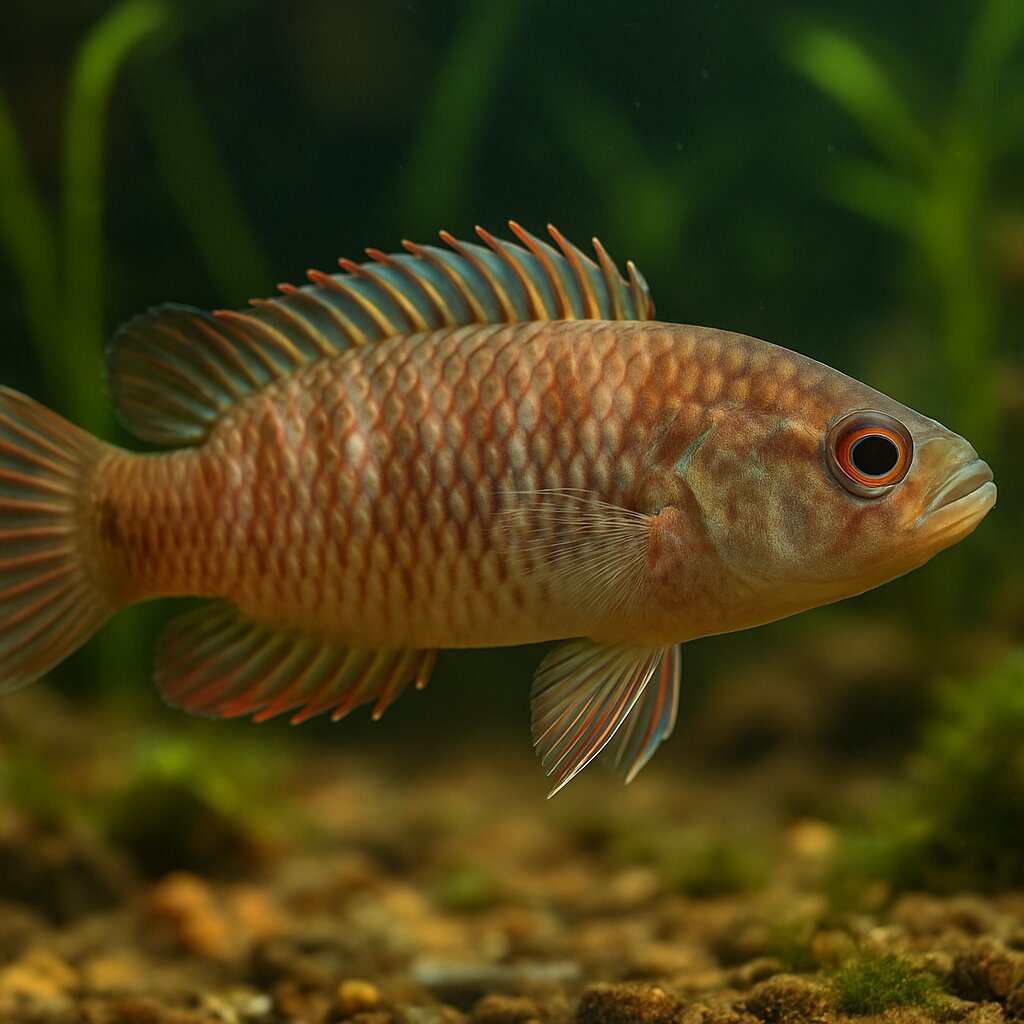
Kanabo Badis
Badis kanabos
Kanabo Badis is a slender little chameleonfish from Indias Brahmaputra system that stays tiny and loves sneaking through plants and leaf litter. Males flash mood colors and posture over small patches, but most of the time they are busy stalking tiny live foods and making quick ambush dashes.
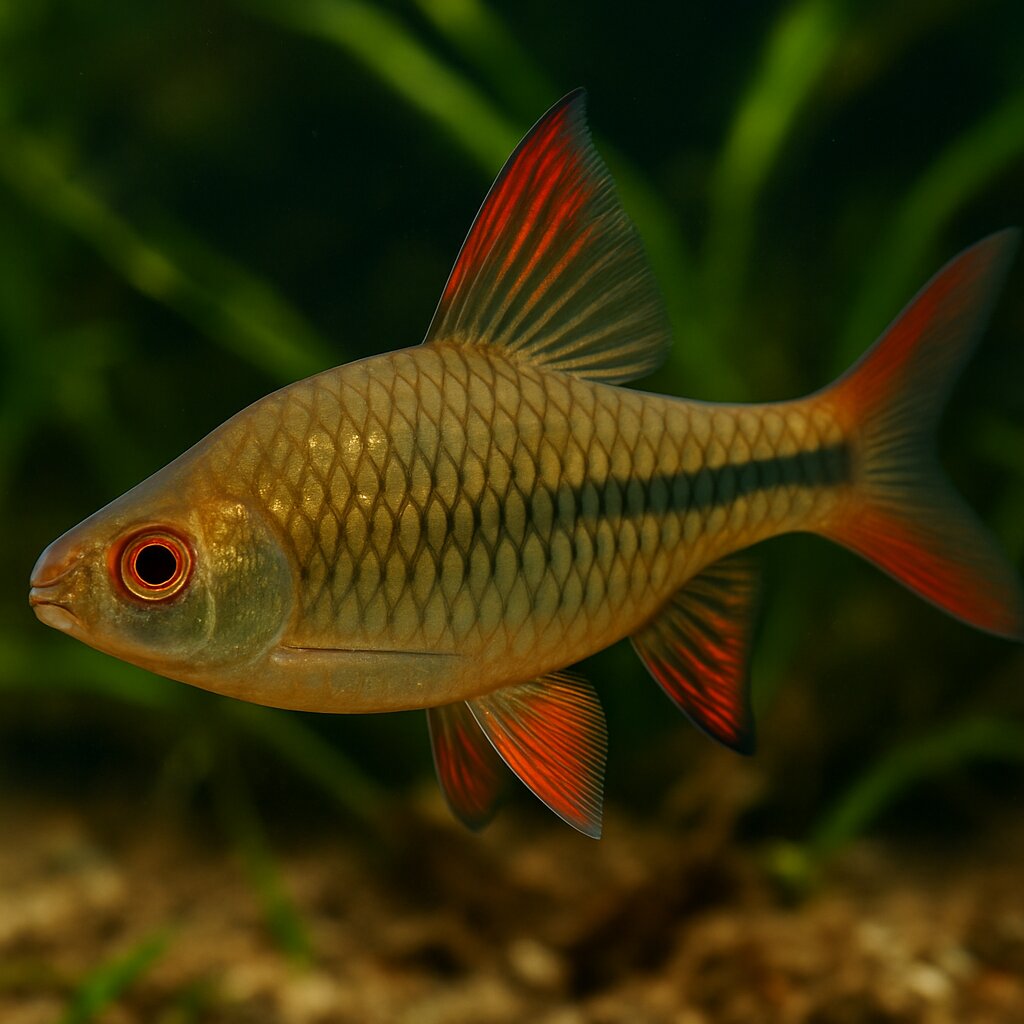
Kerala High Fin Barb
Oreichthys incognito
A tiny Western Ghats barb with a soft gold sheen and a neat dark bar in the dorsal fin. It comes from cool, crystal-clear forest streams, so it really shines in a planted, well-oxygenated tank and a good-sized group where the shy fish feel safe and color up.
-1780625614.jpg)
Knodus victoriae
Knodus victoriae (Steindachner, 1907)
This is a tiny South American tetra from Brazil’s Parnaiba River basin that stays pocket-sized and cruises the midwater in a loose group. In nature it has even been seen tailing Corydoras catfish to snatch food from the sediment cloud they kick up, which is a fun bit of behavior to mimic at feeding time; care is basically small-tetra stuff in soft to moderately hard, slightly acidic to neutral water in the low 20s C and kept in a roomy group. Size tops out around 4.5 cm and the species itself is rarely traded, so most folks lean on care pointers from close Knodus relatives when keeping it. ([fishbase.se](https://www.fishbase.se/summary/Knodus-victoriae))
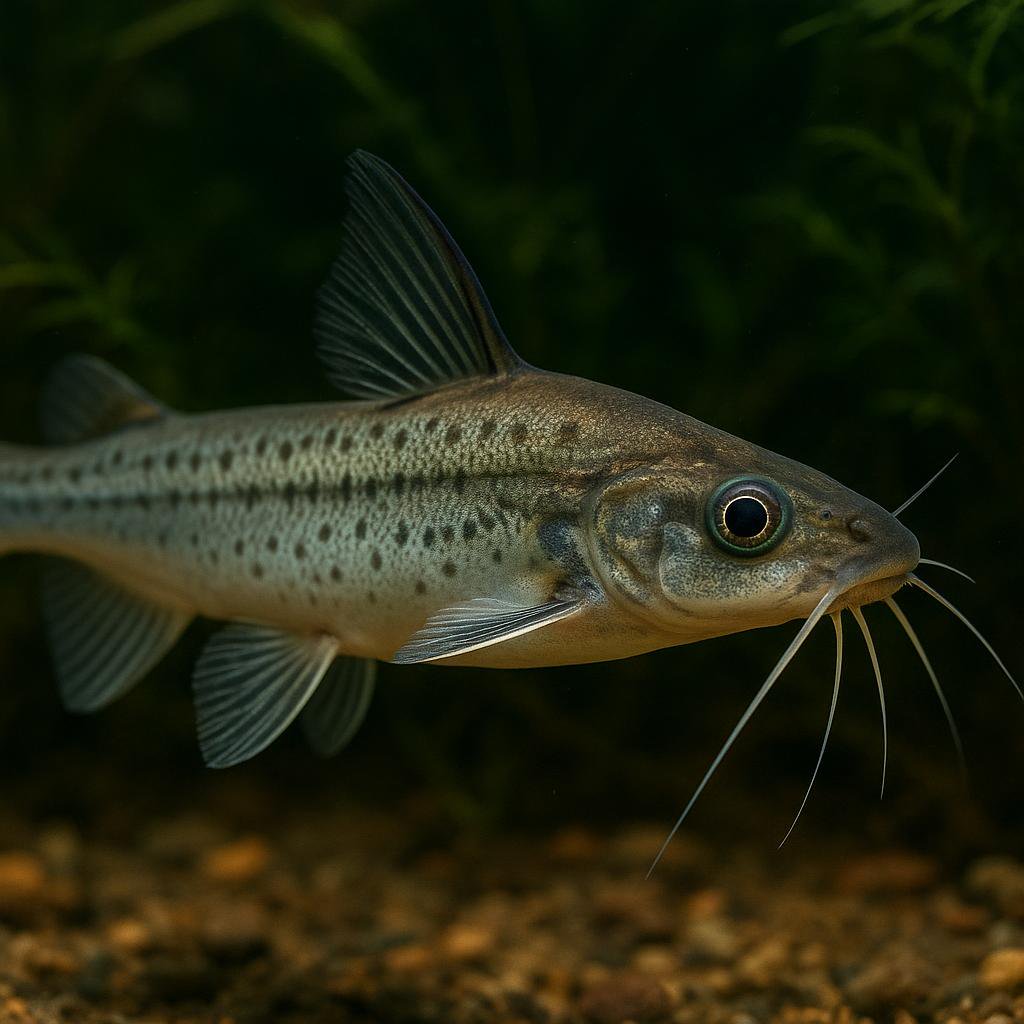
Kocha garua
Clupisoma montanum
Clupisoma montanum is a freshwater schilbeid catfish from India and Nepal that occurs in rapid rivers/streams and hill streams; it is best maintained with high oxygenation, strong filtration, and very clean water.
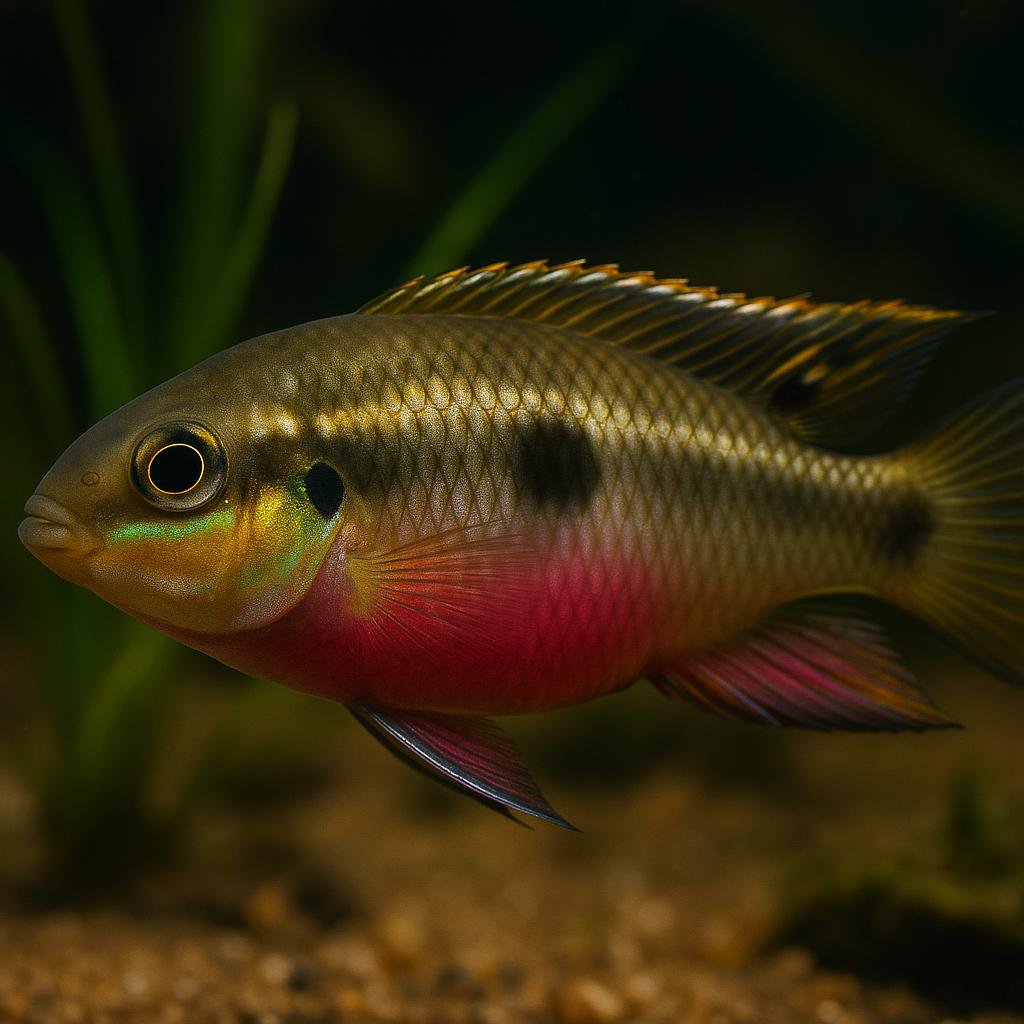
Kribensis
Pelvicachromis pulcher
Kribensis are one of those dwarf cichlids that pack a ton of personality into a small fish-especially once they pick a cave and start acting like proud homeowners. The female's purple/red belly when she's in breeding mode is the real show-stealer, and the pair will do seriously impressive parent-care if they spawn.
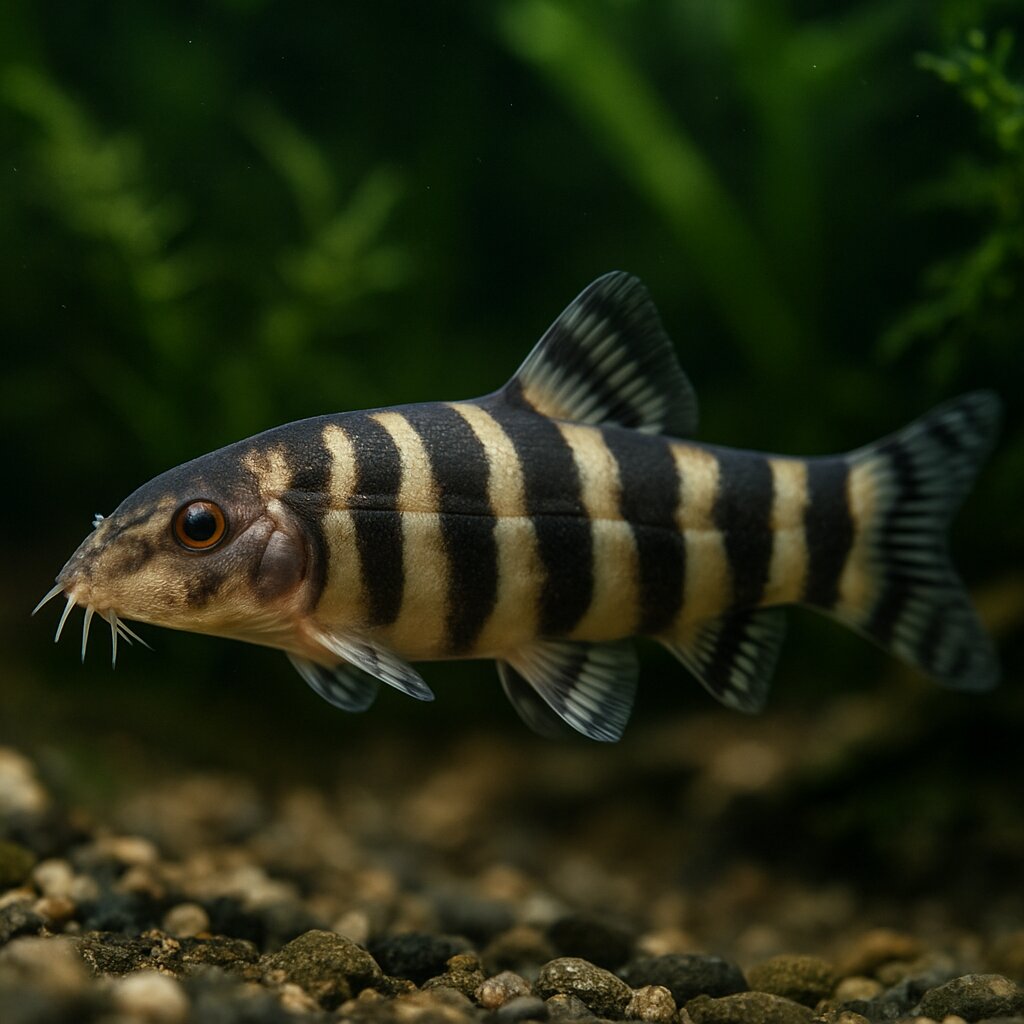
Ladder loach
Botia rostrata
Juveniles wear crisp twin ladder-bars, then mature into a cool reticulated pattern with colorful fins. In a group they show tons of personality, from playful scuffles and "greying out" during dominance spats to squeezing into every nook you give them.
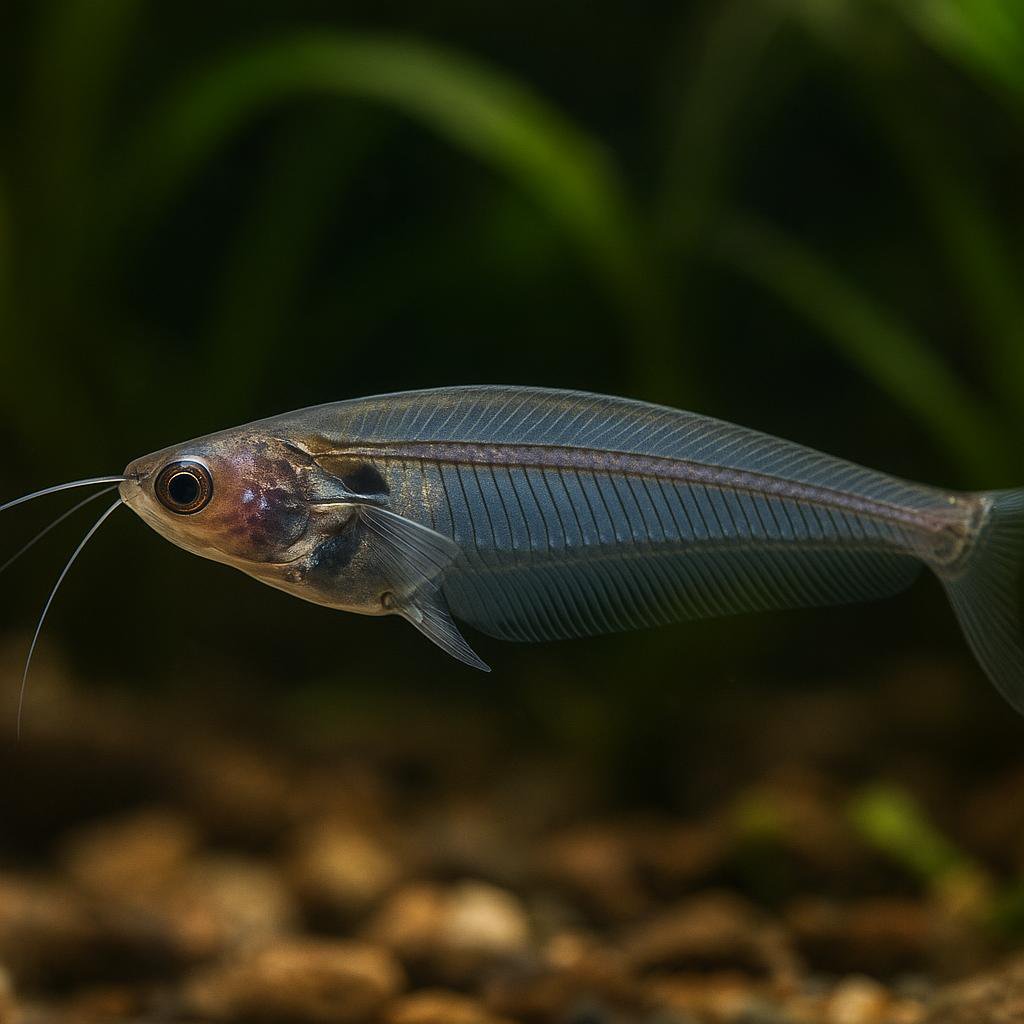
Lais kuning
Kryptopterus schilbeides
Kryptopterus schilbeides is a slim sheatfish from Southeast Asia that looks super "knife-like" because it has no dorsal fin, plus a neat narrow pink stripe along the side. In the wild it cruises rivers, canals, and swamps and even pushes into flooded forests when the water is high, picking off little fish, prawns, and insect larvae. Its not really a standard aquarium fish, so most people who want a "glass catfish" vibe are actually thinking of other Kryptopterus species.
Lake Malawi utaka (Copadichromis pleurostigma)
Copadichromis pleurostigma
This is one of the Lake Malawi utaka haps - a more open-water, sand-and-rock cruising cichlid rather than a hard-core rock brawler. Adults get a solid mid-size for Malawi, and they do best with lots of swimming room and stable, clean, alkaline water.
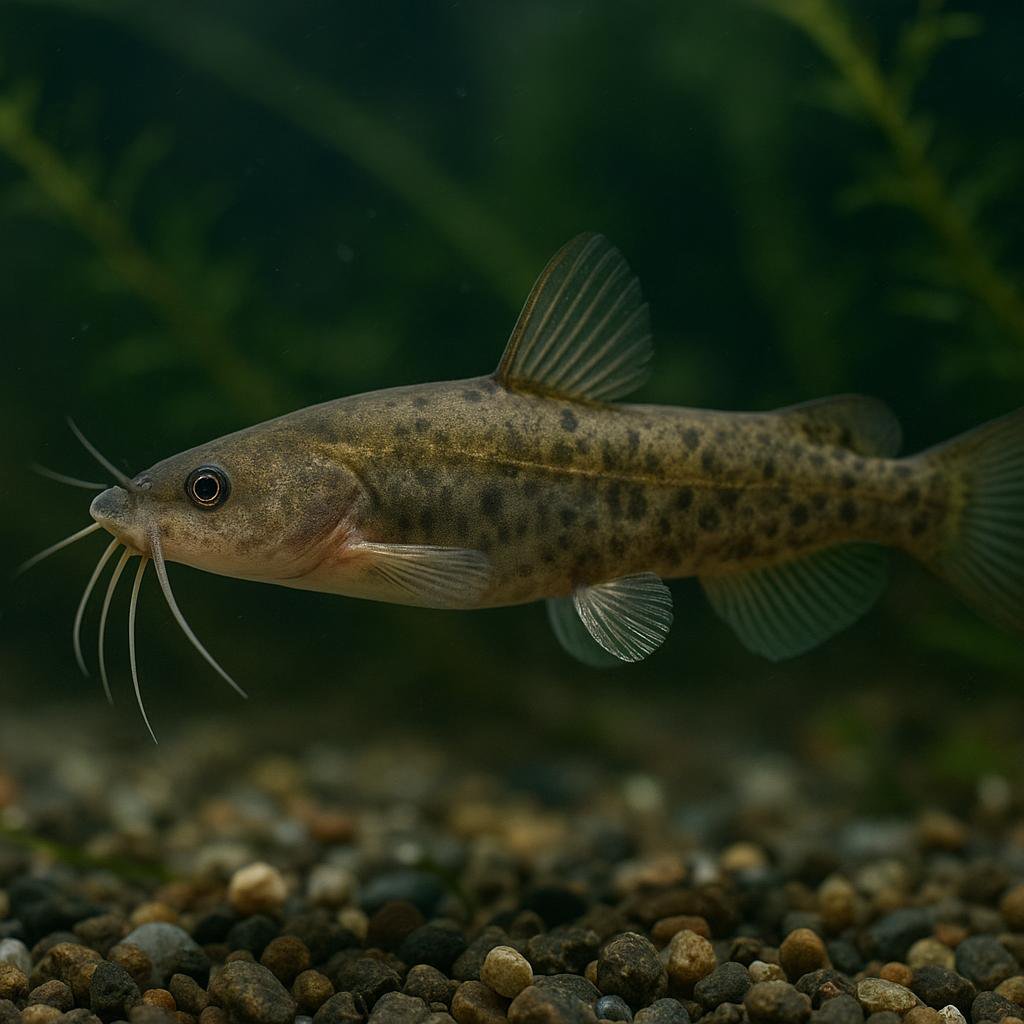
La Lucha blind catfish
Rhamdia laluchensis
A troglobitic cave catfish endemic to the Sistema de La Lucha (Chiapas, Mexico), characterized by reduced pigmentation and rudimentary eyes covered by skin; not commonly maintained in aquaria and husbandry guidance is limited.
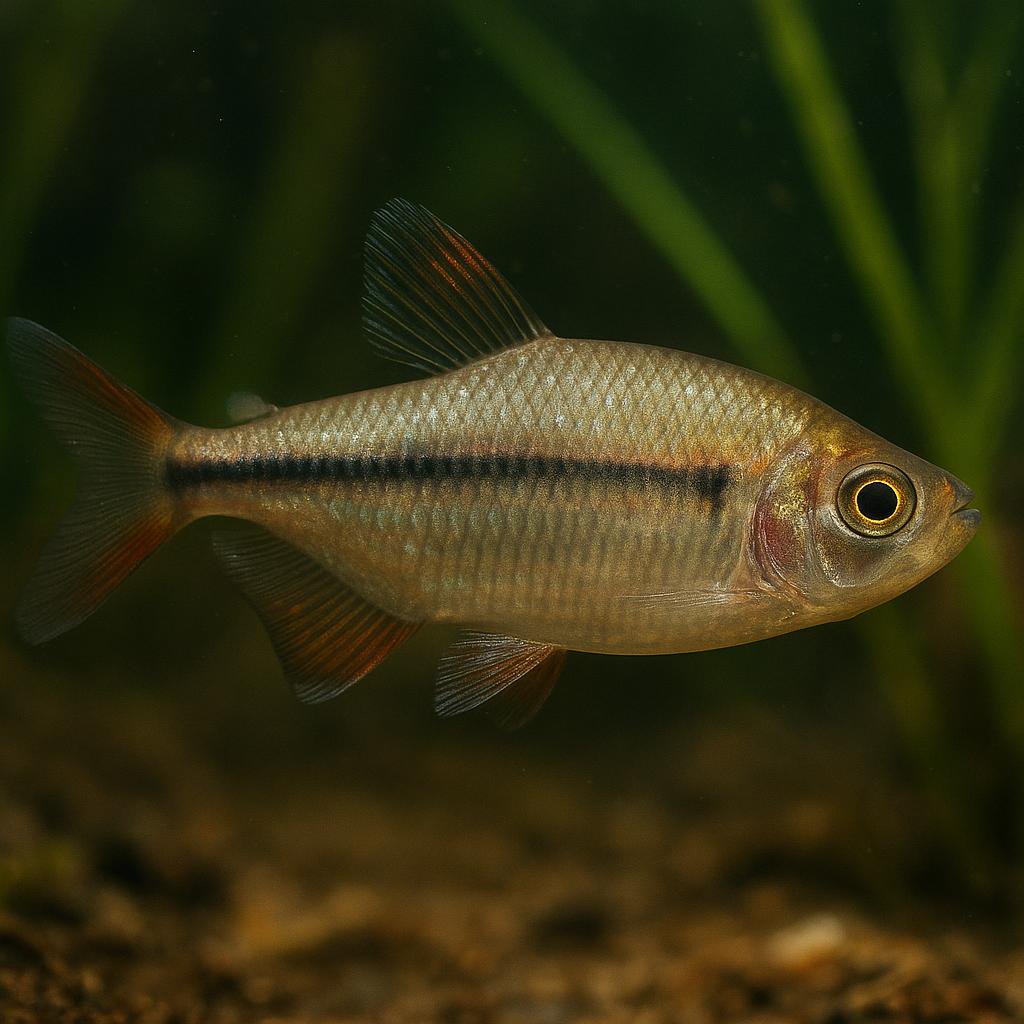
Lambari de adiposa preta
Diapoma itaimbe
This is a tiny southern Brazilian characin (a lambari) that comes from clear, cooler waters in the Tramandai-Mampituba region. In a tank it acts like a little open-water micro-predator/omnivore - happiest in a small group with plants and gentle flow. The big gotcha is temperature: its natural range is more subtropical than "hot tropical," so it does best kept cooler and stable.
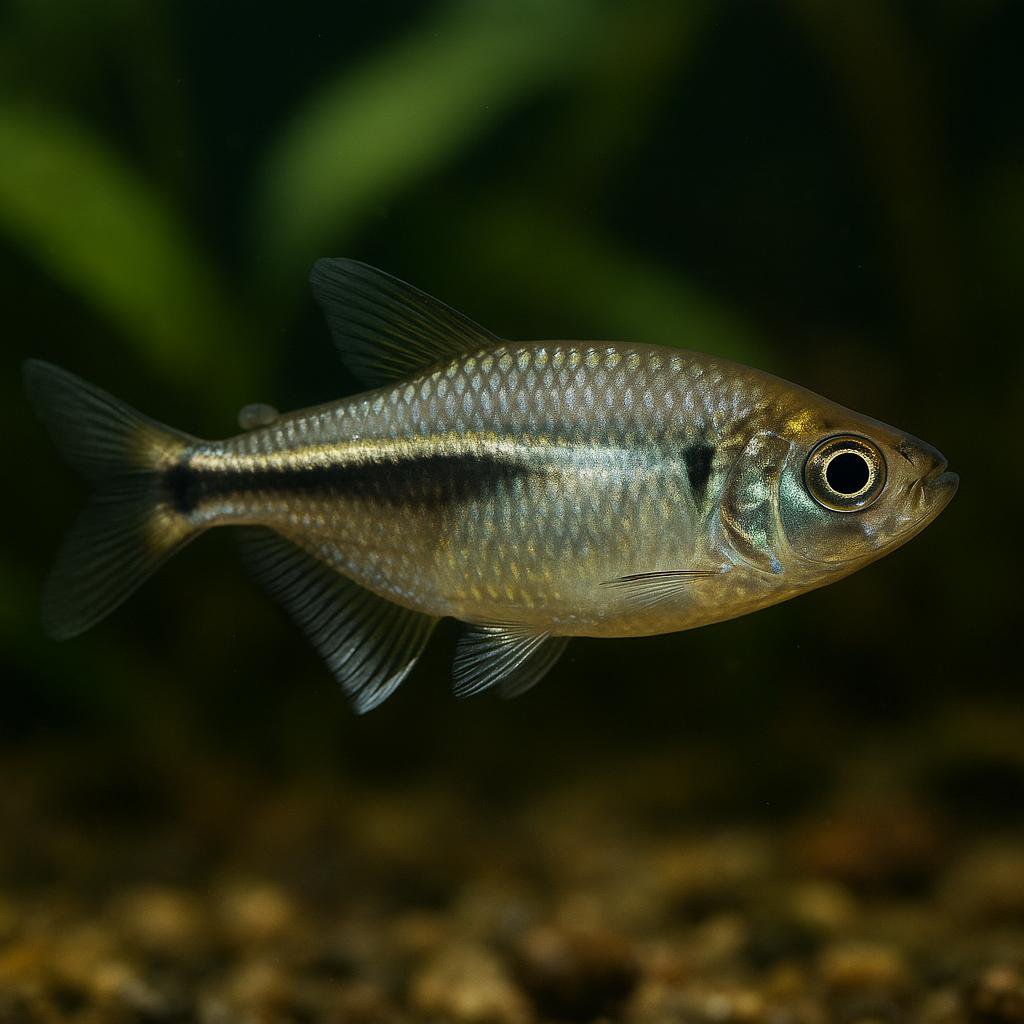
Lambari (Mimagoniates rheocharis)
Mimagoniates rheocharis
This is a tiny, stream-dwelling Brazilian characin that likes cooler, super-oxygenated water and some current - think clear Atlantic Forest creeks. In the right setup it stays busy and hangs mid-to-upper water, and it does best when you keep a little group so it feels secure.
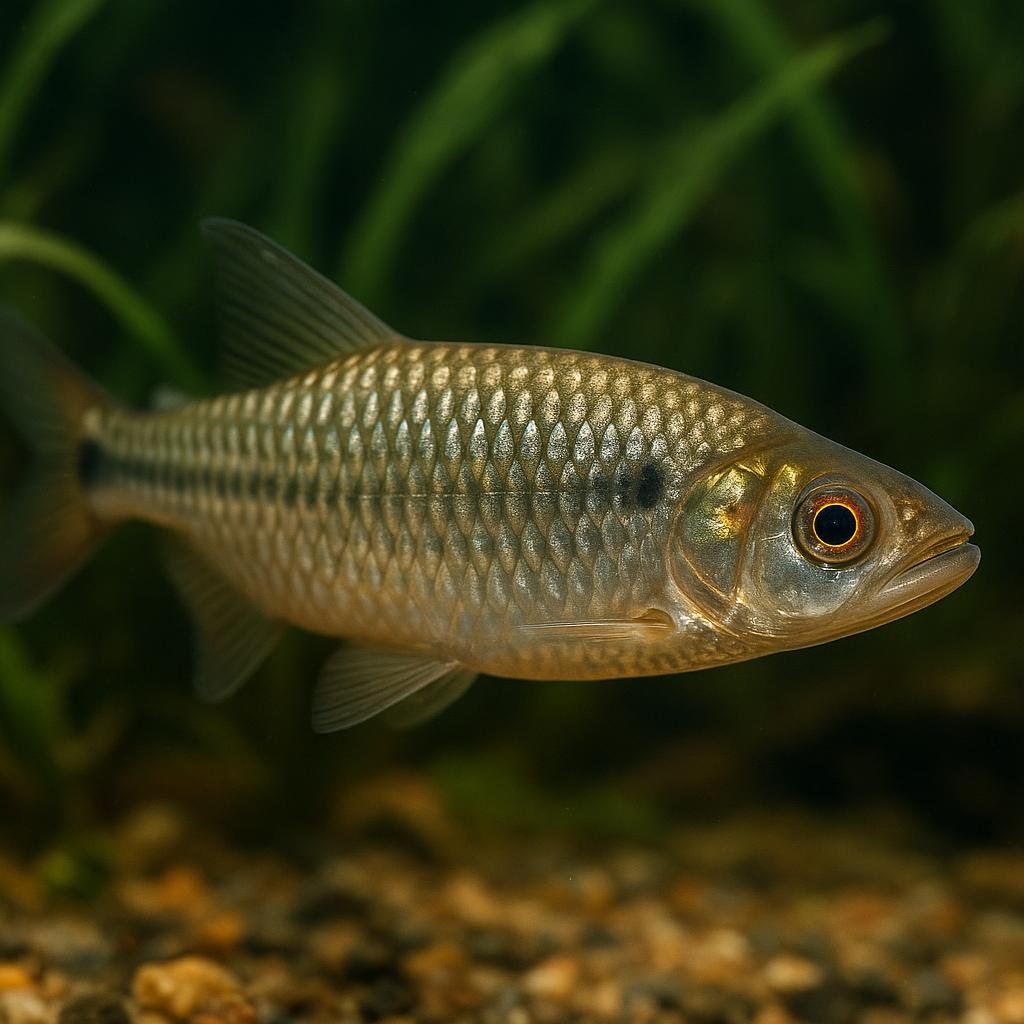
Lambari (Sarda)
Oligosarcus pintoi
Oligosarcus pintoi is a slim, toothy little South American characin from the upper Parana basin - kind of a mini "pike" tetra vibe. It is a predator in the wild (FishBase lists a high trophic level), so in an aquarium it will absolutely treat tiny fish and shrimp as snacks if it can fit them in its mouth.