

Search Species
Search for fish species by common or scientific name, or use filters to browse by water type, size, temperament, and difficulty.
Found 541 species
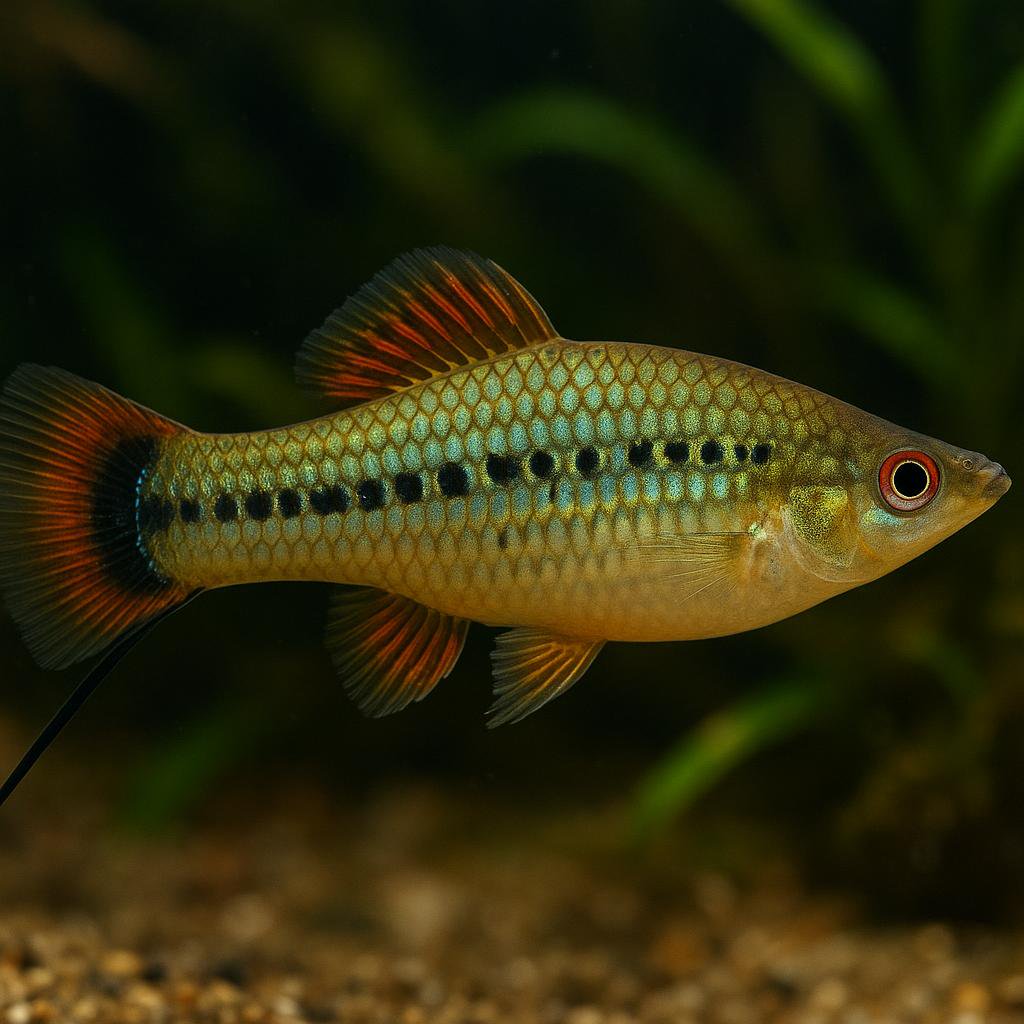
Mountain swordtail
Xiphophorus nezahualcoyotl
This is a cool little wild-type swordtail from Mexico that likes it a bit cooler than the typical pet-store swordtail. Males can do a quirky "headstand" display during courtship and squabbles, and in a roomy tank they stay active and busy without being total jerks.
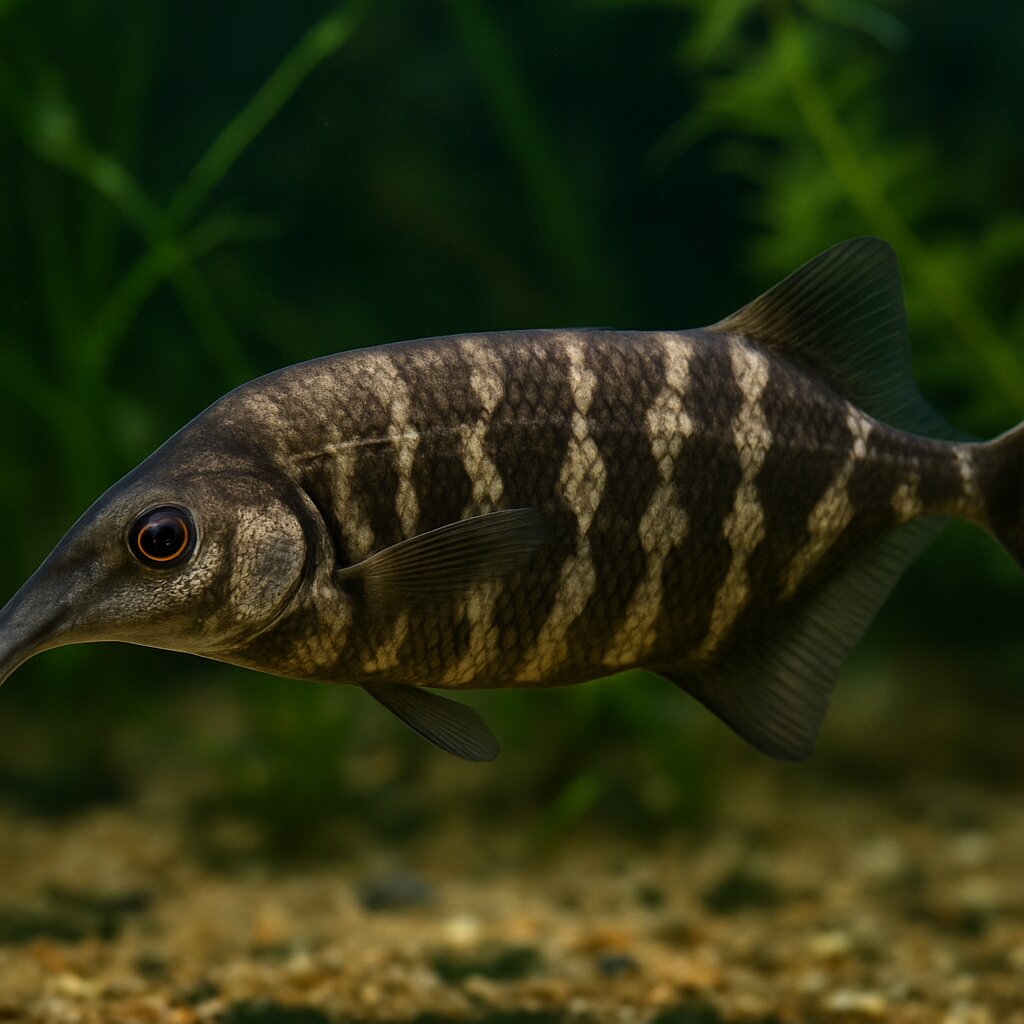
Mweru elephantfish
Campylomormyrus bredoi
A big, long-snouted elephantfish from Lake Mweru that uses a built-in electric sense to navigate and even chat with other fish. It is a shy sand-sifter that thrives in a large, dim tank with soft, super-clean water and plenty of meaty foods.
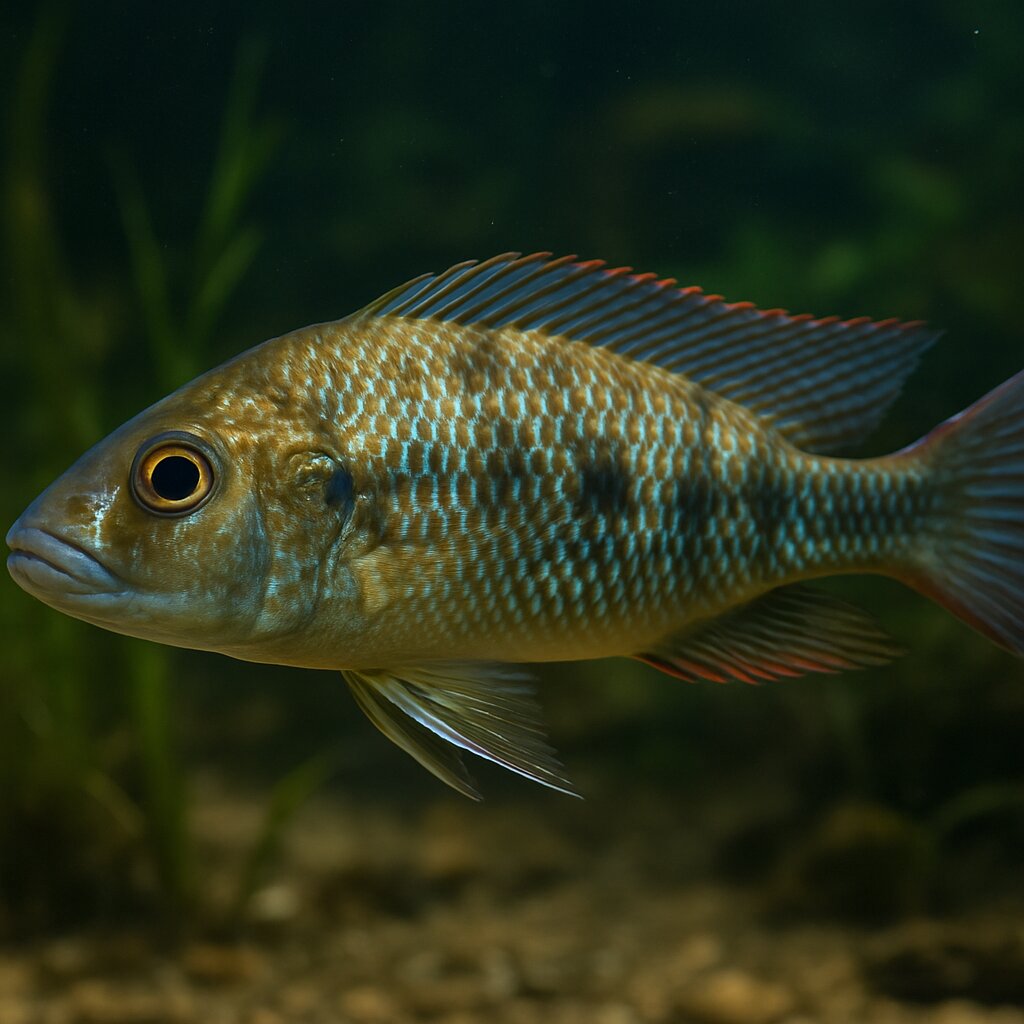
Mylochromis labidodon
Mylochromis labidodon
A sandy-bottom Lake Malawi hap that spends its day flipping pebbles to nab little critters hiding underneath. It looks understated and sleek with bars and a thin red edge on the dorsal, and it really comes into its own in a big, open sand tank where you can watch that stone-turning hunt.
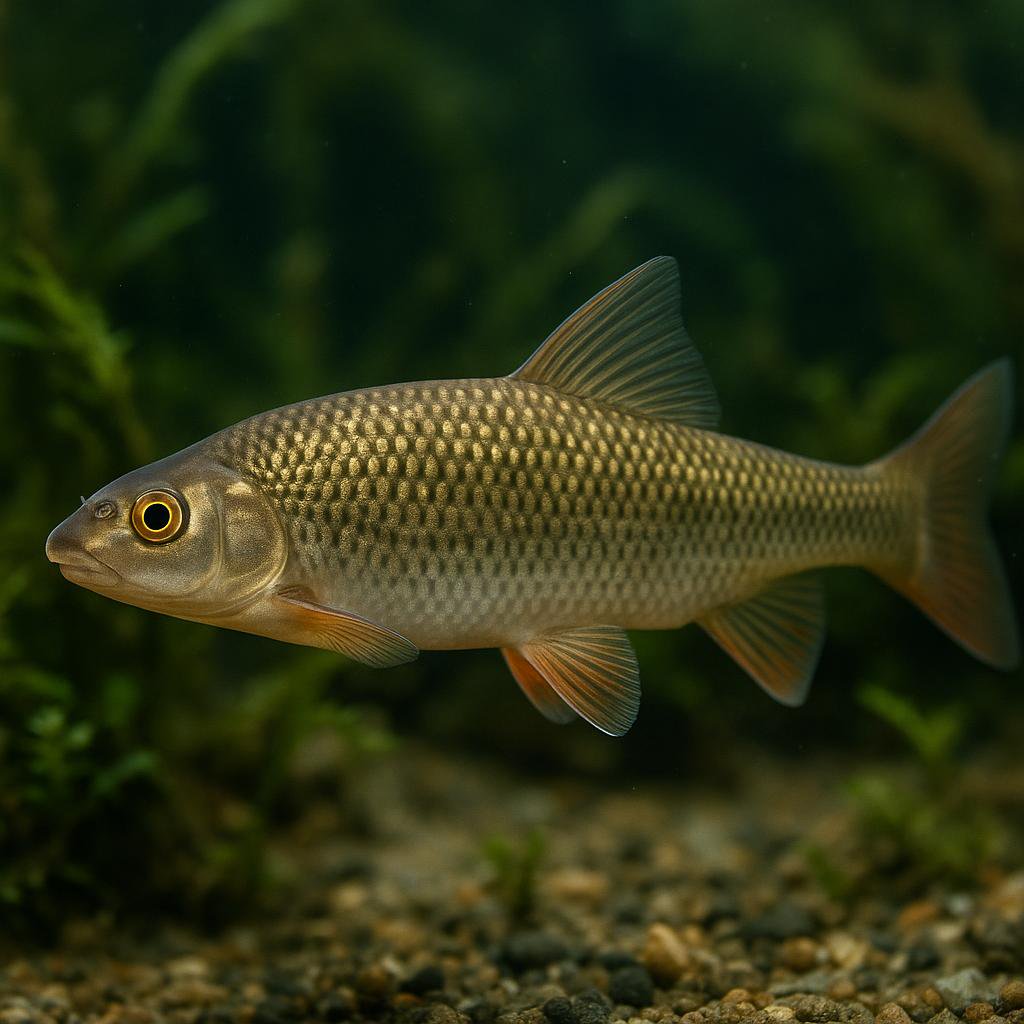
Naked-bellied schizothorax
Schizothorax nudiventris
This is a high-altitude Asian river carp (a schizothoracine) from the upper Mekong (Lancang Jiang) drainage in China. It is built for cool, fast, oxygen-rich water, and adults develop that neat scaleless "naked" patch on the belly/thorax that the name nudiventris is calling out. Not really an aquarium trade fish - more of a wild river species that would need a big, cold, high-flow setup to thrive.
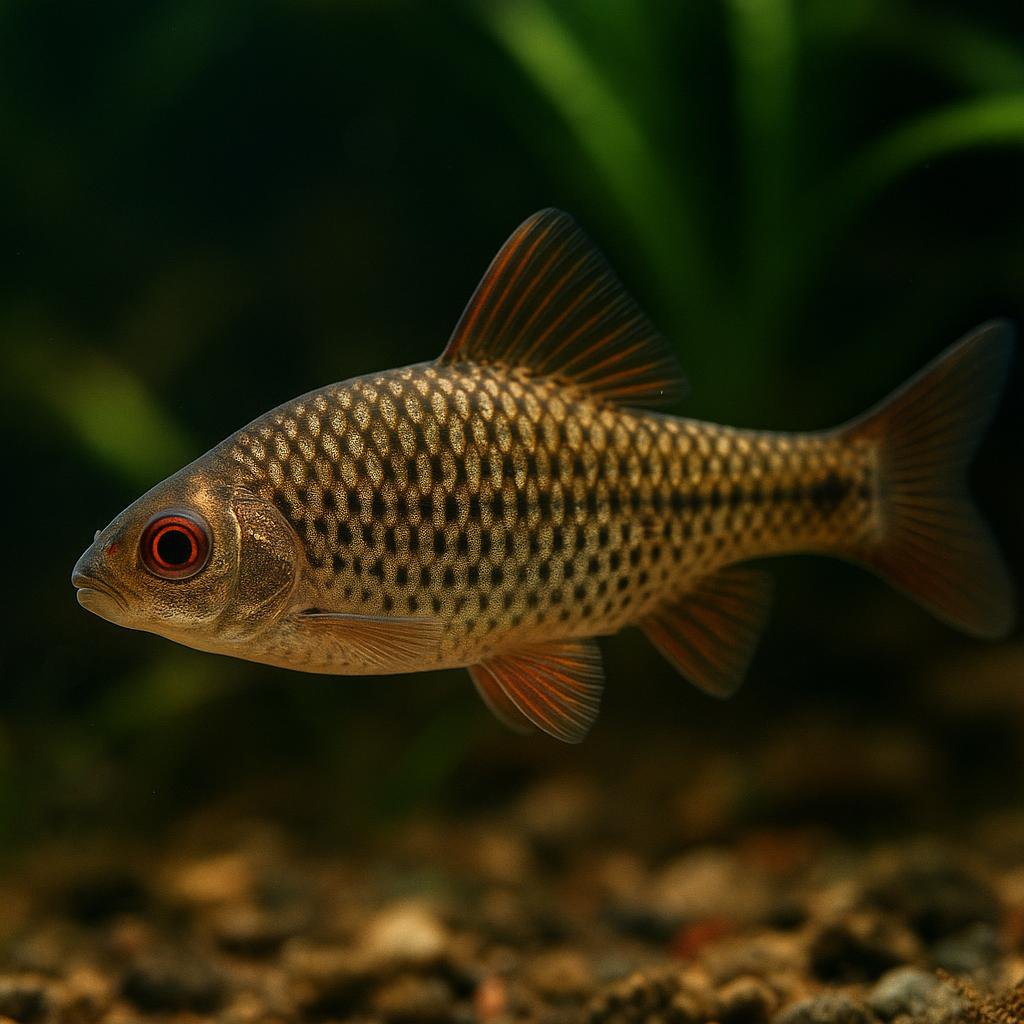
Namak barbel
Barbus miliaris
Barbus miliaris is a real-deal Middle Eastern barbel from Iran's Namak Lake and Kavir basins, built for river life with that classic barb mouth and an elongated body. It is not an aquarium-trade species, so if you see the name in a shop list its usually a mis-ID or a totally different barb. Think cool regional native fish, not a "community tank barb."
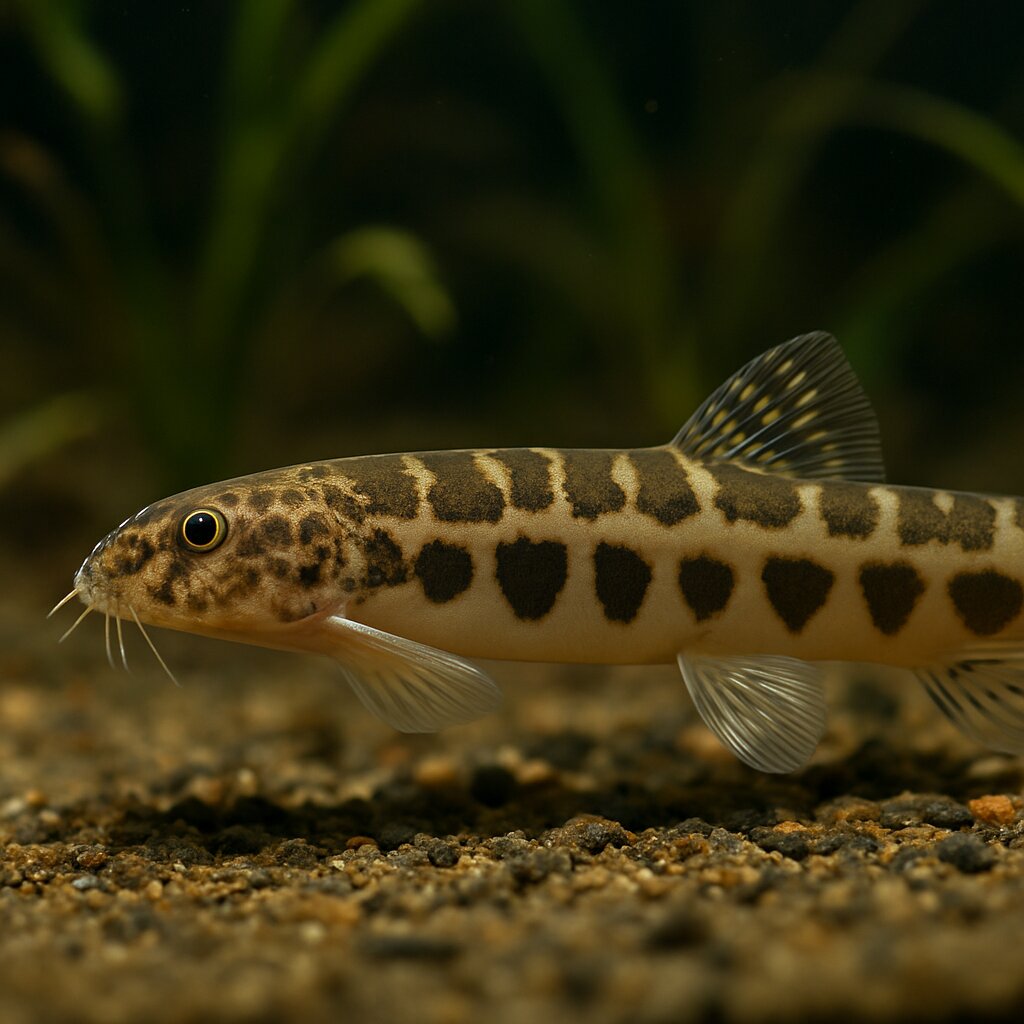
Nanpanjiang stone loach
Yunnanilus nanpanjiangensis
A slender little stone loach from Yunnan’s Nanpanjiang River, it likes cool, clear running water and a sandy or fine gravel bottom. It spends its days nosing through pebbles for tiny critters and really settles in when kept as a small group in a tank with good flow.
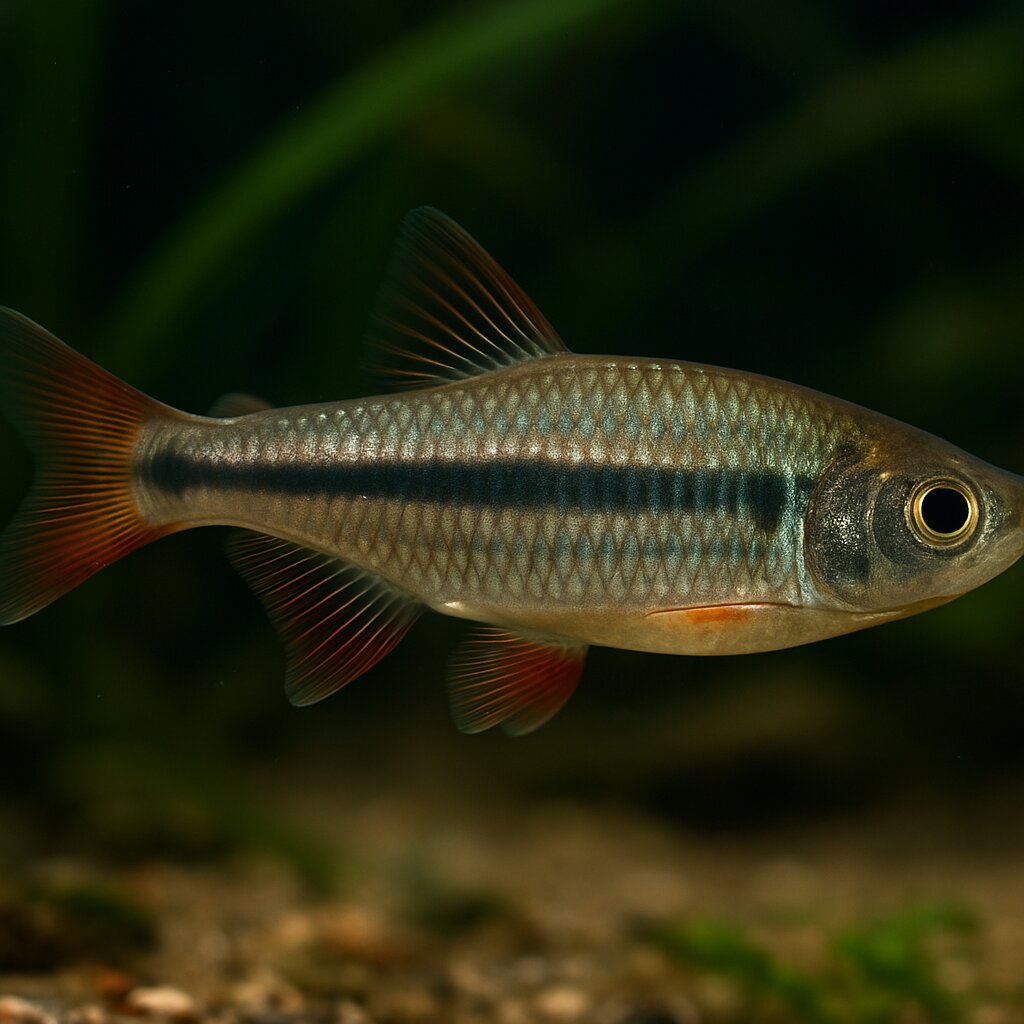
Neolebias
Neolebias gracilis
Tiny, slender African characin from the Ruki drainage in DR Congo. It looks plain at first, but a settled group shows neat schooling moves and subtle shimmer, and they really come alive in soft, tea-colored water. Keep a small shoal and feed fine live or frozen foods and you will see their best behavior.
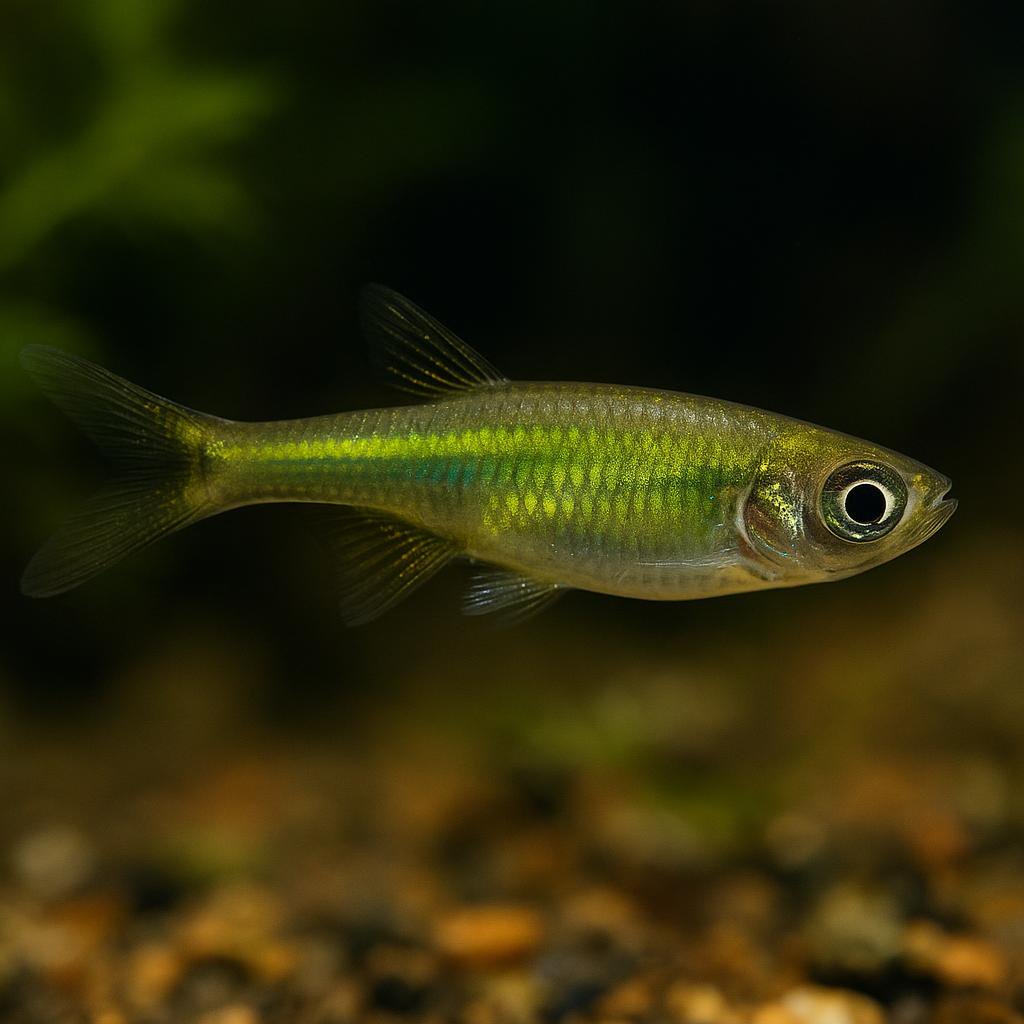
Neon Green Rasbora
Microdevario kubotai
This is that tiny, glassy-yellow fish that turns into a little green highlighter once it settles into an aquarium-especially over a dark substrate and under decent lighting. They're super active mid-water shoalers, and the whole group "flashing" that neon stripe together is the main event. Keep them in a proper group and they get way bolder and look a lot more intense.
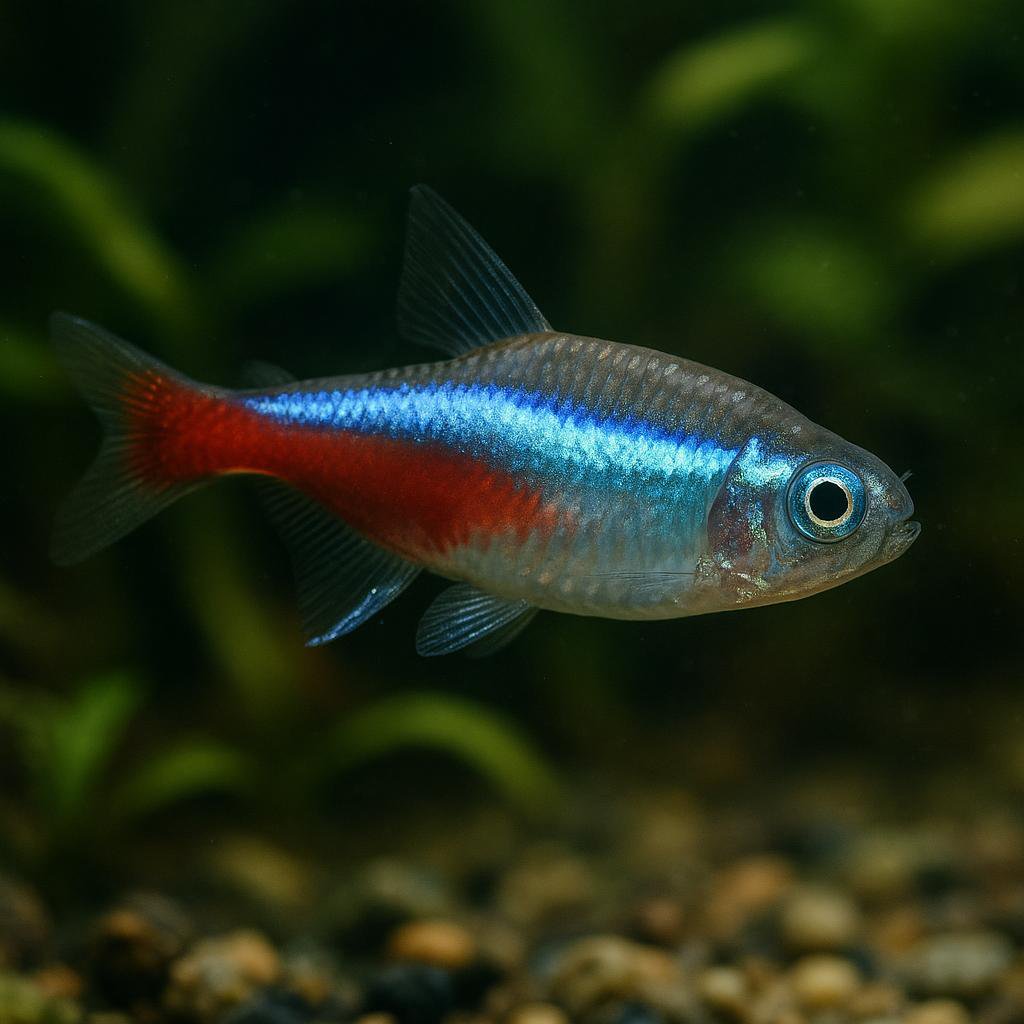
Neon Tetra
Paracheirodon innesi
The Neon Tetra is a small, brightly colored fish known for its vibrant blue and red stripes that run the length of its body. It is a favorite among aquarists due to its striking appearance and peaceful nature. Neon Tetras are schooling fish that thrive in groups, adding a lively and colorful presence to any aquarium.
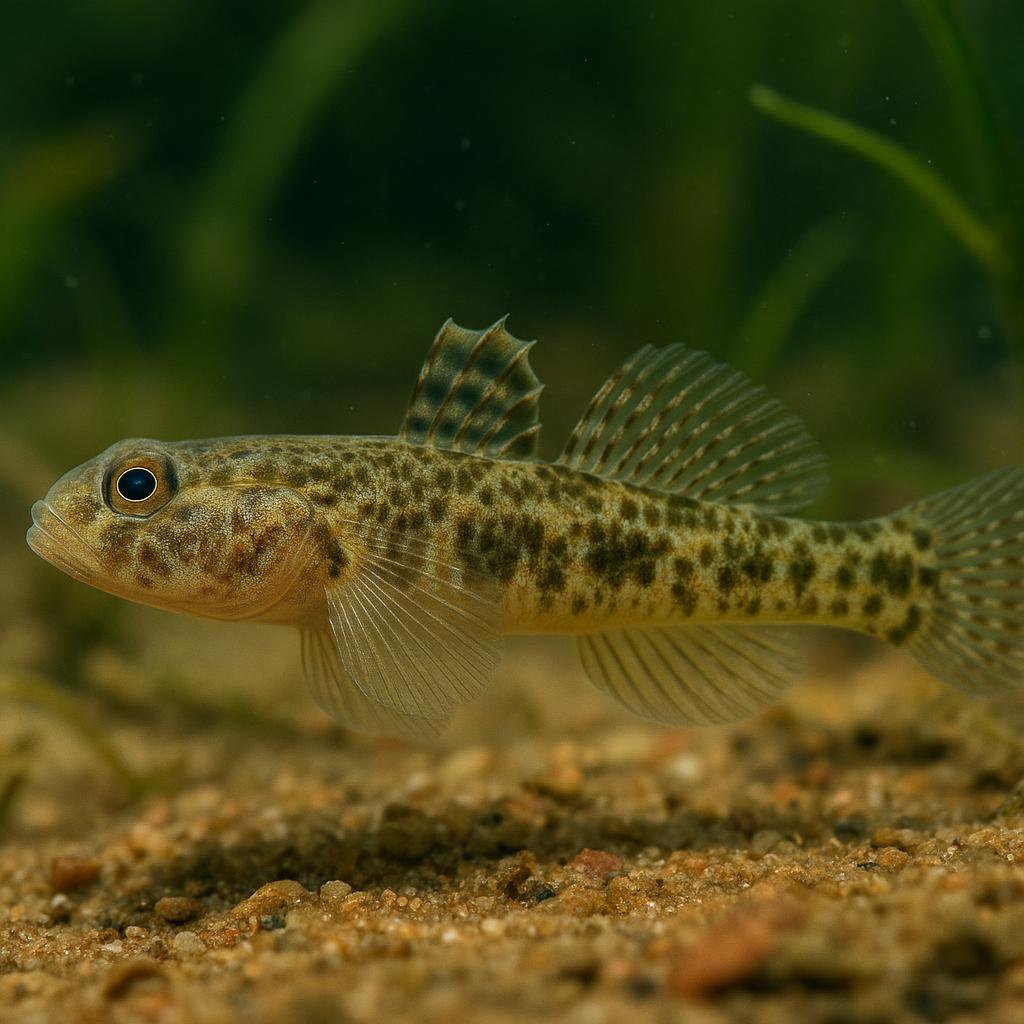
Neretva dwarf goby
Knipowitschia croatica
This is a tiny little freshwater goby from clear karst springs and slow waters in Croatia and Bosnia-Herzegovina, and it basically lives its whole life down on the bottom. The males guard eggs laid in little cavities under stones or shells, and the whole species is short-lived (under 2 years), so its behavior is way more "seasonal breeder" than "pet fish that lives forever."
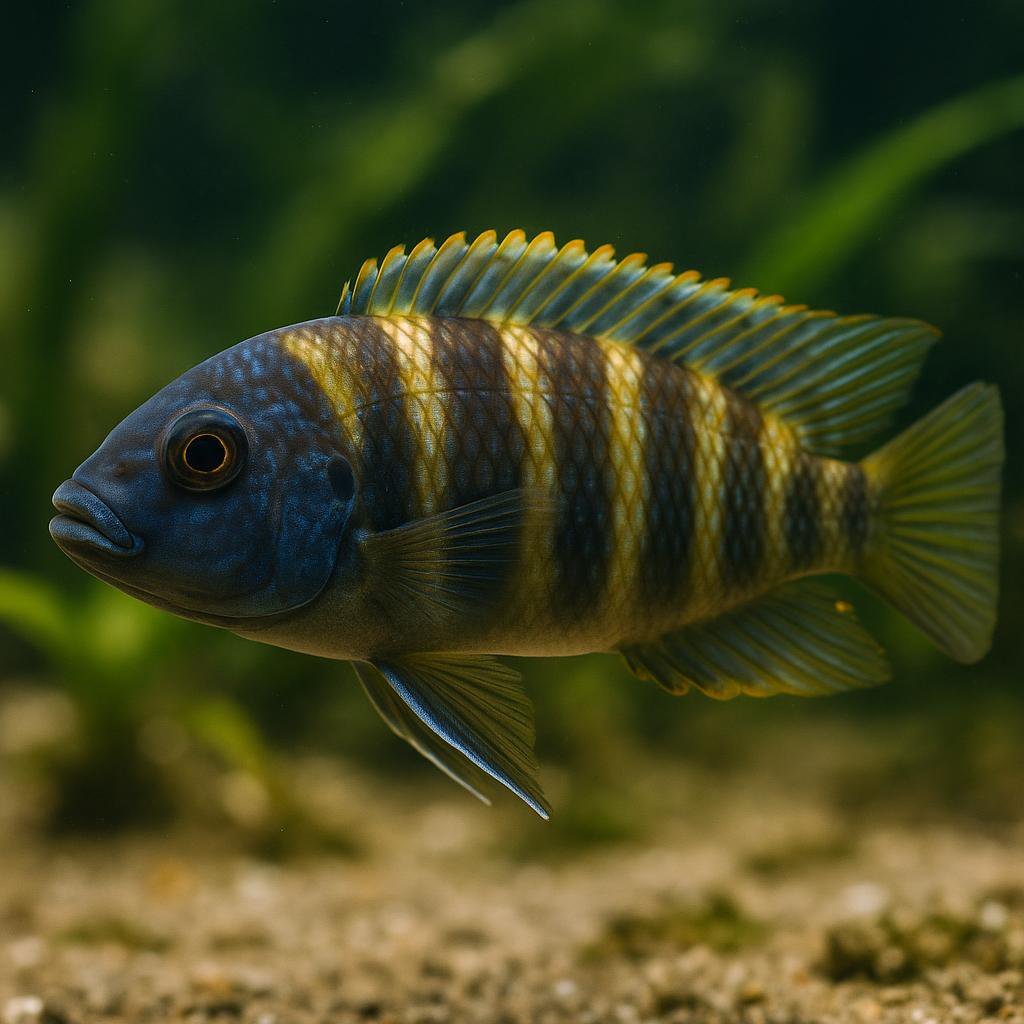
Nine-bar Tropheops
Tropheops novemfasciatus
Tropheops novemfasciatus is a Lake Malawi mbuna that hangs around rocky, sheltered bays in the shallows, where it grazes on algae and picks at the rock surfaces. It has that classic banded mbuna look (the name literally points to the bars), and it is the kind of fish that stays busy all day patrolling and browsing. Like most mbuna, it is way more fun (and less drama) when kept in a proper rock-heavy setup with a harem-style group.
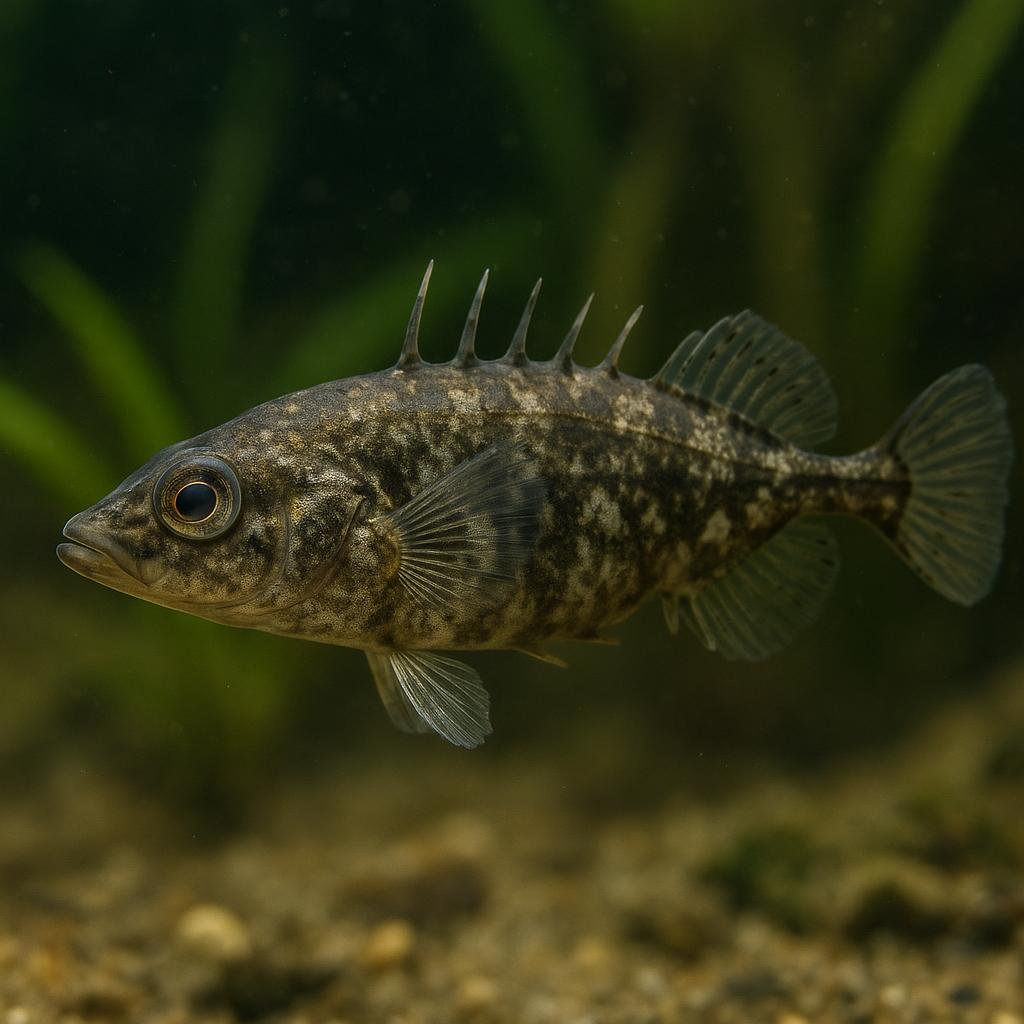
Ninespine Stickleback
Pungitius pungitius
The ninespine stickleback is a small, slender stickleback with multiple short dorsal spines and a silvery to brownish body that often shows subtle mottling. Males can develop darker coloration and enhanced contrast during breeding and may become more territorial while guarding a nest. It is adaptable to cool, well-oxygenated water and is best kept with similarly temperate species rather than tropical community fish.