

Search Species
Search for fish species by common or scientific name, or use filters to browse by water type, size, temperament, and difficulty.
Found 528 species
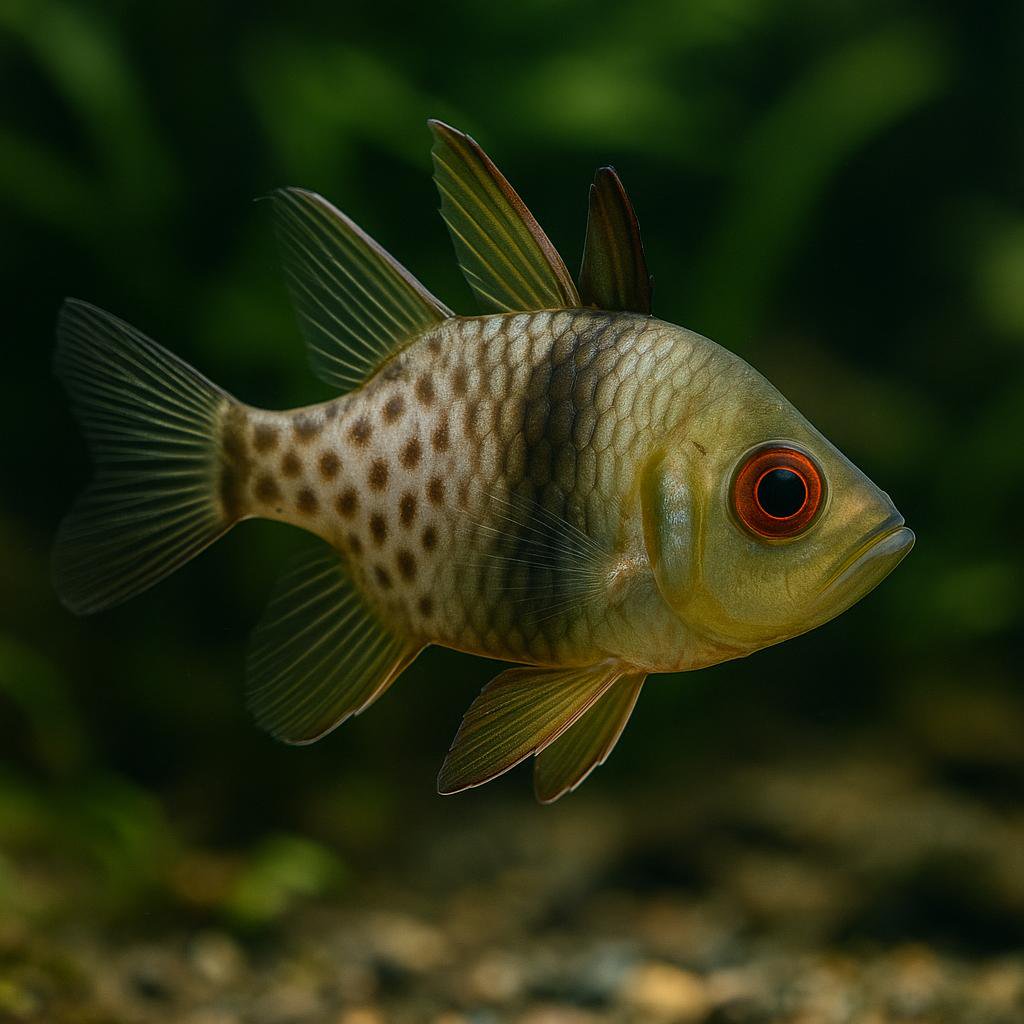
Pajama Cardinalfish
Sphaeramia nematoptera
This little cardinalfish looks like it got dressed in a rush-polka-dot back half, bold stripes up front, and that neon-orange tail spot that really pops under reef lights. It's a super chill, "hang in the shadows" kind of fish that likes to hover around rockwork and just cruise calmly all day. If you keep a small group, they'll often tuck in together and make your tank feel instantly more alive without causing any drama.
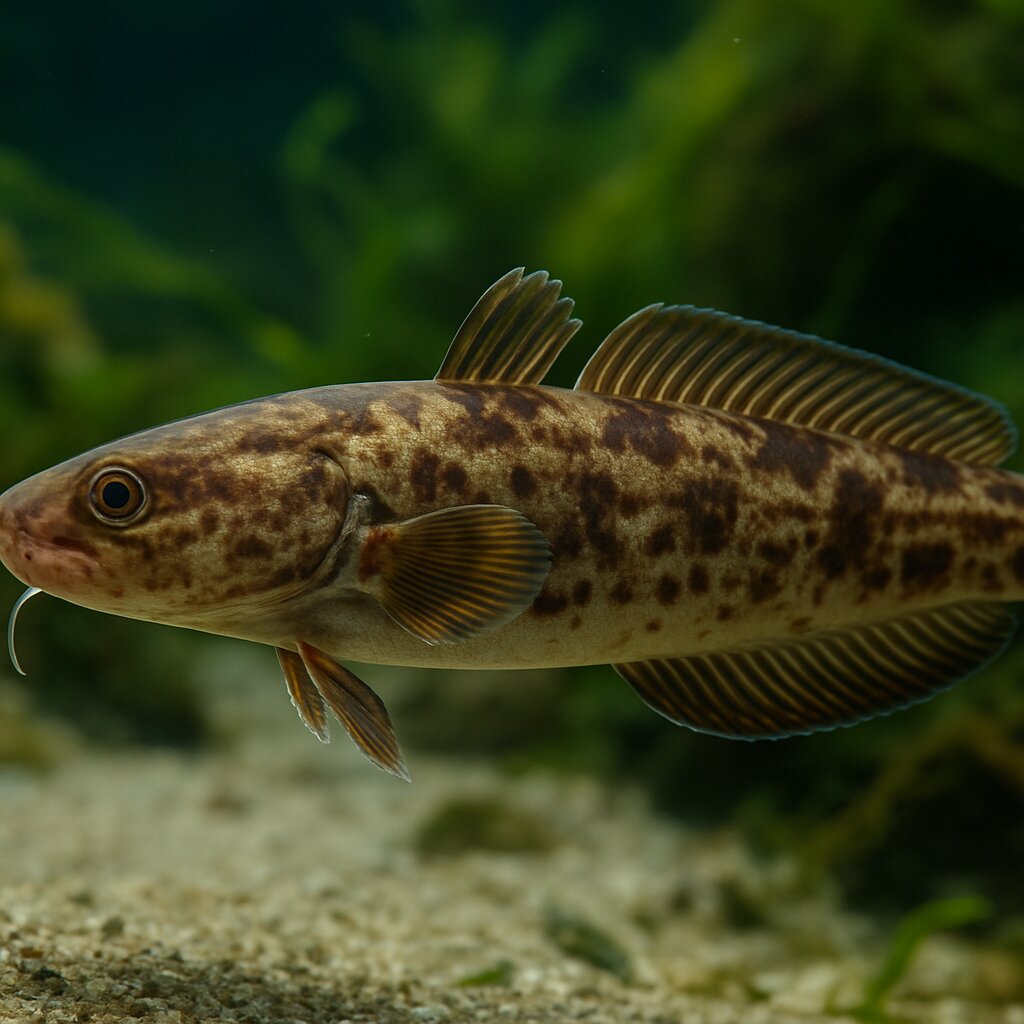
Pakhorukov rockling
Gaidropsarus pakhorukovi
A deep-water rockling from the Rio Grande Rise in the South Atlantic, this eel-like fish hangs out around 700 m where the water is properly chilly. It has the classic rockling look with a chin barbel and a long, flowing anal and dorsal fin, but you will almost never see it in home aquariums. Think public-aquarium-level chiller and husbandry if anyone ever attempts it.
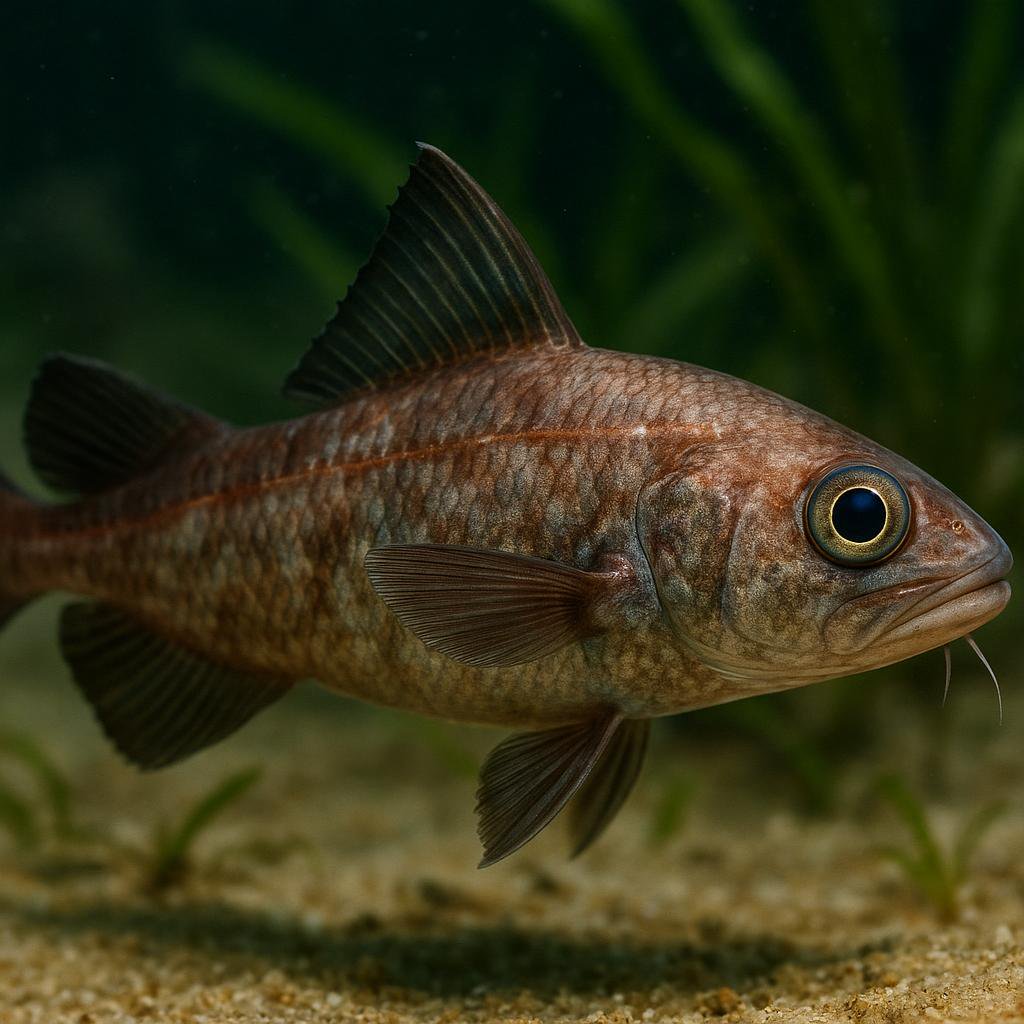
Palau grenadier
Ventrifossa macroptera
This is a deepwater rattail (grenadier) that lives way down on the slope - think roughly 685-710 m - so it is absolutely not an aquarium fish in any normal sense. Cool details though: it has a dark first dorsal fin and a blackish pattern on the head, and it tops out around 40 cm (about 16 inches).
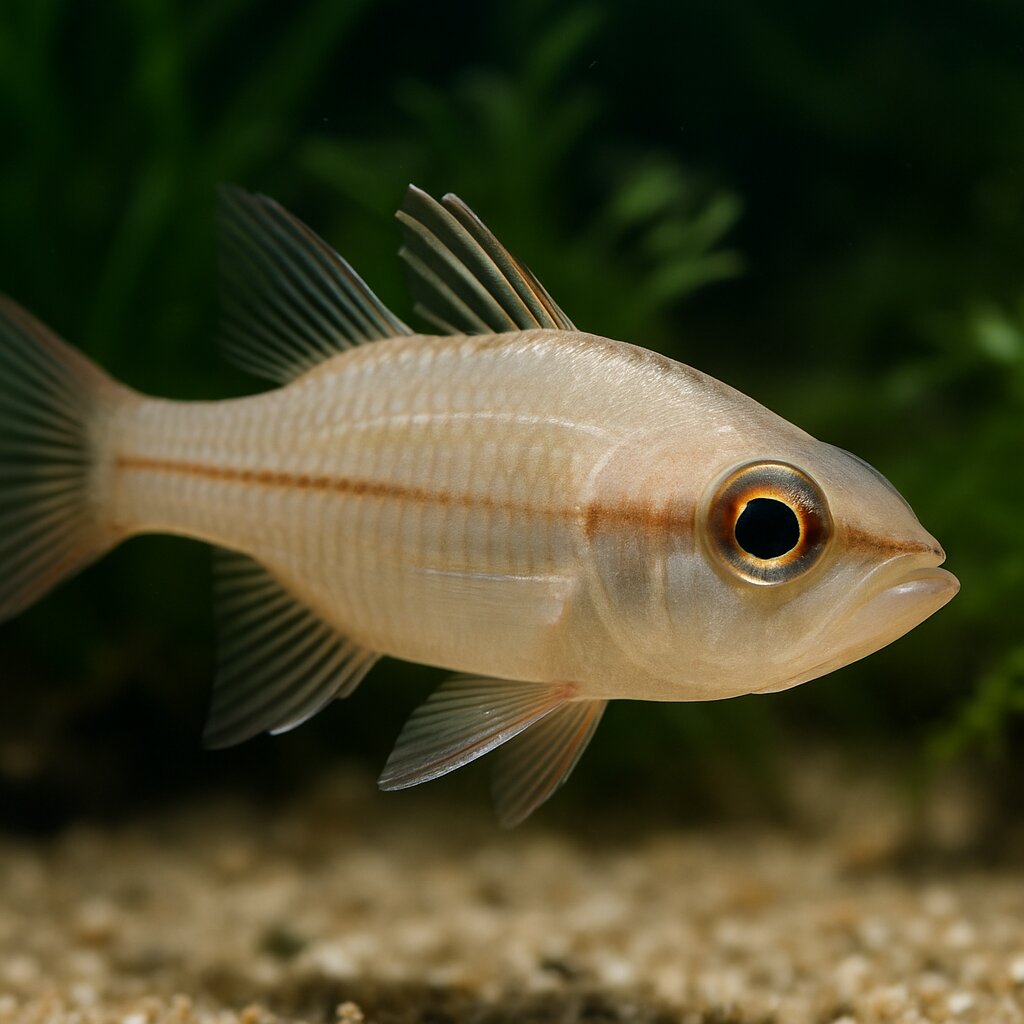
Pale cardinalfish
Taeniamia pallida
Tiny reef cardinal from Oman that hangs in loose groups under ledges and comes out to snack after lights-out. The dads mouthbrood the eggs, which is always cool to watch in this family. Think subtle silver-pale body with a little dark spot near the tail and easygoing vibes.
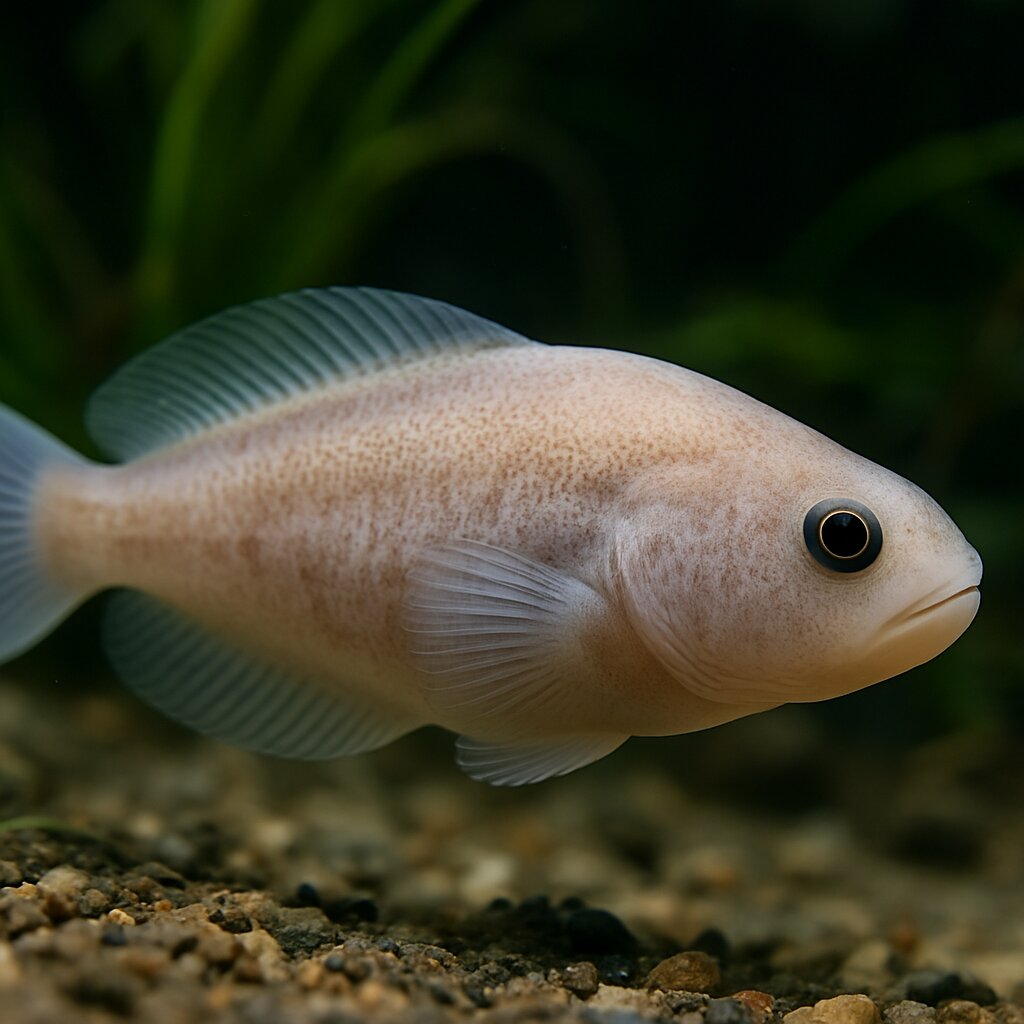
Pale Snailfish
Careproctus pallidus
Tiny orange snailfish from the kelp-y shallows of far southern Chile, topping out around 7 cm and clinging to rocks and kelp with its little suction disk. It is a coldwater marine oddball that you almost never see in home aquariums, but it is neat to know it bucks the deep-sea trend most snailfish follow. Reported from Tierra del Fuego and Chilean kelp beds at just a few meters depth, with modeled temps roughly 7-16 C. ([mapress.com](https://www.mapress.com/zootaxa/2005f/zt01019p025.pdf))
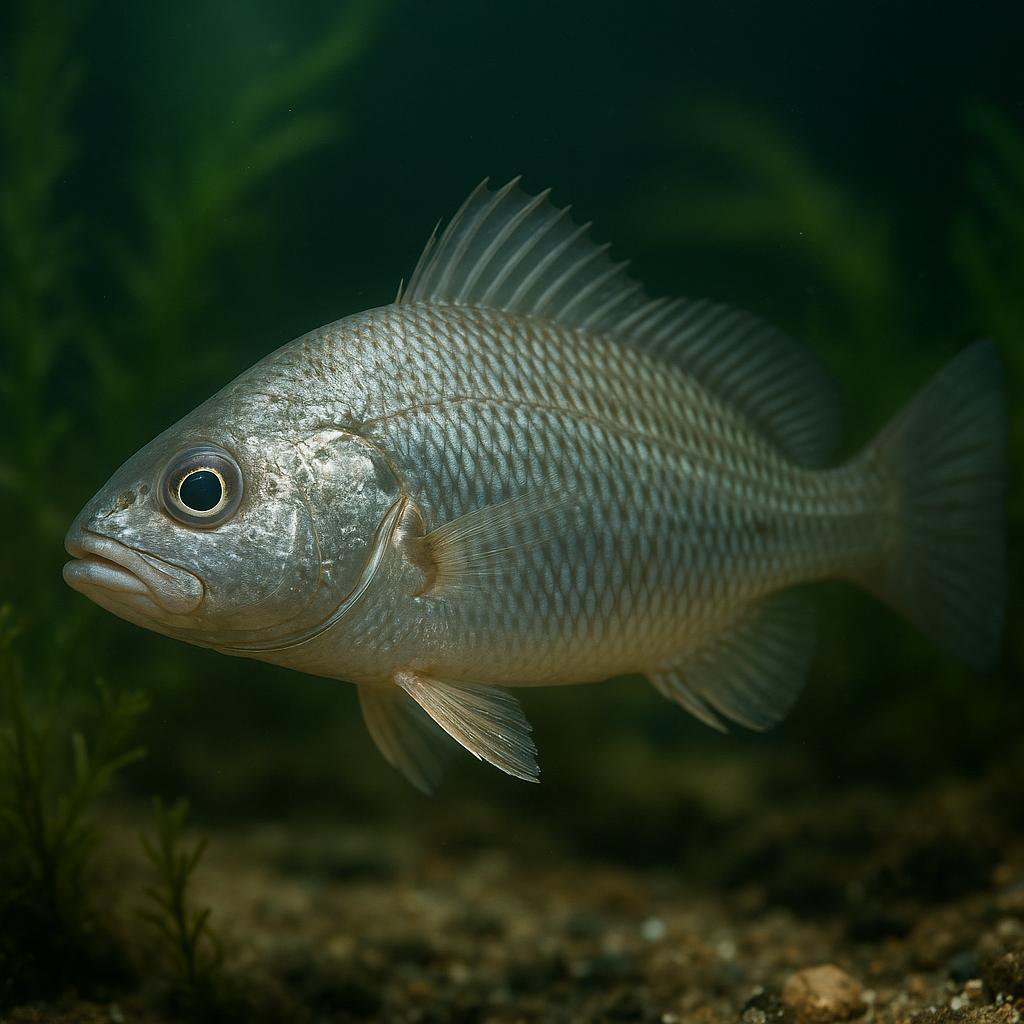
Pale spotfin croaker
Johnius carouna
Johnius glaucus (often treated as a synonym of Johnius carouna) is a small croaker of shallow, muddy coastal waters. FAO reports it from the coasts of India and Sri Lanka, east to the Andaman Islands and Singapore, and it is also reported from Pakistan. It is demersal (about 1–30 m), taken in coastal fisheries, and feeds on benthic worms, crustaceans, and small fishes—rarely, if ever, seen in the aquarium trade.
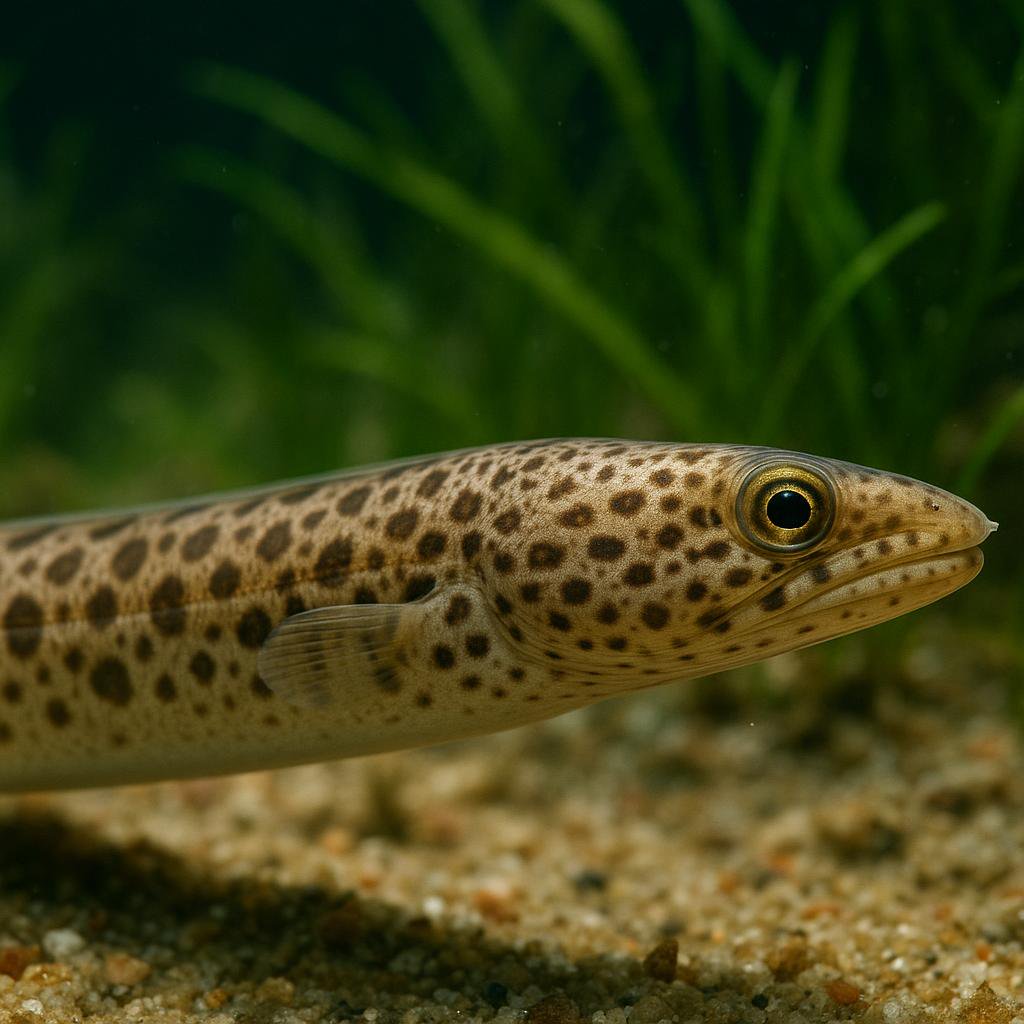
Pale-spotted eel
Ophichthus puncticeps
This is a saltwater snake eel from the western Atlantic that spends a lot of its life down on the bottom and will happily disappear into sand. It gets way too large for most home aquariums, and like other burrowing eels it is an escape artist if the lid is not tight.
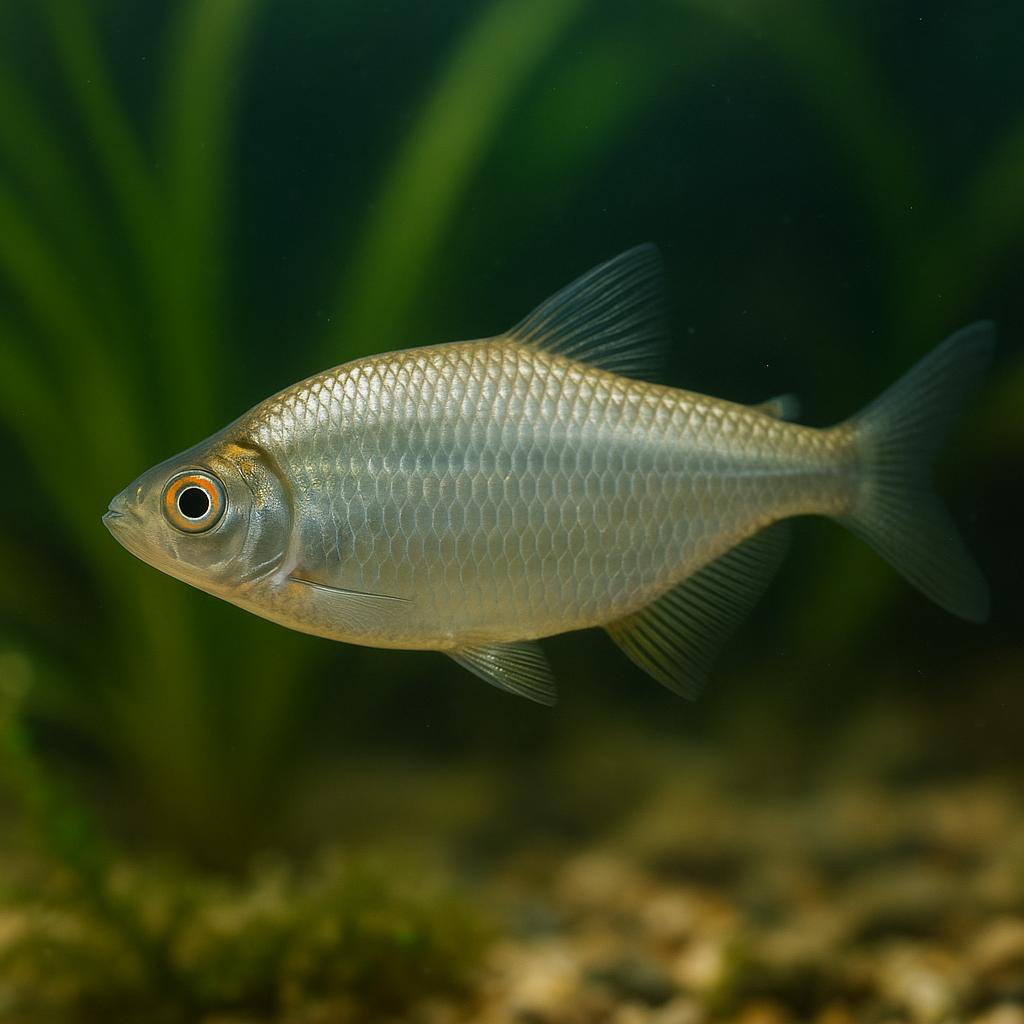
Panamanian lightfish
Yarrella argenteola
Yarrella argenteola is a deep-water lightfish from the Panama Gulf, living way down in the bathypelagic zone. Its whole deal is being a midwater, deep-sea predator-ish micronekton fish with light-organ family vibes - super cool biologically, but basically never an aquarium species because it comes from hundreds of meters down.
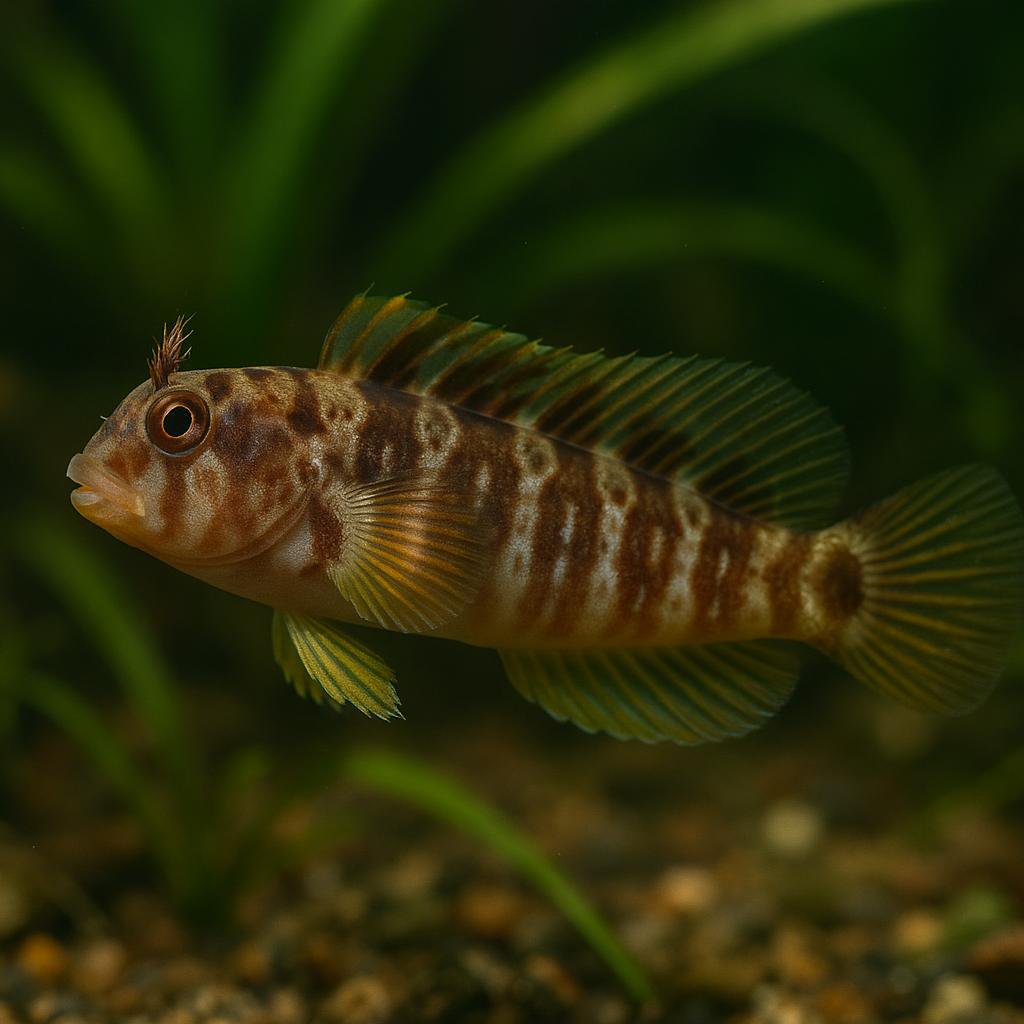
Papuan blenny
Rhabdoblennius papuensis
This is a tiny little combtooth blenny from the wave-smacked, super-shallow shoreline around Papua New Guinea. It is the kind of fish that spends its time glued to rocks, picking at film algae and micro-stuff, and wedging itself into tight crevices when it feels like it. Cool pick for a saltwater nano if you can actually source one and give it the right rocky, high-oxygen setup.
Parrot sand bass
Paralabrax loro
Paralabrax loro is a warm-water Eastern Pacific sea bass that hangs around rocky reef edges where the rock meets sand, and it has this awesome orange scribble-and-spot pattern on the head and fins. It is not really an aquarium fish - it gets big, it is a predator, and it wants a ton of space and clean, high-oxygen saltwater.
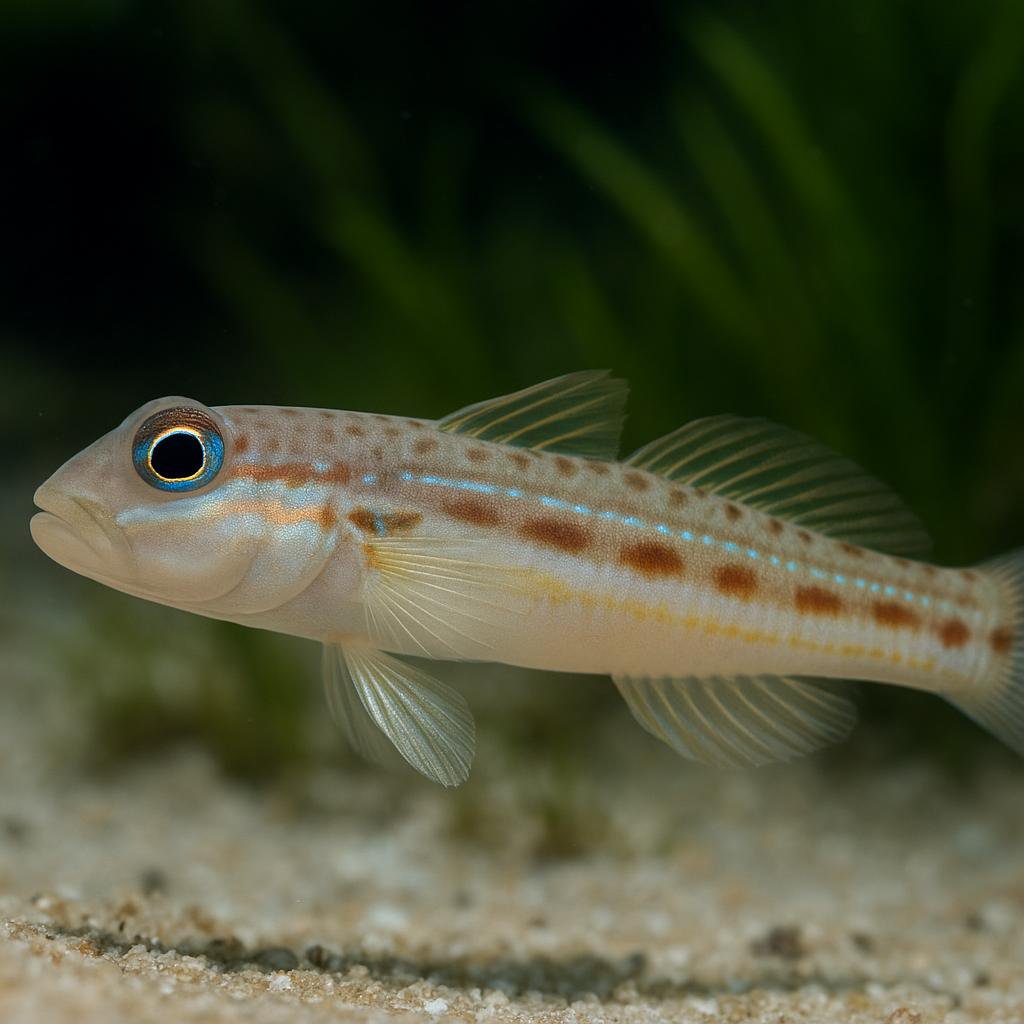
Parva goby
Valenciennea parva
Valenciennea parva is a little sand-flat sleeper goby (a Valenciennea "glidergoby") that hangs around clean sand patches near reefs, often as a bonded pair. In the wild it uses burrows and does this neat rocking/back-and-forth motion near the burrow, plus it will constantly sift and inspect the sand for tiny food.
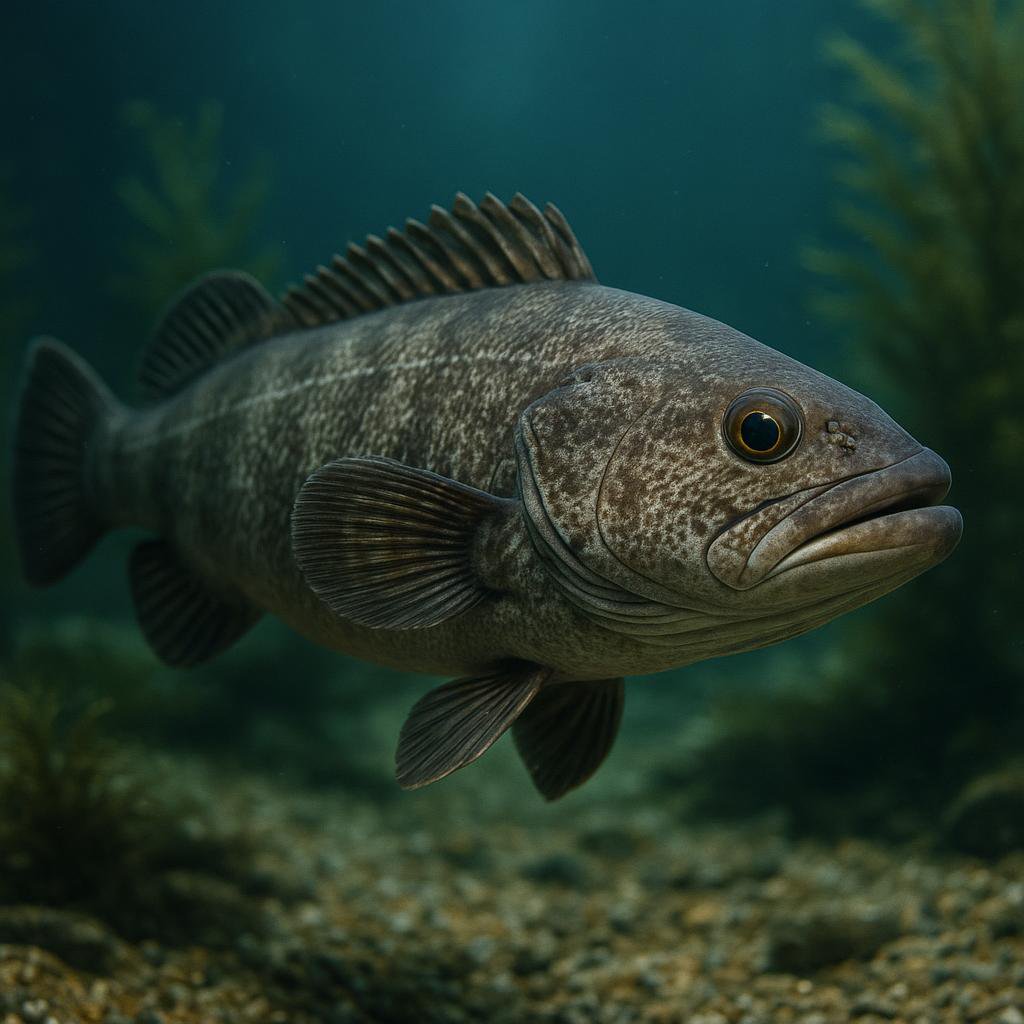
Patagonian toothfish
Dissostichus eleginoides
This is the real "Chilean sea bass" - a huge, cold-water deep-sea predator from the southern oceans that spends its life cruising way down over slopes and seamounts. It gets big enough to eat serious prey (fish and squid), grows slowly, and lives a long time, which is part of why it's so heavily managed in fisheries.