

Parrot sand bass
Paralabrax loro
About the Parrot sand bass
Paralabrax loro is a warm-water Eastern Pacific sea bass that hangs around rocky reef edges where the rock meets sand, and it has this awesome orange scribble-and-spot pattern on the head and fins. It is not really an aquarium fish - it gets big, it is a predator, and it wants a ton of space and clean, high-oxygen saltwater.
Also known as
Quick Facts
Size
38 cm TL
Temperament
Semi-aggressive
Difficulty
Expert
Min Tank Size
300 gallons
Lifespan
10-20 years
Origin
Eastern Pacific (Mexico to Panama Bay, south to northern Peru; Gulf of California)
Diet
Carnivore - crabs, shrimp, fish, octopus; would take meaty frozen foods in captivity
Water Parameters
23.4-29°C
8-8.4
8-12 dGH
Need a heater for this species?
This species needs 23.4-29°C in a 300 gallon tank. Use our heater calculator to find the right wattage.
Calculate heater sizeCare Notes
- Give it a big footprint and real rockwork - think 180+ gallons with caves and overhangs, plus open lanes to cruise. They wedge into rocks when spooked, so make sure the scape is stable and not just stacked.
- Keep it cool and steady for a marine fish: mid-60s to low-70s F (about 18-22 C) suits them way better than typical tropical reef temps. Salinity around 1.025 and lots of oxygenation helps because they are chunky, active swimmers.
- Feed like a predator but not like a pig: chunky frozen meaty stuff (mysis, krill, chopped clam/squid, quality marine pellets) 3-5 times a week, not constant grazing. If you only do soft foods, they get lazy and fat fast, so mix in firmer bits and vary it.
- They will eat anything that fits in their mouth, and the mouth is bigger than you think - small fish and shrimp are basically expensive snacks. Stick with sturdy, similar-sized tankmates (other larger SoCal-type fish, tough wrasses, bigger angels) and skip tiny gobies, firefish, and ornamental crustaceans.
- They can be a bully once settled, especially in cramped tanks or with timid fish; add them after the shy fish are established, or expect them to claim the best cave. If you want multiple basses/groupers, plan on a very large tank and lots of broken sight lines, or it turns into a prison yard.
- Watch for nitrate creep and oily surface film from heavy feeding - a strong skimmer and aggressive mechanical filtration makes life easier. If you see frayed fins or constant hiding, you have either a tankmate problem or not enough cover/space.
- Breeding in home tanks is basically a unicorn - they are protogynous (can change sex) and usually spawn in groups in the wild. If you ever try, you would need a big group, seasonal temp/light swings, and you still might only get a lot of chasing and zero eggs.
Compatibility
Good Tankmates
- Other sturdy semi-aggressive reef fish that can hold their own - think bigger wrasses (like a Melanurus or a smaller Thalassoma), hogfish, that kind of vibe. They are confident enough that the parrot sand bass usually just postures and moves on.
- Tangs and rabbitfish (yellow tang, kole tang, foxface) - good midwater cruisers that are too big and too busy to get bullied, and they do not hang around the bass' cave.
- Bigger clownfish pairs (maroon, tomato, big ocellaris in a grown tank) - as long as everybody has their own space. They might bicker at first but it usually settles if the tank is not cramped.
- Dwarf angels with attitude (flame, coral beauty) - they are scrappy enough to deal with some flexing, and they do not get spooked easily. Just watch for territory wars in smaller rock piles.
- Hawkfish (flame hawk, longnose hawk) - similar level of toughness. They both like perching and caves, so make sure there are multiple hideouts or they will argue over the same ledge.
- Medium-to-large groupers and similar tough predators (like a small-ish grouper species that will not swallow it) - works in bigger systems where everyone is well-fed and has their own rockwork.
Avoid
- Tiny peaceful fish that fit in its mouth - small gobies, tiny blennies, small cardinals, young chromis. If it can snack on it, it probably will, especially at night when it is prowling the rocks.
- Slow, delicate, or long-finned fish - things like firefish, dartfish, fancy fin butterflies, or anything that spooks easy. The bass does that cave-guarding lunge and these guys just get stressed out.
- Super aggressive rock bullies - big dottybacks, nasty damsels, or a mean territorial trigger. You end up with constant posturing and bite marks because neither side backs down.
Where they come from
Parrot sand bass (Paralabrax loro) are from the eastern Pacific - think Southern California down into Baja. They hang around rocky reefs, kelp edges, and sand channels where they can ambush food. If you have ever watched a bass cruise the edge of structure and then lunge, that is the vibe.
This is a true predatory bass, not a reef "community" fish. Plan the tank around the fish, not the other way around.
Setting up their tank
Give them room. These fish get chunky and they are built to move. For an adult, I would not bother with anything under 180 gallons, and bigger is better if you want calmer behavior. A long footprint matters more than a tall tank.
- Tank size: 180g minimum for an adult, 240g+ feels a lot nicer
- Aquascape: big rock piles with caves and swim-throughs, plus open lanes for cruising
- Substrate: sand is fine, but they do not need a deep sand bed
- Flow: moderate to strong, with a few calmer pockets behind rockwork
- Lighting: whatever you like - they do not care, but bright reef lighting can stress a new fish at first
Rockwork should be locked in like you are building for a bulldozer. They do not usually redecorate like triggers, but a startled bass can slam into things. I like to put the base rocks on the glass or on supports, then sand around them.
Lid required. I have seen bass launch when spooked during lights-on, netting, or a sudden shadow. A tiny gap is all they need.
Filtration is where the "expert" label really shows up. They eat meaty food and they poop like it is their job. Oversize your skimmer, run carbon, and be ready for frequent filter sock changes. If you are used to lean reef fish, this will feel like a different world.
- Temperature: 64-72F is the sweet spot long-term (they are temperate)
- Salinity: 1.024-1.026
- pH: 8.0-8.3
- Ammonia/nitrite: always zero
- Nitrate: keep it as low as you reasonably can (your filter will be working)
Do not run these warm like a tropical tank long-term. Chronic 76-78F tends to shorten the fuse (more aggression) and can wear them down over time. A chiller is often part of the deal.
What to feed them
They are not picky once settled, but getting them settled can take a little patience. New imports often come in beat up and shy, then flip a switch and turn into pigs. Start with foods that smell like the ocean.
- Staples: chopped shrimp, squid, clam, mussel, scallop
- Great frozen options: mysis (for smaller fish), krill (sparingly), quality marine blends
- Pellets: many will take sinking carnivore pellets once trained
- Treats: live blackworms or live ghost shrimp can jump-start a finicky new arrival (use clean sources)
Feed smaller portions more often at first. Two smaller feedings beats one huge one, especially if you are trying to keep water quality from going sideways. I watch the belly profile - you want them filled out, not ballooned.
If you want them on pellets, mix a few pellets into a thawed seafood mix and let them soak up the juice. Once they are snapping at the mix, they usually start grabbing pellets by accident, then on purpose.
Skip freshwater feeder fish. Besides the disease risk, the nutrition is wrong and it can lead to fatty issues. Stick to marine-based foods and you will get better color and better long-term condition.
How they behave and who they get along with
Parrot sand bass act like a bass: bold, territorial, and always assessing what fits in their mouth. They are not nonstop mean, but they do not do "peaceful." A lot depends on tank size and how crowded things are.
- They will eat small fish, shrimp, and crabs
- They can bully similar-shaped fish (other basses, groupers, big wrasses) if space is tight
- They usually ignore corals, but the tank ends up being a "fish-only with rock" situation for most people
- They can be jumpy during acclimation, then become very confident once established
Tankmates that tend to work are other robust temperate fish that can hold their own and are too big to swallow. Think larger temperate wrasses, bigger surfperch-type fish, sizeable sculpins (with caution), and other sturdy species from similar temperature ranges. Mixing with tropical fish is a temperature compromise, and the bass usually wins that argument while the tropicals lose slowly.
Do not add this fish last if the tank already has established bruisers. Also, do not add it first if you plan to keep anything smaller. You want tankmates that are already big enough from day one.
If you are trying to keep more than one Paralabrax together, expect drama unless the tank is huge and you add them small at the same time. Even then, be ready with an exit plan.
Breeding tips
In home aquariums, breeding is pretty rare. They are seasonal spawners in the wild and their whole cycle is tied to big systems, changing temps, and a lot of space. I have seen courtship-y behavior (chasing at dusk, color shifts), but getting viable eggs and raising larvae is a whole separate hobby.
If you ever do see spawning behavior, clean mechanical filtration and gentle surface skimming help keep eggs from getting shredded, but raising the larvae will still take dedicated live food cultures (rotifers, copepods) and a rearing setup.
Common problems to watch for
Most issues I see with this species come from three things: temperature mistakes, rough acclimation/quarantine, and water quality drifting because the fish eats heavy.
- Ich/velvet: very common on stressed new arrivals; quarantine pays off
- Bacterial mouth damage: they can slam rock/glass when spooked, then get secondary infections
- HLLE: can show up in big predatory fish kept on poor diet or in dirty systems
- Ammonia spikes: overfeeding plus a big carnivore equals surprise problems
- Aggression injuries: torn fins and scraped flanks from chasing or cramped rockwork
I treat new fish like they are already carrying something. A calm quarantine with stable temp (cooler, not tropical), plenty of oxygen, and lots of hiding structure (PVC elbows work) saves headaches. These bass also do better if you keep the room quiet and the lights subdued for the first few days.
If the fish is pacing the glass nonstop, that is usually a setup issue: too small, too bare, too bright, or too warm. Adding more structure and dropping the temp a couple degrees often changes the whole attitude within a week.
Similar Species
Other marine semi-aggressive species you might be interested in.
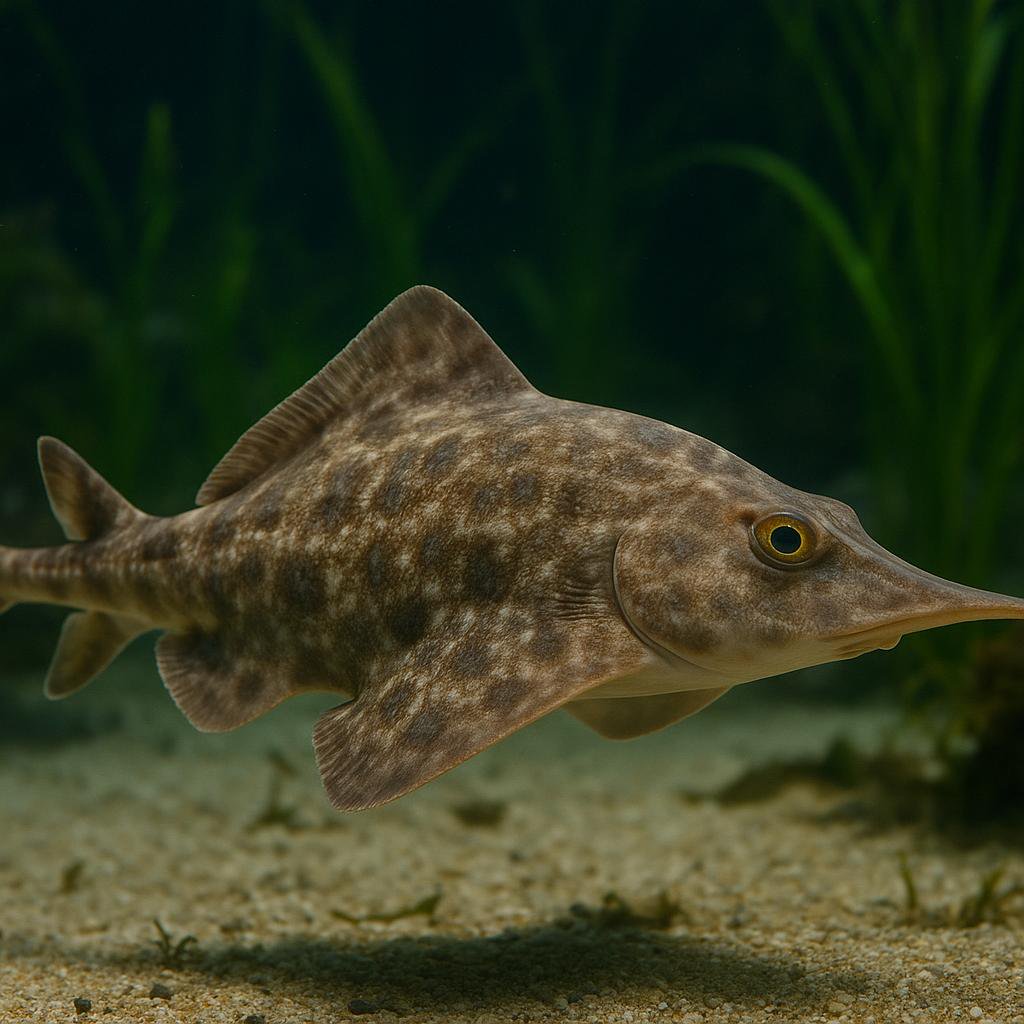
Aleutian skate
Bathyraja aleutica
This is a big, cold-water deep-slope skate from the North Pacific that cruises muddy bottoms and eats chunky benthic prey like crabs and shrimp. The really cool bit is its egg-laying skate life - it does distinct pairing (the classic skate "embrace") and drops those tough egg cases on the seafloor. Not an aquarium fish at all unless you're basically running a public-aquarium-style chilled system.
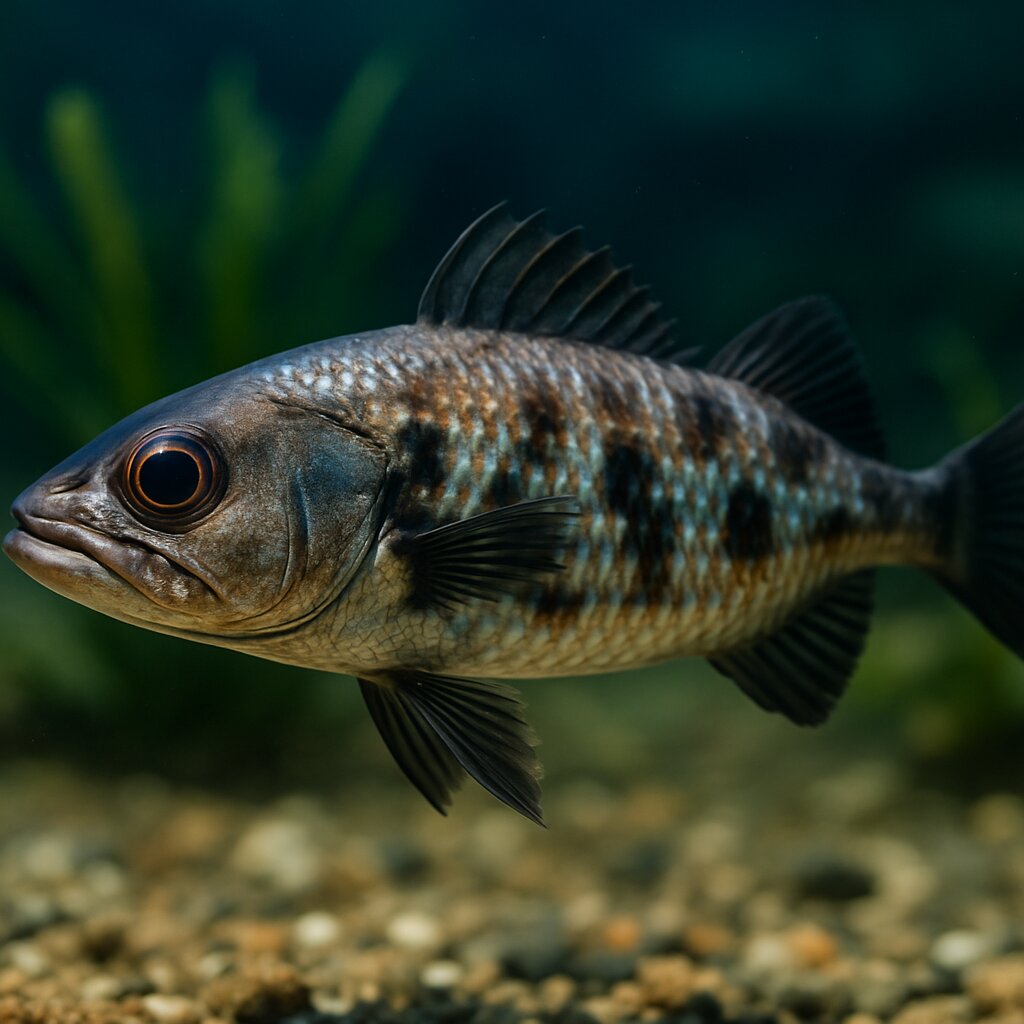
Antarctic dragonfish
Vomeridens infuscipinnis
Deep down around Antarctica, this sleek dragonfish cruises the water column like a little submarine, nearly neutrally buoyant so it can hover above the seafloor. It munches almost exclusively on Antarctic krill and lives in near-freezing water 500-800 m down, so it is a cool species to read about, not one for home tanks.
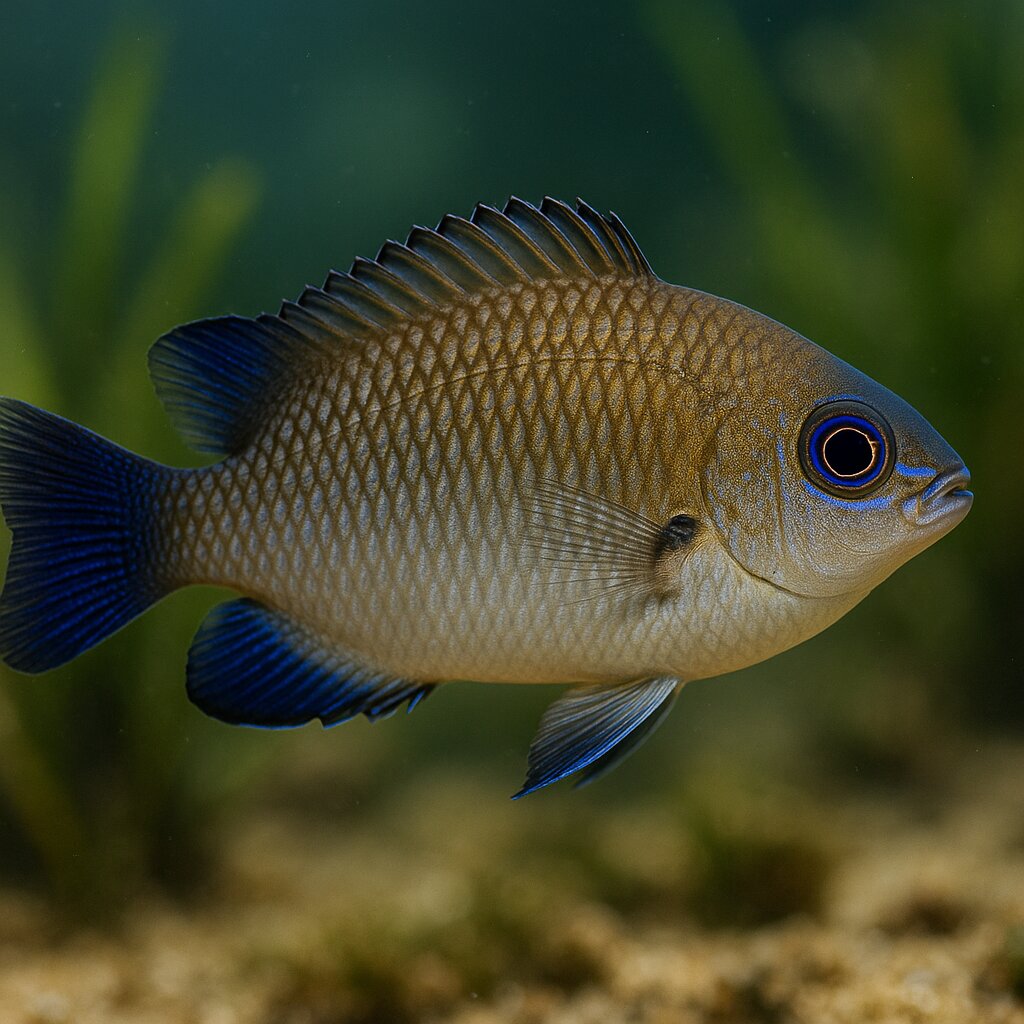
Arabian demoiselle
Neopomacentrus sindensis
A small lyretail damsel from the Persian Gulf and Arabian Sea, it hangs in loose groups around coral heads, rocks, and even pier pilings picking zooplankton from the flow. Think classic damsel toughness with a slightly milder attitude than the real bruisers, plus subtle yellow tail accents. Males clean a patch, get a mate to lay eggs there, and then stand guard fanning the clutch.
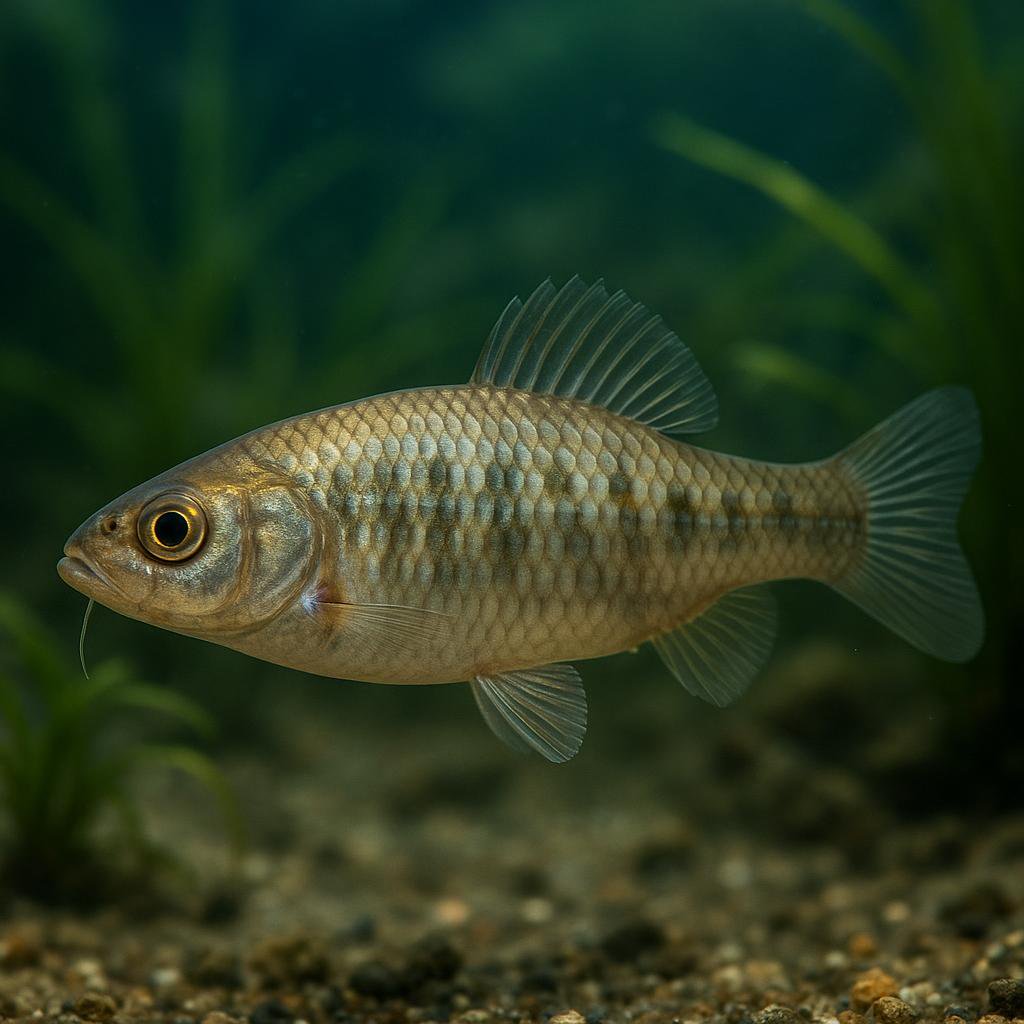
Arabian spiny eel
Notacanthus indicus
Notacanthus indicus is a deep-sea spiny eel (family Notacanthidae; not a true eel) known from the Arabian Sea on the continental slope at roughly ~960–1,046 m depth, with reported maximum length around 20 cm TL; it is a deep-water bycatch species and not established in the aquarium trade.
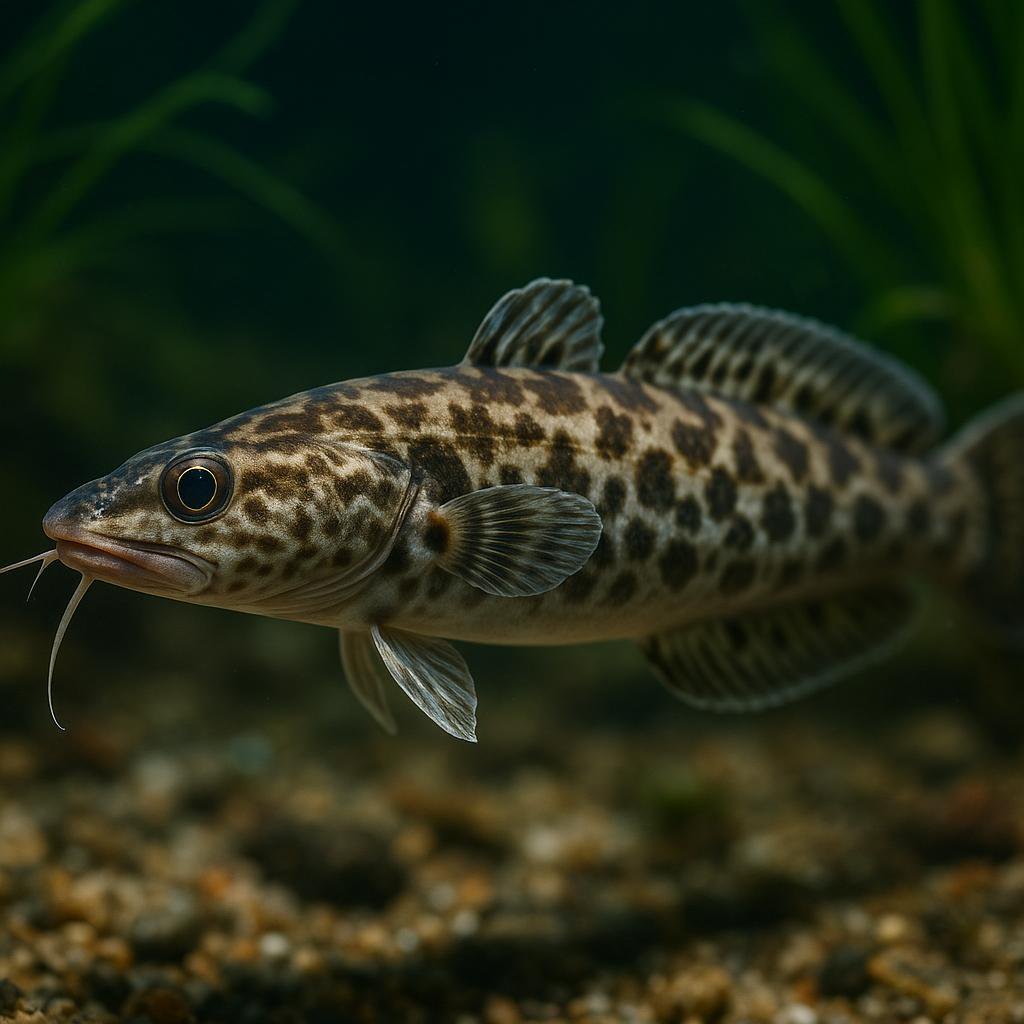
Arctic rockling
Gaidropsarus argentatus
This is a deepwater North Atlantic rockling (a cod relative) that hangs out on soft bottoms way down the slope. It is a cold-water, bottom-hugging predator that snoots around for crustaceans and will also take small fish when it gets the chance.
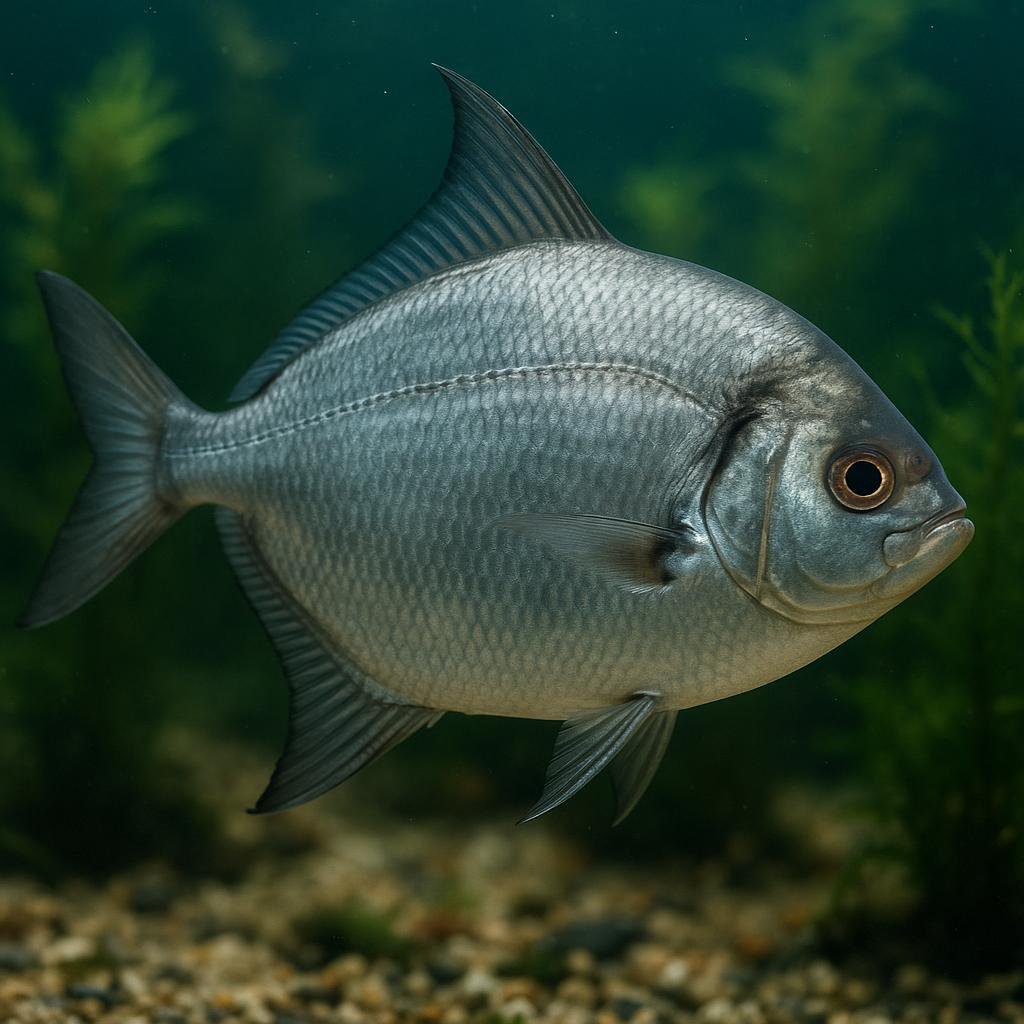
Atlantic pomfret
Brama brama
Brama brama is the Atlantic pomfret (aka Ray's bream) - a deep-bodied, open-ocean pelagic fish that cruises around in small schools and follows water temps. It is a legit big, wild marine species (not an aquarium fish) that eats other small sea critters like fish and squid, and it ranges across a huge chunk of the Atlantic plus parts of the Indian and South Pacific.
More to Explore
Discover more marine species.
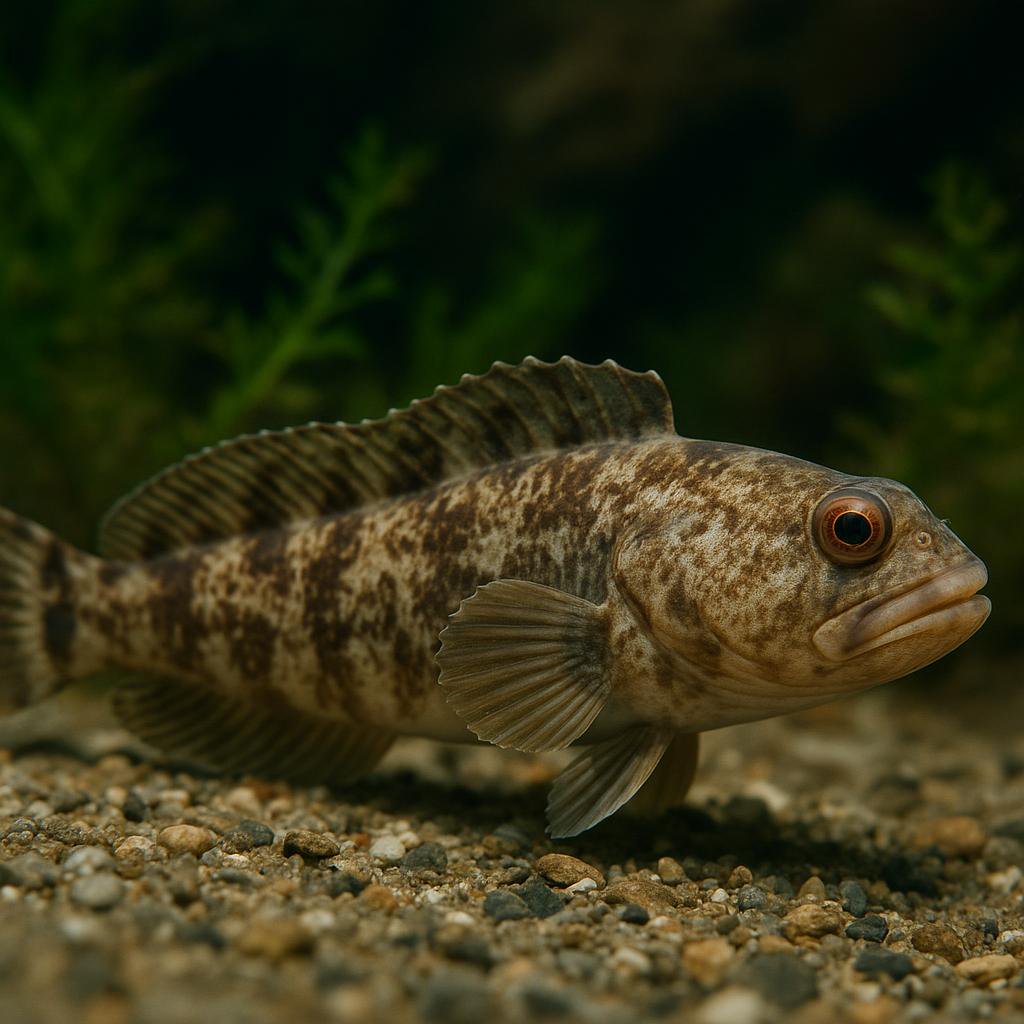
Abe's eelpout
Japonolycodes abei
Japonolycodes abei is a temperate, deepwater demersal eelpout (family Zoarcidae) endemic to Japan (Kumano-nada Sea reported; other sources also report Sagami Bay and Tosa Bay). It is the only species in the genus Japonolycodes and occurs roughly 40-300 m depth, making it an uncommon/atypical aquarium species.
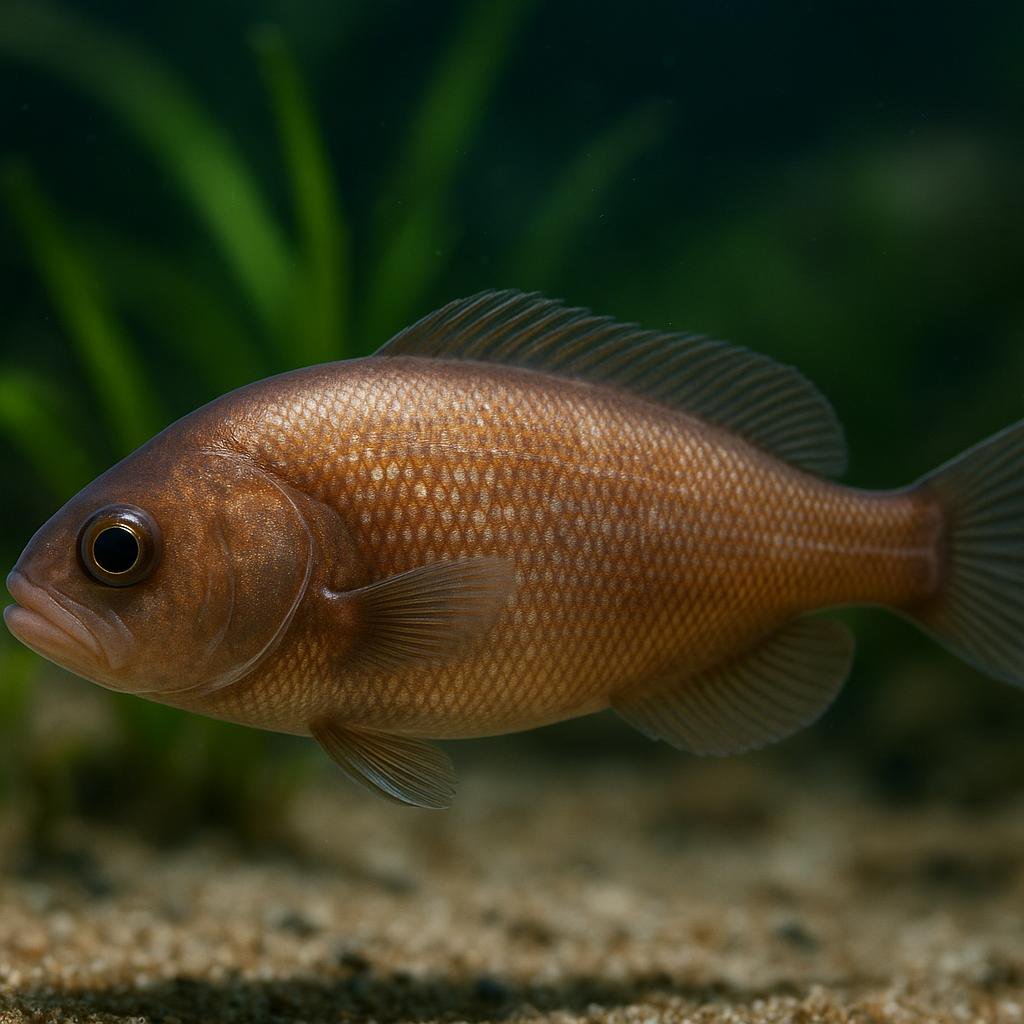
Affinis blind cusk-eel
Barathronus affinis
Barathronus affinis is a tiny, super-weird deep-sea blind cusk-eel from the western-central Indian Ocean. It is one of those gelatinous, loose-skinned brotula-type fishes that live way down in the dark and are basically never seen alive, so almost everything we know comes from preserved specimens and taxonomic work.
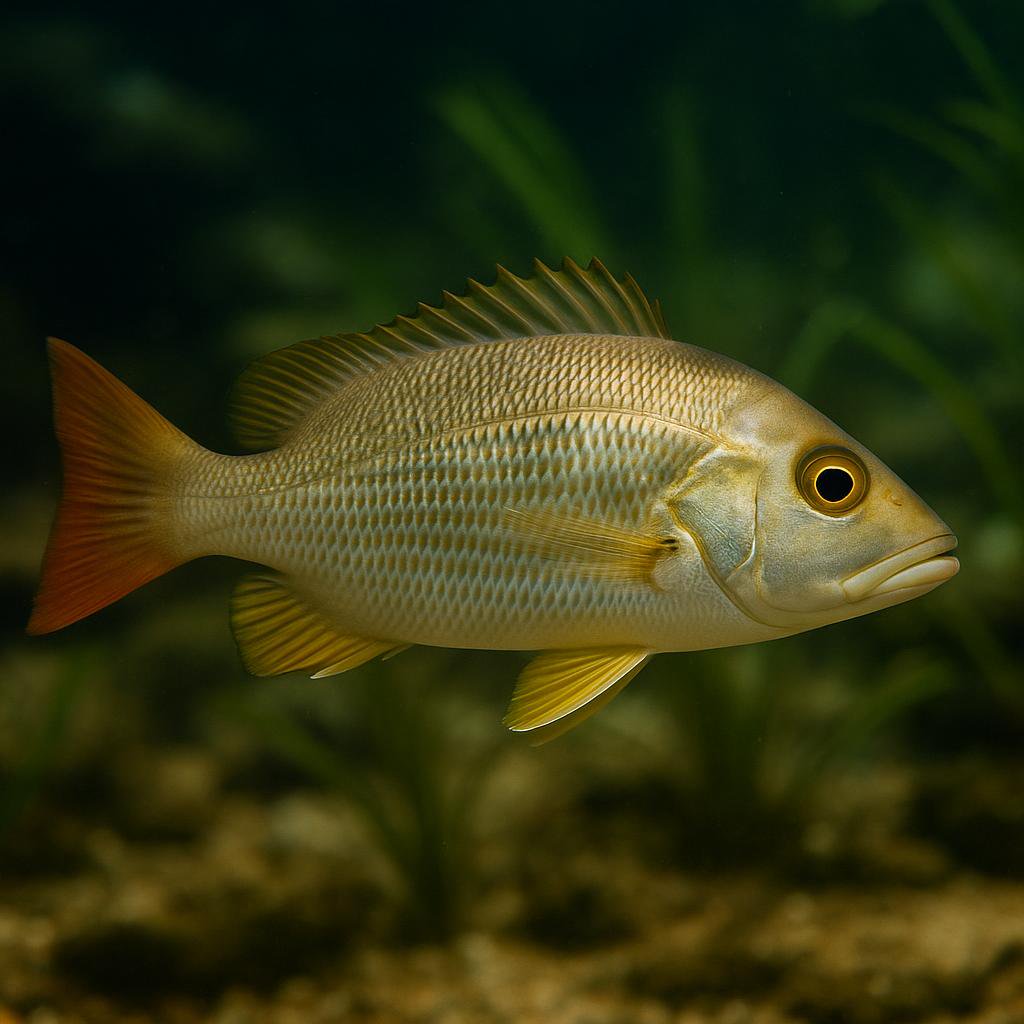
African red snapper
Lutjanus agennes
This is a true snapper from West Africa - a big, fast-growing predator that goes from coastal reefs to brackish lagoons and estuaries (especially as a juvenile). Super cool fish in the wild, but it gets absolutely huge and will eat smaller tankmates once it has the mouth for it, so its really more of a public-aquarium scale animal than a home-aquarium fish.
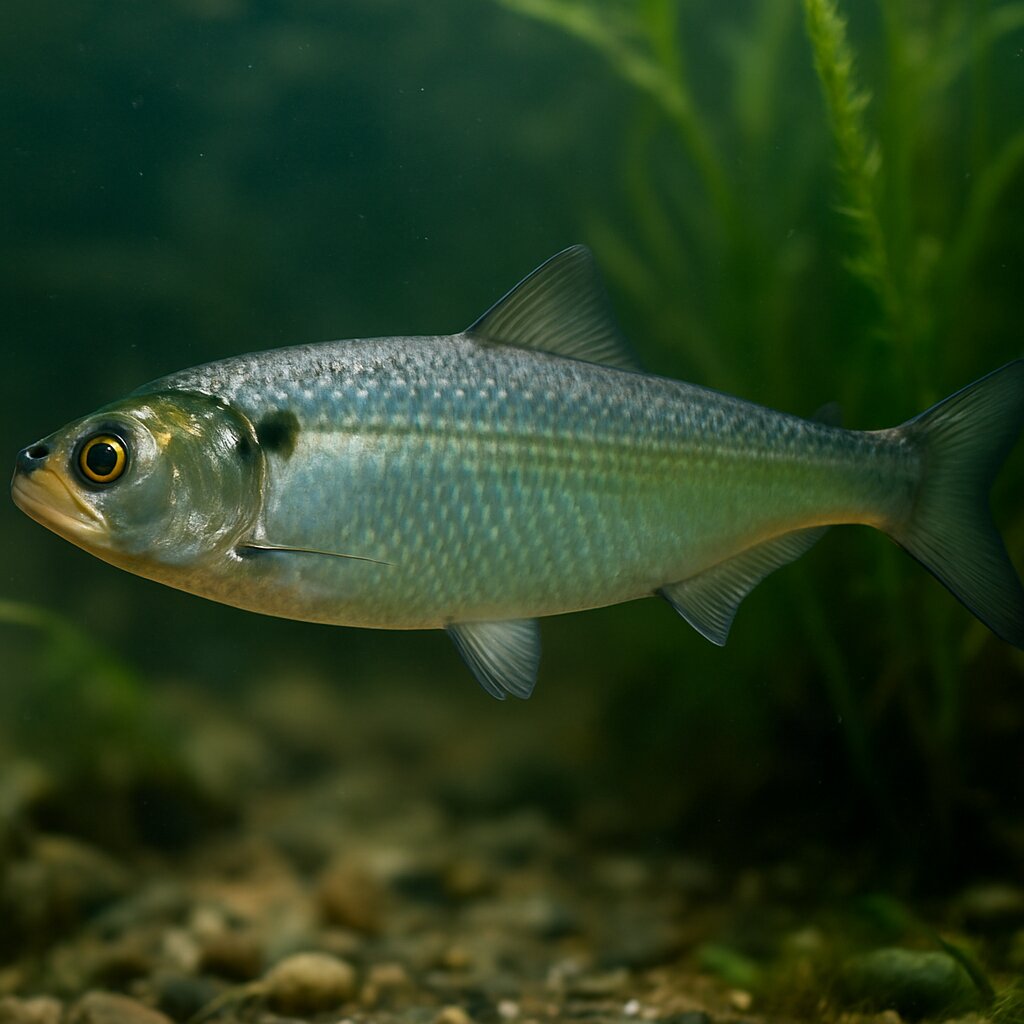
Allis shad
Alosa alosa
Gorgeous silver, fast-swimming shad that spends most of its life in the sea and then surges up big rivers in noisy, surface-spawning schools. It grows huge for a herring-type fish and needs cool, ultra-oxygenated water and tons of open space, so it is a public-aquarium species rather than a home tank fish.
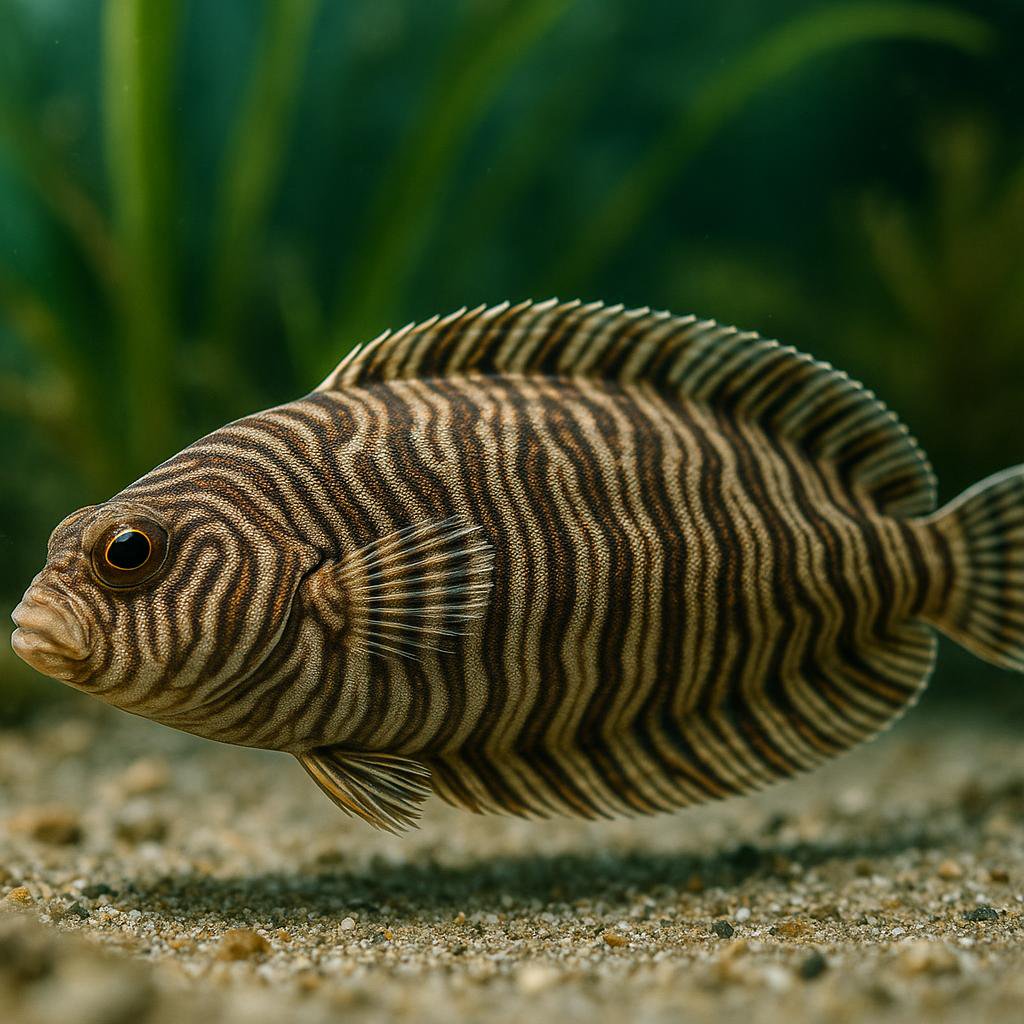
Annandale's zebra sole
Zebrias annandalei
Zebrias annandalei is a small demersal sole from coastal India that inhabits sandy or muddy bottoms and buries for camouflage. It is rarely kept in home aquaria and would require a specialized marine sand-bottom setup and appropriate feeding.
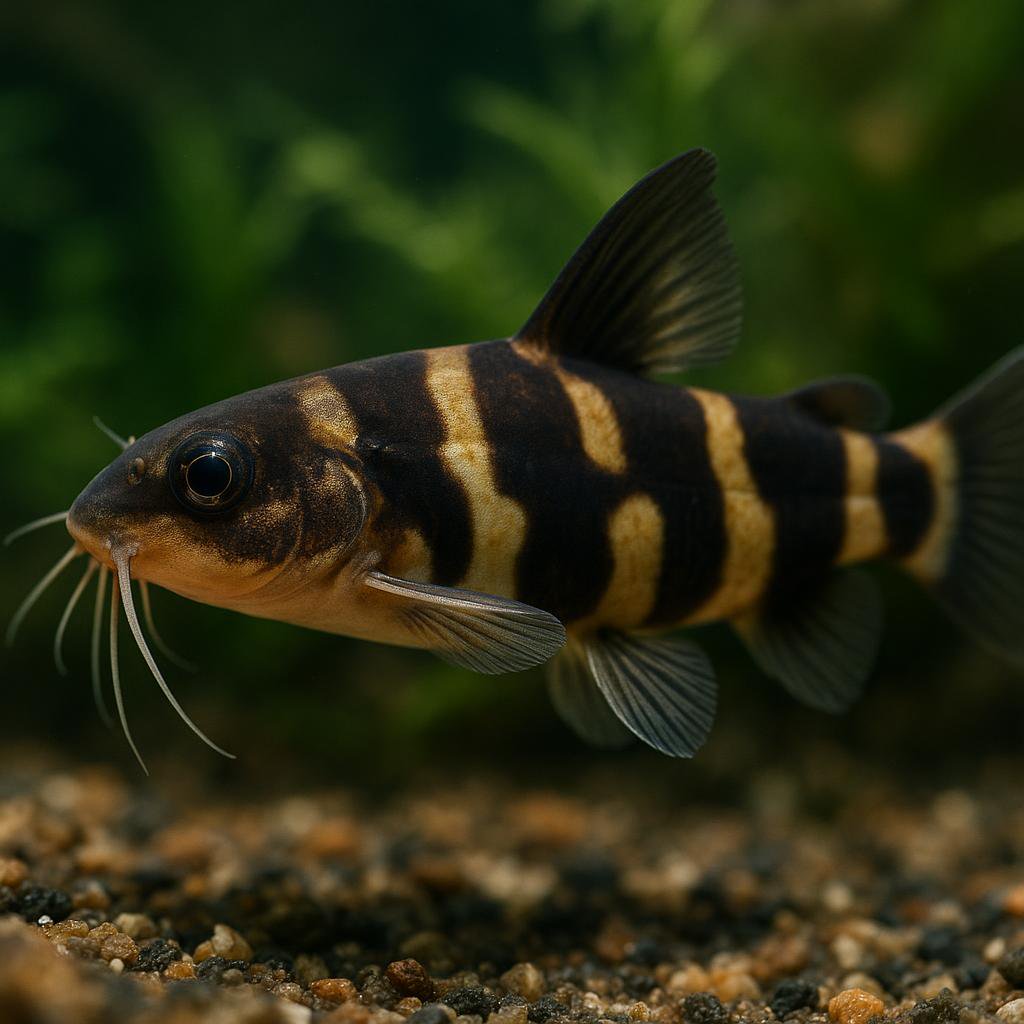
Australian sawtail catshark
Figaro boardmani
Figaro boardmani is a small, deepwater Australian catshark with these cool saw-like ridges of spiny denticles along the tail and a neat pattern of dark saddle bands. It lives way down on the outer continental shelf and slope, so its natural water is cold, dim, and stable - totally not a typical home-aquarium fish. Diet-wise its a predator that goes after fish, crustaceans, and cephalopods.
Looking for other species?