

Pakhorukov rockling
Gaidropsarus pakhorukovi
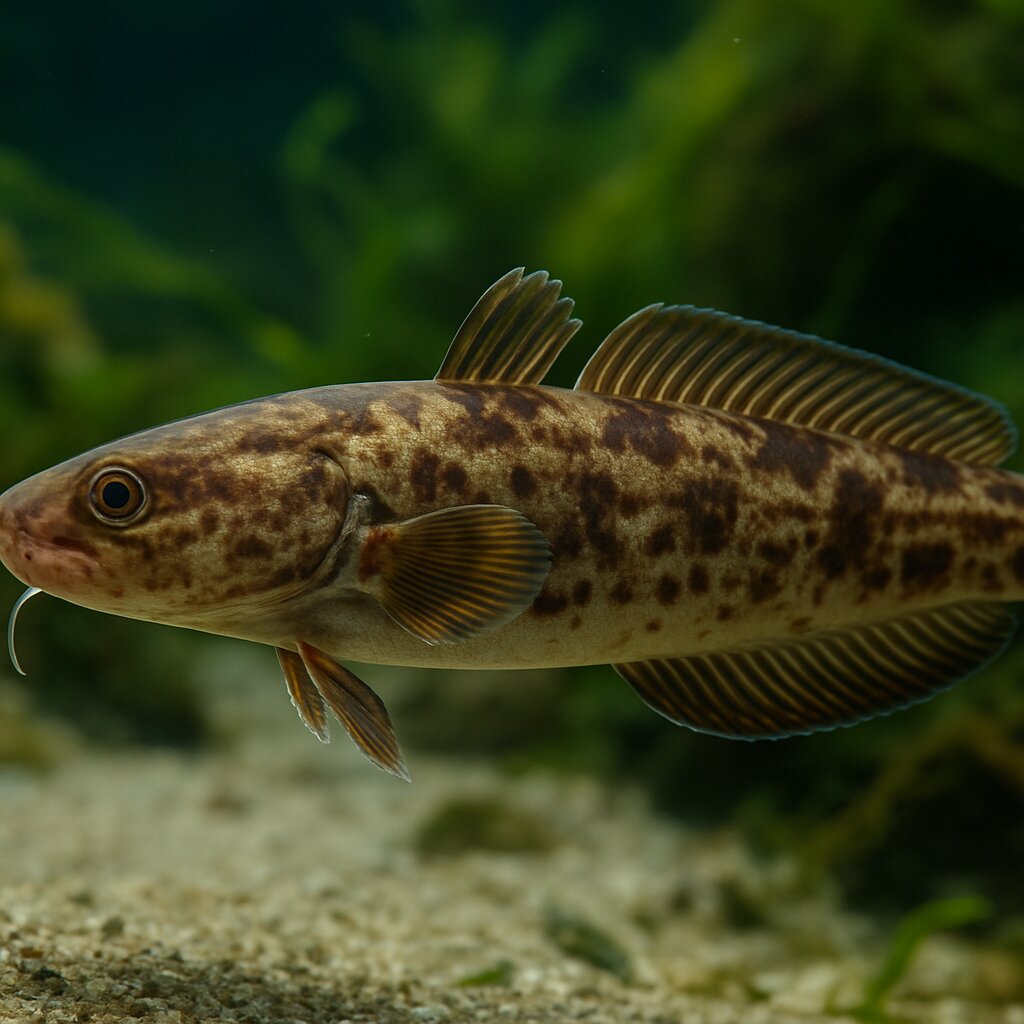
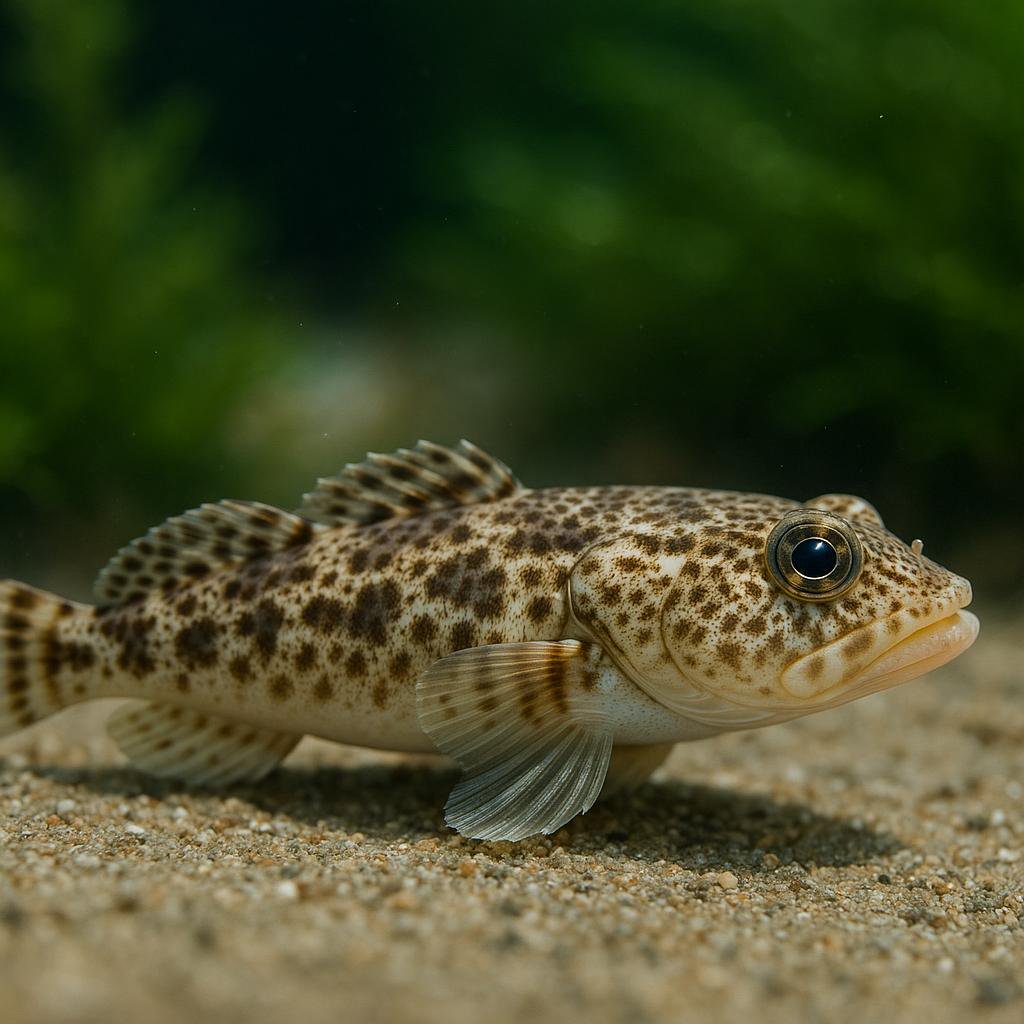
The Pakhorukov rockling features a slender body, long pectoral fins, and a mottled brownish-green coloration that aids in camouflage.
This page includes AI-generated images. Why am I seeing AI images?
About the Pakhorukov rockling
A deep-water rockling from the Rio Grande Rise in the South Atlantic, this eel-like fish hangs out around 700 m where the water is properly chilly. It has the classic rockling look with a chin barbel and a long, flowing anal and dorsal fin, but you will almost never see it in home aquariums. Think public-aquarium-level chiller and husbandry if anyone ever attempts it.
Also known as
Quick Facts
Size
30 cm
Temperament
Semi-aggressive
Difficulty
Expert
Min Tank Size
180 gallons
Lifespan
unknown
Origin
Southwest Atlantic (Rio Grande Rise)
Diet
Carnivore - benthic invertebrates and small fishes
Water Parameters
3-7°C
7.8-8.1
324-420 dGH
Need a heater for this species?
This species needs 3-7°C in a 180 gallon tank. Use our heater calculator to find the right wattage.
Calculate heater sizeCare Notes
- Run a chiller and keep it cold at 6-10 C; once it creeps above 12 C they go off food and crash fast.
- Give it a big, low tank with a tight lid, soft sand, and a maze of stable rock caves; they wedge in and bolt like an eel.
- Full-strength seawater at 1.025-1.027 SG, pH 8.0-8.3, zero ammonia and nitrite, and low nitrate; push plenty of aeration for high O2.
- Feed at lights-out with tongs: strips of squid, prawn, mussel, and silverside; 2-4 modest meals a week beats one huge binge.
- It will eat shrimp, crabs, and bite-size fish, and gets bullied by nippy sculpins; safest is solo or with similarly sized, calm coldwater fish.
- Keep lighting dim and foot traffic low; more caves equals less pacing and a better feeding response.
- Quarantine new arrivals at the same cold temp for 4+ weeks; use praziquantel for worms and go easy on copper or strong formalin since their skin is sensitive.
- No home breeding records to speak of; treat it as a display-only fish since wild ones are deepwater spawners with pelagic larvae.
Compatibility
Good Tankmates
- Big, confident midwater swimmers like tangs and rabbitfish - they cruise above the rocks and are way too big to fit in a rockling's mouth
- Hefty angelfish (Pomacanthus/Holacanthus types) - assertive but not psycho, and they ignore cave lurkers
- Robust wrasses and hogfish (larger Halichoeres or Bodianus) - fast, sand-sleeping types that are too big to ambush
- Squirrelfish and soldierfish - nocturnal, spiny, and happy to share the rockwork without picking fights
- Decent-sized goatfish - always moving, alert, and not bite-size
Avoid
- Small or slender bottom fish like gobies, blennies, dartfish - easy midnight snacks
- Triggers and big puffers - too nippy and likely to chew on an elongated fish
- Large groupers or big moray eels - view rocklings as competition or a meal
- Lionfish and scorpionfish - another ambush predator that can turn into a who-eats-who gamble
Where they come from
Pakhorukov rocklings are a coldwater, deep-living rockling from the North Pacific. Think steep, rocky slopes, dim light, and chilly water. They spend most of their time close to the bottom, slipping between cracks and caves.
They are rarely seen in home aquariums. Most that show up are bycatch from deep water. If you try this fish, you are basically doing a public-aquarium project at home.
Tank setup
Plan for a big, cold, quiet system with lots of cover. A 6 ft tank (180+ gallons) is a sensible starting point for an adult. They get long and snakelike, and cramped quarters make them pace and go off food.
- Temperature: 6-10 C (43-50 F). You need a serious chiller. For a 180-240 gal tank, you are looking at a 1/2 to 1 HP unit depending on your room temp.
- Salinity: 34-35 ppt. pH 8.0-8.3. Keep it steady.
- Oxygen: run strong aeration and surface agitation. Cold water holds more O2, but these fish are big oxygen hogs.
- Filtration: oversized skimmer, big biofiltration, and a mechanical stage you can rinse often. They are messy eaters.
- Flow: moderate along the bottom. Avoid blasting their caves directly.
- Substrate: fine sand or bare bottom. They like to rest on sand, but bare bottom is easier to keep clean.
- Aquascape: heavy rockwork with deep caves and tunnels. Use stacked rock plus large PVC sections hidden under rock for stability.
- Lighting: very dim. They are crepuscular. A red viewing light helps you watch without spooking them.
- Lid: tight-fitting with every gap covered. They will find the one hole you forgot.
Set your chiller on a dedicated circuit and oversize it. Coldwater spills heat fast back into the room. Insulating the sump helps more than you think.
Quarantine in a chilled QT tank for 6-8 weeks. Do not try to QT at room temperature. Temperature swings are the fastest way to lose a new rockling.
Feeding
They are benthic predators. Getting them to eat steadily is the whole game. Start with movement and scent, then wean to prepared items.
- Starter foods: live or very fresh marine items like small shore crabs, grass shrimp, and ragworms/lugworms. Wiggly food flips the switch.
- Staples once feeding: strips of marine fish (hake, pollock, silversides), squid, clam, and shrimp. Offer with long tongs and make it wriggle near their face.
- Enrichment: soak in a marine vitamin mix a couple times a week.
- Avoid: freshwater feeders (goldfish/rosies) and oily fish as a staple (sardine/mackerel). You will end up with fatty liver and fouled water.
- Schedule: juveniles daily or every other day in small portions; adults 2-3 times per week. If they regurgitate later, you fed too much or too fast.
- Technique: present food at cave entrances with lights low. Once they learn the tongs mean dinner, feeding gets easy.
If a new fish refuses everything, try a live ragworm on a feeding stick at dusk. That has saved more rocklings for me than anything else.
Behavior and tankmates
Shy at first, calm once settled. They spend daylight wedged in caves and cruise slowly at night. They are not aggressive for the sake of it, but a hungry rockling will treat bite-size fish and crustaceans as food.
- Tankmates to consider: other large, slow, coldwater fish that ignore the rockling and are too big to swallow. Think along the lines of sturdy sculpins or similar temperament, not fast pelagics.
- Tankmates to avoid: ornamental shrimp, small crabs, small fish, and boisterous swimmers that will outcompete them at feeding time.
- Multiple rocklings: possible in very large tanks with line-of-sight breaks and many caves, but expect territorial posturing if space is tight. Feed in separate spots.
They are light-shy. If you must run brighter lighting, give them deep shade and overhangs so they can self-regulate.
Breeding
I have not seen a confirmed home spawning, and I do not know anyone who has. This species likely needs cold seasonal cues and space most hobby systems cannot provide. Sexing is not straightforward, and any larvae would be planktonic and extremely challenging to rear.
If you want a project, focus on long-term conditioning, seasonal temperature shifts, and very high water quality. Document everything. Even negative results help the community.
Common problems to watch for
- Refusal to feed: most common early issue. Try live marine invertebrates at dusk, reduce light, and reduce foot traffic near the tank.
- Barotrauma and handling damage from collection: look for buoyancy issues, popped eyes, or torn fins on arrival. If present, pass on the specimen.
- Temperature creep: chiller undersized or clogged. Put a temp probe where the fish actually live (near the bottom) and log daily.
- Low oxygen at night: heavy fish, closed lids, and skimmer offline can drop O2. Run an airstone in the display as backup.
- Skin abrasions: they wedge into rock. Keep rock stable, smooth sharp points, and maintain pristine water so scrapes do not infect.
- Internal parasites: wild-caught fish often carry them. Observe feces during QT and treat as needed under vet guidance.
- Overfeeding: they will take big mouthfuls and spit up later, nuking your water. Small, frequent, and targeted feedings are safer.
Ethics check: these are deepwater, wild fish with a poor survival record in casual setups. If you cannot keep water at 6-10 C year-round and quarantine in chilled conditions, skip this species.
Similar Species
Other marine semi-aggressive species you might be interested in.
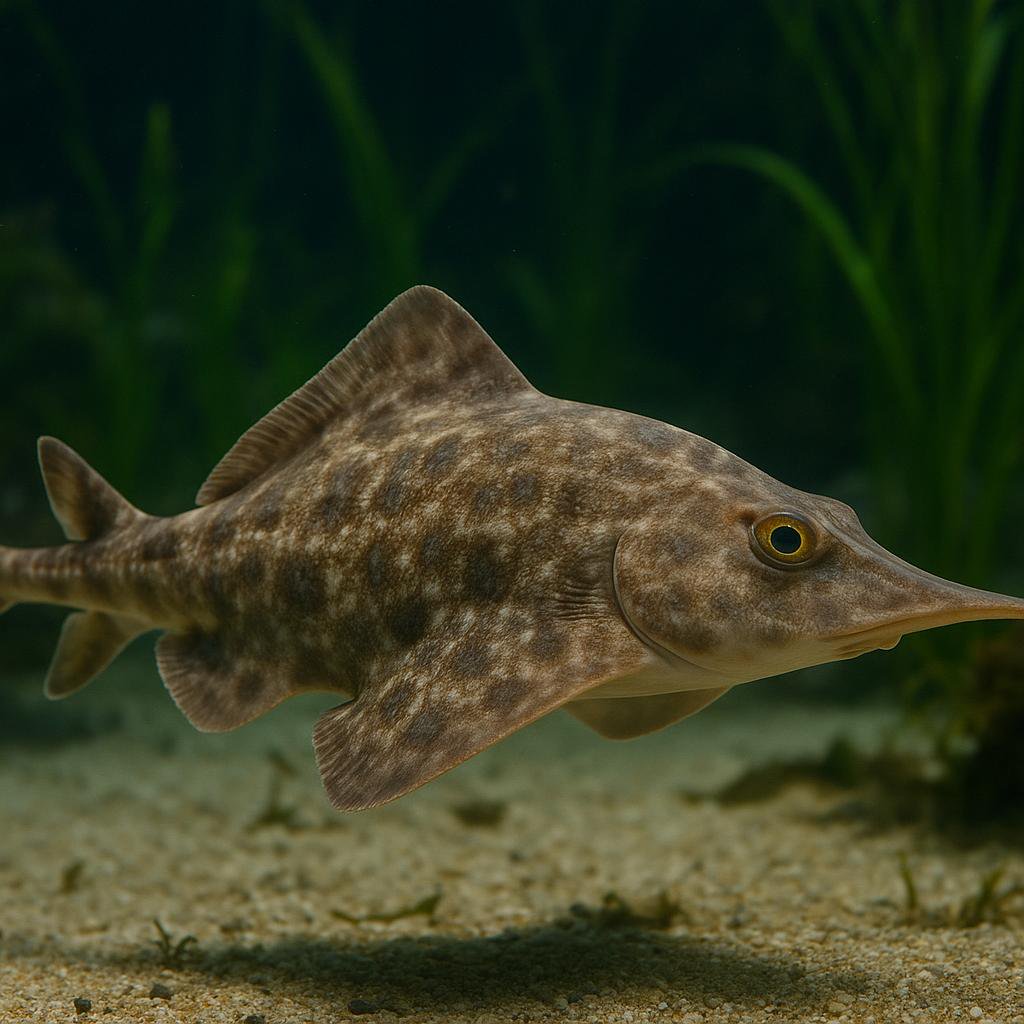
Aleutian skate
Bathyraja aleutica
This is a big, cold-water deep-slope skate from the North Pacific that cruises muddy bottoms and eats chunky benthic prey like crabs and shrimp. The really cool bit is its egg-laying skate life - it does distinct pairing (the classic skate "embrace") and drops those tough egg cases on the seafloor. Not an aquarium fish at all unless you're basically running a public-aquarium-style chilled system.
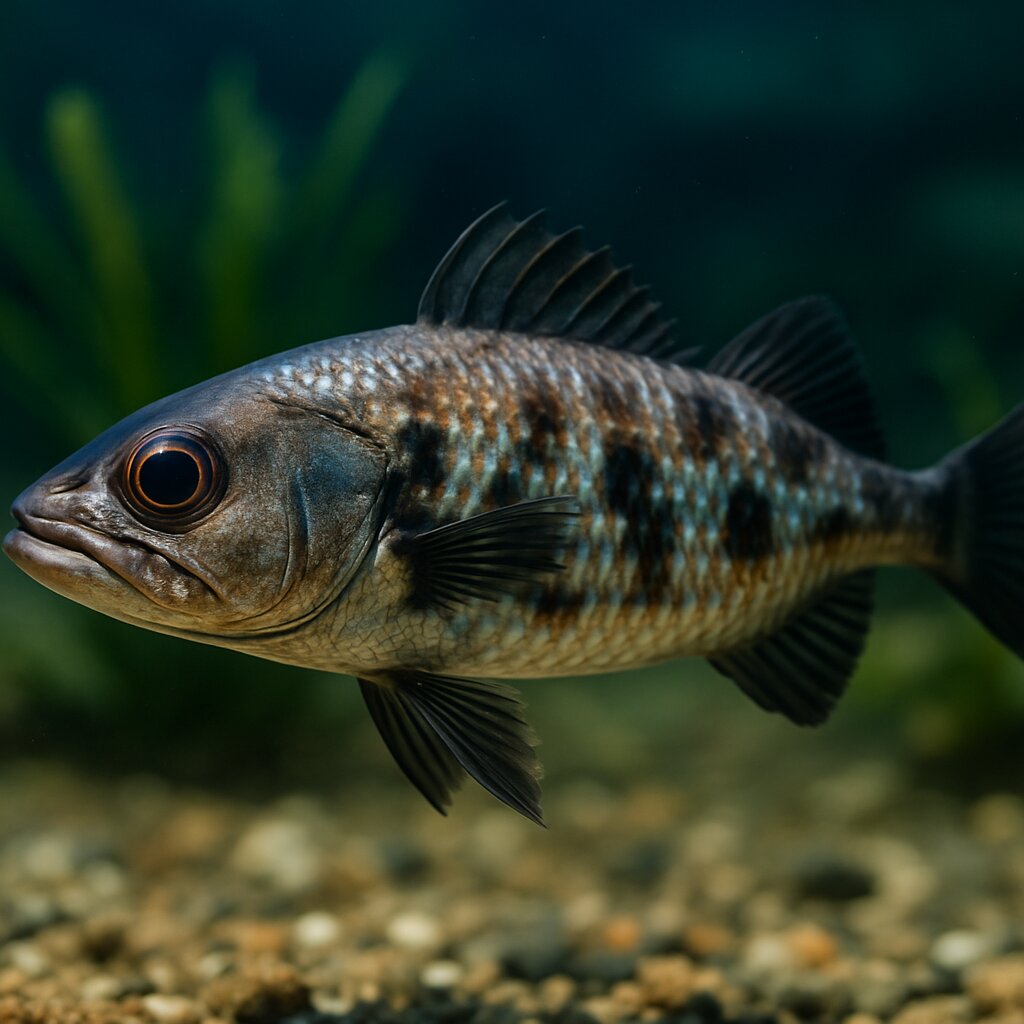
Antarctic dragonfish
Vomeridens infuscipinnis
Deep down around Antarctica, this sleek dragonfish cruises the water column like a little submarine, nearly neutrally buoyant so it can hover above the seafloor. It munches almost exclusively on Antarctic krill and lives in near-freezing water 500-800 m down, so it is a cool species to read about, not one for home tanks.
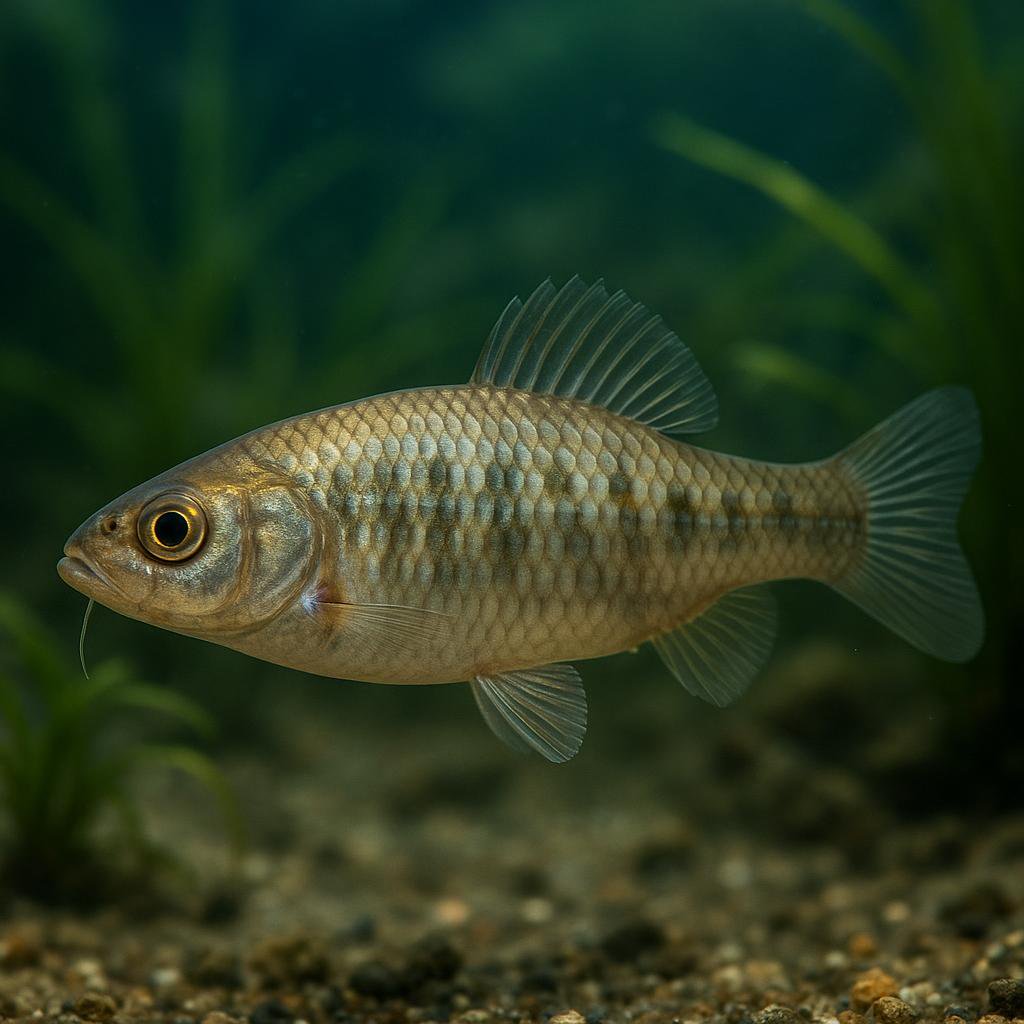
Arabian spiny eel
Notacanthus indicus
Notacanthus indicus is a deep-sea spiny eel (family Notacanthidae; not a true eel) known from the Arabian Sea on the continental slope at roughly ~960–1,046 m depth, with reported maximum length around 20 cm TL; it is a deep-water bycatch species and not established in the aquarium trade.
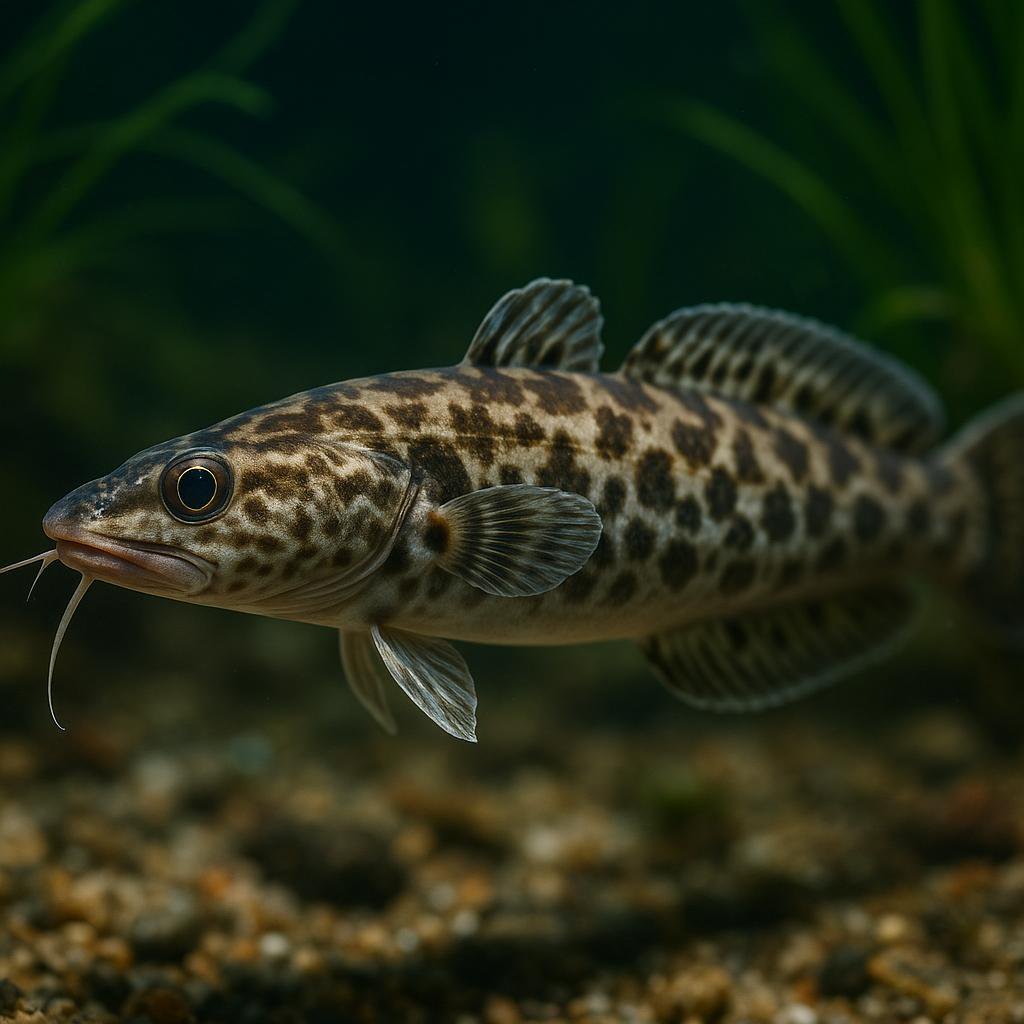
Arctic rockling
Gaidropsarus argentatus
This is a deepwater North Atlantic rockling (a cod relative) that hangs out on soft bottoms way down the slope. It is a cold-water, bottom-hugging predator that snoots around for crustaceans and will also take small fish when it gets the chance.
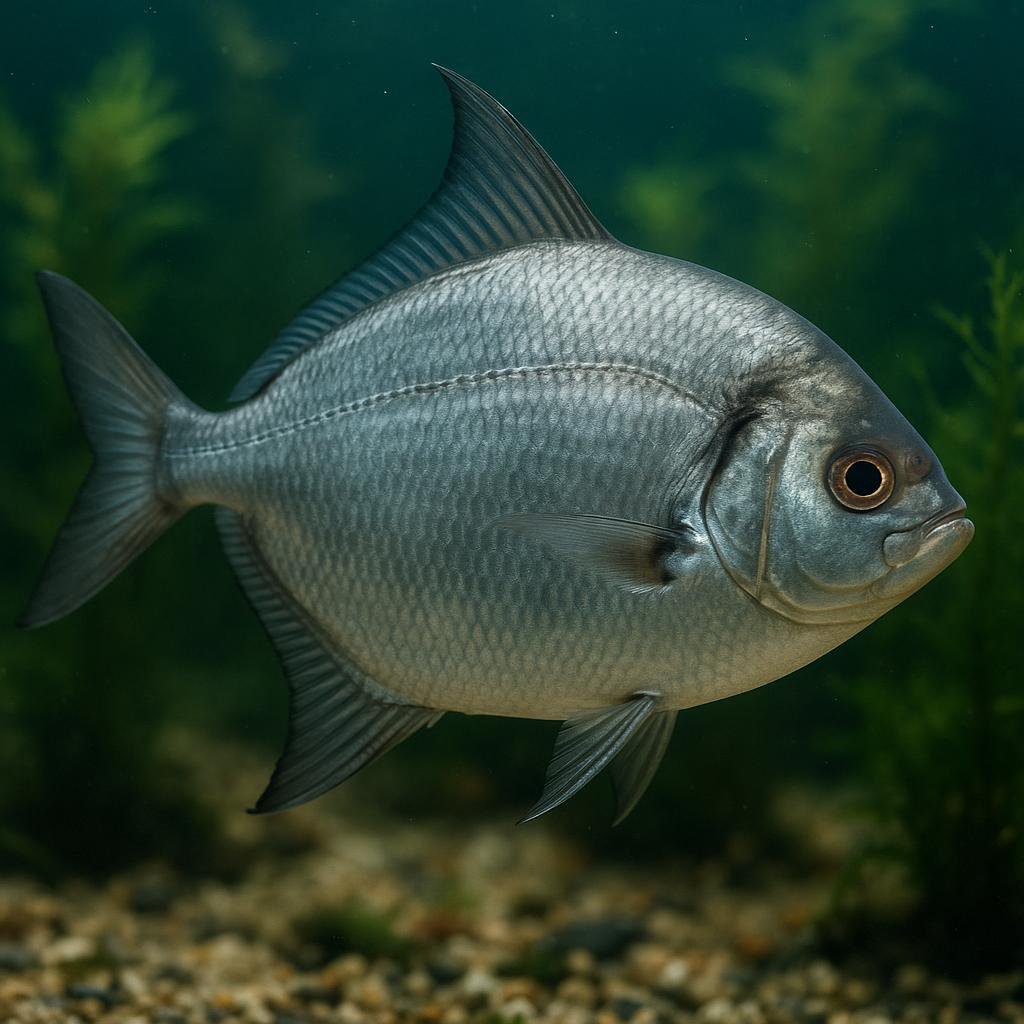
Atlantic pomfret
Brama brama
Brama brama is the Atlantic pomfret (aka Ray's bream) - a deep-bodied, open-ocean pelagic fish that cruises around in small schools and follows water temps. It is a legit big, wild marine species (not an aquarium fish) that eats other small sea critters like fish and squid, and it ranges across a huge chunk of the Atlantic plus parts of the Indian and South Pacific.
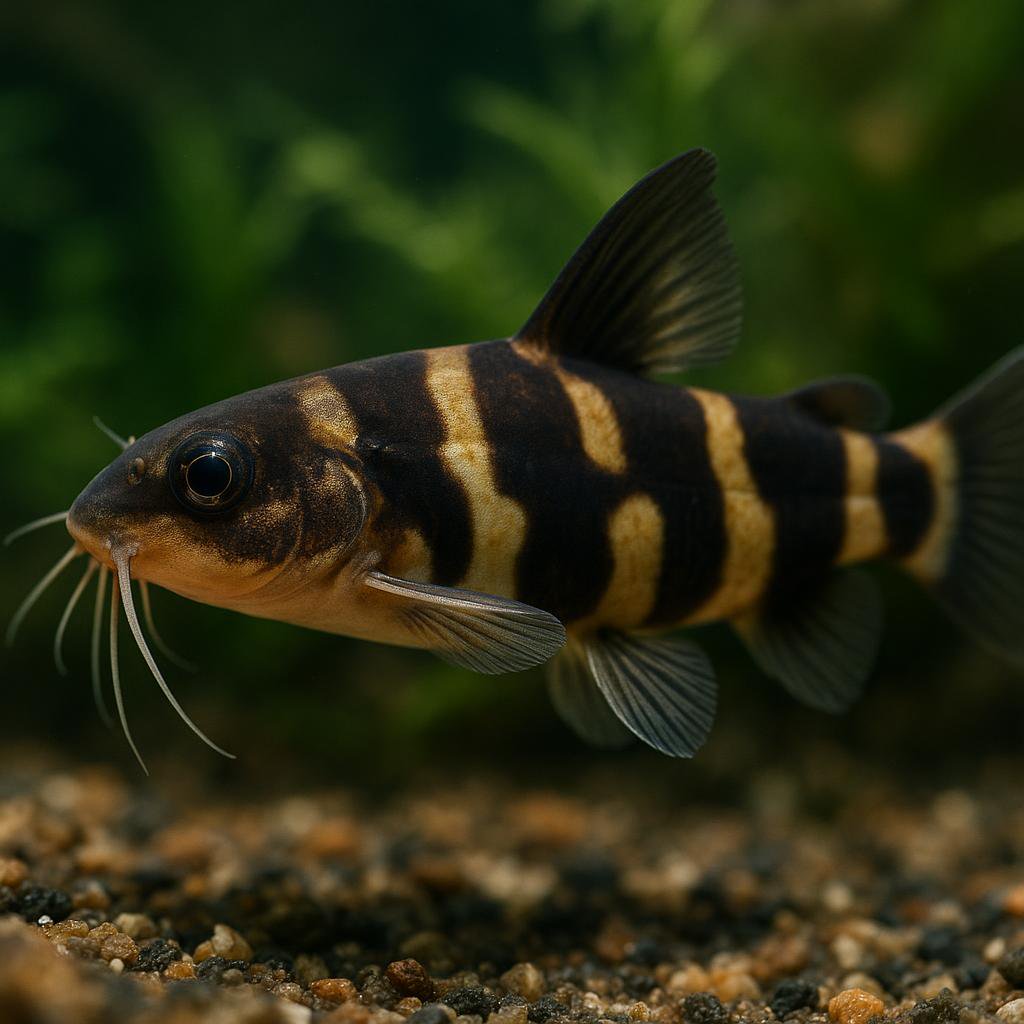
Australian sawtail catshark
Figaro boardmani
Figaro boardmani is a small, deepwater Australian catshark with these cool saw-like ridges of spiny denticles along the tail and a neat pattern of dark saddle bands. It lives way down on the outer continental shelf and slope, so its natural water is cold, dim, and stable - totally not a typical home-aquarium fish. Diet-wise its a predator that goes after fish, crustaceans, and cephalopods.
More to Explore
Discover more marine species.
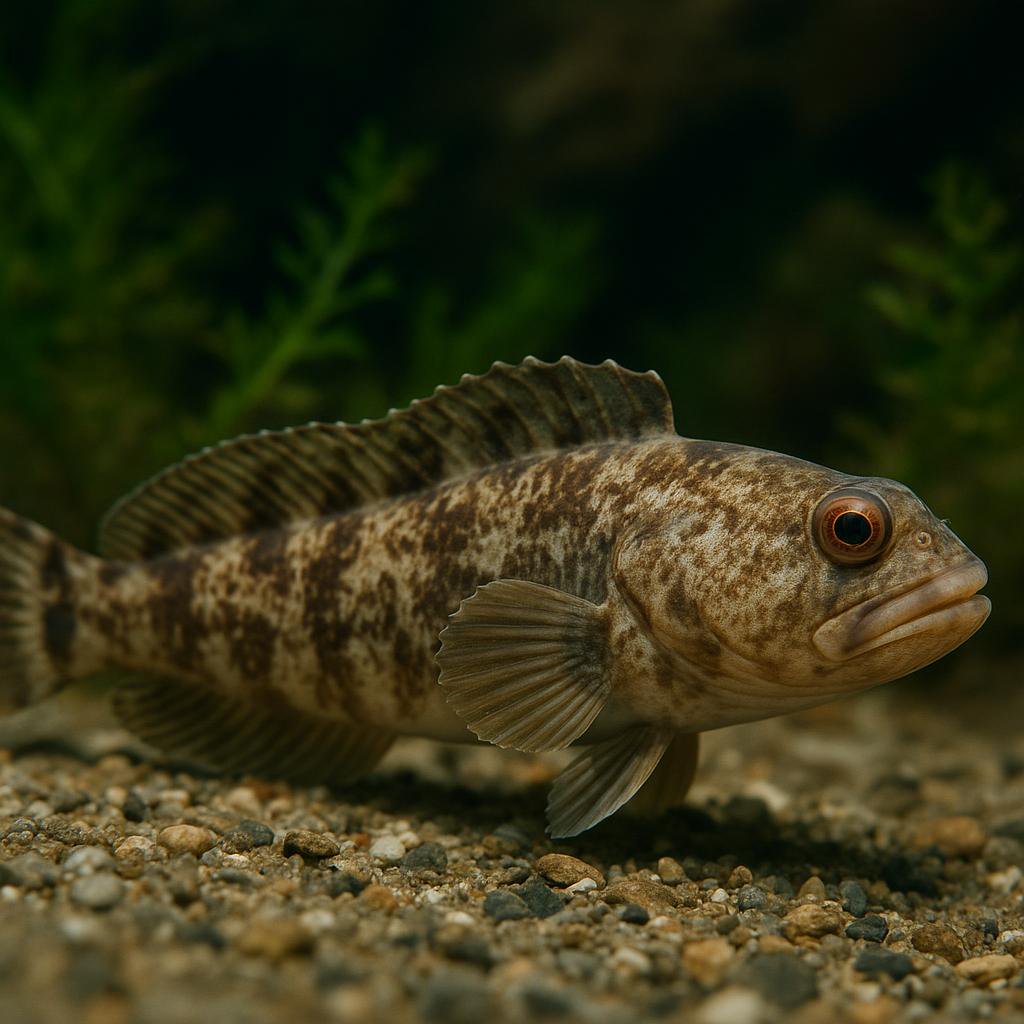
Abe's eelpout
Japonolycodes abei
Japonolycodes abei is a temperate, deepwater demersal eelpout (family Zoarcidae) endemic to Japan (Kumano-nada Sea reported; other sources also report Sagami Bay and Tosa Bay). It is the only species in the genus Japonolycodes and occurs roughly 40-300 m depth, making it an uncommon/atypical aquarium species.
Affinis blind cusk-eel
Barathronus affinis
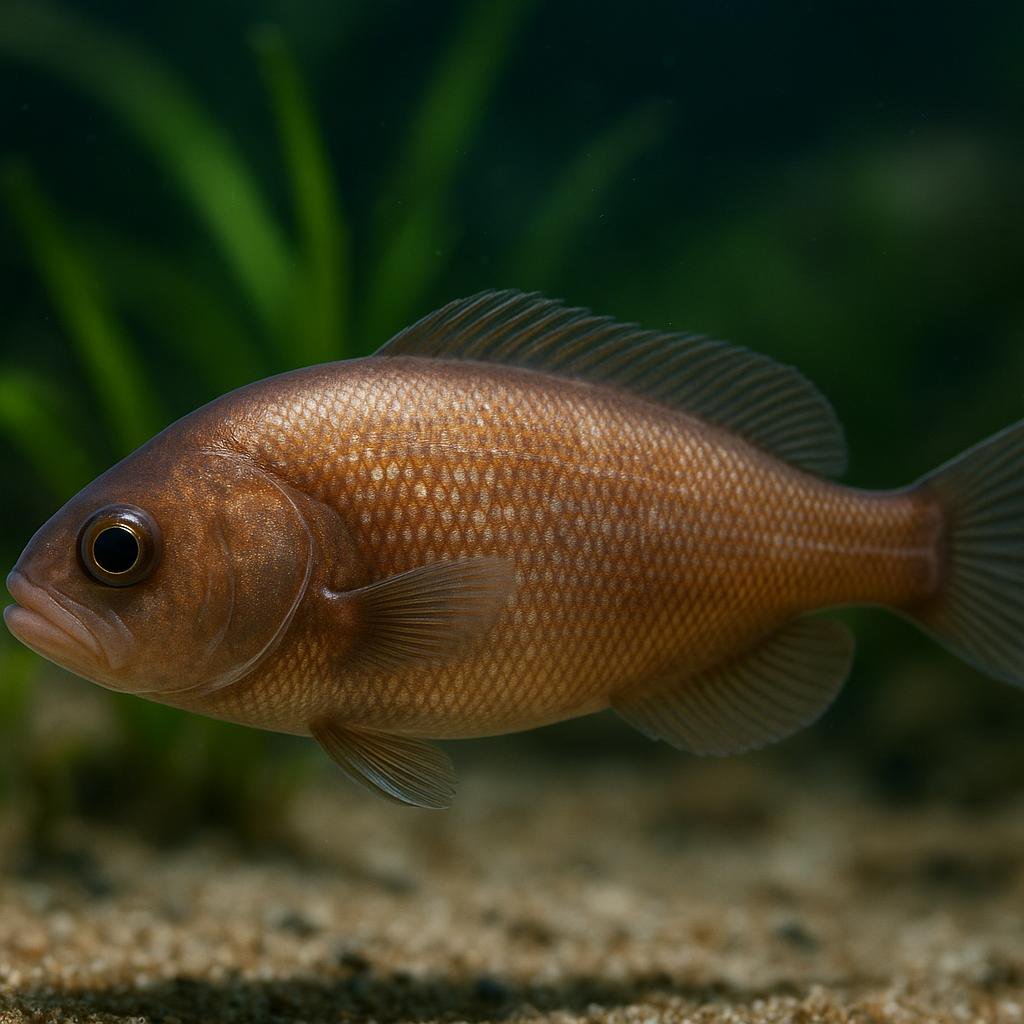
Barathronus affinis is a tiny, super-weird deep-sea blind cusk-eel from the western-central Indian Ocean. It is one of those gelatinous, loose-skinned brotula-type fishes that live way down in the dark and are basically never seen alive, so almost everything we know comes from preserved specimens and taxonomic work.
African red snapper
Lutjanus agennes
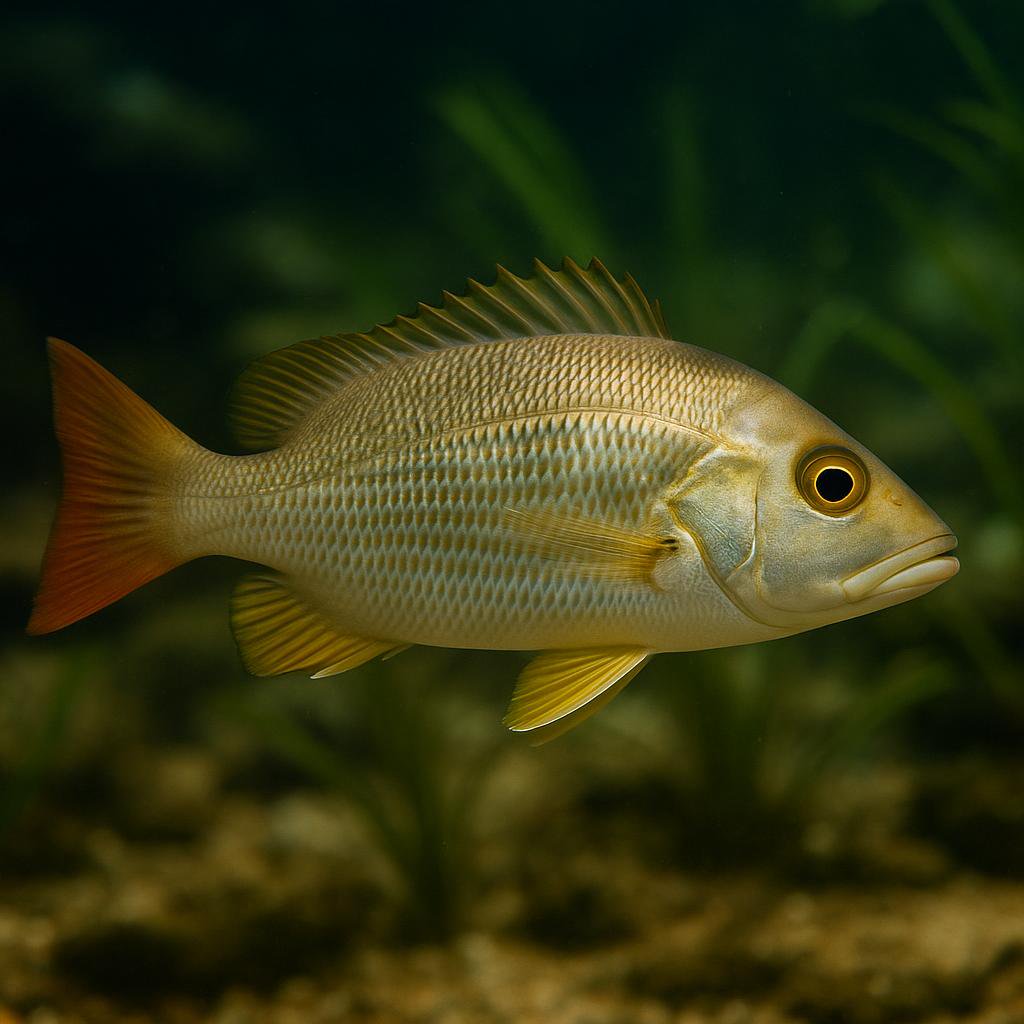
This is a true snapper from West Africa - a big, fast-growing predator that goes from coastal reefs to brackish lagoons and estuaries (especially as a juvenile). Super cool fish in the wild, but it gets absolutely huge and will eat smaller tankmates once it has the mouth for it, so its really more of a public-aquarium scale animal than a home-aquarium fish.
Allis shad
Alosa alosa
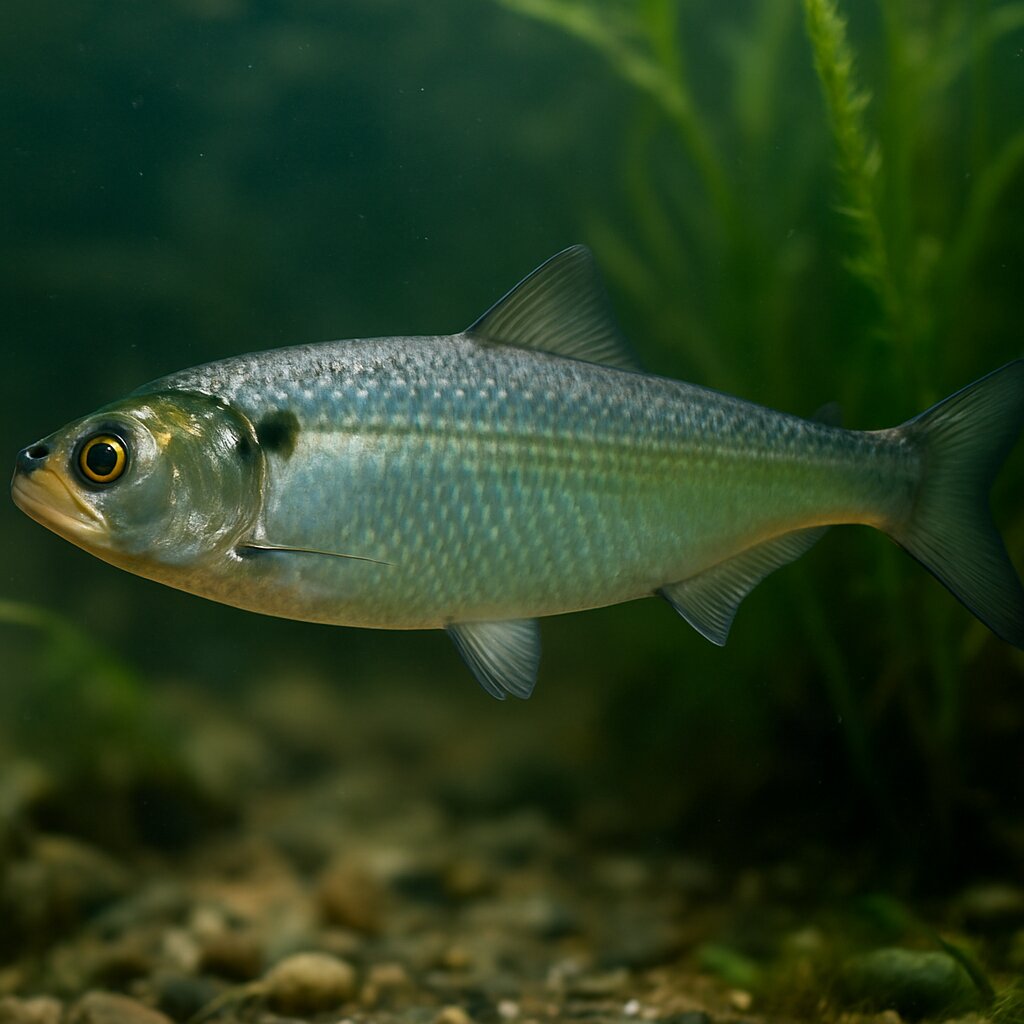
Gorgeous silver, fast-swimming shad that spends most of its life in the sea and then surges up big rivers in noisy, surface-spawning schools. It grows huge for a herring-type fish and needs cool, ultra-oxygenated water and tons of open space, so it is a public-aquarium species rather than a home tank fish.
Annandale's zebra sole
Zebrias annandalei
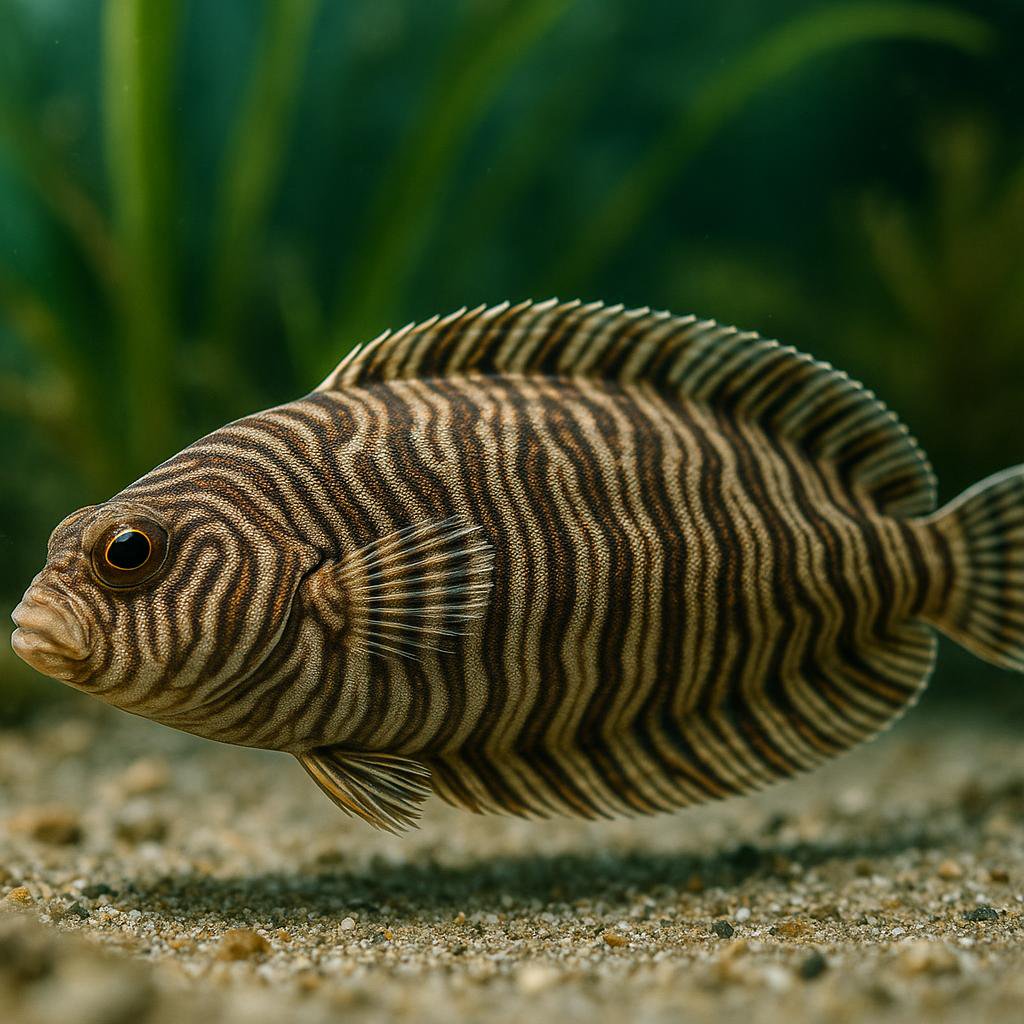
Zebrias annandalei is a small demersal sole from coastal India that inhabits sandy or muddy bottoms and buries for camouflage. It is rarely kept in home aquaria and would require a specialized marine sand-bottom setup and appropriate feeding.
Banded stargazer
Kathetostoma binigrasella
This is a New Zealand stargazer that lives half-buried in sand or mud with its eyes pointed up, waiting to rocket upward and nail passing prey. It has those neat dark saddle-bands across the back (especially as a juvenile), and like other stargazers it is venomous with spines near the gill cover/pectoral area - definitely a look-dont-touch fish.
Looking for other species?