

Pale spotfin croaker
Johnius carouna
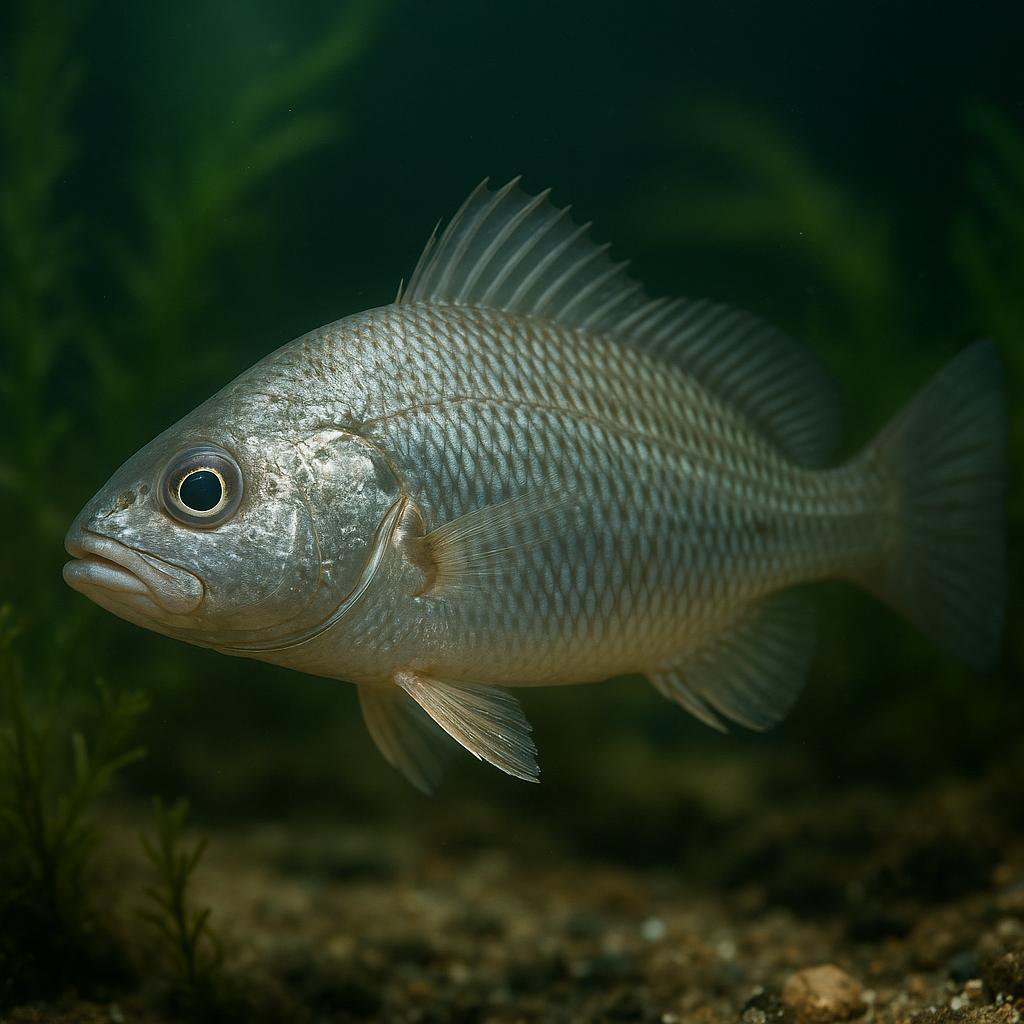
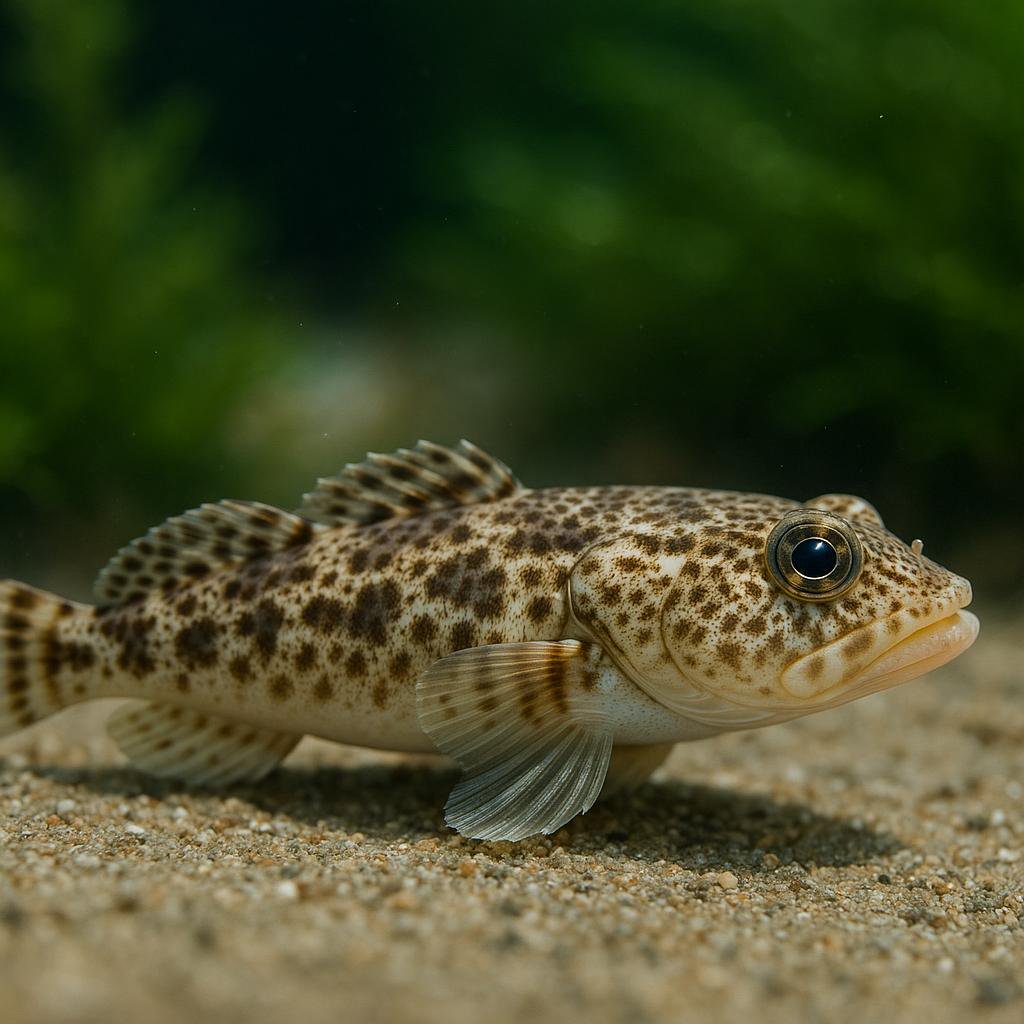
The Pale spotfin croaker features a silver body with faint blue spots and a long dorsal fin, typical of the Johnius genus.
This page includes AI-generated images. Why am I seeing AI images?
About the Pale spotfin croaker
Johnius glaucus (often treated as a synonym of Johnius carouna) is a small croaker of shallow, muddy coastal waters. FAO reports it from the coasts of India and Sri Lanka, east to the Andaman Islands and Singapore, and it is also reported from Pakistan. It is demersal (about 1–30 m), taken in coastal fisheries, and feeds on benthic worms, crustaceans, and small fishes—rarely, if ever, seen in the aquarium trade.
Also known as
Quick Facts
Size
30 cm
Temperament
Semi-aggressive
Difficulty
Expert
Min Tank Size
125 gallons
Lifespan
5-10 years
Origin
Coasts of India and Sri Lanka, east to the Andaman Islands and Singapore; reported from Pakistan.
Diet
Carnivore - benthic worms, small crustaceans, and small fishes
Water Parameters
22-28°C
7.8-8.4
8-20 dGH
Need a heater for this species?
This species needs 22-28°C in a 125 gallon tank. Use our heater calculator to find the right wattage.
Calculate heater sizeCare Notes
- Give it a big footprint tank, not a tall show tank - they cruise and spook fast, so think 4-6 ft long with lots of open sand and a few rock piles for breaks in line-of-sight.
- Fine sand matters: they root around and can scrape up on coarse gravel, and a bare bottom makes them stressy and skittish.
- Keep marine salinity steady around 1.023-1.026 and don't let pH slide (8.0-8.4 is the comfort zone); they get twitchy fast when salinity swings from top-offs.
- These croakers are pigs but picky: start with thawed shrimp, squid, clam, and silversides, then work in quality marine pellets once they are bold; feed smaller portions 1-2x daily so you don't nuke the water.
- Plan for a heavy bio-load - strong skimming and serious flow help, and use tight lids because they can launch when startled.
- Tankmates: avoid tiny fish and shrimp (they will become snacks) and avoid fin-nippy triggers; do best with similarly sized, not-too-aggressive marine fish that won't outcompete them at feeding time.
- Watch for mouth and barbel scrapes plus bacterial issues after rough shipping or netting - use soft nets or a container, and quarantine because they can come in with flukes/skin parasites.
- Breeding at home is basically a moonshot in typical hobby tanks - they are seasonal spawners and you would need a big group, space, and planktonic larval food to have any real chance.
Compatibility
Good Tankmates
- Only with similarly sized, robust, non-aggressive marine fishes in very large systems; species is not an established aquarium fish.
Avoid
- Small fishes and ornamental shrimp that fit in its mouth (predatory species known to take small fishes).
Where they come from
Pale spotfin croaker (Johnius glaucus) is a coastal Indo-West Pacific fish. Think muddy bays, estuaries, and nearshore areas where the water can swing from clear to silty and the bottom is sand or silt. They are a sciaenid (croaker/drum family), so a lot of their life is about cruising near the bottom and hunting by smell and vibration.
Most of the ones you see in the trade are wild-caught as bycatch. That matters because they often arrive skinny, stressed, and not used to prepared foods.
Setting up their tank
This is not a reef fish in the hobby sense. You can keep it in full marine, but set the tank up like a tough, fish-only brackish-coastal system: big footprint, open swimming room, and a bottom zone it can work without getting scraped up.
Go larger than you think. Croakers are active, get chunky, and they do that constant patrol along the bottom. If you cram them into a small tank they pace, spook, and slam into glass.
- Tank size: I would not bother under 125 gallons, and 180+ is where they start acting normal
- Footprint matters more than height: long and wide beats tall
- Substrate: fine sand is your friend (skip crushed coral - it can chew up their mouth)
- Flow: moderate, with calmer zones near the bottom so they can cruise without fighting a river
- Filtration: oversized skimmer plus real mechanical filtration (they are messy eaters)
- Lighting: not picky, but calmer fish under medium light with shaded areas
Secure lid. A startled croaker can launch. I have had them bounce a cover during night spooks, especially the first couple weeks.
Decor wise, keep it simple. A couple stout rock structures or PVC caves for a security zone, plus open sand to hunt. If you build a rock wall to the front glass, they will spend their whole life scraping along it.
They tolerate a range, but stability is what keeps them eating. Typical marine numbers work (1.020-1.025, 24-27 C), and they appreciate clean, oxygen-rich water. If your dissolved oxygen drops overnight, croakers are the kind of fish that will tell you first.
What to feed them
They are meaty, bottom-leaning predators. In my tanks they learn frozen pretty fast, but you have to get that first strong feeding response. New imports often ignore pellets for a while.
- Best staples: chopped shrimp, squid, clam, mussel, and quality marine fish flesh
- Frozen that usually works: mysis (for smaller ones), krill (sparingly), chopped seafood blends
- Live foods to kickstart eating: grass shrimp/ghost shrimp, small mollies acclimated to salt (as a temporary tool, not a long-term diet)
If yours is shy, feed after lights dim and use a feeding stick or tongs to put food right on the sand near it. Once it gets the idea, it will start cruising as soon as it sees you.
Avoid leaning on feeder goldfish or freshwater feeders. Besides the parasite risk, the fatty acid profile is wrong for marine predators and you end up with a croaker that looks full but wastes away over time.
They are not delicate nibblers. Expect big bites, torn food, and lots of leftovers if you overdo it. I feed smaller portions more often, then siphon junk off the sand before it rots.
How they behave and who they get along with
Pale spotfin croakers are confident once settled, but they spook easily during the first weeks. After that, mine became steady patrol fish: slow cruising, sudden lunges at food, and a lot of hanging near the bottom.
They will eat anything they can fit in their mouth. That is the main compatibility rule. If it is small and shares the bottom, assume it is on the menu sooner or later.
- Good tankmates: other robust marine fish of similar size that can handle messy feeding (bigger angels, larger wrasses, bigger damsels, some tangs)
- Avoid: tiny gobies/blennies, small crustaceans, ornamental shrimp, small fish that sleep on the sand
- Bottom competition: watch other bottom hunters (large hawkfish, big triggers) so the croaker is not bullied off food
If you want a clean-up crew, think like a predator tank: tough snails sometimes work, but most crabs and shrimp will eventually become expensive snacks.
Aggression is usually not the issue. They are more about mouth size than attitude. The real stress comes from hyper fish that constantly harass them, or from tanks with nowhere to retreat.
Breeding tips
In home aquariums, breeding Johnius croakers is basically a long shot. In the wild they spawn in groups and the larvae are tiny, planktonic, and fussy. Even if a pair spawned, raising the fry would be a whole separate culture system with live plankton foods and tight timing.
If you hear clicking or croaking sounds at night, that is normal sciaenid behavior. It does not mean spawning is happening, but it is a good sign the fish is settled.
Common problems to watch for
Most problems with this species come down to stress from shipping, not eating early on, and water quality slipping because of heavy feeding.
- Refusing food: very common at first - offer smelly meaty foods, feed at dusk, reduce traffic around the tank
- Skin and fin damage: usually from panic dashes into rockwork or abrasive substrate
- Crypt/velvet: wild-caught marine predators get hit hard - quarantine is worth the hassle here
- Bloat/constipation: from oversized meals or too much dry food too fast
- Head and lateral line pitting: can show up in fish-only systems with poor diet variety or chronic water issues
Do not skip quarantine. A croaker that brings in velvet can crash a tank fast, and they do not handle low oxygen during treatment well. Plan extra aeration and surface agitation if you ever have to medicate.
One practical habit that saved me headaches: siphon the sand after feeding days and keep mechanical filtration fresh. Croakers are pigs, and old food hidden in the substrate will punish you with nitrates and that sour, dirty-water smell.
Similar Species
Other marine semi-aggressive species you might be interested in.
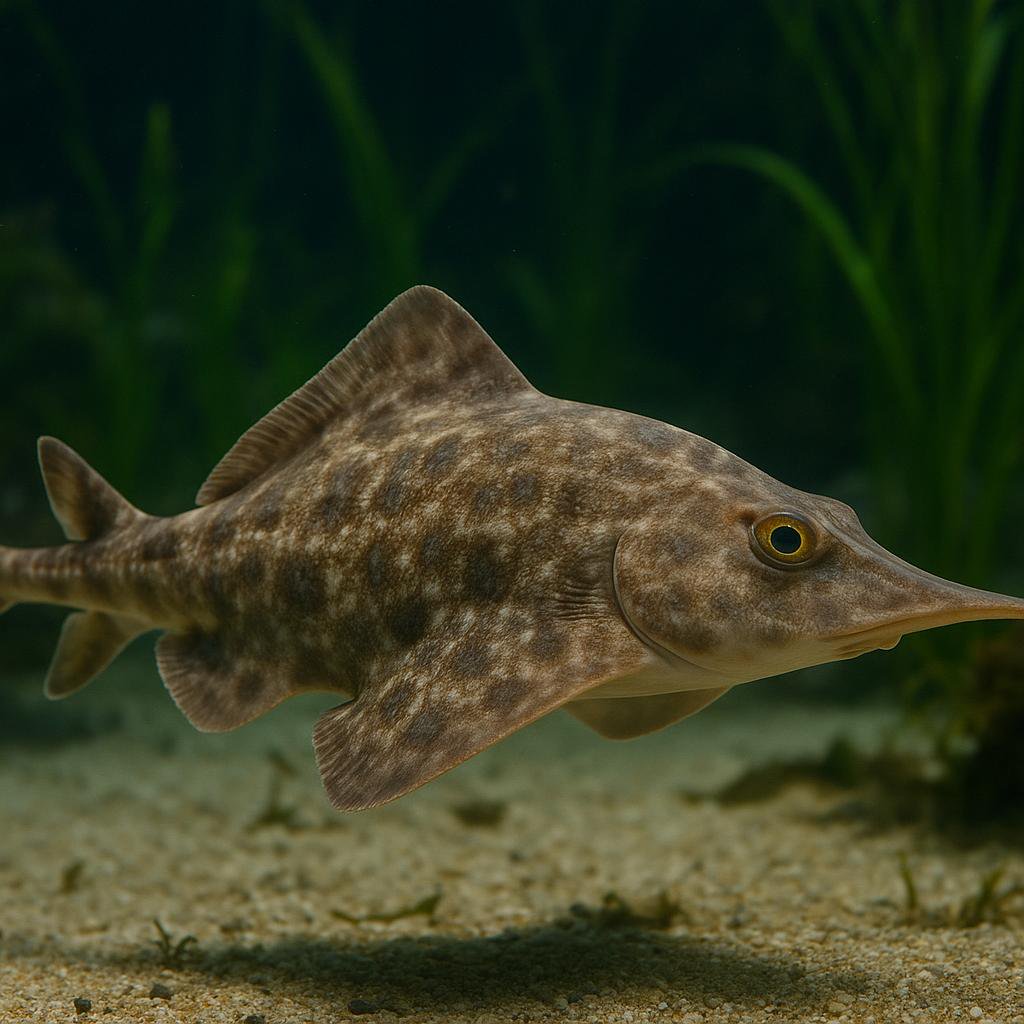
Aleutian skate
Bathyraja aleutica
This is a big, cold-water deep-slope skate from the North Pacific that cruises muddy bottoms and eats chunky benthic prey like crabs and shrimp. The really cool bit is its egg-laying skate life - it does distinct pairing (the classic skate "embrace") and drops those tough egg cases on the seafloor. Not an aquarium fish at all unless you're basically running a public-aquarium-style chilled system.
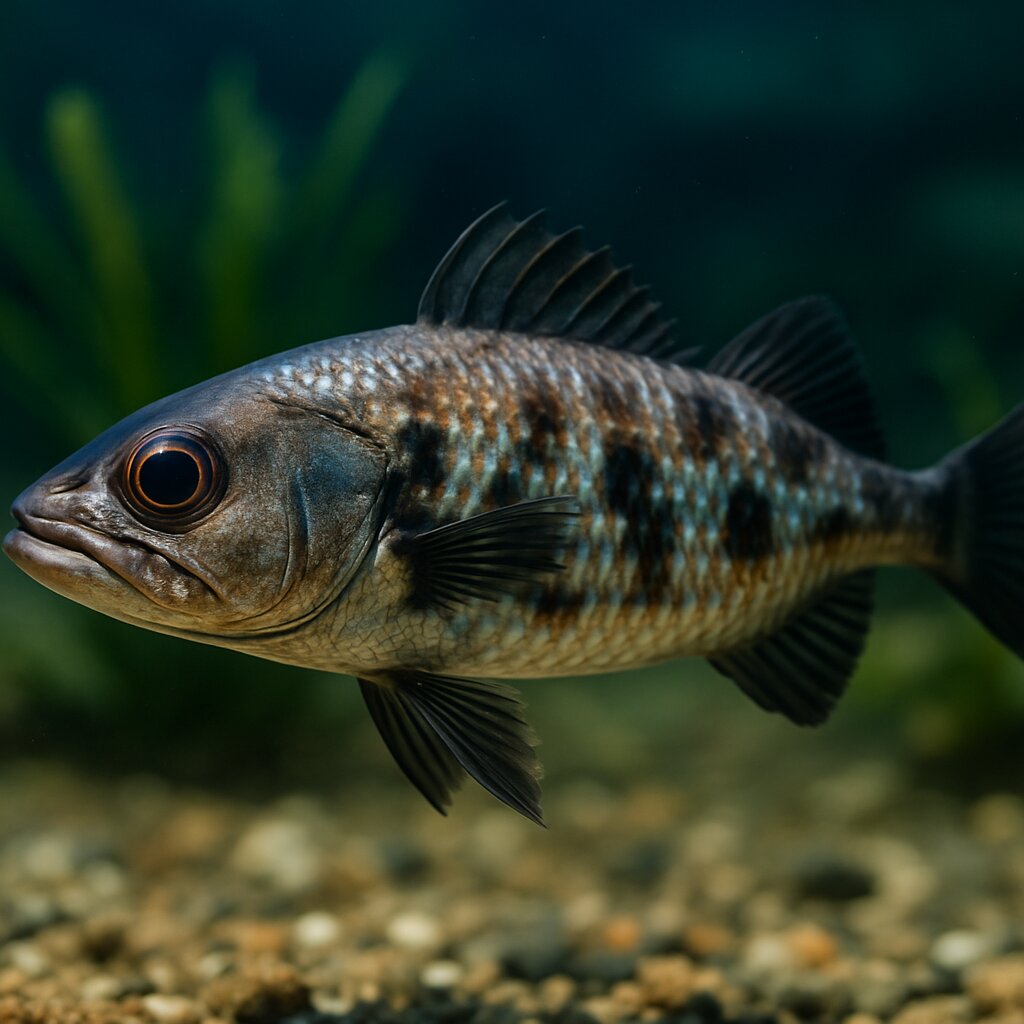
Antarctic dragonfish
Vomeridens infuscipinnis
Deep down around Antarctica, this sleek dragonfish cruises the water column like a little submarine, nearly neutrally buoyant so it can hover above the seafloor. It munches almost exclusively on Antarctic krill and lives in near-freezing water 500-800 m down, so it is a cool species to read about, not one for home tanks.
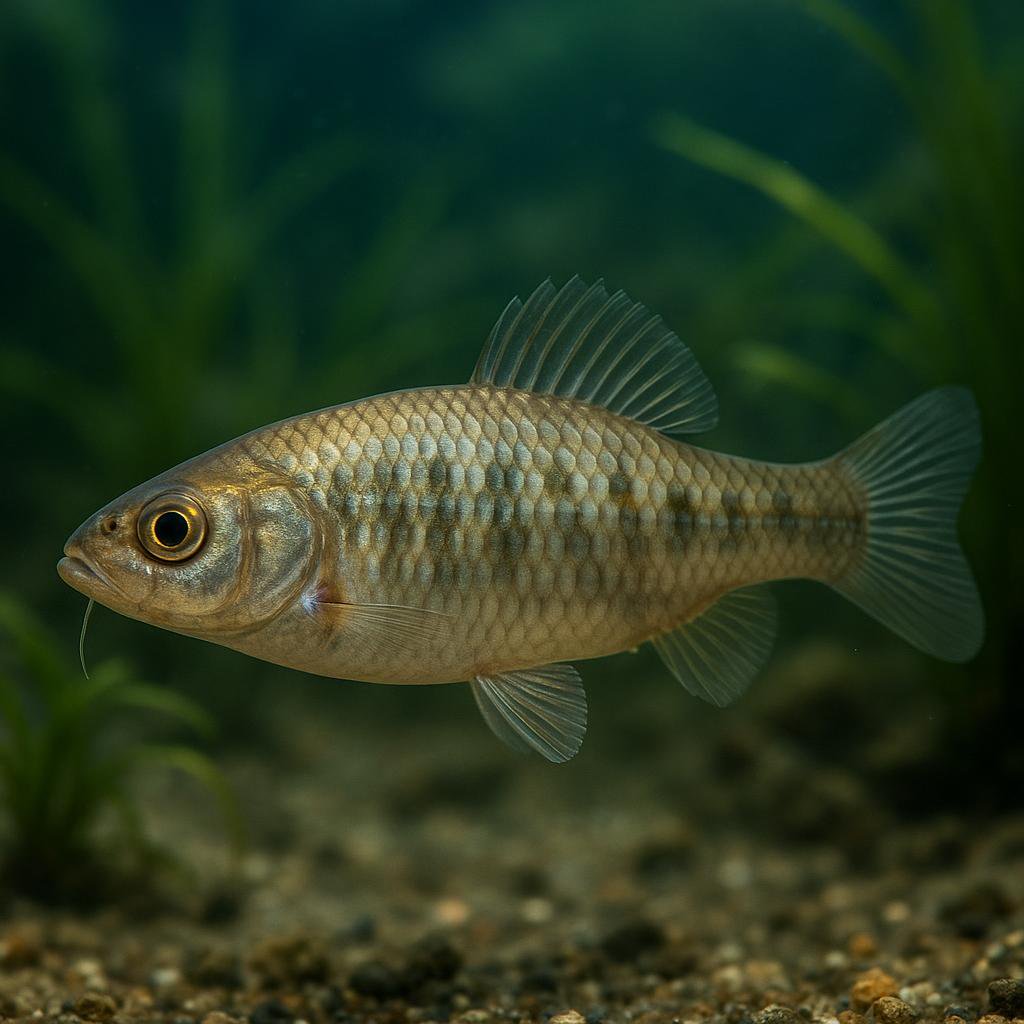
Arabian spiny eel
Notacanthus indicus
Notacanthus indicus is a deep-sea spiny eel (family Notacanthidae; not a true eel) known from the Arabian Sea on the continental slope at roughly ~960–1,046 m depth, with reported maximum length around 20 cm TL; it is a deep-water bycatch species and not established in the aquarium trade.
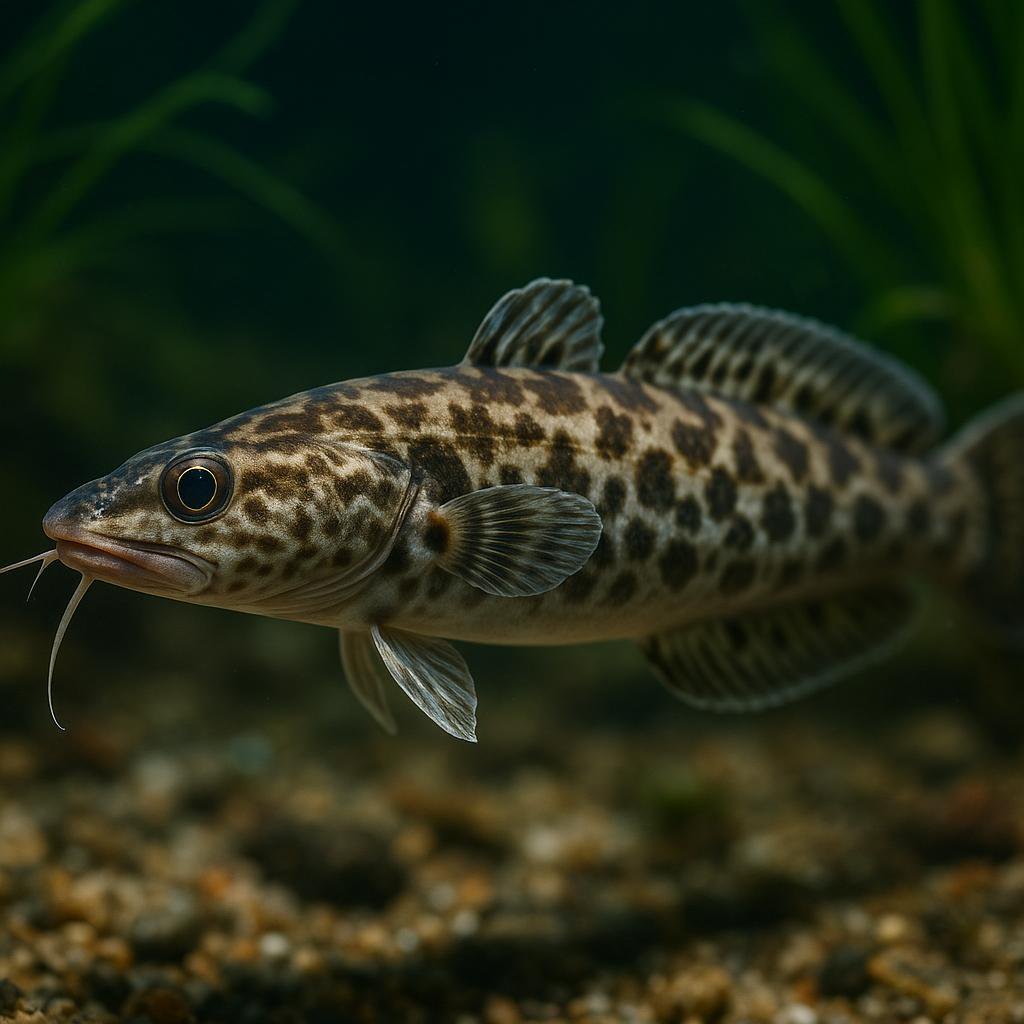
Arctic rockling
Gaidropsarus argentatus
This is a deepwater North Atlantic rockling (a cod relative) that hangs out on soft bottoms way down the slope. It is a cold-water, bottom-hugging predator that snoots around for crustaceans and will also take small fish when it gets the chance.
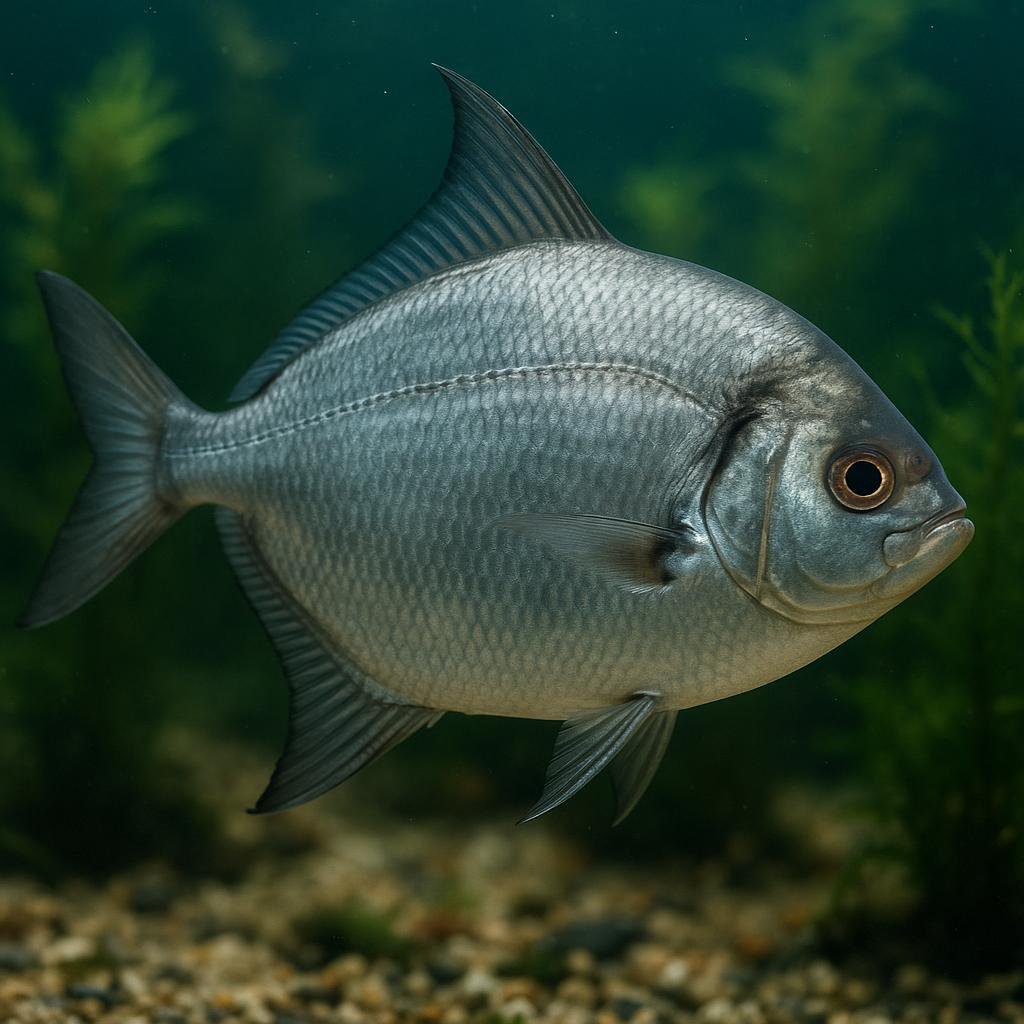
Atlantic pomfret
Brama brama
Brama brama is the Atlantic pomfret (aka Ray's bream) - a deep-bodied, open-ocean pelagic fish that cruises around in small schools and follows water temps. It is a legit big, wild marine species (not an aquarium fish) that eats other small sea critters like fish and squid, and it ranges across a huge chunk of the Atlantic plus parts of the Indian and South Pacific.
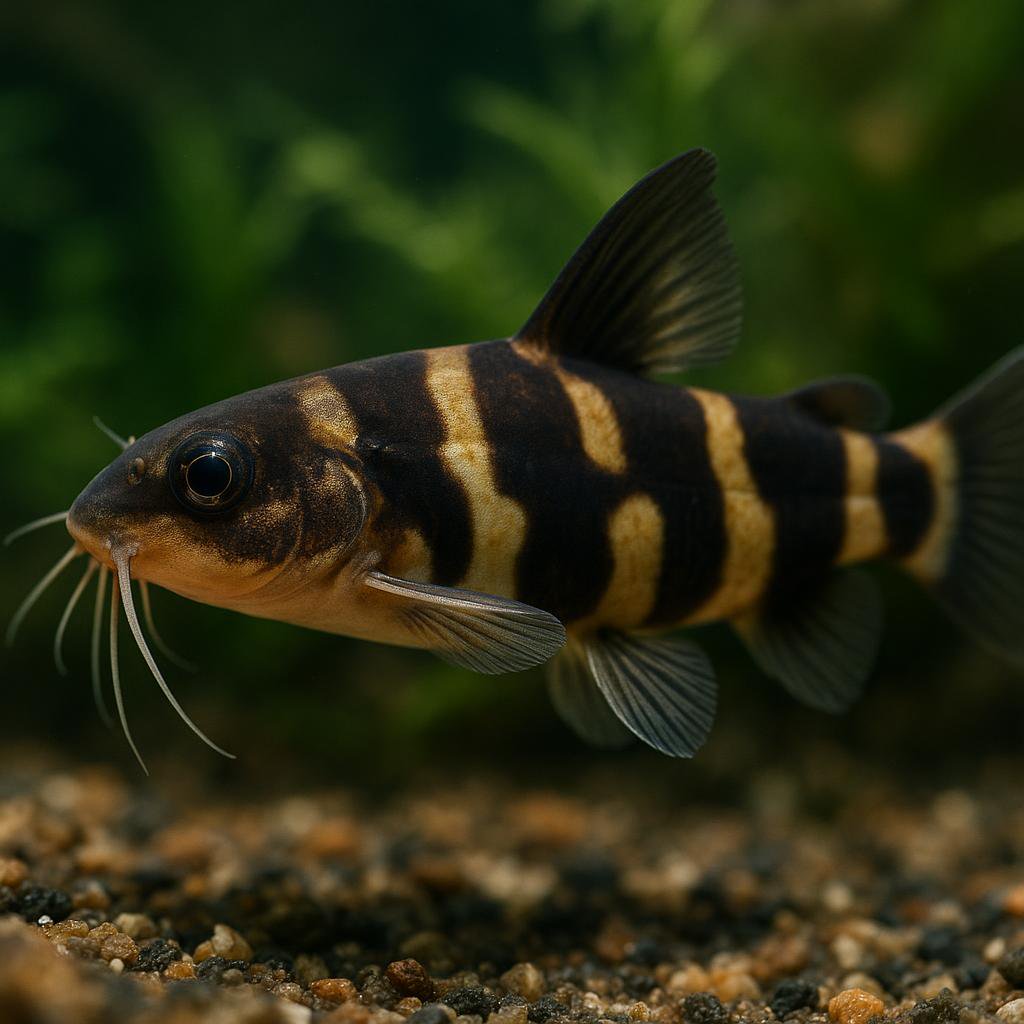
Australian sawtail catshark
Figaro boardmani
Figaro boardmani is a small, deepwater Australian catshark with these cool saw-like ridges of spiny denticles along the tail and a neat pattern of dark saddle bands. It lives way down on the outer continental shelf and slope, so its natural water is cold, dim, and stable - totally not a typical home-aquarium fish. Diet-wise its a predator that goes after fish, crustaceans, and cephalopods.
More to Explore
Discover more marine species.
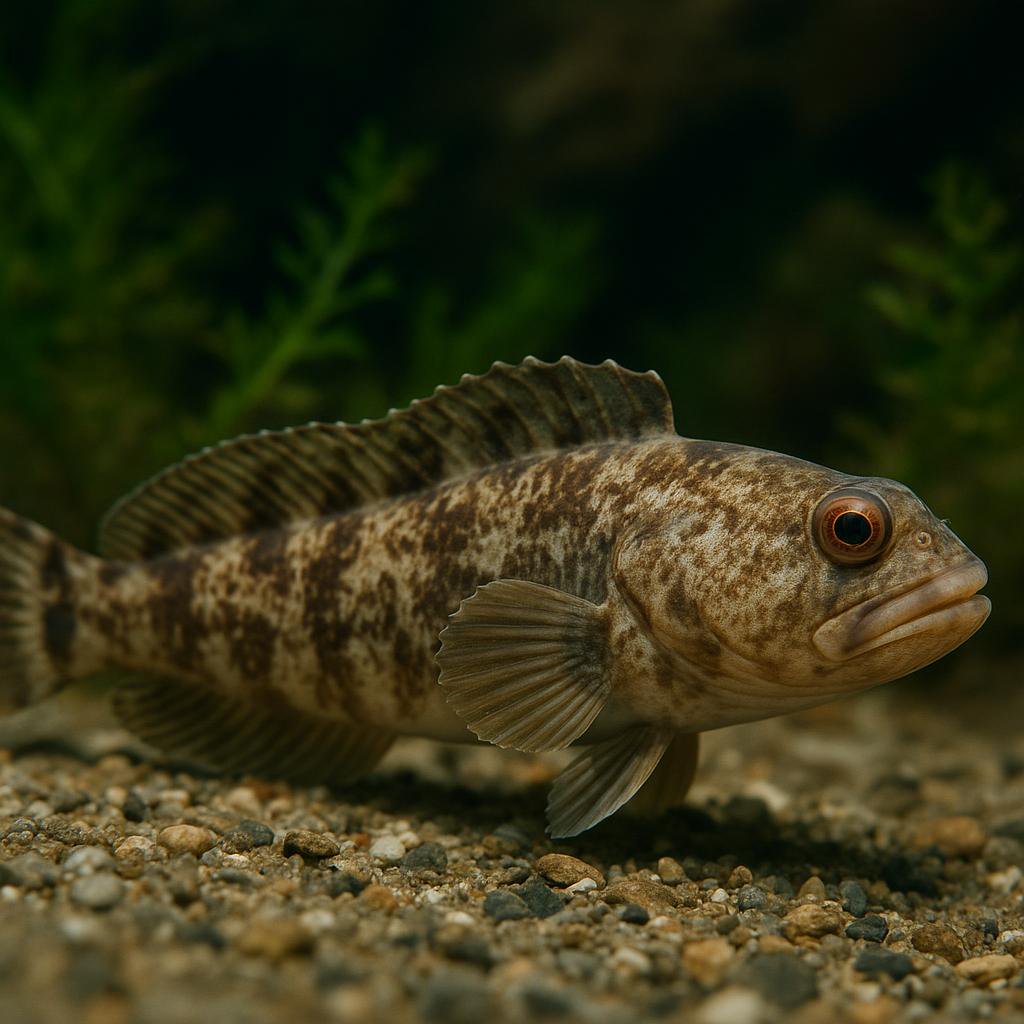
Abe's eelpout
Japonolycodes abei
Japonolycodes abei is a temperate, deepwater demersal eelpout (family Zoarcidae) endemic to Japan (Kumano-nada Sea reported; other sources also report Sagami Bay and Tosa Bay). It is the only species in the genus Japonolycodes and occurs roughly 40-300 m depth, making it an uncommon/atypical aquarium species.
Affinis blind cusk-eel
Barathronus affinis
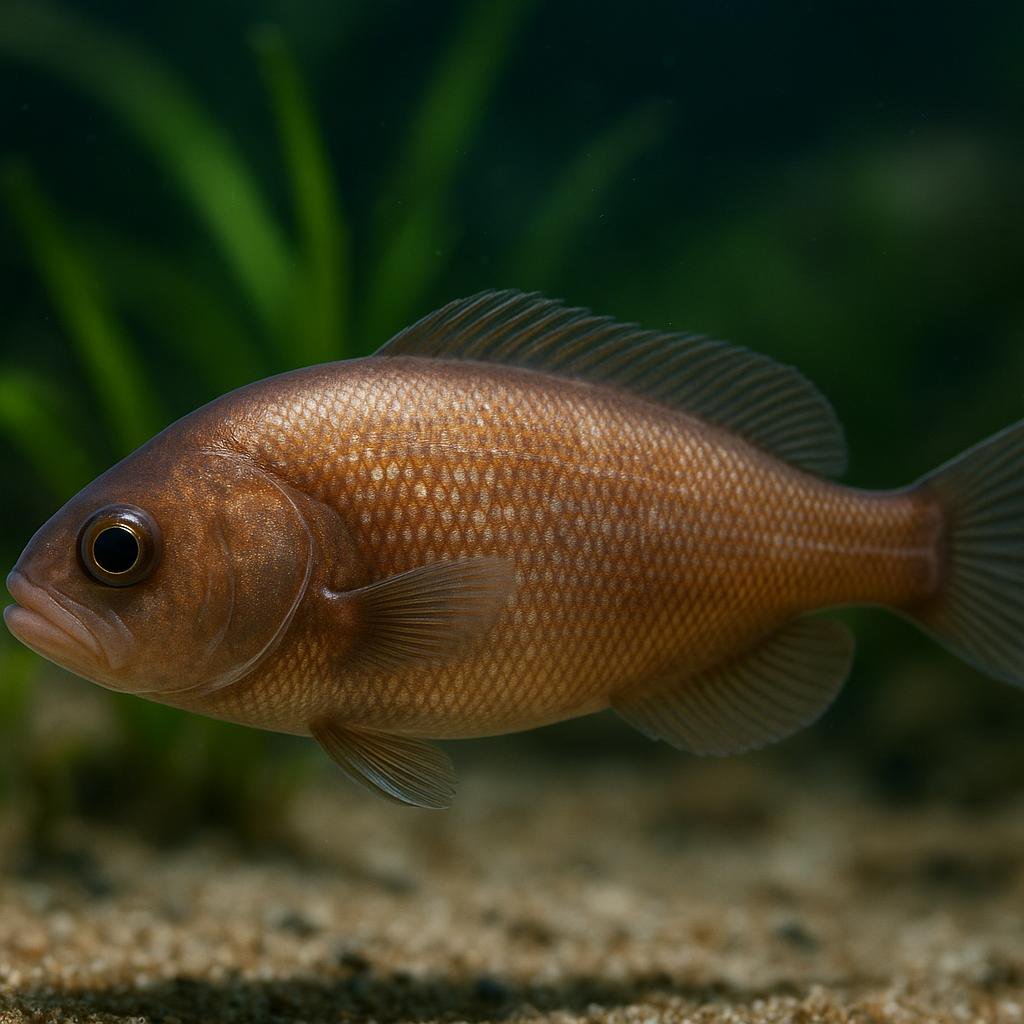
Barathronus affinis is a tiny, super-weird deep-sea blind cusk-eel from the western-central Indian Ocean. It is one of those gelatinous, loose-skinned brotula-type fishes that live way down in the dark and are basically never seen alive, so almost everything we know comes from preserved specimens and taxonomic work.
African red snapper
Lutjanus agennes
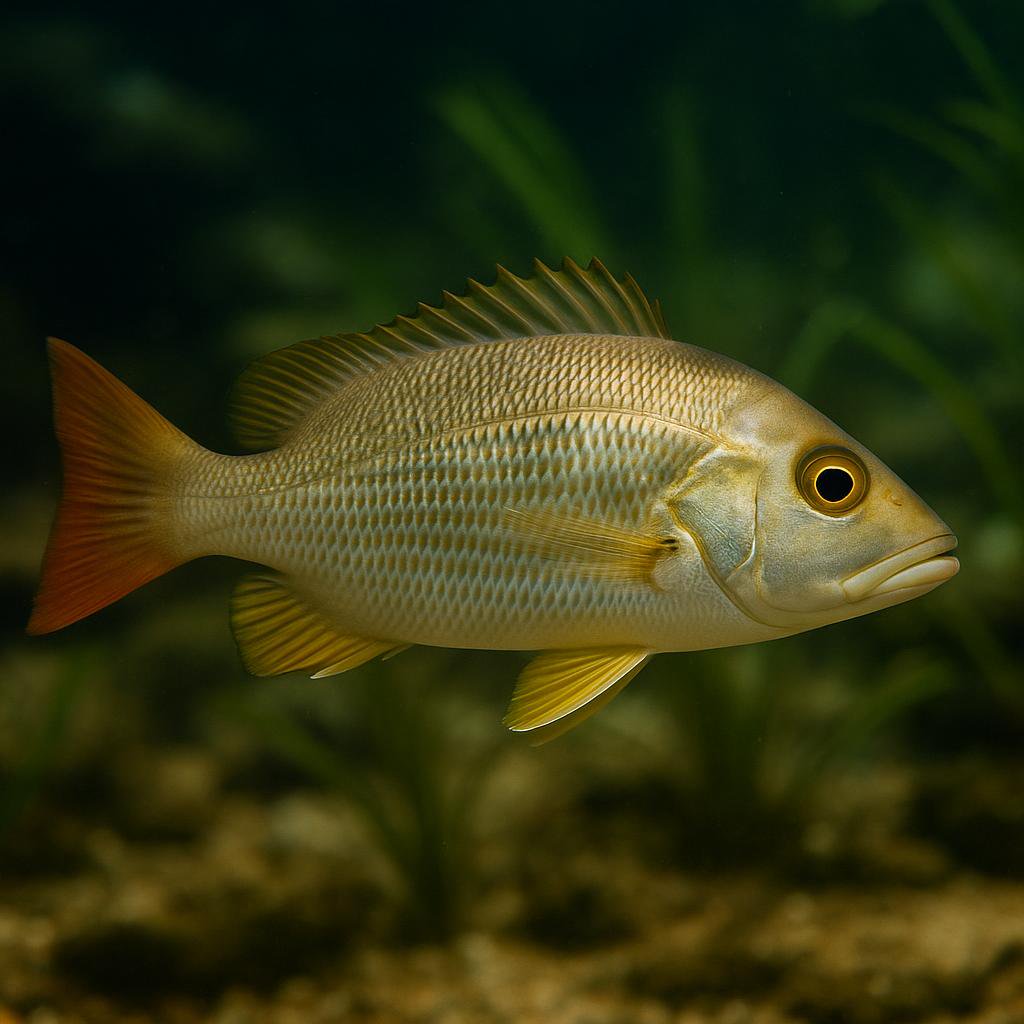
This is a true snapper from West Africa - a big, fast-growing predator that goes from coastal reefs to brackish lagoons and estuaries (especially as a juvenile). Super cool fish in the wild, but it gets absolutely huge and will eat smaller tankmates once it has the mouth for it, so its really more of a public-aquarium scale animal than a home-aquarium fish.
Allis shad
Alosa alosa
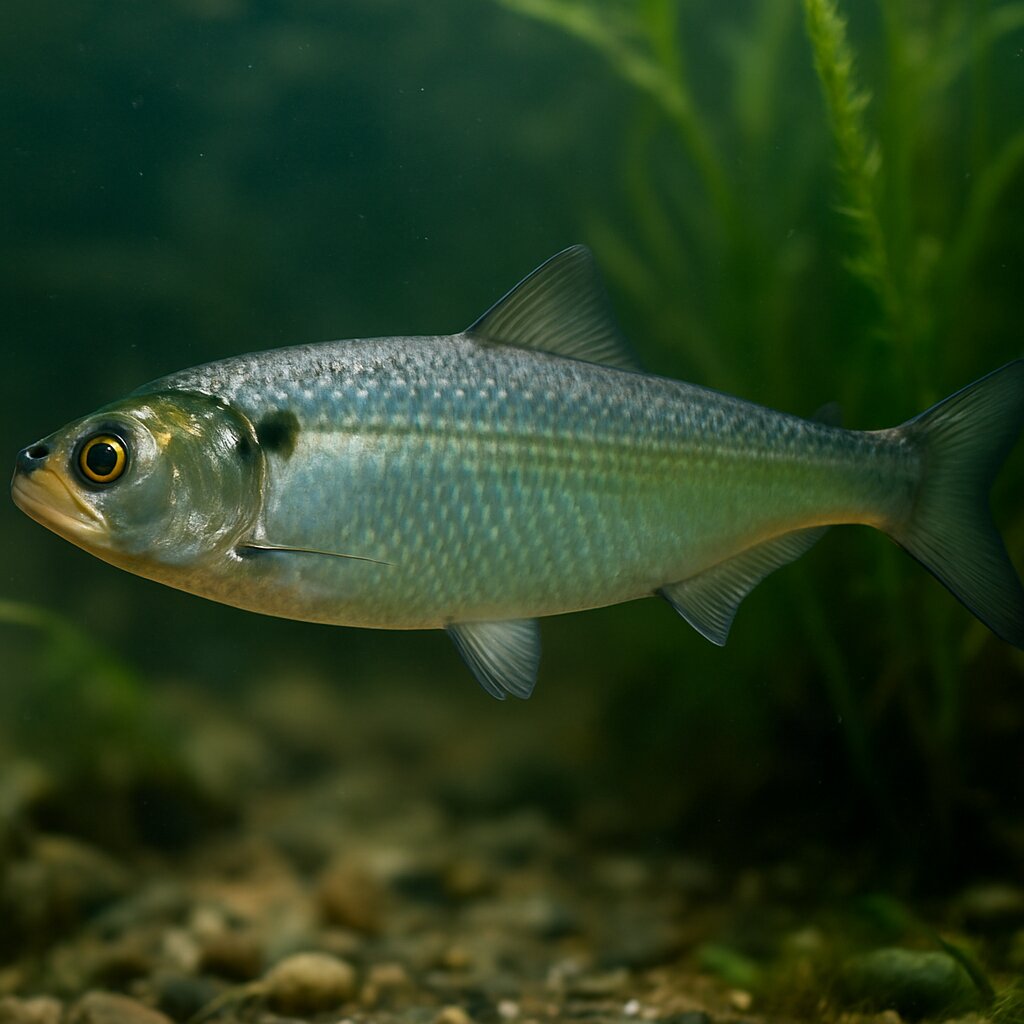
Gorgeous silver, fast-swimming shad that spends most of its life in the sea and then surges up big rivers in noisy, surface-spawning schools. It grows huge for a herring-type fish and needs cool, ultra-oxygenated water and tons of open space, so it is a public-aquarium species rather than a home tank fish.
Annandale's zebra sole
Zebrias annandalei
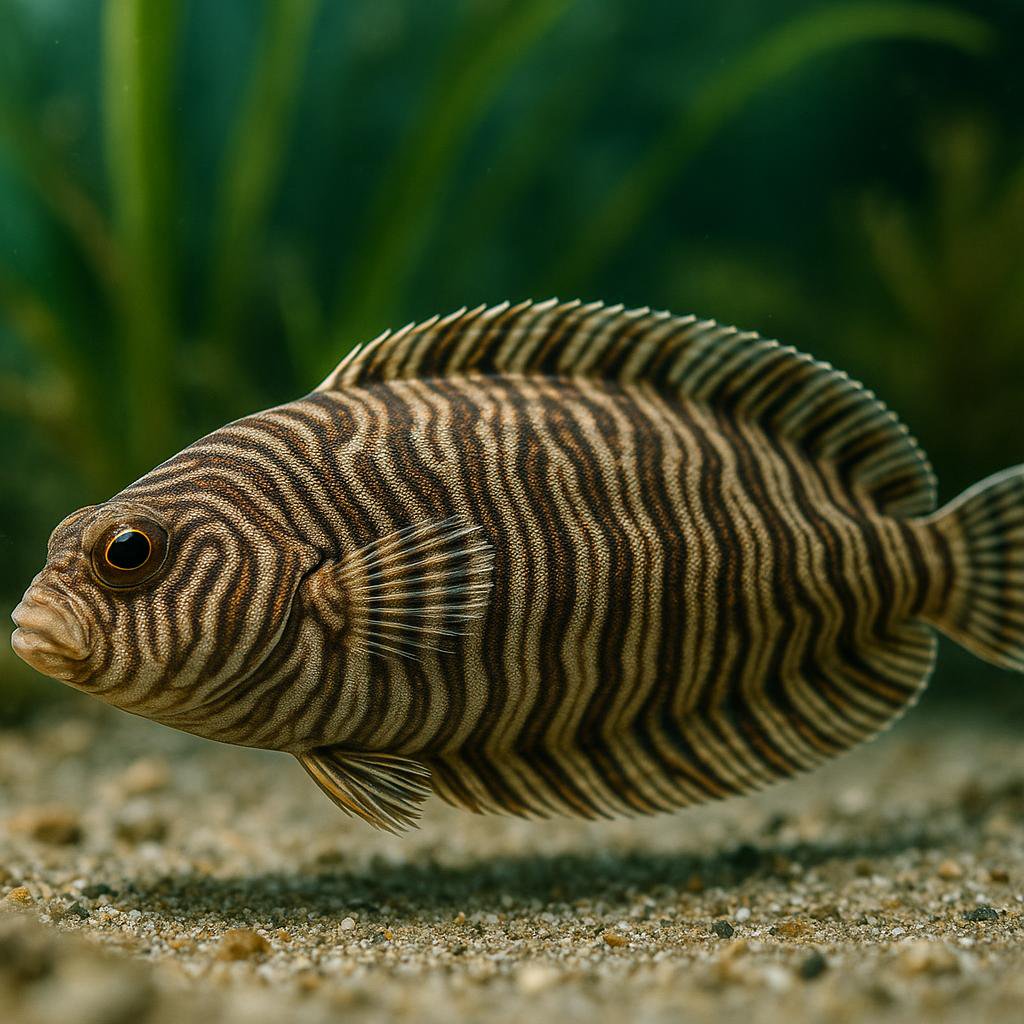
Zebrias annandalei is a small demersal sole from coastal India that inhabits sandy or muddy bottoms and buries for camouflage. It is rarely kept in home aquaria and would require a specialized marine sand-bottom setup and appropriate feeding.
Banded stargazer
Kathetostoma binigrasella
This is a New Zealand stargazer that lives half-buried in sand or mud with its eyes pointed up, waiting to rocket upward and nail passing prey. It has those neat dark saddle-bands across the back (especially as a juvenile), and like other stargazers it is venomous with spines near the gill cover/pectoral area - definitely a look-dont-touch fish.
Looking for other species?