

Search Species
Search for fish species by common or scientific name, or use filters to browse by water type, size, temperament, and difficulty.
Found 541 species
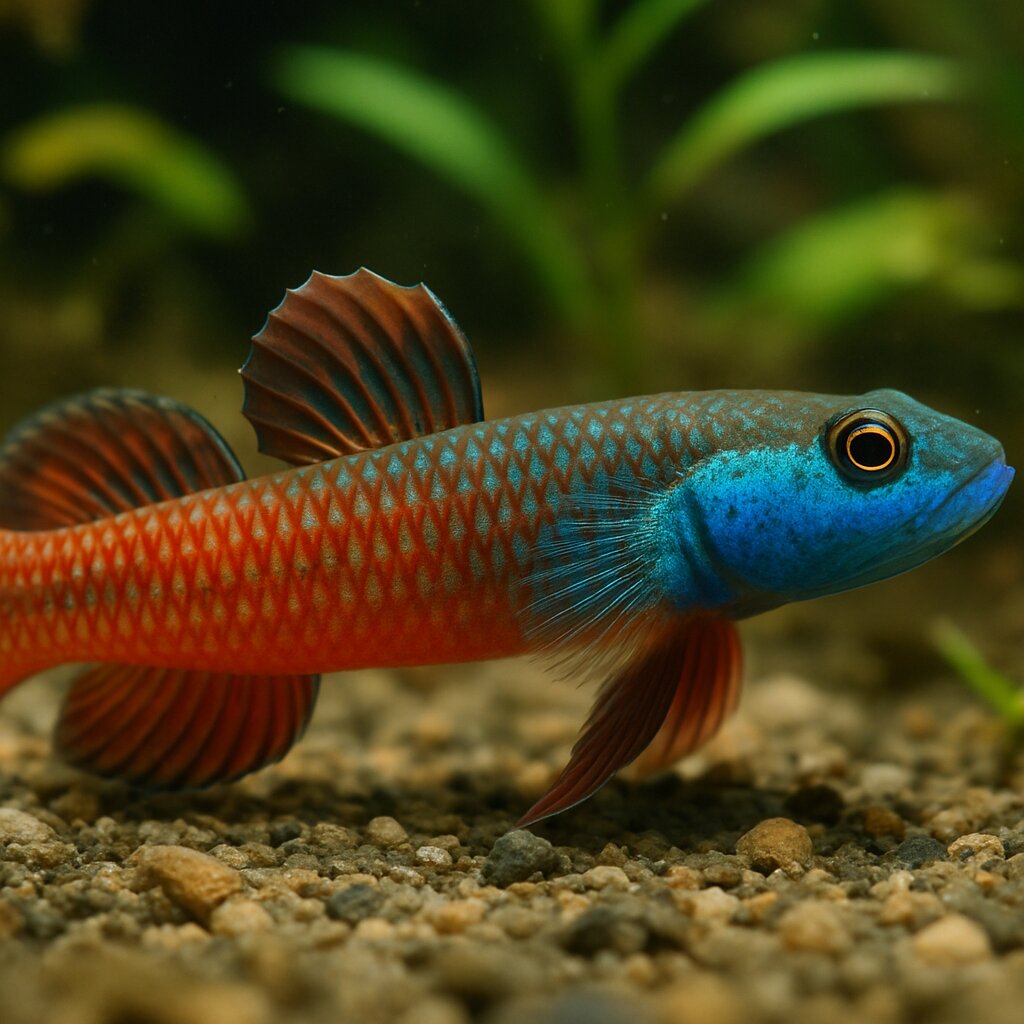
Palawan lentipes goby
Lentipes palawanirufus
Tiny river goby from Palawan where the males sport a fiery red head and a bold red band along the body. It lives in fast, sparkling streams and spends its day scooting over rocks to graze on biofilm, so in a tank it really shines with strong flow and algae-covered stones.
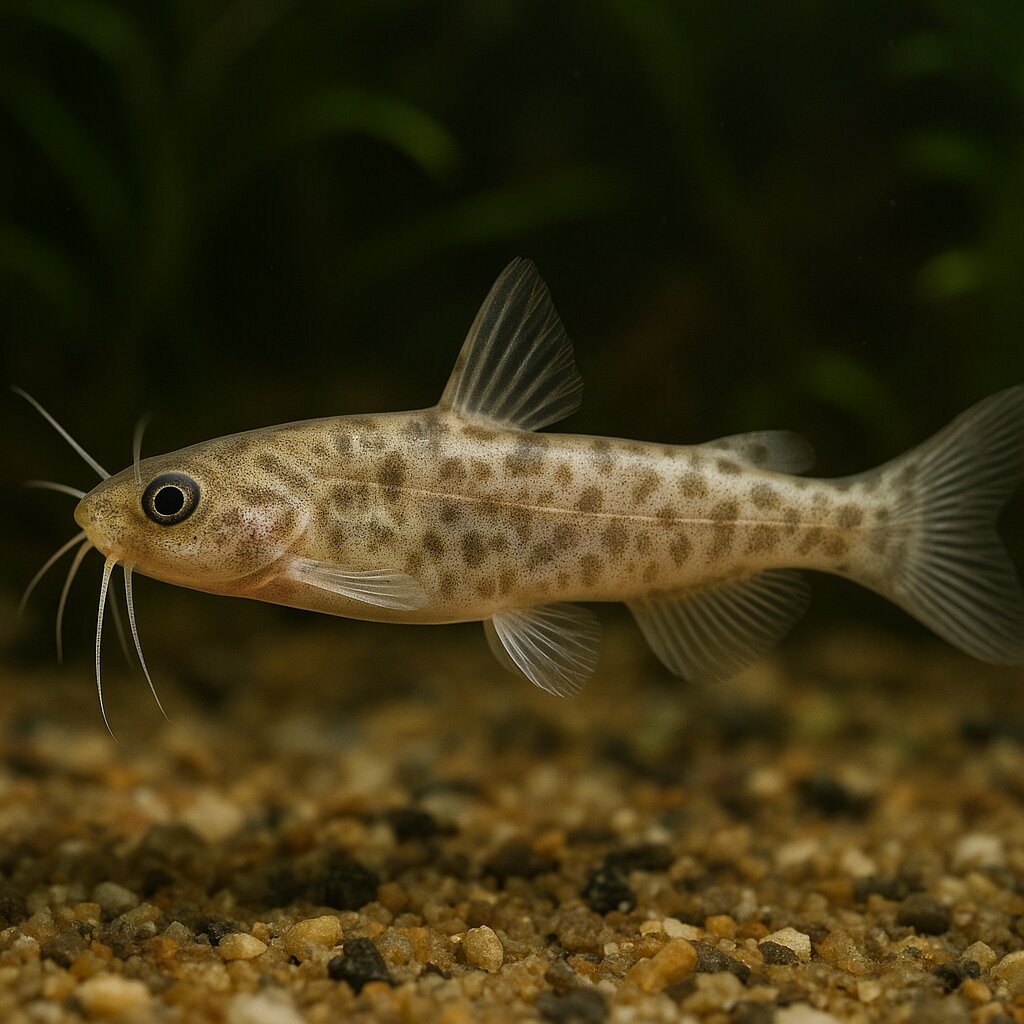
Pale sand catlet
Zaireichthys pallidus
Think of a teeny African catfish that vanishes into fine sand - that is the pale sand catlet. It spends its time right in the sandy shallows and will pop up to grab tiny bugs, so a soft sand bed and gentle flow really let it act like its wild self.
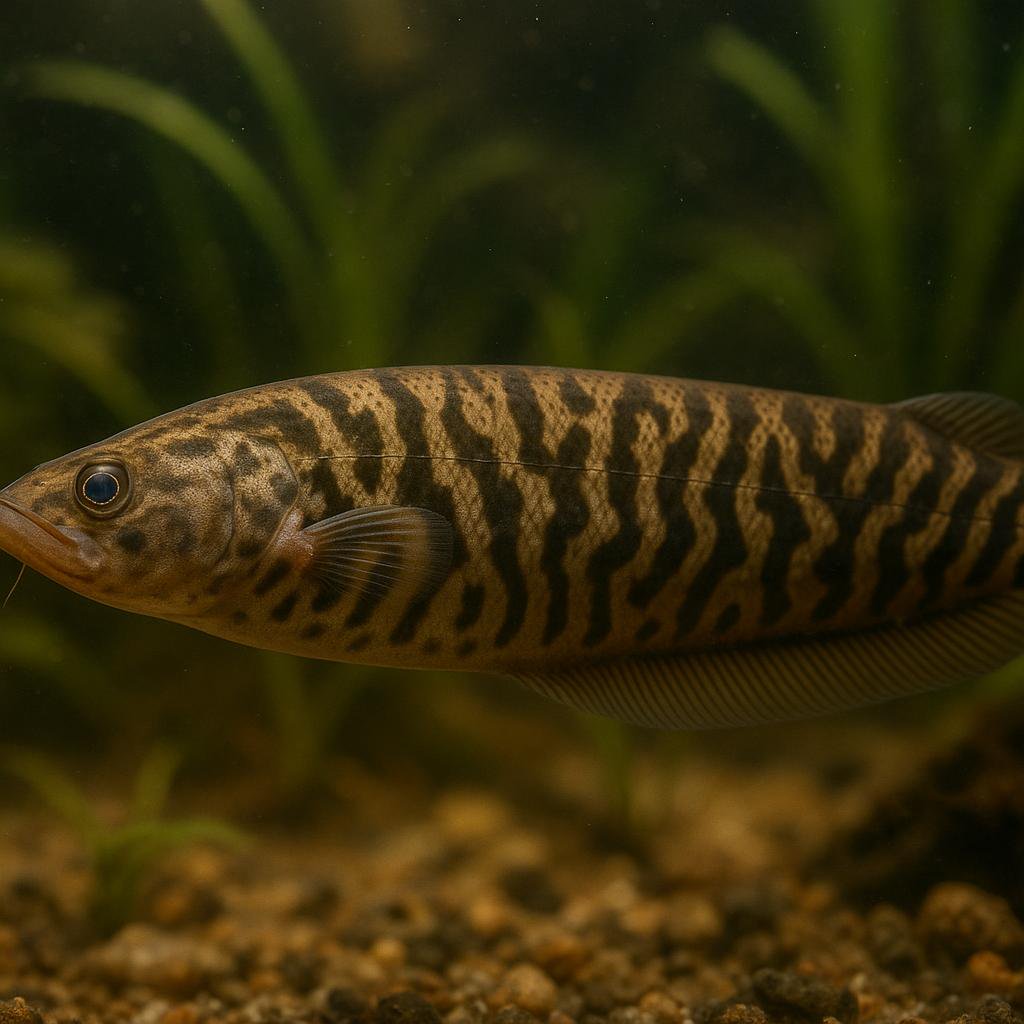
Panamanian banded knifefish
Gymnotus panamensis
Gymnotus panamensis is a little Central American electric knifefish that cruises around mostly at night, using a weak electric field to navigate and sniff out food. Its banding is more of a mottled, broken-up look than clean zebra stripes, and it really appreciates a dim tank with lots of cover where it can feel secure.
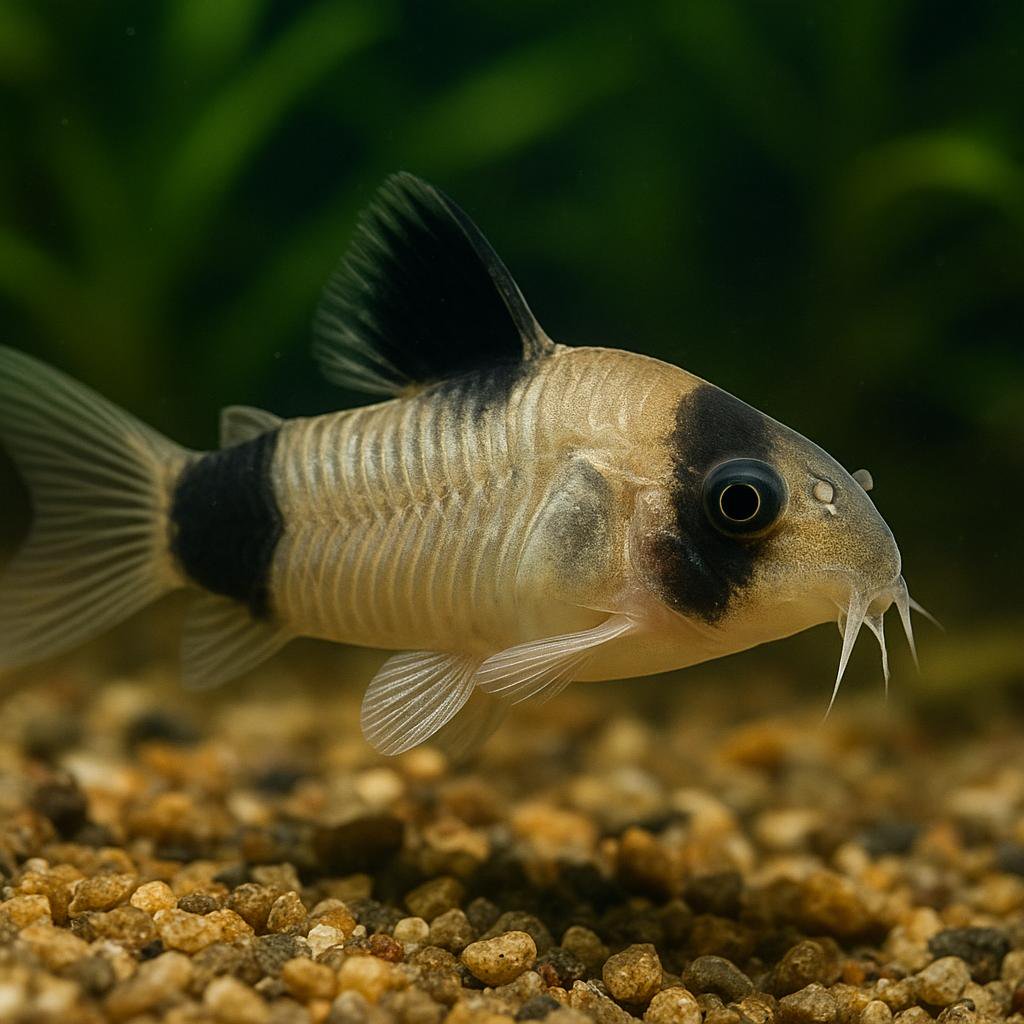
Panda Corydoras (Panda Cory)
Corydoras panda
Corydoras panda is a small, bottom-dwelling catfish known for its pale body with distinctive black patches over the eyes and near the tail, resembling a panda's markings. It is a peaceful, social schooling species that does best in groups and appreciates soft substrate and clean, well-oxygenated water. Like other corydoras, it forages constantly and should be offered sinking foods rather than relying on leftovers.
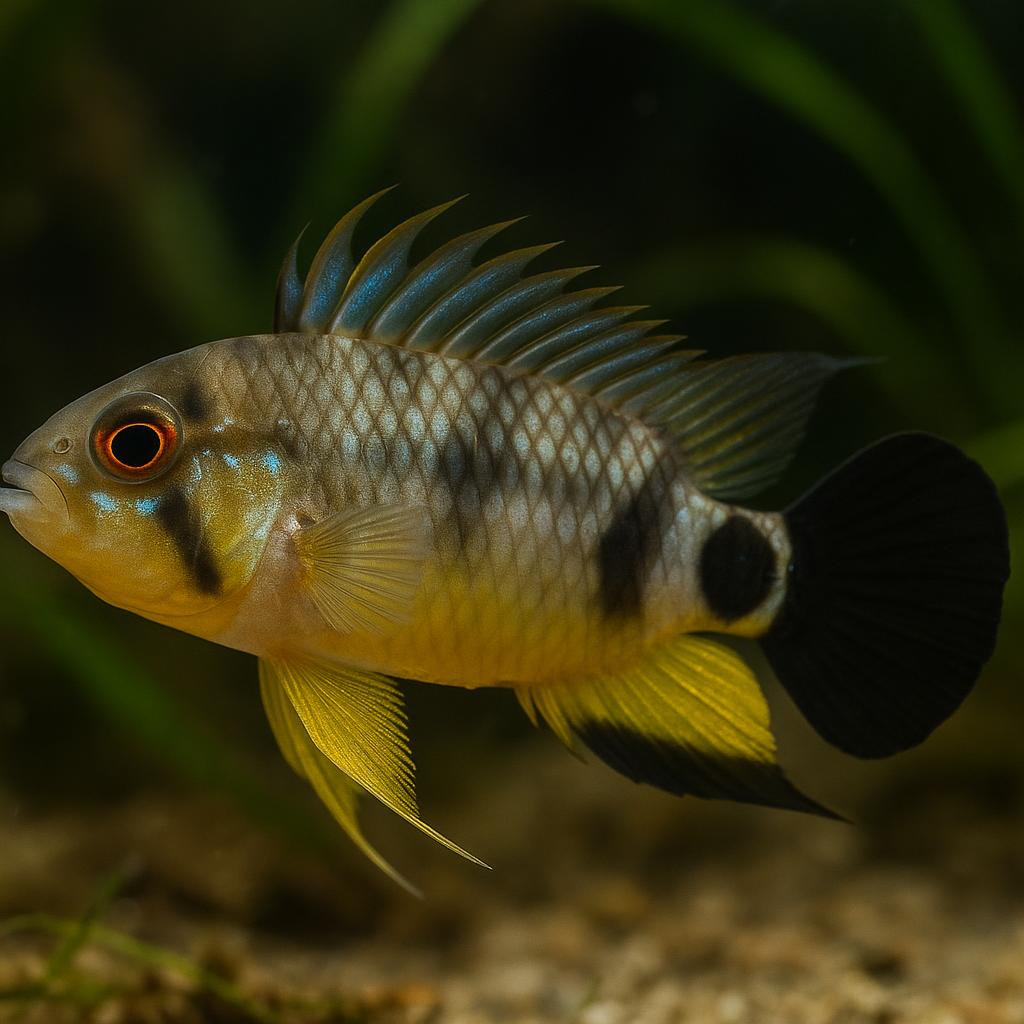
Panda dwarf cichlid
Apistogramma nijsseni
A. nijsseni is one of those apistos that looks like it has face paint on - especially the females when they are fired up and guarding a cave. Give them leaf litter, little hidey-holes, and calm tankmates and they will show off tons of personality, with the female doing most of the up-close fry care while the male patrols the territory.
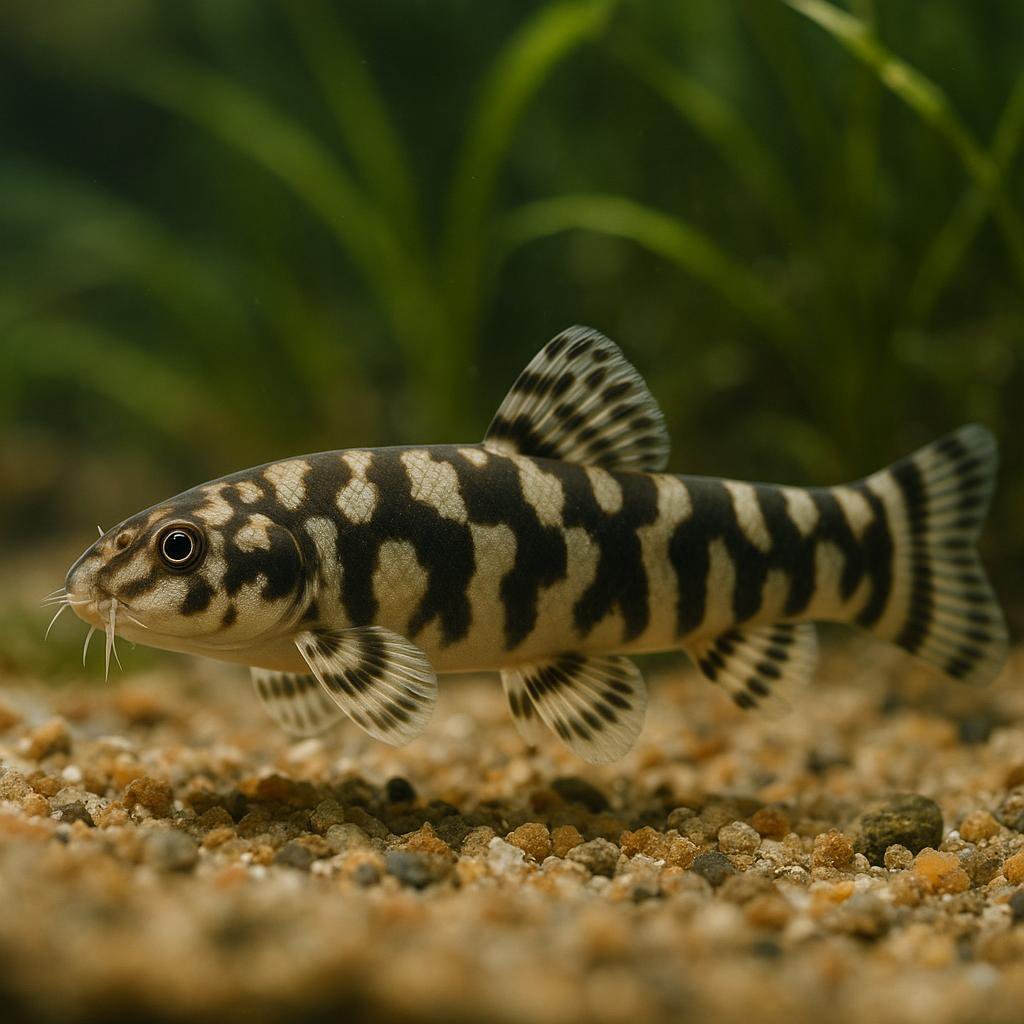
Panda loach
Yaoshania pachychilus
Hillstream loach from fast, highly oxygenated mountain streams; thrives in a mature, algae/biofilm-rich river-style aquarium with strong flow and smooth rocks. Peaceful but social, and best kept in groups where they become more active and confident.
Pantanal eartheater
Satanoperca pappaterra
This is one of those classic sand-sifting cichlids that will constantly take mouthfuls of substrate, filter out snacks, and spit out little clouds of sand like a tiny bulldozer. In the wild it even feeds in small groups and takes turns being the lookout, which is just insanely cool behavior for a cichlid. Give it a soft sandy bottom and calm tankmates, and it settles into a really mellow, busy little routine.
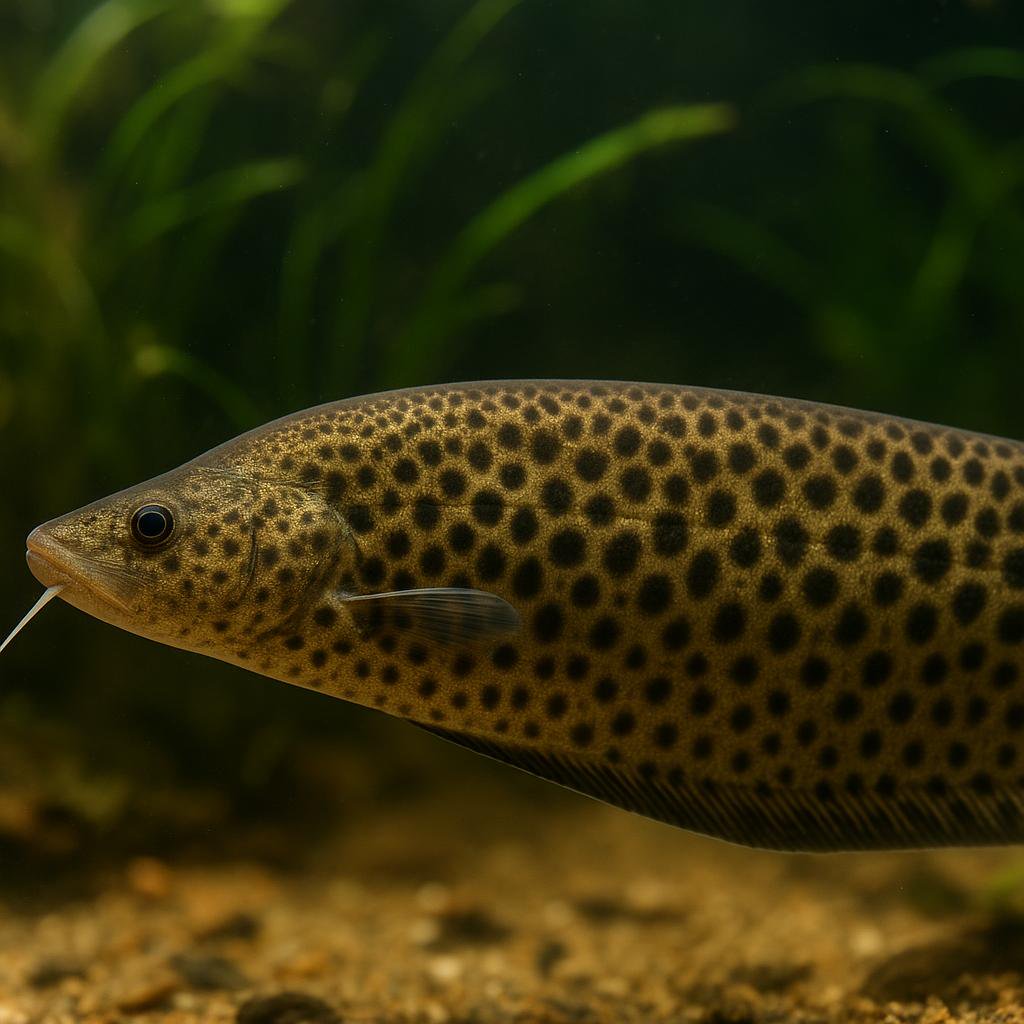
Panther knifefish
Rhamphichthys pantherinus
This is a weakly-electric South American sand knifefish (family Rhamphichthyidae) with a long tubular snout. It is associated with soft-bottom habitats and is largely bottom-oriented; provide a soft sand substrate and secure cover. Note that some authorities have treated Rhamphichthys pantherinus as a synonym of Rhamphichthys marmoratus (provisionally), so older sources may use different names.
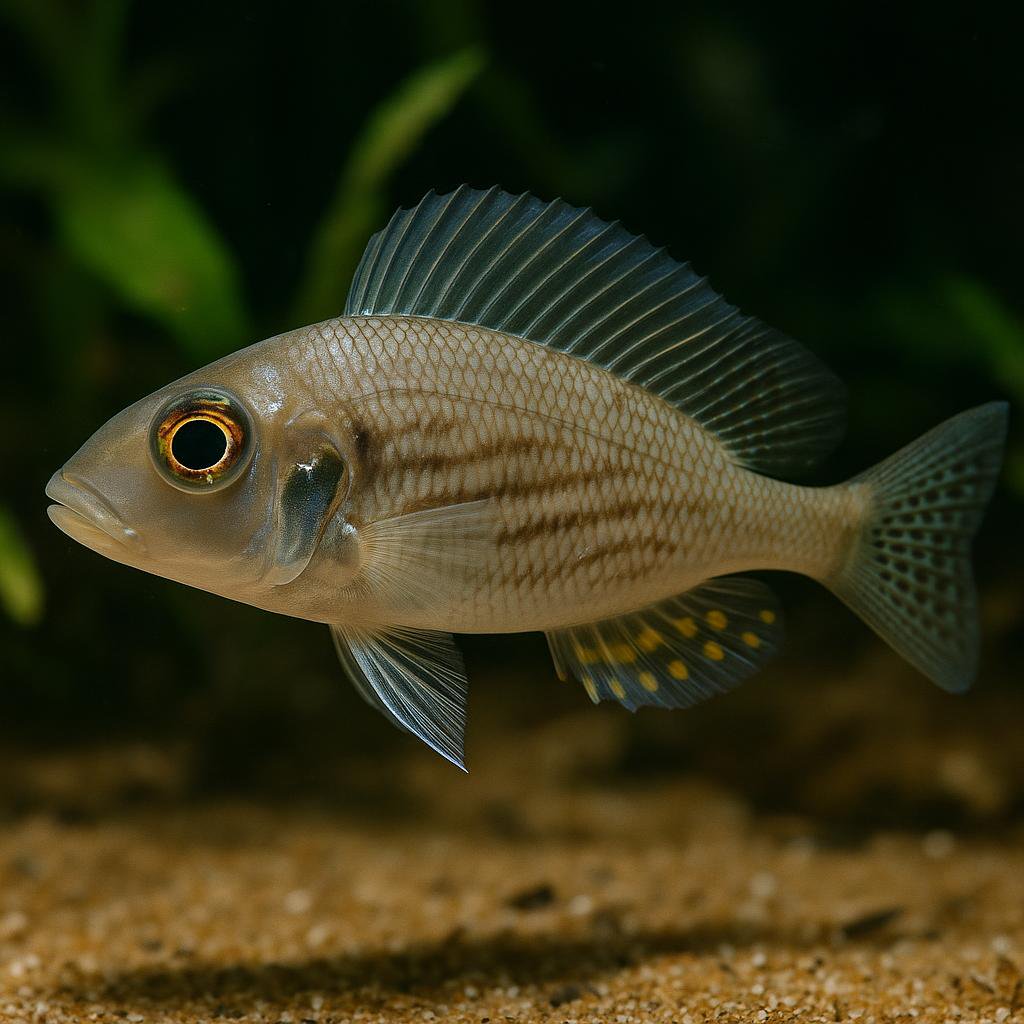
Papilio cichlid
Xenotilapia papilio
Xenotilapia papilio is a small Lake Tanganyika cichlid that feeds by taking in mouthfuls of sediment/sand and filtering out tiny invertebrates. It inhabits rocky areas with sand (rock–sand transition zones) and shows biparental mouthbrooding, with adults forming territories/pairs during reproduction.
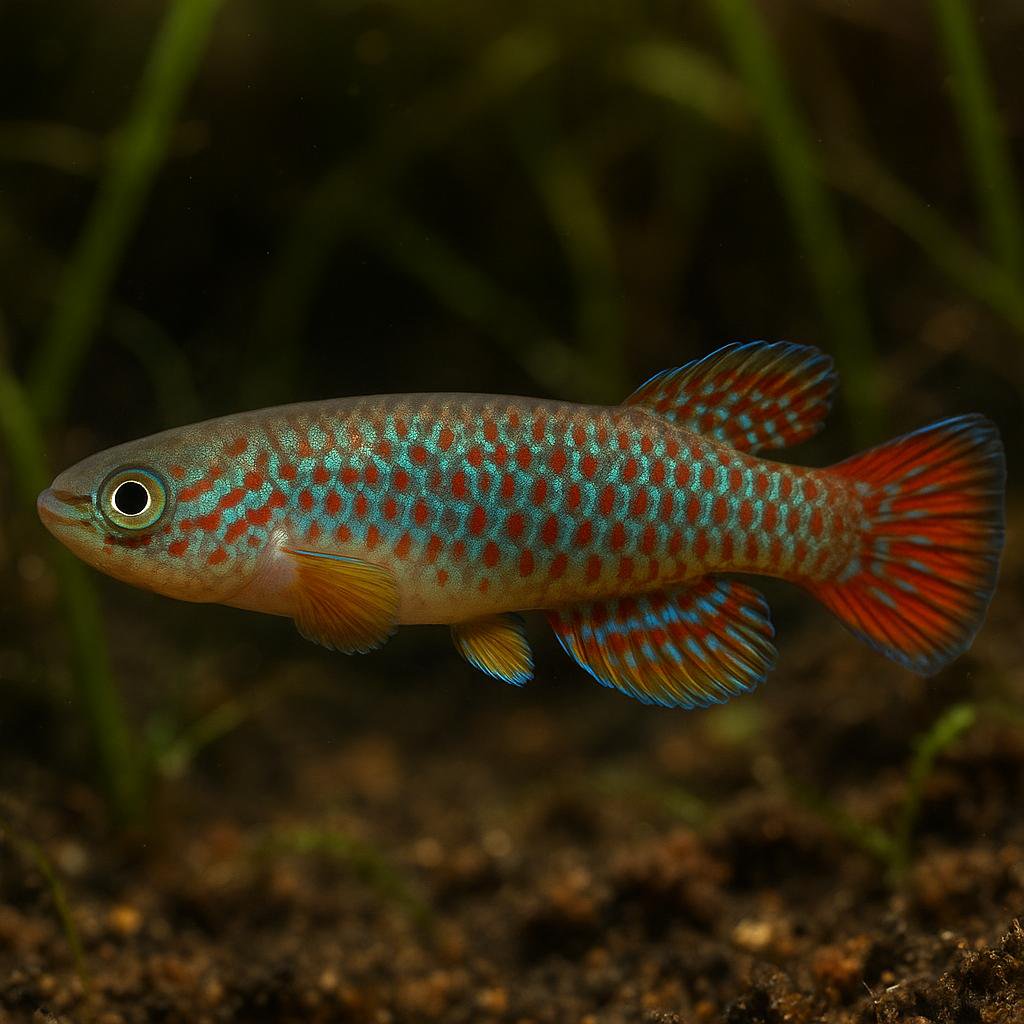
Paracatu rivulus (killifish)
Melanorivulus paracatuensis
This is a little Brazilian rivulus-type killifish from the rio Paracatu floodplains in the Sao Francisco basin. Like most Melanorivulus, it is a curious, surface-to-midwater cruiser that really shines in a planted, leafy setup with a tight lid because they can jump. It is not a big bruiser, but males can be spicy with each other in small tanks, so giving them space and cover makes a huge difference.
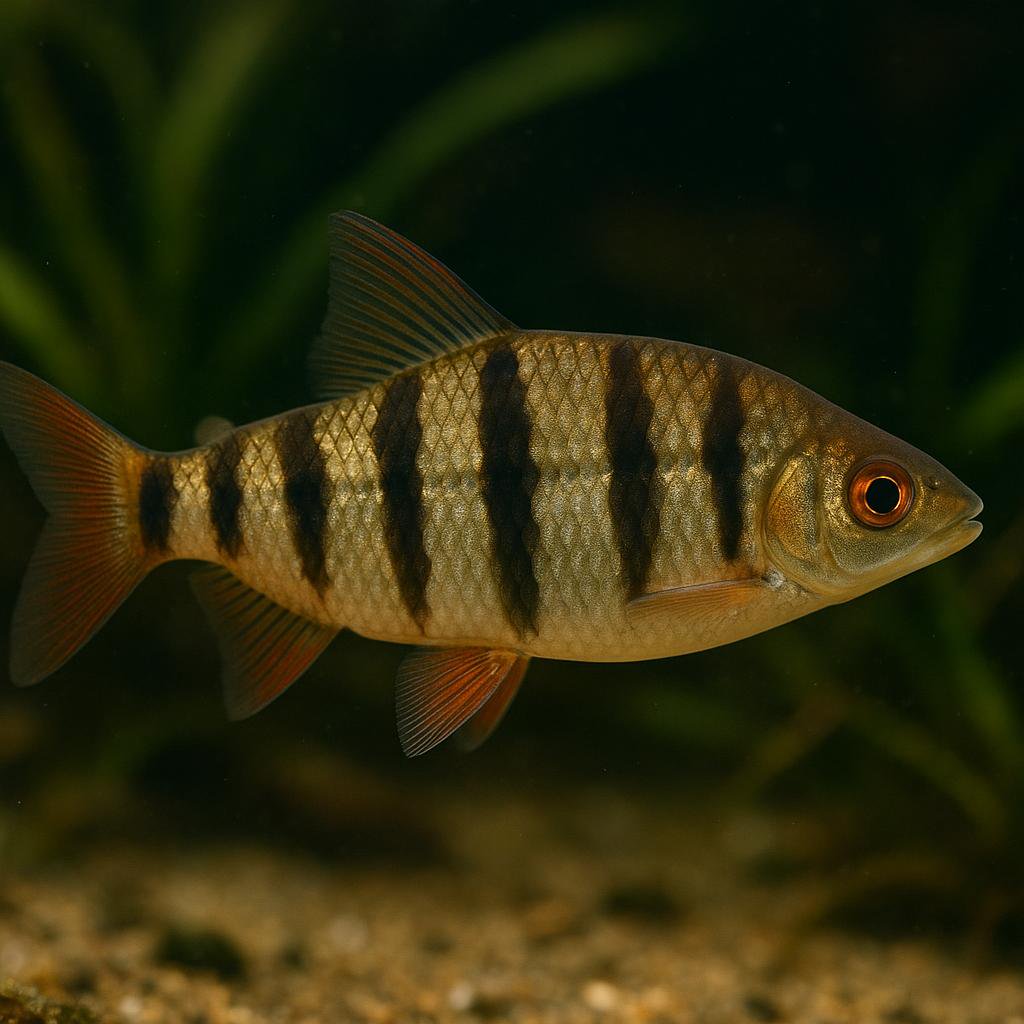
Parana leporinus
Leporinus paranensis
Leporinus paranensis is a smaller Leporinus from the Parana River basin - think quick, curious headstander vibes without getting into the really big, tank-busting sizes some relatives hit. In the wild it breeds in pairs around dense weeds, so it tends to appreciate cover and structure even though it still wants room to cruise.
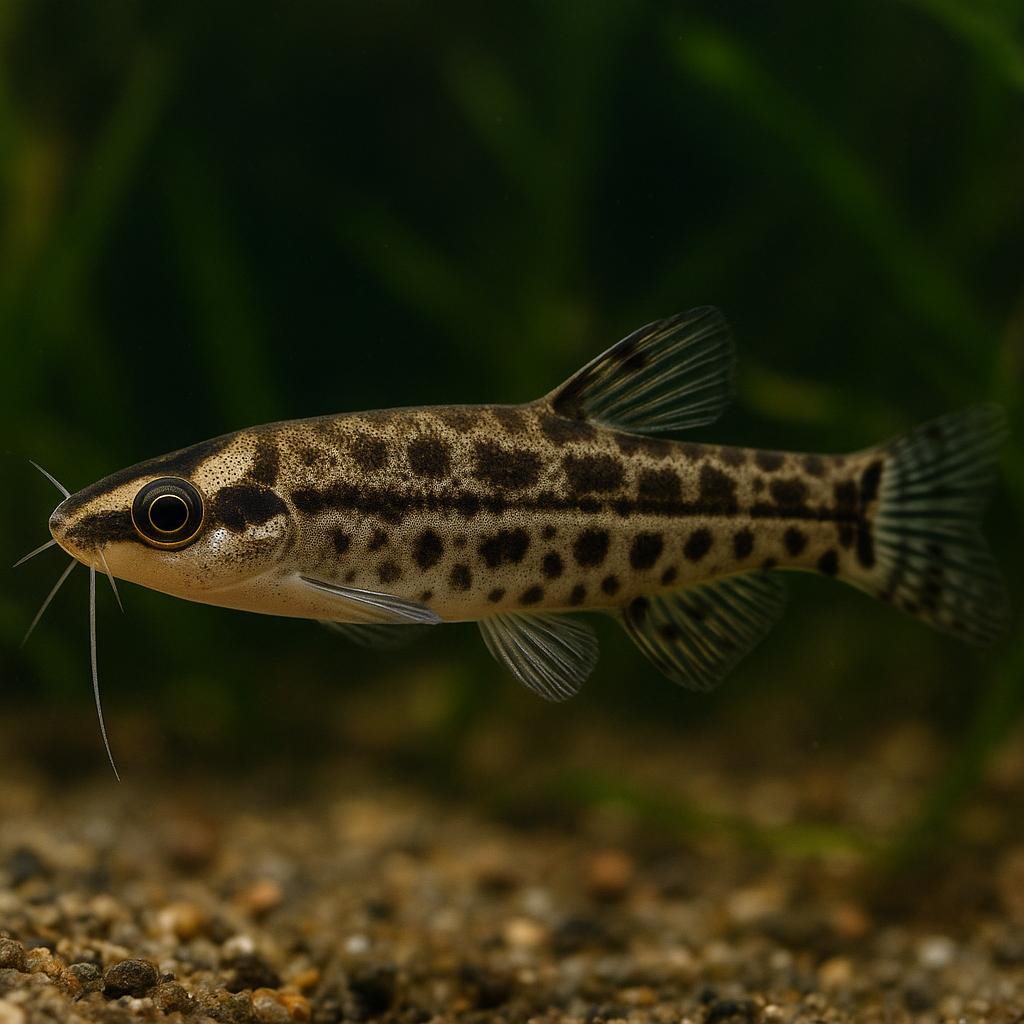
Parasitic catfish
Ochmacanthus alternus
This is a tiny South American stegophiline parasitic catfish that latches onto other fish and feeds mainly on their mucus. Super weird little specialist - more of a scientific-curiosity fish than an aquarium pet, because keeping it humanely basically means providing suitable host fish and accepting some damage to them.