

Search Species
Search for fish species by common or scientific name, or use filters to browse by water type, size, temperament, and difficulty.
Found 654 species
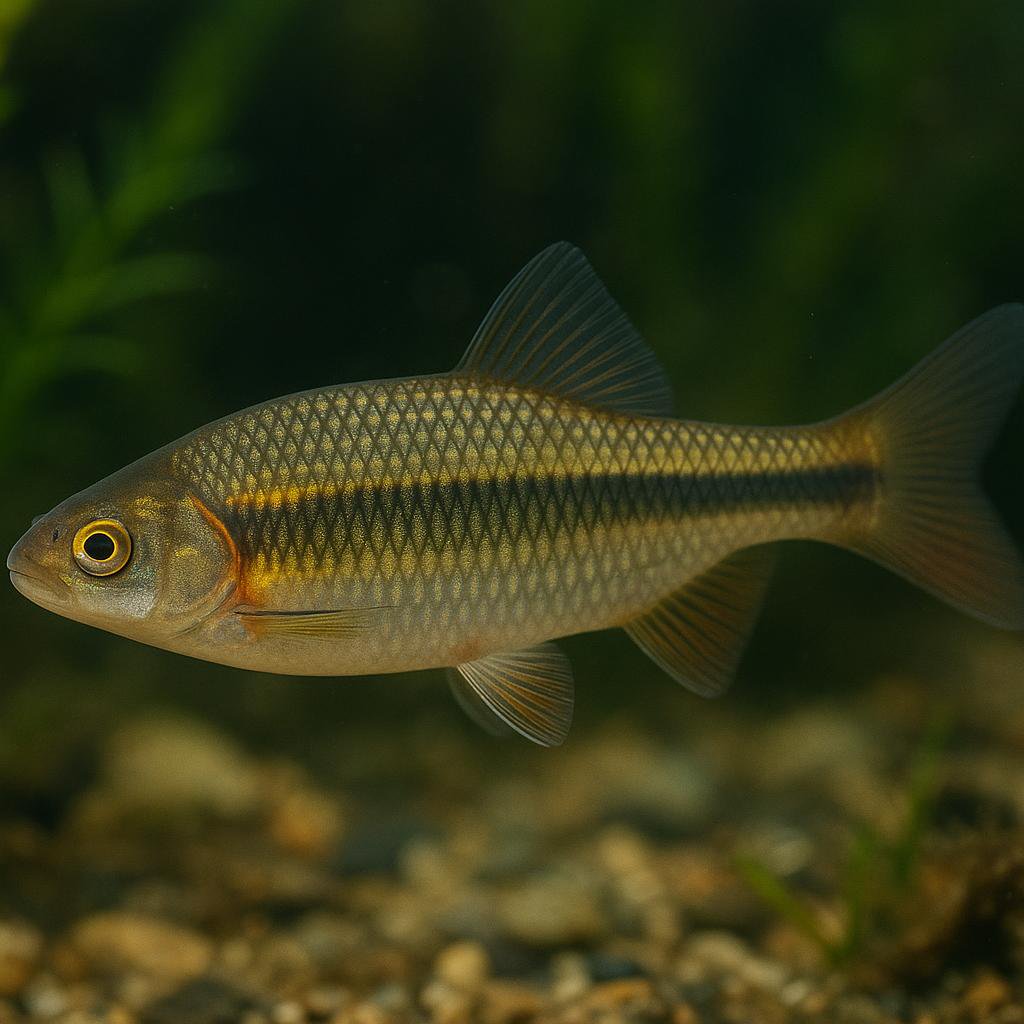
Numamutsu
Nipponocypris sieboldii
Nipponocypris sieboldii (Numamutsu) is a Japanese native minnow-type fish that likes calmer water than a lot of stream cyprinids, but it is still a strong, active swimmer. Give it room and some current, and it really comes into its own in a group with lots of open swimming space.
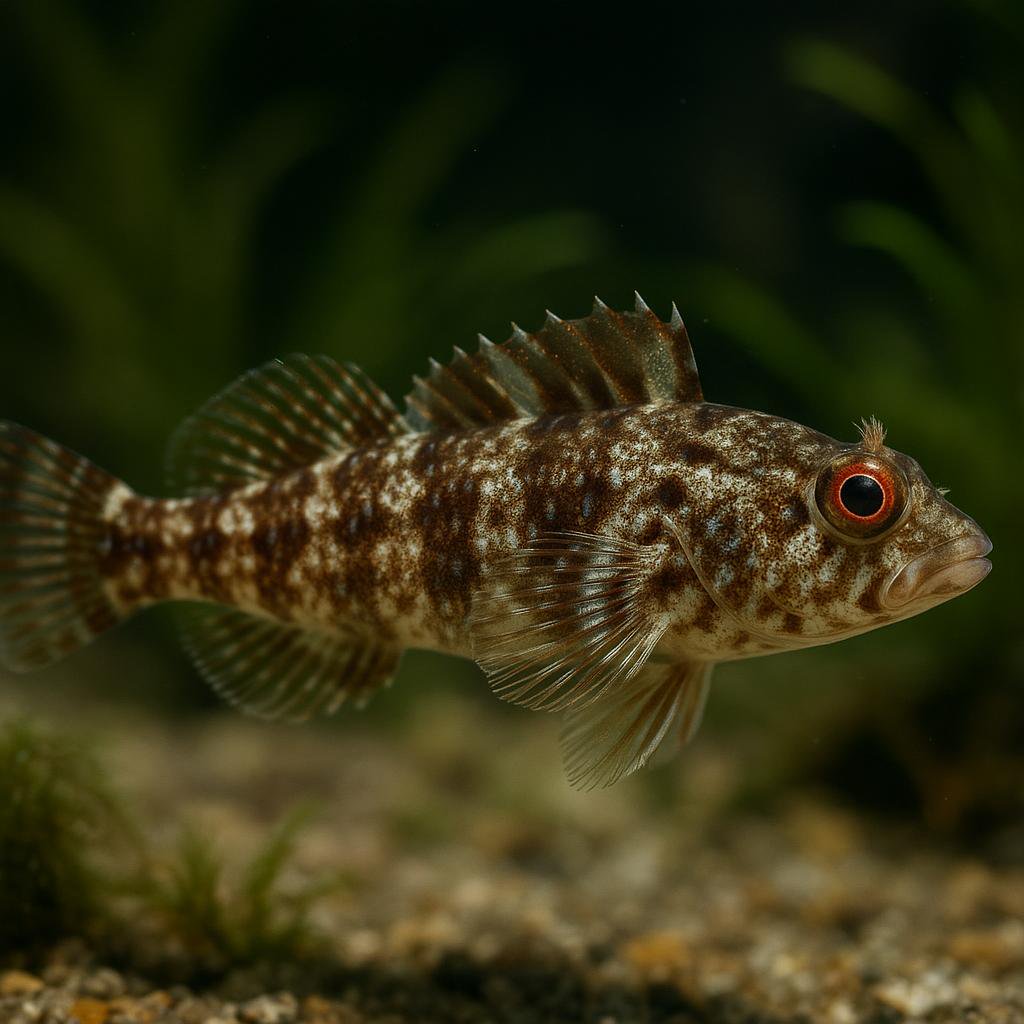
Oblique-swimming triplefin
Forsterygion maryannae
A small New Zealand triplefin found over rocky reefs (reported ~1–50 m). It is unusual among triplefins for schooling in the water column above reefs and feeding on planktonic crustaceans (e.g., copepods/euphausiids), often holding an oblique body posture.
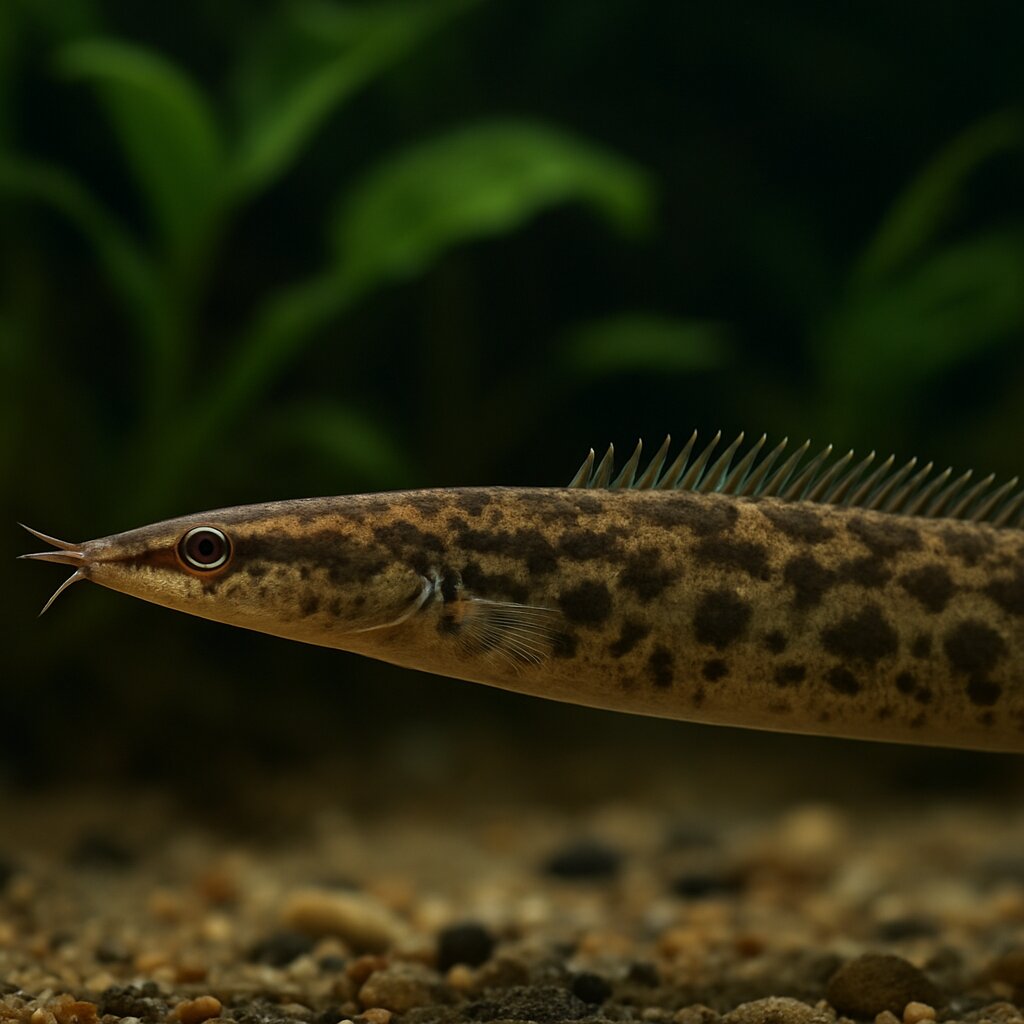
Obscure spiny eel
Macrognathus obscurus
A shy little spiny eel from northern Myanmar, it stays around 13.5 cm and spends a lot of time buried in sand with just the snout peeking out. Give it soft sand, plenty of hides, and meaty foods like worms and insect larvae and it will reward you with goofy dusk-time foraging and gentle, curious behavior. ([fishbase.se](https://www.fishbase.se/summary/Macrognathus-obscurus))
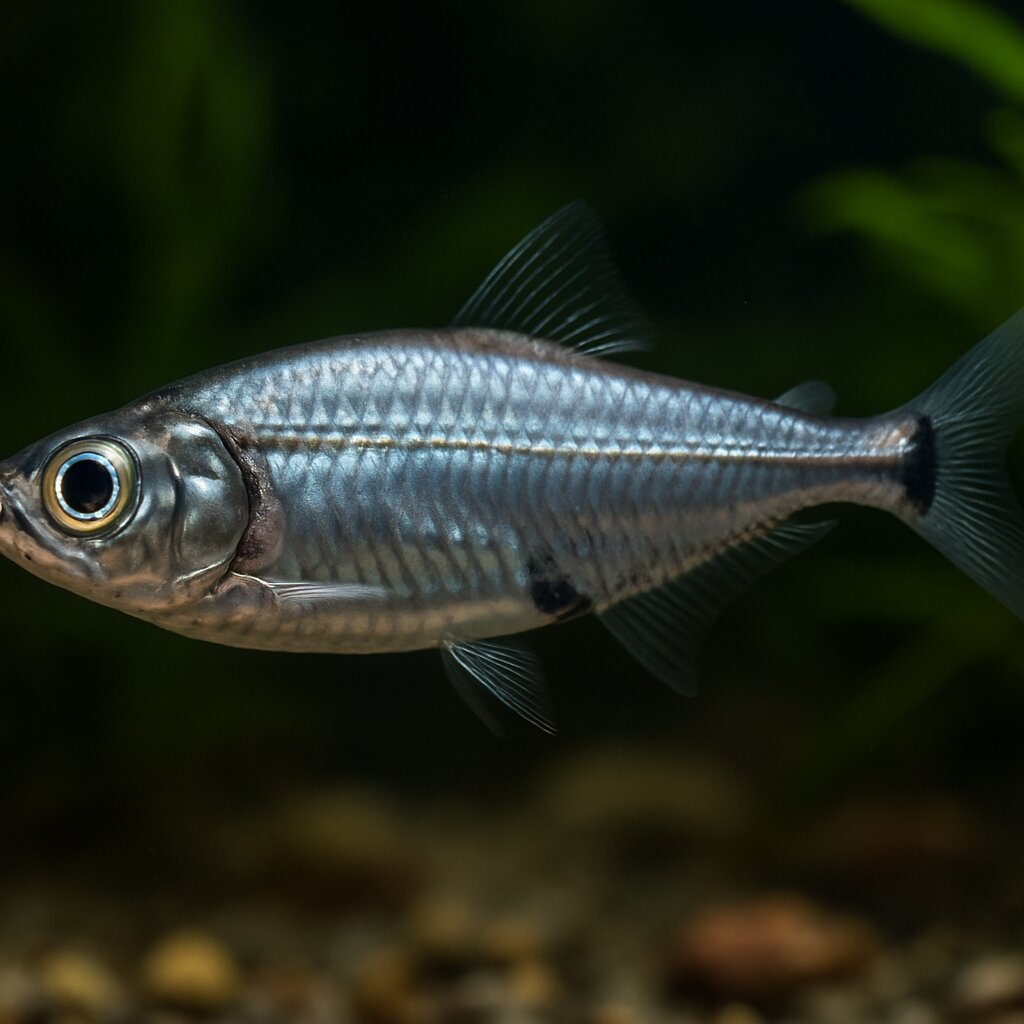
Oceanic lightfish
Vinciguerria nimbaria
Oceanic lightfish is a tiny silvery glowbug that spends the day deep and then rides up toward the surface at night in big schools. It tops out around 5.5 cm and stuffs itself with copepods, making it prime fuel for tuna and other predators. Super cool pelagic fish, but it is a true open-ocean species and not a home-aquarium candidate.
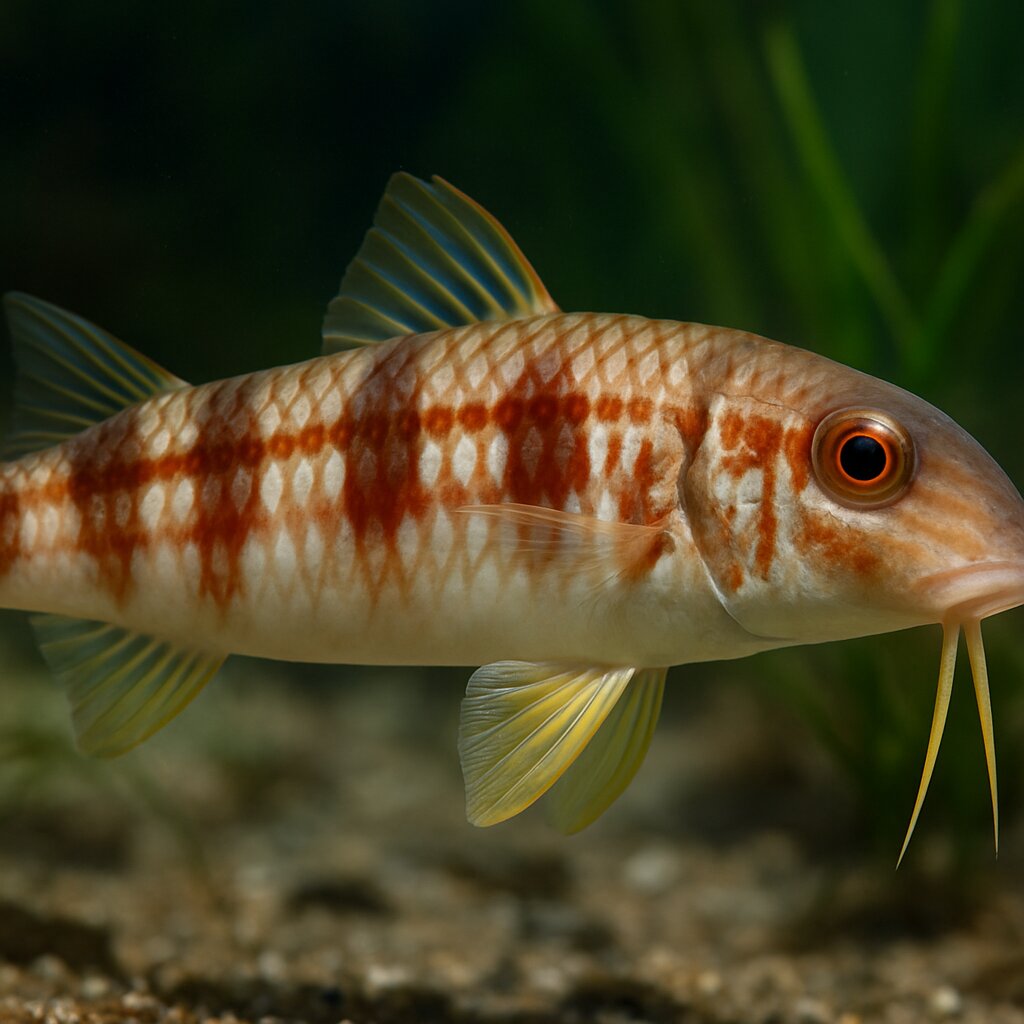
Ochre-banded goatfish
Upeneus sundaicus
A sand-sifting goatfish with bright yellow barbels and faint ochre bands on the tail. It cruises the bottom in small groups, using those whisker-like barbels to root out worms and tiny crustaceans, so it needs a big tank with fine sand and lots of meaty feedings.
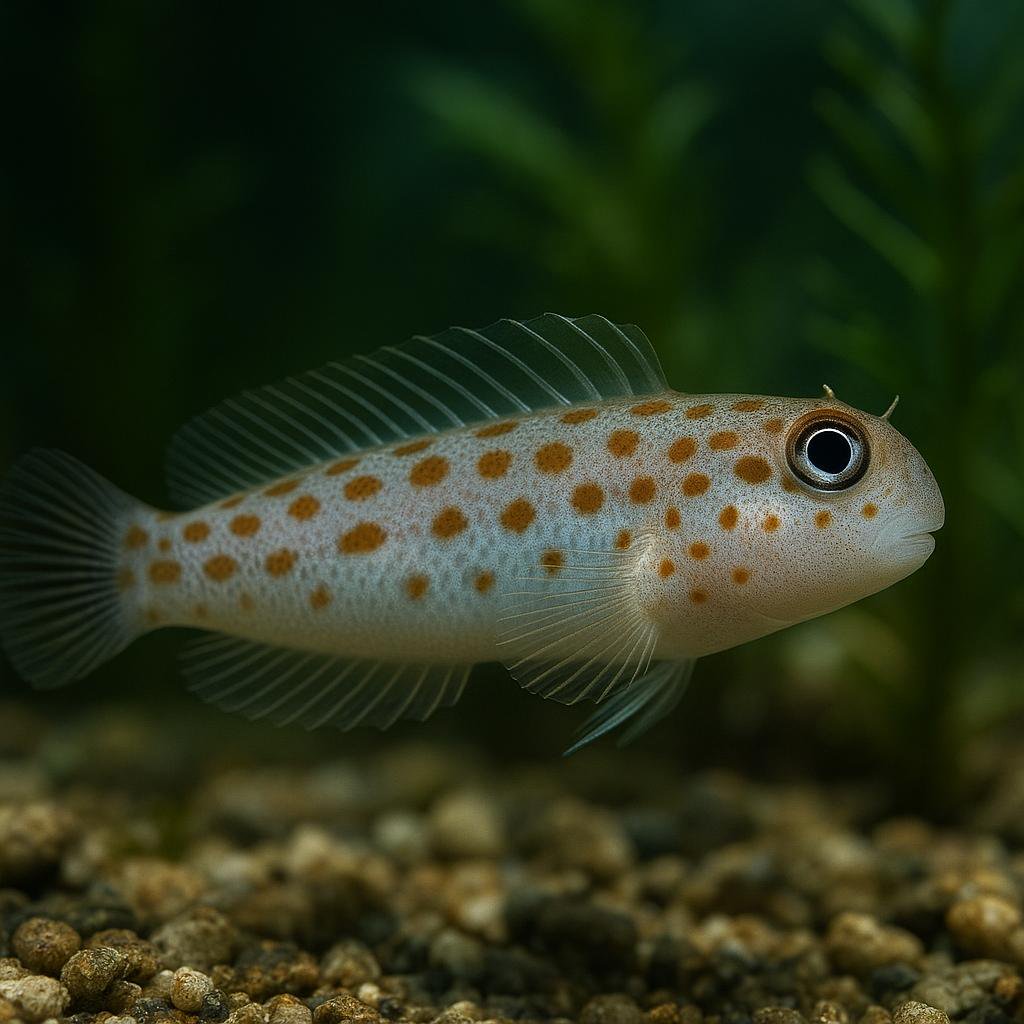
Ocular coralblenny
Ecsenius oculatus
Ecsenius oculatus is a tiny little reef-percher from the Christmas Island/Western Australia area that spends its day scooting between holes and ledges and watching you like it owns the place. It is an algae-and-film grazer by nature, so in a mature reef it will constantly pick at rocks and glass and do that classic blenny hover-and-hop routine.
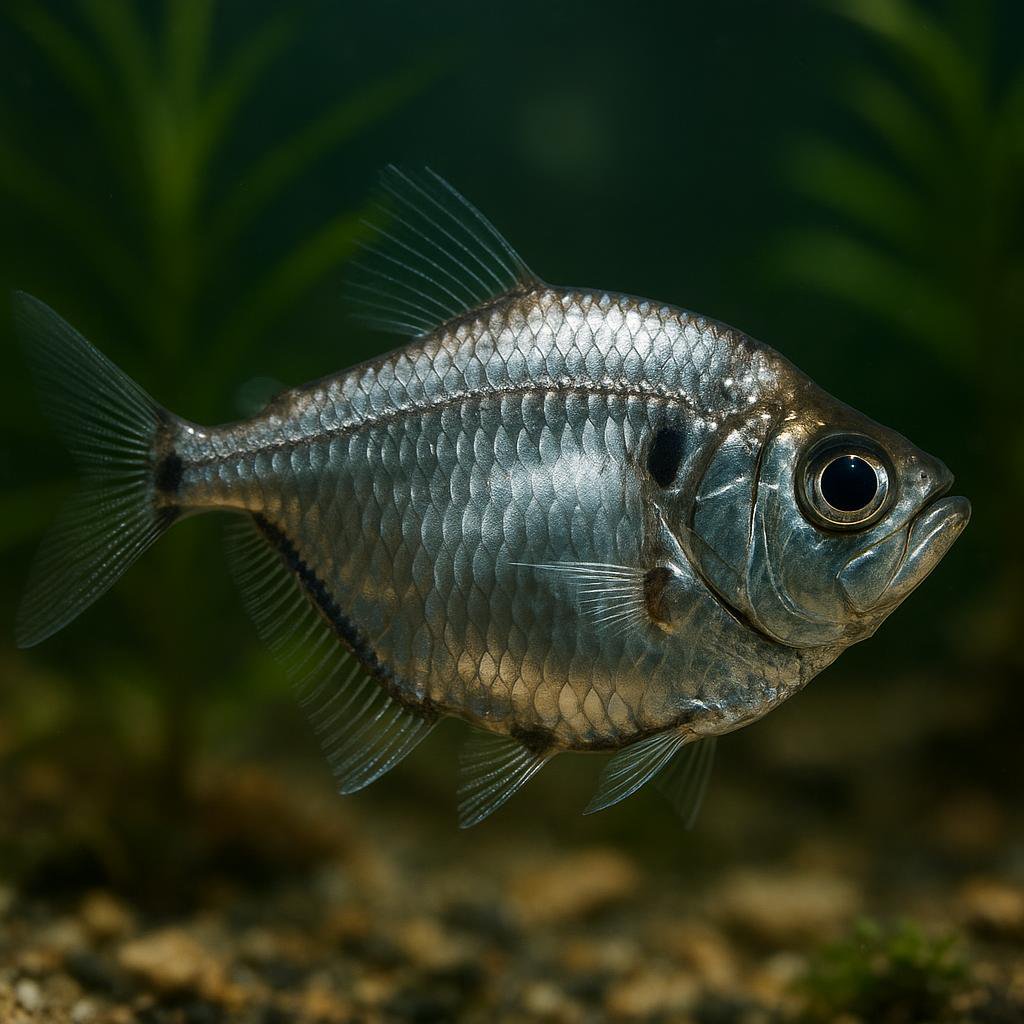
Oluolus hatchetfish
Polyipnus oluolus
Polyipnus oluolus is a tiny deepwater marine hatchetfish from the Marshall Islands that lives out in the open ocean and uses little light organs (photophores) on its body for camouflage and signaling in the dim water. It is super cool from a biology standpoint, but its pelagic deep-sea lifestyle makes it basically a non-aquarium species for normal hobby setups.
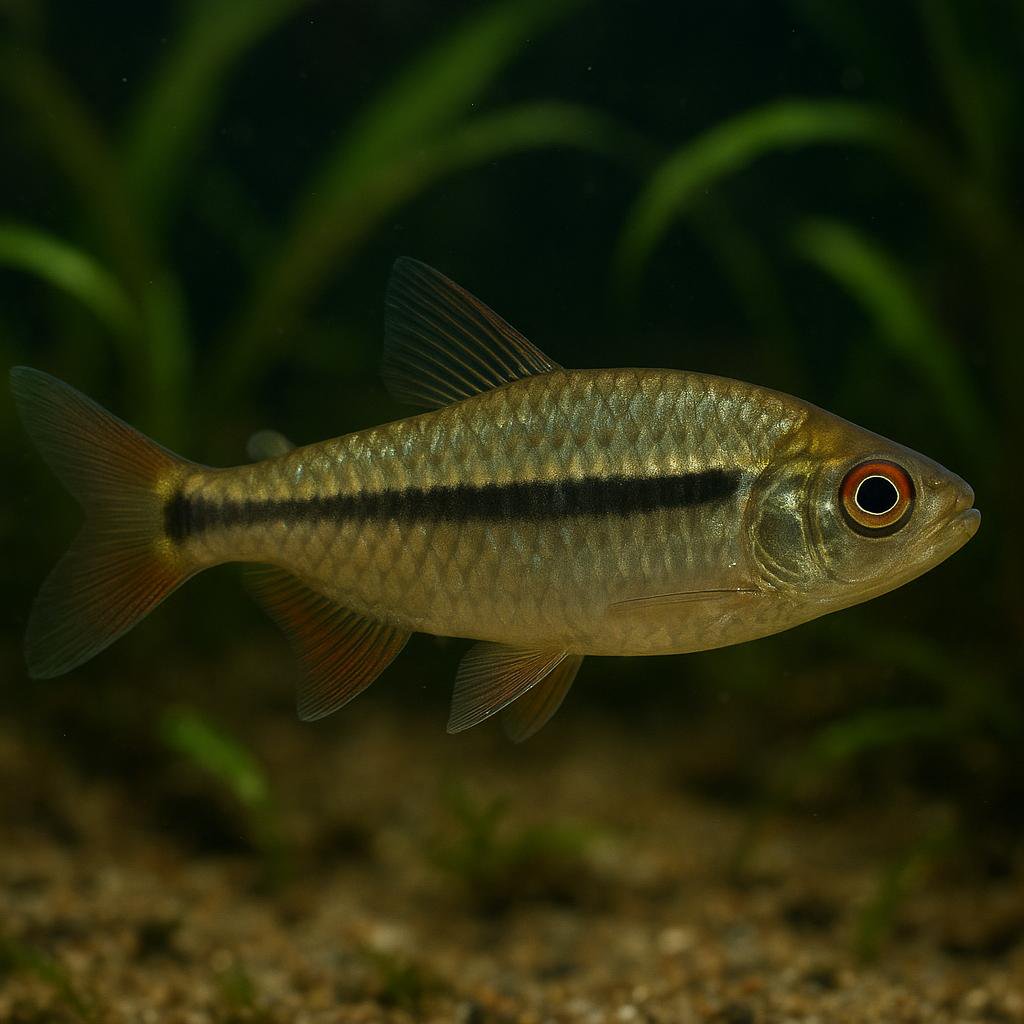
One-spot Jupiaba tetra
Jupiaba mucronata
Jupiaba mucronata is a little Guyana characin that tops out around 4 cm SL, and it fits that classic "busy, always on the move" tetra vibe. Its claim to fame in a lot of checklists is the single prominent shoulder (humeral) spot, and it does best when you lean into a roomy, current-friendly setup and keep it in a proper group.
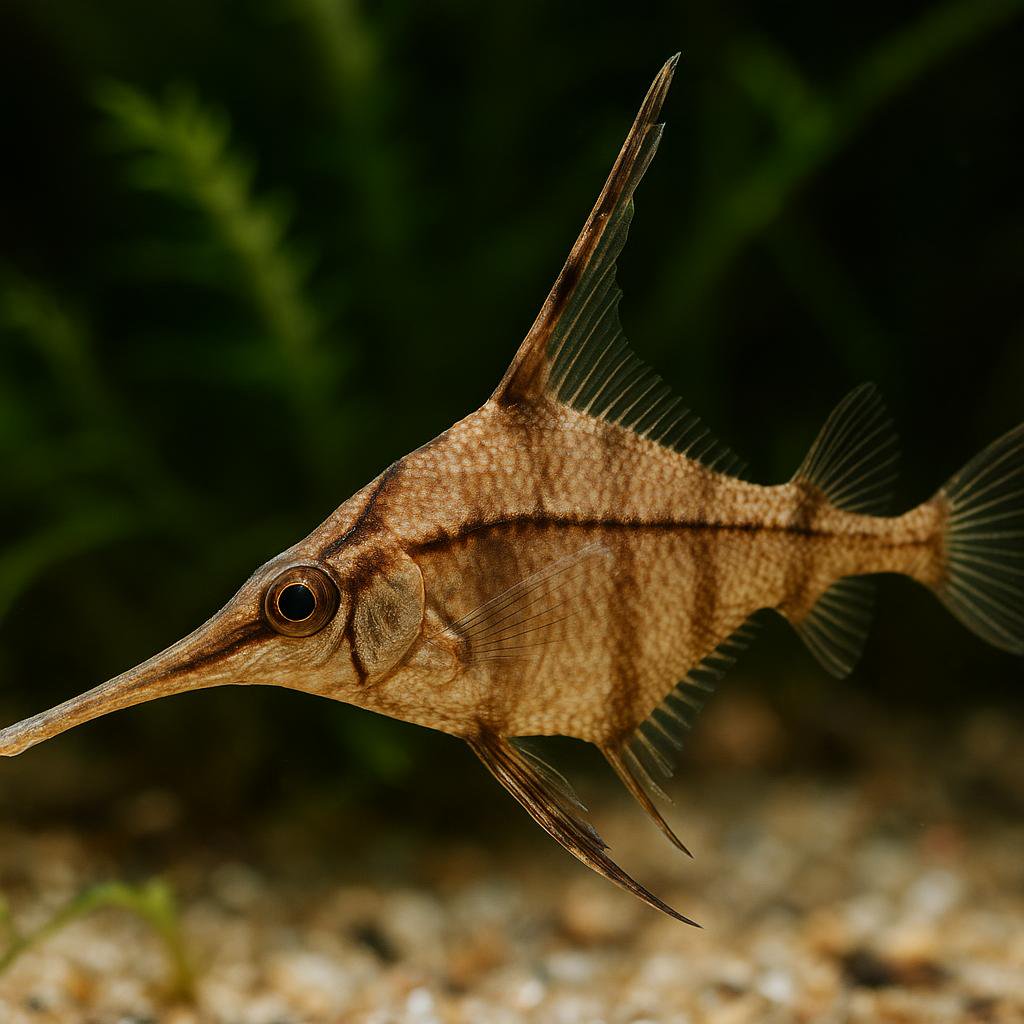
Orange bellowfish
Notopogon fernandezianus
Notopogon fernandezianus, the Orange bellowfish, is a bathydemersal bellowsfish occurring on the continental shelf and slope at 150–580 m in the Southeast Pacific (Juan Fernández–Nazca Ridge–Sala y Gómez, Chile) and the Southwest Atlantic (southern Brazil to Argentina). Temperatures in its range are cold (~11–17 °C). Its specialized deep‑cold habitat makes it unsuitable for typical home aquaria.
-1771297475.jpg)
Orange chromide
Pseudetroplus maculatus (syn. Etroplus maculatus)
This is that cute little Indian/Sri Lankan cichlid with the big black "shoulder" spot and a warm gold/orange glow when it's happy. It'll do the classic cichlid thing where it gets a bit pushy when breeding, but most of the time it's pretty chill-especially if you keep a small group. Super cool bonus: the parents actively tend the eggs and fry, and the babies even graze on the parents' skin mucus for a bit.
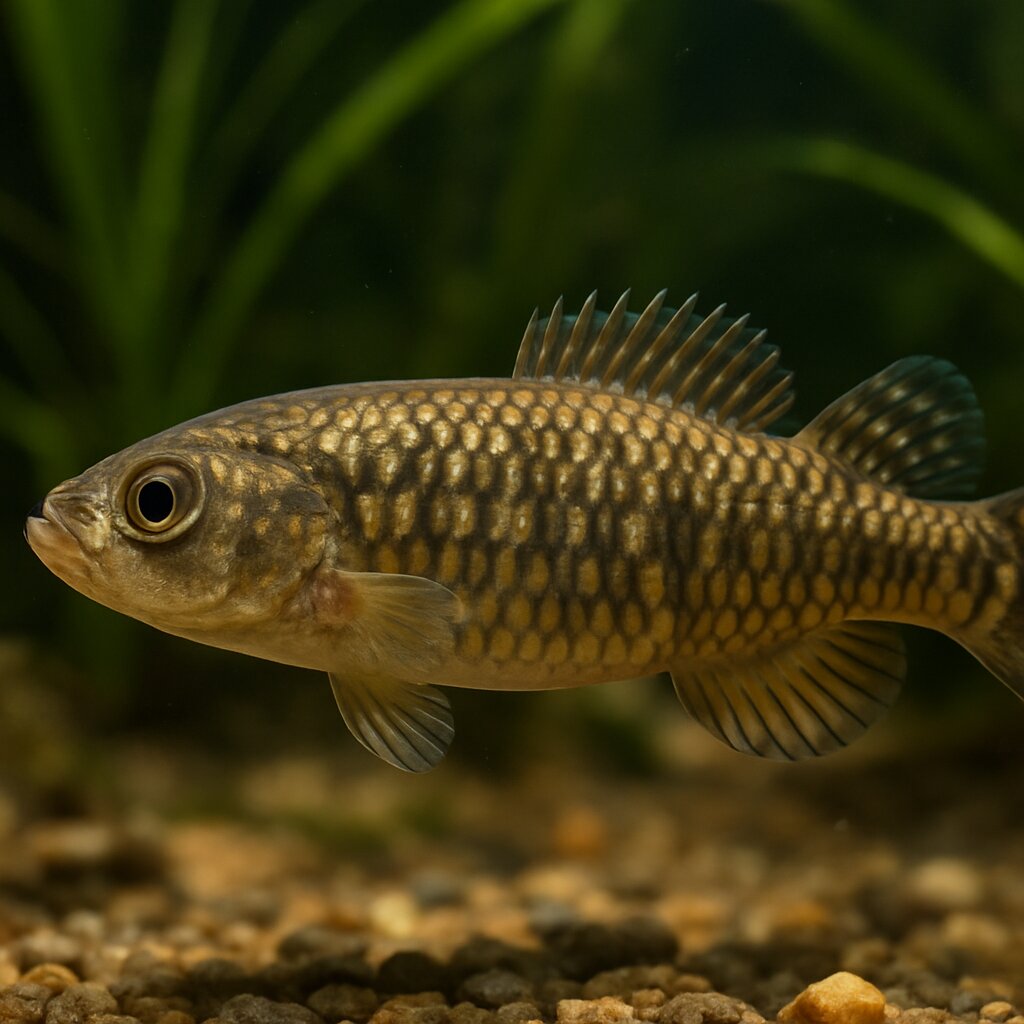
Orestias ctenolepis
Orestias ctenolepis
A small Andean killifish that lives in the chilly, high-altitude waters of Lake Titicaca. It prefers hard, alkaline water and genuinely cool temps, so it is more of a specialist project than a community fish. If you like oddball fish with a wild backstory, this little pupfish is pretty neat.
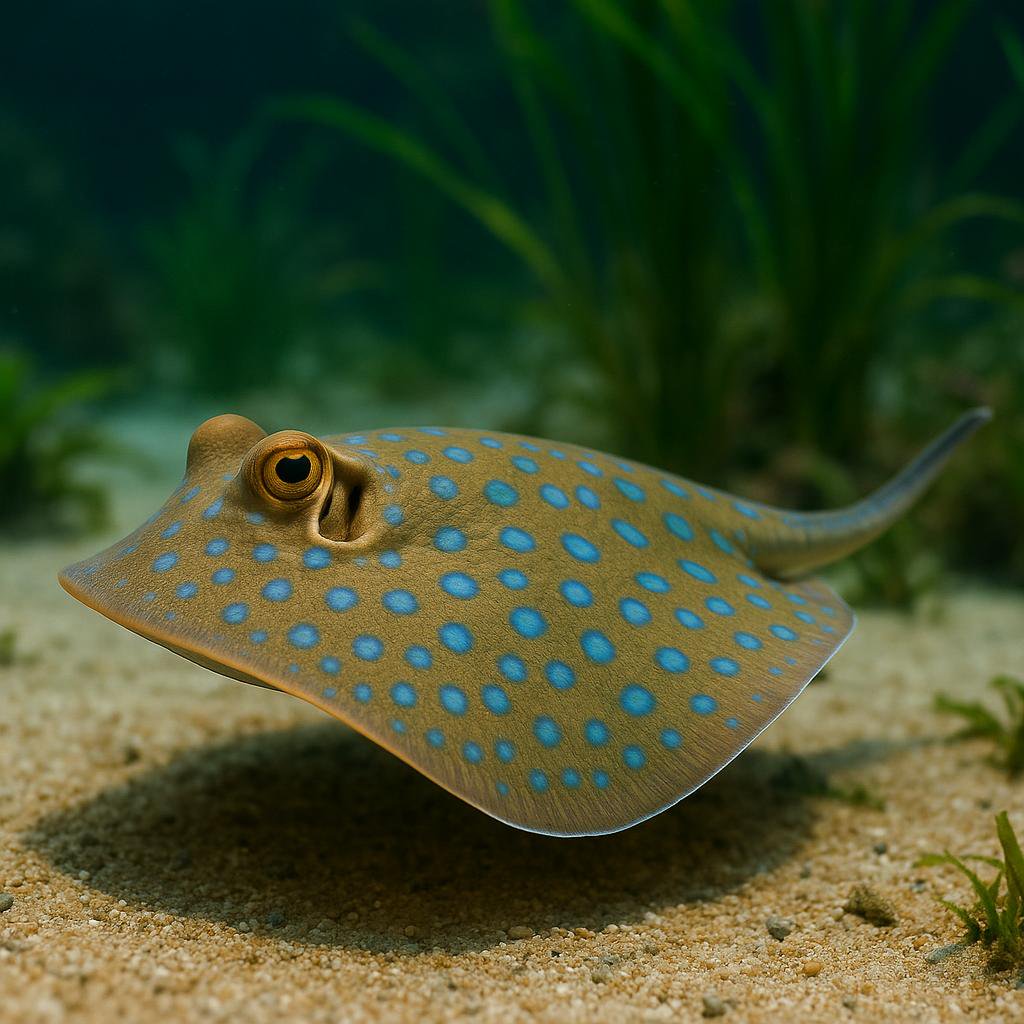
Oriental bluespotted maskray
Neotrygon orientalis
Neotrygon orientalis is a smallish bluespotted maskray from the Indo-Malay/Philippines region - a bottom-hugging marine ray that cruises sandy areas and reefy flats. Its disk is sprinkled with blue spots and it has that classic "mask" marking around the eyes, but its real "wow" factor is how much space and clean sand it needs to live well. This is one of those animals that gets mislabeled as "a stingray for big home tanks" when it really belongs in public-aquarium-level setups.