

Ochre-banded goatfish
Upeneus sundaicus
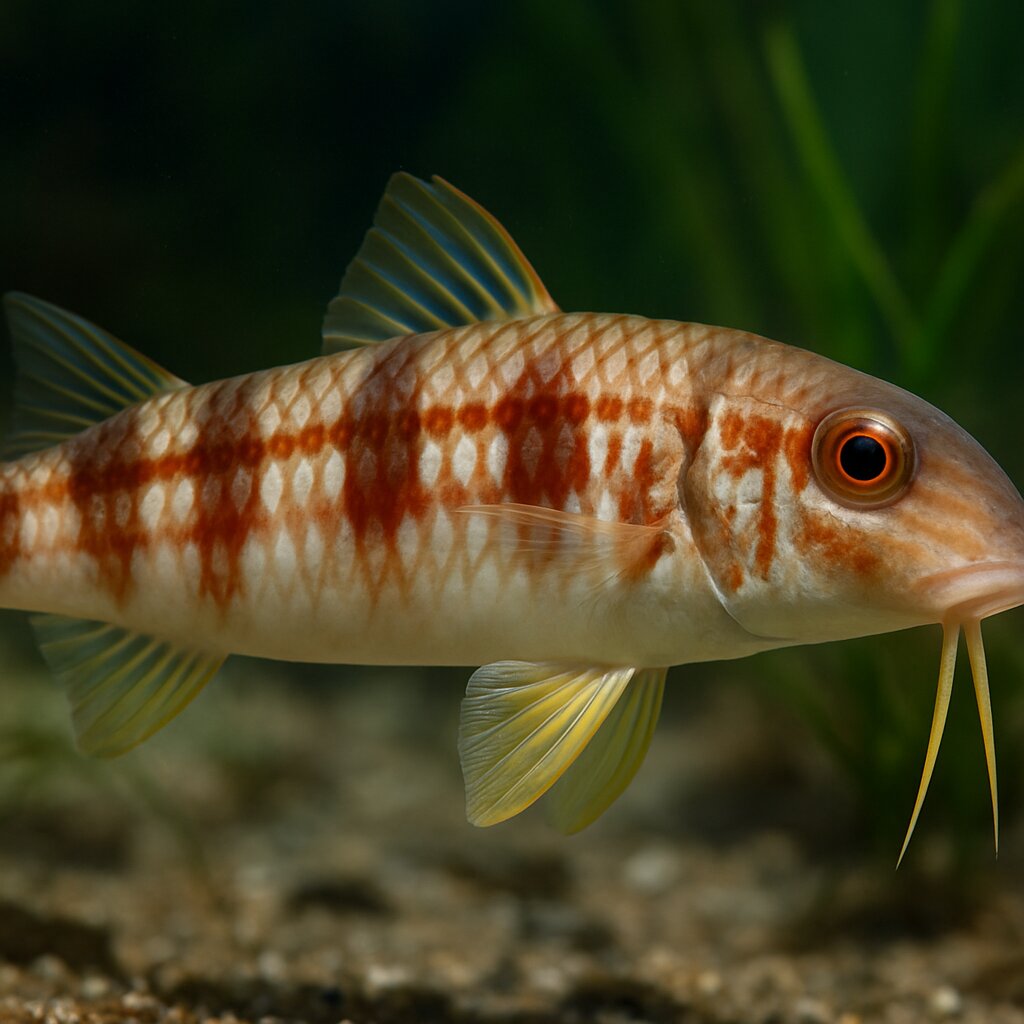
Ochre-banded goatfish exhibit slender bodies with yellowish-brown bands and distinct barbels on the chin for foraging.
This page includes AI-generated images. Why am I seeing AI images?
About the Ochre-banded goatfish
A sand-sifting goatfish with bright yellow barbels and faint ochre bands on the tail. It cruises the bottom in small groups, using those whisker-like barbels to root out worms and tiny crustaceans, so it needs a big tank with fine sand and lots of meaty feedings.
Also known as
Quick Facts
Size
22 cm
Temperament
Peaceful
Difficulty
Expert
Min Tank Size
130 gallons
Lifespan
3-6 years
Origin
Indo-West Pacific (Pakistan and India to Indonesia; also NW Australia to Japan)
Diet
Carnivore - meaty foods like shrimp, worms, and small crustaceans; feed multiple times daily
Water Parameters
24.1-28.6°C
8.1-8.4
8-12 dGH
Need a heater for this species?
This species needs 24.1-28.6°C in a 130 gallon tank. Use our heater calculator to find the right wattage.
Calculate heater sizeCare Notes
- Give it a long tank with a big open sand runway - at least 4 ft and 75-100 gallons - with 2-3 inches of fine sand. Skip crushed coral or sharp grains or it will shred its barbels.
- Keep water clean and well oxygenated: 75-80 F, 1.023-1.026 SG, pH 8.1-8.4, and nitrates under 20 ppm. They crash fast if ammonia or nitrite shows.
- Feed small meaty foods 2-3 times a day and let it graze at dusk. Mysis, chopped clam or shrimp, blackworms, and live pods work great; use a tube to drop food onto the sand.
- It will dig and blast sand everywhere, so lock down your rockwork and keep corals elevated. Cover pump intakes so it does not get its barbels sucked in.
- Not reef safe with small inverts; it will eat worms, crabs, and shrimp. Pair with larger peaceful to mildly pushy fish, and skip triggers, big groupers, and mean wrasses that outcompete it.
- Run strong filtration and a skimmer because this fish is a messy feeder. Aim for steady flow across the sand so food does not rot in dead spots.
- Quarantine and deworm new arrivals. Wild goatfish often carry internal parasites, so a praziquantel round and a couple weeks of observation pays off.
- They spook and jump, especially at lights out. Use a tight mesh lid and dim the tank in steps at night to keep it calm.
Compatibility
Good Tankmates
- Peaceful midwater cruisers like tangs, rabbitfish, and larger fairy or flasher wrasses - they stay off the sand and ignore the goatfish
- Chill shoalers like chromis and anthias - adds movement up top while the goatfish works the bottom
- Clownfish and the calmer Chrysiptera-type damsels - territorial but not bulldozers, and they dont care about the goatfish
- Butterflyfish and Genicanthus angels or other medium angels that are too big to be seen as snacks
- Robust, sand-savvy bottom fish like larger Valenciennea gobies or tilefish, if the tank is big and you feed heavy so nobody goes hungry
Avoid
- Tiny nano fish that hug the sand - trimma/eviota gobies, neon gobies, small dartfish or firefish - easy snacks once the lights go out
- Big bullies and fin-nippers - triggers, large Thalassoma wrasses, big dottybacks, mean damsels - theyll harass a peaceful goatfish
- Predators with big mouths - groupers, lionfish, large eels - will eventually swallow a goatfish
- Slow, picky eaters like mandarins, pipefish, and seahorses - the goatfish vacuums up meaty foods before they even notice
Where they come from
Ochre-banded goatfish (Upeneus sundaicus) show up across warm Indo-Pacific shallows. Think sandy bays, seagrass edges, and rubble flats near reefs. They spend their time head-down, sweeping those whisker-like barbels through the sand for worms and little crustaceans, most active at dawn and dusk.
Setting up their tank
Give them room. A single adult belongs in a 6 ft x 2 ft footprint at minimum (180 gallons), and bigger is better. They are constant movers and diggers, so space and a safe sand bed matter more than fancy rock towers.
- Substrate: fine, sugar-size aragonite sand, 2-3 inches deep. No crushed coral or sharp grains.
- Aquascape: keep rock piles low and locked together. Leave a big open sand flat up front.
- Flow: moderate laminar flow with some calmer pockets over the sand.
- Lid: tight-fitting top. Goatfish can and will jump.
- Lighting: they do fine under reef lights, but give shaded areas if you run it bright.
- Filtration: heavy skimmer, strong mechanical filtration (filter socks/rollers), and lots of oxygen.
Secure your rockwork. They dig like small bulldozers. If rocks sit on sand, they can undermine them and cause a collapse.
Water parameters: 1.023-1.026 SG, 75-81 F (24-27 C), pH 8.1-8.4, low nutrients. They eat a lot and make waste, so plan for big, regular water changes.
What to feed them
They are sand sifters that target meaty prey. A new goatfish might ignore floating foods at first. Get the food down to the sand where their barbels tell them it's worth eating.
- Fresh or frozen seafood mix: finely chopped shrimp, clam, mussel, squid, fish.
- Mysis shrimp and enriched brine (brine is a snack, not a staple).
- Marine-origin blackworms or chopped earthworms (rinsed well).
- Sinking carnivore pellets once they learn the routine.
- Occasional live foods to spark interest if a new fish is being stubborn.
Turn off flow, drop small piles of food onto the sand in 2-3 spots, and step back. They follow their nose. Once they associate you with sand snacks, you can slowly switch to more pellets and less seafood.
Feed smaller meals 2-3 times daily. Soak foods in vitamins (Selcon, similar) a few times a week. They burn calories by pacing and digging, and they lose weight fast if you skimp.
How they behave and who they get along with
Personality-wise, they are calm but all business. They ignore most fish but will eat anything bite-sized that lives on or near the sand. Not reef safe with small inverts. They will plow through coral frags and dust them with sand.
- Good tankmates: tangs, rabbitfish, larger wrasses (fairy, flasher, some Halichoeres), big angels, larger butterflies, foxface, peaceful groupers that do not bully.
- Use caution with: other bottom dwellers that need the same sand (gobies, jawfish, mandarins). They compete and get irritated.
- Avoid: ornamental shrimp, small crabs, tiny fish, and slow nano species. They are snacks.
Not reef safe with inverts. Expect them to eat worms, hermits, small snails, and shrimp. They also kick sand onto corals.
Add the goatfish before adding tiny, timid sand dwellers. Feed generously so it is less tempted to investigate tankmates.
Breeding tips
Not a home project. They are broadcast spawners with tiny pelagic larvae that need specialized rearing and live plankton. Public aquariums with giant systems sometimes see courtship at dusk, but raising the young is a different game entirely.
Common problems to watch for
- Starvation in the first month: if it only pecks and never takes real bites, increase feeding spots, try live foods, and keep the food on the sand. Watch the belly; it should not look pinched.
- Barbel damage from rough substrate: switch to finer sand and keep it clean. Damaged barbels make feeding harder.
- Sand storms and cloudy water: throttle return pumps during feeding and aim powerheads away from the sand flat.
- Parasites and internal worms: wild-caught fish often need a deworming plan. Quarantine and observe appetite and feces.
- Medication sensitivity: goatfish can go off food under heavy copper or harsh treatments. If you must medicate, ramp slowly, stay in recommended ranges, and keep feeding during treatment.
- Rockwork accidents: make sure structures sit on the tank bottom or PVC supports, not on sand.
New goatfish not eating by day 3-4? Cut the lights low, shut off flow, and offer small piles of finely chopped clam and mysis right on the sand. If that fails, try a bit of live blackworm. Once it takes a few good meals, you can expand the menu.
Similar Species
Other marine peaceful species you might be interested in.
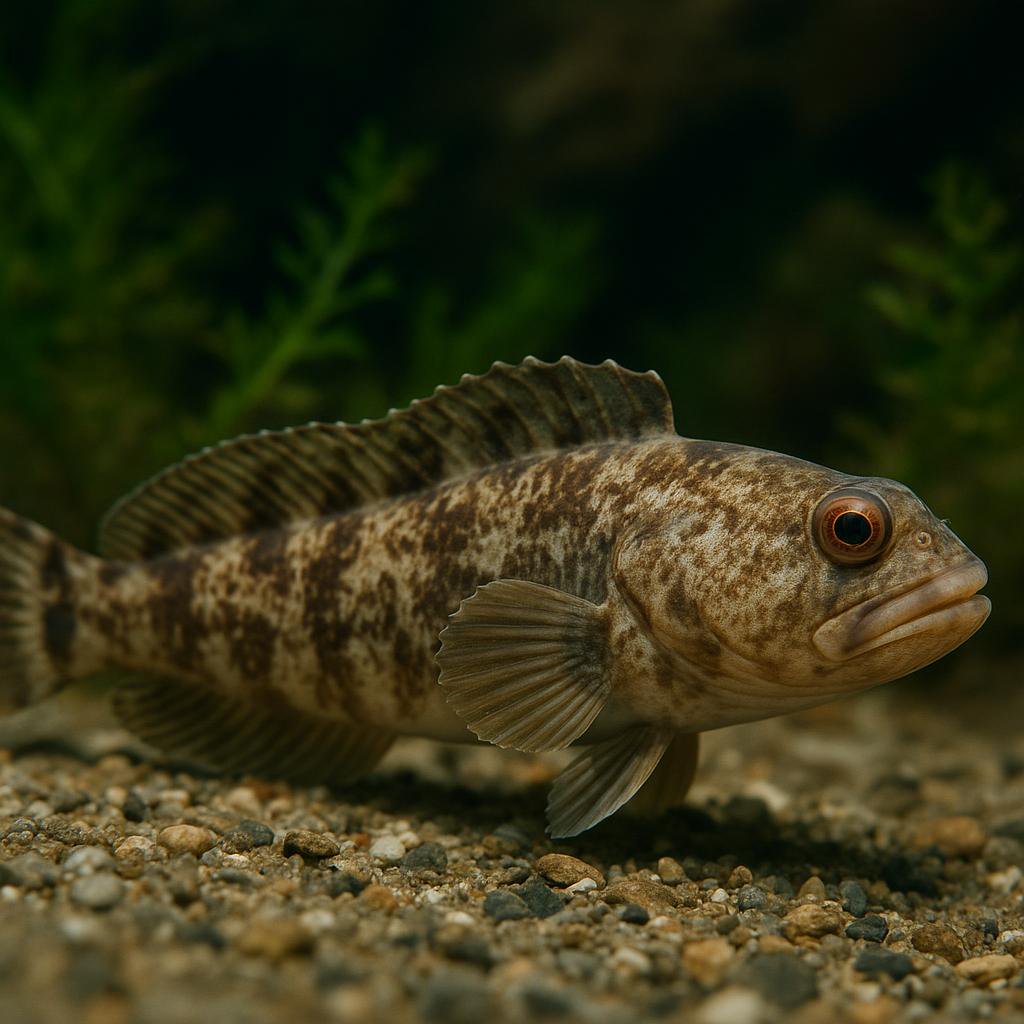
Abe's eelpout
Japonolycodes abei
Japonolycodes abei is a temperate, deepwater demersal eelpout (family Zoarcidae) endemic to Japan (Kumano-nada Sea reported; other sources also report Sagami Bay and Tosa Bay). It is the only species in the genus Japonolycodes and occurs roughly 40-300 m depth, making it an uncommon/atypical aquarium species.
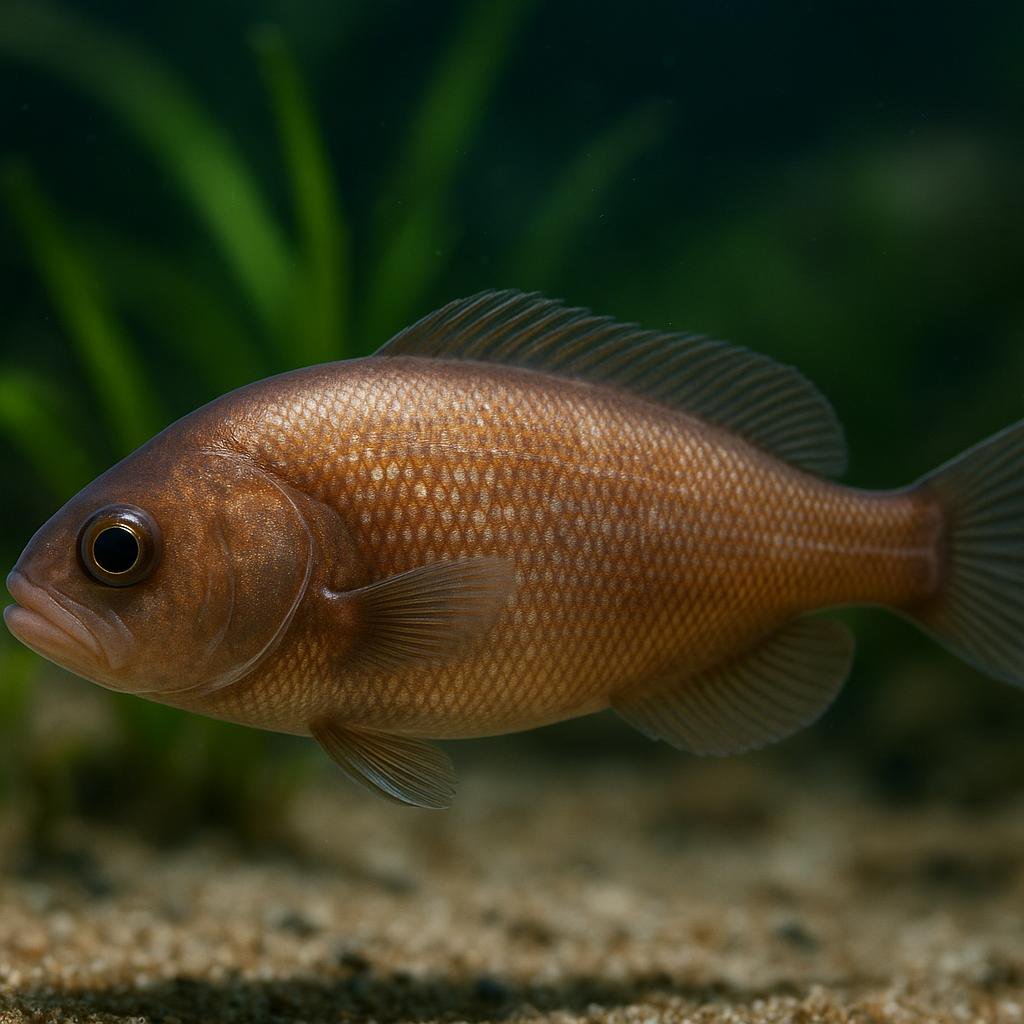
Affinis blind cusk-eel
Barathronus affinis
Barathronus affinis is a tiny, super-weird deep-sea blind cusk-eel from the western-central Indian Ocean. It is one of those gelatinous, loose-skinned brotula-type fishes that live way down in the dark and are basically never seen alive, so almost everything we know comes from preserved specimens and taxonomic work.
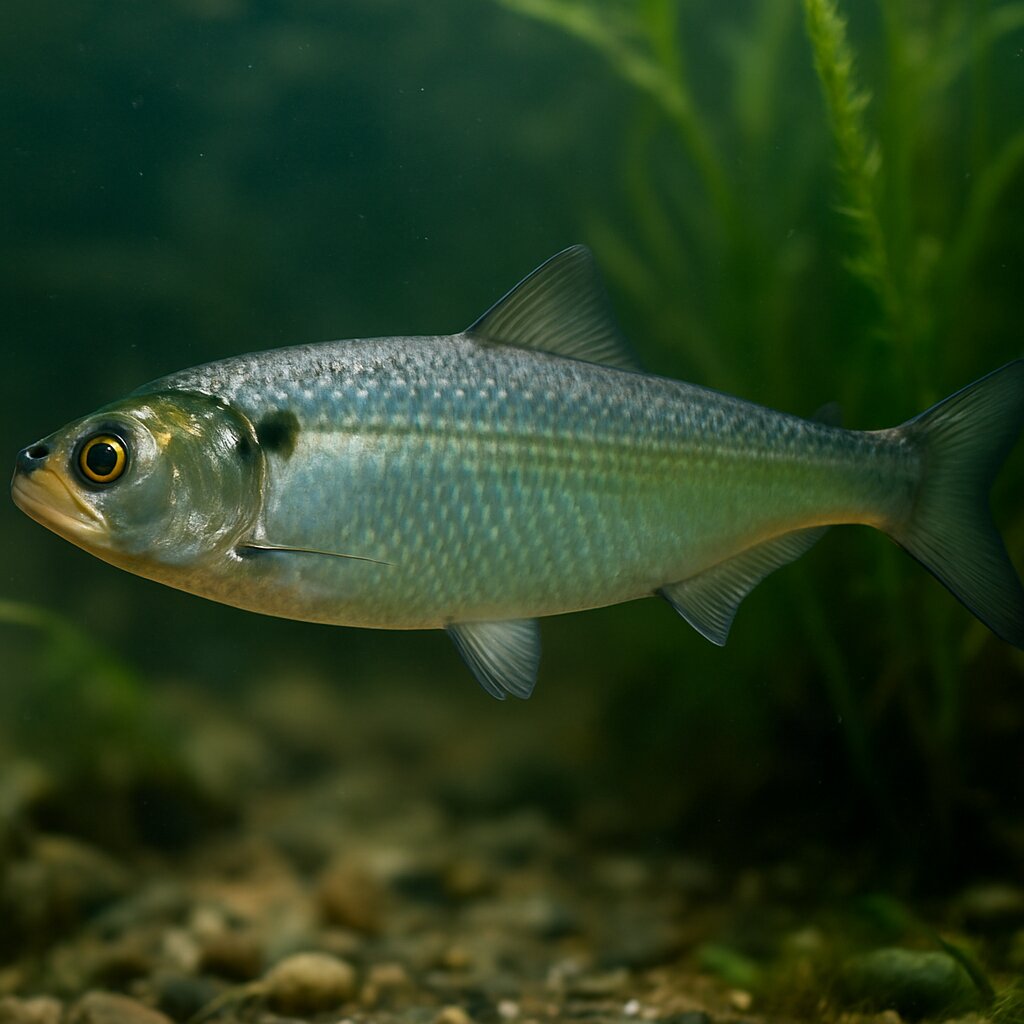
Allis shad
Alosa alosa
Gorgeous silver, fast-swimming shad that spends most of its life in the sea and then surges up big rivers in noisy, surface-spawning schools. It grows huge for a herring-type fish and needs cool, ultra-oxygenated water and tons of open space, so it is a public-aquarium species rather than a home tank fish.
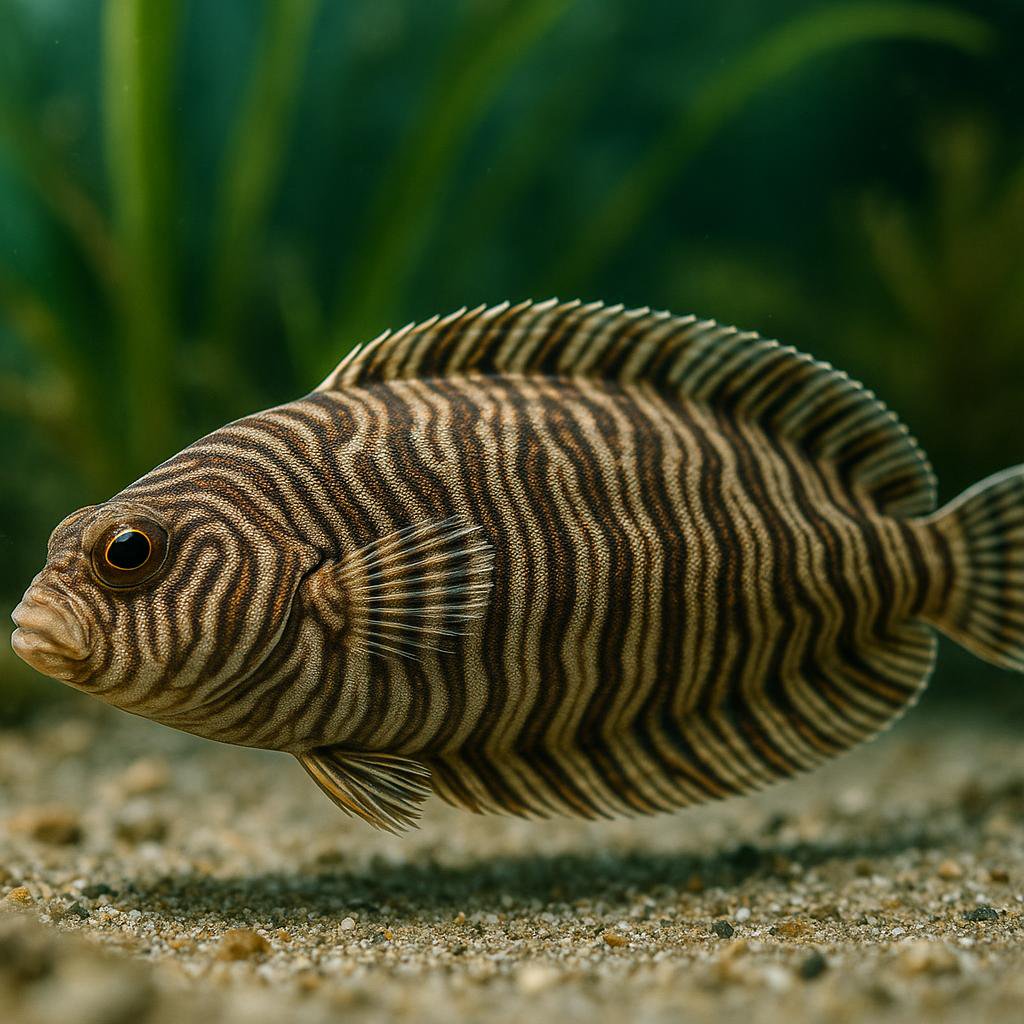
Annandale's zebra sole
Zebrias annandalei
Zebrias annandalei is a small demersal sole from coastal India that inhabits sandy or muddy bottoms and buries for camouflage. It is rarely kept in home aquaria and would require a specialized marine sand-bottom setup and appropriate feeding.
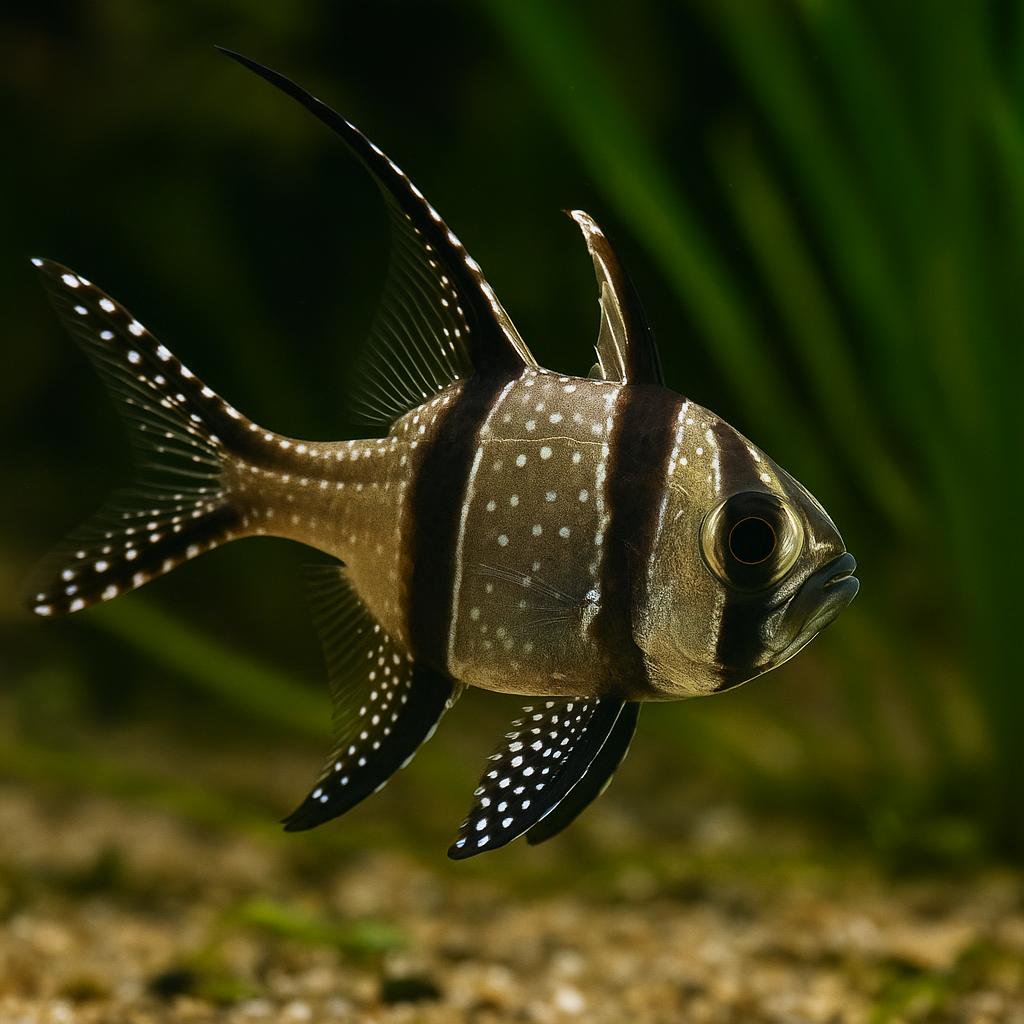
Banggai Cardinalfish
Pterapogon kauderni
Banggai cardinals just sort of hover like little underwater satellites, and the bold black bars with those long, polka-dotted fins look unreal under reef lighting. They're super chill most of the time, but once a pair forms you'll see real "fish drama," and the male will even mouthbrood the babies like a champ.
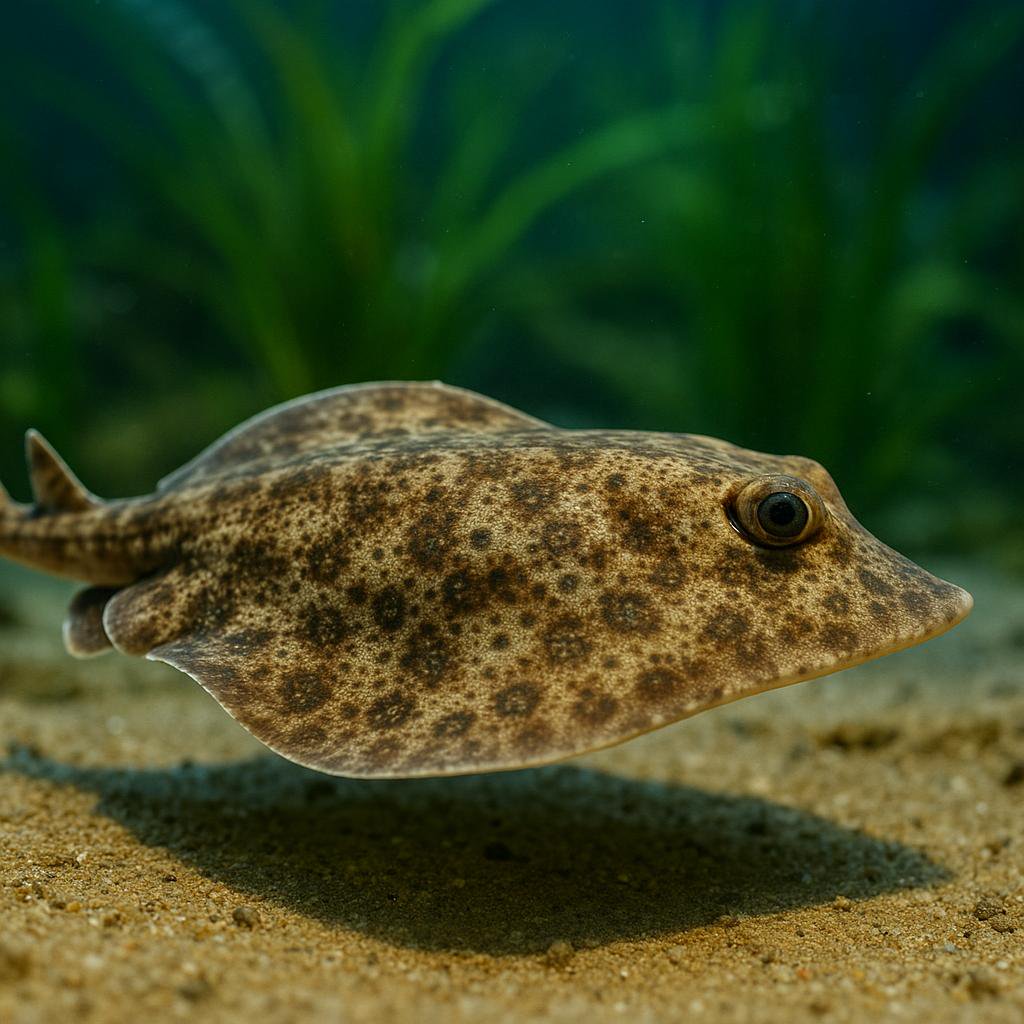
Barbedwire-tailed skate
Notoraja martinezi
Notoraja martinezi is a deepwater skate from the eastern Pacific (Costa Rica down to Ecuador) that lives way down on soft bottoms. The tail is the giveaway - it is lined with strong, hooked thorns that really do look like barbed wire. This is absolutely not an aquarium fish; it is a cold, high-pressure deep-sea animal with basically no practical home care info because it is not kept in the hobby.
More to Explore
Discover more marine species.
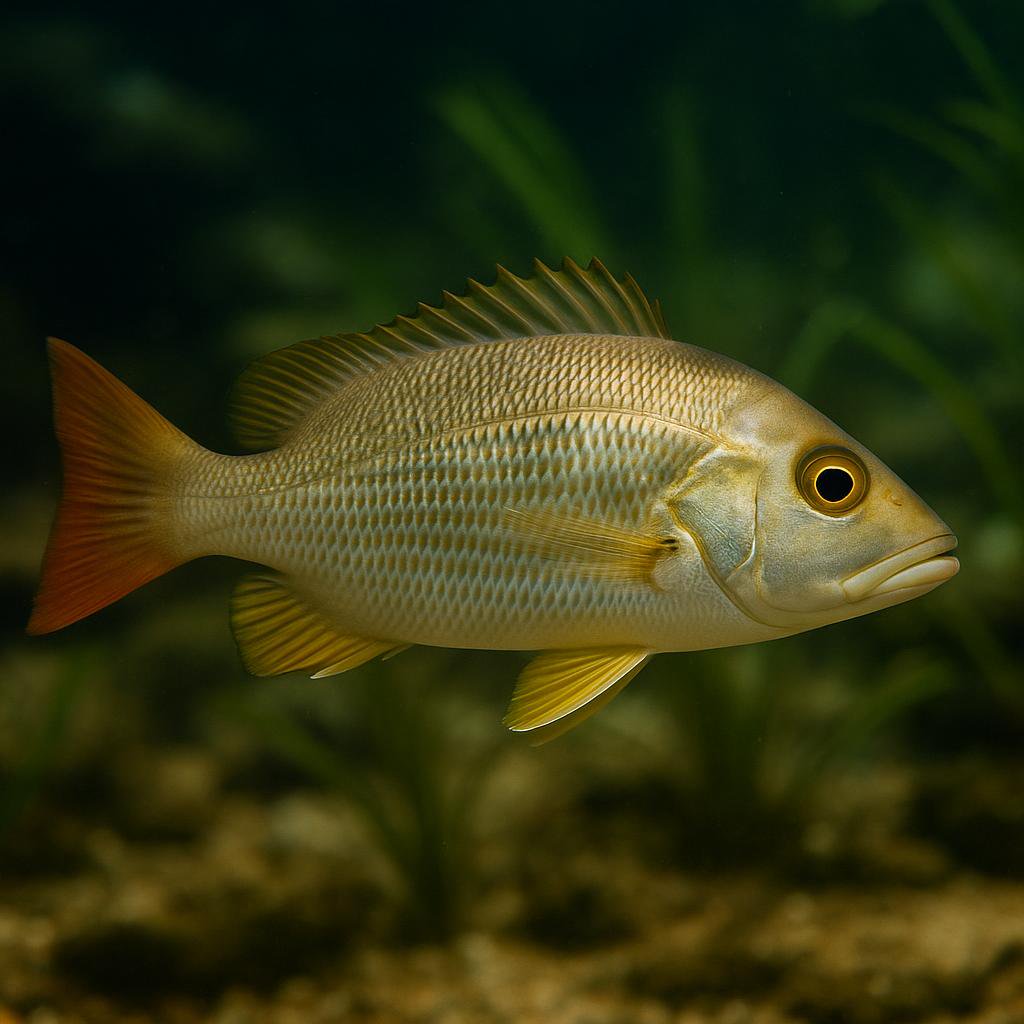
African red snapper
Lutjanus agennes
This is a true snapper from West Africa - a big, fast-growing predator that goes from coastal reefs to brackish lagoons and estuaries (especially as a juvenile). Super cool fish in the wild, but it gets absolutely huge and will eat smaller tankmates once it has the mouth for it, so its really more of a public-aquarium scale animal than a home-aquarium fish.
Aleutian skate
Bathyraja aleutica
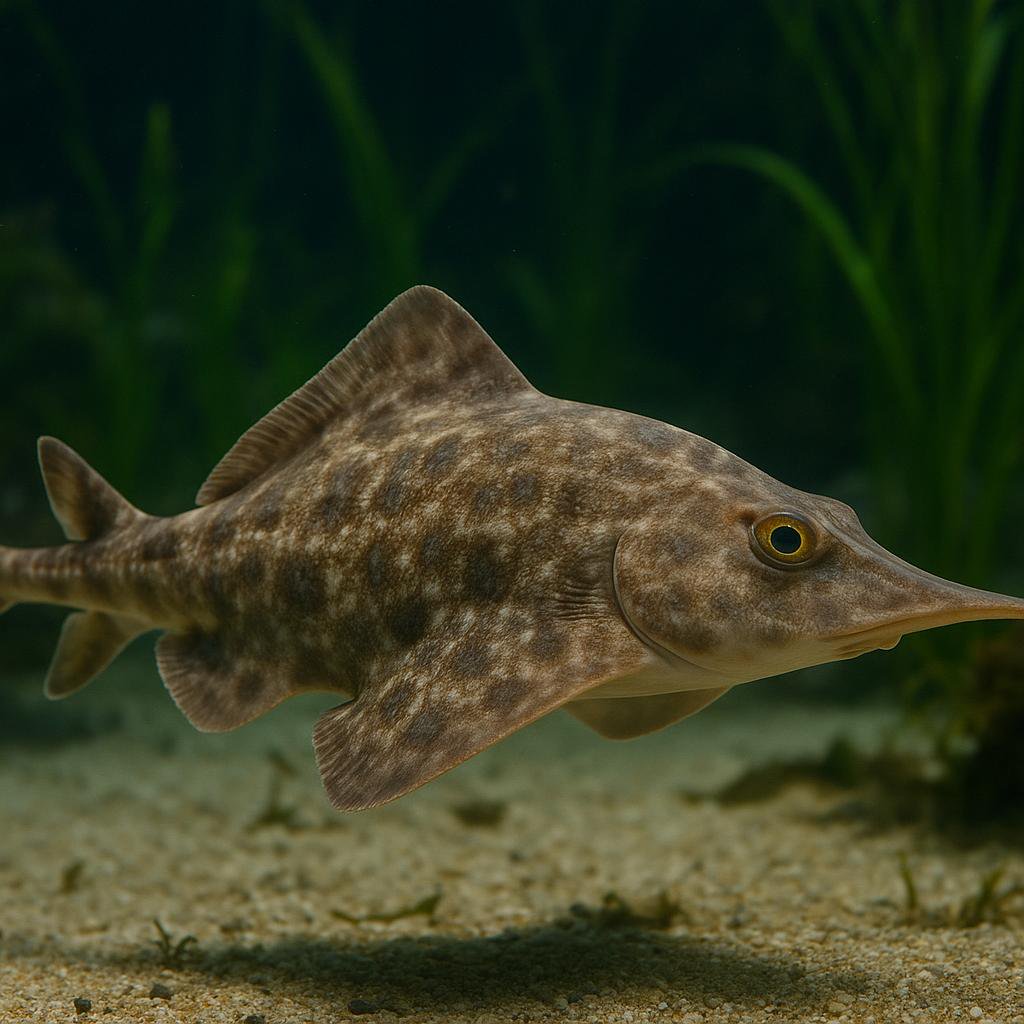
This is a big, cold-water deep-slope skate from the North Pacific that cruises muddy bottoms and eats chunky benthic prey like crabs and shrimp. The really cool bit is its egg-laying skate life - it does distinct pairing (the classic skate "embrace") and drops those tough egg cases on the seafloor. Not an aquarium fish at all unless you're basically running a public-aquarium-style chilled system.
Antarctic dragonfish
Vomeridens infuscipinnis
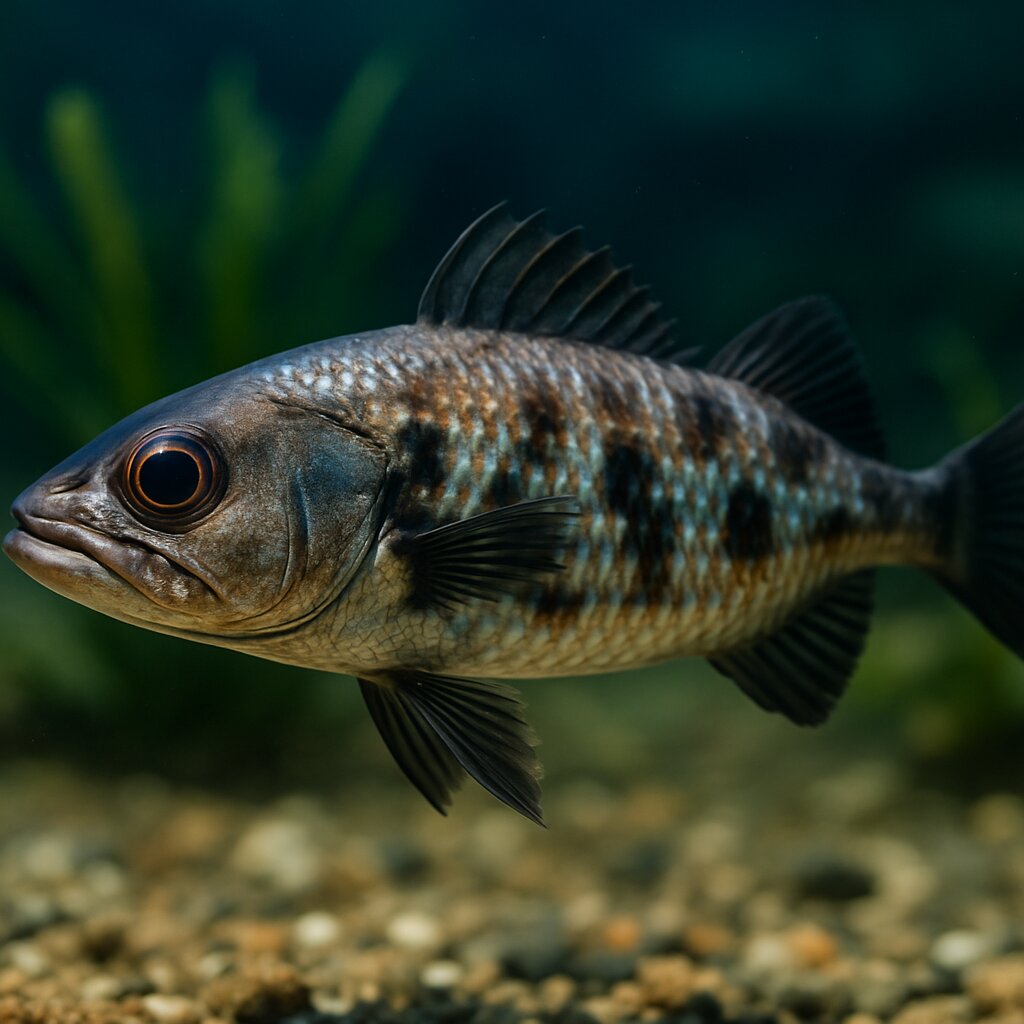
Deep down around Antarctica, this sleek dragonfish cruises the water column like a little submarine, nearly neutrally buoyant so it can hover above the seafloor. It munches almost exclusively on Antarctic krill and lives in near-freezing water 500-800 m down, so it is a cool species to read about, not one for home tanks.
Arabian spiny eel
Notacanthus indicus
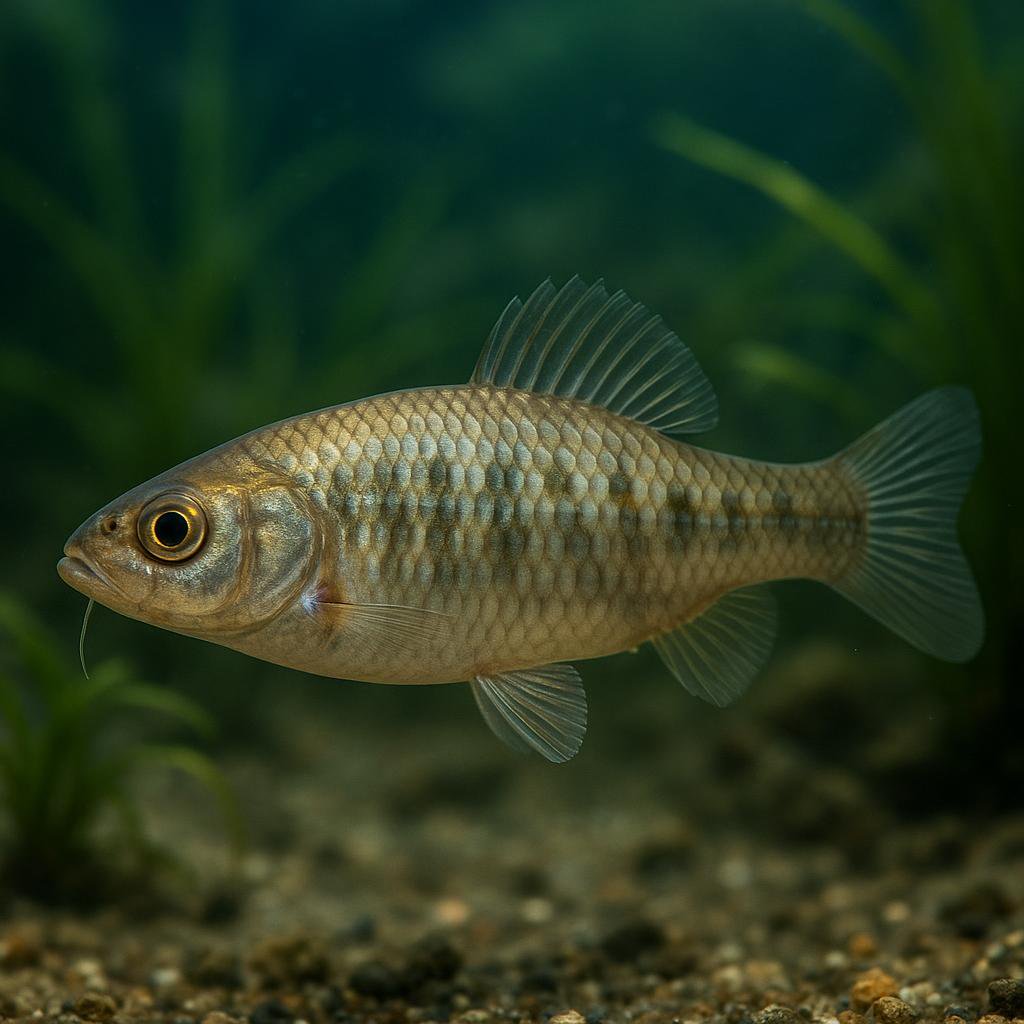
Notacanthus indicus is a deep-sea spiny eel (family Notacanthidae; not a true eel) known from the Arabian Sea on the continental slope at roughly ~960–1,046 m depth, with reported maximum length around 20 cm TL; it is a deep-water bycatch species and not established in the aquarium trade.
Arctic rockling
Gaidropsarus argentatus
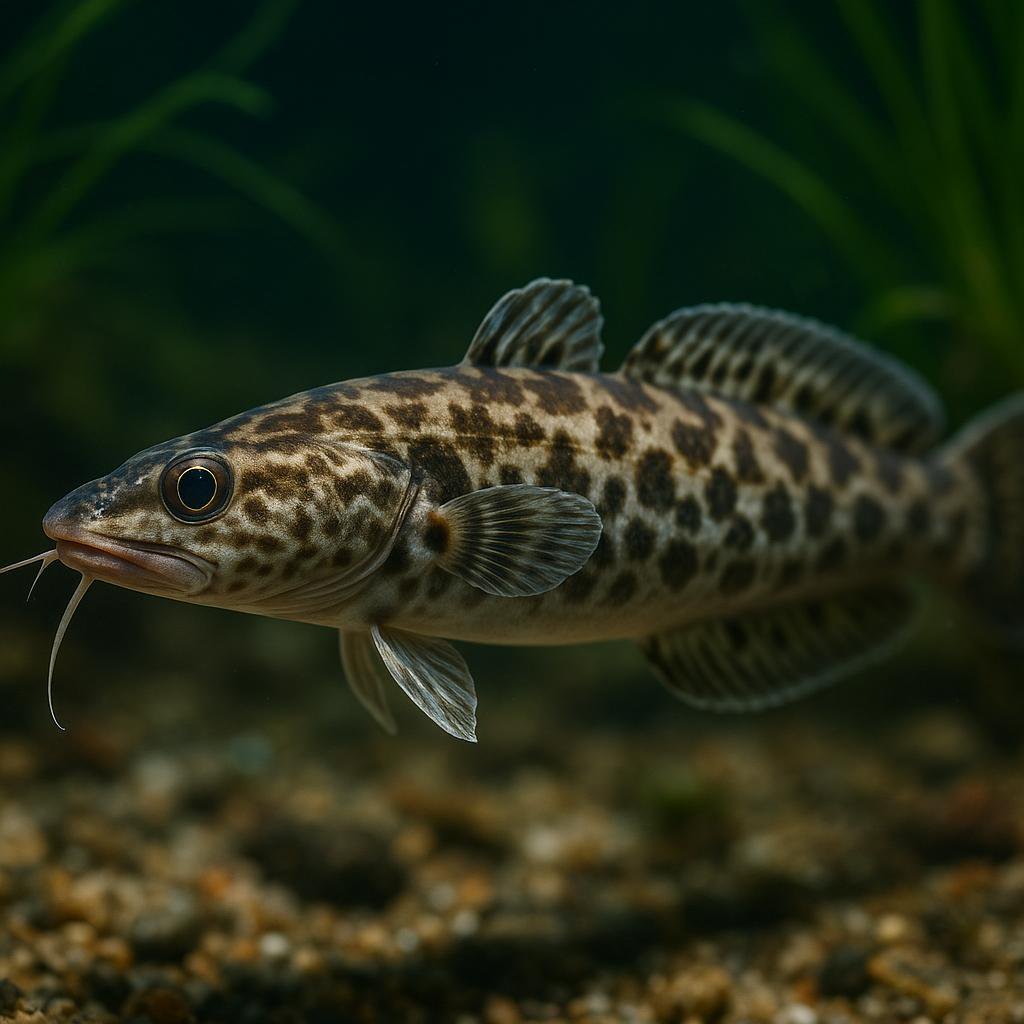
This is a deepwater North Atlantic rockling (a cod relative) that hangs out on soft bottoms way down the slope. It is a cold-water, bottom-hugging predator that snoots around for crustaceans and will also take small fish when it gets the chance.
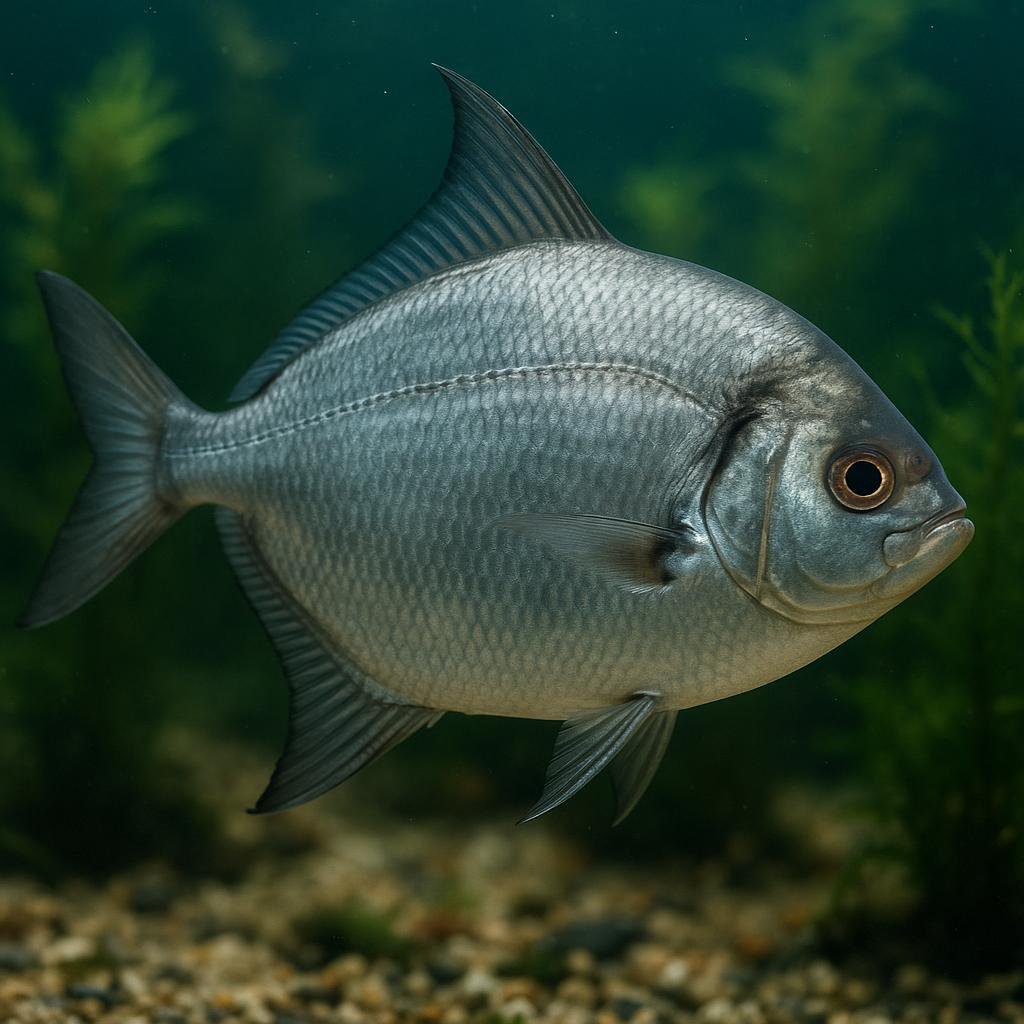
Atlantic pomfret
Brama brama
Brama brama is the Atlantic pomfret (aka Ray's bream) - a deep-bodied, open-ocean pelagic fish that cruises around in small schools and follows water temps. It is a legit big, wild marine species (not an aquarium fish) that eats other small sea critters like fish and squid, and it ranges across a huge chunk of the Atlantic plus parts of the Indian and South Pacific.
Looking for other species?