

Oceanic lightfish
Vinciguerria nimbaria
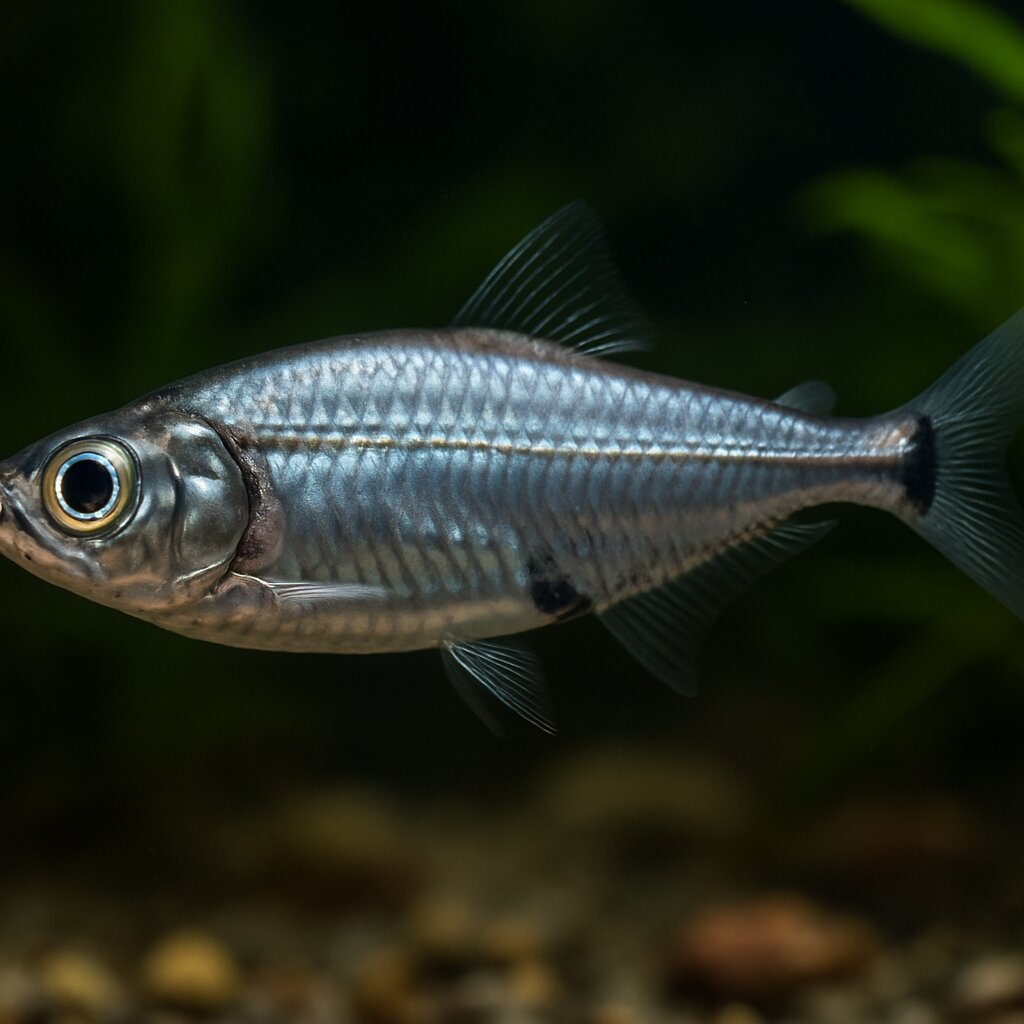
The Oceanic lightfish has a streamlined, translucent body with bioluminescent organs along its sides, typically exhibiting a silvery hue.
This page includes AI-generated images. Why am I seeing AI images?
About the Oceanic lightfish
Oceanic lightfish is a tiny silvery glowbug that spends the day deep and then rides up toward the surface at night in big schools. It tops out around 5.5 cm and stuffs itself with copepods, making it prime fuel for tuna and other predators. Super cool pelagic fish, but it is a true open-ocean species and not a home-aquarium candidate.
Also known as
Quick Facts
Size
5.5 cm
Temperament
Peaceful
Difficulty
Expert
Min Tank Size
1000 gallons
Lifespan
6-12 months
Origin
Tropical and subtropical oceans worldwide
Diet
Zooplanktivore - mainly copepods and other small crustaceans
Water Parameters
12.2-28.8°C
7.8-8.4
300-400 dGH
Need a heater for this species?
This species needs 12.2-28.8°C in a 1000 gallon tank. Use our heater calculator to find the right wattage.
Calculate heater sizeCare Notes
- Use a round or kreisel-style chilled marine setup, 300+ liters, with blacked-out sides; view under dim red light only.
- Run 8-14 C (do not exceed 16 C), 35 ppt (1.025-1.027 sg), pH 8.0-8.3; keep O2 near saturation via skimmer or O2 cone in the sump and keep microbubbles out of the display.
- Set a gentle continuous gyre so they can cruise in midwater; soft screens on overflows and pumps so no tails get sucked in.
- Feed live calanoid copepods, enriched Artemia nauplii, and shaved mysid or krill kept suspended; trickle-feed tiny portions 6-10 times daily, mostly after lights-out.
- Keep a school of 8-12 so they settle; skip tankmates unless they are small, non-nippy, coldwater plankton-eaters, and never mix with anything that hunts by sight.
- Acclimate in the dark with a chilled slow drip and minimal handling; move using water-filled cups (no nets) and use a tight lid because they launch.
- Expect zero breeding in captivity - they broadcast spawn and the larvae are oceanic plankton; enjoy them as a schooling display only.
- Watch for head-up floating, wall-bumping, or red gills after collection; dim the tank, stabilize temp, and use a floating corral ring to keep them off the glass while they recover.
Compatibility
Good Tankmates
- A big group of their own species, 12+ if you can swing it. Schooling keeps them calm and feeding.
- Other gentle mesopelagic schoolers like lanternfish (Myctophidae), run in a chilled, very dim tank.
- Pearlsides and marine hatchetfish (Maurolicus, Sternoptyx) that share the midwater lane and are not nippy.
- Small coldwater smelts and similar small-mouthed pelagics like capelin or rainbow smelt, sized so no one fits in a mouth.
- Slow, non-predatory coldwater pelagics that pick tiny plankton and do not crowd-feed aggressively.
- Public aquarium style mixed deepwater display neighbors of similar size and cruising speed, kept at 6-10 C with high O2.
Avoid
- Anything fast and predatory with a big mouth like mackerel, jacks, small tunas, or barracuda.
- Rowdy tropical reef fish like damsels, triggers, or big wrasses. Wrong temperature and way too pushy.
- Ambush or cruising predators from deep water like cods, hakes, or barracudinas. They will snack on lightfish.
- Hyperactive schooling clupeids like sardines and anchovies that will bulldoze them at feeding time.
Similar Species
Other marine peaceful species you might be interested in.
Abe's eelpout
Japonolycodes abei
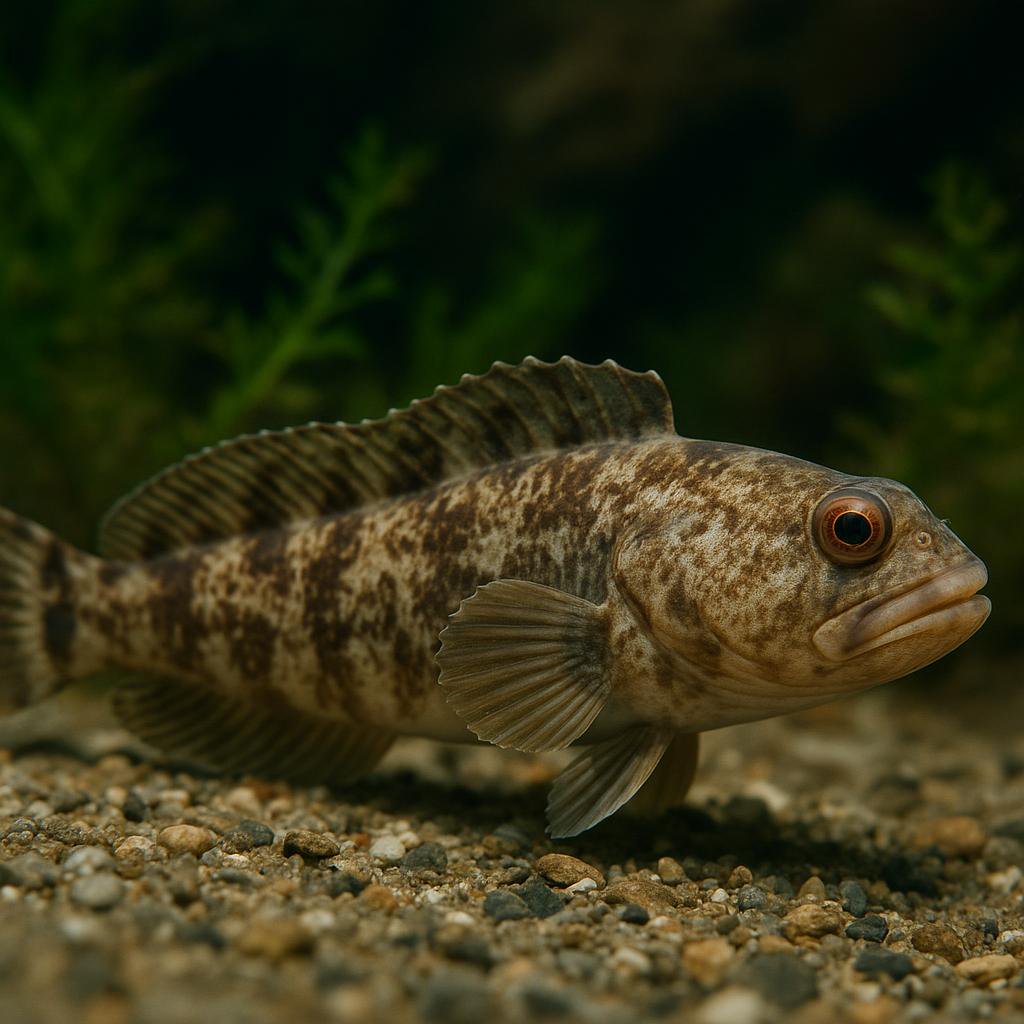
Japonolycodes abei is a temperate, deepwater demersal eelpout (family Zoarcidae) endemic to Japan (Kumano-nada Sea reported; other sources also report Sagami Bay and Tosa Bay). It is the only species in the genus Japonolycodes and occurs roughly 40-300 m depth, making it an uncommon/atypical aquarium species.
Affinis blind cusk-eel
Barathronus affinis
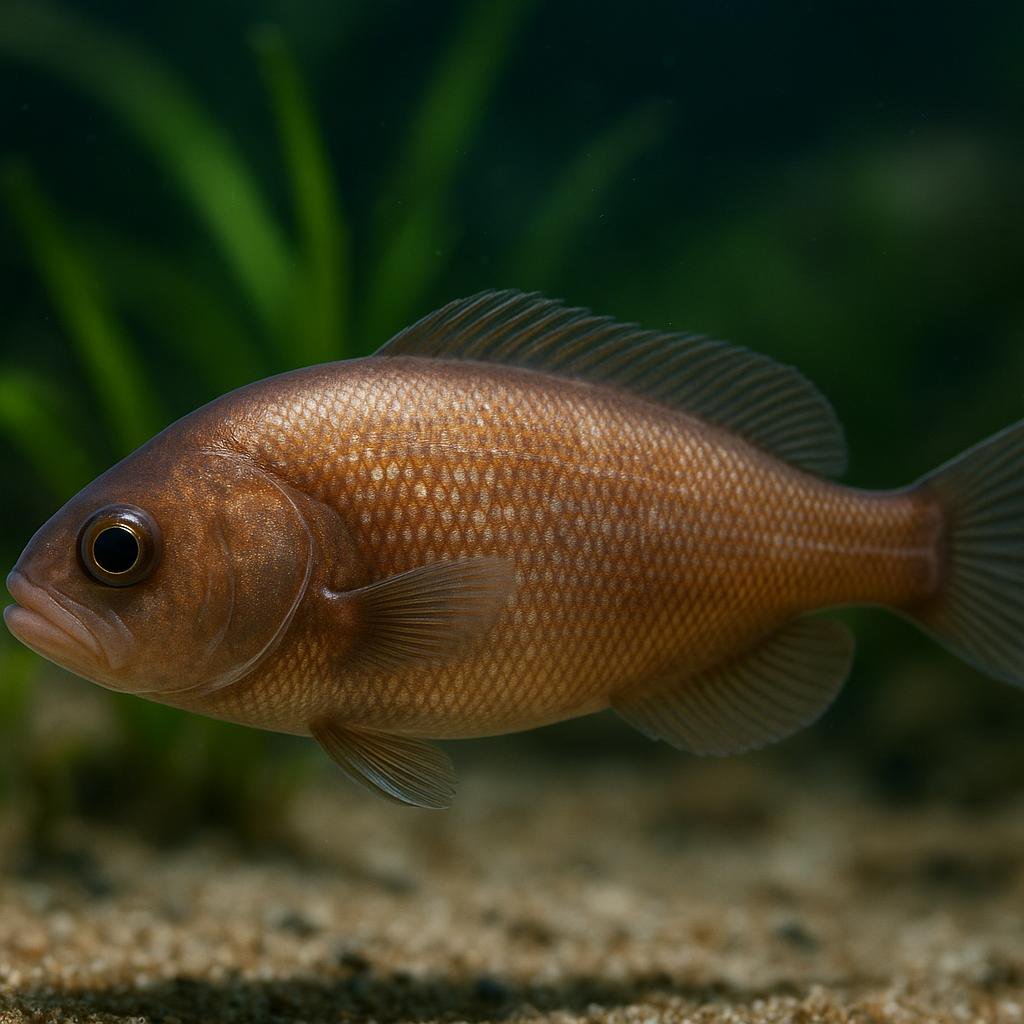
Barathronus affinis is a tiny, super-weird deep-sea blind cusk-eel from the western-central Indian Ocean. It is one of those gelatinous, loose-skinned brotula-type fishes that live way down in the dark and are basically never seen alive, so almost everything we know comes from preserved specimens and taxonomic work.
Allis shad
Alosa alosa
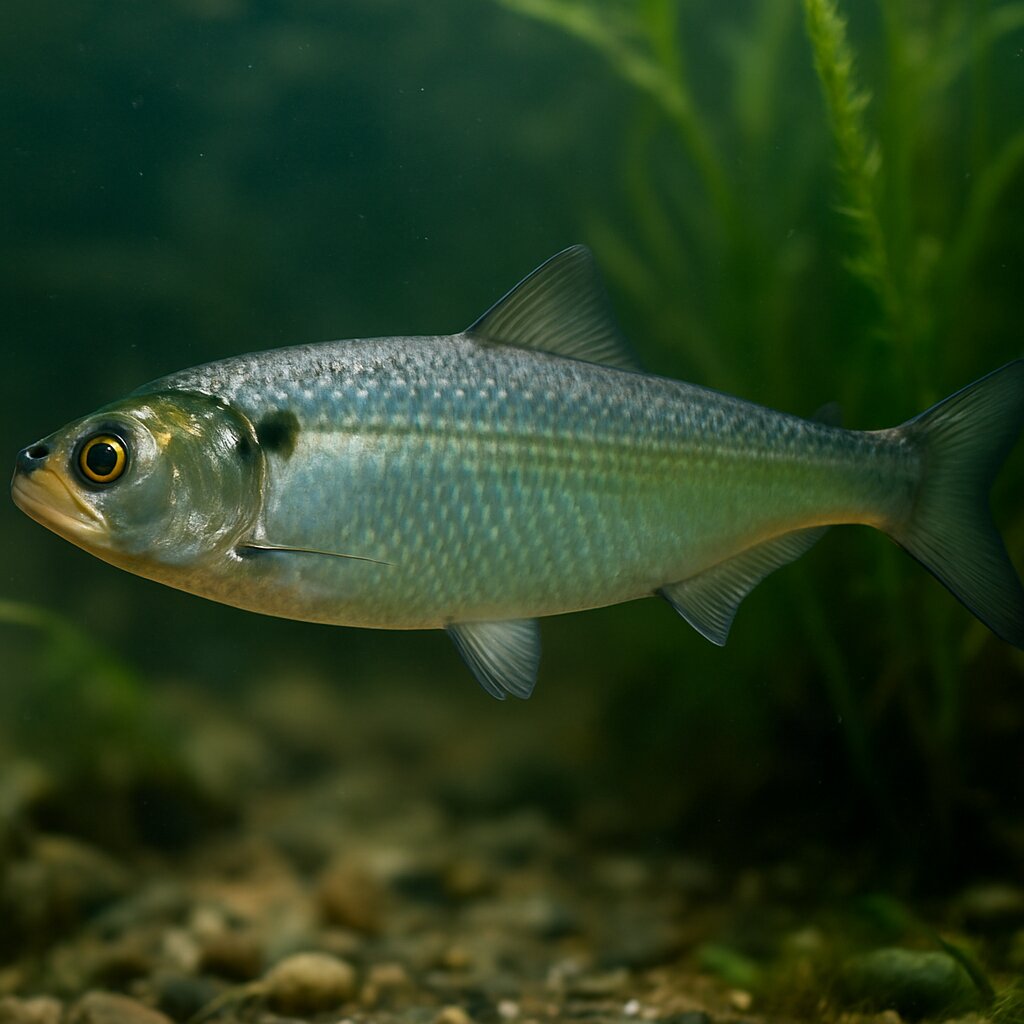
Gorgeous silver, fast-swimming shad that spends most of its life in the sea and then surges up big rivers in noisy, surface-spawning schools. It grows huge for a herring-type fish and needs cool, ultra-oxygenated water and tons of open space, so it is a public-aquarium species rather than a home tank fish.
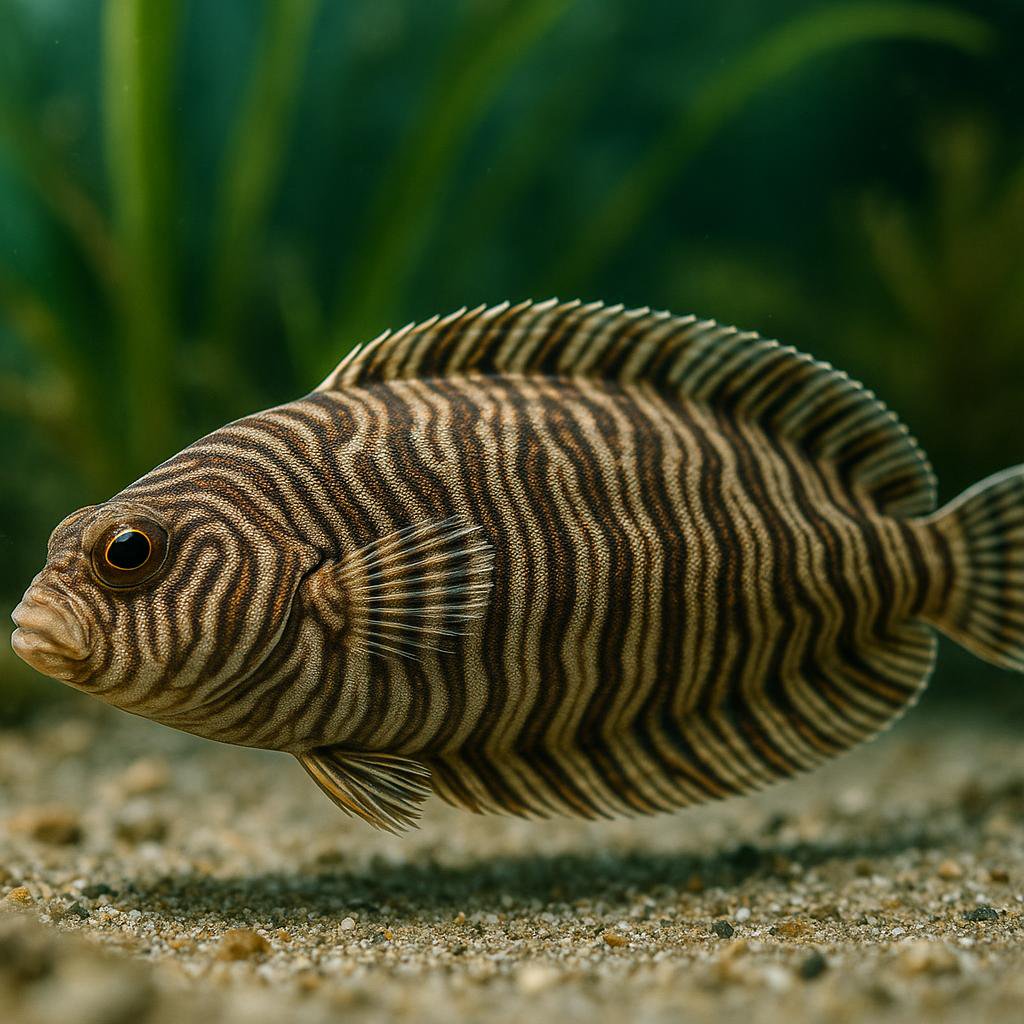
Annandale's zebra sole
Zebrias annandalei
Zebrias annandalei is a small demersal sole from coastal India that inhabits sandy or muddy bottoms and buries for camouflage. It is rarely kept in home aquaria and would require a specialized marine sand-bottom setup and appropriate feeding.
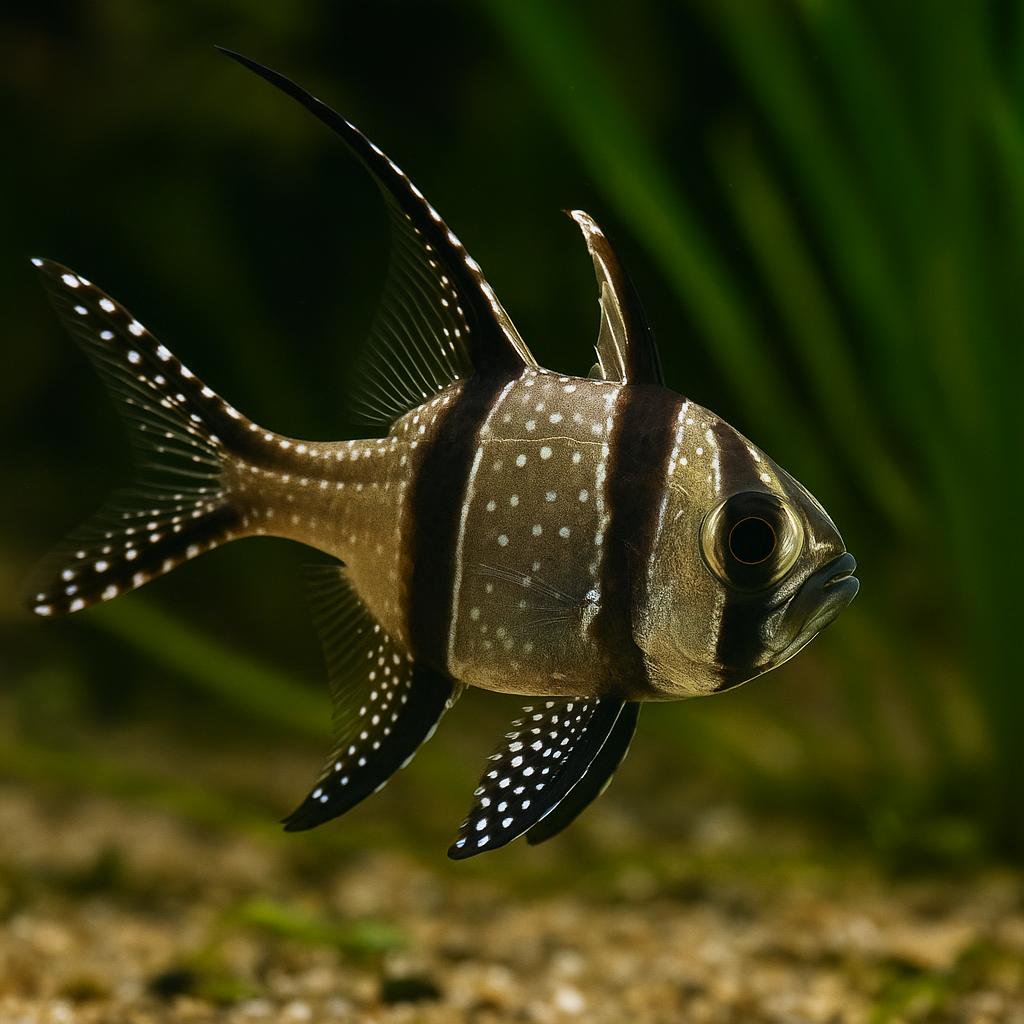
Banggai Cardinalfish
Pterapogon kauderni
Banggai cardinals just sort of hover like little underwater satellites, and the bold black bars with those long, polka-dotted fins look unreal under reef lighting. They're super chill most of the time, but once a pair forms you'll see real "fish drama," and the male will even mouthbrood the babies like a champ.
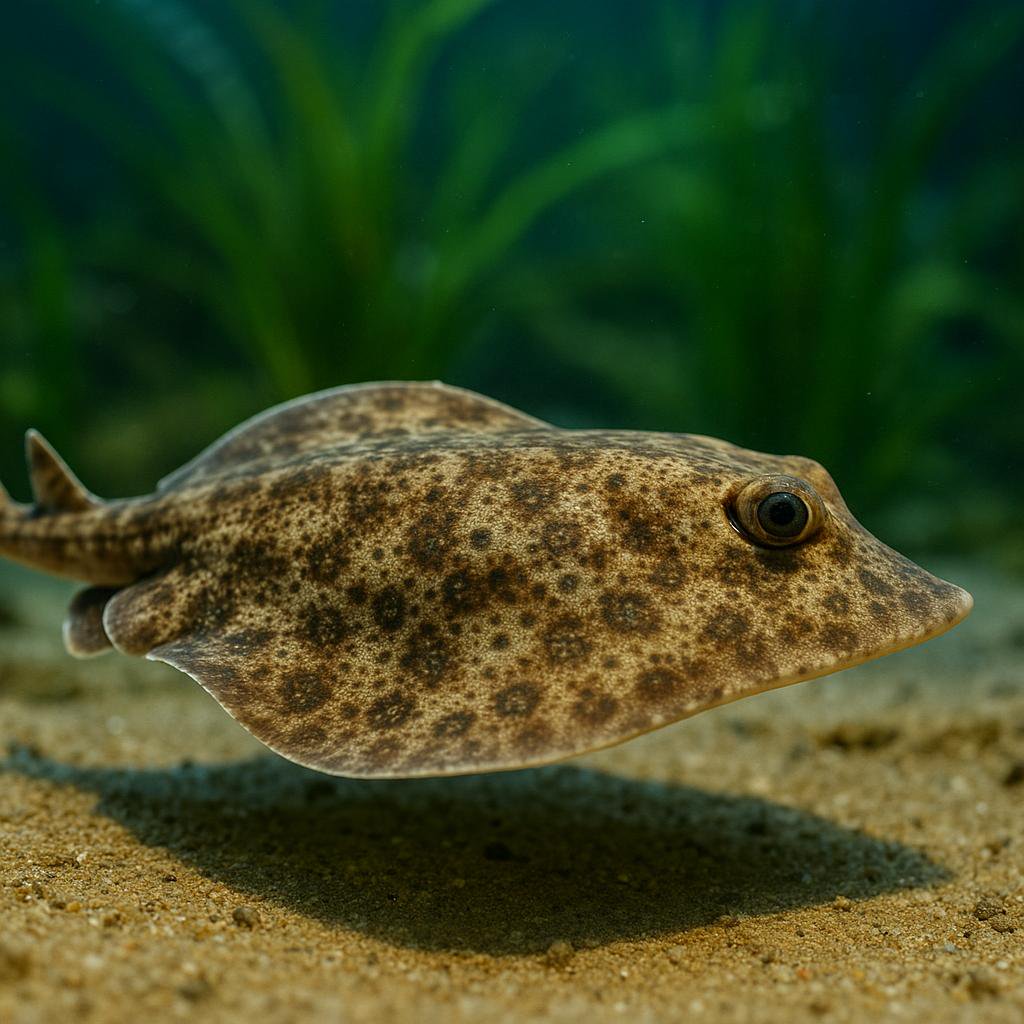
Barbedwire-tailed skate
Notoraja martinezi
Notoraja martinezi is a deepwater skate from the eastern Pacific (Costa Rica down to Ecuador) that lives way down on soft bottoms. The tail is the giveaway - it is lined with strong, hooked thorns that really do look like barbed wire. This is absolutely not an aquarium fish; it is a cold, high-pressure deep-sea animal with basically no practical home care info because it is not kept in the hobby.
More to Explore
Discover more marine species.
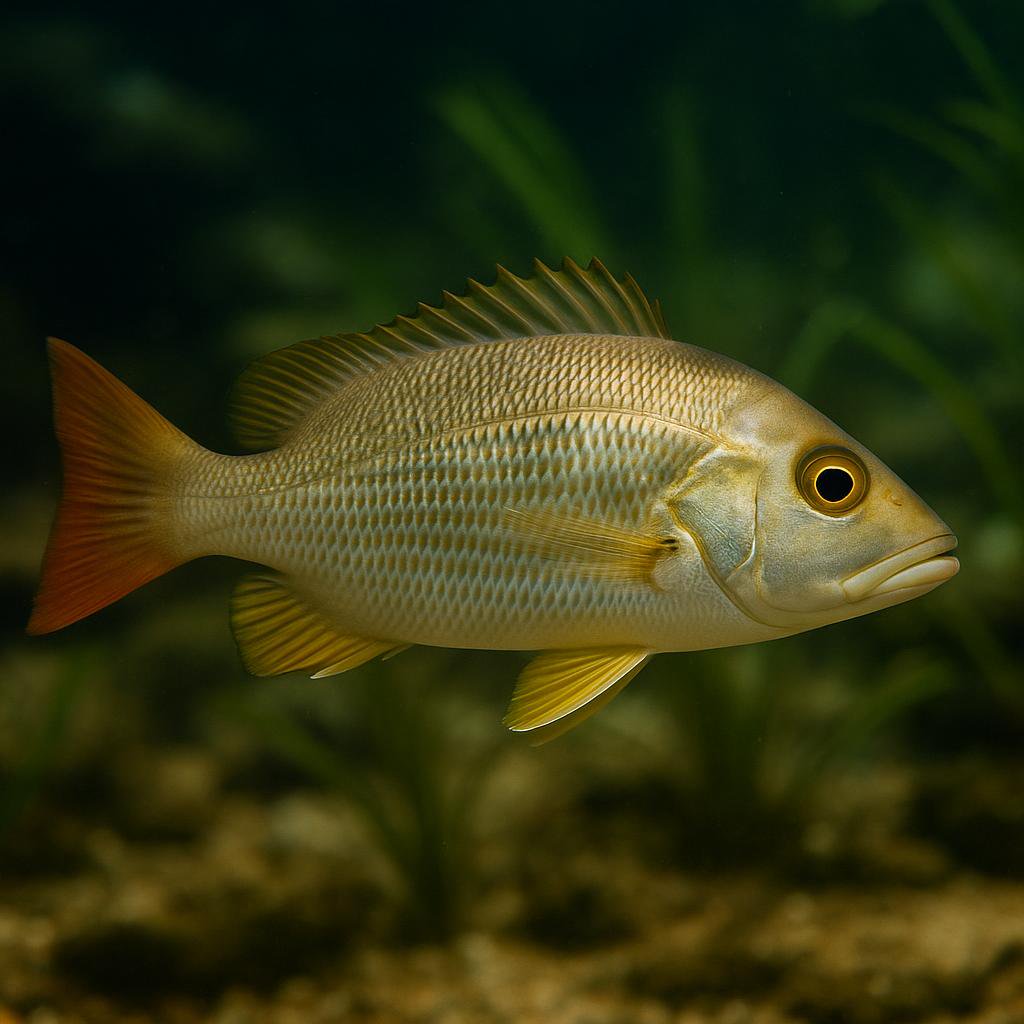
African red snapper
Lutjanus agennes
This is a true snapper from West Africa - a big, fast-growing predator that goes from coastal reefs to brackish lagoons and estuaries (especially as a juvenile). Super cool fish in the wild, but it gets absolutely huge and will eat smaller tankmates once it has the mouth for it, so its really more of a public-aquarium scale animal than a home-aquarium fish.
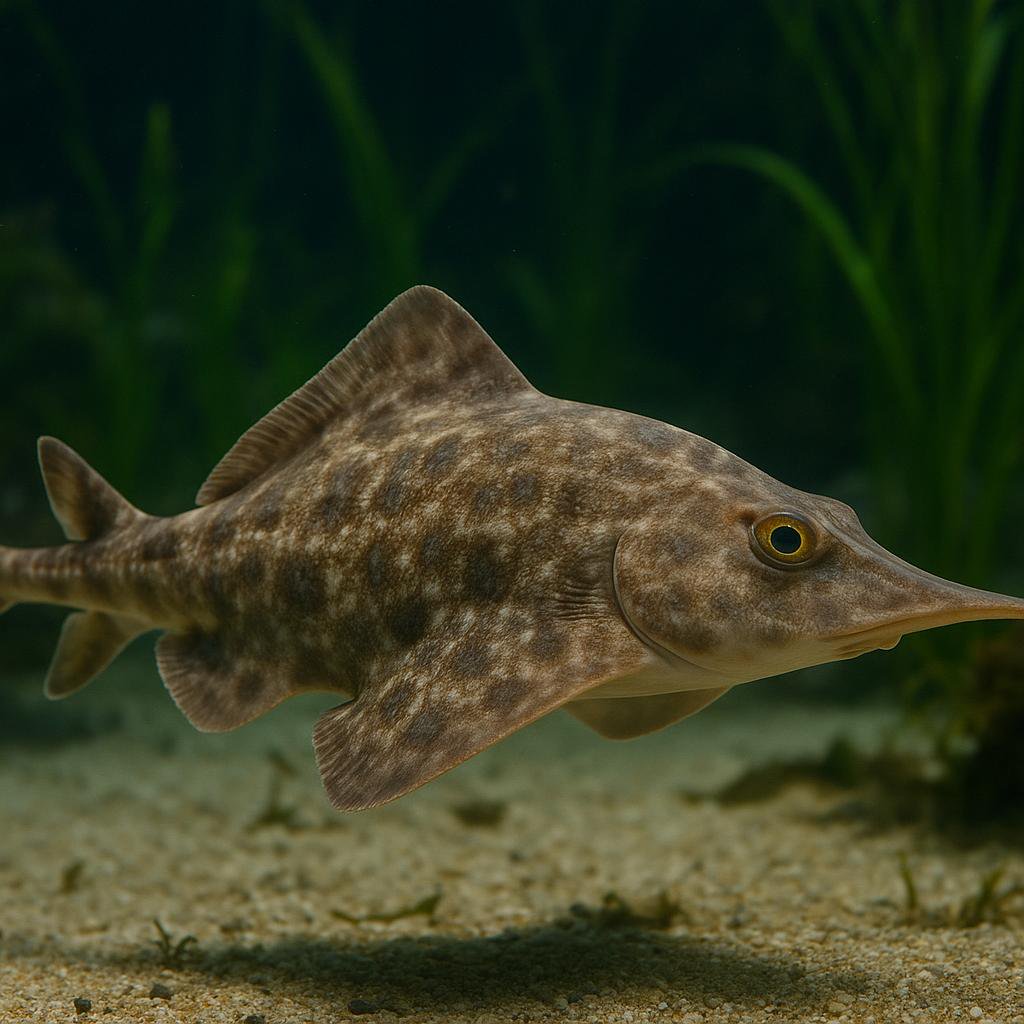
Aleutian skate
Bathyraja aleutica
This is a big, cold-water deep-slope skate from the North Pacific that cruises muddy bottoms and eats chunky benthic prey like crabs and shrimp. The really cool bit is its egg-laying skate life - it does distinct pairing (the classic skate "embrace") and drops those tough egg cases on the seafloor. Not an aquarium fish at all unless you're basically running a public-aquarium-style chilled system.
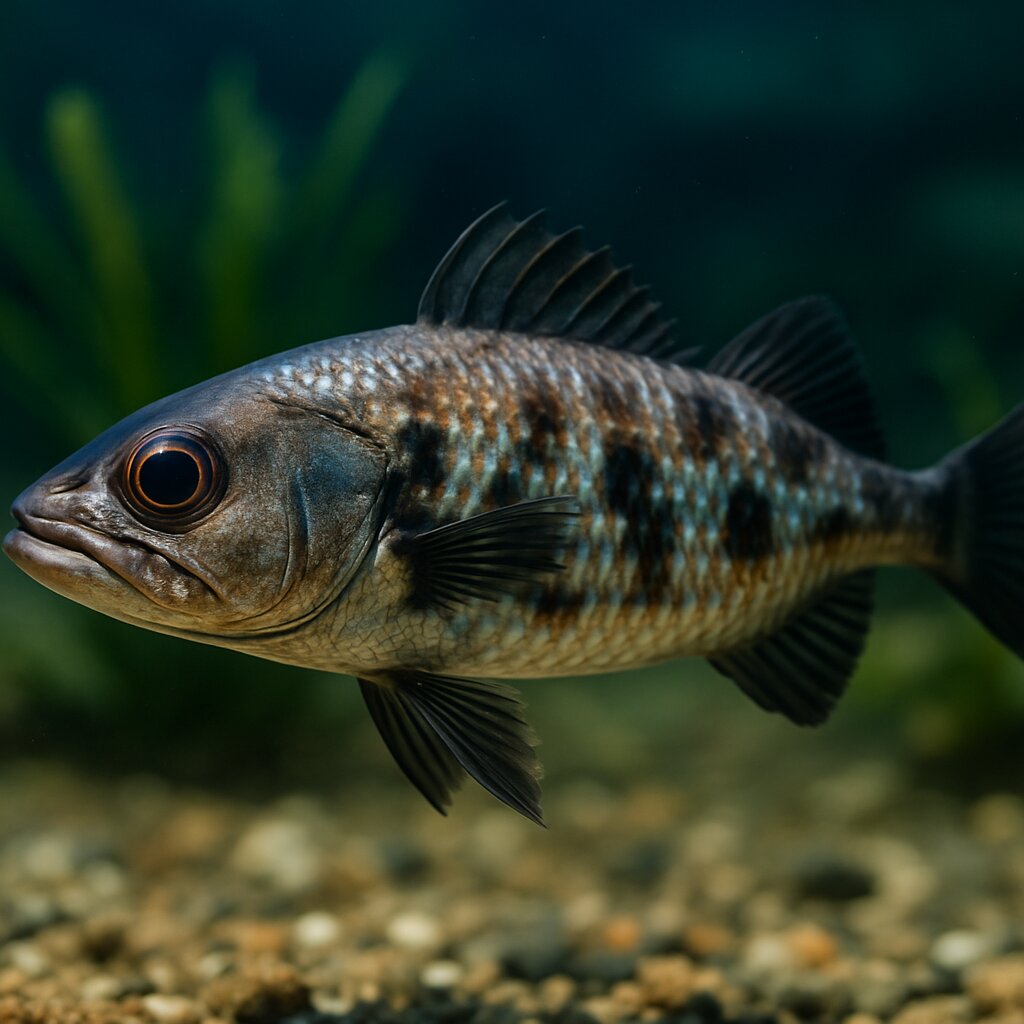
Antarctic dragonfish
Vomeridens infuscipinnis
Deep down around Antarctica, this sleek dragonfish cruises the water column like a little submarine, nearly neutrally buoyant so it can hover above the seafloor. It munches almost exclusively on Antarctic krill and lives in near-freezing water 500-800 m down, so it is a cool species to read about, not one for home tanks.
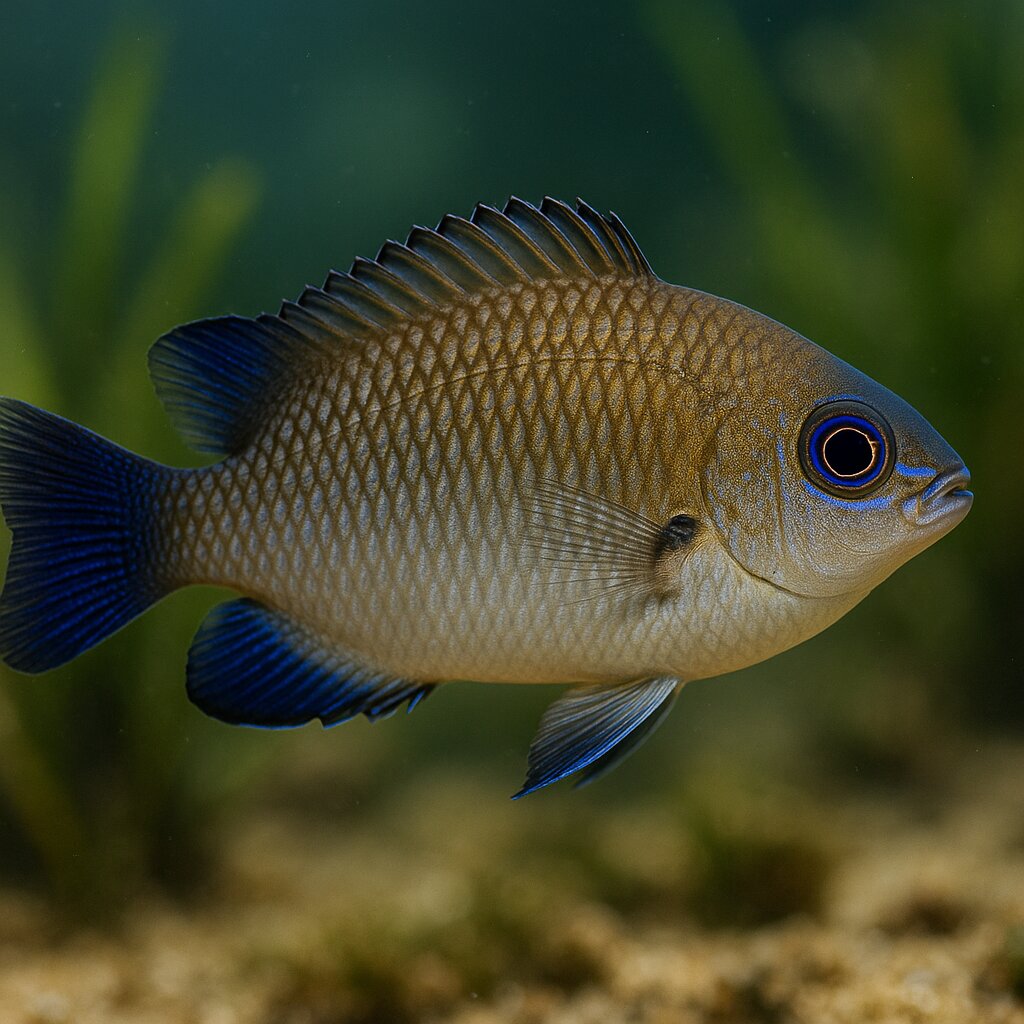
Arabian demoiselle
Neopomacentrus sindensis
A small lyretail damsel from the Persian Gulf and Arabian Sea, it hangs in loose groups around coral heads, rocks, and even pier pilings picking zooplankton from the flow. Think classic damsel toughness with a slightly milder attitude than the real bruisers, plus subtle yellow tail accents. Males clean a patch, get a mate to lay eggs there, and then stand guard fanning the clutch.
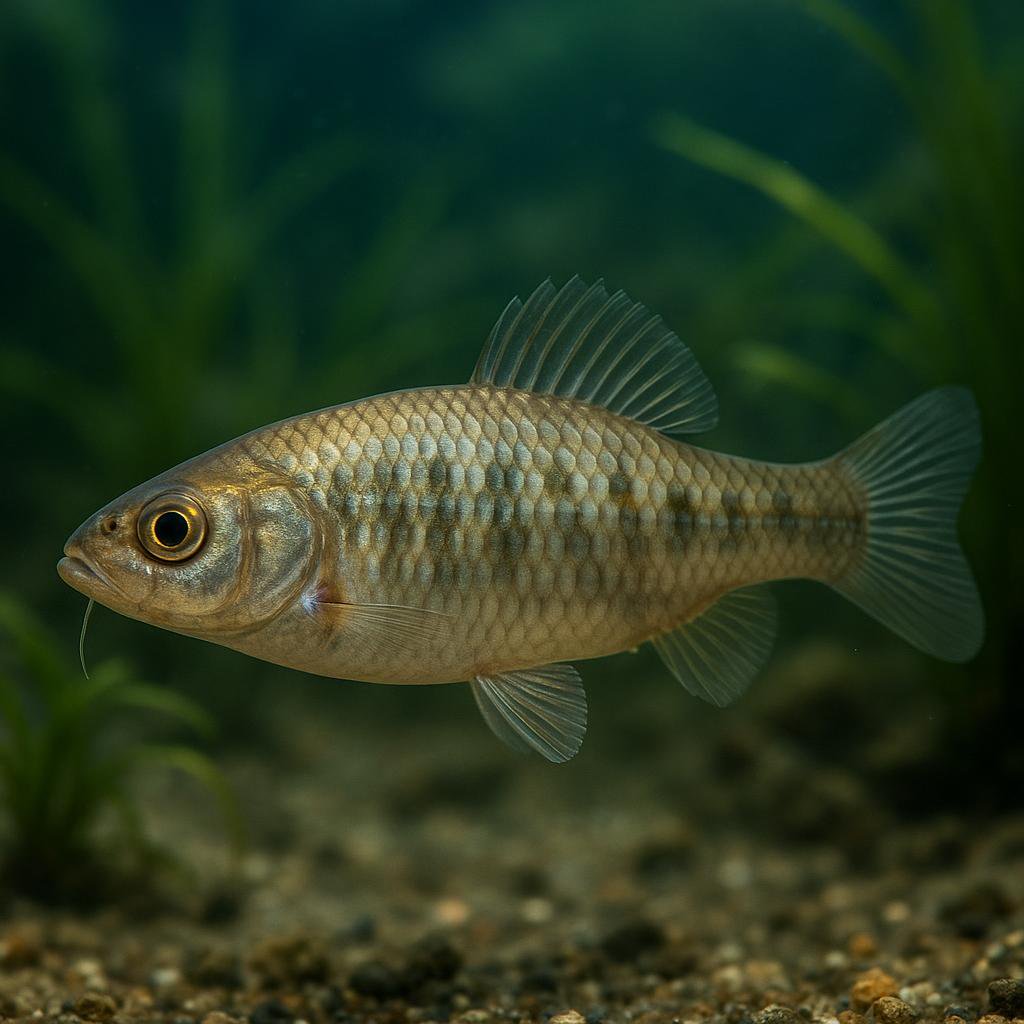
Arabian spiny eel
Notacanthus indicus
Notacanthus indicus is a deep-sea spiny eel (family Notacanthidae; not a true eel) known from the Arabian Sea on the continental slope at roughly ~960–1,046 m depth, with reported maximum length around 20 cm TL; it is a deep-water bycatch species and not established in the aquarium trade.
Arctic rockling
Gaidropsarus argentatus
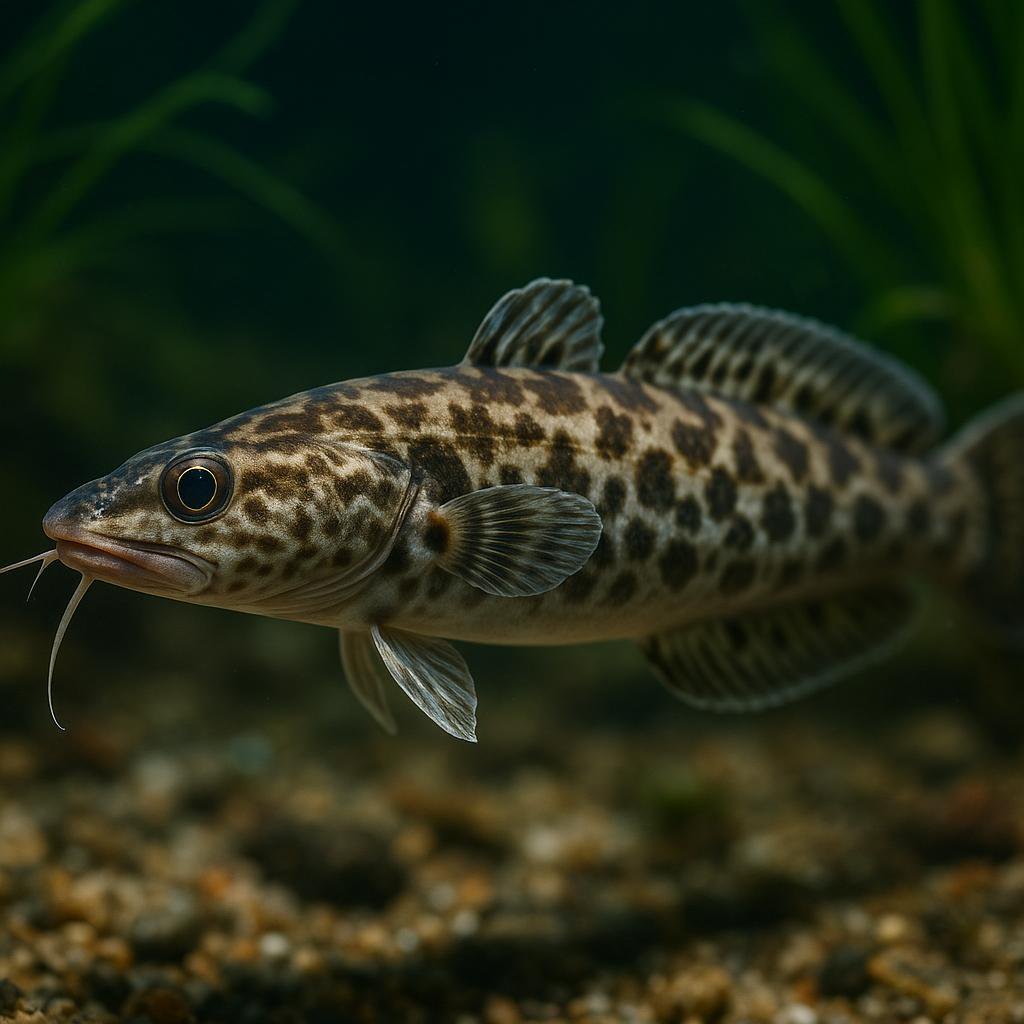
This is a deepwater North Atlantic rockling (a cod relative) that hangs out on soft bottoms way down the slope. It is a cold-water, bottom-hugging predator that snoots around for crustaceans and will also take small fish when it gets the chance.
Looking for other species?