

Orange bellowfish
Notopogon fernandezianus
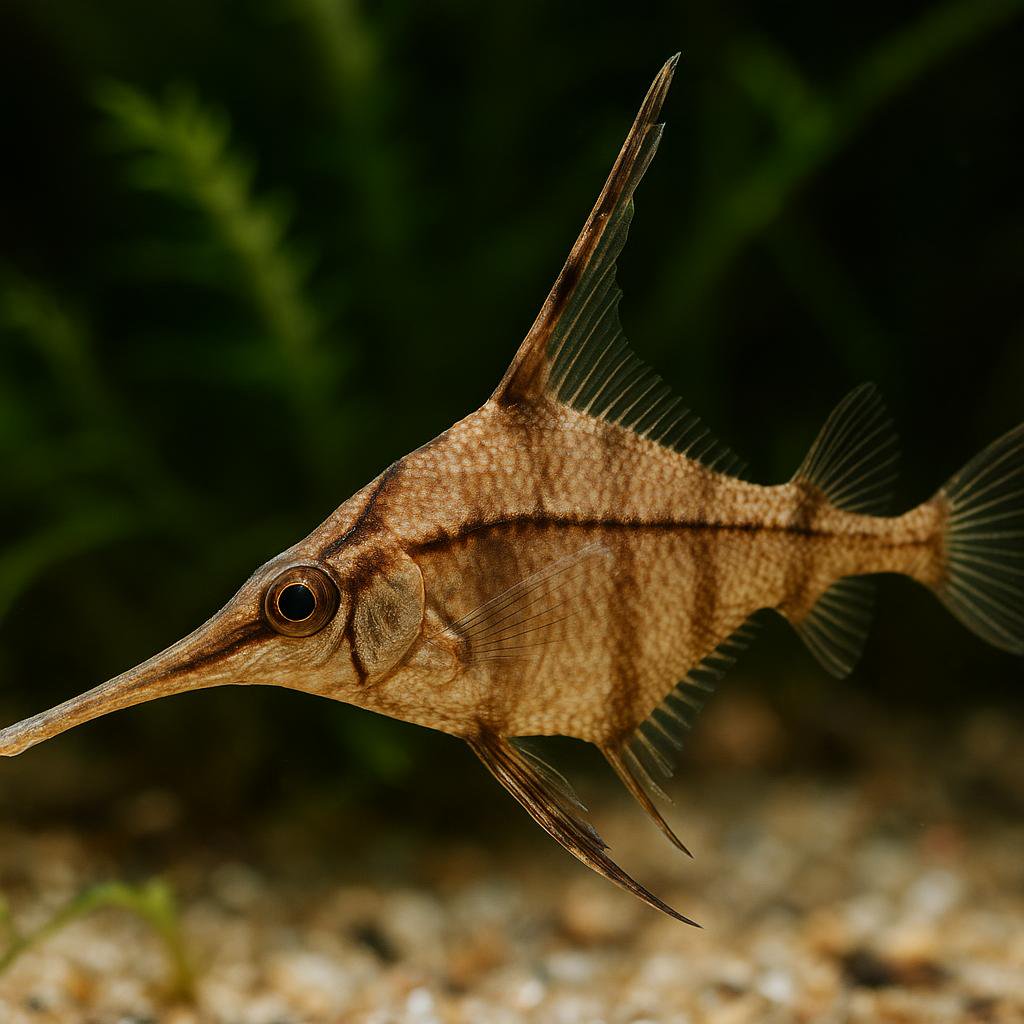
The Orange bellowfish has a distinctive orange body with large, bulbous eyes and long, pointed fins, enhancing its unique profile.
This page includes AI-generated images. Why am I seeing AI images?
About the Orange bellowfish
Notopogon fernandezianus is the orange bellowfish, a weird little deepwater "trumpet fish" with a long snout and a tall, humped body. It lives way down on the continental shelf and slope (roughly 150-580 m), so its natural world is cold, dark, and high-pressure - basically the opposite of a home aquarium. Super cool to look at, but not a realistic species to keep alive long-term in normal hobby setups.
Also known as
Quick Facts
Size
18 cm TL
Temperament
Peaceful
Difficulty
Expert
Min Tank Size
300 gallons
Lifespan
unknown
Origin
South America
Diet
Carnivore - small crustaceans and other small benthic prey (deepwater micro-predator)
Water Parameters
6-14°C
7.8-8.4
7-12 dGH
Need a heater for this species?
This species needs 6-14°C in a 300 gallon tank. Use our heater calculator to find the right wattage.
Calculate heater sizeCare Notes
- Give it a tall, mature marine tank with lots of branching rock and gorgonian-style cover - they calm down when they can hang vertically and wedge themselves in.
- Keep temp steady around 72-76F and salinity 1.024-1.026; they really hate swings, so top off daily and do small, regular water changes instead of big ones.
- Flow should be moderate and not blasting the whole tank - set up a few calmer pockets so it can hover without getting pinned to the glass.
- Feeding is the make-or-break: offer small meaty stuff (copepods, enriched brine, mysis, finely chopped shrimp) 2-3 times a day, and target feed with a baster so faster fish do not steal it all.
- Skip aggressive or hyper-competitive tankmates (wrasses, dottybacks, big clowns, most damsels); stick with calm fish and peaceful inverts that will not bully it at mealtime.
- Watch for it slowly fading away from not eating - these guys can look fine and still be starving, so if the belly starts pinching in, step up target feeding and add live pods.
- They ship rough and get bacterial issues and fin damage easily, so quarantine if you can and keep oxygen high; a stressed one will go downhill fast in low O2 or dirty water.
Compatibility
Good Tankmates
- Small, calm reef gobies (clown gobies, neon gobies, watchman gobies) - they mostly mind their own business and do not hassle a shy, hovering orange bellowfish
- Blennies that are more perch-and-graze than brawl (tailspot or similar small herbivore types) - good fit as long as you skip the really territorial bruisers
- Peaceful cardinals (Banggai, Pajama) - same chill vibe, similar feeding pace, and they do not tend to crowd or chase
- Firefish and other timid dartfish (Nemateleotris spp.) - both are gentle and do best in a quiet tank with lots of bolt-holes
- Small, non-aggressive wrasses like flasher or fairy wrasses - active but usually not mean, and they will not pick on a peaceful bellowfish if the tank is not cramped
- Mellow planktivores like chromis (in a reasonable group, not overcrowded) - they stay midwater and usually leave slower fish alone
Avoid
- Any nippy damsels (domino, three-stripe, most Chrysiptera when they get settled) - they will harass a peaceful, slower fish nonstop and keep it pinned in a corner
- Semi-aggressive clownfish pairs in a small tank - once they claim a spot they can be surprisingly pushy and will run a shy fish off the whole side of the tank
- Triggerfish and puffers - even the 'not so bad' ones tend to investigate with their mouth, and a gentle bellowfish is an easy target
- Hawkfish (especially flame hawk) - they sit and watch like they are harmless, then they snap at smaller, slower tank mates and make life stressful fast
Where they come from
Orange bellowfish (Notopogon fernandezianus) are one of those oddball marine fish that make you go, "How is that even real?" They're from the southeast Pacific around the Juan Fernandez Islands off Chile, where the water is cooler and the habitat is rocky with plenty of places to tuck in and hover.
A lot of people get tripped up because they look like they'd do fine in a standard tropical reef tank. They usually don't. Think coolwater marine, not "78F mixed reef".
Setting up their tank
If you're trying this species, plan the tank around them, not the other way around. They do best in a quiet, mature system with stable salinity and excellent oxygenation. I wouldn't even consider one in a new build.
- Tank size: 30+ gallons for one, bigger if you want other fish. They aren't marathon swimmers, but they hate chaos.
- Temperature: aim cool (around mid-60s to low-70s F). A chiller is often the difference between "survives" and "slowly fades".
- Flow and oxygen: moderate flow with lots of surface agitation. Add an airstone in the sump if you can do it without salt creep everywhere.
- Aquascape: rockwork with overhangs and shaded pockets. They like to hover and retreat, not cruise open water all day.
- Lighting: keep it on the softer side. Bright reef lighting can keep them stressed and glued to the darkest corner.
- Filtration: strong skimming and carbon help because you'll likely be feeding heavy.
Cover every intake. These fish can get pinned or sucked in surprisingly easily if they spook at night.
Acclimation is not the time to rush. I drip acclimate slowly and keep the lights dim for the first day. If you have a quarantine tank, match the display temperature exactly - temperature swings hit these guys harder than most.
What to feed them
Feeding is the make-or-break part. Orange bellowfish are picky at first and can act like they're eating while actually spitting food out. You need to watch, not just assume.
- Best starters: live or enriched frozen foods like copepods, small mysis, finely chopped shrimp, and enriched brine (as a training food, not a staple).
- Once settled: small mysis, chopped krill, finely diced clam, roe, and high-quality marine frozen blends.
- Feeding schedule: small amounts 2-4 times a day beats one big dump. They do better with frequent "drift by" snacks.
- Target feeding: a turkey baster or feeding tube helps get food to them without the faster fish stealing everything.
If yours ignores frozen, try live pods or live enriched brine for a few days, then mix frozen in. Once they associate the baster with food, life gets easier.
Keep an eye on body shape. A healthy fish looks filled out, not pinched behind the head. With this species, weight loss can sneak up on you because they often hide and you don't get long looks.
How they behave and who they get along with
They're generally peaceful and kind of "hovery". They don't want to fight, and they definitely don't want to compete at feeding time with bold, pushy fish.
- Good tankmates: calm coolwater species, small non-aggressive fish, and inverts that won't bother them.
- Avoid: fast feeders (many wrasses, tangs), nippy fish, and anything that treats them like a snack.
- Corals: the temperature requirement usually makes this less of a reef discussion. Coolwater setups can work, but plan the whole tank around that.
If you have to "overfeed" the tank so they get enough food, you're probably keeping the wrong tankmates. Fix the stocking, not just the feeding.
They settle in best with lots of structure and a predictable routine. Sudden hands-in-tank sessions, rock rearranging, or blasting flow changes tend to keep them jumpy and hiding.
Breeding tips
Breeding Orange bellowfish in home aquariums is pretty uncommon. They're not like clownfish where you can pair them up and expect eggs on a tile. If it happens, it's usually in a very stable, species-focused system where the fish feel unbothered for months.
- Give them time: stability over months matters more than chasing a magic parameter.
- Feed like you're conditioning: frequent, varied meaty foods, and keep water quality tight with heavy export.
- If you ever see courtship or eggs: be ready for tiny planktonic larvae. That means live food cultures (rotifers, copepods) and a dedicated larval setup.
If you're not already comfortable raising marine larvae, treat breeding as a cool bonus, not the goal. Getting an adult to eat and hold weight is the real challenge.
Common problems to watch for
Most losses come from three things: too-warm water, not enough food actually getting into the fish, and stress from tankmates or an overly bright/busy tank.
- Slow starvation: they "eat" but lose weight. Watch the swallow and check body condition weekly.
- Heat stress: heavy breathing, hiding constantly, fading color, sudden decline after a warm spell.
- Low oxygen: rapid gilling at night or early morning, hanging in high-flow areas.
- Parasites (marine ich/velvet): this species doesn't handle outbreaks well. Quarantine and observation help a lot.
- Shipping damage and refusal to feed: common with delicate, expert-only fish. A calm quarantine with live foods can save them.
If you suspect velvet (fast breathing, dusting, sudden crash), don't wait it out. Have a plan for isolation and treatment. These fish can go downhill fast.
If you do everything else right but keep them in a typical warm reef tank, you'll be fighting an uphill battle the whole time. Cool, calm, oxygen-rich water and a feeding plan you can stick to is what makes this species doable.
Similar Species
Other marine peaceful species you might be interested in.
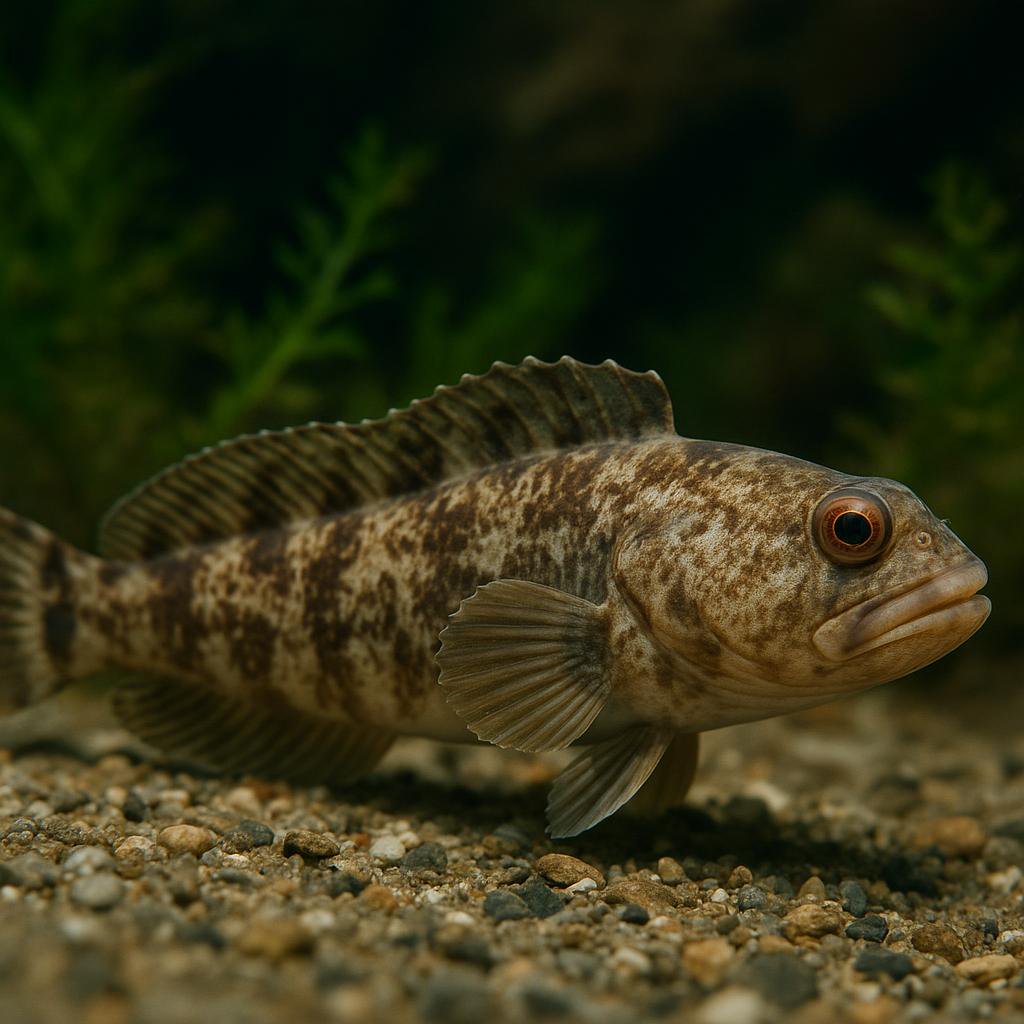
Abe's eelpout
Japonolycodes abei
Japonolycodes abei is a temperate, deepwater demersal eelpout (family Zoarcidae) endemic to Japan (Kumano-nada Sea reported; other sources also report Sagami Bay and Tosa Bay). It is the only species in the genus Japonolycodes and occurs roughly 40-300 m depth, making it an uncommon/atypical aquarium species.
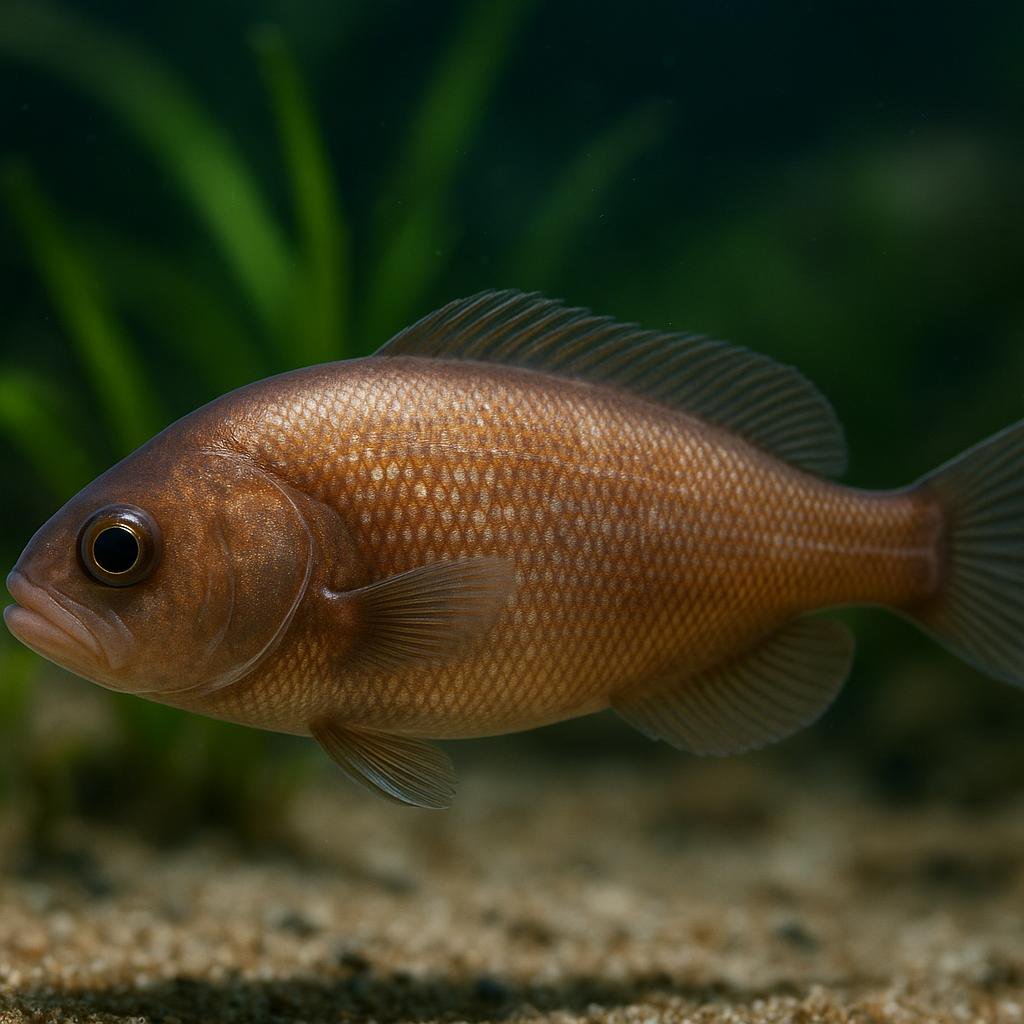
Affinis blind cusk-eel
Barathronus affinis
Barathronus affinis is a tiny, super-weird deep-sea blind cusk-eel from the western-central Indian Ocean. It is one of those gelatinous, loose-skinned brotula-type fishes that live way down in the dark and are basically never seen alive, so almost everything we know comes from preserved specimens and taxonomic work.
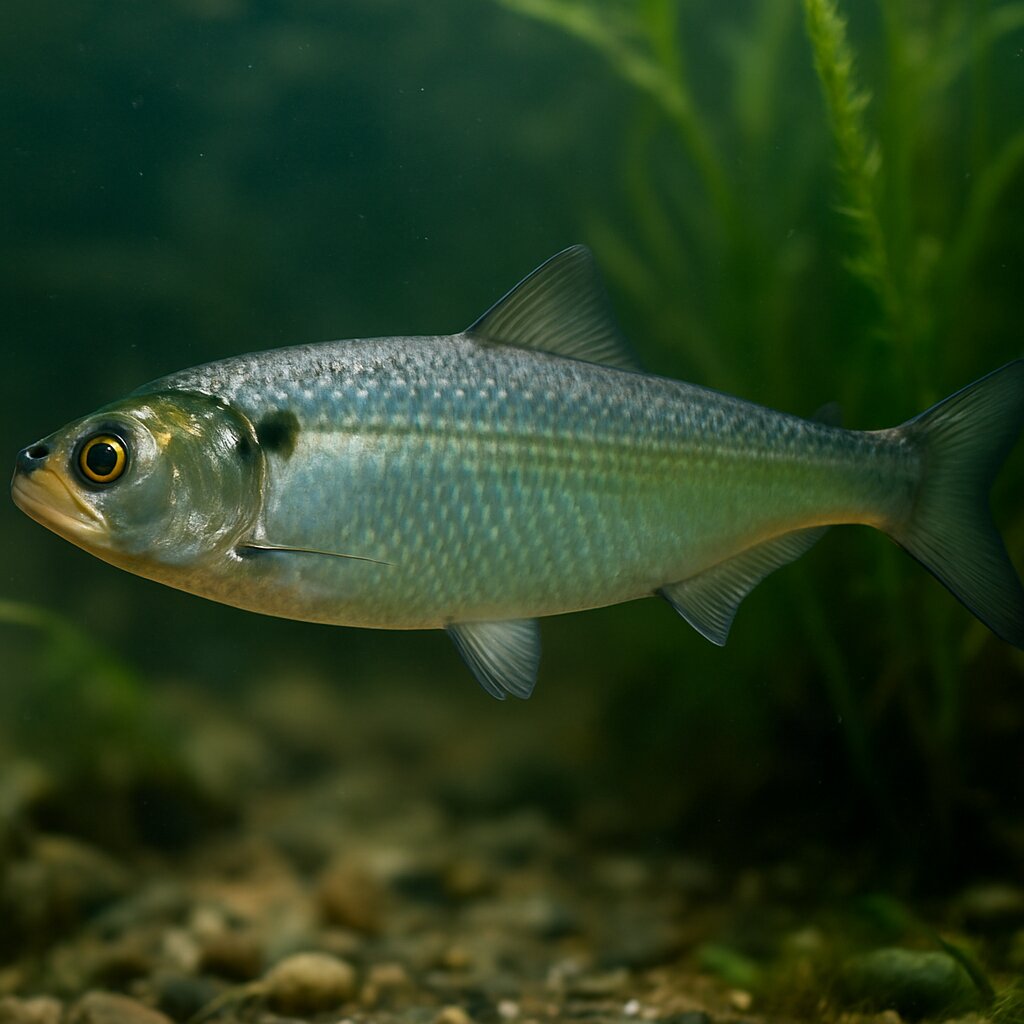
Allis shad
Alosa alosa
Gorgeous silver, fast-swimming shad that spends most of its life in the sea and then surges up big rivers in noisy, surface-spawning schools. It grows huge for a herring-type fish and needs cool, ultra-oxygenated water and tons of open space, so it is a public-aquarium species rather than a home tank fish.
Annandale's zebra sole
Zebrias annandalei
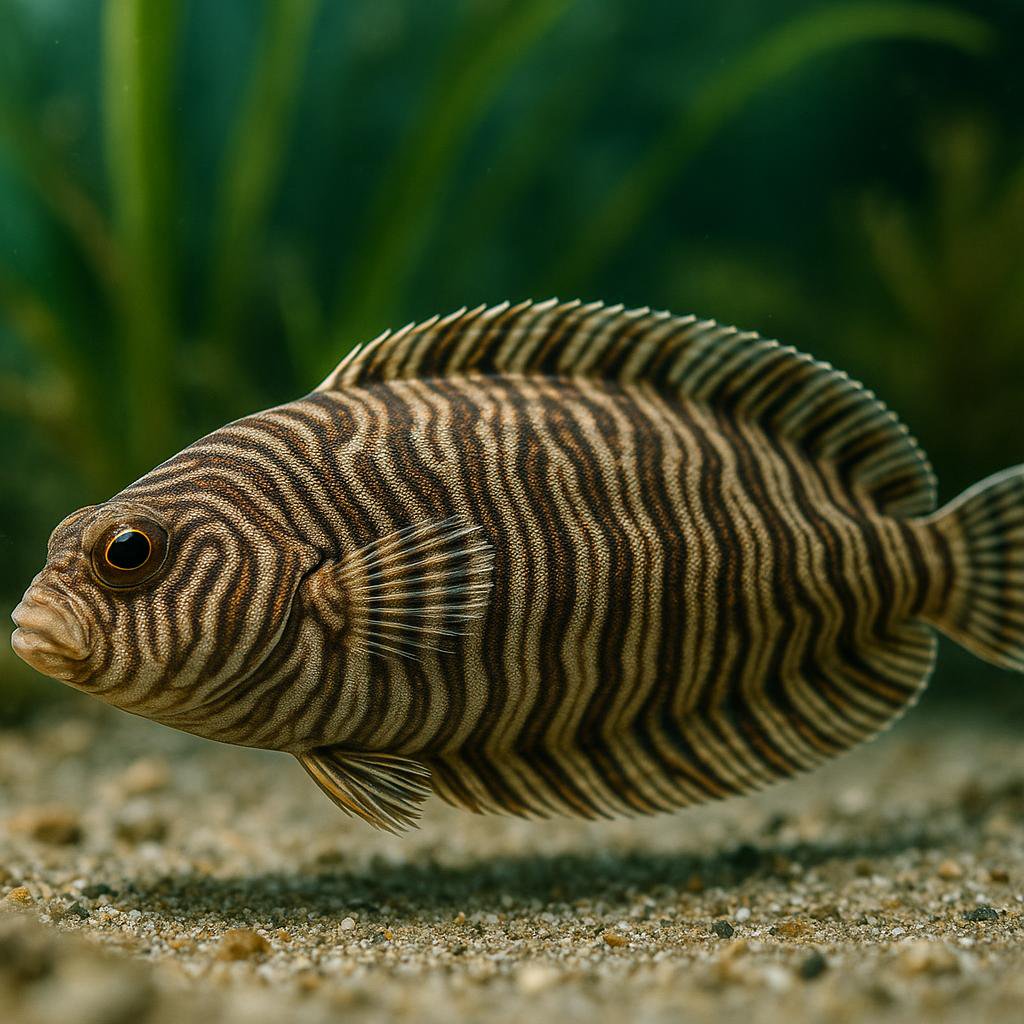
Zebrias annandalei is a small demersal sole from coastal India that inhabits sandy or muddy bottoms and buries for camouflage. It is rarely kept in home aquaria and would require a specialized marine sand-bottom setup and appropriate feeding.
Banggai Cardinalfish
Pterapogon kauderni
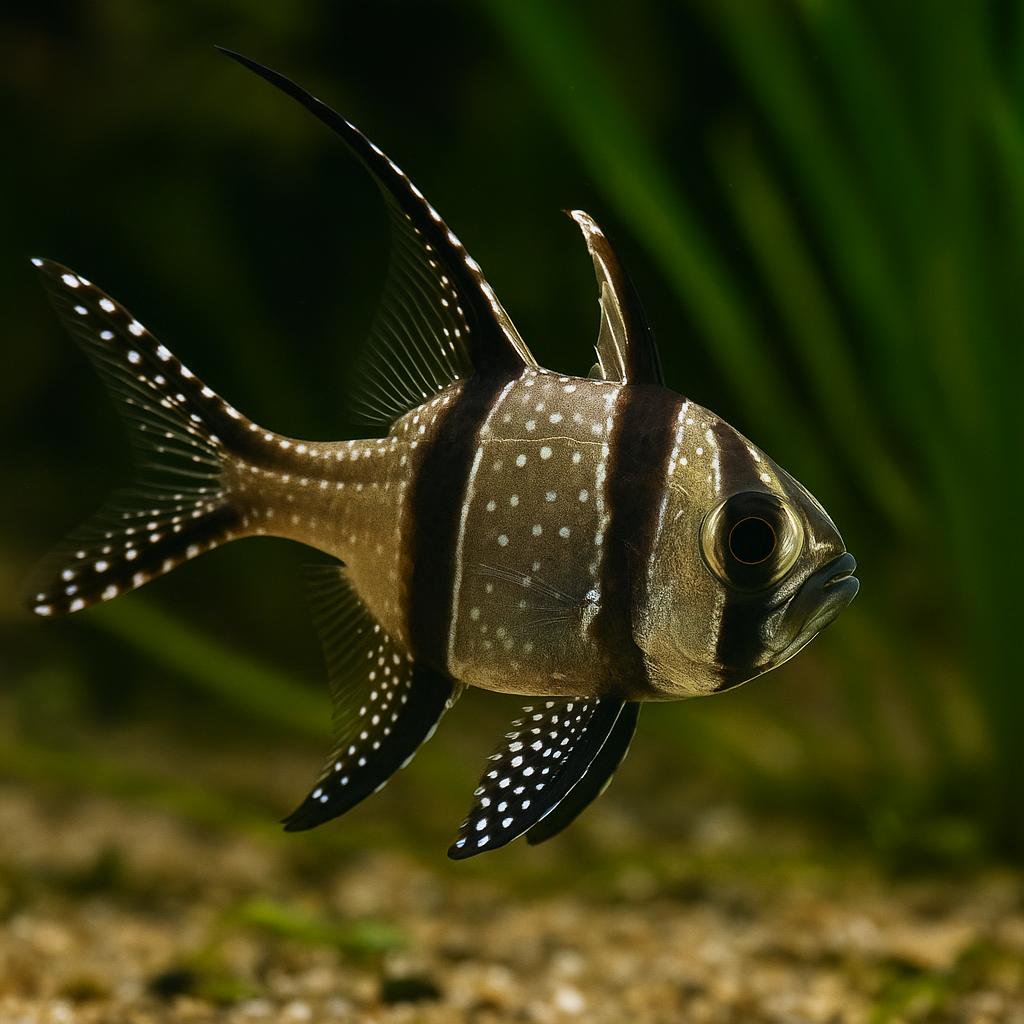
Banggai cardinals just sort of hover like little underwater satellites, and the bold black bars with those long, polka-dotted fins look unreal under reef lighting. They're super chill most of the time, but once a pair forms you'll see real "fish drama," and the male will even mouthbrood the babies like a champ.
Barbedwire-tailed skate
Notoraja martinezi
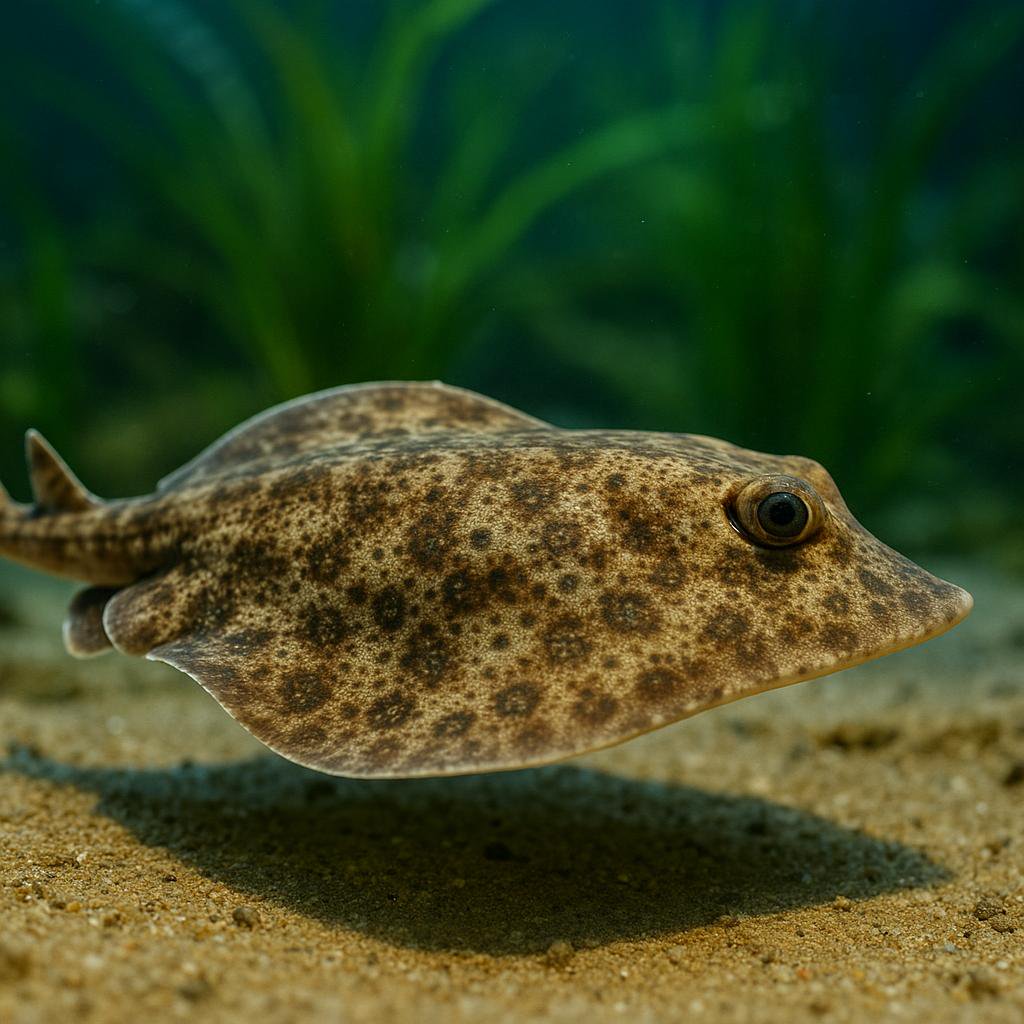
Notoraja martinezi is a deepwater skate from the eastern Pacific (Costa Rica down to Ecuador) that lives way down on soft bottoms. The tail is the giveaway - it is lined with strong, hooked thorns that really do look like barbed wire. This is absolutely not an aquarium fish; it is a cold, high-pressure deep-sea animal with basically no practical home care info because it is not kept in the hobby.
More to Explore
Discover more marine species.
African red snapper
Lutjanus agennes
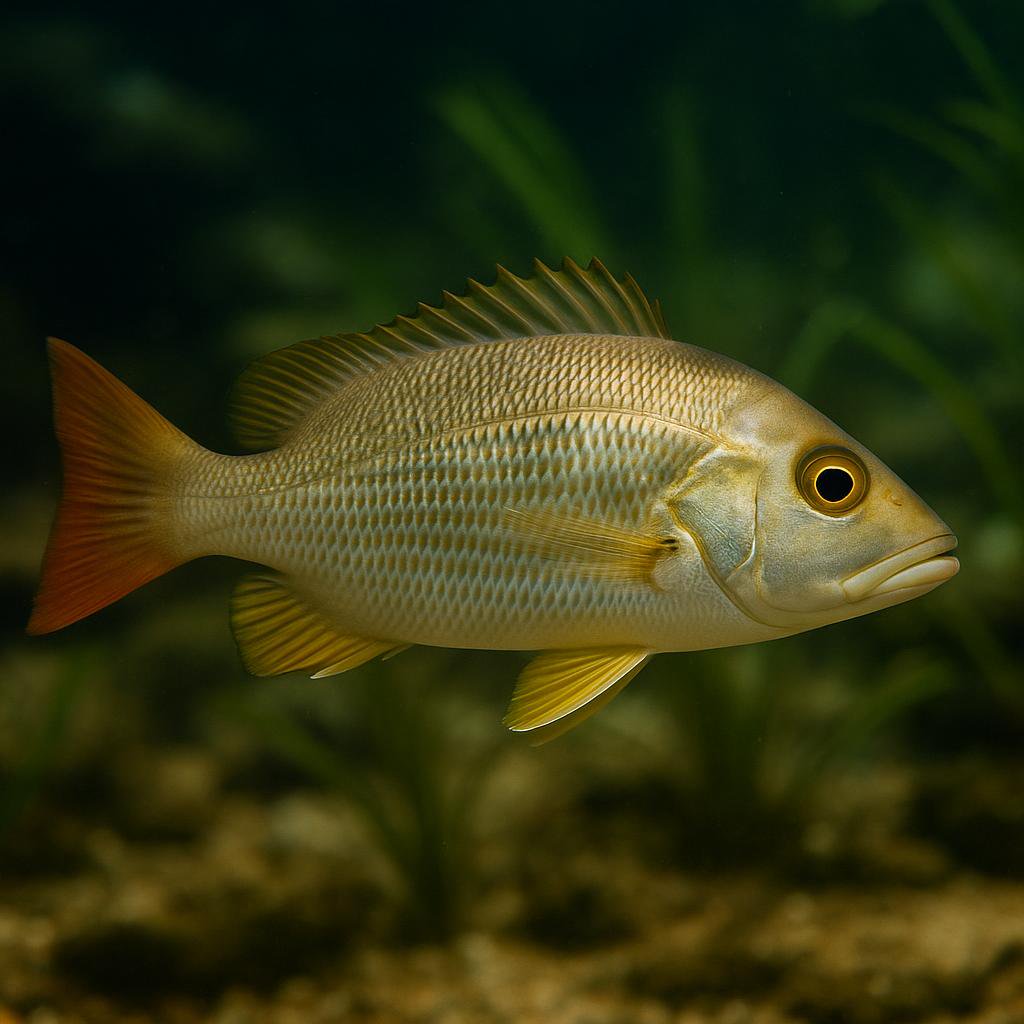
This is a true snapper from West Africa - a big, fast-growing predator that goes from coastal reefs to brackish lagoons and estuaries (especially as a juvenile). Super cool fish in the wild, but it gets absolutely huge and will eat smaller tankmates once it has the mouth for it, so its really more of a public-aquarium scale animal than a home-aquarium fish.
Aleutian skate
Bathyraja aleutica
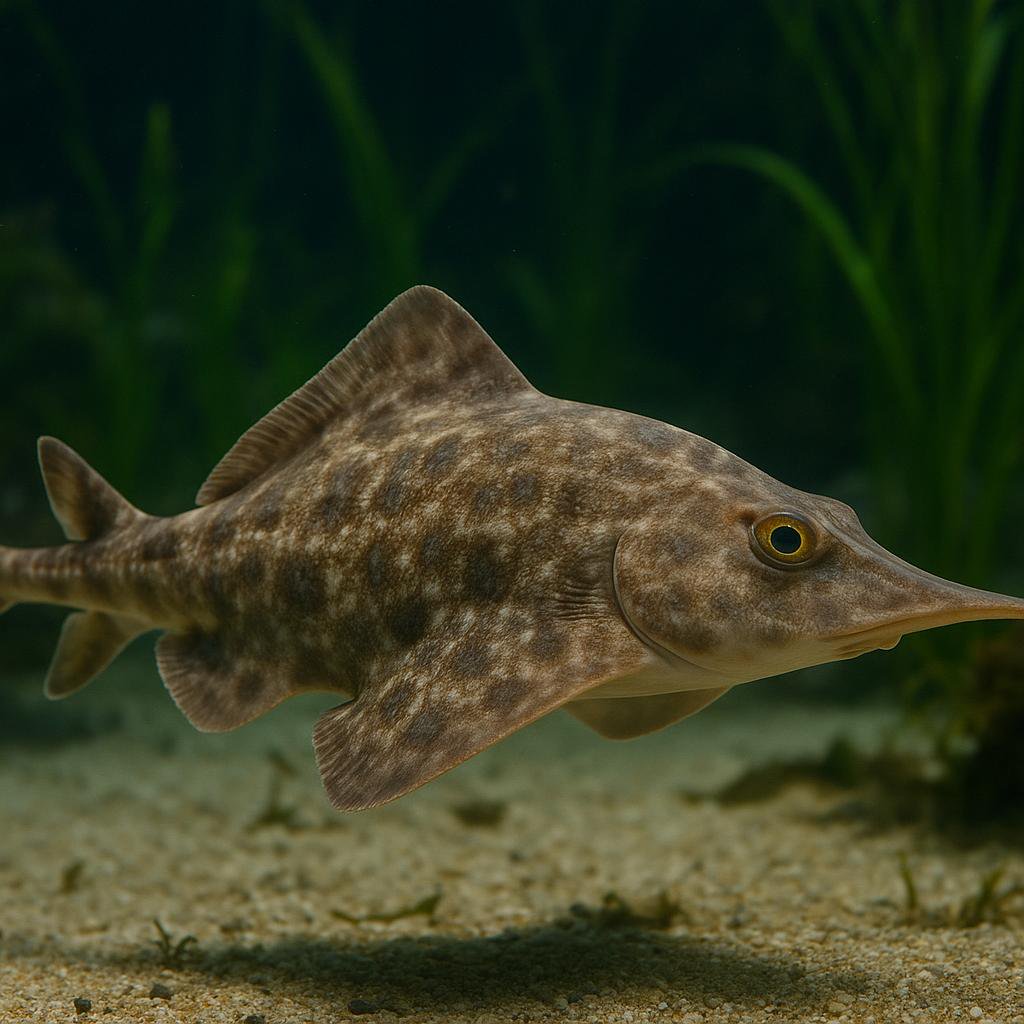
This is a big, cold-water deep-slope skate from the North Pacific that cruises muddy bottoms and eats chunky benthic prey like crabs and shrimp. The really cool bit is its egg-laying skate life - it does distinct pairing (the classic skate "embrace") and drops those tough egg cases on the seafloor. Not an aquarium fish at all unless you're basically running a public-aquarium-style chilled system.
Antarctic dragonfish
Vomeridens infuscipinnis
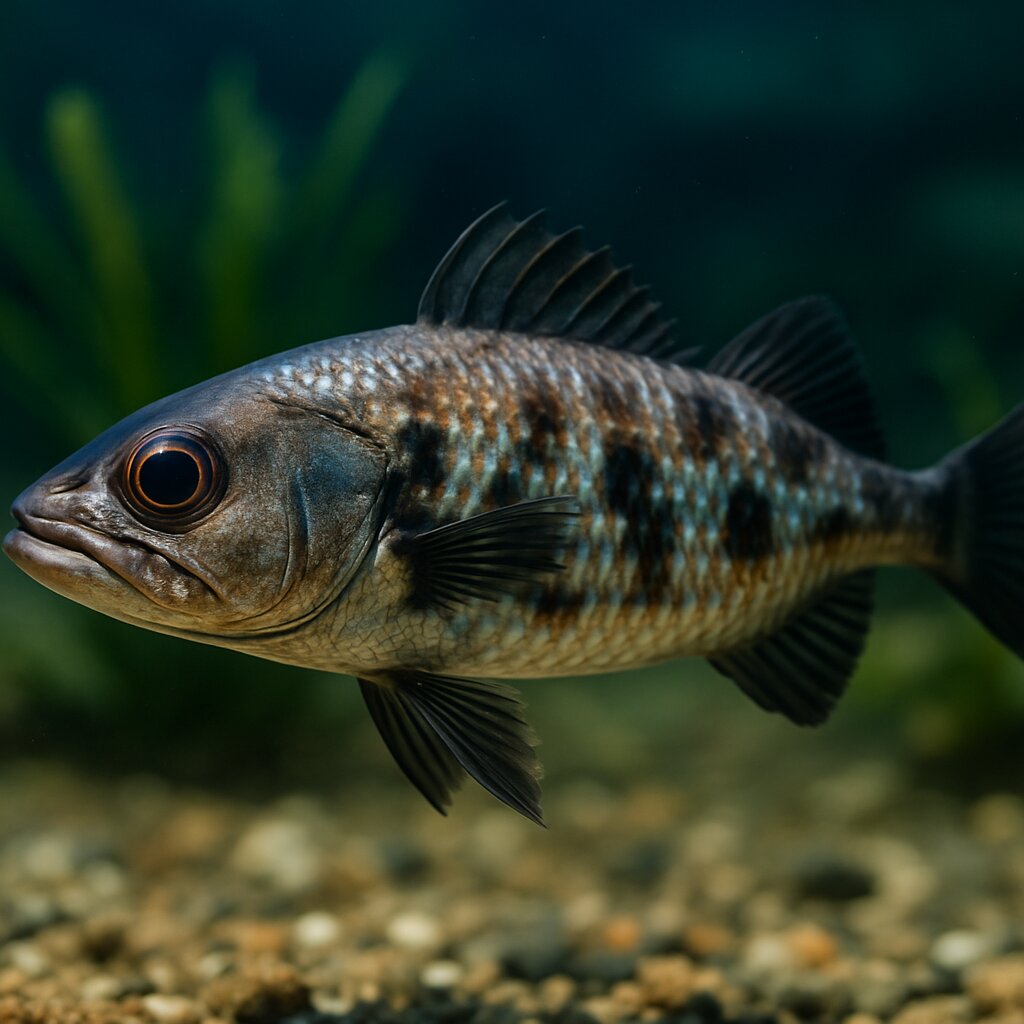
Deep down around Antarctica, this sleek dragonfish cruises the water column like a little submarine, nearly neutrally buoyant so it can hover above the seafloor. It munches almost exclusively on Antarctic krill and lives in near-freezing water 500-800 m down, so it is a cool species to read about, not one for home tanks.
Arabian spiny eel
Notacanthus indicus
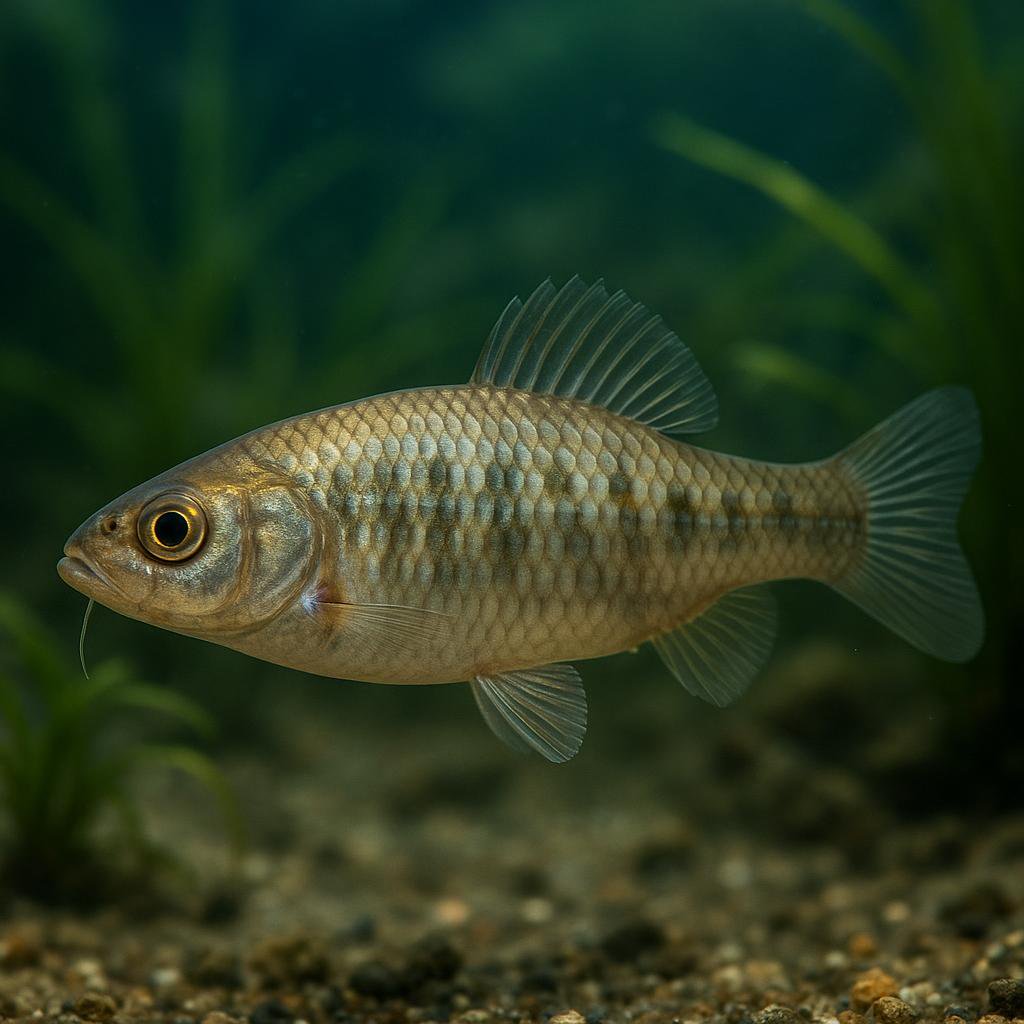
Notacanthus indicus is a deep-sea spiny eel (family Notacanthidae; not a true eel) known from the Arabian Sea on the continental slope at roughly ~960–1,046 m depth, with reported maximum length around 20 cm TL; it is a deep-water bycatch species and not established in the aquarium trade.
Arctic rockling
Gaidropsarus argentatus
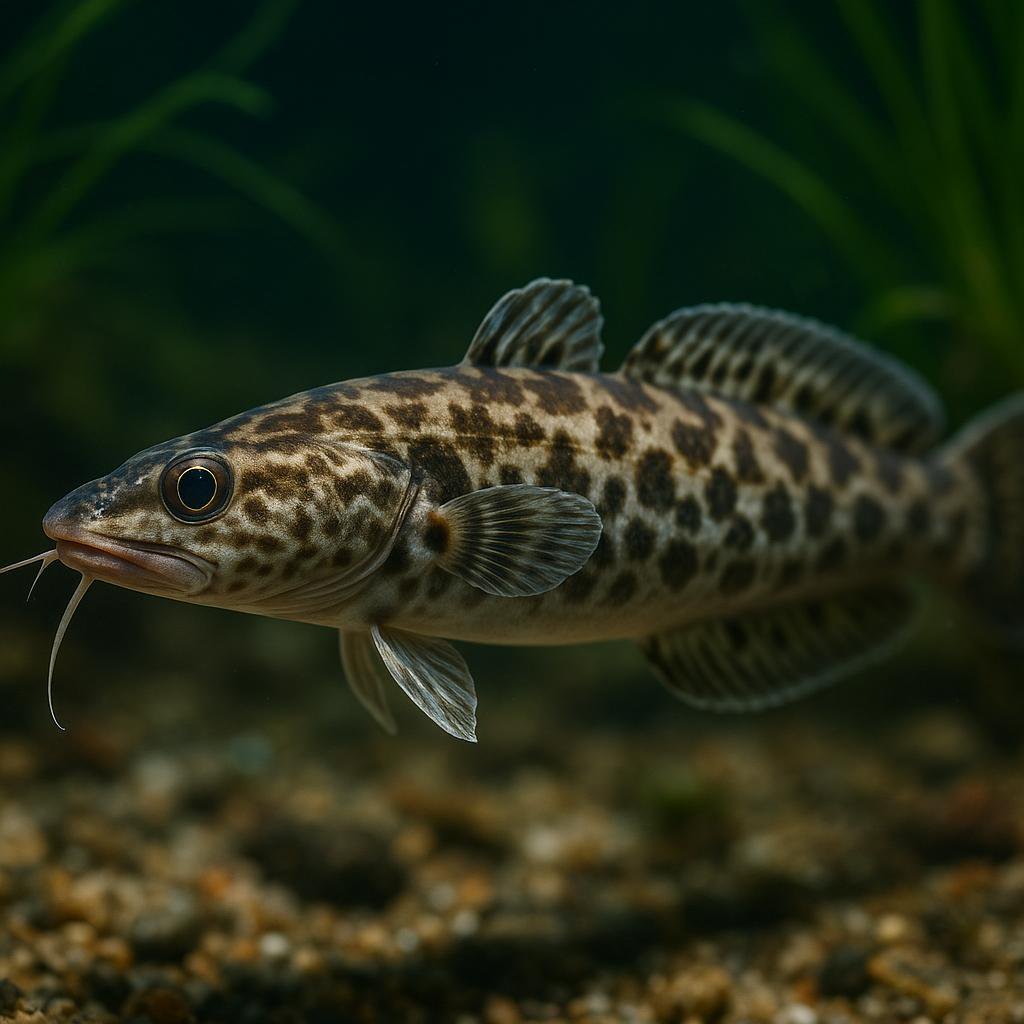
This is a deepwater North Atlantic rockling (a cod relative) that hangs out on soft bottoms way down the slope. It is a cold-water, bottom-hugging predator that snoots around for crustaceans and will also take small fish when it gets the chance.
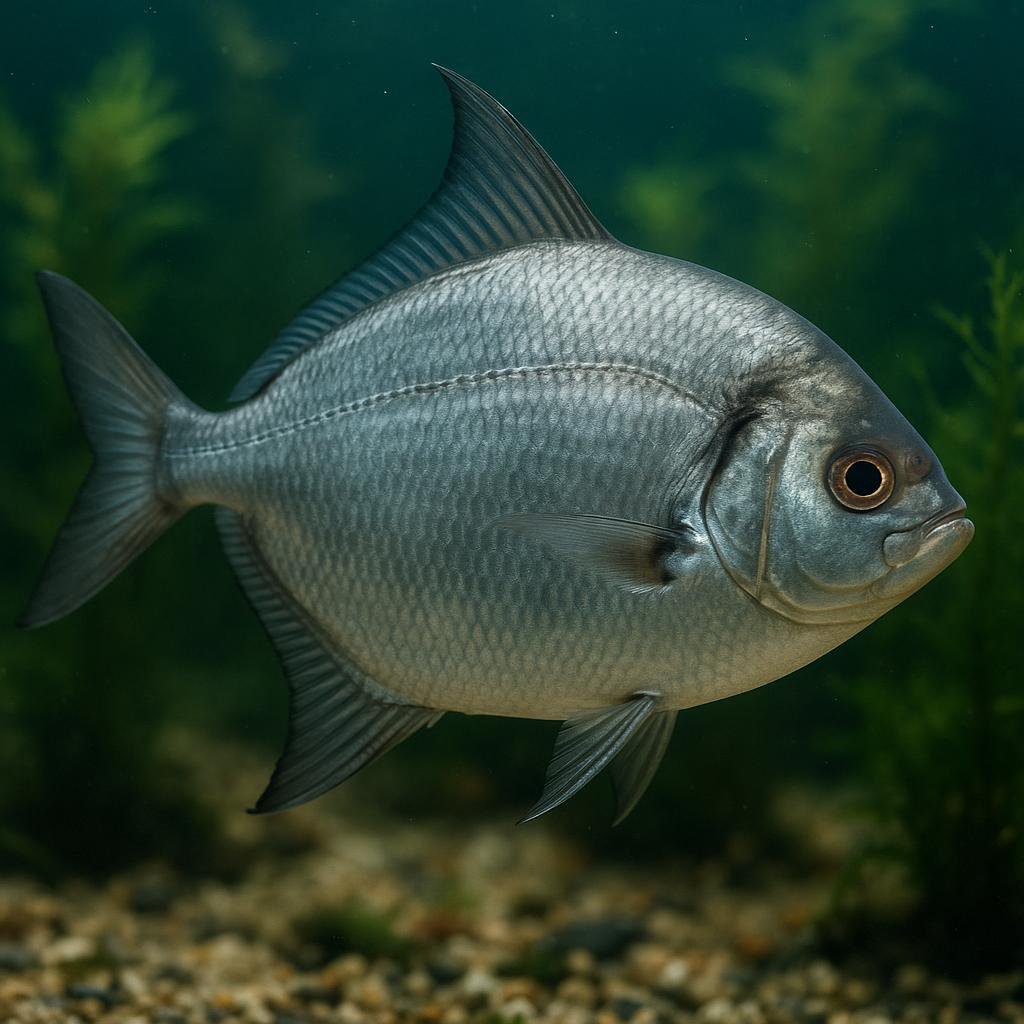
Atlantic pomfret
Brama brama
Brama brama is the Atlantic pomfret (aka Ray's bream) - a deep-bodied, open-ocean pelagic fish that cruises around in small schools and follows water temps. It is a legit big, wild marine species (not an aquarium fish) that eats other small sea critters like fish and squid, and it ranges across a huge chunk of the Atlantic plus parts of the Indian and South Pacific.
Looking for other species?