

Search Species
Search for fish species by common or scientific name, or use filters to browse by water type, size, temperament, and difficulty.
Found 528 species
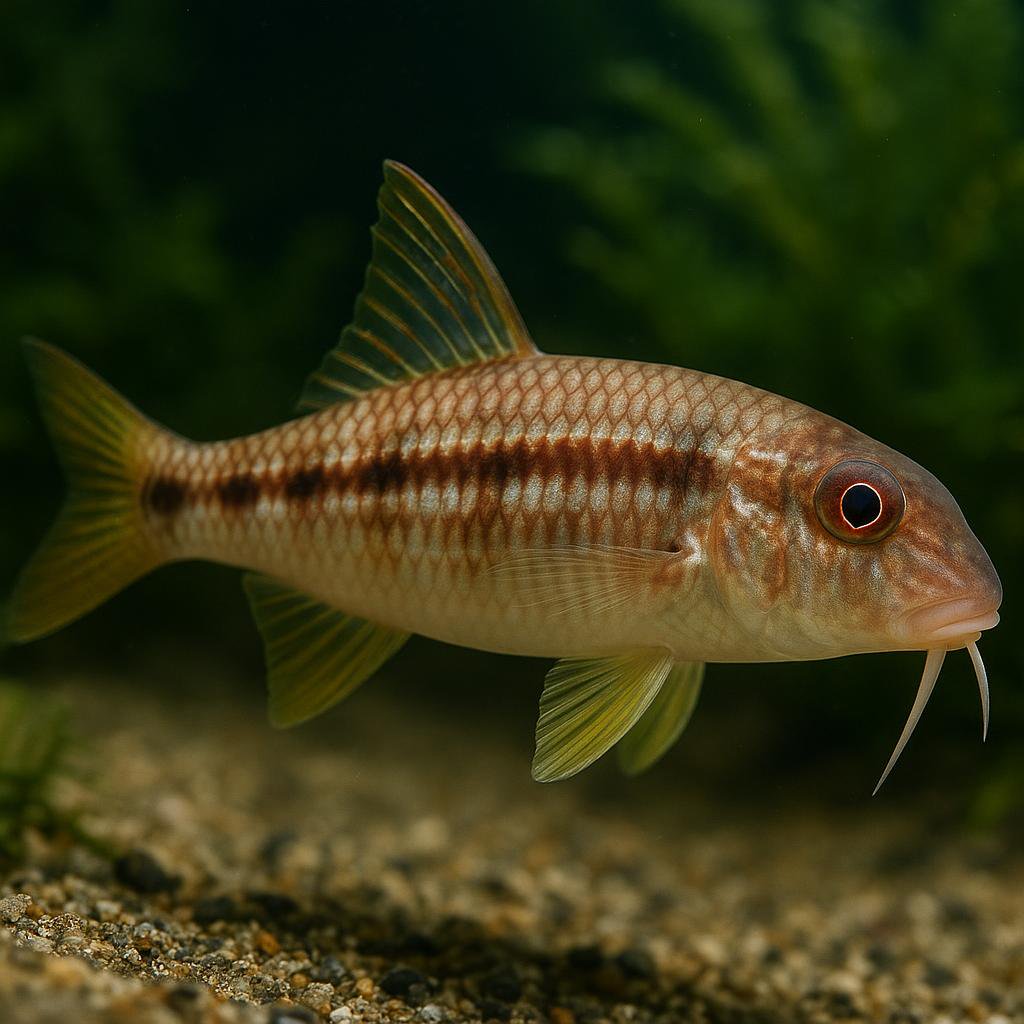
Shortjaw goatfish
Upeneus brevignathus
Upeneus brevignathus is a marine goatfish (family Mullidae) described in 2024 and currently known from the NW Indian Ocean (off SE Yemen). Like other goatfishes it has chin barbels used to locate benthic prey; captive suitability is not specifically documented for this species and would be inferred from general goatfish husbandry.
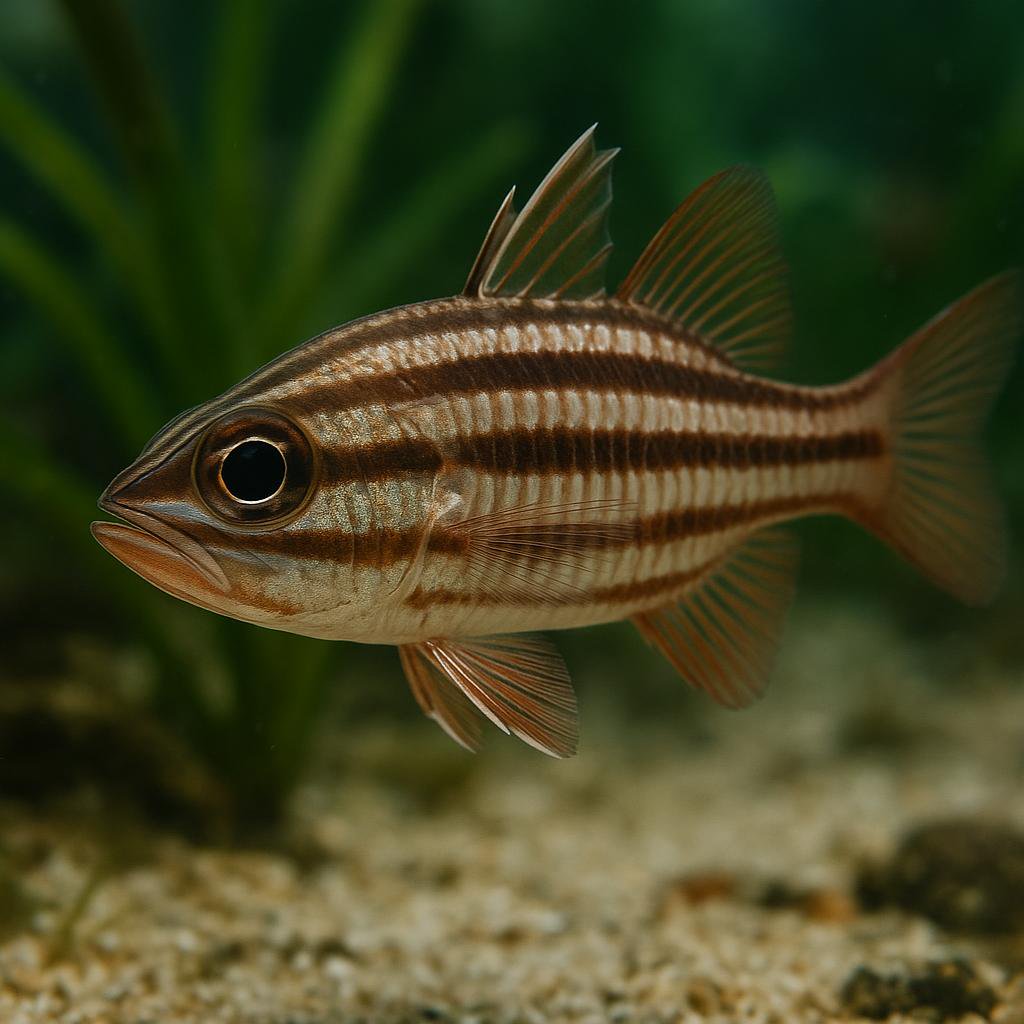
Shortspine cardinalfish
Ostorhinchus brevispinis
This is a small deepwater cardinalfish from French Polynesia. It has alternating brown/golden-brown and whitish longitudinal stripes and a dark mark on the caudal peduncle; the name refers to its very short first dorsal-fin spine.
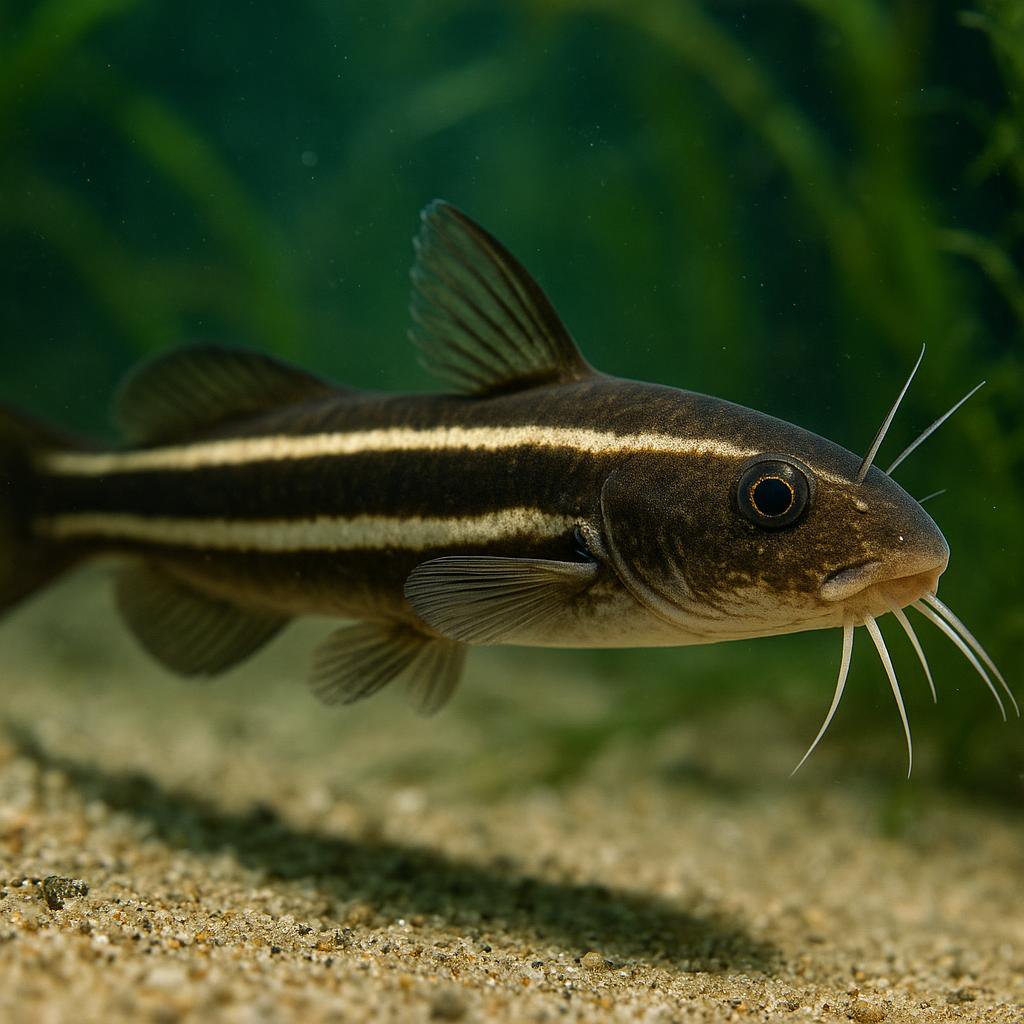
Short-tail eel catfish
Plotosus abbreviatus
Plotosus abbreviatus is a tropical eeltail catfish from the Western Pacific that lives on/near the bottom in marine and sometimes brackish water. It is basically a saltwater catfish with the classic plotosid look (eel-like tail, barbels, and a knack for cruising the substrate), and its care is more like a fish-only marine bottom dweller than anything "community tank" related.
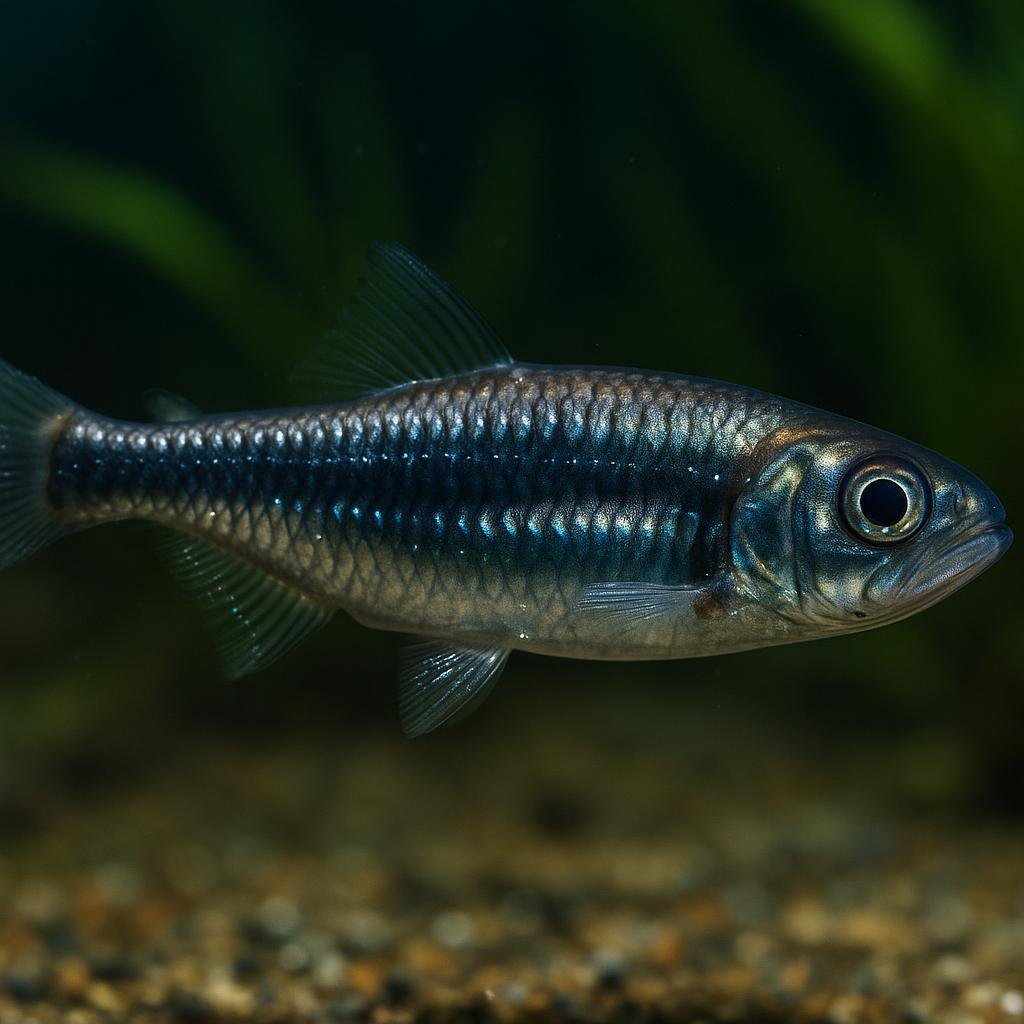
Short-tail lanternfish
Gymnoscopelus opisthopterus
This is a coldwater deep-sea lanternfish from the Southern Ocean that spends its life way down in the dark and uses photophores (light organs) like a little living constellation. Its habitat is near-freezing and very deep, so it is really a research-specimen kind of fish rather than something that can be kept in a normal aquarium.
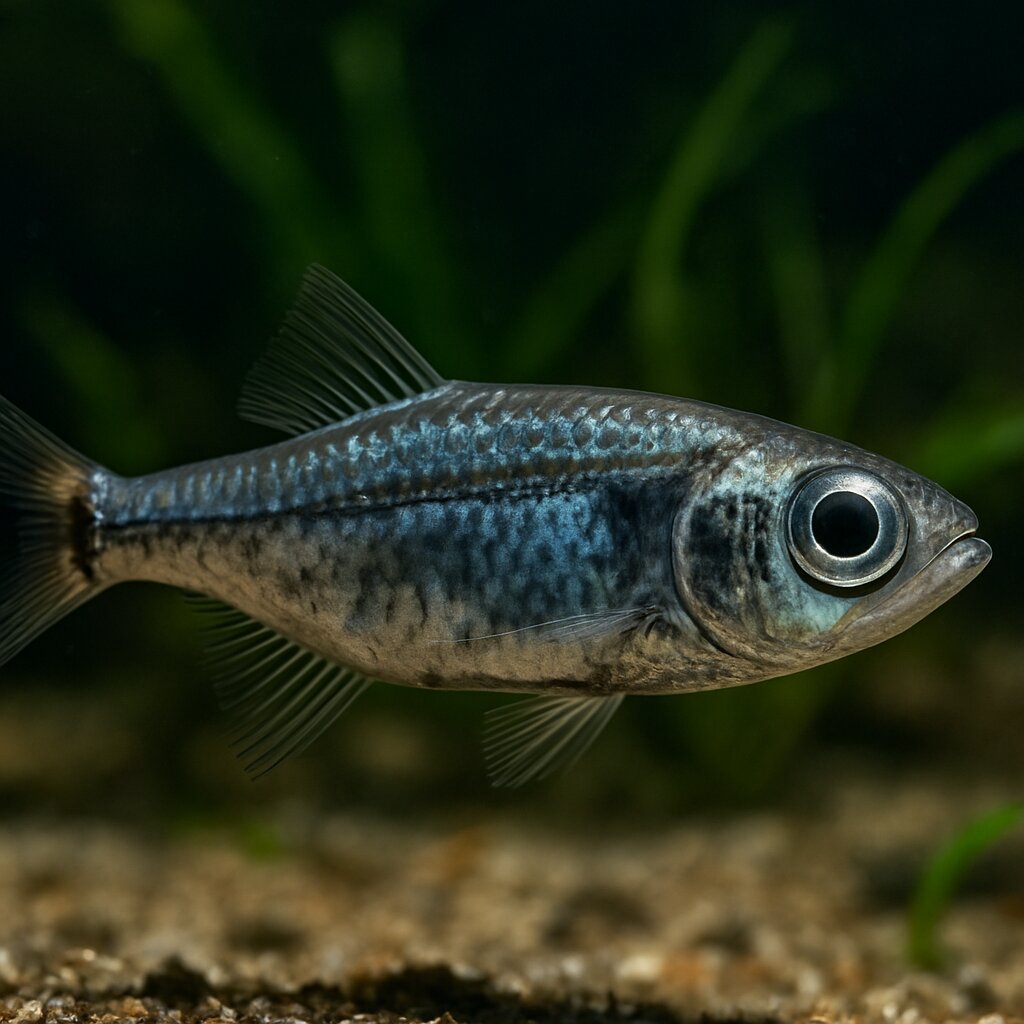
Signal pearleye
Scopelarchoides signifer
Tiny deep-sea pearleye with wild tubular eyes that let it see forward and sideways at once. It cruises tropical Indo-Pacific midwaters around 300-500 m, so it is a look-dont-keep species rather than an aquarium fish.
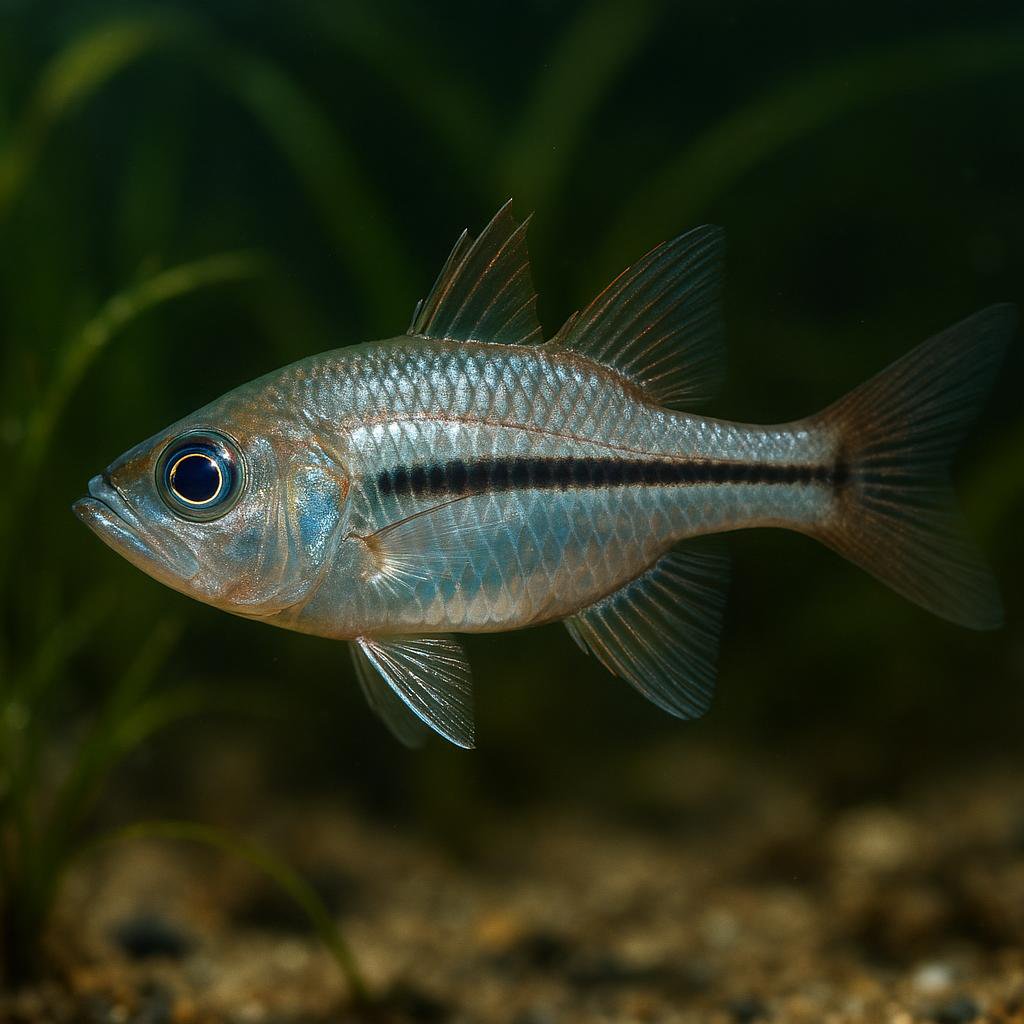
Silverbelly cardinalfish
Jaydia photogaster
Jaydia photogaster is a small, nocturnal cardinalfish from the western Pacific that hangs around deeper lagoon patch reefs and tends to be seen solo or in little loose groups. The really neat bit is the silvery belly light-organ system (hence the name) and the subtle dusky bars down the sides - it is one of those understated fish that looks way cooler the longer you stare at it.
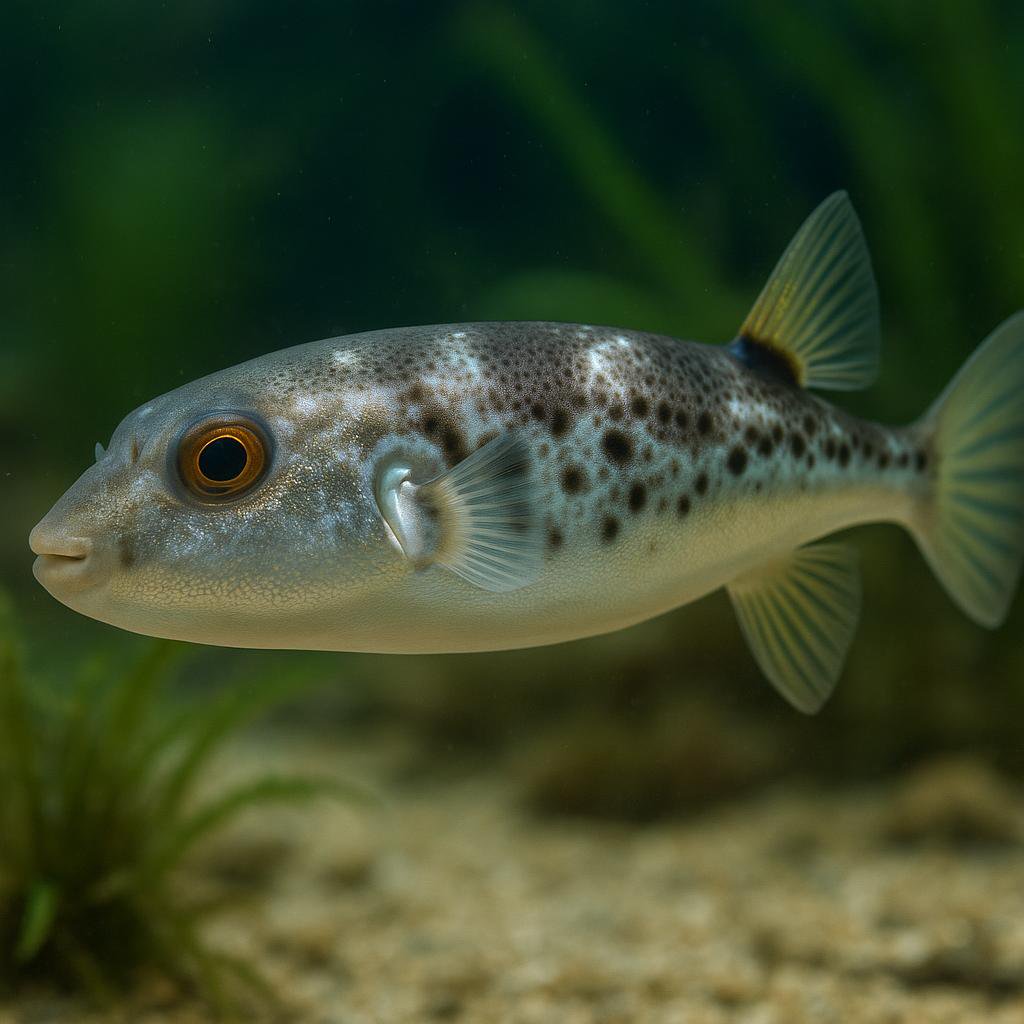
Silver-cheeked toadfish
Lagocephalus sceleratus
A very large marine puffer from the Indo‑West Pacific (including the Red Sea) that has invaded the Mediterranean via the Suez Canal; reef‑associated over sandy bottoms (18–100 m). Highly tetrodotoxin‑bearing and not suitable for home aquaria except at public‑aquarium scale.
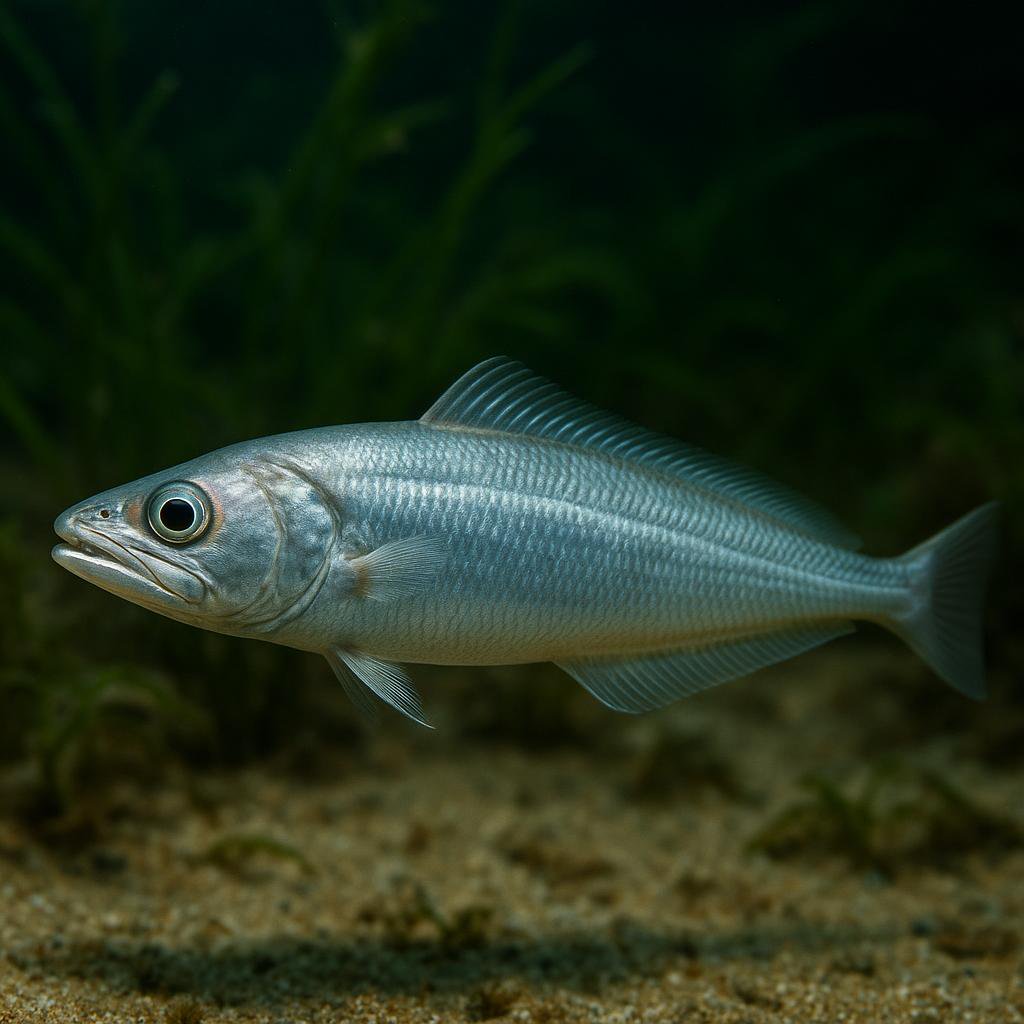
Silver cusk
Glyptophidium argenteum
Glyptophidium argenteum is a deepwater/bathydemersal cusk-eel (Ophidiidae) from the Indo-West Pacific (e.g., Bay of Bengal to the Philippines) recorded hundreds of meters deep. It is primarily known from scientific/monitoring collections and deepwater fisheries bycatch rather than the aquarium trade.
Silver splitfin
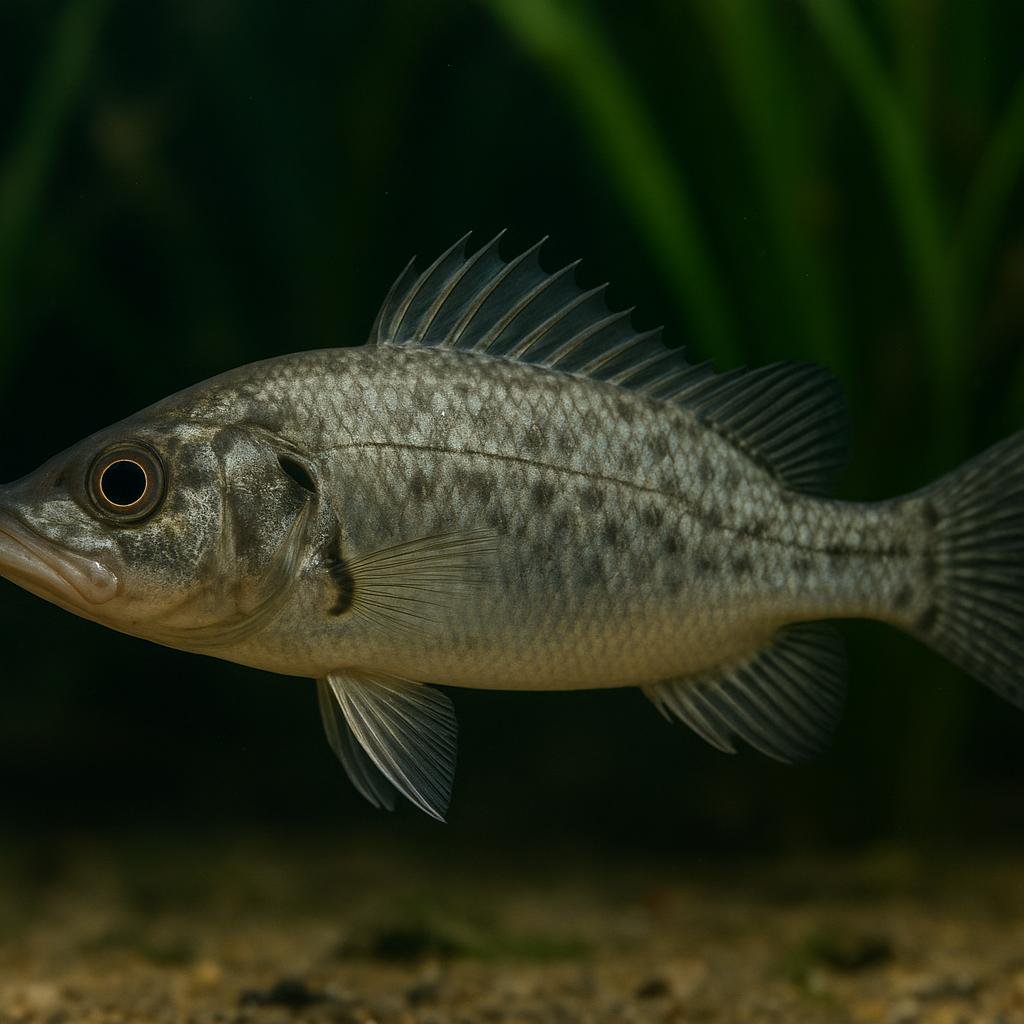
Verilus cynodon
Verilus cynodon (silver splitfin) is a deepwater marine "ocean bass" kind of fish from the western Indian Ocean, usually caught way down the slope rather than anywhere near reefs. Its whole deal is being a small, silvery, toothy little predator that lives in the dark zone (roughly 100-570 m), so its care is basically not practical for normal home aquariums.
Sin croaker
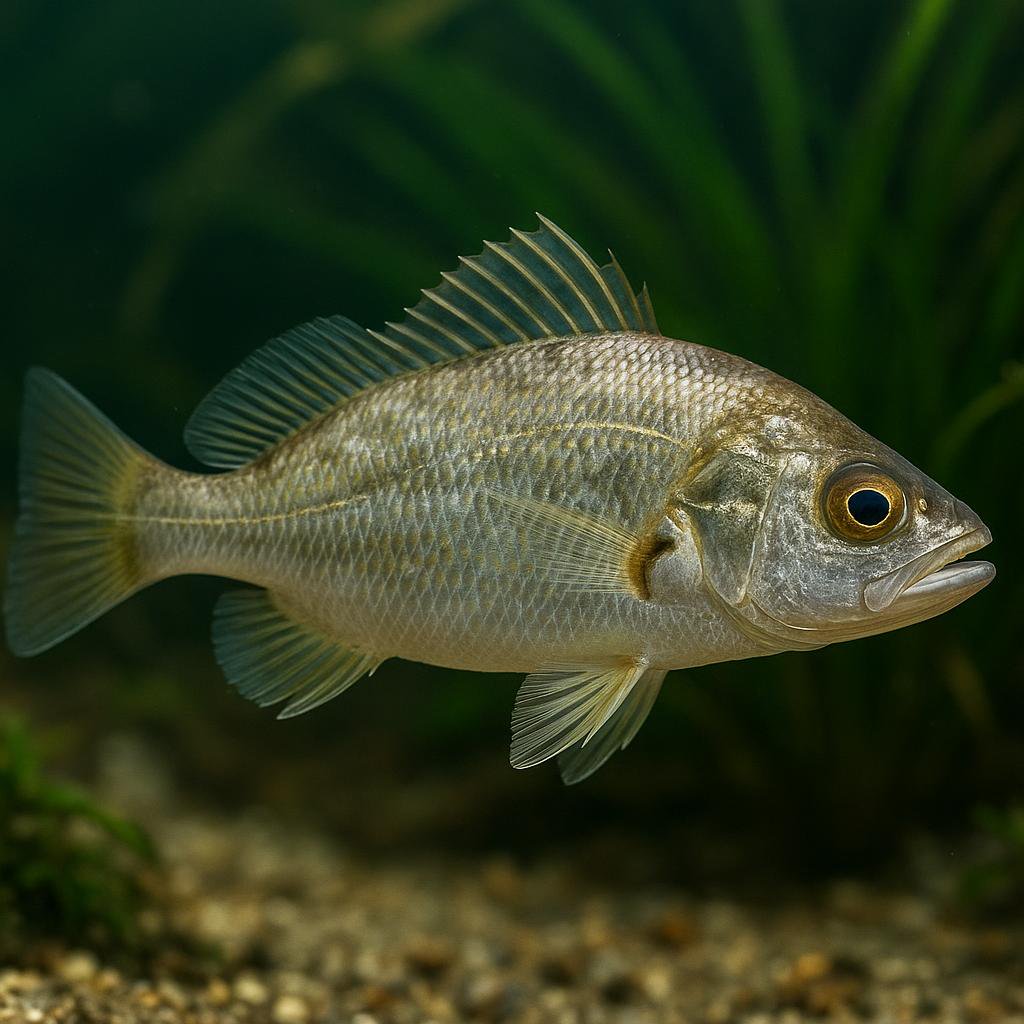
Johnius dussumieri
Johnius dussumieri (sin croaker) is a coastal marine sciaenid of the Indian Ocean region (e.g., Pakistan to NW Peninsular Malaysia) associated with nearshore/benthic habitats and also recorded from estuarine systems. It is a commercially utilized food fish and is not commonly maintained in aquaria.
Sixline Wrasse
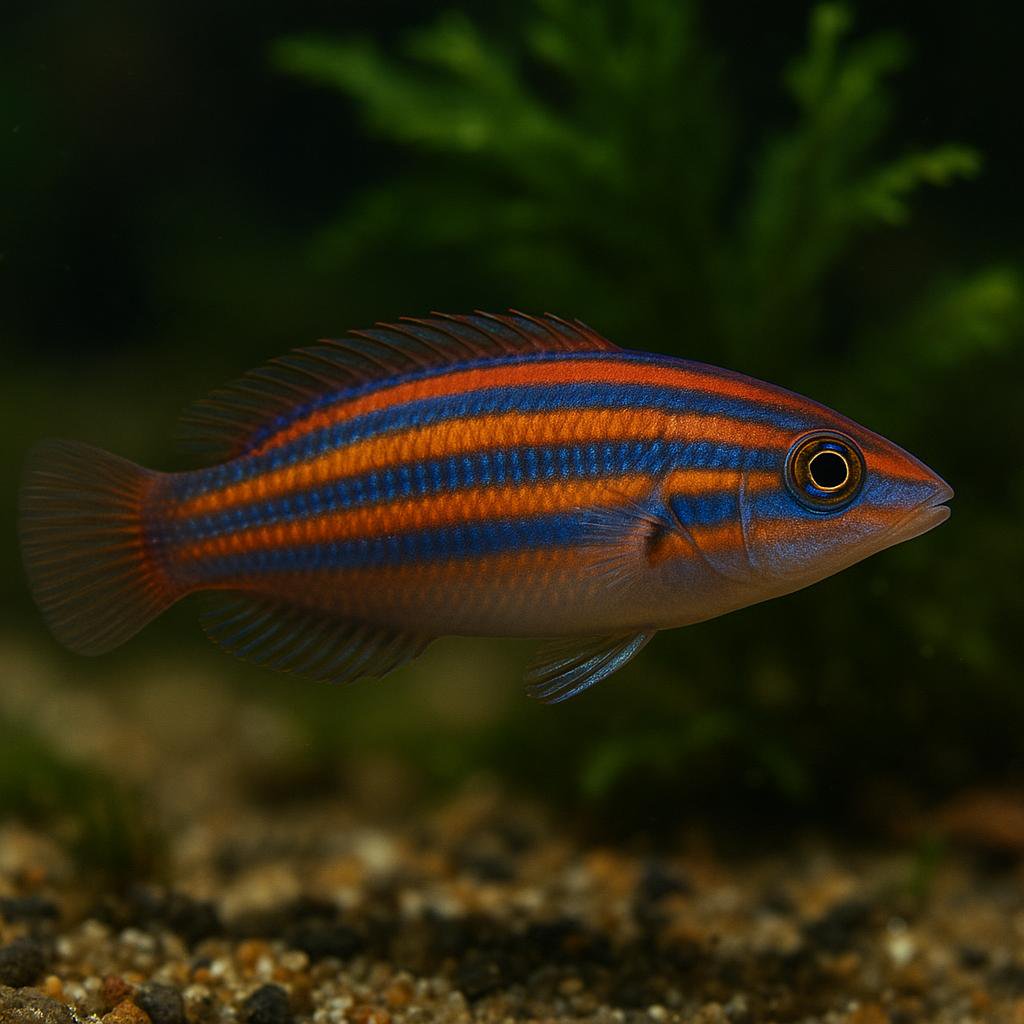
Pseudocheilinus hexataenia
The Sixline Wrasse is that nonstop little reef torpedo that weaves through rockwork all day hunting tiny critters. It's awesome for picking at pests like small worms/flatworms, but once it settles in it can get pretty territorial-especially in smaller tanks or with similar-shaped fish.
Sixstrap grubfish
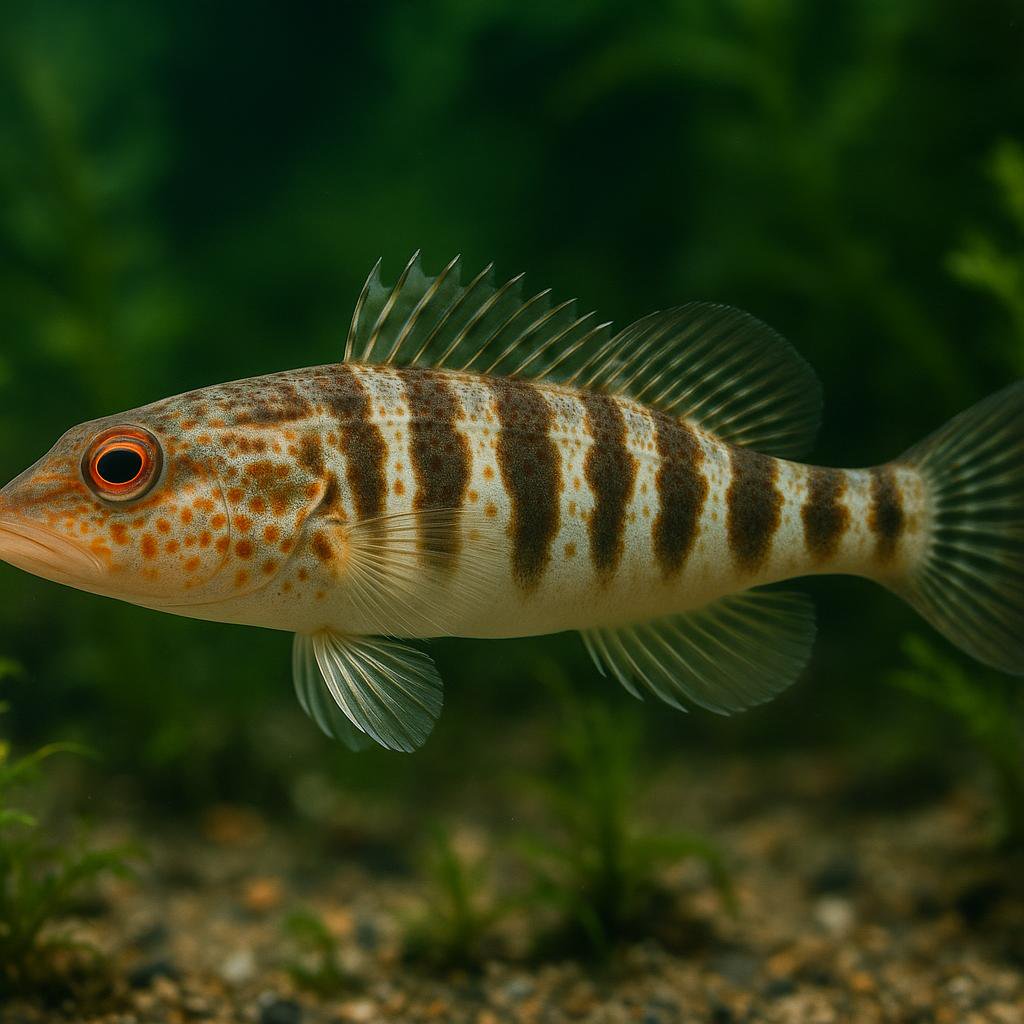
Parapercis sexlorata
This is a little sandperch (grubfish) from eastern Australia that hangs around the bottom and blends in with sand and rubble. It is one of those fish that mostly sits and watches, then darts in for meaty food, and it can be a bit of a character in a marine setup. Also worth knowing: it is a deeper-water trawl species (about 86-137 m), so it is not really a typical warm-shallow reef fish.