

Signal pearleye
Scopelarchoides signifer
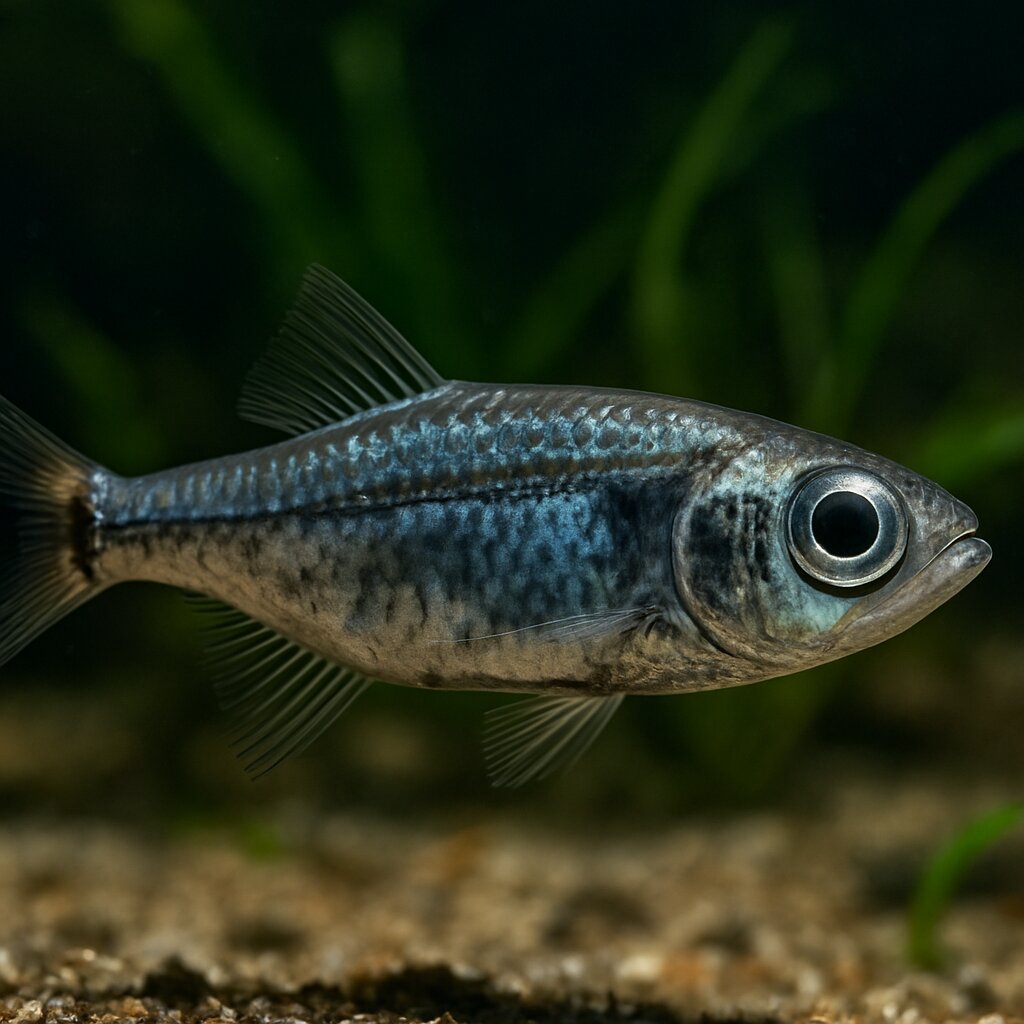
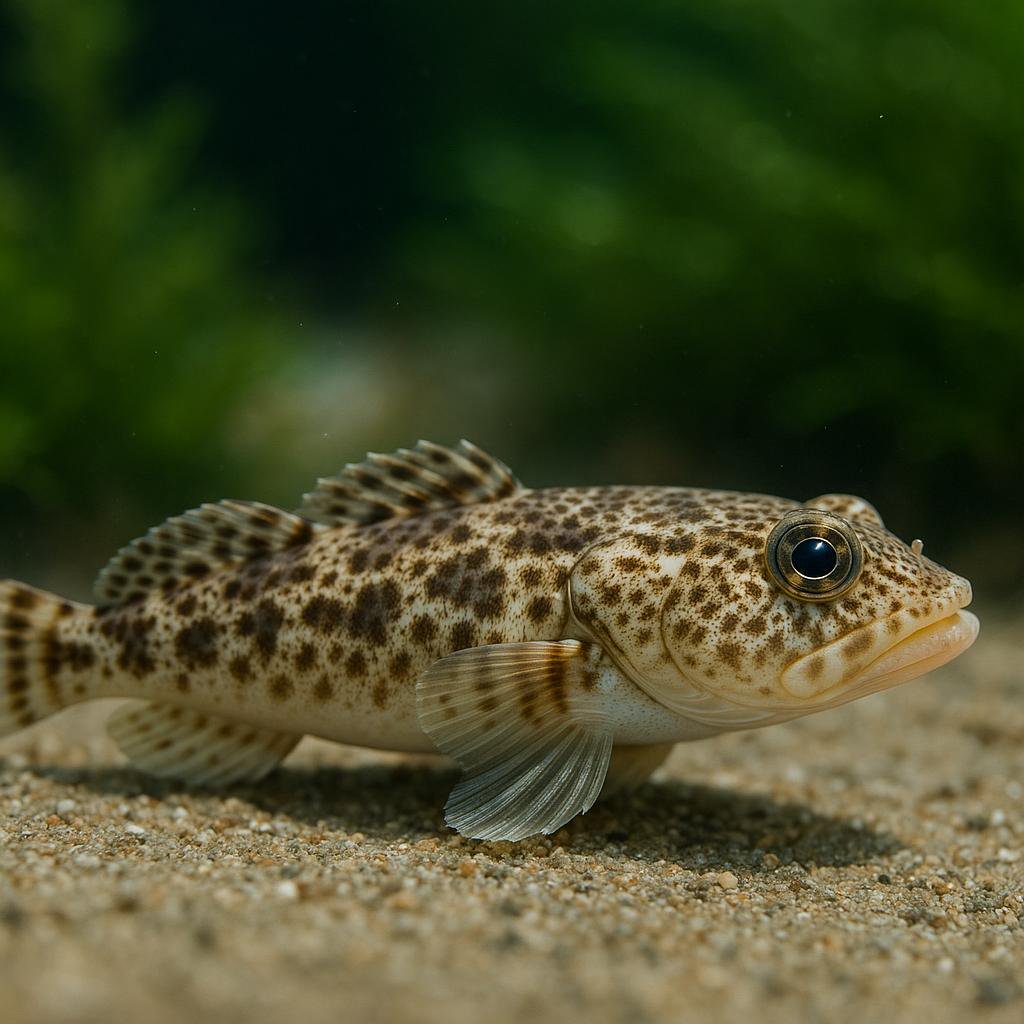
The Signal pearleye features a slender body, large eyes, and dark pigmentation with a characteristic silvery sheen along its sides.
This page includes AI-generated images. Why am I seeing AI images?
About the Signal pearleye
Tiny deep-sea pearleye with wild tubular eyes that let it see forward and sideways at once. It cruises tropical Indo-Pacific midwaters around 300-500 m, so it is a look-dont-keep species rather than an aquarium fish.
Quick Facts
Size
3.9 inches (10 cm SL)
Temperament
Semi-aggressive
Difficulty
Expert
Min Tank Size
0 gallons
Lifespan
unknown
Origin
Indo-Pacific
Diet
Carnivore - small fishes and crustaceans
Water Parameters
8-12°C
7.7-8.2
300-400 dGH
Care Notes
- Run a tall, insulated coldwater system with a real chiller: 4-8 C, blackout sides and lid, and use a dim red light if you need to peek.
- They cruise midwater, so give a deep column or cylinder, almost no hard decor, gentle circular flow, and foam-guard every intake.
- Keep dissolved oxygen 9+ mg/L with strong aeration/skimming; pH 8.0-8.2, salinity 35 ppt (1.025-1.027), zero ammonia/nitrite, nitrate under 10 ppm with rock-steady temps.
- Feed at dusk in the water column: live mysids/copepods and tiny fish strips, then try frozen mysis or krill soaked in HUFA; small portions 1-2x daily and siphon leftovers right away.
- No tankmates - anything active, bright-lit, or warmer will stress it out; if you insist, only other gentle deep-cold pelagics of similar size and collection method.
- Collection and acclimation are the make-or-break: if it was not pressure-captured and carefully decompressed, long-term odds are poor; acclimate in total darkness with container transfers, not nets.
- Eyes and skin are crazy delicate, so pad corners, use soft lids, and move slowly to avoid startle sprints; sudden light flips can send it crashing.
- Breeding is a pass in home tanks - they are pelagic spawners with larvae adapted to deep pressure and near-total darkness.
Compatibility
Good Tankmates
- Best kept solo in a chilled, very low-light setup - species only
- Calm, midwater coldwater fish that ignore tankmates and are too big to fit in its mouth
- Large, mellow bottom huggers like small catsharks or skates that stick to the floor and do not chase
- Slow, non-nippy coldwater planktivores of similar size that cruise gently in dim light
- Docile, larger temperate fish that feed slowly so the pearleye still gets food
- Public-aquarium deepwater oddballs of similar size and needs, like snipefish or boarfish types, not bite-sized
Avoid
- Anything bite-sized - small fish, shrimp, or crabs - it will eat them
- Fast, pushy pelagics like jacks, mackerel, tunas - they will run it ragged
- Nippy or aggressive reef fish - triggers, damsels, puffers
- Warm-water reef setups with bright lights and tropical temps
Where they come from
Signal pearleyes are deep midwater fish from the open ocean. You find them in the mesopelagic zone, hundreds of meters down, where it is cold, dark, and quiet. They spend days deeper and ride up closer to the surface at night to hunt. Think blackwater, not reefs.
Those upward-looking eyes are not a gimmick. They watch for the silhouettes of prey above them in very dim light.
Setting up their tank
I have only kept this species in a dedicated, chilled midwater system, and even then it was a short-term success. This is not a living room fish. Treat it like a blackwater pelagic exhibit.
- Volume: 400-800 L minimum. Bigger gives you gentler flow and less chance of wall strikes.
- Shape: Oval or round-cornered tank, or a kreisel-style setup. No sharp corners. Smooth lids and guards on every intake.
- Temperature: 6-10 C. Hold it steady. Use an oversized titanium chiller with a controller and a backup alert.
- Salinity and chemistry: 34-35 ppt, pH 8.0-8.2, near-zero ammonia and nitrite, low nitrate. Keep it rock steady.
- Lighting: Very dim. View with red light only. Black out the sides and lid. Long ramp-up and ramp-down on any room lights.
- Flow: Gentle, laminar, circular motion. Think glide, not blast. 5-8x turnover with diffused outlets or spray bars. Foam-guard every intake.
- Filtration: Big biofilter, oversized skimmer, and high oxygenation. Cold water holds more O2 but fish from depth are sensitive to dips. Add an O2 monitor if you can.
- Lid: Tight, sealed, and insulated. They spook and can launch. Keep condensation under control around electronics.
Acclimate cold and dark. Match temp before opening the shipping bag. Drip slowly in dim red light. Any bright light or warm water swing can send them into a panic.
Never net them. Use a large, water-filled container and move them fully submerged. Nets and rough surfaces wreck their eyes and skin.
What to feed them
They want small, moving midwater prey. If it sinks straight to the bottom, they are not interested. Night feeding works best.
- Starter foods: Live marine mysids and calanoid copepods. Offer in the water column with a long pipette in red light.
- Transition: Mix in high-quality thawed mysis, finely cut krill, and paper-thin slivers of silversides or capelin. Keep pieces small and neutrally buoyant.
- Presentation: Drip or waft food into the midwater flow so it drifts overhead. They strike up and forward, not down.
- Frequency: Small feedings 2-3x nightly at first. Watch the girth behind the head; a hollow look means underfeeding.
Do not rely on adult brine shrimp. Even enriched, it is a short-term bandaid and they waste energy chasing low-value prey.
How they behave and who they get along with
They are quiet, midwater cruisers that spook easily. Sudden light or sharp flow changes cause darting and wall strikes. Most of the time they hover and make short, purposeful lunges at passing prey.
- Tankmates: Best kept alone or in a dedicated midwater system. Fast, diurnal, or territorial fish stress them out.
- Conspecifics: A calm pair can work in a very large, round system, but panic spreads fast. If you try this, add them at the same time and keep lighting super low.
- Activity: More active after lights-out. Plan your maintenance and feeding around that rhythm.
Cover overflows and returns with fine, smooth mesh. A startled pearleye will find any gap in seconds.
Breeding tips
As far as I know, there are no confirmed captive breedings of Scopelarchoides signifer. They are likely pelagic spawners with tiny larvae that feed on microplankton. That stage needs a totally different setup and live plankton production. If breeding is your goal, this is not the species to learn on.
Common problems to watch for
- Refusal to feed: Usually lighting, flow pattern, or food presentation. Try live mysids in red light and reduce flow pulses.
- Wall strikes and mouth damage: Round the environment, slow the flow, darken the room. Mouth injuries are often fatal because they stop feeding.
- Thermal creep: Chiller undersized or clogged. Above ~12 C for long stretches and they go off food and spiral downhill.
- Light shock: Even a phone flash can set them off. Use red film on any viewing light and keep it dim.
- Shipping injuries and decompression stress: Many arrive compromised. There is no real fix for internal damage. Minimize handling and keep things calm and cold.
- Opportunistic infections: Tenacibaculum and Vibrio show up on damaged skin at cold temps. If you see frayed edges or milky patches, improve water quality, reduce stressors, and consult a fish-health vet for targeted antibiotics.
Ethics and practicality: Deepwater collection is rough on these fish and bycatch can be high. Unless you have a proven chilled midwater system and access to live foods, pass on this species and enjoy them through reputable public aquaria.
If you are determined, rehearse everything in daylight with a placeholder fish. Practice food delivery, bucket transfers, and lid handling. The first real night with the pearleye is not the time to learn your hardware.
Similar Species
Other marine semi-aggressive species you might be interested in.
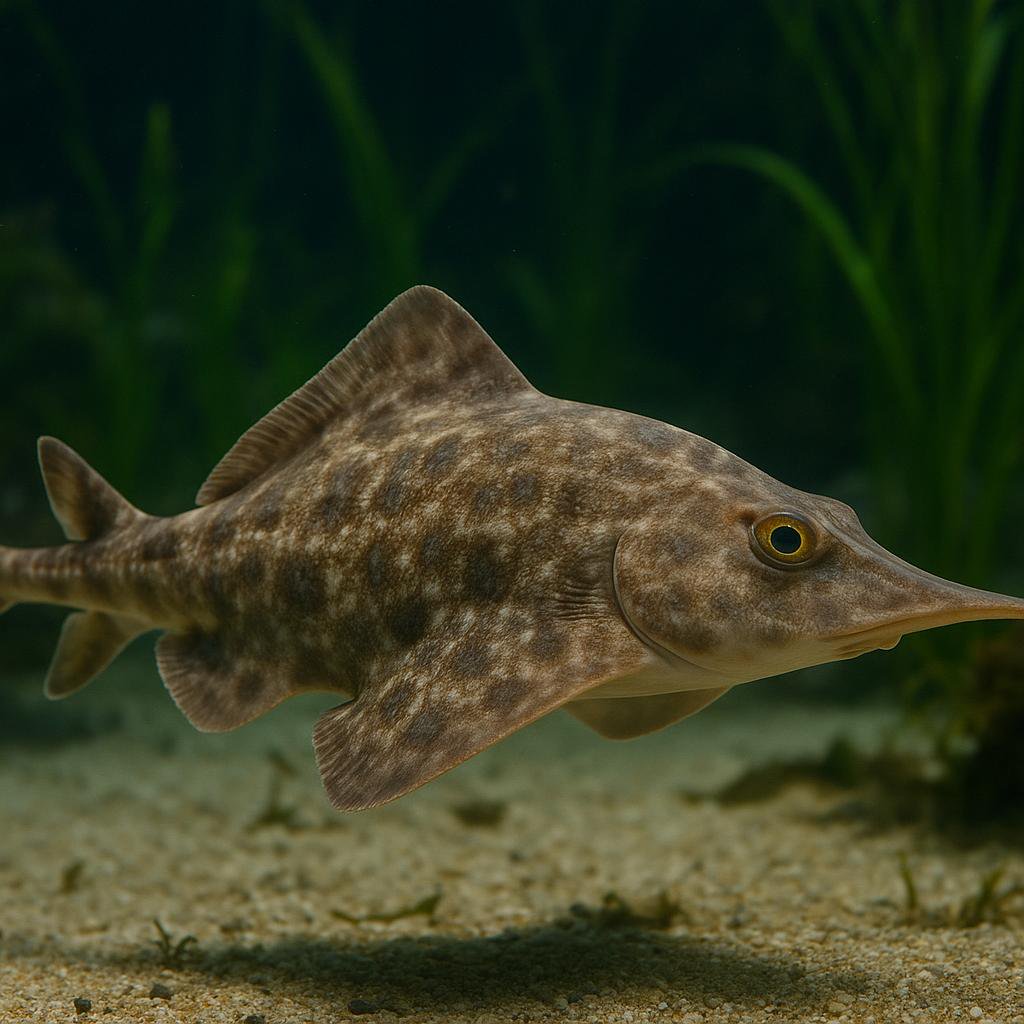
Aleutian skate
Bathyraja aleutica
This is a big, cold-water deep-slope skate from the North Pacific that cruises muddy bottoms and eats chunky benthic prey like crabs and shrimp. The really cool bit is its egg-laying skate life - it does distinct pairing (the classic skate "embrace") and drops those tough egg cases on the seafloor. Not an aquarium fish at all unless you're basically running a public-aquarium-style chilled system.
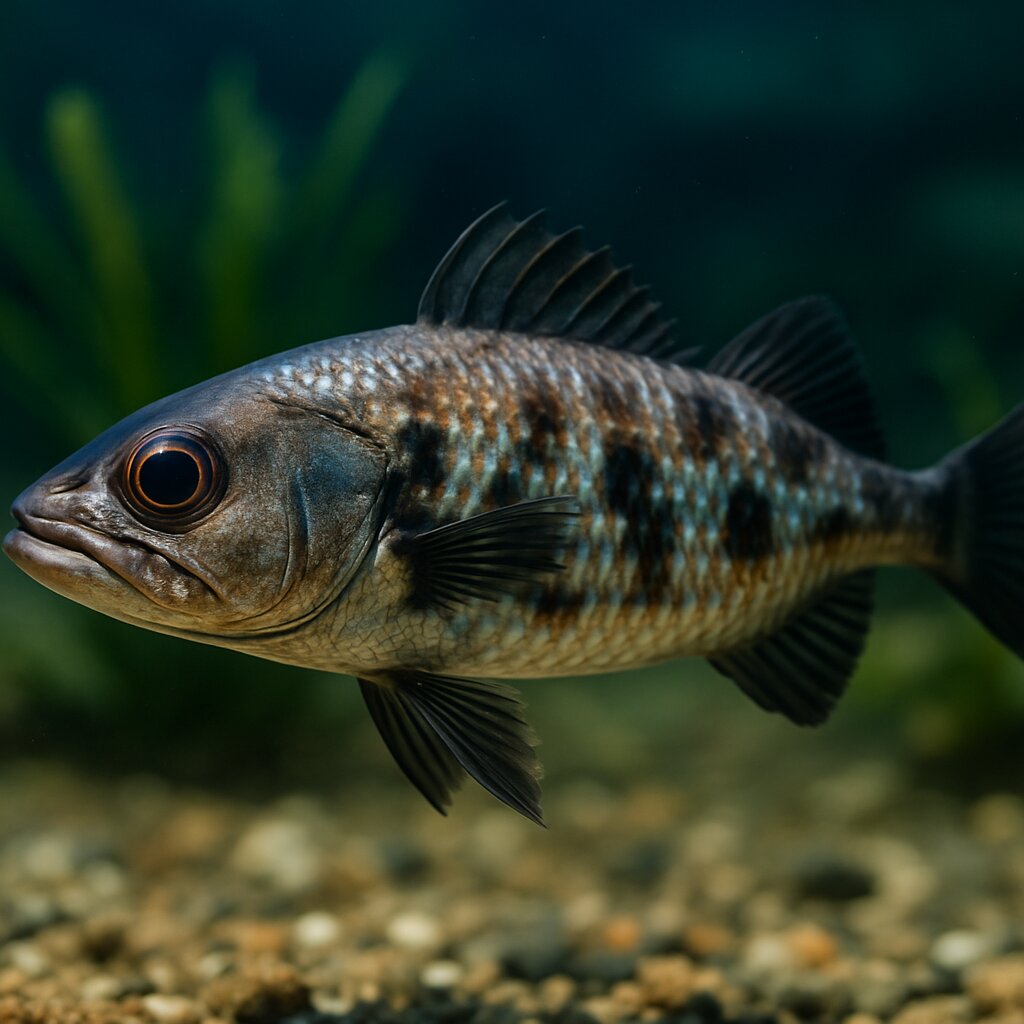
Antarctic dragonfish
Vomeridens infuscipinnis
Deep down around Antarctica, this sleek dragonfish cruises the water column like a little submarine, nearly neutrally buoyant so it can hover above the seafloor. It munches almost exclusively on Antarctic krill and lives in near-freezing water 500-800 m down, so it is a cool species to read about, not one for home tanks.
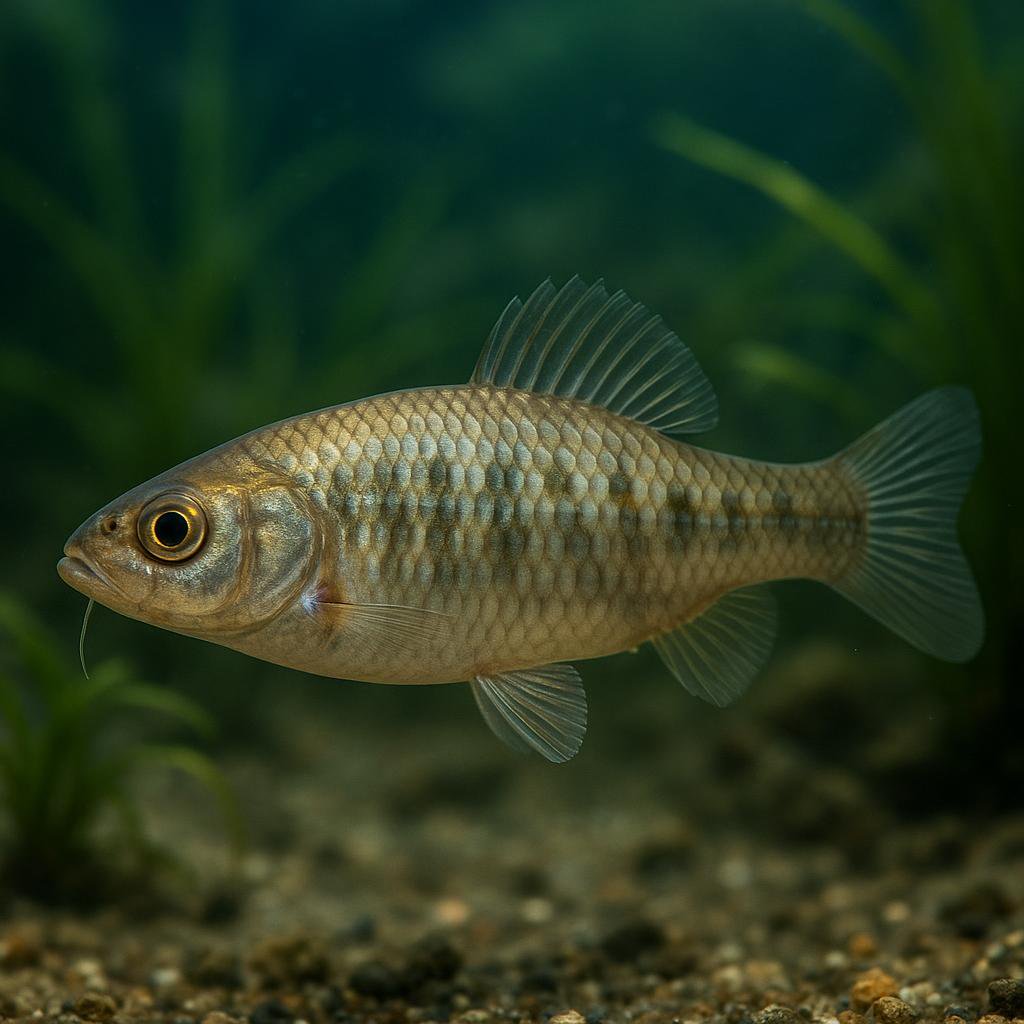
Arabian spiny eel
Notacanthus indicus
Notacanthus indicus is a deep-sea spiny eel (family Notacanthidae; not a true eel) known from the Arabian Sea on the continental slope at roughly ~960–1,046 m depth, with reported maximum length around 20 cm TL; it is a deep-water bycatch species and not established in the aquarium trade.
Arctic rockling
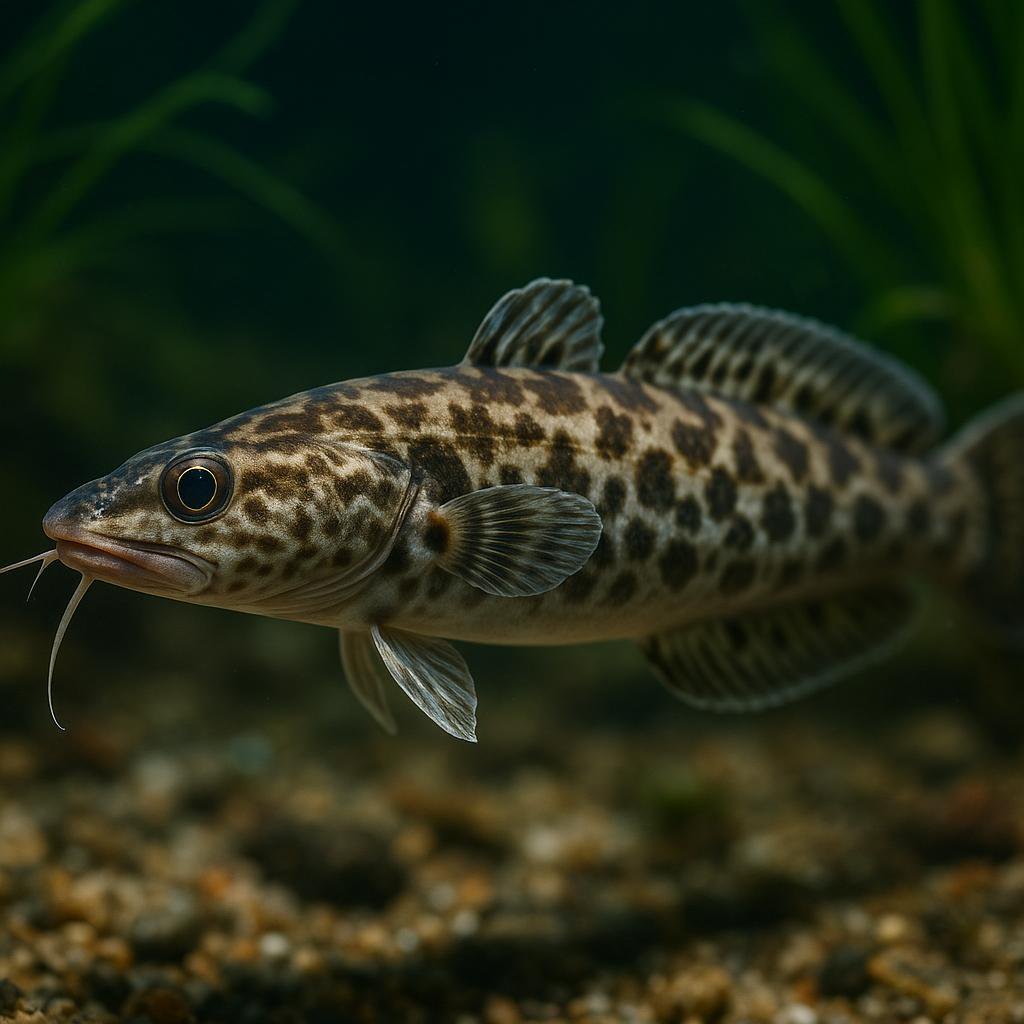
Gaidropsarus argentatus
This is a deepwater North Atlantic rockling (a cod relative) that hangs out on soft bottoms way down the slope. It is a cold-water, bottom-hugging predator that snoots around for crustaceans and will also take small fish when it gets the chance.
Atlantic pomfret
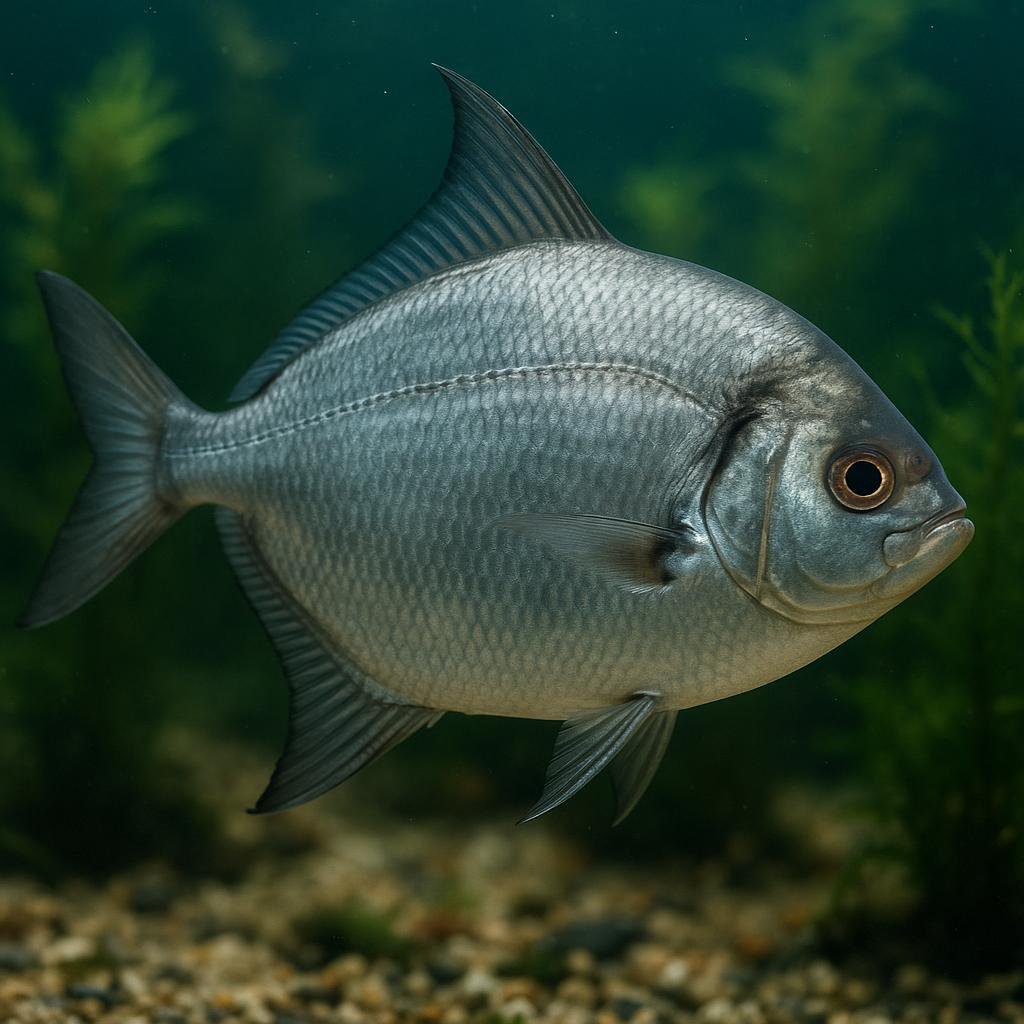
Brama brama
Brama brama is the Atlantic pomfret (aka Ray's bream) - a deep-bodied, open-ocean pelagic fish that cruises around in small schools and follows water temps. It is a legit big, wild marine species (not an aquarium fish) that eats other small sea critters like fish and squid, and it ranges across a huge chunk of the Atlantic plus parts of the Indian and South Pacific.
Australian sawtail catshark
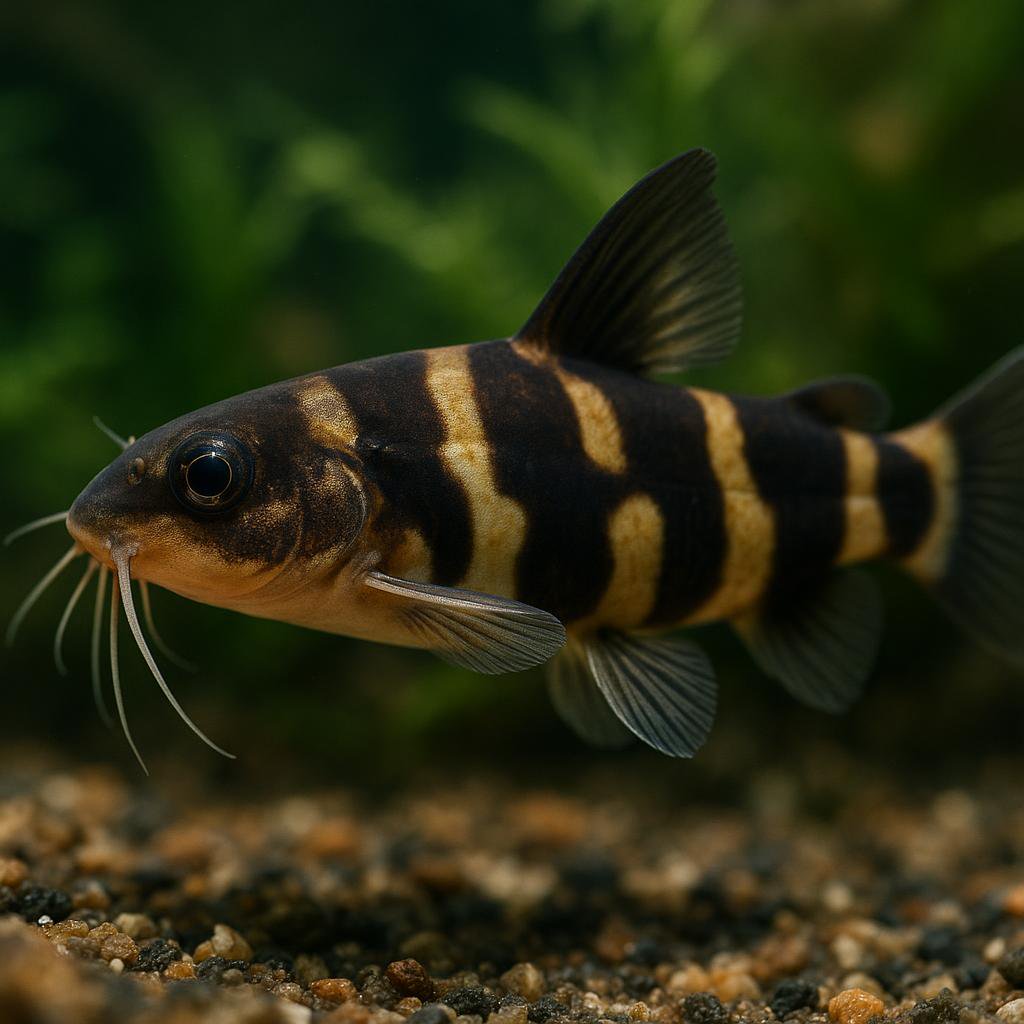
Figaro boardmani
Figaro boardmani is a small, deepwater Australian catshark with these cool saw-like ridges of spiny denticles along the tail and a neat pattern of dark saddle bands. It lives way down on the outer continental shelf and slope, so its natural water is cold, dim, and stable - totally not a typical home-aquarium fish. Diet-wise its a predator that goes after fish, crustaceans, and cephalopods.
More to Explore
Discover more marine species.
Abe's eelpout
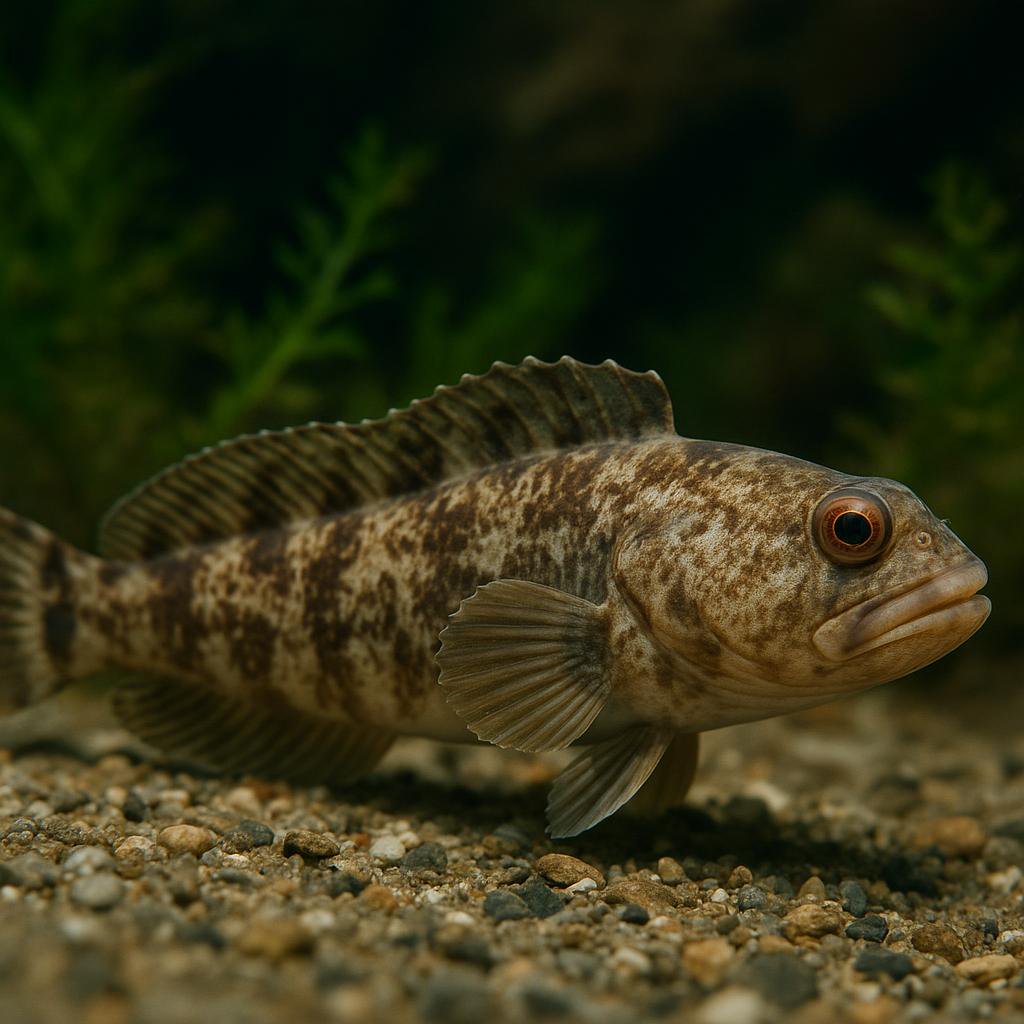
Japonolycodes abei
Japonolycodes abei is a temperate, deepwater demersal eelpout (family Zoarcidae) endemic to Japan (Kumano-nada Sea reported; other sources also report Sagami Bay and Tosa Bay). It is the only species in the genus Japonolycodes and occurs roughly 40-300 m depth, making it an uncommon/atypical aquarium species.
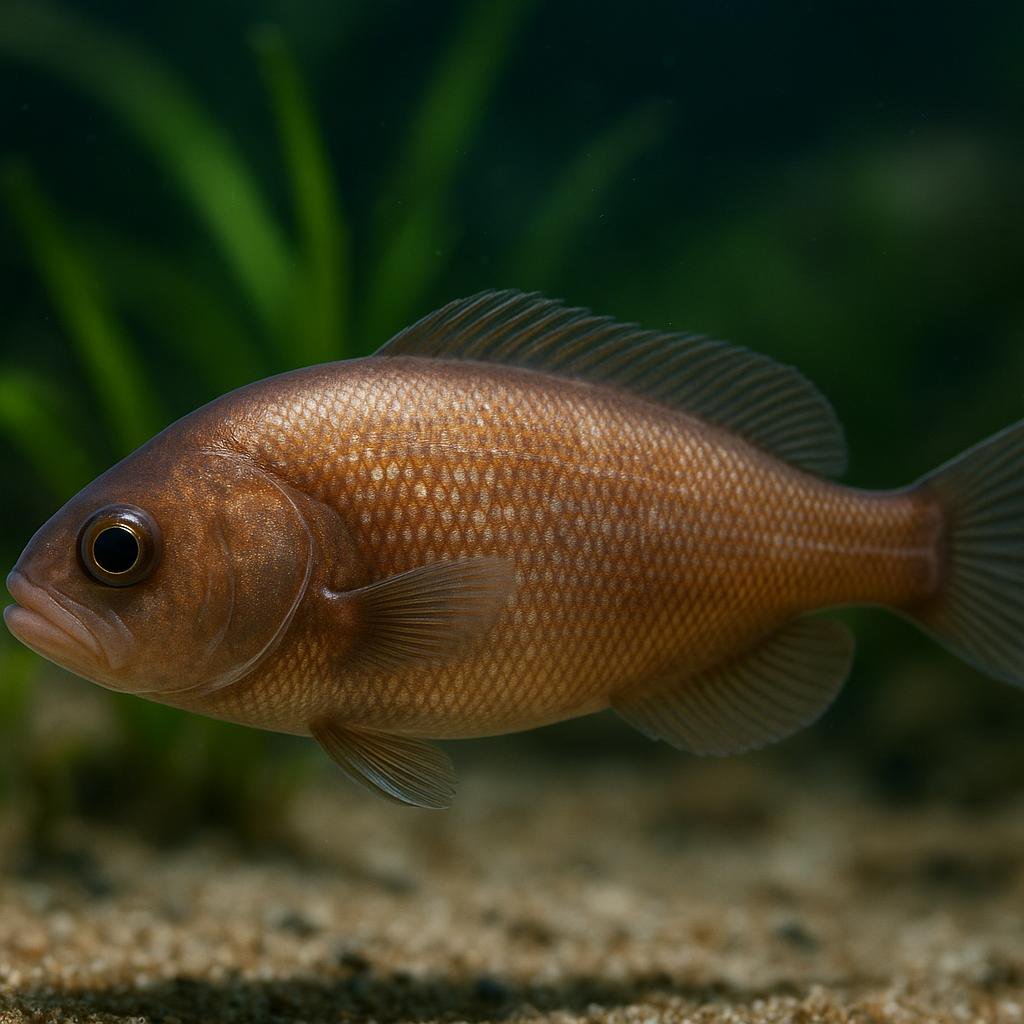
Affinis blind cusk-eel
Barathronus affinis
Barathronus affinis is a tiny, super-weird deep-sea blind cusk-eel from the western-central Indian Ocean. It is one of those gelatinous, loose-skinned brotula-type fishes that live way down in the dark and are basically never seen alive, so almost everything we know comes from preserved specimens and taxonomic work.
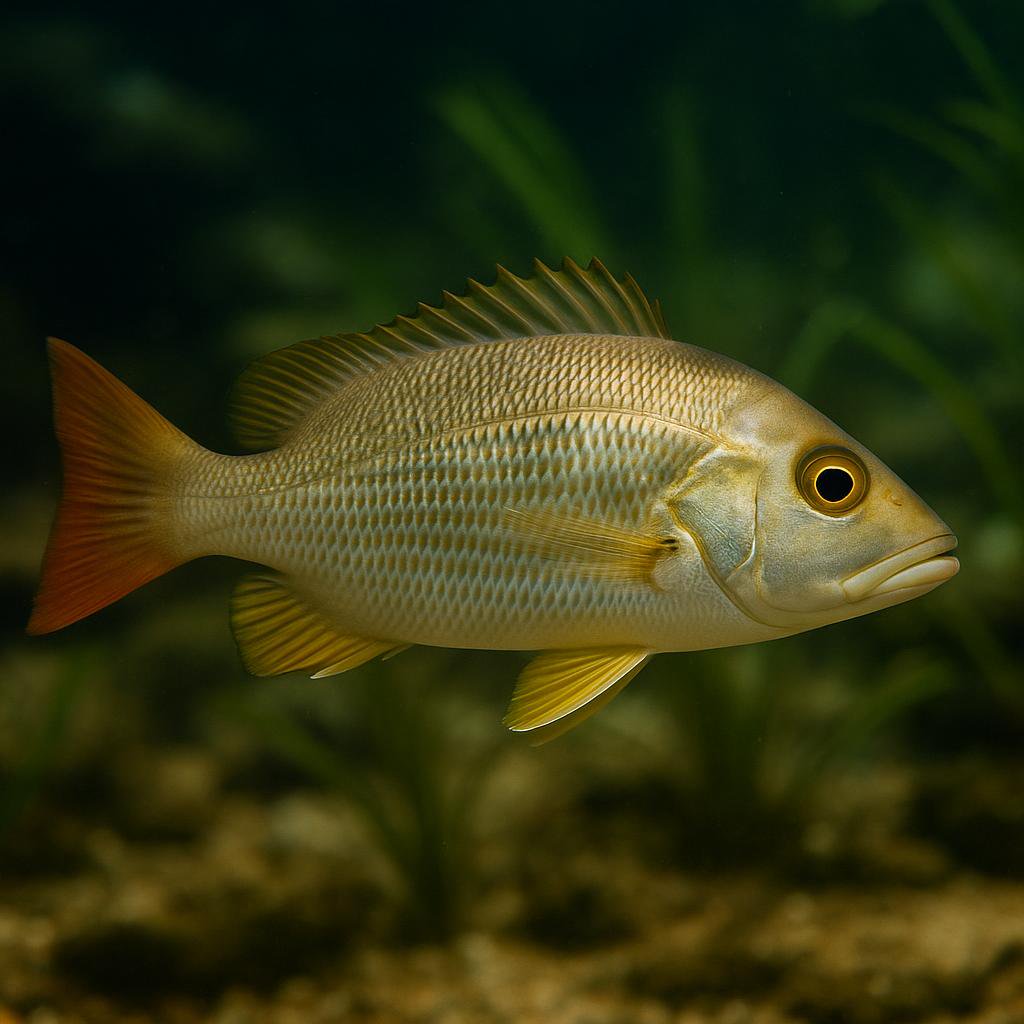
African red snapper
Lutjanus agennes
This is a true snapper from West Africa - a big, fast-growing predator that goes from coastal reefs to brackish lagoons and estuaries (especially as a juvenile). Super cool fish in the wild, but it gets absolutely huge and will eat smaller tankmates once it has the mouth for it, so its really more of a public-aquarium scale animal than a home-aquarium fish.
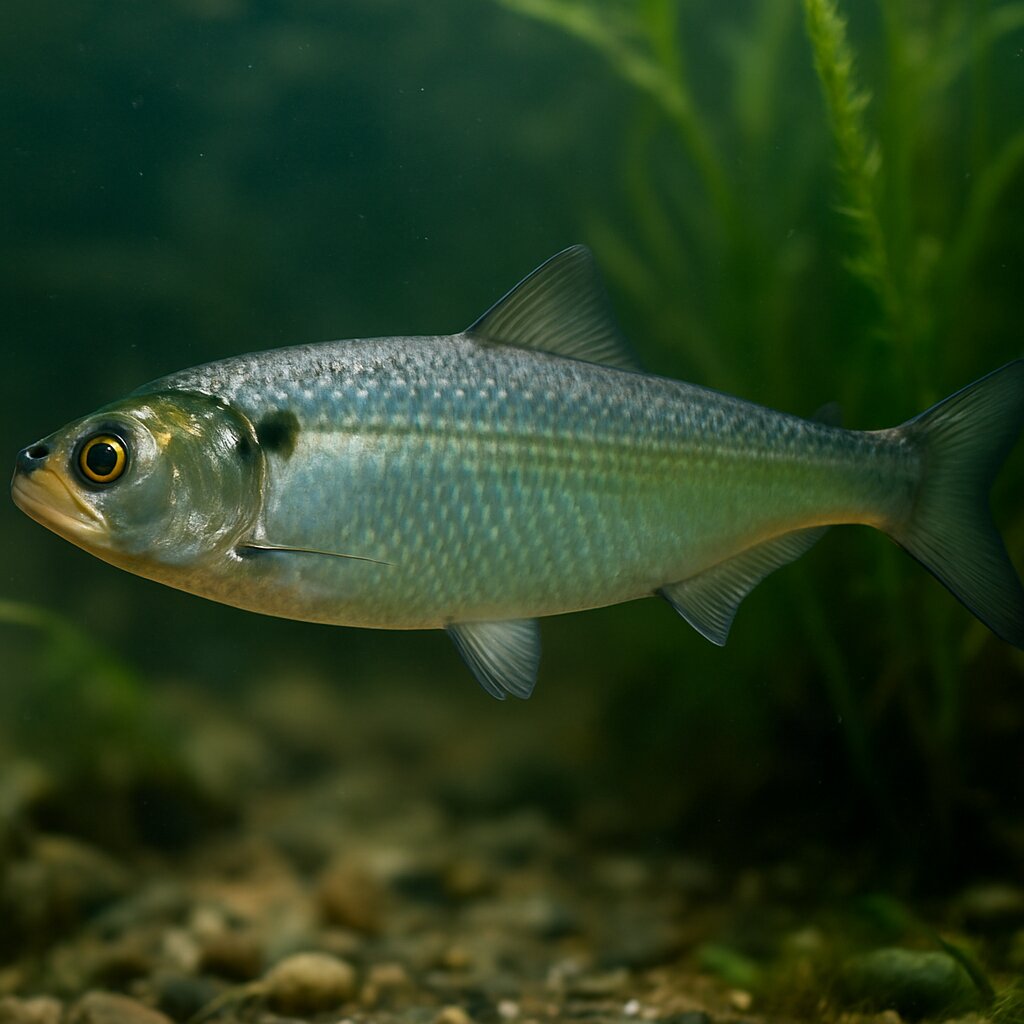
Allis shad
Alosa alosa
Gorgeous silver, fast-swimming shad that spends most of its life in the sea and then surges up big rivers in noisy, surface-spawning schools. It grows huge for a herring-type fish and needs cool, ultra-oxygenated water and tons of open space, so it is a public-aquarium species rather than a home tank fish.
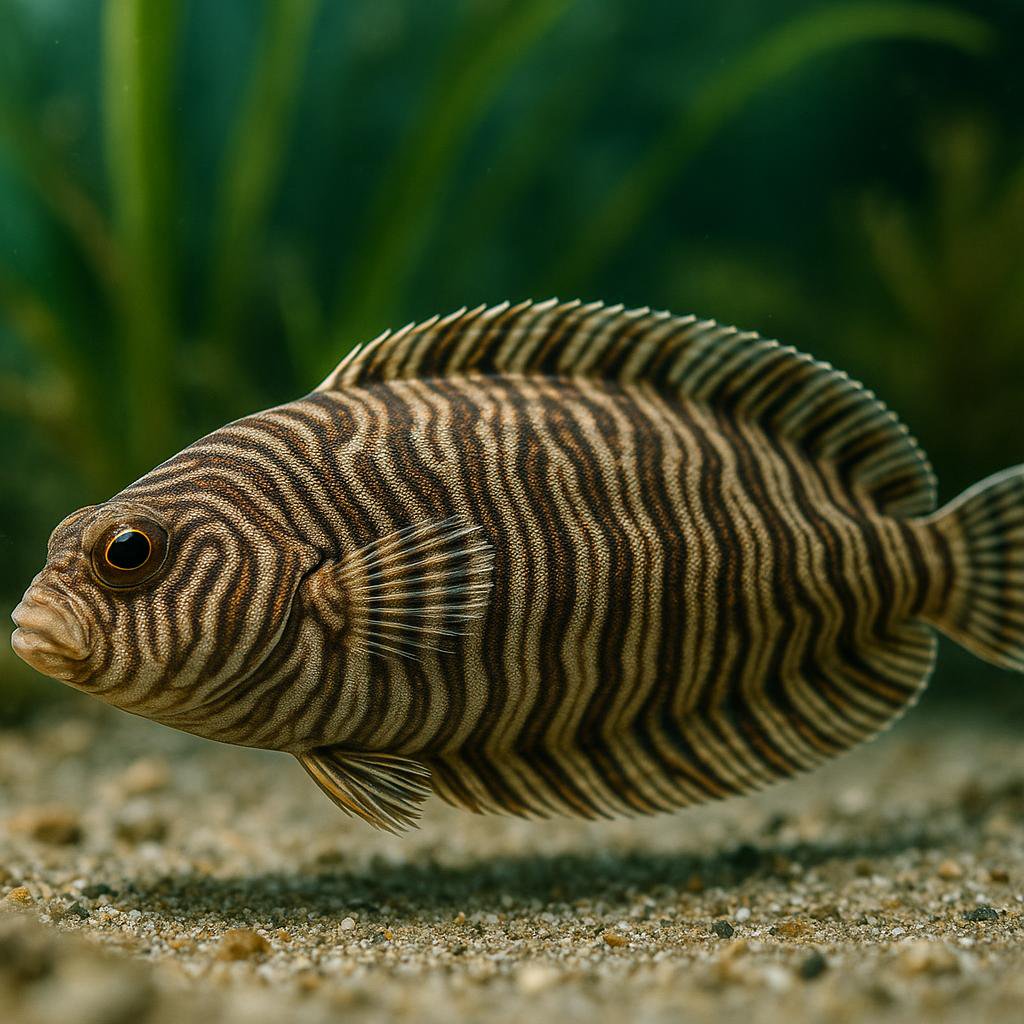
Annandale's zebra sole
Zebrias annandalei
Zebrias annandalei is a small demersal sole from coastal India that inhabits sandy or muddy bottoms and buries for camouflage. It is rarely kept in home aquaria and would require a specialized marine sand-bottom setup and appropriate feeding.
Banded stargazer
Kathetostoma binigrasella
This is a New Zealand stargazer that lives half-buried in sand or mud with its eyes pointed up, waiting to rocket upward and nail passing prey. It has those neat dark saddle-bands across the back (especially as a juvenile), and like other stargazers it is venomous with spines near the gill cover/pectoral area - definitely a look-dont-touch fish.
Looking for other species?