

Sin croaker
Johnius dussumieri
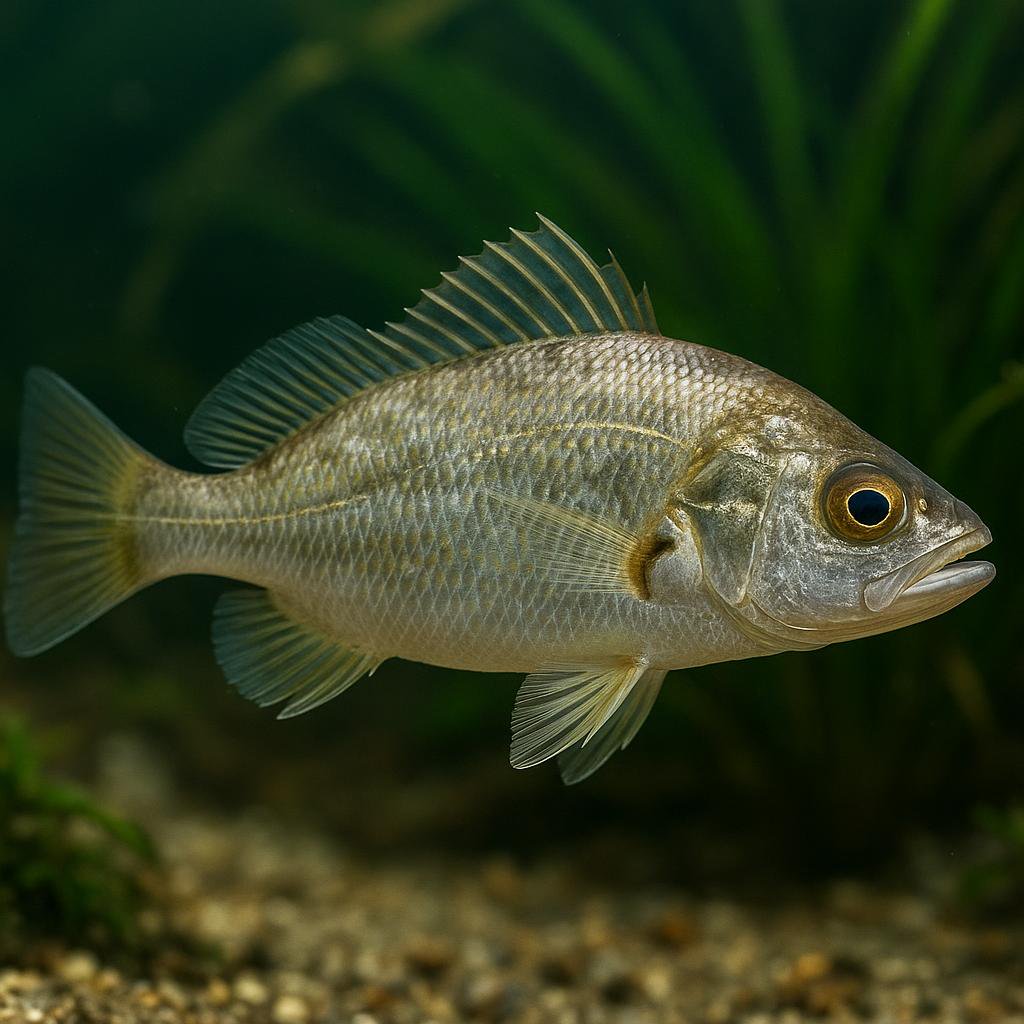
Sin croaker features a streamlined body with a silver sheen, distinctive forked tail, and black spots along its lateral line.
This page includes AI-generated images. Why am I seeing AI images?
About the Sin croaker
Johnius dussumieri (sin croaker) is a coastal marine sciaenid of the Indian Ocean region (e.g., Pakistan to NW Peninsular Malaysia) associated with nearshore/benthic habitats and also recorded from estuarine systems. It is a commercially utilized food fish and is not commonly maintained in aquaria.
Also known as
Quick Facts
Size
40 cm TL
Temperament
Peaceful
Difficulty
Expert
Min Tank Size
180 gallons
Lifespan
5-10 years
Origin
Indian Ocean
Diet
Carnivore - invertebrates and small fishes
Water Parameters
24.7-29.1°C
7.8-8.4
8-12 dGH
Need a heater for this species?
This species needs 24.7-29.1°C in a 180 gallon tank. Use our heater calculator to find the right wattage.
Calculate heater sizeCare Notes
- Give it a big footprint tank, not a tall one - these croakers cruise and need open sand to roam, plus a few low rock piles to duck behind when spooked.
- Maintain stable, appropriate salinity and temperature for a coastal marine/estuary-associated sciaenid; acclimate carefully if kept in full marine vs. lower-salinity systems, as this species is also recorded from estuarine environments. Because species-specific aquarium parameter data are limited, prioritize stability, excellent water quality, and careful observation.
- Use sand (not sharp gravel) and keep the bottom clean - they spend a lot of time near the substrate and scraped bellies turn into infections.
- Feed like a predator: chopped shrimp, squid, clam, silversides, and other meaty marine foods; they do way better with smaller, frequent meals than one big dump.
- Tankmates need to be tough and not bitey - avoid triggers, big wrasses, and anything that will nip fins, and also avoid small fish or shrimp you want to keep because they will get eaten.
- Plan for noise and stress: they can thump/croak when startled, so give them dimmer areas and don’t keep them in a high-traffic spot where they get spooked all day.
- Watch for mouth damage and cloudy eyes from smashing into glass when they panic; tight-fitting lids, dark background, and fewer sudden light changes help a lot.
Compatibility
Good Tankmates
- Other small-to-medium peaceful croakers and drums (Sciaenids) - they tend to ignore each other if the tank has room and you keep them well fed
- Rabbitfish/foxface (Siganus spp.) - chill algae grazers, not pushy at feeding time, and they do not hassle a shy croaker
- Peaceful tangs like a bristletooth (Ctenochaetus) or a calmer Zebrasoma in a big tank - active but usually not interested in a croaker
- Use caution with small bottom-dwellers; as a carnivorous coastal fish, Johnius dussumieri may prey on small fishes/invertebrates that can fit in its mouth.
- Cardinalfish (Apogonidae) - same general vibe: calm, not fin-nippy, and they do fine with a croaker that likes subdued lighting and structure
- Bigger, peaceful wrasses like some Halichoeres (not the mean ones) - they keep to cruising and pest control, and usually leave croakers alone
Avoid
- Groupers, big lionfish, and other large predators - if it fits in their mouth, they will eventually test it, and croakers are swallow-shaped
- Triggerfish (especially queen, clown, undulated) - too nosy and pushy, will stress a croaker and may nip fins and face
- Aggressive damsels and dottybacks - constant chasing and cornering is a fast way to make a peaceful croaker stop eating
- Puffers and big hawkfish - the picking and opportunistic biting is a bad mix with a laid-back fish that likes to hover and rest
Where they come from
Sin croaker (Johnius dussumieri) is a coastal marine croaker from the Indian Ocean region - think muddy bays, estuaries, and nearshore flats where the bottom is soft and the water is often a little "dirty" looking. They are a grunt-and-vibrate kind of fish (croakers do that), built to hunt along the bottom and handle changing conditions in the wild.
Most specimens show up as bycatch-style fish rather than carefully handled "pet trade" imports. Expect stress, scrapes, and a touchy first few weeks.
Setting up their tank
This is an expert fish mostly because of space, filtration, and food mess. They get too big and too boisterous for the average marine tank, and they produce a lot of waste once they're eating well.
Go for a large, open footprint tank. Length matters more than height. They like to cruise and then pounce, and a cramped setup turns them into glass-banging missiles and fin-shredders.
- Tank size: think public-aquarium mindset. A single adult wants a very large system (hundreds of gallons), and a group needs more.
- Aquascape: open sand flats with a few sturdy rock piles for structure, not a dense reef wall.
- Substrate: sand is your friend. They hunt low and rest near the bottom.
- Flow/oxygen: strong gas exchange and good circulation. They are active and not shy about using oxygen.
- Filtration: oversize skimmer, big biofilter, and lots of mechanical filtration you can clean often. Expect chunky waste.
Skip delicate reef setups. Between the size, the feeding (meaty foods), and the general "bull in a china shop" vibe, they and coral tanks rarely stay happy together.
Salinity and temperature should be stable marine. They come from areas that can swing a bit, but in a closed tank swings just stack stress on top of stress. Give them stability and clean, well-oxygenated water and you'll have a much easier time.
They startle easily under bright lights. I like a normal day/night schedule but with some shaded areas (rock overhangs or dimmer zones) so they can chill without feeling exposed.
What to feed them
They are meat-eaters. In my experience they do best when you treat them like a predator that lives near the bottom: varied seafood, the right particle size, and not letting food rot in the sand.
- Staples: chopped shrimp, squid, clam, mussel, marine fish flesh (use sparingly and rotate).
- Prepared foods: large sinking carnivore pellets can work once they recognize them.
- Treats/variety: krill (not as the only food), pieces of crab, prawn heads if they can handle them.
- Vitamins: soak foods now and then, especially early on if they came in beat up.
Start with foods that smell strong (clam, shrimp) and offer them on tongs or drop right in front of the fish. Once they connect you with dinner, they usually turn into aggressive feeders.
Feed smaller portions more often at first, then move to larger meals. Big predators that inhale food can choke or regurgitate if you go too large too fast.
Live feeder fish are a headache (parasites, thiaminase issues depending on species, and they teach bad habits). I have had much better long-term results with frozen/seafood and quality pellets.
How they behave and who they get along with
Sin croakers are confident, pushy fish once settled. They are not usually "mean" in the cichlid sense, but they are absolutely predatory and they will eat anything that fits. They also spook and bolt, so tankmates need to be able to handle sudden chaos.
- Good tankmates: other robust, similarly sized marine fish that aren't easy to swallow and aren't delicate (think larger hardy species).
- Avoid: small fish, slow bottom sitters, tiny gobies/blennies, ornamental shrimp/crabs, and anything you would cry about losing.
- Bottom territory: they own the sand. If you add other bottom predators, give lots of space and separate hide zones.
They do fine solo, and in big systems you can keep more than one, but watch for food competition. Two hungry croakers can turn feeding time into a battering match. Multiple feeding stations help a lot.
Cover the tank. Croakers can jump, especially during the first weeks or if they get spooked at night. A tiny gap is all they need.
Breeding tips
Breeding in home aquariums is basically a non-event for most hobbyists. In the wild they spawn seasonally, and the larvae are tiny planktonic fish that need specialized live foods and huge, stable rearing setups.
If you ever end up with a mature pair and see chasing and drumming/vibration behavior ramp up, enjoy the display, but don't count on raising babies without a serious larval system (rotifers, greenwater, copepods, the whole deal).
Common problems to watch for
Most issues with this species come down to shipping damage, poor acclimation, and water quality getting behind the feeding load. They are tough in the long run, but the first month can be rocky.
- Refusing food: common early. Offer strong-smelling seafood, keep lights lower, and give them time to feel secure.
- Injuries: nose scrapes and fin tears from spooking into glass/rock. Open layout and a covered tank help.
- Ammonia/nitrite spikes: heavy feeding in a new or under-filtered system will punish you fast.
- Parasites: wild-caught fish can bring flukes/ich. Quarantine if you can, and watch for flashing, heavy breathing, and clamped fins.
- Bloat/regurgitation: from oversized meals or gulping air during frantic feeding. Slow feeding and smaller pieces fix most of it.
If you only take one piece of advice: build the system around waste management. Big skimming, easy-to-clean mechanical filtration, and a routine you can stick to will make this fish feel "easy" instead of impossible.
Similar Species
Other marine peaceful species you might be interested in.
Abe's eelpout
Japonolycodes abei
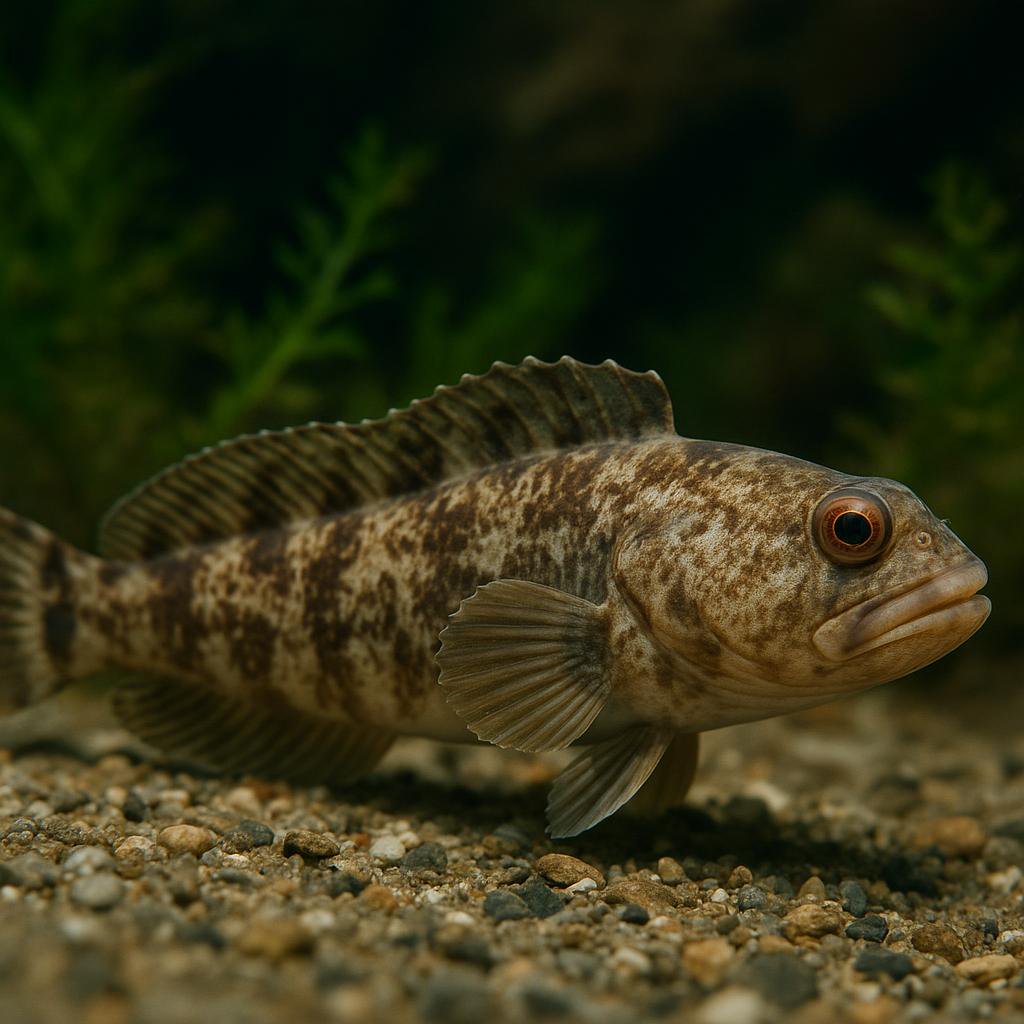
Japonolycodes abei is a temperate, deepwater demersal eelpout (family Zoarcidae) endemic to Japan (Kumano-nada Sea reported; other sources also report Sagami Bay and Tosa Bay). It is the only species in the genus Japonolycodes and occurs roughly 40-300 m depth, making it an uncommon/atypical aquarium species.
Affinis blind cusk-eel
Barathronus affinis
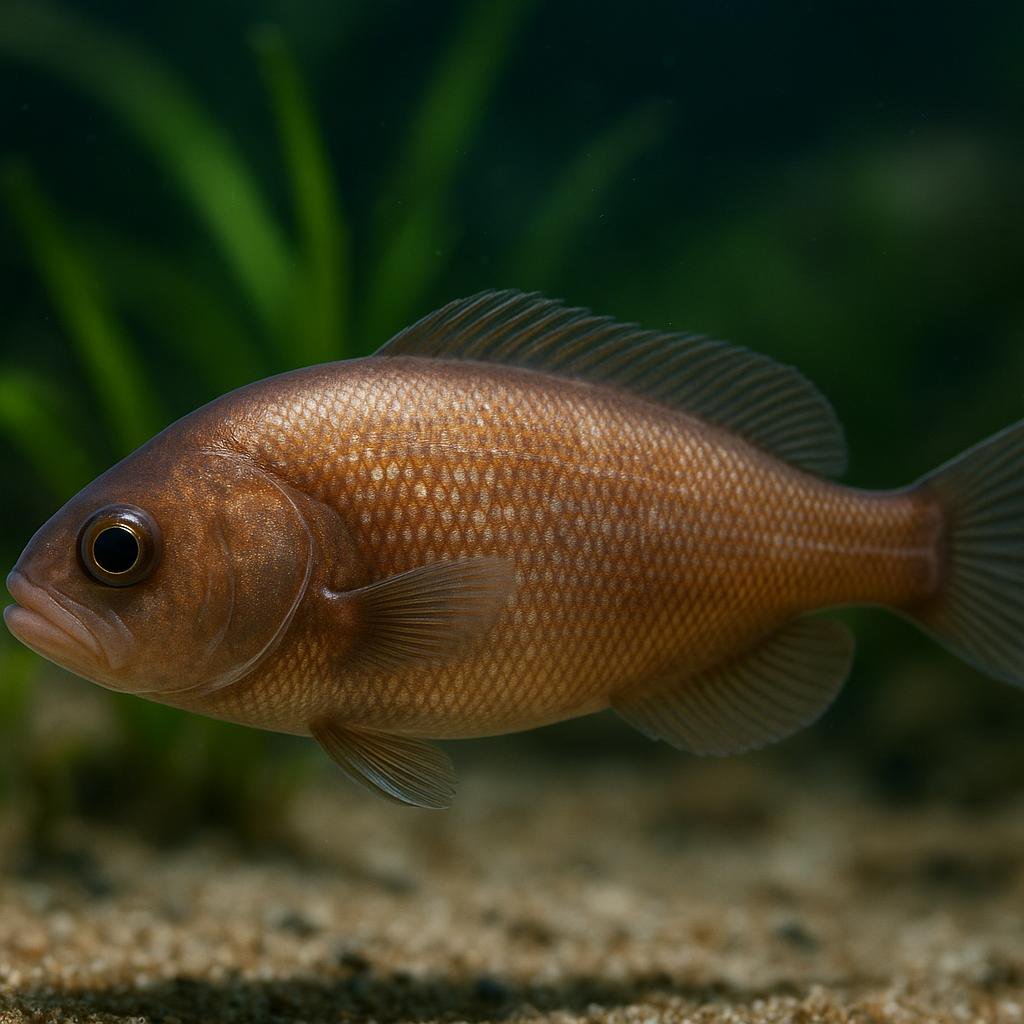
Barathronus affinis is a tiny, super-weird deep-sea blind cusk-eel from the western-central Indian Ocean. It is one of those gelatinous, loose-skinned brotula-type fishes that live way down in the dark and are basically never seen alive, so almost everything we know comes from preserved specimens and taxonomic work.
Allis shad
Alosa alosa
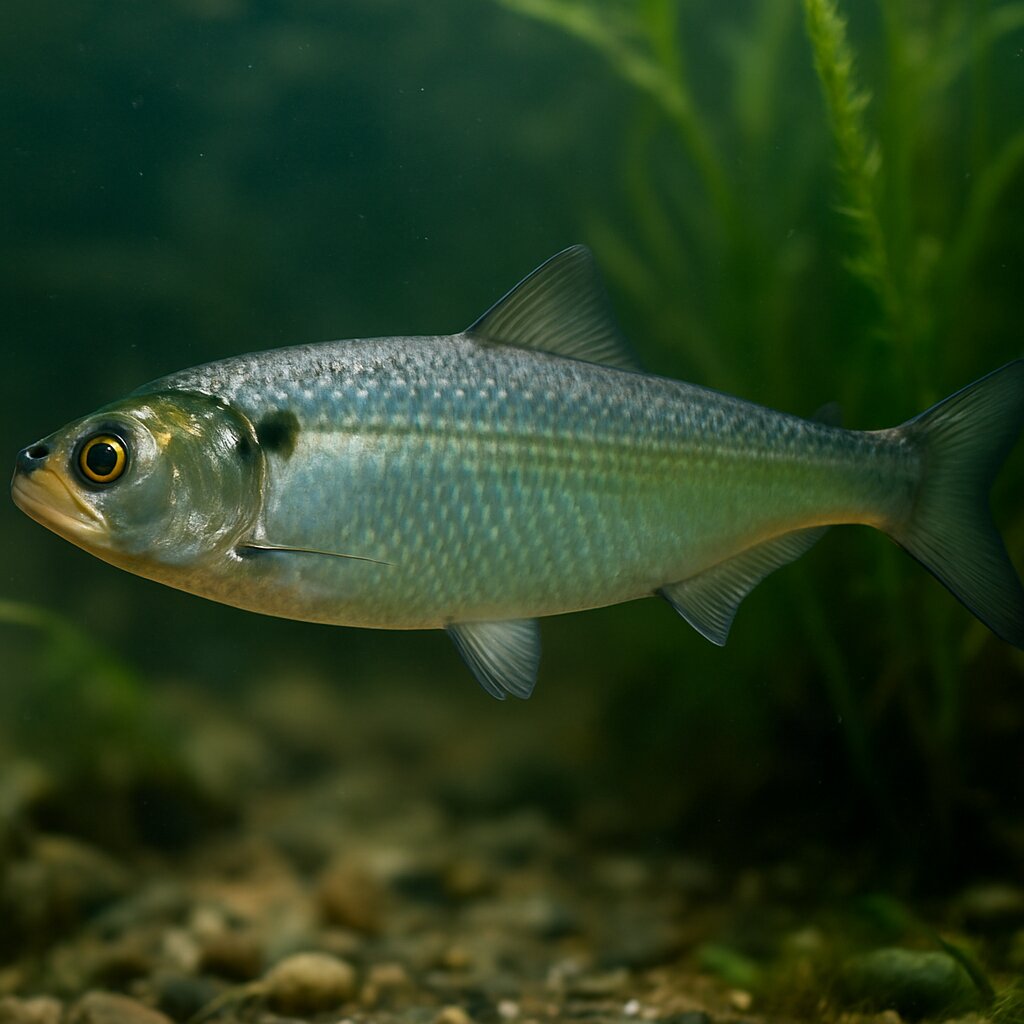
Gorgeous silver, fast-swimming shad that spends most of its life in the sea and then surges up big rivers in noisy, surface-spawning schools. It grows huge for a herring-type fish and needs cool, ultra-oxygenated water and tons of open space, so it is a public-aquarium species rather than a home tank fish.
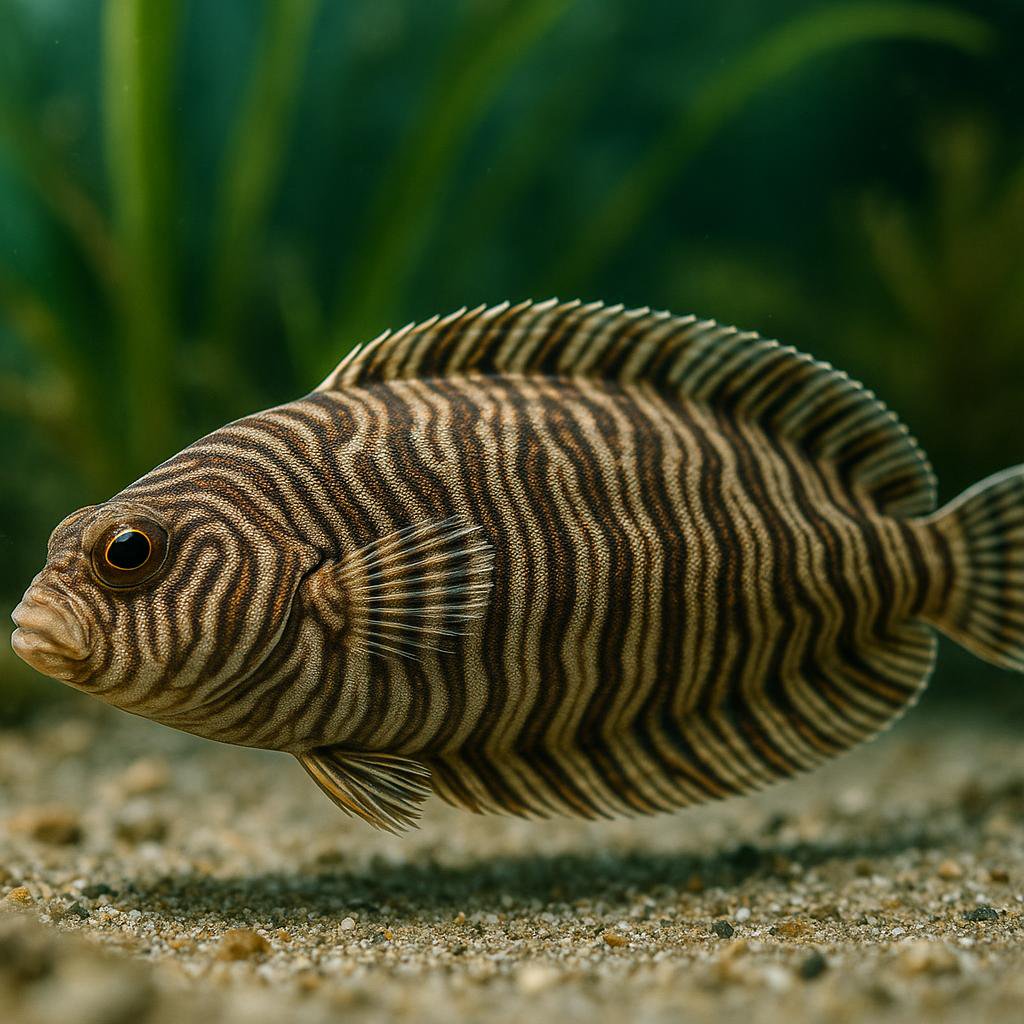
Annandale's zebra sole
Zebrias annandalei
Zebrias annandalei is a small demersal sole from coastal India that inhabits sandy or muddy bottoms and buries for camouflage. It is rarely kept in home aquaria and would require a specialized marine sand-bottom setup and appropriate feeding.
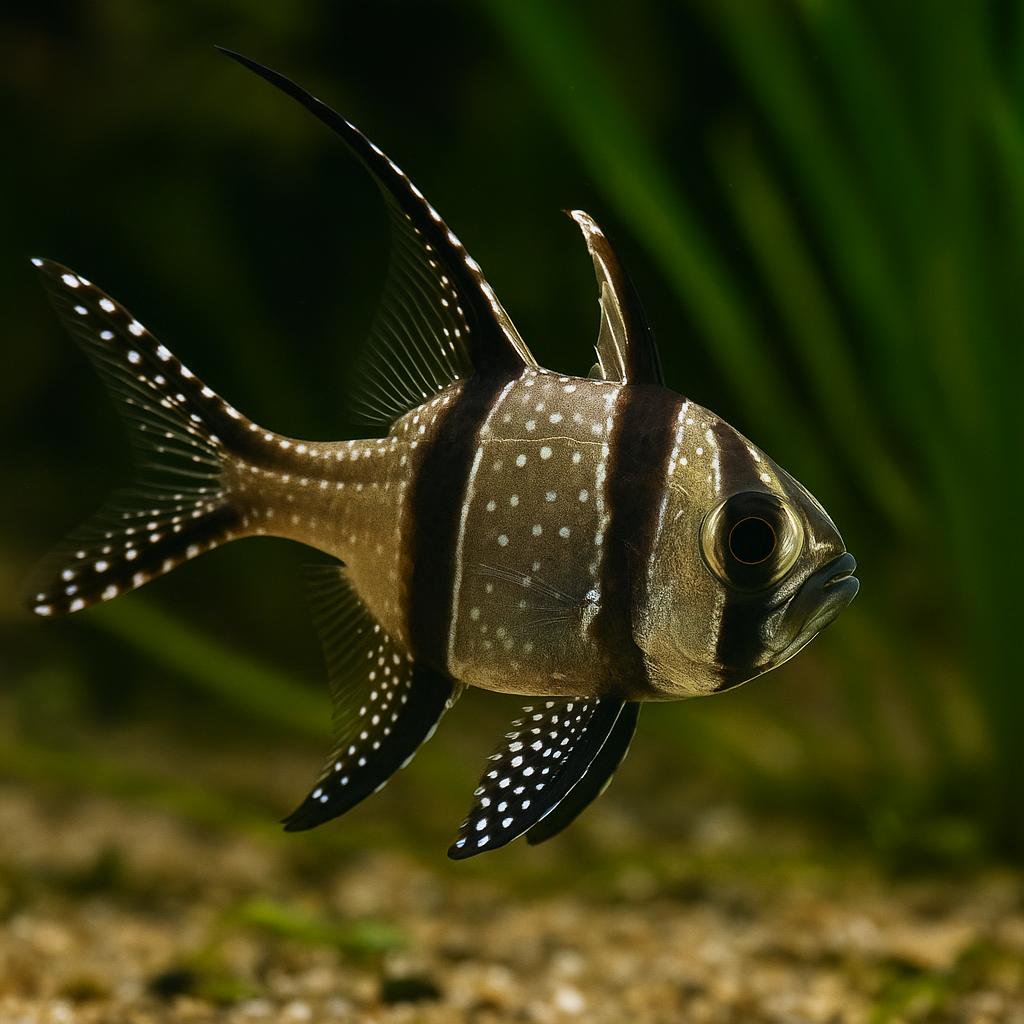
Banggai Cardinalfish
Pterapogon kauderni
Banggai cardinals just sort of hover like little underwater satellites, and the bold black bars with those long, polka-dotted fins look unreal under reef lighting. They're super chill most of the time, but once a pair forms you'll see real "fish drama," and the male will even mouthbrood the babies like a champ.
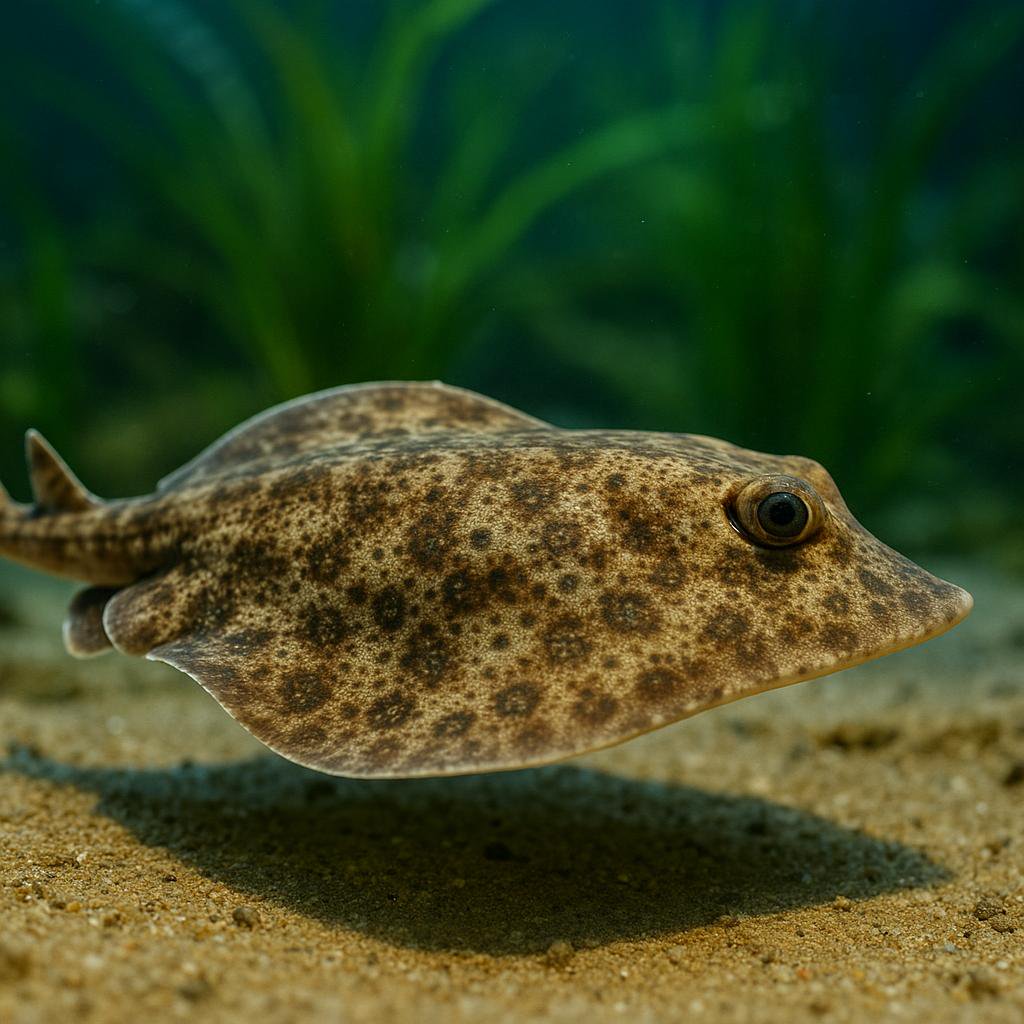
Barbedwire-tailed skate
Notoraja martinezi
Notoraja martinezi is a deepwater skate from the eastern Pacific (Costa Rica down to Ecuador) that lives way down on soft bottoms. The tail is the giveaway - it is lined with strong, hooked thorns that really do look like barbed wire. This is absolutely not an aquarium fish; it is a cold, high-pressure deep-sea animal with basically no practical home care info because it is not kept in the hobby.
More to Explore
Discover more marine species.
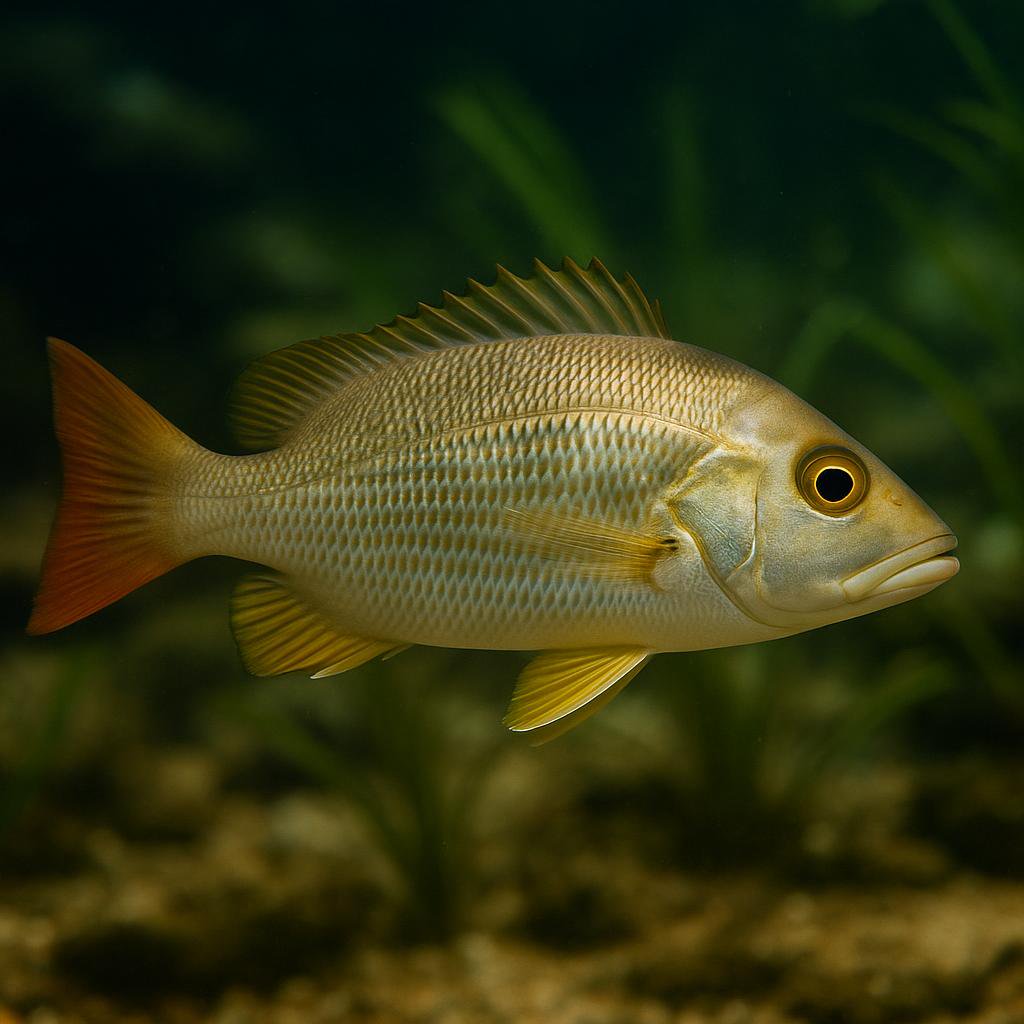
African red snapper
Lutjanus agennes
This is a true snapper from West Africa - a big, fast-growing predator that goes from coastal reefs to brackish lagoons and estuaries (especially as a juvenile). Super cool fish in the wild, but it gets absolutely huge and will eat smaller tankmates once it has the mouth for it, so its really more of a public-aquarium scale animal than a home-aquarium fish.
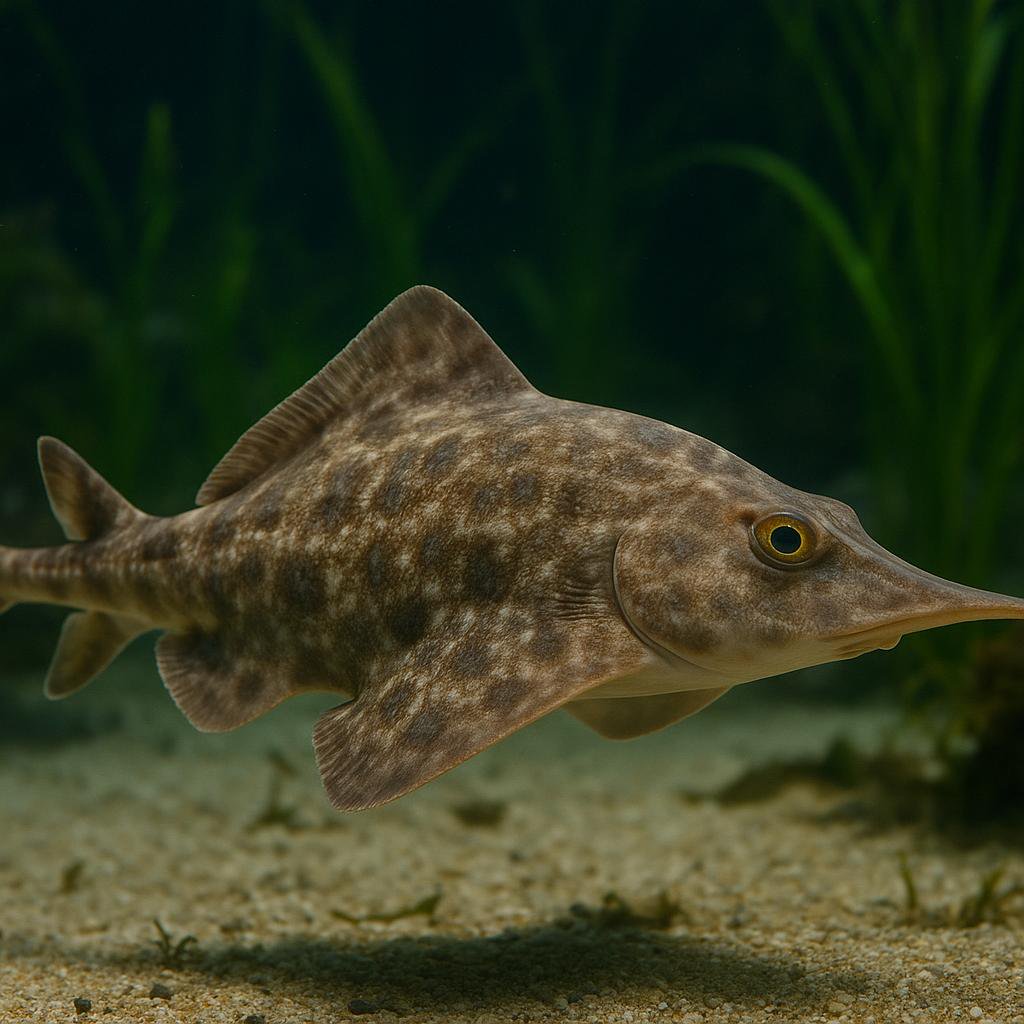
Aleutian skate
Bathyraja aleutica
This is a big, cold-water deep-slope skate from the North Pacific that cruises muddy bottoms and eats chunky benthic prey like crabs and shrimp. The really cool bit is its egg-laying skate life - it does distinct pairing (the classic skate "embrace") and drops those tough egg cases on the seafloor. Not an aquarium fish at all unless you're basically running a public-aquarium-style chilled system.
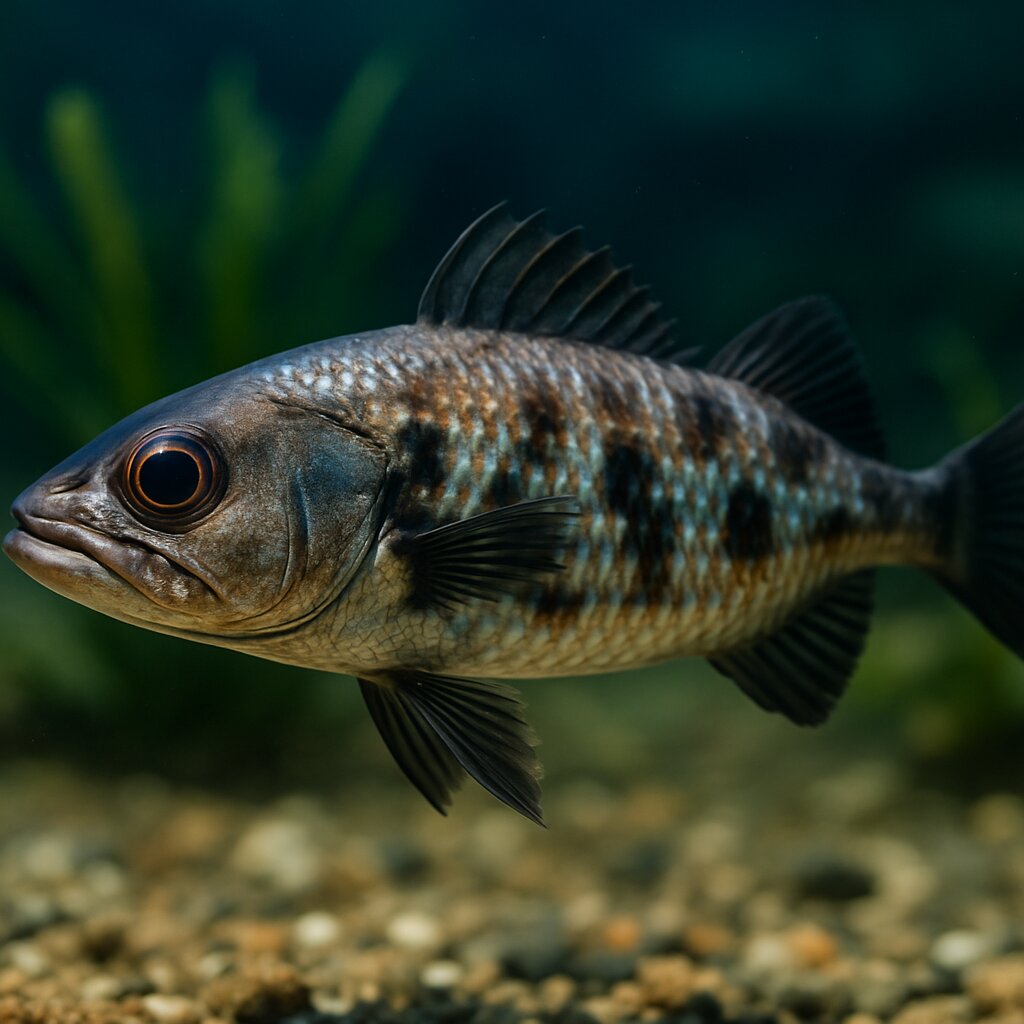
Antarctic dragonfish
Vomeridens infuscipinnis
Deep down around Antarctica, this sleek dragonfish cruises the water column like a little submarine, nearly neutrally buoyant so it can hover above the seafloor. It munches almost exclusively on Antarctic krill and lives in near-freezing water 500-800 m down, so it is a cool species to read about, not one for home tanks.
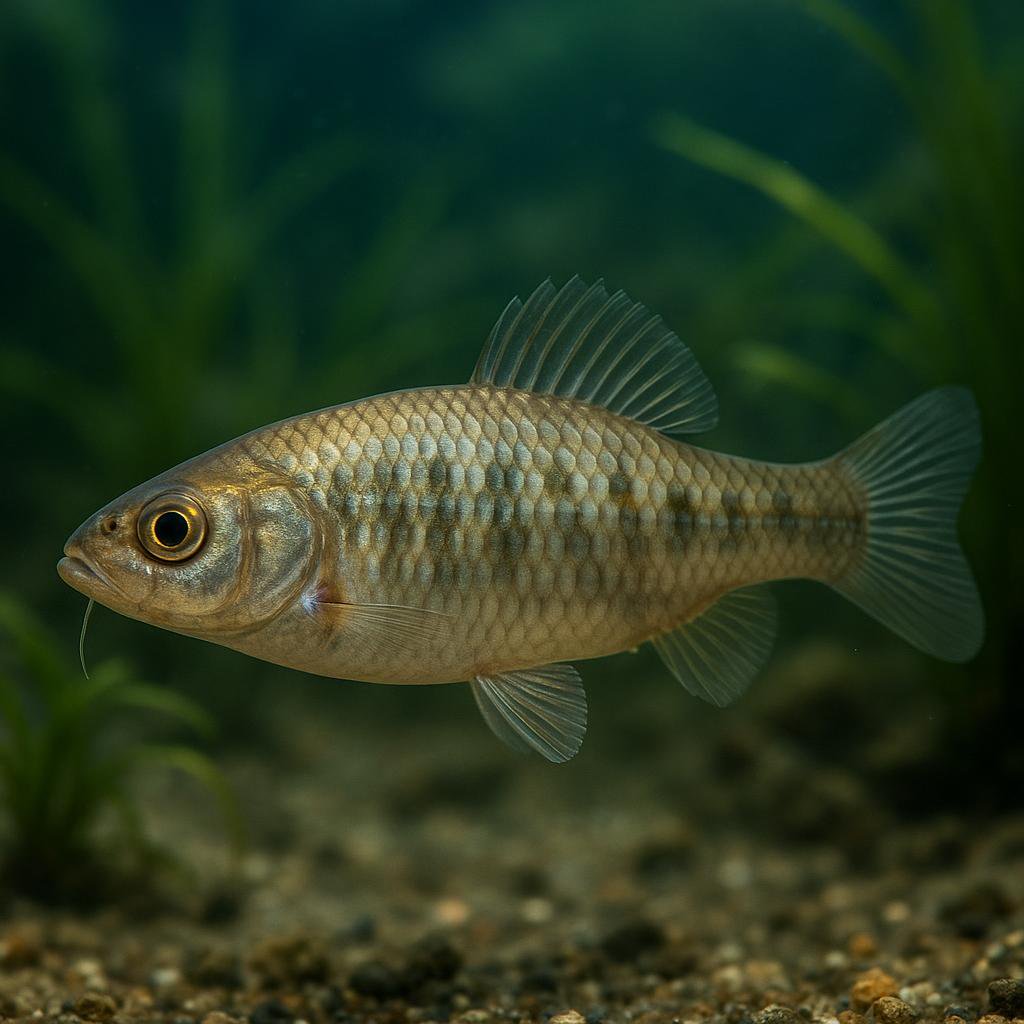
Arabian spiny eel
Notacanthus indicus
Notacanthus indicus is a deep-sea spiny eel (family Notacanthidae; not a true eel) known from the Arabian Sea on the continental slope at roughly ~960–1,046 m depth, with reported maximum length around 20 cm TL; it is a deep-water bycatch species and not established in the aquarium trade.
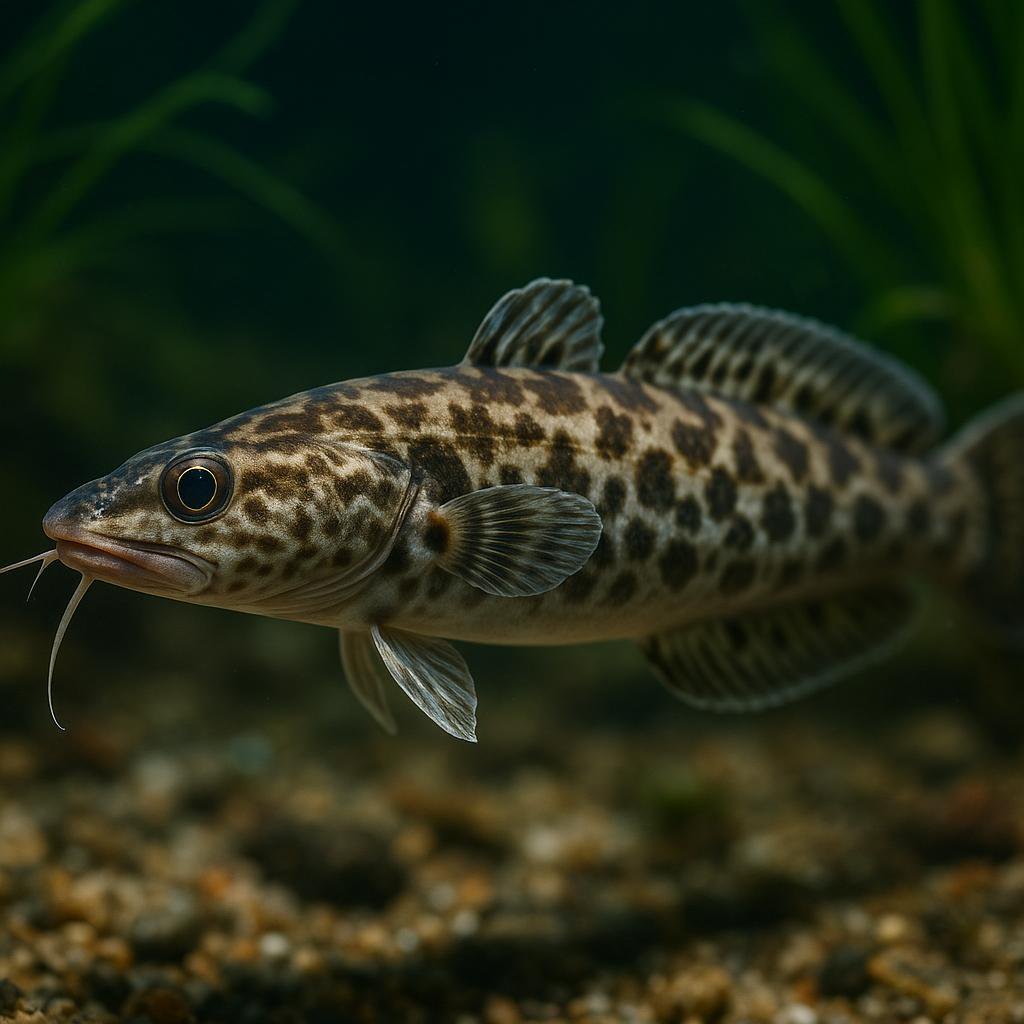
Arctic rockling
Gaidropsarus argentatus
This is a deepwater North Atlantic rockling (a cod relative) that hangs out on soft bottoms way down the slope. It is a cold-water, bottom-hugging predator that snoots around for crustaceans and will also take small fish when it gets the chance.
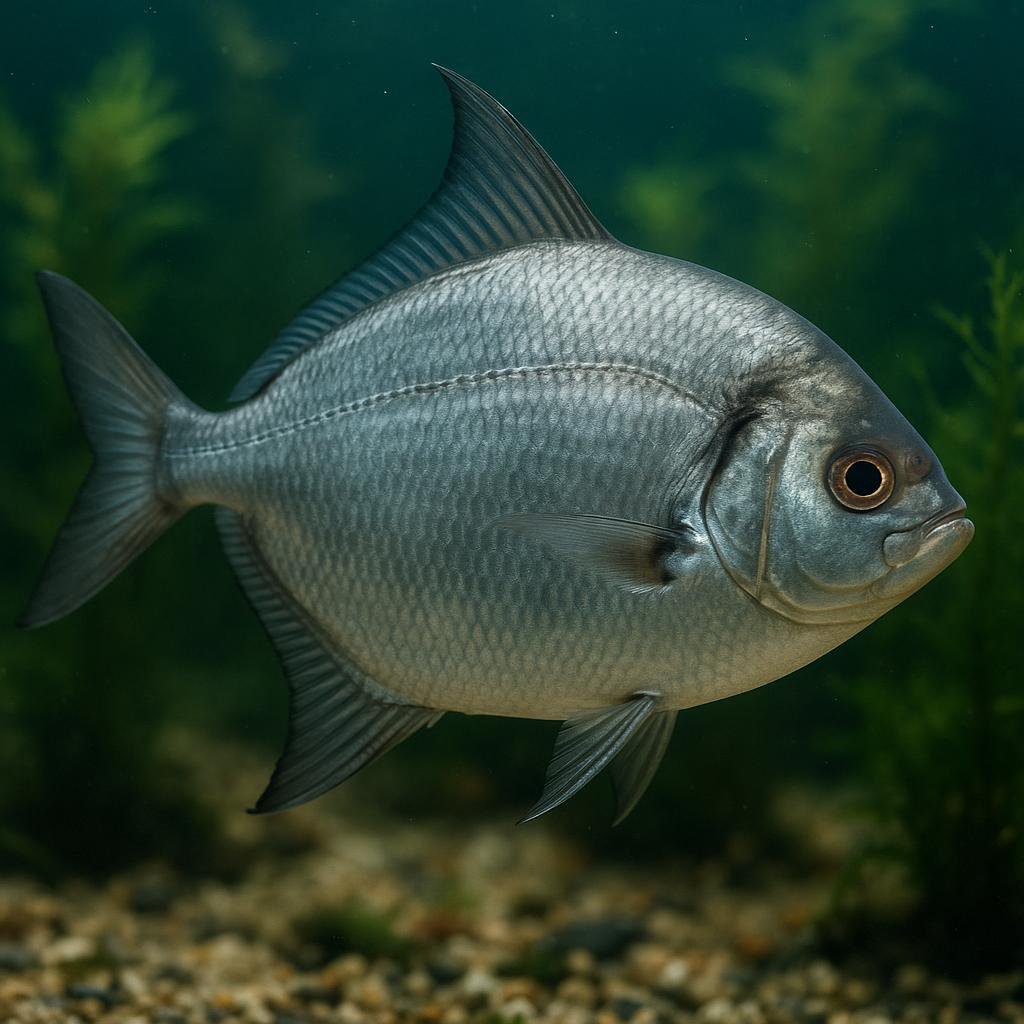
Atlantic pomfret
Brama brama
Brama brama is the Atlantic pomfret (aka Ray's bream) - a deep-bodied, open-ocean pelagic fish that cruises around in small schools and follows water temps. It is a legit big, wild marine species (not an aquarium fish) that eats other small sea critters like fish and squid, and it ranges across a huge chunk of the Atlantic plus parts of the Indian and South Pacific.
Looking for other species?