

Search Species
Search for fish species by common or scientific name, or use filters to browse by water type, size, temperament, and difficulty.
Found 61 species
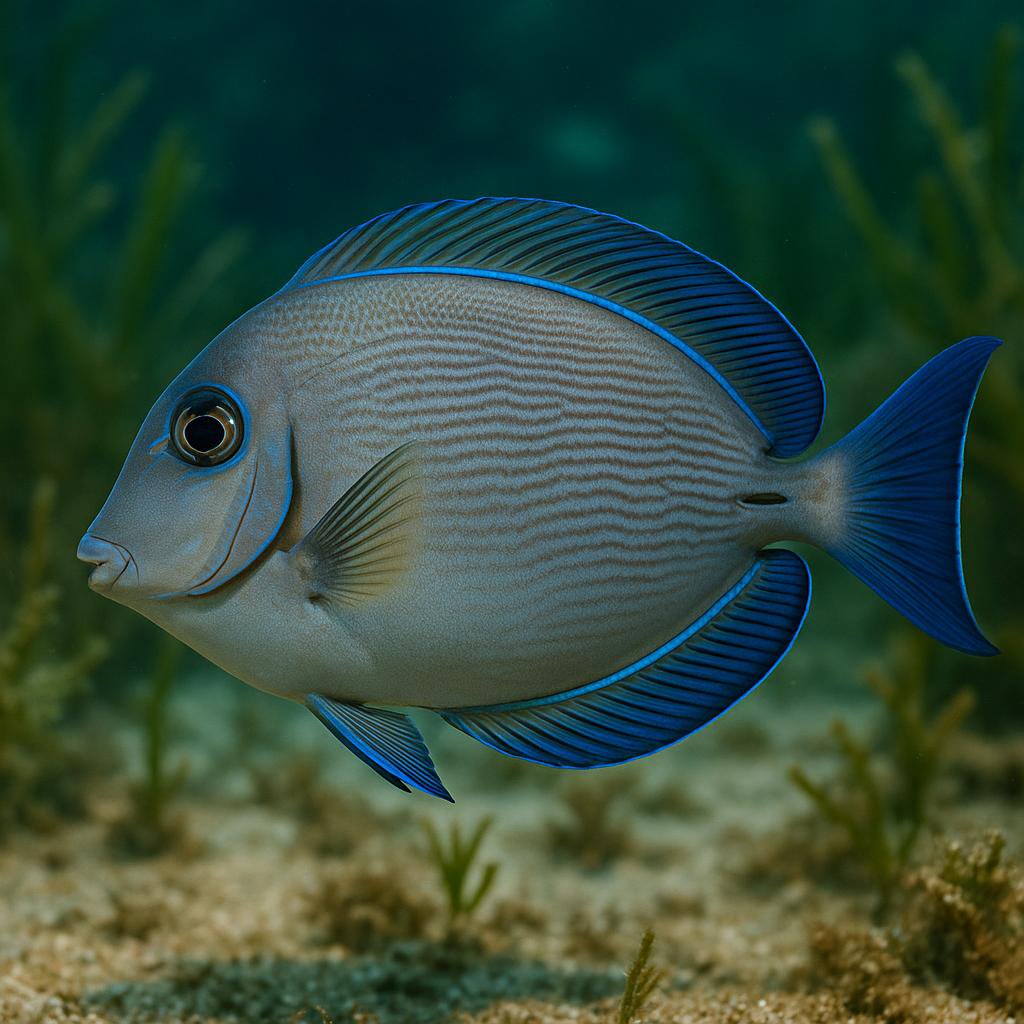
Ocean surgeonfish
Acanthurus tractus
A sturdy Atlantic tang that cruises Caribbean reefs in small groups scraping algae from rocks. Look close and you can see fine radiating lines behind the eye and a pale tail base spot, plus the sharp tail "scalpel" it uses for defense. It gets big for home tanks and needs lots of swimming room and constant greens.
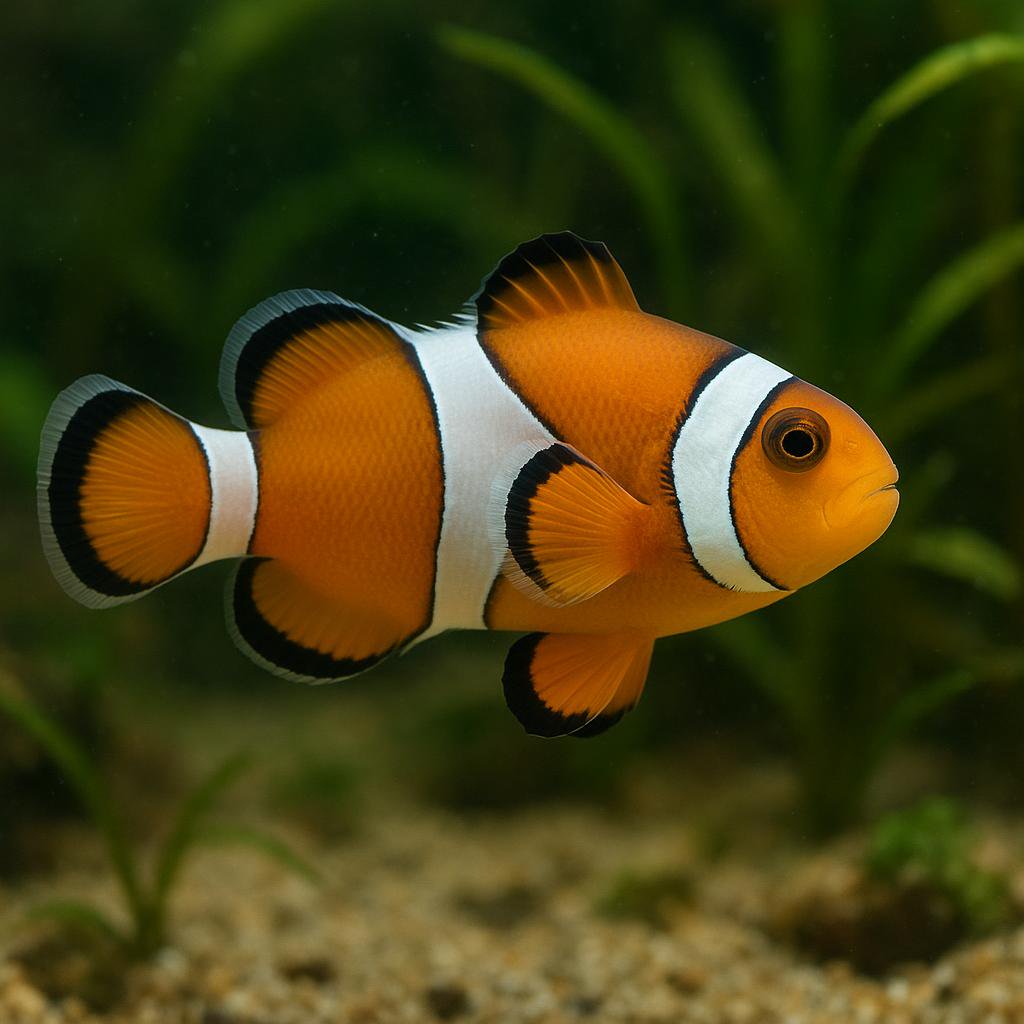
Ocellaris clownfish
Amphiprion ocellaris
Ocellaris clowns are that classic orange clownfish look-three white bars, a little black edging, and a ton of attitude packed into a small fish. They'll "pick a spot" in the tank (often a corner or a coral) and do that cute hover-wiggle thing, and a bonded pair will usually settle in fast and act like they own the place.
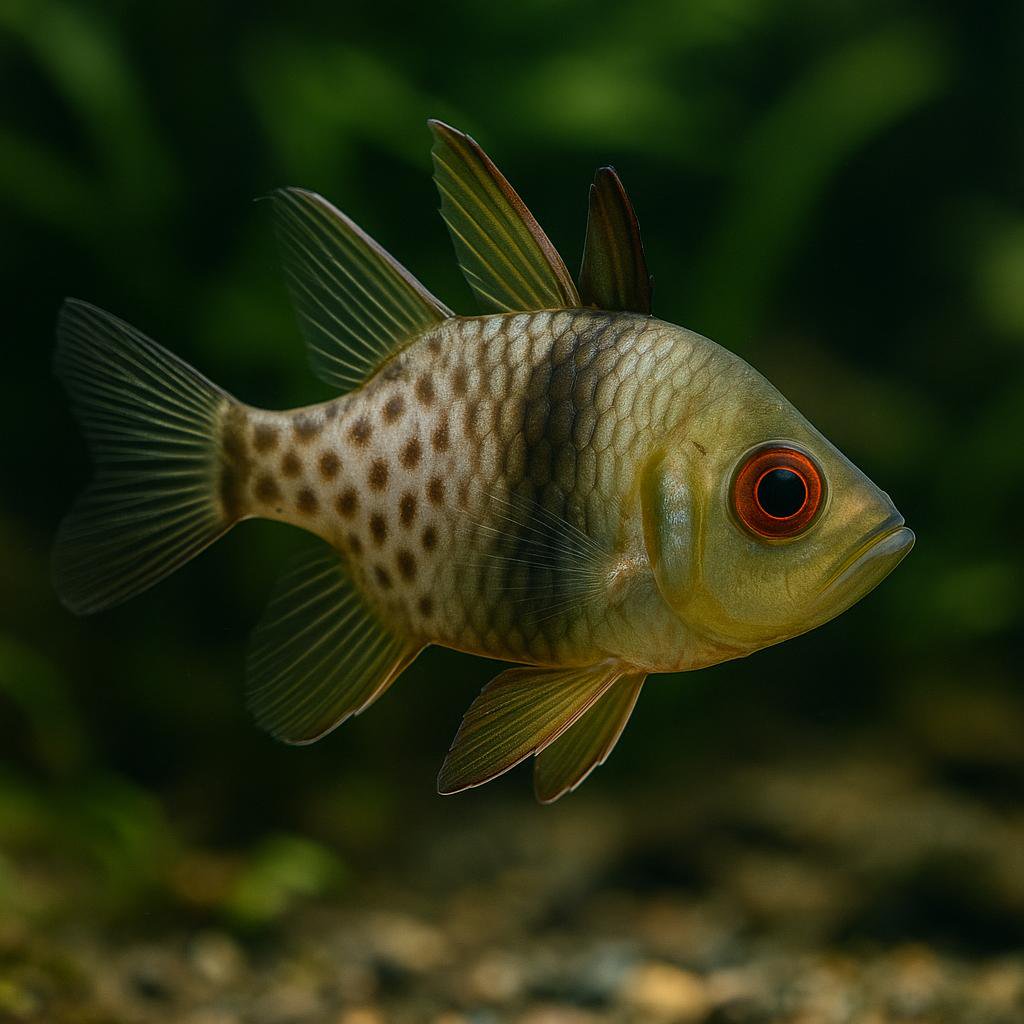
Pajama Cardinalfish
Sphaeramia nematoptera
This little cardinalfish looks like it got dressed in a rush-polka-dot back half, bold stripes up front, and that neon-orange tail spot that really pops under reef lights. It's a super chill, "hang in the shadows" kind of fish that likes to hover around rockwork and just cruise calmly all day. If you keep a small group, they'll often tuck in together and make your tank feel instantly more alive without causing any drama.
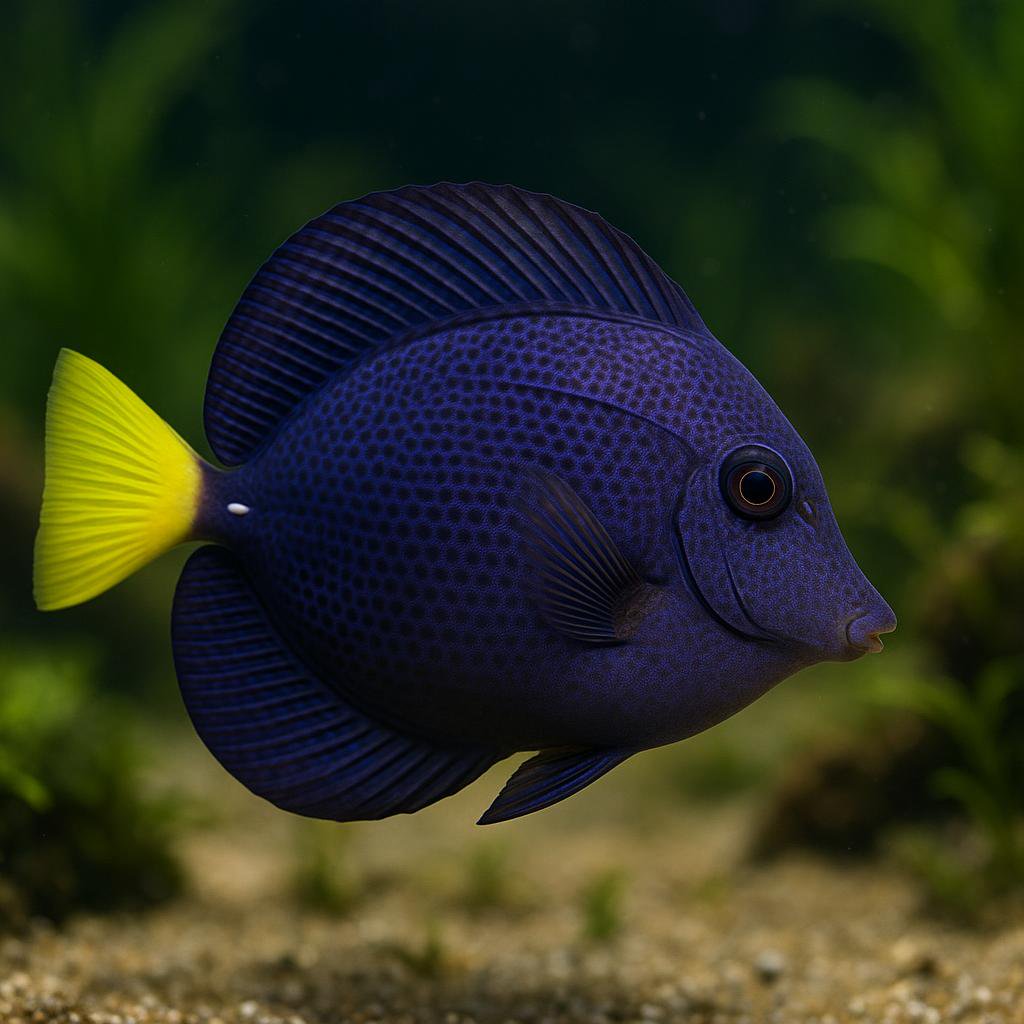
Purple tang
Zebrasoma xanthurum
This is the deep-purple tang with the bright yellow tail - it cruises the rockwork all day picking at algae like a little lawnmower. It has that classic Zebrasoma "sailfin" shape and a real attitude if you crowd it with other tangs, so give it room and let it be the boss (or at least think it is).
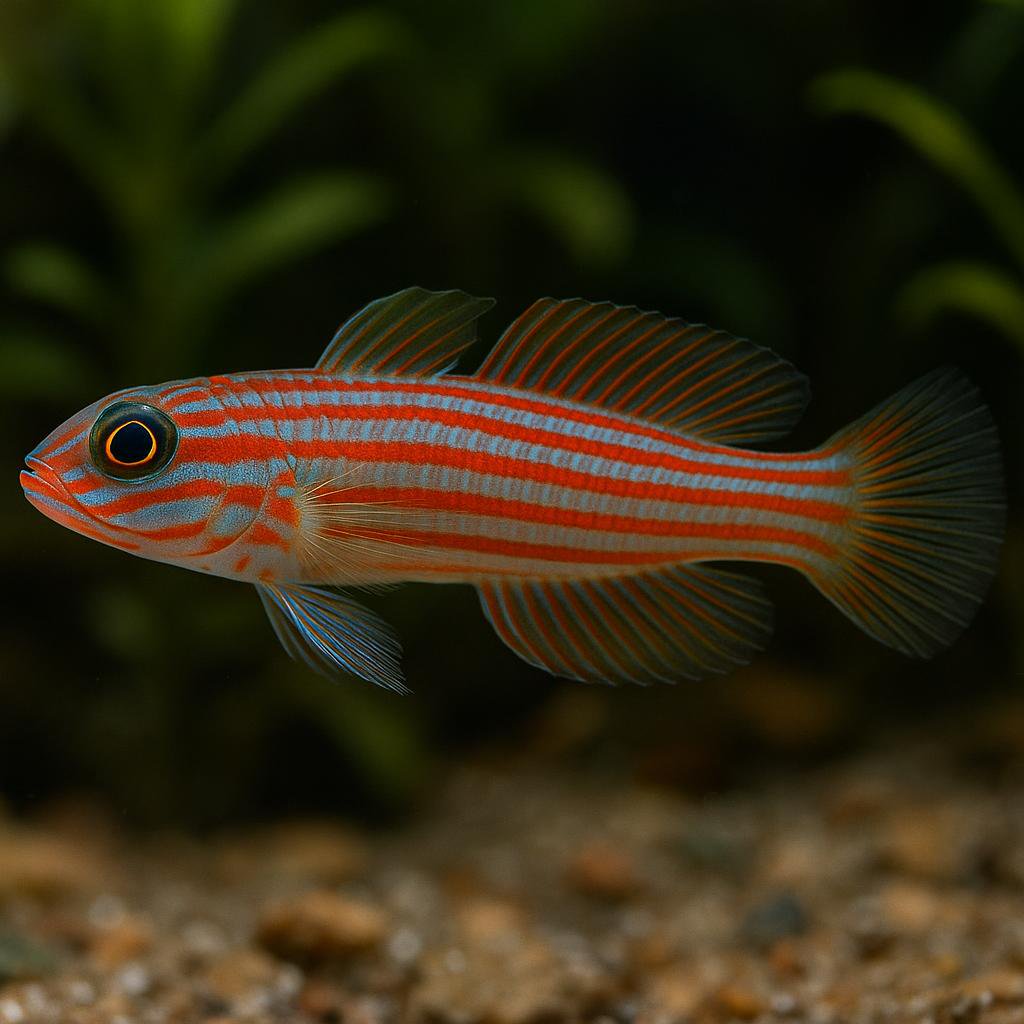
Rainford's goby
Koumansetta rainfordi
This little goby is a tiny striped hoverer that spends its day scooting between rock crevices and pecking at the sand and micro-stuff on the rocks. In the right setup its a super chill, reef-safe character fish, but the big trick is keeping it well-fed in a mature tank so it doesnt slowly waste away.
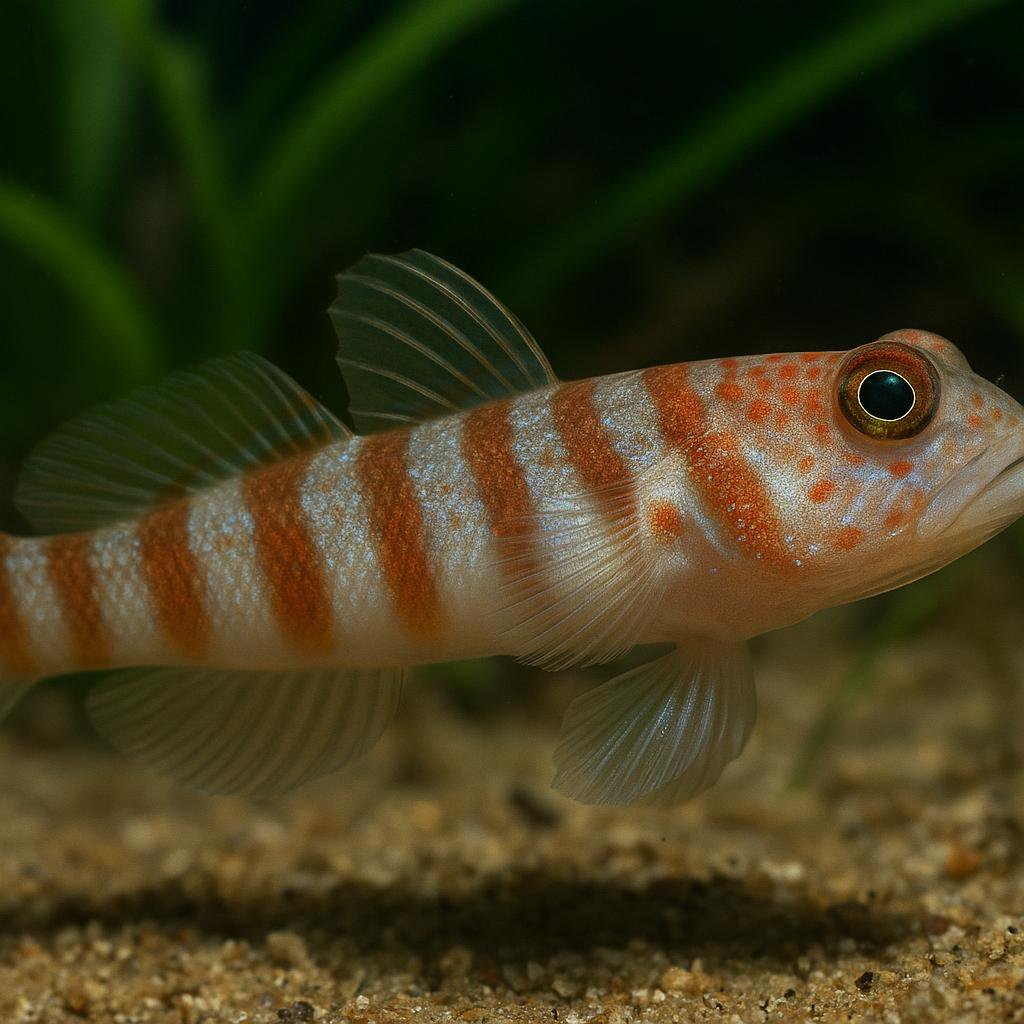
Randall’s shrimp goby
Amblyeleotris randalli
Randall's shrimp goby is that little candy-cane striped goby you'll see parked at the entrance of a burrow, doing sentry duty like it's getting paid for it. The really fun part is the partnership with a pistol shrimp-goby keeps watch, shrimp does the digging, and they basically run a tiny construction site in your sand bed. Give it a cozy sand area and a few rubble bits and it'll settle in and start acting like it owns the place (in the cutest way).
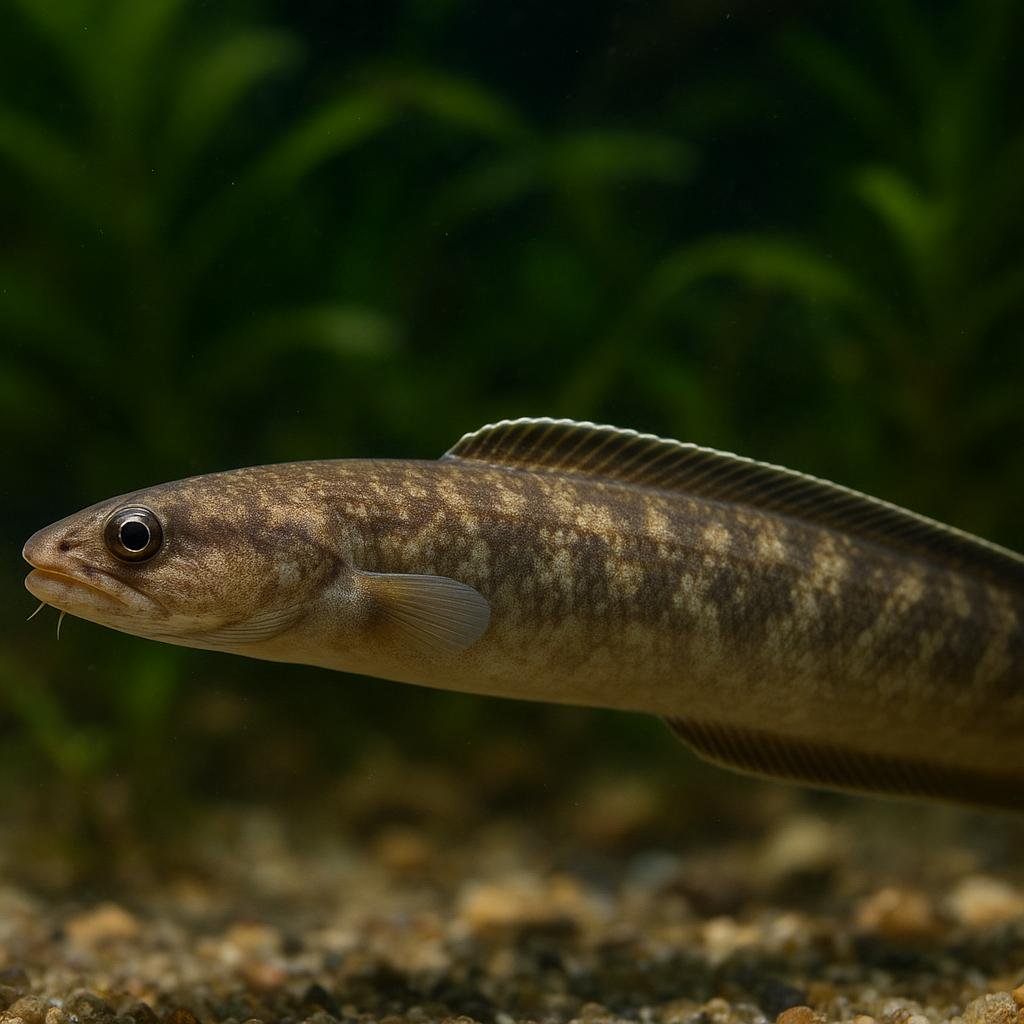
Redsaddled snake eel
Quassiremus nothochir
This is a big, sand-loving snake eel from the eastern Pacific that spends a lot of its time tucked into the bottom with just the head showing. The cream-and-tan body with those dark-edged reddish saddle marks is the giveaway, and it is built for backing into the sand fast when it feels spooked. Cool animal, but realistically more of a public-aquarium fish than a home-tank project because of size and escape-artist vibes.
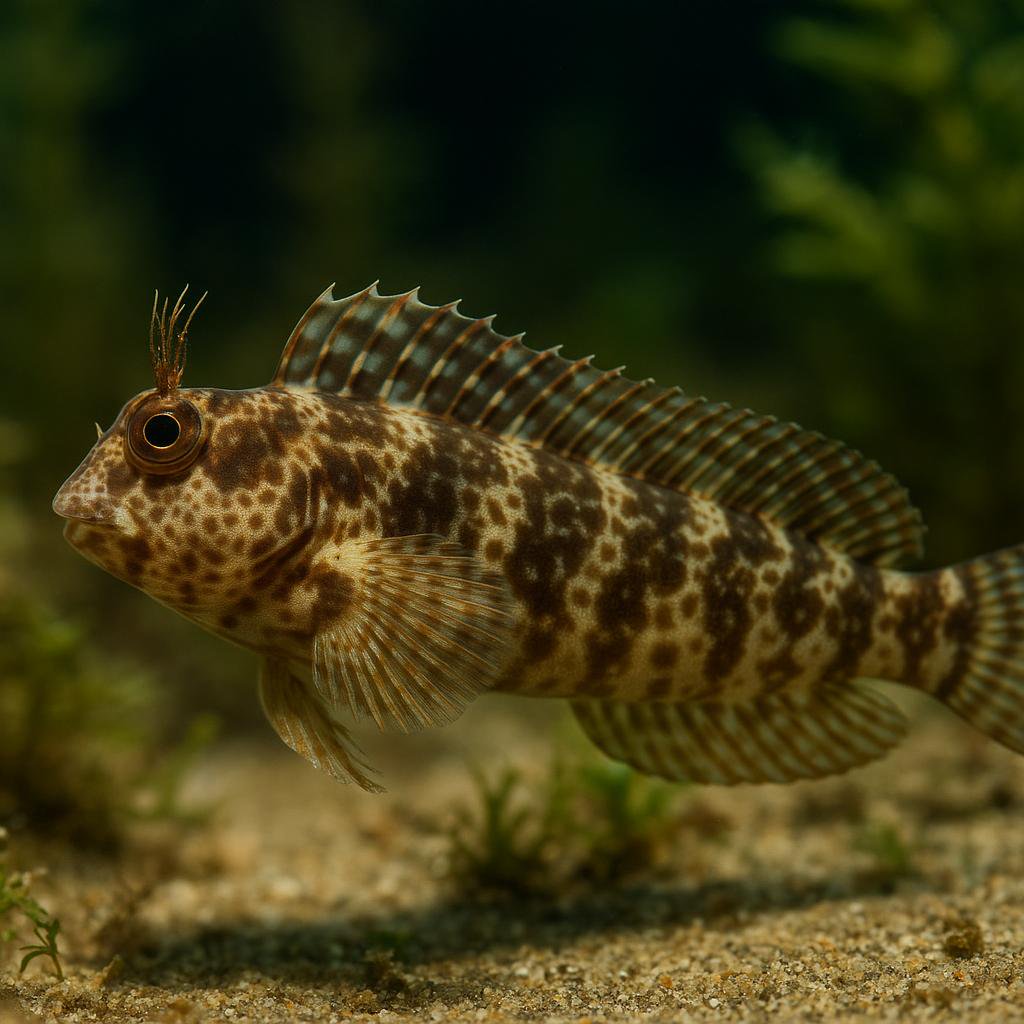
Rippled rockskipper
Istiblennius edentulus
This is that intertidal blenny you see hopping between tidepools - it can breathe air for short periods and literally skip across wet rocks. Males grow a little head crest and both sexes show those broken, ripple-like bars that look great against algae-covered rock. It is a jumper and a grazer, so it does best where it can browse natural film algae.
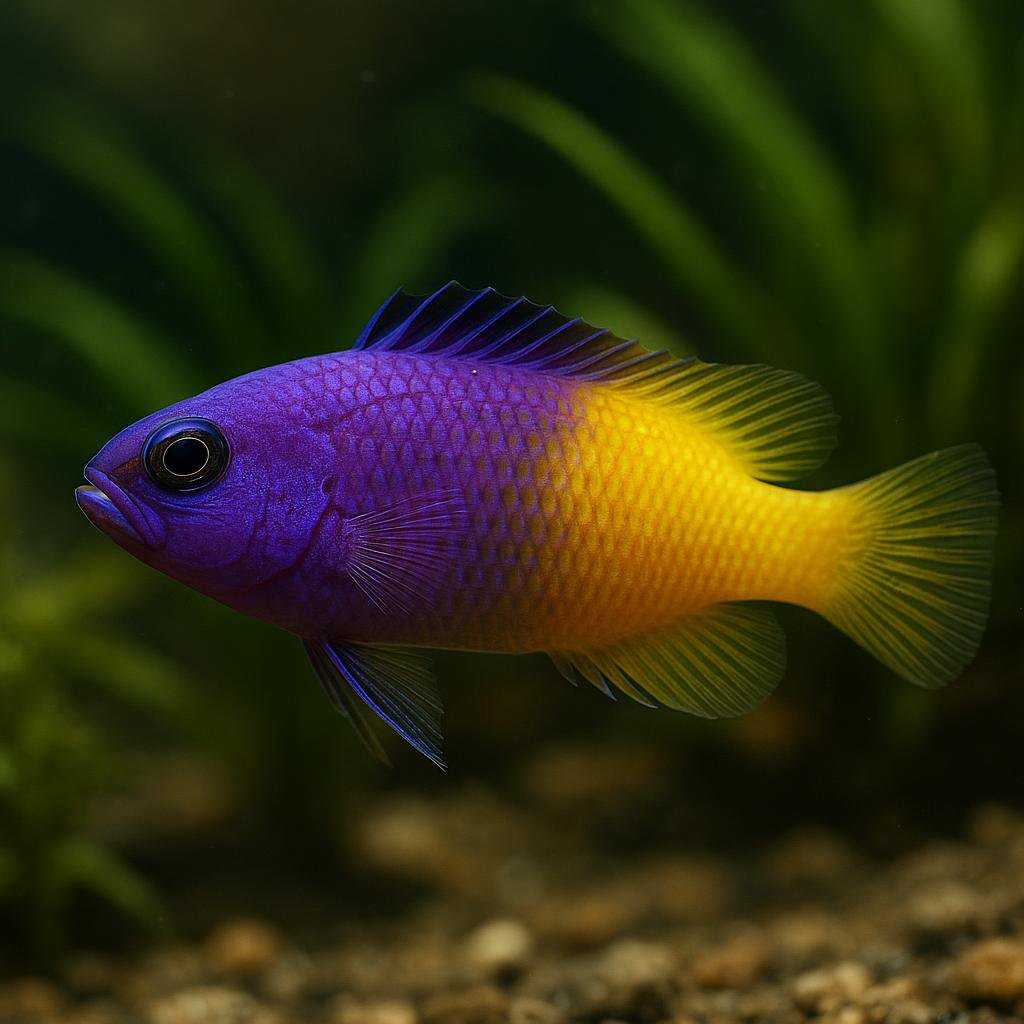
Royal gramma
Gramma loreto
Royal grammas are that classic purple-to-yellow Caribbean basslet that likes to claim a cave and hover around it (sometimes totally upside-down under a ledge). They're usually chill with tankmates, but they can get spicy with other grammas/basslets/dottybacks if space is tight-give them rockwork and a "home" cave and they settle right in.
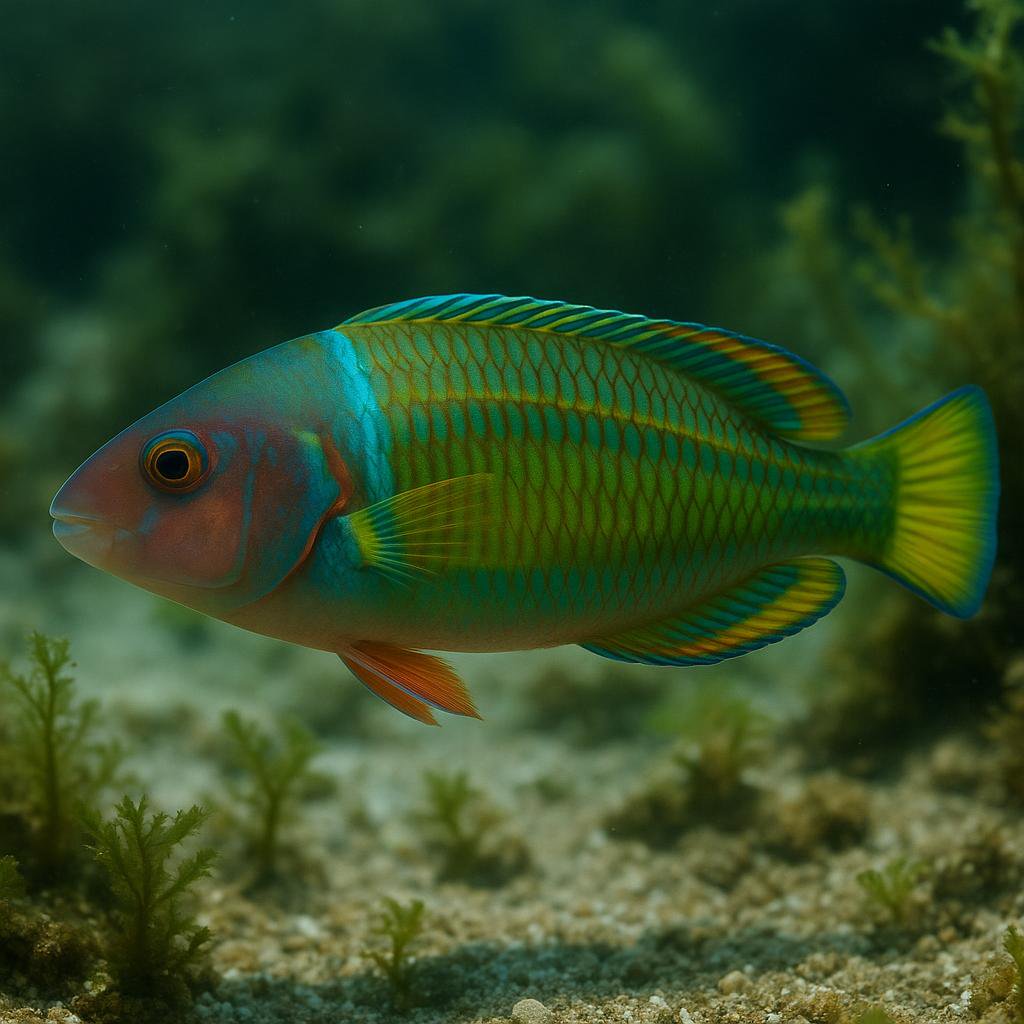
Saddle wrasse
Thalassoma duperrey
A fast, bold Hawaiian reef wrasse with a bright red saddle behind the pectoral fins and shifting colors as it matures. Juveniles sometimes play cleaner while adults cruise rock and coral picking off small invertebrates; they also change from female to male with age. It reaches about 11 inches and throws its weight around, so it needs space and suitably robust tankmates.
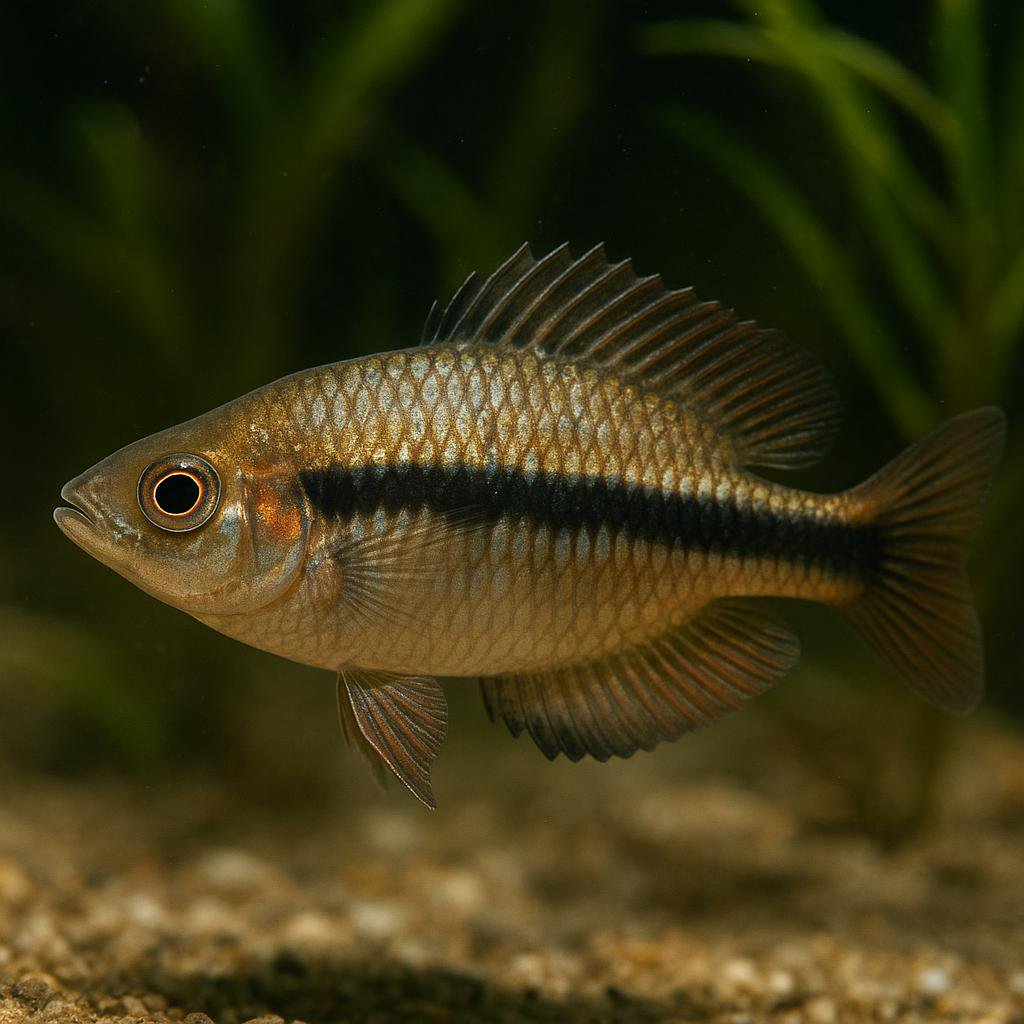
Sailfin cardinalfish
Quinca mirifica
Jet-black with a white tail and a tall sail-like second dorsal, this Australian cardinalfish looks dramatic even at rest. It spends days tucked under reef ledges and emerges at night to pick off small crustaceans. Males mouthbrood the eggs and can flash bright silver during courtship.
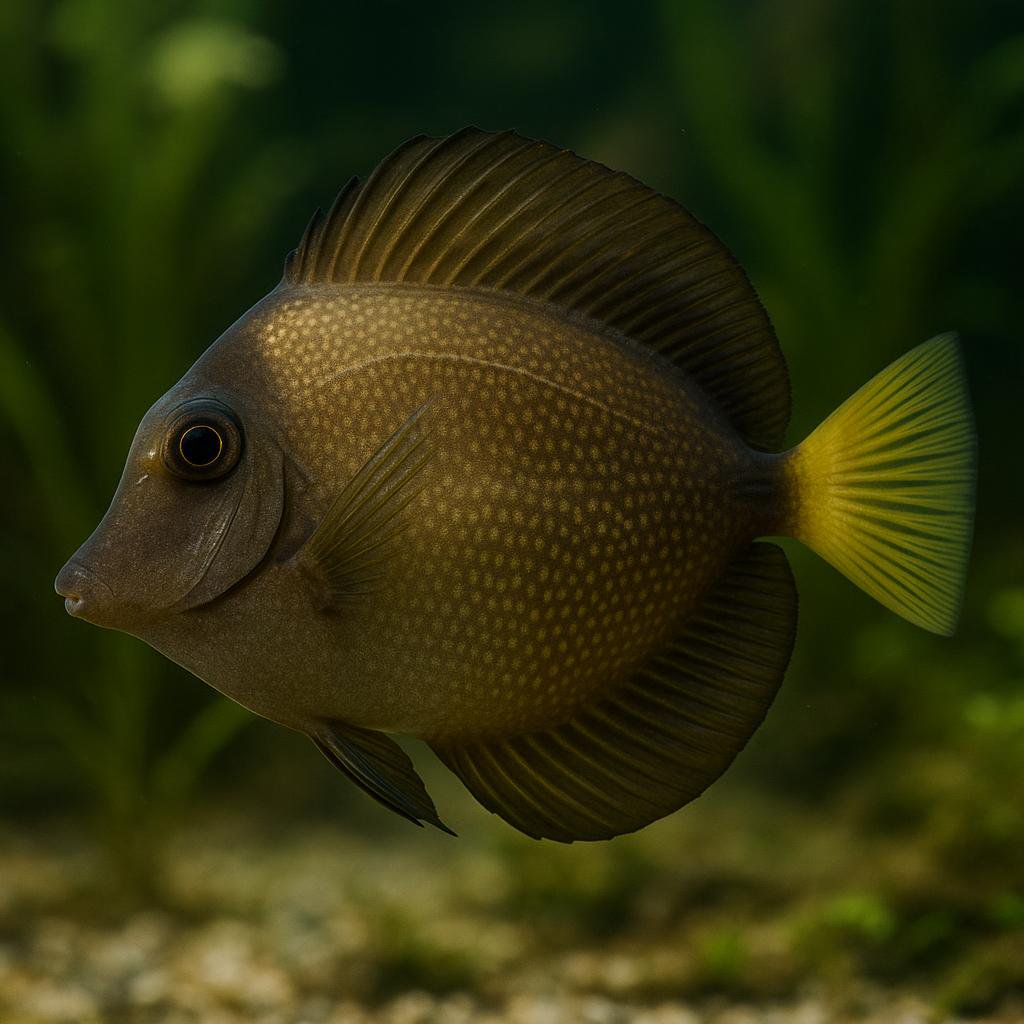
Scopas tang
Zebrasoma scopas
Scopas tangs are earthy brown-to-olive Zebrasoma with fine blue‑green lines (becoming dots on the head). They spend the day grazing turf/film algae on rockwork and may become territorial with other tangs in tight quarters. In the wild they occur in small groups and sometimes larger grazing aggregations—behavior that can be echoed in very large reef systems.