

Bluespotted stargazer
Xenocephalus elongatus
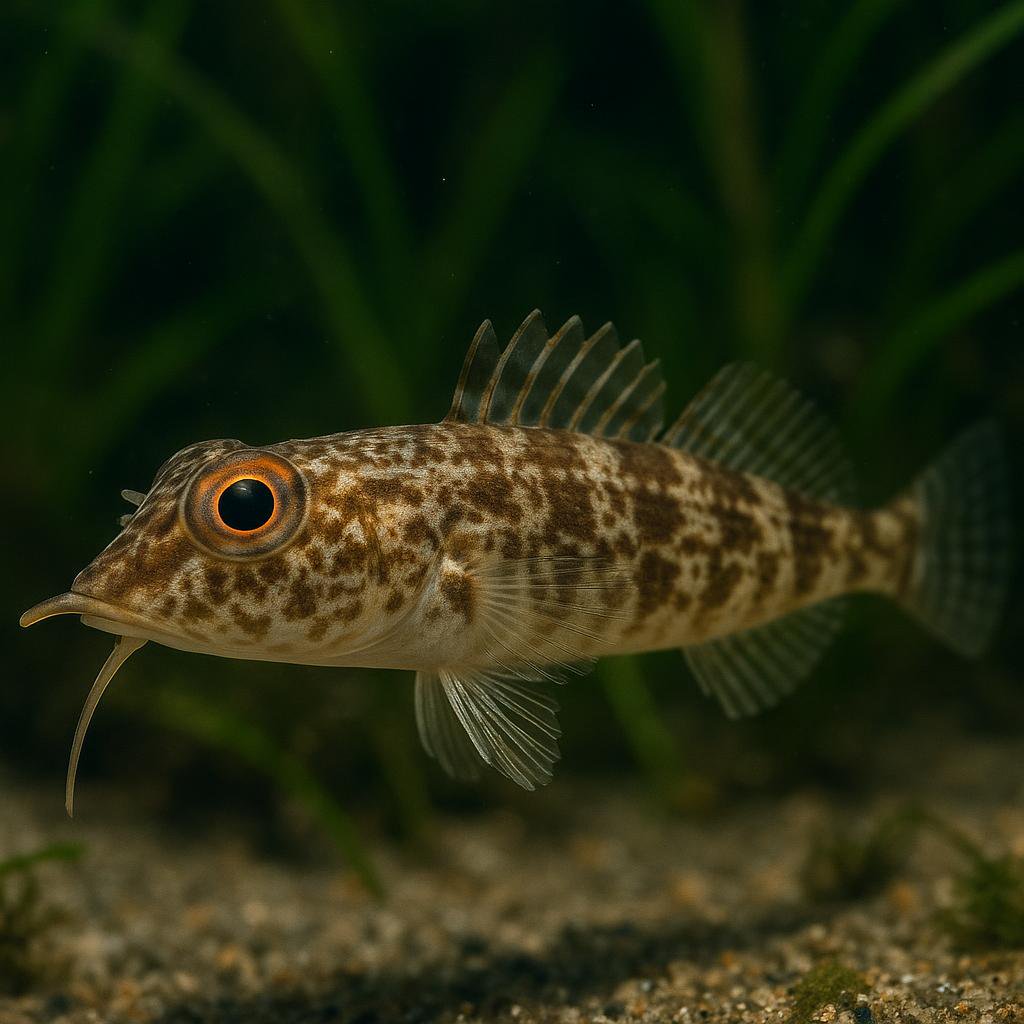
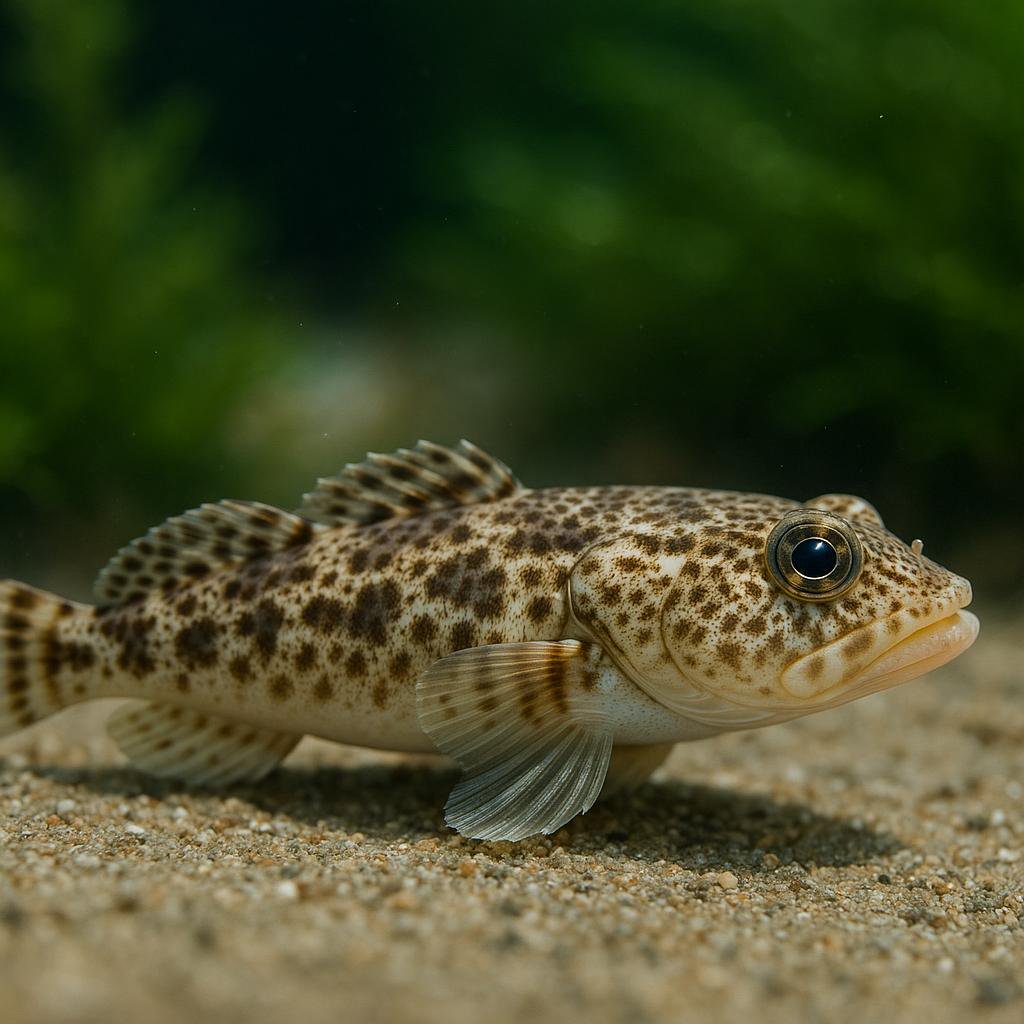
The Bluespotted stargazer features a flattened body, distinctive blue spots, and a prominent, upward-facing mouth for ambush predation.
This page includes AI-generated images. Why am I seeing AI images?
About the Bluespotted stargazer
This is a deepwater stargazer that likes to sit on sand and basically "look up" for a meal, with those classic top-mounted eyes and a big ambush-predator mouth. It is a wild-caught marine fish from the Indo-West Pacific, and while it shows up in the aquarium trade sometimes, it is really more of a specialty oddball than something most home tanks can sensibly house long-term.
Also known as
Quick Facts
Size
30 cm (standard length)
Temperament
Semi-aggressive
Difficulty
Expert
Min Tank Size
180 gallons
Lifespan
5-10 years
Origin
Indo-West Pacific (Japan/Ryukyu Islands to East China Sea; also Indonesia)
Diet
Carnivore - meaty marine foods (shrimp, squid, fish flesh), frozen/thawed
Water Parameters
10-20°C
8-8.4
8-12 dGH
Need a heater for this species?
This species needs 10-20°C in a 180 gallon tank. Use our heater calculator to find the right wattage.
Calculate heater sizeCare Notes
- Give it a big sand flat to bury in (fine sand, 2-4 in deep) and keep rockwork stable on the glass, not sitting on sand it can undermine.
- They hate swings - keep salinity steady around 1.024-1.026, temp 75-78F, pH 8.1-8.4, and run tight nitrate control (aim under ~10 ppm) because they sulk fast in dirty water.
- Feed meaty stuff that sinks and lands right in front of its face: silversides, shrimp, squid, marine fish flesh, and ideally live/fresh foods early on if its picky.
- Use feeding tongs or a stick and target-feed after lights down - they are ambush hunters and will let faster fish steal everything in daylight.
- Tankmates need to be too big to swallow and not the nippy type; avoid small fish, tiny gobies/blennies, and anything that perches on the sand near its mouth.
- Skip aggressive triggers and puffers - they can chew on its eyes and fins while it sits buried, and stargazers do not win that fight.
- Watch for sand-related issues: coarse gravel can scrape them up, and if your sand is filthy they can get skin infections where they rub while burying.
- Treat it like a venomous fish - the dorsal spines can nail you when you move it, so use a container instead of a net and keep your hands away from the business end.
Compatibility
Good Tankmates
- Medium-to-large, calm open-water fish like tangs and rabbitfish (yellow tang, kole tang, foxface) - they mostly ignore a stargazer sitting in the sand, and they are too big to be considered lunch
- Dwarf angels that are on the sturdier side (coral beauty, flame angel) - usually fine as long as the angel is not tiny and you keep the stargazer well-fed
- Wrasses that stay in the water column and have some size (fairy and flasher wrasses, bigger halichoeres) - active, quick, and not into harassing a buried ambush fish
- Bigger clownfish pairs (ocellaris/percula adults) when the tank has space and the clowns are established - they hang by their spot and do not spend all day hovering right over the sandbed
- Hawkfish that are not tiny (flame hawkfish) - perching types are usually ok if they are not small enough to get inhaled, and they do not compete for the exact same sand ambush zones
- Other robust, midwater fish like larger chromis groups or a single bigger damsel (not the psycho ones) - they are fast and not easy targets, and they tend to keep to midwater
Avoid
- Small fish that sleep on the sand or hover low (gobies, blennies, firefish, small cardinals) - stargazers are classic ambush predators and these guys are basically the menu
- Tiny or slow ornamental fish (juvenile clowns, tiny wrasses, mandarins, pipefish) - anything that cannot outswim a strike or that pecks around the sandbed is a risky bet
- Other bottom ambush predators and sand bullies (lionfish, frogfish/anglerfish, big scorpionfish, aggressive triggers) - you get feeding wars, fin damage, and sometimes one tries to eat the other
Where they come from
Bluespotted stargazers (Xenocephalus elongatus) are bottom-dwelling ambush predators from tropical Indo-Pacific reefs and sandy rubble zones. They spend a lot of their time buried with just the eyes and mouth showing, waiting for something edible to wander past.
If you have ever kept a sit-and-wait fish before (frogfish, scorpionfish, some flatfish), the vibe is similar, but stargazers bring their own set of headaches - and a few legit hazards.
Setting up their tank
Think of this as building a safe sand pit with stable, boring water. The fish does not need aquascaping to explore. It needs a place to bury, clean oxygenated water moving across the bottom, and zero ways to injure itself.
- Tank size: I would not do one in less than 40 gallons, and 75+ is way more comfortable if you plan tankmates.
- Substrate: fine sand, not crushed coral. Aim for 2-4 inches so it can bury without scraping itself up.
- Rockwork: keep it stable and set on the glass or a base, not on top of sand where digging can undermine it.
- Flow: moderate overall, but make sure you are not creating dead zones on the bottom. A little low-angle flow helps keep crud from collecting where the fish sits.
- Filtration: overfilter. These fish eat meaty foods and the tank gets dirty fast.
- Cover: a lid is still a good idea. They are not famous jumpers, but startled fish do weird things.
Stargazers can be venomous, and some species can deliver a nasty sting. Treat this fish like a lionfish in terms of respect: no bare-hand grabs, no risky netting, and always know where your hands are in the sand.
Do not use sharp sand, rubble, or shells. Scrapes on a buried fish turn into infections fast. Fine aragonite sand has been the least trouble in my tanks.
Lighting can be whatever fits your system. They do not care. What they do care about is stability: steady salinity, steady temperature, and good oxygenation. They sit in one spot a lot, so if your bottom layer goes stale, they feel it.
What to feed them
They are ambush predators, so you are basically managing two things: getting them onto safe frozen foods, and not letting them get obese from too many big meals.
- Best staples: thawed shrimp, squid, chopped clam, scallop, and marine fish flesh (sparingly).
- Good variety: silversides or similar whole marine items once in a while (not every feeding).
- What I avoid: freshwater feeders (goldfish/rosies) and lots of oily fish. It is a shortcut to fatty-liver issues.
- Feeding method: long feeding tongs or a rigid feeding stick. Place the food right in front of the mouth and let it take it.
- Schedule: adults usually do better with 2-3 solid meals per week rather than daily stuffing.
If it only wants live food at first, start with live ghost shrimp or small saltwater shrimp, then mix in thawed pieces on the same stick. Once it snaps at the stick, switching is way easier.
Watch the belly and the pace of digestion. A stargazer with a bulging gut that stays swollen for days is getting meals that are too big or too frequent. Smaller chunks more spaced out keeps them looking right and keeps your nitrate from going nuts.
How they behave and who they get along with
Most of the time, you will barely see it move. It will pick a spot, bury, and wait. Then it becomes lightning-fast for half a second when food swims by.
- Anything that fits in the mouth is food. Period.
- They are not "community" fish, but they are not constantly looking for fights either.
- They can be cranky about another bottom fish trying to share the same patch of sand.
- Small cleaners and tiny gobies can disappear overnight if they get too comfortable.
Choose tankmates based on mouth size, not attitude. A peaceful stargazer will still inhale a fish half its body length if it can get it in there.
I have had the best luck pairing them with larger, confident midwater fish that do not perch on the sand and are not bitey. Avoid triggerfish and other fin-nippers that might decide the buried fish is a toy. Also avoid rays and other sand-sifters that will constantly harass and uncover it.
Breeding tips
Breeding this species in home aquariums is not something you see often. They are not like clownfish where you can set up a pair and expect spawns. Even if you get a male and female, sexing is not straightforward, and larval rearing for marine predators is its own project.
If you ever do attempt it, the biggest hurdles are: finding a confirmed pair, giving them a large mature system with deep sand, and having live foods ready for larvae (rotifers, then copepods). Most hobbyists stop at step one.
Common problems to watch for
- Feeding refusal after import: common. Dim the tank, reduce traffic, offer smaller live items, then transition to frozen.
- Sand abrasions and infections: usually from rough substrate or unstable rock shifting into the fish. Fine sand and stable rock fixes most of it.
- Nitrate creep and general "dirty tank" syndrome: big meaty foods + slow fish = leftover bits. Run strong mechanical filtration and siphon the sand around its area regularly.
- Parasites (marine ich/velvet): they can carry it like any marine fish. Quarantine is worth the hassle, but quarantine with sand is tricky.
- Injury to you: accidental stings happen when people forget the fish is buried and put a hand down to move a rock or pick up a frag plug.
Never reach into the sand blind. Use tools to move anything near the fish, and assume the fish is under the surface even if you cannot see it.
If you can keep the tank clean, keep the sand soft, and get it reliably eating frozen on a stick, you are most of the way there. The hard part is resisting the temptation to treat it like a normal fish that wants "activity". Give it a calm sand patch and steady husbandry, and it will do its stargazer thing for years.
Similar Species
Other marine semi-aggressive species you might be interested in.
Aleutian skate
Bathyraja aleutica
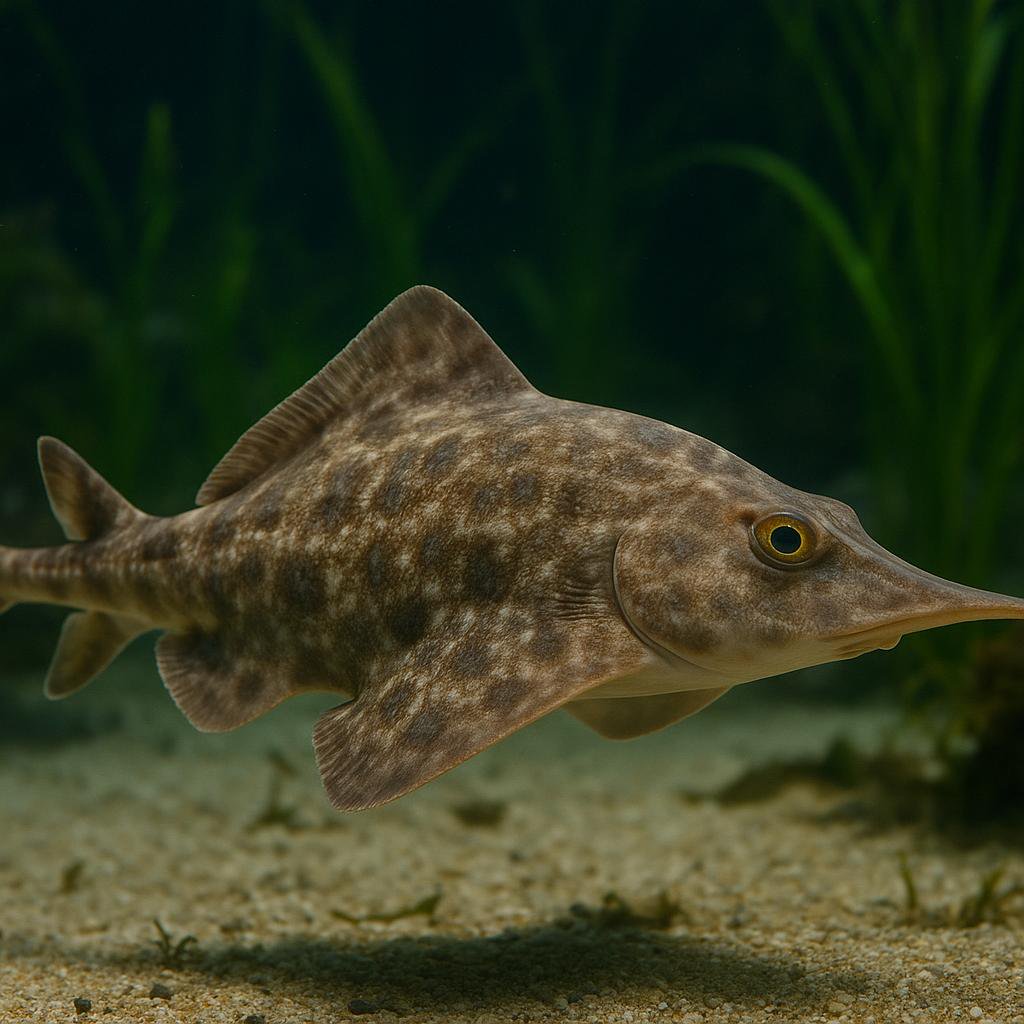
This is a big, cold-water deep-slope skate from the North Pacific that cruises muddy bottoms and eats chunky benthic prey like crabs and shrimp. The really cool bit is its egg-laying skate life - it does distinct pairing (the classic skate "embrace") and drops those tough egg cases on the seafloor. Not an aquarium fish at all unless you're basically running a public-aquarium-style chilled system.
Antarctic dragonfish
Vomeridens infuscipinnis
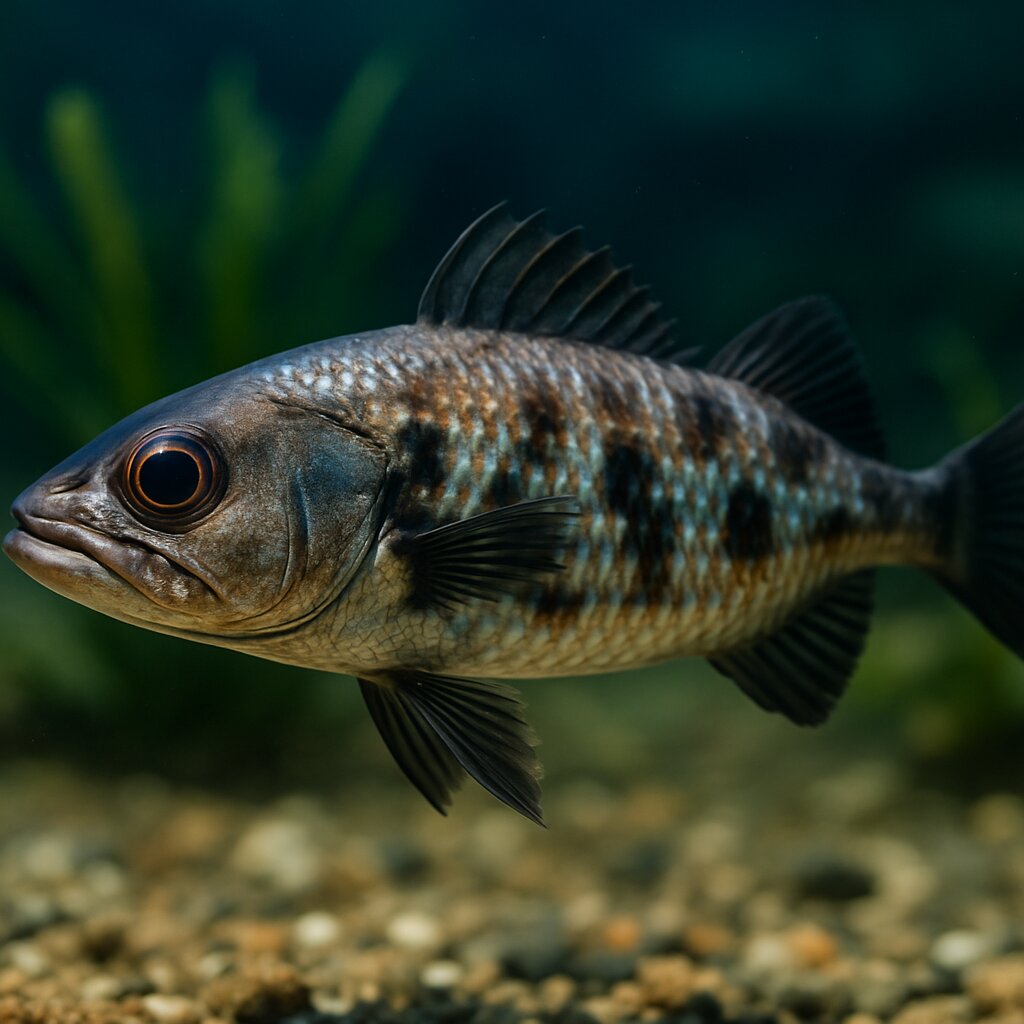
Deep down around Antarctica, this sleek dragonfish cruises the water column like a little submarine, nearly neutrally buoyant so it can hover above the seafloor. It munches almost exclusively on Antarctic krill and lives in near-freezing water 500-800 m down, so it is a cool species to read about, not one for home tanks.
Arabian spiny eel
Notacanthus indicus
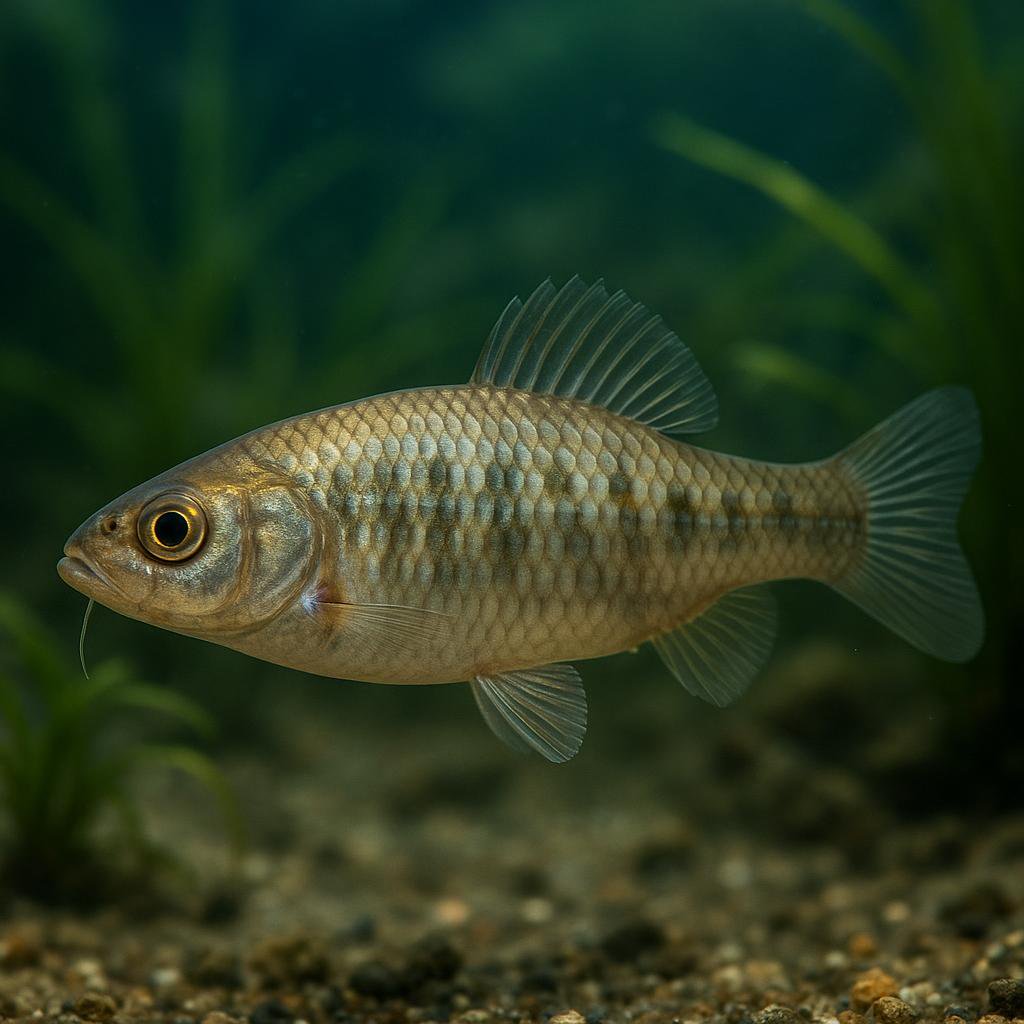
Notacanthus indicus is a deep-sea spiny eel (family Notacanthidae; not a true eel) known from the Arabian Sea on the continental slope at roughly ~960–1,046 m depth, with reported maximum length around 20 cm TL; it is a deep-water bycatch species and not established in the aquarium trade.
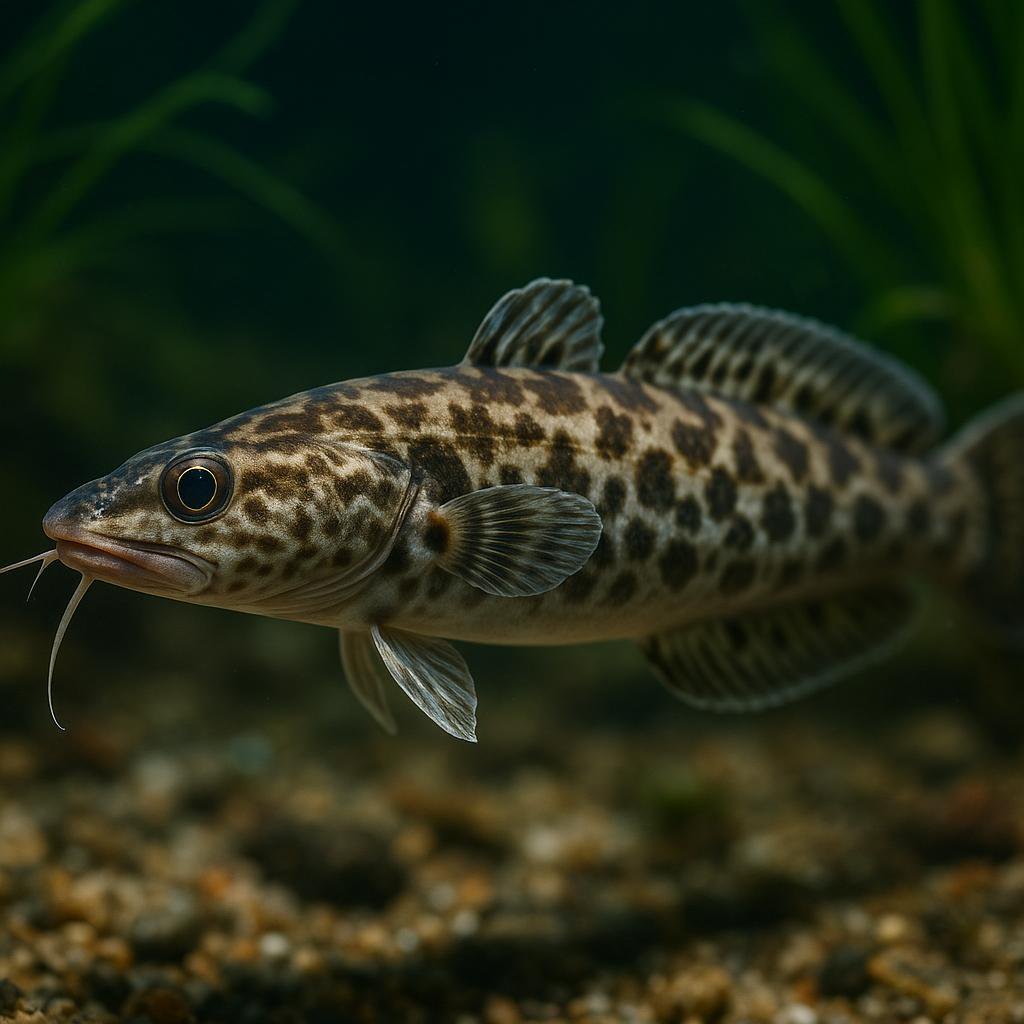
Arctic rockling
Gaidropsarus argentatus
This is a deepwater North Atlantic rockling (a cod relative) that hangs out on soft bottoms way down the slope. It is a cold-water, bottom-hugging predator that snoots around for crustaceans and will also take small fish when it gets the chance.
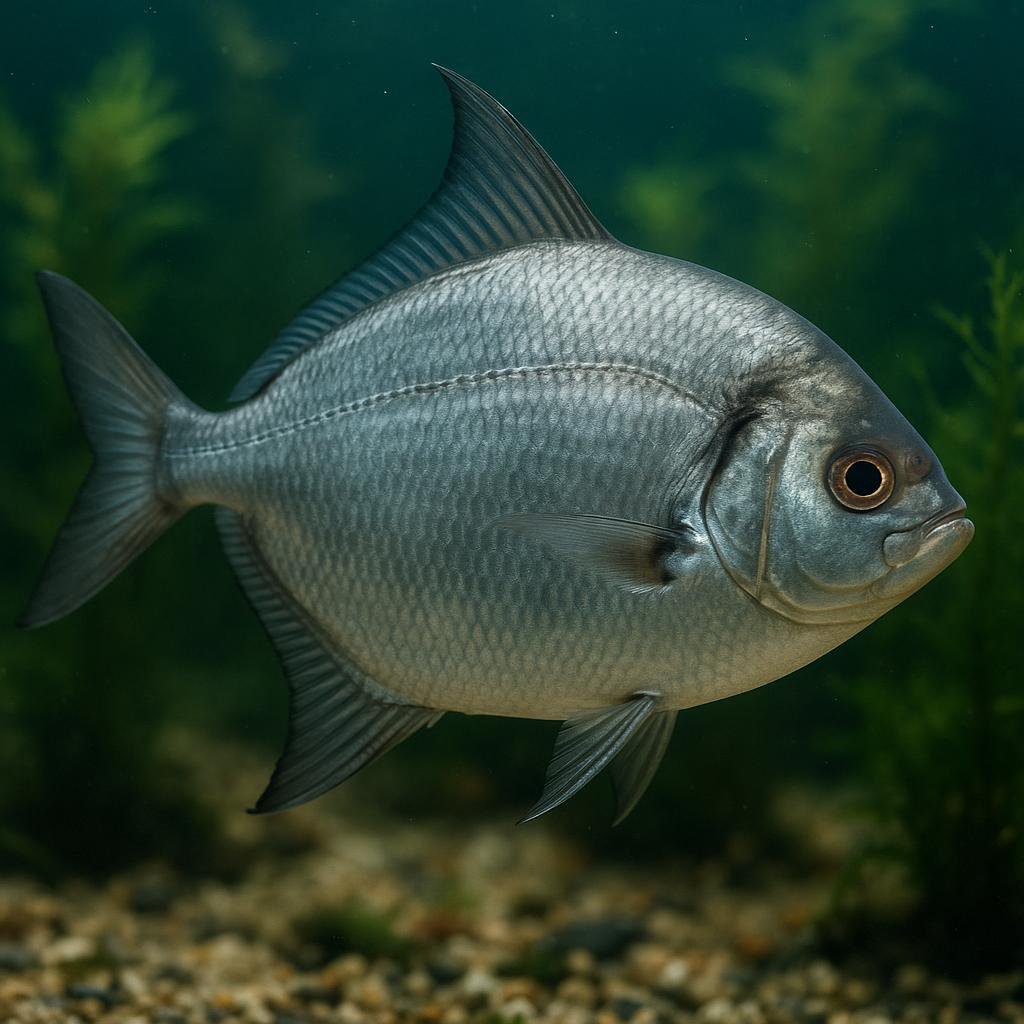
Atlantic pomfret
Brama brama
Brama brama is the Atlantic pomfret (aka Ray's bream) - a deep-bodied, open-ocean pelagic fish that cruises around in small schools and follows water temps. It is a legit big, wild marine species (not an aquarium fish) that eats other small sea critters like fish and squid, and it ranges across a huge chunk of the Atlantic plus parts of the Indian and South Pacific.
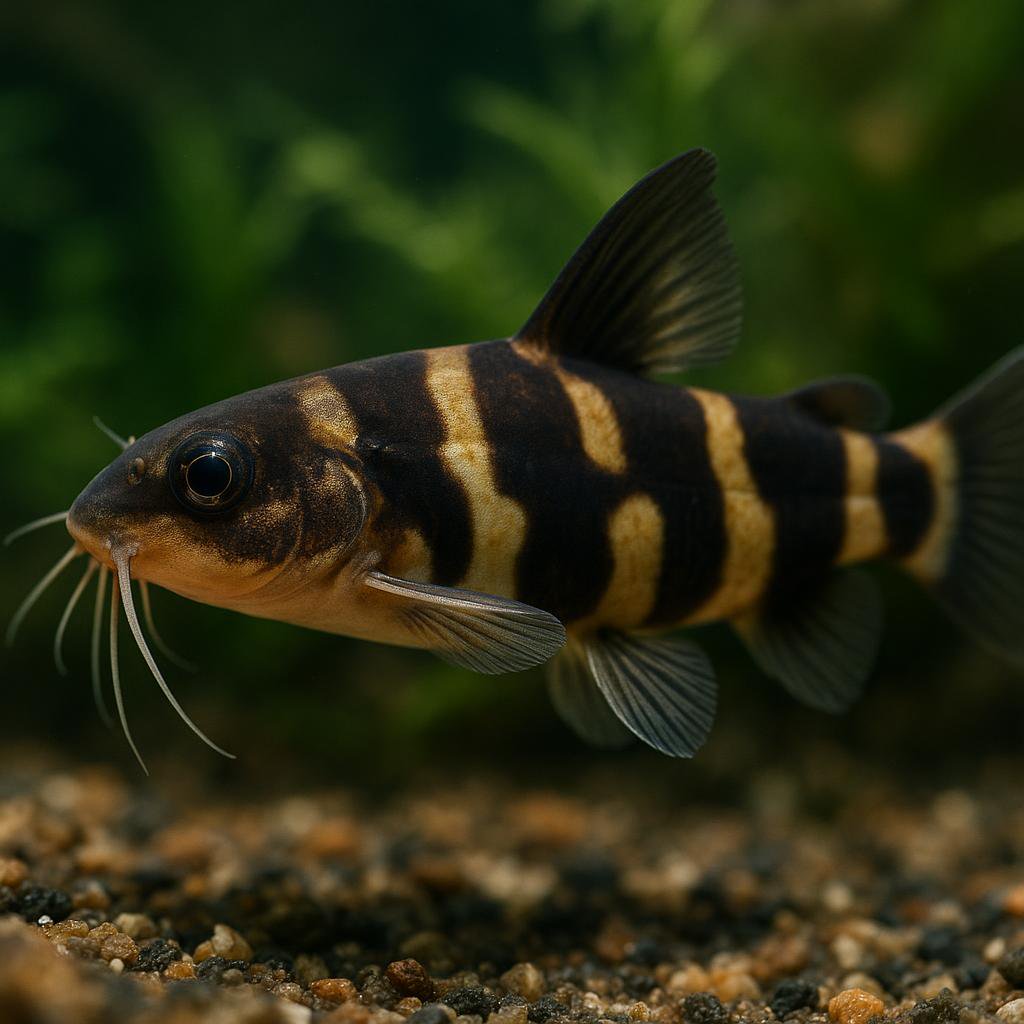
Australian sawtail catshark
Figaro boardmani
Figaro boardmani is a small, deepwater Australian catshark with these cool saw-like ridges of spiny denticles along the tail and a neat pattern of dark saddle bands. It lives way down on the outer continental shelf and slope, so its natural water is cold, dim, and stable - totally not a typical home-aquarium fish. Diet-wise its a predator that goes after fish, crustaceans, and cephalopods.
More to Explore
Discover more marine species.
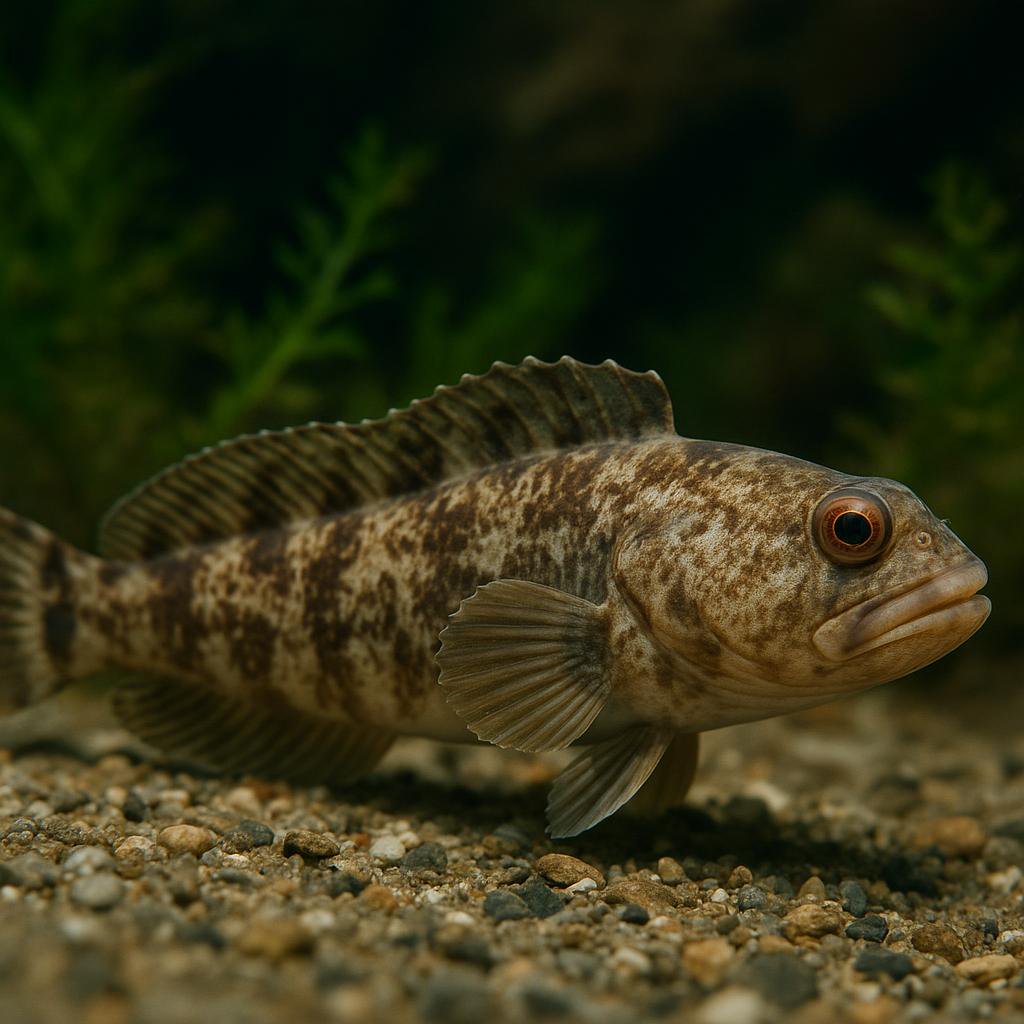
Abe's eelpout
Japonolycodes abei
Japonolycodes abei is a temperate, deepwater demersal eelpout (family Zoarcidae) endemic to Japan (Kumano-nada Sea reported; other sources also report Sagami Bay and Tosa Bay). It is the only species in the genus Japonolycodes and occurs roughly 40-300 m depth, making it an uncommon/atypical aquarium species.
Affinis blind cusk-eel
Barathronus affinis
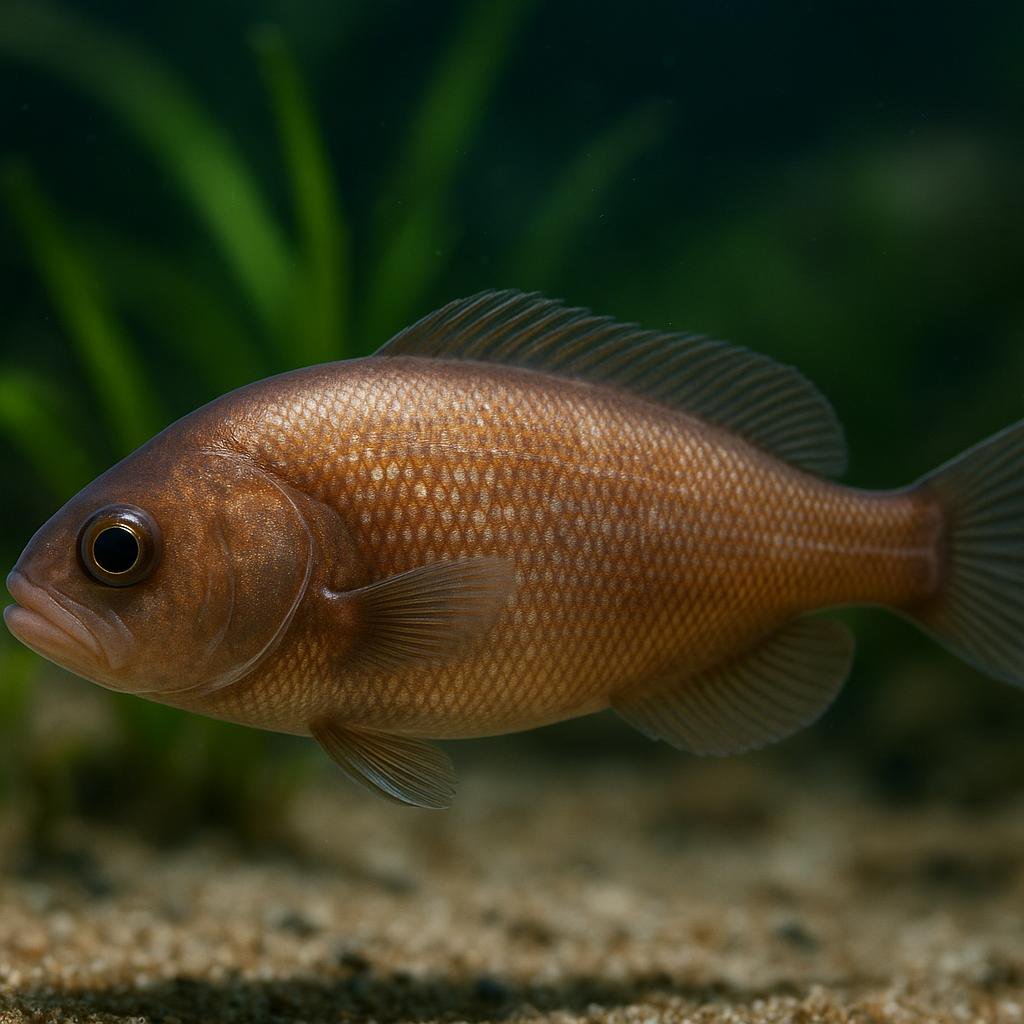
Barathronus affinis is a tiny, super-weird deep-sea blind cusk-eel from the western-central Indian Ocean. It is one of those gelatinous, loose-skinned brotula-type fishes that live way down in the dark and are basically never seen alive, so almost everything we know comes from preserved specimens and taxonomic work.
African red snapper
Lutjanus agennes
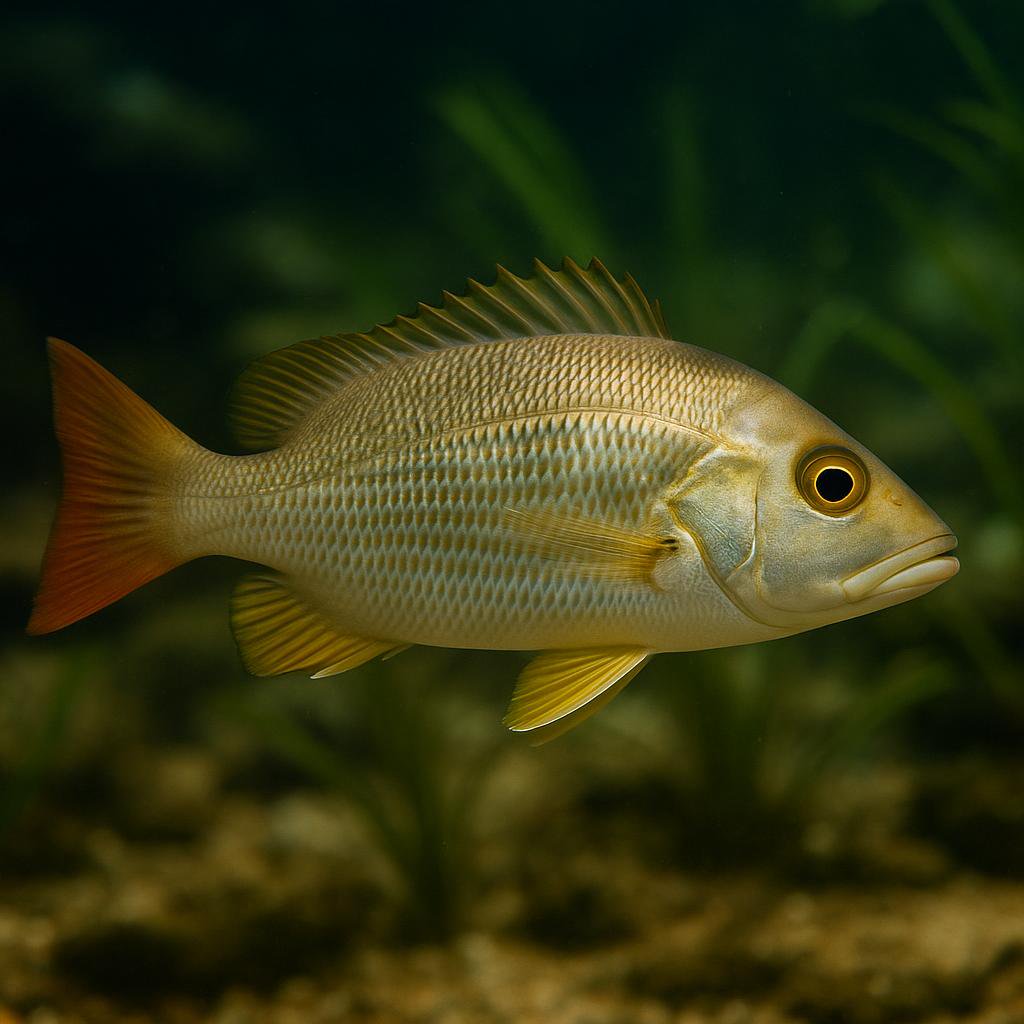
This is a true snapper from West Africa - a big, fast-growing predator that goes from coastal reefs to brackish lagoons and estuaries (especially as a juvenile). Super cool fish in the wild, but it gets absolutely huge and will eat smaller tankmates once it has the mouth for it, so its really more of a public-aquarium scale animal than a home-aquarium fish.
Allis shad
Alosa alosa
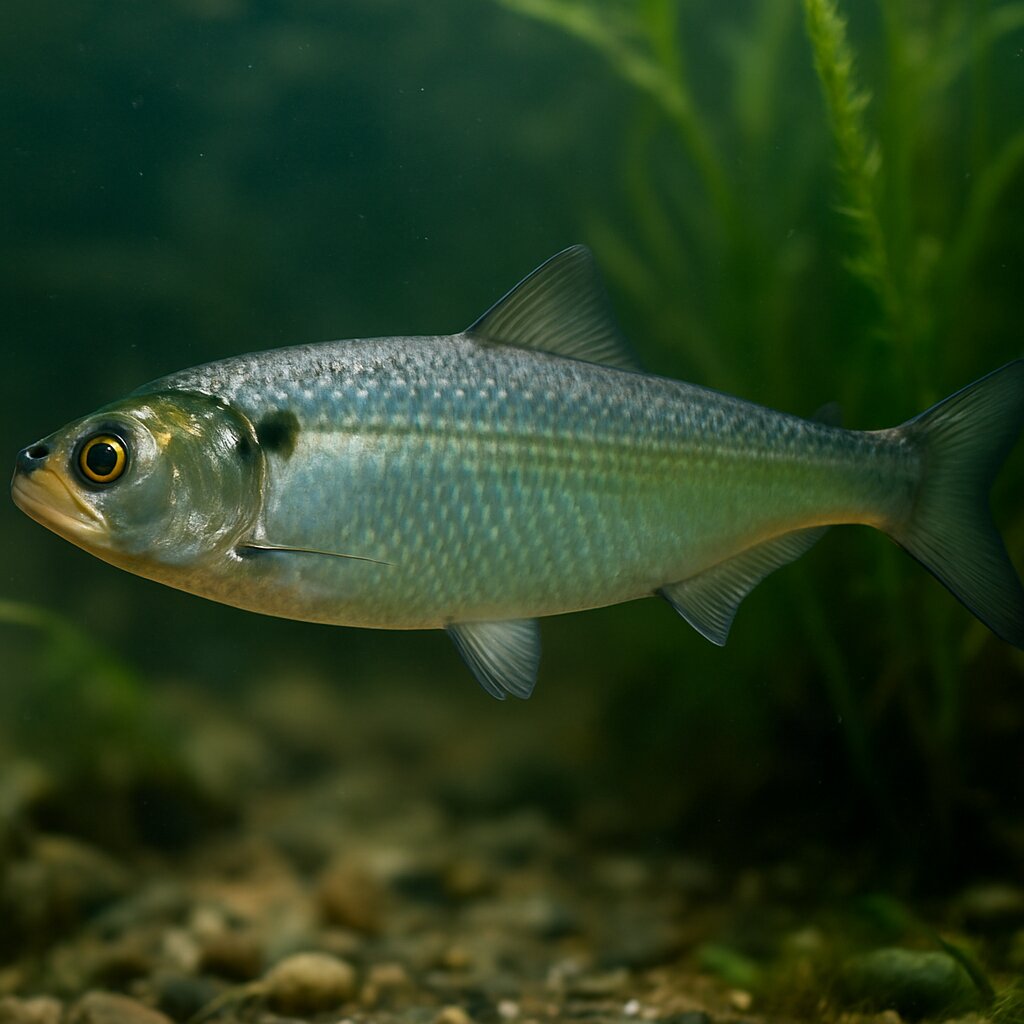
Gorgeous silver, fast-swimming shad that spends most of its life in the sea and then surges up big rivers in noisy, surface-spawning schools. It grows huge for a herring-type fish and needs cool, ultra-oxygenated water and tons of open space, so it is a public-aquarium species rather than a home tank fish.
Annandale's zebra sole
Zebrias annandalei
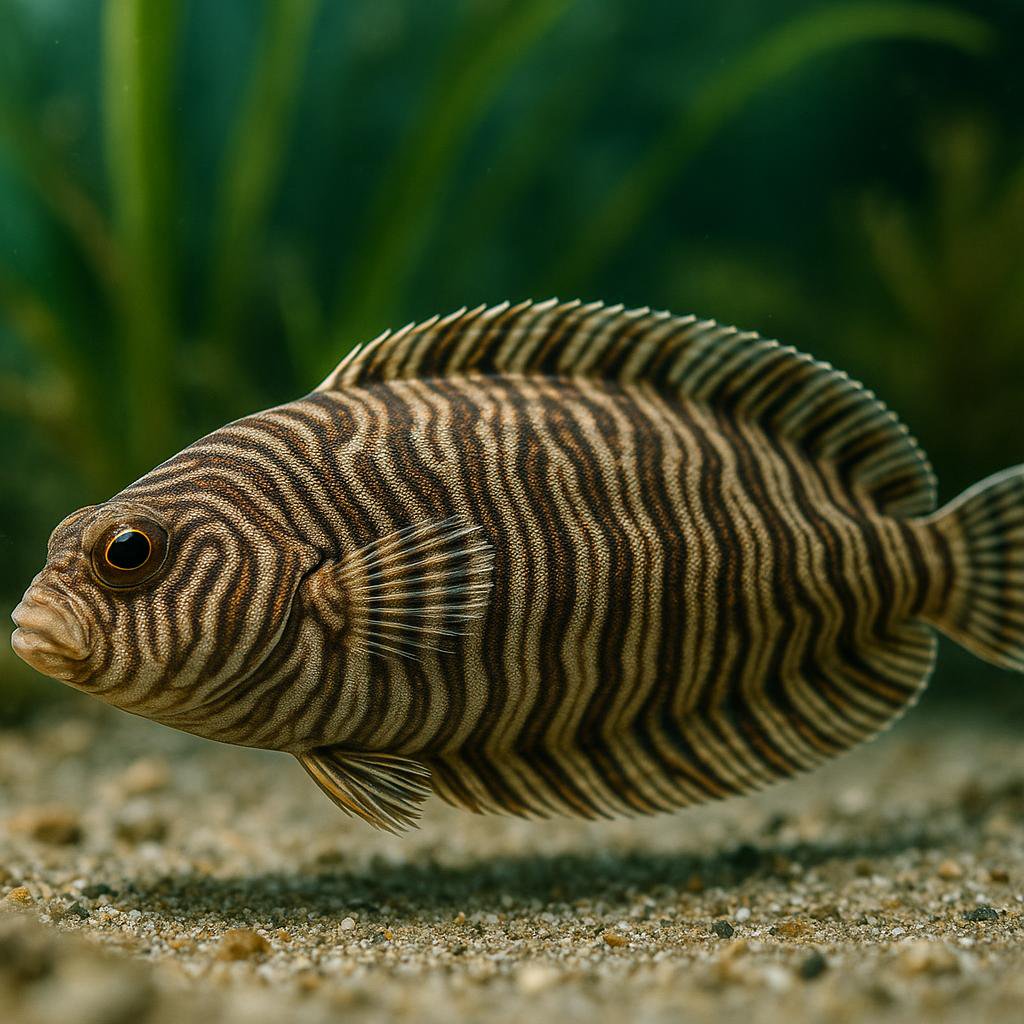
Zebrias annandalei is a small demersal sole from coastal India that inhabits sandy or muddy bottoms and buries for camouflage. It is rarely kept in home aquaria and would require a specialized marine sand-bottom setup and appropriate feeding.
Banded stargazer
Kathetostoma binigrasella
This is a New Zealand stargazer that lives half-buried in sand or mud with its eyes pointed up, waiting to rocket upward and nail passing prey. It has those neat dark saddle-bands across the back (especially as a juvenile), and like other stargazers it is venomous with spines near the gill cover/pectoral area - definitely a look-dont-touch fish.
Looking for other species?