

Bluespotted dottyback
Pseudochromis persicus
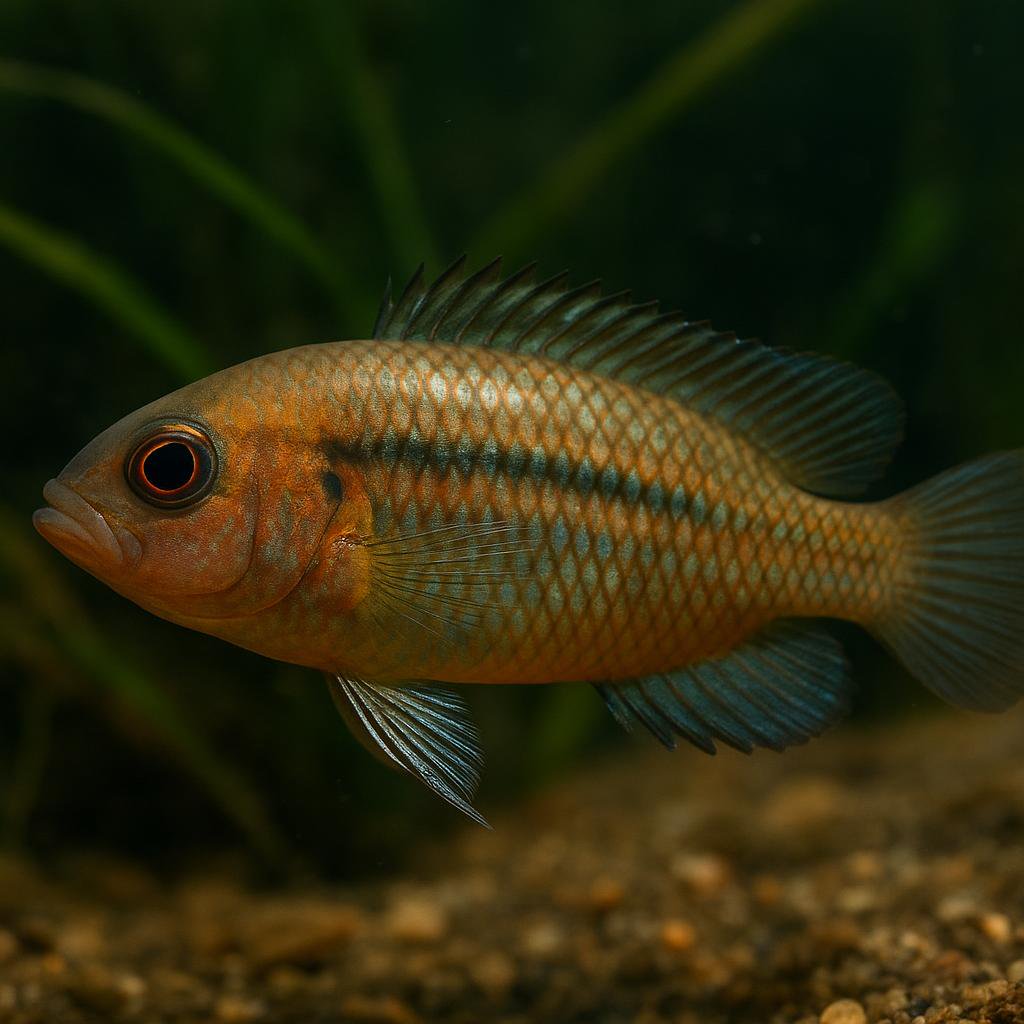
The Bluespotted dottyback features a vibrant purple body adorned with distinctive blue spots and a long, pointed dorsal fin.
This page includes AI-generated images. Why am I seeing AI images?
About the Bluespotted dottyback
A striking dark-bodied dottyback covered in tiny blue spots from the Persian Gulf and nearby western Indian Ocean reefs. It grows larger than most dottybacks and throws a lot of attitude for its size, staking out caves and defending them hard. Best for roomy marine setups with robust tankmates and plenty of rockwork to break lines of sight.
Also known as
Quick Facts
Size
6.1 inches (15.4 cm)
Temperament
Aggressive
Difficulty
Intermediate
Min Tank Size
75 gallons
Lifespan
5-7 years
Origin
Western Indian Ocean
Diet
Carnivore - meaty marine foods like chopped shrimp/fish, mysis, and other crustaceans
Water Parameters
22-27°C
8-8.5
Need a heater for this species?
This species needs 22-27°C in a 75 gallon tank. Use our heater calculator to find the right wattage.
Calculate heater sizeCare Notes
- Give it space: a single Bluespotted dottyback belongs in at least a 75 gallon marine tank with heavy rockwork and multiple caves to break lines of sight.
- Keep temperature at 22-27 C and pH at 8.0-8.5, with stable marine salinity.
- Feed a meaty marine menu: chopped shrimp or fish, mysis, and other crustacean-based foods; rotate offerings to keep it eating well.
- Choose tankmates that can handle attitude; prioritize larger, assertive species (e.g., tangs, rabbitfish, dwarf/large angelfish, robust wrasses, hawkfish) and avoid timid or similar-shaped cave-dwellers; add only one dottyback per tank in most systems.
- Generally keep one per tank and avoid mixing with other dottybacks or similarly shaped territorial fish to head off constant fights.
- Add it late in your stocking order so it does not claim the whole rockscape before other fish settle in.
- Small ornamental crustaceans can be viewed as food; do not trust it with tiny shrimp or crabs.
- It grows to about 6.1 inches and can live 5-7 years, so plan rockwork, territory spacing, and stocking for the long haul.
Compatibility
Good Tankmates
- Assertive algae-grazing tangs that do not compete for caves, like Kole or Tomini tangs, in 75+ gal setups
- Medium, sturdy wrasses (Halichoeres spp.) that are fast and confident, not tiny fairy/flasher wrasses
- Robust clownfish pairs (Amphiprion), especially larger or tougher types; introduce before the dottyback or together
- Dwarf angelfish (Centropyge) - semi-aggressive rock pickers that can stand their ground
- Smaller rabbitfish like a One-spot foxface; large, armored and uninterested in the dottyback's territory
- Hawkfish (e.g., longnose, flame) in tanks with lots of rockwork; both are bold and occupy different perches
Avoid
- Other dottybacks and similar-shaped cave-dwellers (grammas, assessors, basslets) - high chance of vicious territorial fights
- Timid, slender or hovering species like firefish, dartfish, small gobies and small blennies - they tend to be harassed
- Ornamental shrimp and very small crabs - often viewed as prey by large dottybacks
- Large predatory fish that can swallow it (lionfish, groupers, big morays) - the dottyback becomes food
Bluespotted dottyback (Pseudochromis persicus) is a striking, dark-bodied marine fish scattered with tiny blue spots. Native to the western Indian Ocean, it grows larger than most dottybacks at up to 6.1 inches, throws serious attitude, and can live 5-7 years with steady care. This is an aggressive, intermediate-level species best suited to roomy, rock-filled marine systems.
Origin and natural habitat
Found in the western Indian Ocean, including the Persian Gulf, this species is a cave-and-crevice guardian on reefs. It spends much of its time close to rock, darting out to inspect intruders and to pick off meaty prey. That need for cover and territory carries straight into the aquarium.
Aquarium setup and water conditions
Give this fish space and structure. A minimum of 75 US gallons with dense, stable rockwork is recommended so it can claim a cave and still leave room for tankmates to get out of sight. Build multiple caves and archways and break up lines of sight to reduce constant confrontations.
- Temperature: 22-27 C
- pH: 8.0-8.5
- Water type: marine (stable, well-oxygenated, reef-quality)
Arrange several cave options in different parts of the tank and add the dottyback after more passive fish. Giving it a territory from day one helps channel its aggression.
Diet and feeding
A carnivore that wants meaty marine fare. Offer a varied mix and keep portions appropriately sized so it swallows food whole without struggling.
- Chopped marine shrimp or fish
- Mysis shrimp
- Other marine crustacean-based foods
Most individuals accept frozen meaty foods readily. Consistent, varied offerings help maintain condition and color.
Behaviour and tankmates
This species is notably aggressive and highly territorial for its size. It will stake out a cave and defend a patch of rock with gusto, especially in tighter quarters. Choose robust, confident tankmates that are not easily harassed, and provide enough space and cover so others can avoid its chosen lair.
- Best kept singly; combining with other dottybacks or very similar-shaped cave dwellers often leads to fights.
- Avoid timid nano fish that cannot handle chasing.
- Expect it to test boundaries with new arrivals until territories settle.
Given its carnivorous diet, small ornamental shrimp and other tiny crustaceans may be hunted. House accordingly.
Common problems and how to avoid them
- Relentless aggression in cramped tanks: stay at or above 75 gallons and use rockwork to create multiple sight breaks and caves.
- Harassment of delicate or tiny fish: pick sturdy, fast tankmates and introduce the dottyback after more peaceful species.
- Predation on small invertebrates: do not rely on small shrimp or similar crustaceans to coexist safely with this fish.
Similar Species
Other marine aggressive species you might be interested in.
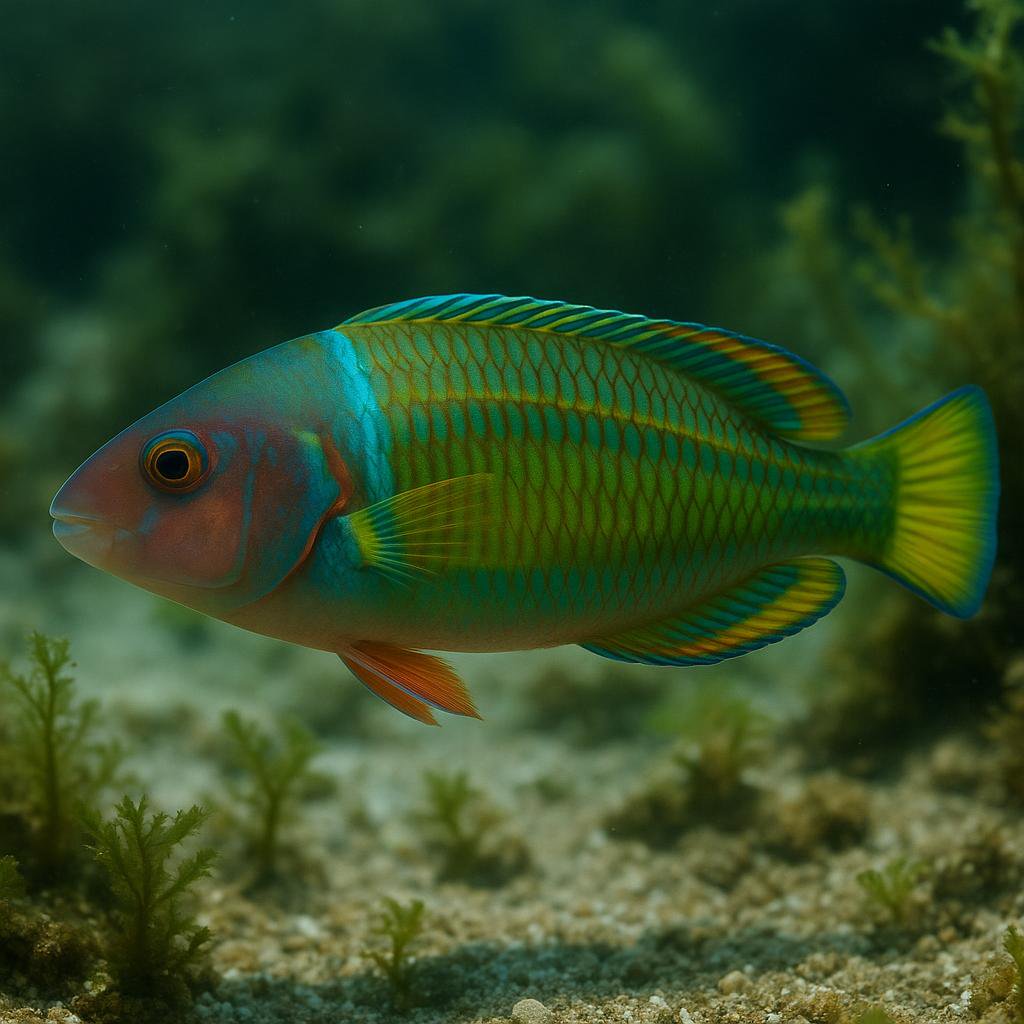
Saddle wrasse
Thalassoma duperrey
A fast, bold Hawaiian reef wrasse with a bright red saddle behind the pectoral fins and shifting colors as it matures. Juveniles sometimes play cleaner while adults cruise rock and coral picking off small invertebrates; they also change from female to male with age. It reaches about 11 inches and throws its weight around, so it needs space and suitably robust tankmates.
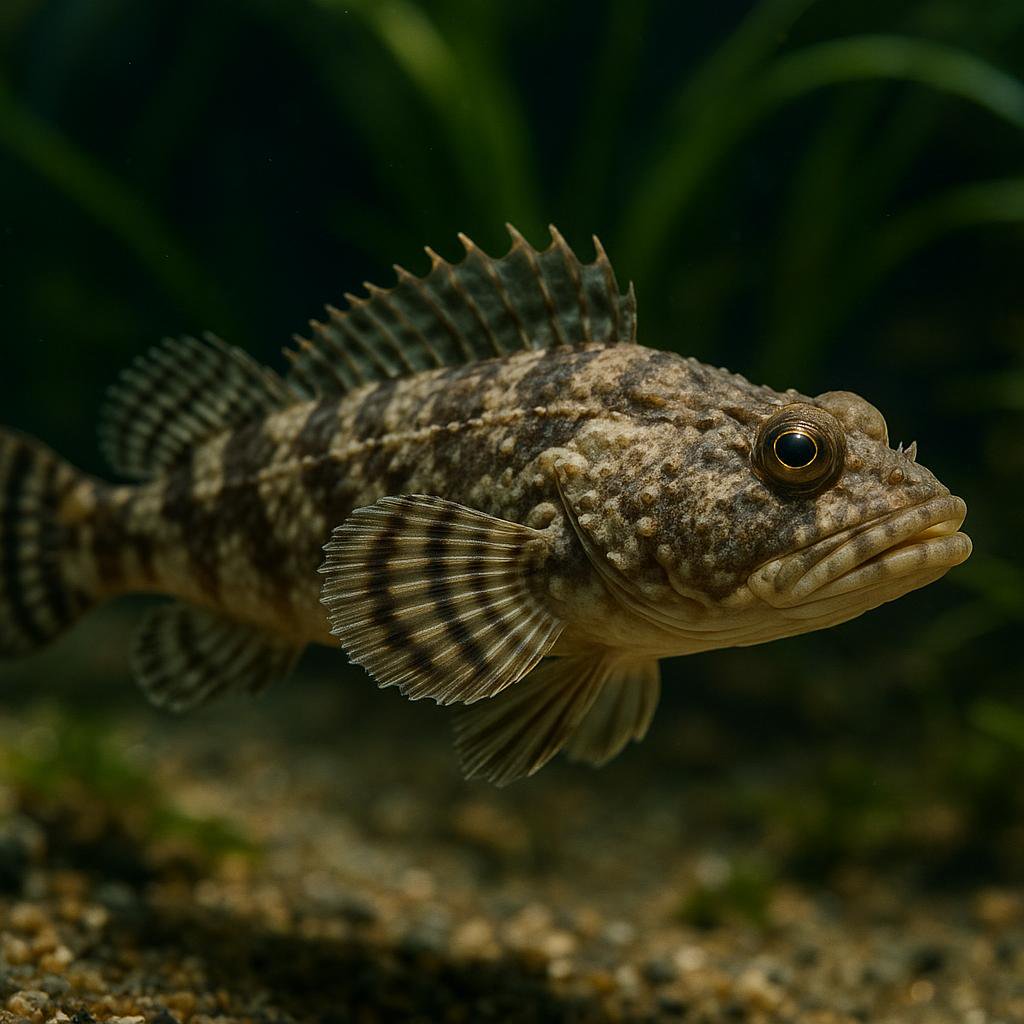
Serrated flathead
Rogadius serratus
Rogadius serratus is a sneaky little flathead that basically lives glued to the bottom, blending into sand and rubble like a living leaf-litter camouflage job. It is the kind of fish that does almost nothing until food shows up, then it strikes fast. Super cool look up close, but it is absolutely not a community tank fish.
More to Explore
Discover more marine species.
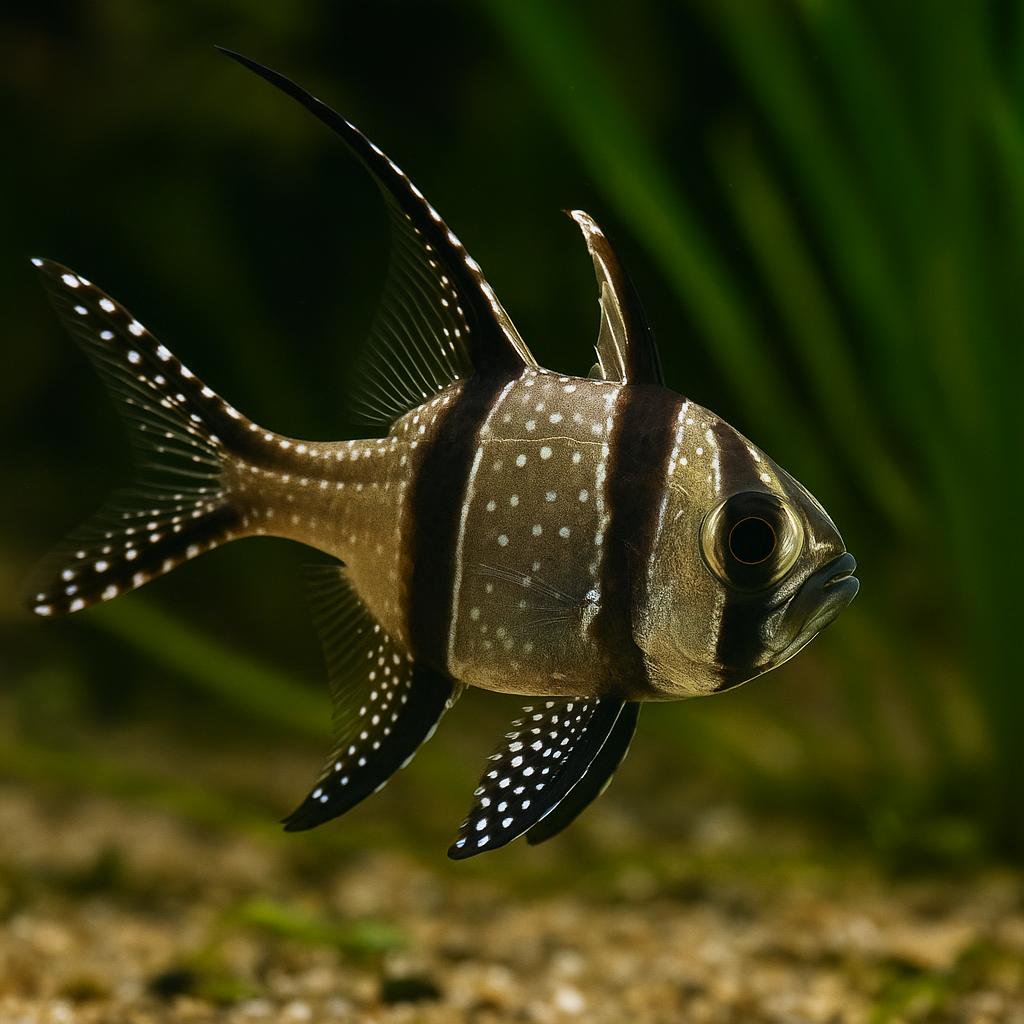
Banggai Cardinalfish
Pterapogon kauderni
Banggai cardinals just sort of hover like little underwater satellites, and the bold black bars with those long, polka-dotted fins look unreal under reef lighting. They're super chill most of the time, but once a pair forms you'll see real "fish drama," and the male will even mouthbrood the babies like a champ.
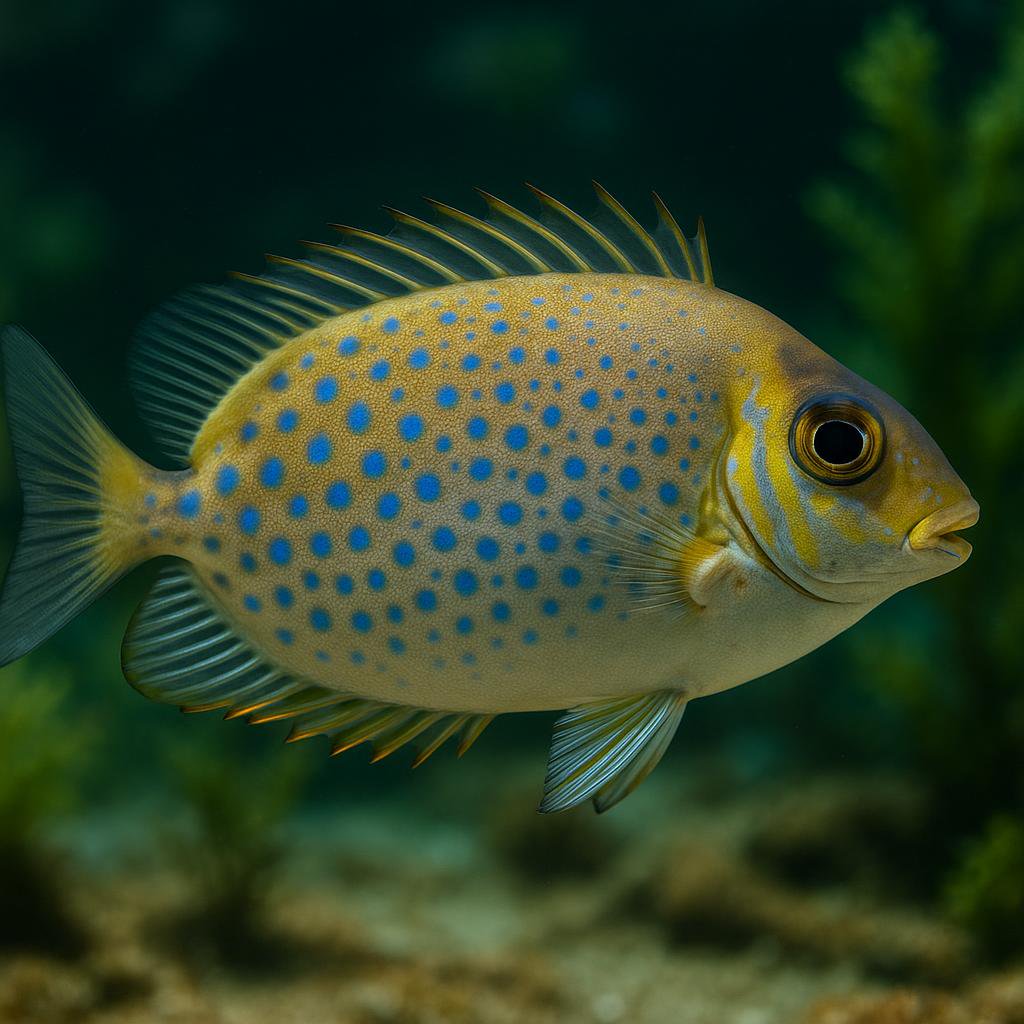
Bicolored foxface
Siganus uspi
A Fiji native with a sharp two-tone look, the bicolored foxface is half deep brown and half yellow with a crisp line between. It spends the day grazing algae and can snap into a mottled camouflage when spooked; those tall dorsal spines are venomous, so other fish usually keep their distance.
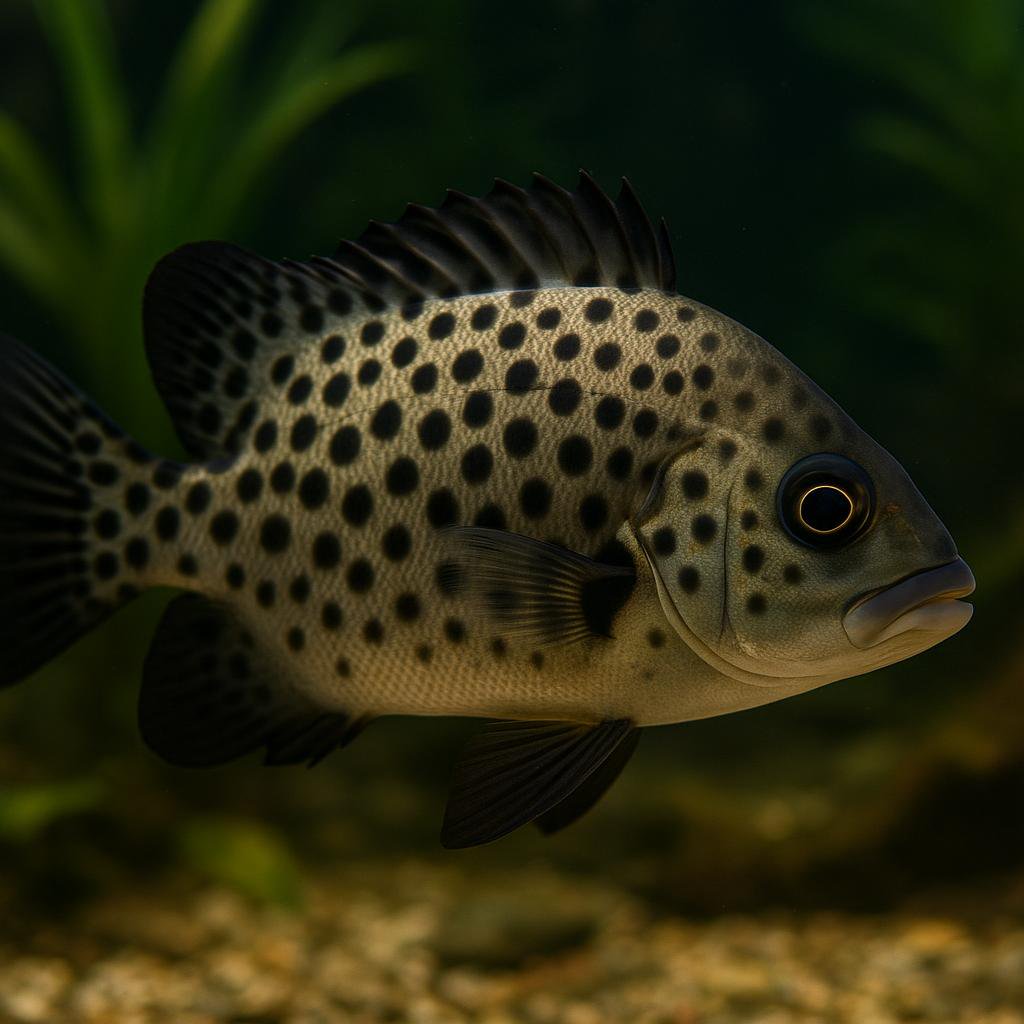
Blackfin slatey
Diagramma melanacrum
A large sweetlips from Southeast Asian reefs with a pale silvery-yellow body sprinkled in dark spots and distinct black pelvic and anal fins. Juveniles linger in silty shallows, while adults rest in small groups on deeper reef walls by day and roam at night to pick off crabs, shrimp, and other invertebrates.
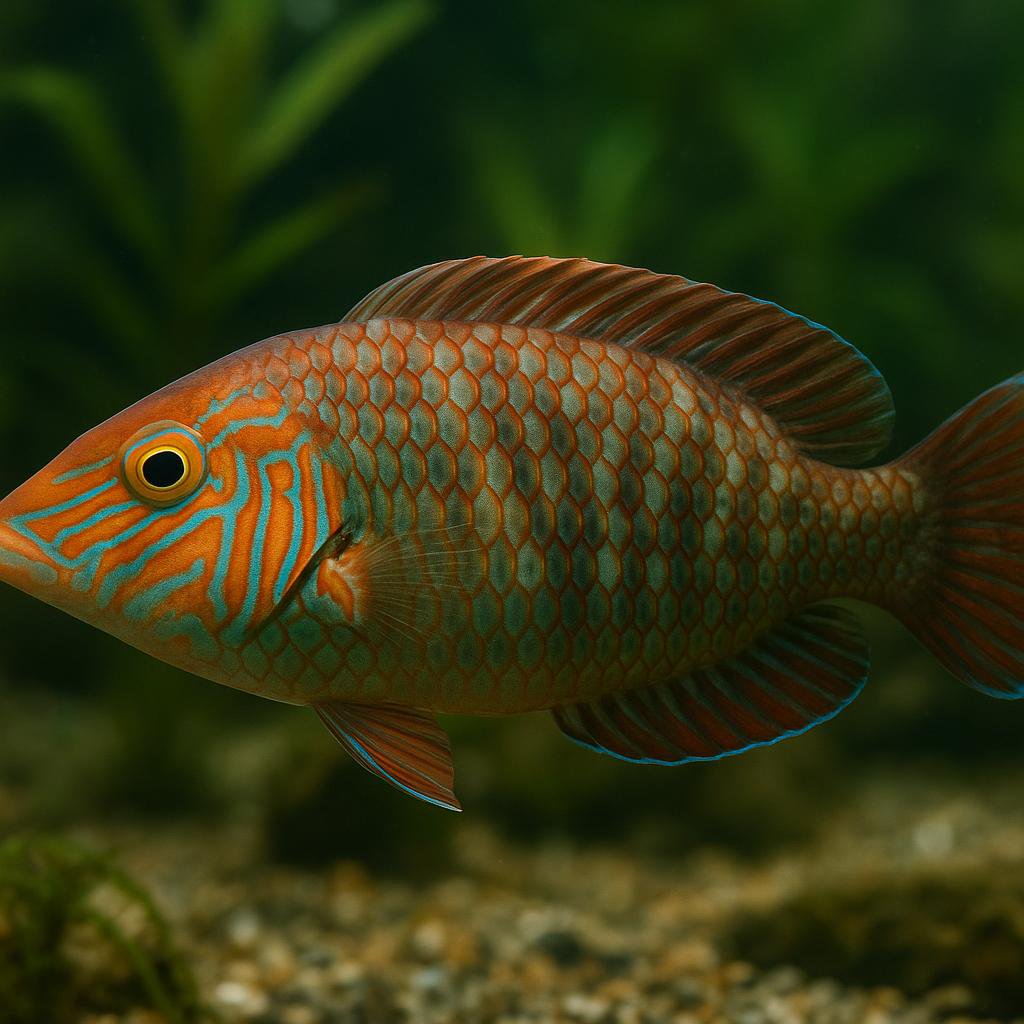
Blackspot razorfish
Iniistius dea
This is one of the coolest "knife-bodied" wrasses - it hangs over open sand and, when it gets spooked or wants to sleep, it literally torpedoes straight into the sand. Give it a deep, fine sand bed and it will act totally different (and way more natural) than a typical rock-hugging reef wrasse. Adults are usually shy and cruisy with tankmates, but they are not forgiving about rough handling or sketchy setups.
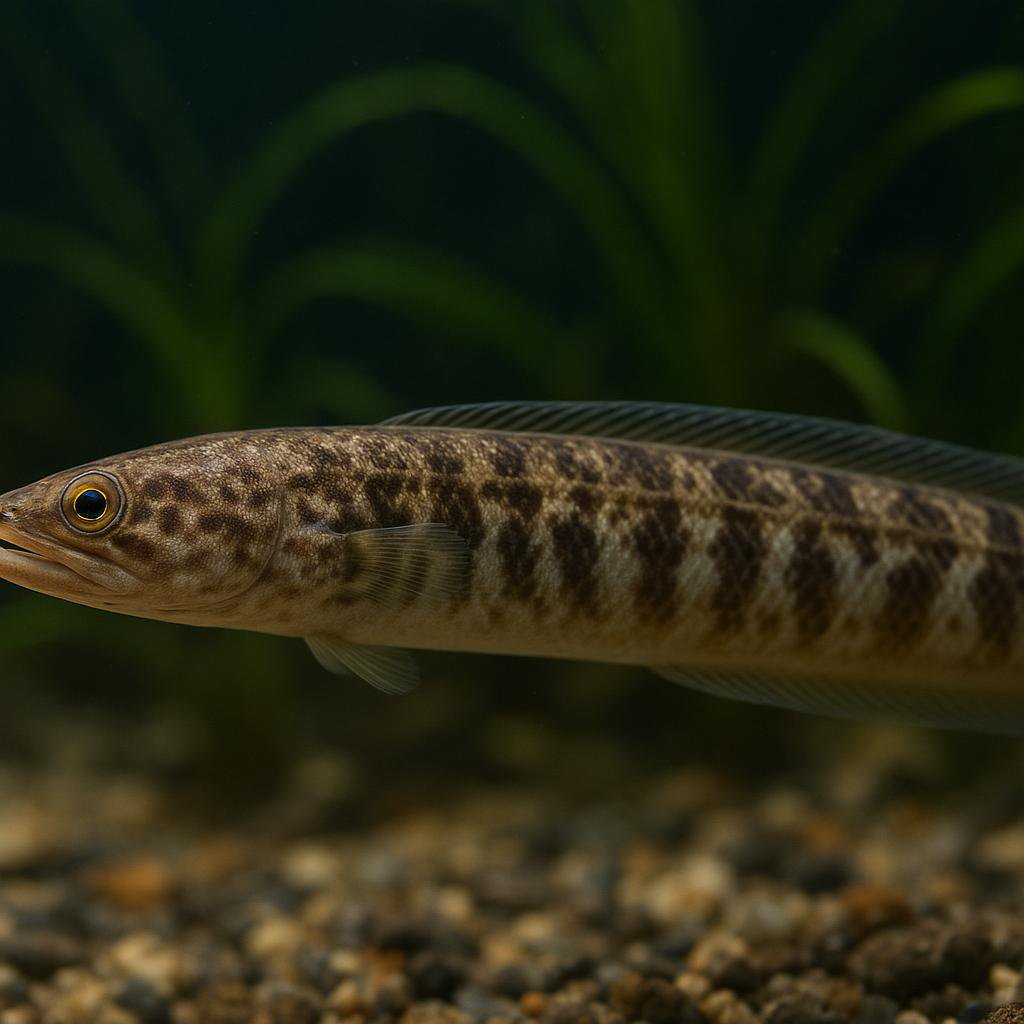
Blackspotted snake eel
Quassiremus ascensionis
A tropical marine snake eel that buries in soft substrates (sand/mud/gravel) with only the head exposed to ambush prey. Recorded to 71 cm TL and occurs mainly in the western Atlantic (also Brazil) and at Ascension Island; typically found in shallow inshore habitats to ~12 m, including sand and seagrass (turtle grass) areas.
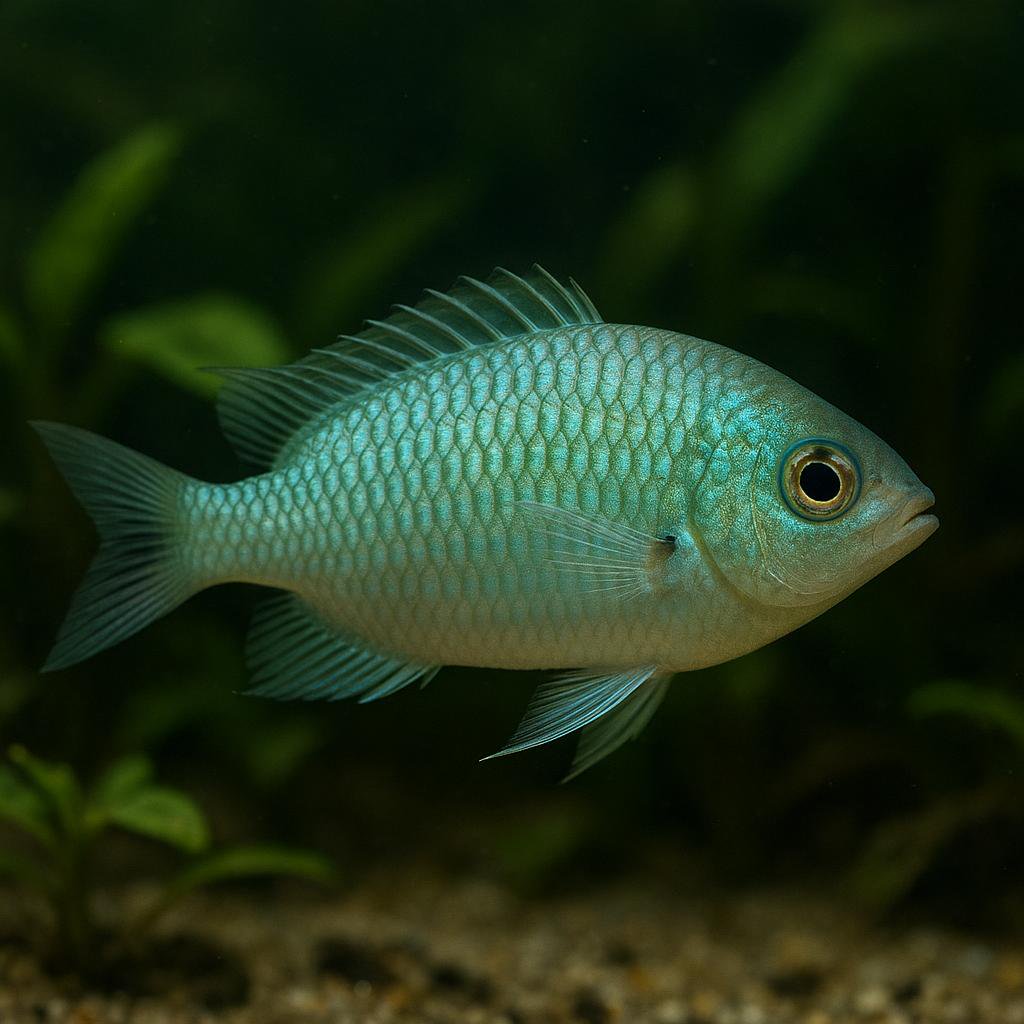
Blue Green Chromis (Green Chromis)
Chromis viridis
Blue Green Chromis are those shimmery little green-blue darts you'll see zipping around the top of a reef tank, always looking like they're catching the light just right. They're super fun in a group because they hover and cruise together, but they've got a bit of a "pecking order" thing going on if the tank's tight or the group's too small.
Looking for other species?