

Bluestriped chub
Kyphosus ocyurus
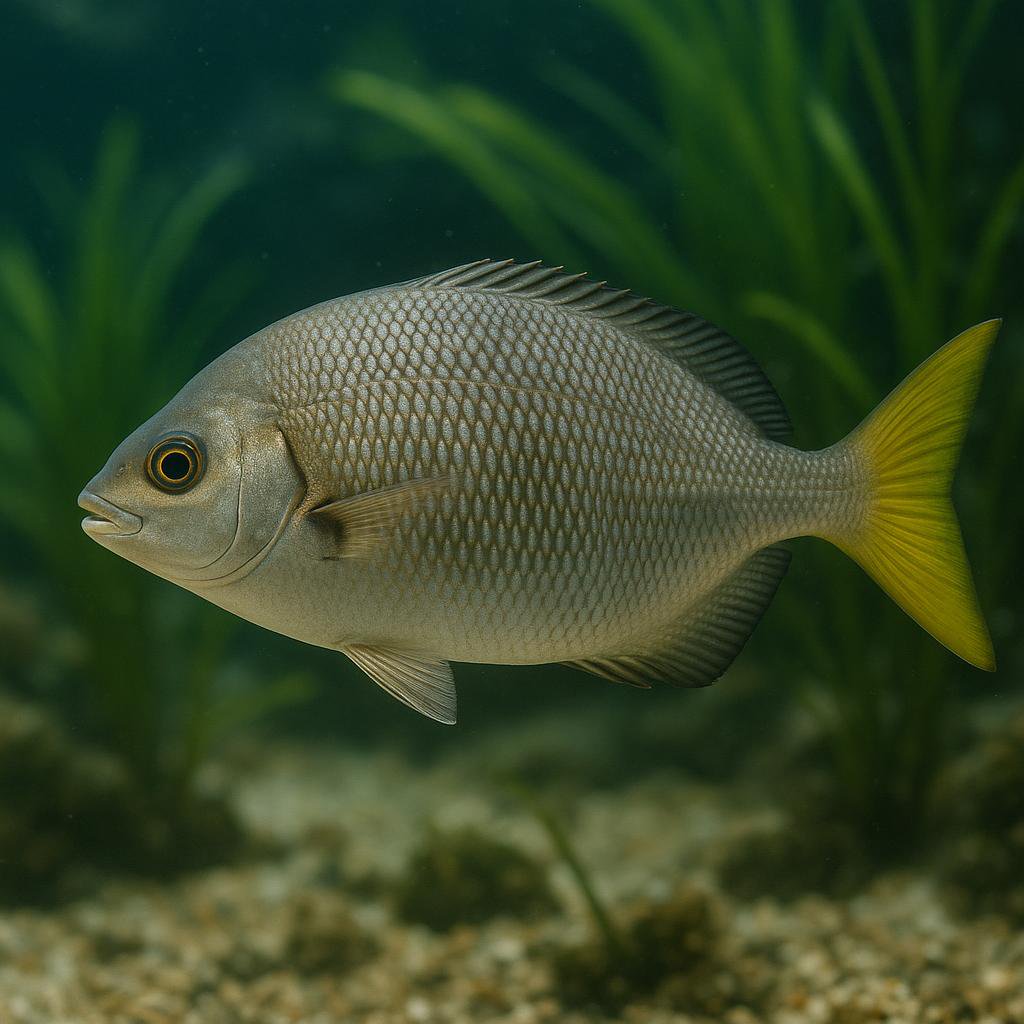
Bluestriped chubs exhibit a tapered body with prominent bright blue horizontal stripes and a greenish-brown coloration.
This page includes AI-generated images. Why am I seeing AI images?
About the Bluestriped chub
Kyphosus ocyurus is that slick-looking sea chub with the wavy blue and yellow stripes that make it look like it was painted on. It cruises rocky shorelines and reefs and will also show up in little schools (sometimes mixed with other chubs), especially around drop-offs or even floating debris offshore. It gets way too big and too active for normal home tanks, but it is a really cool fish to spot in the wild.
Also known as
Quick Facts
Size
59 cm
Temperament
Semi-aggressive
Difficulty
Expert
Min Tank Size
1000 gallons
Lifespan
10-15 years
Origin
Eastern Pacific
Diet
Omnivore - algae/plant matter plus zooplankton and other meaty bits; would take mixed marine foods in captivity
Water Parameters
21-29.3°C
8.1-8.4
7-12 dGH
Need a heater for this species?
This species needs 21-29.3°C in a 1000 gallon tank. Use our heater calculator to find the right wattage.
Calculate heater sizeCare Notes
- Give it a big, long tank with serious swimming room - think 180-300+ gallons, strong flow, and lots of open water with rockwork pushed to the sides.
- Keep it on stable reef-ish numbers: 1.024-1.026 salinity, 76-80F, pH 8.1-8.4, and keep nitrate from creeping up because these guys eat a lot and poop like a pony.
- Feed like a grazer, not a predator: nori sheets on a clip every day plus spirulina flakes/pellets, and toss in some mysis or chopped seafood 1-2 times a week at most.
- If it starts picking at corals or ripping macroalgae, that is usually a 'not enough greens' problem - add more nori stations and feed smaller amounts more often.
- Tankmates: tough, similarly sized fish that can handle movement and appetite (tangs, large wrasses, angels, rabbitfish); avoid tiny gobies/blennies and slow picky eaters that will get outcompeted.
- Cover your tank tight - they spook and launch, especially when the lights flip on or if someone taps the glass.
- Watch for lateral line erosion and color fade if the diet is too meaty or low on plant matter; I like adding a vitamin soak and rotating algae-based foods to keep them looking sharp.
Compatibility
Good Tankmates
- Other sturdy semi-aggressive reef-safe fish like tangs and surgeonfish (yellow tang, kole tang). Similar pace and attitude, and they do fine as long as the tank is big and you do not cram them in.
- Rabbitfish (foxface, one-spot rabbitfish). Tough, chill, and they can handle a pushy neighbor without turning it into a war.
- Medium to larger wrasses that are not delicate (yellow coris, bird wrasse type). They are active, eat well, and do not get bullied easily.
- Dwarf angels with some backbone (coral beauty, flame angel). Usually works if everybody has space and you add the chub after the angel or at the same time.
- Bigger clownfish pairs (maroon or tomato clowns) if the tank has room and territories are clearly separated. They can stand their ground and the chub usually learns to keep moving.
- Hawkfish (flame hawk) or similarly bold perchers. They are not fast swimmers but they are confident and do not spook every time the chub does a drive-by.
Avoid
- Tiny peaceful fish like firefish, small gobies, or timid dartfish. A bluestriped chub is an active grazer that can get pushy, and the constant cruising stresses these little guys out.
- Slow, fancy-finned or shy fish like longfin cardinals or bannerfish/idols. They do not compete well at feeding time and tend to get harassed in the open water.
- Very aggressive brawlers like triggers and big dottybacks. This combo turns into nonstop posturing and chasing, and somebody is going to get beat up unless the tank is huge.
- Other Kyphosus chubs or similar-looking open-water grazers in smaller systems. They are not always friendly with their own kind, and you can get dominance fights and cornering.
Where they come from
Bluestriped chubs (Kyphosus ocyurus) are reef-associated schooling fish from the tropical western Atlantic - Florida, the Caribbean, down into the Gulf and beyond. In the wild you usually see them cruising in open water along reef faces, picking at algae and grabbing passing bits of food.
They are built to swim all day. That shapes everything about keeping them in a tank.
Setting up their tank
This is an expert fish mostly because of size, speed, and appetite. Juveniles show up in the trade sometimes and look manageable, but they do not stay small. Plan for the adult, not the cute 3 inch teenager.
If you cannot provide a very large, open swimming tank with heavy filtration, skip this species. They outgrow most home systems fast, and the stress from cramped quarters shows up as disease and constant pacing.
- Tank size: think public-aquarium scale for long-term. A big 8-10+ foot tank footprint is where they start to make sense, not a standard 6-foot 125/180.
- Aquascape: keep rockwork low and pushed back so there is a long racetrack of open water. They like a few bolt-holes, but they do not want a rock maze.
- Flow and oxygen: strong, turbulent flow and lots of gas exchange. These fish burn oxygen like a tang on espresso.
- Filtration: oversized skimmer, big mechanical capacity (filter socks/rollers), and room for nutrient export. They are messy grazers.
- Lid: tight fitting. Spooked chubs can launch.
- Lighting: normal reef lighting is fine. If you want them grazing naturally, grow some algae on rocks in a refugium and rotate rocks in.
I keep salinity stable (around typical reef levels) and focus more on stability than chasing numbers. Big water volume helps a ton. So does having a quarantine system large enough for a fast swimmer, because netting and confining them in tiny boxes is a recipe for injuries.
Give them a long, unobstructed run and you will immediately see calmer behavior. In cramped tanks they just pinball the glass and burn themselves out.
What to feed them
They are mostly herbivore-leaning omnivores. In the ocean they graze algae and also grab small meaty bits drifting by. In a tank, the fastest way to get one in trouble is feeding like it is a picky coral beauty. They need volume and variety.
- Daily greens: nori/seaweed sheets, spirulina-based flakes/pellets, and algae-heavy frozen blends.
- Meaty supplements: mysis, chopped shrimp, clam, and quality marine pellets. Not huge chunks - they are grazers, not groupers.
- Frequency: multiple small feedings beats one big dump. They stay in better condition and foul the water less.
- Grazing options: let some algae grow on a few rocks, or culture macroalgae (like gracilaria) if your system allows it.
Watch for the classic herbivore issue: they eat like champions but still lose weight if the diet is too meat-heavy. If the belly is pinched or the forehead looks bony, add more algae-based foods and feed more often.
I also soak dry foods occasionally in vitamins (especially if the fish came in skinny). It is not magic, but it helps when they are recovering from shipping and adapting to captive foods.
How they behave and who they get along with
Bluestriped chubs are active, alert, and always on the move. They are not usually little terrors like some damsels, but their size and speed make them disruptive in smaller communities. They can also get pushy around food, especially if kept with timid fish.
- Temperament: generally semi-aggressive by sheer presence. Not typically a fin-nipper, but they can body-check and outcompete.
- Best tankmates: robust fish that can handle fast feeders - larger tangs, angels, rabbitfish, some wrasses, and other sturdy reef fish.
- Avoid: slow, delicate, easily stressed species (seahorses, pipefish, shy anthias in small tanks) and anything that cannot compete at feeding time.
- Reef compatibility: they may sample some macroalgae and can mow down decorative algae. Corals usually are not the target, but a hungry chub will investigate anything edible-looking.
They do better with space than with "attitude management". Most behavior issues I have seen with chubs trace back to cramped swimming room and underfeeding greens.
Schooling is tricky. In the wild they group up, but in home aquaria you rarely have the room to keep a real school. A single fish can do fine if the tank is big and you keep it well-fed. Multiple can work, but only if the system is truly huge and you introduce them thoughtfully.
Breeding tips
Breeding them in home aquaria is basically not a thing. They are open-water spawners with pelagic eggs and larvae, and even if you got a pair to spawn, rearing the larvae is specialized and beyond typical hobby setups.
If you ever see spawning behavior (rushing upward, chasing, quick color shifts), enjoy the show. It is a sign the fish feels secure and well-fed, even if the babies are not happening.
Common problems to watch for
- Outgrowing the tank: the number one problem. Pacing, nose rub, and chronic stress come next.
- Ich and other parasites: active swimmers are often collected and shipped hard. Quarantine and proactive observation matter a lot.
- Mouth and nose injuries: they spook easily and hit glass or rock. Give them open lanes and avoid sharp rock points along their main path.
- Nutritional wasting: looks like "they eat all the time" but still get thin. Fix with more algae-based foods and more frequent feeding.
- Water quality swings: their waste load is no joke. If nitrates and phosphate climb fast, upgrade export and reduce big single feedings.
Do not medicate them in a tiny bare QT like you would a goby. They panic, slam into walls, and you end up treating injuries on top of disease. Use a larger quarantine with hiding structure (PVC elbows work) and keep the room calm.
If you can meet their space and feeding needs, they are fantastic "big ocean" fish - always moving, always grazing, and full of personality. But they demand a system built around them, not the other way around.
Similar Species
Other marine semi-aggressive species you might be interested in.
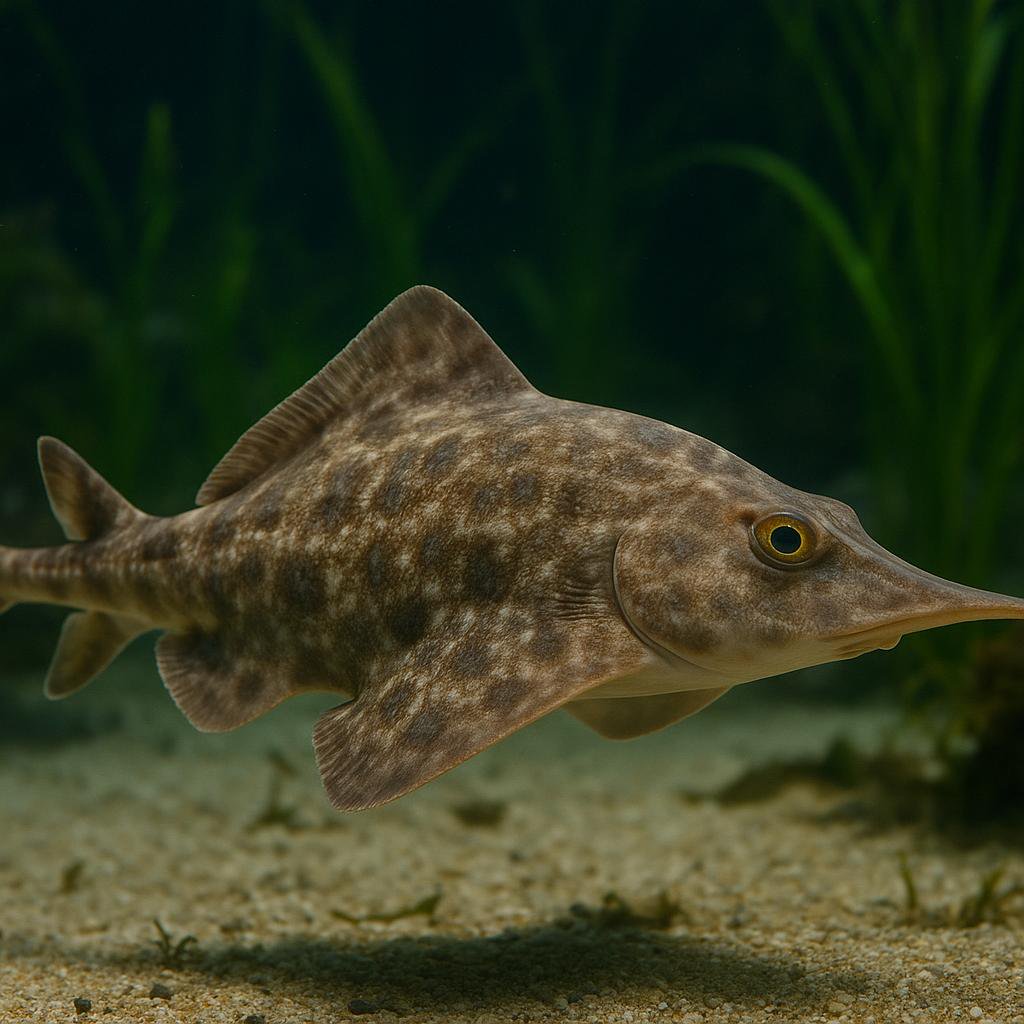
Aleutian skate
Bathyraja aleutica
This is a big, cold-water deep-slope skate from the North Pacific that cruises muddy bottoms and eats chunky benthic prey like crabs and shrimp. The really cool bit is its egg-laying skate life - it does distinct pairing (the classic skate "embrace") and drops those tough egg cases on the seafloor. Not an aquarium fish at all unless you're basically running a public-aquarium-style chilled system.
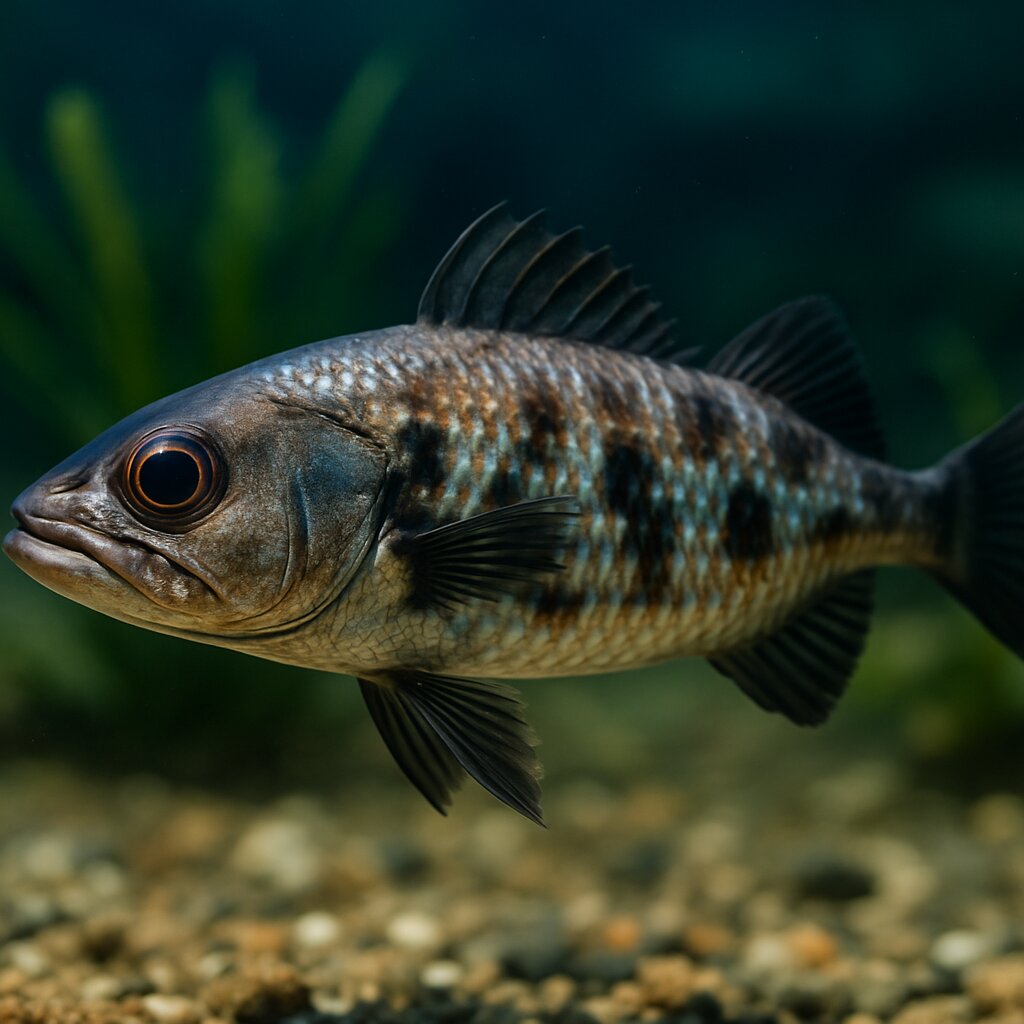
Antarctic dragonfish
Vomeridens infuscipinnis
Deep down around Antarctica, this sleek dragonfish cruises the water column like a little submarine, nearly neutrally buoyant so it can hover above the seafloor. It munches almost exclusively on Antarctic krill and lives in near-freezing water 500-800 m down, so it is a cool species to read about, not one for home tanks.
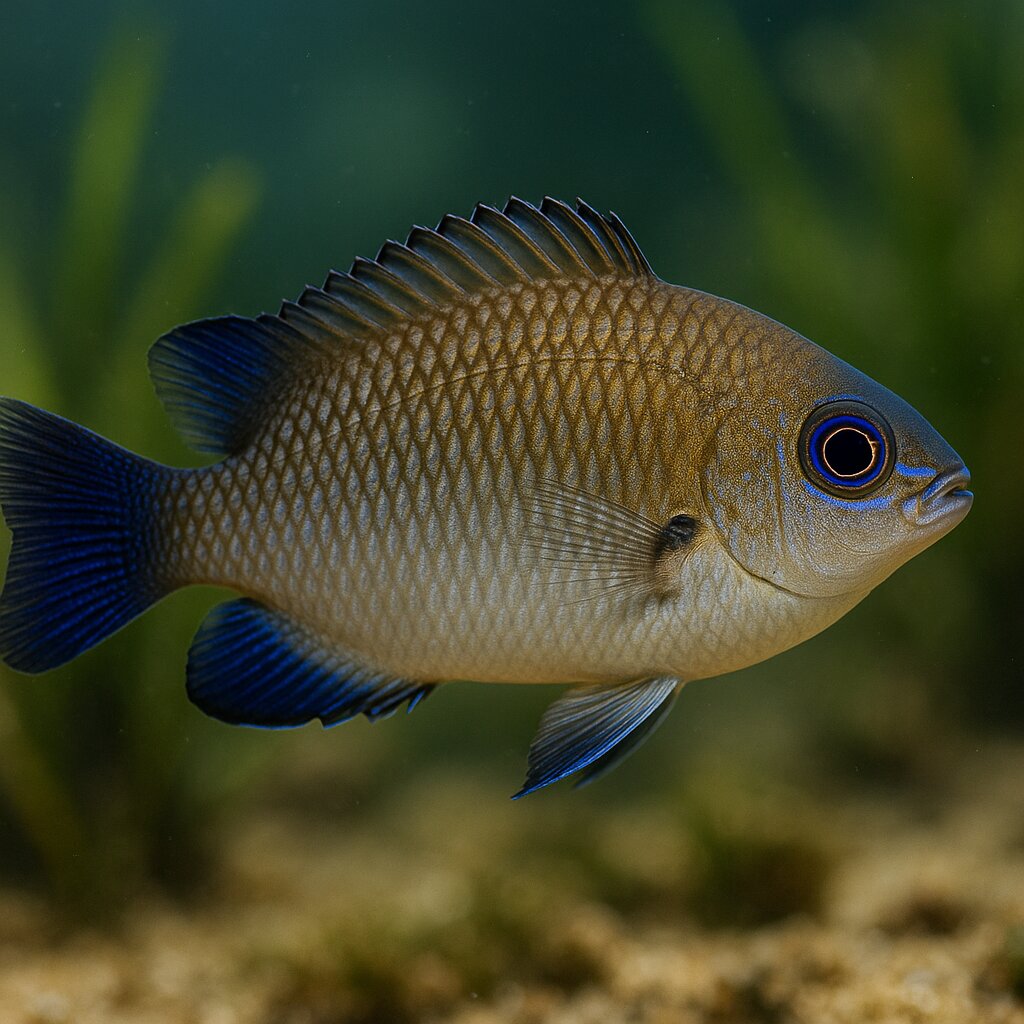
Arabian demoiselle
Neopomacentrus sindensis
A small lyretail damsel from the Persian Gulf and Arabian Sea, it hangs in loose groups around coral heads, rocks, and even pier pilings picking zooplankton from the flow. Think classic damsel toughness with a slightly milder attitude than the real bruisers, plus subtle yellow tail accents. Males clean a patch, get a mate to lay eggs there, and then stand guard fanning the clutch.
Arabian spiny eel
Notacanthus indicus
Notacanthus indicus is a deep-sea spiny eel (family Notacanthidae; not a true eel) known from the Arabian Sea on the continental slope at roughly ~960–1,046 m depth, with reported maximum length around 20 cm TL; it is a deep-water bycatch species and not established in the aquarium trade.
Arctic rockling
Gaidropsarus argentatus
This is a deepwater North Atlantic rockling (a cod relative) that hangs out on soft bottoms way down the slope. It is a cold-water, bottom-hugging predator that snoots around for crustaceans and will also take small fish when it gets the chance.
Atlantic pomfret
Brama brama
Brama brama is the Atlantic pomfret (aka Ray's bream) - a deep-bodied, open-ocean pelagic fish that cruises around in small schools and follows water temps. It is a legit big, wild marine species (not an aquarium fish) that eats other small sea critters like fish and squid, and it ranges across a huge chunk of the Atlantic plus parts of the Indian and South Pacific.
More to Explore
Discover more marine species.
Abe's eelpout
Japonolycodes abei
Japonolycodes abei is a temperate, deepwater demersal eelpout (family Zoarcidae) endemic to Japan (Kumano-nada Sea reported; other sources also report Sagami Bay and Tosa Bay). It is the only species in the genus Japonolycodes and occurs roughly 40-300 m depth, making it an uncommon/atypical aquarium species.
Affinis blind cusk-eel
Barathronus affinis
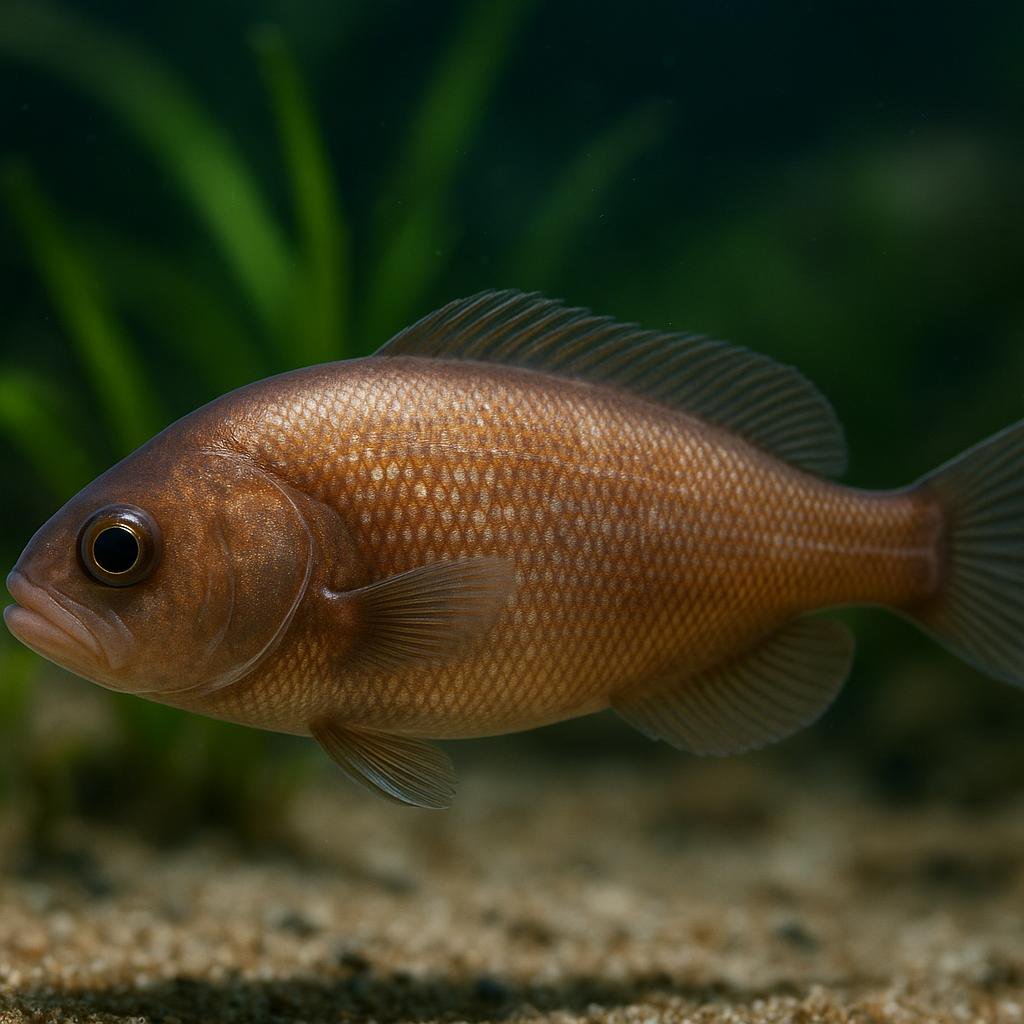
Barathronus affinis is a tiny, super-weird deep-sea blind cusk-eel from the western-central Indian Ocean. It is one of those gelatinous, loose-skinned brotula-type fishes that live way down in the dark and are basically never seen alive, so almost everything we know comes from preserved specimens and taxonomic work.
African red snapper
Lutjanus agennes
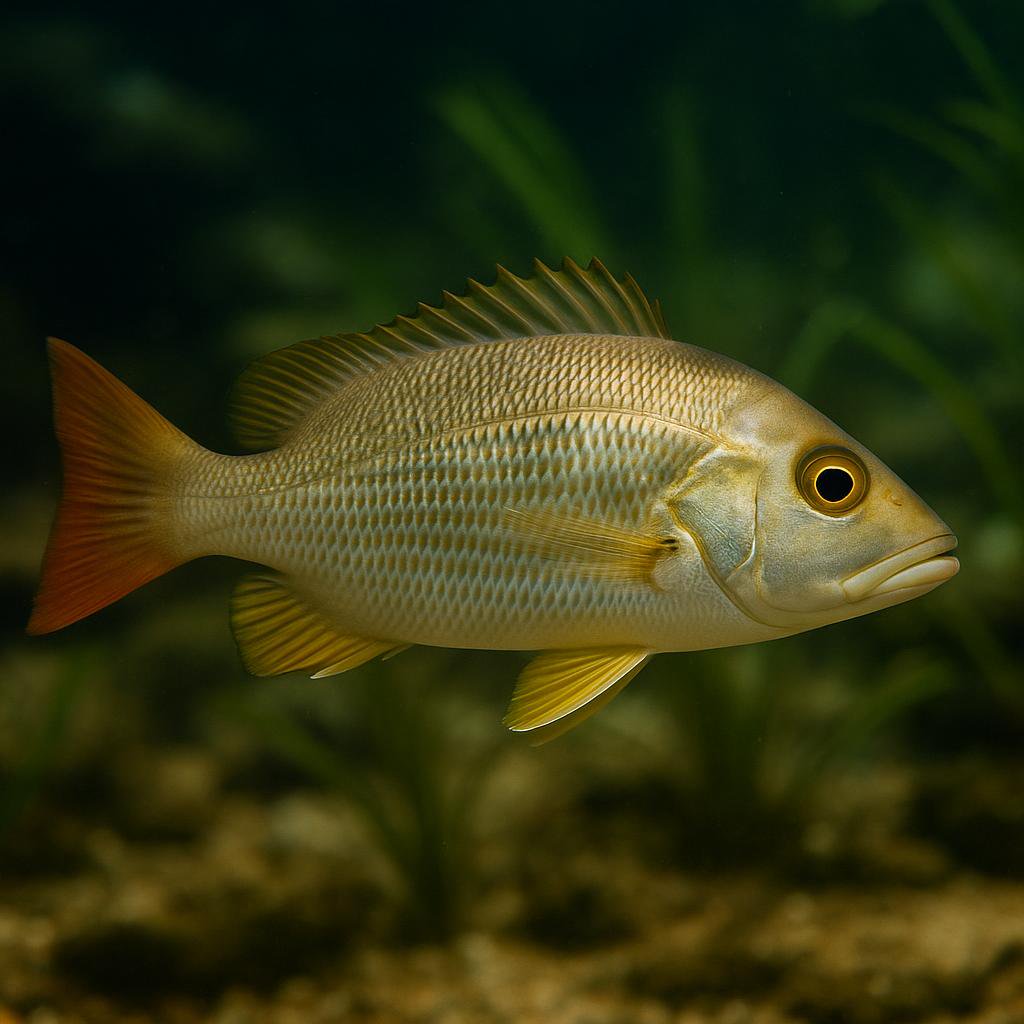
This is a true snapper from West Africa - a big, fast-growing predator that goes from coastal reefs to brackish lagoons and estuaries (especially as a juvenile). Super cool fish in the wild, but it gets absolutely huge and will eat smaller tankmates once it has the mouth for it, so its really more of a public-aquarium scale animal than a home-aquarium fish.
Allis shad
Alosa alosa
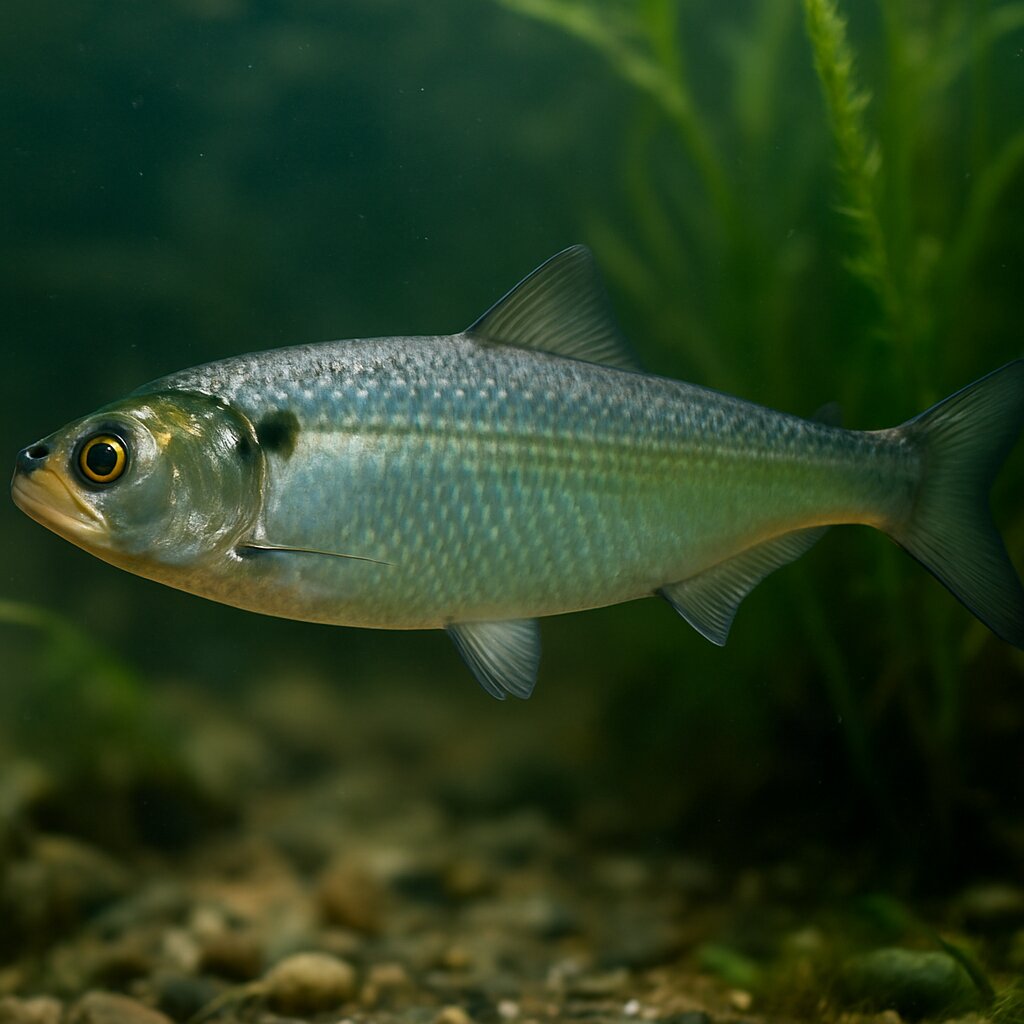
Gorgeous silver, fast-swimming shad that spends most of its life in the sea and then surges up big rivers in noisy, surface-spawning schools. It grows huge for a herring-type fish and needs cool, ultra-oxygenated water and tons of open space, so it is a public-aquarium species rather than a home tank fish.
Annandale's zebra sole
Zebrias annandalei
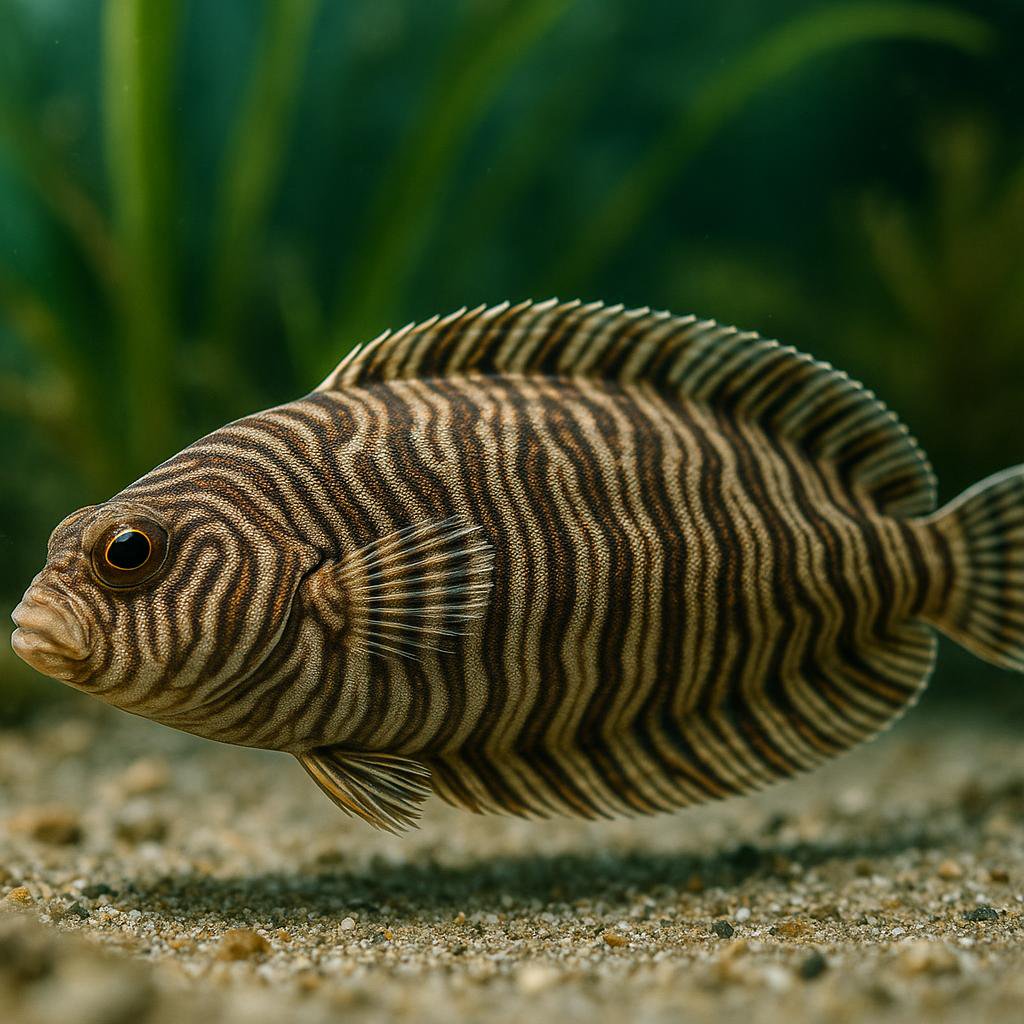
Zebrias annandalei is a small demersal sole from coastal India that inhabits sandy or muddy bottoms and buries for camouflage. It is rarely kept in home aquaria and would require a specialized marine sand-bottom setup and appropriate feeding.
Australian sawtail catshark
Figaro boardmani
Figaro boardmani is a small, deepwater Australian catshark with these cool saw-like ridges of spiny denticles along the tail and a neat pattern of dark saddle bands. It lives way down on the outer continental shelf and slope, so its natural water is cold, dim, and stable - totally not a typical home-aquarium fish. Diet-wise its a predator that goes after fish, crustaceans, and cephalopods.
Looking for other species?