

Blunt scalyhead
Trematomus eulepidotus
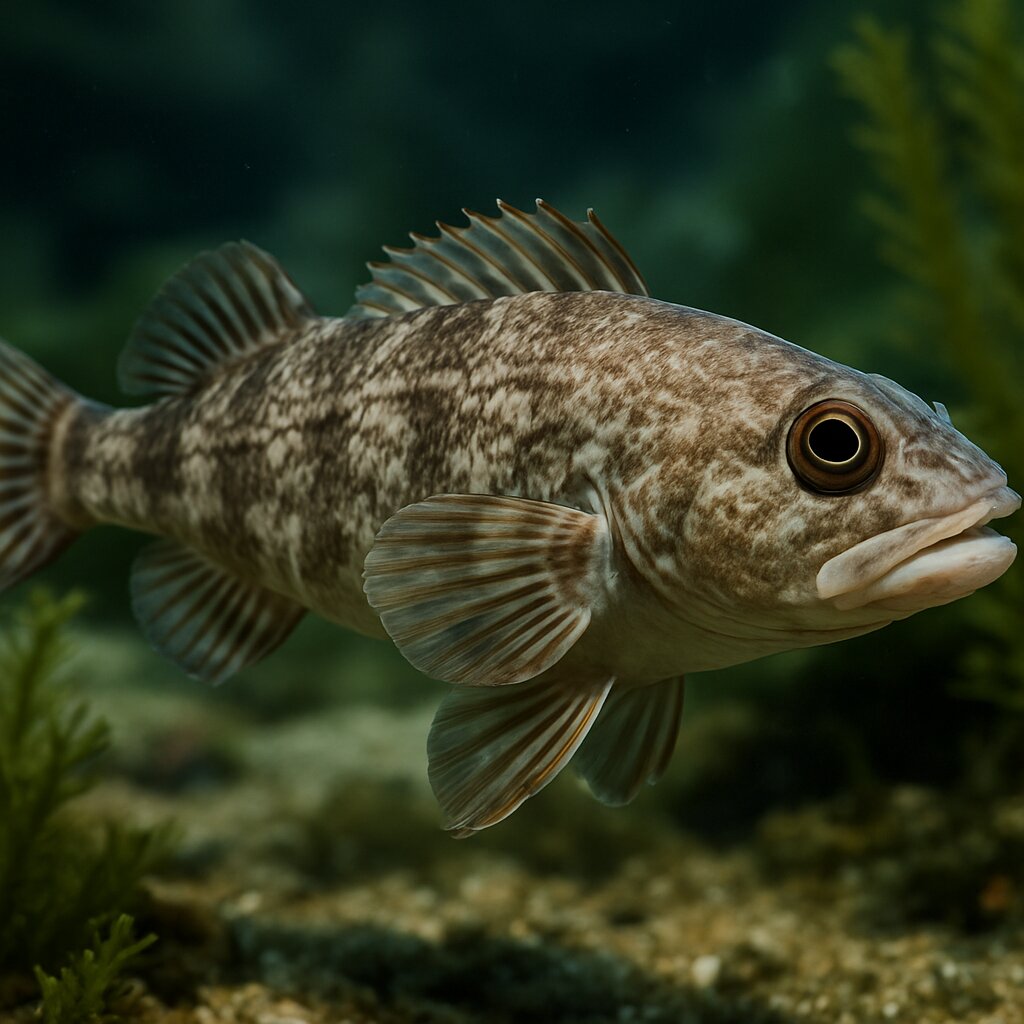
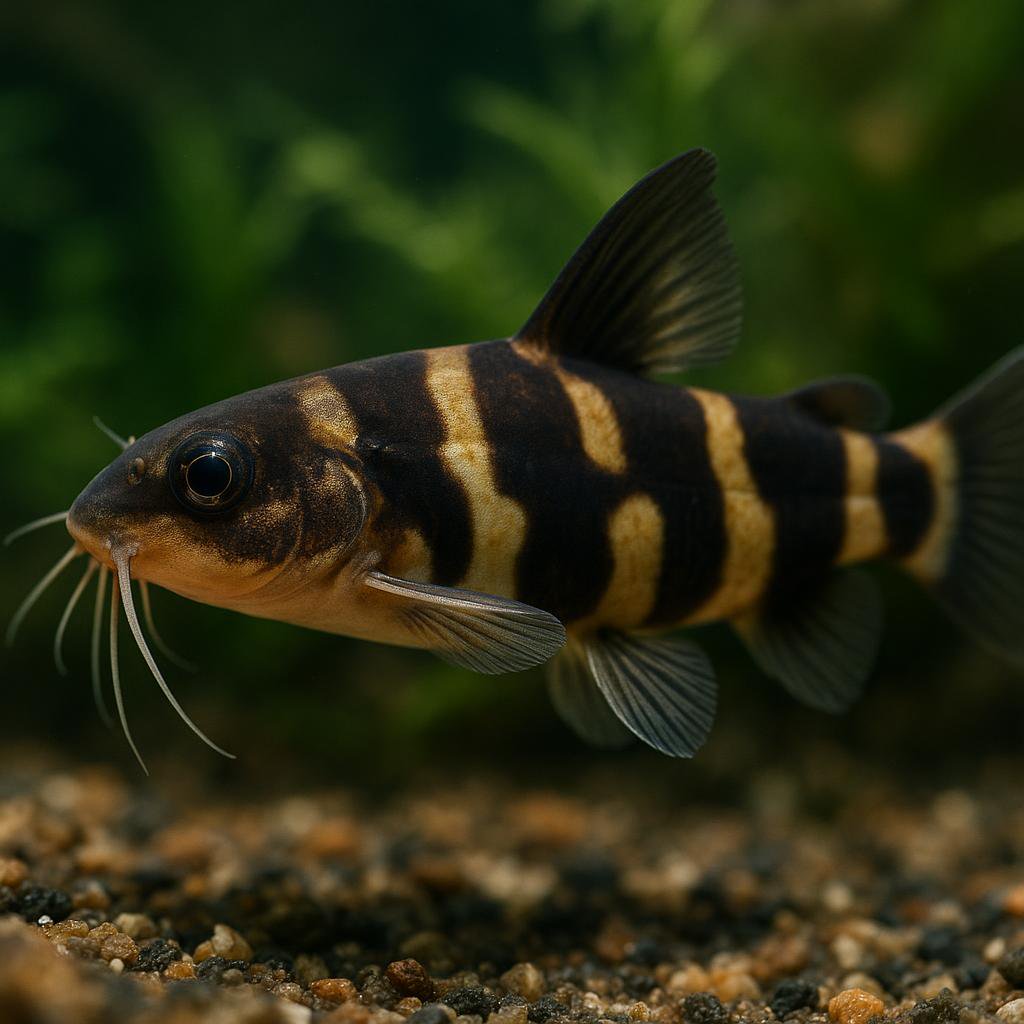
The Blunt scalyhead has a robust body with a distinctively blunt snout and features dark brown to olive coloration with lighter spots.
This page includes AI-generated images. Why am I seeing AI images?
About the Blunt scalyhead
Blunt scalyhead is an Antarctic nototheniid that cruises the Southern Ocean continental shelf, and its youngsters even hang around surface krill swarms when food is thick. It lives in near-freezing seawater (-1.8 to 0.9 C), so this is a public-aquarium cold-room fish, not something for a home tank. ([fishbase.se](https://www.fishbase.se/summary/Trematomus-eulepidotus.html))
Quick Facts
Size
34.5 cm
Temperament
Semi-aggressive
Difficulty
Expert
Min Tank Size
300 gallons
Lifespan
15-19 years
Origin
Southern Ocean
Diet
Carnivore - feeds on krill, amphipods, copepods, polychaetes, salps, small crustaceans, and fish; in captivity would accept meaty marine foods. ([fishbase.se](https://www.fishbase.se/summary/Trematomus-eulepidotus.html))
Water Parameters
-1.8-0.9°C
7.9-8.4
300-400 dGH
Need a heater for this species?
This species needs -1.8-0.9°C in a 300 gallon tank. Use our heater calculator to find the right wattage.
Calculate heater sizeCare Notes
- You need a big coldwater setup - think 120+ gallons with a serious external chiller locked at 0-2 C; insulate lines and have backup temp alarms/controllers.
- Keep the temp rock steady at 0-2 C; even short spikes above 4 C can crash them, so put the temp probe in the display, not the sump.
- Run normal seawater salinity (34-35 ppt, SG 1.026-1.027) and pH 8.1-8.3 with very high oxygen; use an oversized skimmer and strong surface agitation but keep the bottom flow gentle.
- Cycle takes ages this cold, so seed with coldwater bio-media, test ammonia/nitrite for weeks, and do pre-chilled 20-30% water changes to keep nitrate under 20 ppm.
- Feed meaty marine foods (krill, mysis, chopped marine fish or squid) with tongs; small portions 1-2x daily so nothing rots, and rotate foods or add a vitamin soak to dodge thiaminase issues.
- Tankmates must be true coldwater and similar size; they will inhale small fish and shrimp and can hassle their own kind unless the tank has a huge footprint with lots of cover.
- Give dim lighting, lots of stable rock caves, and a sand-pebble mix; they are bottom sitters and hate bright reef-style lights. Breeding at home is basically a no-go without Antarctic seasonal cues.
- Quarantine in a chilled QT and go slow with meds; watch for warm swings, low O2, and microbubbles off the chiller plumbing, and avoid blasting them with full-strength copper without testing.
Compatibility
Good Tankmates
- Similar-sized Antarctic rockcods and notothens (think Notothenia coriiceps or Trematomus bernacchii) that like 0-2 C and will claim their own caves
- Chilled-system bottom sitters of comparable build, like larger eelpouts and snailfish that mostly ignore tankmates
- Another blunt scalyhead of the same size in a big, rock-heavy layout with broken sight-lines and regular feedings
- Calm, non-nippy midwater coldwater fish that are too large to be a meal, so they cruise while the scalyhead holds the bottom
- Sub-Antarctic or polar sculpin-type fishes that truly handle near-freezing water, size-matched and added together
- Public-aquarium style coldwater mixes of semi-aggressive predators of similar adult size, stocked together and kept well fed
Avoid
- Anything small or torpedo-shaped that fits in the mouth - it will get hunted once the lights go low
- Delicate pelagics like Antarctic silverfish or any fast schooling fish - they stress around a bottom ambush predator and may end up as food
- Big bruisers and territorial thugs, like much larger rockcods or aggressive notothens - they will pin the scalyhead in a corner
- Warmwater or typical reef fish - the temperature mismatch alone makes this a hard no
Where they come from
Blunt scalyheads are Antarctic notothenioid fishes living on the continental shelf around rock and rubble, usually under or near pack ice. Water is near freezing year-round, and they have antifreeze proteins in their blood to deal with it. Picture a slow, bottom-hugging ambush hunter sitting on the seafloor while brash krill clouds drift by.
Real talk: this species is almost never in the hobby. Most specimens you hear about are in research or public aquariums. If you have one, you are solidly in science-project territory.
Setting up their tank
Plan a dedicated cold marine system. They do not tolerate warmth. Mine lived at 0.5 C with brief dips just below zero, and anything above 3-4 C made it noticeably stressed and off food.
- Tank size: 120 gallons or larger for a single adult (they reach roughly 20-30 cm). More water makes temperature and nitrogen management less stressful.
- Temperature: -1 to +2 C. Use a commercial-grade chiller that can hold near-freezing temps continuously.
- Salinity: 34-35 ppt (1.026-1.027 SG at 0-2 C). Keep it steady.
- pH: 8.0-8.3. Alkalinity 7-9 dKH. Test at the actual tank temperature.
- Aquascape: Flat stones and cobble with a few caves. Soft sand or fine gravel so they can settle comfortably.
- Flow: Moderate, mostly along the bottom. They are bottom sitters, so avoid blasting them.
- Filtration: Oversized biofilter and skimmer. Cycle the tank at the target temperature.
- Lighting: Dim to moderate and diffuse. They dislike sudden, bright shocks.
Insulate the sump and plumbing, wrap the return line, and use a tight lid. It saves your chiller from working overtime and cuts the icy condensation that will soak your stand.
Cold water slows nitrifying bacteria. My cycle took twice as long as a warm marine tank, and the biofilter matured slowly. Be patient and stock very lightly.
- Run a controller with two temperature probes and an audible alarm.
- Keep a spare pump rated for near-freezing water.
- Use sealed LEDs; condensation will destroy open fixtures.
- Have towels handy. You will get rime and drips on the lid and plumbing.
Chiller failure is usually fatal. Set hard shutdowns on your heaters (or skip them altogether) and give the chiller a dedicated circuit if you can.
What to feed them
They are slow ambush predators that take meaty foods. Most will ignore flakes and pellets. I had best luck target feeding with tongs so the food reached the bottom before scavengers got it.
- Primary staples: frozen mysis, marine amphipods, chopped marine fish (e.g., silversides), clam, mussel, squid strips.
- Starter live foods (to get new fish eating): live shore shrimp, small crabs, amphipods from a cold refugium.
- Supplements: soak in a broad-spectrum vitamin a couple times a week.
Feed 2-3 times per week. At these temperatures their metabolism is slow. Watch the belly profile and adjust. Remove leftovers within 10 minutes to keep nutrients in check.
Rotate off krill. Krill is convenient, but heavy krill diets can cause thiamine issues over time. Variety is your friend.
How they behave and who they get along with
Think patient, not shy. They perch, watch, and make quick darts to grab prey. They do not have a swim bladder, so you will see a lot of bottom time and short repositioning bursts rather than cruising.
- Temperament: Generally calm but very predatory toward anything bite-sized.
- Tankmates: Realistically, keep them alone. Almost no commonly available species can handle 0-2 C.
- Cleanup crew: Hard to source true coldwater inverts legally. Plan to siphon detritus yourself.
- Multiple scalyheads: Possible in very large tanks with line-of-sight breaks, but have a backup plan to separate.
They are light sensitive. I got fewer panicked dashes by ramping lights up and down slowly and keeping the room lights consistent.
Breeding tips
Hobby breeding is basically undocumented. Some related notothenioids lay demersal eggs and show nest guarding, but expect this to be a research-grade project.
- Pairing: You would need compatible adults collected from the same region and season.
- Cues: Strong seasonal photoperiod and very cold water are likely required. Many Antarctic fishes spawn late winter to spring.
- Nest: Provide flat stones and protected crevices for potential egg deposition.
- Larvae: Almost certainly pelagic and tiny. You would need live coldwater plankton cultures (copepods) at near-freezing temps. That is the hard part.
Do not warm them to trigger breeding. This is not a temperate fish that tolerates seasonal swings to 10-15 C. Warm spikes are one of the quickest ways to lose them.
Common problems to watch for
- Heat creep: Pumps, room heat, and lights can nudge temps up. Use insulated plumbing and sealed lids.
- Stalled biofiltration: At 0-2 C, nitrification is sluggish. Over-filter, stock lightly, and test often.
- Overfeeding and fatty liver: They look hungry because they sit still. Keep portions small and varied.
- Parasites from wild-caught fish: Quarantine at the same cold temperature for 4-6 weeks. Many meds behave differently at near-freezing temps.
- Injuries from panic dashes: Pad sharp rock edges and avoid sudden light changes.
- Copper and hyposalinity: Risky here. I avoid both with Antarctic fishes; focus on QT, observation, and targeted antibiotics if needed.
Legal and ethical sourcing matters. Antarctic fauna are often protected or require permits. If you cannot document legal collection, do not buy.
A big UV sterilizer run at slow flow helps keep water crisp and knocks back opportunistic microbes. Size it for cold water (higher density, slower flow).
Similar Species
Other marine semi-aggressive species you might be interested in.
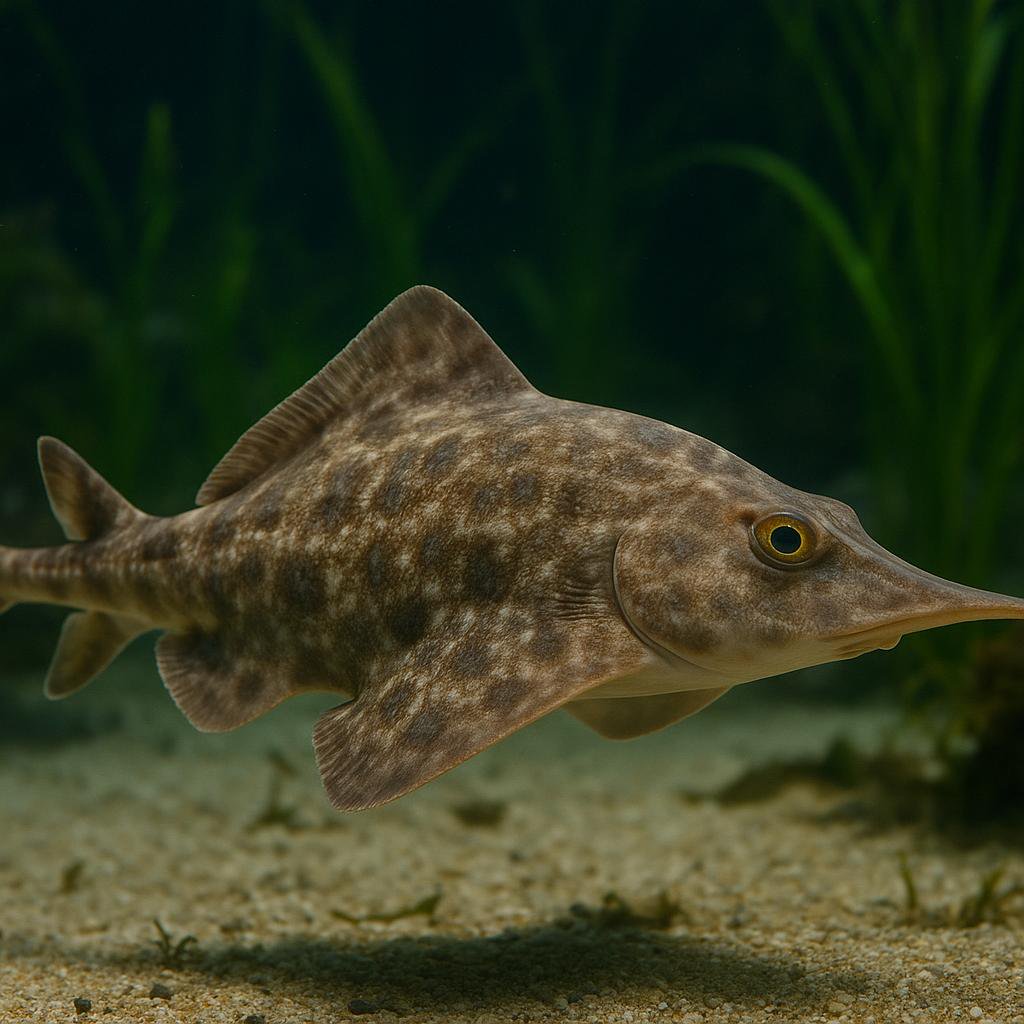
Aleutian skate
Bathyraja aleutica
This is a big, cold-water deep-slope skate from the North Pacific that cruises muddy bottoms and eats chunky benthic prey like crabs and shrimp. The really cool bit is its egg-laying skate life - it does distinct pairing (the classic skate "embrace") and drops those tough egg cases on the seafloor. Not an aquarium fish at all unless you're basically running a public-aquarium-style chilled system.
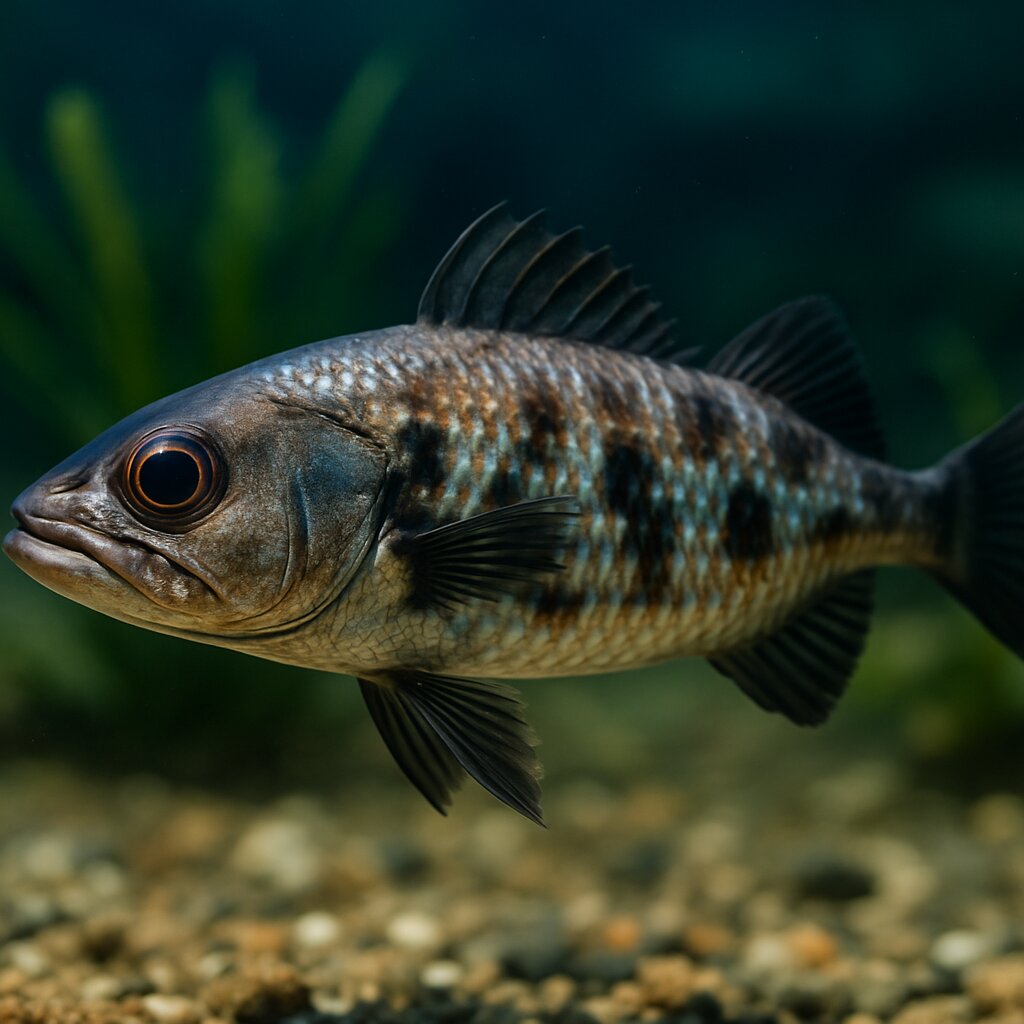
Antarctic dragonfish
Vomeridens infuscipinnis
Deep down around Antarctica, this sleek dragonfish cruises the water column like a little submarine, nearly neutrally buoyant so it can hover above the seafloor. It munches almost exclusively on Antarctic krill and lives in near-freezing water 500-800 m down, so it is a cool species to read about, not one for home tanks.
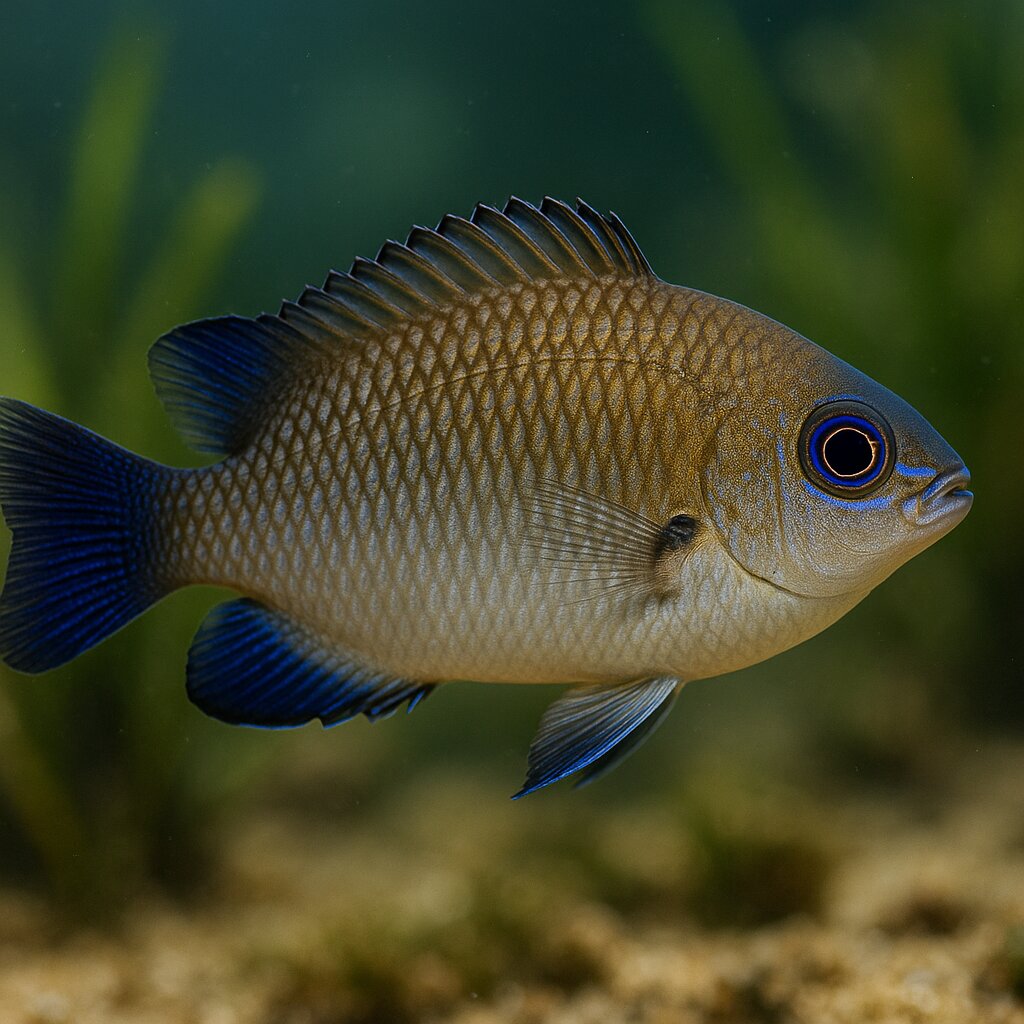
Arabian demoiselle
Neopomacentrus sindensis
A small lyretail damsel from the Persian Gulf and Arabian Sea, it hangs in loose groups around coral heads, rocks, and even pier pilings picking zooplankton from the flow. Think classic damsel toughness with a slightly milder attitude than the real bruisers, plus subtle yellow tail accents. Males clean a patch, get a mate to lay eggs there, and then stand guard fanning the clutch.
Arabian spiny eel
Notacanthus indicus
Notacanthus indicus is a deep-sea spiny eel (family Notacanthidae; not a true eel) known from the Arabian Sea on the continental slope at roughly ~960–1,046 m depth, with reported maximum length around 20 cm TL; it is a deep-water bycatch species and not established in the aquarium trade.
Arctic rockling
Gaidropsarus argentatus
This is a deepwater North Atlantic rockling (a cod relative) that hangs out on soft bottoms way down the slope. It is a cold-water, bottom-hugging predator that snoots around for crustaceans and will also take small fish when it gets the chance.
Atlantic pomfret
Brama brama
Brama brama is the Atlantic pomfret (aka Ray's bream) - a deep-bodied, open-ocean pelagic fish that cruises around in small schools and follows water temps. It is a legit big, wild marine species (not an aquarium fish) that eats other small sea critters like fish and squid, and it ranges across a huge chunk of the Atlantic plus parts of the Indian and South Pacific.
More to Explore
Discover more marine species.
Abe's eelpout
Japonolycodes abei
Japonolycodes abei is a temperate, deepwater demersal eelpout (family Zoarcidae) endemic to Japan (Kumano-nada Sea reported; other sources also report Sagami Bay and Tosa Bay). It is the only species in the genus Japonolycodes and occurs roughly 40-300 m depth, making it an uncommon/atypical aquarium species.
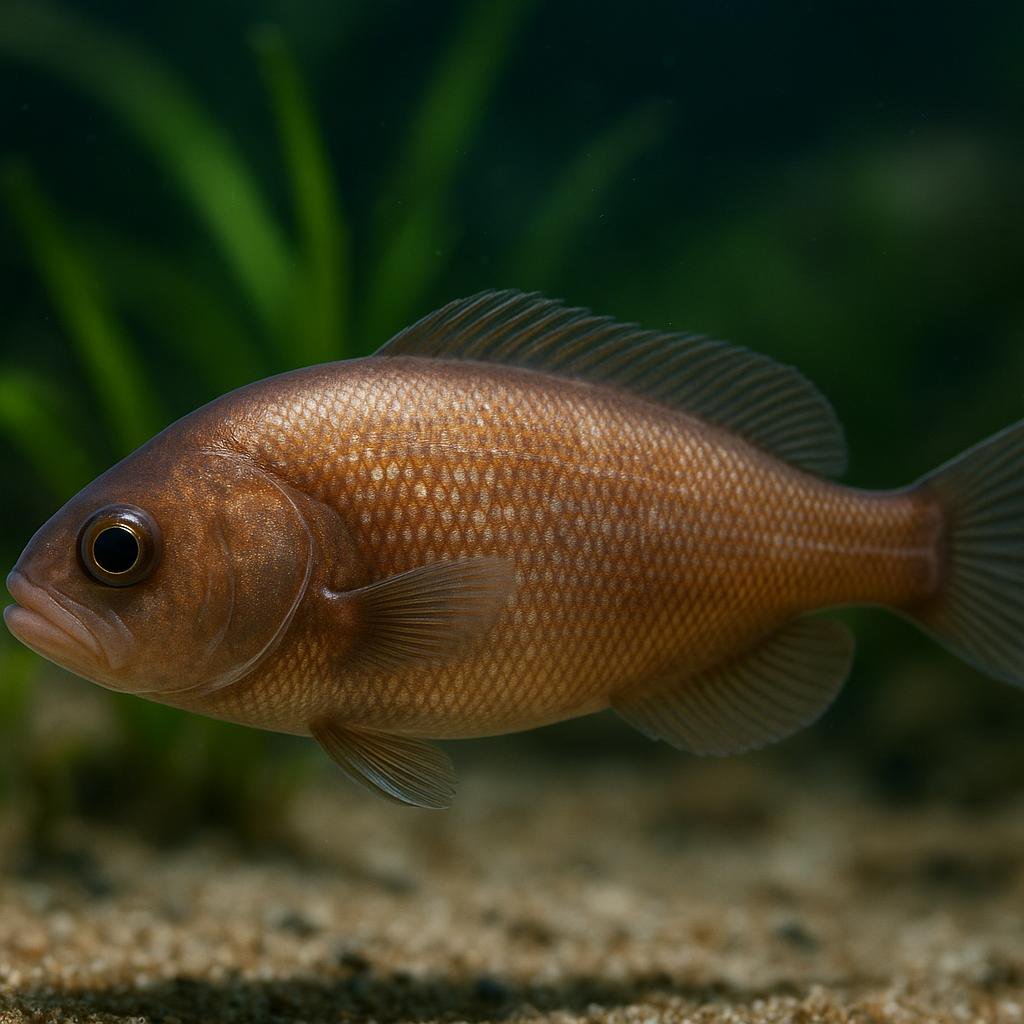
Affinis blind cusk-eel
Barathronus affinis
Barathronus affinis is a tiny, super-weird deep-sea blind cusk-eel from the western-central Indian Ocean. It is one of those gelatinous, loose-skinned brotula-type fishes that live way down in the dark and are basically never seen alive, so almost everything we know comes from preserved specimens and taxonomic work.
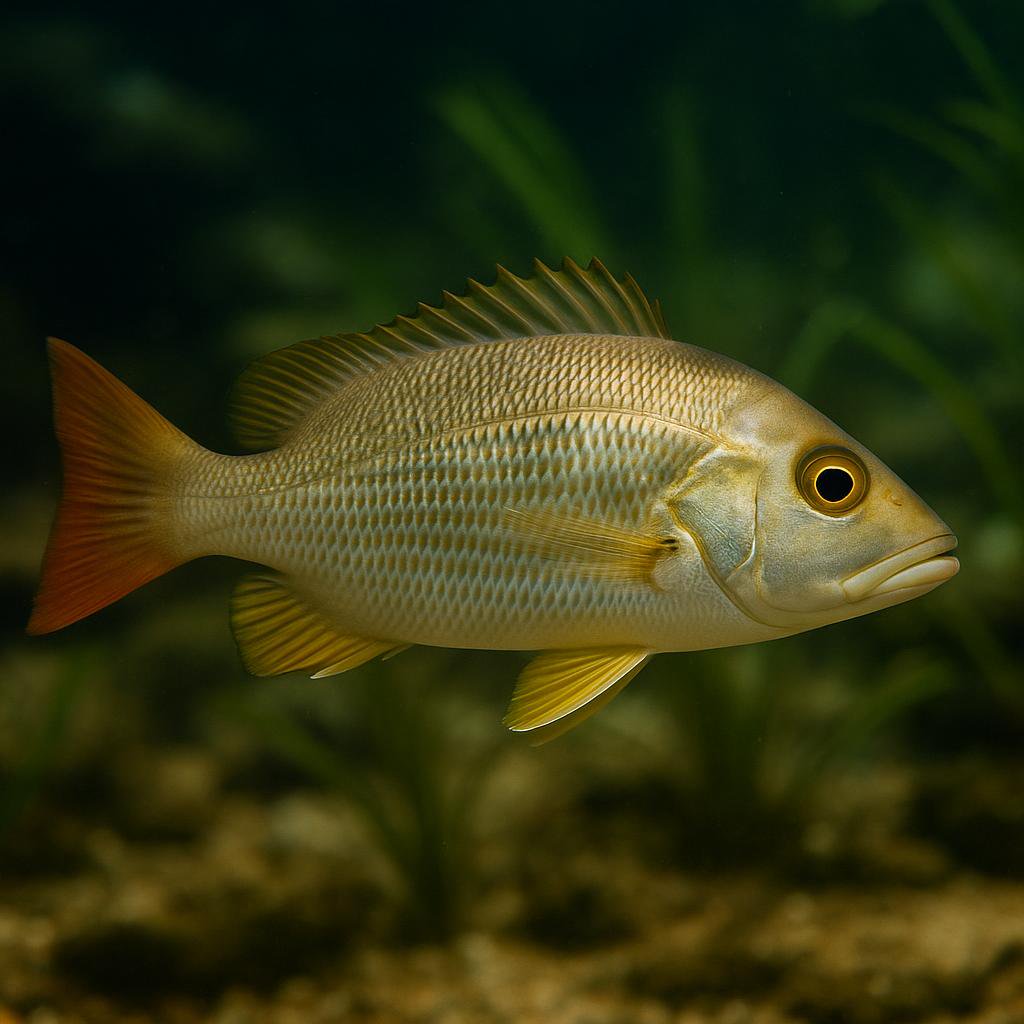
African red snapper
Lutjanus agennes
This is a true snapper from West Africa - a big, fast-growing predator that goes from coastal reefs to brackish lagoons and estuaries (especially as a juvenile). Super cool fish in the wild, but it gets absolutely huge and will eat smaller tankmates once it has the mouth for it, so its really more of a public-aquarium scale animal than a home-aquarium fish.
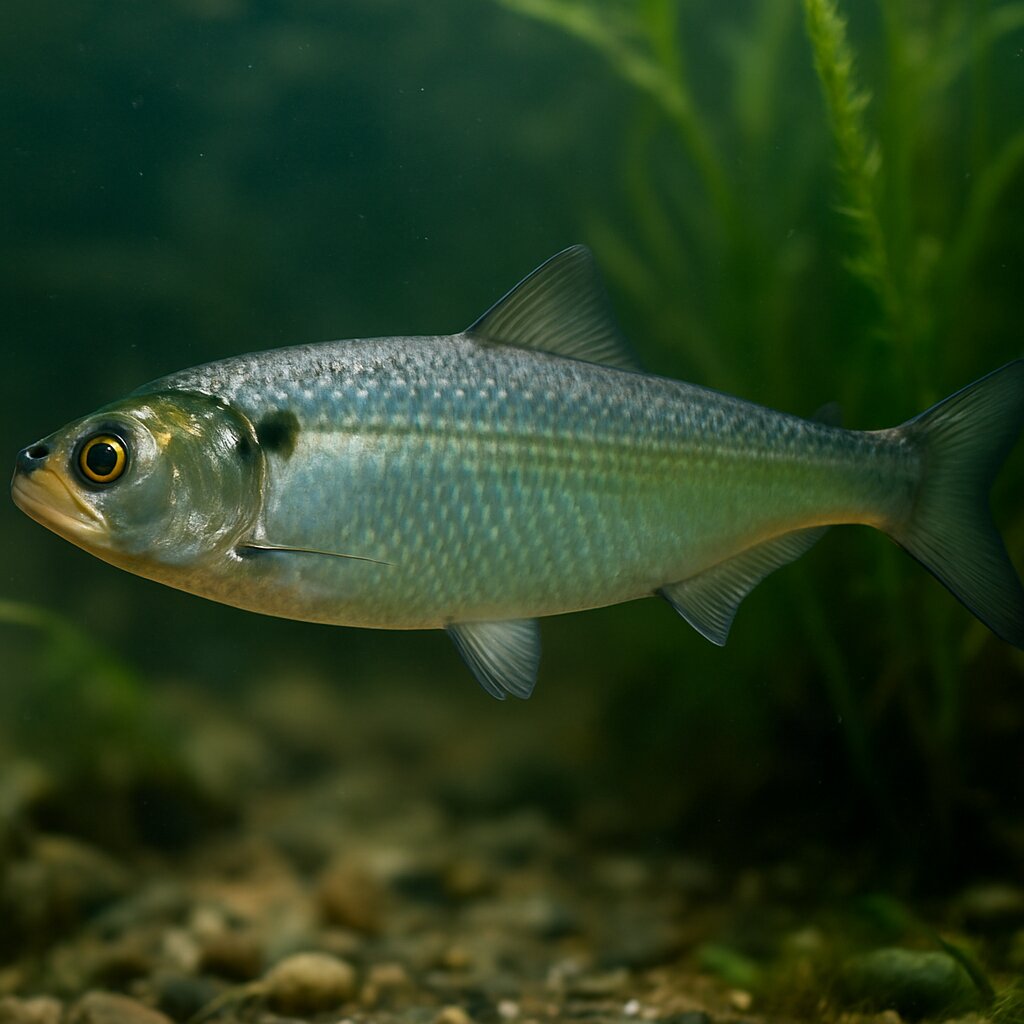
Allis shad
Alosa alosa
Gorgeous silver, fast-swimming shad that spends most of its life in the sea and then surges up big rivers in noisy, surface-spawning schools. It grows huge for a herring-type fish and needs cool, ultra-oxygenated water and tons of open space, so it is a public-aquarium species rather than a home tank fish.
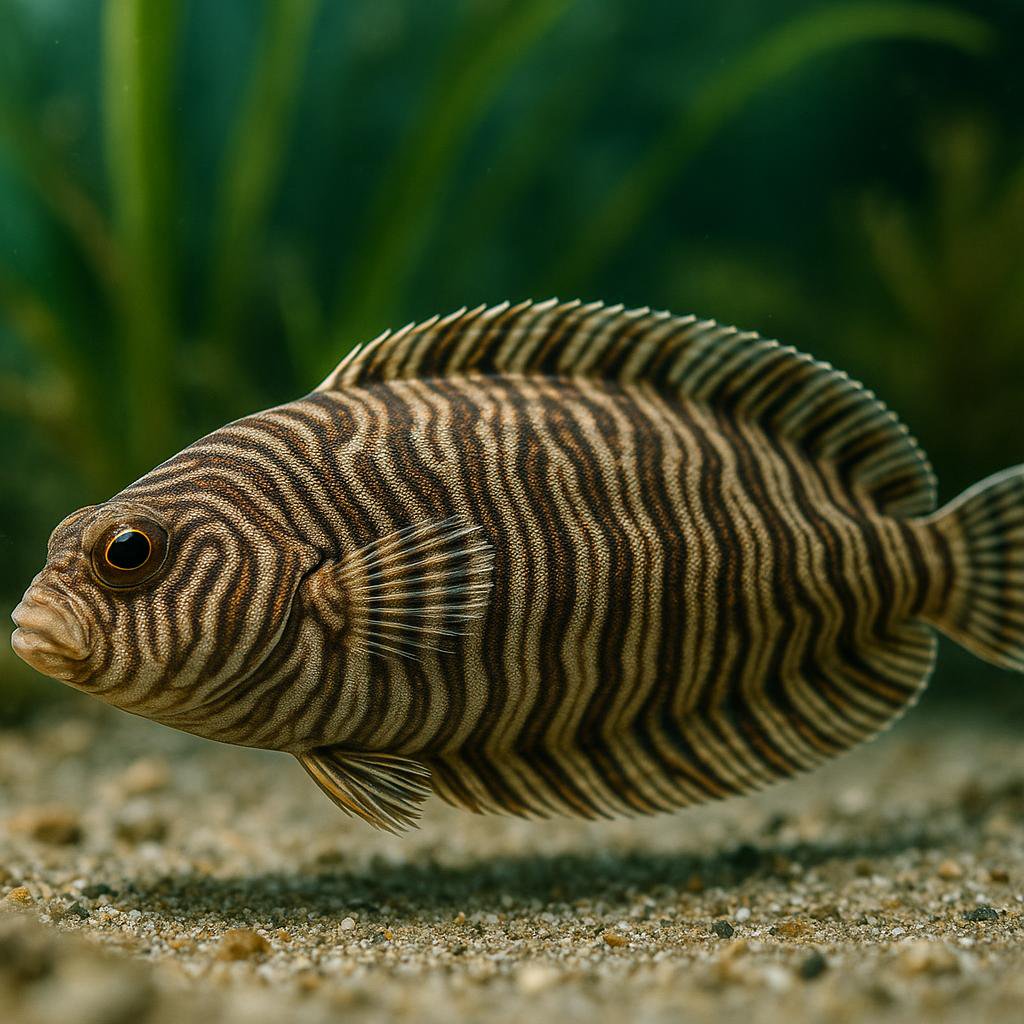
Annandale's zebra sole
Zebrias annandalei
Zebrias annandalei is a small demersal sole from coastal India that inhabits sandy or muddy bottoms and buries for camouflage. It is rarely kept in home aquaria and would require a specialized marine sand-bottom setup and appropriate feeding.
Australian sawtail catshark
Figaro boardmani
Figaro boardmani is a small, deepwater Australian catshark with these cool saw-like ridges of spiny denticles along the tail and a neat pattern of dark saddle bands. It lives way down on the outer continental shelf and slope, so its natural water is cold, dim, and stable - totally not a typical home-aquarium fish. Diet-wise its a predator that goes after fish, crustaceans, and cephalopods.
Looking for other species?