

Search Species
Search for fish species by common or scientific name, or use filters to browse by water type, size, temperament, and difficulty.
Found 148 species
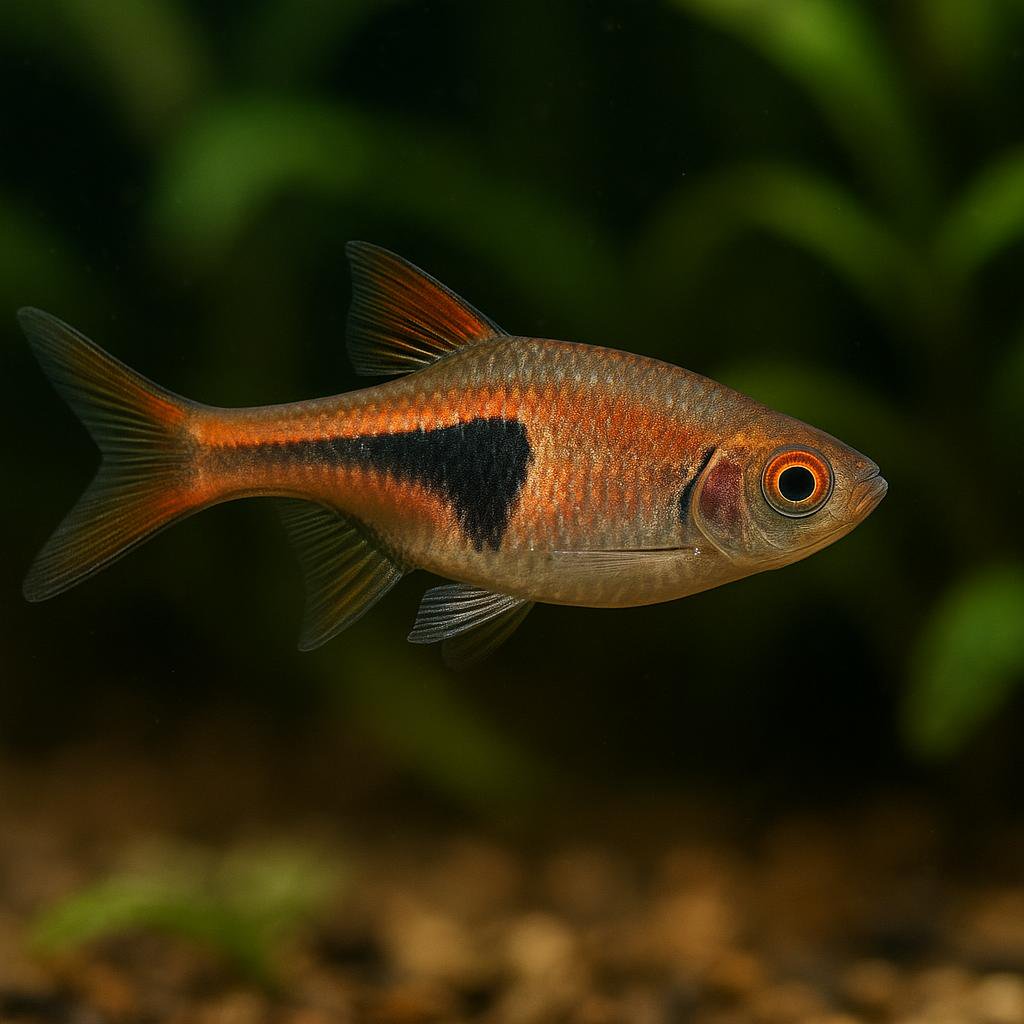
Lambchop rasbora
Trigonostigma espei
This is that tiny coppery-orange rasbora with the sharp "lambchop" black wedge on its side-super slick-looking in a planted tank. Keep a proper little gang of them and they'll cruise the midwater together, flashing color way more than when they're kept in a sad little trio. They're gentle, easy to feed, and honestly one of my favorite small-school fish for calmer community setups.
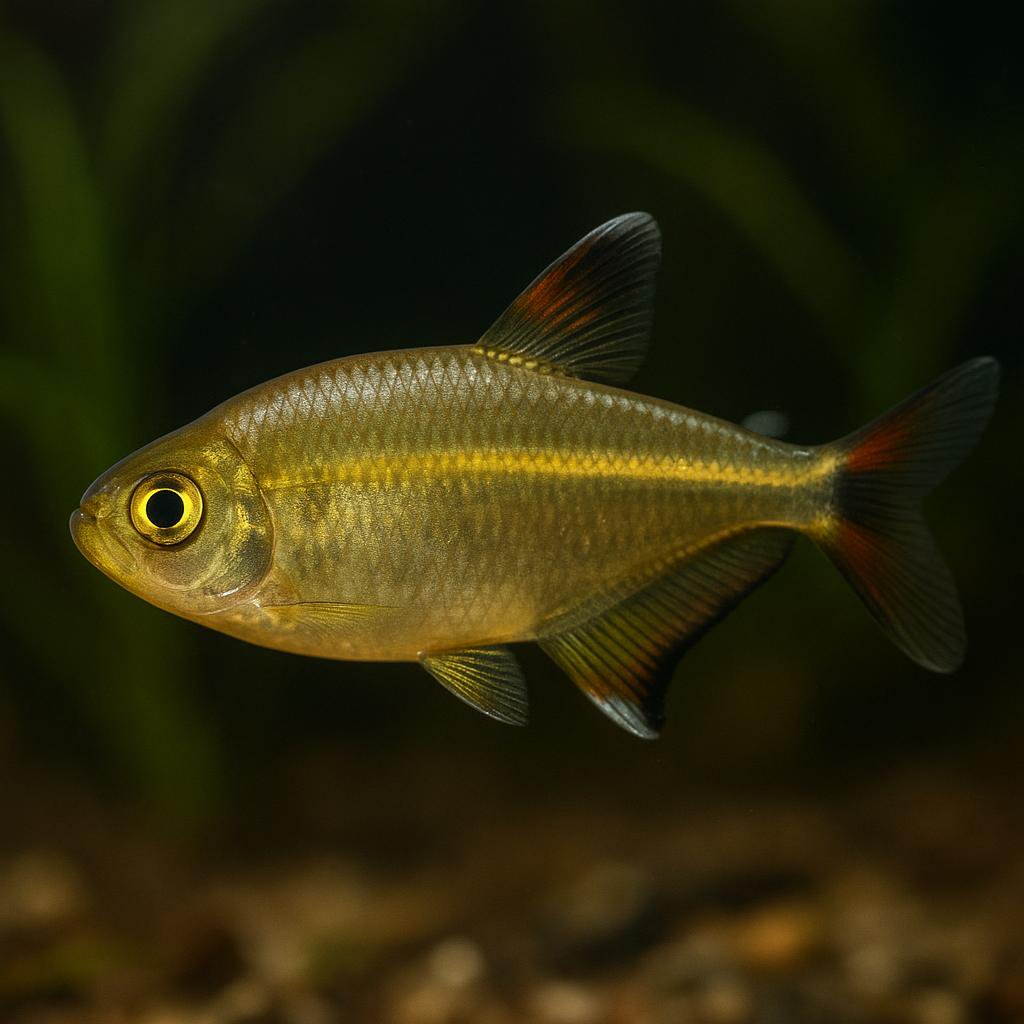
Lemon Tetra
Hyphessobrycon pulchripinnis
Lemon tetras are one of those fish that look kind of subtle at first, then you catch the light and the whole body glows yellow with those punchy black-and-yellow fins. Get them in a proper little group and they're constantly cruising together, super active but not obnoxious. I also love how their red eyes pop when they're settled in and feeling good.
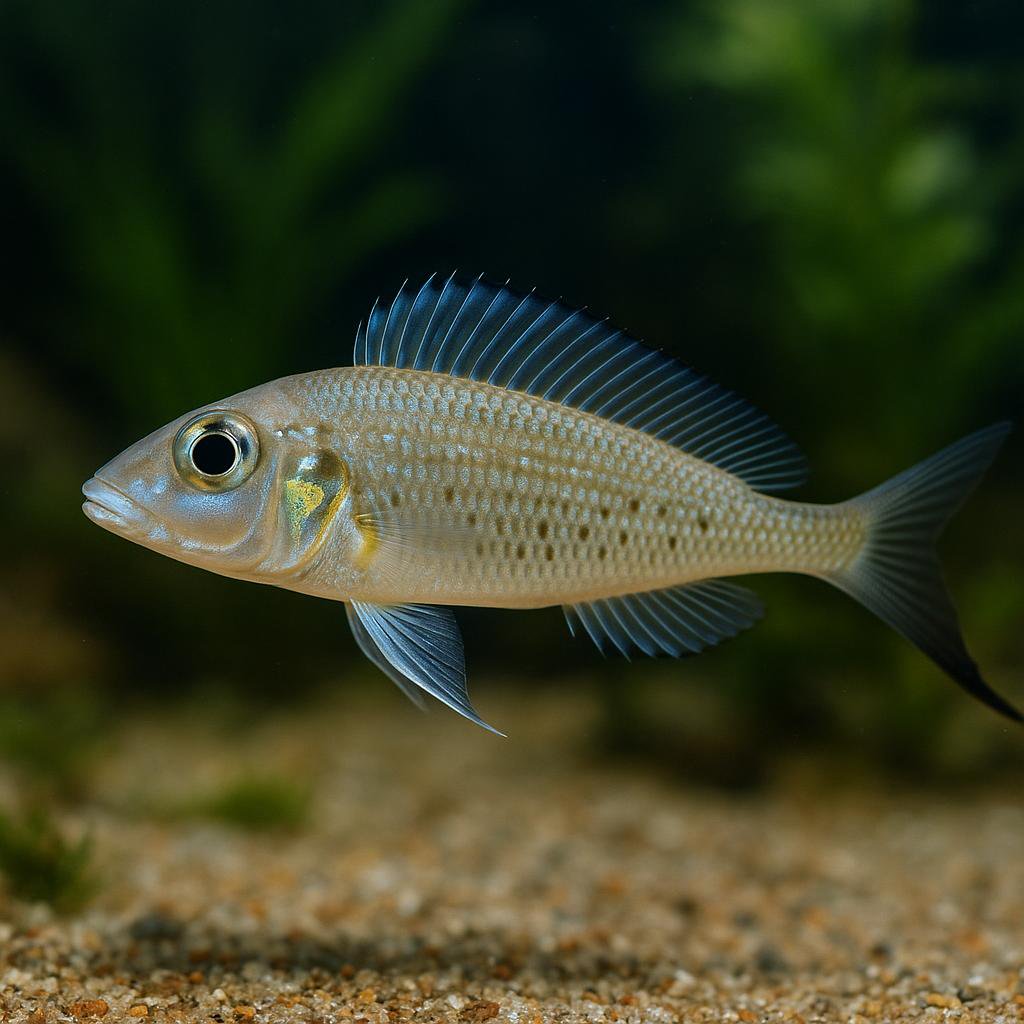
Leptura cichlid
Xenotilapia leptura
A slim Tanganyikan cichlid that cruises rocky shorelines and grazes algae, with females forming tight schools while males stake out space. It is a biparental mouthbrooder, so pairs take turns holding the brood, which makes their courtship and parenting fun to watch. ([fishbase.se](https://www.fishbase.se/summary/Xenotilapia-leptura.html))
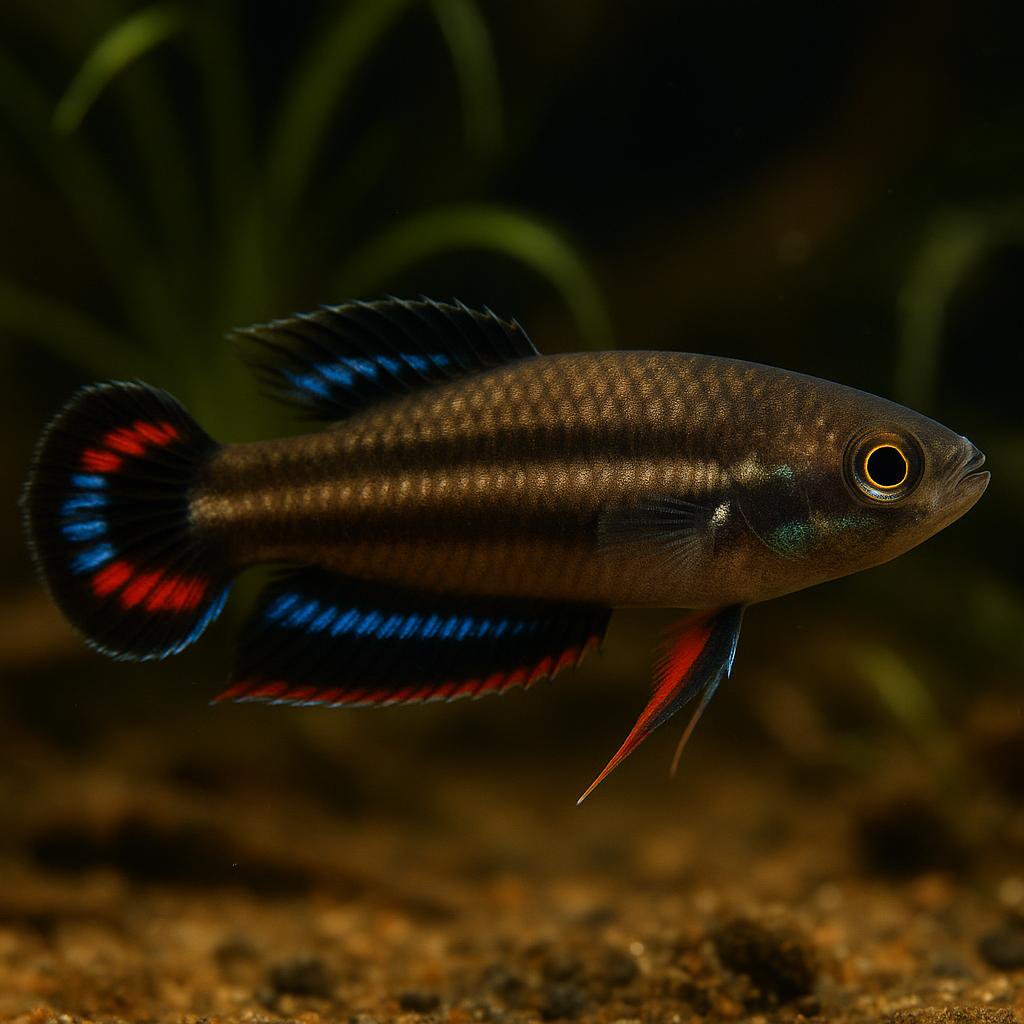
Linke’s Licorice Gourami
Parosphromenus linkei
This is one of those tiny, dark little gouramis that looks kind of understated in a store tank... until it settles in and the male starts flashing those deep reds and blues with the fancy fin edging. They're shy and a bit secretive, but when you keep them the way they like (soft, acidic, calm), they turn into these surprisingly bold little show-offs around spawning time.
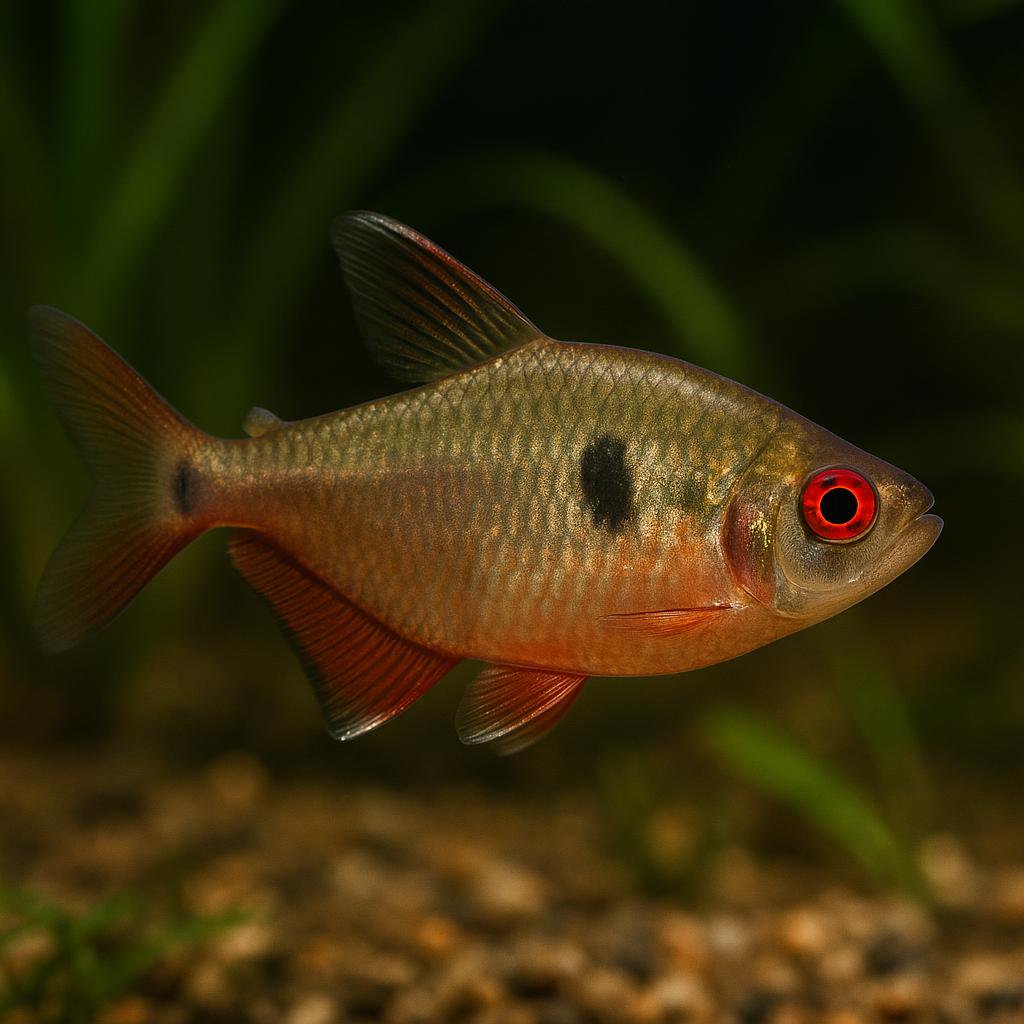
Lowe's tetra
Hyphessobrycon loweae
This is a tiny Upper Xingu tetra that can glow gold in the right light, with males showing that cool elongated dorsal fin. It does best when you keep a real group and give it a calm, planted setup so it feels bold enough to come out and color up.
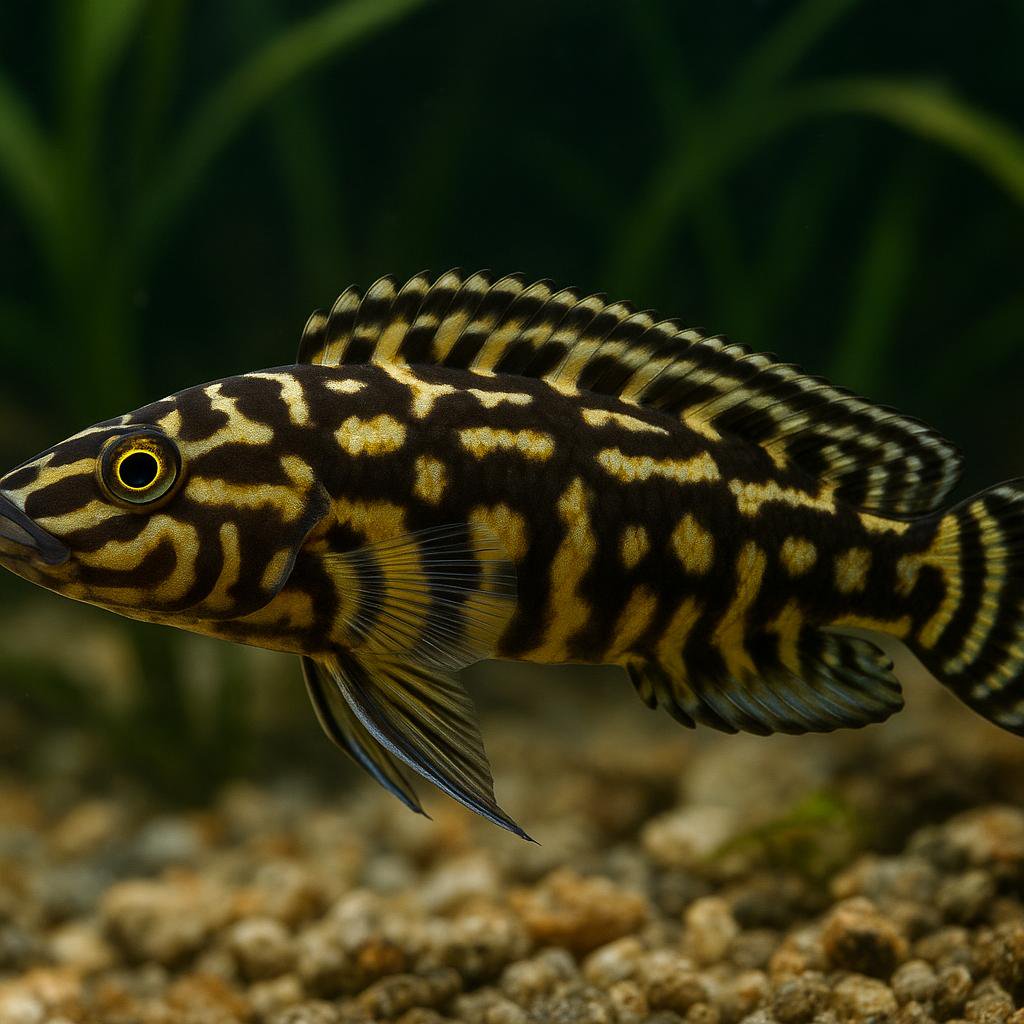
Marlier's Julie
Julidochromis marlieri
A sleek, rock-hugging cichlid from Lake Tanganyika with a striking checkerboard pattern and bright eyes. It forms tight pair bonds, lays eggs deep in crevices, and you can often watch parents guarding multiple generations of fry. Give it stacked rocks and it will claim a cave like a little submarine.
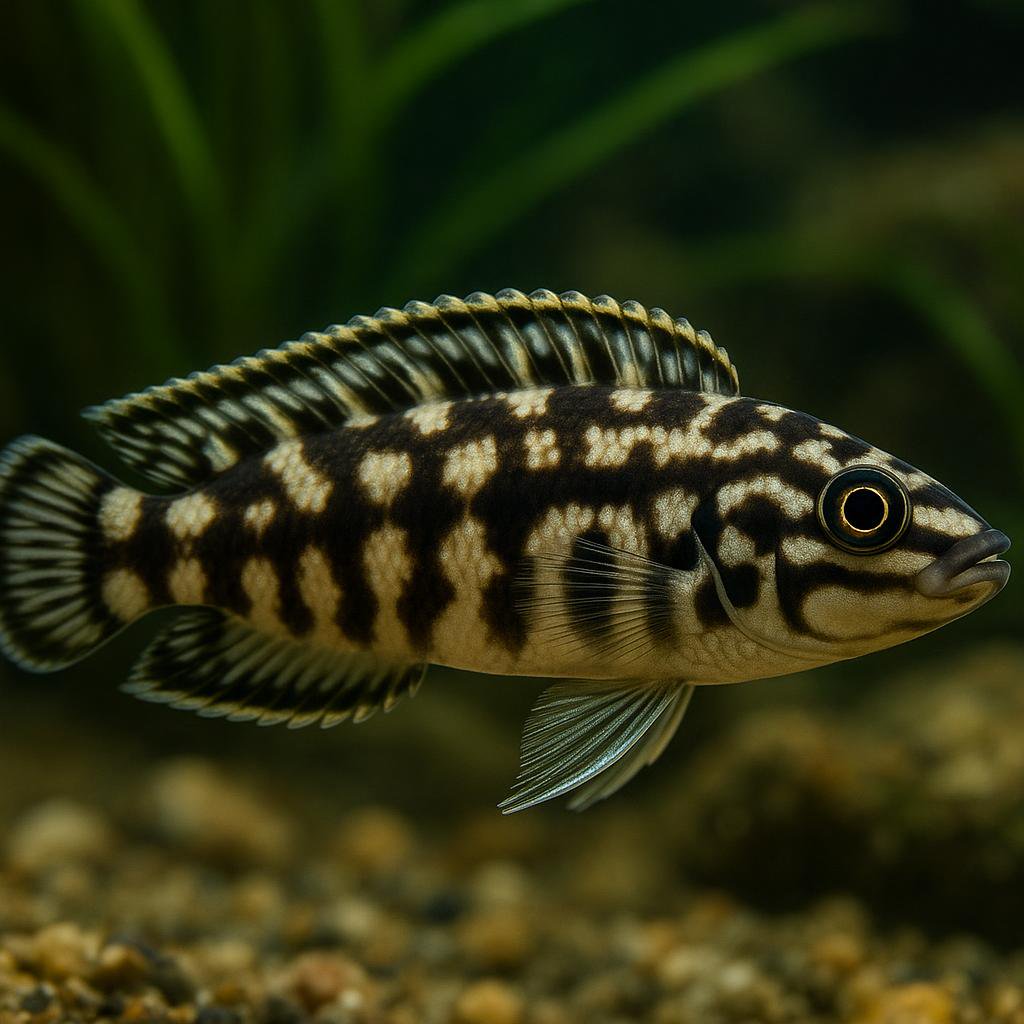
Masked julie
Julidochromis transcriptus
This is a little Lake Tanganyika rock-dweller with bold black-and-white striping and that cool dark "masked" face. Give it a pile of rocks and tight caves and it will cruise around like it owns the place, especially once it pairs up. Small fish, big attitude - but in a manageable, "fun to watch" way if you plan the tank around territories.
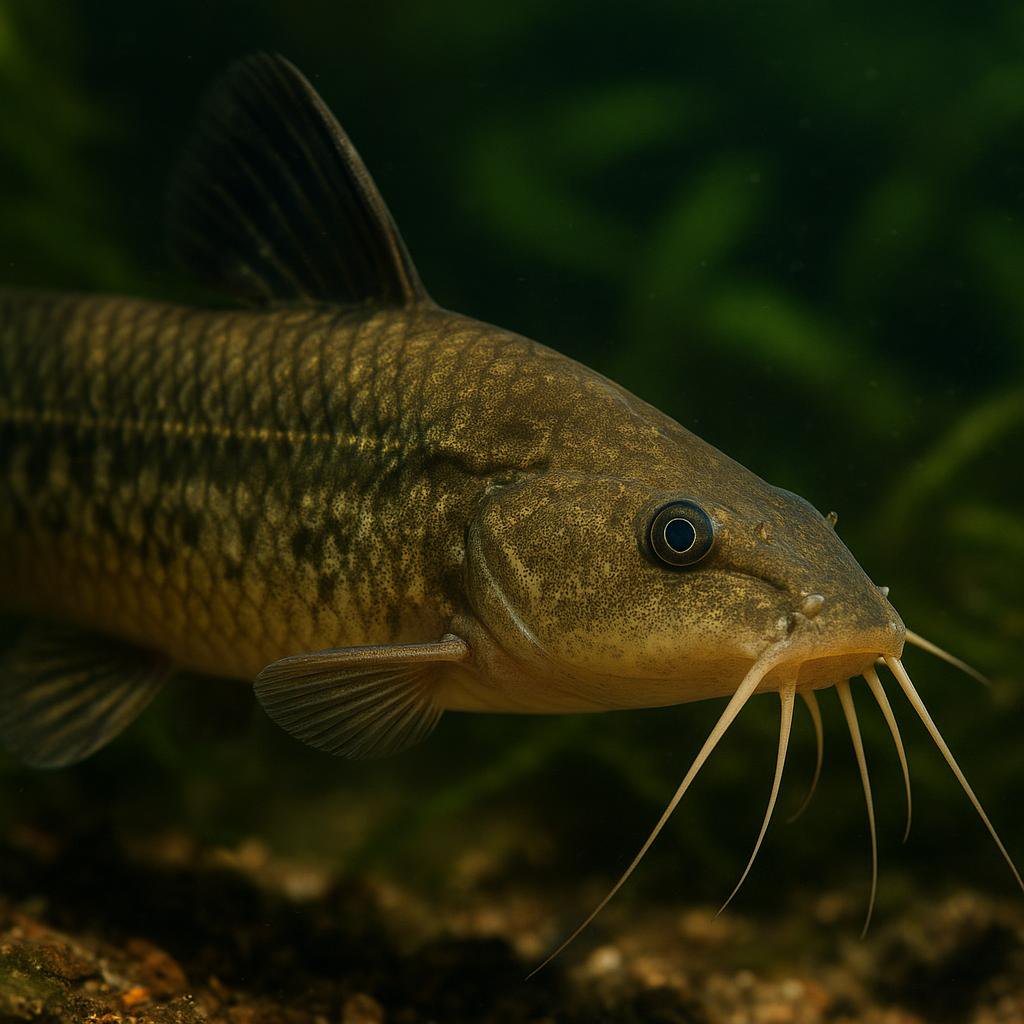
Megalonema platycephalum (no established English common name)
Megalonema platycephalum
A long-whiskered South American catfish that tops out around a foot, with sleek lines and elegant fin filaments. Field and museum notes even list beetle larvae, fish scales, and catfish spines in its diet, which makes it a quirky predator to watch. It turns up in shops only rarely and needs real space to thrive.
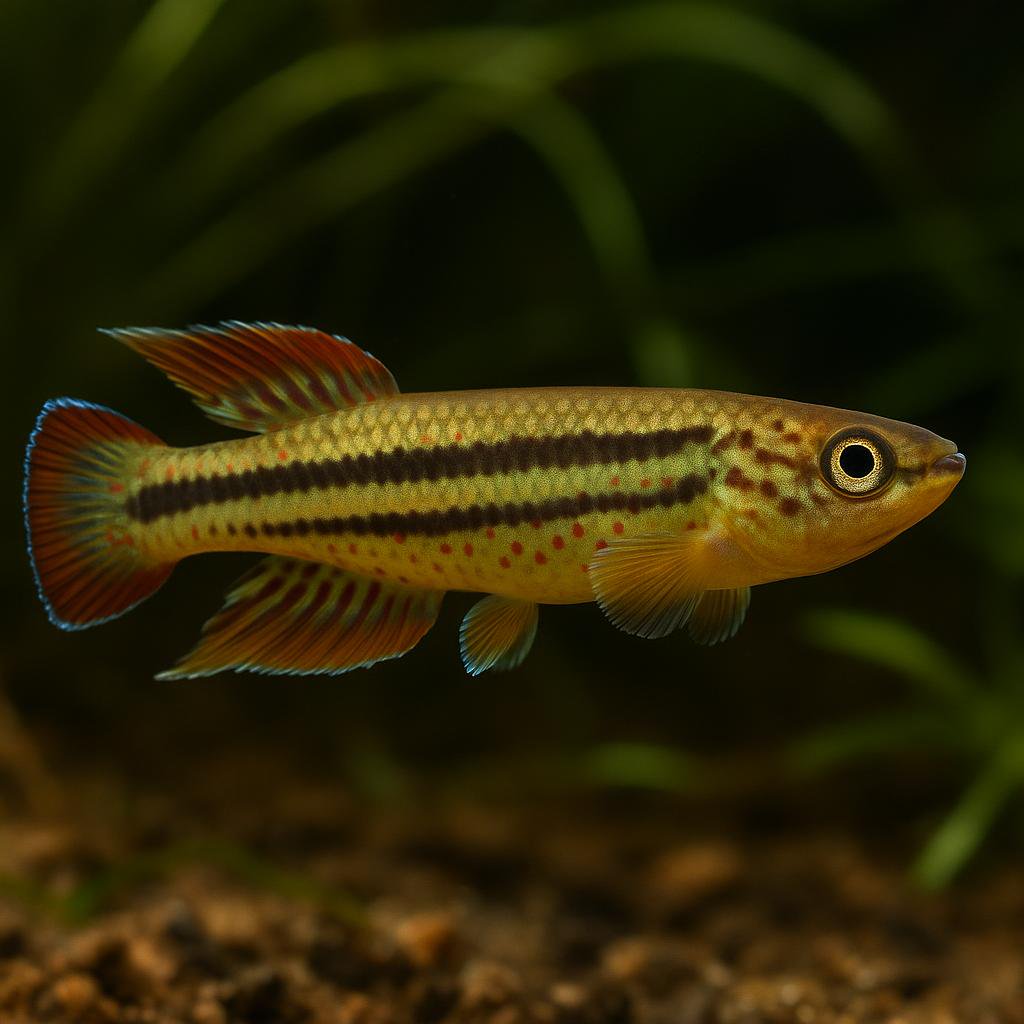
Meinken's lyretail
Fundulopanchax oeseri
Fundulopanchax oeseri is a small West African lyretail killifish endemic to Bioko (Equatorial Guinea). Aphyosemion trilineatum (often misspelled “trilineatus”) is a junior synonym of this species; other historical names include Aphyosemion meinkeni and Aphyosemion santaisabellae. Males show blue‑green flanks with fine red lines, and this expert jumper prefers cool, very soft, acidic water.
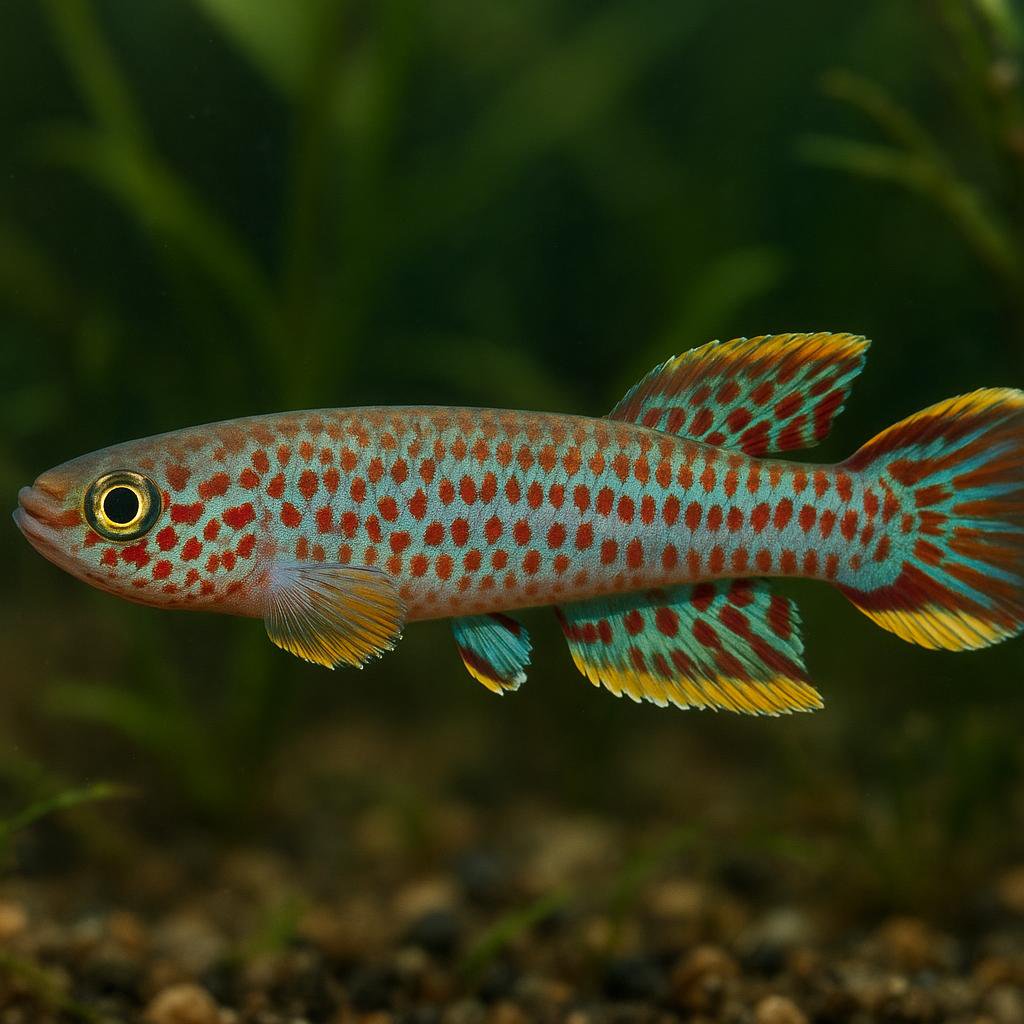
Moensis killifish
Fundulopanchax moensis
A small West-Central African killifish from rainforest streams in Cameroon's Cross River system. Males show bright blue with red spotting and colorful fins, and they court actively and place eggs in fine plants or peat. It is rarely seen in shops but has a following among killifish specialists.
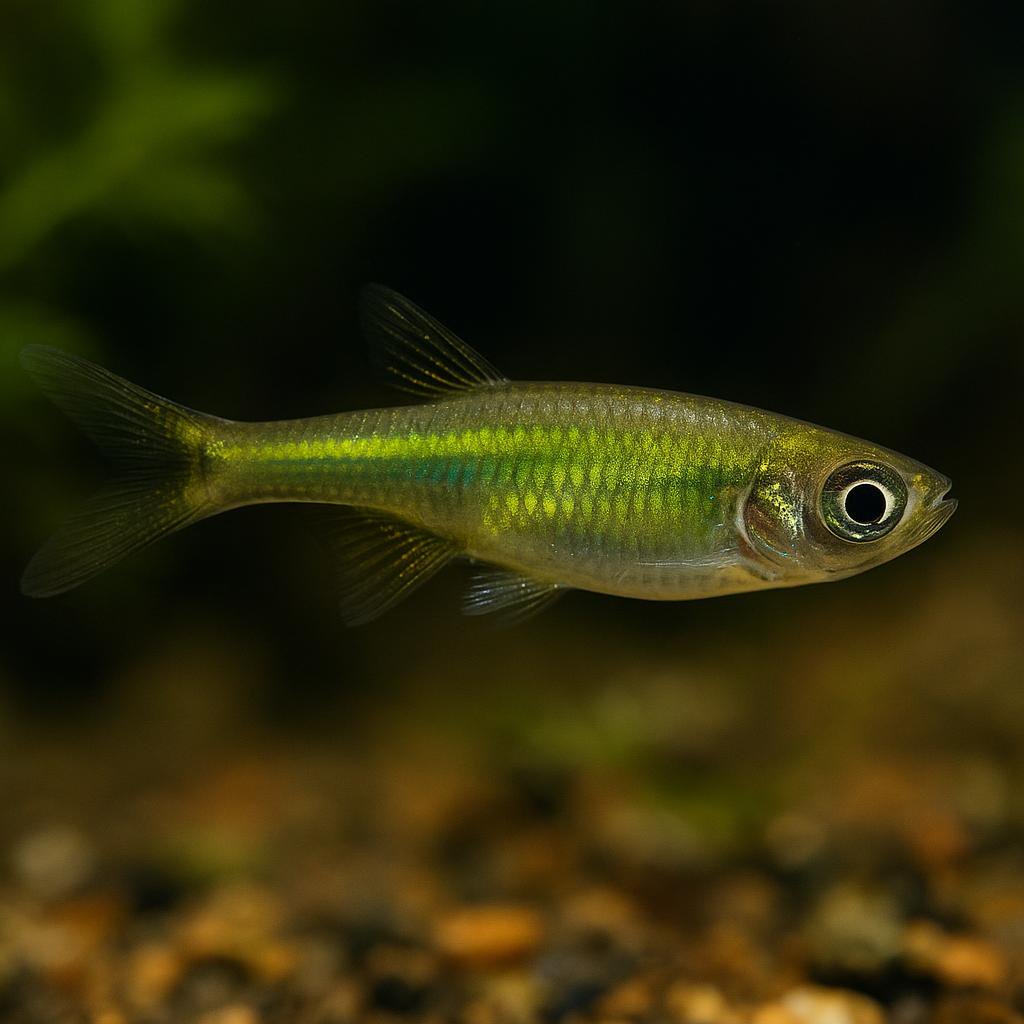
Neon Green Rasbora
Microdevario kubotai
This is that tiny, glassy-yellow fish that turns into a little green highlighter once it settles into an aquarium-especially over a dark substrate and under decent lighting. They're super active mid-water shoalers, and the whole group "flashing" that neon stripe together is the main event. Keep them in a proper group and they get way bolder and look a lot more intense.
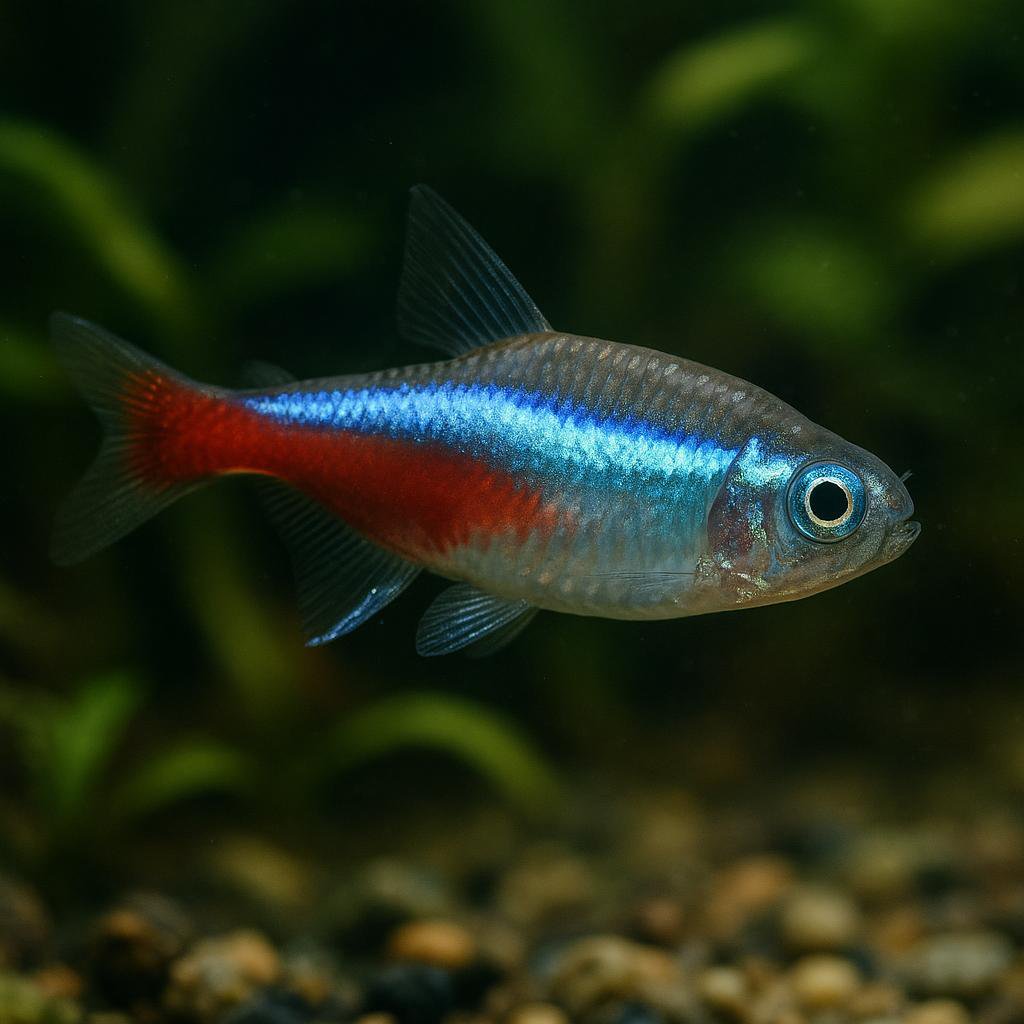
Neon Tetra
Paracheirodon innesi
The Neon Tetra is a small, brightly colored fish known for its vibrant blue and red stripes that run the length of its body. It is a favorite among aquarists due to its striking appearance and peaceful nature. Neon Tetras are schooling fish that thrive in groups, adding a lively and colorful presence to any aquarium.