

Search Species
Search for fish species by common or scientific name, or use filters to browse by water type, size, temperament, and difficulty.
Found 11 species
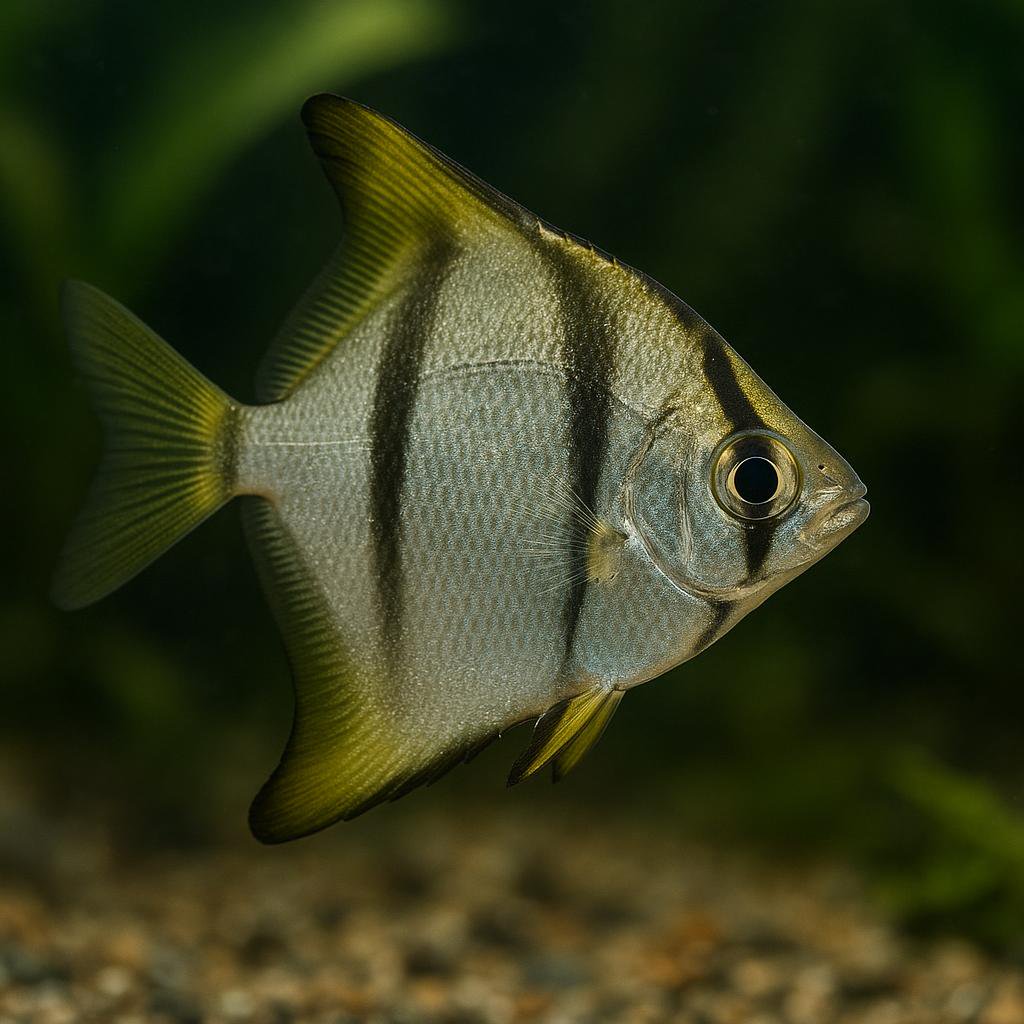
African moony
Monodactylus sebae
This is that shiny, diamond-shaped "mono" that cruises around in a tight pack and looks like a little silver dinner plate with black bars when it's young. The big thing with African moonies is they're euryhaline-so they'll tolerate freshwater as juveniles, but they really shine long-term in brackish (and can be transitioned toward marine as they mature). Give them a big, open tank and a group, and they turn into nonstop, super fun midwater swimmers.
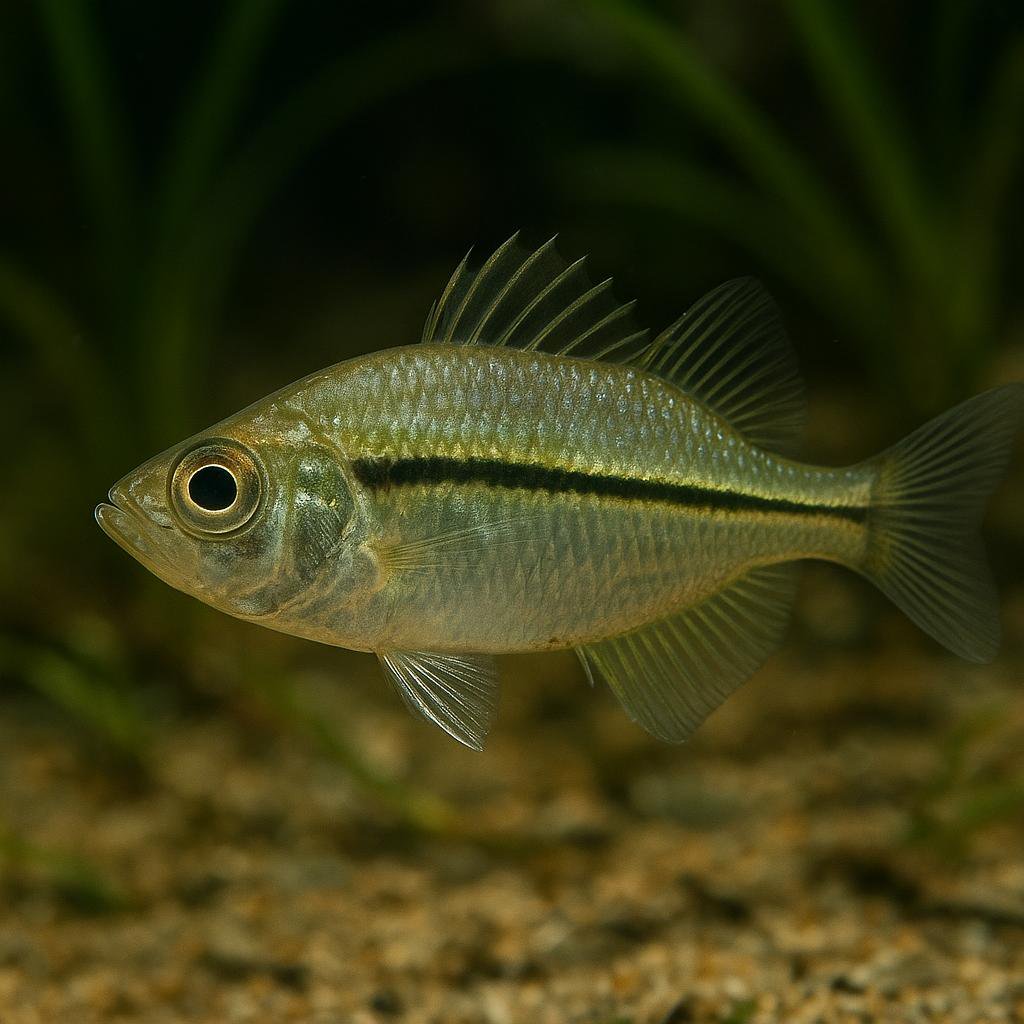
Banded-tail glassy perchlet
Ambassis urotaenia
This is one of those see-through glassy perchlets where you can literally watch the organs shimmer when it turns-super cool in the right lighting. In the wild it hangs around river mouths and mangroves and cruises in groups, so it does best when you keep a little gang of them and give them some open swimming room.
-1771643191.jpg)
Elongate mudskipper (pointed-tailed goby)
Pseudapocryptes elongatus (syn. Pseudapocryptes lanceolatus)
This is that super-cool "mudskipper-ish" goby that mostly stays in the water, but will park itself in the shallows and periscope its eyes above the surface like it's keeping watch. It's an obligate air-breather from tidal rivers/estuaries, so it really appreciates shallow, brackish setups with soft mud/sand and gentle flow-more of a mangrove vibe than a typical community tank.
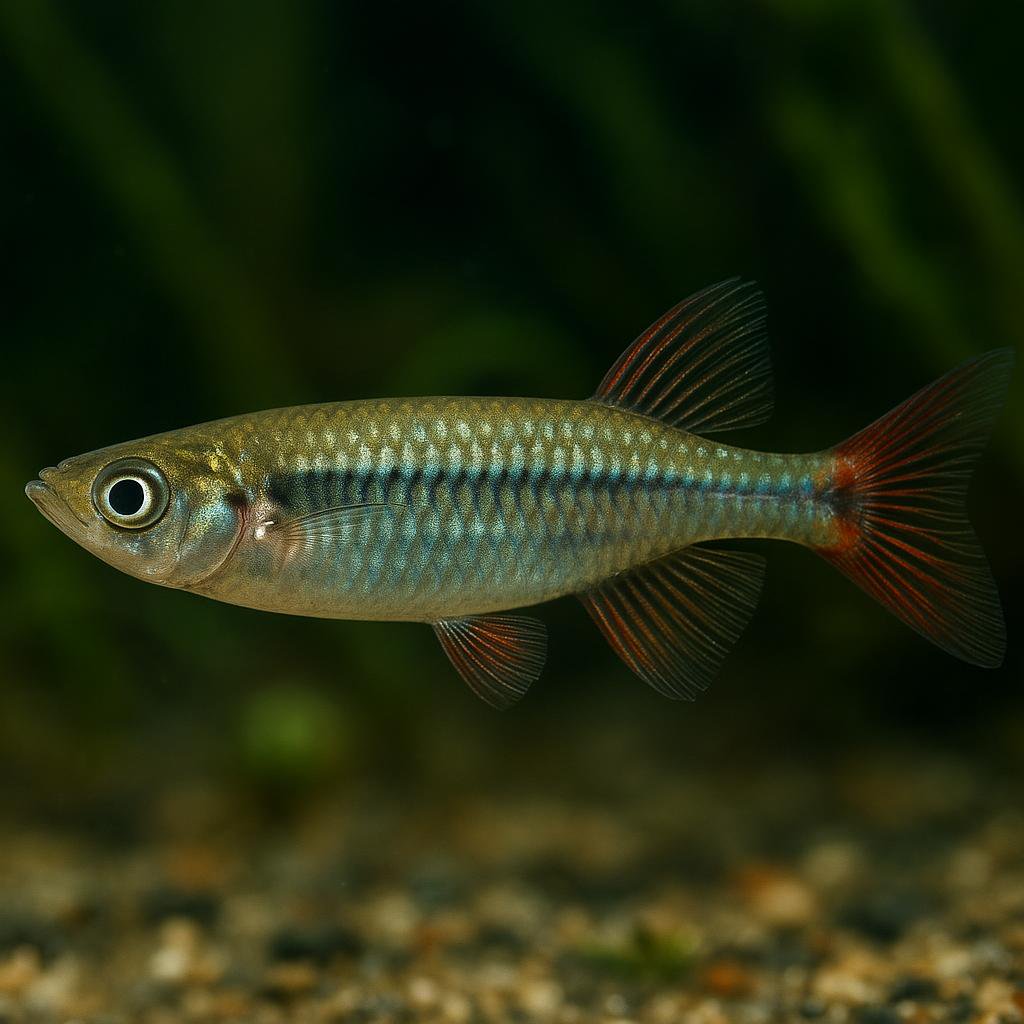
Feathered river-garfish
Zenarchopterus dispar
Zenarchopterus dispar is a surface-hanging halfbeak from mangroves and sheltered bays, with that classic long lower jaw for snapping up insects and other floaty foods. Males get those funky elongated fin rays (the "feathered" look), and they are livebearers, so once they settle in you can occasionally get surprise babies. Biggest thing with this fish is giving it calm water up top, room to cruise, and a tight lid because halfbeaks can rocket-jump.
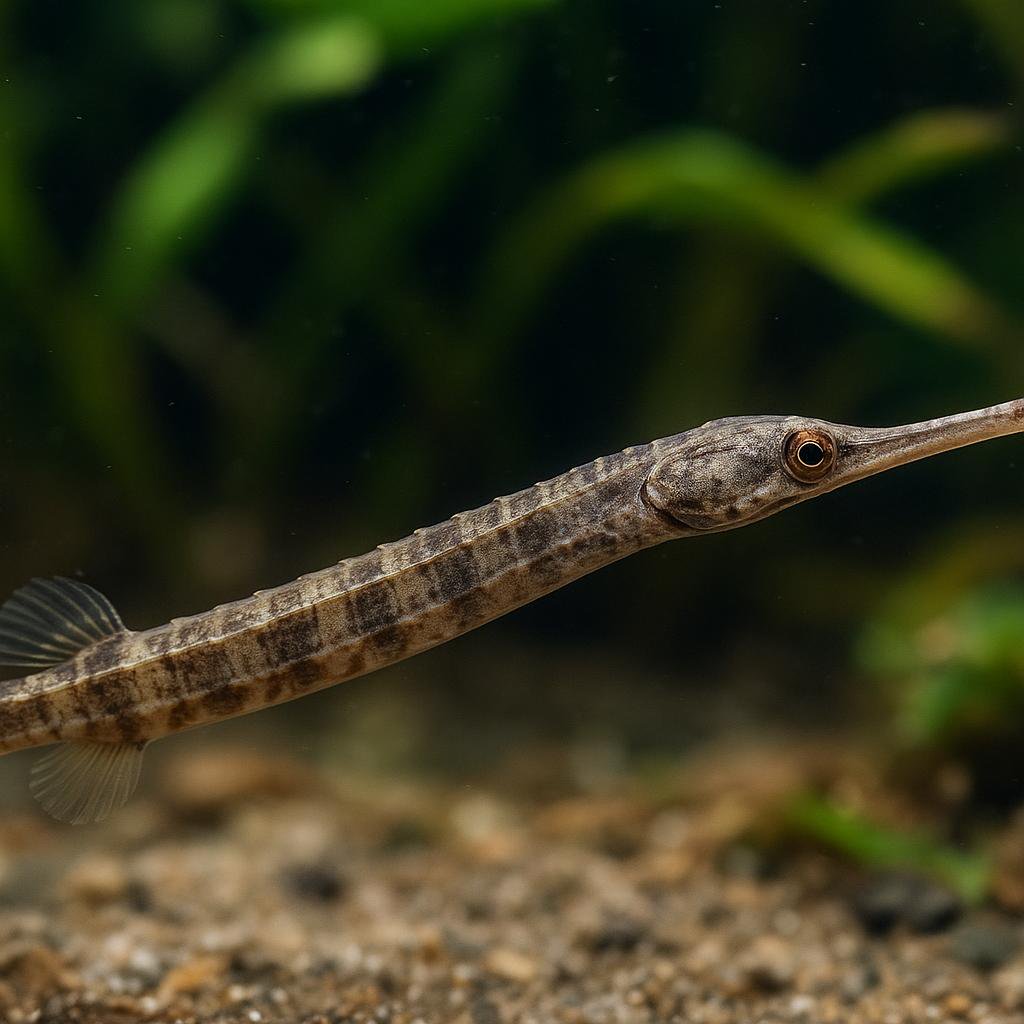
Hairy pipefish
Urocampus carinirostris
This is a tiny, stick-thin pipefish that lives in seagrass and algae beds and uses its prehensile tail to hang on like a little underwater chameleon. The coolest part is the "hairy" fringing (little filaments) all over the body that breaks up its outline, and like other syngnathids the male carries the eggs in a brood pouch under the tail.
-1771297475.jpg)
Orange chromide
Pseudetroplus maculatus (syn. Etroplus maculatus)
This is that cute little Indian/Sri Lankan cichlid with the big black "shoulder" spot and a warm gold/orange glow when it's happy. It'll do the classic cichlid thing where it gets a bit pushy when breeding, but most of the time it's pretty chill-especially if you keep a small group. Super cool bonus: the parents actively tend the eggs and fry, and the babies even graze on the parents' skin mucus for a bit.
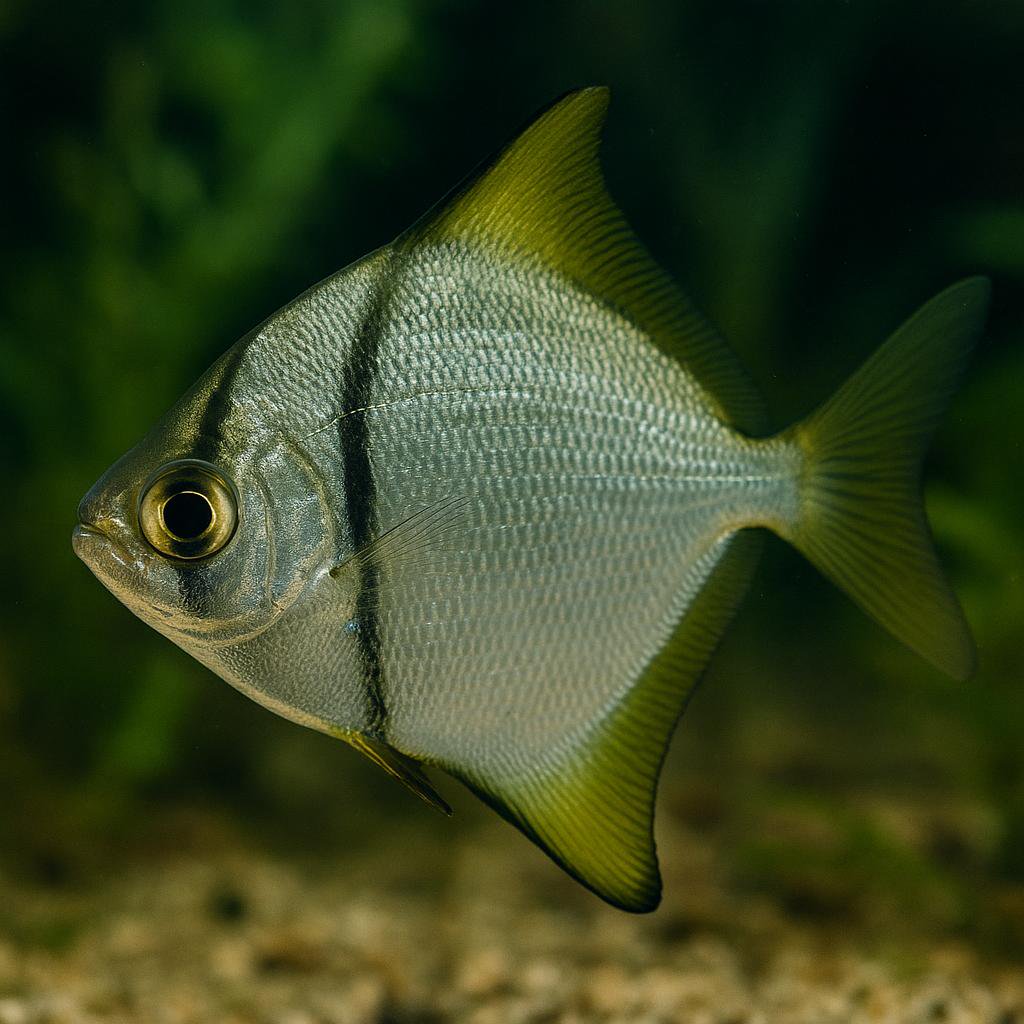
Silver moony (Mono)
Monodactylus argenteus
Silver moonies are those shiny, diamond-shaped "mono" fish you see cruising nonstop in brackish tanks-super active and way more fun to watch when they're in a proper group. They start out in estuaries (often sold too small and too fresh), and the big "gotcha" is they really want you to ramp them up to stronger brackish/near-marine as they grow. Feed them like a hungry, messy omnivore and give them swimming room, and they're absolute show-stealers.
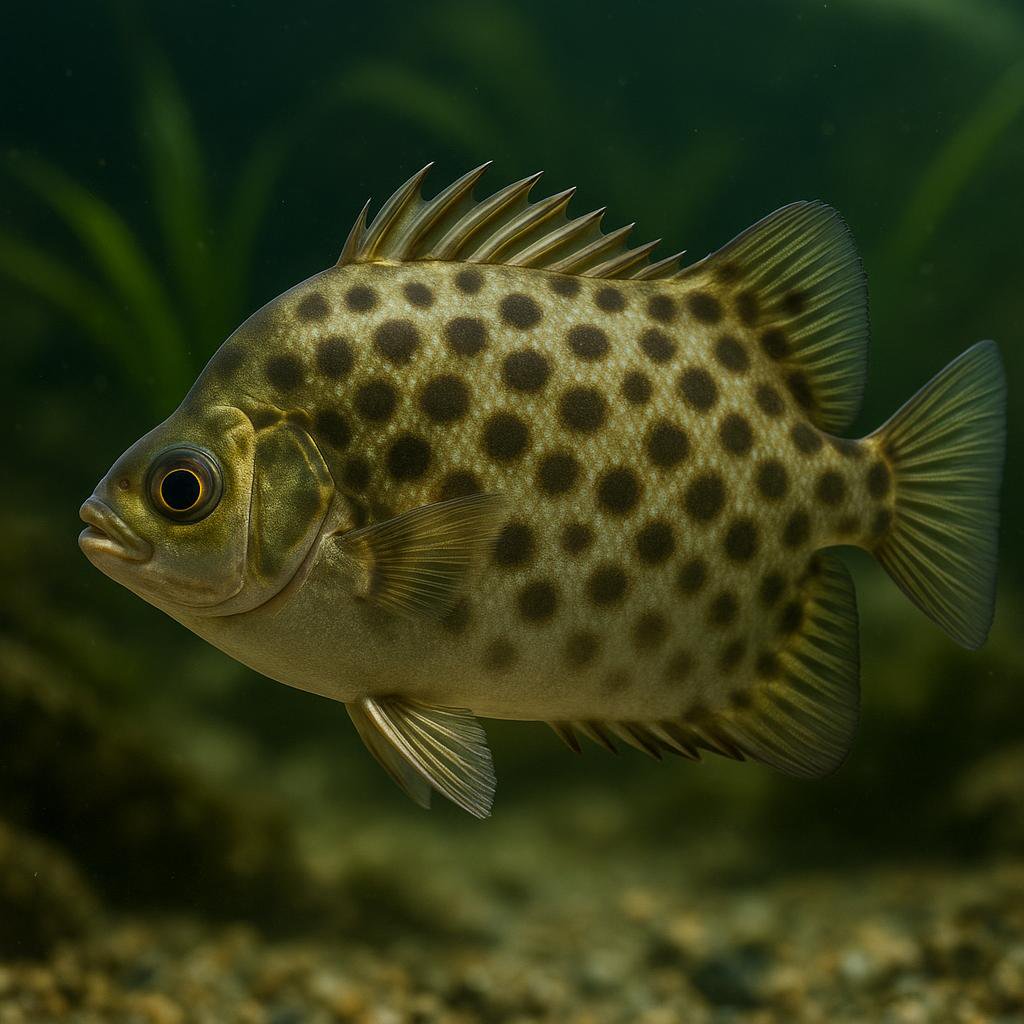
Spotted scat
Scatophagus argus
Spotted scats are those chunky, disc-shaped brackish fish with the peppered "polka dot" pattern that changes a lot as they grow. They cruise around in groups, eat basically anything you offer, and they're tough as nails-just don't fall into the super common trap of keeping them in straight freshwater long-term.
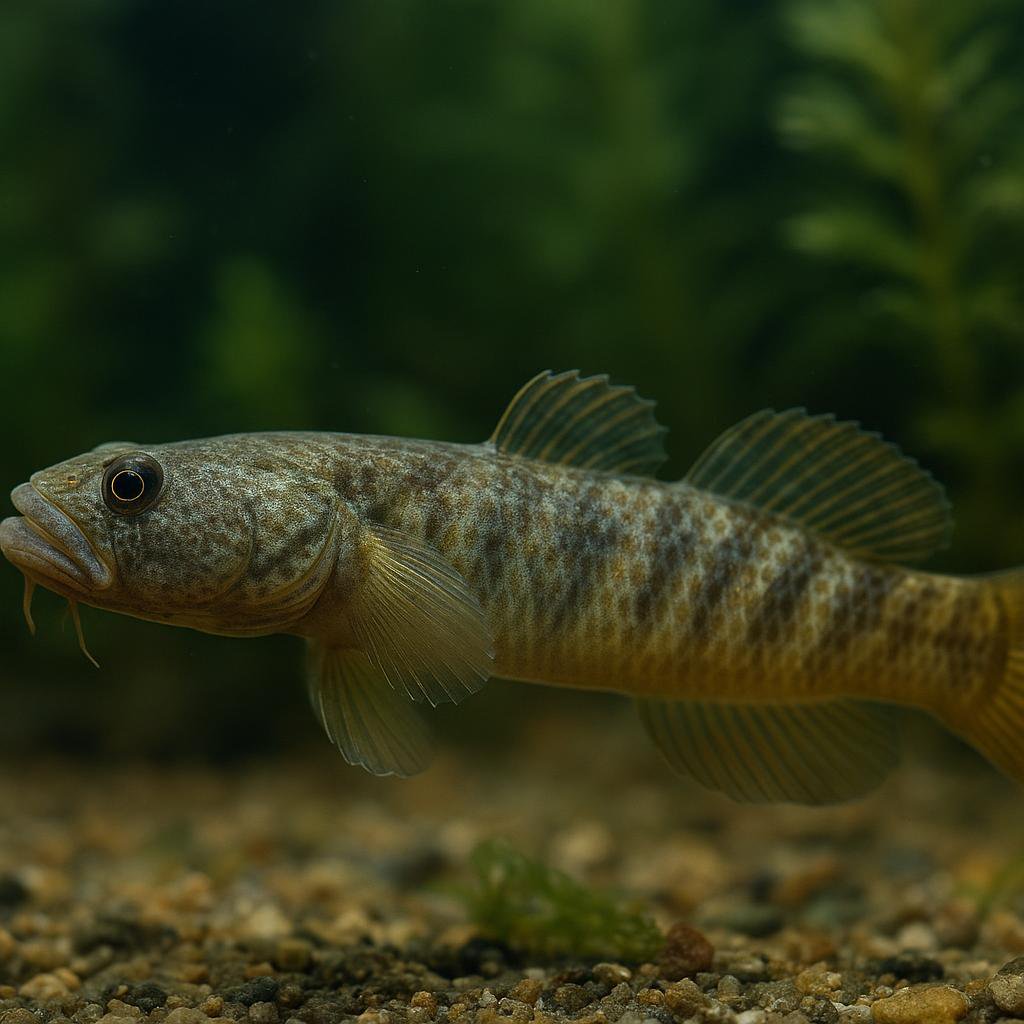
Violet goby
Gobioides broussonnetii
This is the long, eel-y "dragon goby" you see at shops sometimes-looks scary with that toothy face, but it's actually a chill mud-and-sand sifter. In nature it hangs around muddy estuaries and river mouths, and that's the trick in aquariums too: soft sand, brackish-ish water, and food it can actually find (they're not great hunters).
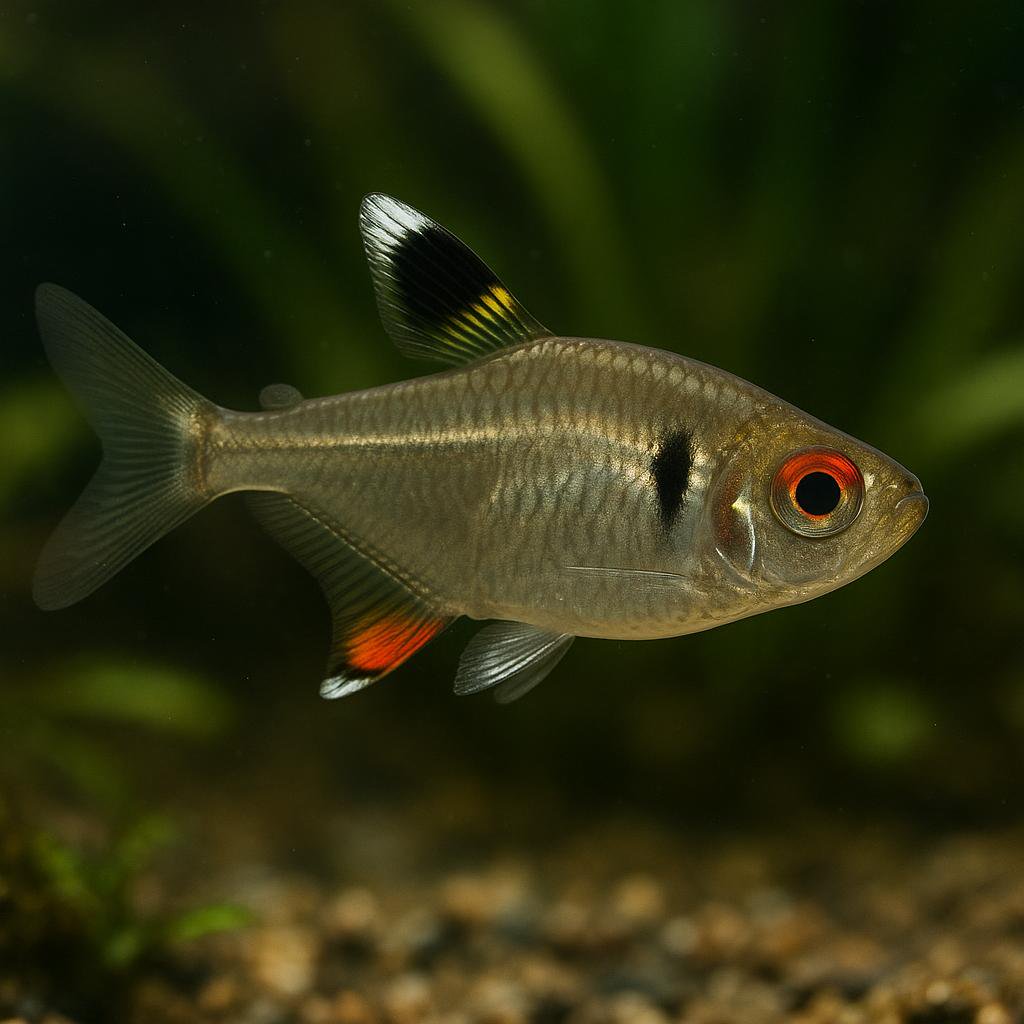
X-ray tetra
Pristella maxillaris
This is that little see-through tetra where you can kinda make out the spine inside the body, and then it tops it off with those sharp black/yellow/white fin markings and a reddish tail. Super chill schooling fish, and it's one of those rare tetras that doesn't freak out if your water isn't "perfect Amazon blackwater" 24/7.
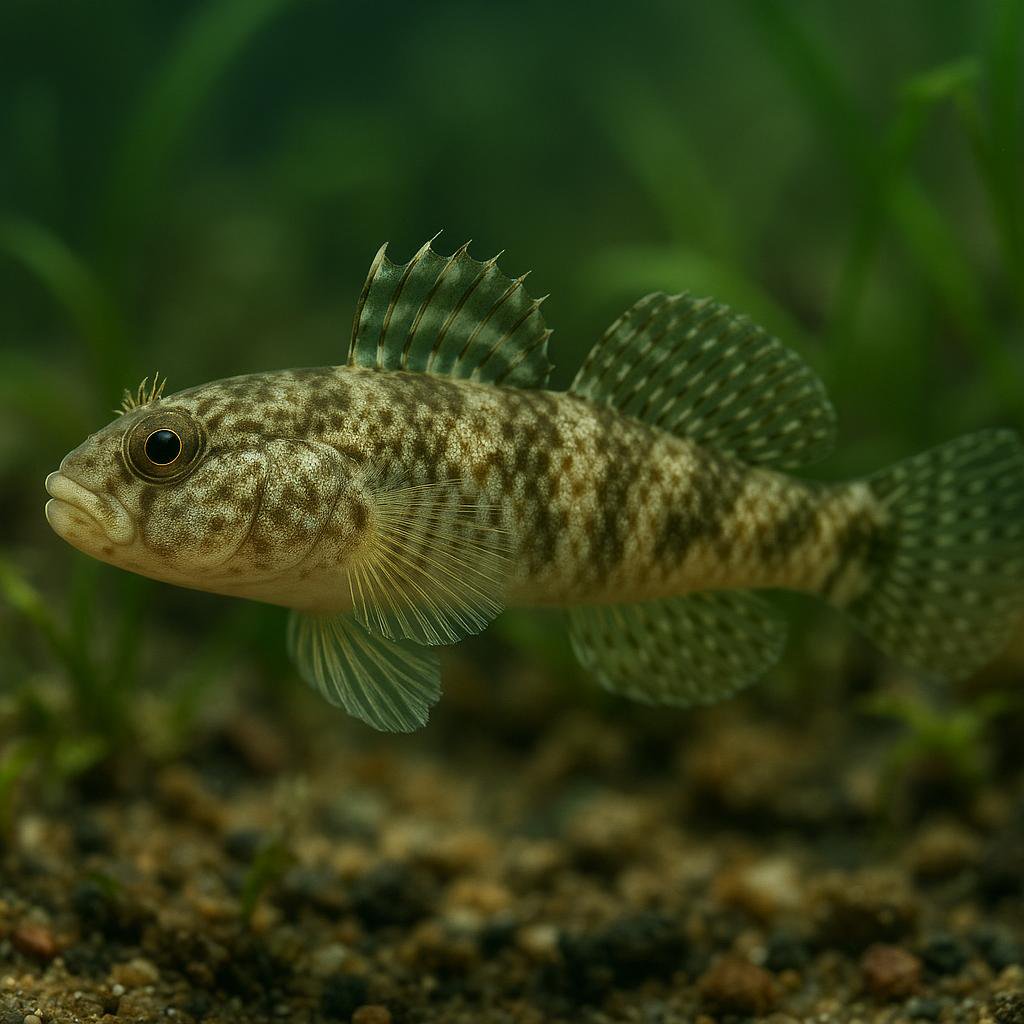
Yellowfin toxic goby
Yongeichthys criniger
An Indo-Pacific goby found on coastal mud/silty sand flats and in estuary/mangrove-associated habitats. It is documented as poisonous to eat and is known to carry tetrodotoxin; toxicity can be particularly high in the skin and varies by locality. Handle with care (avoid contact with mucus, especially with cuts) and avoid mixing with aggressive/boisterous species.