

Japanese deepwater clingfish
Aspasma minima
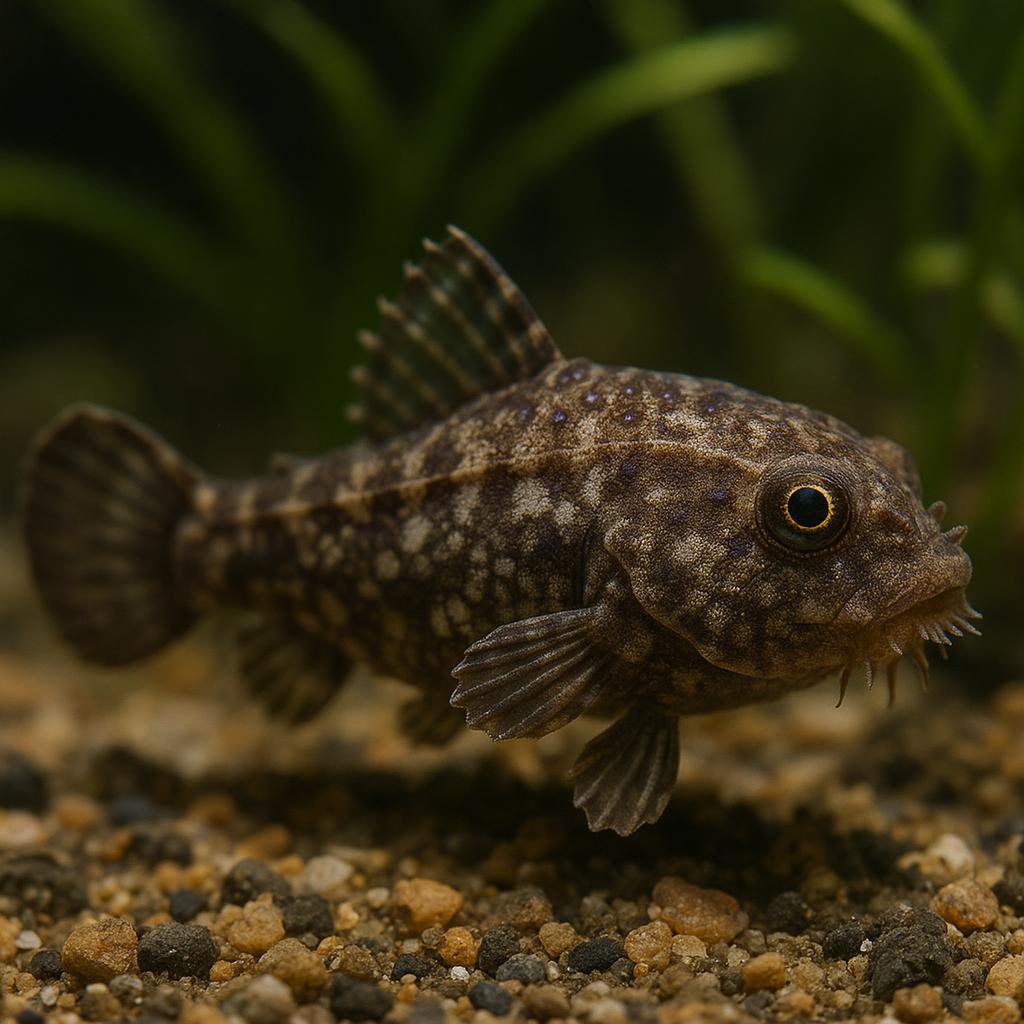
The Japanese deepwater clingfish exhibits a flattened body, translucent skin, and distinctive patterns of reddish-brown and yellowish spots.
This page includes AI-generated images. Why am I seeing AI images?
About the Japanese deepwater clingfish
Aspasma minima is a tiny little marine clingfish from southern Japan that spends its life hugging hard surfaces with that cool suction-disc belly. Its whole vibe is secretive and bottom-oriented, more like a micro predator you design a tank around than a "community fish" you toss in with everything.
Also known as
Quick Facts
Size
5 cm SL
Temperament
Peaceful
Difficulty
Expert
Min Tank Size
10 gallons
Lifespan
2-5 years
Origin
Northwest Pacific (southern Japan)
Diet
Carnivore/invertivore - tiny crustaceans and other micro-meaty foods (copepods, amphipods, enriched frozen micro foods)
Water Parameters
10-18°C
8-8.4
8-12 dGH
Need a heater for this species?
This species needs 10-18°C in a 10 gallon tank. Use our heater calculator to find the right wattage.
Calculate heater sizeCare Notes
- Provide a cool-temperate marine setup rather than a typical tropical reef, but use a temperature range supported by a species-specific reference for the exact taxon you are keeping (Aspasma minima vs Kopua minima) before committing to chiller setpoints.
- Run high oxygen and lots of flow over the rocks; these guys come from deep, moving water and get stressed if the tank feels "stale" even when tests look fine.
- Build the tank around perches: smooth rock faces, overhangs, and caves they can suction to, plus a tight lid because they can crawl up glass and pop out during night moves.
- Keep salinity around 1.024-1.026 and keep nitrate very low (under ~10 ppm); they are touchy about long-term "dirty" water more than brief feeding spikes.
- Feed small meaty stuff 4-6 times a week: enriched mysis, chopped krill, amphipods/copepods, and tiny pieces of clam; target feed with a pipette right in front of their face because they are not fast hunters.
- Skip aggressive fish and anything that will pick at them or outcompete them - wrasses, dottybacks, hawkfish, big gobies, and most crabs are bad news; stick to other coldwater, calm micro-predators and small, non-nippy inverts.
- Watch for shipping damage and bacterial/fungal patches on the belly and fins; quarantine in coldwater and avoid copper - if you need meds, use gentle antibiotics in a separate tank and crank up aeration.
- Breeding is possible but rare: if you see them hanging under a rock and guarding a small clutch, do not rearrange the aquascape; the male tends to guard, and larvae will need live plankton (rotifers then copepods) and cold stable temps.
Compatibility
Good Tankmates
- (Unverified) Choose tankmates only after matching temperature regime (cool-temperate vs tropical) and feeding competition; avoid making tropical nano reef recommendations unless the species is confirmed to tolerate tropical conditions.
- Small blennies with a calm attitude (tailspot-type personalities, or other small rock-perchers) - just watch that the blenny is not a bulldozer at feeding time
- Peaceful seahorse-style tankmates like pipefish (if you are doing a cooler, gentle-flow setup) - both do best with calm neighbors and target feeding
- Small, non-grabby shrimp and tiny micro-critters (peppermint shrimp, small cleaner shrimp, copepods) - the clingfish is more of a picker than a hunter
- Peaceful reef-safe snails and small hermits - they mostly ignore each other, and the clingfish likes having lots of surfaces to cling to and graze around
- Calm, small cardinals (like banggai juveniles or other small cardinals) - they do not harass bottom dwellers and usually let shy fish eat
Avoid
- Dottybacks and other territorial rock bullies (orchid dottyback included) - they claim caves and will hassle a tiny clingfish nonstop
- Hawkfish - even the smaller ones act like little predators and will pick at anything that moves on the rocks
- Wrasses that hunt the rockwork (sixline, melanurus, etc.) - too nosy and fast at feeding, and they can treat the clingfish like a snack or a toy
- Any bigger, aggressive or nippy fish (damsels, big clowns, aggressive blennies) - the clingfish is peaceful and slow and just gets outcompeted
Where they come from
Aspasma minima is one of those odd little Japanese clingfishes that lives deeper and colder than most of what we keep. Think rocky coastal slopes and crevices in Japan, where there is current, clean water, and not a lot of warm, sunny reef vibes. They are built to hang on - literally - and spend their time tucked into structure instead of cruising around the tank.
If you are picturing a typical nano reef fish that swims all day, reset that expectation. This is a cryptic, bottom-hugging, deepwater animal.
Setting up their tank
This species is expert-level mostly because of temperature and stability. They do best in a chilled marine setup. If you try to run them at standard reef temps, you are rolling the dice long-term, even if they look fine at first.
- Tank size: you can house one or a pair in a small tank, but I would not go under 15-20 gallons because micro swings (temp, salinity, oxygen) hit hard.
- Temperature: coldwater/chilled. Aim roughly 50-64 F (10-18 C) depending on what your collection source tolerates. Pick a target and keep it steady.
- Salinity: normal marine range (around 1.024-1.026) with very stable top-off.
- Flow: moderate, not blasting. You want oxygenation and gentle current over rock, plus calm pockets where they can park.
- Filtration: oversized for the tank. These fish are messy in a small-body way because you feed lots of small meaty foods.
- Lighting: dim to moderate. They do not need reef lighting and often act bolder with lower light.
Build the aquascape for a fish that wants ceilings and cracks. Lots of small caves, overhangs, and tight gaps between rock pieces. Flat stones and vertical faces are great because they like to attach and hover in place.
Give them multiple "parking spots" at different flow levels. Mine had favorite ledges depending on whether it wanted food drifting by or a calmer nap spot.
Use a lid. Clingfish are not classic jumpers, but deepwater fish can do weird panic darts, and you will hate losing one to a tiny gap. Also, keep intakes guarded - they can and will plaster themselves to a strainer.
Chillers and cold tanks sweat. Plan for condensation: drip loops, protected power strips, and a cabinet that can handle moisture.
What to feed them
In the wild they pick at tiny crustaceans and whatever drifts close. In a tank, you will be living the small-meaty-food lifestyle. They are not grazers and they are not going to convert to flakes like a clownfish.
- Best staples: enriched mysis (small pieces), finely chopped shrimp, calanus, copepods, amphipods if you can culture them.
- Good variety: finely chopped clam/scallop, roe, krill shaved small (sparingly), live foods during acclimation (live pods, small live shrimp).
- Avoid: big chunks they cannot mouth, and fatty "junk" feeding that clouds water in a cold system.
Target feeding helps a lot. Use a pipette or small baster and gently place food in the flow near their perch. Once they learn the routine, they will scoot a few inches and snap at passing bits. If you just broadcast, most of it ends up in rockwork and you end up chasing nutrients.
Feed small amounts more often at first (even 2-3 times a day) until you are sure it is eating confidently. Then you can settle into once daily or every other day depending on body condition.
How they behave and who they get along with
They are quirky and pretty chill. Most of the time you will see a little face and fins, and then it is glued to a rock like a decorative lump. They do not "play" in the water column. They perch, creep, and ambush.
Tankmates are the biggest headache. You need fish that can handle the same cold temps and that will not outcompete them at feeding time.
- Good direction: small, calm coldwater species that ignore the bottom and are not food hogs.
- Risky: anything that pecks at benthic animals, anything aggressive, and anything that will steal every bite before the clingfish gets a chance.
- Also risky: big crabs and large predatory shrimp. A clingfish glued to a rock looks like an easy target in the wrong tank.
Even "peaceful" fast feeders can starve a clingfish without ever touching it. Watch the belly and feeding response, not just whether there are bite marks.
They can be kept singly. Pairs might work if you have enough hidey-holes and you introduce them thoughtfully, but do not assume two will automatically get along in a small footprint. I would rather see one well-fed fish than two that bicker and both fade.
Breeding tips
Breeding is not common in hobby tanks, mostly because deepwater clingfishes are finicky and people do not keep groups long-term in stable chilled setups. That said, clingfishes generally lay adhesive eggs in a protected spot, and the male often guards them in many species.
- If you want a shot: keep a bonded pair or small group in a mature cold system with lots of tight caves and flat undersides for egg placement.
- Feed heavy with varied meaty foods and pods for conditioning.
- Keep disturbance low around their favorite cave. They like privacy.
If you ever see a fish "camping" hard in one cave and shooing the other away, check the ceiling of that cave with a flashlight from the side. Eggs can look like a neat patch of tiny pearls.
Common problems to watch for
Most issues I have seen (or helped others troubleshoot) come from three things: too warm, not eating enough, or oxygen problems.
- Temperature creep: summer room temps push the tank up and the fish slowly declines. Watch your actual daily highs, not just the controller setpoint.
- Starvation by stealth: fish hides more, gets thinner behind the head, and stops reacting to the baster. Usually caused by competition, stress, or food being too big.
- Low oxygen: coldwater systems can still have O2 issues if flow is poor or the surface is covered. Heavy feeding plus rockwork can create dead pockets.
- Shipping stress and decompression: deepwater fish can arrive rough even when they look "fine" in the bag. Go slow and keep lights low the first week.
- Intake and powerhead accidents: they stick to stuff. Use guards and avoid uncovered high-suction intakes.
Do not treat this like a standard reef quarantine with warm temps and copper. If you need to medicate, research coldwater-safe approaches and lean on observation, clean water, and supportive feeding first. Many deepwater fish handle meds poorly, and temperature mismatch alone can finish them off.
If you are ever unsure whether it is eating, look for a slightly rounded belly after feeding and steady body weight over a couple weeks. These fish can go from "seems ok" to noticeably thin faster than you expect, especially if your tankmates are pigs.
Similar Species
Other marine peaceful species you might be interested in.
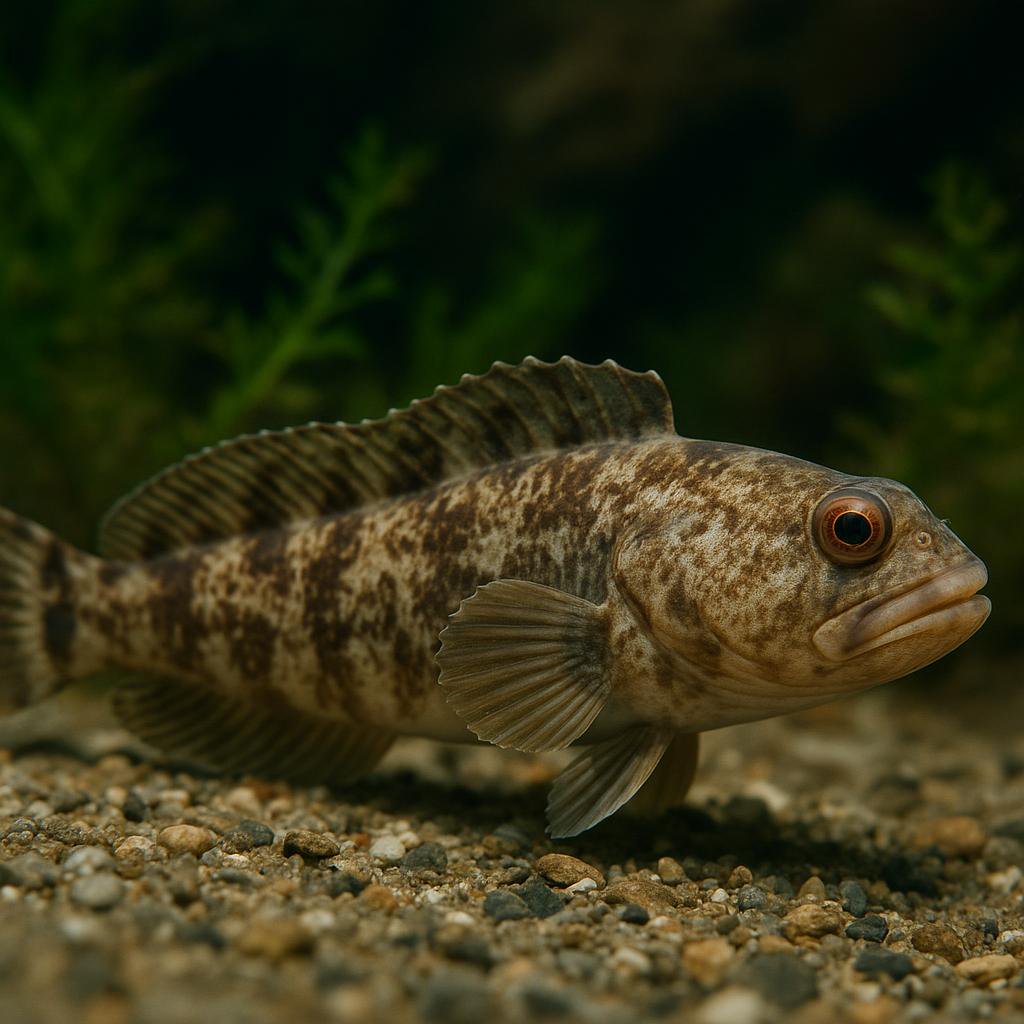
Abe's eelpout
Japonolycodes abei
Japonolycodes abei is a temperate, deepwater demersal eelpout (family Zoarcidae) endemic to Japan (Kumano-nada Sea reported; other sources also report Sagami Bay and Tosa Bay). It is the only species in the genus Japonolycodes and occurs roughly 40-300 m depth, making it an uncommon/atypical aquarium species.
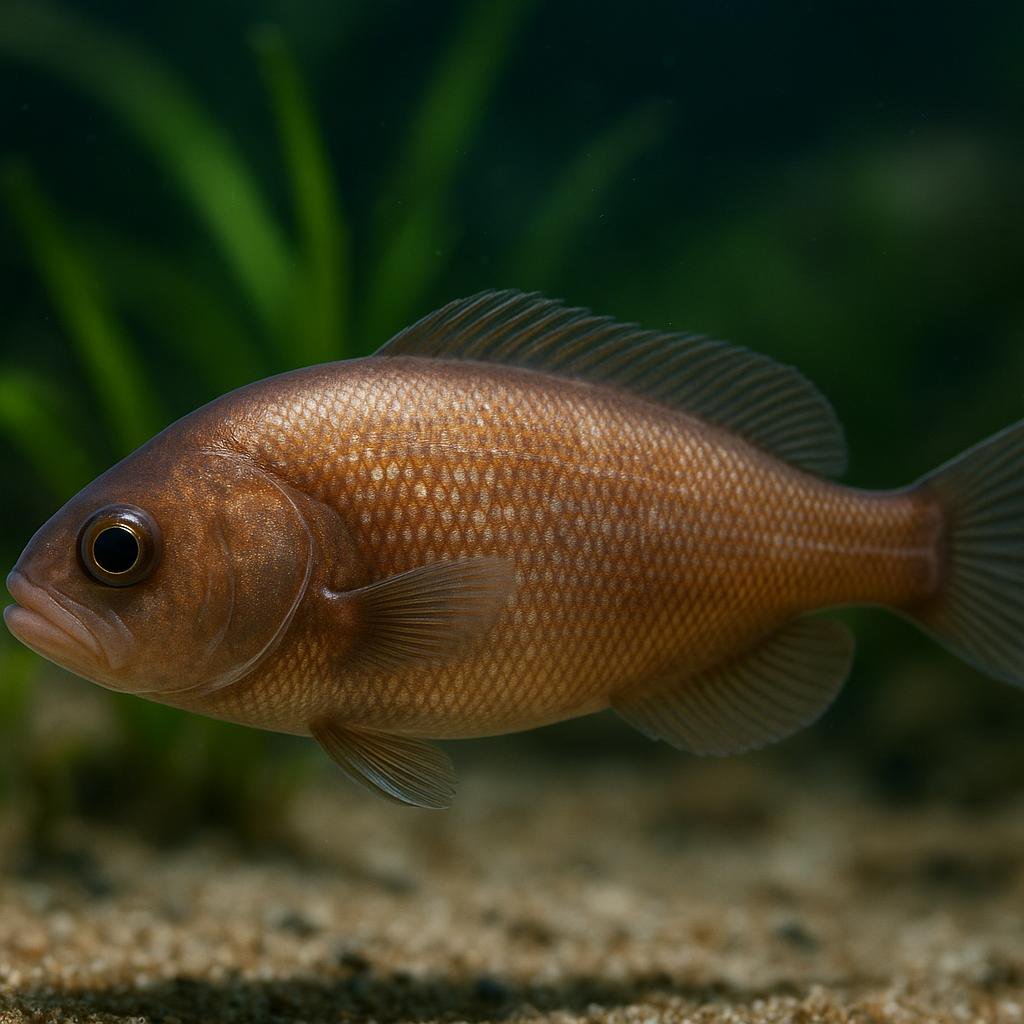
Affinis blind cusk-eel
Barathronus affinis
Barathronus affinis is a tiny, super-weird deep-sea blind cusk-eel from the western-central Indian Ocean. It is one of those gelatinous, loose-skinned brotula-type fishes that live way down in the dark and are basically never seen alive, so almost everything we know comes from preserved specimens and taxonomic work.
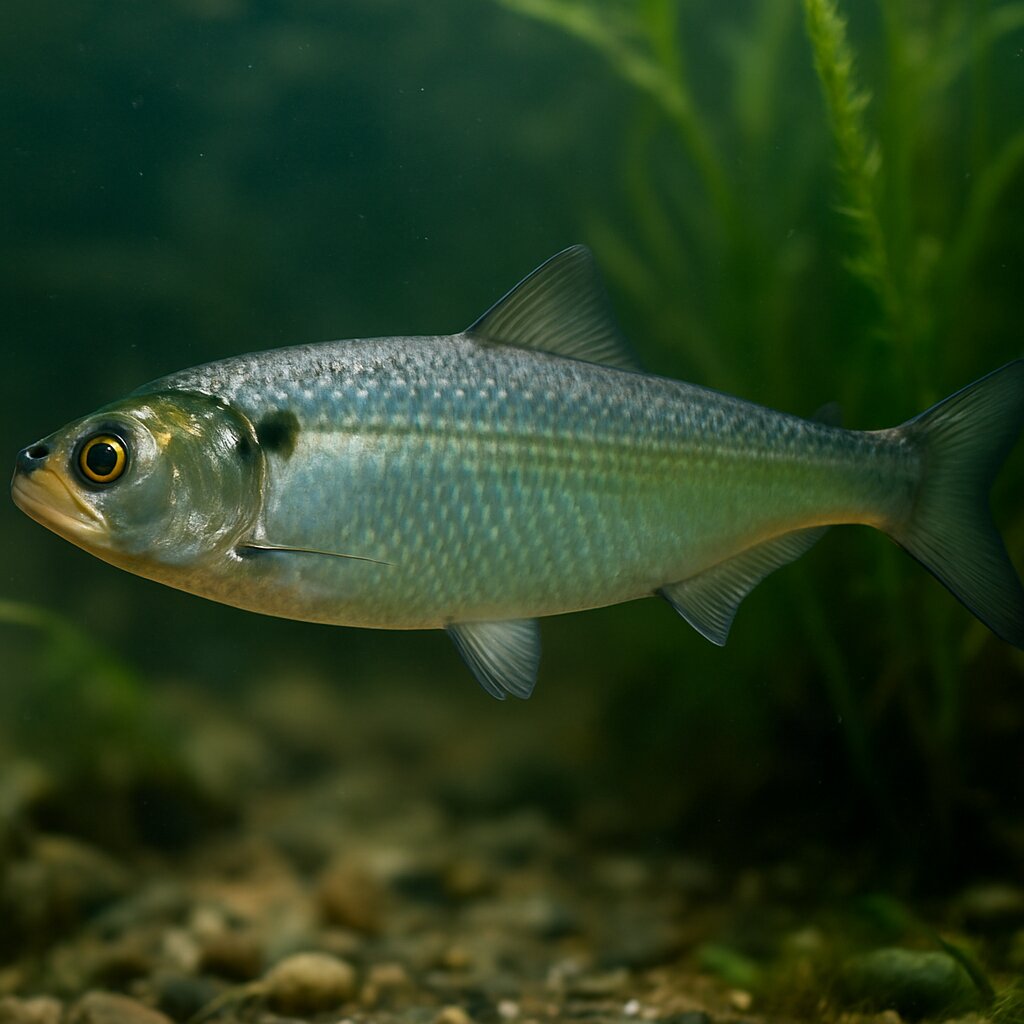
Allis shad
Alosa alosa
Gorgeous silver, fast-swimming shad that spends most of its life in the sea and then surges up big rivers in noisy, surface-spawning schools. It grows huge for a herring-type fish and needs cool, ultra-oxygenated water and tons of open space, so it is a public-aquarium species rather than a home tank fish.
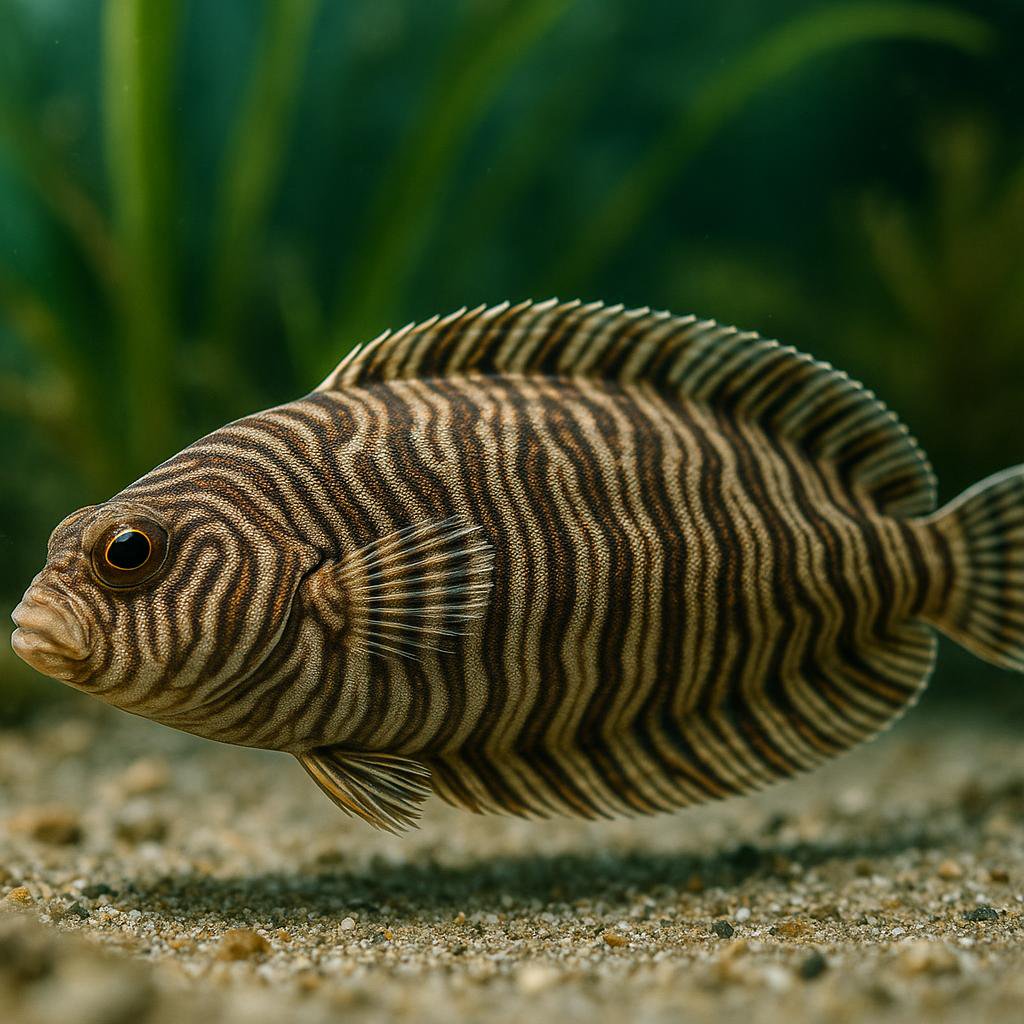
Annandale's zebra sole
Zebrias annandalei
Zebrias annandalei is a small demersal sole from coastal India that inhabits sandy or muddy bottoms and buries for camouflage. It is rarely kept in home aquaria and would require a specialized marine sand-bottom setup and appropriate feeding.
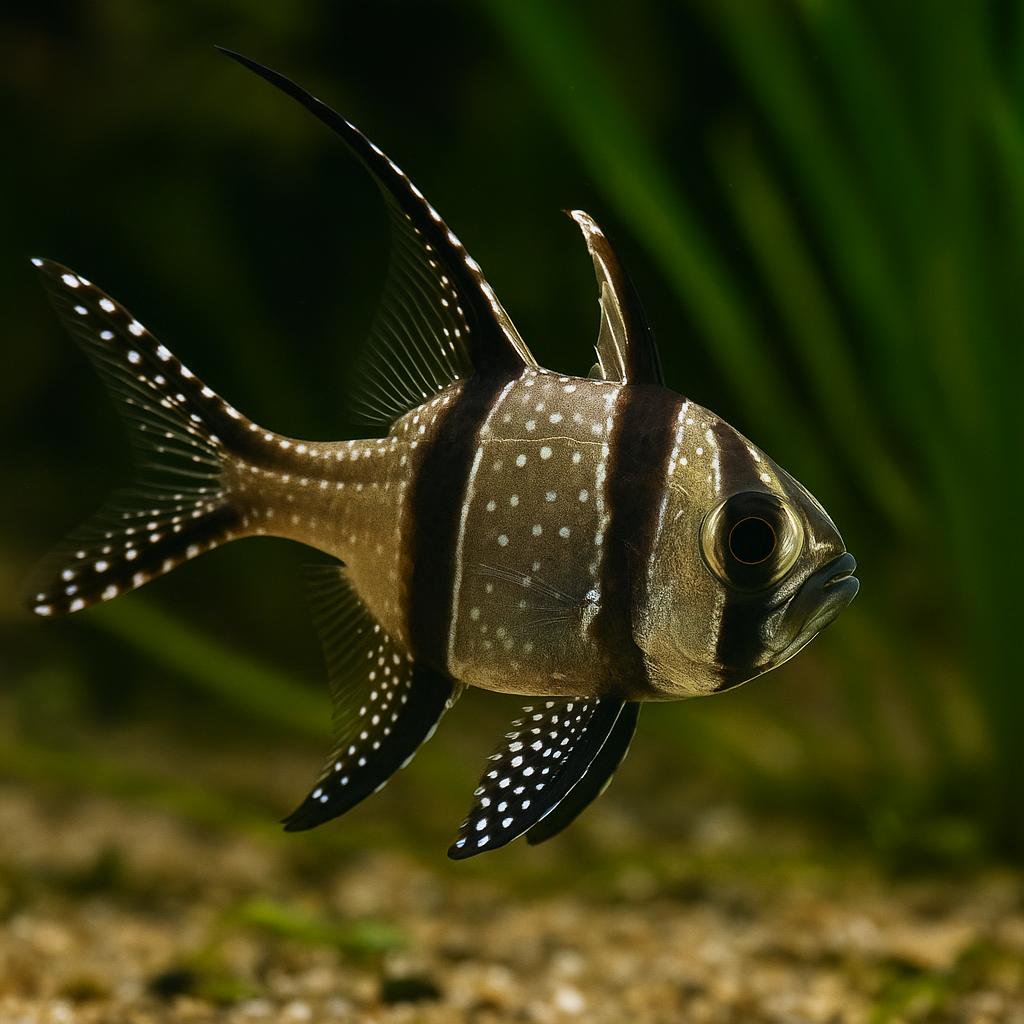
Banggai Cardinalfish
Pterapogon kauderni
Banggai cardinals just sort of hover like little underwater satellites, and the bold black bars with those long, polka-dotted fins look unreal under reef lighting. They're super chill most of the time, but once a pair forms you'll see real "fish drama," and the male will even mouthbrood the babies like a champ.
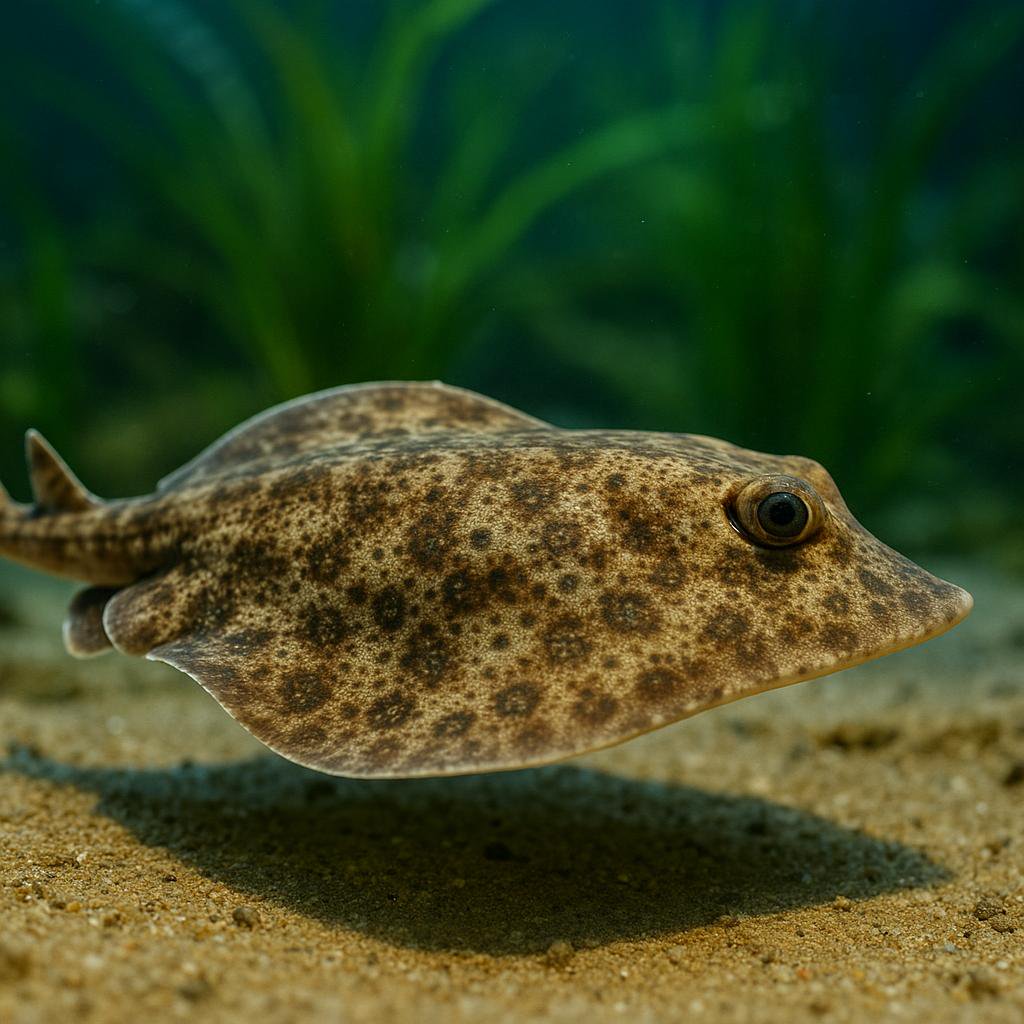
Barbedwire-tailed skate
Notoraja martinezi
Notoraja martinezi is a deepwater skate from the eastern Pacific (Costa Rica down to Ecuador) that lives way down on soft bottoms. The tail is the giveaway - it is lined with strong, hooked thorns that really do look like barbed wire. This is absolutely not an aquarium fish; it is a cold, high-pressure deep-sea animal with basically no practical home care info because it is not kept in the hobby.
More to Explore
Discover more marine species.
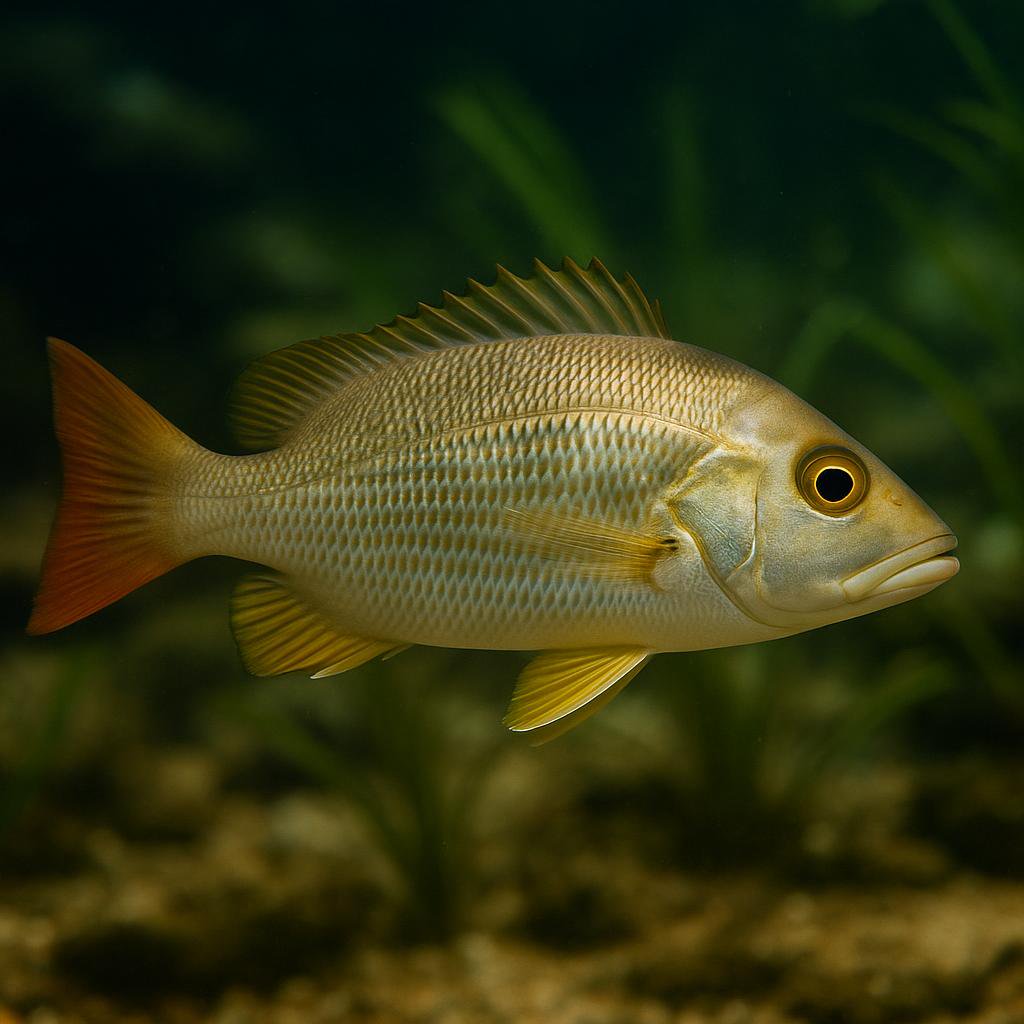
African red snapper
Lutjanus agennes
This is a true snapper from West Africa - a big, fast-growing predator that goes from coastal reefs to brackish lagoons and estuaries (especially as a juvenile). Super cool fish in the wild, but it gets absolutely huge and will eat smaller tankmates once it has the mouth for it, so its really more of a public-aquarium scale animal than a home-aquarium fish.
Aleutian skate
Bathyraja aleutica
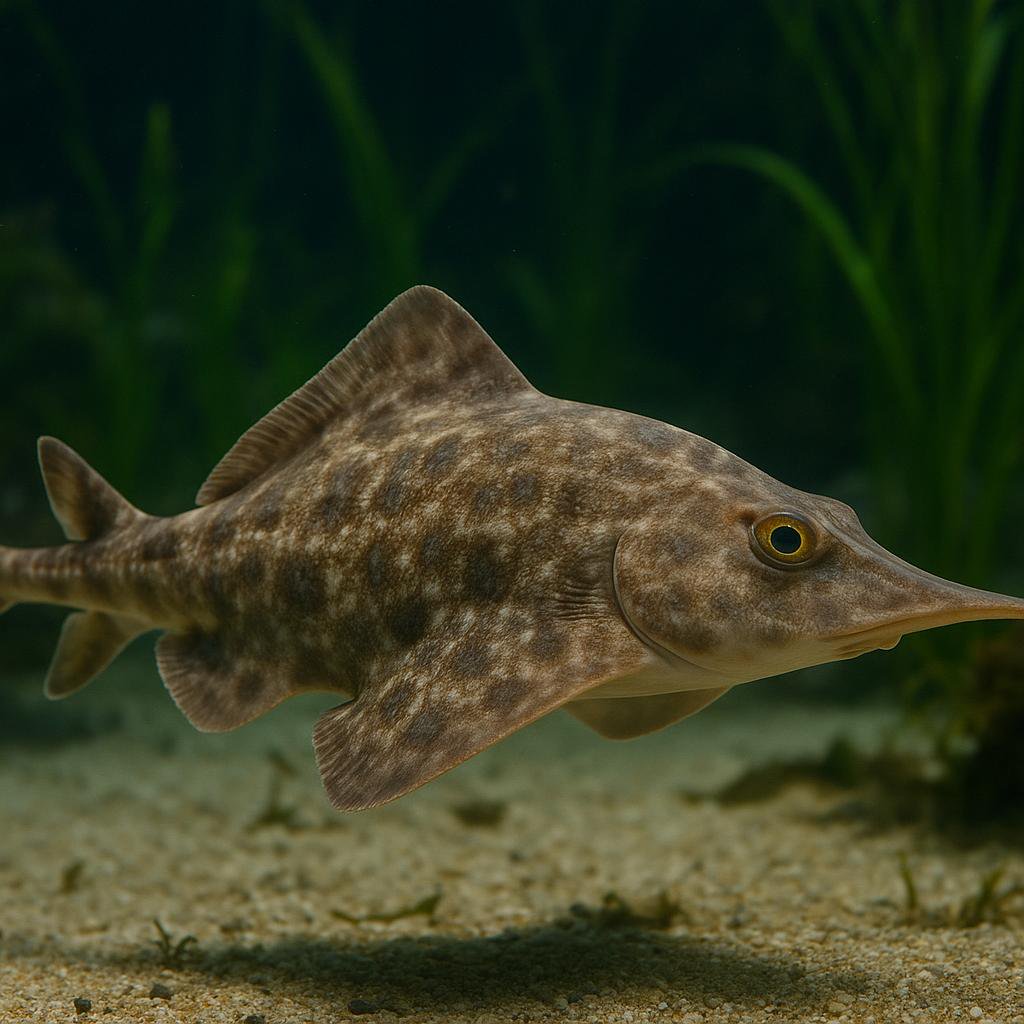
This is a big, cold-water deep-slope skate from the North Pacific that cruises muddy bottoms and eats chunky benthic prey like crabs and shrimp. The really cool bit is its egg-laying skate life - it does distinct pairing (the classic skate "embrace") and drops those tough egg cases on the seafloor. Not an aquarium fish at all unless you're basically running a public-aquarium-style chilled system.
Antarctic dragonfish
Vomeridens infuscipinnis
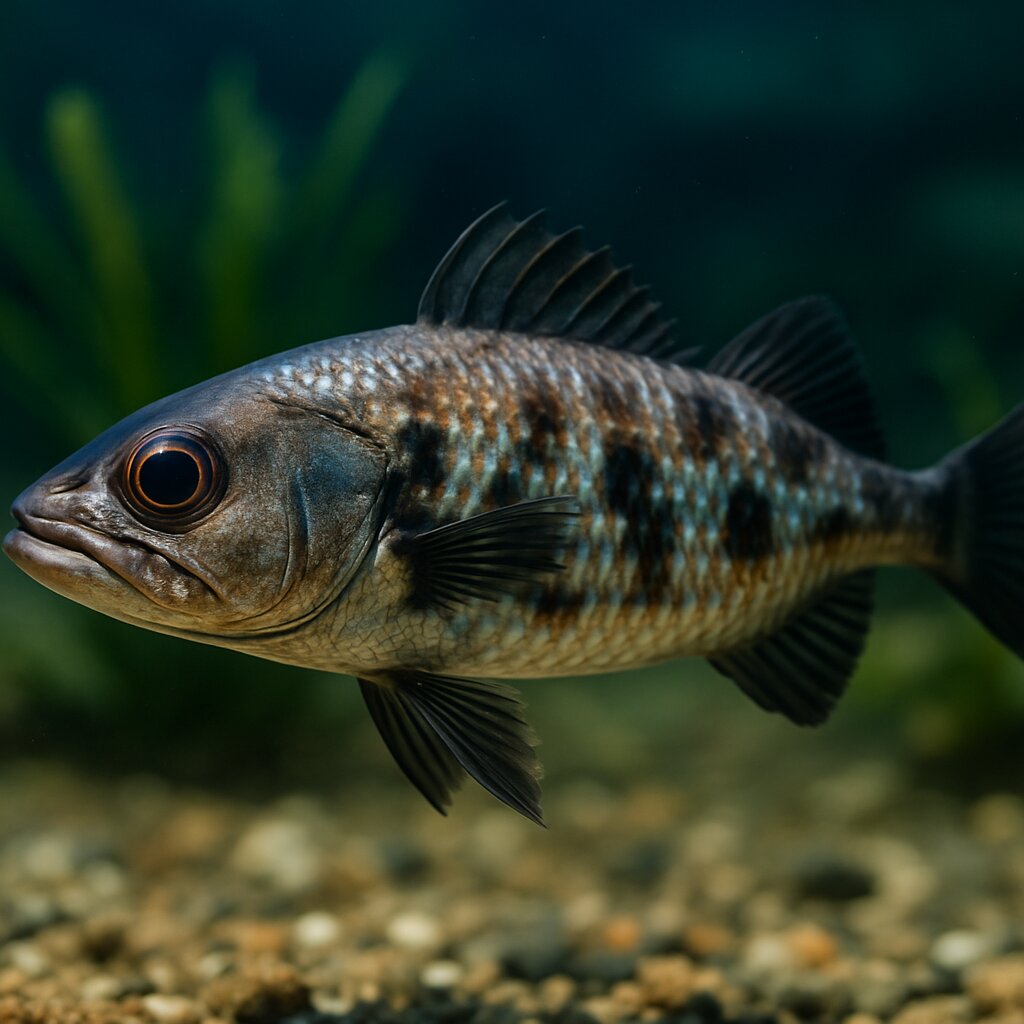
Deep down around Antarctica, this sleek dragonfish cruises the water column like a little submarine, nearly neutrally buoyant so it can hover above the seafloor. It munches almost exclusively on Antarctic krill and lives in near-freezing water 500-800 m down, so it is a cool species to read about, not one for home tanks.
Arabian spiny eel
Notacanthus indicus
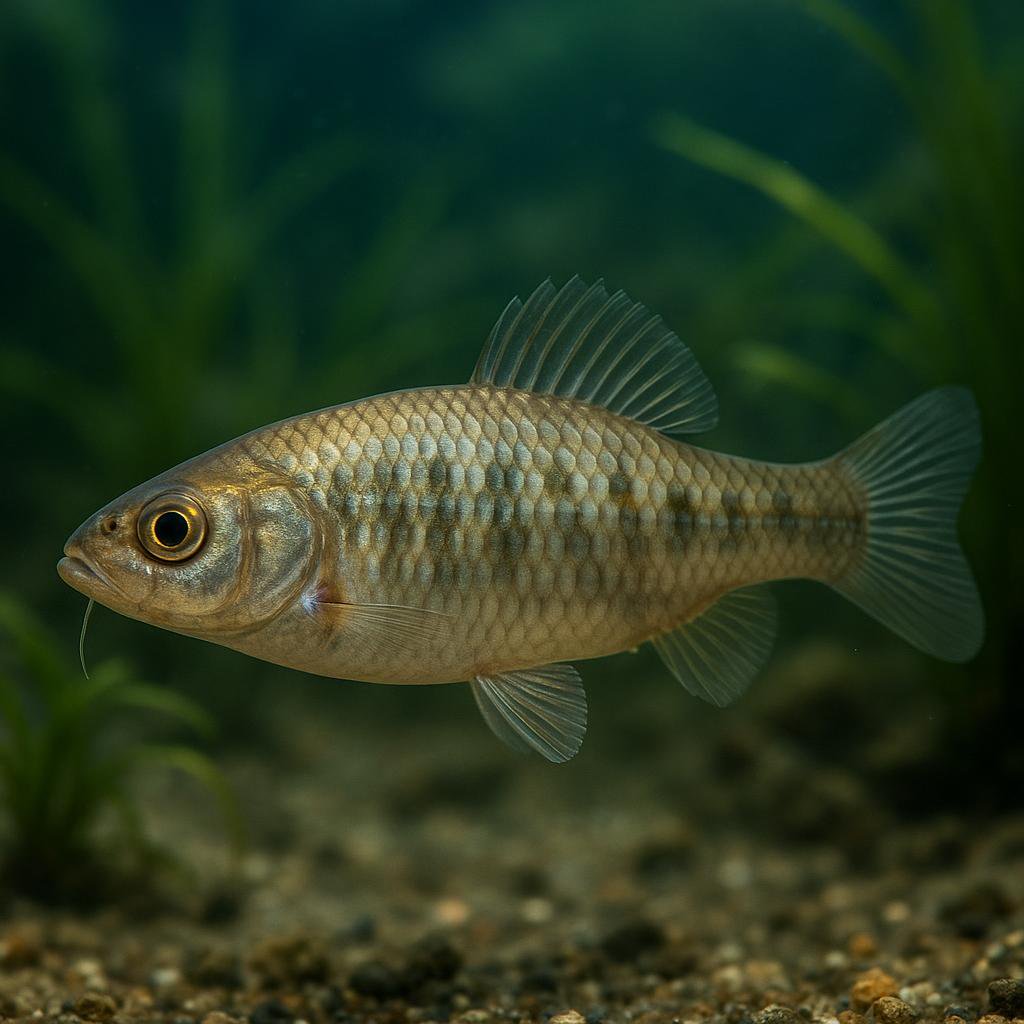
Notacanthus indicus is a deep-sea spiny eel (family Notacanthidae; not a true eel) known from the Arabian Sea on the continental slope at roughly ~960–1,046 m depth, with reported maximum length around 20 cm TL; it is a deep-water bycatch species and not established in the aquarium trade.
Arctic rockling
Gaidropsarus argentatus
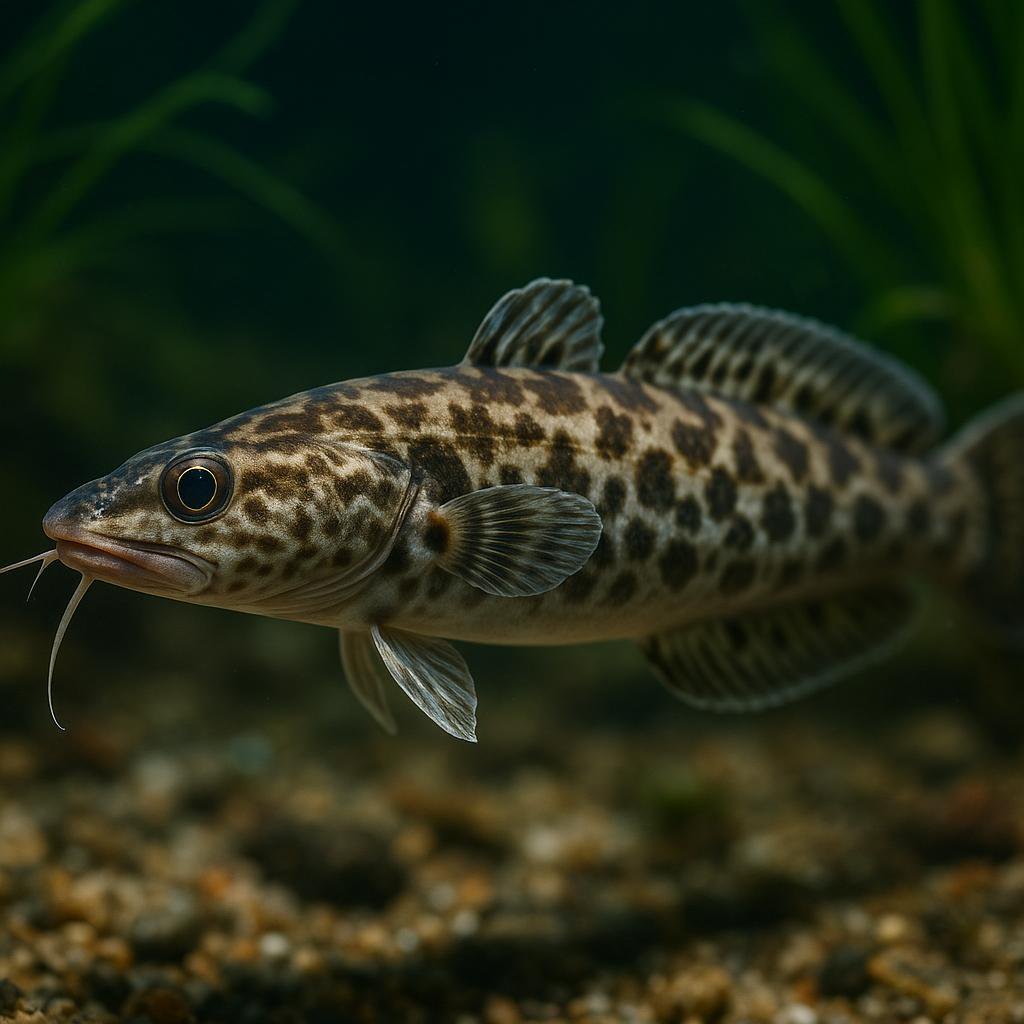
This is a deepwater North Atlantic rockling (a cod relative) that hangs out on soft bottoms way down the slope. It is a cold-water, bottom-hugging predator that snoots around for crustaceans and will also take small fish when it gets the chance.
Atlantic pomfret
Brama brama
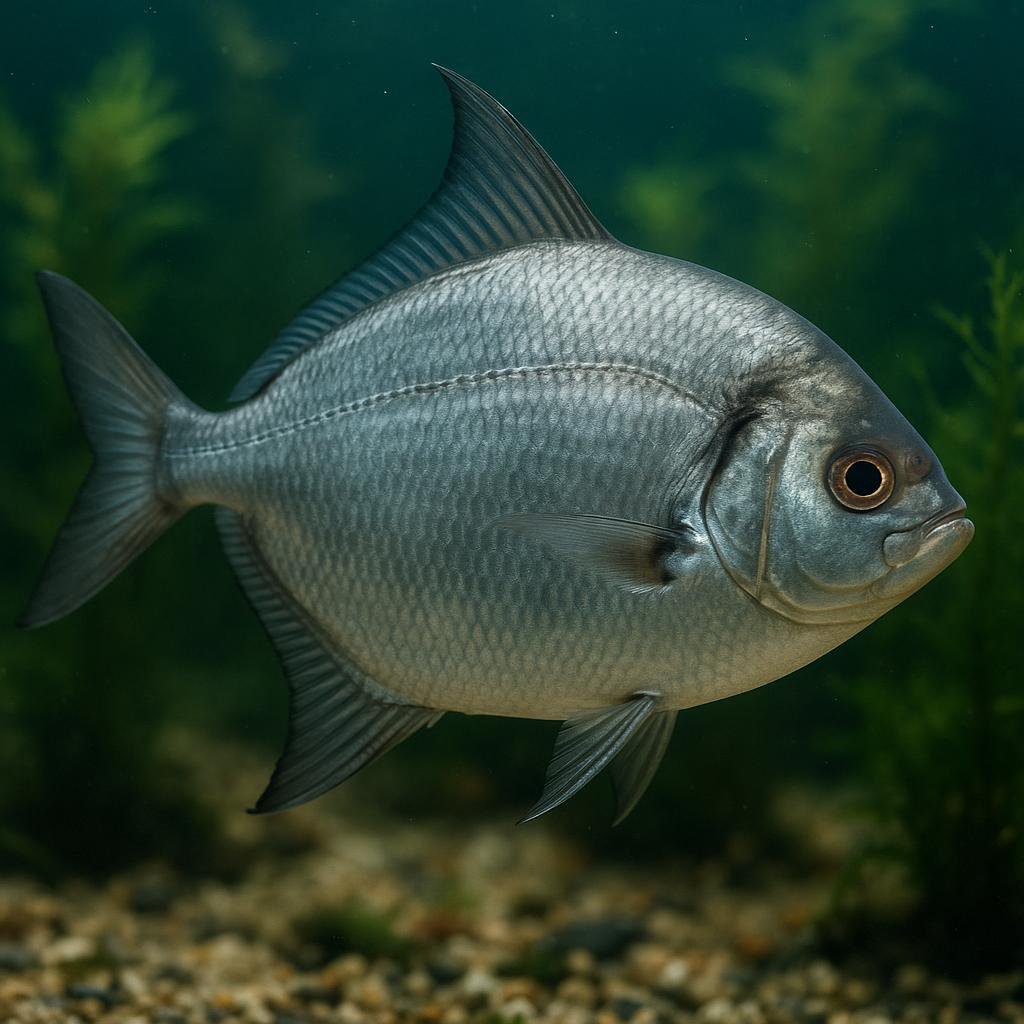
Brama brama is the Atlantic pomfret (aka Ray's bream) - a deep-bodied, open-ocean pelagic fish that cruises around in small schools and follows water temps. It is a legit big, wild marine species (not an aquarium fish) that eats other small sea critters like fish and squid, and it ranges across a huge chunk of the Atlantic plus parts of the Indian and South Pacific.
Looking for other species?