

Atlantic pomfret
Brama brama
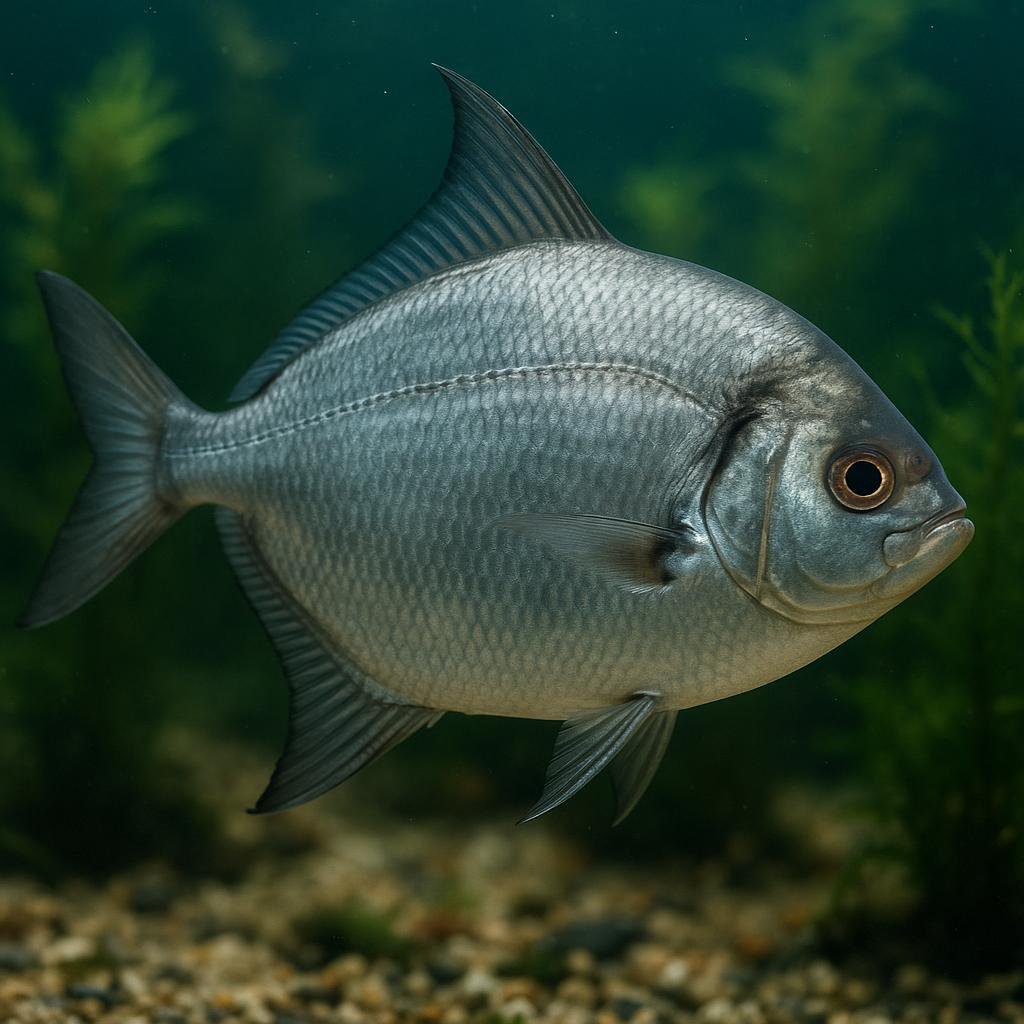
The Atlantic pomfret has a laterally compressed body with a silvery sheen and distinctive long, pointed fins along its back and tail.
This page includes AI-generated images. Why am I seeing AI images?
About the Atlantic pomfret
Brama brama is the Atlantic pomfret (aka Ray's bream) - a deep-bodied, open-ocean pelagic fish that cruises around in small schools and follows water temps. It is a legit big, wild marine species (not an aquarium fish) that eats other small sea critters like fish and squid, and it ranges across a huge chunk of the Atlantic plus parts of the Indian and South Pacific.
Also known as
Quick Facts
Size
100 cm TL
Temperament
Semi-aggressive
Difficulty
Expert
Min Tank Size
10000 gallons
Lifespan
up to 9 years
Origin
Atlantic Ocean (also Indian and South Pacific)
Diet
Carnivore - small fishes, cephalopods (squid), amphipods, and euphausiids (krill)
Water Parameters
12-24°C
8-8.4
8-12 dGH
Need a heater for this species?
This species needs 12-24°C in a 10000 gallon tank. Use our heater calculator to find the right wattage.
Calculate heater sizeCare Notes
- This is a pelagic open-water fish - think huge, long tank with serious swimming room (public-aquarium scale), not a rock-and-coral display. If it cannot cruise constantly, it will beat itself up fast.
- Run heavy oxygenation and brutal flow; they come from cool, high-oxygen water and get stressed when O2 dips. Keep temp on the cool side (about 50-64F / 10-18C) and keep ammonia/nitrite at zero with nitrate kept low by big water changes and oversize filtration.
- They are jumpers and panic-sprinters, so use a tight lid and pad or shield hard edges inside the tank. Dimmer lighting and lots of open space helps stop the skittish crash-and-burn behavior.
- Feed like a predator that burns calories all day: marine meaty foods (silversides, squid, shrimp, cut fish, quality marine pellets) split into multiple smaller meals. Soak foods in vitamins and keep it varied or you will see skinny shoulders and poor recovery from stress.
- Avoid small tankmates - anything bite-sized will get eaten sooner or later. Also avoid fin-nippers and aggressive jacks/tangs; pick only large, calm, fast-swimming coldwater-compatible fish if you insist on a community.
- Quarantine is non-negotiable; they do not handle parasite loads well when stressed, and marine ich/velvet can take them down quickly. Watch for rapid breathing, clamped fins, and flashing - that is usually your early warning that water quality or parasites are winning.
- Breeding at home is basically not a thing; they are ocean spawners and need big seasonal cues and massive space. If someone claims they bred Brama brama in a home tank, I would want receipts.
Compatibility
Good Tankmates
- Other midwater open-ocean cruisers that can handle some attitude - think similar-sized jacks/trevallies or hardy pelagic tank fish. The big thing is matching size and speed so nobody gets bullied or eaten.
- Large, tough wrasses (the non-delicate kinds) that stay alert and can hold their own. In big marine systems, these tend to coexist because they are not easy targets and they do not panic as much.
- Robust, bigger tangs/surgeonfish (like sailfin or Naso types) in a very large tank. They are fast, not bite-sized, and usually too busy grazing to get into constant beef - just give them room and multiple feeding stations.
- Bigger triggerfish that are on the more manageable side (not the full psycho ones). If you have the space and heavy filtration, they can match the pomfret's pushy vibe without turning into constant damage.
- Solid-sized groupers or big sea bass types that are not small enough to be considered food and not so aggressive they try to own the whole tank. More of a 'mutual respect' setup than a cuddle puddle.
- Large, thick-skinned bottom dwellers like moray eels in a secure rockwork setup. The pomfret mostly hangs midwater, and a moray that stays in its lane usually reduces random chase drama - but you still plan for big appetites.
Avoid
- Small community fish or anything bite-sized (chromis, small damsels, cardinals, small clowns). Semi-aggressive plus a big mouth and open-water hunting mode means they can get chased, stressed, or just vanish.
- Slow, dainty fish with fancy fins (lionfish, longfin butterflies, bannerfish, fancy angels). They cannot outswim the harassment, and fin-nipping or food competition becomes a real problem fast.
- Super territorial bruisers (ultra-aggressive triggers, big mean damsels, or nasty puffers) that will turn every feeding into a fight. With pomfret you want 'can coexist' aggressive, not 'blood sport' aggressive.
Where they come from
Atlantic pomfret (Brama brama) is an open-ocean fish. You are not dealing with a reef or lagoon species here - this is a pelagic cruiser that spends its life in blue water, moving a lot, following food. You will see them show up across the North Atlantic and into the Mediterranean, usually out over deep water.
If you are thinking "cool, a big silver fish for my marine tank" - pause. This species behaves more like a small tuna than a typical aquarium fish.
Setting up their tank
I will be blunt: keeping an Atlantic pomfret long-term in a home aquarium is a rough match. The problem is not just water quality. Its the combination of adult size, constant swimming, and stress from tight quarters. Most attempts that go south do so because the fish cant cruise and settles into chronic stress.
If you still want to try, think "round, huge, and overfiltered." A long rectangle with hard corners is where you see nose damage and frantic laps. A large oval/round system (or a very large raceway style build) is the friendliest layout for a fish like this.
- Tank footprint: as big as you can realistically provide, with lots of uninterrupted swim space (open water, not rock piles)
- Flow: strong, laminar-ish flow they can lean into, plus calmer areas so they can rest without being blasted
- Filtration: industrial-level protein skimming, oversized mechanical filtration, and a big biofilter (these fish eat heavy and poop heavy)
- Oxygen: aggressive aeration and surface agitation; dissolved oxygen is not negotiable with fast swimmers
- Temperature/salinity: keep stable and matched to the collection location (most end up doing typical temperate marine conditions rather than tropical reef numbers)
Cover the tank like you mean it. Startle jumps happen, and a powerful fish can find tiny gaps. I have lost pelagic fish to "I thought that lid was good enough".
For aquascape, go minimal. If you want structure, keep it low and to the edges with rounded surfaces. Hard rock towers in the middle are just something they will eventually slam into during a spook.
What to feed them
They are predators that do best on meaty marine foods. The big trick is getting them reliably eating prepared/frozen without turning your water into soup.
- Staples: chopped marine fish, squid, shrimp, and quality marine carnivore pellets once they recognize them as food
- Treats/variety: silversides or similar whole marine baitfish (not constantly, but useful for conditioning and picky phases)
- Supplements: soak food in a vitamin/HUFA supplement if you are feeding lots of frozen blocks
Train them onto non-messy foods early. Start with smaller pieces of thawed seafood on a feeding stick, then mix in pellets. A pomfret that takes pellets is way easier to keep stable long-term.
Feed smaller amounts more often rather than one giant dump. Big single feedings tend to spike ammonia and make the fish sluggish. Two to four feedings a day is more realistic for a high-activity swimmer, especially if its still growing.
How they behave and who they get along with
Expect a nervous, high-speed fish that can go from calm to ballistic in half a second. They are not "interactive" like a triggerfish. They are more like a living torpedo that learns your routine over time.
Tankmates are tricky because anything small becomes food, and anything aggressive turns the pomfret into a stress case. The safest plan is species-only or with other large, calm, open-water compatible fish in a very large system.
- Avoid: slow fancy fish, long-finned fish, small fish, and anything that nips (they will get shredded or they will shred others)
- Be careful with: large tangs, big wrasses, triggers - not because the pomfret cant handle them physically, but because constant chasing ruins it
- Best match: big, mellow fish that ignore each other and can handle heavy feeding and high flow (in huge systems)
Spooking is the #1 behavior issue. Sudden lights-on, people tapping glass, a dog slamming a door - all of that can trigger panic laps and collisions.
Breeding tips
Realistically, you are not breeding Atlantic pomfret in an aquarium. They are open-ocean spawners with pelagic eggs/larvae, and the scale of space, current, and live plankton culture you would need is in public aquarium or research facility territory.
If your goal is raising marine fish, there are way better "first serious" projects than Brama brama. Think clownfish, dottybacks, or some of the hardier gobies.
Common problems to watch for
Most problems trace back to stress: too small a tank, not enough oxygen, rough handling, or tankmates that keep it on edge. Once a pelagic fish starts going downhill, it can move fast.
- Collision injuries: scraped nose, split fins, missing scales from panic runs (fix the cause: lighting changes, tank shape, cover, and hiding visual triggers outside the glass)
- Oxygen crash: heavy breathing, hanging at surface, refusing food (increase aeration/flow, clean clogged socks, check skimmer air intake)
- Ammonia/nitrite spikes: often after big feedings or filter maintenance (test often, do big water changes early, and do not over-clean bio media)
- Parasites from wild collection: flukes and other hitchhikers are common in wild pelagic fish (quarantine if you can, and be ready to treat in a controlled setup)
- Refusal to eat: usually stress or unfamiliar food type (dim the lights, reduce traffic around the tank, offer smaller moving pieces on a stick, then transition to frozen/pellet)
Netting and rough transfers can wreck these fish. Use large containers and guide them calmly. If you have to catch one, plan the whole move first - lights low, corners blocked, and no frantic chasing.
Similar Species
Other marine semi-aggressive species you might be interested in.
Aleutian skate
Bathyraja aleutica
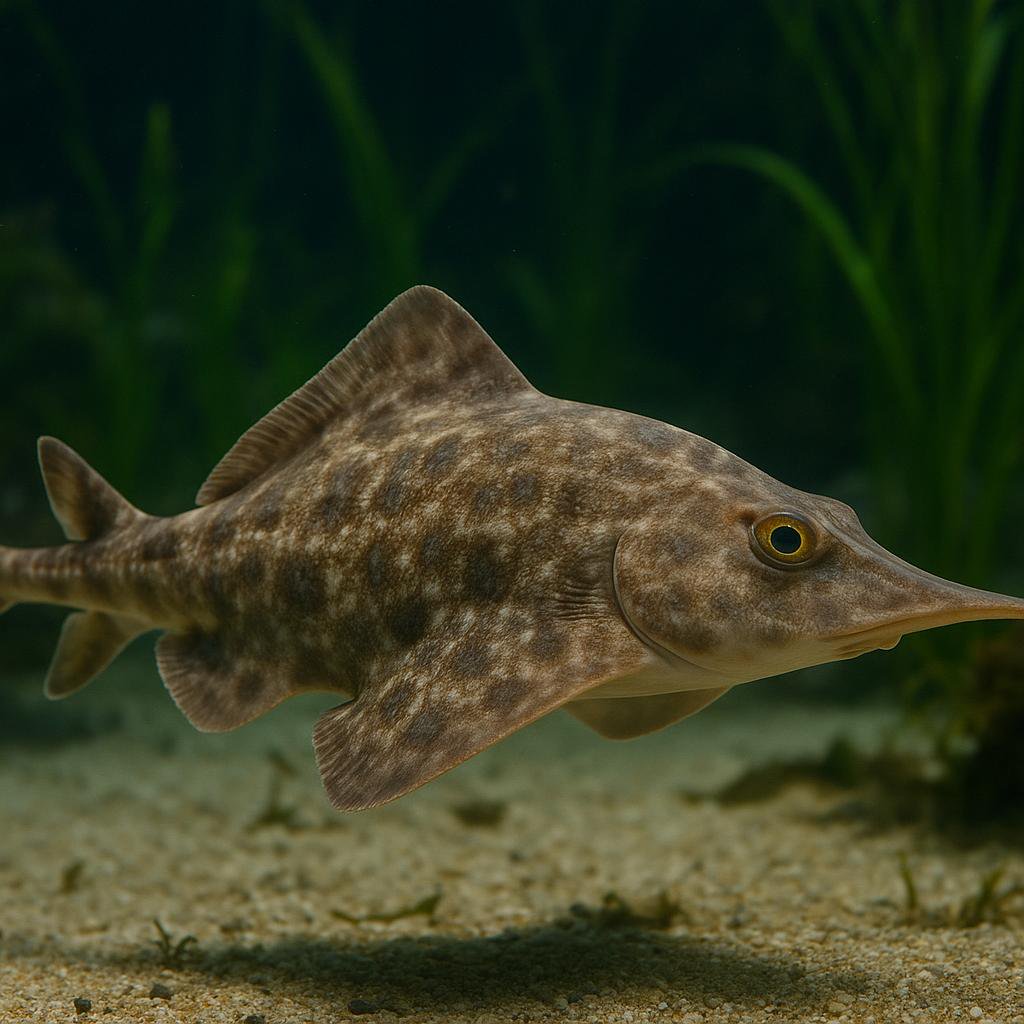
This is a big, cold-water deep-slope skate from the North Pacific that cruises muddy bottoms and eats chunky benthic prey like crabs and shrimp. The really cool bit is its egg-laying skate life - it does distinct pairing (the classic skate "embrace") and drops those tough egg cases on the seafloor. Not an aquarium fish at all unless you're basically running a public-aquarium-style chilled system.
Antarctic dragonfish
Vomeridens infuscipinnis
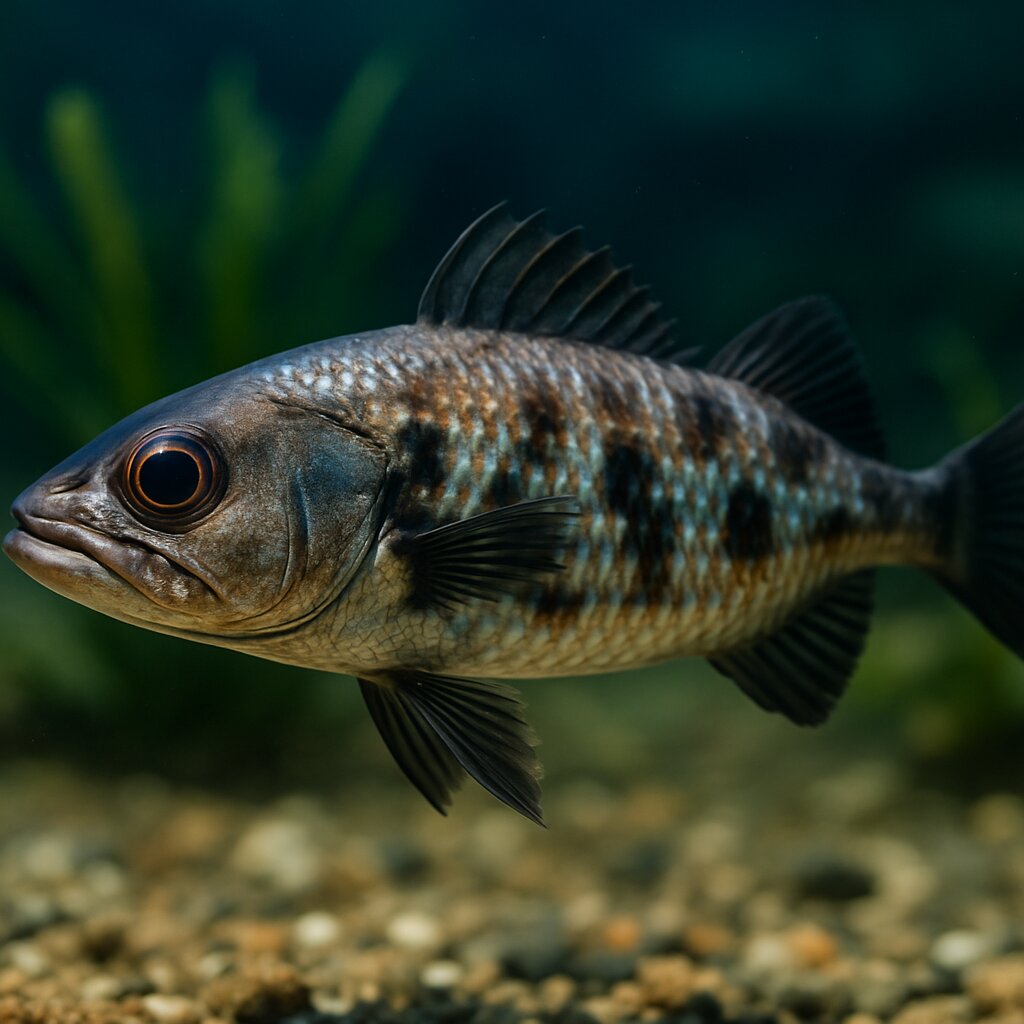
Deep down around Antarctica, this sleek dragonfish cruises the water column like a little submarine, nearly neutrally buoyant so it can hover above the seafloor. It munches almost exclusively on Antarctic krill and lives in near-freezing water 500-800 m down, so it is a cool species to read about, not one for home tanks.
Arabian spiny eel
Notacanthus indicus
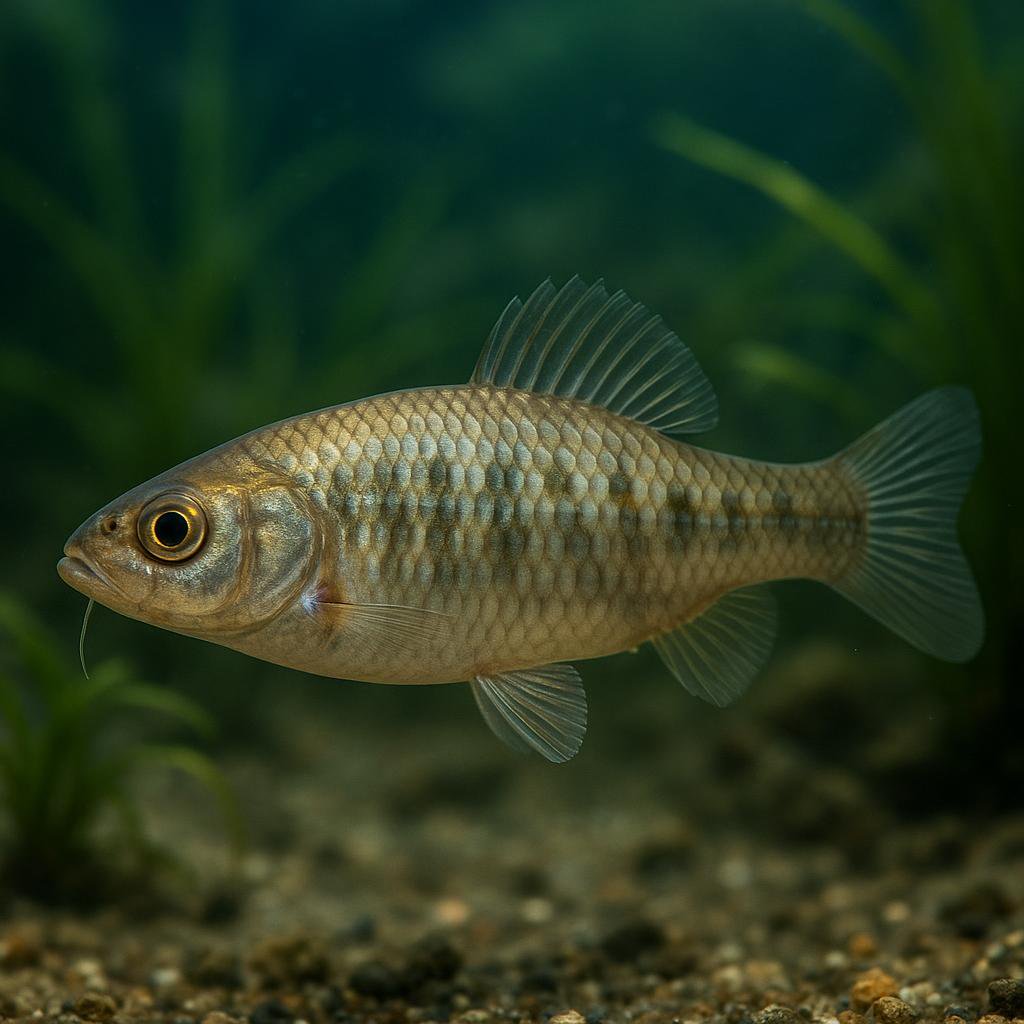
Notacanthus indicus is a deep-sea spiny eel (family Notacanthidae; not a true eel) known from the Arabian Sea on the continental slope at roughly ~960–1,046 m depth, with reported maximum length around 20 cm TL; it is a deep-water bycatch species and not established in the aquarium trade.
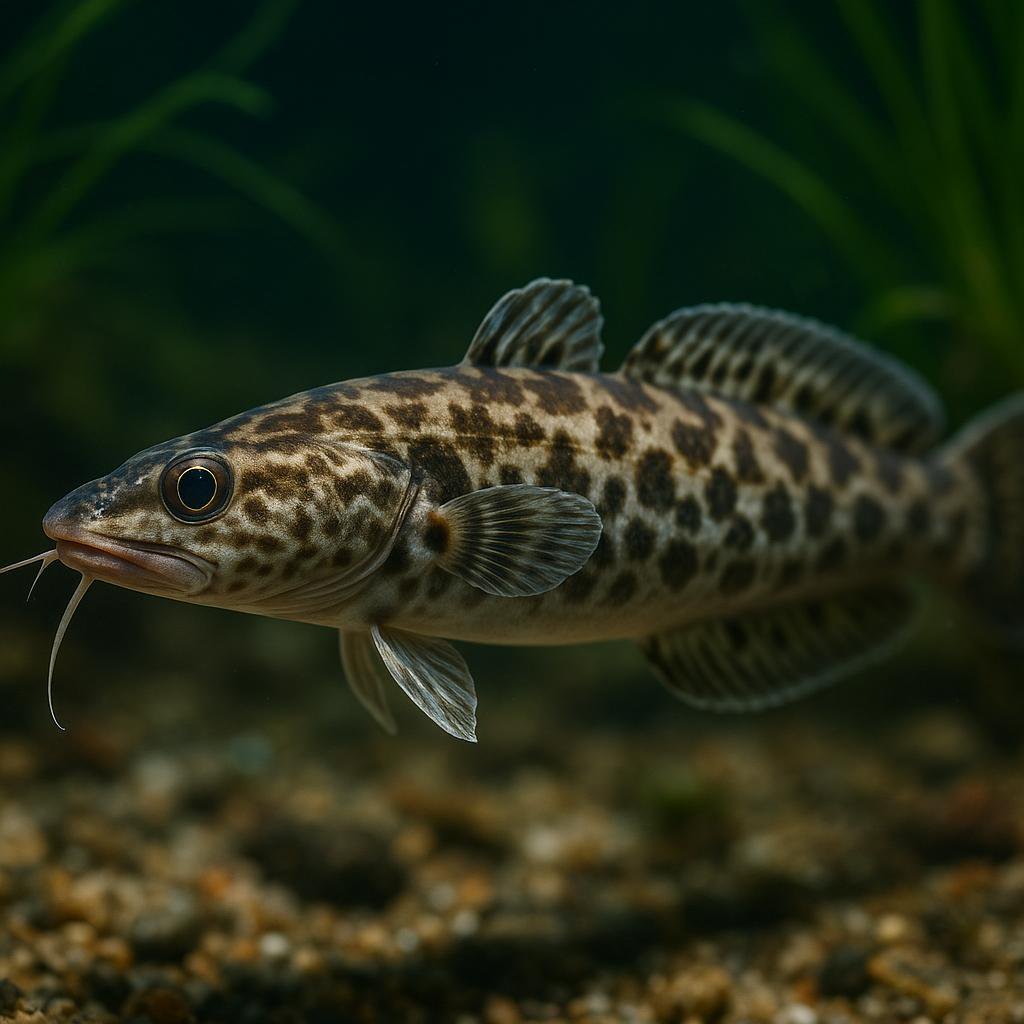
Arctic rockling
Gaidropsarus argentatus
This is a deepwater North Atlantic rockling (a cod relative) that hangs out on soft bottoms way down the slope. It is a cold-water, bottom-hugging predator that snoots around for crustaceans and will also take small fish when it gets the chance.
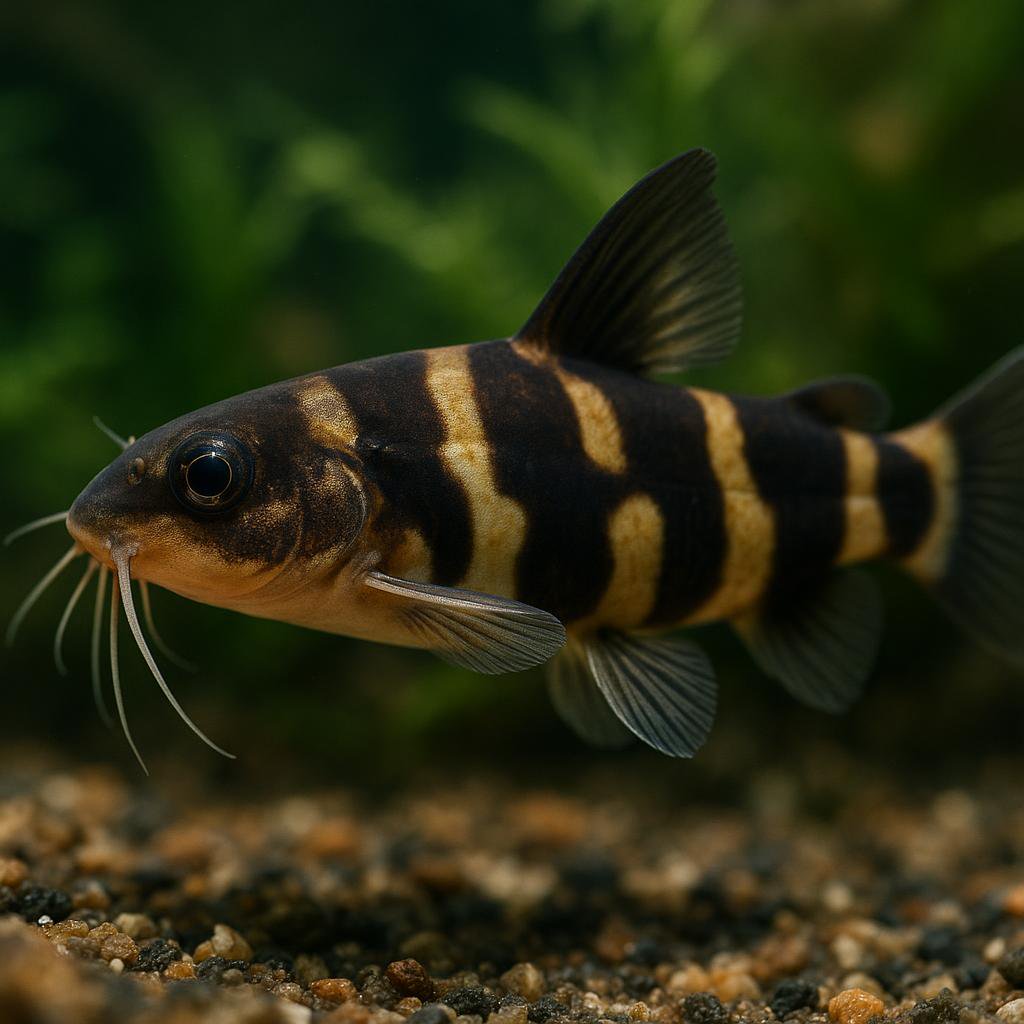
Australian sawtail catshark
Figaro boardmani
Figaro boardmani is a small, deepwater Australian catshark with these cool saw-like ridges of spiny denticles along the tail and a neat pattern of dark saddle bands. It lives way down on the outer continental shelf and slope, so its natural water is cold, dim, and stable - totally not a typical home-aquarium fish. Diet-wise its a predator that goes after fish, crustaceans, and cephalopods.
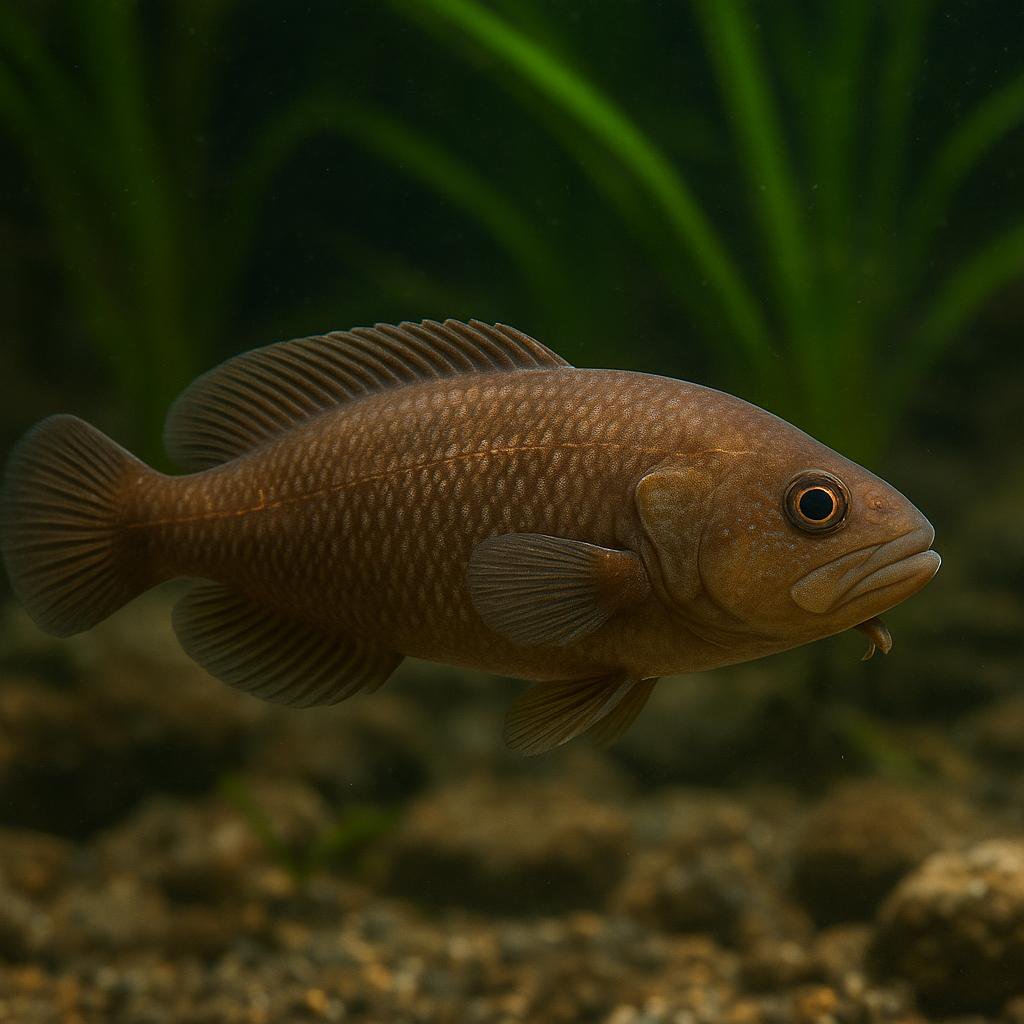
Barbados vent eelpout
Thermarces pelophilum
This is a deep-sea eelpout that was collected at cold seeps off Barbados - think pitch-black, high-pressure ocean bottom, not an aquarium fish. It tops out around 12.4 cm and basically lives in a world of mud, methane, and seep life, which is a pretty wild niche for a fish.
More to Explore
Discover more marine species.
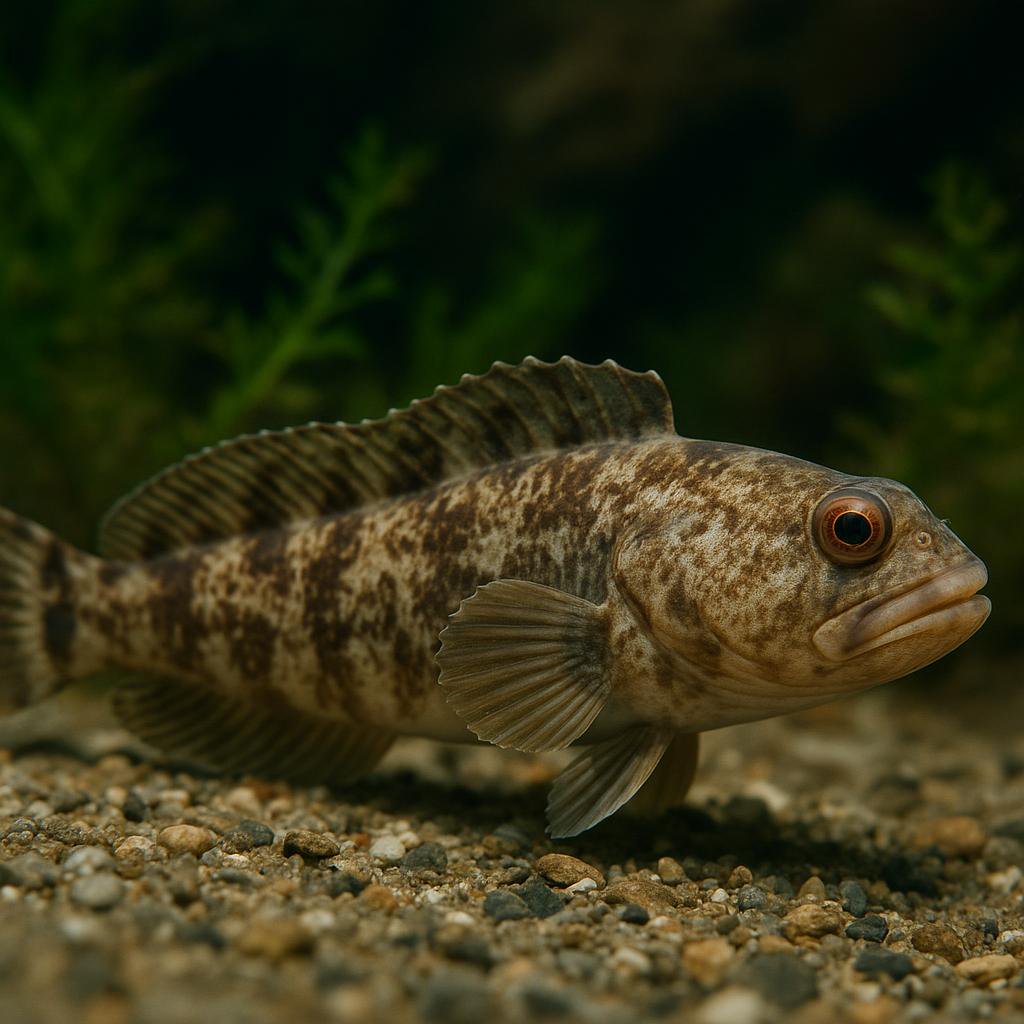
Abe's eelpout
Japonolycodes abei
Japonolycodes abei is a temperate, deepwater demersal eelpout (family Zoarcidae) endemic to Japan (Kumano-nada Sea reported; other sources also report Sagami Bay and Tosa Bay). It is the only species in the genus Japonolycodes and occurs roughly 40-300 m depth, making it an uncommon/atypical aquarium species.
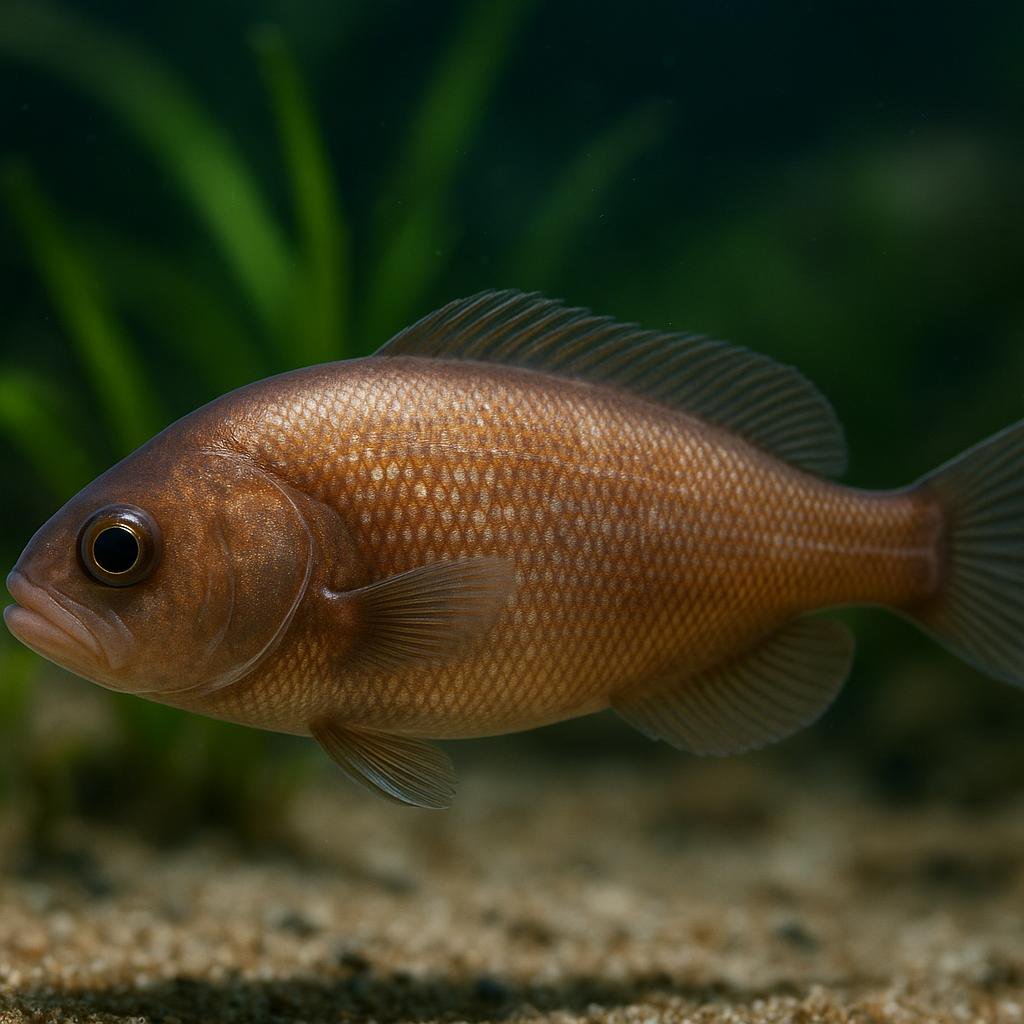
Affinis blind cusk-eel
Barathronus affinis
Barathronus affinis is a tiny, super-weird deep-sea blind cusk-eel from the western-central Indian Ocean. It is one of those gelatinous, loose-skinned brotula-type fishes that live way down in the dark and are basically never seen alive, so almost everything we know comes from preserved specimens and taxonomic work.
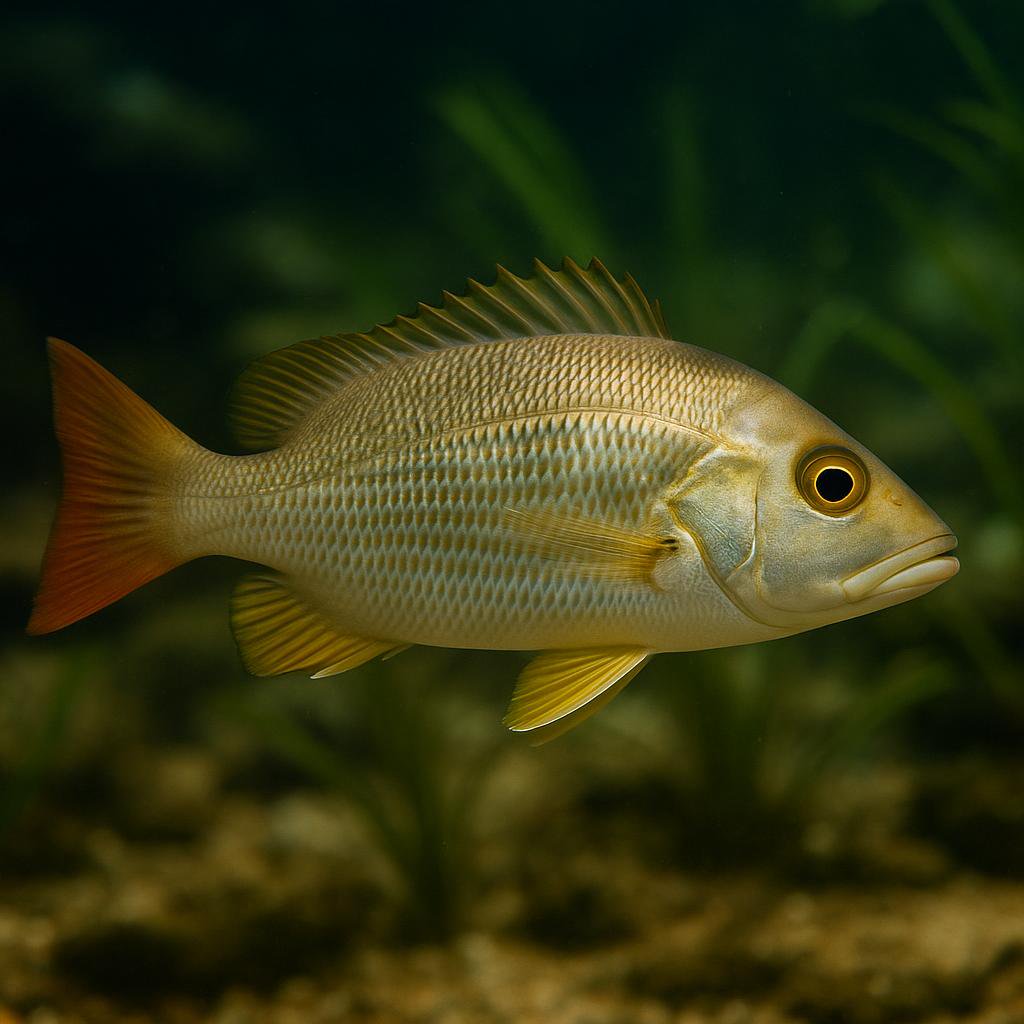
African red snapper
Lutjanus agennes
This is a true snapper from West Africa - a big, fast-growing predator that goes from coastal reefs to brackish lagoons and estuaries (especially as a juvenile). Super cool fish in the wild, but it gets absolutely huge and will eat smaller tankmates once it has the mouth for it, so its really more of a public-aquarium scale animal than a home-aquarium fish.
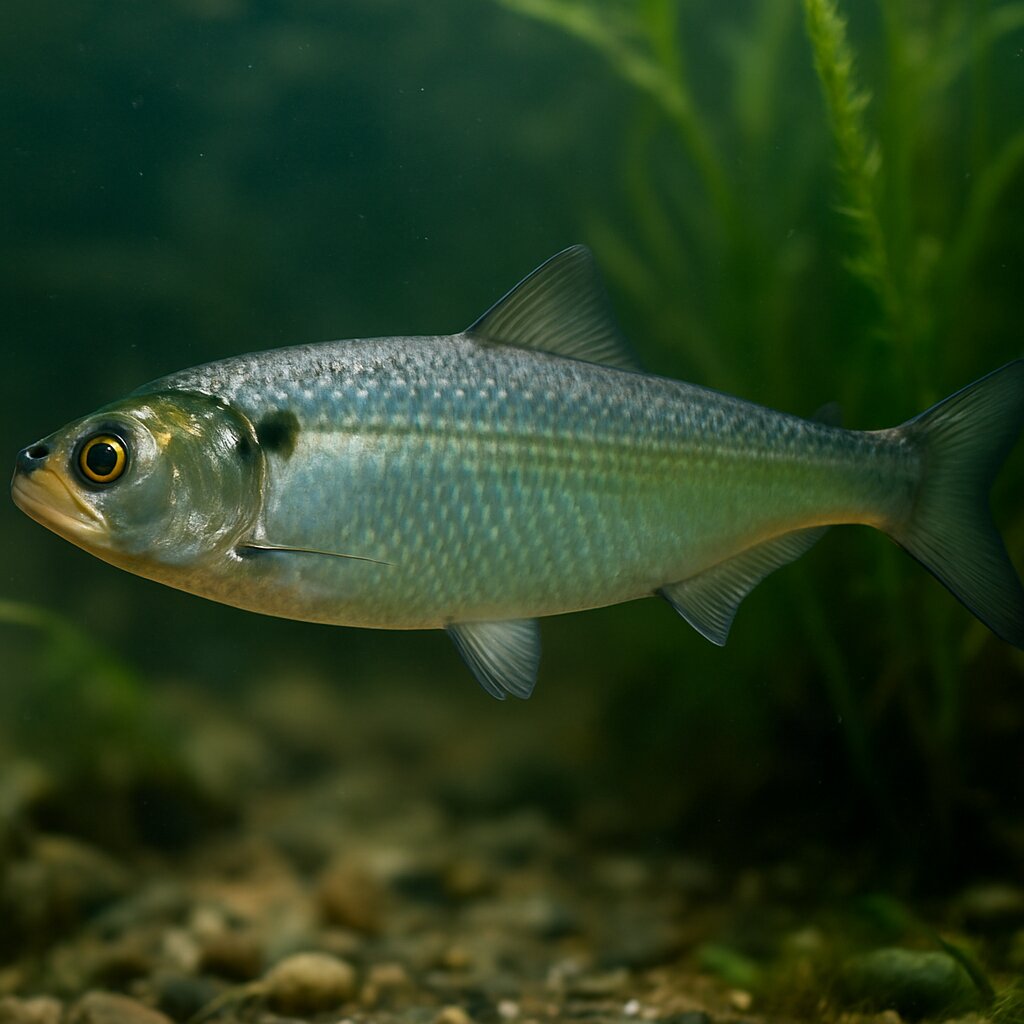
Allis shad
Alosa alosa
Gorgeous silver, fast-swimming shad that spends most of its life in the sea and then surges up big rivers in noisy, surface-spawning schools. It grows huge for a herring-type fish and needs cool, ultra-oxygenated water and tons of open space, so it is a public-aquarium species rather than a home tank fish.
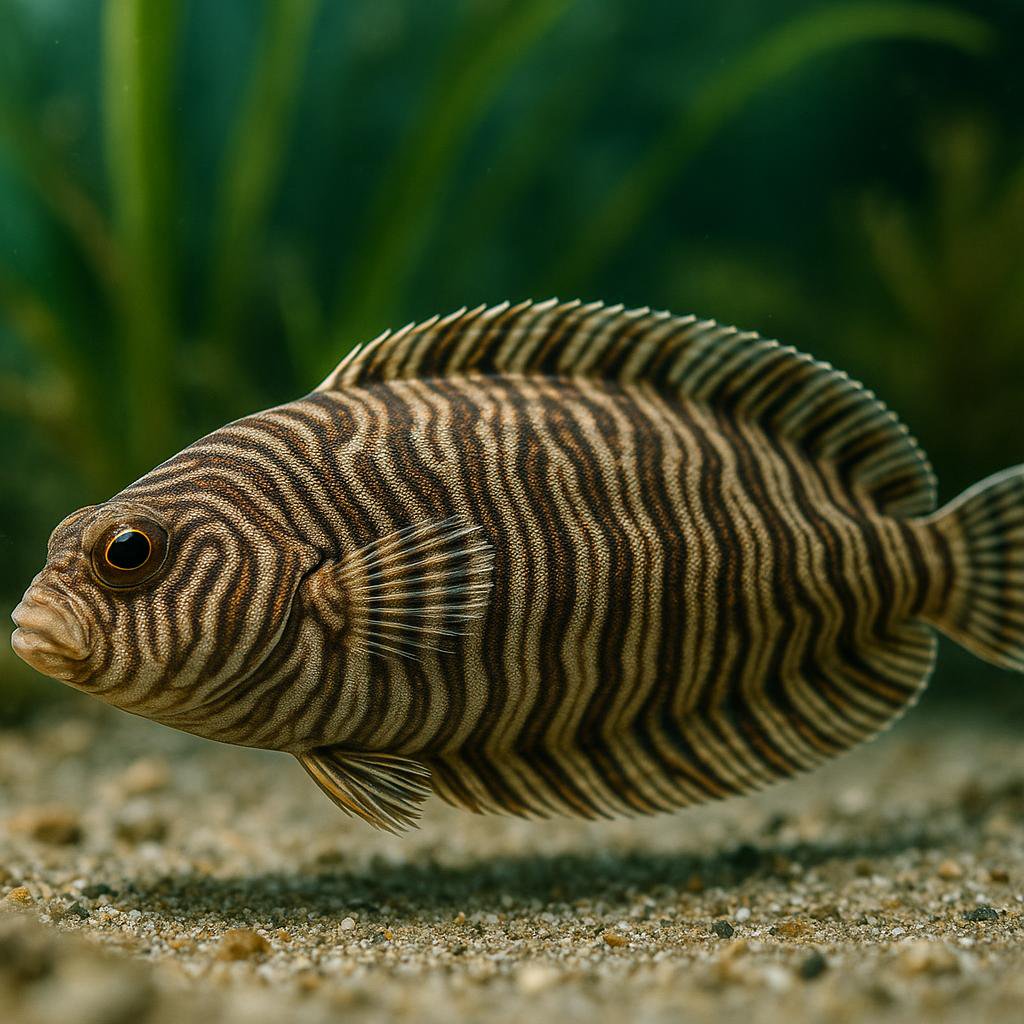
Annandale's zebra sole
Zebrias annandalei
Zebrias annandalei is a small demersal sole from coastal India that inhabits sandy or muddy bottoms and buries for camouflage. It is rarely kept in home aquaria and would require a specialized marine sand-bottom setup and appropriate feeding.
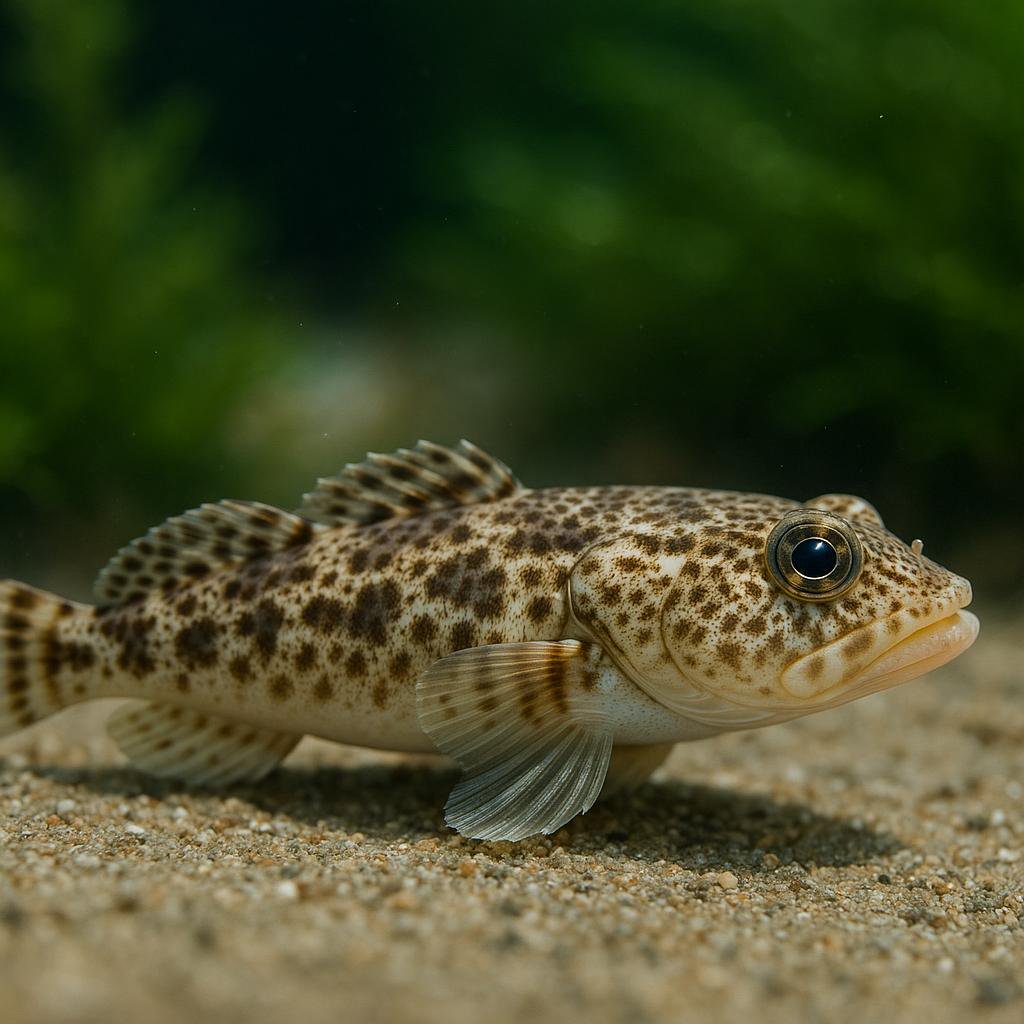
Banded stargazer
Kathetostoma binigrasella
This is a New Zealand stargazer that lives half-buried in sand or mud with its eyes pointed up, waiting to rocket upward and nail passing prey. It has those neat dark saddle-bands across the back (especially as a juvenile), and like other stargazers it is venomous with spines near the gill cover/pectoral area - definitely a look-dont-touch fish.
Looking for other species?