

Australian sawtail catshark
Figaro boardmani
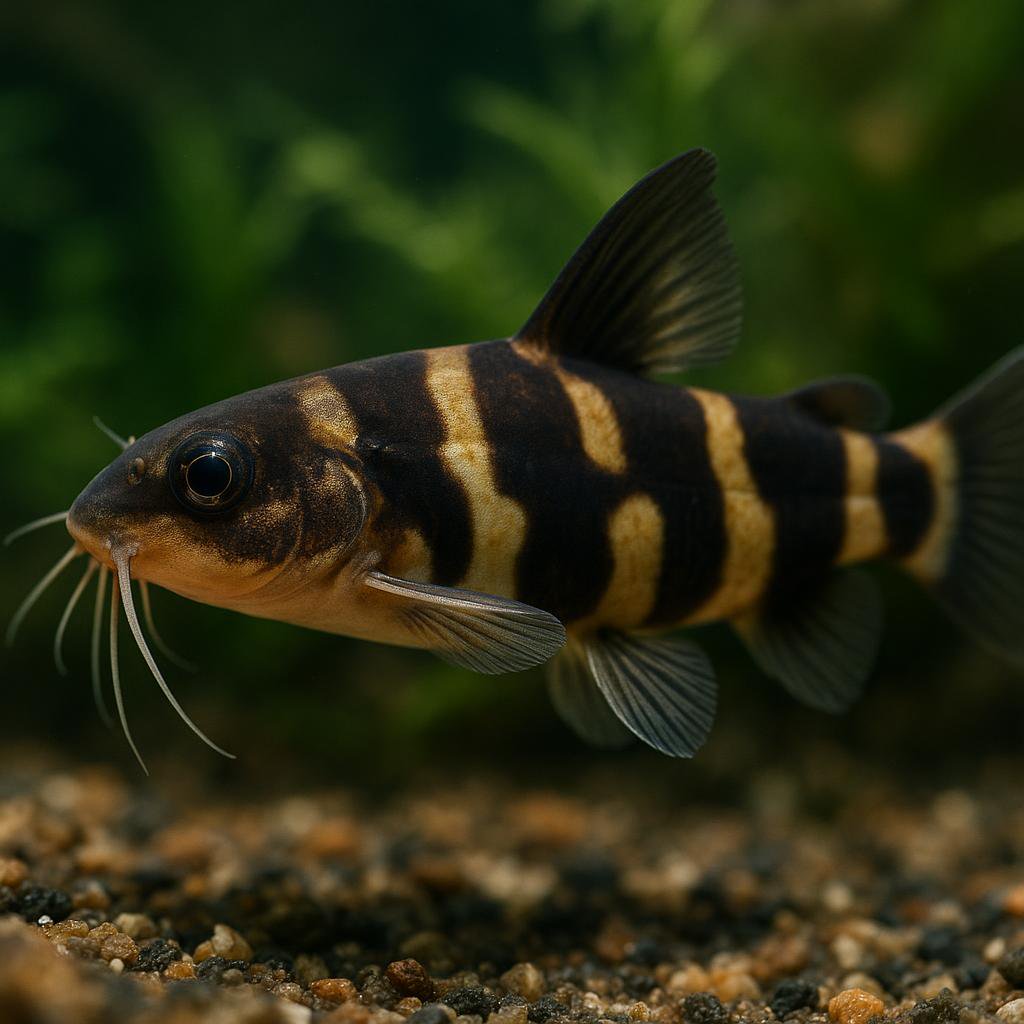
The Australian sawtail catshark exhibits a long, slender body with a distinct saw-like tail and a blotchy brown to grey coloration.
This page includes AI-generated images. Why am I seeing AI images?
About the Australian sawtail catshark
Figaro boardmani is a small, deepwater Australian catshark with these cool saw-like ridges of spiny denticles along the tail and a neat pattern of dark saddle bands. It lives way down on the outer continental shelf and slope, so its natural water is cold, dim, and stable - totally not a typical home-aquarium fish. Diet-wise its a predator that goes after fish, crustaceans, and cephalopods.
Also known as
Quick Facts
Size
61 cm TL
Temperament
Semi-aggressive
Difficulty
Expert
Min Tank Size
300 gallons
Lifespan
10-20 years
Origin
Southern Australia
Diet
Carnivore - fish, crustaceans, cephalopods (meaty frozen foods in captivity)
Water Parameters
10.3-16.9°C
7.8-8.4
8-12 dGH
Need a heater for this species?
This species needs 10.3-16.9°C in a 300 gallon tank. Use our heater calculator to find the right wattage.
Calculate heater sizeCare Notes
- Plan for a big footprint, not just gallons - a 6-8 ft long tank with lots of open bottom space beats a tall show tank, because they cruise and turn on the substrate.
- Use soft sand (not crushed coral) and keep rockwork stable on the glass, not sitting on sand - they will wedge under things and can topple loose piles.
- Keep temp on the cool side for a catshark (around 20-24 C / 68-75 F) with strong oxygenation and steady salinity 1.024-1.026; they get stressed fast in warm, low-O2 water.
- Feed meaty marine foods after lights out: squid, shrimp, smelt/silversides, and quality shark/ray chunks; soak in a vitamin/HUFA supplement a couple times a week to avoid deficiencies.
- Target feed with tongs so faster fish do not steal everything, and remove leftovers quick - messy feeding is the fastest way to blow up nitrate in a shark tank.
- Tankmates: think calm, non-nippy fish that will not outcompete them at feeding; avoid triggers, puffers, large wrasses, and anything that bites fins or eyes.
- Watch for abrasion and infections on the belly and fins - rough substrate, sharp rock, and high nitrate show up as red patches and slow-healing scrapes.
- Breeding is doable if you end up with a pair - they lay tough egg cases that you can tumble gently in a separate, well-oxygenated container to keep fungus from taking over.
Compatibility
Good Tankmates
- Other small, mellow benthic sharks like bamboo/epaulette types (not big bruisers). Similar vibe, mostly ignore each other if you give them caves and floor space.
- Chunky, calm midwater fish that are too big to be mistaken for food - think rabbitfish or larger, peaceful wrasses that are always on the move and not finicky.
- Bigger, laid-back reef-safe angels (like a dwarf angel that has grown out, or a smaller pomacanthid in a big system). They cruise the rockwork and usually leave the shark alone.
- Tough, non-nippy community tank staples like larger damsels/chromis groups - only the more even-tempered ones. They stay up in the water column and dont mess with the shark much.
- Clean-up crew that can handle a predator-ish tank: big turbo snails, urchins, and tougher stars (skip delicate ones). These usually dont register as food and help with leftovers.
- Hardy, larger gobies/blennies that hold their own and arent tiny - stuff that perches but isnt bite-sized. If it can fit in the sharks mouth, assume it eventually will.
Avoid
- Tiny fish like neon gobies, small cardinalfish, small firefish - basically anything bite-sized. These guys vanish overnight once the shark settles in.
- Nippy fin-pickers and hyper-territorial pests like dottybacks and the nastier damsels. They love to harass a resting shark and go for the tail and fins.
- Big aggressive predators like triggers and large morays. Triggers in particular will chew on fins, and morays turn feeding time into chaos.
Where they come from
The Australian sawtail catshark (Figaro boardmani) is a small, bottom-walking shark from southern Australia. You are looking at a cool-water, rocky-reef and shelf species, not a tropical lagoon animal. That single detail (cool water) is what makes or breaks most home attempts.
This is an expert shark because of temperature control, space, and long-term filtration demands. If you cannot run a chiller 24/7 and plan for a big footprint, pick a different species.
Setting up their tank
Think footprint, not height. These sharks spend their time on the bottom, cruising edges and wedging under ledges. A wide, long tank with lots of open sand beats a tall show tank every day of the week.
For an adult, I would not bother with anything under a 6-8 ft long tank, and I prefer an 8 ft footprint if you can swing it. They are not huge sharks, but they are still sharks: they need turning room and they are messy eaters.
- Tank shape: long and wide with big open floor space
- Substrate: fine sand (no crushed coral or sharp gravel)
- Rockwork: stable, pinned, and shark-proof (no wobble, no topple)
- Flow: moderate overall, but keep calm zones on the bottom for resting
- Filtration: oversized skimming + lots of bio media + aggressive mechanical filtration
- Lid: tight-fitting (they can push) and cover over overflows and pump intakes
If you build caves, make them wide and smooth. I use PVC pipe sections buried under rock with sanded edges. The shark will use it, and you will sleep better knowing nothing can collapse.
Temperature is the big one. These are cooler-water animals. Plan on a dedicated chiller and enough ventilation that you are not fighting your own room heat. Stability matters more than chasing a perfect number - rapid swings are what stress them out.
- Salinity: 1.024-1.026
- pH: 8.1-8.4 with stable alkalinity
- Nitrate: low (they tolerate some, but you will see appetite and skin issues if it creeps up)
- Oxygen: high (strong surface agitation and clean mechanical filtration)
Avoid copper anywhere near this system. Sharks are much less forgiving than typical bony fish. If you need to treat tankmates, do it in a separate QT that never shares gear.
What to feed them
They are enthusiastic, smell-driven feeders. Mine learned the feeding stick fast and would cruise as soon as the lid opened. The trick is getting them on a varied diet and not overdoing oily foods.
- Staples: raw shrimp, squid, scallop, marine fish flesh (rotate types)
- Treats: clam, mussel, crab (sparingly if it is very rich)
- Avoid: freshwater feeder fish, goldfish, and heavy reliance on silversides
- Supplements: occasional vitamin soak, and use seafood with shells sometimes for texture
I feed juveniles smaller portions more often, then back off as they grow. Adults do better with a few solid meals per week instead of daily stuffing. If the belly looks distended for hours, you fed too much.
Use tongs or a feeding stick and offer food right on the sand in front of them. It keeps them from smashing their nose into rockwork and helps you control portions.
How they behave and who they get along with
Sawtail catsharks are mostly nocturnal and pretty chill during the day. They like to park under ledges and get active at dusk. They are not a "pet me" shark, but they do become familiar with your routine and will cruise the front at feeding time.
Tankmates are where people get into trouble. Anything small enough to fit in their mouth is food, even if it was "fine for months." On the flip side, big aggressive fish can harass the shark, steal food, and nip fins.
- Good fits: calm, larger cool-water compatible fish that do not pick at fins
- Risky: triggers, large wrasses, puffers, or anything known to nip
- Not compatible: small fish, small crustaceans, and most "clean-up crew" you actually want to keep
- Best choice: species-only or very carefully chosen tankmates
Most "cleanup crew" turns into "snack crew." Snails might last, but hermits and shrimp usually disappear sooner or later.
Breeding tips
They are egg layers, and females lay those classic "mermaid purse" cases. Breeding in home systems is possible but not common, mostly because you need space, stable cool temps, and a well-conditioned pair.
- Conditioning: varied meaty diet and steady temperature for months
- Egg care: leave eggs in a low-flow, high-oxygen spot or move to a protected basket
- Incubation: can be long in cooler water, so patience is part of the deal
- Hatchlings: need small meaty foods and a tank with zero sharp surfaces
If you get eggs, guard them from curious tankmates and from intakes. A sponge prefilter on any intake is cheap insurance.
Common problems to watch for
Most issues trace back to the same handful of things: warm water, bad substrate, and water quality slipping because the shark eats like a pig and poops like a pig. If you stay ahead of those, you are already doing better than most.
- Heat stress: heavy breathing, lethargy, refusal to feed (check chiller and room temp)
- Nose and belly abrasions: from sharp sand, rough rock, or tight caves
- Poor appetite: often nitrate creep, low oxygen, or too much competition at feeding
- Parasites and infections: especially if you add new fish without quarantine
- Stray voltage and pump injuries: cover intakes and keep all cords and heaters protected
Do not dose random meds in the display. If a treatment is needed, move the shark to a dedicated, shark-safe hospital setup and verify the medication is elasmobranch-compatible.
My rule is simple: watch the skin and the breathing. A catshark with clean skin, steady breathing, and a consistent feeding response is usually telling you the system is on track. The moment any of those change, test water, check temperature, and inspect the tank for anything rough or unstable.
Similar Species
Other marine semi-aggressive species you might be interested in.
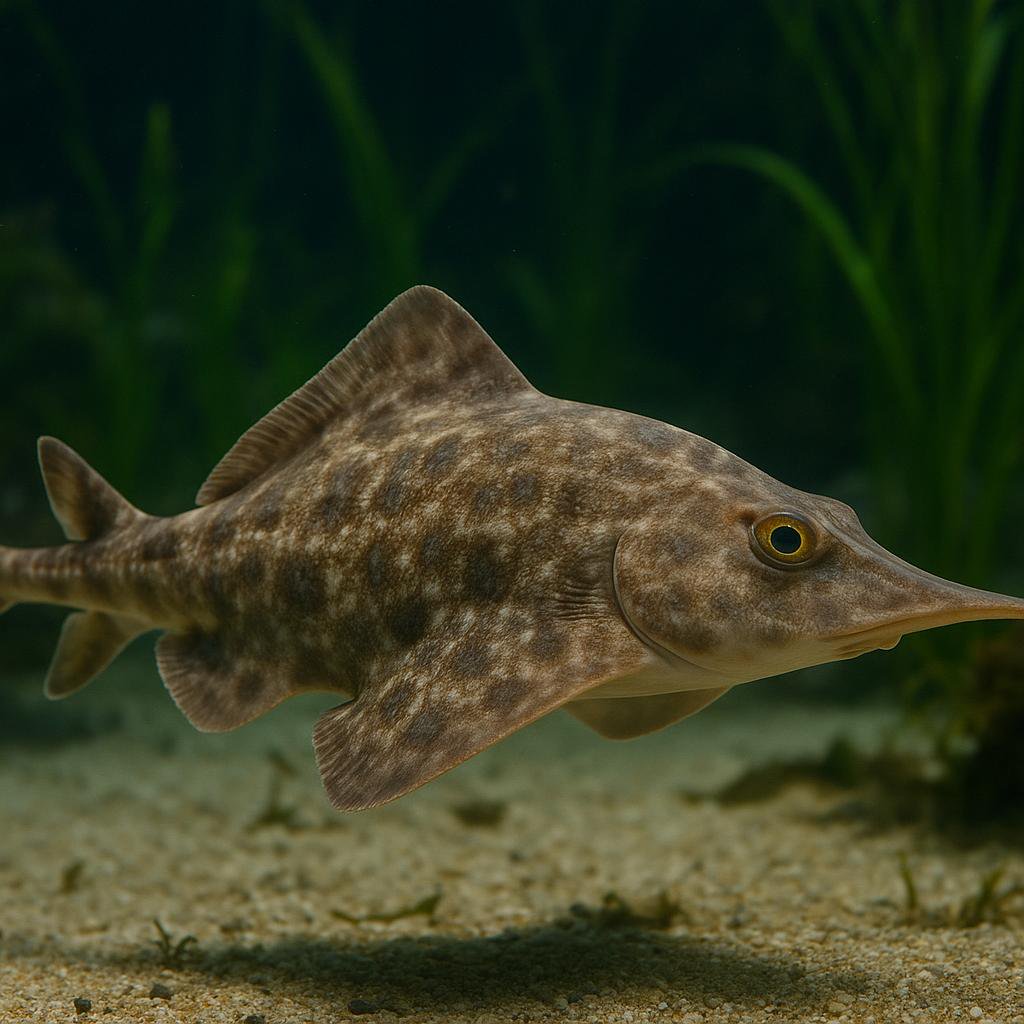
Aleutian skate
Bathyraja aleutica
This is a big, cold-water deep-slope skate from the North Pacific that cruises muddy bottoms and eats chunky benthic prey like crabs and shrimp. The really cool bit is its egg-laying skate life - it does distinct pairing (the classic skate "embrace") and drops those tough egg cases on the seafloor. Not an aquarium fish at all unless you're basically running a public-aquarium-style chilled system.
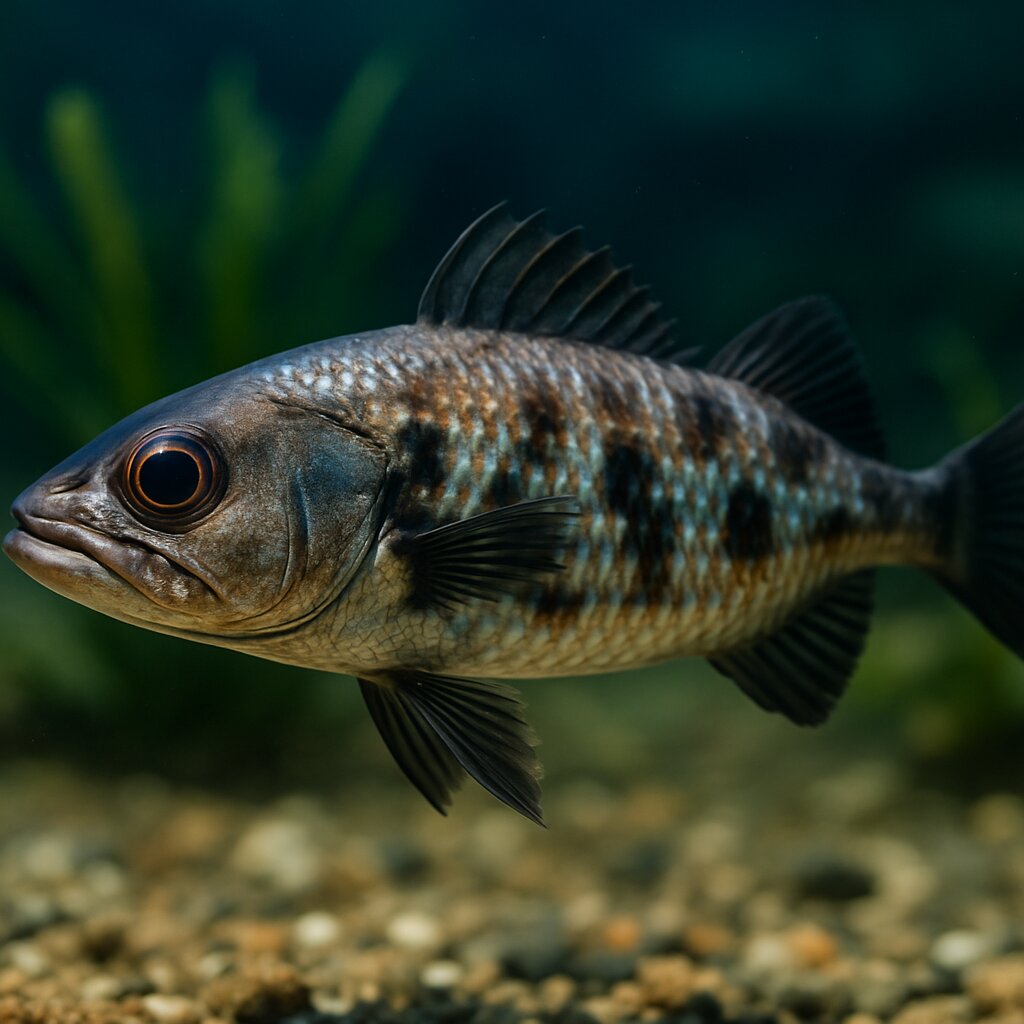
Antarctic dragonfish
Vomeridens infuscipinnis
Deep down around Antarctica, this sleek dragonfish cruises the water column like a little submarine, nearly neutrally buoyant so it can hover above the seafloor. It munches almost exclusively on Antarctic krill and lives in near-freezing water 500-800 m down, so it is a cool species to read about, not one for home tanks.
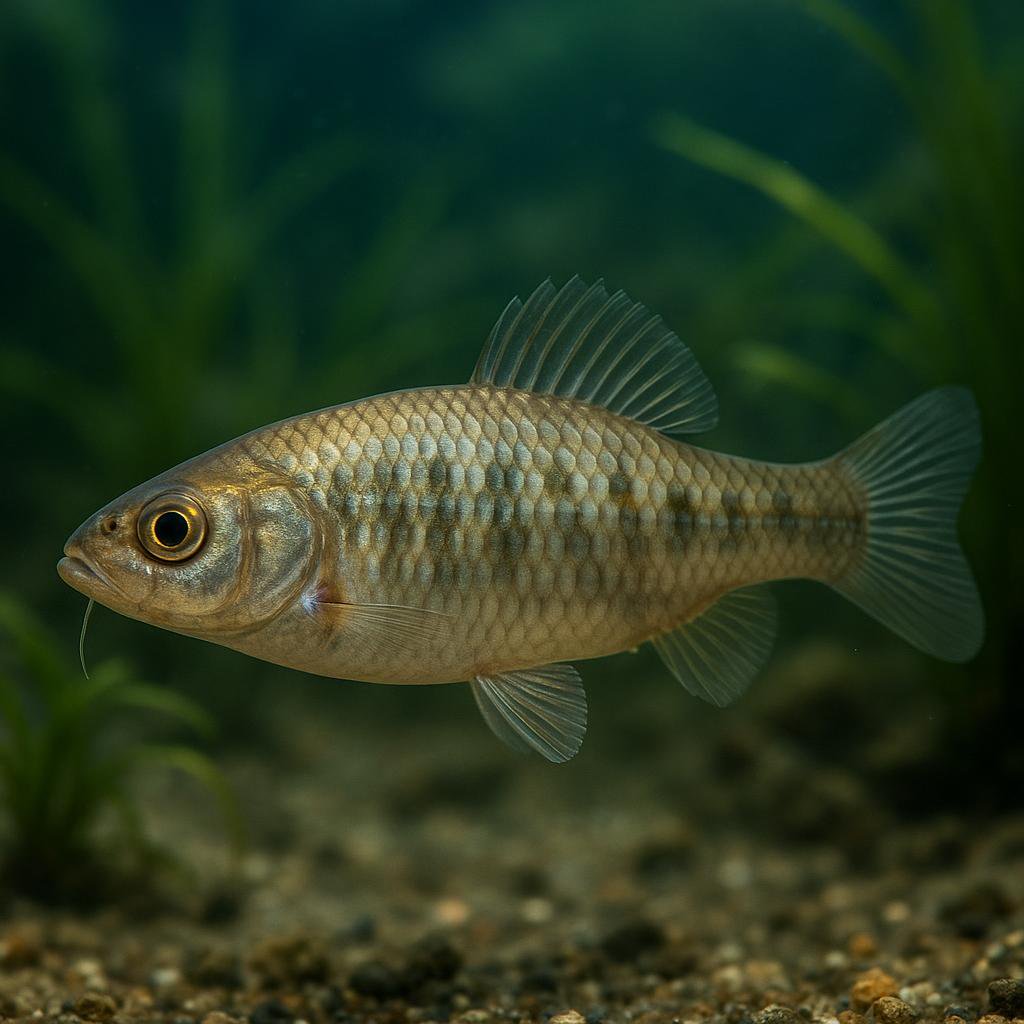
Arabian spiny eel
Notacanthus indicus
Notacanthus indicus is a deep-sea spiny eel (family Notacanthidae; not a true eel) known from the Arabian Sea on the continental slope at roughly ~960–1,046 m depth, with reported maximum length around 20 cm TL; it is a deep-water bycatch species and not established in the aquarium trade.
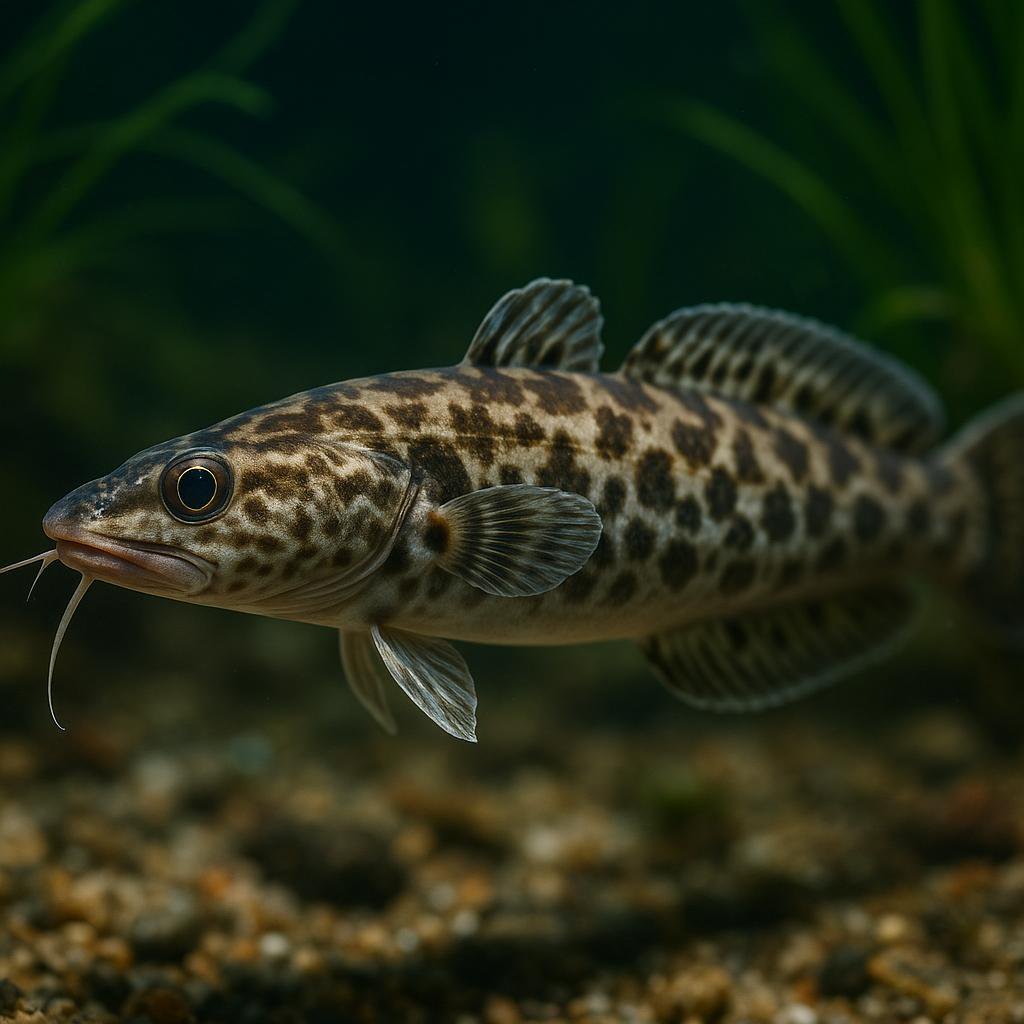
Arctic rockling
Gaidropsarus argentatus
This is a deepwater North Atlantic rockling (a cod relative) that hangs out on soft bottoms way down the slope. It is a cold-water, bottom-hugging predator that snoots around for crustaceans and will also take small fish when it gets the chance.
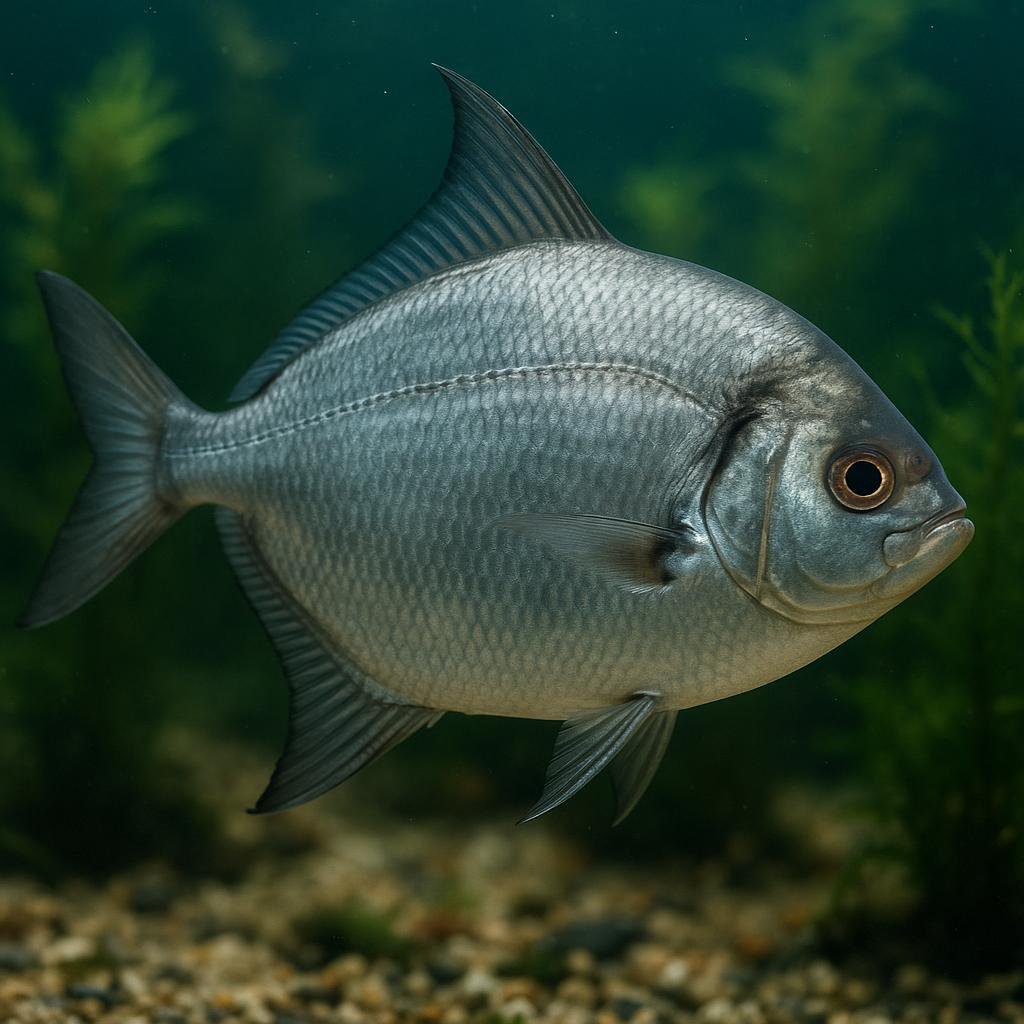
Atlantic pomfret
Brama brama
Brama brama is the Atlantic pomfret (aka Ray's bream) - a deep-bodied, open-ocean pelagic fish that cruises around in small schools and follows water temps. It is a legit big, wild marine species (not an aquarium fish) that eats other small sea critters like fish and squid, and it ranges across a huge chunk of the Atlantic plus parts of the Indian and South Pacific.
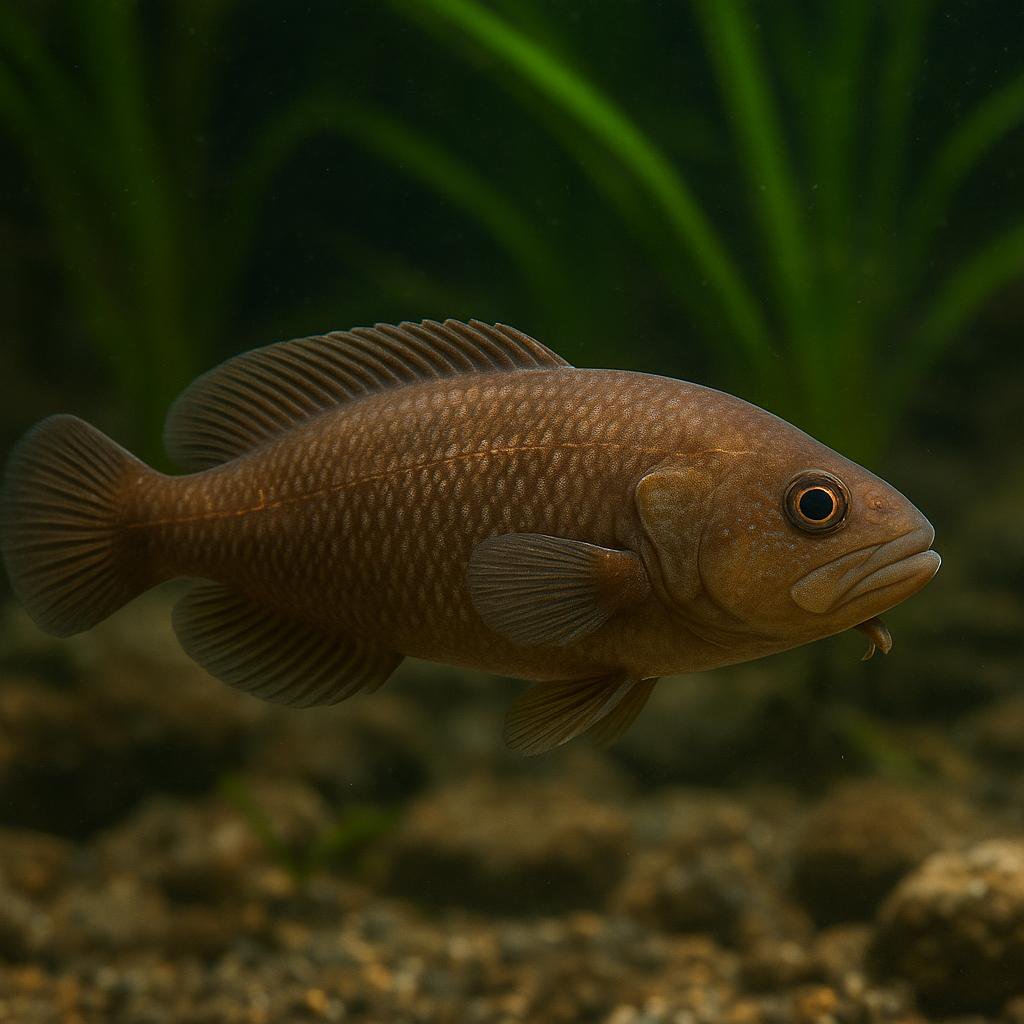
Barbados vent eelpout
Thermarces pelophilum
This is a deep-sea eelpout that was collected at cold seeps off Barbados - think pitch-black, high-pressure ocean bottom, not an aquarium fish. It tops out around 12.4 cm and basically lives in a world of mud, methane, and seep life, which is a pretty wild niche for a fish.
More to Explore
Discover more marine species.
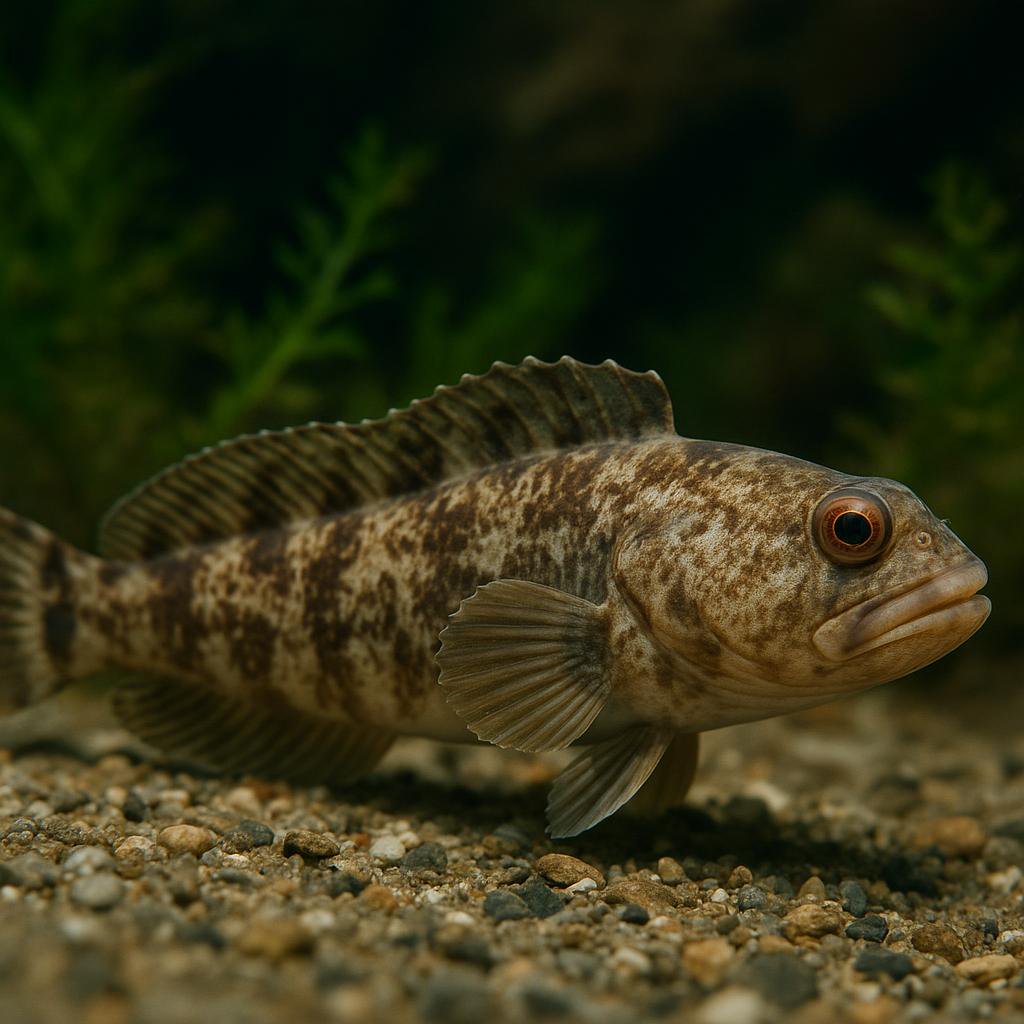
Abe's eelpout
Japonolycodes abei
Japonolycodes abei is a temperate, deepwater demersal eelpout (family Zoarcidae) endemic to Japan (Kumano-nada Sea reported; other sources also report Sagami Bay and Tosa Bay). It is the only species in the genus Japonolycodes and occurs roughly 40-300 m depth, making it an uncommon/atypical aquarium species.
Affinis blind cusk-eel
Barathronus affinis
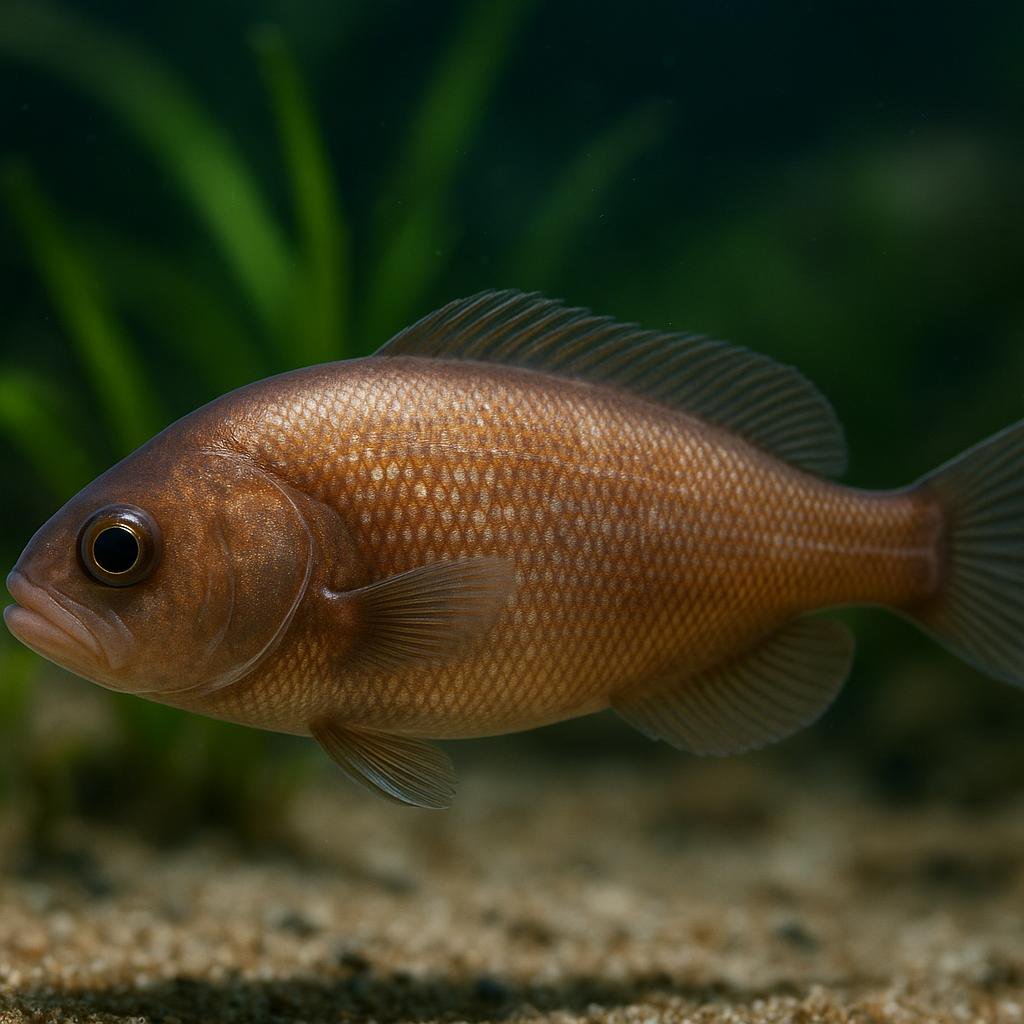
Barathronus affinis is a tiny, super-weird deep-sea blind cusk-eel from the western-central Indian Ocean. It is one of those gelatinous, loose-skinned brotula-type fishes that live way down in the dark and are basically never seen alive, so almost everything we know comes from preserved specimens and taxonomic work.
African red snapper
Lutjanus agennes
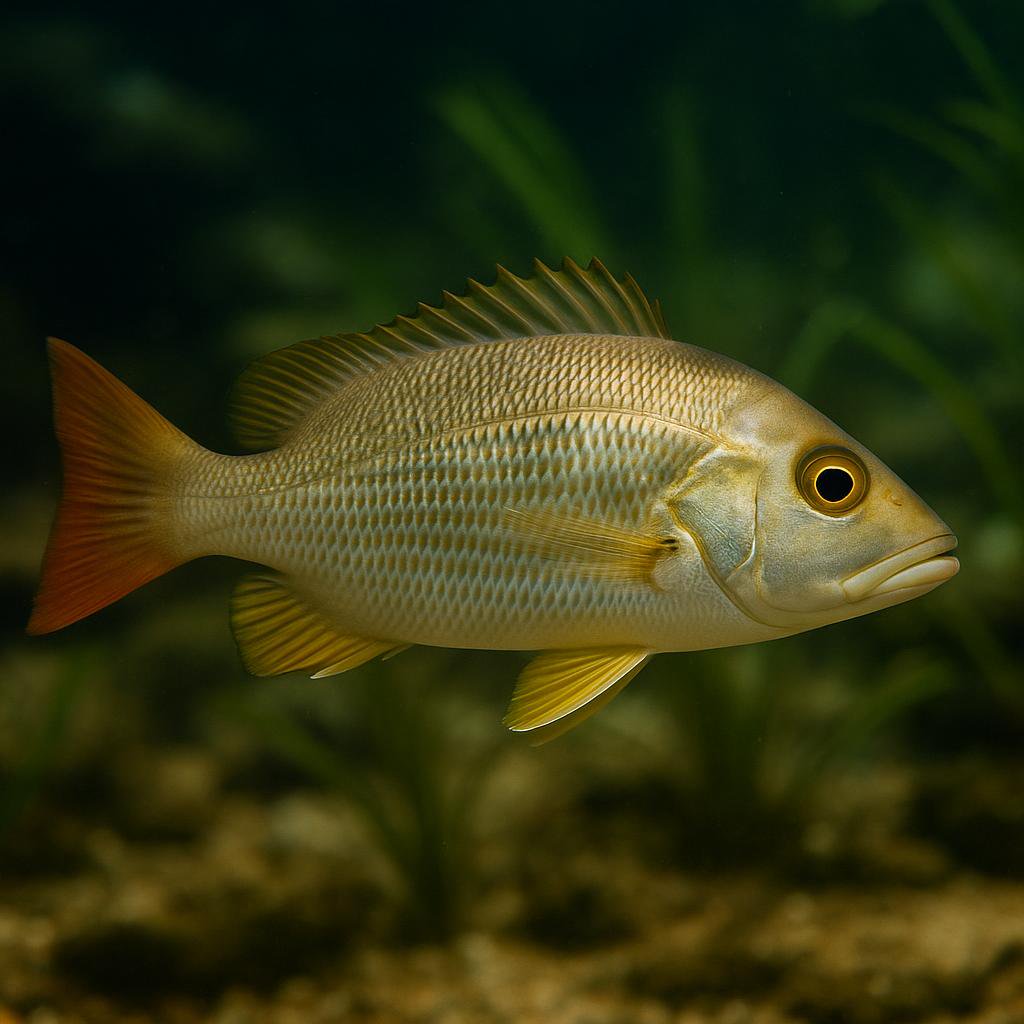
This is a true snapper from West Africa - a big, fast-growing predator that goes from coastal reefs to brackish lagoons and estuaries (especially as a juvenile). Super cool fish in the wild, but it gets absolutely huge and will eat smaller tankmates once it has the mouth for it, so its really more of a public-aquarium scale animal than a home-aquarium fish.
Allis shad
Alosa alosa
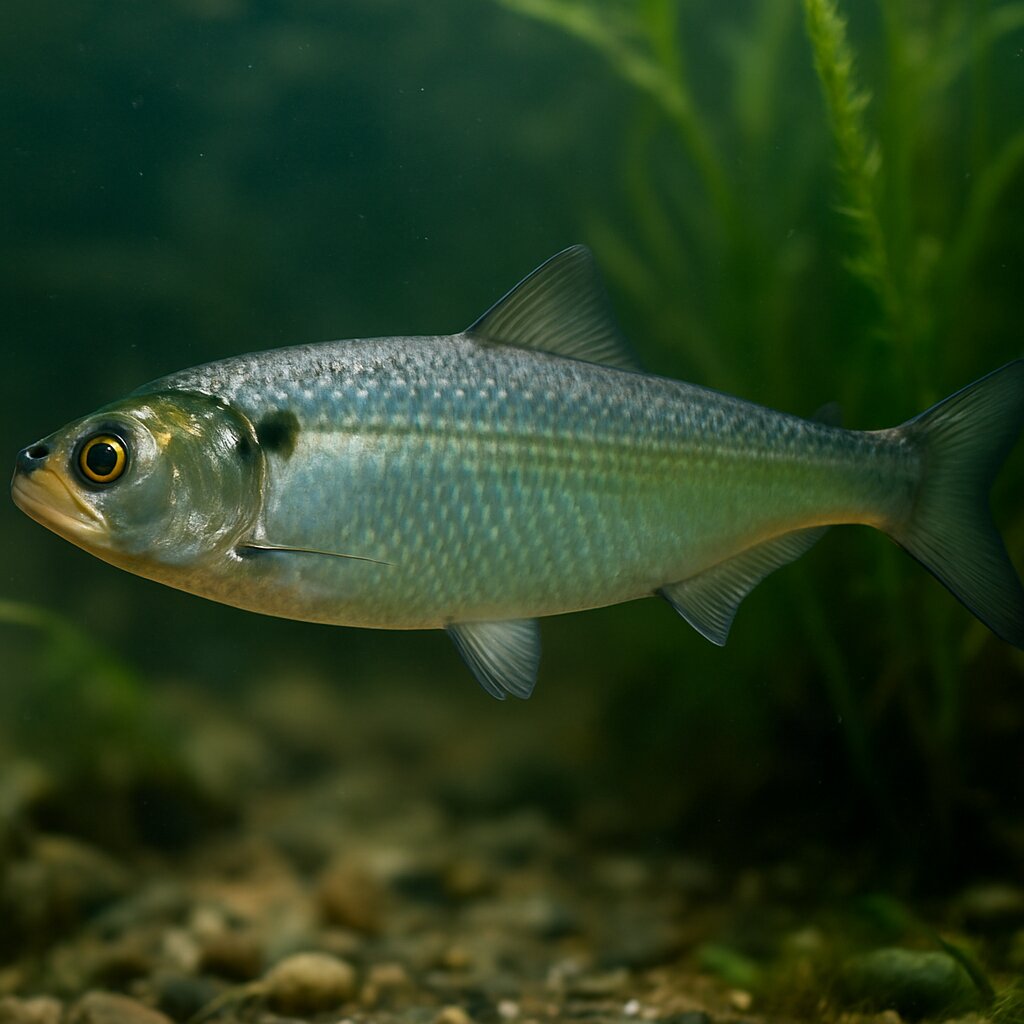
Gorgeous silver, fast-swimming shad that spends most of its life in the sea and then surges up big rivers in noisy, surface-spawning schools. It grows huge for a herring-type fish and needs cool, ultra-oxygenated water and tons of open space, so it is a public-aquarium species rather than a home tank fish.
Annandale's zebra sole
Zebrias annandalei
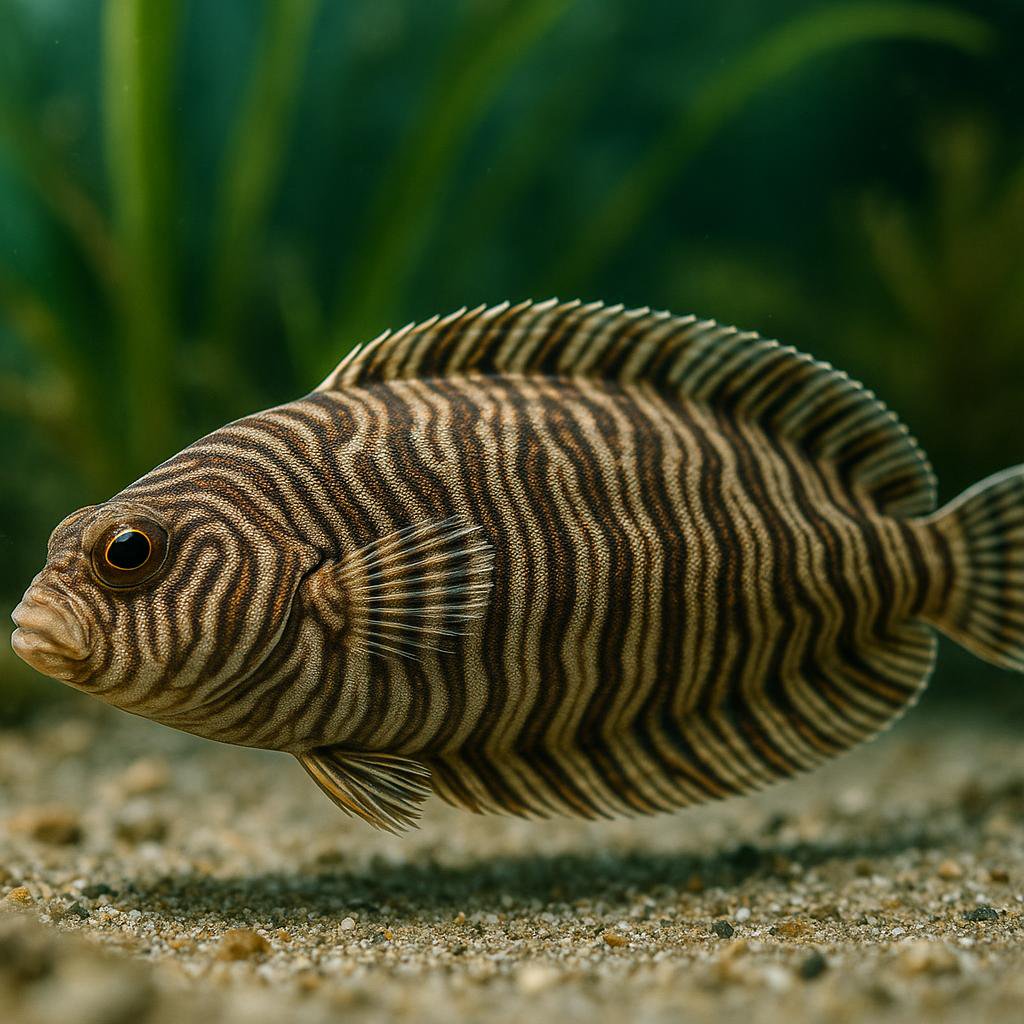
Zebrias annandalei is a small demersal sole from coastal India that inhabits sandy or muddy bottoms and buries for camouflage. It is rarely kept in home aquaria and would require a specialized marine sand-bottom setup and appropriate feeding.
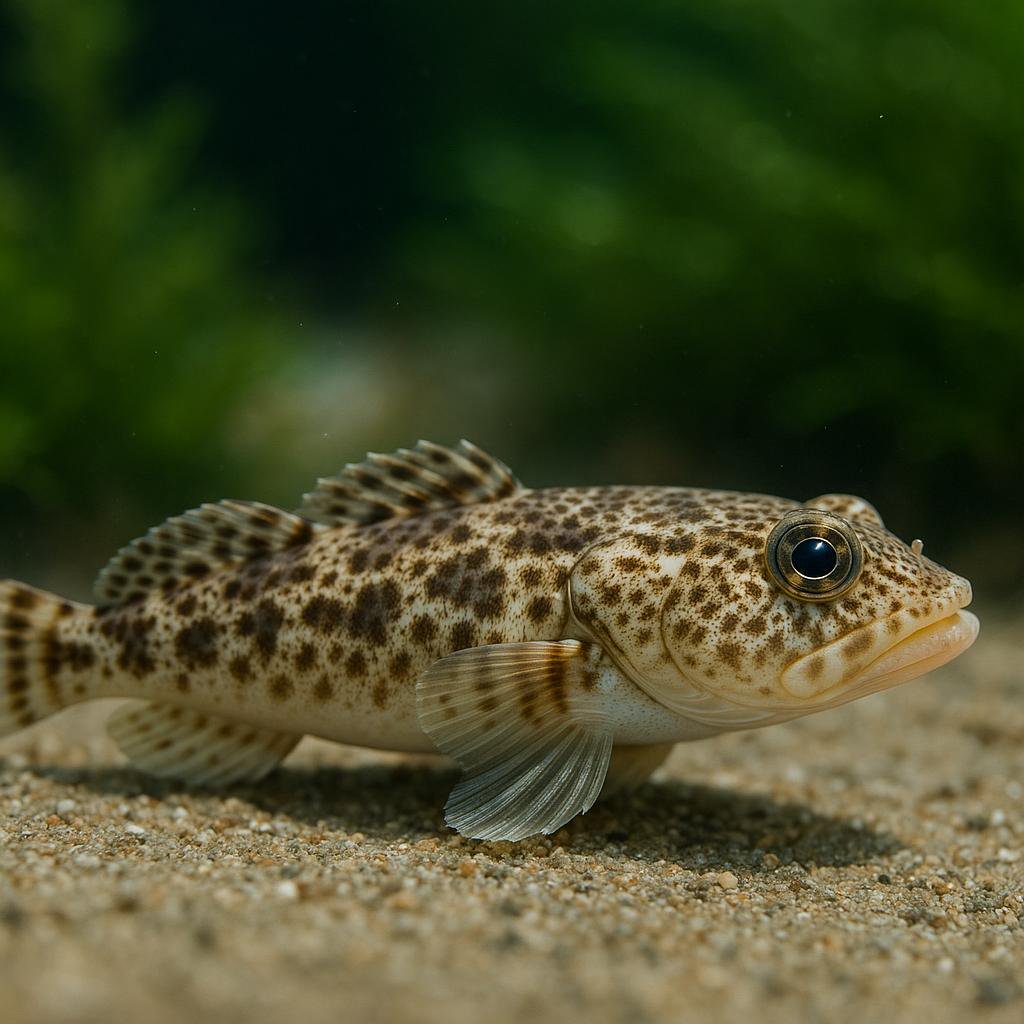
Banded stargazer
Kathetostoma binigrasella
This is a New Zealand stargazer that lives half-buried in sand or mud with its eyes pointed up, waiting to rocket upward and nail passing prey. It has those neat dark saddle-bands across the back (especially as a juvenile), and like other stargazers it is venomous with spines near the gill cover/pectoral area - definitely a look-dont-touch fish.
Looking for other species?