

Aleutian skate
Bathyraja aleutica
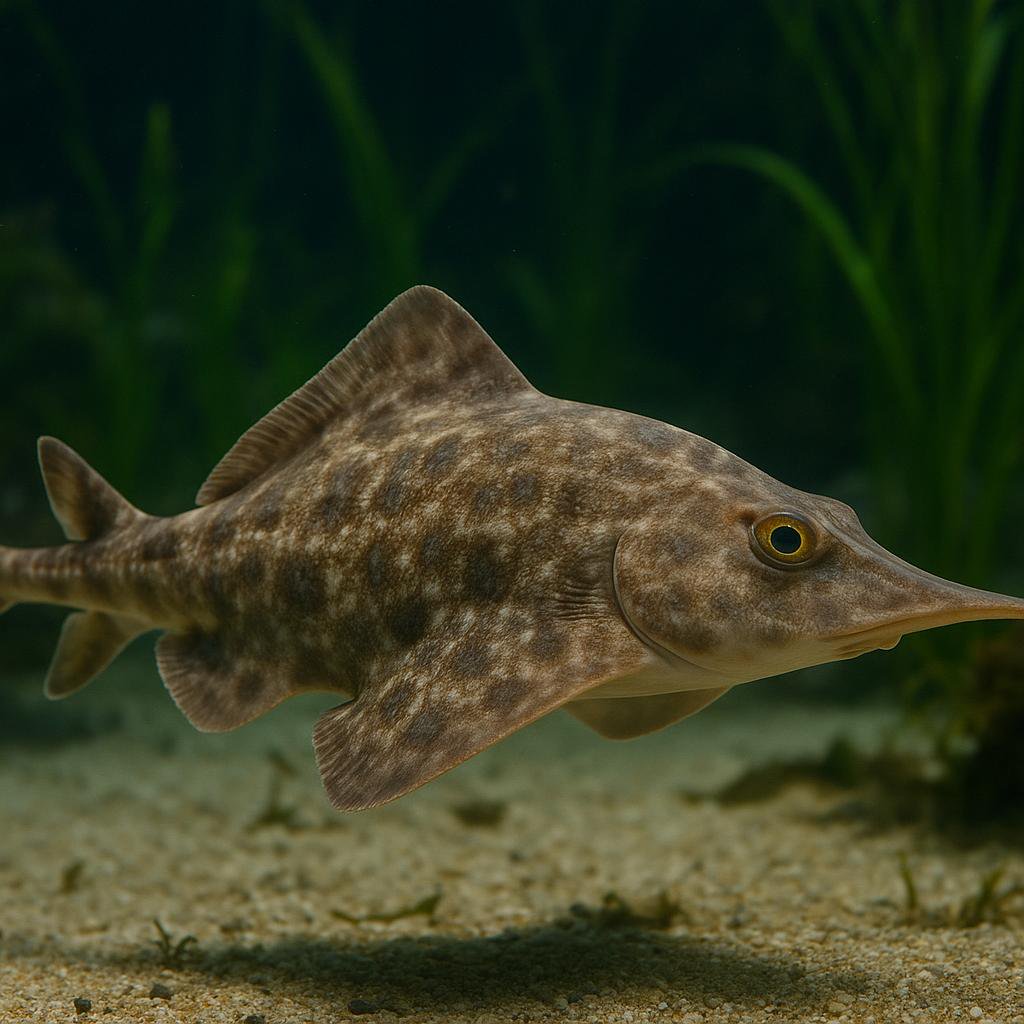
The Aleutian skate features a robust, flat body with a distinctive, broad snout and mottled brown or gray coloration for effective camouflage on the seafloor.
This page includes AI-generated images. Why am I seeing AI images?
About the Aleutian skate
This is a big, cold-water deep-slope skate from the North Pacific that cruises muddy bottoms and eats chunky benthic prey like crabs and shrimp. The really cool bit is its egg-laying skate life - it does distinct pairing (the classic skate "embrace") and drops those tough egg cases on the seafloor. Not an aquarium fish at all unless you're basically running a public-aquarium-style chilled system.
Also known as
Quick Facts
Size
161 cm TL
Temperament
Semi-aggressive
Difficulty
Expert
Min Tank Size
2000 gallons
Lifespan
15-30 years
Origin
North Pacific (Japan to Alaska and south to northern California)
Diet
Carnivore - benthic crustaceans (shrimp, crabs) and also fishes
Water Parameters
-1.8-10°C
7.8-8.4
8-14 dGH
Need a heater for this species?
This species needs -1.8-10°C in a 2000 gallon tank. Use our heater calculator to find the right wattage.
Calculate heater sizeCare Notes
- Plan for a coldwater, huge footprint system - think public-aquarium vibes: wide tank, sand bed, no sharp rockwork, and lots of open bottom for cruising (these skates get beat up fast in cramped layouts).
- Keep it cold and stable: 40-52F (4-11C), salinity 1.024-1.026, pH 8.0-8.3, and absolutely zero ammonia/nitrite; they hate swings more than they hate slightly "off" numbers.
- Use fine sand (sugar-sized aragonite) so they can bury without shredding their disc; avoid crushed coral and any jagged decor because it leads to belly and fin edge abrasions.
- Feed meaty marine stuff on tongs: pieces of squid, shrimp, clam, and marine fish like smelt; soak in vitamins/iodine sometimes and vary the diet or they get thin even while "eating."
- Target-feed and watch the belly - a healthy skate looks filled out behind the head, not pinched; if tankmates steal food, the skate will quietly lose weight before you notice.
- Tankmates: coldwater-only and chill - no big nippy fish, no triggers/puffers, no aggressive sharks; also skip tiny bottom fish and inverts you care about because they will eventually get inhaled.
- Run serious filtration and oxygen: oversized skimmer, heavy bio, high flow without blasting the sandbed, and keep nitrates low; these guys are messy and low oxygen shows up as rapid breathing and refusing food.
- Common headaches are abrasion infections and parasites from wild-caught arrivals - quarantine if you can, keep the sand pristine, and treat wounds early before they turn into fuzzy bacterial messes.
Compatibility
Good Tankmates
- Other coldwater skates and rays of similar size and temperament - if the tank is huge and you can feed them heavy, they mostly ignore each other outside of the occasional food shove
- Chunky coldwater bottom fish that can hold their own, like larger sculpins (think Irish lord-type sculpins) - they are tough, not easily intimidated, and usually smart enough to stay out of the skate's face
- Bigger, non-nippy coldwater cod-family type fish (greenling, lingcod-type setups) - works when the fish are not small enough to be considered food and you are not keeping a psycho biter
- Midwater 'leave everybody alone' fish like adult sablefish or similar coldwater cruisers - they stay off the bottom and do not compete nose-to-nose for every bite
- Large, peaceful coldwater flatfish (adult flounder/sole types) - fine if both are well fed and you have tons of floor space so they are not stacking on the same patch of sand
- Big, calm 'display' fish that are not fin-nippers and are too large to swallow - the skate is a mouth-first predator, so size and chill behavior matter more than looks
Avoid
- Small fish that fit in a skate's mouth - rockfish juveniles, small greenlings, little anything - they will disappear sooner or later, usually at feeding time or lights-out
- Crustaceans and other inverts you care about (shrimp, crabs, small lobsters) - this is basically skate snacks, even if it seems fine for a week
- Aggressive biters and nippers (triggerfish-type attitudes, nasty wrasses, anything that picks at fins or eyes) - they stress the skate and you can end up with damaged spiracles and fin edges
- Fast, food-crazy predators that bulldoze the bottom (big halibut-type hunters, super pushy cods) - they outcompete the skate and turn every feeding into a wrestling match
Where they come from
Aleutian skates (Bathyraja aleutica) are cold-water skates from the North Pacific - think Aleutian Islands, Gulf of Alaska, and down the coast. They live on the bottom, cruising over sand and mud in chilly, oxygen-rich water. That background matters because they do not "adapt" to warm reef temps the way some people hope. If you cannot do cold, skip this species.
This is an expert-only animal because of cold-water requirements, oxygen demand, and sheer space. A big warm marine tank with "good filtration" is not close to enough.
Setting up their tank
Plan the tank around footprint and temperature, not gallons on paper. Skates are basically living kites that need floor space to move and to turn without constantly hitting glass. If they are bumping walls, rubbing their snout, or doing tight laps, the setup is too small.
- Temperature: cold-water system. You are generally looking at 38-50F (3-10C). Aim stable rather than chasing a number.
- Footprint: long and wide beats tall every time. Public-aquarium scale is honestly where these start to make sense.
- Substrate: fine sand is your friend. Avoid sharp crushed coral, coarse gravel, and anything that can abrade the belly.
- Aquascape: keep rockwork minimal and locked down. Skates will lever themselves under things and shift them.
- Flow: moderate overall circulation, but no sandblasting jets at the bottom. Give them calm lanes to rest.
- Cover: they can spook-jump. Use a tight lid and seal gaps around plumbing.
Filtration needs to be boring and overbuilt. Heavy mechanical to pull out chunks, big bio capacity, and a skimmer that is sized like you mean it. Skates eat meaty food and they poop like it. In cold systems, waste can hang around longer, so I like aggressive mechanical filtration with easy-to-clean socks or rollers.
Give them a "runway." I leave a big open sand flat and put the filtration returns along one side so there is a gentle current across the bottom. They will pick a resting spot where the flow brings oxygen but does not shove them.
Chillers are non-negotiable. Redundancy is smart: two smaller chillers or one chiller plus alarms and a backup plan. Also focus on oxygen. Cold water holds more oxygen, but these are still big-bodied rays. Strong surface agitation and a skimmer that really breathes make a difference.
What to feed them
They are meaty bottom feeders. In captivity you will mostly be offering marine-origin seafood and getting them onto a routine. The goal is a skate that eats confidently from tongs or off a feeding tile so food is not disappearing into the sand and rotting.
- Staples: squid, shrimp, scallop, marine fish flesh (like smelt or silversides), clam, mussel.
- Treat/variety: crab pieces, prawns in shell, small whole fish for enrichment (marine only).
- Avoid: freshwater feeder fish, fatty freshwater fillets, and anything seasoned. Also avoid relying on one food forever.
I feed smaller meals more often rather than one giant dump. Young skates may eat most days. Bigger animals usually do well a few times per week, depending on body condition and temperature. Watch the disc: you want a full, smooth look, not sunken behind the head, and not getting thick and lumpy either.
Soak food in a vitamin supplement occasionally, and rotate foods. A lot of skate problems in captivity look like "mystery decline" but start as narrow diet over months.
Use tongs and offer the food right in front of them. Once they learn the routine, they are surprisingly easy to target feed. If you have tankmates, feed the skate first and keep the commotion down. Skates will give up if faster fish mob them.
How they behave and who they get along with
They are generally calm, bottom-oriented, and spend a lot of time parked on the sand. But they are still predators. Anything that fits in the mouth is food, and anything that harasses them will eventually cause damage or stress.
- Good tankmates: other cold-water, non-nippy species that stay off the bottom and are not bitey or overly pushy.
- Bad tankmates: triggerfish (even cold-tolerant ones), large wrasses, puffers, anything known for fin-nipping, and aggressive sharks.
- Risky: other rays/skates unless you have huge space. Food competition and accidental piling is real.
The biggest compatibility issue I have seen is "helpful" fish that pick at leftover food - they also pick at the skate. Even small bites turn into nasty infections on a skate's soft edges. If you see repeated interest in the wings or tail, pull the offender early. It rarely gets better.
Do not keep them on rough substrate or with nippy fish. Little abrasions on skates turn into big problems fast.
Breeding tips
Breeding Aleutian skates in home systems is extremely uncommon. They are egg layers (mermaid's purses), and in the wild the eggs develop for a long time in cold water. Even if you end up with a male and female, you are looking at a lot of space, years of growth, and a stable cold system to have a real shot.
- If you ever see egg cases: leave them in stable, well-oxygenated cold water with gentle flow.
- Do not tumble them like pelagic eggs. They need clean water and time.
- Protect from scavengers and curious fish. Egg cases get chewed.
If you are serious, document everything: temps, feeding, and dates. With slow-developing cold-water eggs, the biggest "tip" is patience and not messing with them constantly.
Common problems to watch for
Most issues trace back to temperature, oxygen, abrasion, or diet. They can look fine right up until they are not, so you want to catch small changes early.
- Heat stress: rapid breathing, restless cruising, refusing food, hanging in high-flow areas. Usually paired with warm spikes.
- Low oxygen: heavy pumping, staying near returns, lethargy. Check surface agitation and skimmer performance.
- Abrasion and belly sores: from coarse substrate, rough decor, or glass rubbing in a too-small tank.
- Bacterial infections: red patches, frayed wing edges, cloudy areas, foul-looking wounds. Often follows a nip or scrape.
- Ammonia/nitrite hits: curling, rapid respiration, off behavior after a filter issue. Cold systems can still crash.
- Nutritional issues: gradual weight loss, poor healing, odd swimming, weak appetite from narrow diet.
Copper medications and many "reef safe" fixes are a bad idea with elasmobranchs. If you need to treat, research skate-safe options and use a dedicated hospital system whenever possible.
One practical habit: get used to looking at the underside and wing edges whenever the skate lifts or moves. Early abrasions look like tiny pale scuffs. If you catch them then, you can fix substrate, remove a bully, and keep water clean before it turns into a full-blown infection.
Similar Species
Other marine semi-aggressive species you might be interested in.
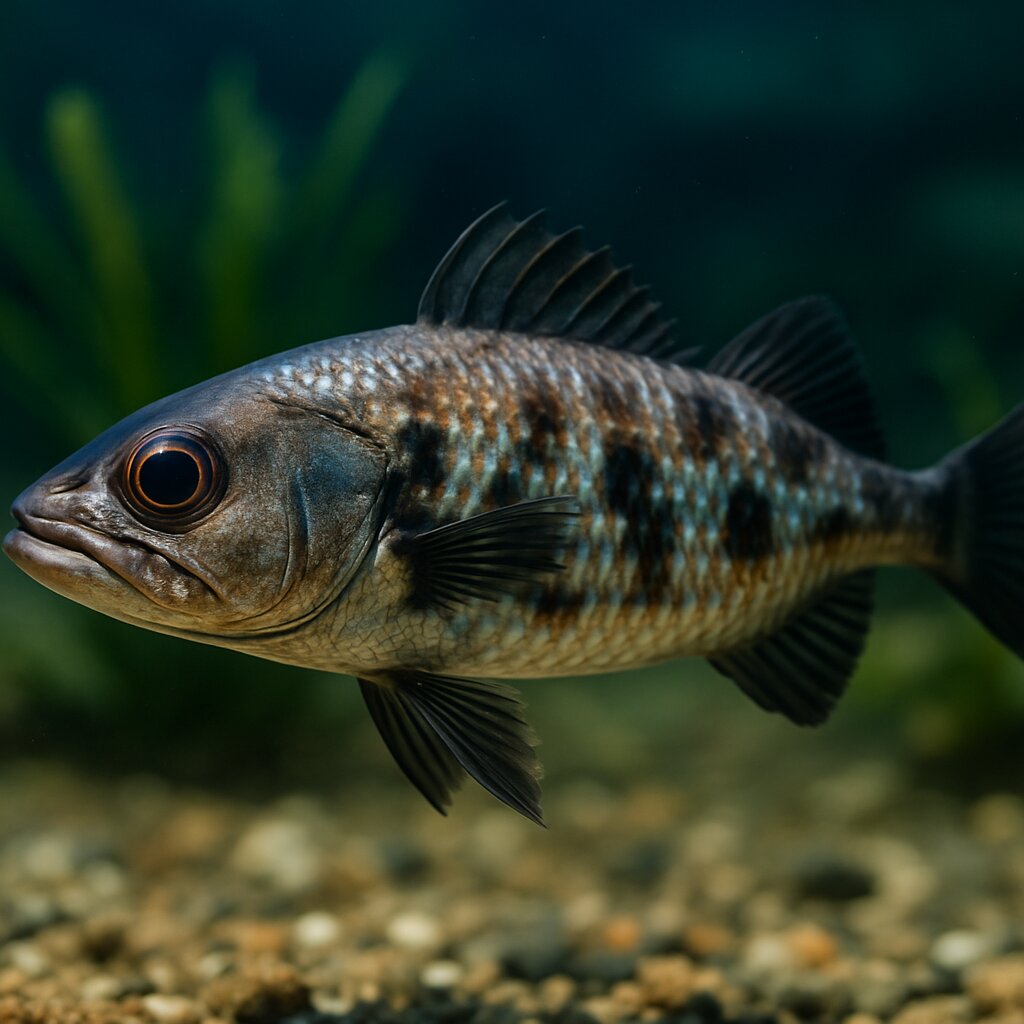
Antarctic dragonfish
Vomeridens infuscipinnis
Deep down around Antarctica, this sleek dragonfish cruises the water column like a little submarine, nearly neutrally buoyant so it can hover above the seafloor. It munches almost exclusively on Antarctic krill and lives in near-freezing water 500-800 m down, so it is a cool species to read about, not one for home tanks.
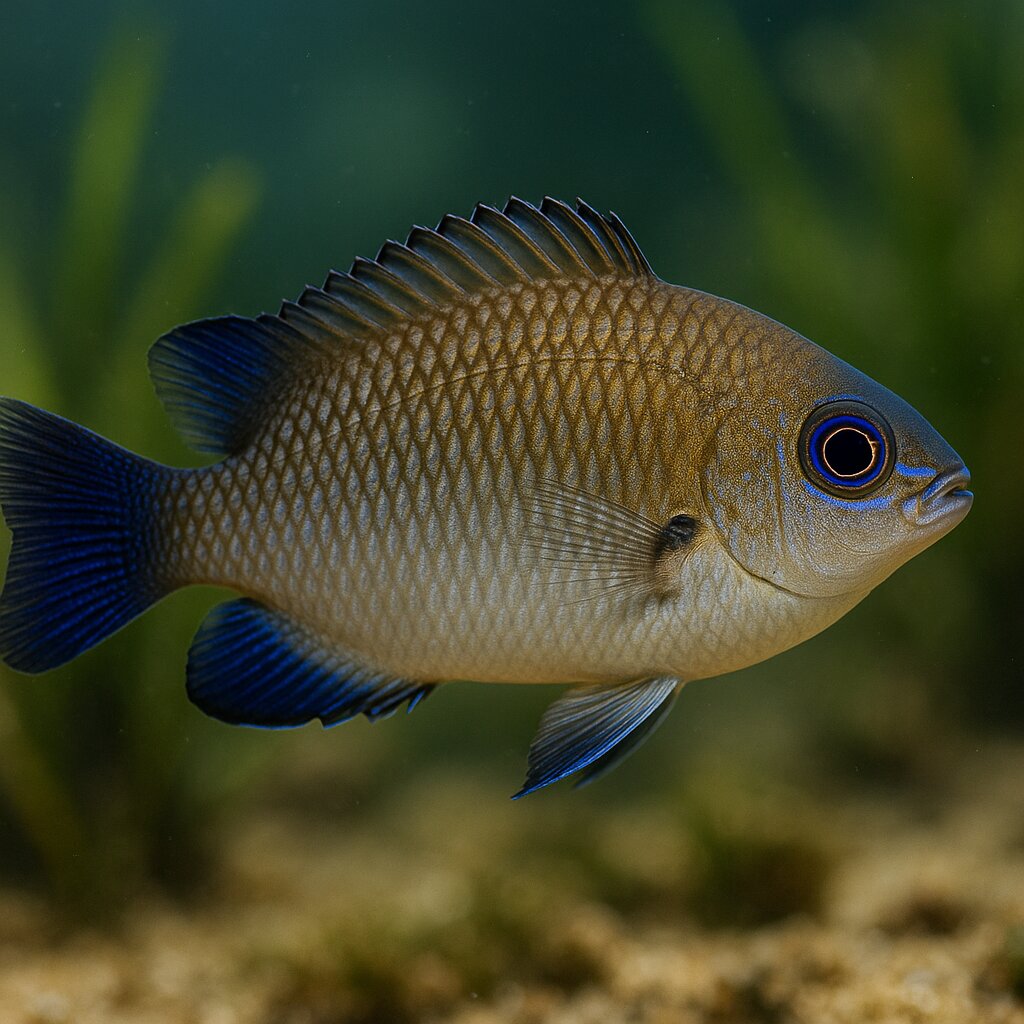
Arabian demoiselle
Neopomacentrus sindensis
A small lyretail damsel from the Persian Gulf and Arabian Sea, it hangs in loose groups around coral heads, rocks, and even pier pilings picking zooplankton from the flow. Think classic damsel toughness with a slightly milder attitude than the real bruisers, plus subtle yellow tail accents. Males clean a patch, get a mate to lay eggs there, and then stand guard fanning the clutch.
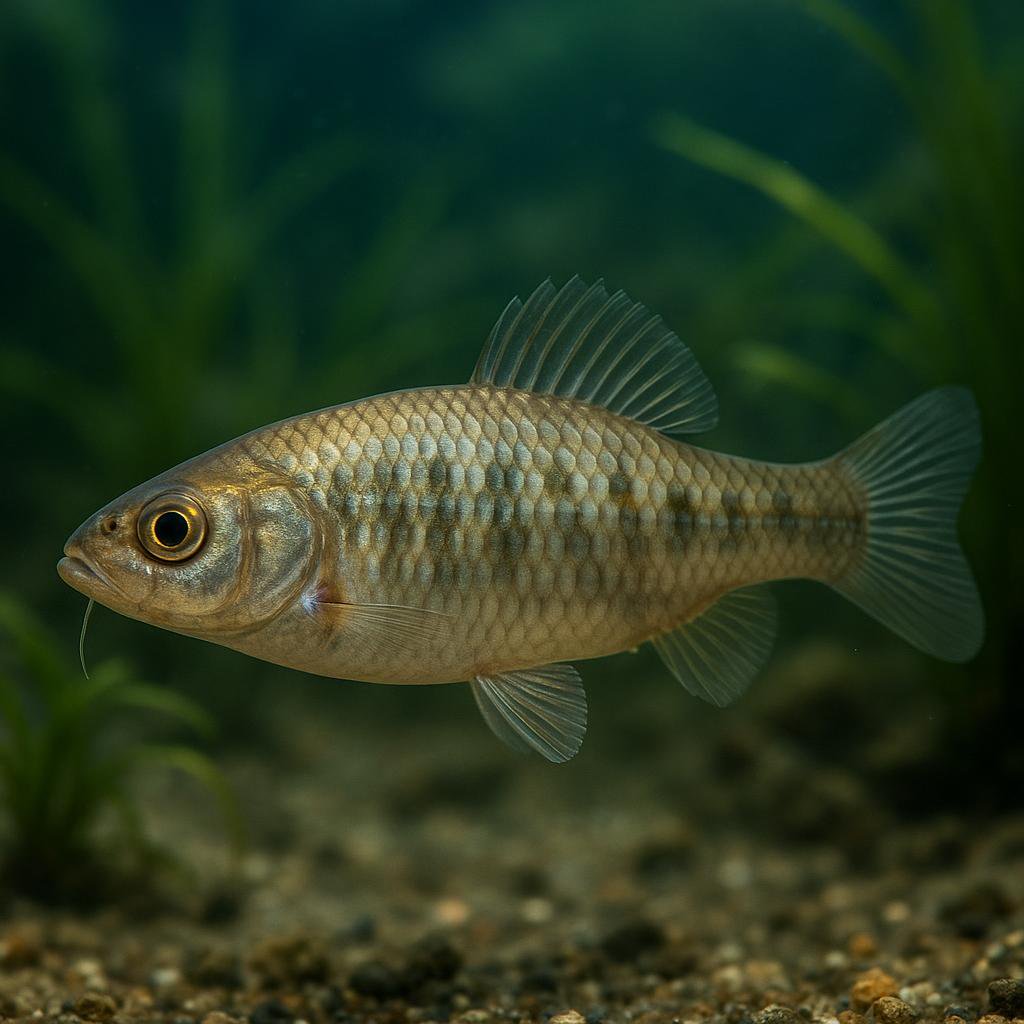
Arabian spiny eel
Notacanthus indicus
Notacanthus indicus is a deep-sea spiny eel (family Notacanthidae; not a true eel) known from the Arabian Sea on the continental slope at roughly ~960–1,046 m depth, with reported maximum length around 20 cm TL; it is a deep-water bycatch species and not established in the aquarium trade.
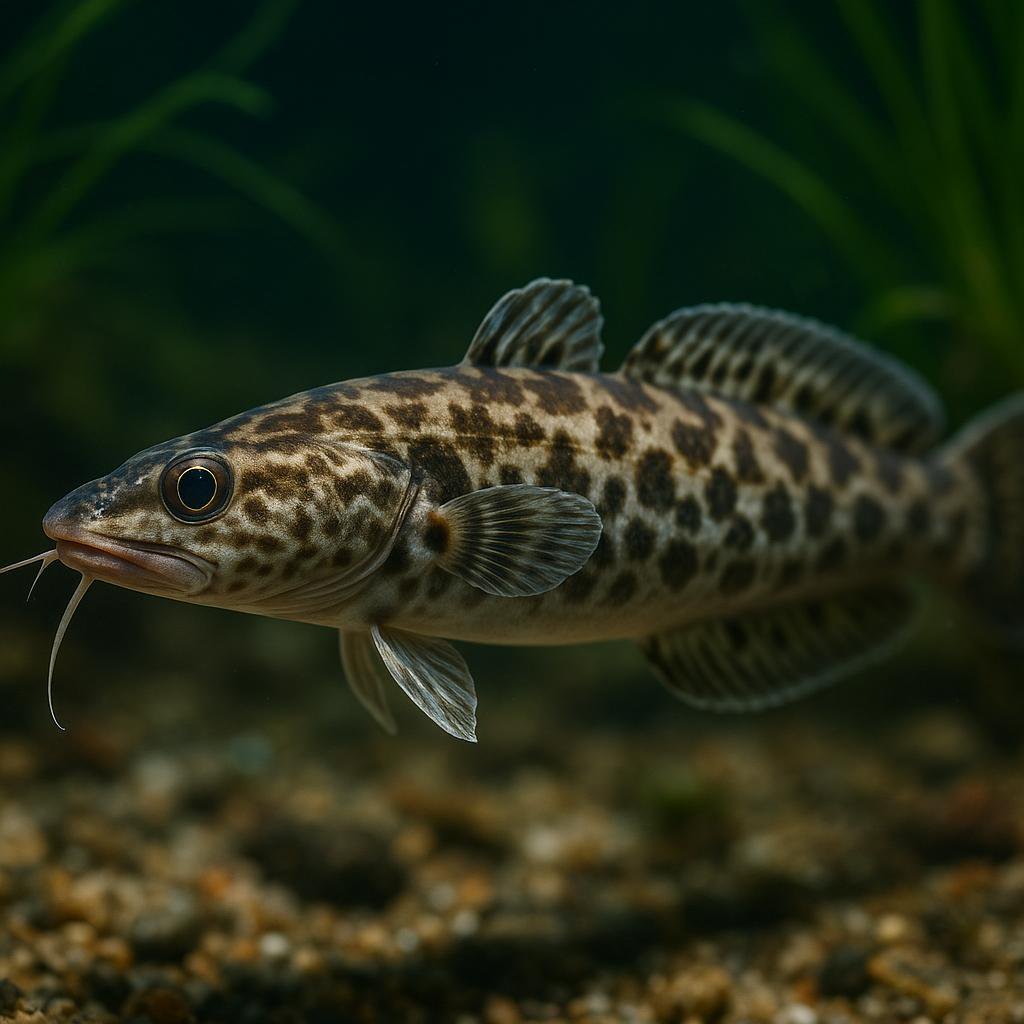
Arctic rockling
Gaidropsarus argentatus
This is a deepwater North Atlantic rockling (a cod relative) that hangs out on soft bottoms way down the slope. It is a cold-water, bottom-hugging predator that snoots around for crustaceans and will also take small fish when it gets the chance.
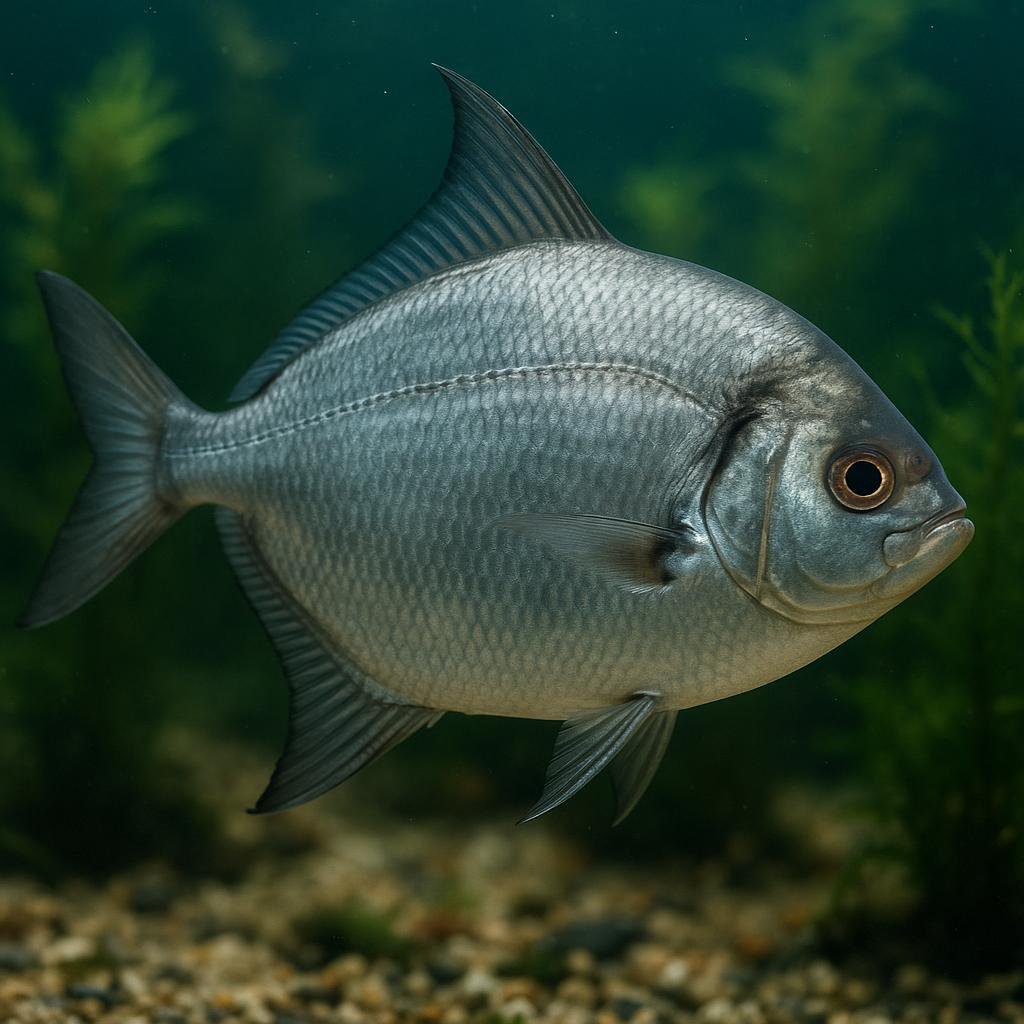
Atlantic pomfret
Brama brama
Brama brama is the Atlantic pomfret (aka Ray's bream) - a deep-bodied, open-ocean pelagic fish that cruises around in small schools and follows water temps. It is a legit big, wild marine species (not an aquarium fish) that eats other small sea critters like fish and squid, and it ranges across a huge chunk of the Atlantic plus parts of the Indian and South Pacific.
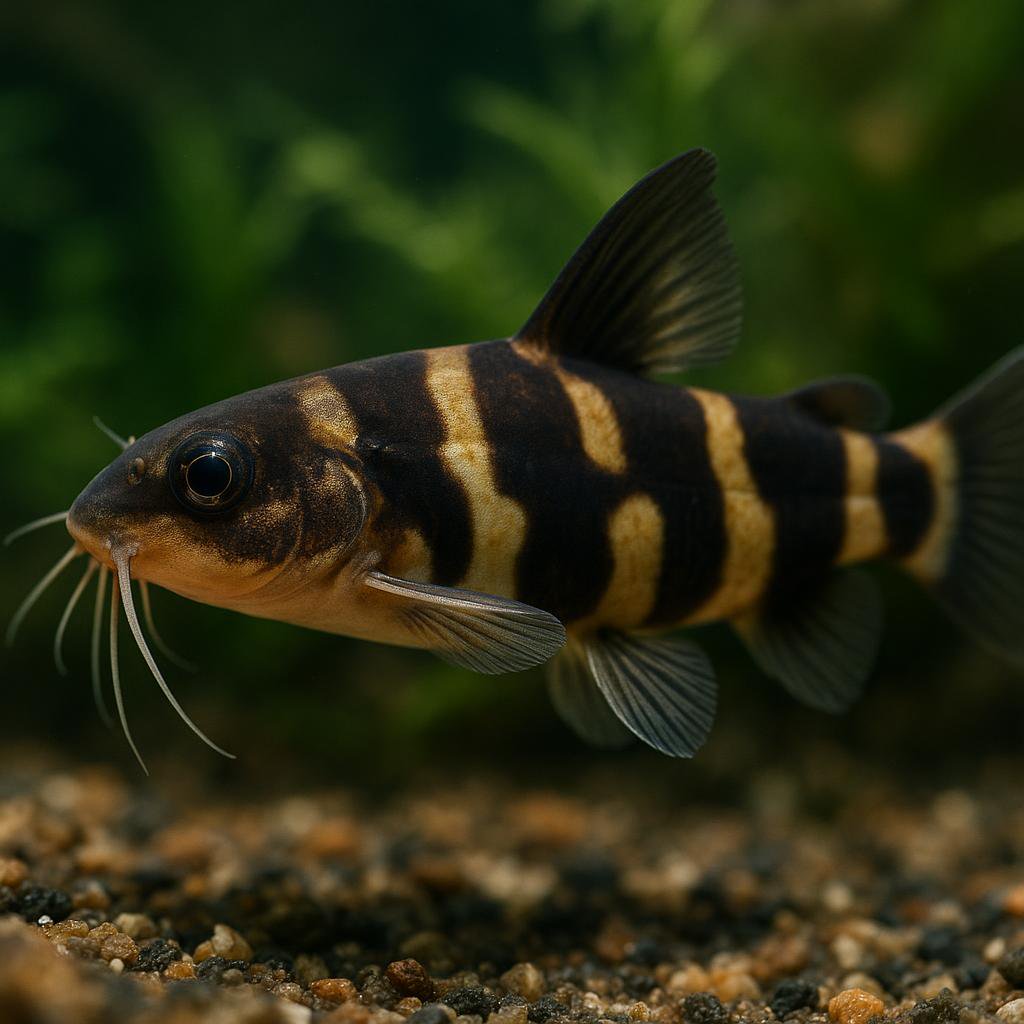
Australian sawtail catshark
Figaro boardmani
Figaro boardmani is a small, deepwater Australian catshark with these cool saw-like ridges of spiny denticles along the tail and a neat pattern of dark saddle bands. It lives way down on the outer continental shelf and slope, so its natural water is cold, dim, and stable - totally not a typical home-aquarium fish. Diet-wise its a predator that goes after fish, crustaceans, and cephalopods.
More to Explore
Discover more marine species.
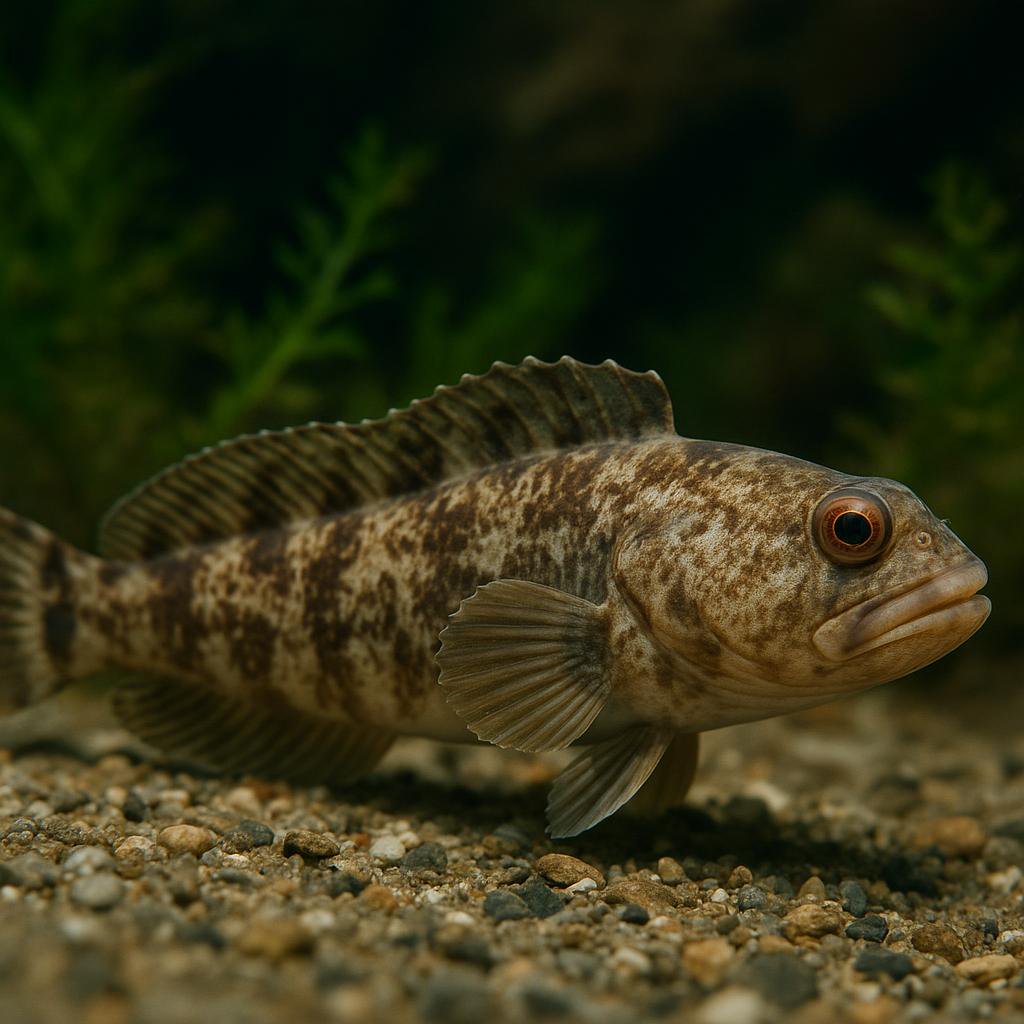
Abe's eelpout
Japonolycodes abei
Japonolycodes abei is a temperate, deepwater demersal eelpout (family Zoarcidae) endemic to Japan (Kumano-nada Sea reported; other sources also report Sagami Bay and Tosa Bay). It is the only species in the genus Japonolycodes and occurs roughly 40-300 m depth, making it an uncommon/atypical aquarium species.
Affinis blind cusk-eel
Barathronus affinis
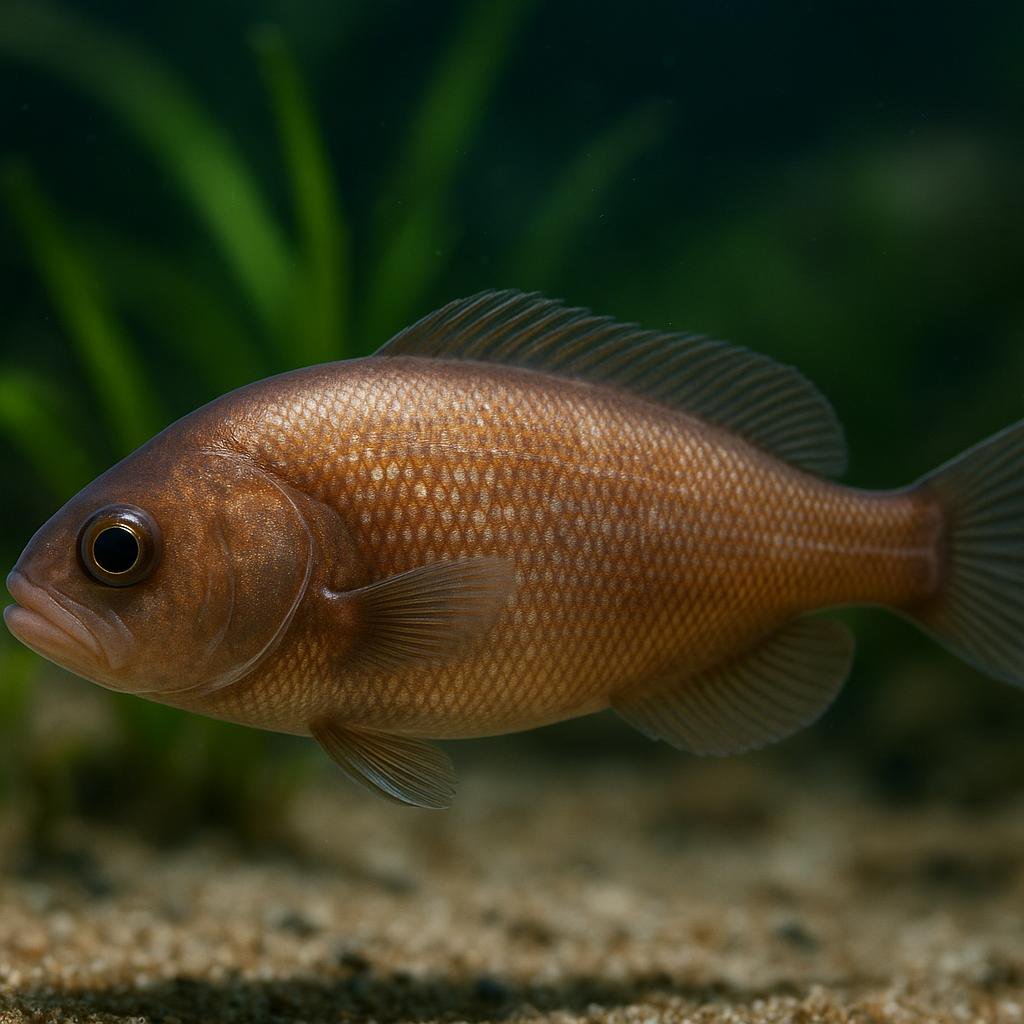
Barathronus affinis is a tiny, super-weird deep-sea blind cusk-eel from the western-central Indian Ocean. It is one of those gelatinous, loose-skinned brotula-type fishes that live way down in the dark and are basically never seen alive, so almost everything we know comes from preserved specimens and taxonomic work.
African red snapper
Lutjanus agennes
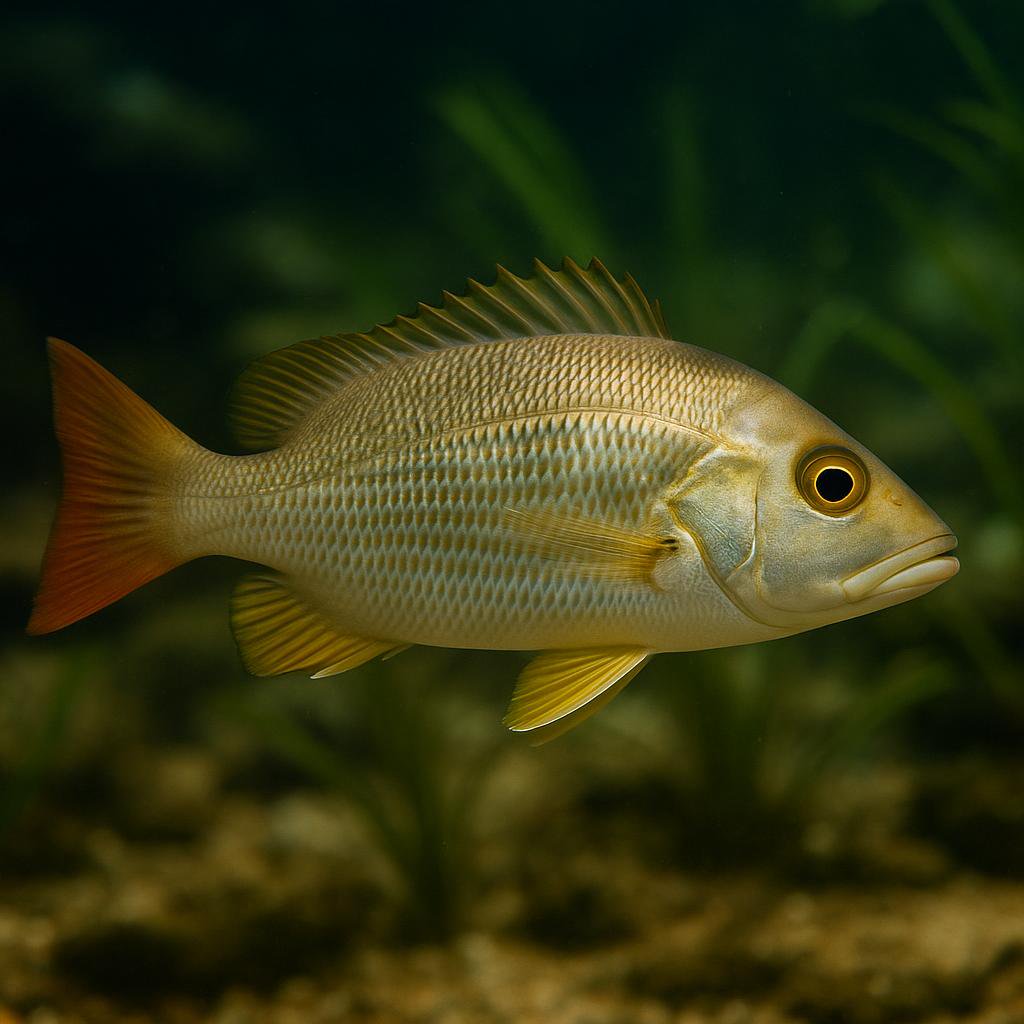
This is a true snapper from West Africa - a big, fast-growing predator that goes from coastal reefs to brackish lagoons and estuaries (especially as a juvenile). Super cool fish in the wild, but it gets absolutely huge and will eat smaller tankmates once it has the mouth for it, so its really more of a public-aquarium scale animal than a home-aquarium fish.
Allis shad
Alosa alosa
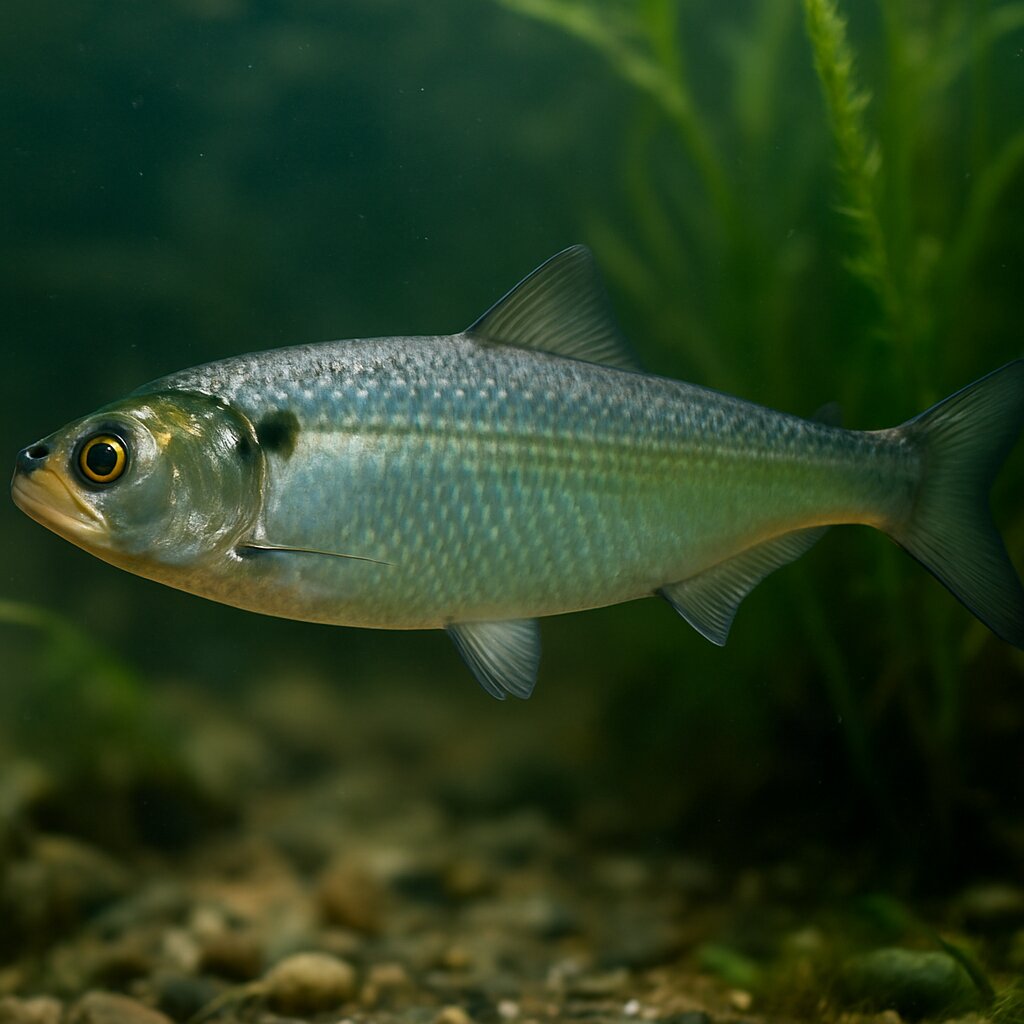
Gorgeous silver, fast-swimming shad that spends most of its life in the sea and then surges up big rivers in noisy, surface-spawning schools. It grows huge for a herring-type fish and needs cool, ultra-oxygenated water and tons of open space, so it is a public-aquarium species rather than a home tank fish.
Annandale's zebra sole
Zebrias annandalei
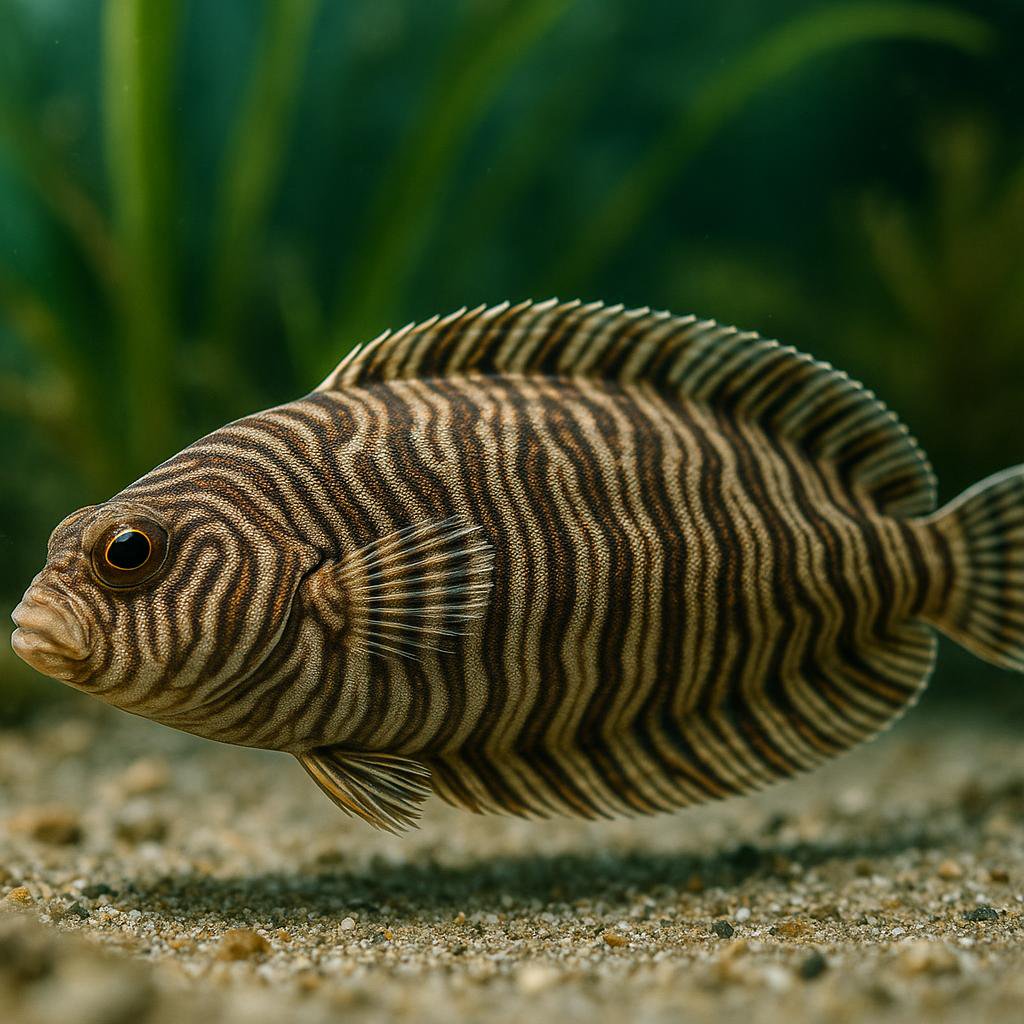
Zebrias annandalei is a small demersal sole from coastal India that inhabits sandy or muddy bottoms and buries for camouflage. It is rarely kept in home aquaria and would require a specialized marine sand-bottom setup and appropriate feeding.
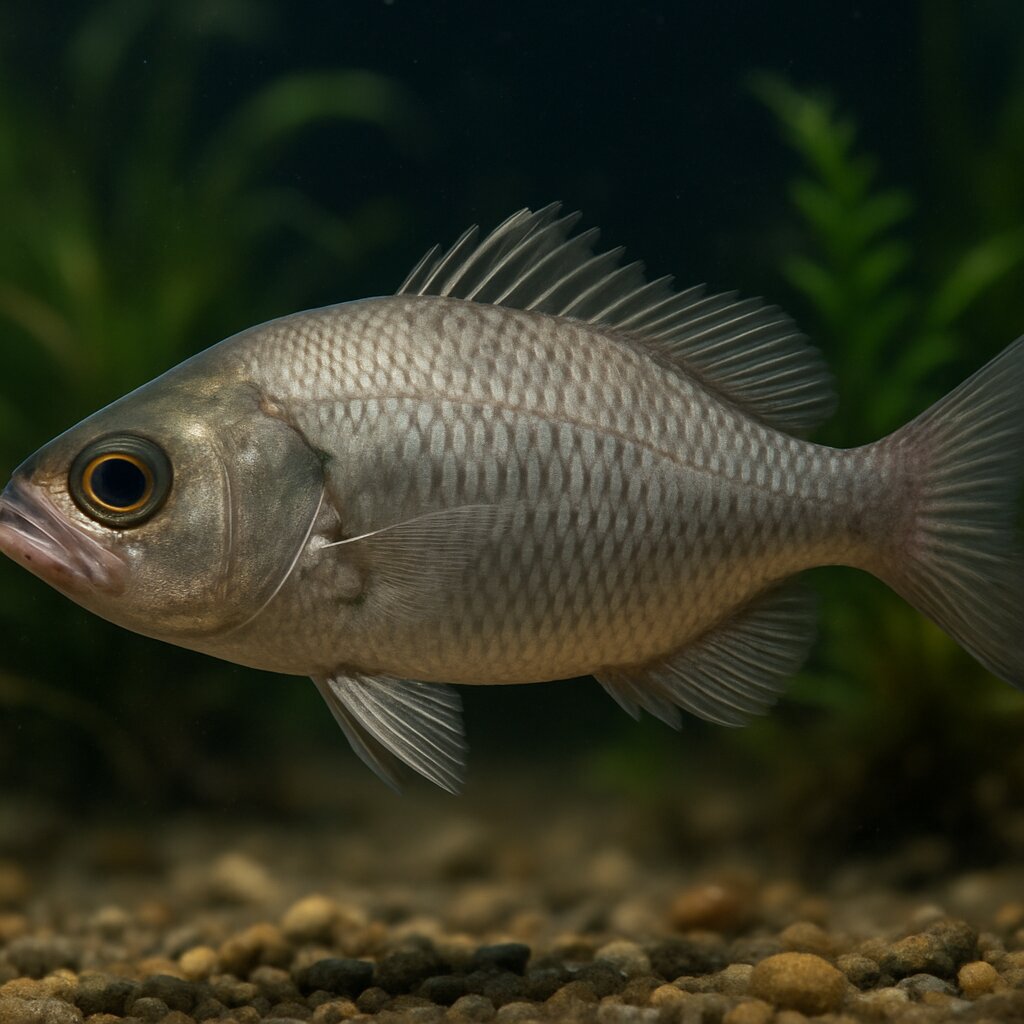
Bakemutsu
Verilus pacificus
Bakemutsu is a deepwater ocean-bass from the western-central Pacific that cruises rocky island slopes and seamounts, topping out around 40 cm. It likes cool saltwater for a marine fish - roughly 13-23 C - and lives 60-500 m down, so it is more of a specialist oddball than a home-aquarium candidate. Taxonomically it was long placed in Neoscombrops and is now treated as Verilus, which adds a fun bit of fish-nerd trivia. ([fishbase.se](https://fishbase.se/summary/SpeciesSummary.php?id=23391))
Looking for other species?