

Japonoconger africanus
Japonoconger africanus
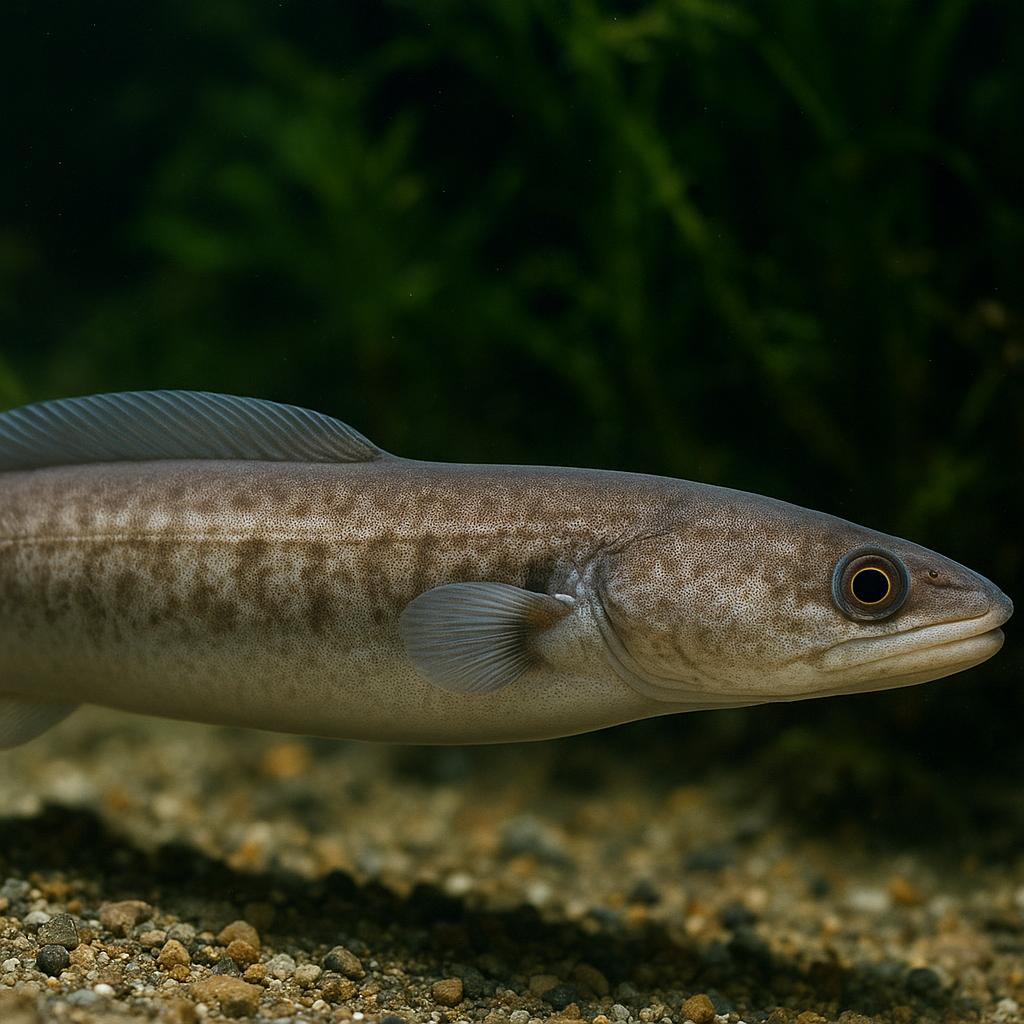
The African conger features a long, slender body with a dark brown to olive coloration and distinct, small, closely spaced scales.
This page includes AI-generated images. Why am I seeing AI images?
About the Japonoconger africanus
A deep-water conger eel from the eastern Atlantic (Gabon to Republic of the Congo), bathydemersal at roughly 250–650 m. Max length about 42.5 cm TL. Feeds on benthic fishes, shrimps, and crabs. Modeled preferred temperatures from occurrence data are ~3.8–5.9 °C, which together with its depth range makes it effectively unsuited to home aquaria; there is no established captive-care protocol.
Quick Facts
Size
42.5 cm TL
Temperament
Semi-aggressive
Difficulty
Expert
Min Tank Size
180 gallons
Lifespan
unknown
Origin
Eastern Atlantic (West Central Africa - Gabon to Republic of the Congo)
Diet
Carnivore – benthic fishes, shrimps, and crabs
Water Parameters
3.8-5.9°C
8-8.4
Need a heater for this species?
This species needs 3.8-5.9°C in a 180 gallon tank. Use our heater calculator to find the right wattage.
Calculate heater sizeCare Notes
- Not suited to home aquaria: a bathydemersal eel recorded at ~250–650 m with modeled preferred temperatures ~3.8–5.9 °C; no species-specific husbandry standards are published.
Compatibility
Avoid
- Typical warm-water reef and shallow-coastal fishes; species is not suitable for community marine aquaria due to deep, cold-water habitat and lack of husbandry data.
Where they come from
African congers (Japonoconger africanus) are marine eels from the eastern Atlantic off West Africa. They are the kind of fish you usually hear about from deepish coastal waters and slopes rather than the shallow reef flat. In the hobby they are uncommon for a reason: they get big, they are strong, and they live like an ambush predator.
If you are used to "reef safe" fish behavior, reset your expectations. This is more like keeping a predator that happens to be an eel.
Setting up their tank
Give this eel space and structure first, then worry about decorations. Think of the tank as a burrow system with water around it. A stressed conger that cannot wedge itself somewhere dark will pace, refuse food, and look for a way out.
- Tank size: very large, and bigger is always better. For an adult you are talking a footprint-focused tank, not just tall gallons. Plan for 8 ft length territory if you are serious long-term.
- Filtration: heavy. Big skimmer, plenty of biological capacity, and high oxygen. These guys eat meaty food and the waste shows up fast.
- Flow: moderate to strong with calmer pockets. You want good turnover, but not a sandstorm in their hiding spots.
- Substrate: sand or fine rubble if you want natural behavior, but it must be stable. They will dig and undermine rockwork.
- Hides: large PVC pipe sections (3-6 inch diameter depending on the eel), rock caves, and tight tunnels. Make at least two hide options so it can pick a favorite.
- Lid: tight, weighted, and sealed around plumbing. Every gap is a future escape route.
Do not trust "mostly covered" lids. Congers push with their whole body like a hydraulic ram. If a corner can lift, it will.
Rockwork needs to be built like you expect it to be bumped. Put rock on the glass or on egg crate, then add sand around it. If you stack rocks on sand, the eel will eventually dig under and the whole thing can slump.
PVC is your friend. A black PVC elbow tucked behind rock looks natural enough, and the eel will actually use it instead of testing every seam of your aquascape.
What to feed them
They are carnivores and they like chunky, smelly food. The goal is to get them on a varied frozen diet you can source reliably, not a steady stream of live feeders.
- Good staples: shrimp, squid, octopus, scallop, clam, mussel, marine fish flesh (like silversides or chunks of marine fillet).
- Occasional treats: crab or prawn with shell (great for teeth and jaw workout), chopped whole seafood mixes.
- Avoid: freshwater feeder fish, fatty freshwater meats, and anything that reeks of preservatives. Those cause long-term problems and messy water.
I feed with long tongs and I do it consistently in the same spot. That keeps the eel from associating your hands with food. Start smaller pieces for a new import, then work up to chunks that make it chew. If it gulps too-fast, you can get regurgitation and a nasty ammonia spike.
Target feeding matters with a conger. If food drifts into the rockwork and rots, you will be chasing nitrate and phosphate forever.
How often depends on size. Smaller individuals can take food 2-3 times per week. Big adults do better with larger meals spaced out (every 4-7 days). Watch body shape: you want a rounded, muscular look, not a pinched neck behind the head.
How they behave and who they get along with
This is an ambush predator with a serious bite. Most of the day you will see a head poking from a cave, then at feeding time it turns into a missile. They are also bold once settled and will patrol at night.
- Tankmates that usually work: large, tough fish that are not bite-sized and do not pick at the eel (big tangs, larger angels, robust wrasses in a big system).
- Tankmates that usually become food: small fish, shrimp, crabs, and basically any invertebrate you care about.
- Tankmates that cause drama: aggressive triggers that chew on fins, puffers that nip, and anything that competes hard at feeding time.
If it fits in the eel's mouth, assume it is on the menu. If it does not fit today, it might in six months.
They are not "community" animals, but they can be kept with the right big-fish crowd in a big tank. Give the eel first pick of the best hide. If it feels secure, it is less likely to roam and bump into everyone.
Breeding tips
Breeding African congers in home aquariums is basically not a thing. Like most true eels, they have a complex life cycle and are believed to spawn in the open ocean with a leptocephalus larval stage. Even public aquariums rarely, if ever, crack this.
If you see a swollen belly, it is almost always "ate a big meal" rather than eggs. Focus on long-term health, not pairing attempts.
Common problems to watch for
Most problems with these eels come down to three things: injuries, water quality swings, and feeding accidents. They are hardy once settled, but they do not forgive sloppy setups.
- Escape attempts: usually from lack of hiding spots, bullying tankmates, sudden light changes, or poor water. Tight lid and calm caves fix a lot.
- Mouth and nose scrapes: from ramming rockwork or lids. Smooth the edges of PVC, avoid sharp rock points near the entrance, and keep the eel from panicking during maintenance.
- Refusing food: common right after import. Offer strong-smelling seafood (squid, clam), feed at dusk, and keep activity low around the tank for a few days.
- Regurgitation: often from pieces that are too large or from being startled mid-meal. Smaller chunks and a quiet feeding routine help.
- Marine ich and velvet: eels can get them, and treatment is tricky because you cannot just "reef dose" meds and hope. A quarantine plan is worth having before you buy the eel.
- Bacterial infections on wounds: watch for redness, fuzz, or swelling around scrapes. Clean water and quick action beat heroic late-night dosing.
Respect the bite. Use tongs, not fingers. And if you ever have to move the eel, skip nets (they tangle). Use a large container or thick eel tube and keep your hands out of the line of fire.
Last thing: plan your maintenance around the eel, not the other way around. Move slowly, keep the room lights on before tank lights, and do not rearrange its favorite cave every weekend. A settled conger is a much easier conger.
Similar Species
Other marine semi-aggressive species you might be interested in.
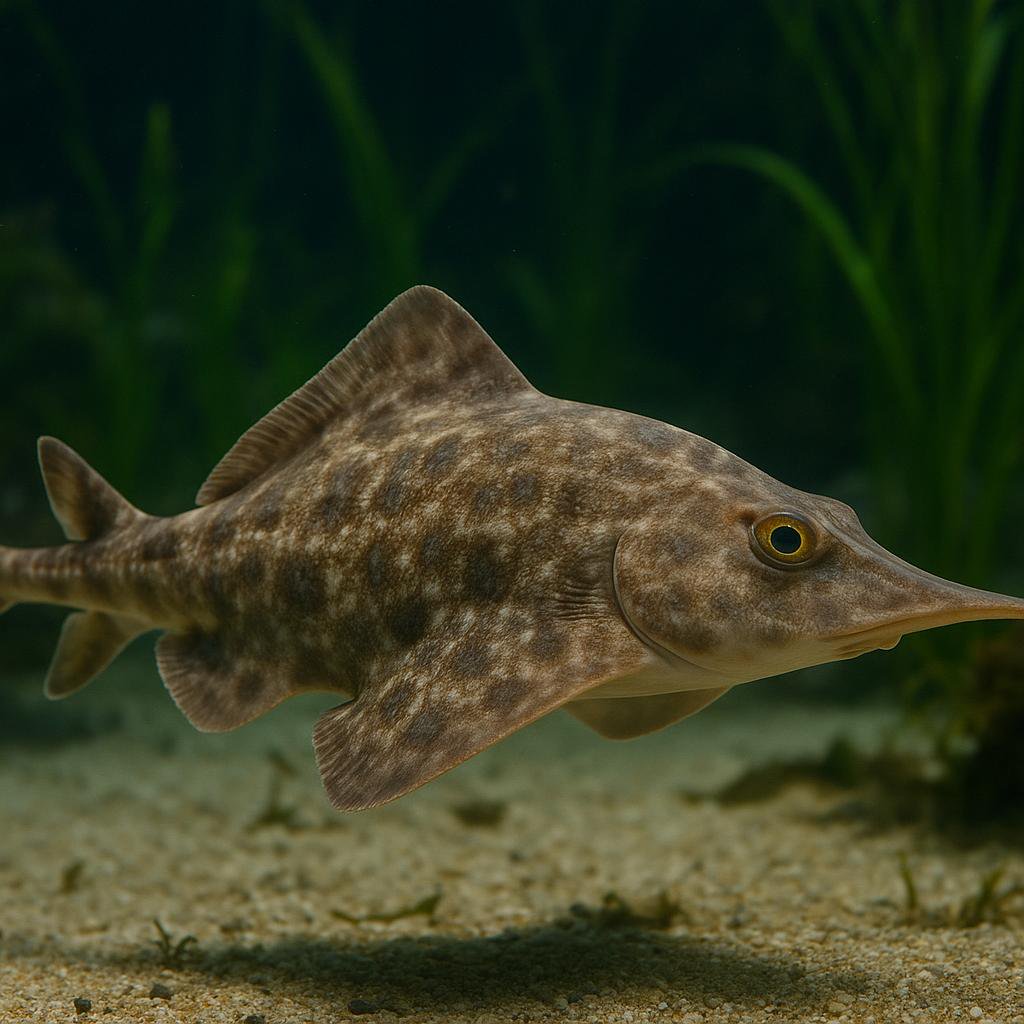
Aleutian skate
Bathyraja aleutica
This is a big, cold-water deep-slope skate from the North Pacific that cruises muddy bottoms and eats chunky benthic prey like crabs and shrimp. The really cool bit is its egg-laying skate life - it does distinct pairing (the classic skate "embrace") and drops those tough egg cases on the seafloor. Not an aquarium fish at all unless you're basically running a public-aquarium-style chilled system.
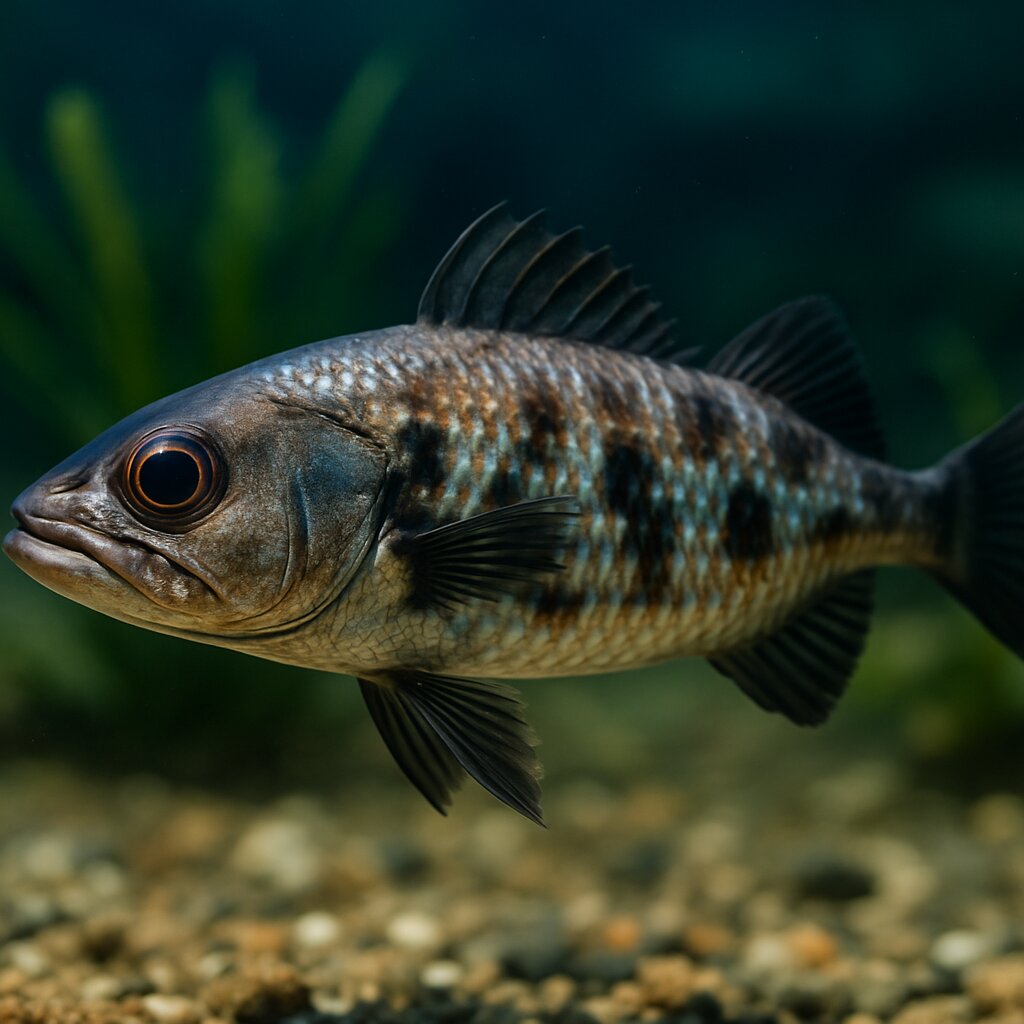
Antarctic dragonfish
Vomeridens infuscipinnis
Deep down around Antarctica, this sleek dragonfish cruises the water column like a little submarine, nearly neutrally buoyant so it can hover above the seafloor. It munches almost exclusively on Antarctic krill and lives in near-freezing water 500-800 m down, so it is a cool species to read about, not one for home tanks.
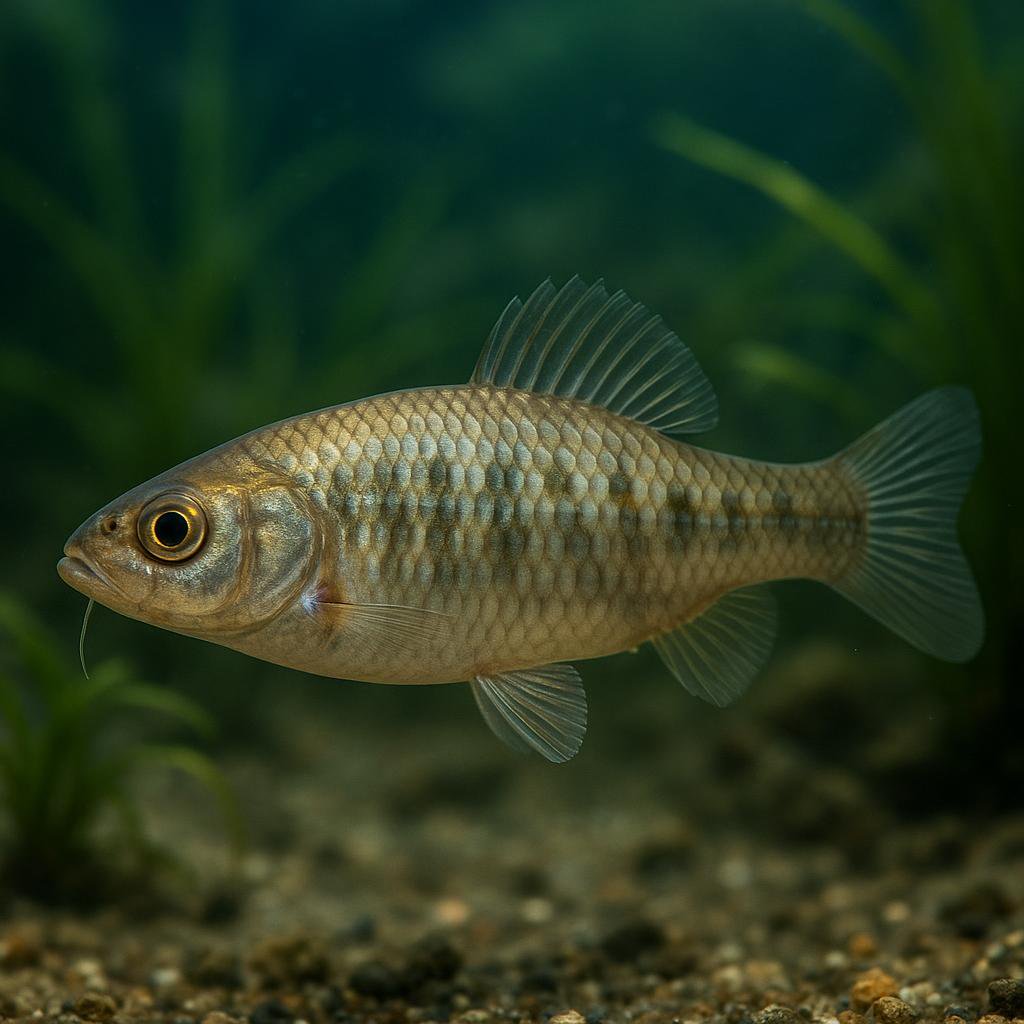
Arabian spiny eel
Notacanthus indicus
Notacanthus indicus is a deep-sea spiny eel (family Notacanthidae; not a true eel) known from the Arabian Sea on the continental slope at roughly ~960–1,046 m depth, with reported maximum length around 20 cm TL; it is a deep-water bycatch species and not established in the aquarium trade.
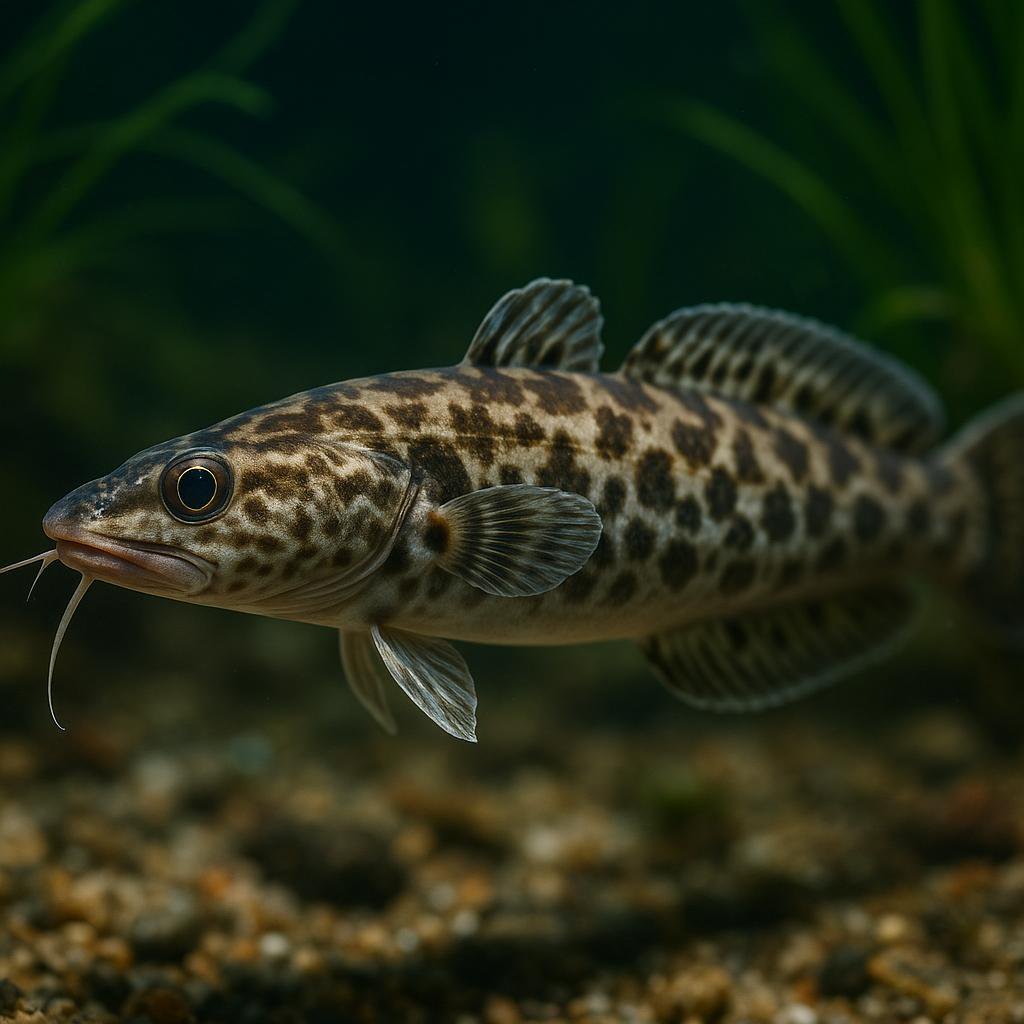
Arctic rockling
Gaidropsarus argentatus
This is a deepwater North Atlantic rockling (a cod relative) that hangs out on soft bottoms way down the slope. It is a cold-water, bottom-hugging predator that snoots around for crustaceans and will also take small fish when it gets the chance.
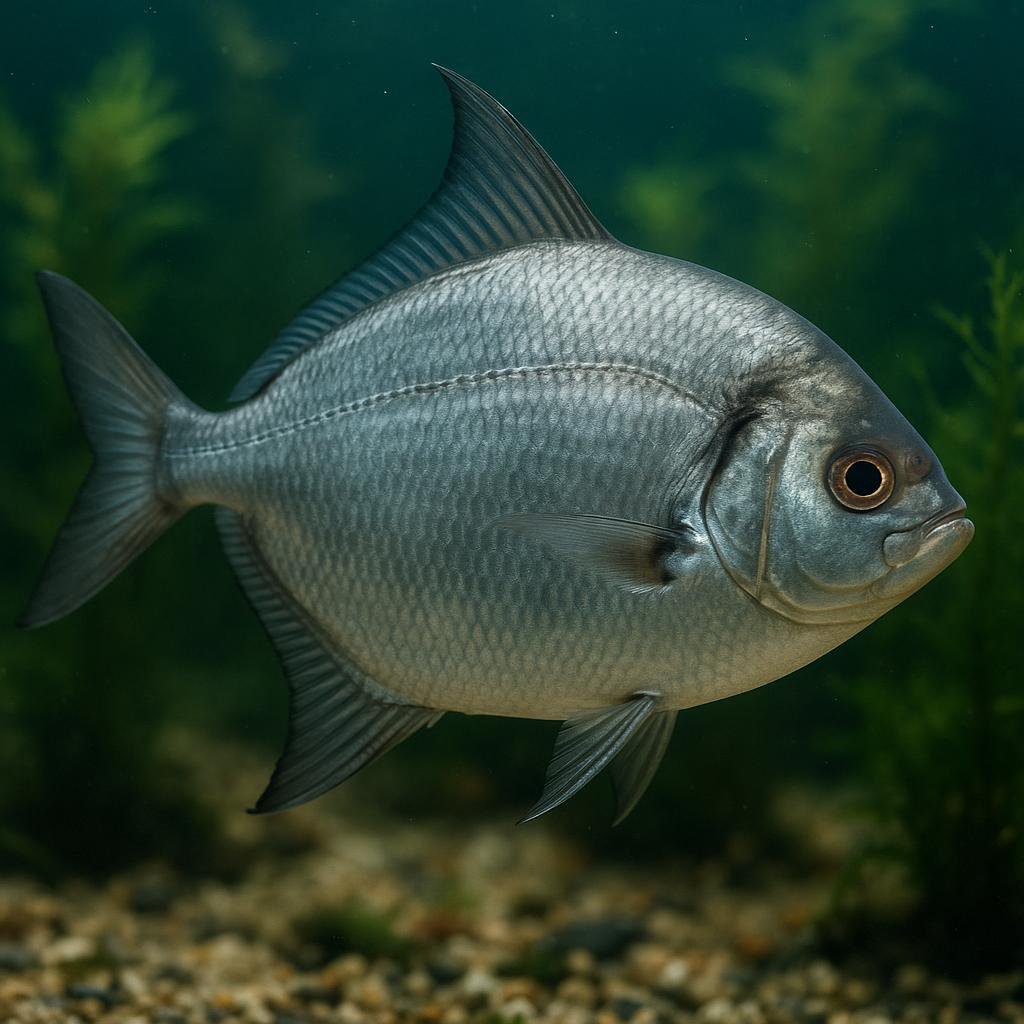
Atlantic pomfret
Brama brama
Brama brama is the Atlantic pomfret (aka Ray's bream) - a deep-bodied, open-ocean pelagic fish that cruises around in small schools and follows water temps. It is a legit big, wild marine species (not an aquarium fish) that eats other small sea critters like fish and squid, and it ranges across a huge chunk of the Atlantic plus parts of the Indian and South Pacific.
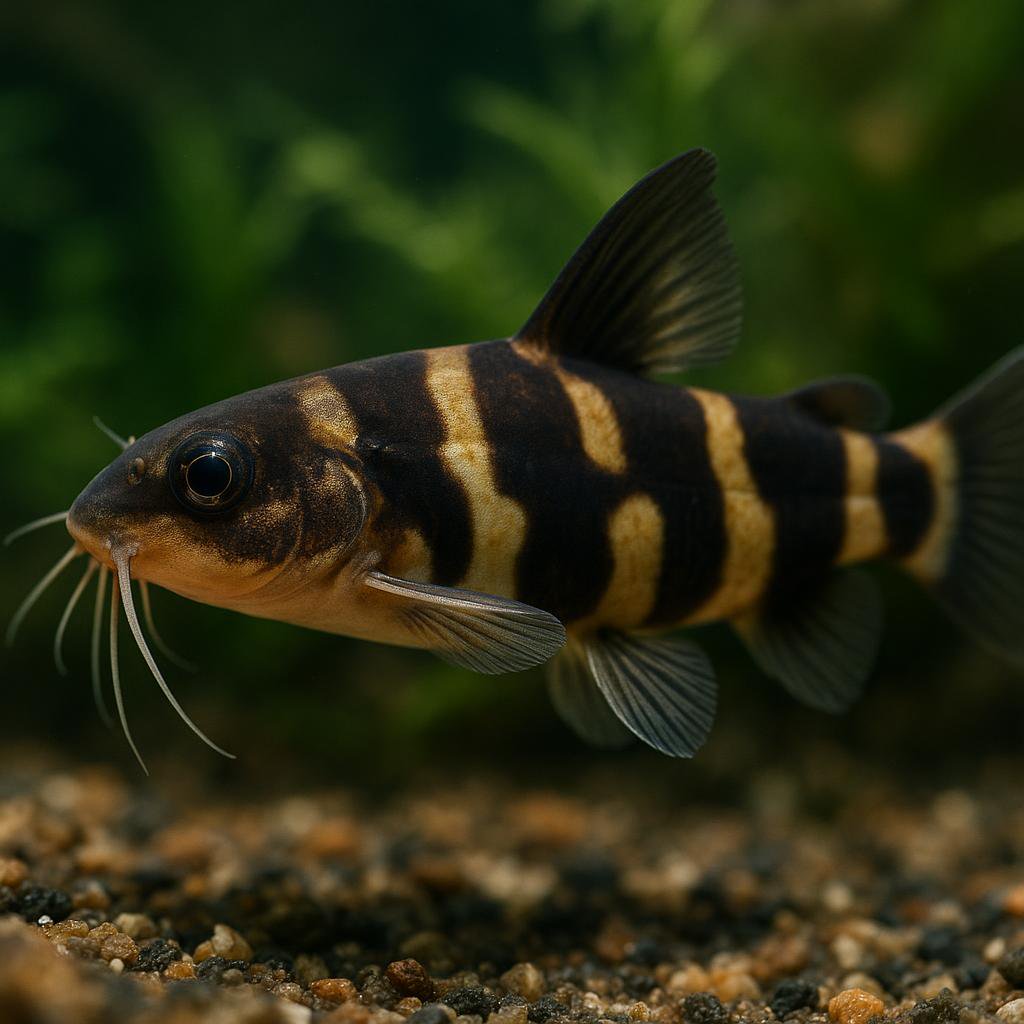
Australian sawtail catshark
Figaro boardmani
Figaro boardmani is a small, deepwater Australian catshark with these cool saw-like ridges of spiny denticles along the tail and a neat pattern of dark saddle bands. It lives way down on the outer continental shelf and slope, so its natural water is cold, dim, and stable - totally not a typical home-aquarium fish. Diet-wise its a predator that goes after fish, crustaceans, and cephalopods.
More to Explore
Discover more marine species.
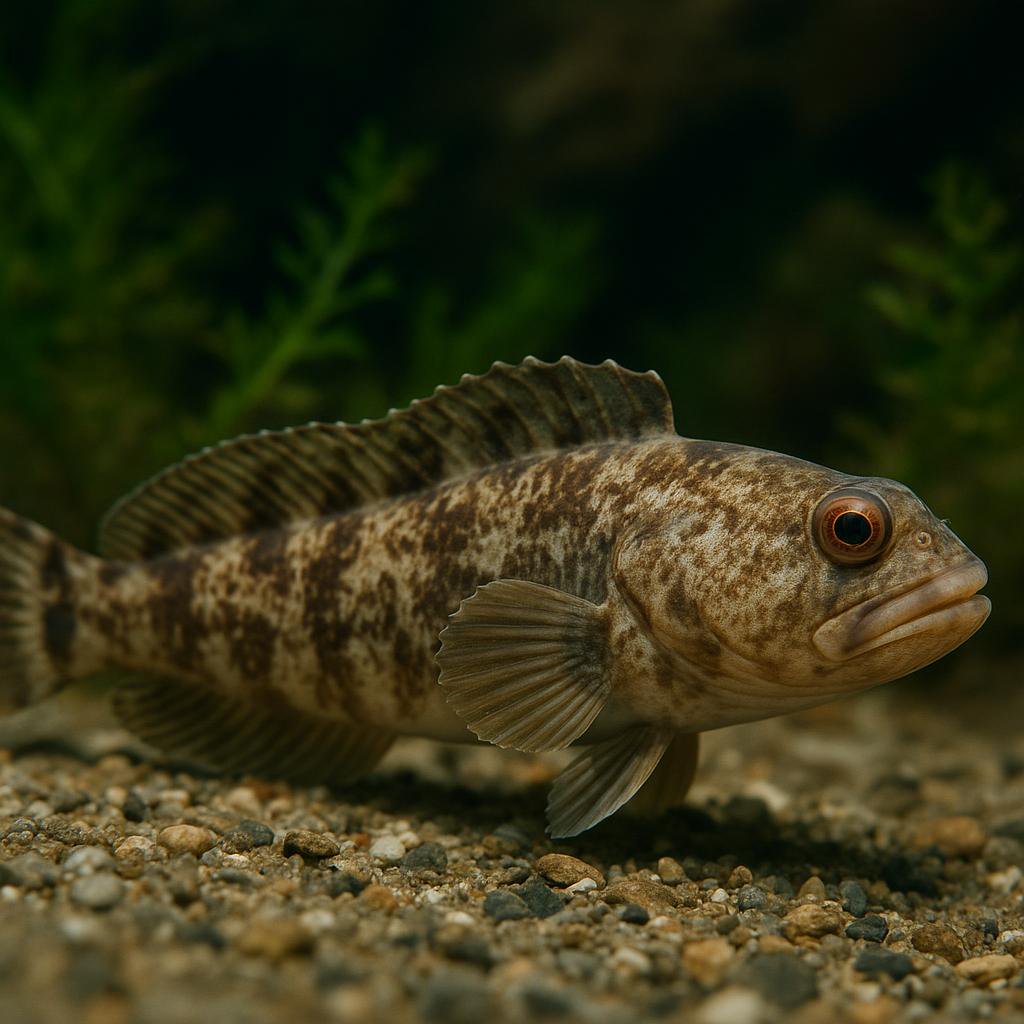
Abe's eelpout
Japonolycodes abei
Japonolycodes abei is a temperate, deepwater demersal eelpout (family Zoarcidae) endemic to Japan (Kumano-nada Sea reported; other sources also report Sagami Bay and Tosa Bay). It is the only species in the genus Japonolycodes and occurs roughly 40-300 m depth, making it an uncommon/atypical aquarium species.
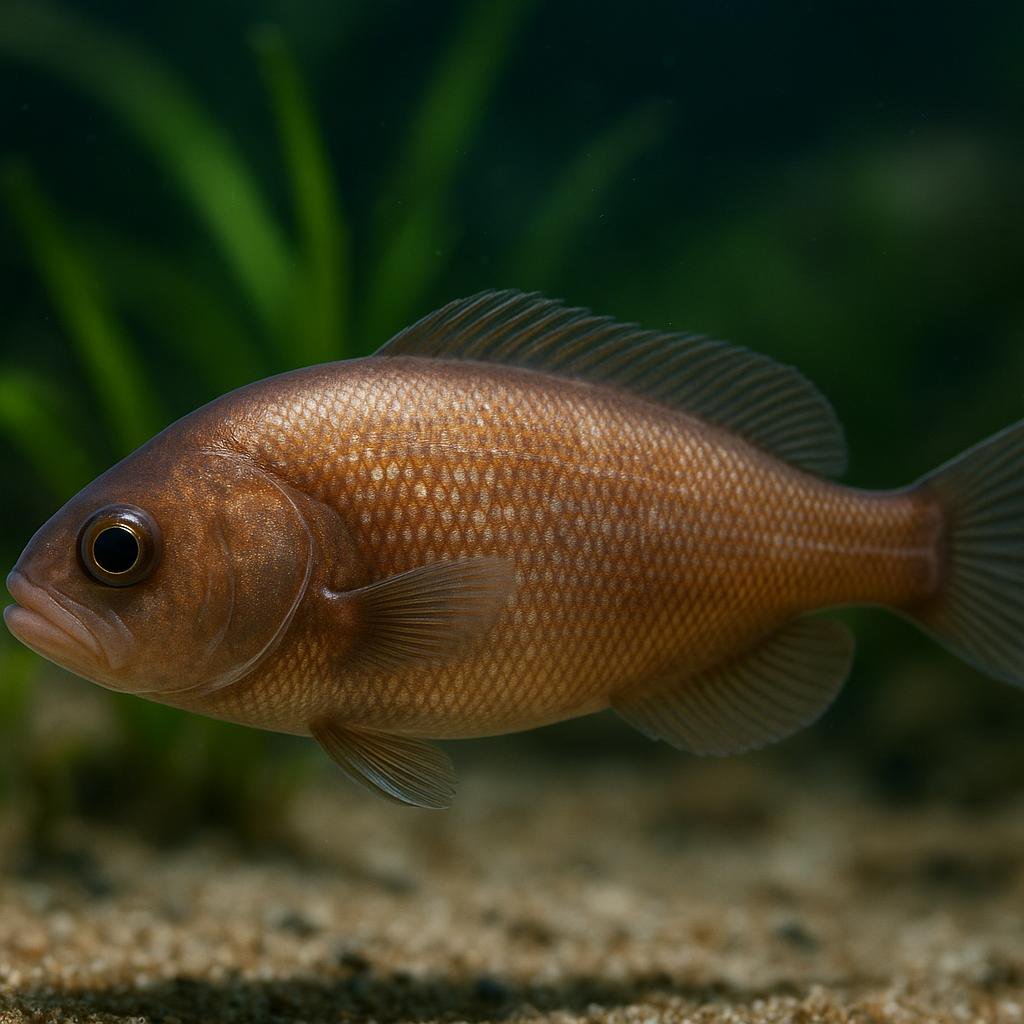
Affinis blind cusk-eel
Barathronus affinis
Barathronus affinis is a tiny, super-weird deep-sea blind cusk-eel from the western-central Indian Ocean. It is one of those gelatinous, loose-skinned brotula-type fishes that live way down in the dark and are basically never seen alive, so almost everything we know comes from preserved specimens and taxonomic work.
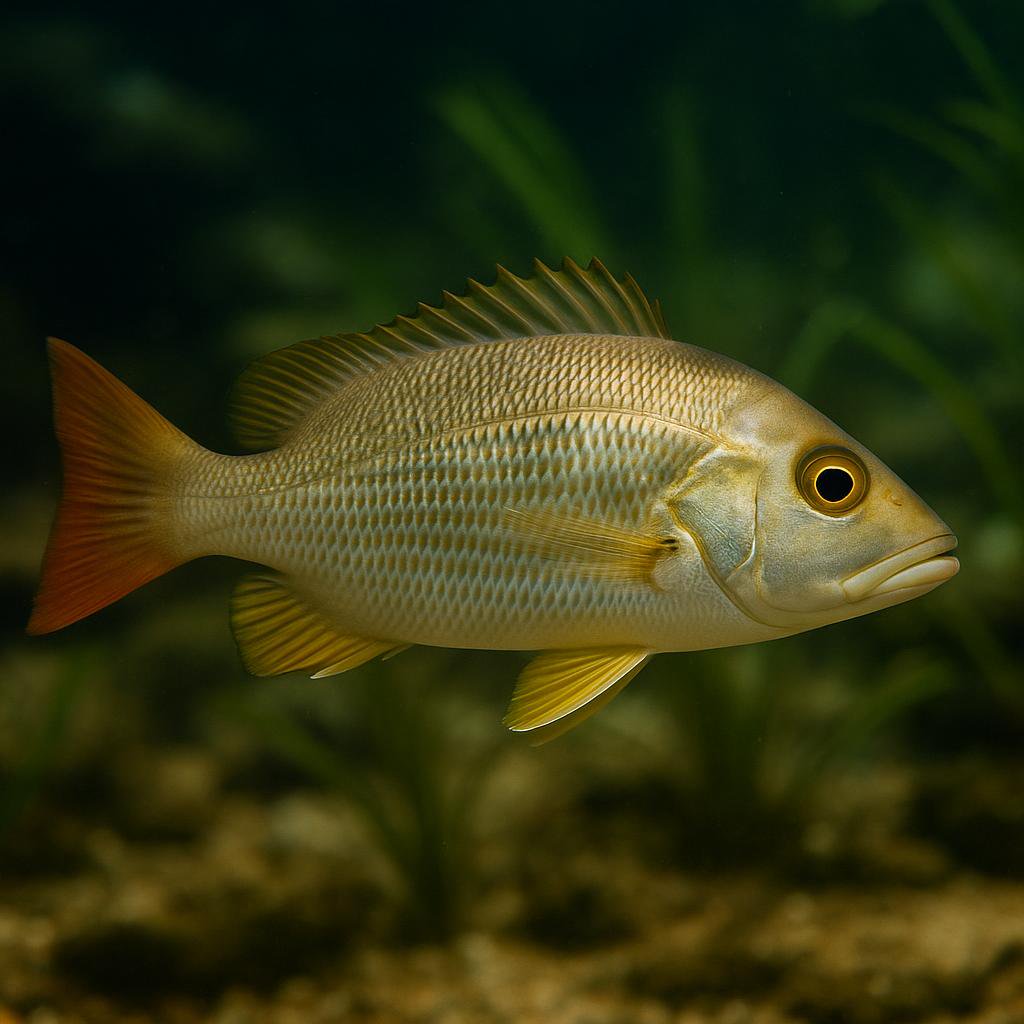
African red snapper
Lutjanus agennes
This is a true snapper from West Africa - a big, fast-growing predator that goes from coastal reefs to brackish lagoons and estuaries (especially as a juvenile). Super cool fish in the wild, but it gets absolutely huge and will eat smaller tankmates once it has the mouth for it, so its really more of a public-aquarium scale animal than a home-aquarium fish.
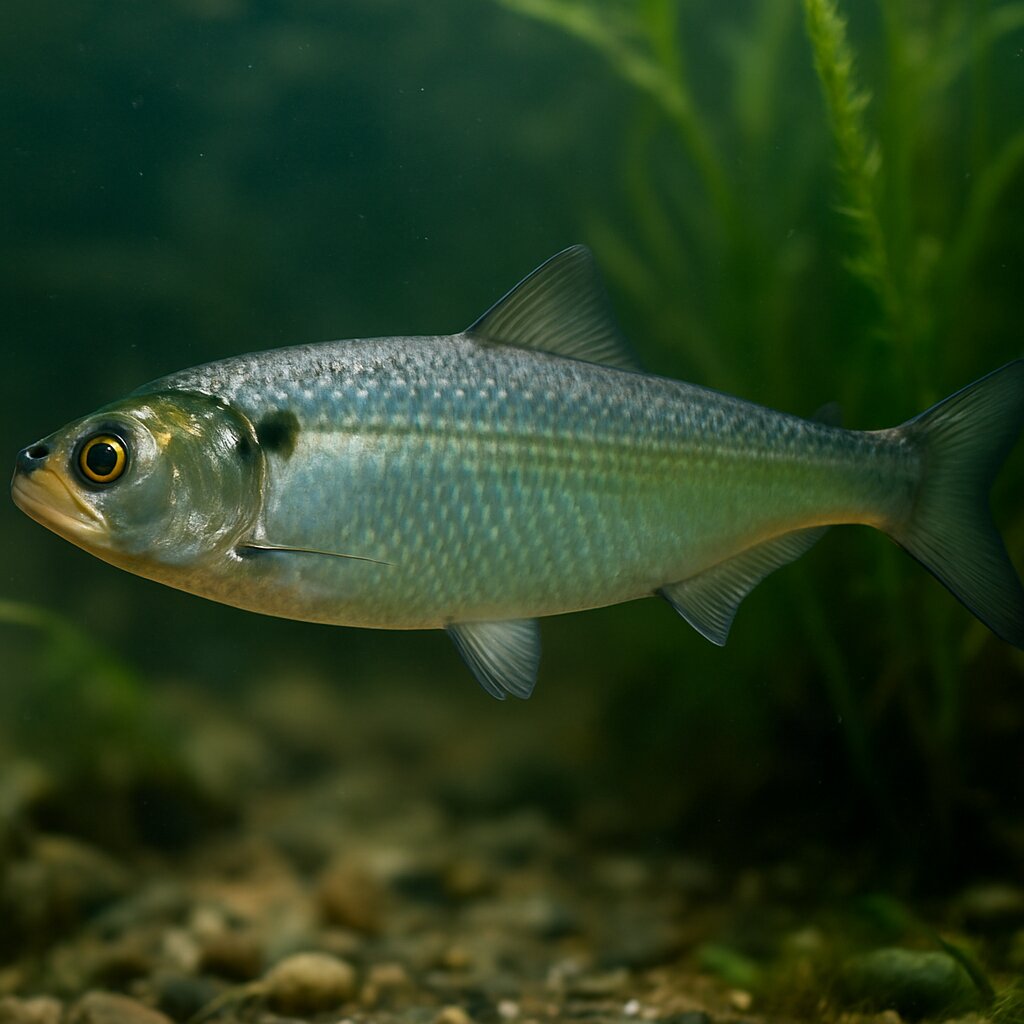
Allis shad
Alosa alosa
Gorgeous silver, fast-swimming shad that spends most of its life in the sea and then surges up big rivers in noisy, surface-spawning schools. It grows huge for a herring-type fish and needs cool, ultra-oxygenated water and tons of open space, so it is a public-aquarium species rather than a home tank fish.
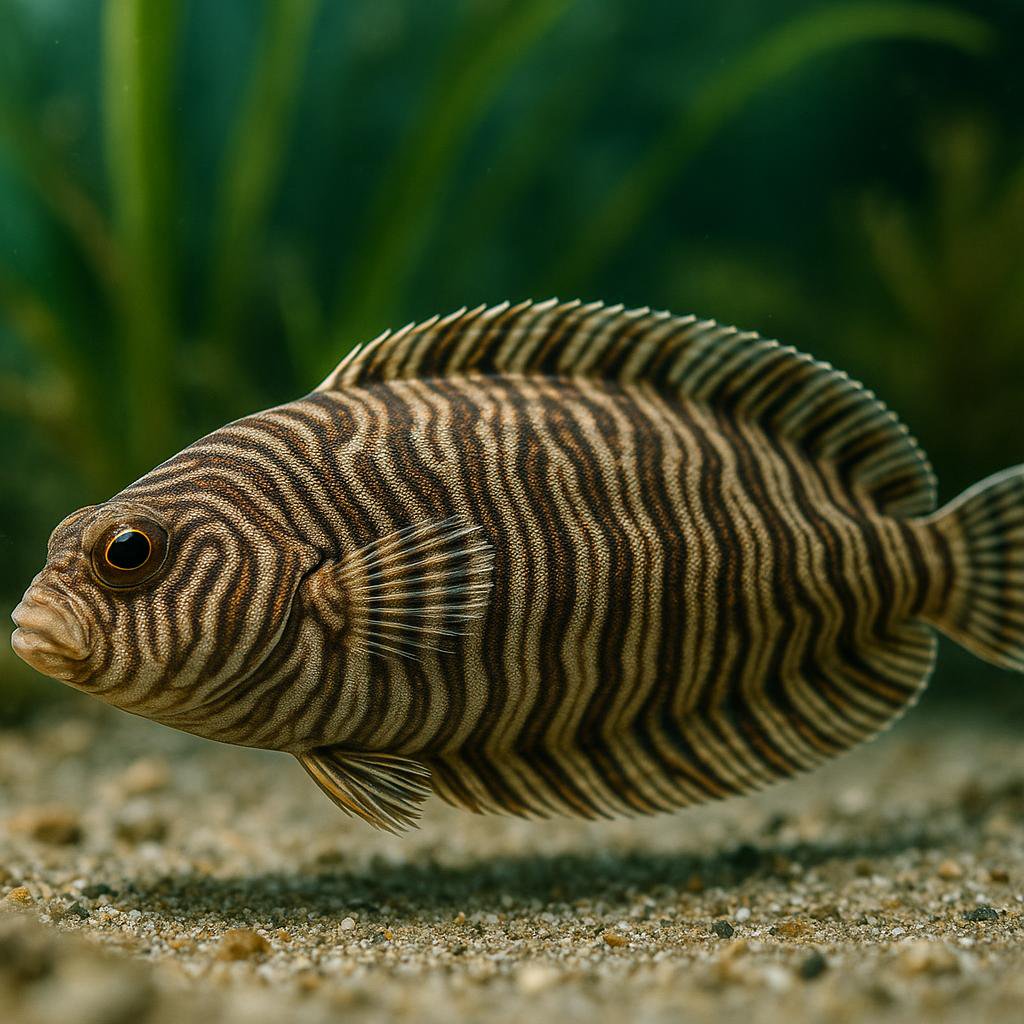
Annandale's zebra sole
Zebrias annandalei
Zebrias annandalei is a small demersal sole from coastal India that inhabits sandy or muddy bottoms and buries for camouflage. It is rarely kept in home aquaria and would require a specialized marine sand-bottom setup and appropriate feeding.
Banded stargazer
Kathetostoma binigrasella
This is a New Zealand stargazer that lives half-buried in sand or mud with its eyes pointed up, waiting to rocket upward and nail passing prey. It has those neat dark saddle-bands across the back (especially as a juvenile), and like other stargazers it is venomous with spines near the gill cover/pectoral area - definitely a look-dont-touch fish.
Looking for other species?