

Arctic rockling
Gaidropsarus argentatus
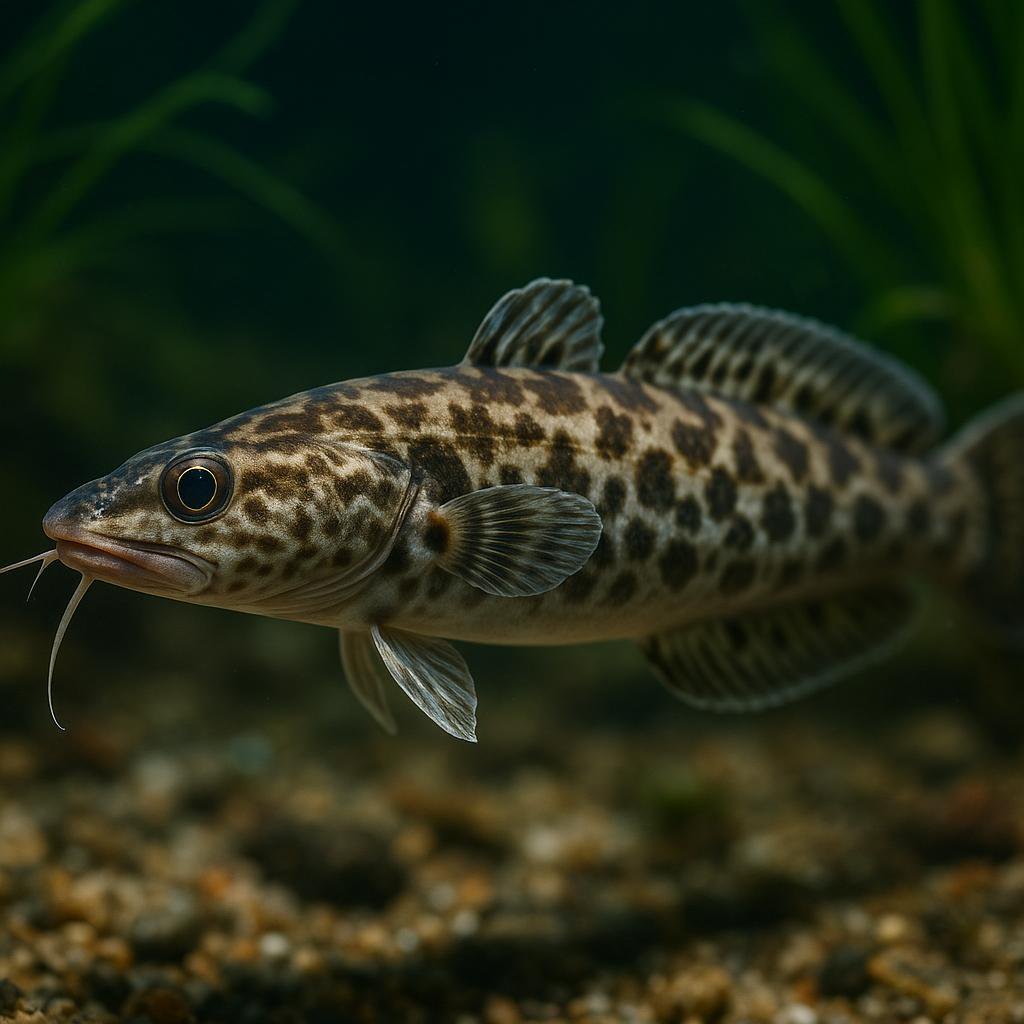
The Arctic rockling features a slender, elongated body with a mottled brown and silver coloration, alongside long dorsal and anal fins.
This page includes AI-generated images. Why am I seeing AI images?
About the Arctic rockling
This is a deepwater North Atlantic rockling (a cod relative) that hangs out on soft bottoms way down the slope. It is a cold-water, bottom-hugging predator that snoots around for crustaceans and will also take small fish when it gets the chance.
Also known as
Quick Facts
Size
35 cm SL
Temperament
Semi-aggressive
Difficulty
Expert
Min Tank Size
300 gallons
Lifespan
unknown
Origin
North Atlantic (Arctic to boreal)
Diet
Carnivore - mainly crustaceans (decapods, amphipods, euphausiids) and sometimes fish
Water Parameters
-0.6-9.6°C
7.8-8.4
8-12 dGH
Need a heater for this species?
This species needs -0.6-9.6°C in a 300 gallon tank. Use our heater calculator to find the right wattage.
Calculate heater sizeCare Notes
- Plan for coldwater marine, not a tropical reef tank - think chiller, tight lid, and lots of rockwork with deep cracks and caves because they want to wedge in and ambush from cover.
- Deepwater species; husbandry temperature range is not well-documented in aquarium references. If kept at all, aim for a consistently cold, well-oxygenated marine system with stable salinity, but avoid presenting a precise temperature band unless you can cite a husbandry source.
- They are dusk and night hunters, so feed after lights dim: meaty foods like chopped shrimp, clam, mussel, squid, and silversides, and use tongs to target feed so faster fish do not steal it all.
- Do not keep them with tiny fish or shrimp you care about - if it fits in the mouth, it is food; also avoid hyperactive feeders that will outcompete them and keep them hiding.
- Good tankmates are other coldwater, non-nippy, similar-sized fish that are not aggressive about food; bottom bullies and fin-nippers will stress them and you will only see your rockling at 2 AM.
- Watch for abrasion and mouth damage from them jamming into rock crevices, plus skin issues if the tank has sharp rock or strong direct flow blasting their favorite cave.
- No well-documented aquarium breeding reports were found in the authoritative sources reviewed. Avoid stating breeding is possible in captivity unless supported by a credible husbandry/public aquarium reference.
Compatibility
Good Tankmates
- Compatibility is not well-established for this deepwater species; if attempted, select robust coldwater marine species with matching temperature and feeding needs and monitor closely.
- Other sturdy North Atlantic coldwater fish in the same vibe, like small cod relatives/poor cod-type fish - similar temps, similar feeding, and they can hold their ground. Just give them space and do not cram the tank.
- Robust wrasses that handle cooler water (depending on your exact temp) - they are alert, not finny and delicate, and they do not just sit there looking edible. They also do not usually try to steal the rockling's cave.
- Spiny, well-defended fish like small sculpins or sea ravens (size-matched) - they are bottom-ish too, but they are not pushovers. You want lots of rockwork so each can claim a spot and chill.
- Bigger, unbothered inverts like large hermit crabs and tougher coldwater crabs (if your setup allows it) - not guaranteed, but the rockling usually focuses on meaty food and small critters it can actually swallow.
- Hardy coldwater shrimp that are not bite-sized (and with plenty of hiding) - some people keep them together, but assume any small shrimp can eventually become a snack during a night hunt.
Avoid
- Small, peaceful fish like gobies, blennies, and tiny rockpool species - they hang where the rockling hunts, and if it fits in the rockling's mouth, it is on the menu sooner or later.
- Slow fancy-fin fish or anything that likes to hover and sleep in the open - the rockling is an ambush predator, and nighttime is when you find out who was a bad idea.
- Other eel-ish cave bullies like morays or big aggressive gunnels - too much cave drama. You will get constant territory spats and shredded fins, especially in smaller tanks.
Where they come from
Arctic rockling (Gaidropsarus argentatus) is a cold-water cod relative from the North Atlantic - think Norway, Iceland, the British Isles, down into the colder parts of the northeast Atlantic. They hang around rocky bottoms, kelp, wrecks, and crevices. If you have ever stuck your head in chilly water and looked under ledges, thats the vibe: dim, cold, currenty, lots of hiding spots.
This is one of those fish that fails in normal reef temps. If you cannot commit to a cold-water marine system year-round, skip it.
Setting up their tank
The whole game with rocklings is temperature and structure. Give them cold, stable water and a maze of rockwork they can claim, and they settle in. Give them warm water or a bare tank, and they go downhill fast.
- Tank size: I would not bother under 75 gallons, and 120+ makes life easier (more stable temps, more territory breaks).
- Temperature: cold-water range. Aim roughly 46-54F (8-12C) with as little swing as you can manage.
- Salinity: standard marine around 1.024-1.026.
- Flow and oxygen: moderate flow and lots of gas exchange. Cold water holds more oxygen, but these fish still appreciate strong aeration and surface agitation.
- Aquascape: stacked rock with tight caves, overhangs, and long crevices. Build it stable - they wedge into holes and will test your pile.
You will almost certainly need a chiller. Fans and frozen bottles are a short-term trick, not a plan. Sudden temp bumps are a common way people lose them.
Use a tight lid. Rocklings arent famous jumpers like wrasses, but any startled fish in a cool, high-oxygen tank can bolt. Also, think about lighting. They do not need bright reef lighting and generally act bolder under softer light with shaded zones.
If you can, set up the tank like a cold-water tidepool wall: rockwork that makes multiple tunnel routes. They relax when they can move without crossing open sand.
What to feed them
They are meat-and-seafood predators. Mine took food best once they learned the routine: lights dim, food delivered near their cave, and no faster tankmates stealing every bite.
- Staples: thawed shrimp, clam, mussel, squid, scallop, chunks of marine fish (not freshwater feeder fish).
- Treats: live or fresh-frozen marine worms if you can source safely, and small crabs or prawns in systems where thats appropriate.
- Prepared foods: some will take sinking carnivore pellets, but dont count on it at first.
Use feeding tongs or a turkey baster. Target feeding keeps them from getting outcompeted and helps you confirm they actually swallowed the food.
Feed smaller portions more often at the start (every other day is a decent rhythm once settled). Big, fatty meals can foul the water in cold systems where you might be running heavier filtration and slower bacterial activity.
Skip oily grocery-store fish as a main diet (like a ton of salmon). It can lead to messy water and long-term nutrition issues. Mix your seafoods.
How they behave and who they get along with
Rocklings are secretive, perch-and-pounce fish. They pick a bolt hole and treat it like home base. They are not open-water swimmers, and they are not a community fish in the warm-reef sense.
- Temperament: generally calm but will eat anything they can fit in their mouth.
- Activity: more active at dusk and in low light. Expect a lot of peeking and short dashes, not constant cruising.
- Territory: they can get grumpy with similar bottom dwellers that want the same caves.
Do not mix with small fish or small crustaceans you care about. If it looks bite-sized at 2 am, it is dinner.
Tankmates need to be cold-water compatible first, and then sized so they are not food. Think along the lines of other temperate/cold marine fish that handle chill temps and are not hyper-aggressive. Avoid fast, pushy feeders unless you are willing to target feed the rockling every time.
Breeding tips
Breeding in home aquaria is not common, mostly because these are seasonal, cold-water spawners and you would need to mimic a real winter-to-spring cycle. If you ever try it, the best shot is with a dedicated species tank and a controlled temperature and photoperiod schedule.
- Start with a true pair or a small group (sexing is not straightforward).
- Give them a seasonal cue: shorter days and colder water for a period, then a gradual warm-up within their safe cold range.
- Be ready for tiny planktonic larvae if they spawn - raising them would mean live foods (rotifers, copepods) and a serious larval setup.
If your goal is breeding projects, this is a deep end fish. Most people keep them as display predators in a cold-water tank rather than expecting babies.
Common problems to watch for
Most issues come down to temperature swings, shipping stress, and feeding problems. Cold-water marines can look fine for a couple weeks and then crash if something has been slowly off.
- Heat stress: rapid breathing, hiding constantly, refusing food, sudden decline after a warm day. Fix the temp first, then everything else.
- Starvation from competition: they can be shy eaters. If you never see it eat, assume it is not eating.
- External parasites from wild collection: flashing, excess slime, frayed fins. Quarantine is your friend, but plan meds carefully for cold-water systems.
- Ammonia spikes: predator feeding plus cold temps can mean slower bio response. Overfilter, skim aggressively, and do water changes before you think you need them.
- Injuries from rockwork: they wedge into tight spaces. Sharp edges and unstable stacks lead to scrapes and crushed fins.
Acclimation matters. Keep the temp steady during drip acclimation and transfer. A fish that warms up in a bucket and then gets dropped back into cold water gets hit twice.
One last thing: watch the first month like a hawk. If the fish is eating reliably, keeping weight, and not breathing hard at rest, you are usually over the hardest part. Cold-water marines reward patience, but they punish shortcuts.
Similar Species
Other marine semi-aggressive species you might be interested in.
Aleutian skate
Bathyraja aleutica
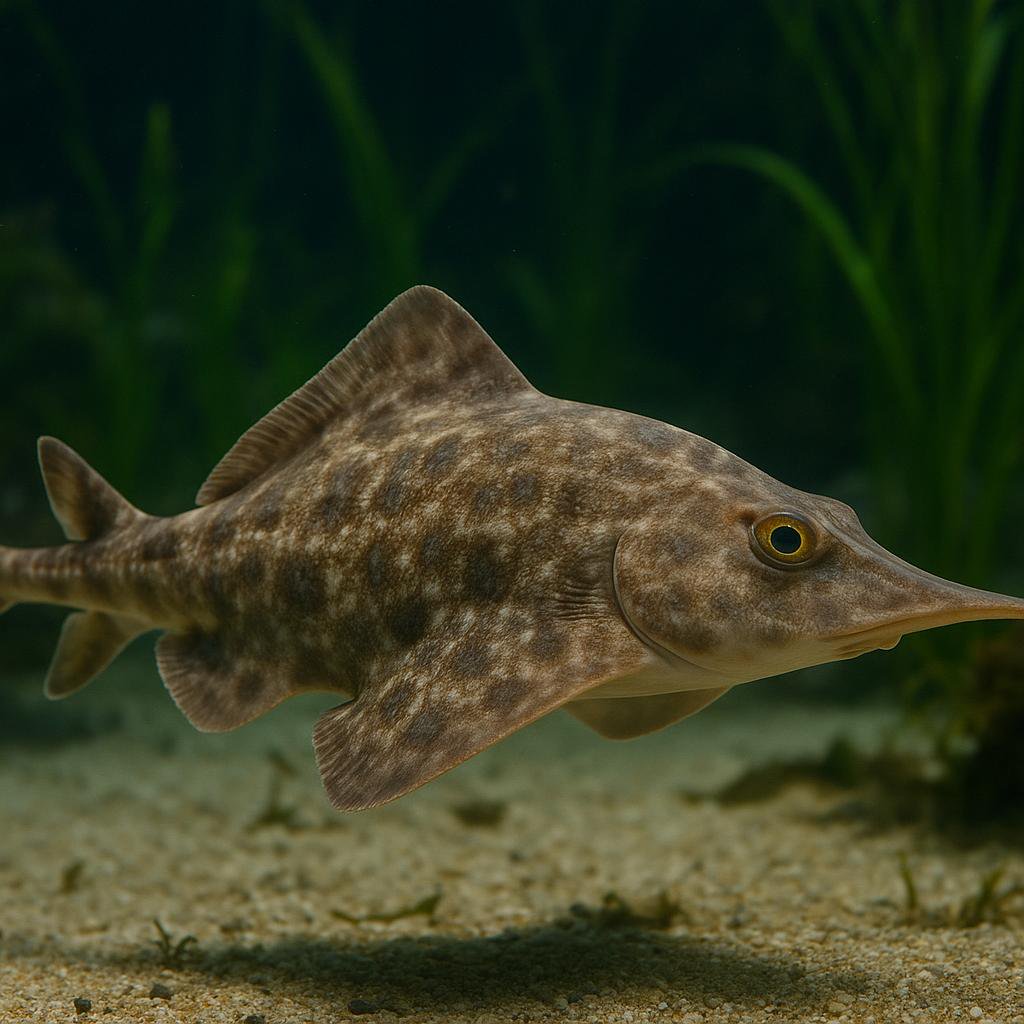
This is a big, cold-water deep-slope skate from the North Pacific that cruises muddy bottoms and eats chunky benthic prey like crabs and shrimp. The really cool bit is its egg-laying skate life - it does distinct pairing (the classic skate "embrace") and drops those tough egg cases on the seafloor. Not an aquarium fish at all unless you're basically running a public-aquarium-style chilled system.
Antarctic dragonfish
Vomeridens infuscipinnis
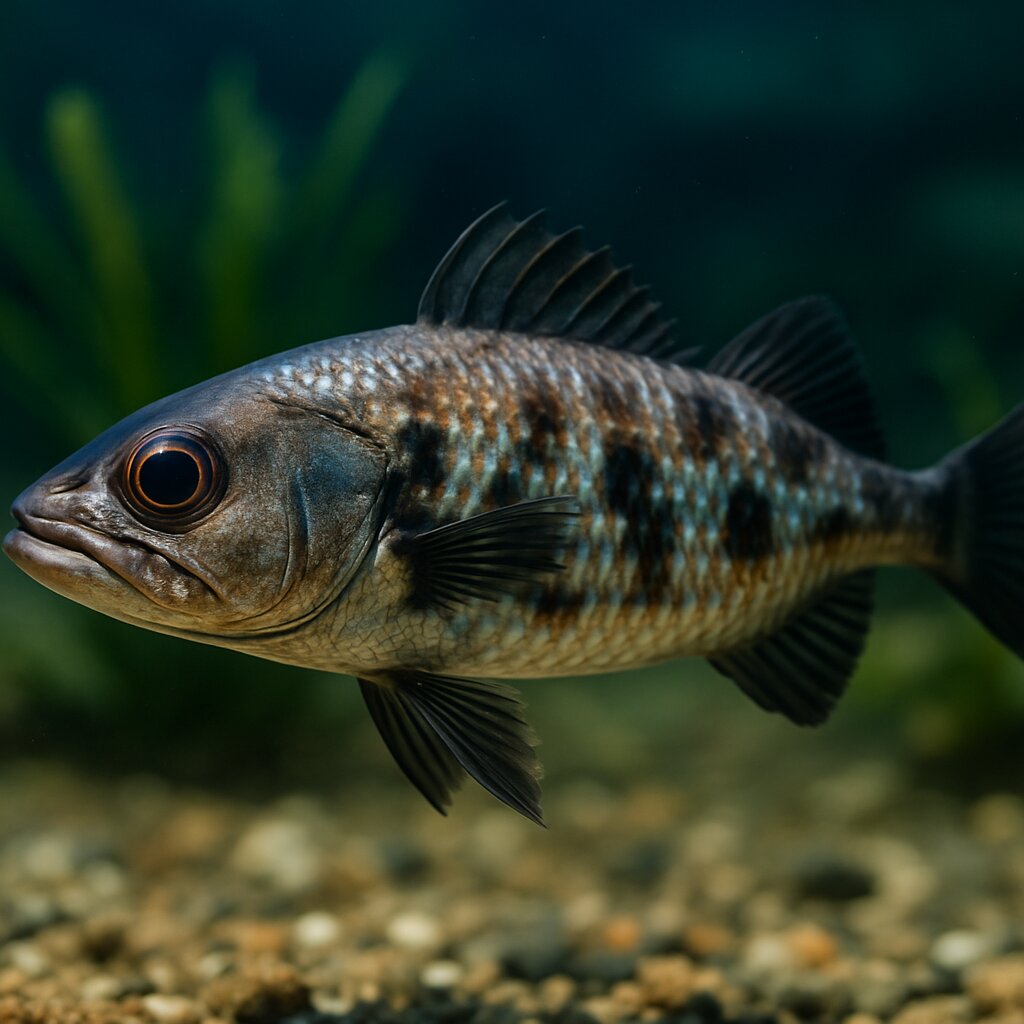
Deep down around Antarctica, this sleek dragonfish cruises the water column like a little submarine, nearly neutrally buoyant so it can hover above the seafloor. It munches almost exclusively on Antarctic krill and lives in near-freezing water 500-800 m down, so it is a cool species to read about, not one for home tanks.
Arabian demoiselle
Neopomacentrus sindensis
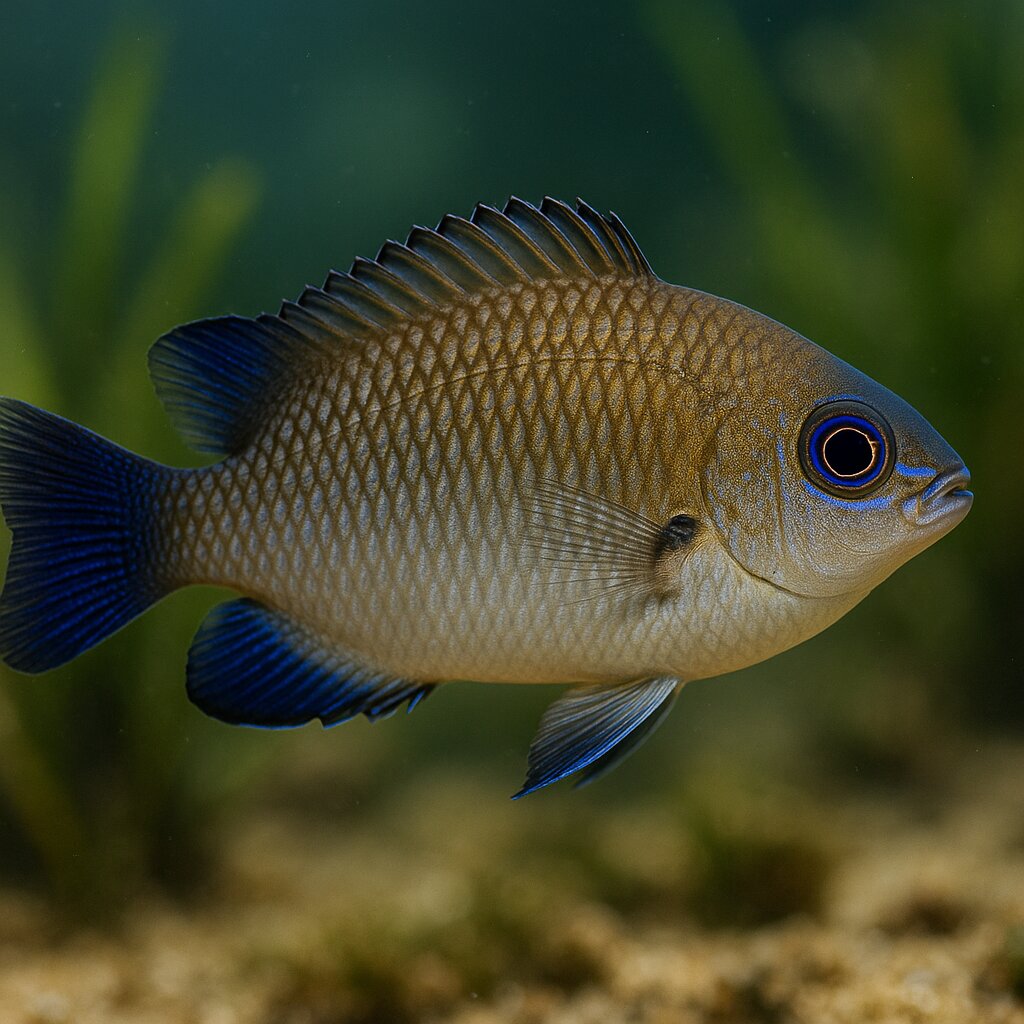
A small lyretail damsel from the Persian Gulf and Arabian Sea, it hangs in loose groups around coral heads, rocks, and even pier pilings picking zooplankton from the flow. Think classic damsel toughness with a slightly milder attitude than the real bruisers, plus subtle yellow tail accents. Males clean a patch, get a mate to lay eggs there, and then stand guard fanning the clutch.
Arabian spiny eel
Notacanthus indicus
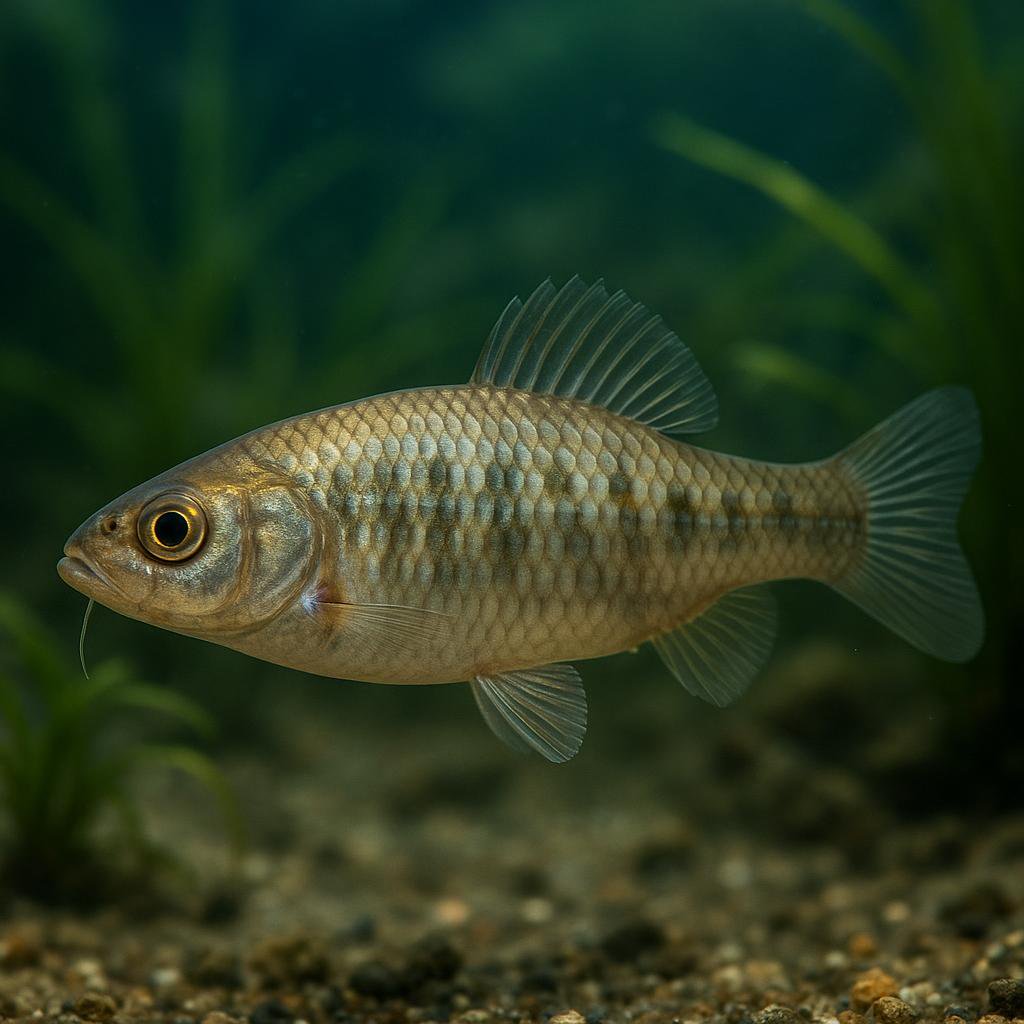
Notacanthus indicus is a deep-sea spiny eel (family Notacanthidae; not a true eel) known from the Arabian Sea on the continental slope at roughly ~960–1,046 m depth, with reported maximum length around 20 cm TL; it is a deep-water bycatch species and not established in the aquarium trade.
Atlantic pomfret
Brama brama
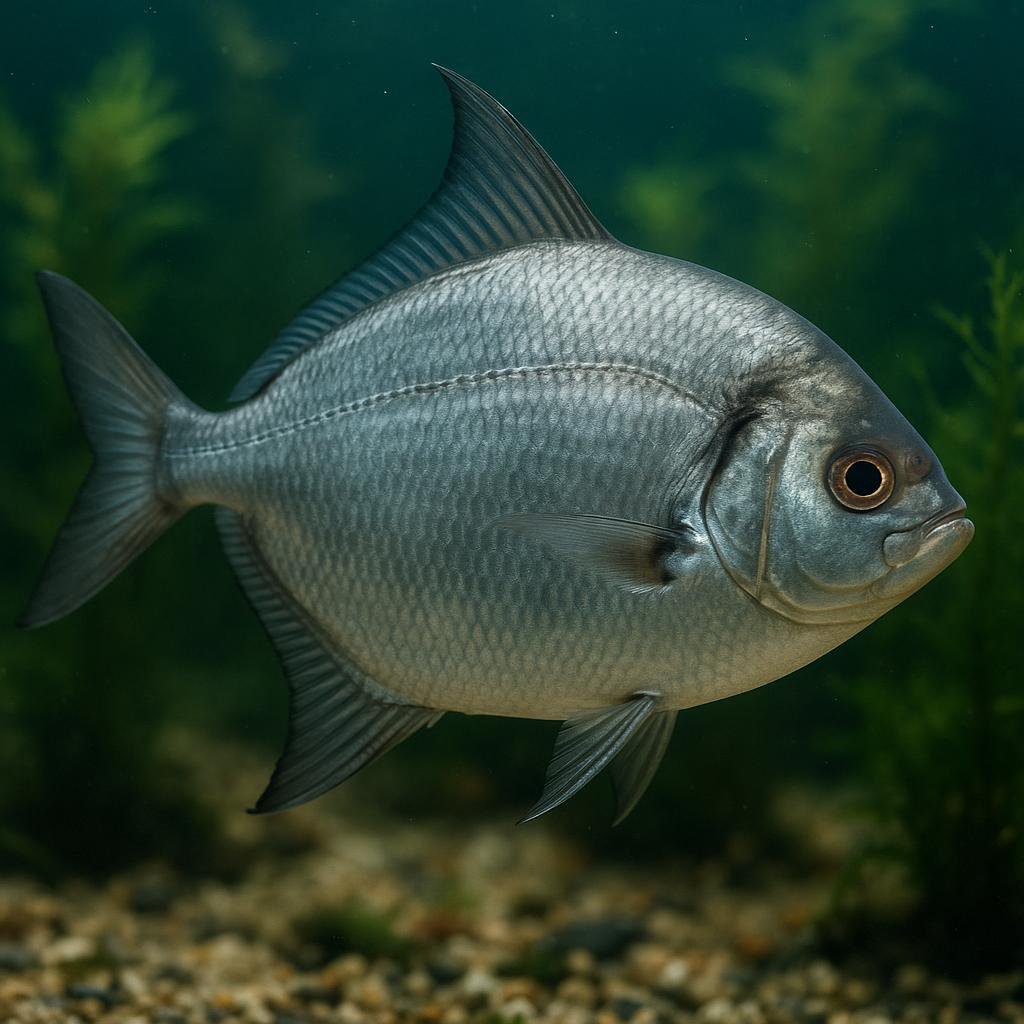
Brama brama is the Atlantic pomfret (aka Ray's bream) - a deep-bodied, open-ocean pelagic fish that cruises around in small schools and follows water temps. It is a legit big, wild marine species (not an aquarium fish) that eats other small sea critters like fish and squid, and it ranges across a huge chunk of the Atlantic plus parts of the Indian and South Pacific.
Australian sawtail catshark
Figaro boardmani
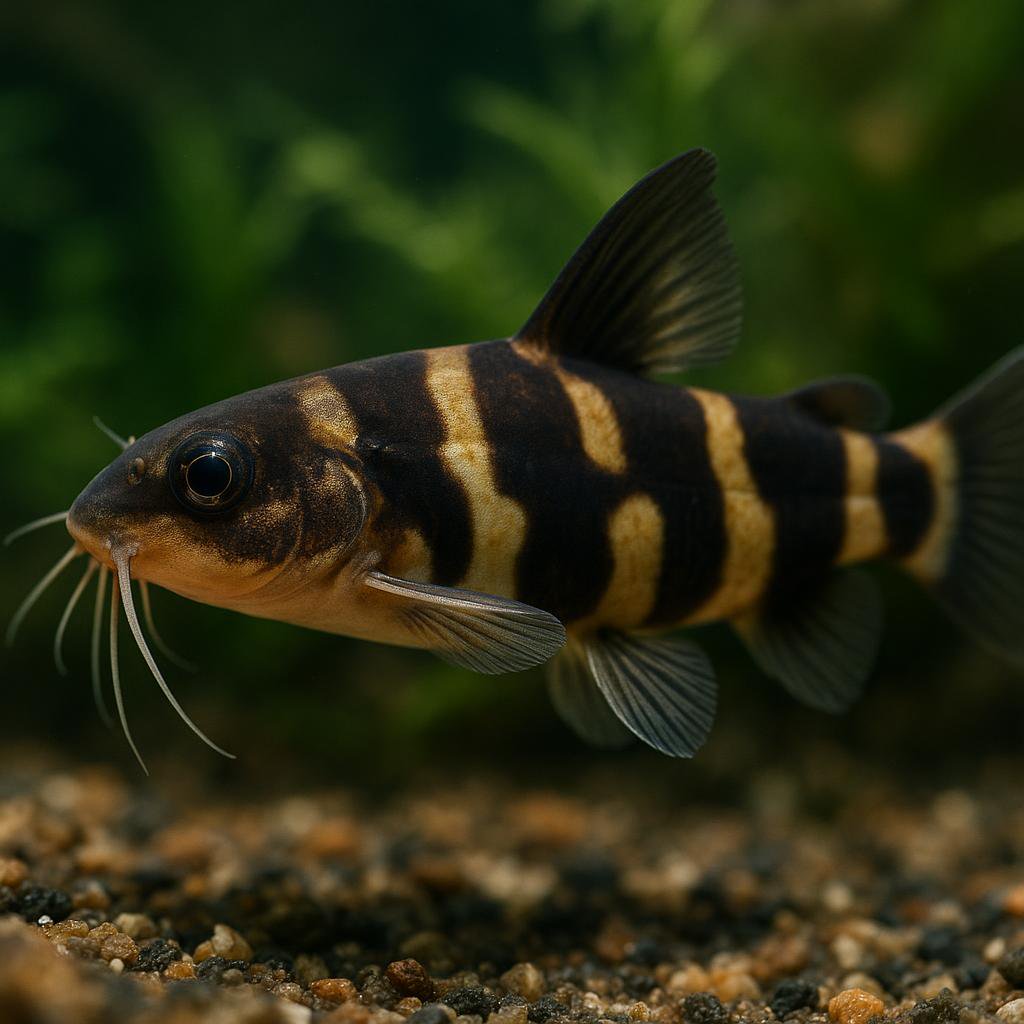
Figaro boardmani is a small, deepwater Australian catshark with these cool saw-like ridges of spiny denticles along the tail and a neat pattern of dark saddle bands. It lives way down on the outer continental shelf and slope, so its natural water is cold, dim, and stable - totally not a typical home-aquarium fish. Diet-wise its a predator that goes after fish, crustaceans, and cephalopods.
More to Explore
Discover more marine species.
Abe's eelpout
Japonolycodes abei
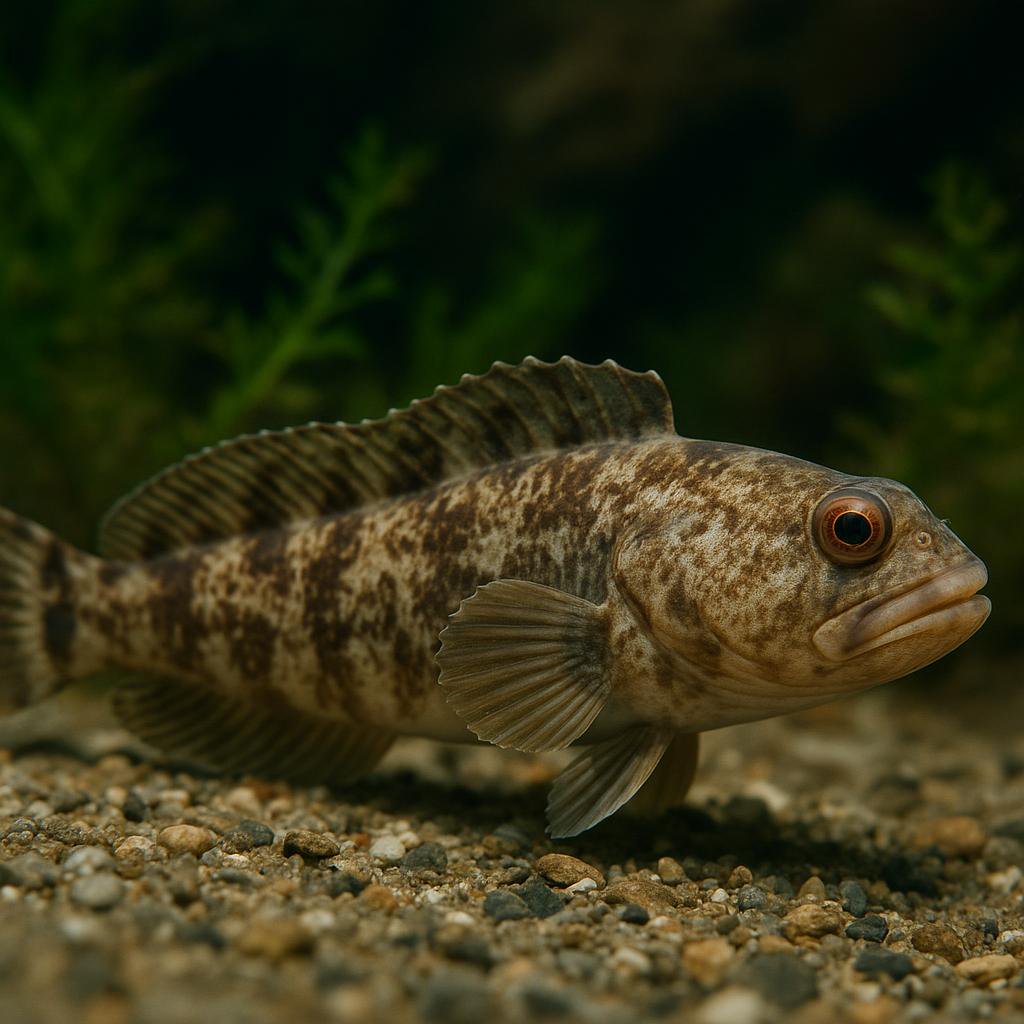
Japonolycodes abei is a temperate, deepwater demersal eelpout (family Zoarcidae) endemic to Japan (Kumano-nada Sea reported; other sources also report Sagami Bay and Tosa Bay). It is the only species in the genus Japonolycodes and occurs roughly 40-300 m depth, making it an uncommon/atypical aquarium species.
Affinis blind cusk-eel
Barathronus affinis
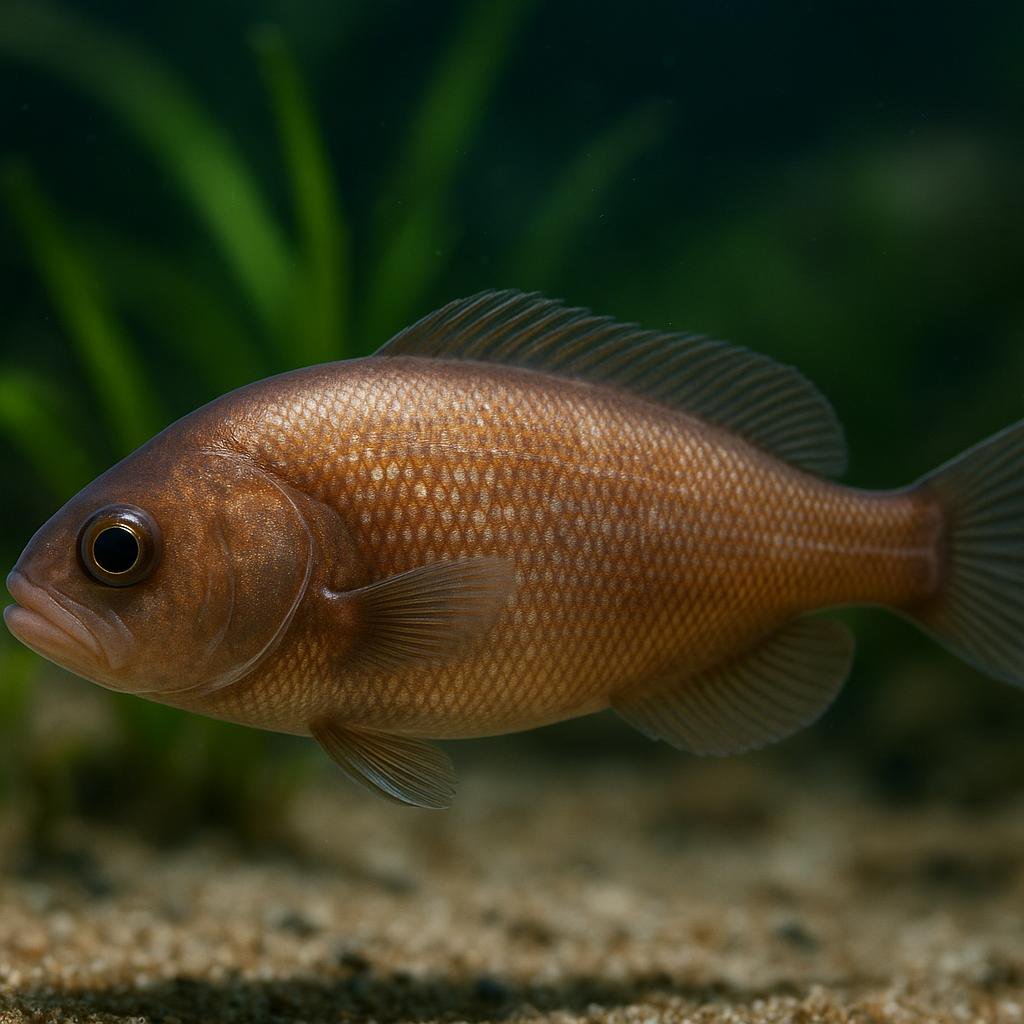
Barathronus affinis is a tiny, super-weird deep-sea blind cusk-eel from the western-central Indian Ocean. It is one of those gelatinous, loose-skinned brotula-type fishes that live way down in the dark and are basically never seen alive, so almost everything we know comes from preserved specimens and taxonomic work.
African red snapper
Lutjanus agennes
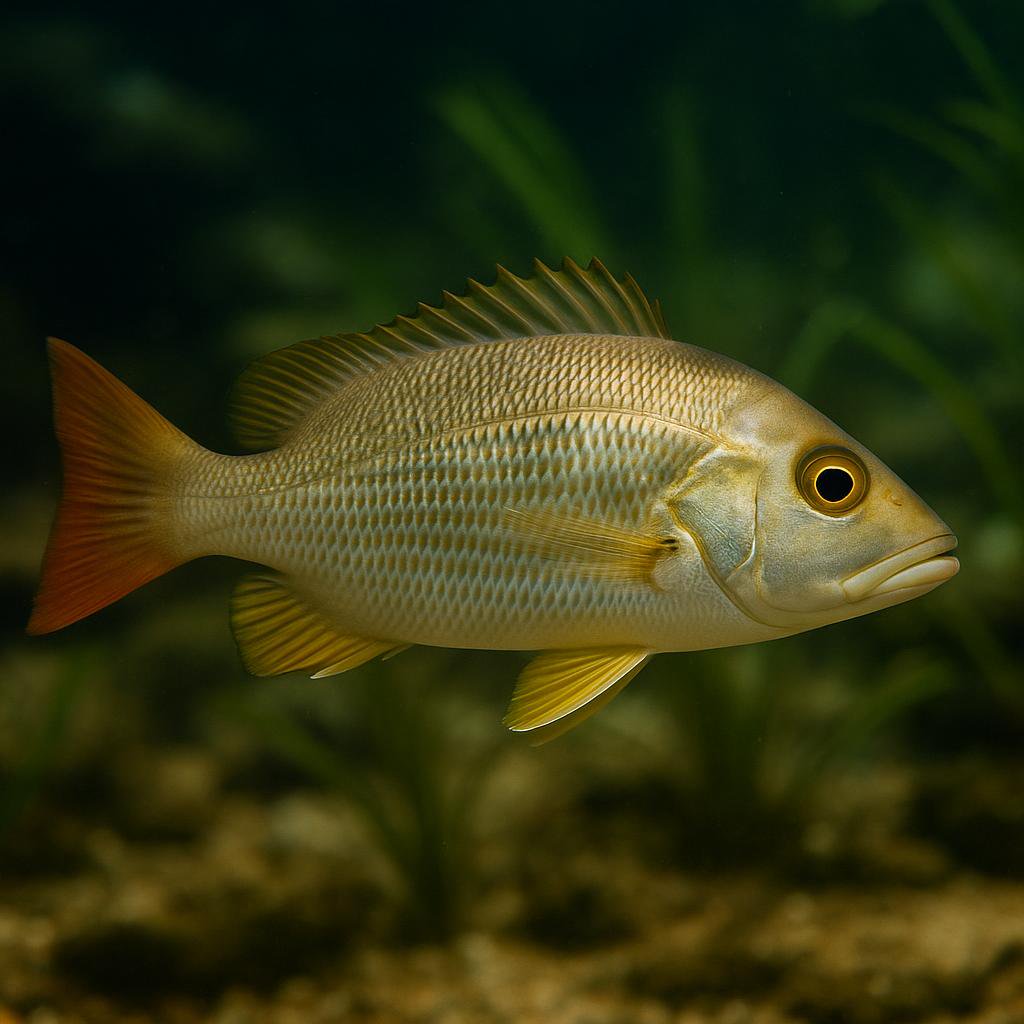
This is a true snapper from West Africa - a big, fast-growing predator that goes from coastal reefs to brackish lagoons and estuaries (especially as a juvenile). Super cool fish in the wild, but it gets absolutely huge and will eat smaller tankmates once it has the mouth for it, so its really more of a public-aquarium scale animal than a home-aquarium fish.
Allis shad
Alosa alosa
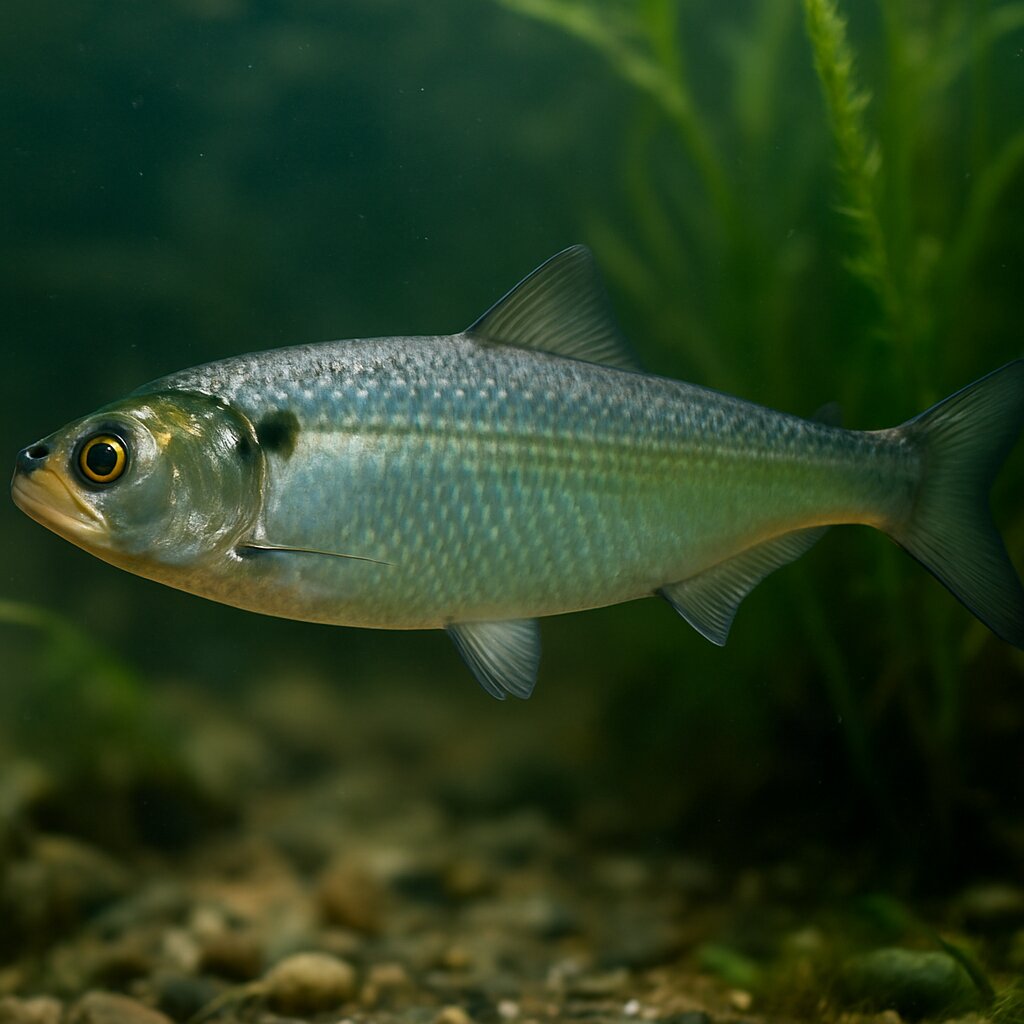
Gorgeous silver, fast-swimming shad that spends most of its life in the sea and then surges up big rivers in noisy, surface-spawning schools. It grows huge for a herring-type fish and needs cool, ultra-oxygenated water and tons of open space, so it is a public-aquarium species rather than a home tank fish.
Annandale's zebra sole
Zebrias annandalei
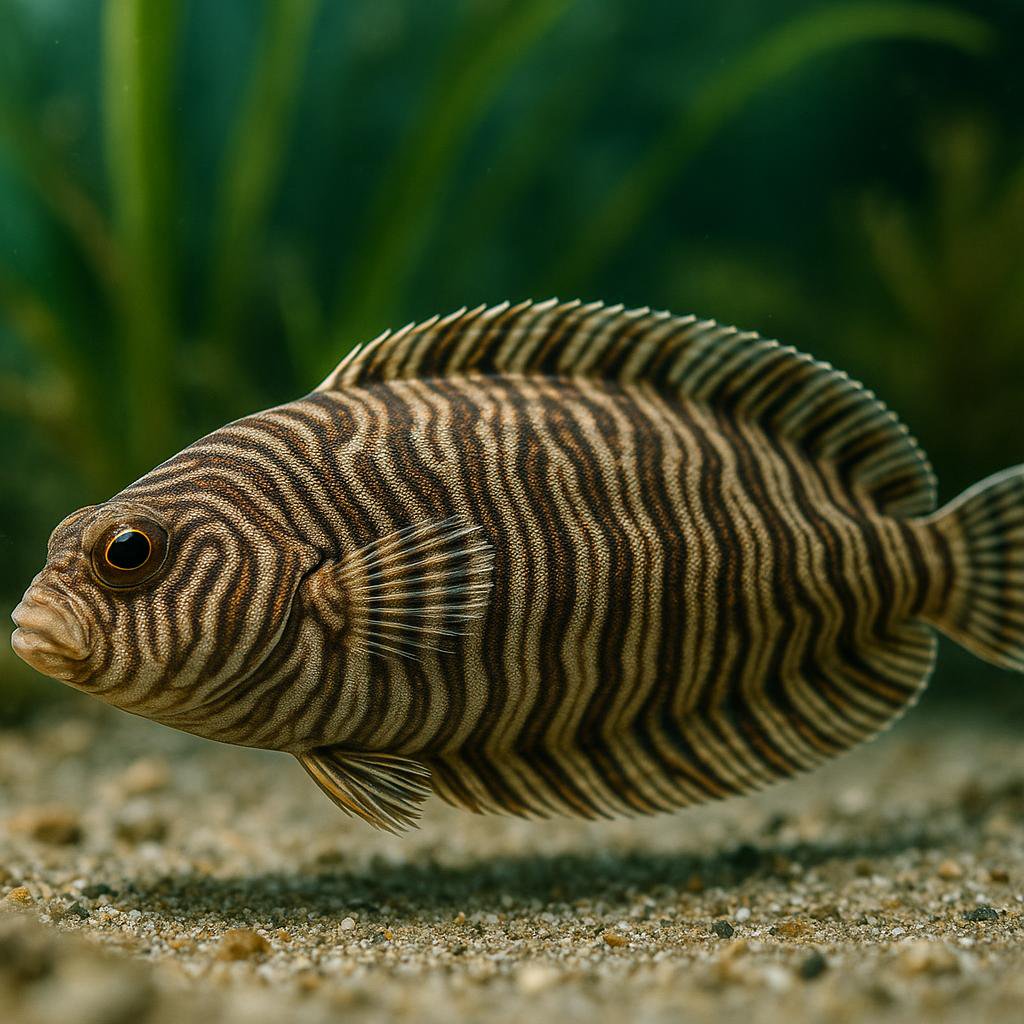
Zebrias annandalei is a small demersal sole from coastal India that inhabits sandy or muddy bottoms and buries for camouflage. It is rarely kept in home aquaria and would require a specialized marine sand-bottom setup and appropriate feeding.
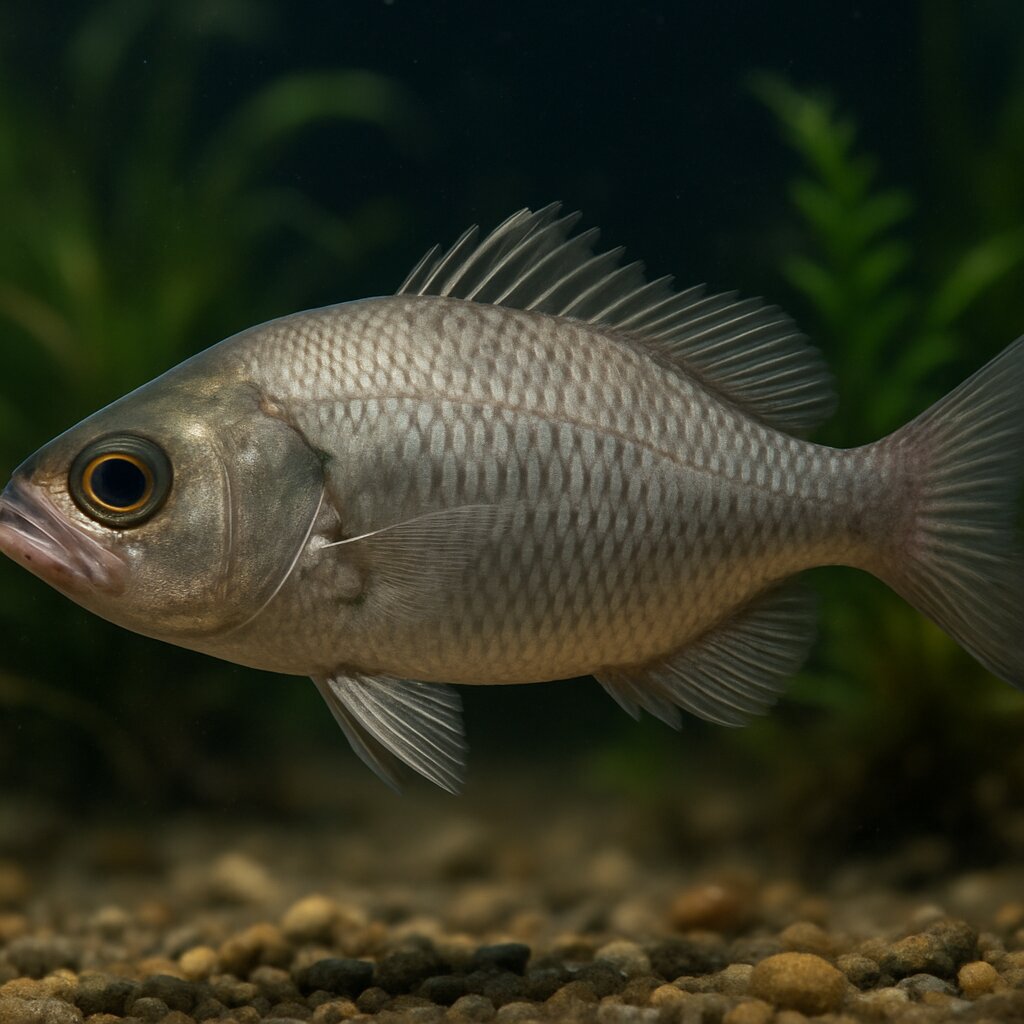
Bakemutsu
Verilus pacificus
Bakemutsu is a deepwater ocean-bass from the western-central Pacific that cruises rocky island slopes and seamounts, topping out around 40 cm. It likes cool saltwater for a marine fish - roughly 13-23 C - and lives 60-500 m down, so it is more of a specialist oddball than a home-aquarium candidate. Taxonomically it was long placed in Neoscombrops and is now treated as Verilus, which adds a fun bit of fish-nerd trivia. ([fishbase.se](https://fishbase.se/summary/SpeciesSummary.php?id=23391))
Looking for other species?